Save 8%
Sale price$239.95
Regular price$260.00
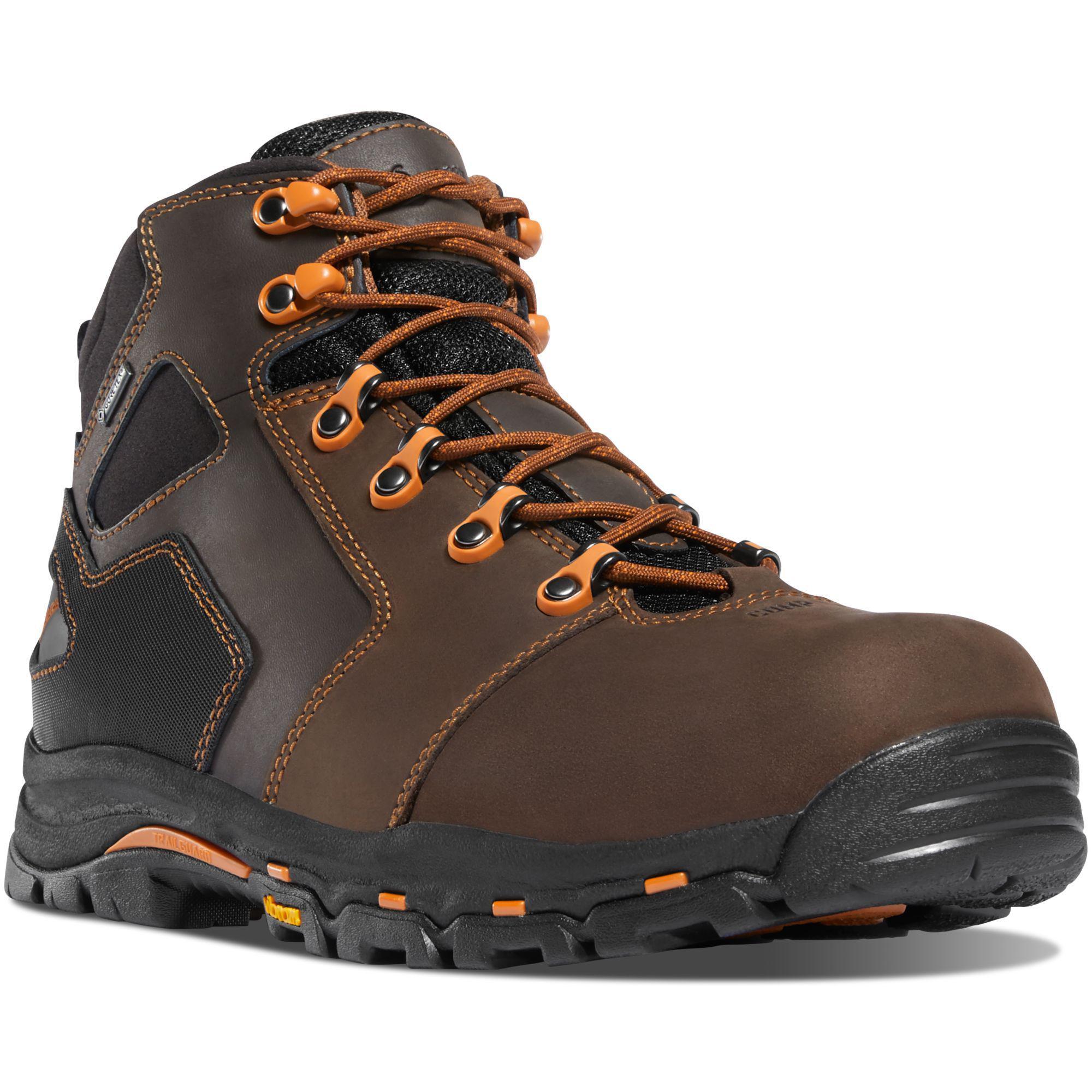
Danner Men's Vicious 4.5" Soft Toe Waterproof Work Boot - Brown - 13858
Save 7%
Sale price$249.95
Regular price$270.00
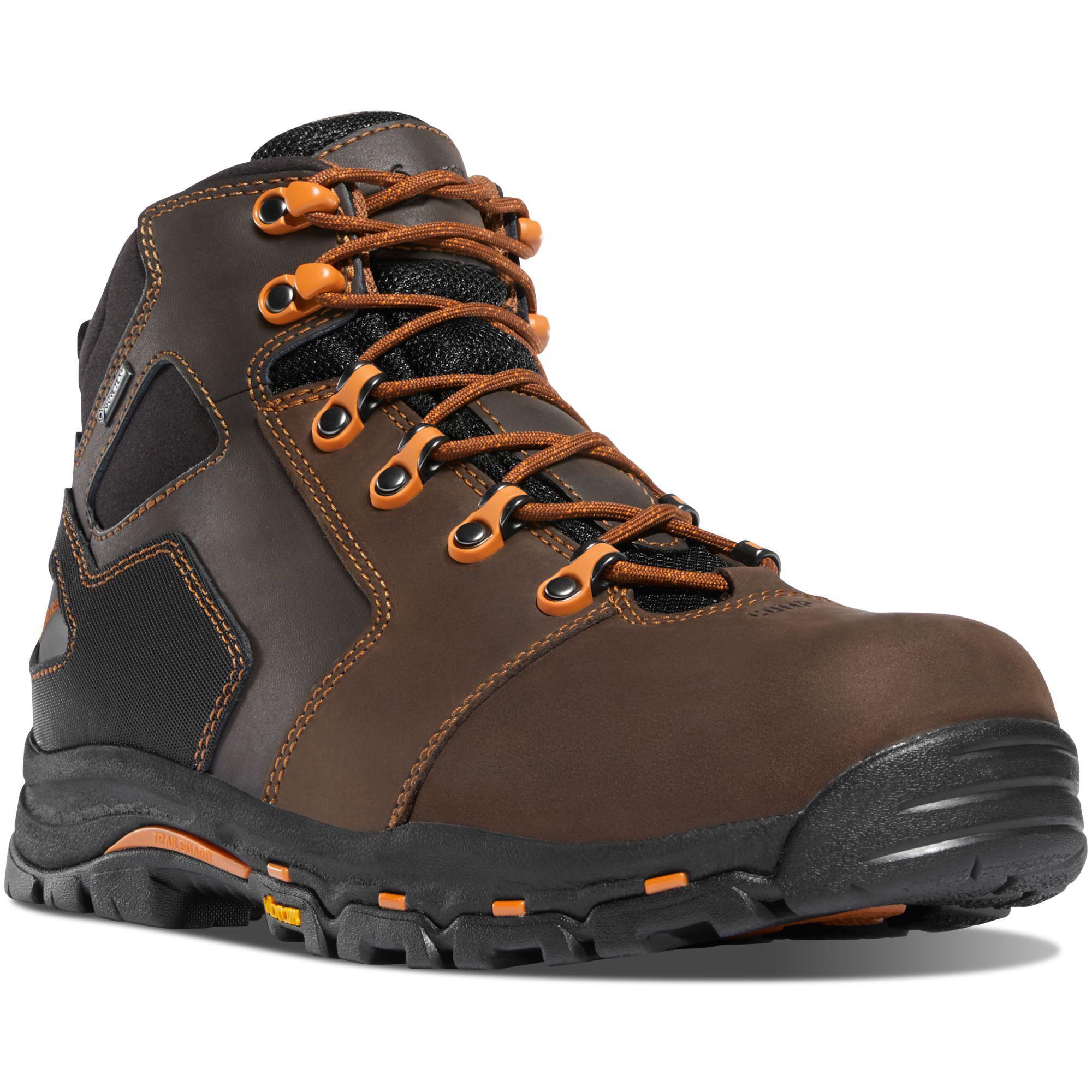
Danner Men's Vicious 4.5" Composite Toe Waterproof Work Boot - Brown - 13860
Save 20%
Sale price$373.51
Regular price$466.00
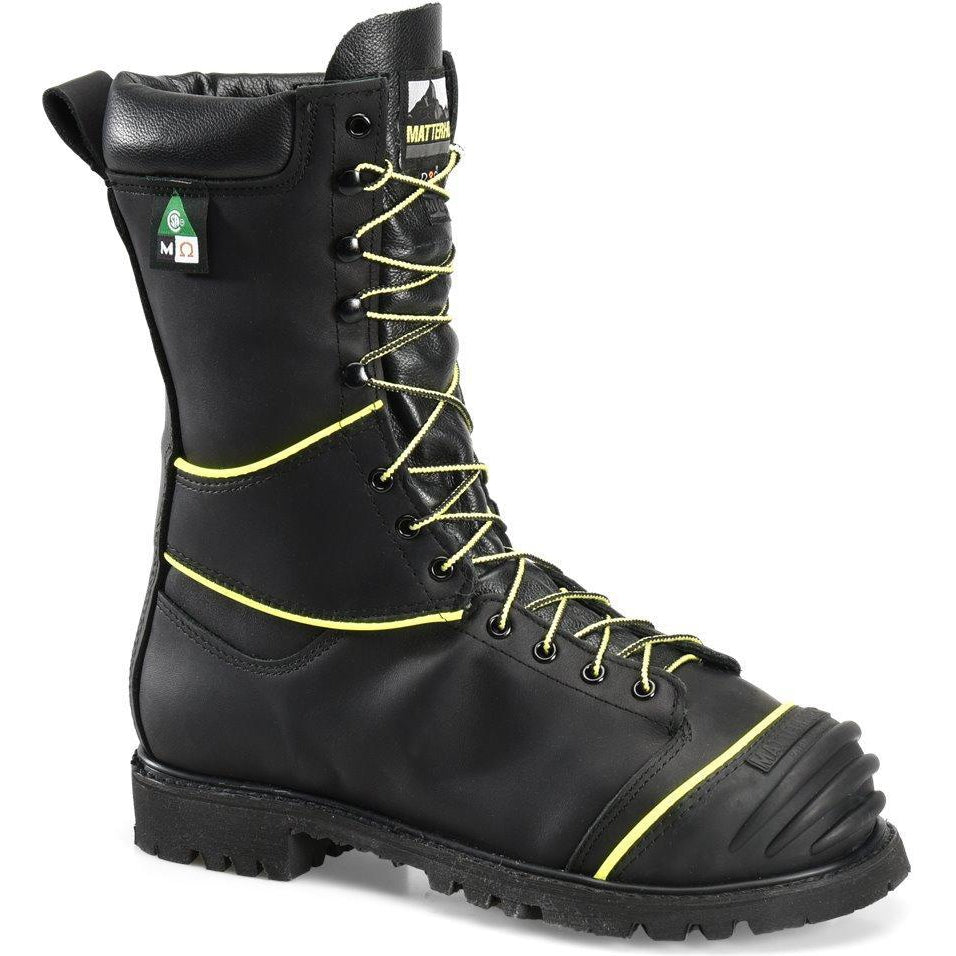
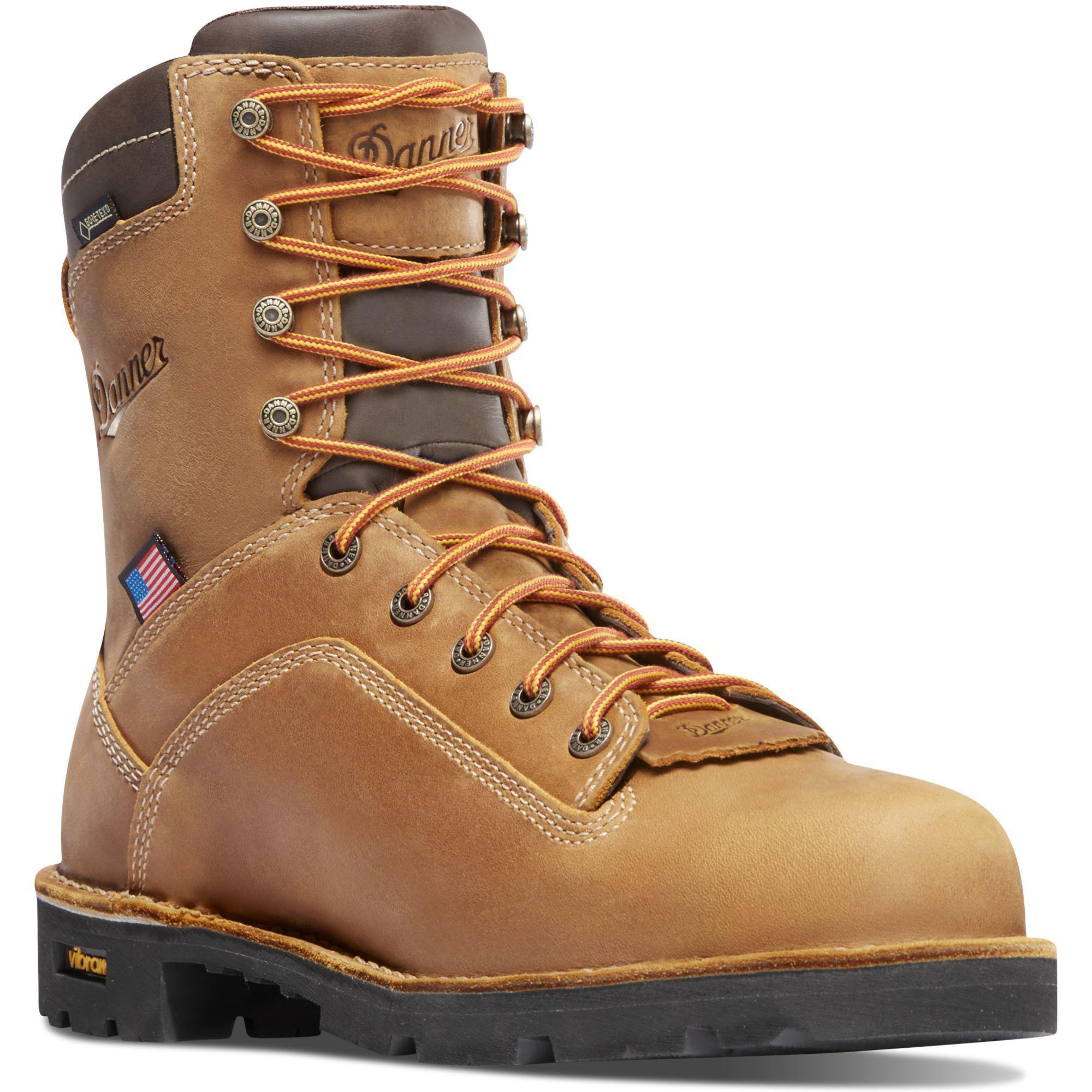
Matterhorn Men's Klondike 10" Steel Toe Waterproof Ins Metguard Puncture Resistant USA Made Work Boot CV12000
Save 9%
Sale price$339.95
Regular price$372.00
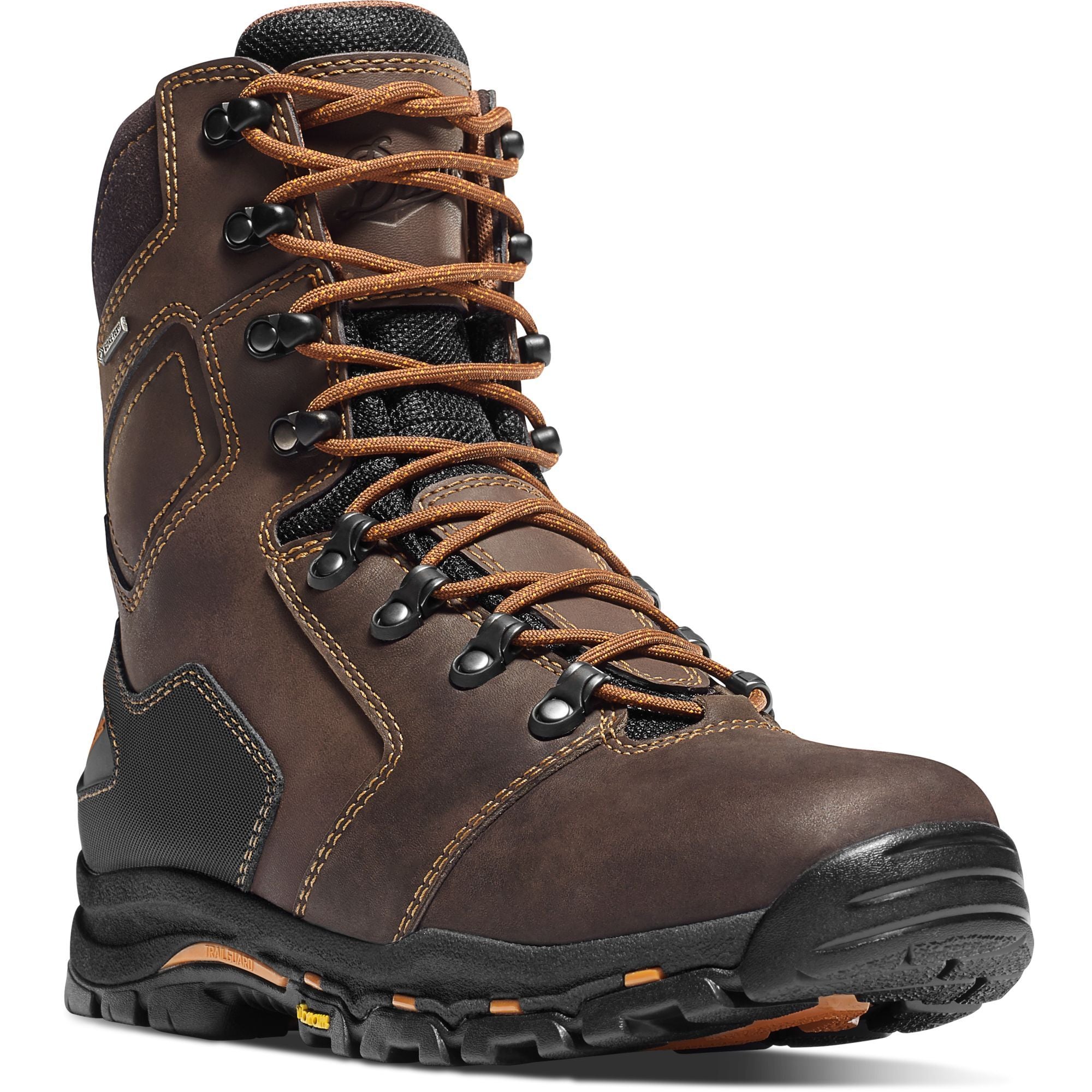
Danner Men's Quarry USA Made 8" Composite Toe Ins Waterproof Work Boot Brown 17321
Save 10%
Sale price$269.95
Regular price$300.00
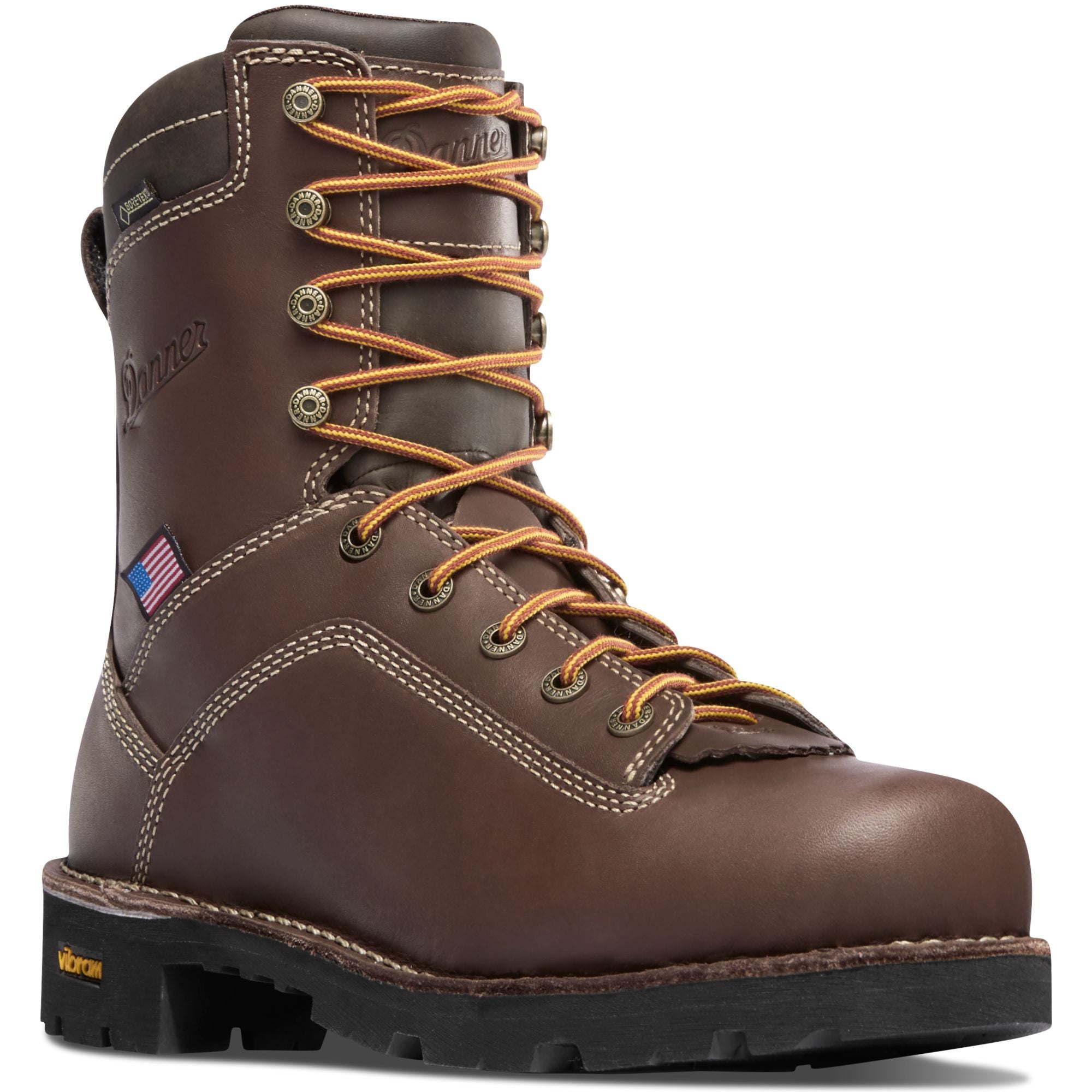
Danner Men's Vicious 8" Composite Toe Waterproof Work Boot - Brown - 13868
Save 7%
Sale price$319.95
Regular price$344.00
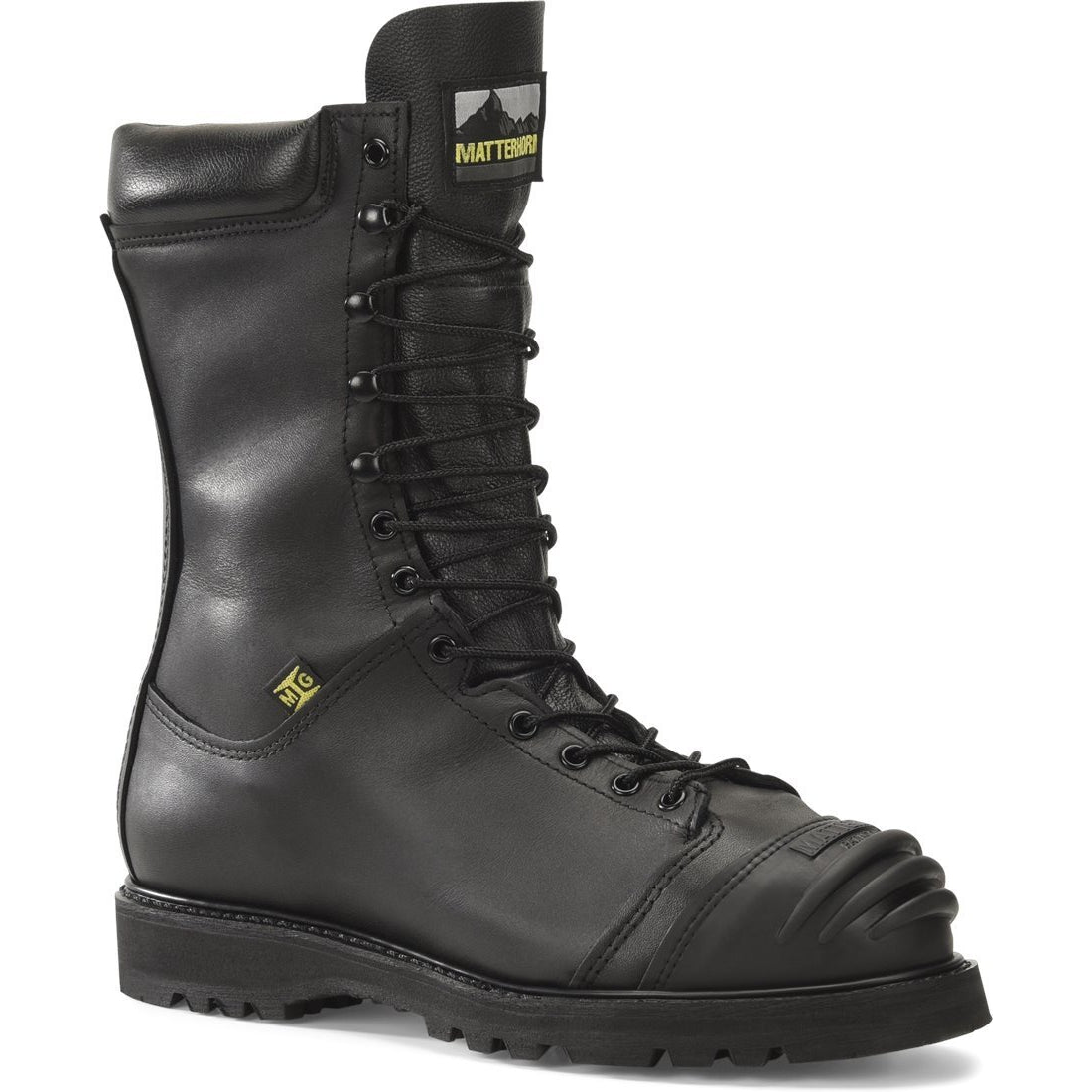
Danner Men's Quarry USA Made 8" Soft Toe Waterproof Work Boot - Brown - 17305
Save 21%
Sale price$367.07
Regular price$466.00
Matterhorn Men's Banksman 10" Steel Toe Waterproof Metguard Puncture Resistant USA Made Work Boot 12255
Save 7%
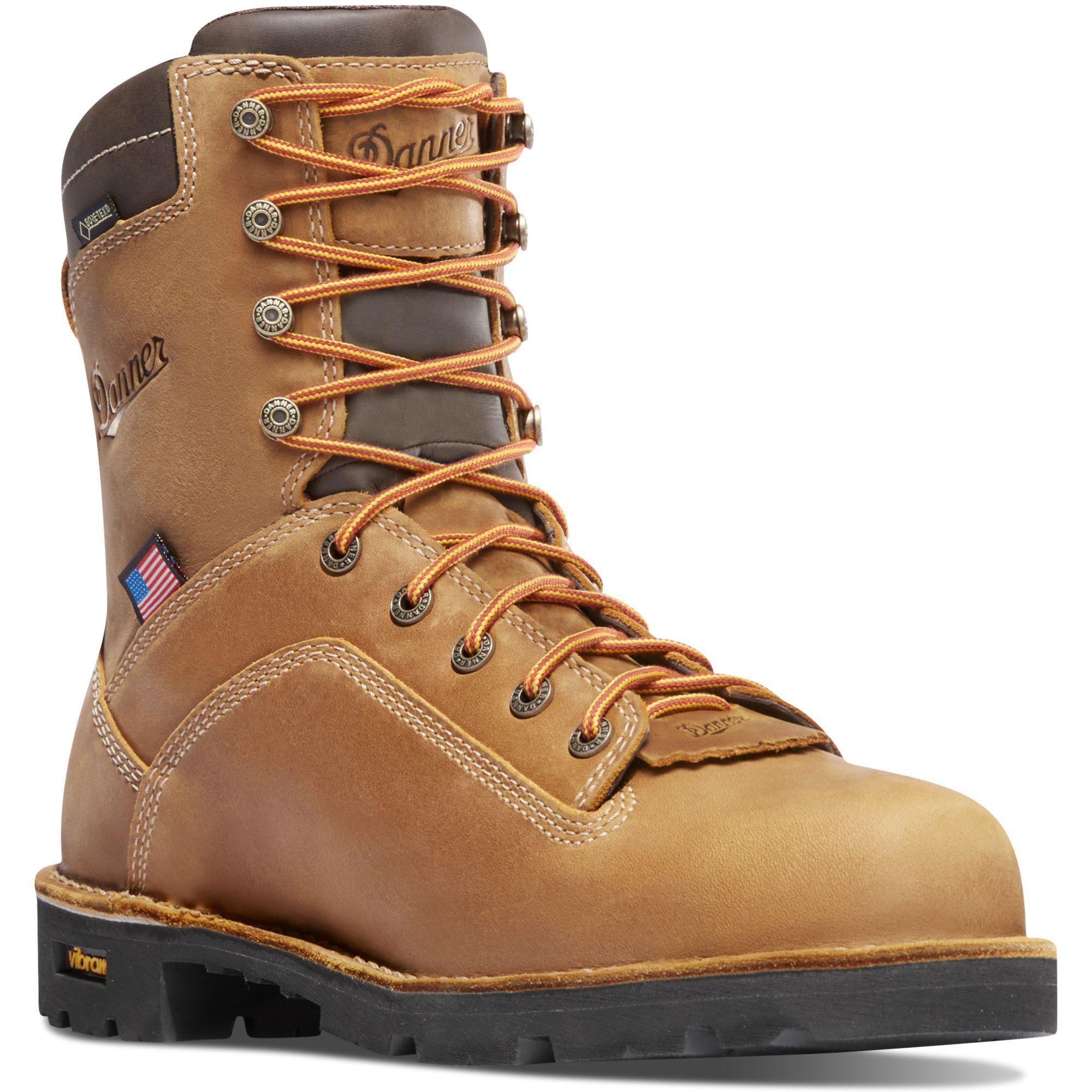
Sale price$319.95
Regular price$344.00
Danner Men's Quarry USA Made 8" Waterproof Work Boot Distressed Brown - 17315
Save 7%
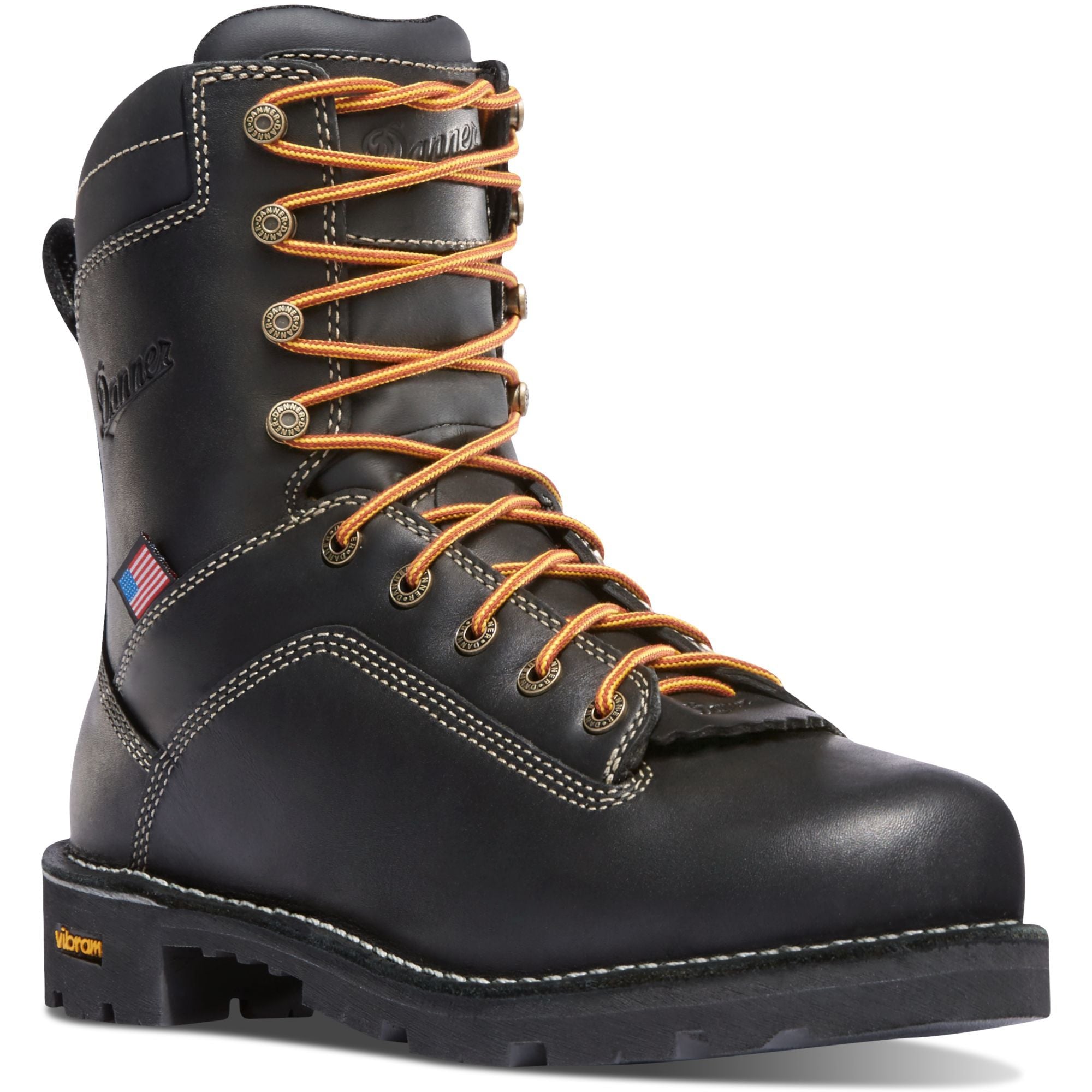
Sale price$329.95
Regular price$354.00
Danner Men's Quarry USA Made 8" Alloy Toe Waterproof Work Boot - Black - 17311
Save 7%
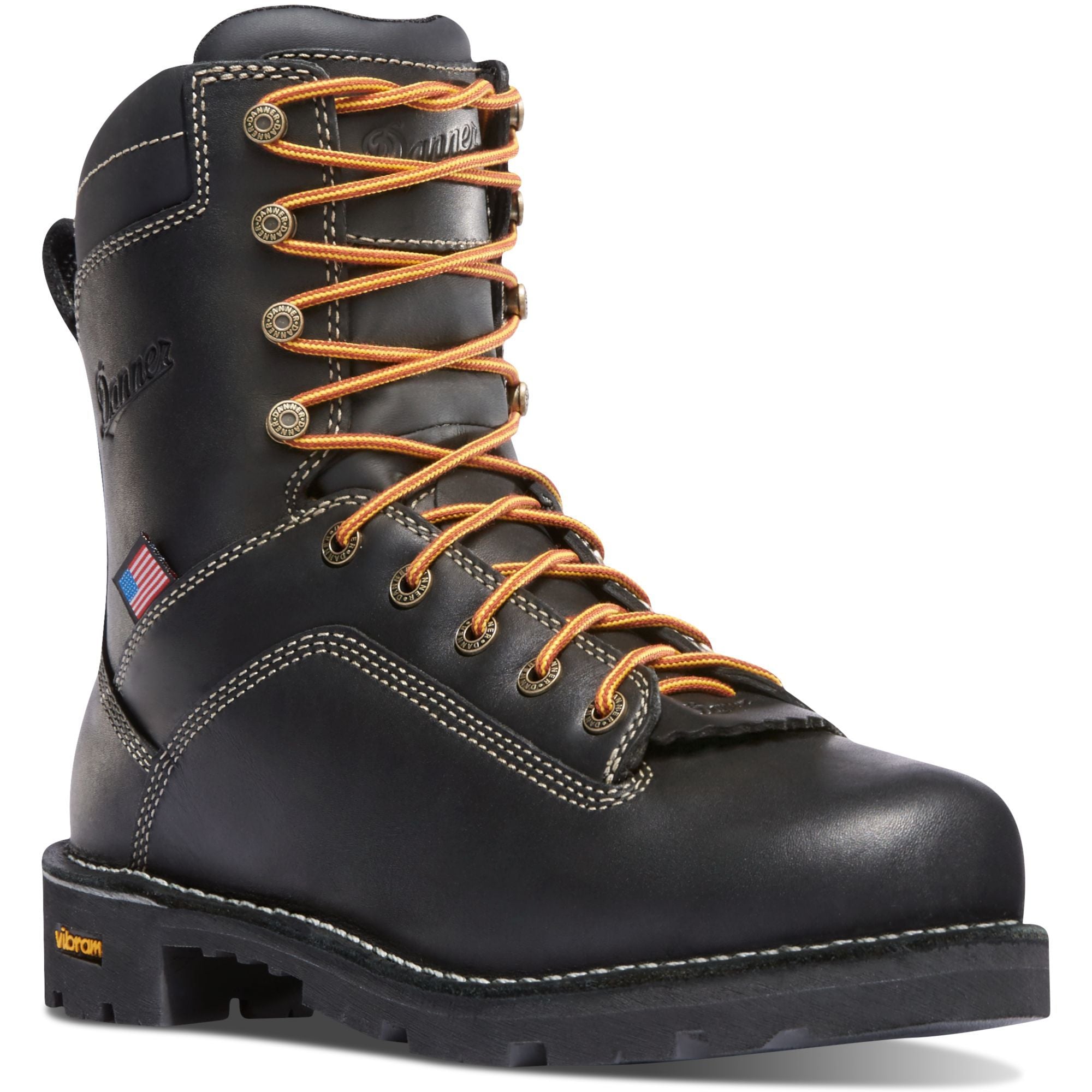
Sale price$319.95
Regular price$344.00
Danner Men's Quarry USA Made 8" Soft Toe Waterproof Work Boot - Black - 17309
Save 10%
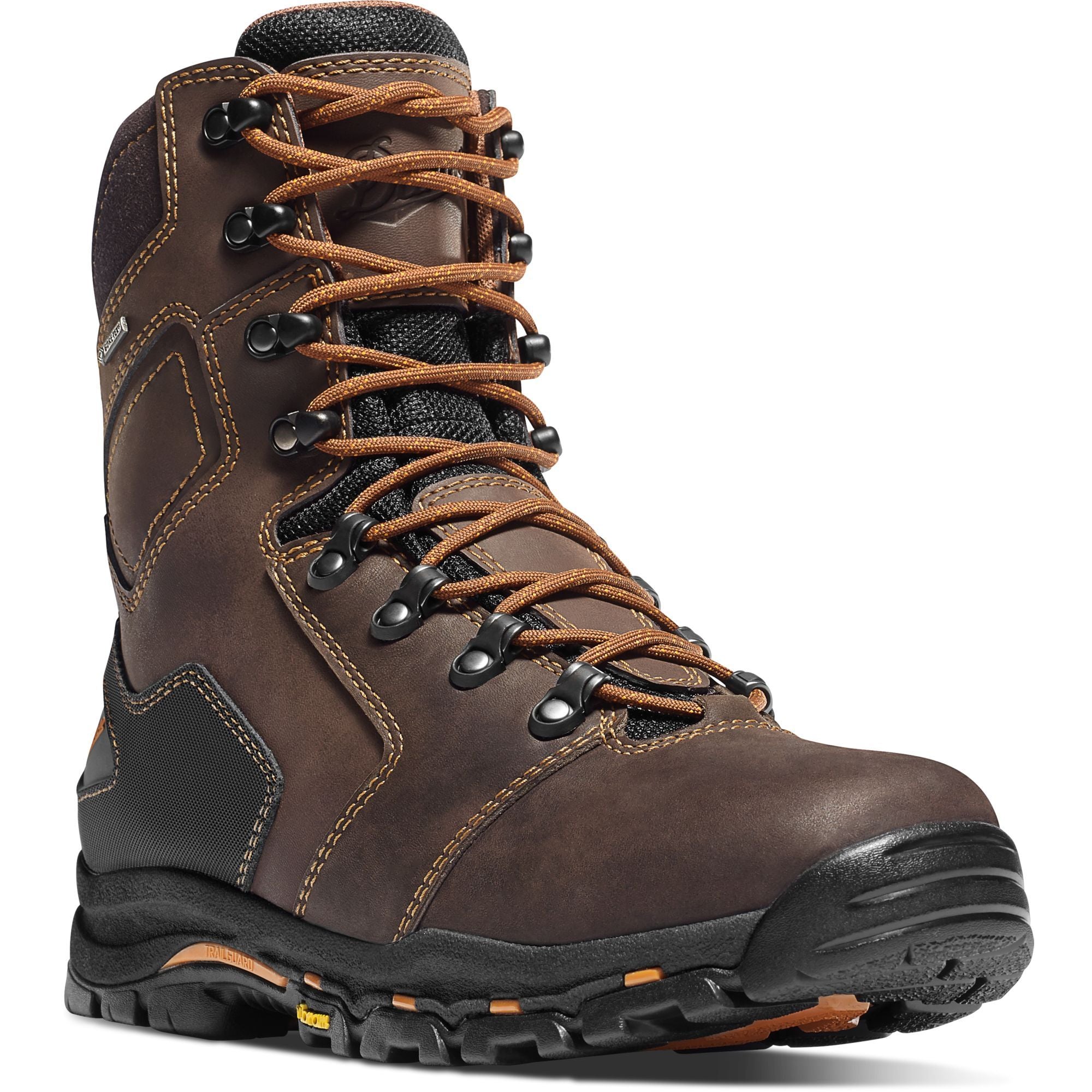
Sale price$259.95
Regular price$290.00
Danner Men's Vicious 8" Soft Toe Waterproof Work Boot - Brown - 13866
Save 9%
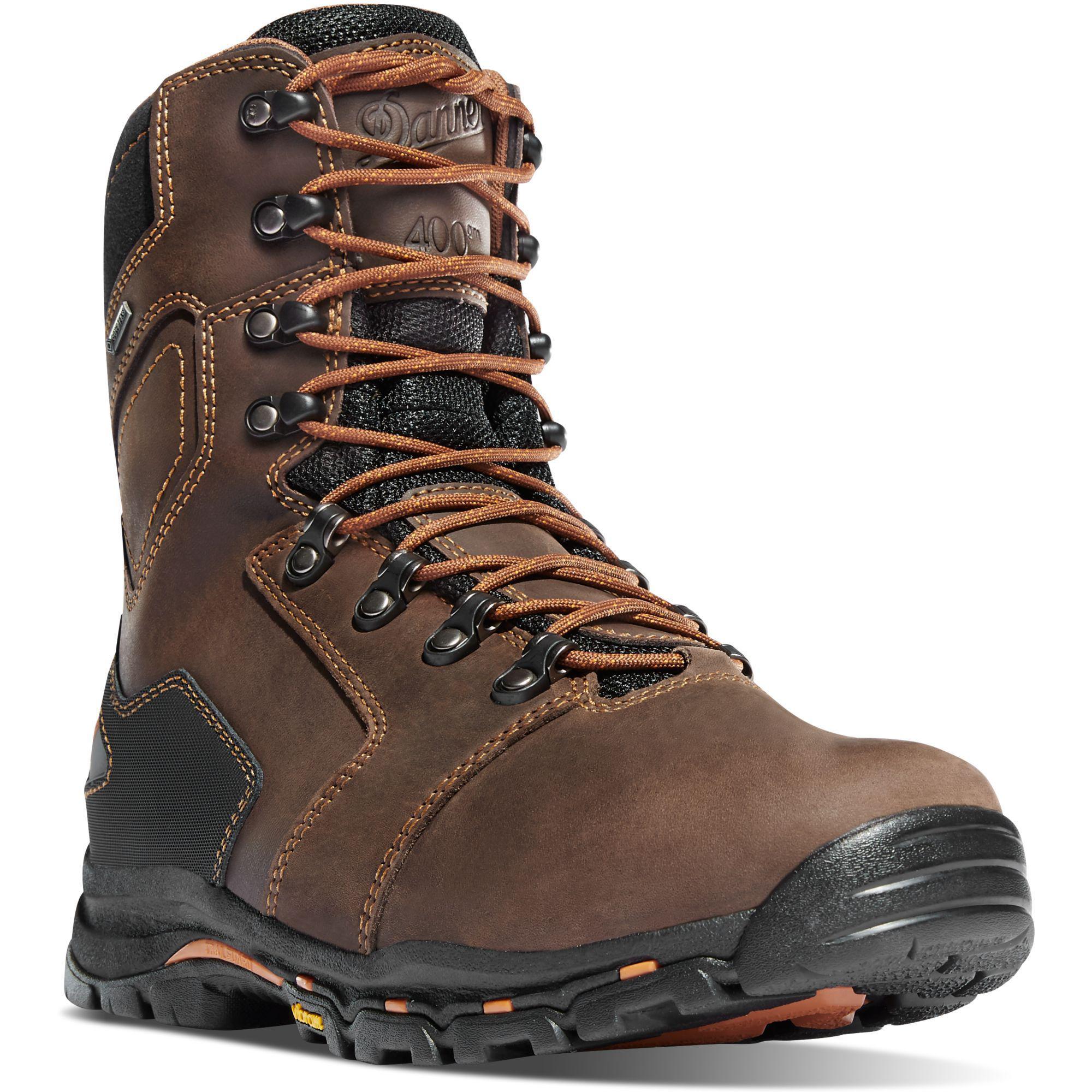
Sale price$289.95
Regular price$320.00
Danner Men's Vicious 8" Composite Toe Insulated Waterproof Work Boot Brown - 13874
Save 13%
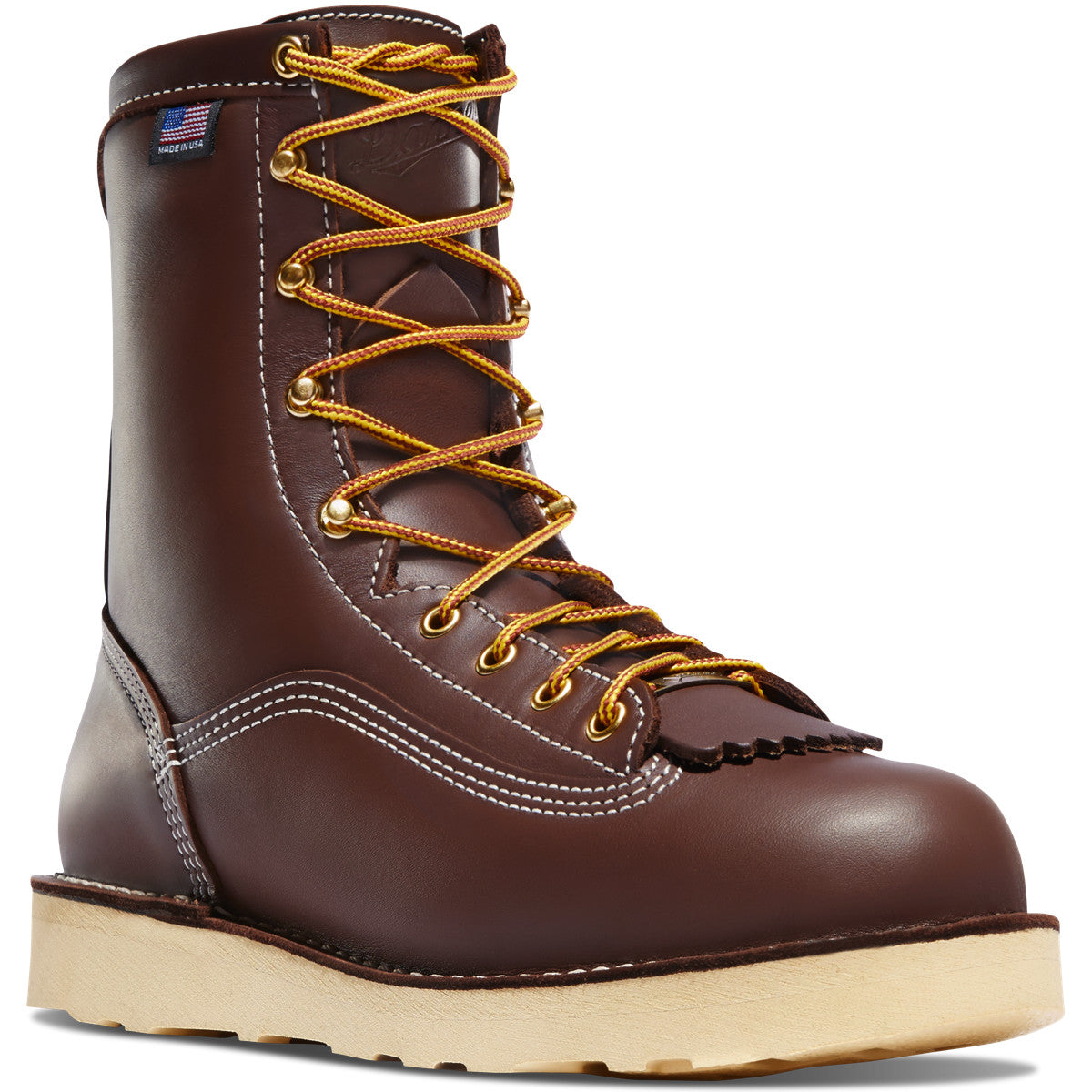
Sale price$529.95
Regular price$610.00
Danner Men's Power Foreman 8" USA Made Composite Toe Waterproof Work Boot - 15210
Save 7%
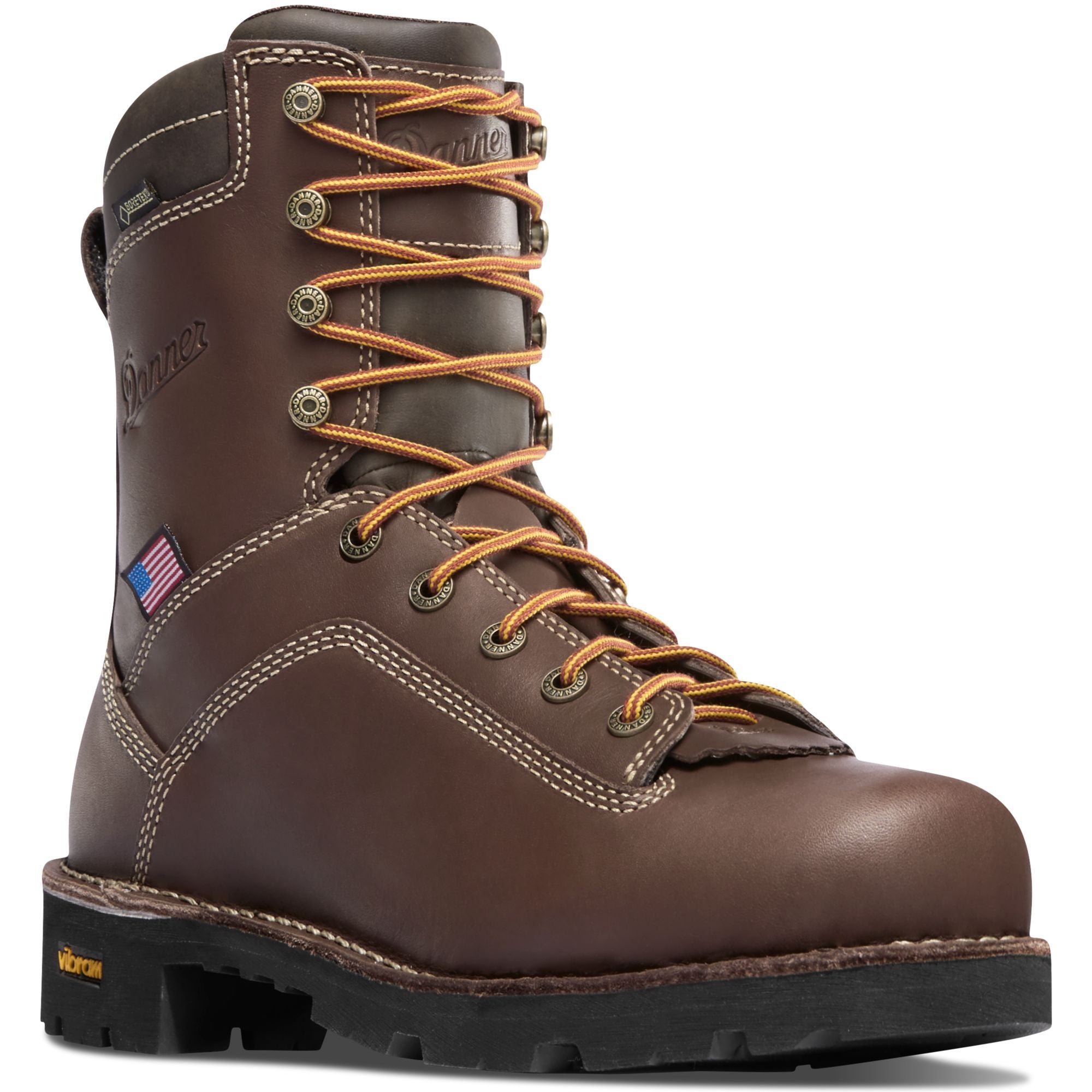
Sale price$329.95
Regular price$354.00
Danner Men's Quarry USA Made 8" Alloy Toe Waterproof Work Boot - Brown - 17307
Save 7%
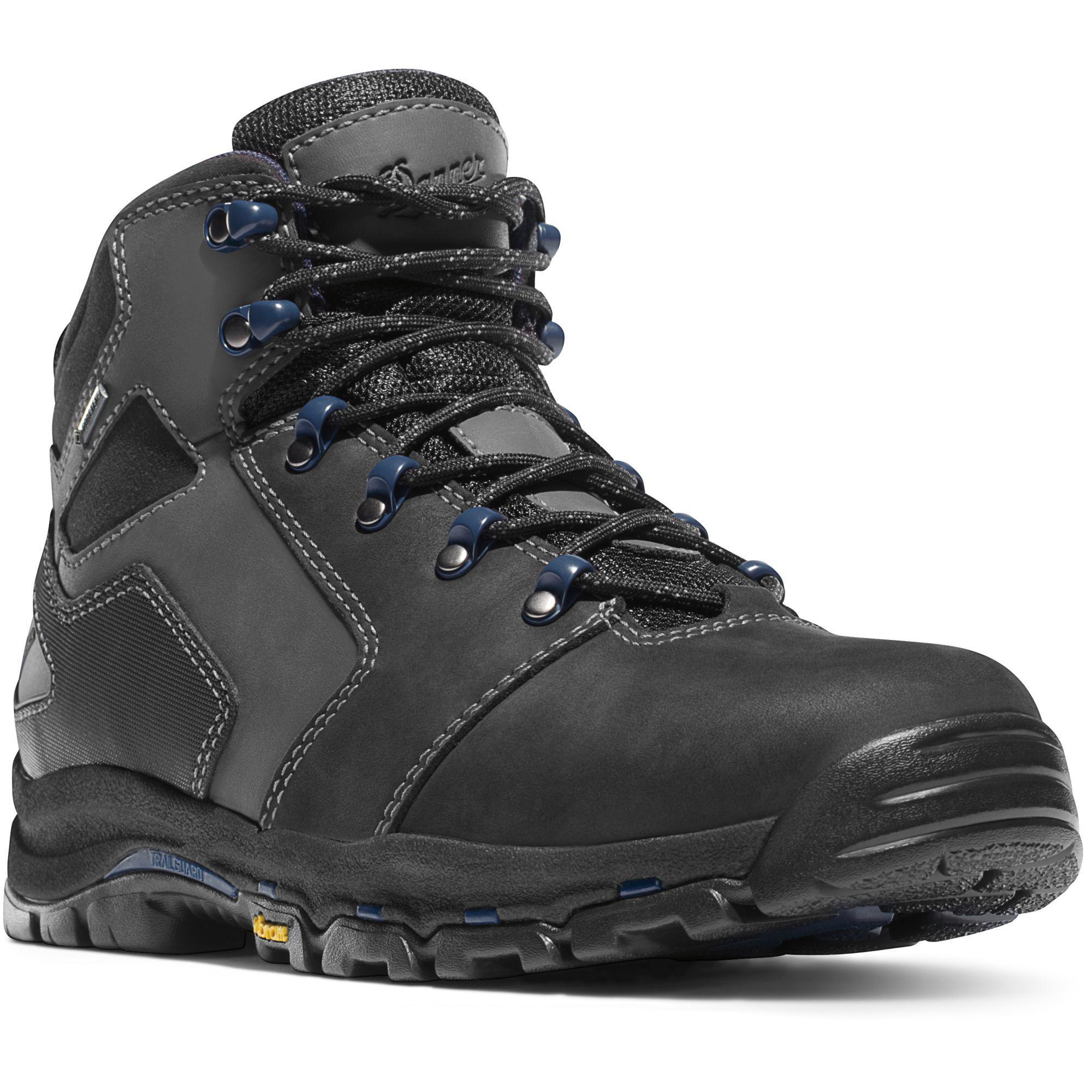
Sale price$249.95
Regular price$270.00
Danner Men's Vicious 4.5" Composite Toe Waterproof Work Boot - Black - 13864
Sale price$499.95
Regular price$510.00
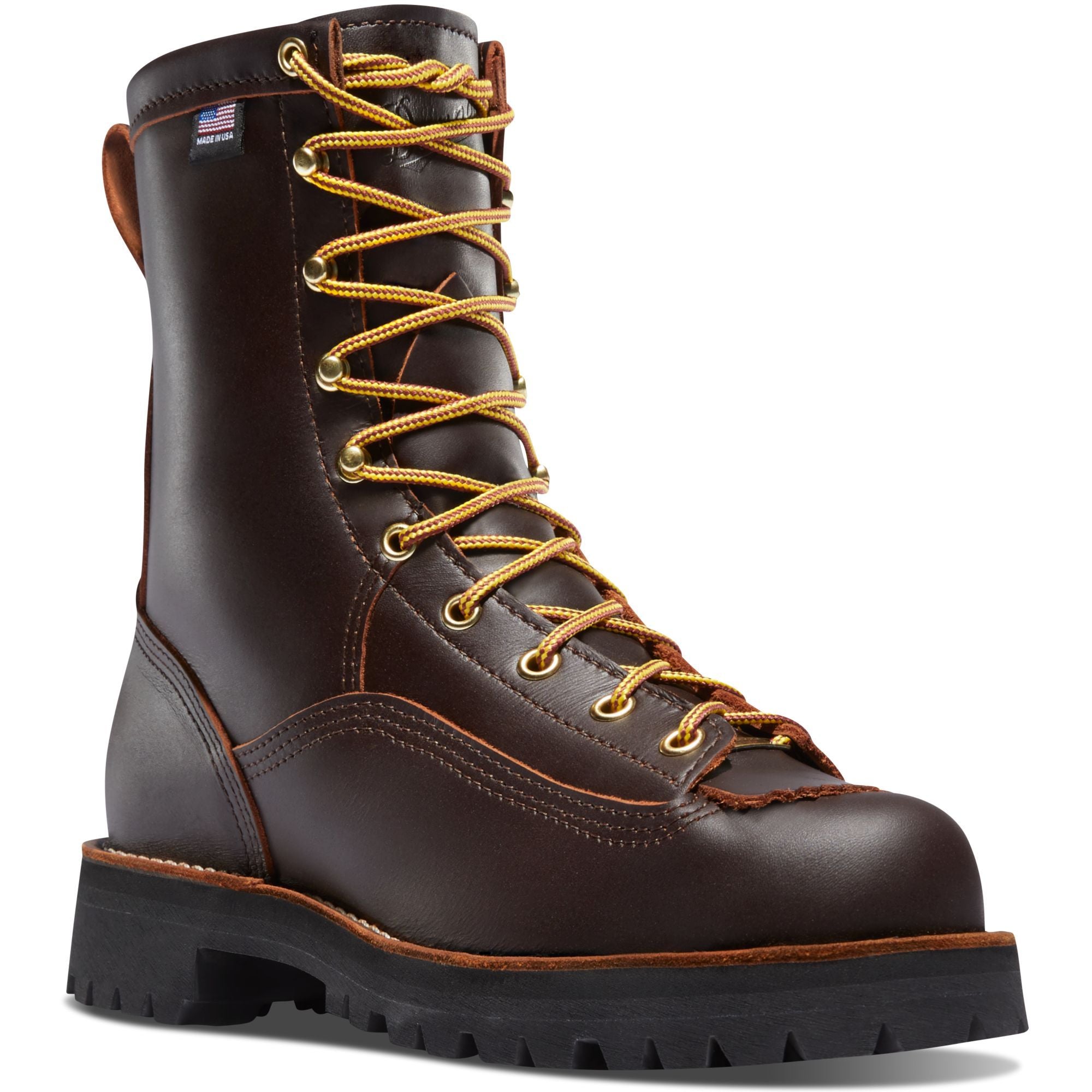
Danner Men's Rain Forest USA Made 8" Soft Toe Waterproof Work Boot Brown 10600
Save 7%
Sale price$329.95
Regular price$354.00
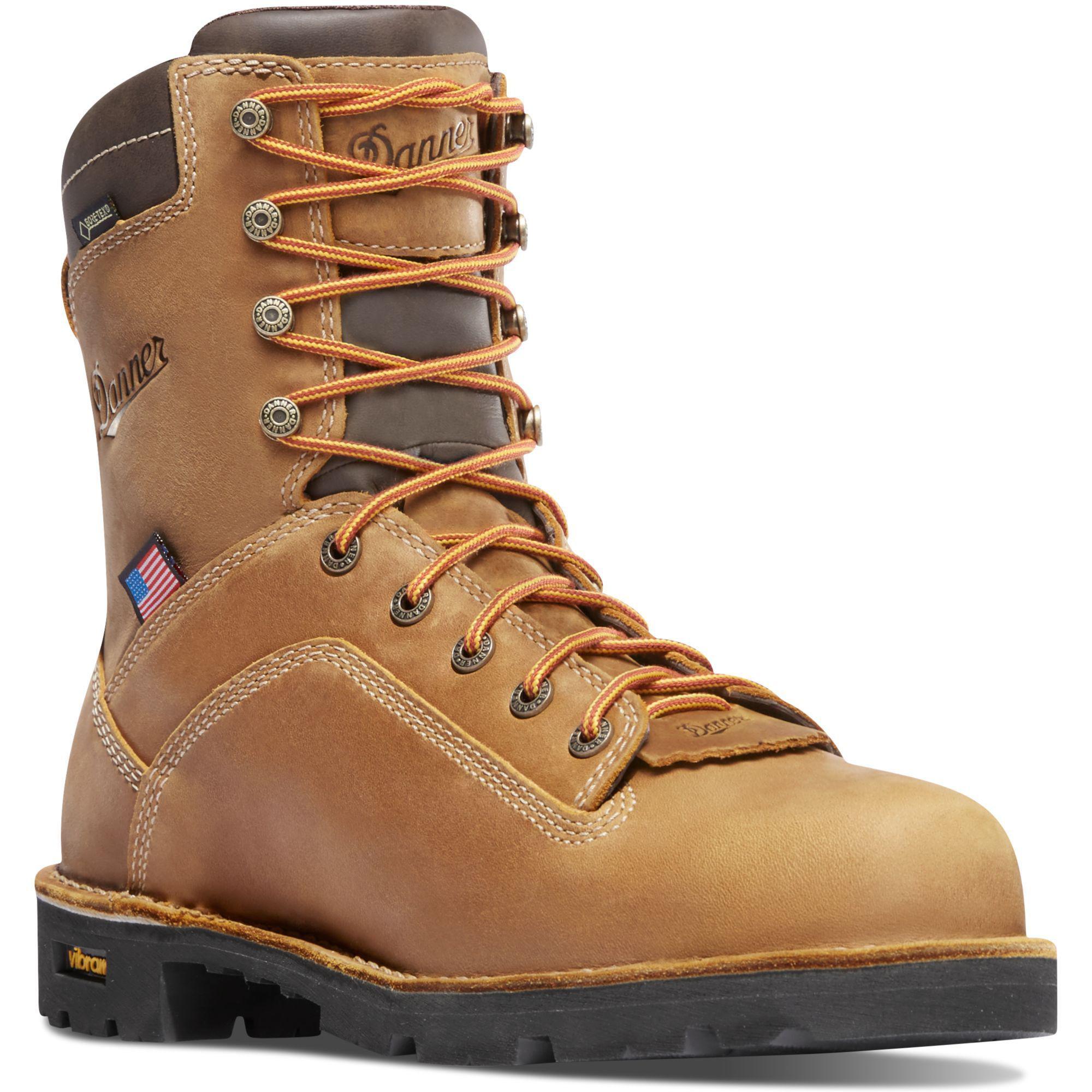
Danner Men's Quarry USA Made 8" Alloy Toe Waterproof Work Boot - Brown - 17317
Save 13%
Sale price$519.95
Regular price$600.00
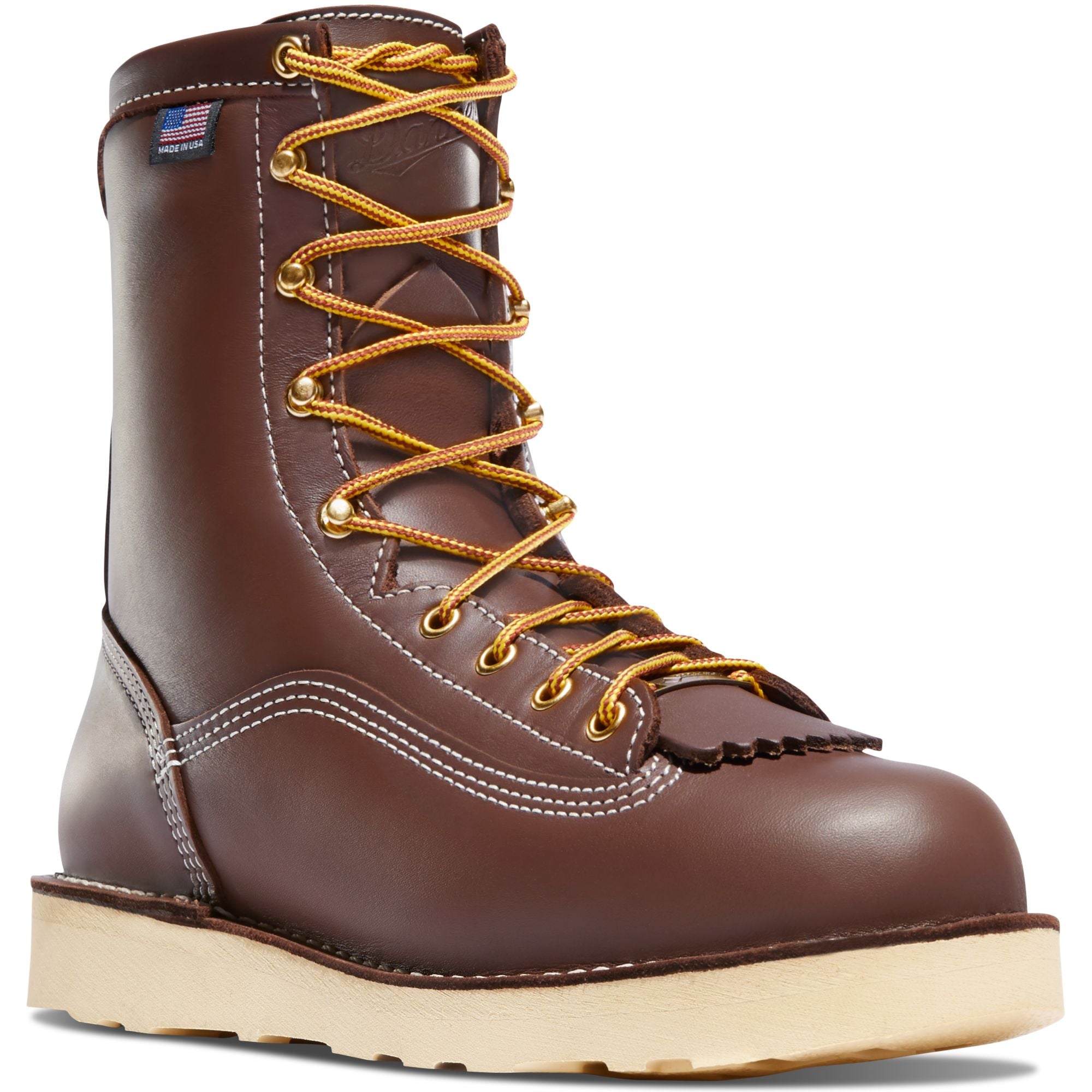
Danner Men's Power Foreman 8" USA Made Waterproof Work Boot - 15200
Save 23%
Sale price$132.67
Regular price$173.26
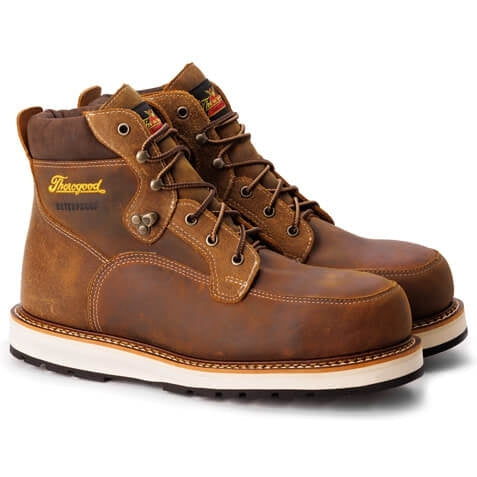
Thorogood Men's Iron River Series 6" Composite Toe Waterproof Work Boot -Brown- 804-4145
Save 8%
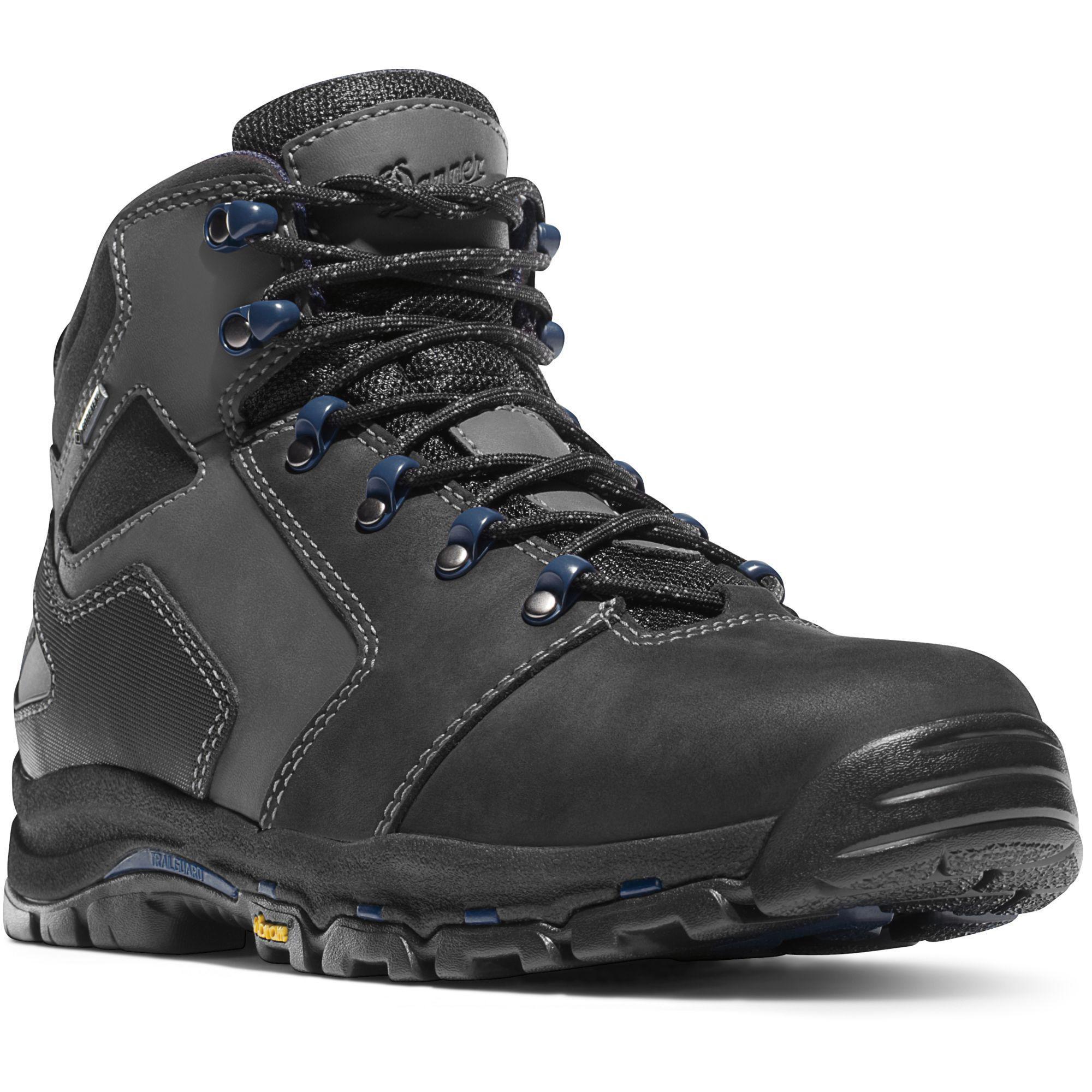
Sale price$239.95
Regular price$260.00
Danner Men's Vicious 4.5" Soft Toe Waterproof Work Boot - Black - 13862
Save 7%
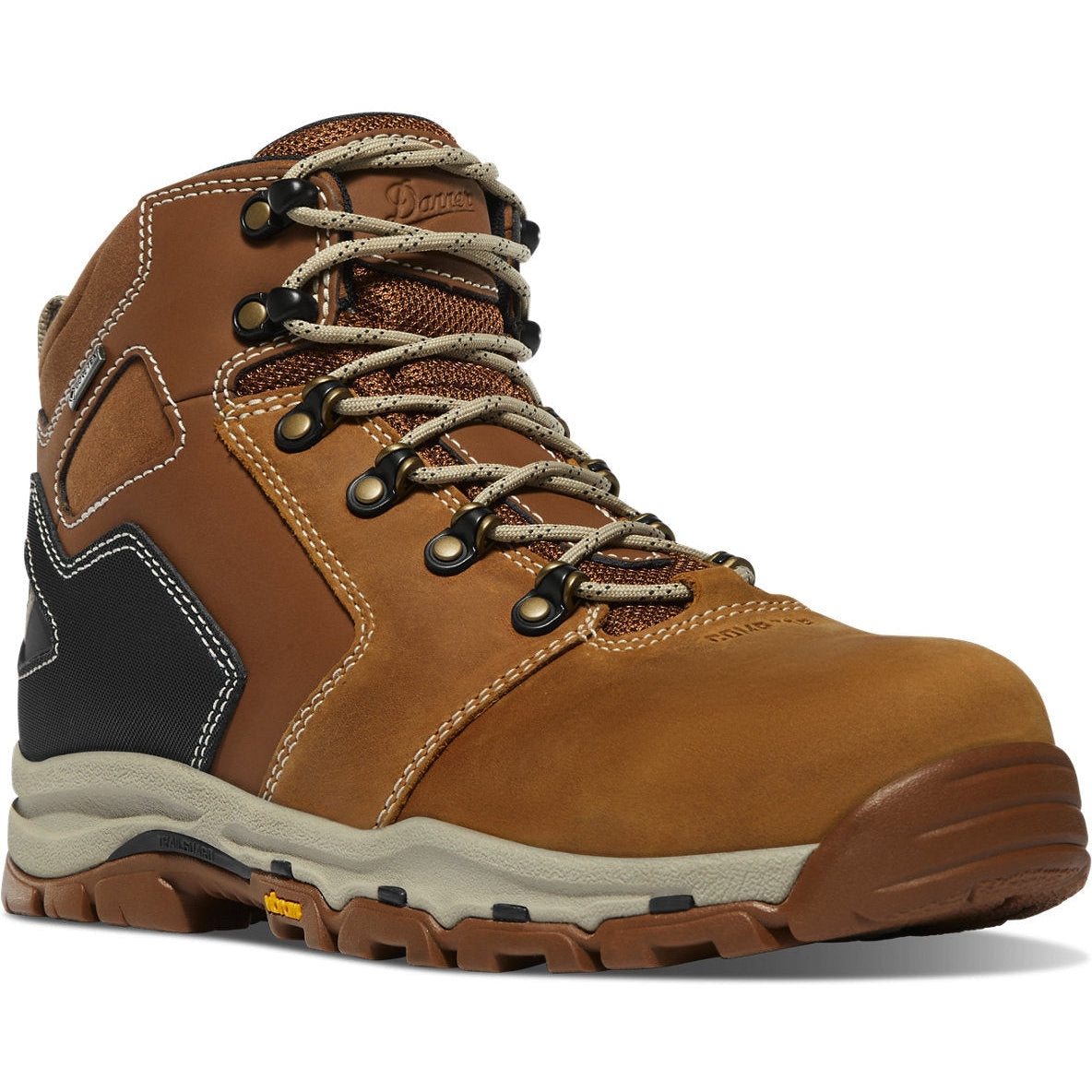
Sale price$249.95
Regular price$270.00
Danner Men's Vicious 4.5" Composite Toe Waterproof Slip Resistant Work Boot -Tan- 13886
Save 7%
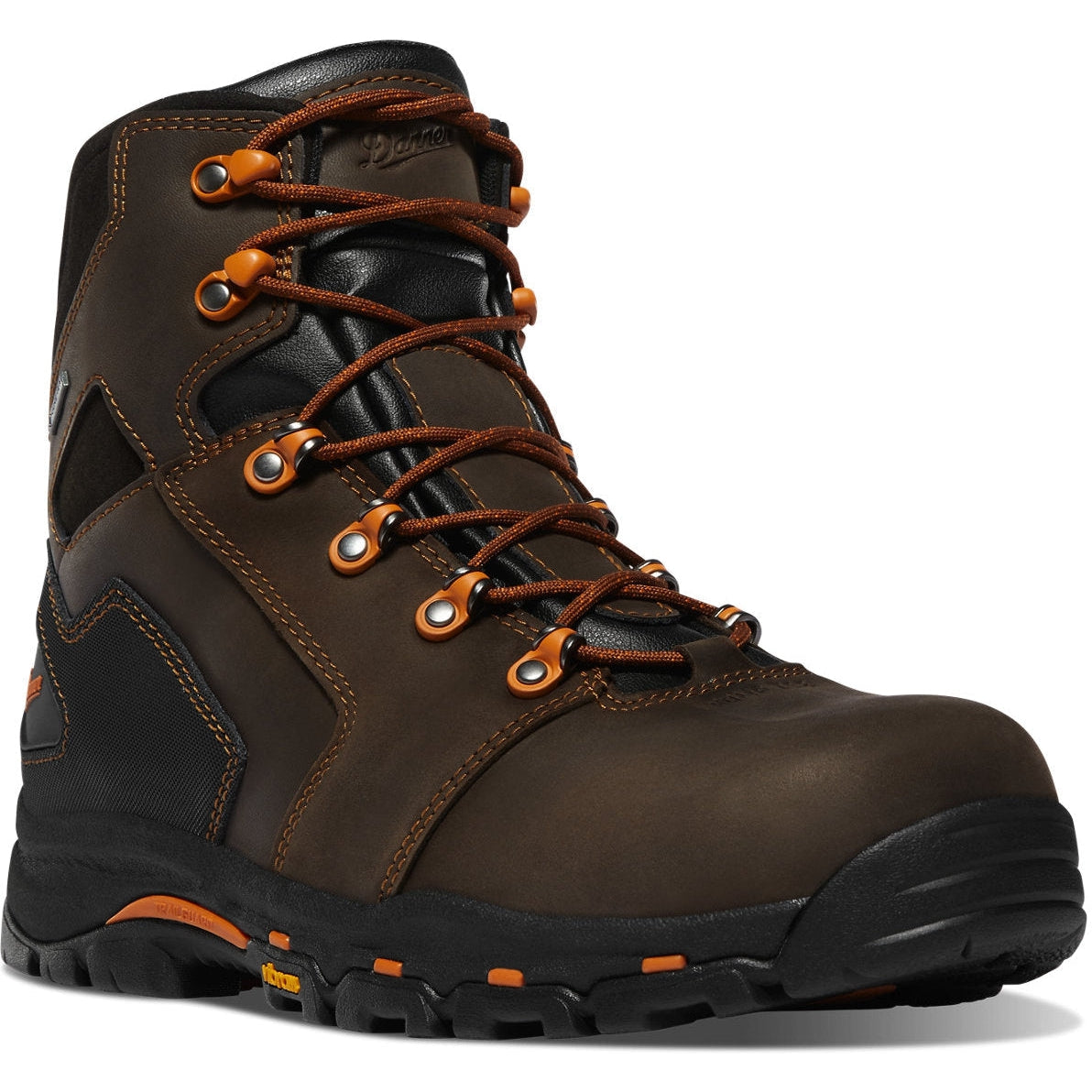
Sale price$259.95
Regular price$280.00
Danner Men's Vicious 6" Composite Toe Waterproof Slip Resistant Work Boot -Brown- 13879
Save 7%
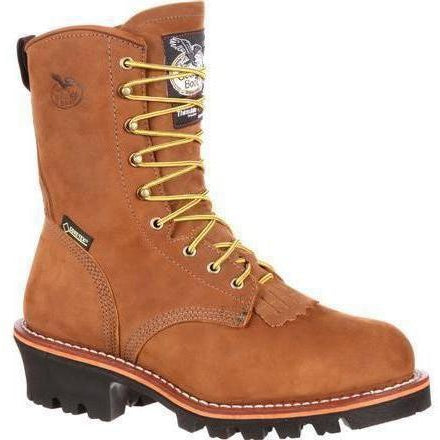
Sale price$265.00
Regular price$285.00
Georgia Men's 8" Steel Toe Waterproof Insulated Logger Work Boot - Brown - G9382
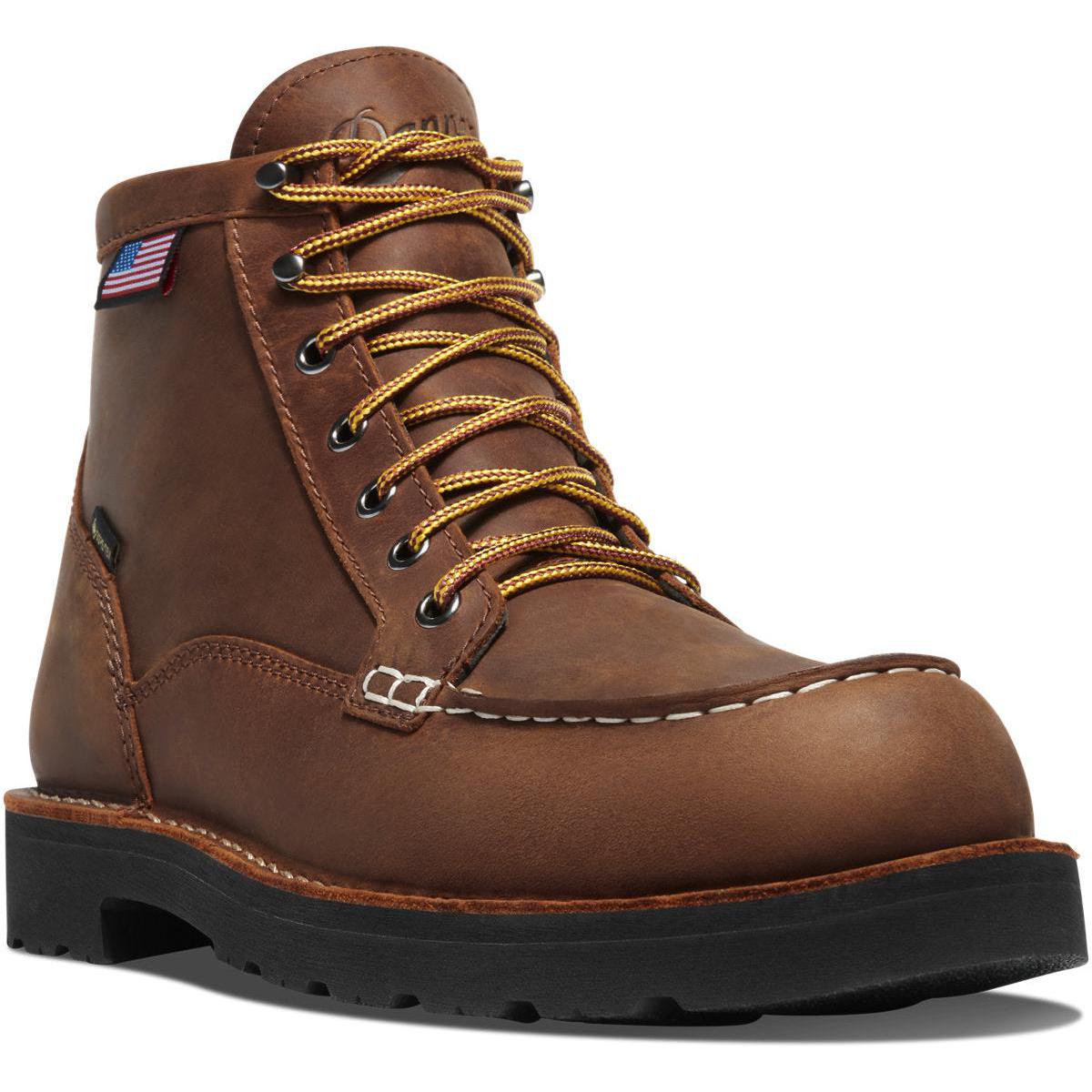
Save 13%
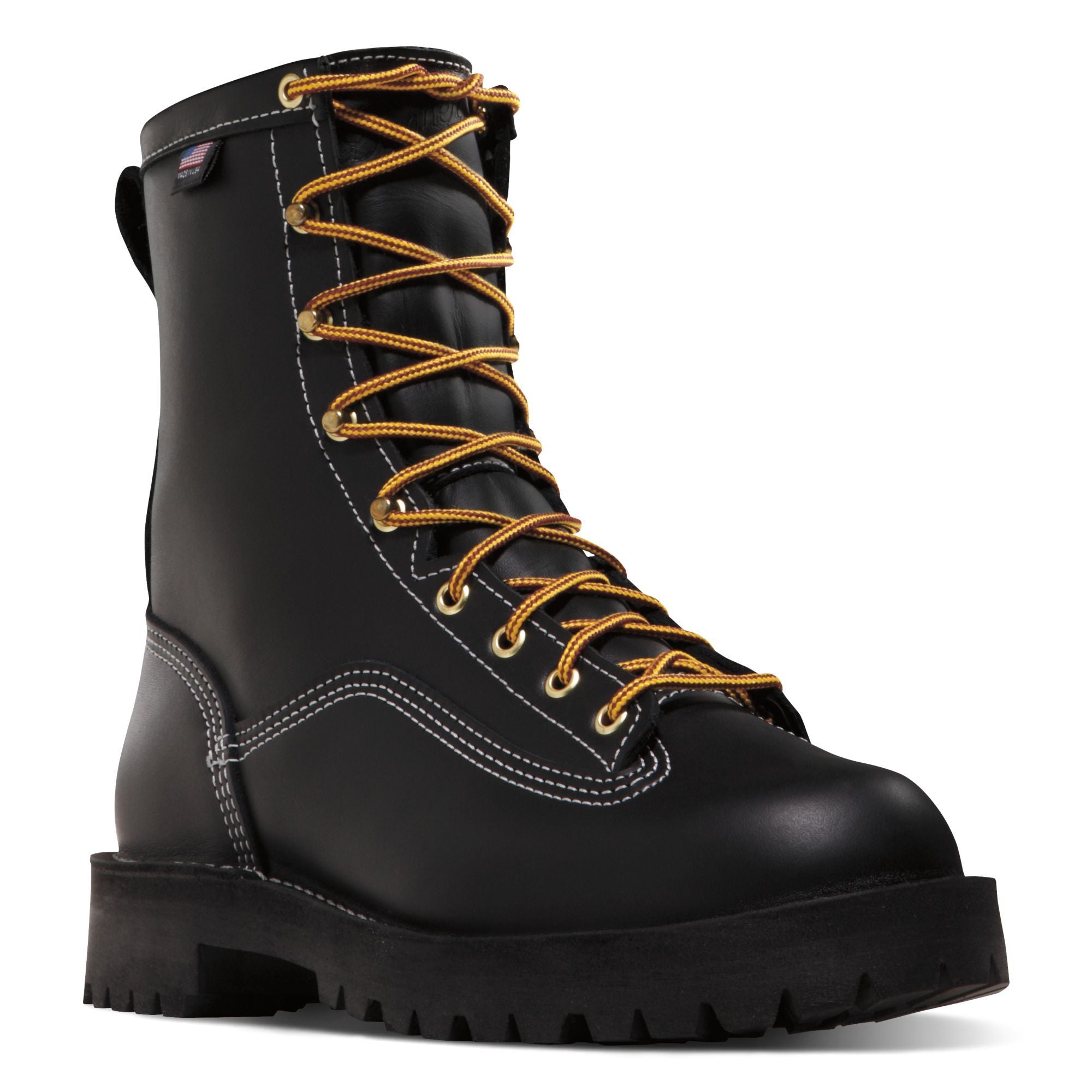
Sale price$529.95
Regular price$610.00
Danner Men's Rain Forest USA Made 8" Composite Toe Waterproof Work Boot Black 11550
Save 7%
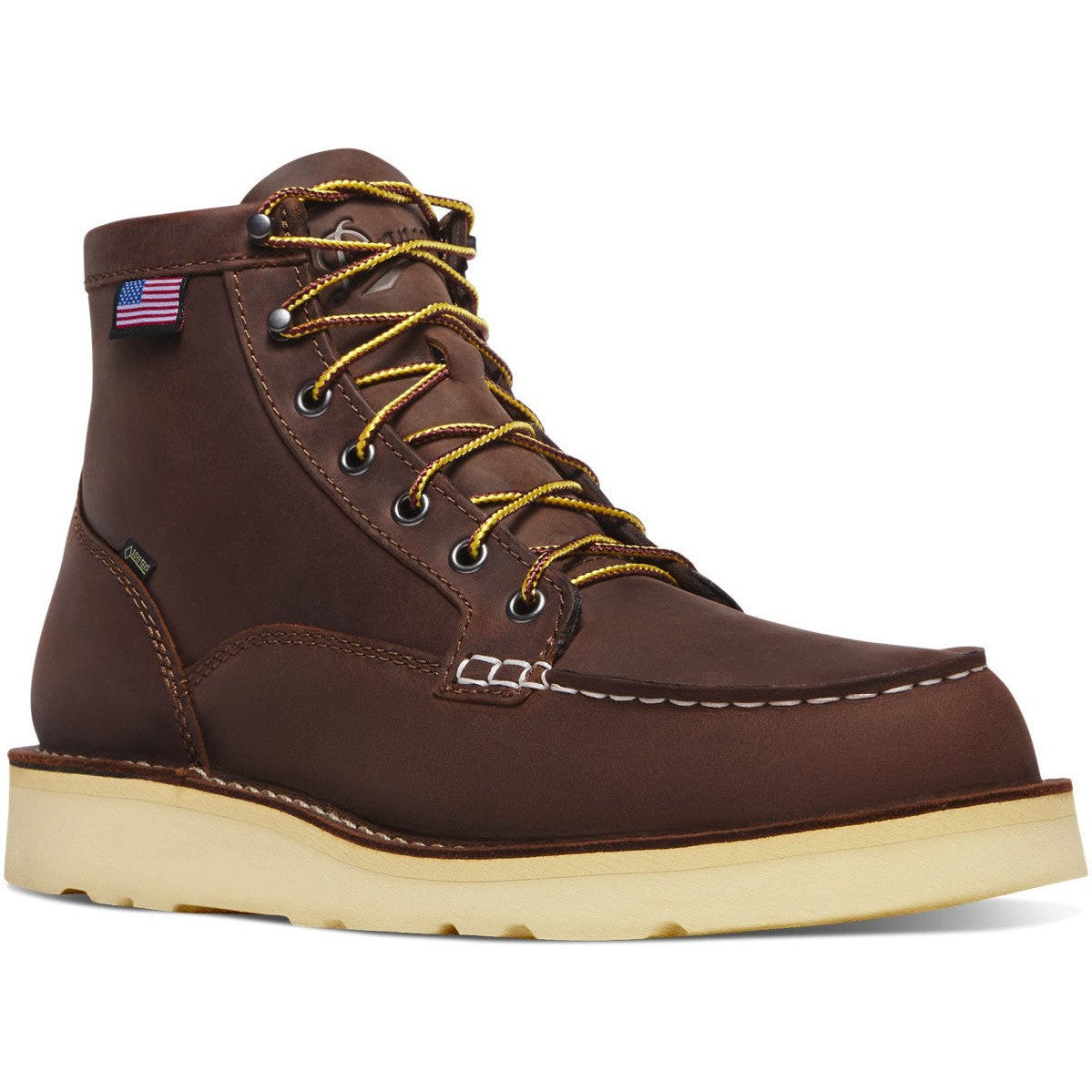
Sale price$279.95
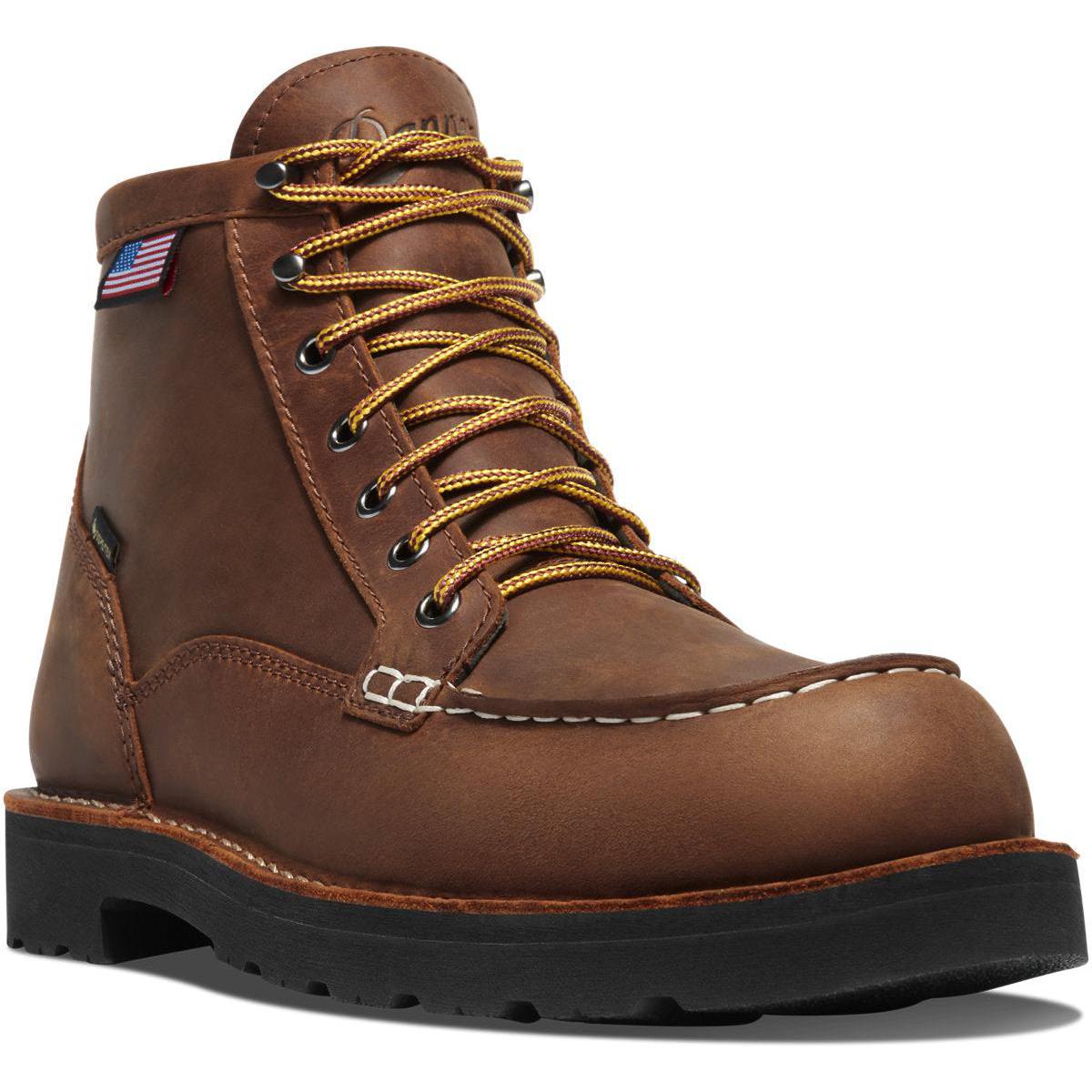
Regular price$300.00
Danner Men's Bull Run GORE-TEX® 6" Plain Toe Waterproof Slip Resistant Work Boot -Brown- 15588
Save 8%
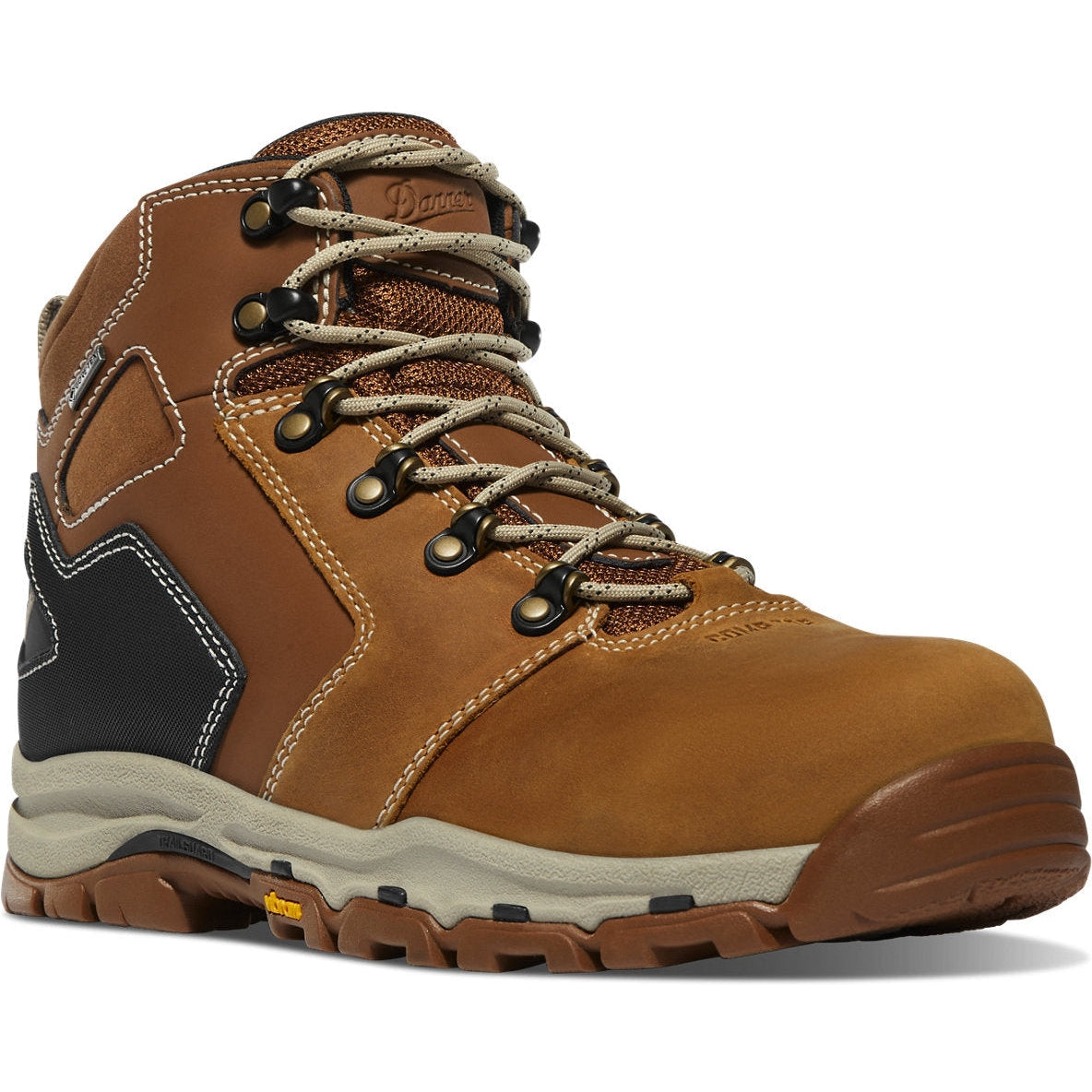
Sale price$239.95
Regular price$260.00
Danner Men's Vicious 4.5" Plain Toe Waterproof Slip Resistant Work Boot -Tan- 13885
Save 7%
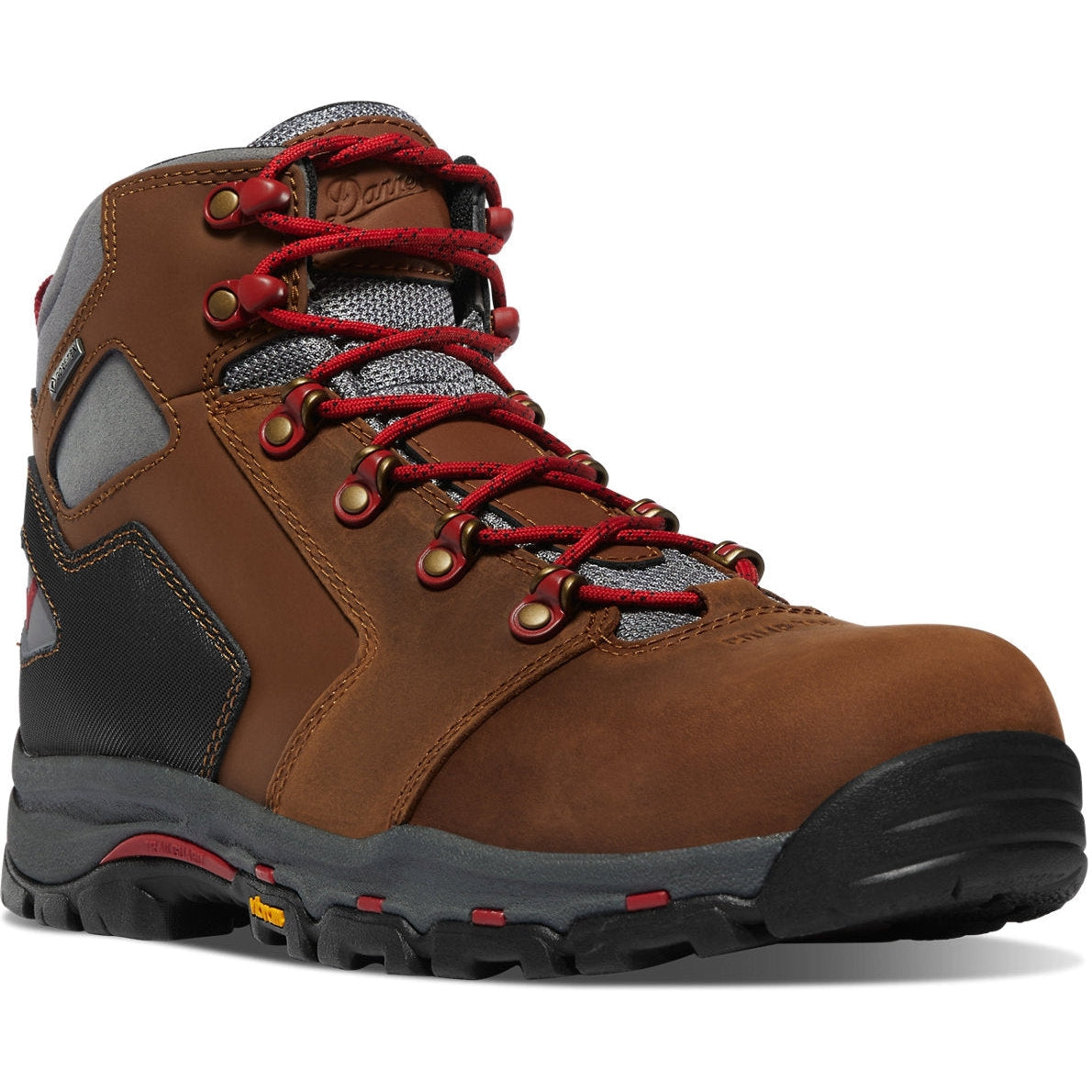
Sale price$249.95
Regular price$270.00
Danner Men's Vicious 4.5" Composite Toe Waterproof Slip Resistant Work Boot -Brown- 13882
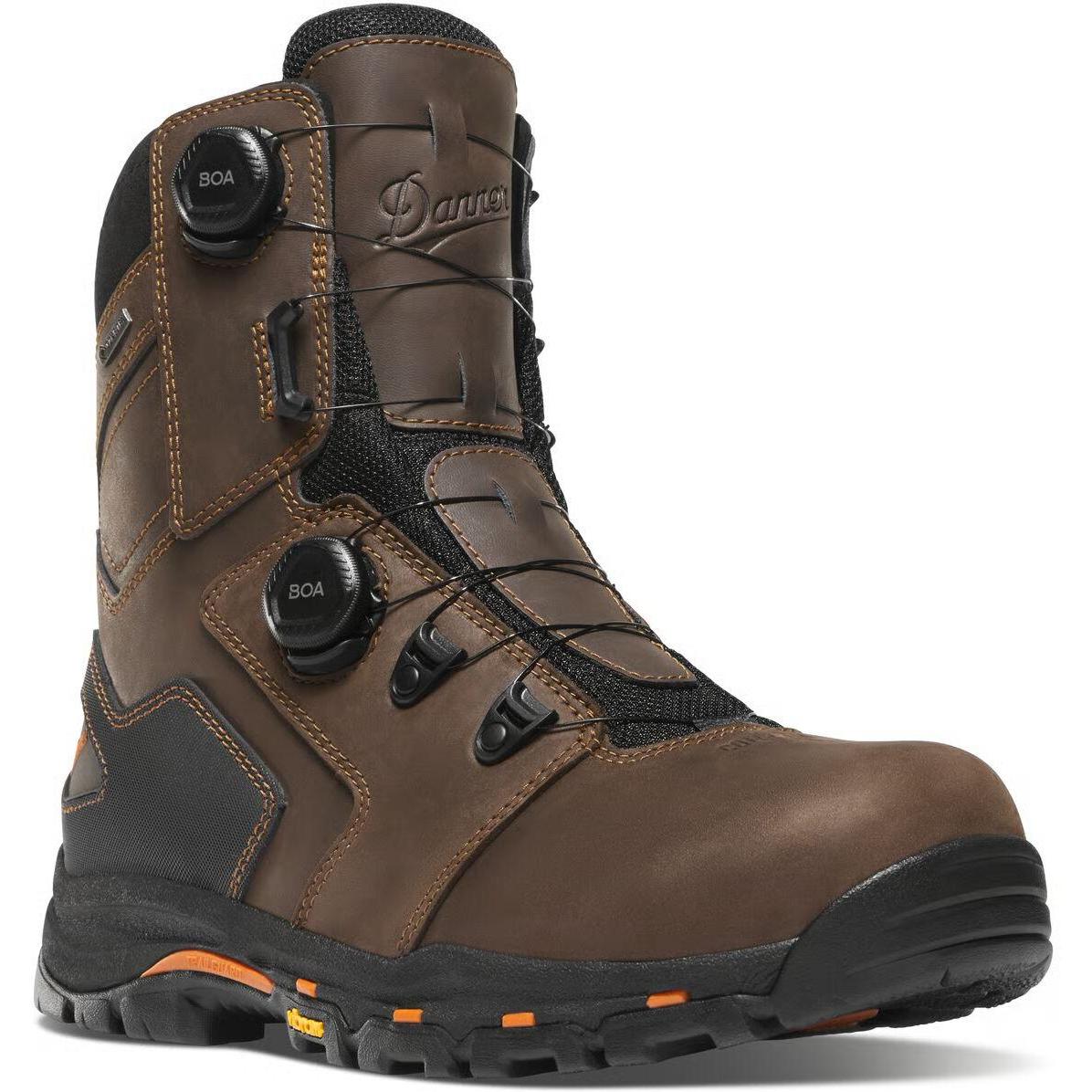
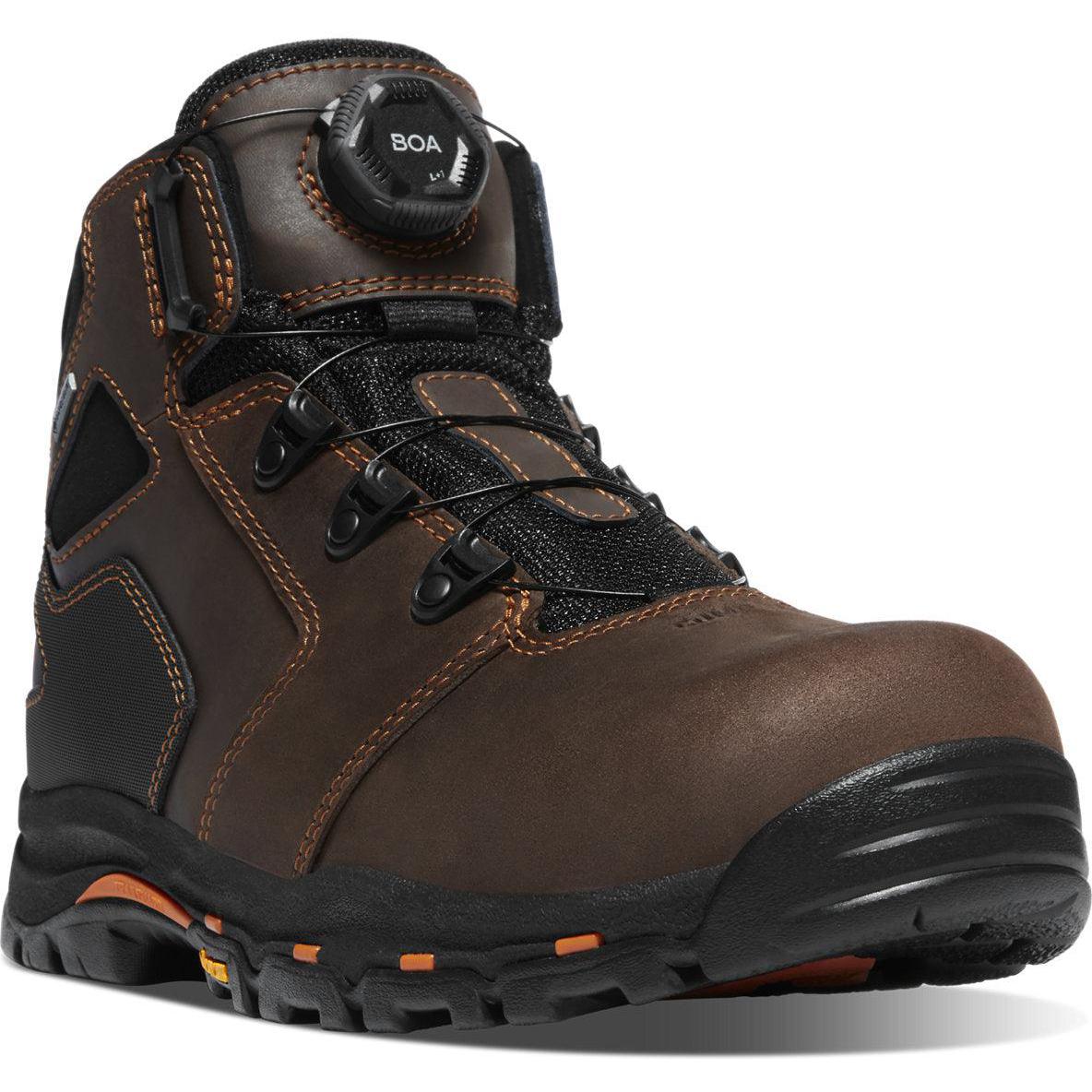
Sale price$299.95
Danner Men's Vicious BOA 8" Comp Toe Waterproof Work Boot- Brown- 13801
Save 13%
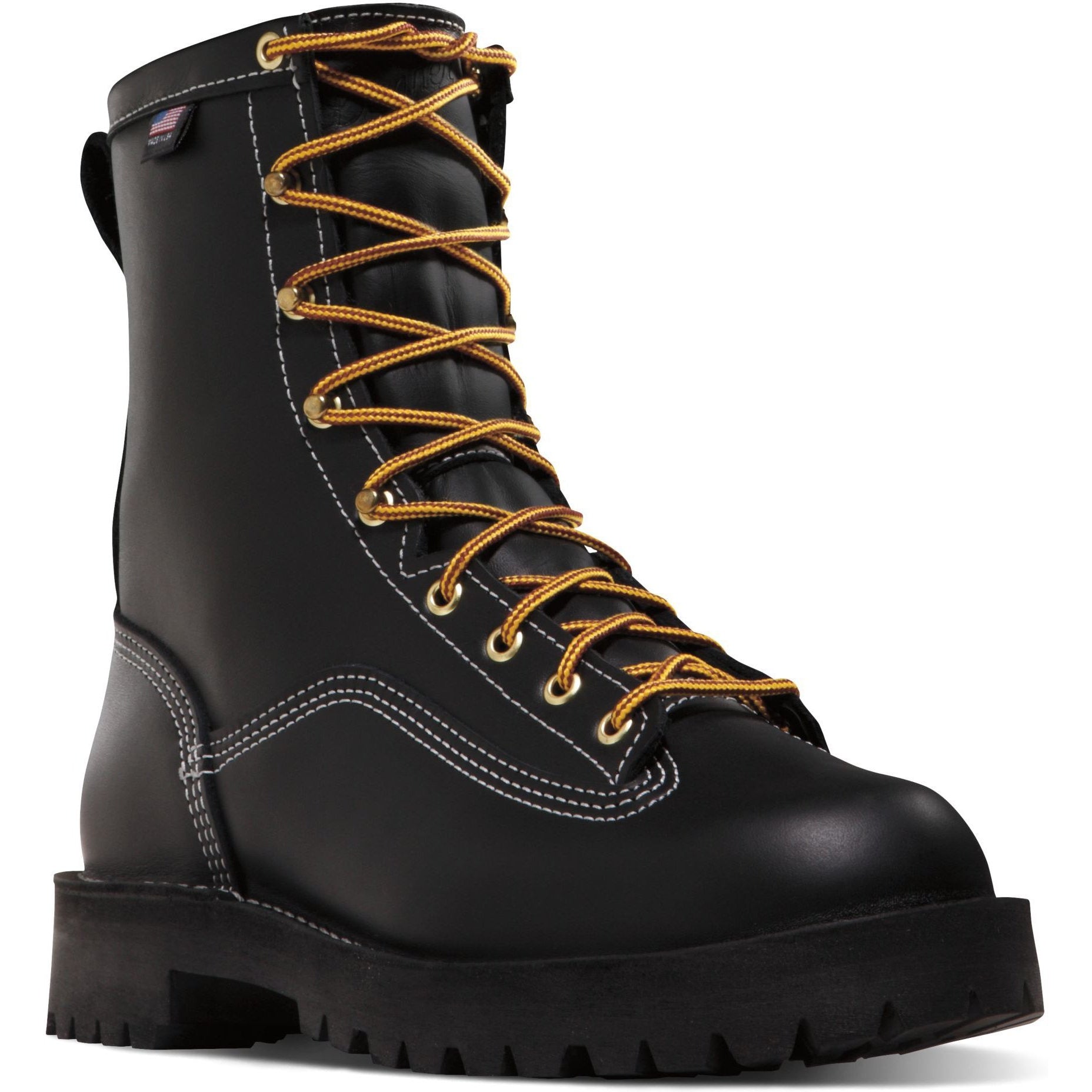
Sale price$519.95
Regular price$600.00
Danner Men's Rain Forest USA Made 8" Soft Toe Waterproof Work Boot Black 11500
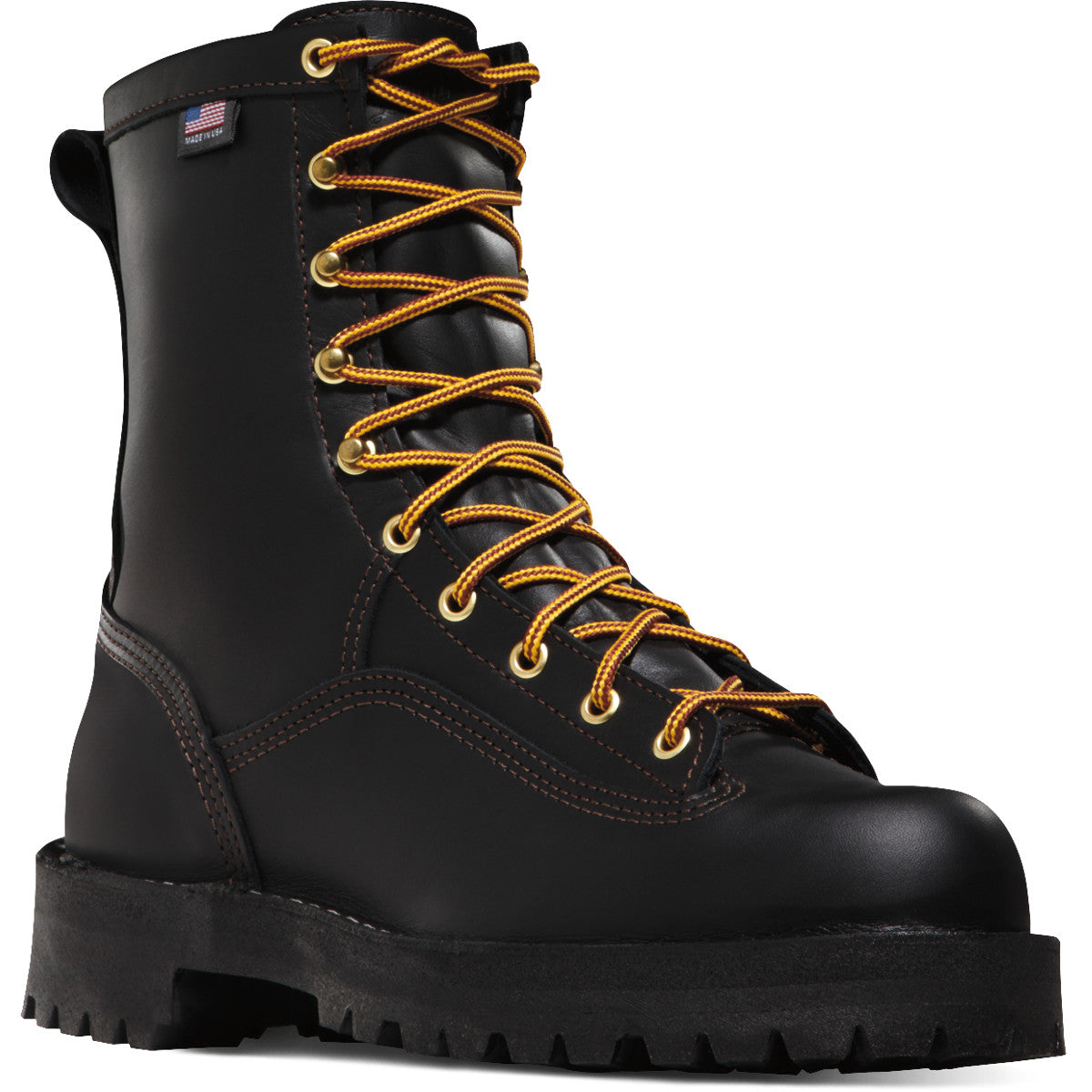
Sale price$499.95
Regular price$510.00
Danner Men's Rain Forest USA Made 8" Soft Toe Waterproof Work Boot Black 14100
Save 6%
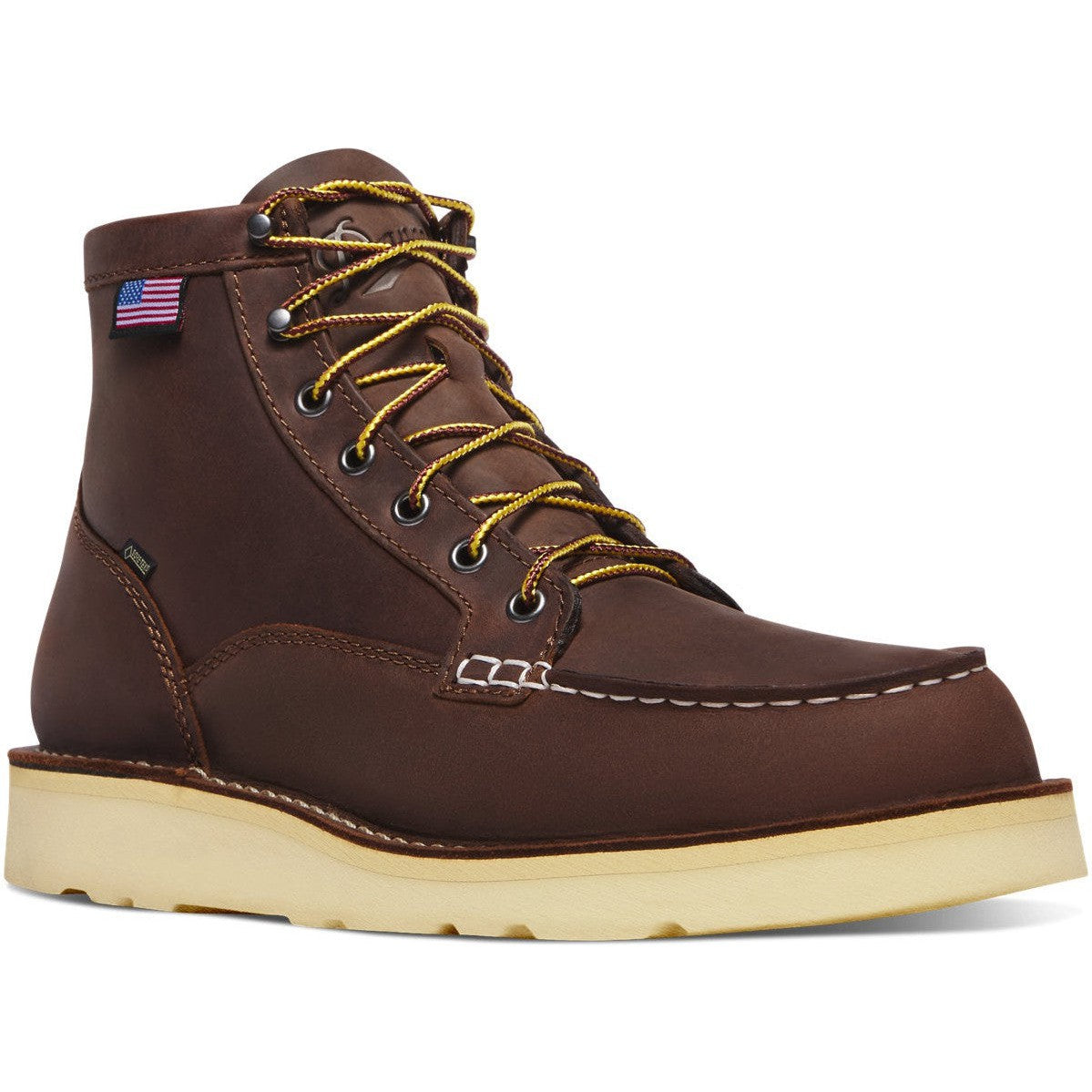
Sale price$289.95
Regular price$310.00
Danner Men's Bull Run GORE-TEX® 6" Steel Toe Waterproof Slip Resistant Work Boot -Brown- 15589
Save 7%
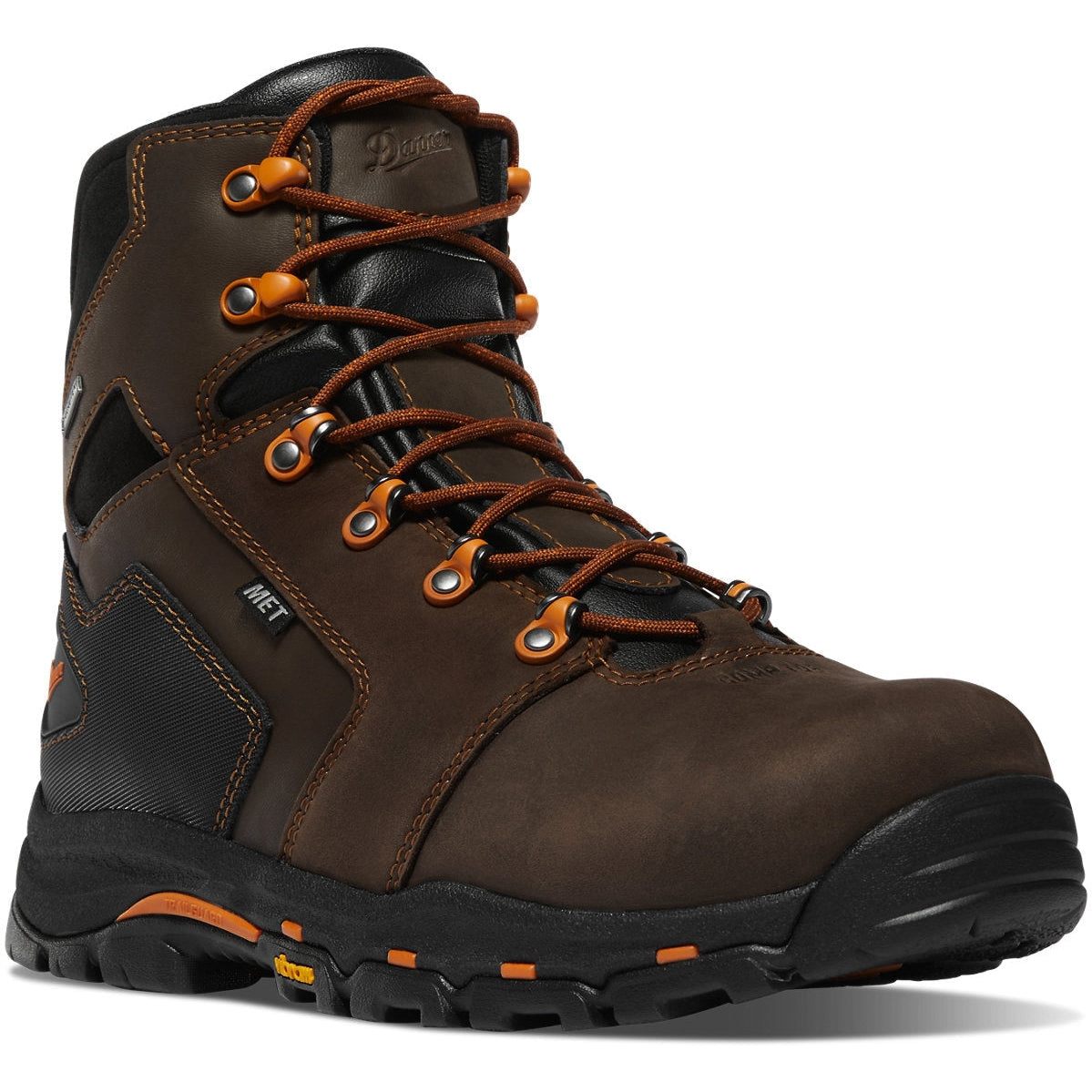
Sale price$269.95
Regular price$290.00
Danner Men's Vicious 6" Safety Toe Waterproof Slip Resistant Work Boot -Brown- 13880
12
Frequently Asked Questions
Gore-Tex is a specific licensed material with a pore structure small enough to block liquid water while letting water vapor pass. What separates it from a generic membrane is the licensing: manufacturers build to Gore's construction specification and the finished boot is tested before it can carry the name. A house-brand membrane may perform just as well, but the boot around it has not been independently verified the same way.
The membrane has pores far smaller than a droplet of liquid water but far larger than a molecule of water vapor. Liquid cannot push through from outside, while sweat vapor from your foot can escape outward. The driving force is the difference in humidity across the membrane, which is why breathability works well in cold dry conditions and much less well in hot humid ones.
Less than a non-breathable waterproof boot, more than an unlined one. Breathability depends on vapor being able to move outward, and in hot humid weather the outside air is already saturated, so there is nowhere for the moisture to go. That is why a Gore-Tex boot can feel damp inside on a summer day even though nothing got in. If heat rather than water is your problem, an unlined breathable boot is the better answer.
The membrane itself is durable, but it fails at the seams and at flex points long before the material wears out, and it is generally the first waterproofing component to go. Expect a few years of hard wear. Once a boot starts letting water in, the membrane cannot be repaired or replaced, so treat waterproofing as a finite feature rather than a permanent one.
Often yes, and it is worth trying before assuming the membrane has failed. Boots have a durable water repellent finish on the outer leather that makes water bead, and when it wears off the leather wets out and the boot feels like it is leaking even when the membrane is intact. Cleaning the boot and reapplying a DWR treatment usually restores it. Genuine membrane failure is a different matter and is not repairable.
It depends on how wet your work actually is. If you spend real time in wet conditions, the reliability and the verified construction are worth it. If you are mostly dry with occasional rain, a house-brand waterproof membrane will serve you at a lower price. If you stand in water, height matters more than membrane brand, since any boot only protects to its collar. See our full waterproof work boots range.
Some are, and the two are separate features. The membrane provides no meaningful warmth on its own; insulation is a separate lining measured in grams. Gore also produces insulated variants of its membrane technology. Insulation weight is stated in every product title where it applies. See our 400G insulated boots range.
Danner has the longest association with it and uses it across hiking, work, and duty lines. Thorogood's Iron River models use genuine Gore-Tex rather than a house membrane, which is worth noting because most of the rest of the Thorogood range does not. Rocky, Georgia, and several others build individual Gore-Tex models. Browse the Danner range to see the deepest selection.
You can and should clean them, since dirt and oil clog the outer fabric and stop moisture escaping, which is a common reason boots start feeling clammy. Use lukewarm water, a soft brush, and a cleaner made for the purpose rather than detergent, which leaves residue. Dry at room temperature away from direct heat, exactly as with any leather boot.
The membrane is a separate layer inside the boot, so a scuffed or cut outer leather does not automatically mean water gets to your foot. What does compromise it is damage deep enough to reach the membrane, or a failed seam. In practice the more common failure is the leather wetting out and the boot feeling soaked from the outside in while staying dry inside, which is a DWR problem rather than a membrane one.
Recently viewed
Our Top Brands