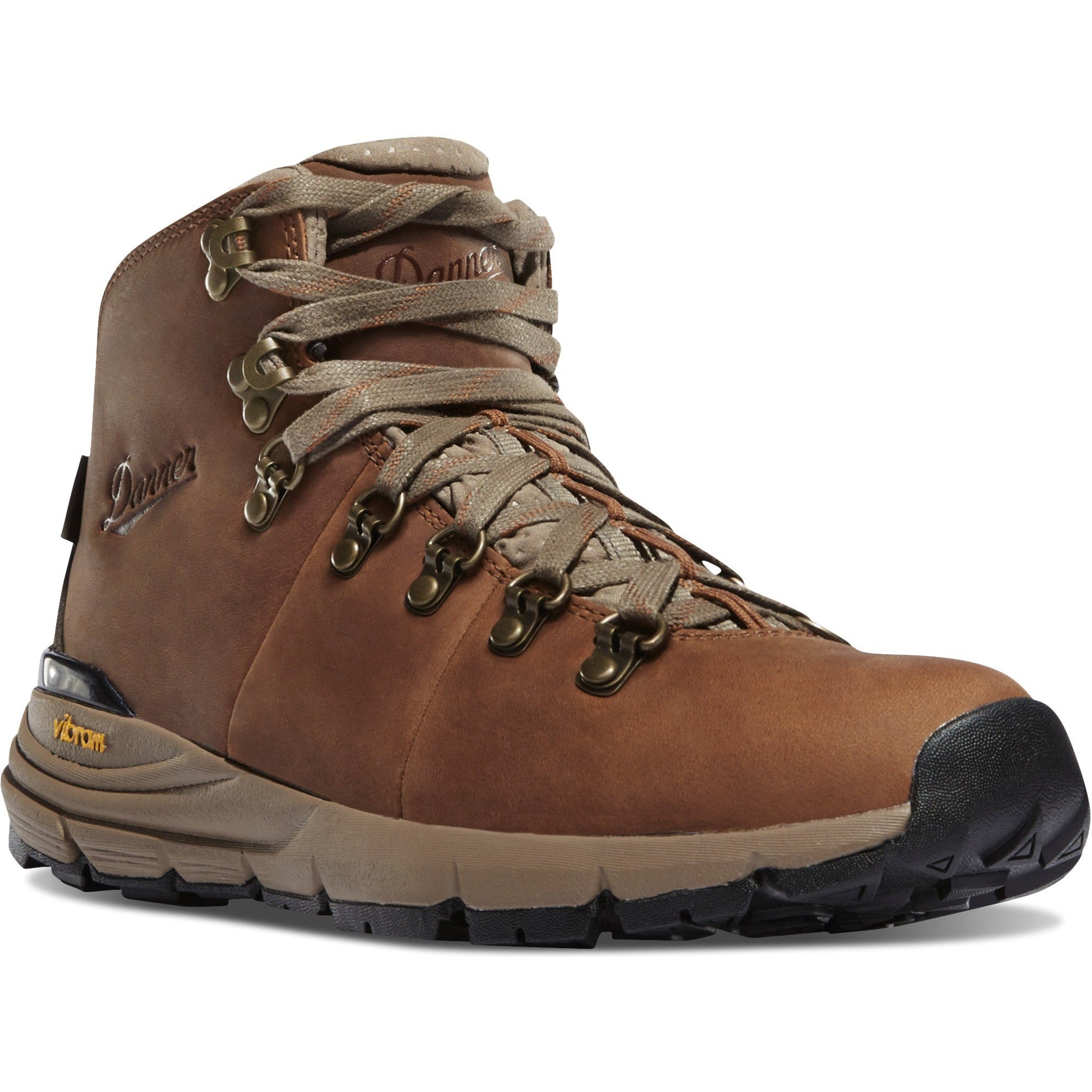
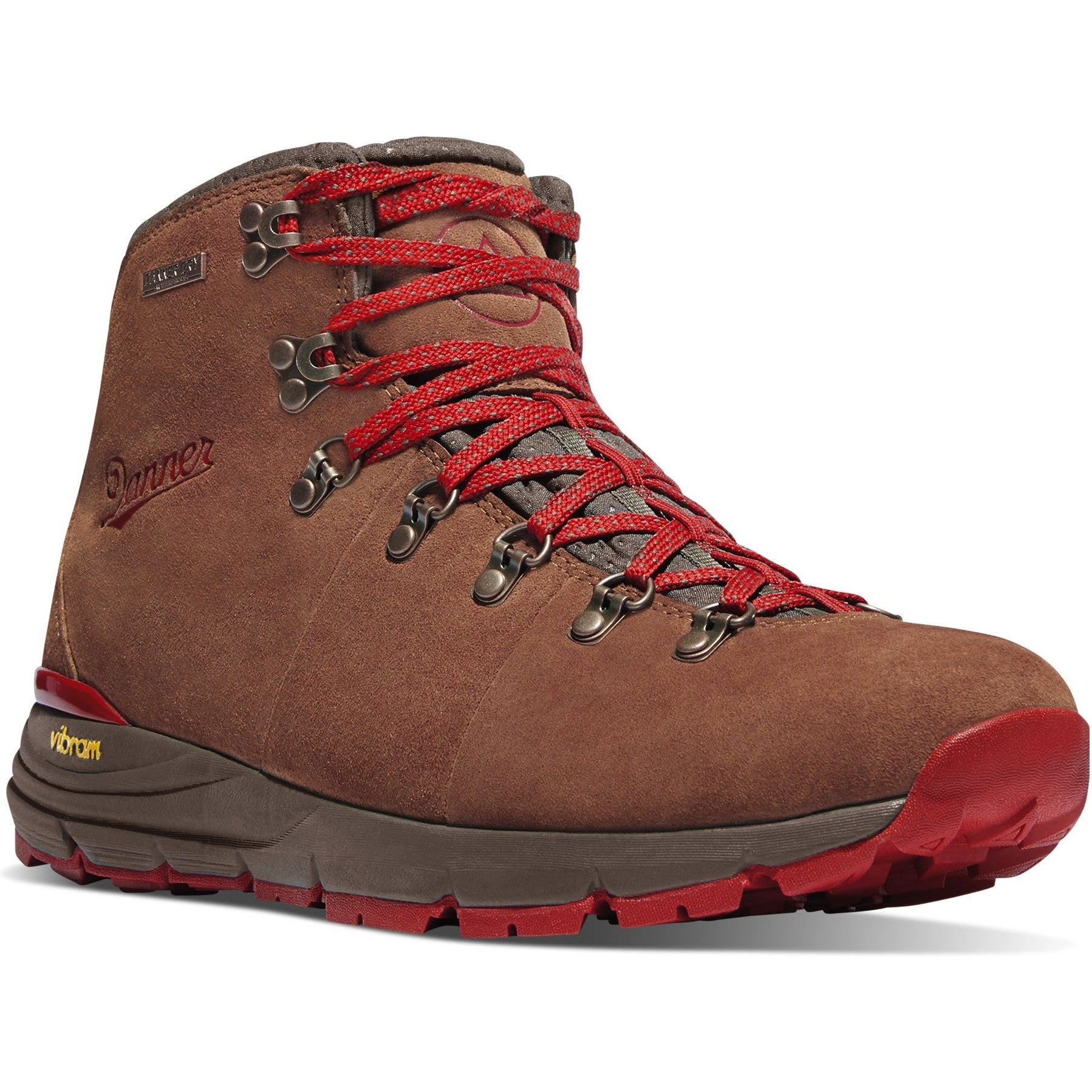
Sale price$229.95
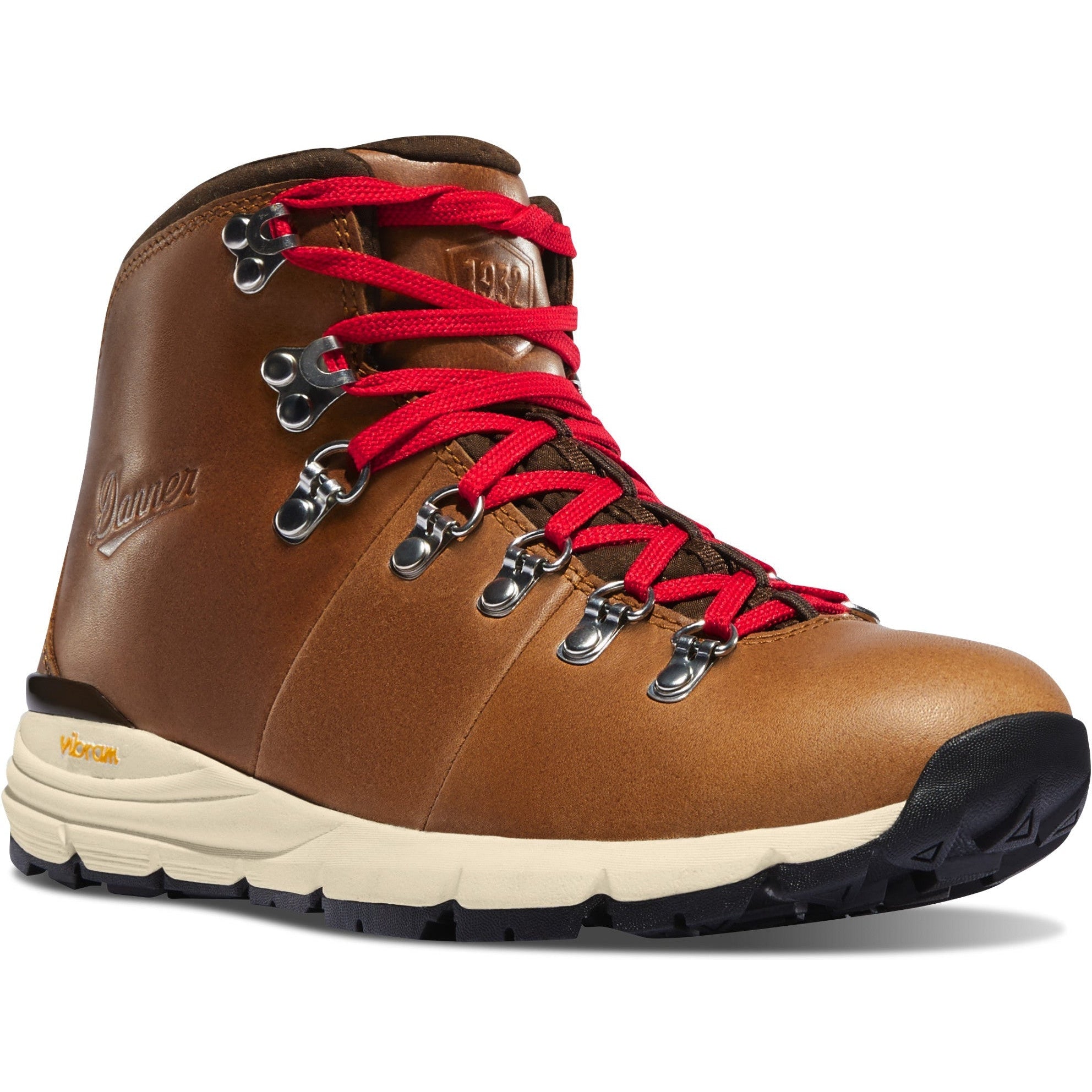
Danner Women's Mountain 600 4.5" Waterproof Hiking Boot - Brown - 62251
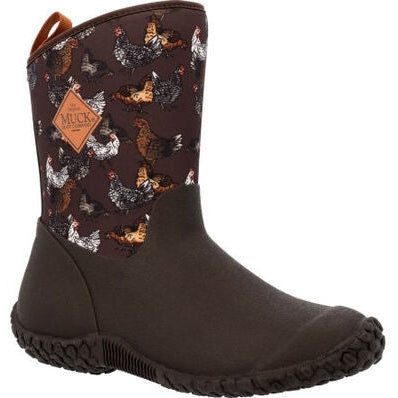
Sale price$110.00
Muck Women's Muckster II Mid Waterproof Ankle Work Boot -Brown- WM29CK
Save 7%
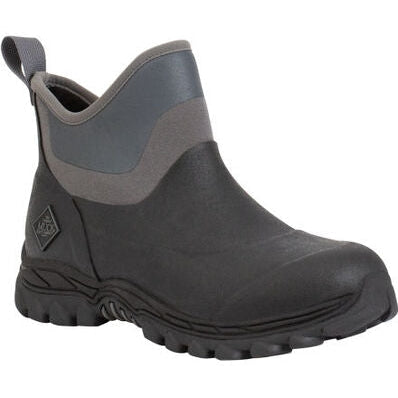
Sale price$135.00
Regular price$145.00
Muck Women's Artic Sport II Waterproof Ankle Style Boots -Black- AS2A001
Save 5%
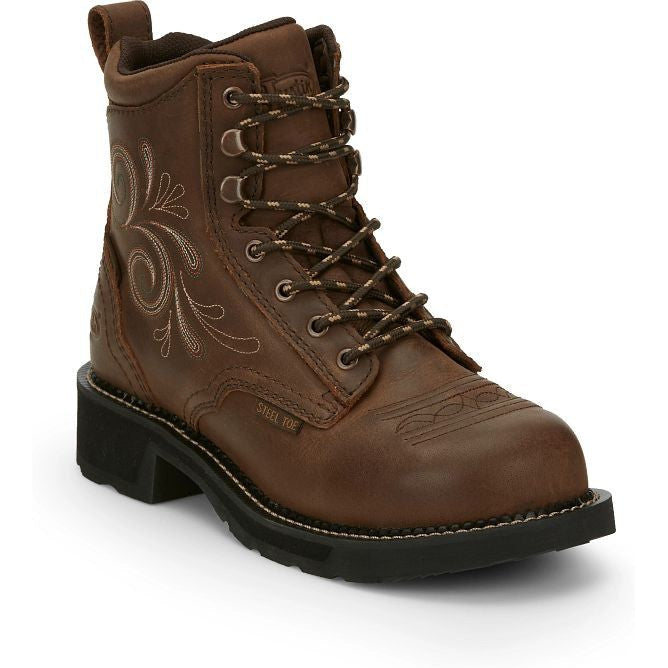
Sale price$159.95
Regular price$169.00
Justin Women's Katerina 6" Steel Toe Waterproof Slip Resistant Work Boot - Aged Bark Brown - GY985
Save 19%
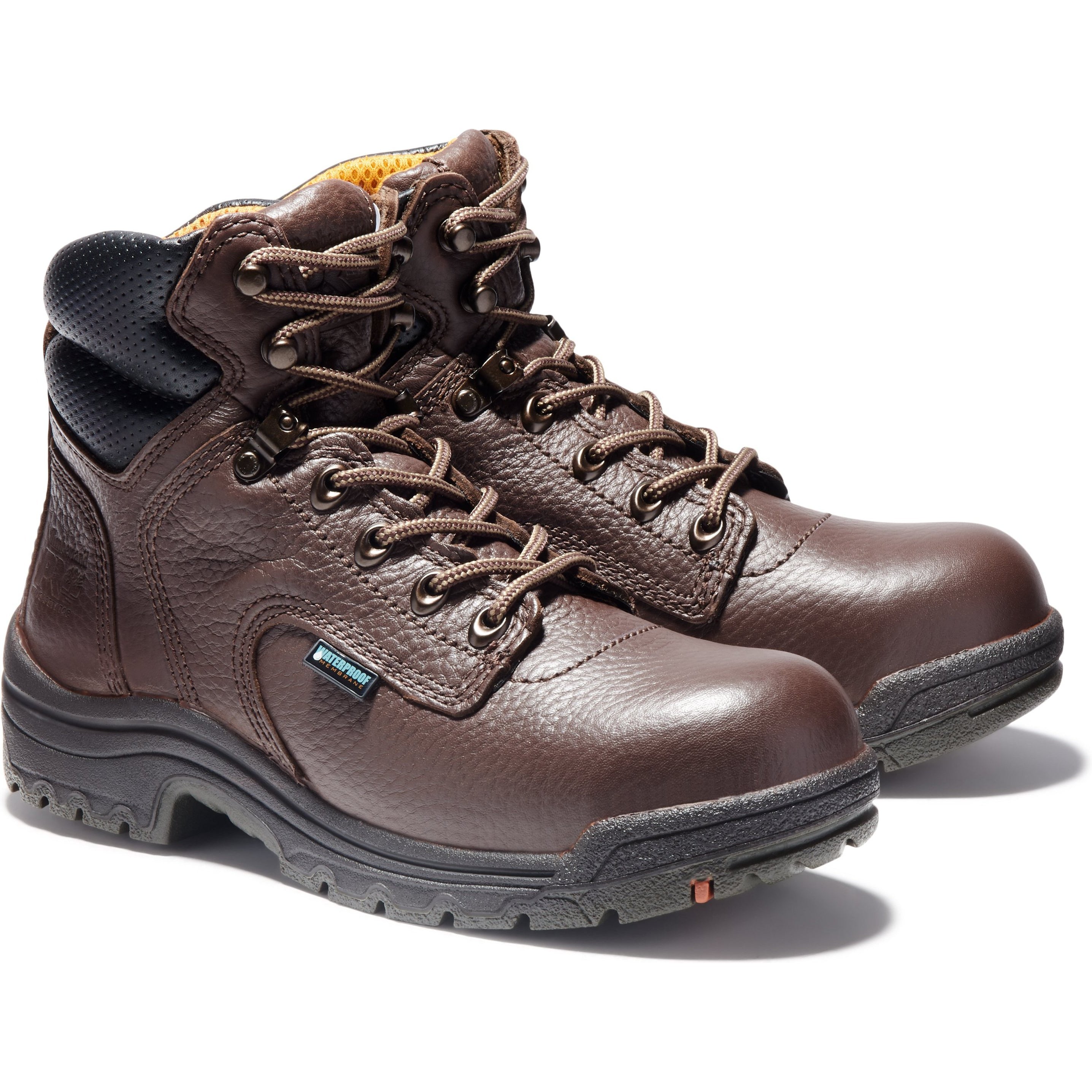
Sale price$132.95
Regular price$165.00
Timberland PRO Women's TITAN 6" Alloy Toe Waterproof Work Boot - TB153359242
Save 38%
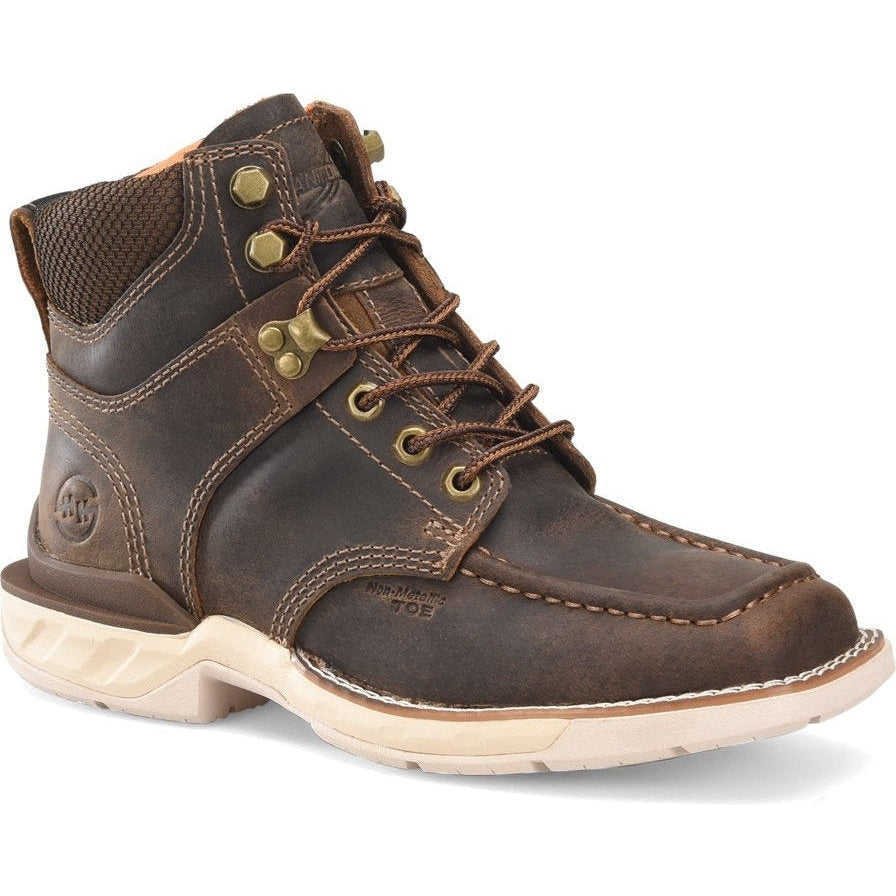
Sale price$105.67
Regular price$170.00
Double H Women's Phantom 5" Waterproof Composite Toe Lacer Work Boot -Brown- DH5386
Save 6%
Sale price$145.00
Regular price$155.00
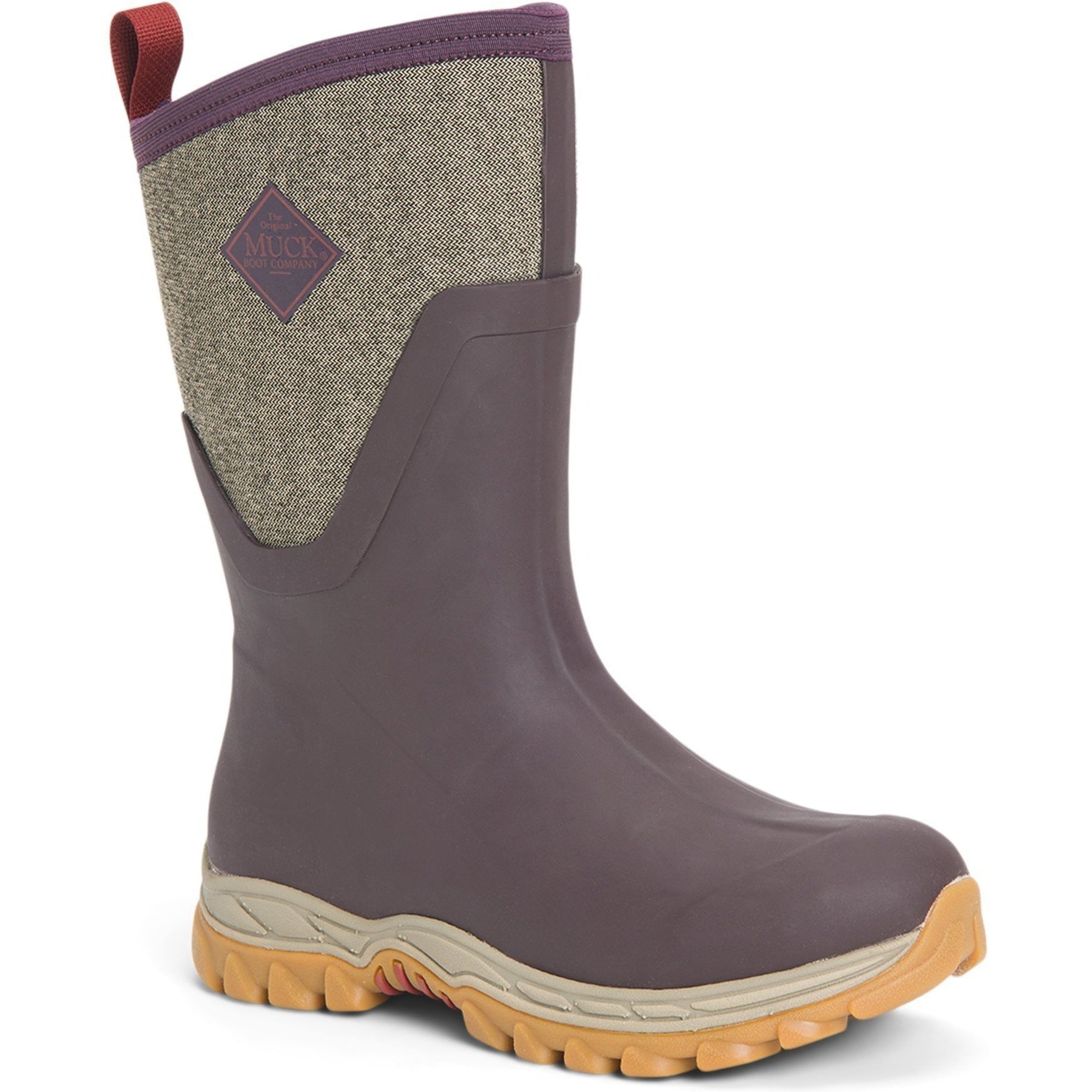
Muck Women's Arctic Sport II Mid Waterproof Outdoor Boot - AS2M-6TW
Save 20%
Sale price$139.95
Regular price$175.00
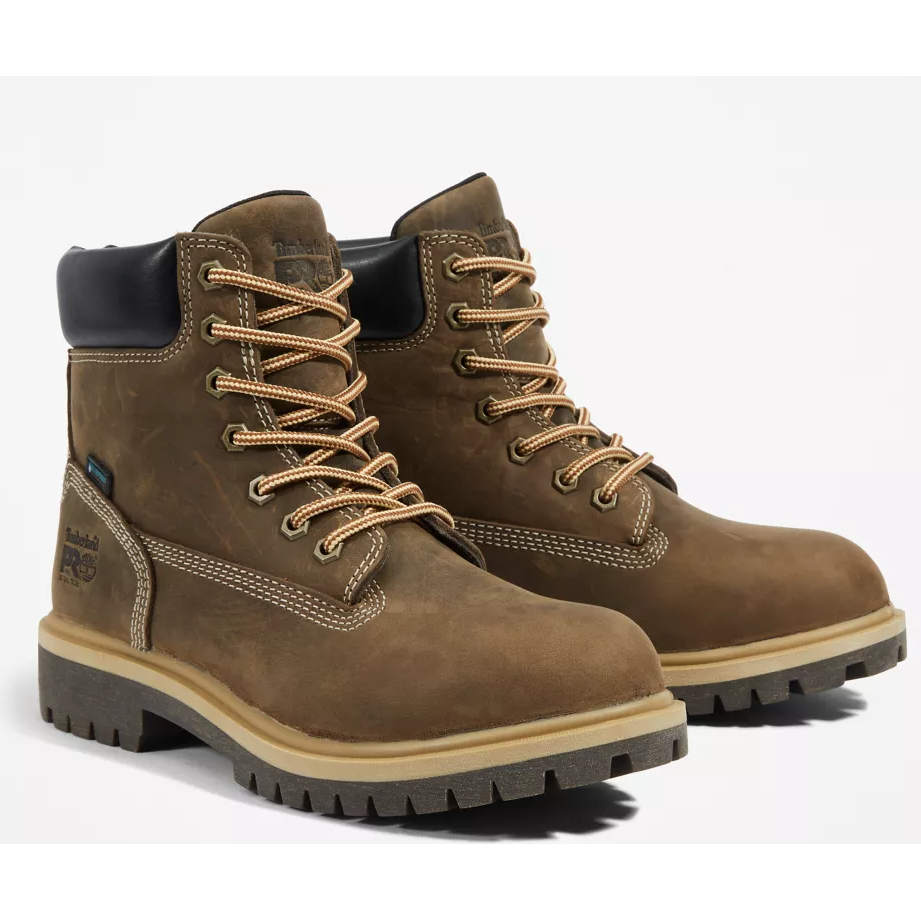
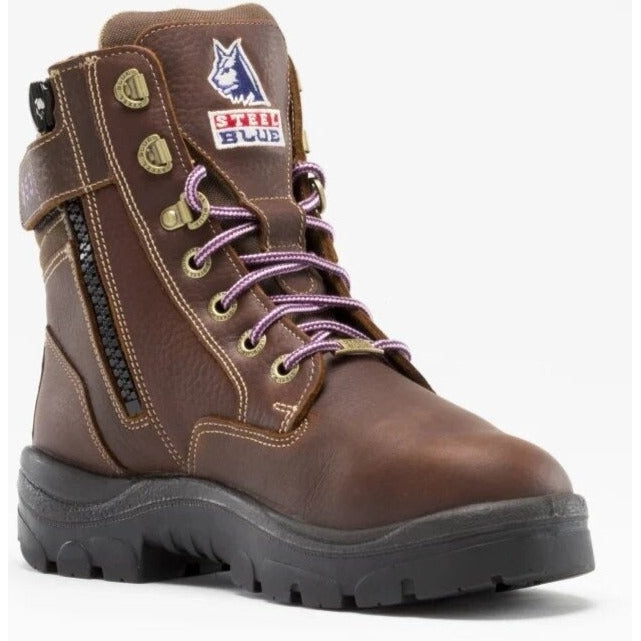
Timberland PRO Women's Direct Attach 6" Steel Toe Waterproof 200G Insulated Work Boot - Brown - TB1A2QX7214
Save 20%
Sale price$139.95
Regular price$175.00
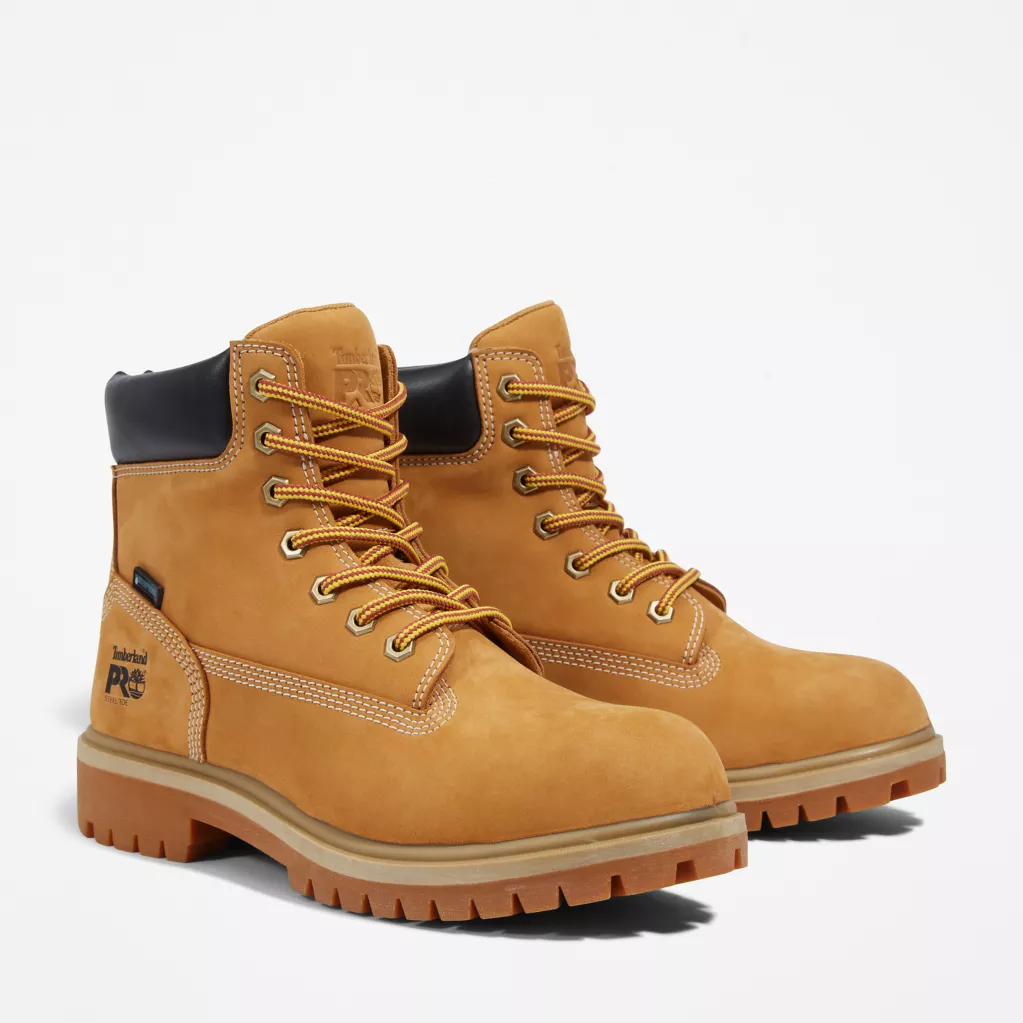
Timberland PRO Women's Direct Attach 6" Steel Toe Waterproof 200G Insulated Work Boot - Wheat - TB1A2QVU231
Save 7%
Sale price$135.00
Regular price$145.00
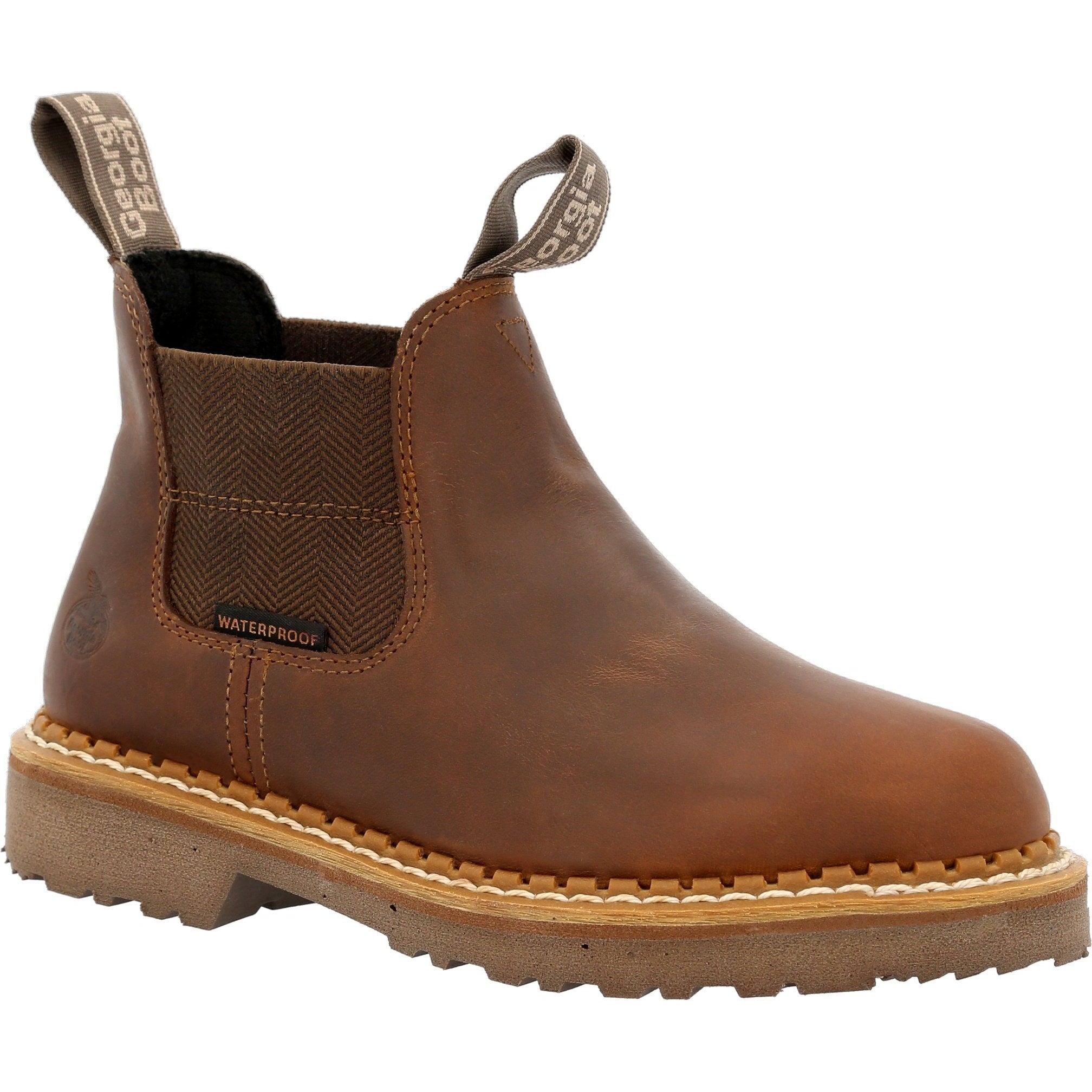
Georgia Women's Giant Revamp 5" Waterproof Pull-On Chelsea Boot Brown- GB00432
Save 9%
Sale price$154.95
Regular price$170.00
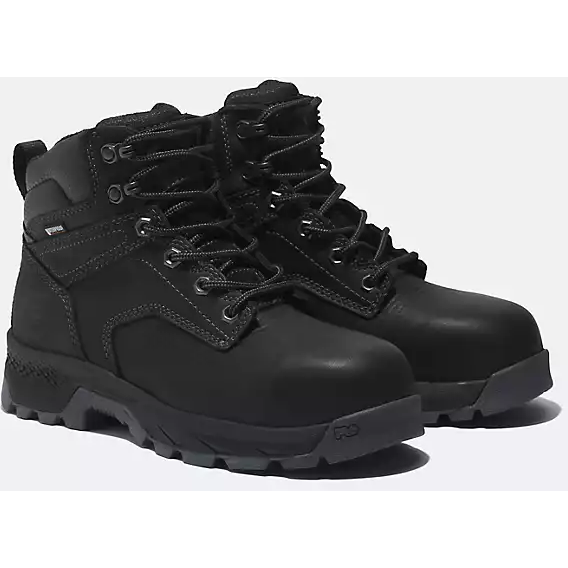
Timberland PRO Women's Titan EV 6" Composite Toe Waterproof Work Boot - Black - TB1A5WUY001
Save 8%
Sale price$279.95
Regular price$304.00
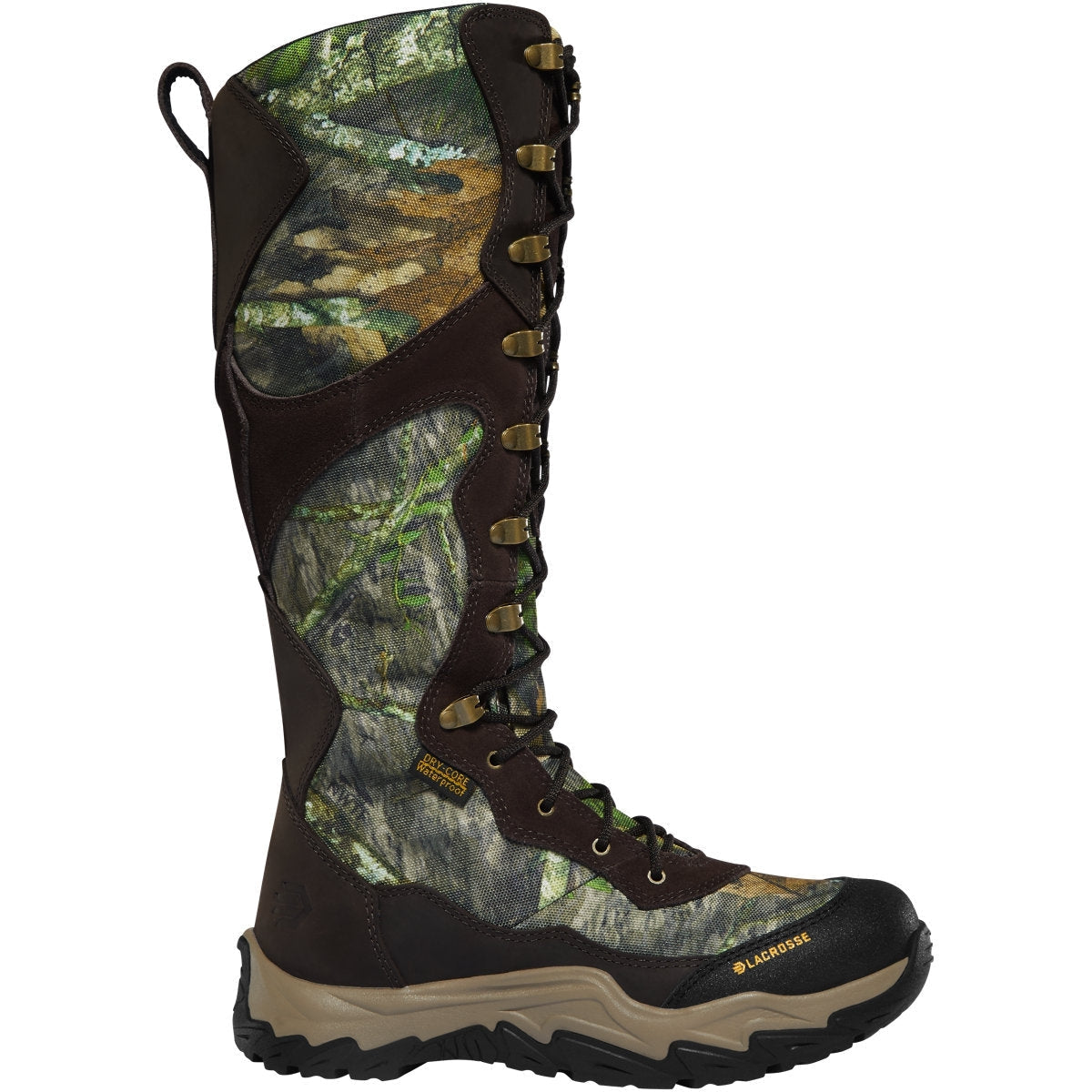
LaCrosse Women's Venom II 15" Waterproof Side Zipper Snake Hunt Boot - NWTF Mossy Oak Obsession - 501001
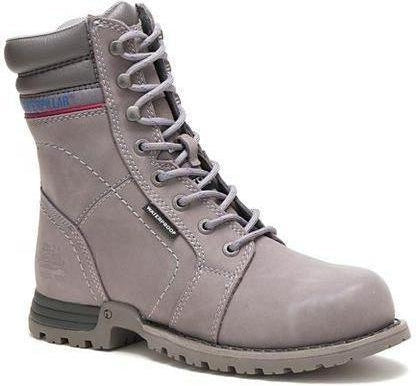
Save 6%
Sale price$145.00
Regular price$155.00
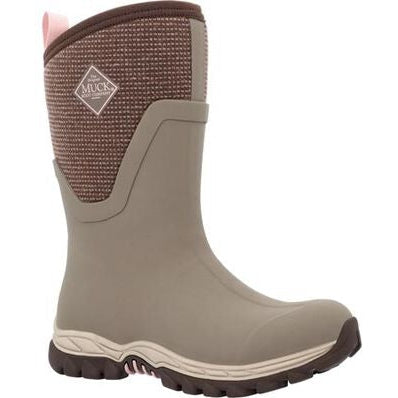
Muck Women's Artic Sport II Waterproof Mid Outdoor Work Boots - Brown - AS2M901
Sale price$189.99
Regular price$196.00
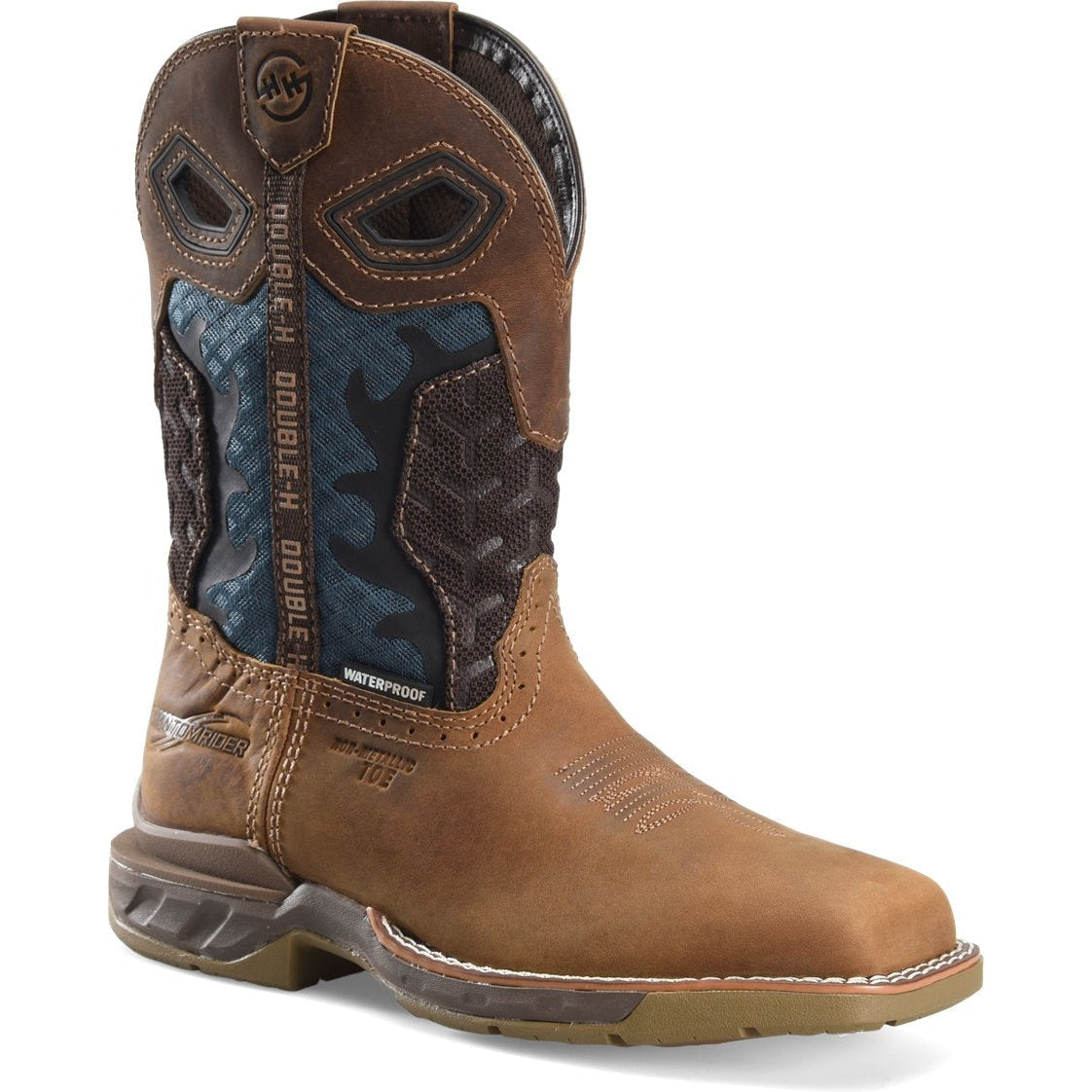
Double H Women's Phantom Rider Watcher 10" Waterproof Composite Toe Roper Work Boot -Brown- DH5392
Save 6%
Sale price$319.95
Regular price$340.00
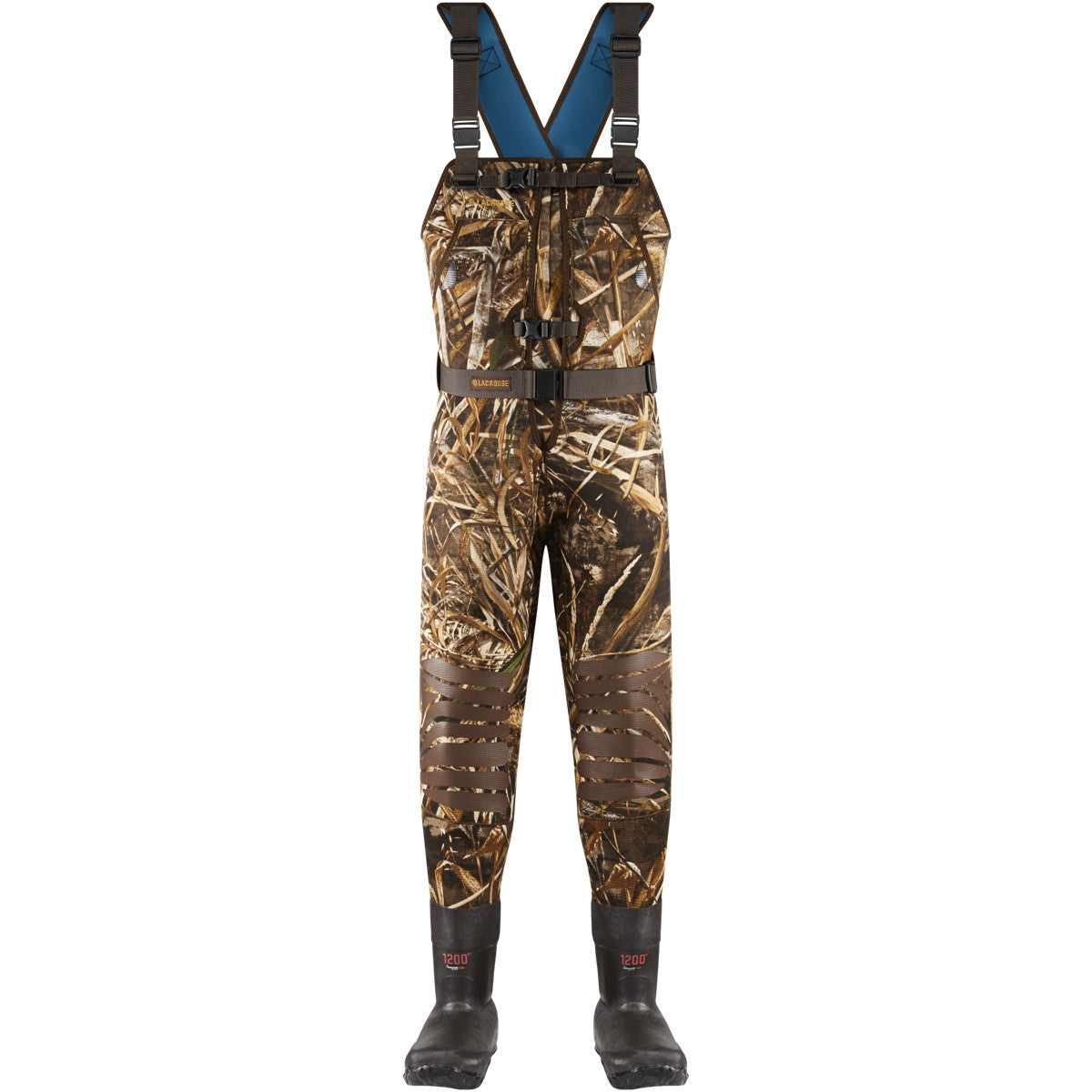
LaCrosse Women's Estuary Chest Soft Toe Waterproof 1200G Hunt Boot - Realtree Max-5 - 700314

Save 8%
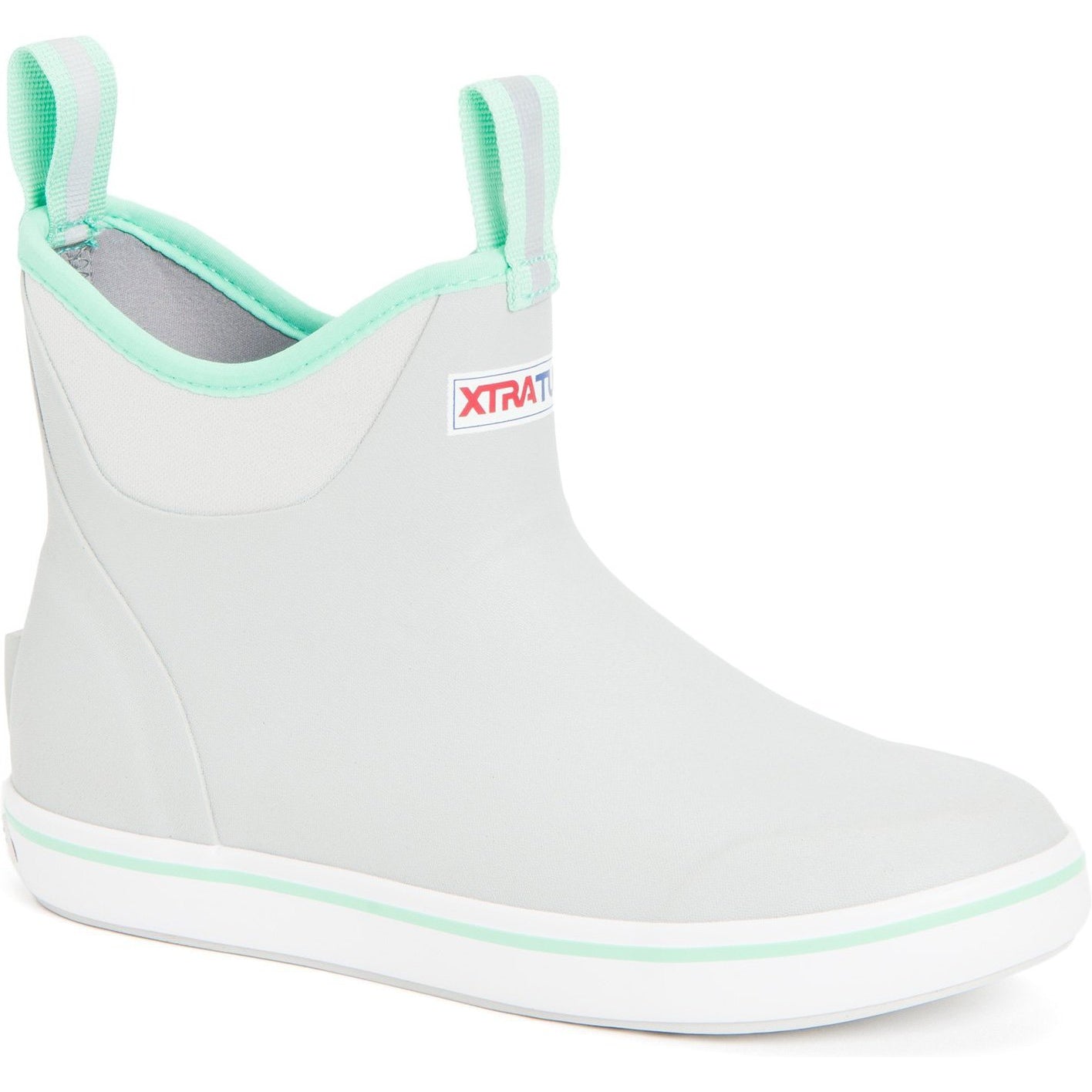
Sale price$115.00
Regular price$125.00
Xtratuf Women's 6" Ankle Deck Waterproof Boot - Gray - XWAB-102
Save 7%
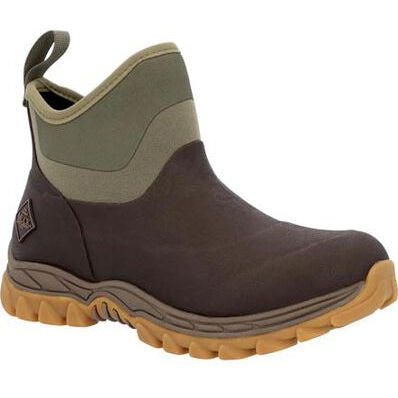
Sale price$135.00
Regular price$145.00
Muck Women's Artic Sport II Waterproof Ankle Style Boots - Brown - AS2A903
Save 8%
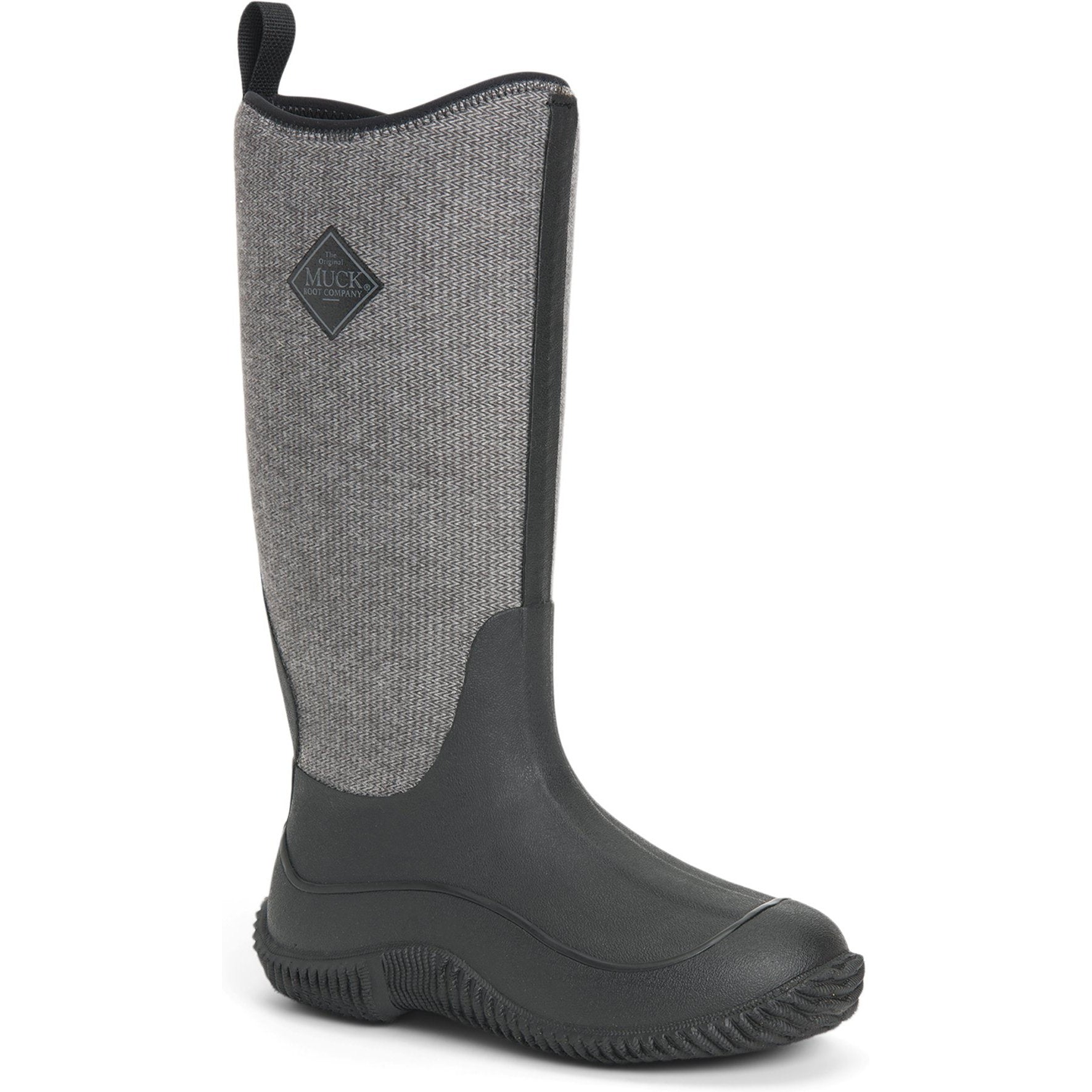
Sale price$120.00
Regular price$130.00
Muck Women's Hale Waterproof Pull-On Outdoor Boot - Black - HAW-1HB
Save 8%
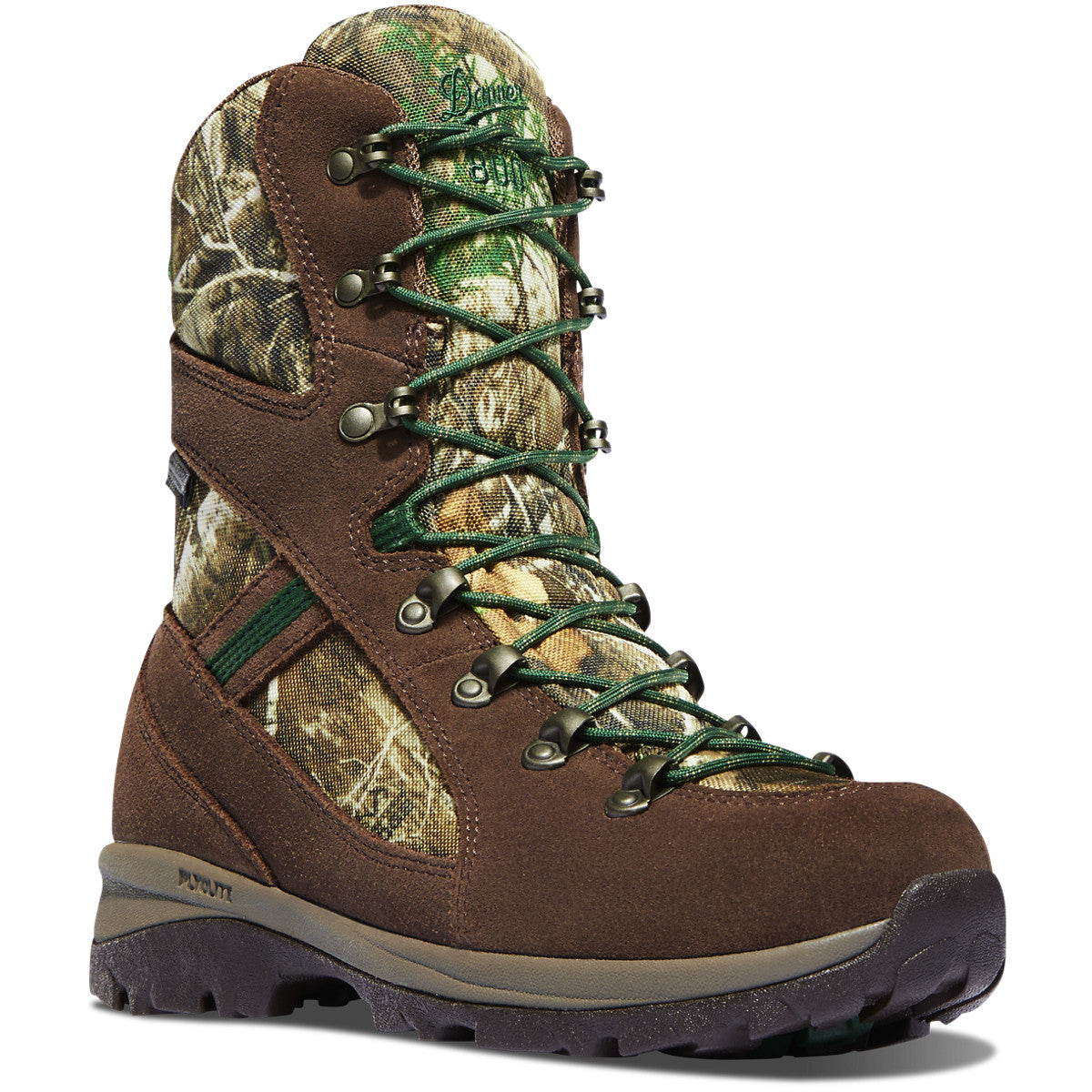
Sale price$189.95
Regular price$206.00
Danner Women's Wayfinder 8" Waterproof Insulated Hunt Boot - Realtree - 44212
Save 12%
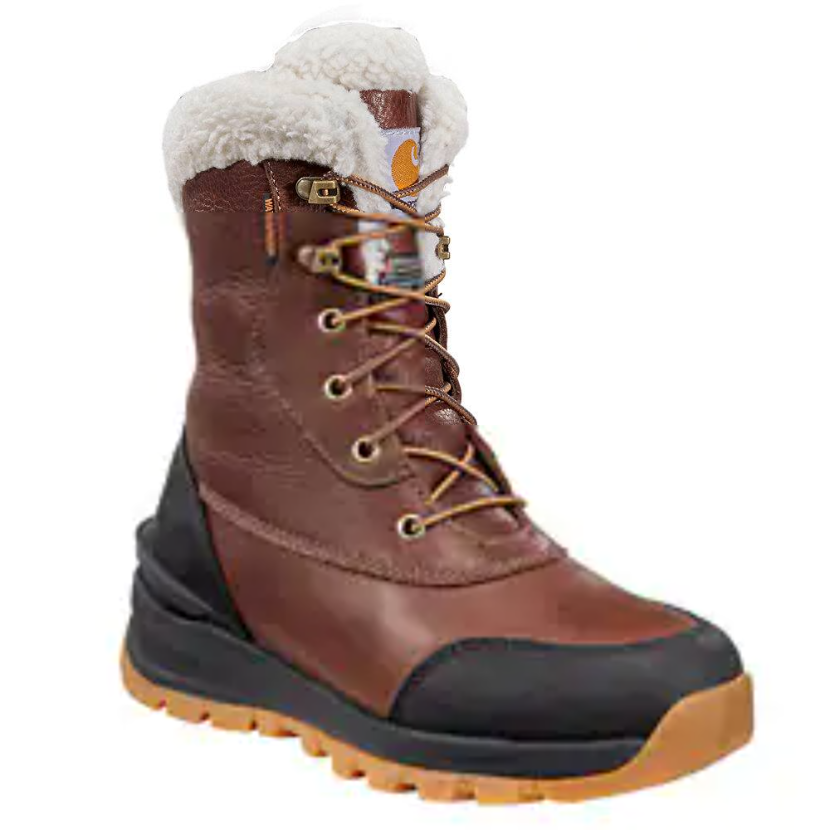
Sale price$170.19
Regular price$194.00
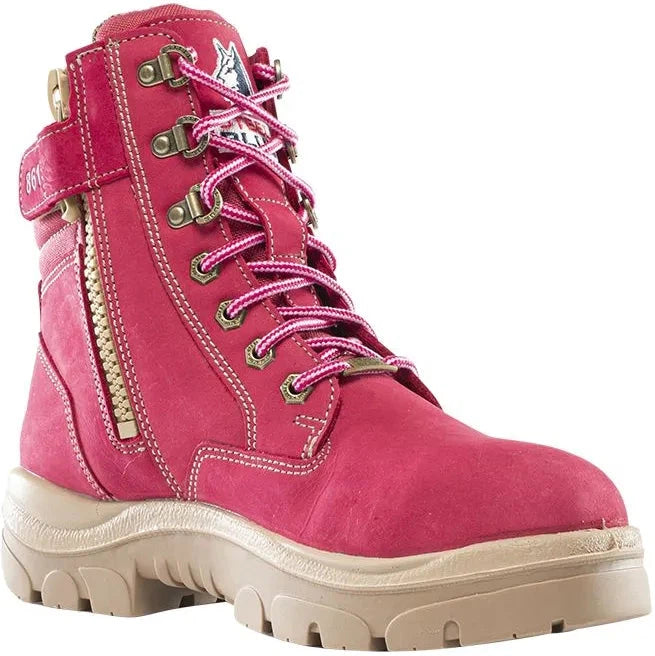
Carhartt Women's Pellston 8" Waterproof Winter Work Boot - Mineral Red - FH8019-W
Save 12%
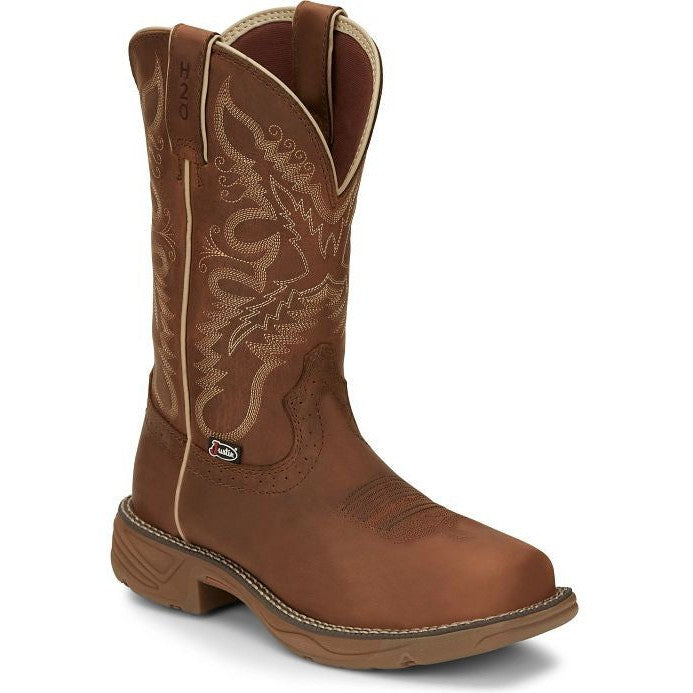
Sale price$193.15
Regular price$220.00
Justin Women's Rush 11" Waterproof Slip Resistant Work Boot - Rustic Tan - SE4353

Save 13%
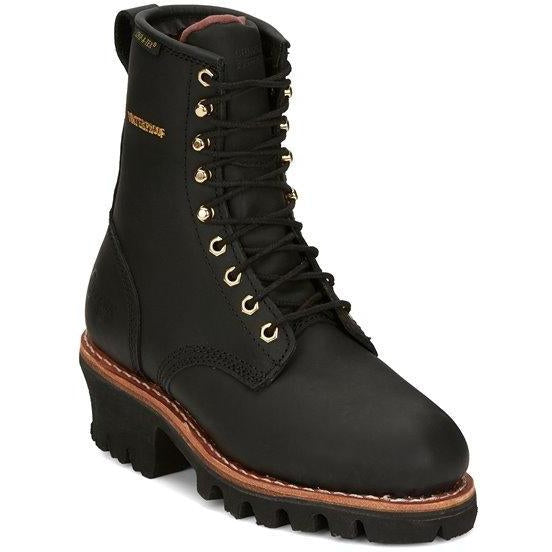
Sale price$282.71
Regular price$324.95
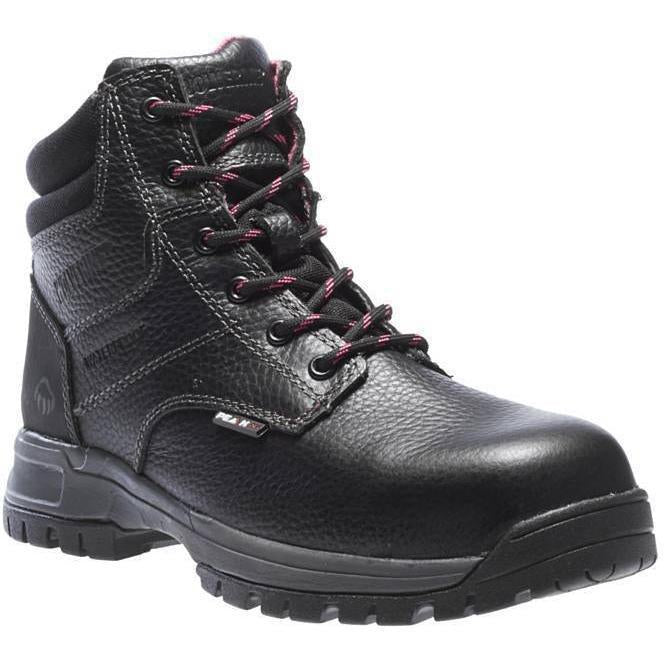
Chippewa Women's Tinsley 8" Steel Toe Waterproof 400G Ins Work Boot - Black - L73050
Save 9%
Sale price$170.19
Regular price$188.00
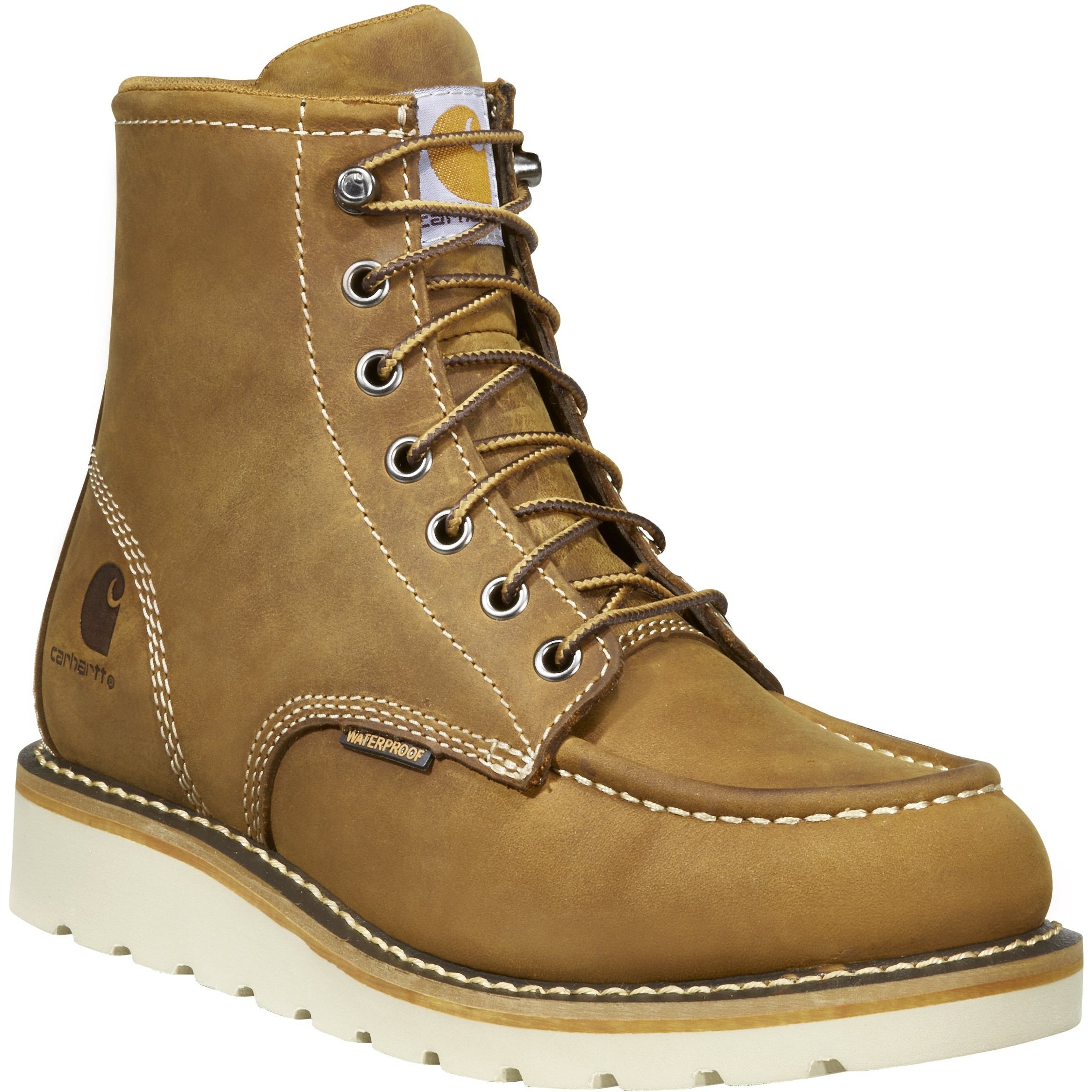
Carhartt Women's 6" Steel Toe Waterproof Wedge Work Boot - Brown - FW6225-W
Save 8%
Sale price$229.95
Regular price$250.00
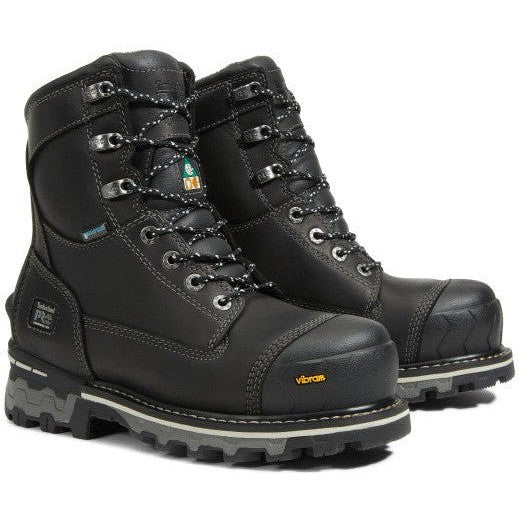
Timberland PRO Women's Boondock 8" Composite Toe Waterproof Puncture Resistant 200G Insulated Work Boot - Black - TB1A5R7K001
Save 9%
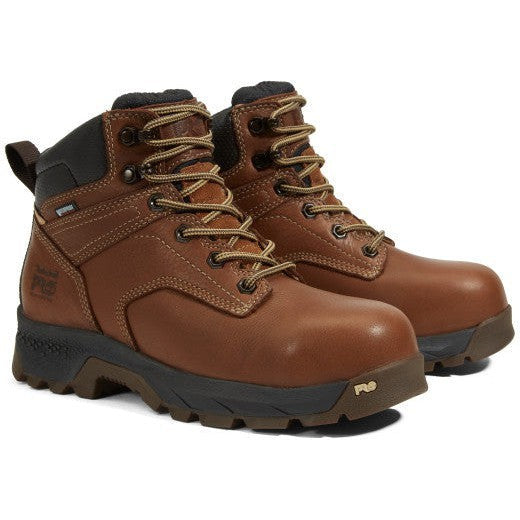
Sale price$154.95
Regular price$170.00
Timberland PRO Women's Titan EV 6" Composite Toe Waterproof Work Boot - Brown - TB1A5P1A214
Save 8%
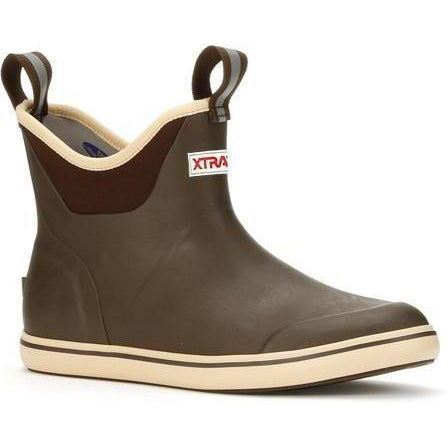
Sale price$115.00
Regular price$125.00
Xtratuf Women's 6" Ankle Deck Waterproof Boot - Brown - XWAB-900
Save 14%
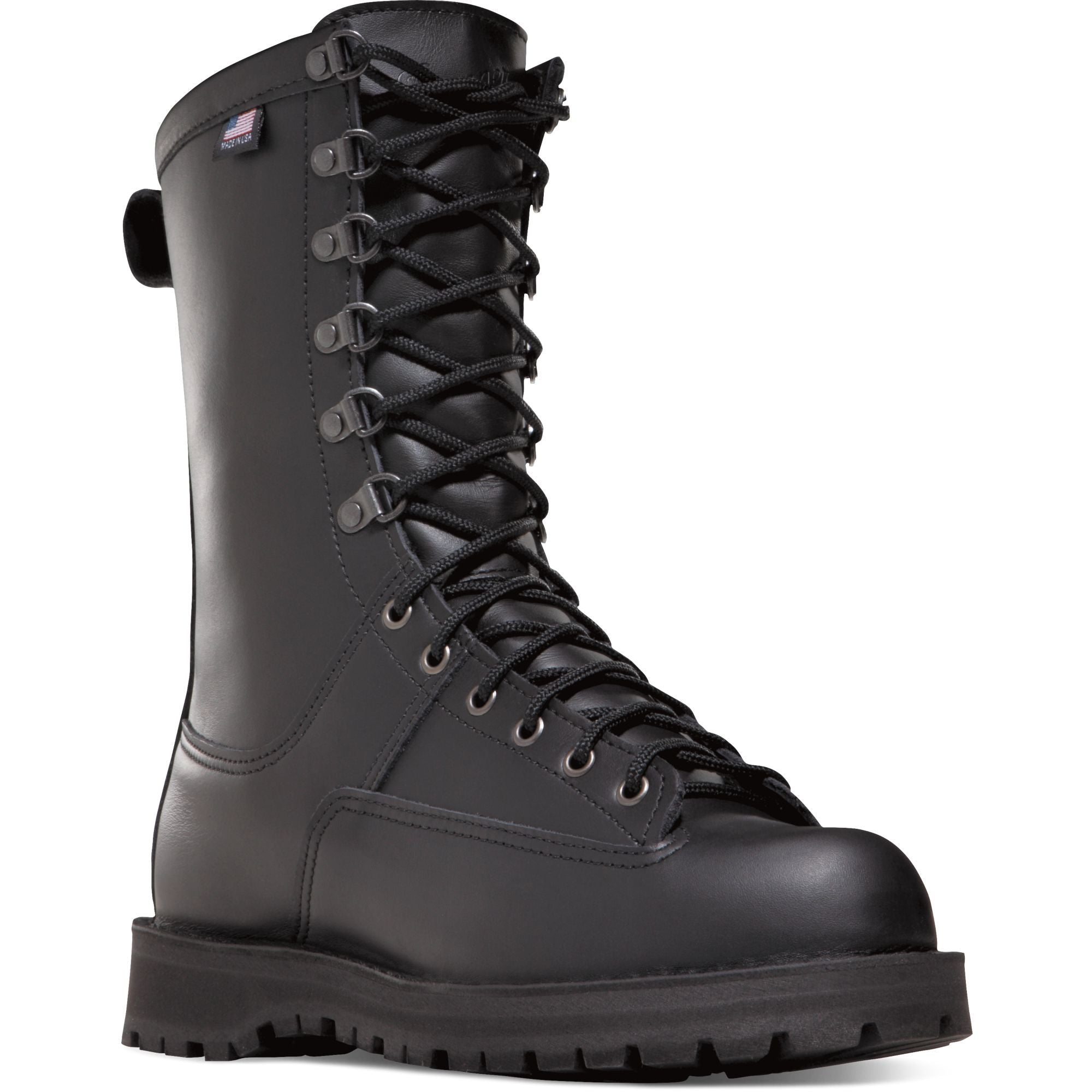
Sale price$449.95
Regular price$524.00
Danner Women's Fort Lewis USA Made 10" Waterproof Duty Boot - Black - 29110
Frequently Asked Questions
A waterproof boot uses a sealed membrane and sealed seams, so water cannot work through the leather or the stitching. Water-resistant leather sheds rain and handles damp ground but wets through with sustained exposure. The distinction matters if you stand in water rather than walk through it, and it is stated in the product title.
Usually sweat rather than leakage, particularly in warm weather when the membrane cannot breathe effectively because the outside air is already humid. The other common cause is water coming in over the collar, which no membrane prevents. If the outer leather is soaking through and feeling wet, that is a worn water-repellent finish rather than a failed membrane, and it is fixable.
High enough for the water you actually stand in, since a membrane protects only to the collar. A 6-inch waterproof boot handles wet grass, puddles, and rain. If you work in standing water or deep mud, a taller boot or a rubber pull-on does far more for you than a better membrane on a short boot. See our women's rubber boots range.
Yes. Membranes fail at seams and flex points over a few years of hard wear, and unlike an outsole they cannot be replaced. Treat waterproofing as a finite feature rather than permanent. The outer repellent finish wears off much sooner and can be restored by cleaning the boot and reapplying a treatment, which resolves most complaints.
Somewhat, since the membrane restricts airflow, and the effect is most noticeable in summer. The membrane itself provides no insulation, so a waterproof uninsulated boot is a three-season boot rather than a winter one. If heat rather than water is your problem, an unlined breathable boot is the better choice.
Yes, and the combination is standard for winter work, since wet insulation stops working and snow melts against a warm boot. Match the insulation weight to how much you move rather than to the temperature. Insulation weight is stated in every product title where it applies. See our women's winter work boots range.
Clean them regularly, since dirt and oil clog the outer material and stop moisture escaping, which is a common cause of clammy feet. Use lukewarm water and a cleaner made for the purpose rather than detergent. Dry at room temperature away from direct heat, which damages both leather and membrane adhesives.
For standing in water, considerably, since a rubber boot is waterproof by construction with no membrane or seams to fail. What it gives up is breathability and support, so it is poor for covering distance. Leather waterproof boots are better for walking, rubber for standing. Many people keep both.
Recently viewed
Our Top Brands