Save 6%
Sale price$154.99
Regular price$165.00
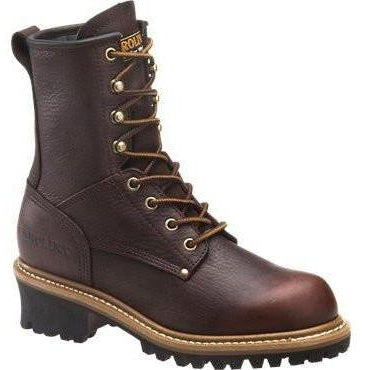
Carolina Women's Elm 8" Steel Toe Logger Work Boot - Brown - CA1421
Save 6%
Sale price$149.99
Regular price$160.00
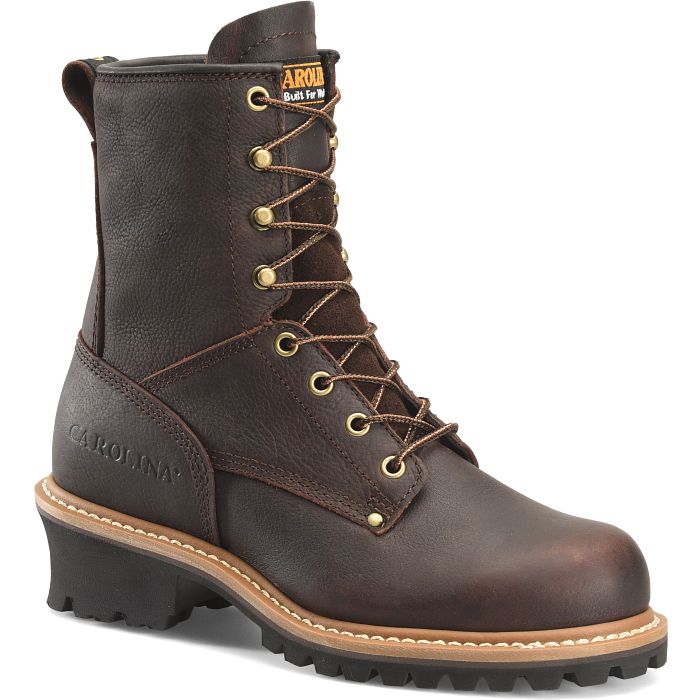
Carolina Women's Elm 8" Logger Work Boot - Brown - CA421
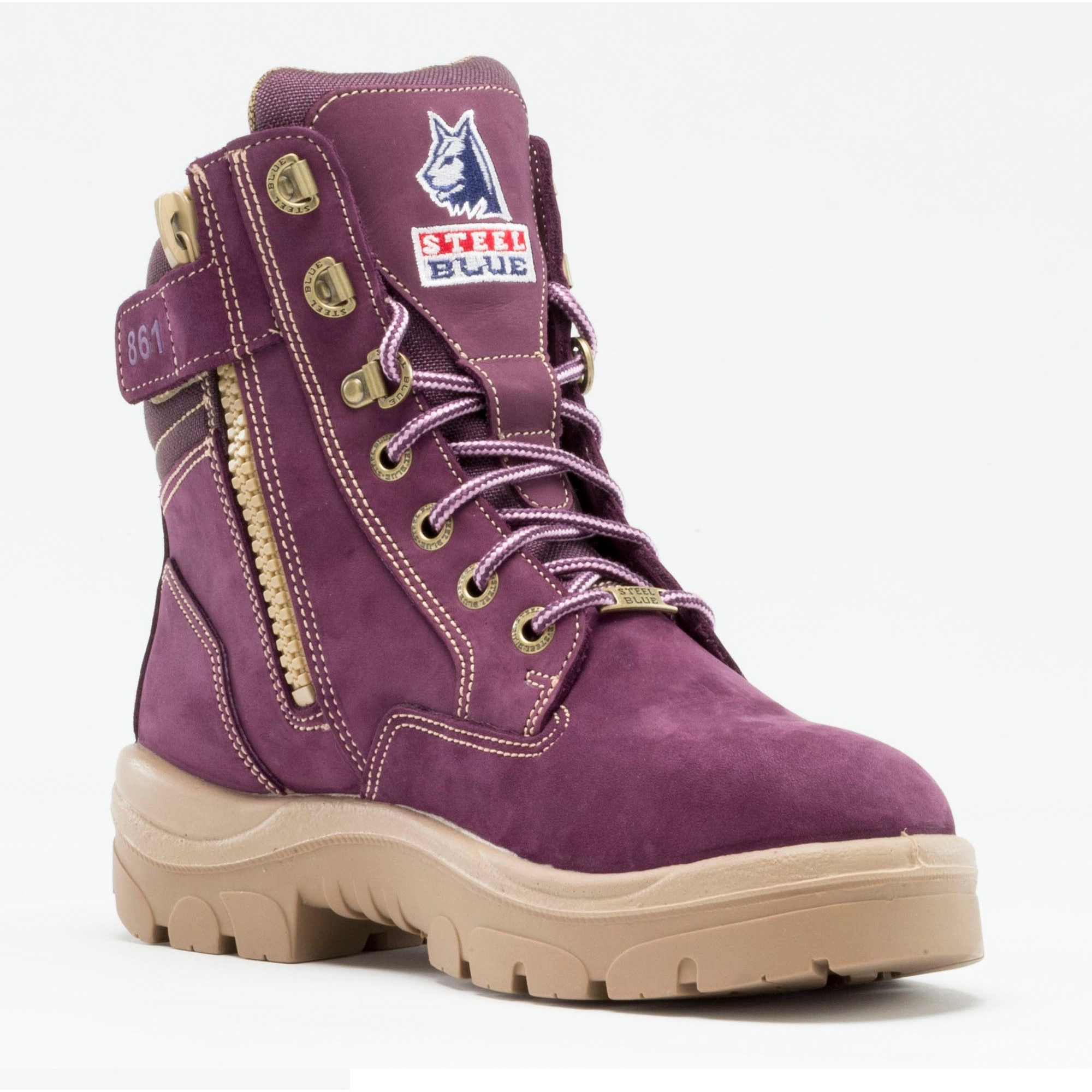
Save 5%
Sale price$159.95
Regular price$169.00
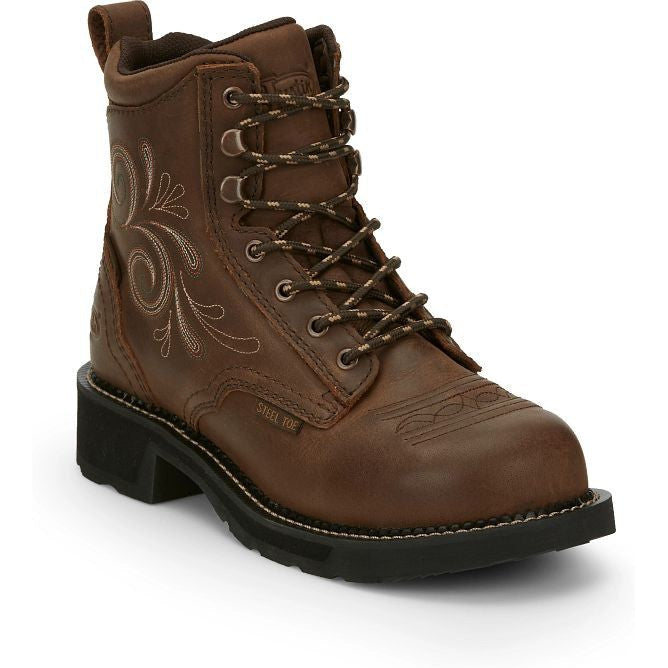
Justin Women's Katerina 6" Steel Toe Waterproof Slip Resistant Work Boot - Aged Bark Brown - GY985
Save 19%
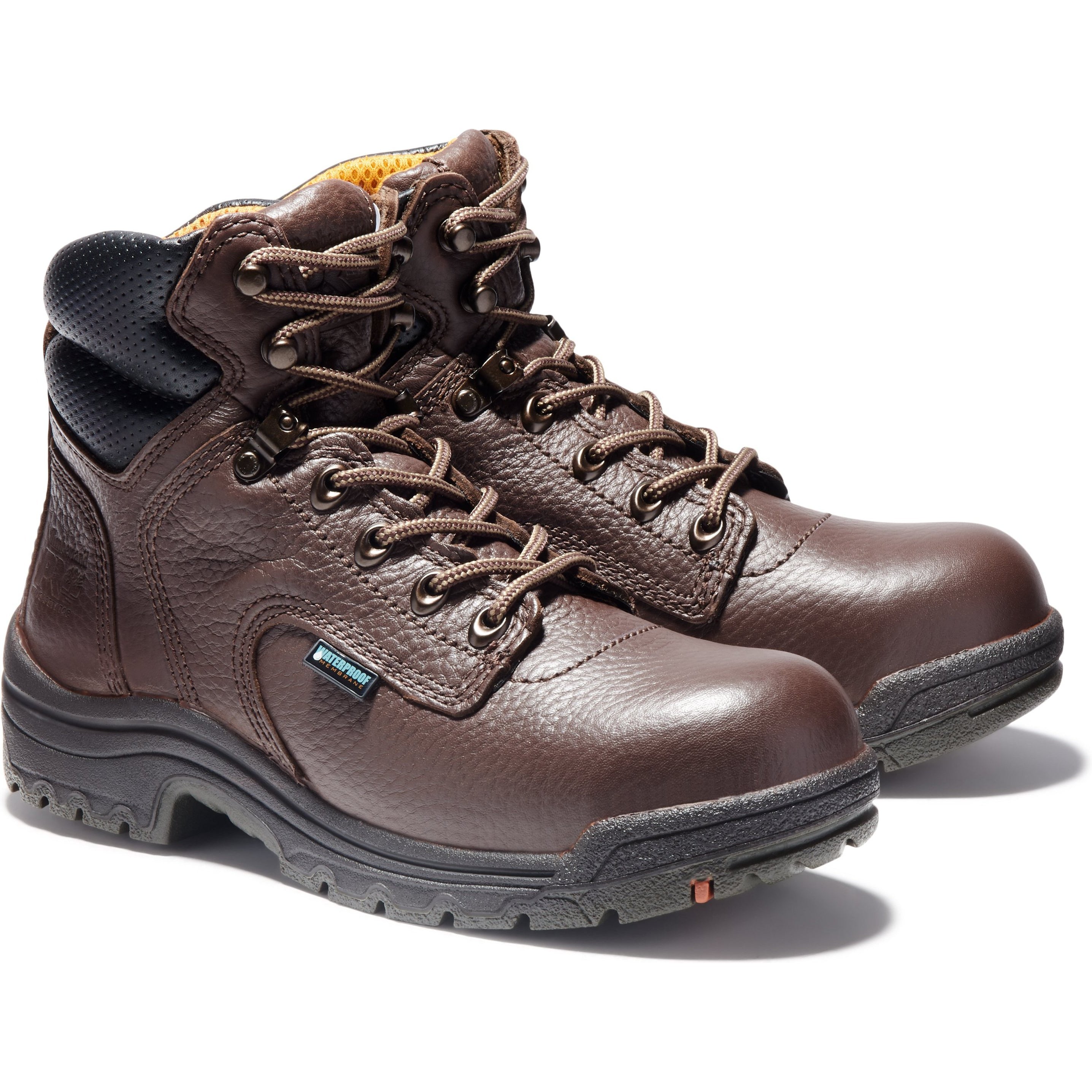
Sale price$132.95
Regular price$165.00
Timberland PRO Women's TITAN 6" Alloy Toe Waterproof Work Boot - TB153359242
Save 38%
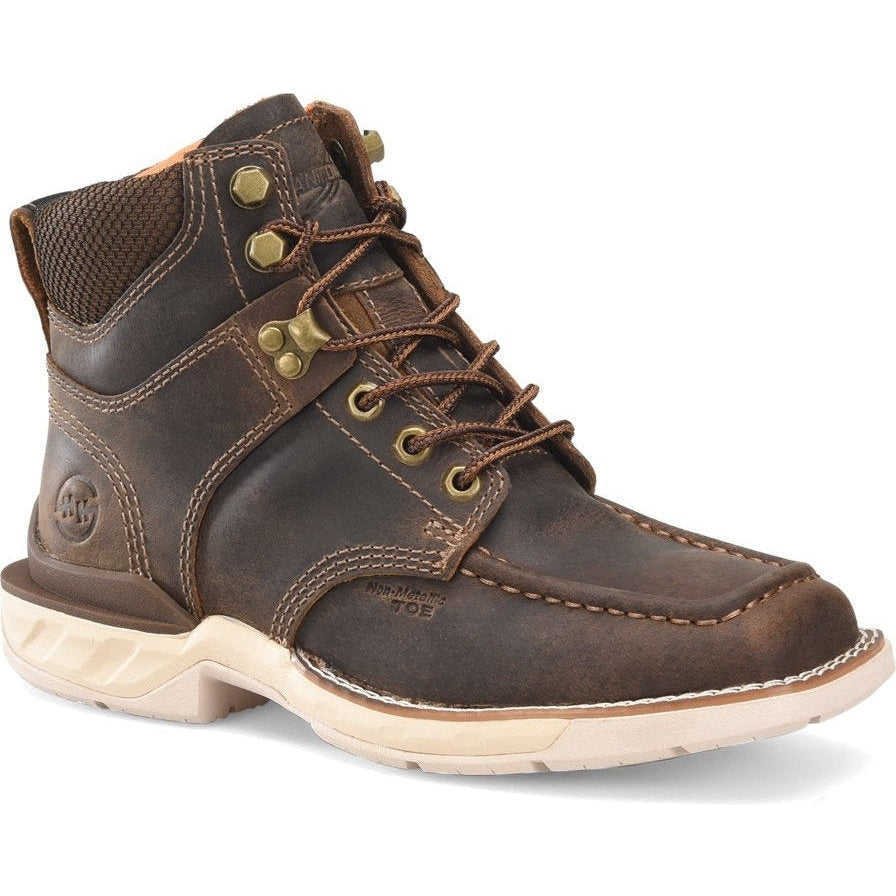
Sale price$105.67
Regular price$170.00
Double H Women's Phantom 5" Waterproof Composite Toe Lacer Work Boot -Brown- DH5386
Save 7%
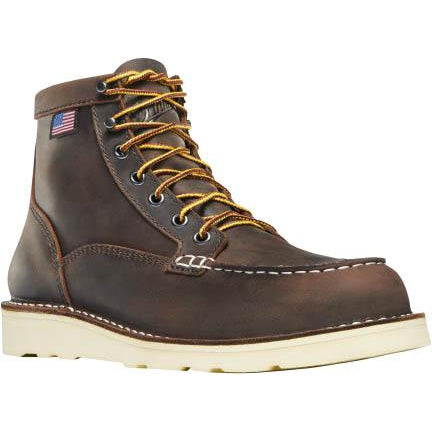
Sale price$269.95
Regular price$290.00
Danner Women's Bull Run 6" Steel Toe Moc Toe Wedge Work Boot - Brown - 15576
Save 5%
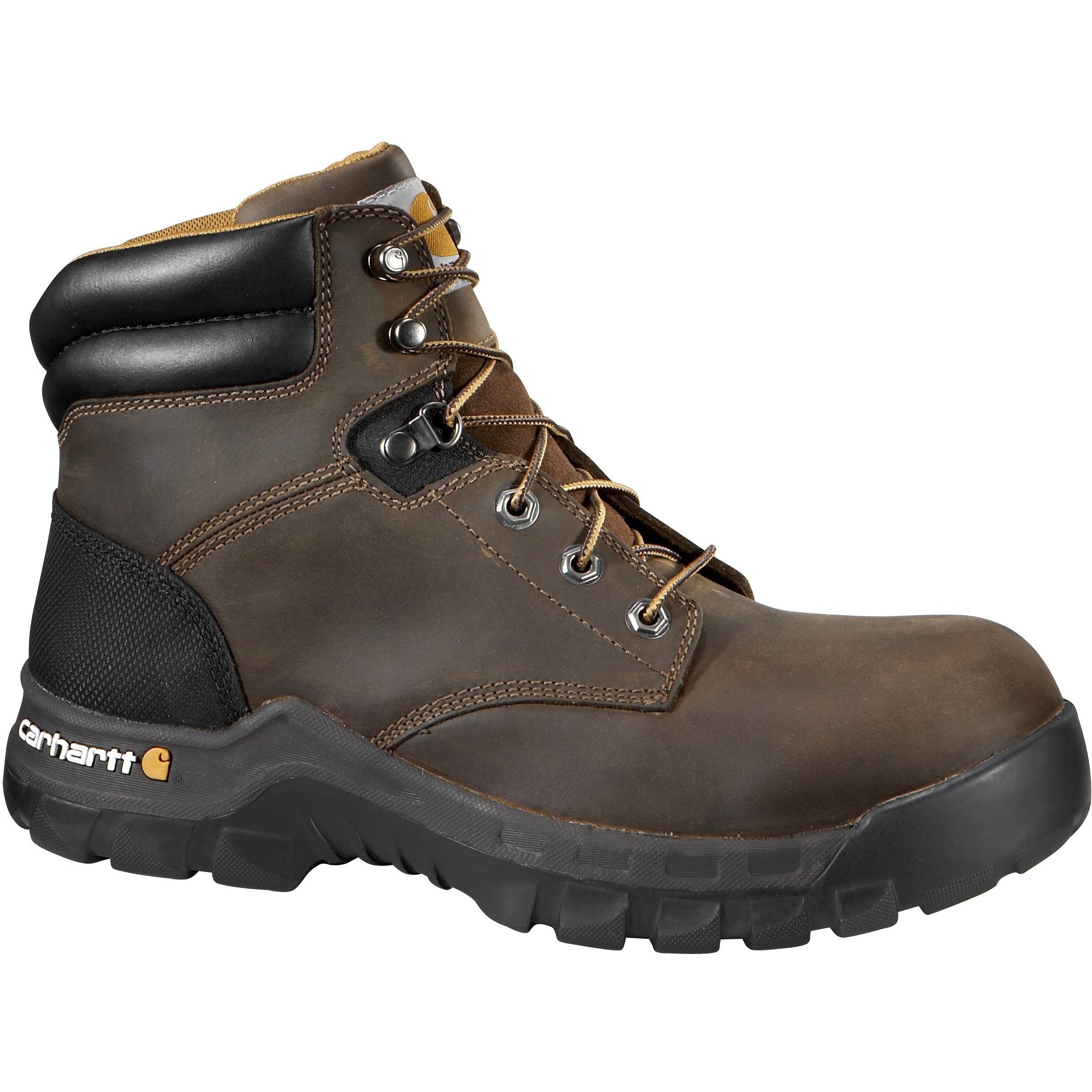
Sale price$149.99
Regular price$158.00
Carhartt Women's Rugged Flex 6" Composite Toe Work Boot - Brown - CWF5355
Save 7%
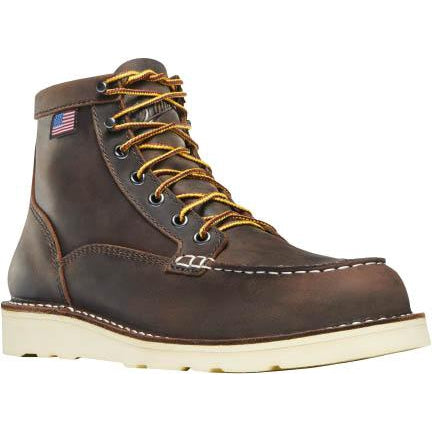
Sale price$259.95
Regular price$280.00
Danner Women's Bull Run 6" Moc Toe Wedge Work Boot - Brown - 15575

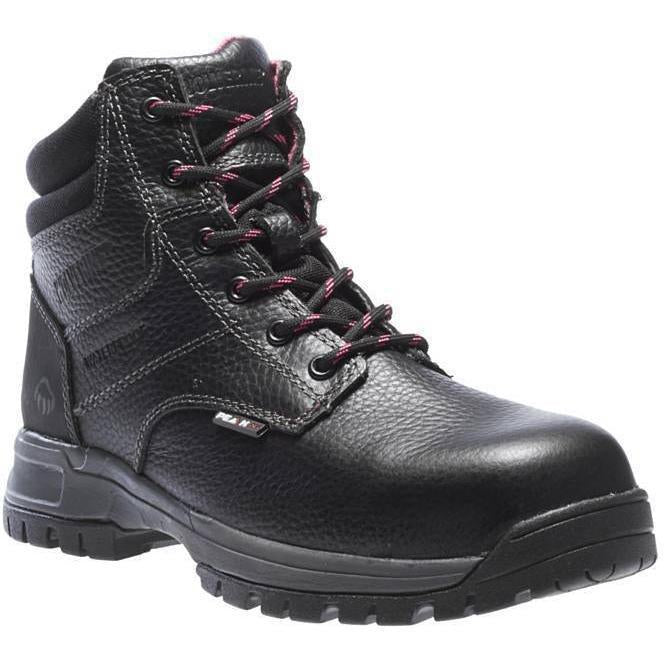
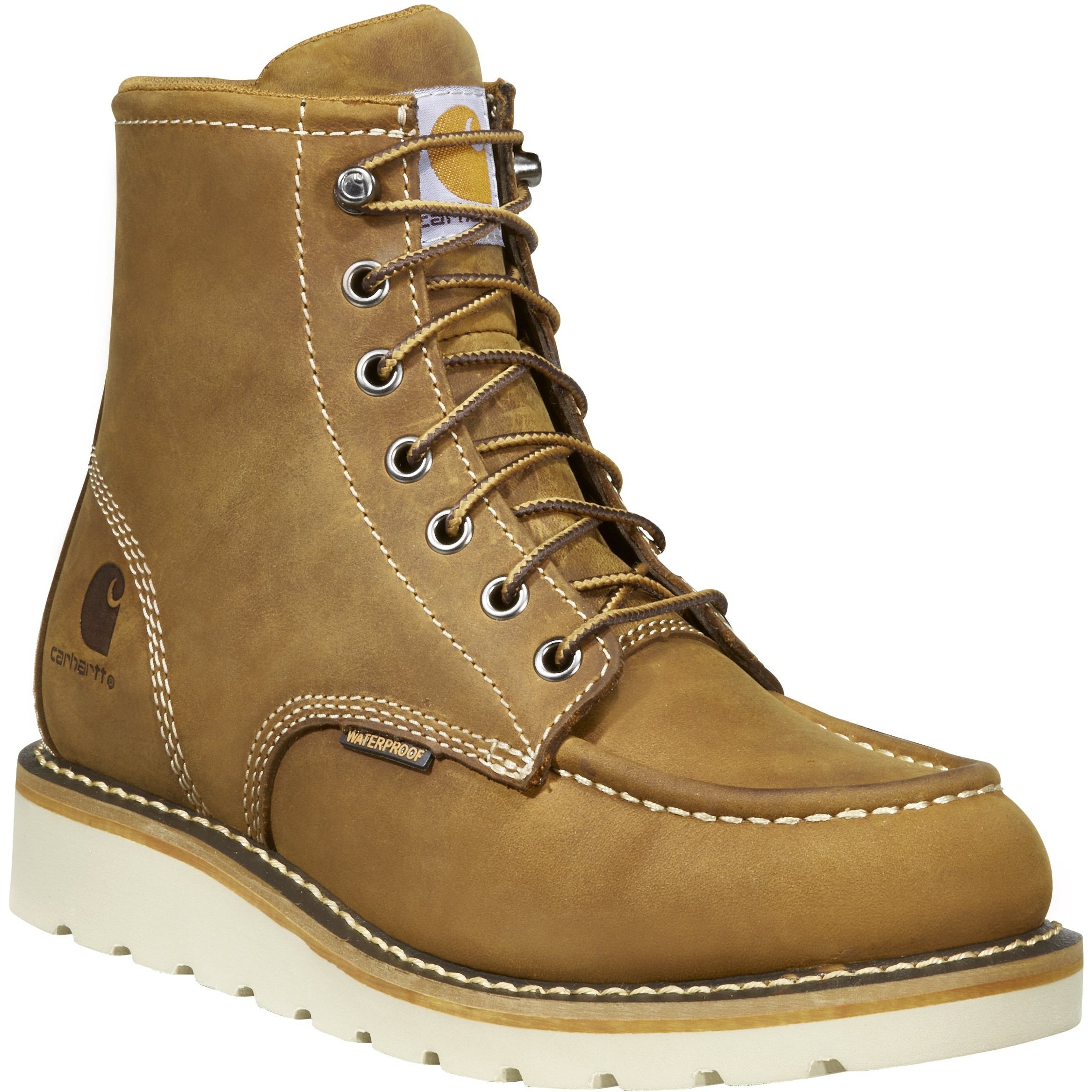
Sale price$184.99
Regular price$188.00
Carhartt Women's 6" Steel Toe Waterproof Wedge Work Boot - Brown - FW6225-W
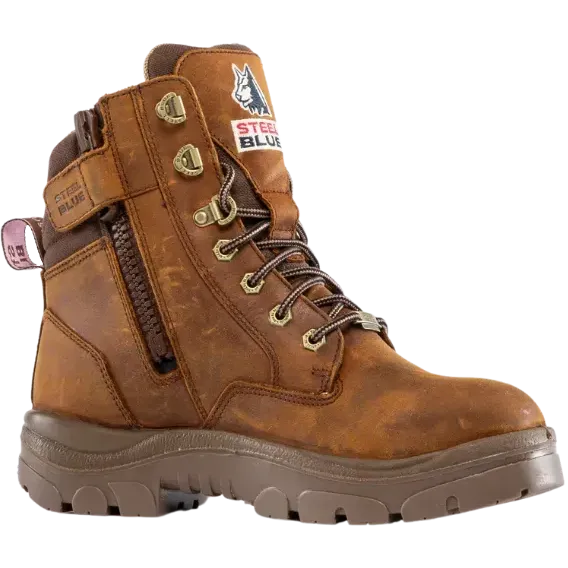
Save 15%
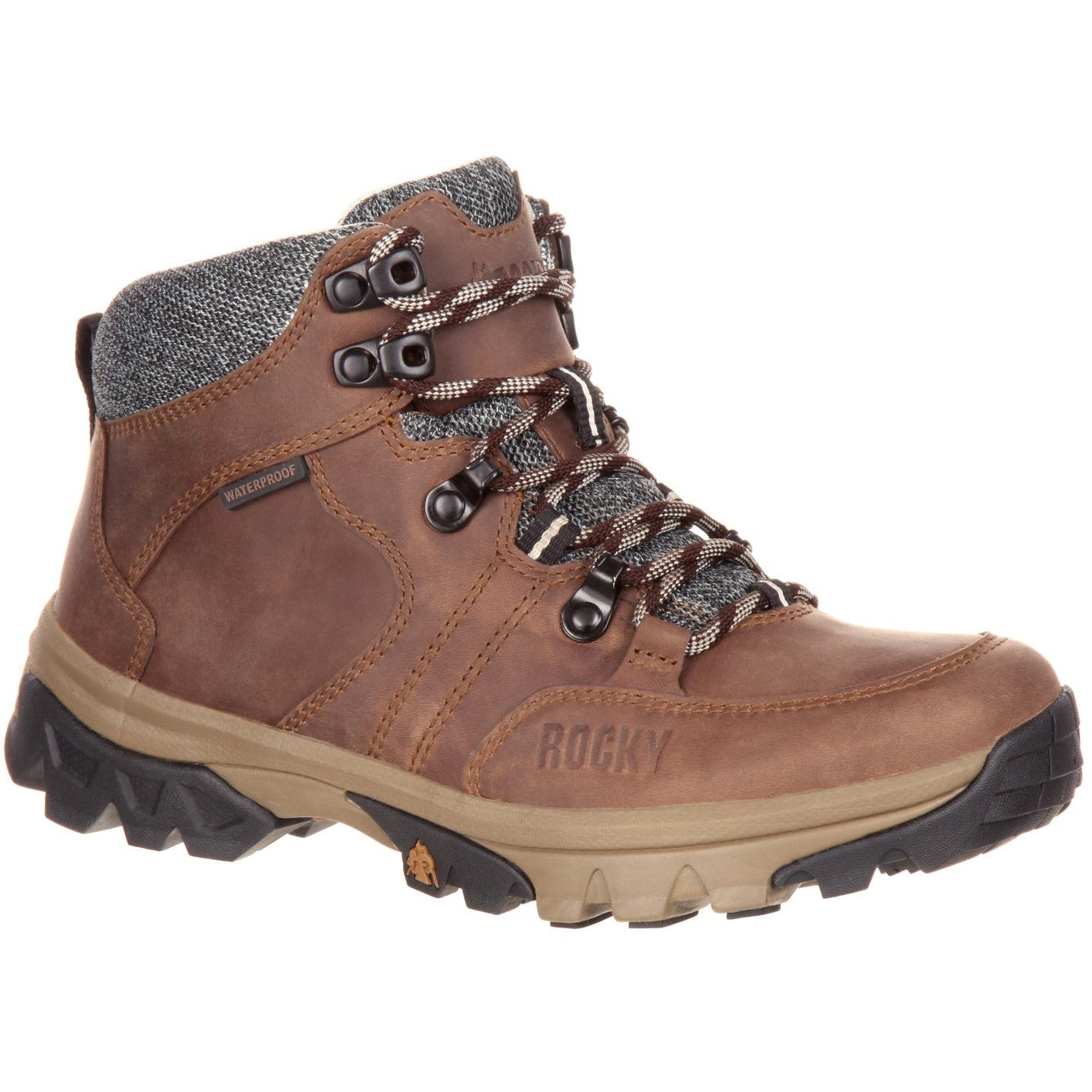
Sale price$124.99
Regular price$147.00
Rocky Women's Endeavor Point 5" Waterproof Outdoor Hiking Boot- Brown- RKS0301
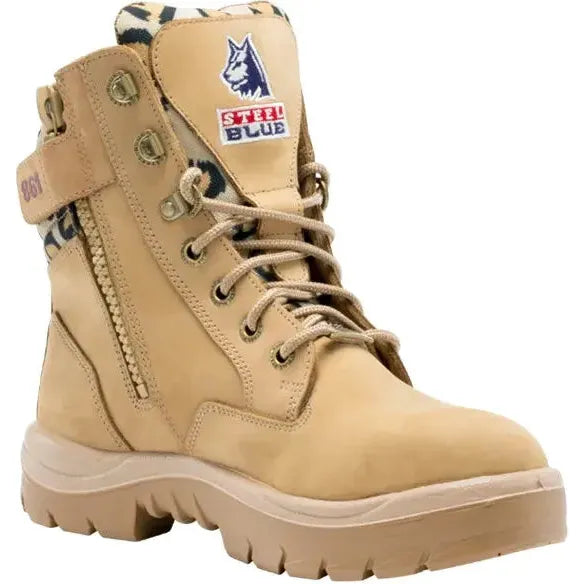
Save 7%
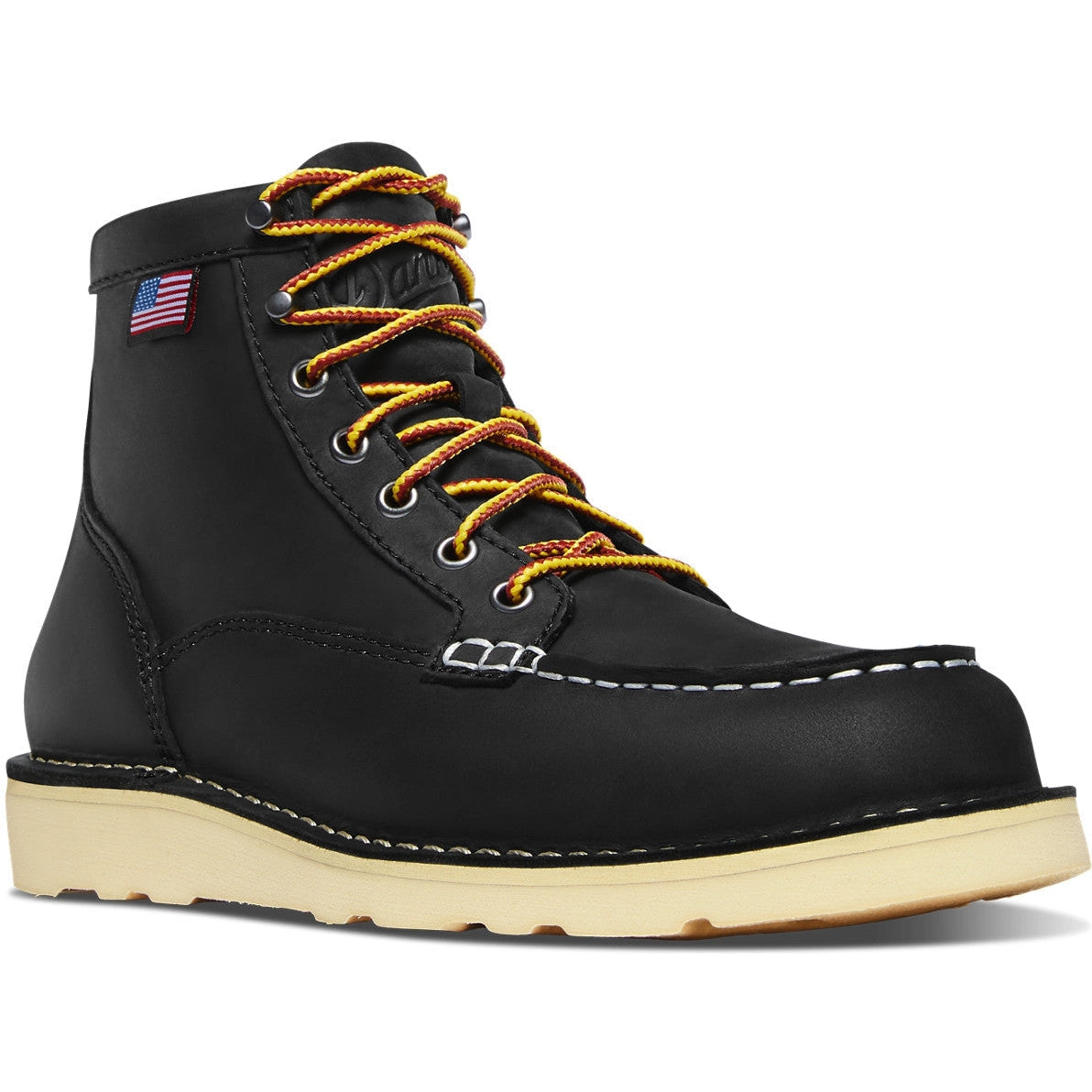
Sale price$259.95
Regular price$280.00
Danner Women's Bull Run 6" Slip Resistant Moc Toe Work Boot - Black - 15587
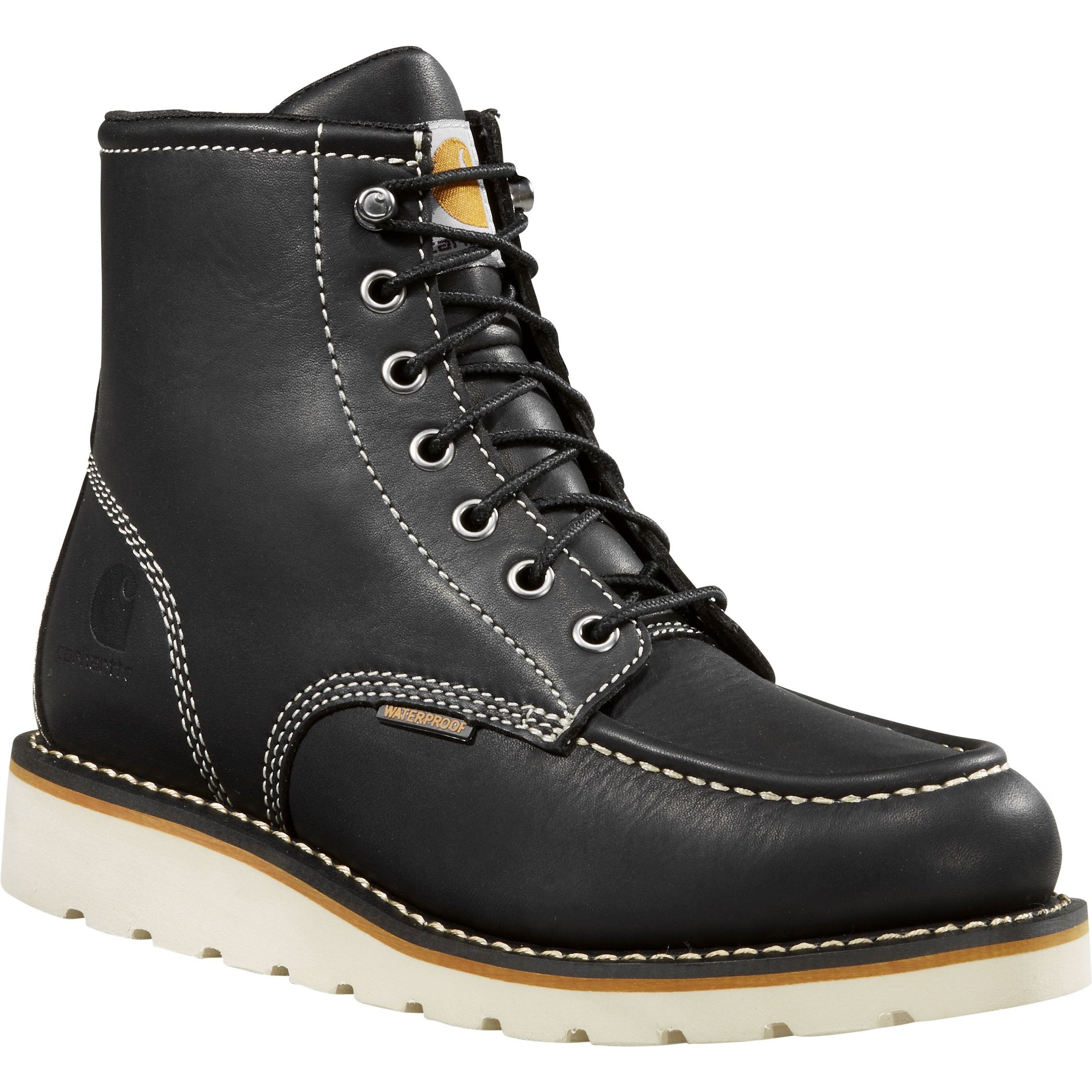
Sale price$179.99
Regular price$181.00
Carhartt Women's 6" Soft Toe Waterproof Wedge Work Boot- Black- FW6021-W
Save 5%
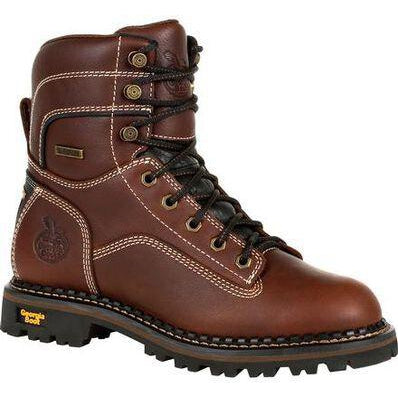
Sale price$180.00
Regular price$190.00
Georgia Women's Amped Lightweight Logger Alloy Toe Waterproof Work Boot - Brown - GB00428
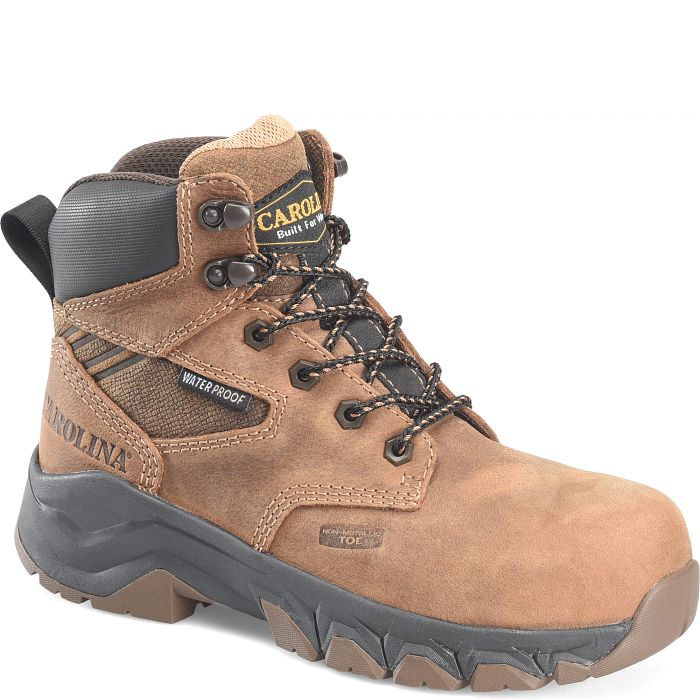
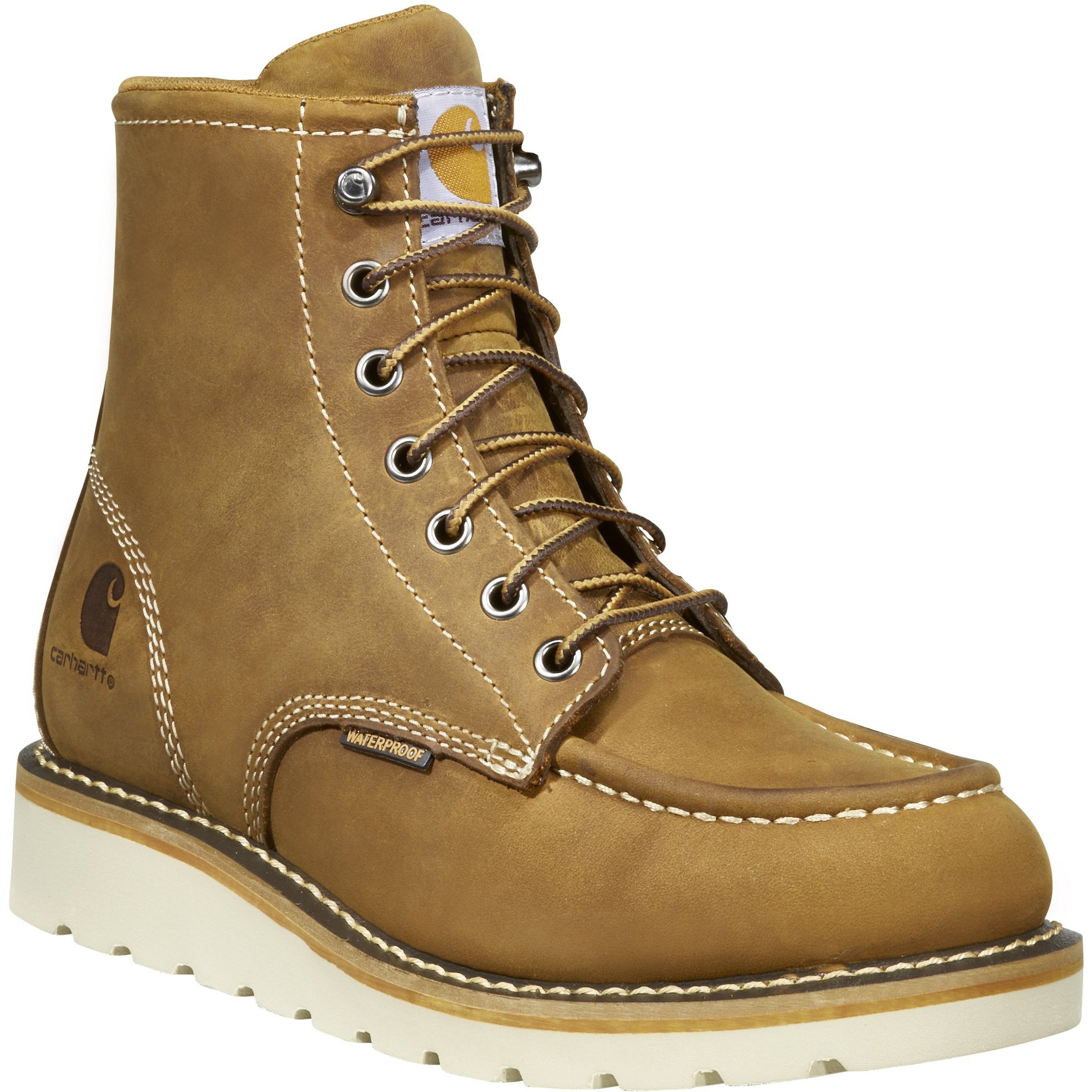
Sale price$179.99
Regular price$181.00
Carhartt Women's 6" Soft Toe Waterproof Wedge Work Boot- Brown- FW6025-W

Save 7%
Sale price$127.00
Regular price$137.00
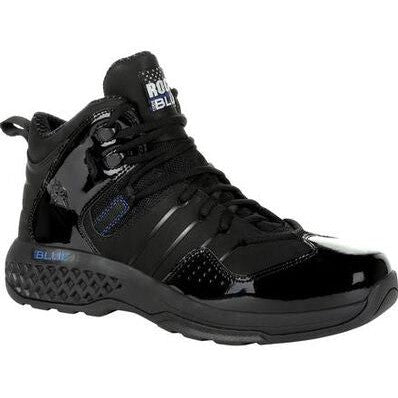
Rocky Women's Code Blue 5" Soft Toe Sport Public Service Boot -Black- RKD0058
Save 10%
Sale price$139.50
Regular price$155.00
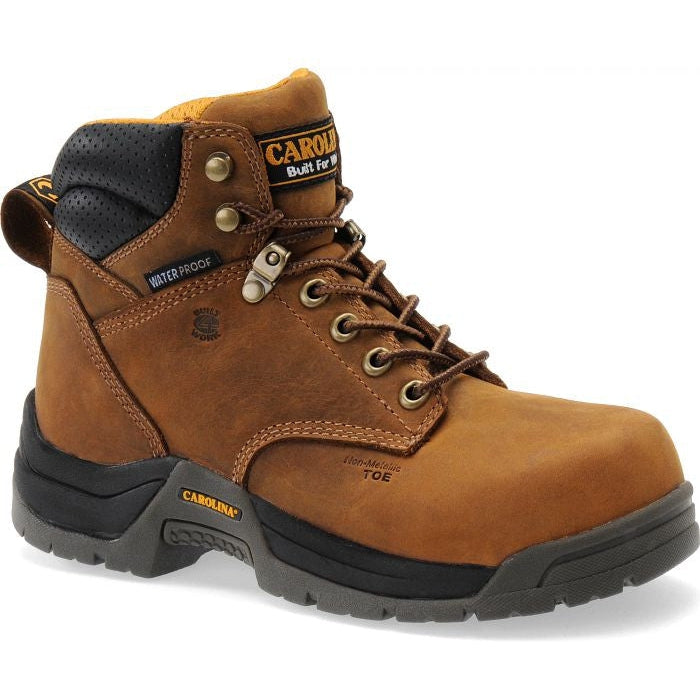
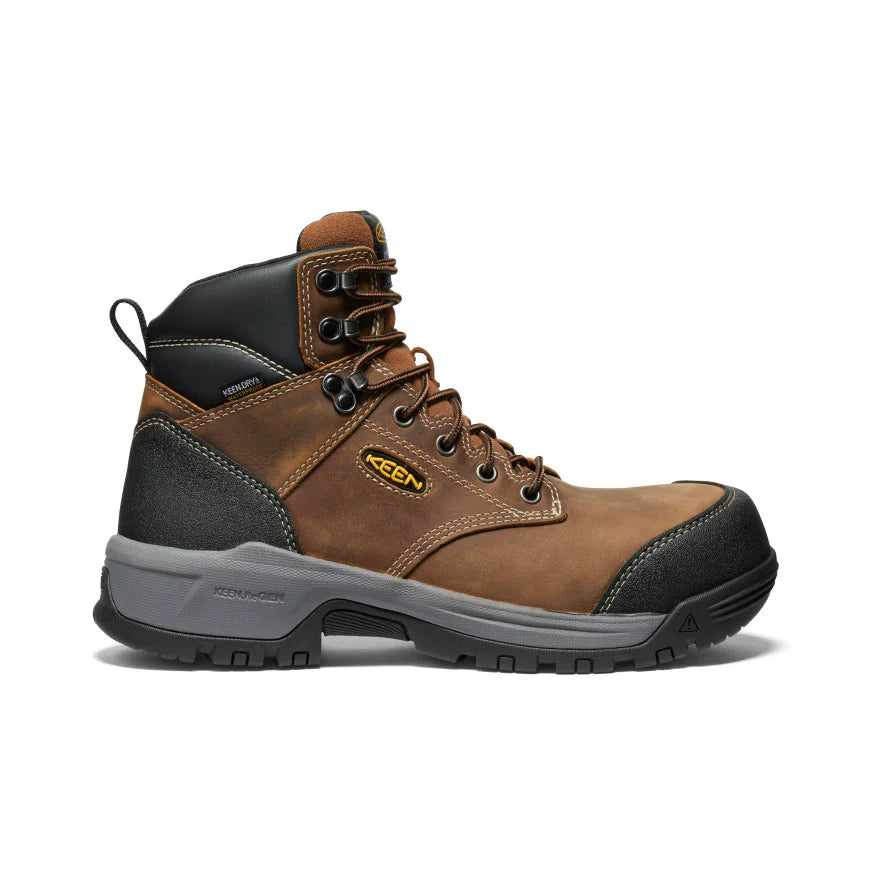
Keen Women's ESD Evanston 6" Carbon Toe Waterproof Work Boot - Brown - 1029391
Save 7%
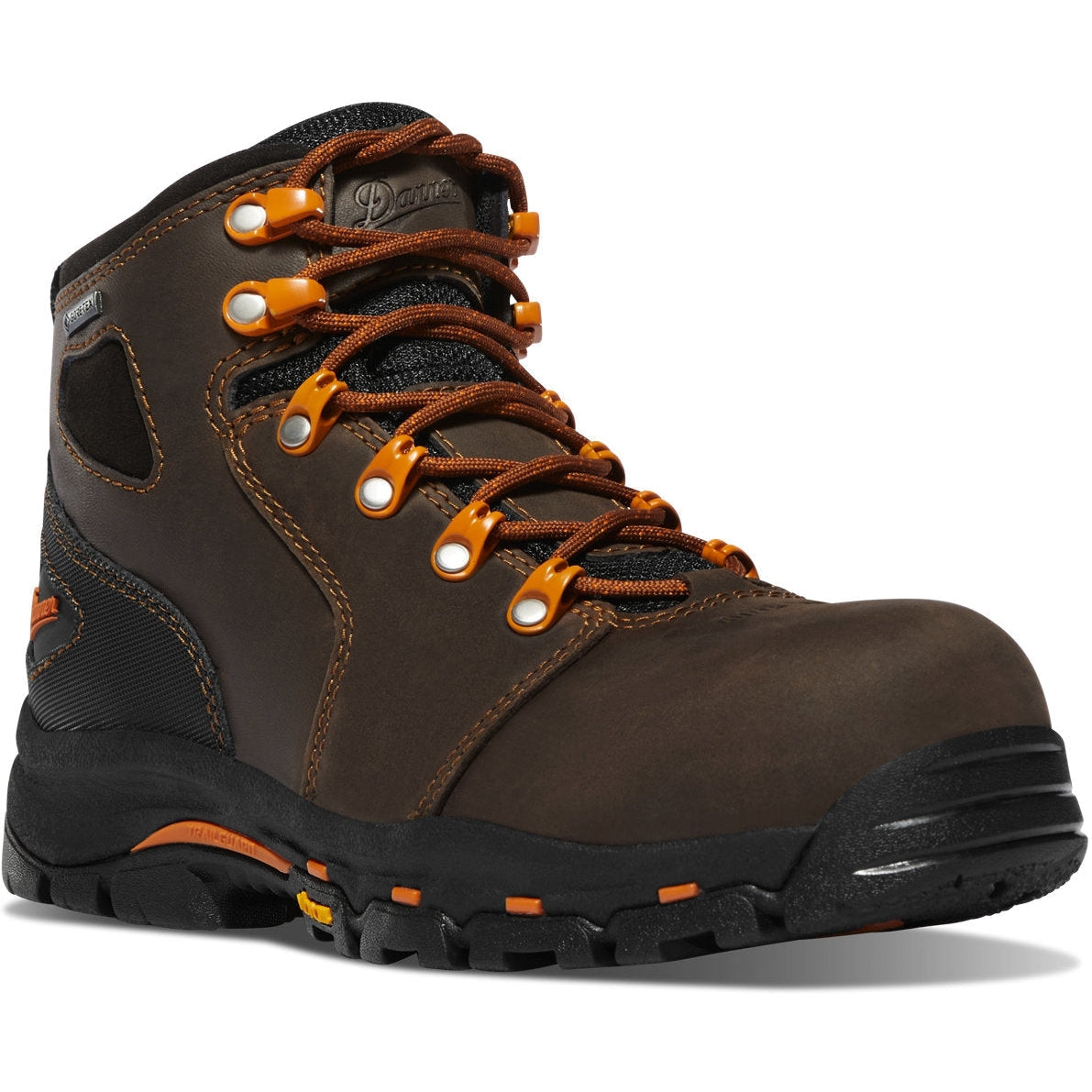
Sale price$249.95
Regular price$270.00
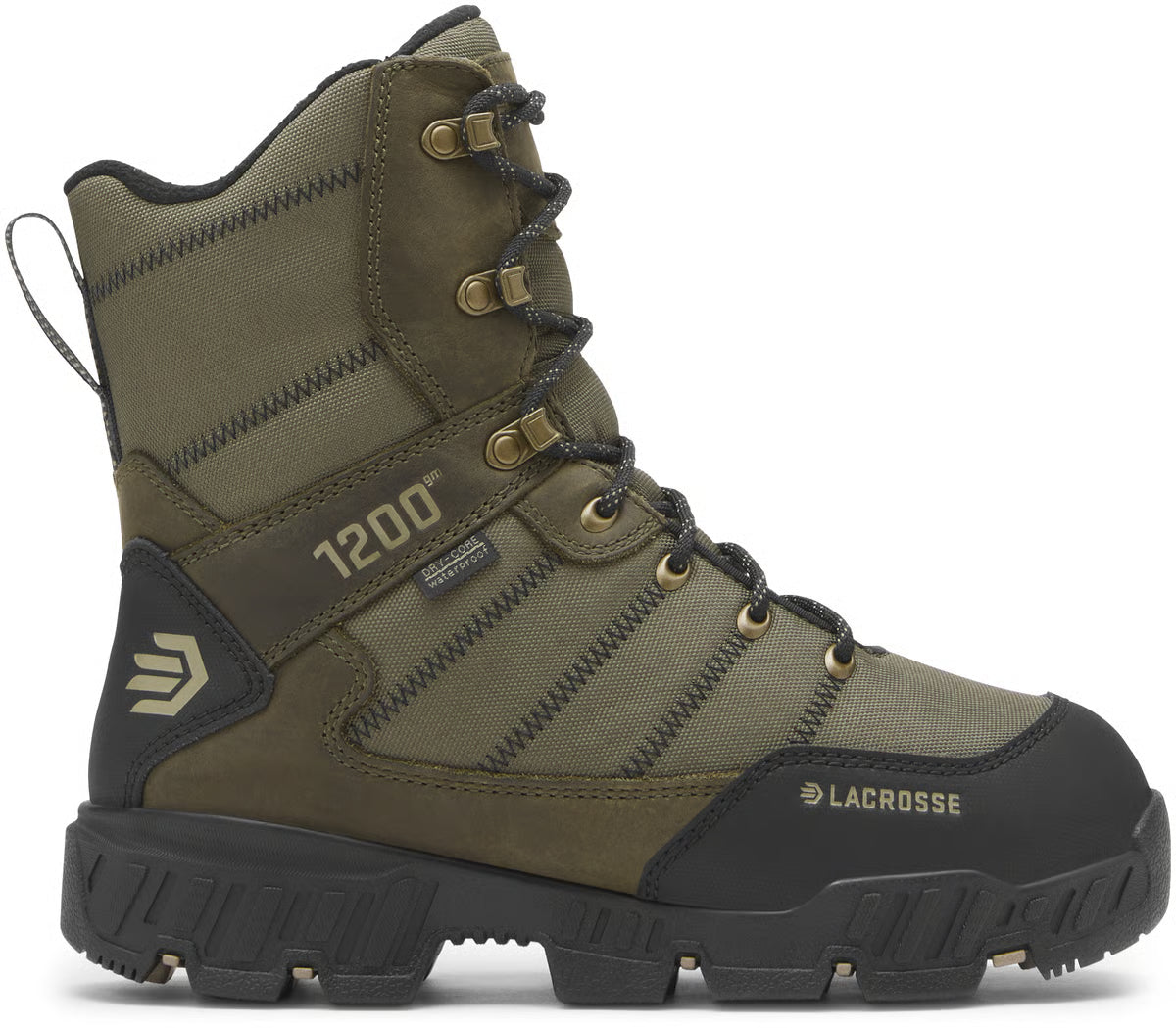
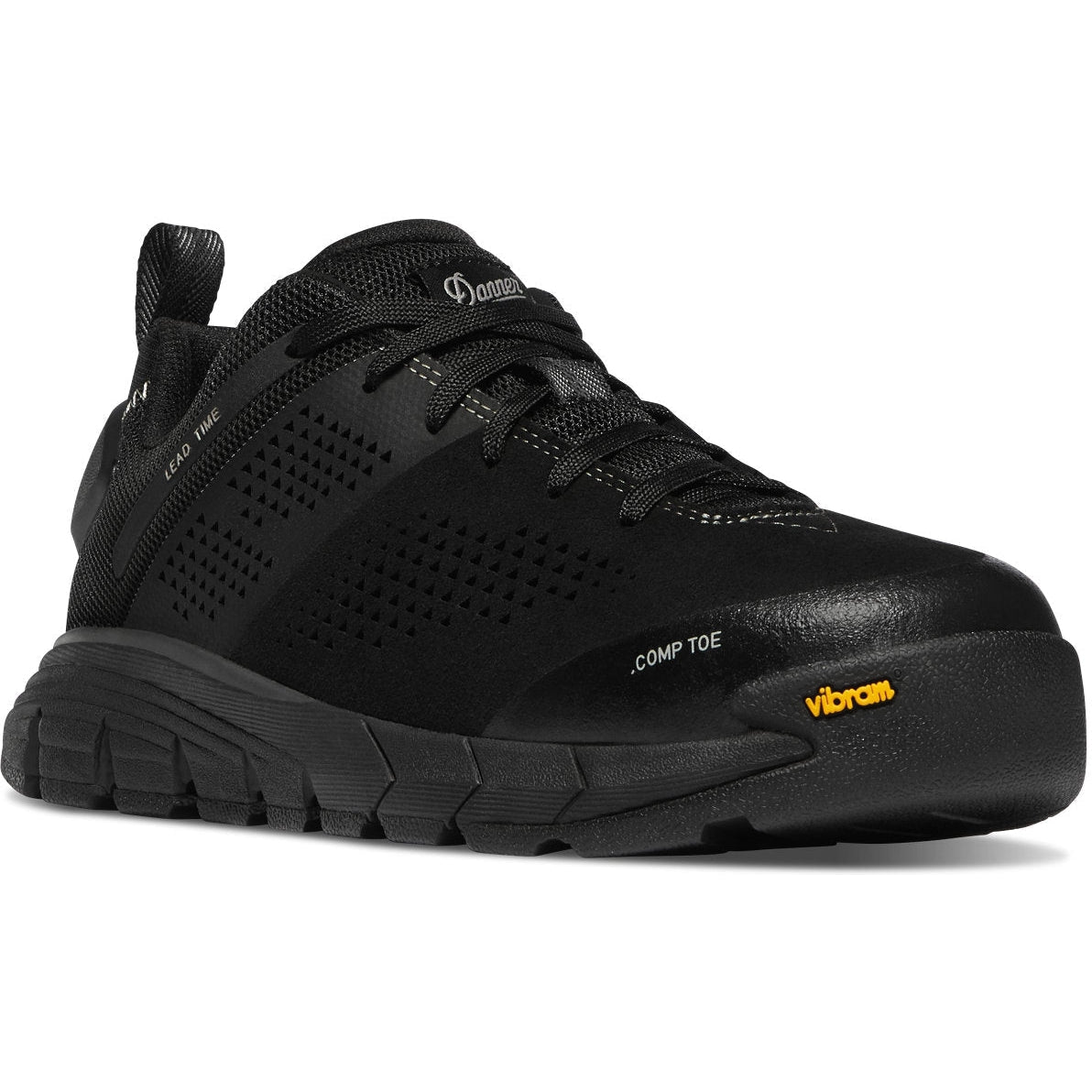
Danner Women's Vicious 4" Composite Toe Waterproof Slip Resistant Work Boot -Brown- 13884
Frequently Asked Questions
For fit control, generally yes, and that matters because heel fit is the most common problem in women's work footwear. Lacing lets you snug the instep and hold the heel down in a way a pull-on cannot. Pull-ons win on speed and on jobs where laces could catch on equipment. Choose on whether your day is more about climbing or more about getting in and out.
Use a heel lock at the top eyelet, sometimes called a runner's loop. Thread each lace back into the eyelet on its own side to form a small loop, then cross the laces through the opposite loop before tying. That pulls the collar against the back of your ankle without needing to overtighten across the top of your foot, which is what usually causes numbness.
Snug through the instep and firm at the ankle, but not tight across the top of the foot. Overtightening the forefoot compresses nerves and tendons that run close to the surface there, which is the most common cause of numbness and hot spots. The lacing's job is to stop your foot sliding forward, and the instep and ankle do that work.
Almost always lacing pressure rather than the boot. Try skipping an eyelet over the sore spot, using a heel lock at the top so you do not need forefoot tension, or switching to flat laces, which spread pressure better than round ones. The pain builds over hours rather than appearing immediately, which is why people blame the boot.
Many do, in steel, composite, alloy, and carbon, all meeting ASTM F2413 on the rated models, alongside plenty of soft toe options. Lacing has no bearing on the rating, so any combination of toe, height, and closure exists somewhere in the range. Toe type is stated in every product title.
As soon as they fray. A lace that snaps mid-shift leaves you with a boot that will not hold your heel, which is a genuine trip and ankle risk on a ladder. Laces cost very little compared with the boot, and Kevlar-reinforced ones last considerably longer if you are hard on them.
Yes, and that is the real cost of the adjustability. If you are in and out of your boots several times a day it adds up. A side-zip boot solves it neatly: you lace to fit once and the zipper handles every entry after that, with no loss of protection. See our side zip work boots range.
Yes. Waterproofing comes from a sealed membrane and seams inside the boot; the lacing sits outside that entirely. What matters is the tongue: a gusseted or bootie-construction tongue stops water entering at the lace line, while an unattached tongue leaves a gap. See our women's waterproof work boots range.
Recently viewed
Our Top Brands