Save 5%
Sale price$399.95
Regular price$420.00
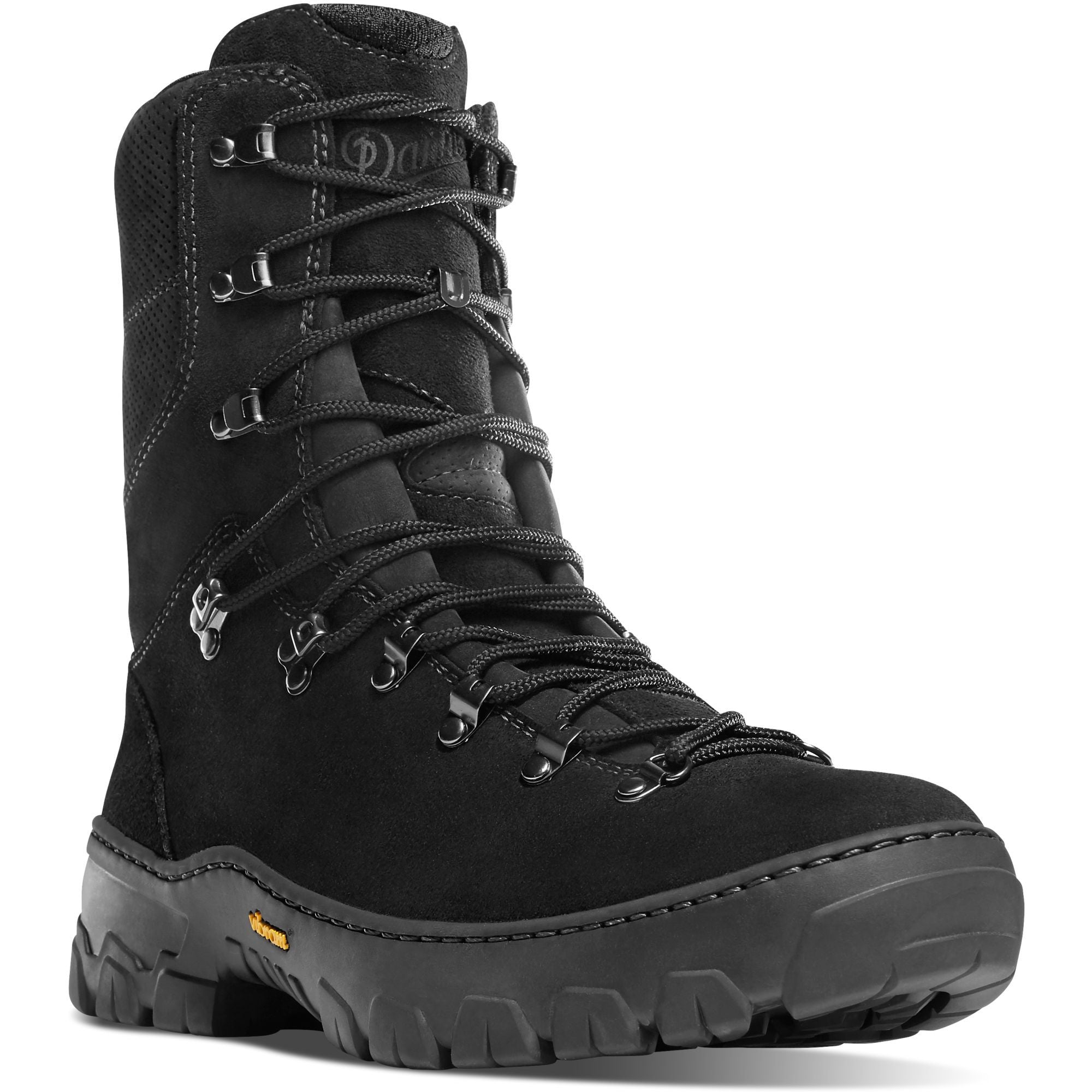
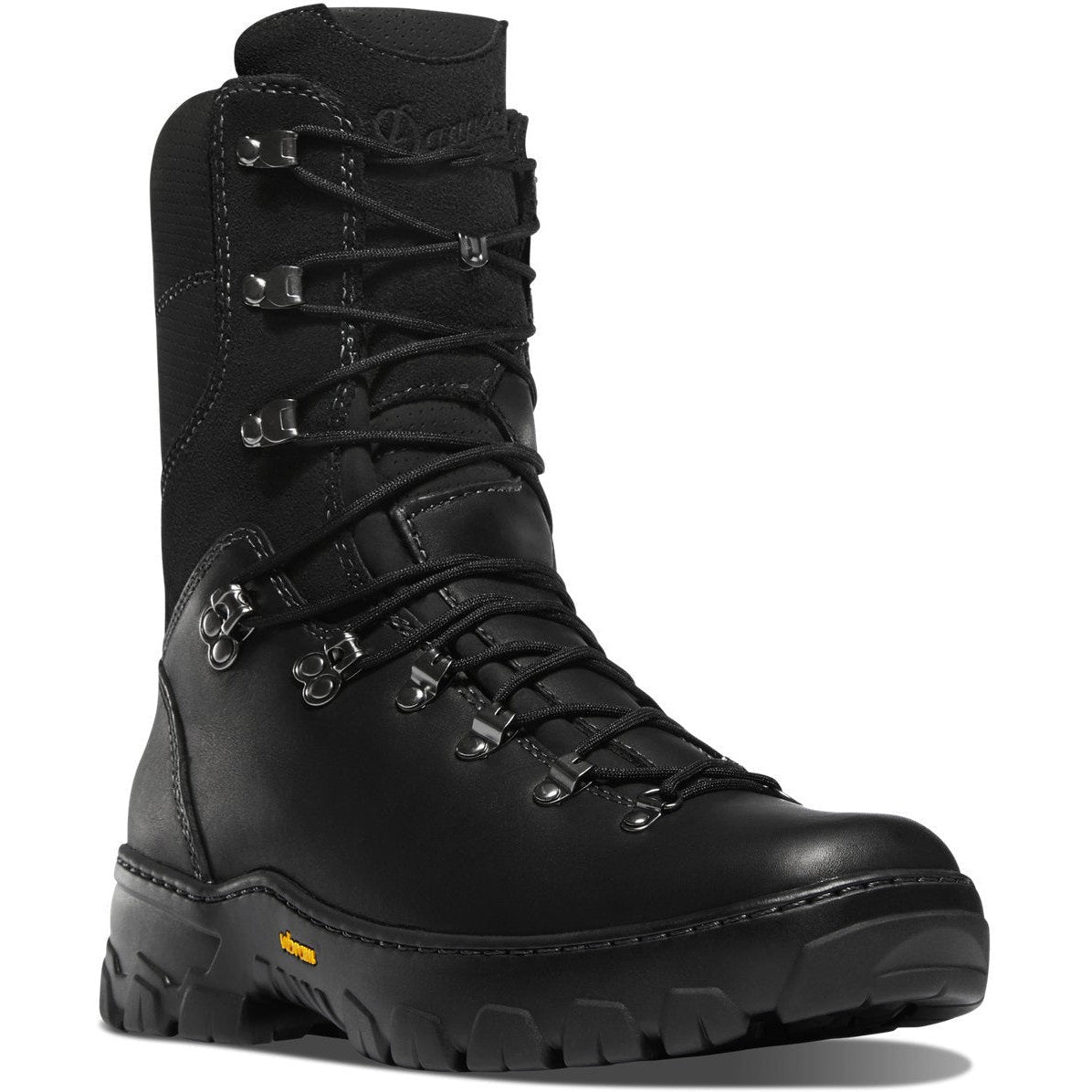
Danner Men's USA Made 8" Wildland Tactical Firefighter Boot Black 18050
Save 12%
Sale price$300.39
Regular price$343.00
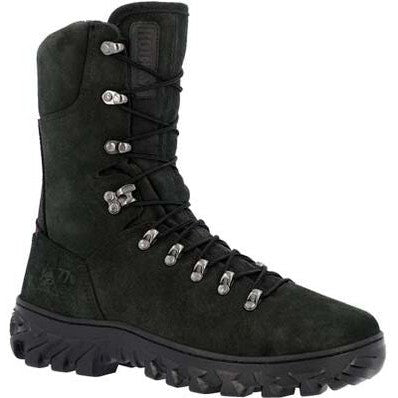
Rocky Men's Code Red Wildlands 77 8" Fire Boot- RKD0117
Sale price$419.95
Regular price$430.00
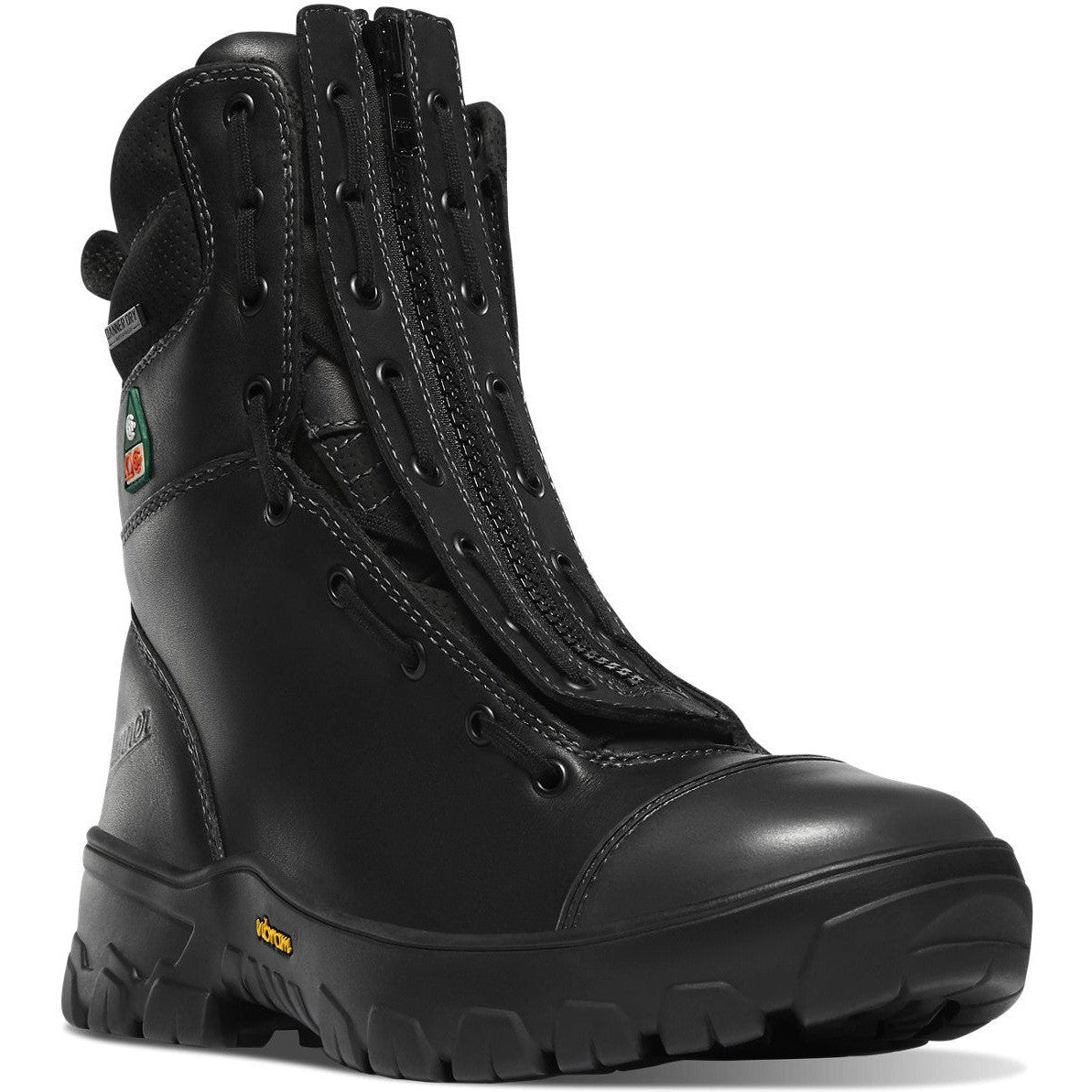
Danner Men's Wildland Tactical Firefighter 8" Duty Boot -Black- 18054
Save 12%
Sale price$300.39
Regular price$343.00
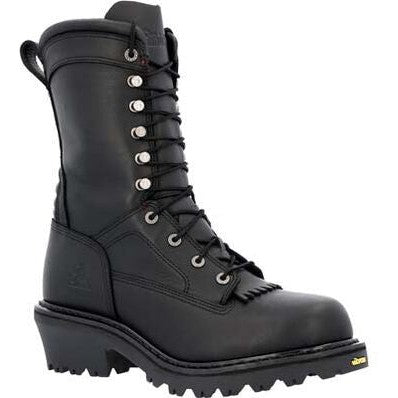
Rocky Men's Code Red HotShot 10" Soft Toe Logger Fire Boot - Black - RKD0119
Save 17%
Sale priceFrom $362.39
Regular price$439.00
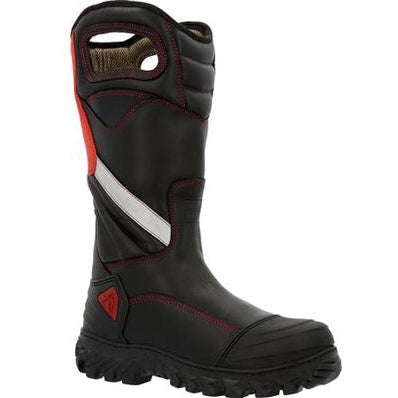
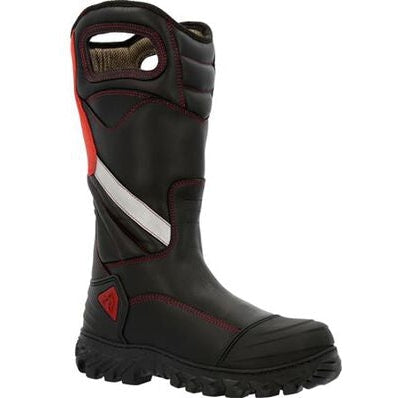
Rocky Men's Code Red Structure 14" Waterproof NFPA Composite Toe Fire Boot -Black- RKD0087
Save 12%
Sale price$362.70
Regular price$410.00
Rocky Women's Code Red Struct 14" Waterproof Composite Toe Fire Boot -Black- RKD0092
Frequently Asked Questions
They are certified against different NFPA standards because the work is different. Structural boots are for interior attack: heavy thermal and moisture barriers, puncture protection, a tall shaft, and fast entry, at the cost of considerable weight. Wildland boots are built for covering rough ground on foot over long shifts, so they are lighter and closer to a heavy hiking boot. Neither substitutes for the other. See our NFPA boots range.
No, and this is the important distinction. Station boots, duty boots, and boots simply marketed to the fire service may carry no NFPA certification at all, and they are perfectly appropriate for station wear and EMS response while being unsuitable for fireground use. If certification is what you need, look for the standard and edition on the label rather than for fire service branding.
Ask, and get the edition year as well as the standard number, because departments frequently specify a particular edition rather than just the standard. Certification is granted per model and per manufacturing configuration, so a similar-looking boot from the same brand may not carry it. Verify on the boot's own label, since that is what an inspection checks.
Pull-on rubber and leather structural boots go on fastest, which matters under turnout time pressure, and that is why many departments issue them. Lace-ups give better fit control and are far more comfortable to walk in over a long incident, which is why they dominate wildland work. Many departments specify one or the other, so check before choosing on preference.
Certified structural boots do, and composite is standard rather than steel because a non-metallic cap does not conduct heat toward your foot. They also carry puncture protection in the sole, since the ground inside a fire building is full of nails and glass. Station and duty boots in this collection may be soft toe. Toe type is stated in every product title.
NFPA-certified structural footwear typically has a defined service life set by the standard and by department policy, commonly around ten years from date of manufacture, and many departments retire boots earlier based on condition. That is fundamentally different from ordinary work boots where you replace on wear. Your department's policy governs regardless of how the boot looks.
Most departments allow a comfortable duty boot for station work, EMS calls, and training, since structural boots are heavy and hot for anything other than the fireground. A black side-zip duty boot in soft toe or light composite is the common choice, and it doubles for the EMS calls that make up most of the call volume. See our EMS boots range.
They cross over well, because a wildland boot is essentially a heavy-duty hiking boot with additional heat and construction requirements. Many are USA-made, welted, and rebuildable. They are considerably more boot than most outdoor work needs, and priced accordingly, but they hold up. See our logger boots range for the closest civilian equivalent.
Recently viewed
Our Top Brands