Save 6%
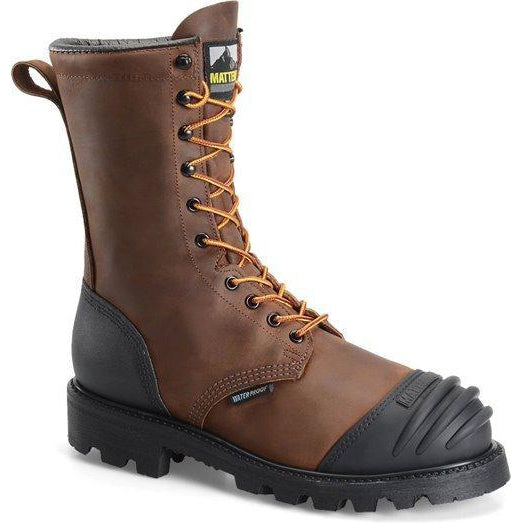
Sale price$354.99
Regular price$378.00
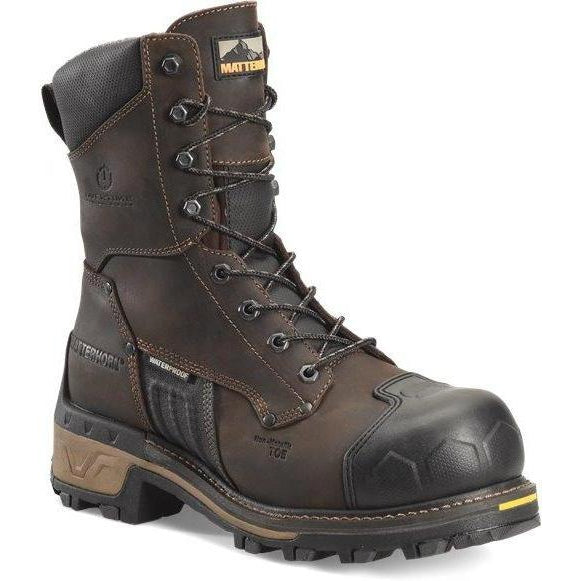
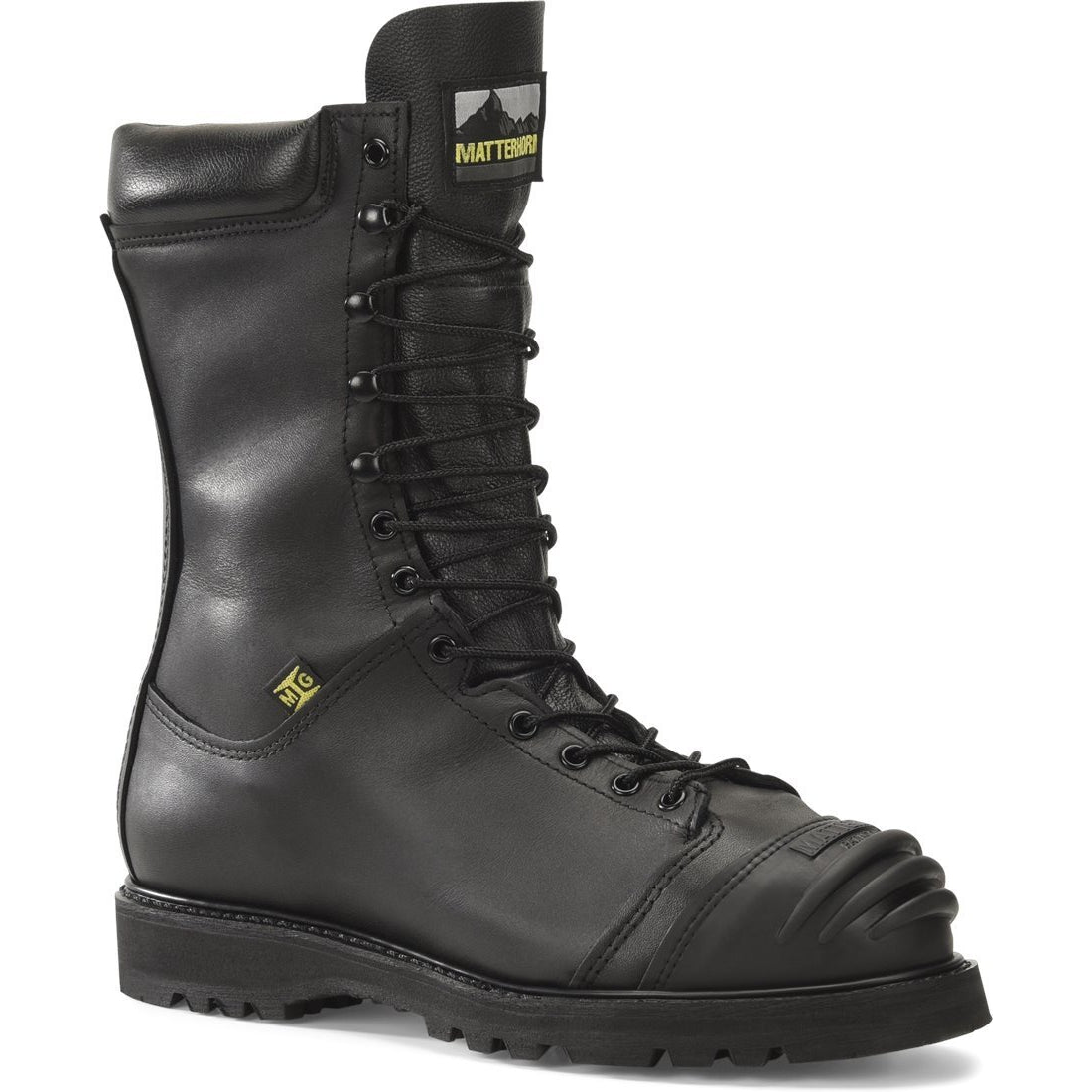
Matterhorn Men's Copper 10" Steel Toe Waterproof Metguard USA Made Work Boot - MT910
Save 23%
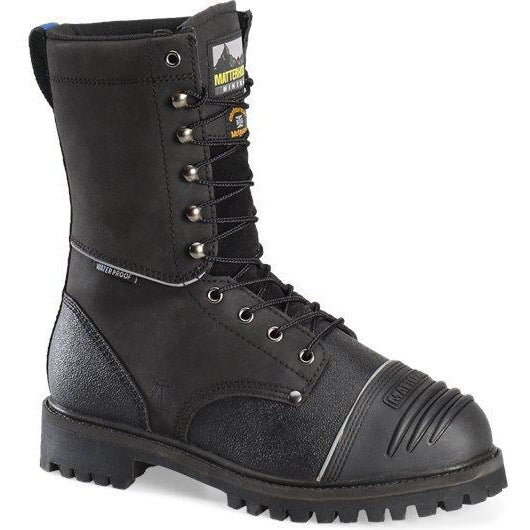
Sale price$184.67
Regular price$240.00
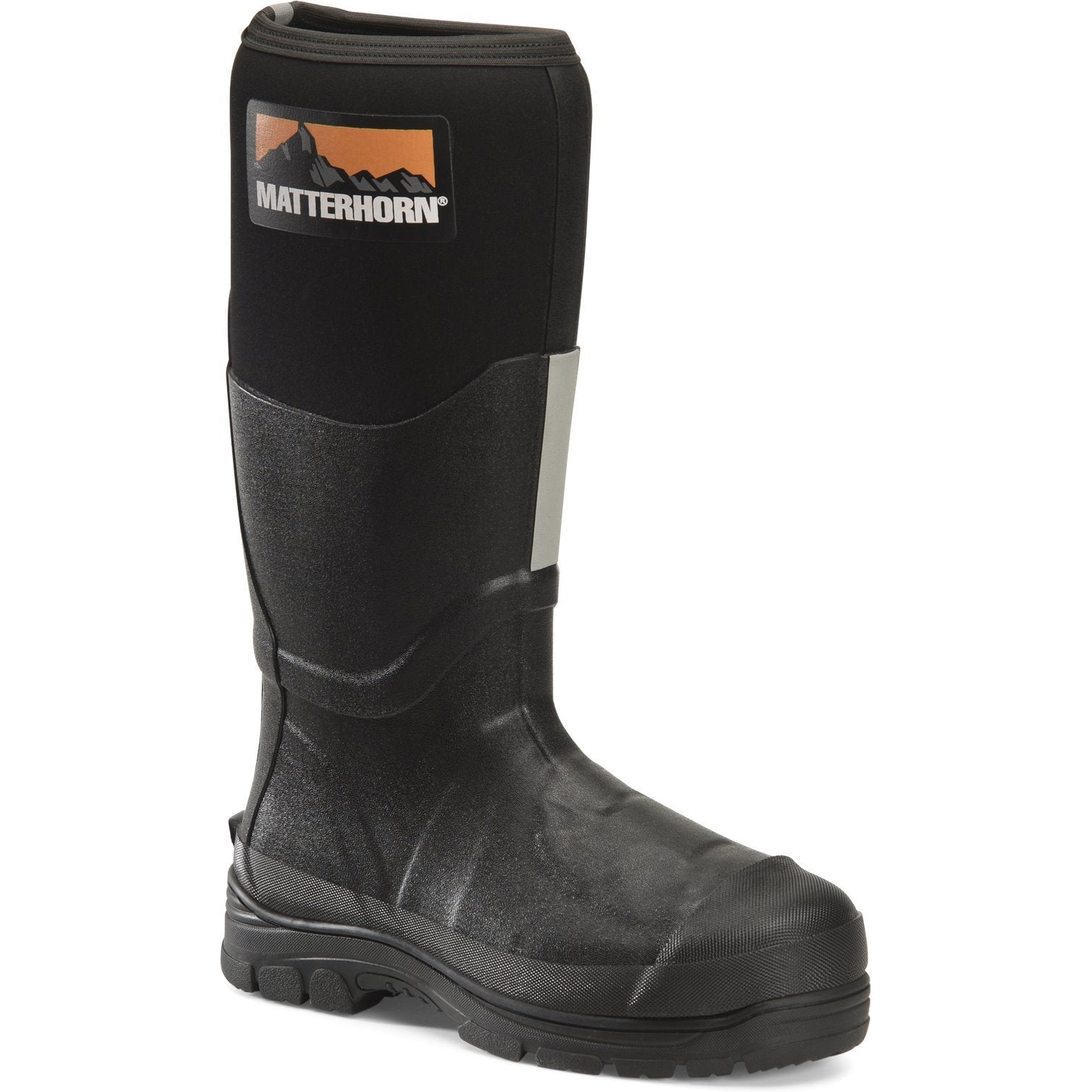
Matterhorn Men's Mulrooney 10" Steel Toe Waterproof Metguard Work Boot Black- MT903
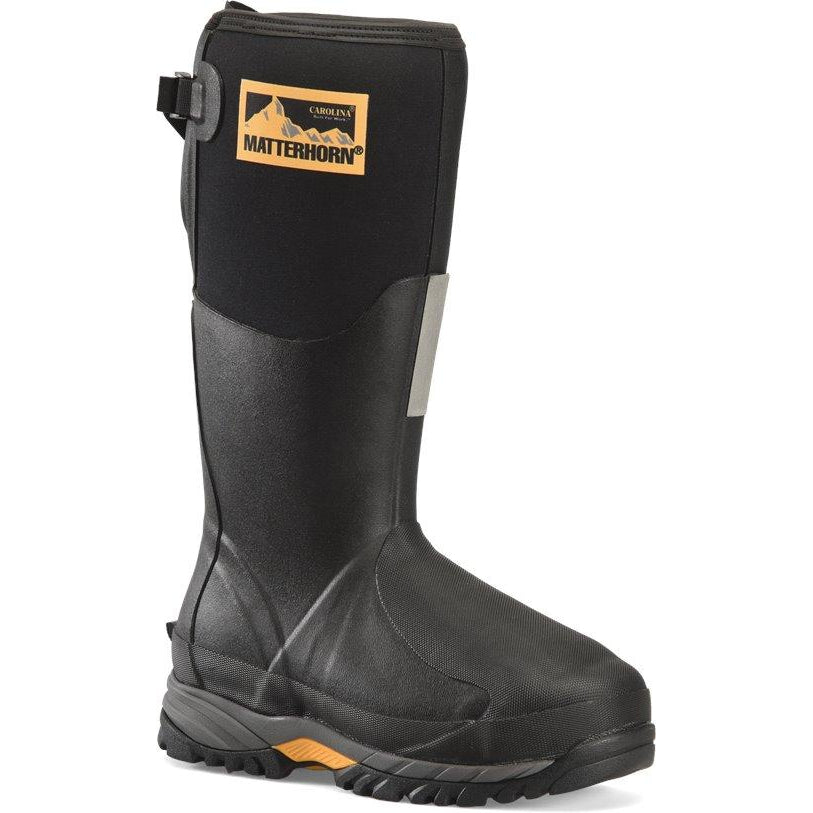
Save 13%
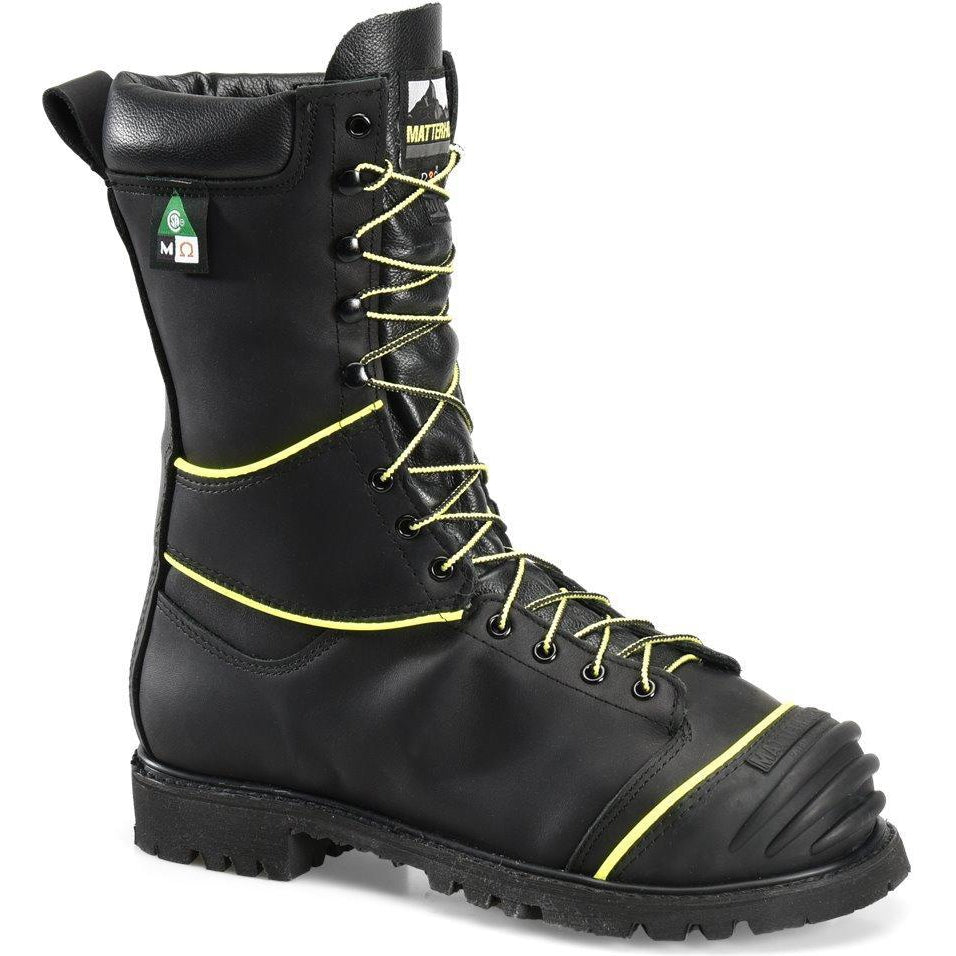
Sale price$405.99
Regular price$466.00
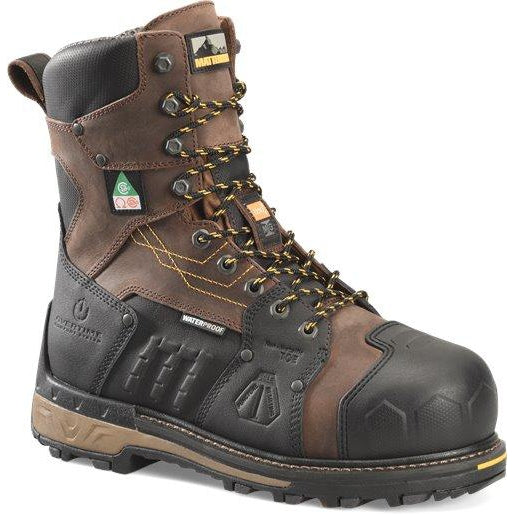
Matterhorn Men's Klondike 10" Steel Toe Waterproof Ins Metguard Puncture Resistant USA Made Work Boot CV12000
Save 36%
Sale price$147.67
Regular price$232.00
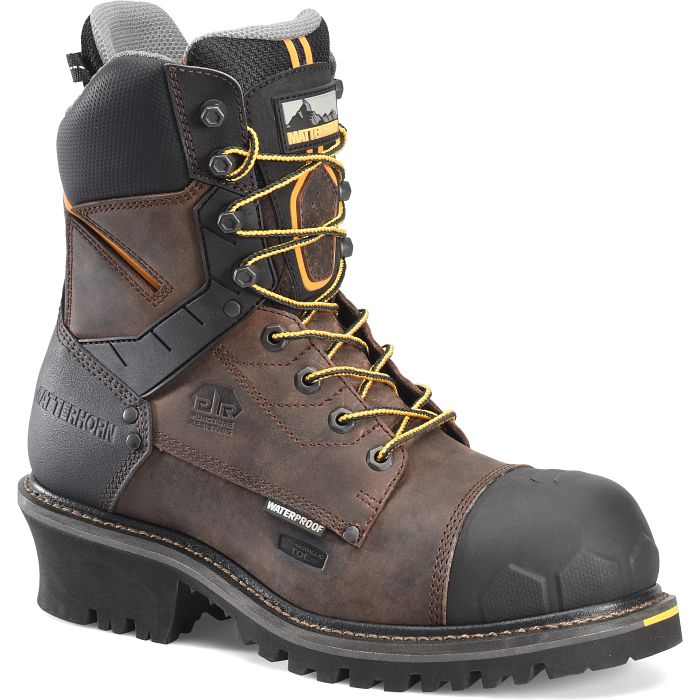
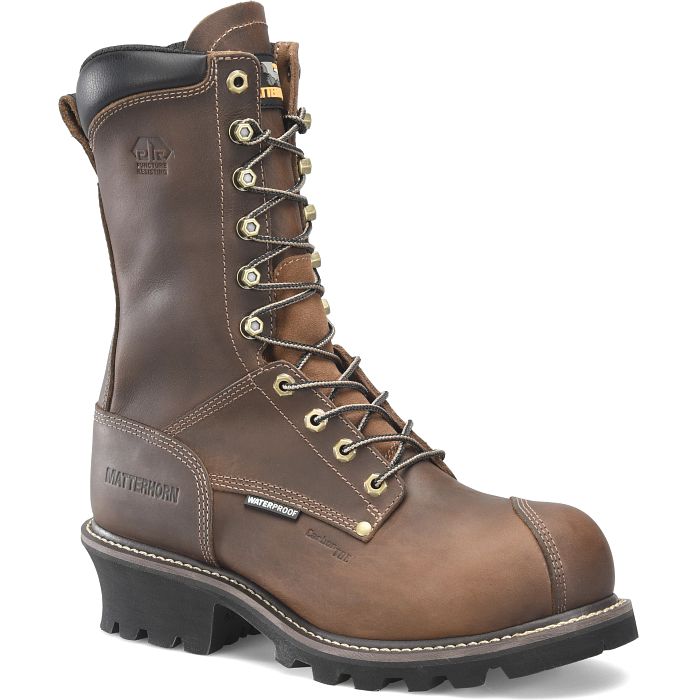
Matterhorn Men's Pr Steadfast 8" Waterproof Composite Toe Logger Work Boot -Brown- MT2558
Save 9%
Sale price$339.95
Regular price$372.00
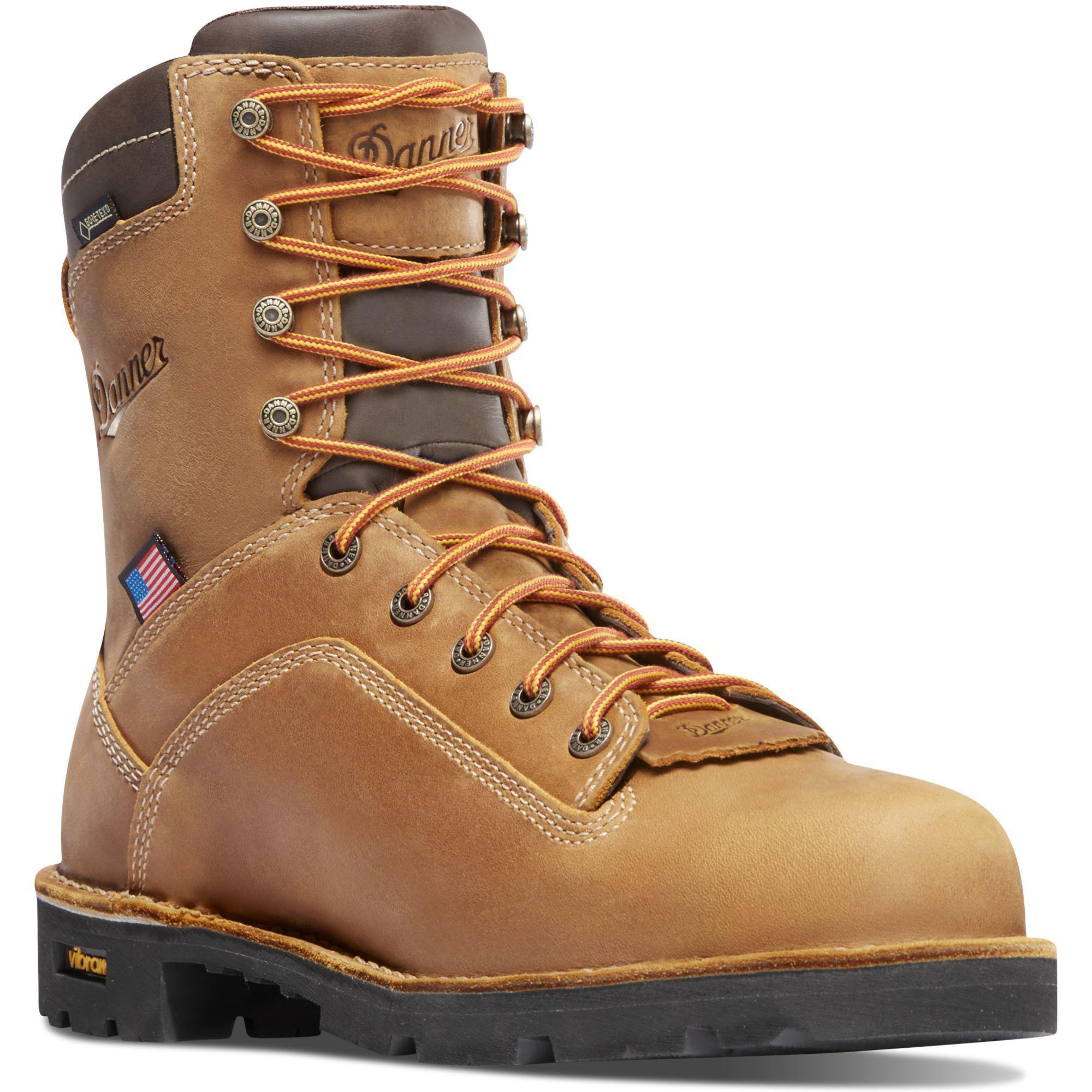
Danner Men's Quarry USA Made 8" Composite Toe Ins Waterproof Work Boot Brown 17321
Save 7%
Sale price$319.95
Regular price$344.00
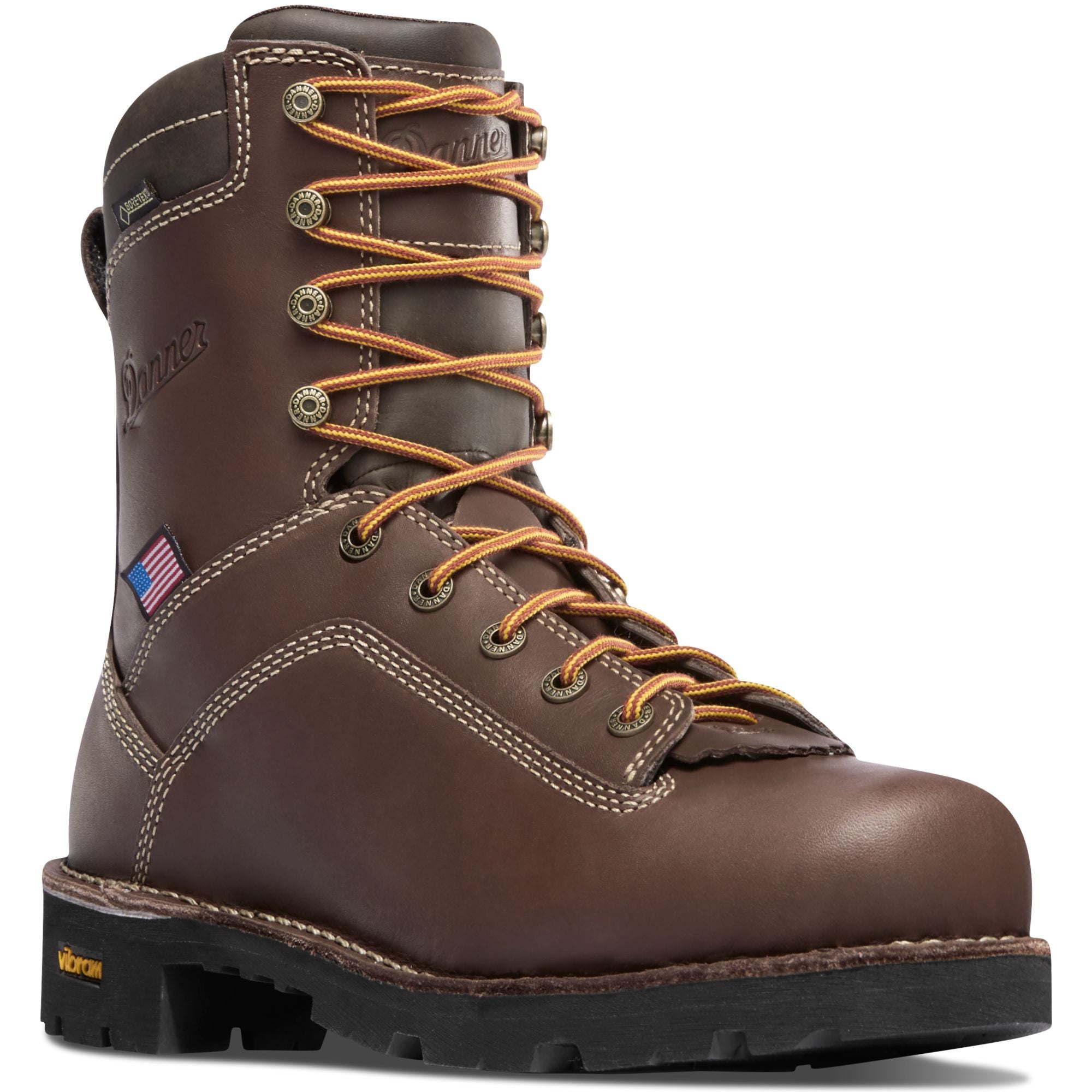
Danner Men's Quarry USA Made 8" Soft Toe Waterproof Work Boot - Brown - 17305
Sale price$209.99
Regular price$214.00
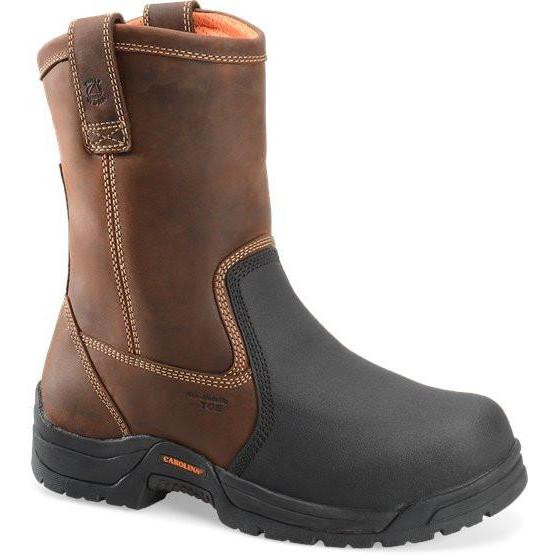
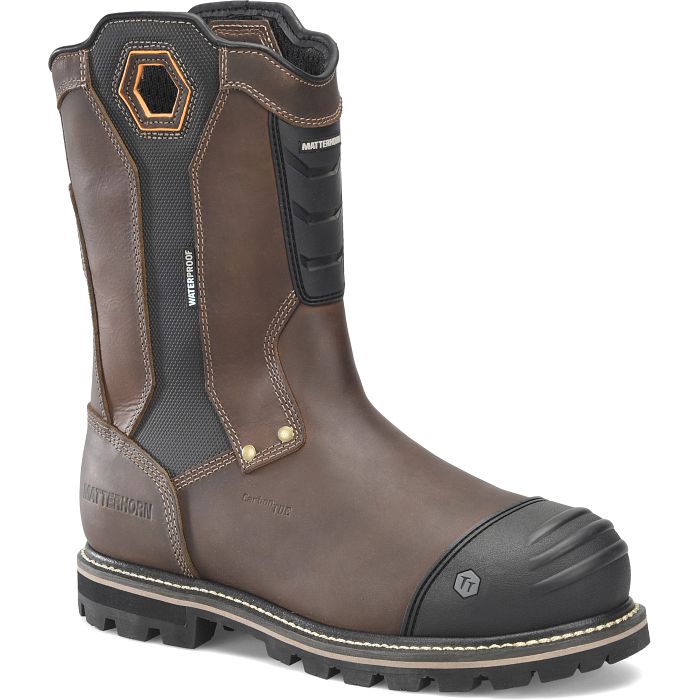
Carolina Men's Well X Metguard Wellington Work Boot - Brown - CA4582
Save 12%
Sale price$420.99
Regular price$480.00
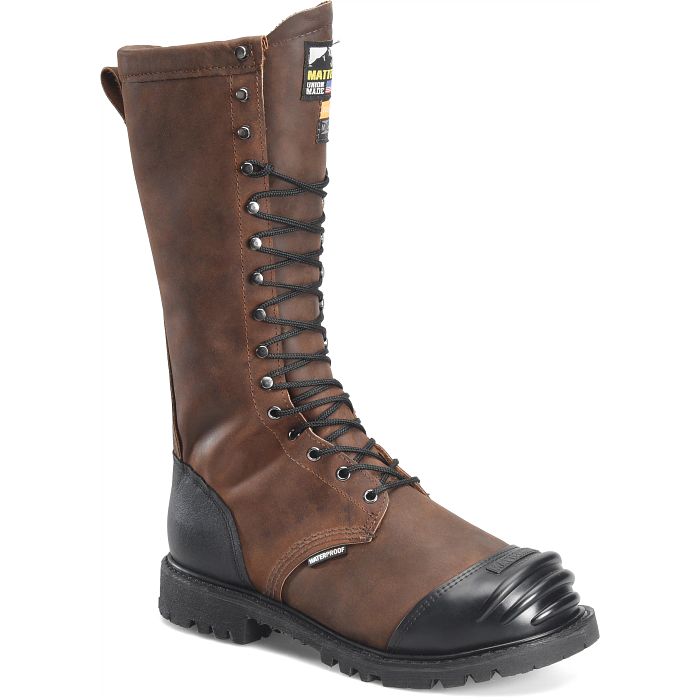
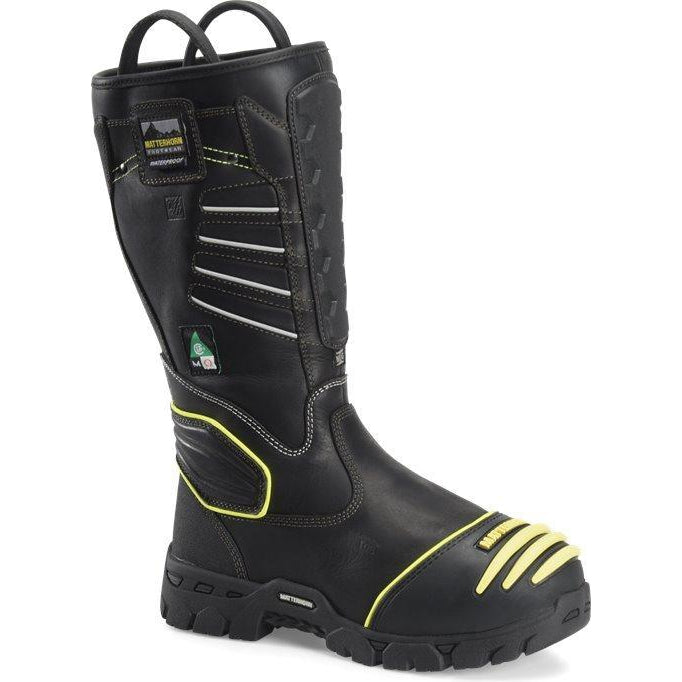
Matterhorn Men's 16" Waterproof Insulated Metguard Work Boot -Brown- MT716
Sale price$219.99
Regular price$224.00
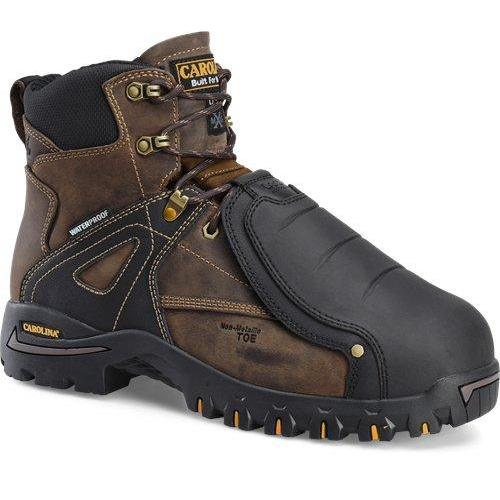
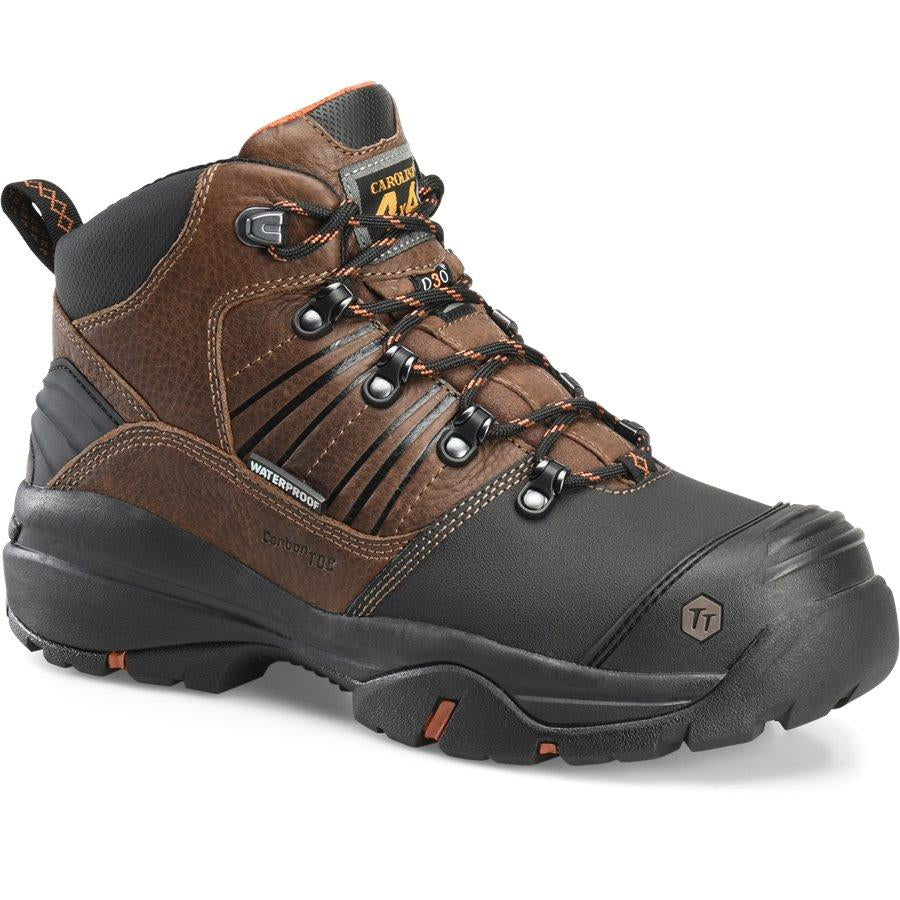
Carolina Men's Miner 6" Carbon Composite Toe Metguard Waterproof Work Shoe CA5587
Save 29%
Sale price$169.96
Regular price$240.00
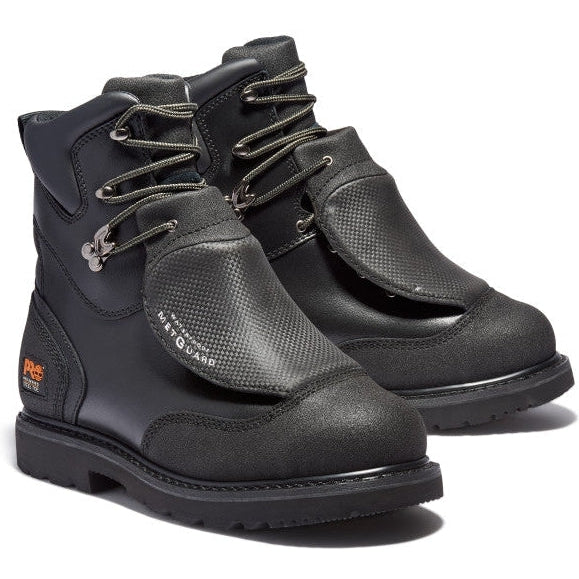
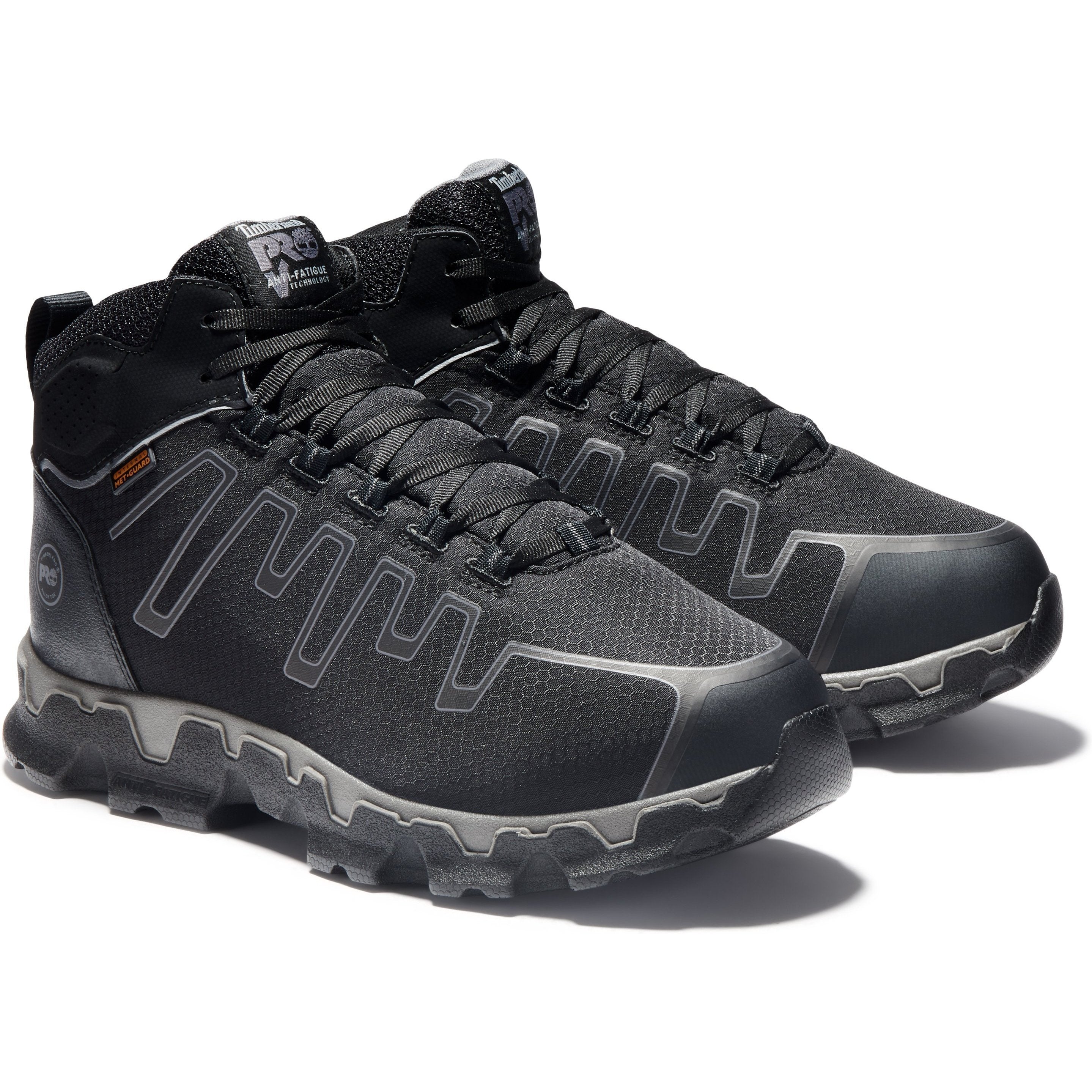
Timberland PRO Men's 8" Steel Toe Waterproof Ext Metguard Work Boot TB153530001
Save 17%
Sale price$127.95
Regular price$155.00
Timberland PRO Men's Powertrain Alloy Toe Metguard Work Shoe-TB0A1GHM001
Save 14%
Sale price$398.99
Regular price$466.00
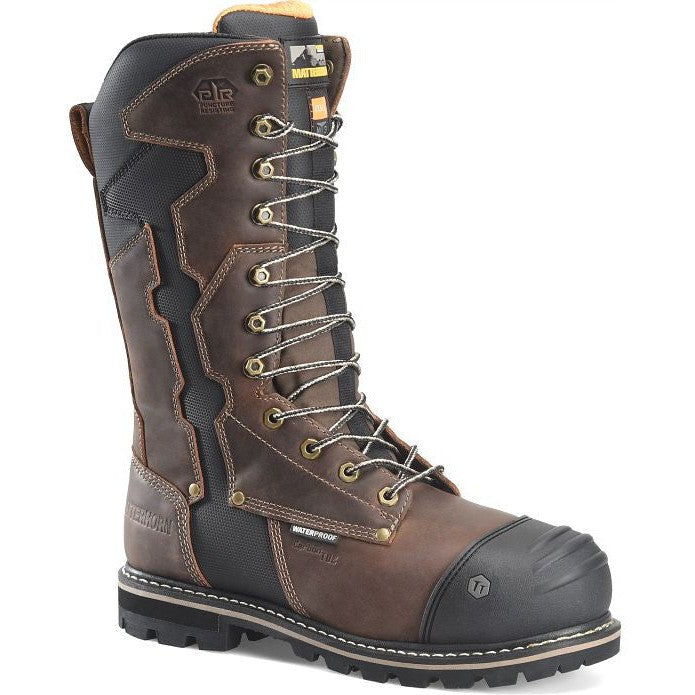
Matterhorn Men's Banksman 10" Steel Toe Waterproof Metguard Puncture Resistant USA Made Work Boot 12255
Save 7%
Sale price$319.95
Regular price$344.00
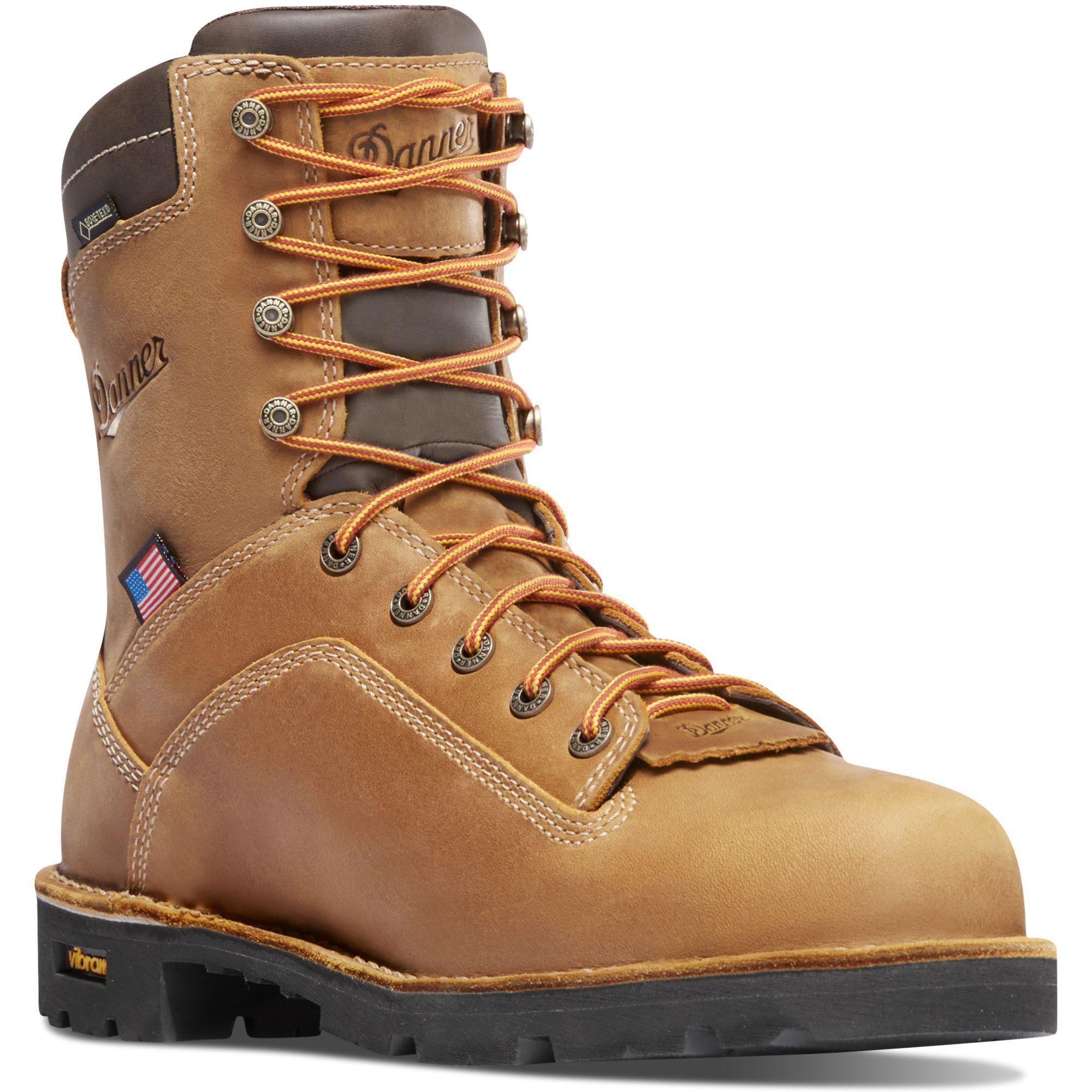
Danner Men's Quarry USA Made 8" Waterproof Work Boot Distressed Brown - 17315
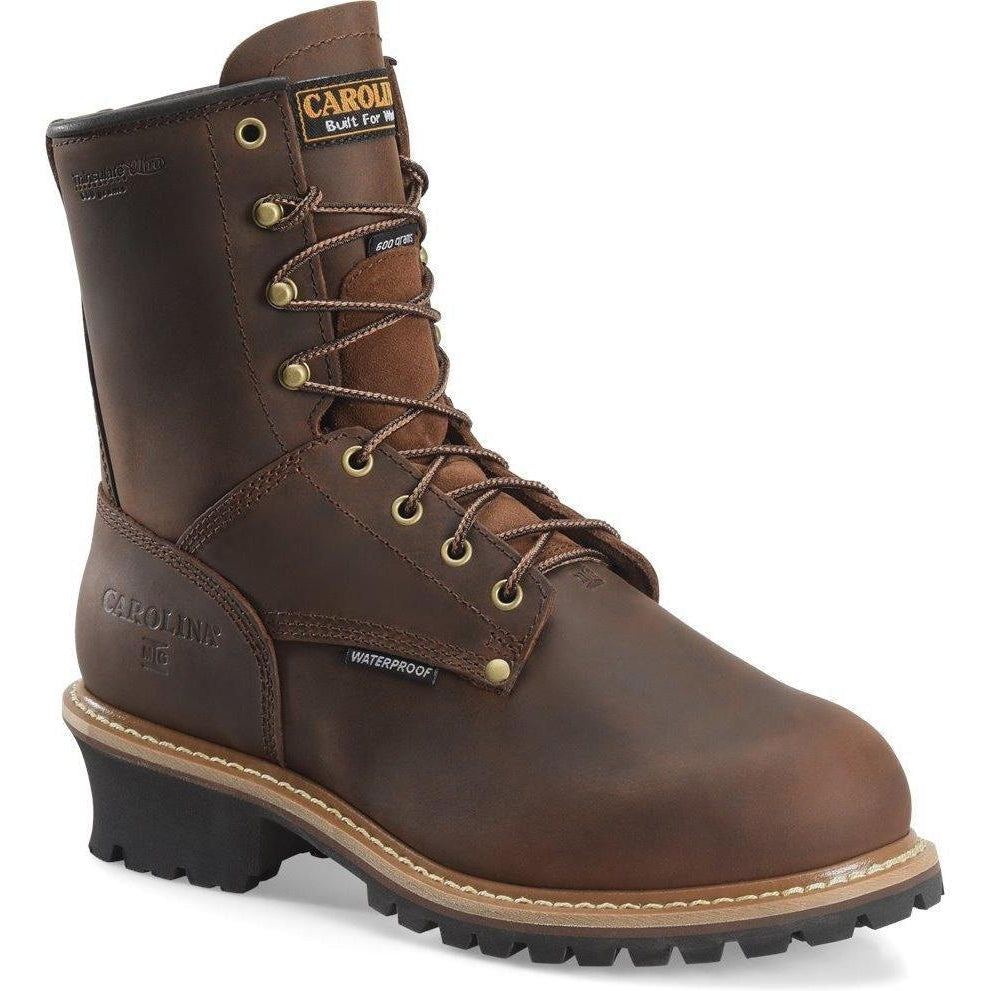
Sale price$219.99
Regular price$224.00
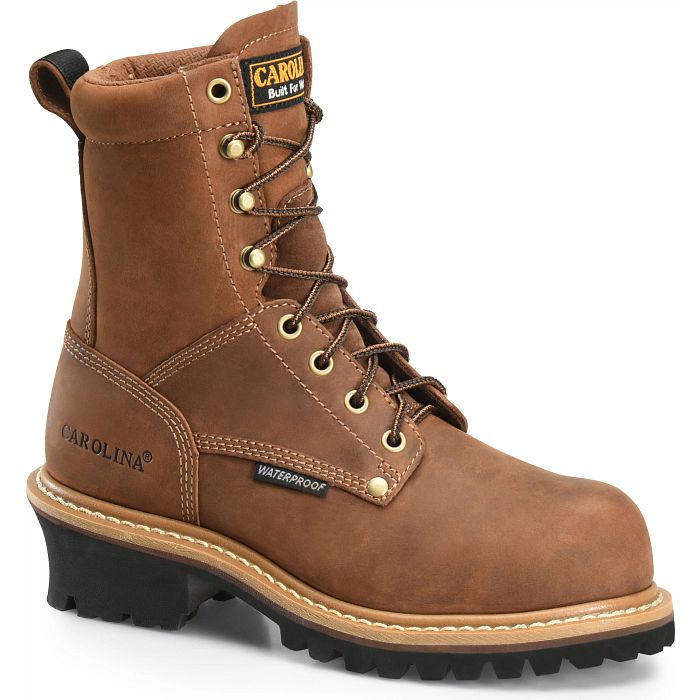
Carolina Men's Elm 8" Waterproof Insulated Metguard Logger Work Boot - CA7821
Save 7%
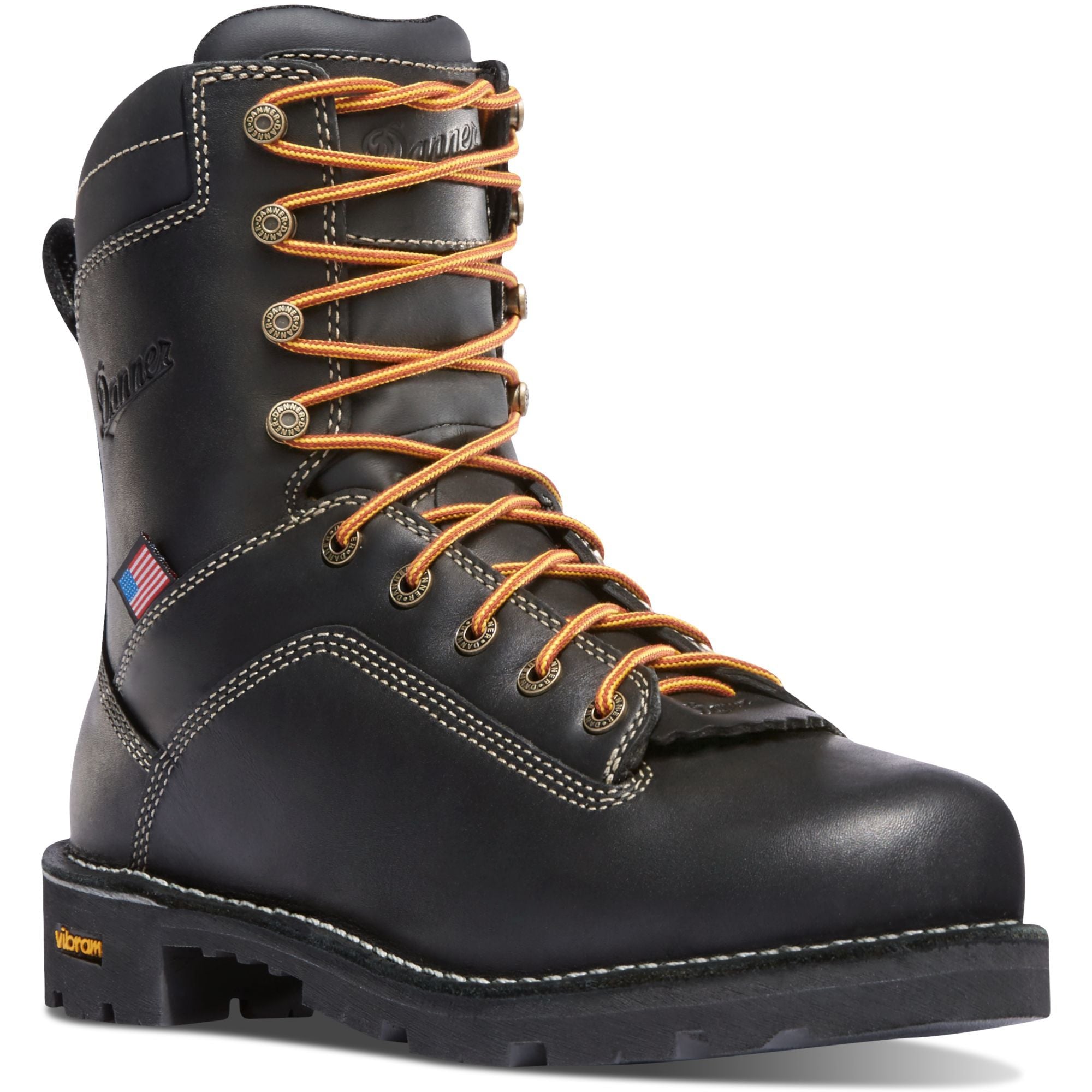
Sale price$329.95
Regular price$354.00
Danner Men's Quarry USA Made 8" Alloy Toe Waterproof Work Boot - Black - 17311
Save 7%
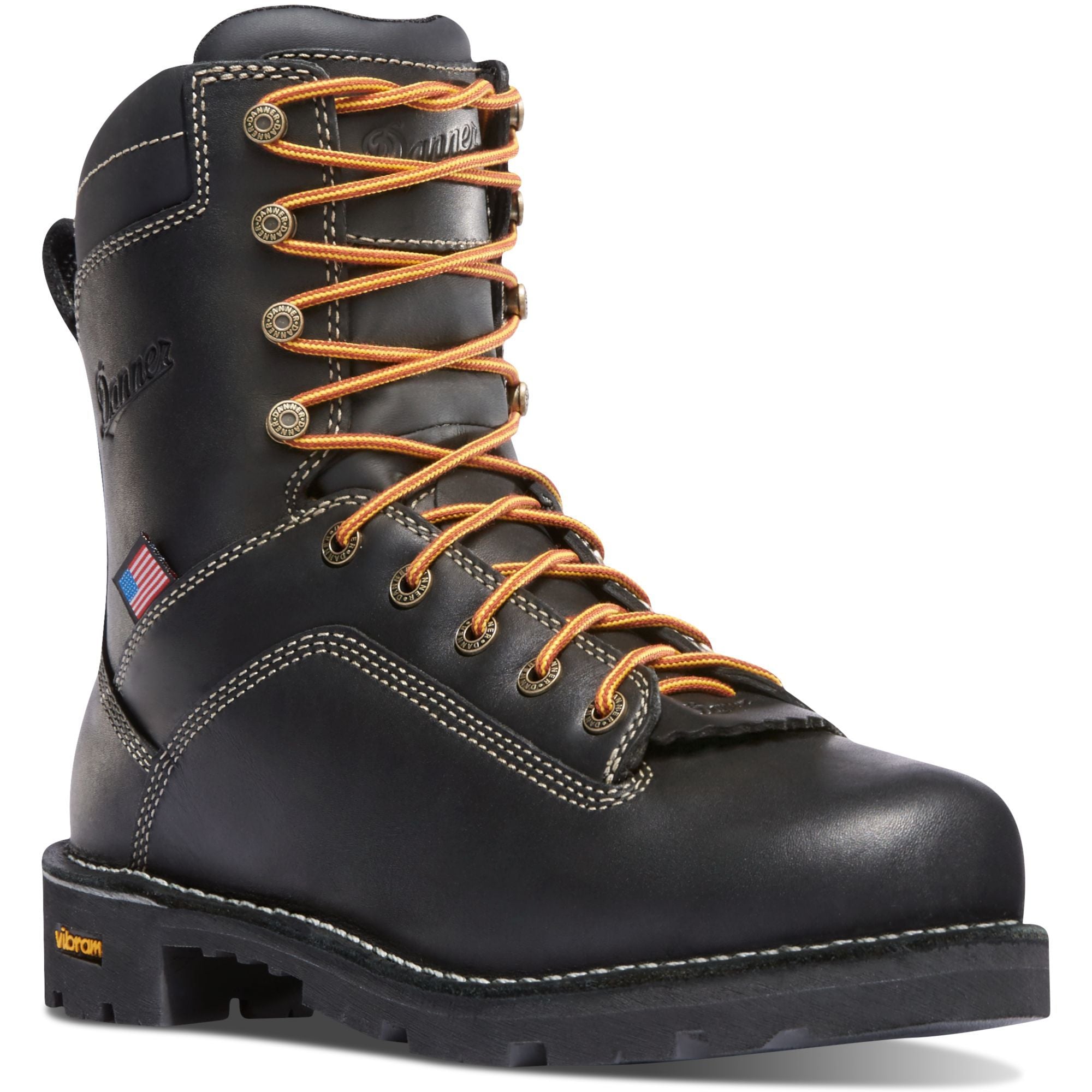
Sale price$319.95
Regular price$344.00
Danner Men's Quarry USA Made 8" Soft Toe Waterproof Work Boot - Black - 17309
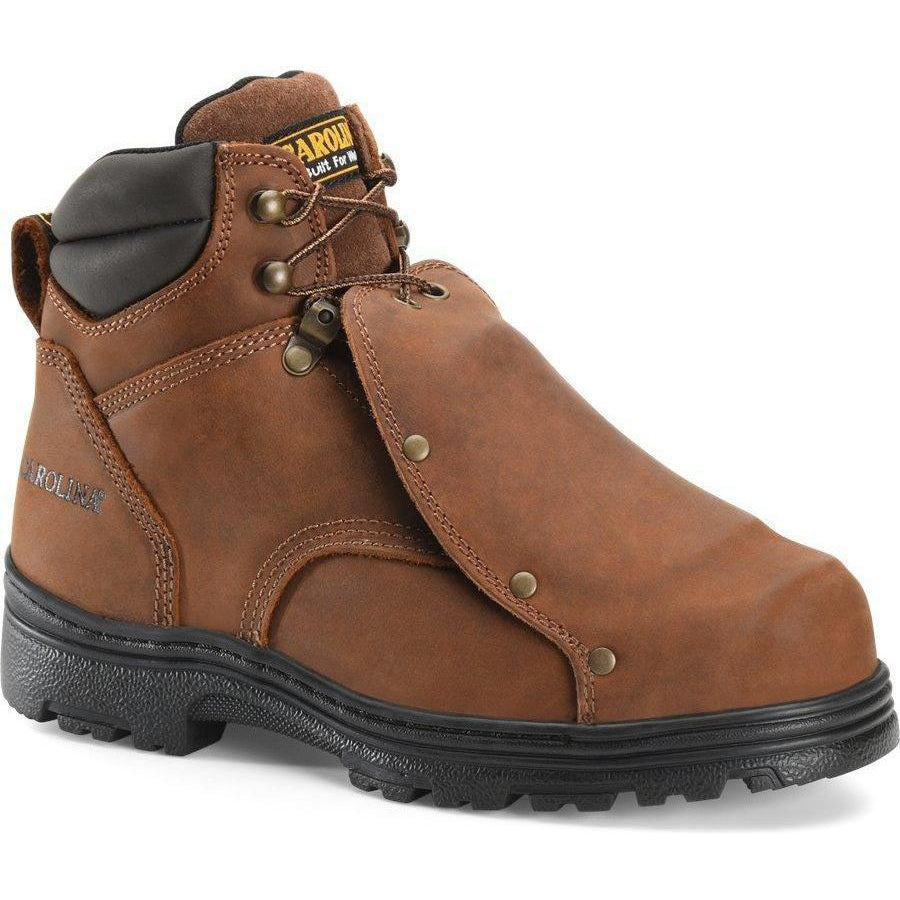
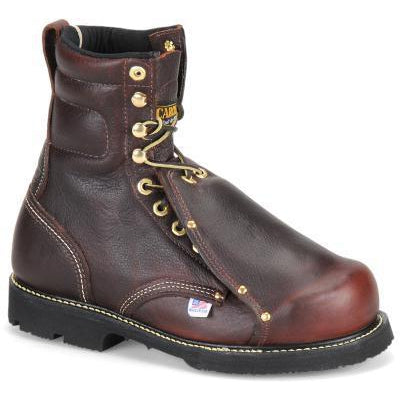
Sale price$329.99
Regular price$334.00
Carolina Men's USA Made 8" External Metguard Work Boot - Briar - 505
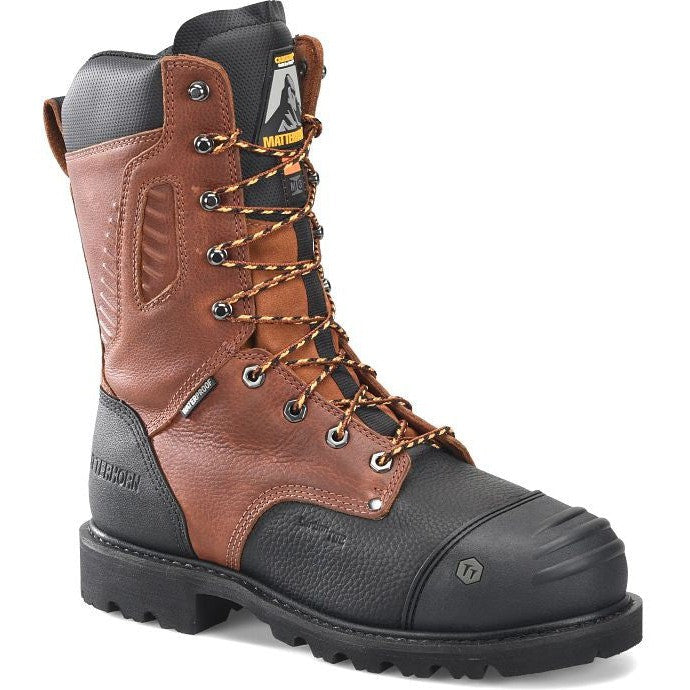
Save 7%
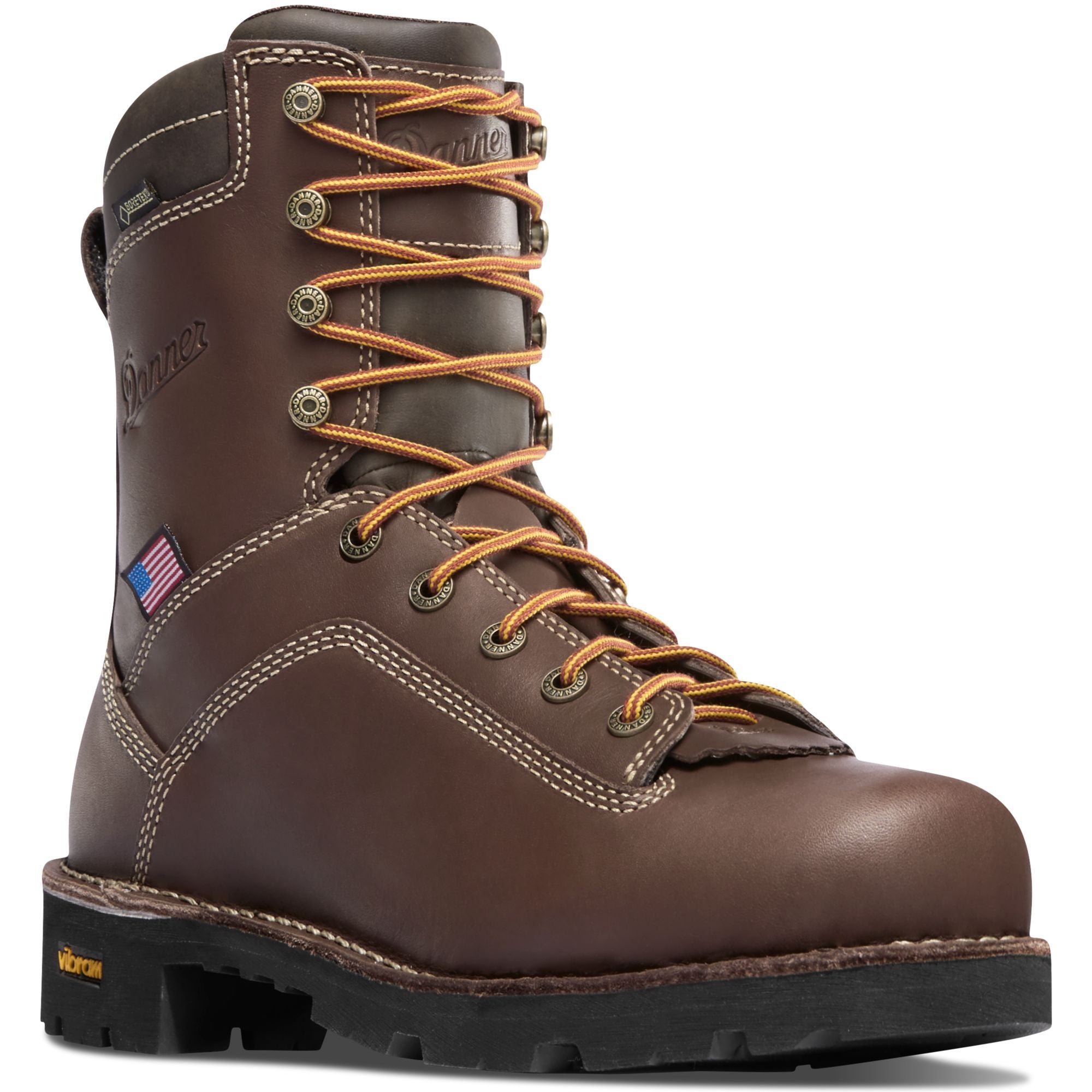
Sale price$329.95
Regular price$354.00
Danner Men's Quarry USA Made 8" Alloy Toe Waterproof Work Boot - Brown - 17307
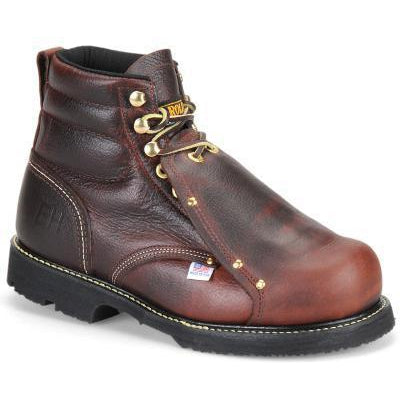
Save 15%
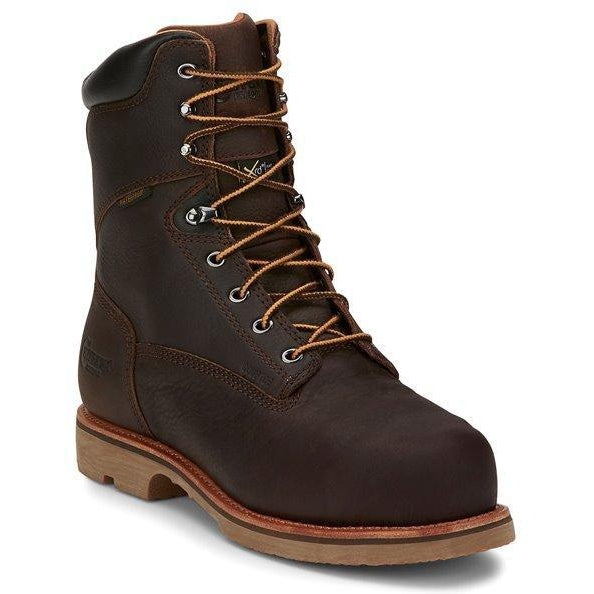
Sale price$252.26
Regular price$298.00
Chippewa Men's Serious+ 8" Composite Toe Waterproof Metguard Puncture Resistant Lace-Up Work Boot - 72311
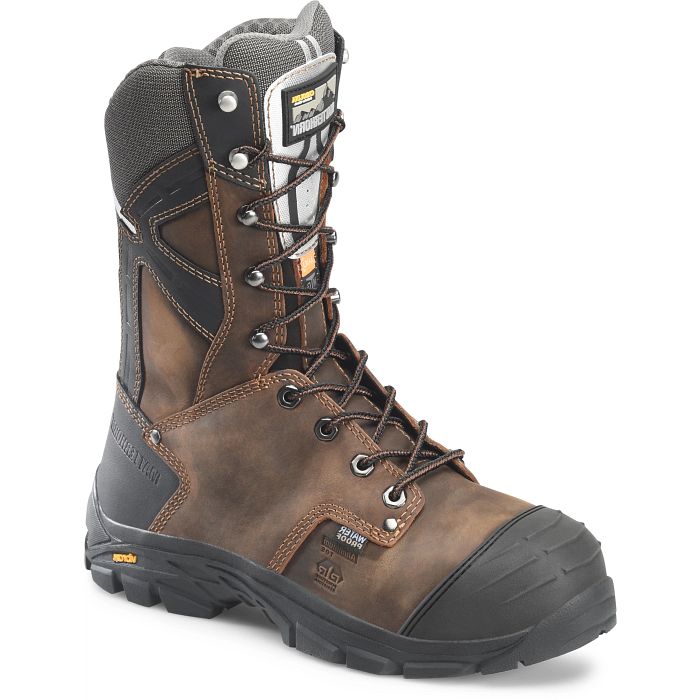
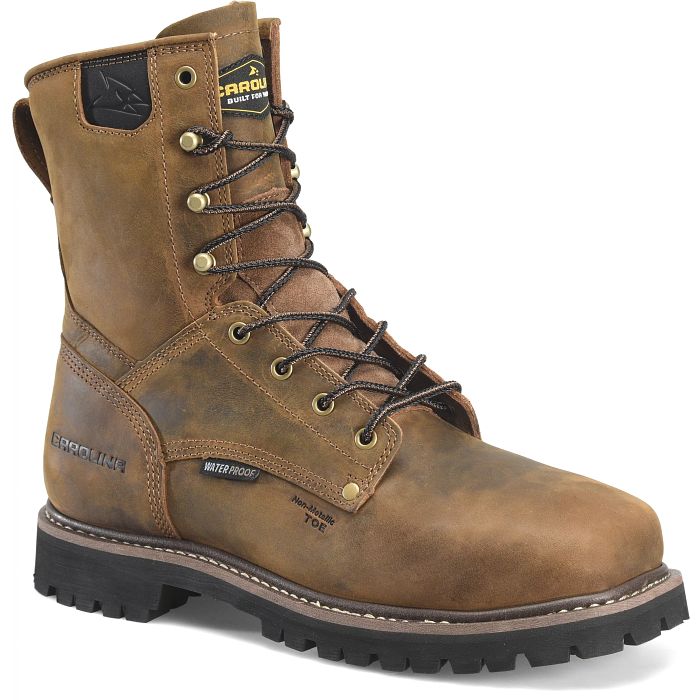
Save 7%
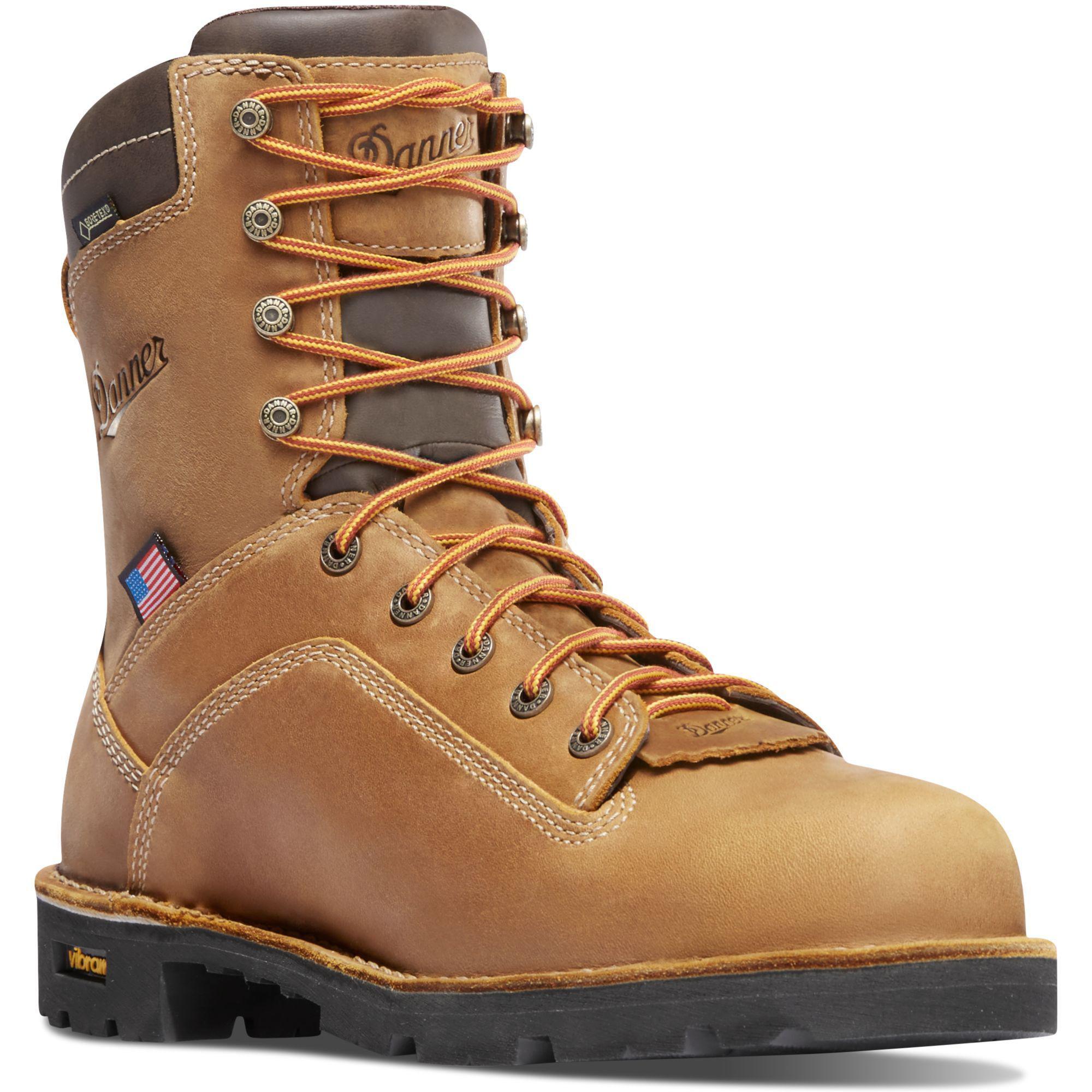
Sale price$329.95
Regular price$354.00
Danner Men's Quarry USA Made 8" Alloy Toe Waterproof Work Boot - Brown - 17317
Frequently Asked Questions
Choose rubber mining boots for wet headings and leather for dry, hard-rock ground. Rubber sheds water and withstands chemicals that break down leather, but leather breathes better on dry ground and can be resoled when the upper is still intact. If your mine runs wet part of the year and dry the rest, most miners keep a pair of each.
Miner boots should pair a safety toe with an internal metatarsal guard, and add puncture resistance and waterproofing when the site calls for it. The metatarsal guard is what separates a mining boot from a standard work boot. Coal and other gassy environments call for static-dissipative protection, and some sites require an electrical hazard rating in addition.
You need a metatarsal guard if your site requires one, and most underground coal operations do. Federal laws overseeing mining safety enforce the ASTM F2413 Mt standard. The guard shields the row of bones across the top of your foot, which a safety toe alone leaves exposed.
Any of the three works for mining as long as the toe meets ASTM F2413, so the choice comes down to weight, temperature, and conductivity rather than protection. Composite is the common pick underground because it is lighter, does not trap cold air or conduct electricity, and won't trip a metal detector. Steel meets the same rating in a slimmer toe but is heavier and pulls cold into the boot, while an alloy toe sits between the two and comes at a higher price.
Miners' boots often withstand about a year of daily underground wear, but can wear out in as little as three to six months in wet or highly abrasive conditions. Standing water, sharp rocks, and constant abrasion wear a boot down faster than surface work does. You can get more life out of your boot by rotating two pairs so that each dries fully between shifts, and by choosing a boot that can be resoled.
Some coal mines require static-dissipative or conductive footwear as site policy because static electricity is a recognized ignition source when methane or combustible coal dust is present. A static-dissipative sole bleeds that charge into the ground instead of letting it build up in your body. This is different from electrical hazard protection, which insulates you from a live circuit. Be mindful that a boot can carry one rating without the other.
Work boots for a wet mine need to be waterproof at least as high as the deepest water you stand in, which in a flooded heading means up past the calf. An 8-inch waterproof boot handles damp ground and shallow puddles, but standing water at mid-calf will pour in over the top. For headings that flood, a 16-inch rubber boot keeps water out where leather cannot, since rubber is waterproof through the whole upper.
MSHA requires suitable protective footwear for any boot worn in a mine, and mine operators typically specify an ASTM F2413-rated protective toe as the baseline. Optional codes get stacked onto that benchmark: Mt for metatarsal, PR for puncture resistance, EH for electrical hazard, SD for static dissipative, and Cd for conductive. A compliant boot lists its ratings on the label, so match the code to your site's requirement rather than assuming a safety toe alone is enough.
The best boot height for underground mining is usually 8 inches or more, since most underground operations set an 8-inch boot minimum as standard operator policy. A taller shaft supports the ankle on uneven ground, keeps debris and water out, and protects more of your leg under the metatarsal guard. Wet or flooded headings push the minimum height higher.
The comfort features that matter most on long mining shifts are arch support, an anti-fatigue midsole, and a footbed that cushions you when standing for hours on hard rock. Weight causes more fatigue than you might think, which is why many miners buy a composite toe instead of steel. A boot that fits right out of the box does more for shift-long comfort than any single feature, so size for the socks you actually wear underground.