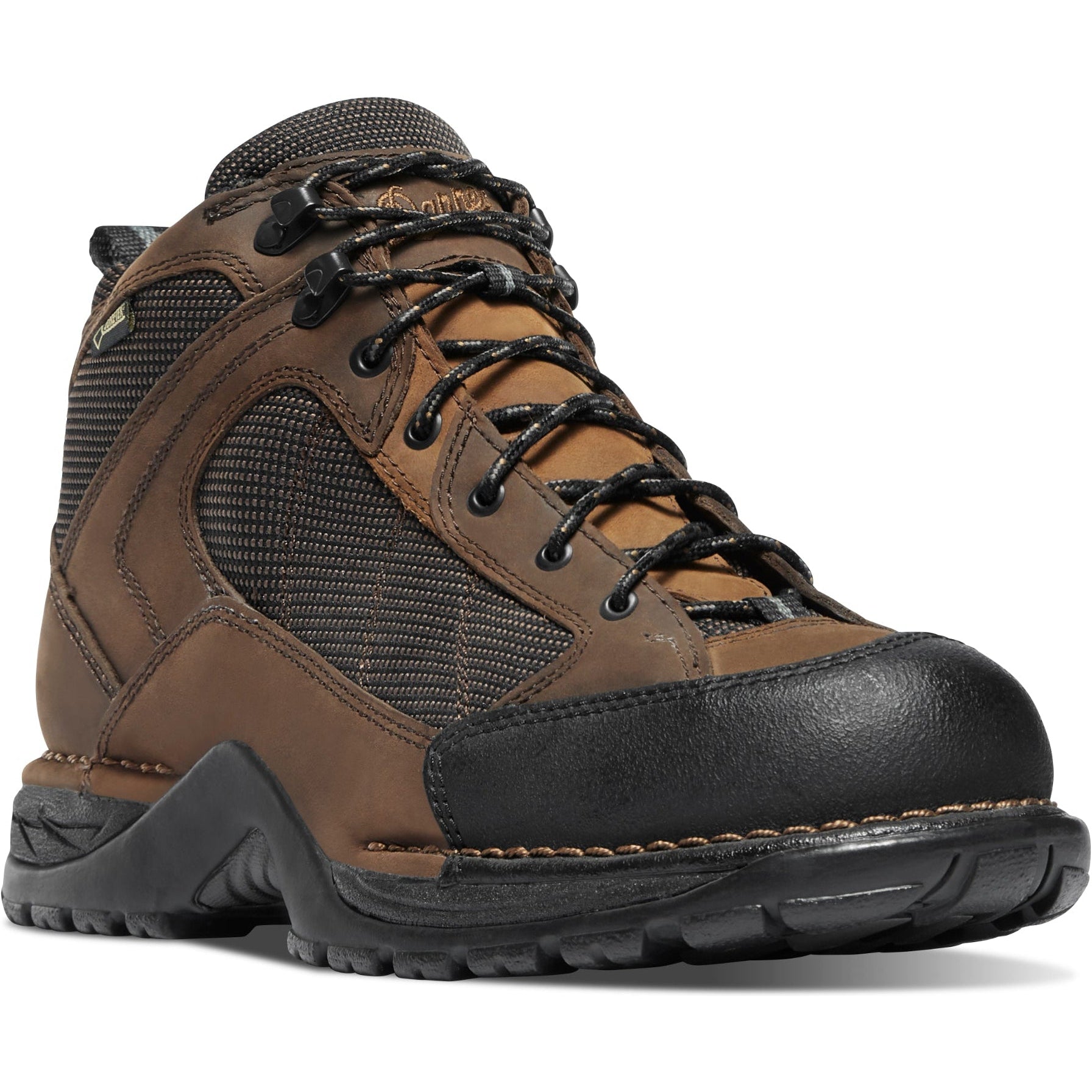
Sale price$239.95
Regular price$250.00
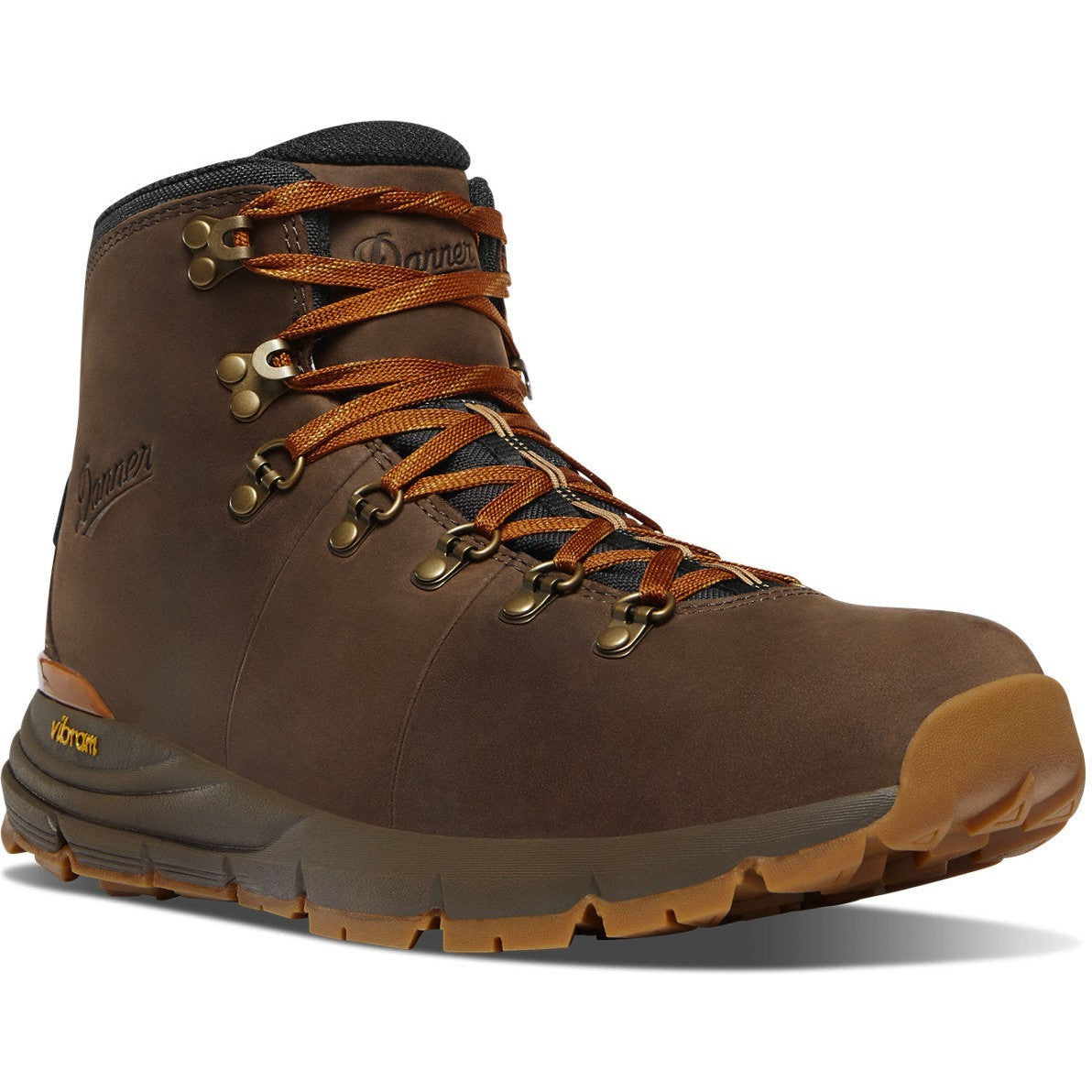
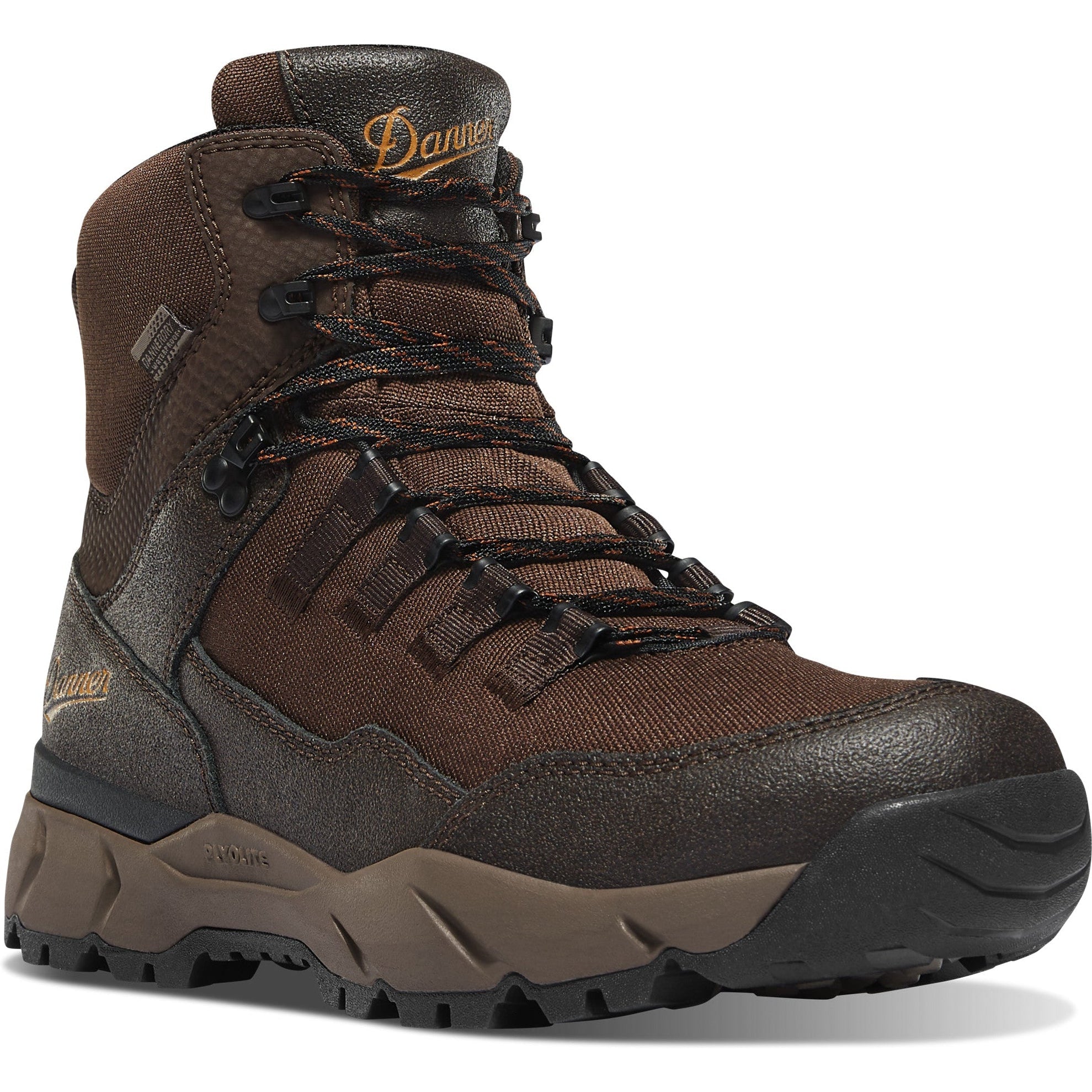
Danner Men's Radical 452 5.5" Waterproof Hiking Boot - Dark Brown - 45254
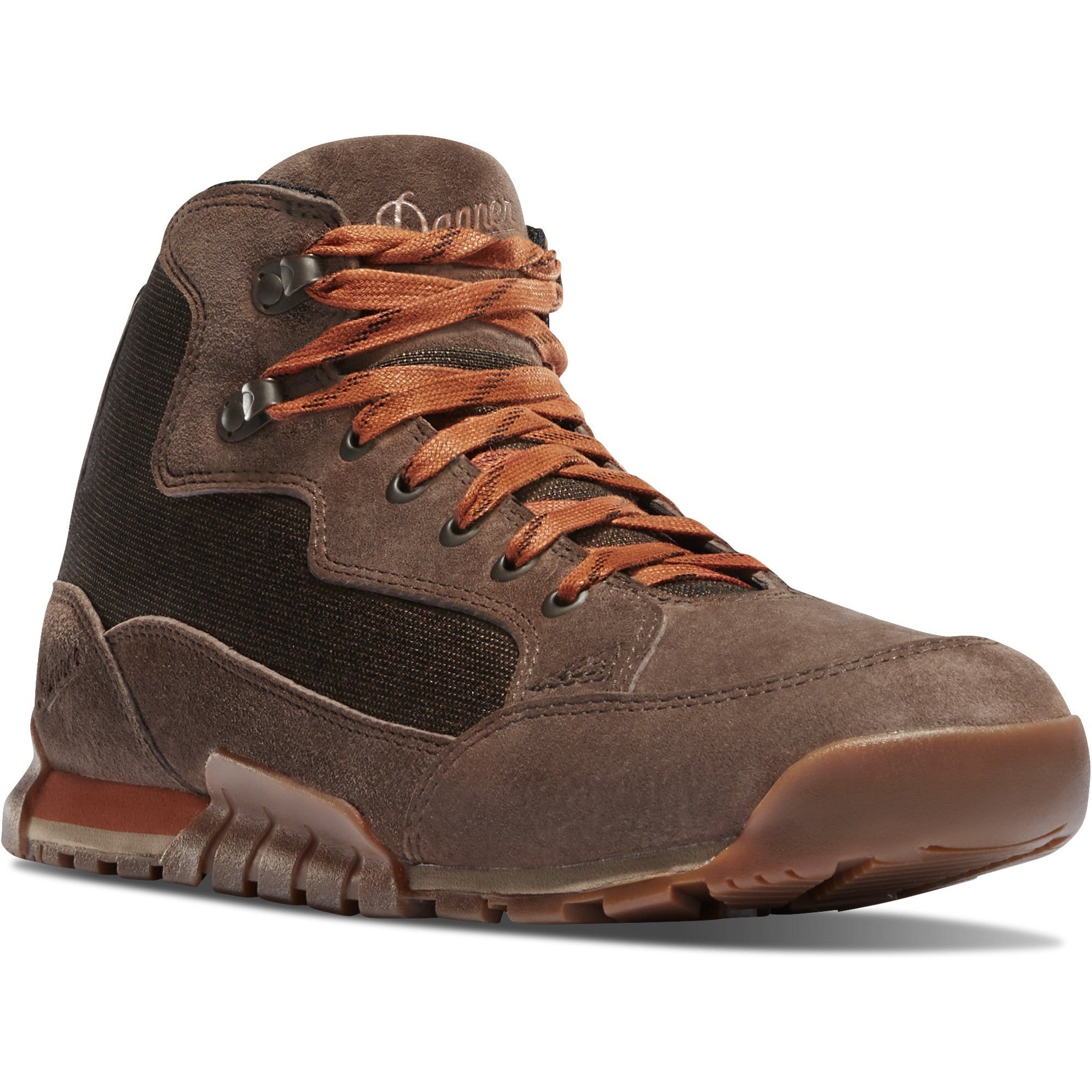
Sale price$189.95
Danner Men's Skyridge 4.5" Waterproof Hiking Shoe - Dark Earth - 30162
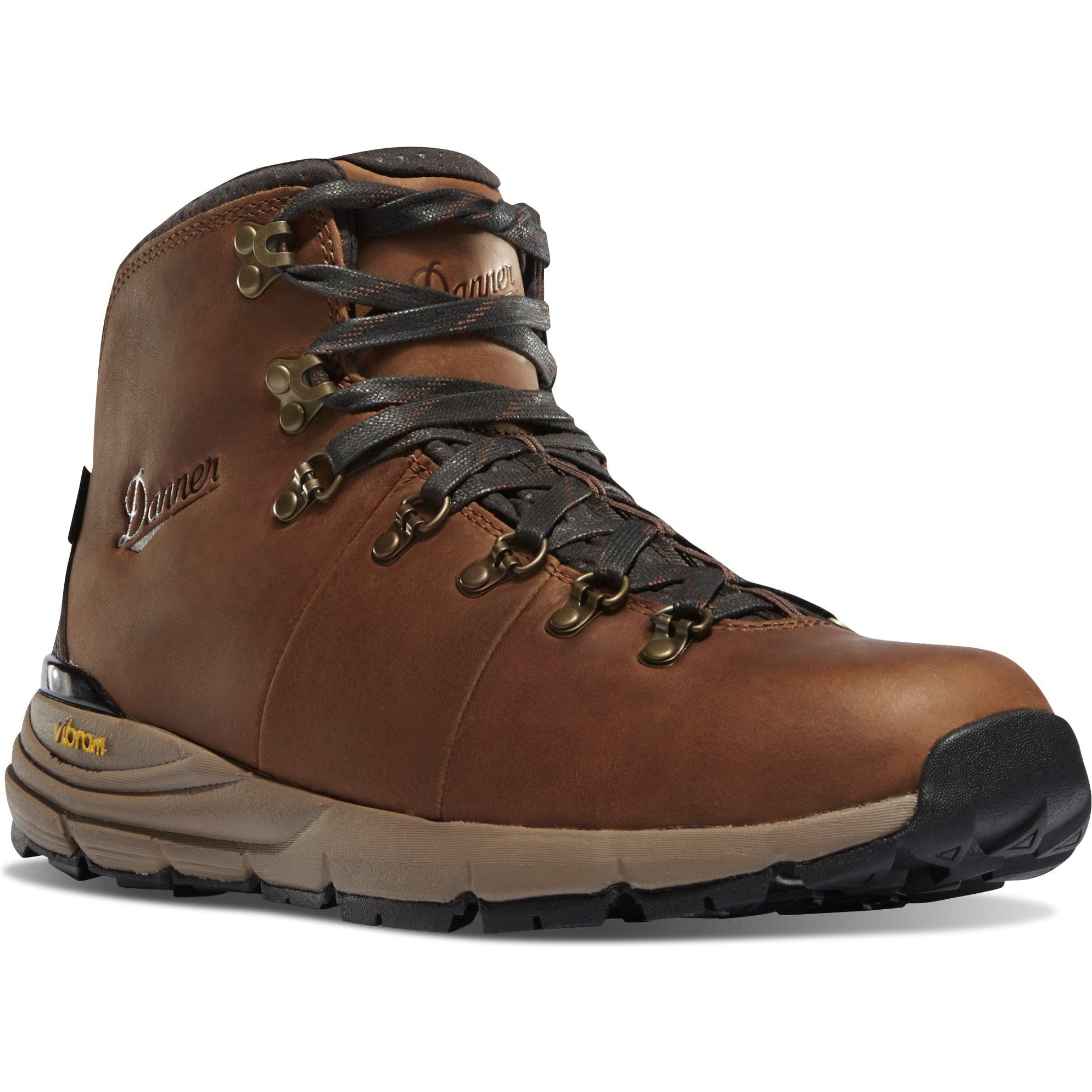
Sale price$229.95
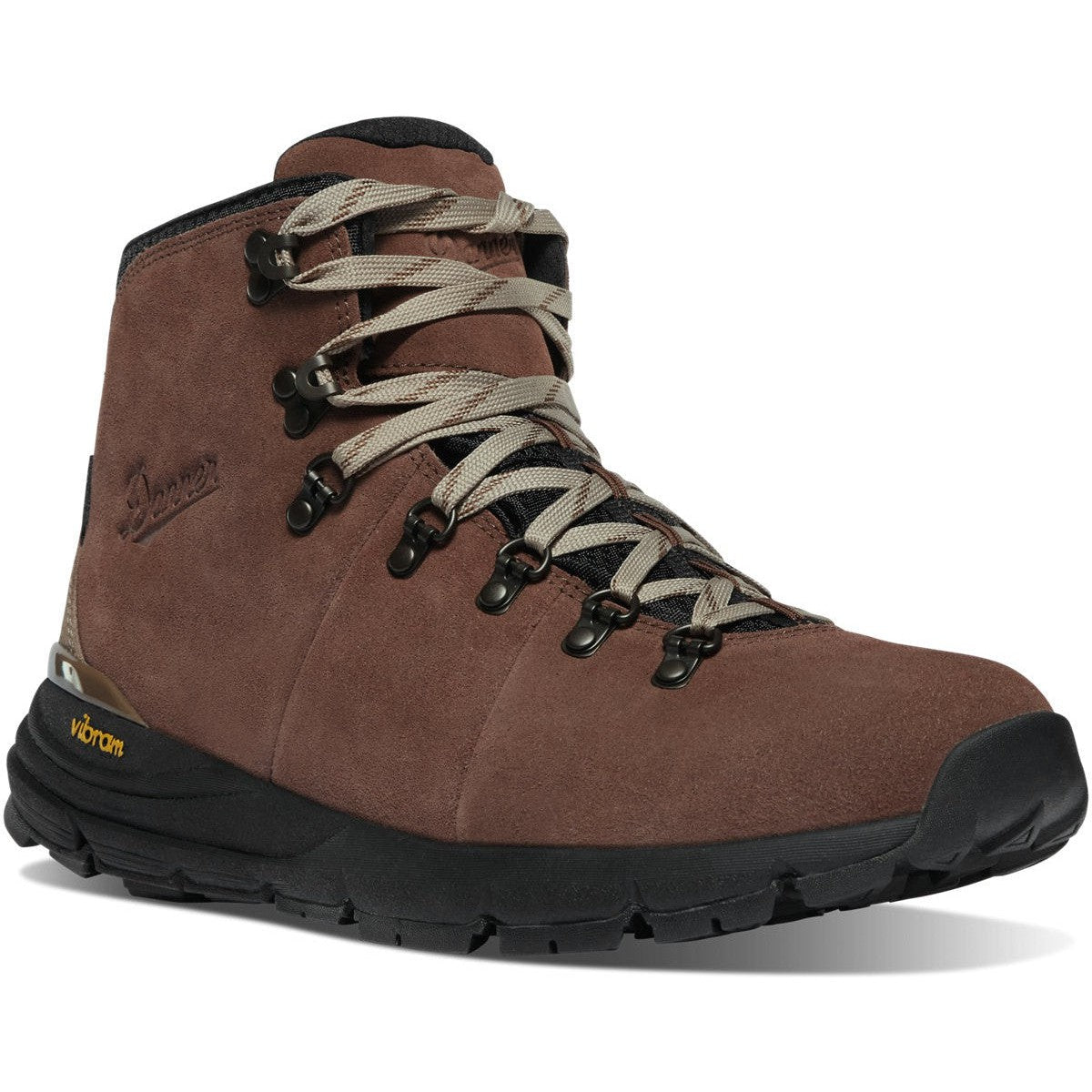
Danner Men's Mountain 600 4.5" Waterproof Hiking Boot - Brown - 62250
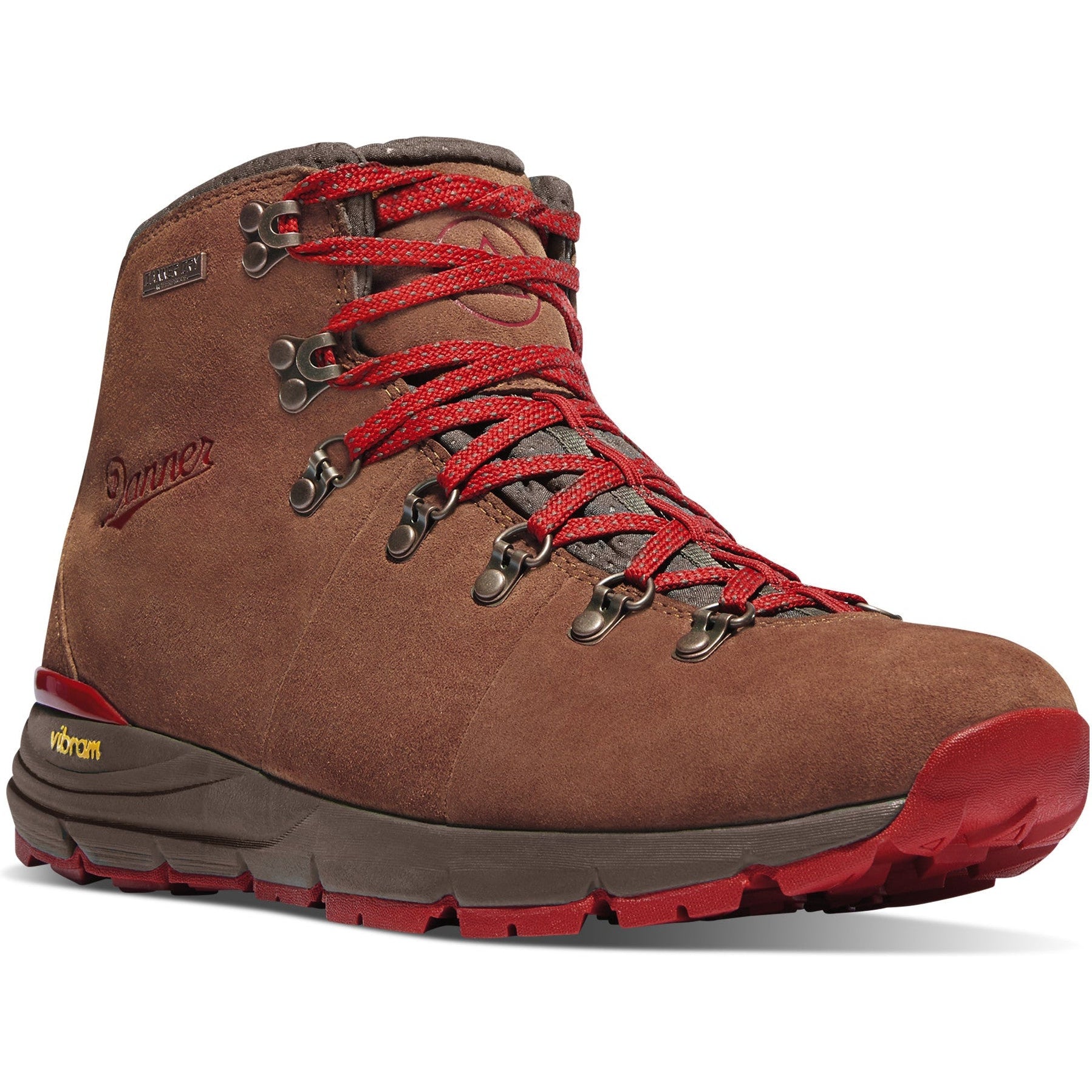
Sale price$219.95
Danner Men's Mountain 600 4.5" Waterproof Hiking Boot - Brown - 62241
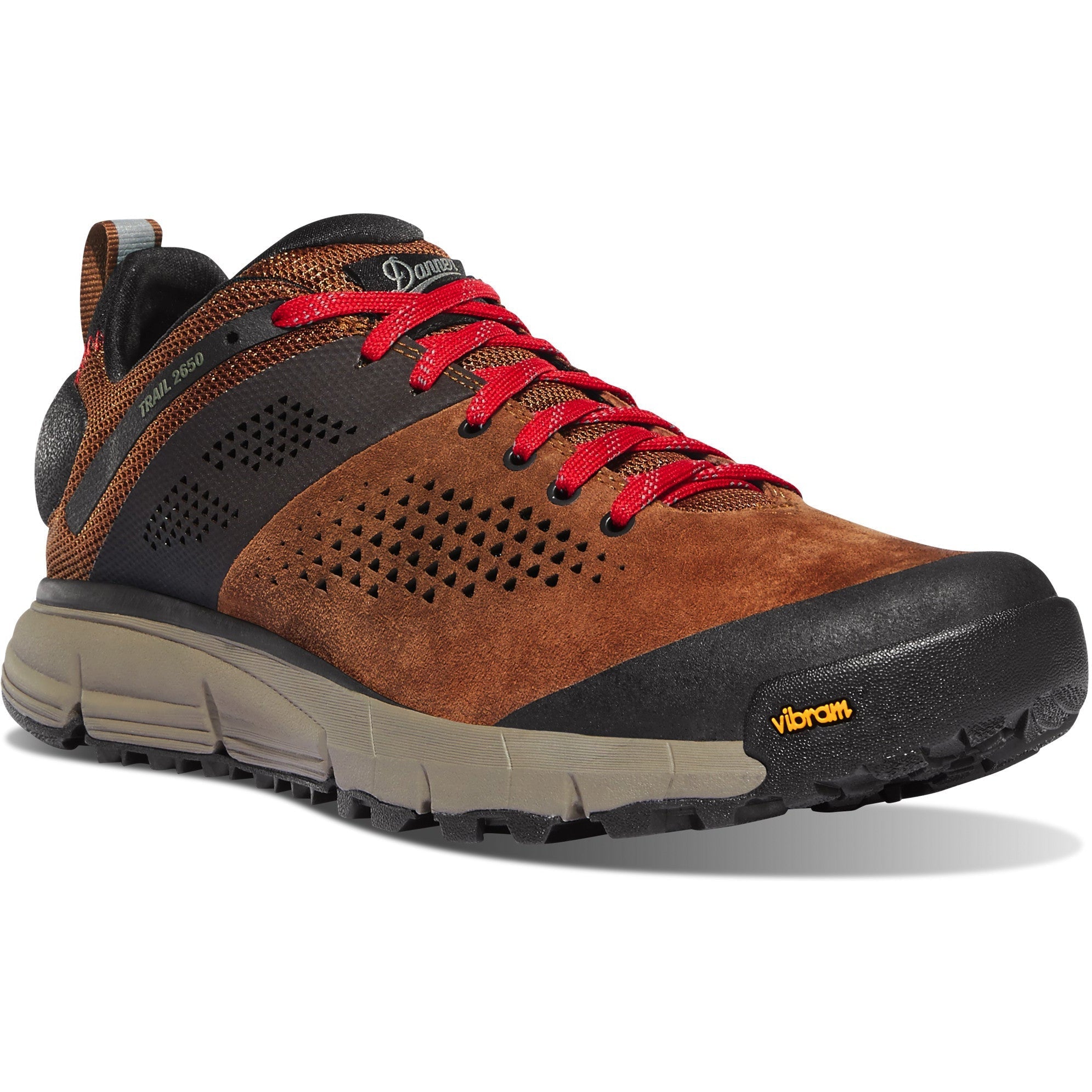
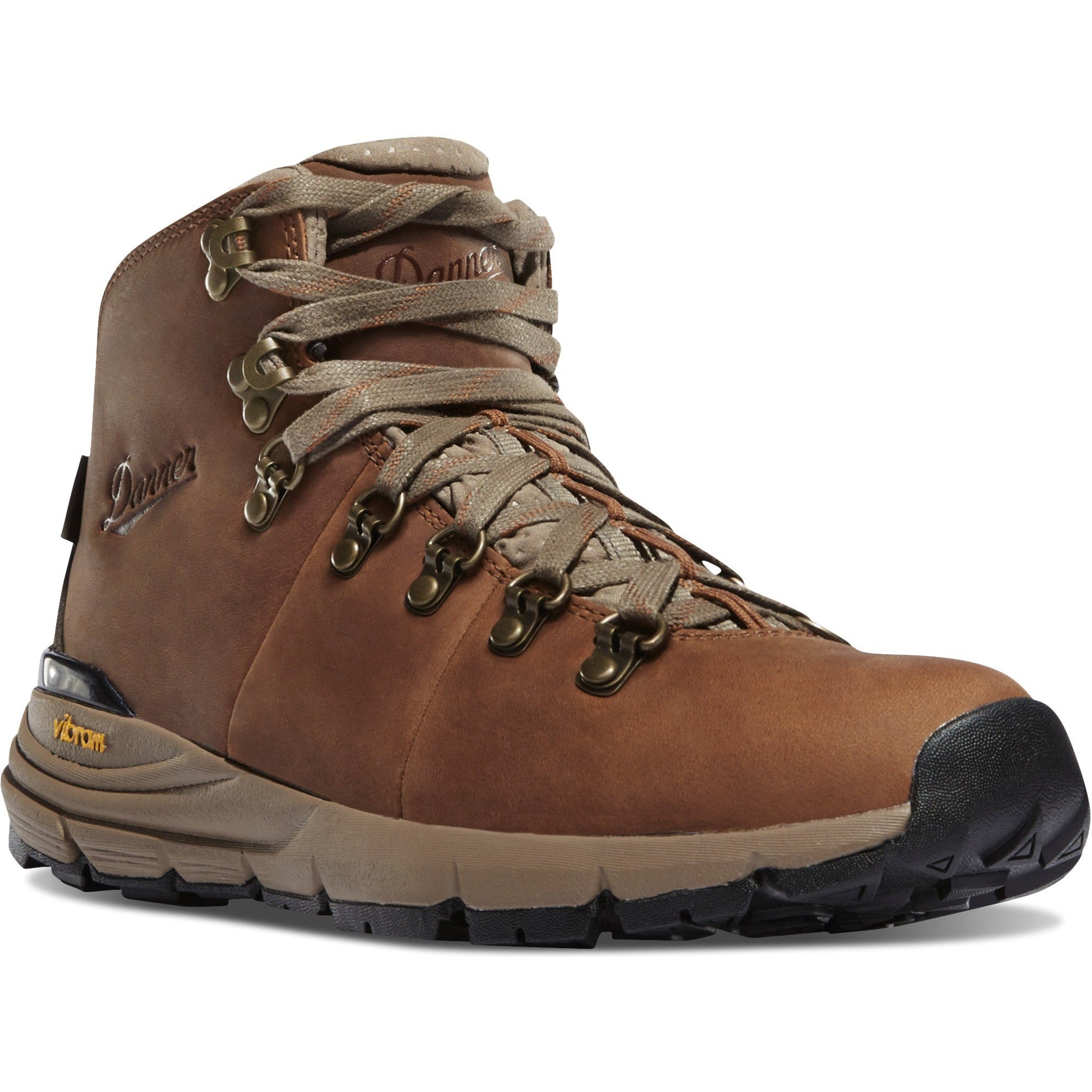
Sale price$229.95
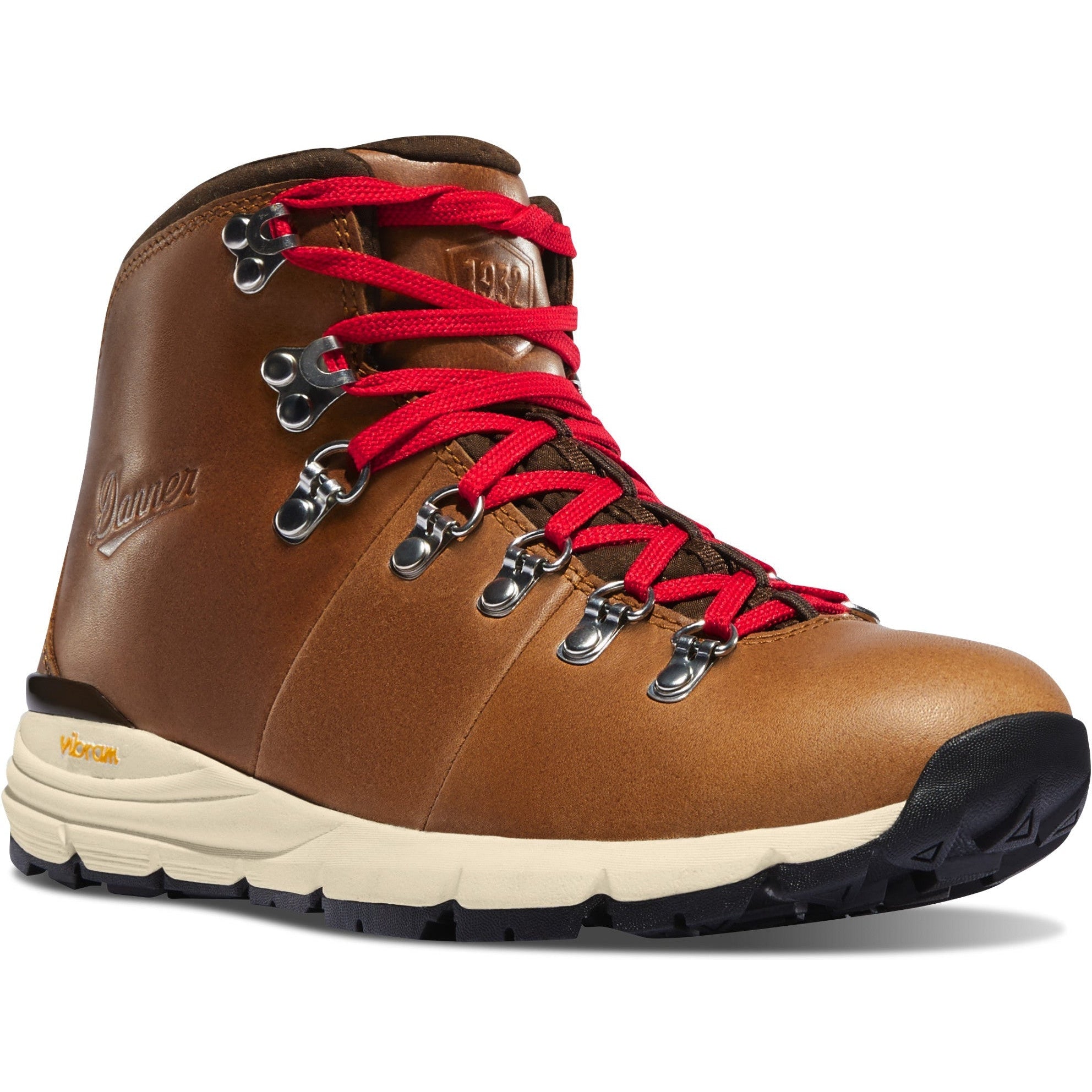
Danner Women's Mountain 600 4.5" Waterproof Hiking Boot - Brown - 62251
Save 7%
Sale price$269.95
Regular price$290.00
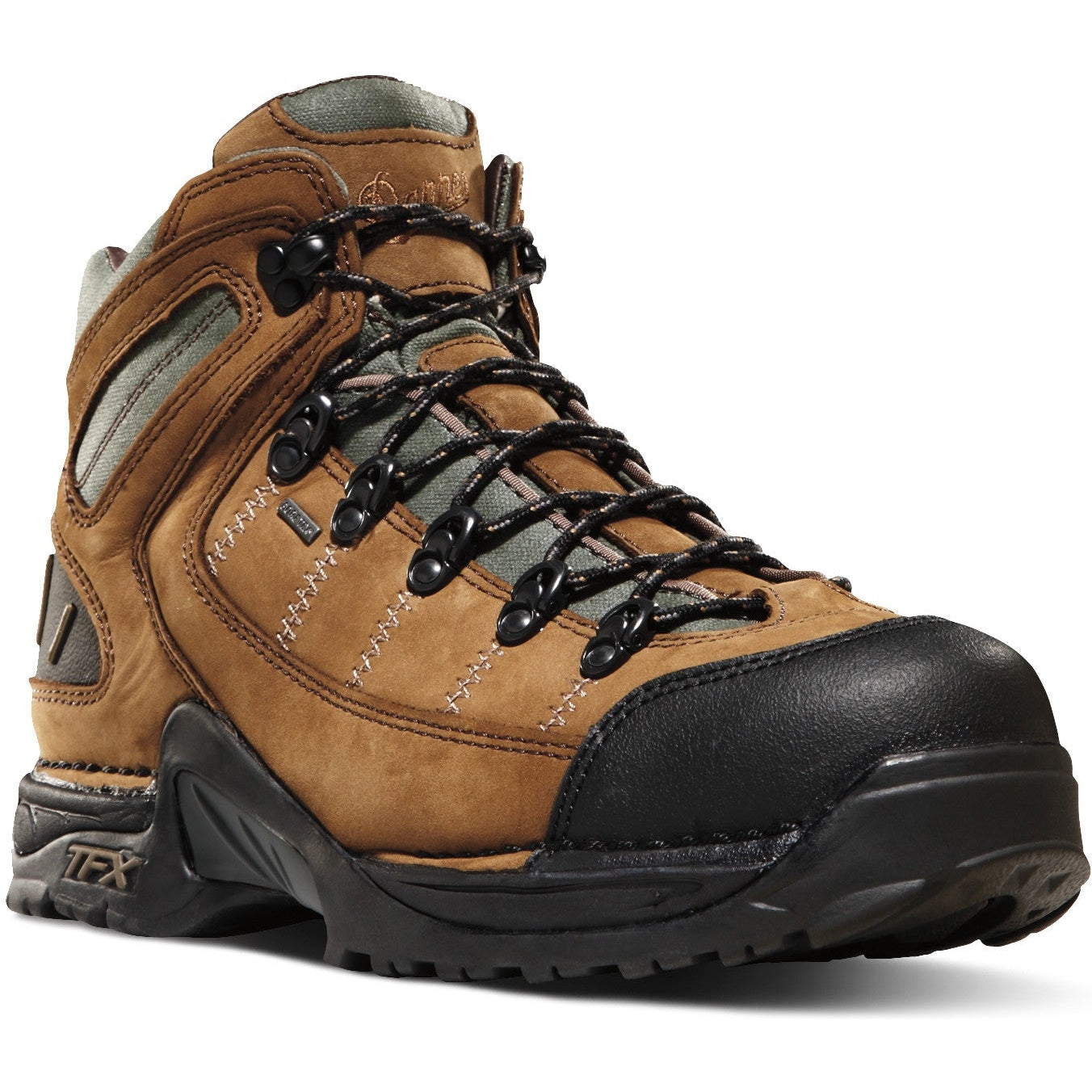
Danner Men's 453 5.5" Waterproof Hiking Boot - Dark Tan - 45364
Sale price$189.95
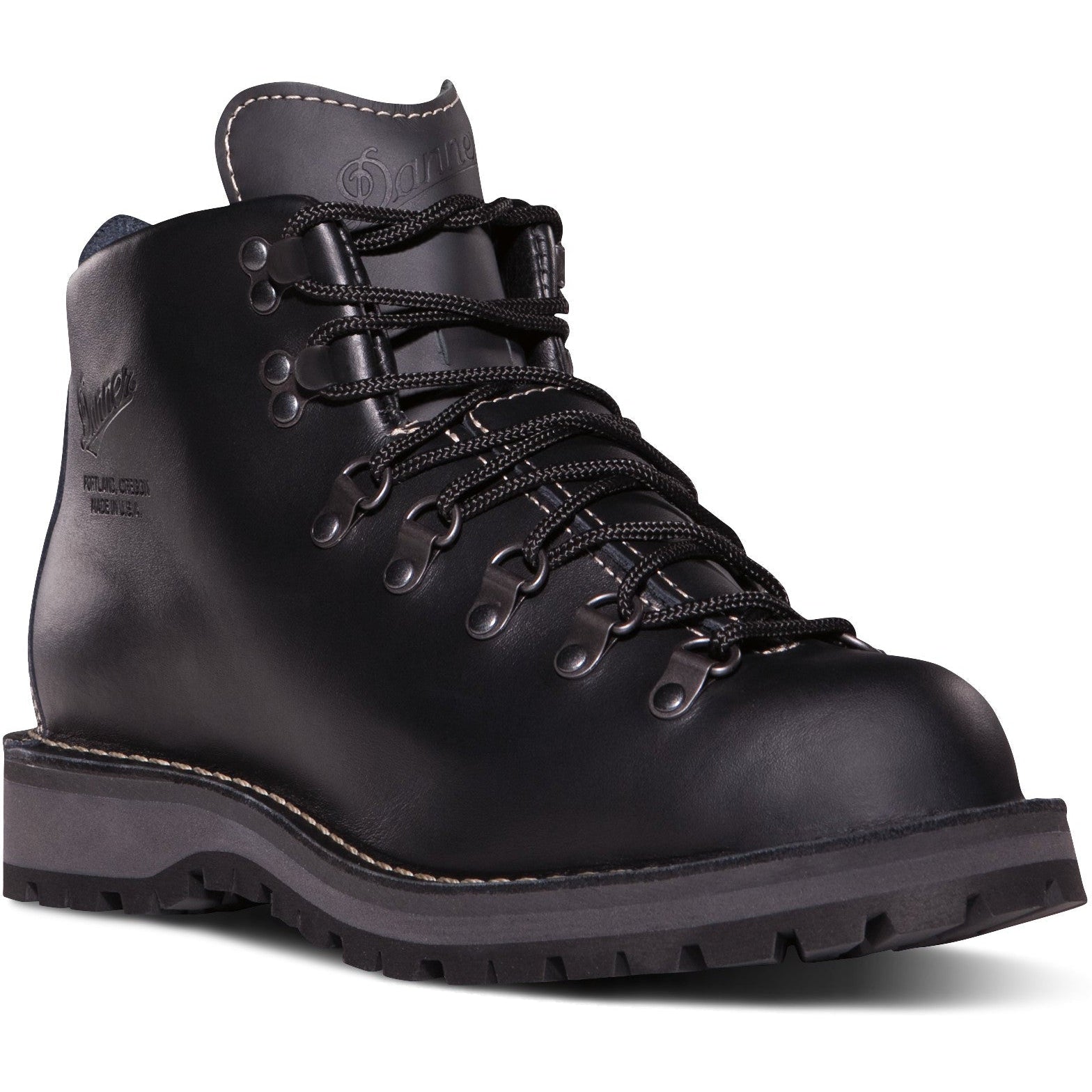
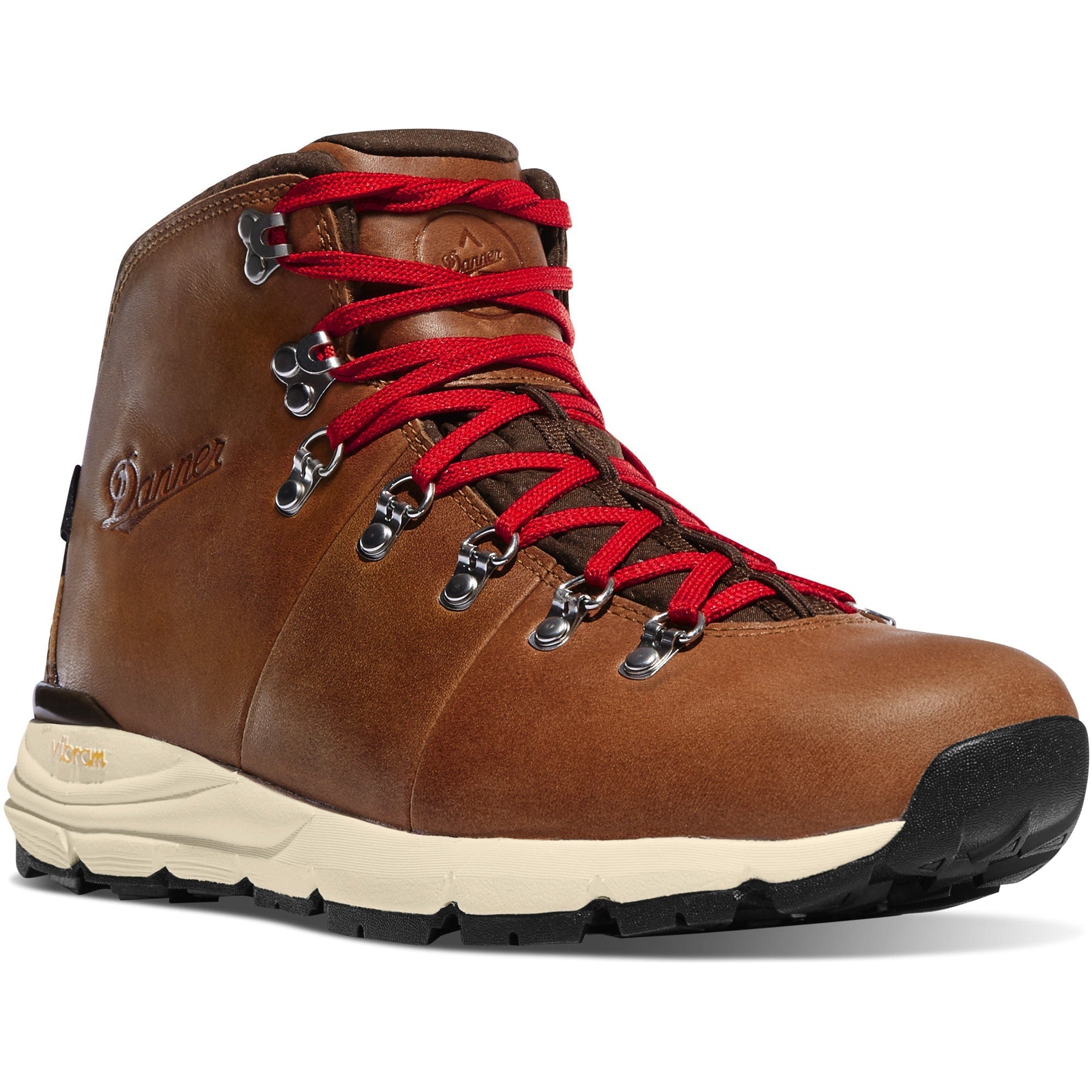
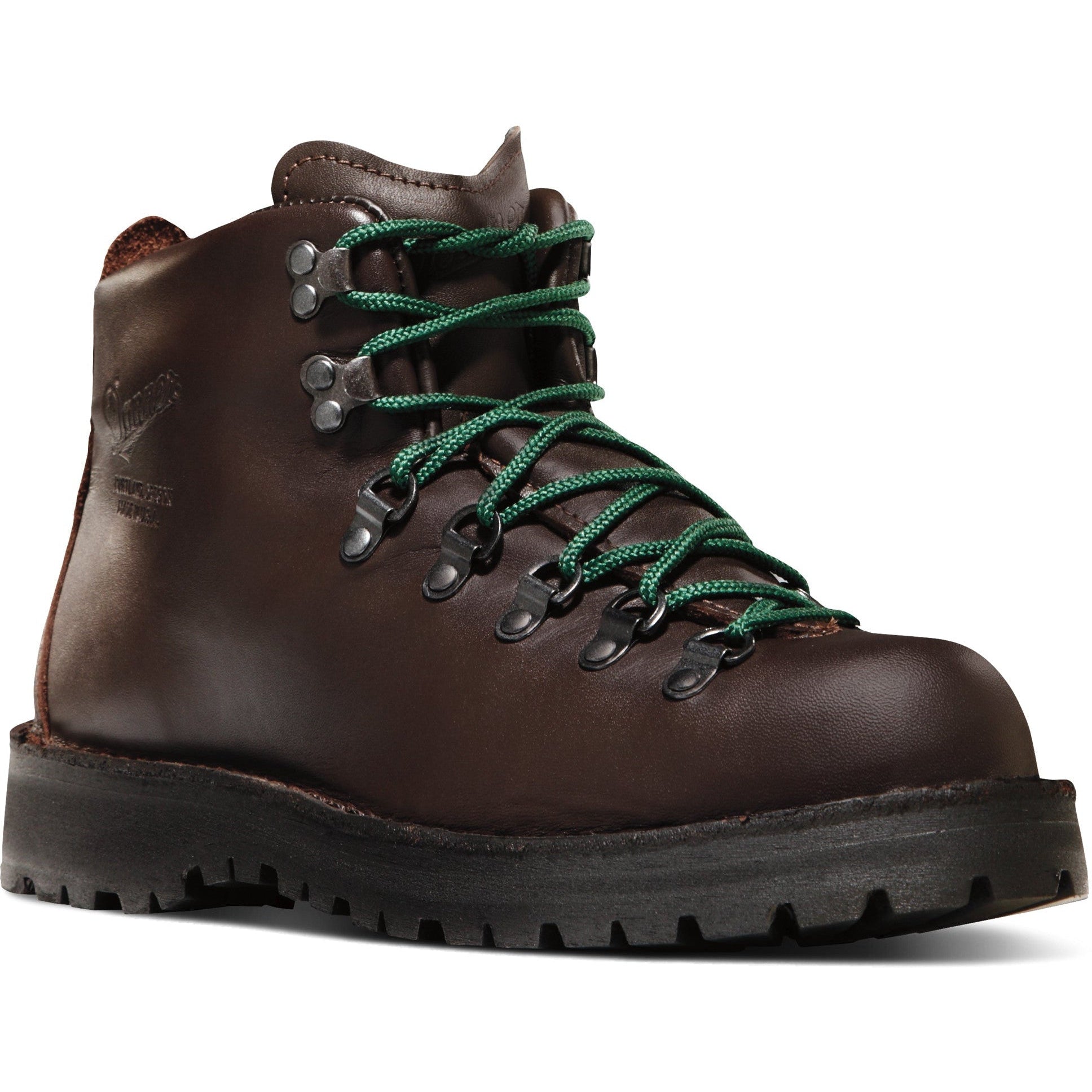
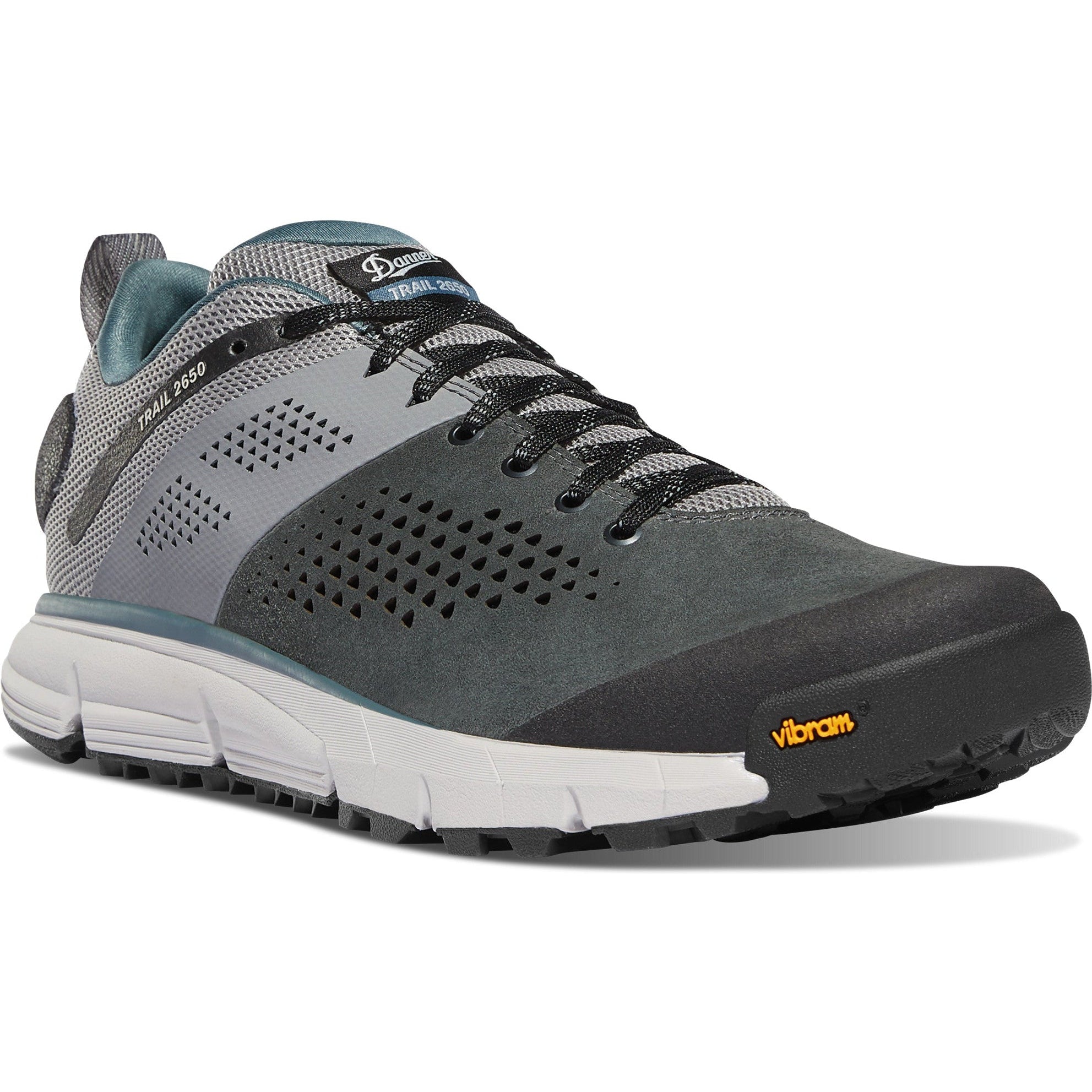
Danner Men's Trail 2650 3" Hiking Shoe - Charcoal - 61282
Sale price$169.95
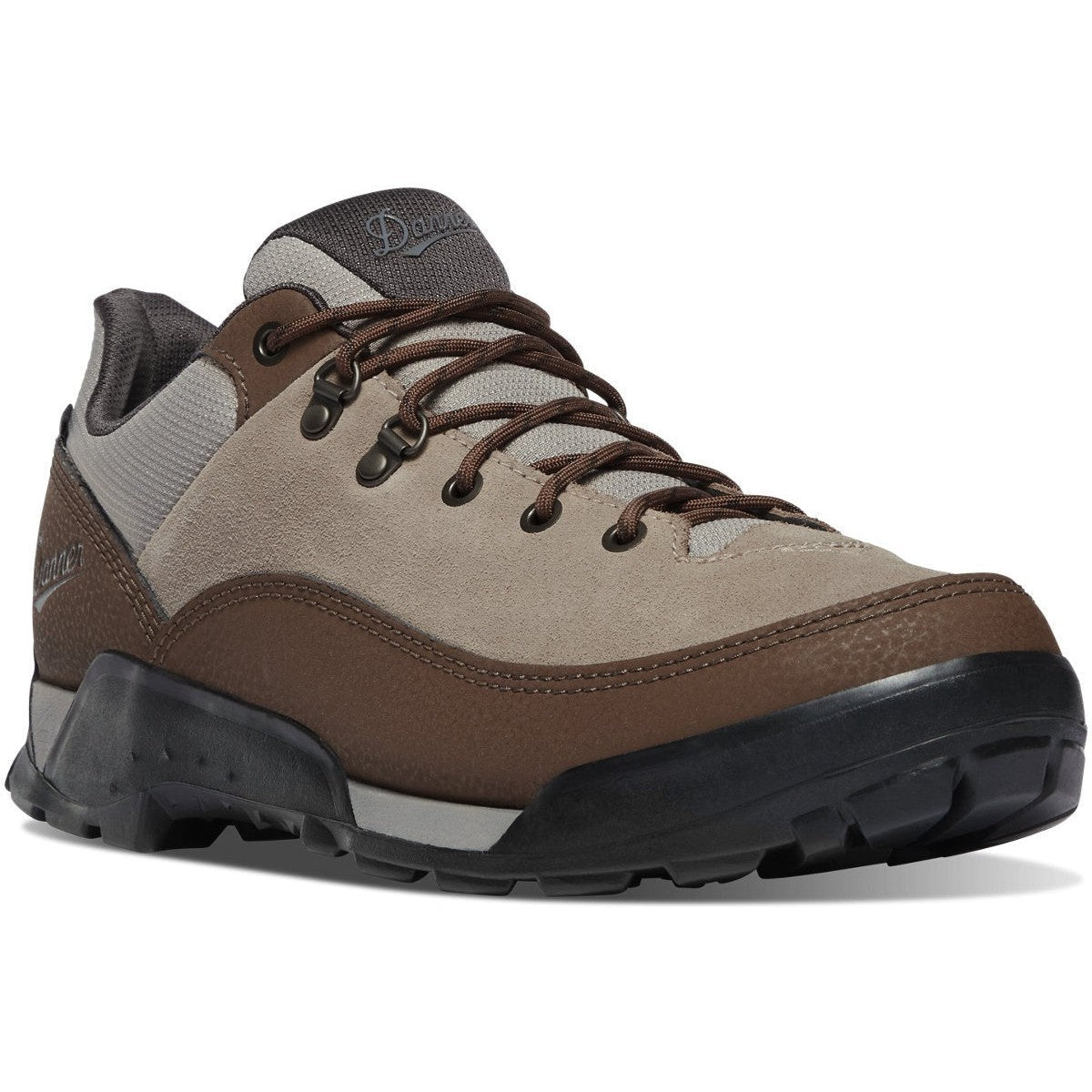
Danner Men's Panorama Low 4" Waterproof Hiking Shoe -Dark Earth- 63472
Sale price$279.95
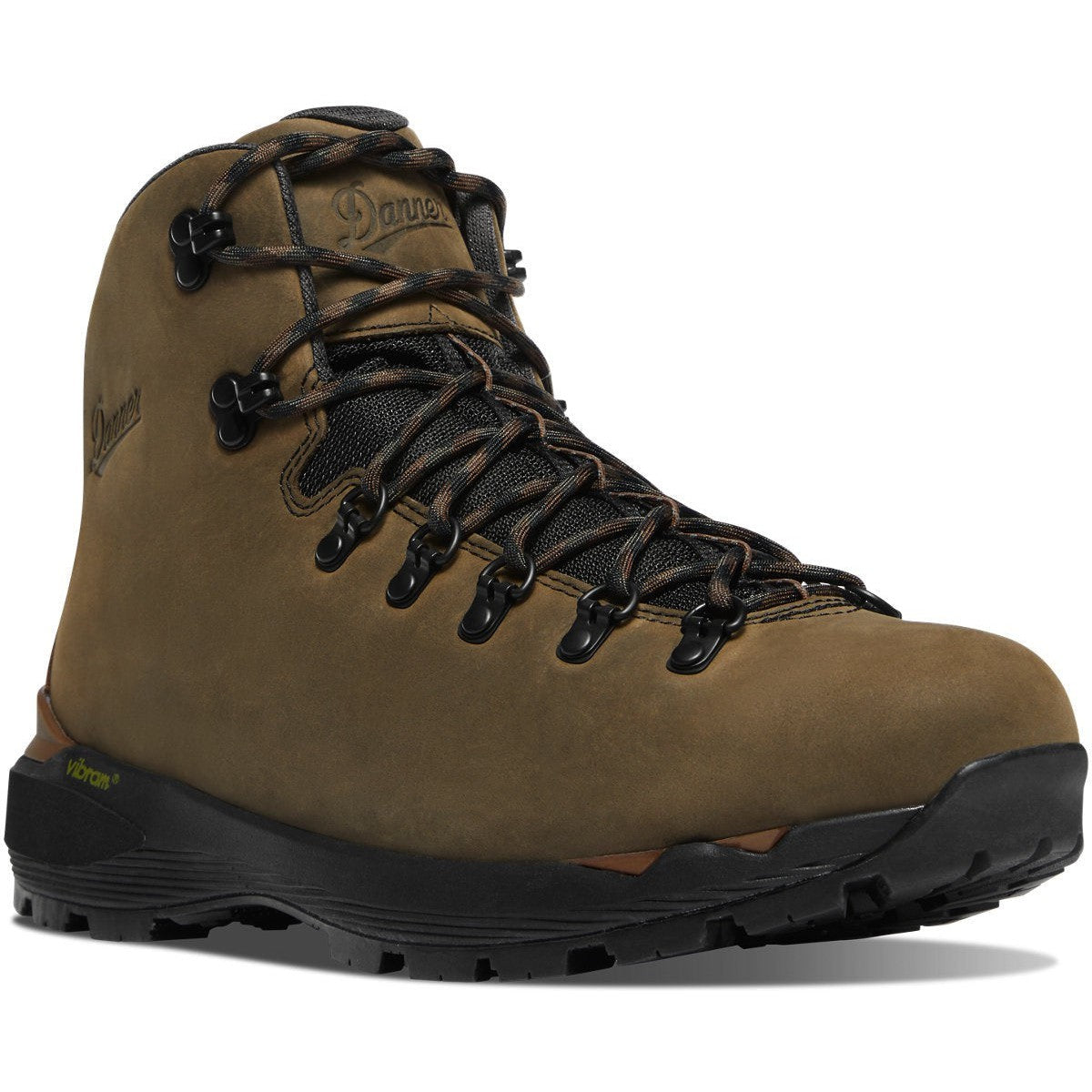
Danner Men's Mountain 600 Evo 4.5" Waterproof Hiking Boot -Brown- 62712
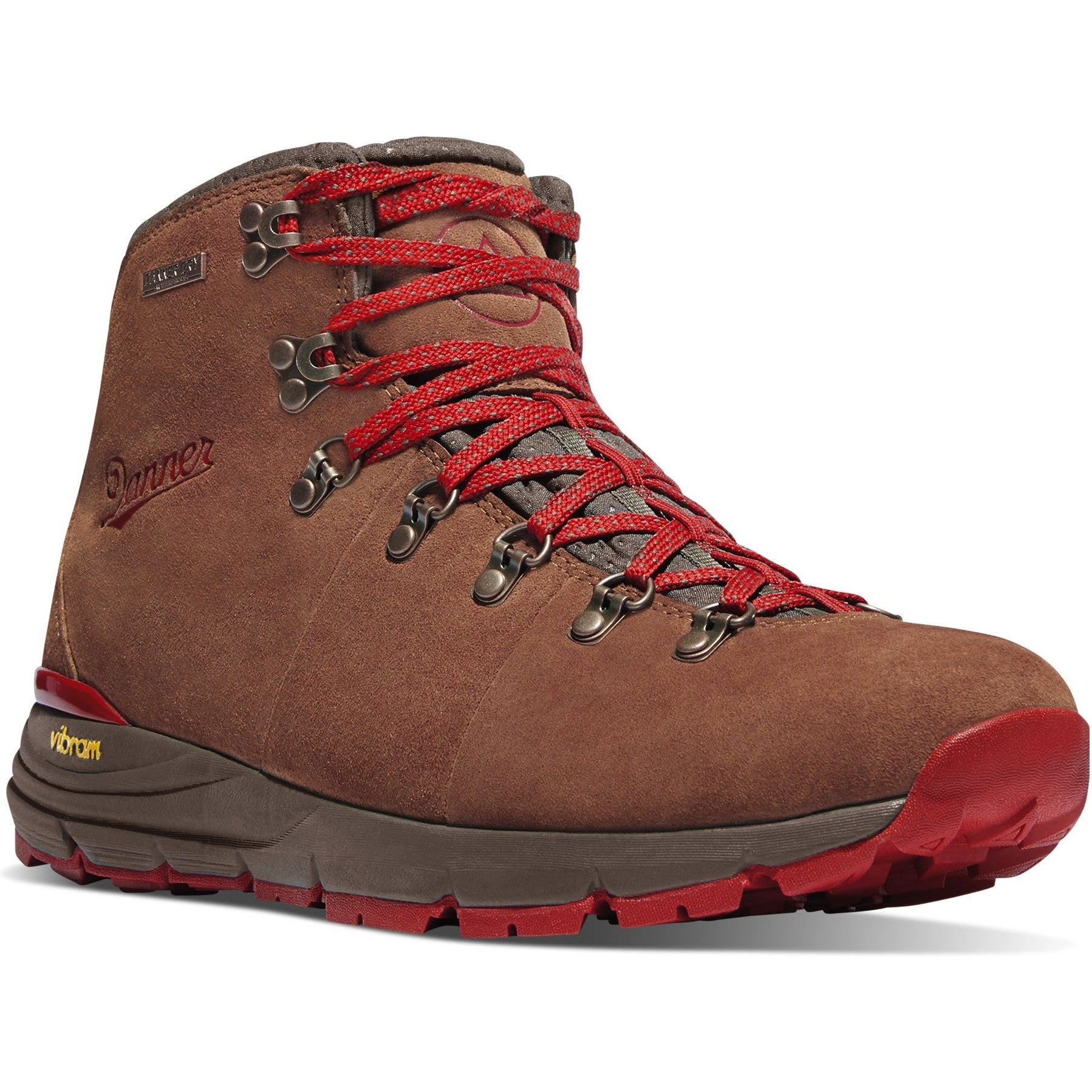
Save 8%
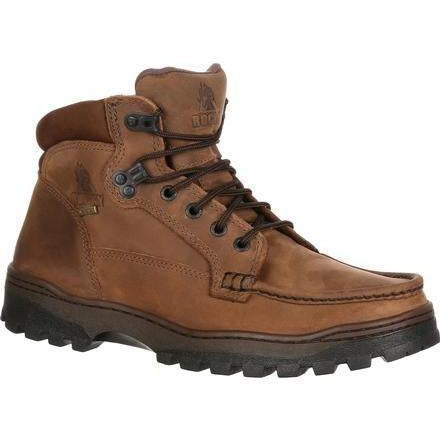
Sale price$144.99
Regular price$157.00
Rocky Men's Outback 6" Gor-Tex Waterproof Hiking Boot - Brown - FQ0008723
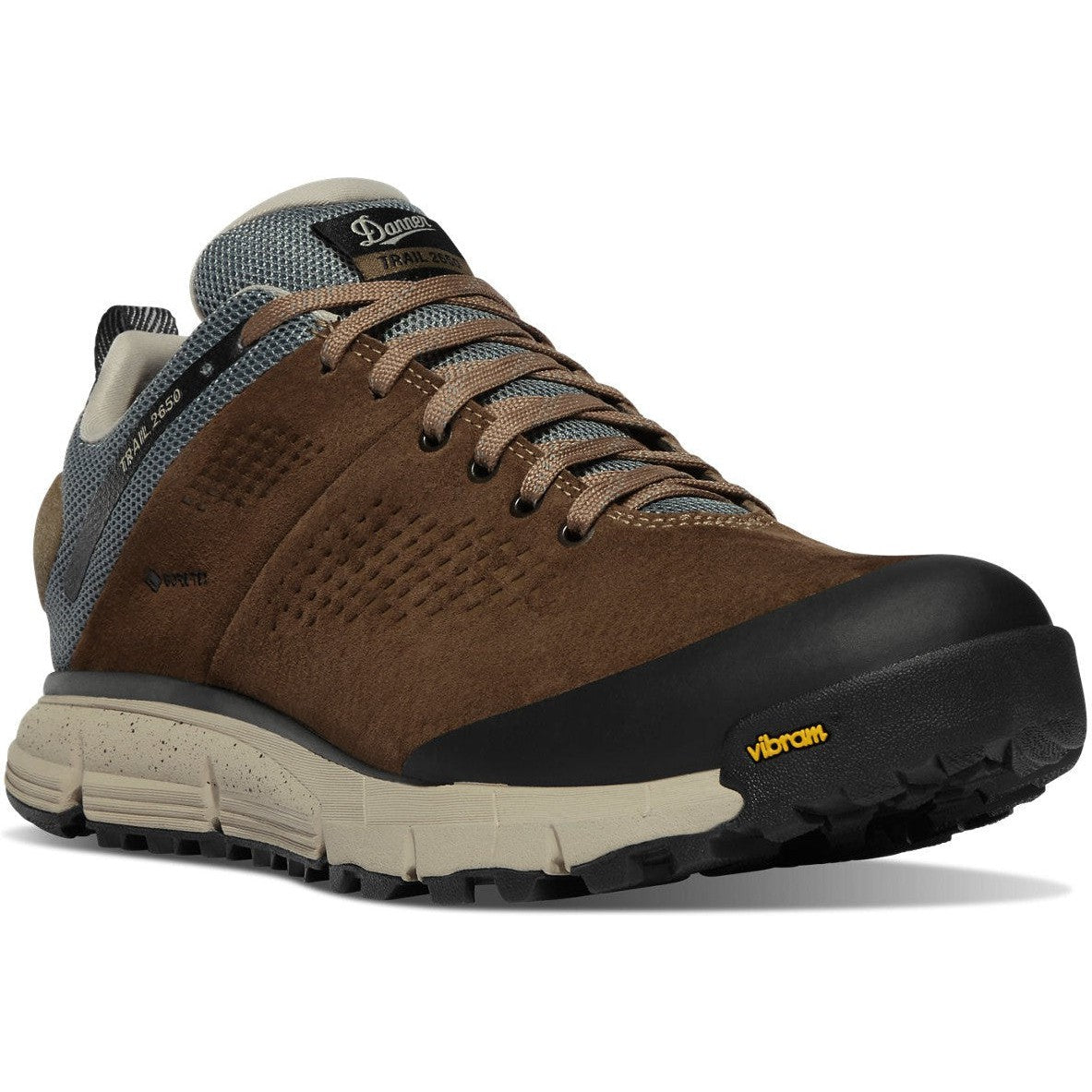
Save 18%
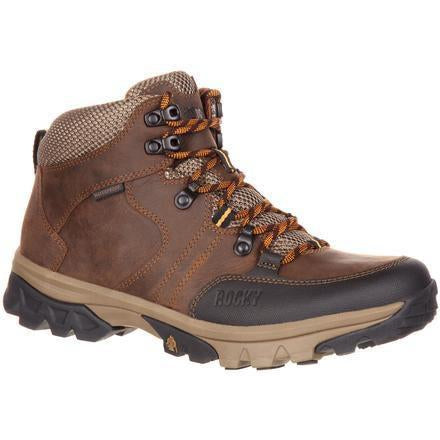
Sale price$119.99
Regular price$147.00
Rocky Men's Endeavor Point Waterproof Hiking Boot - Brown - RKS0300
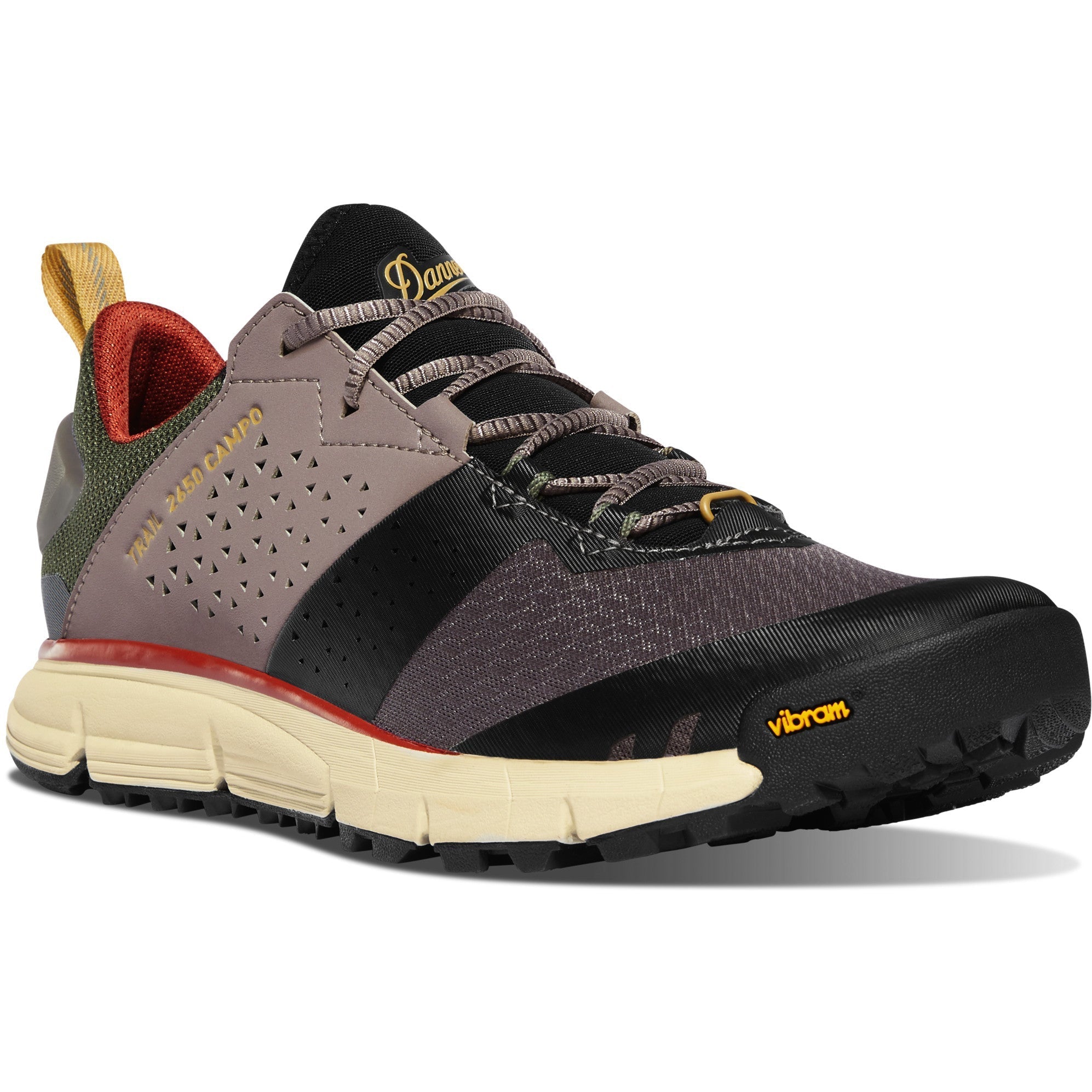
Sale price$179.95
Danner Men's Trail 2650 Campo 3" Hiking Shoe - Brown - 68944
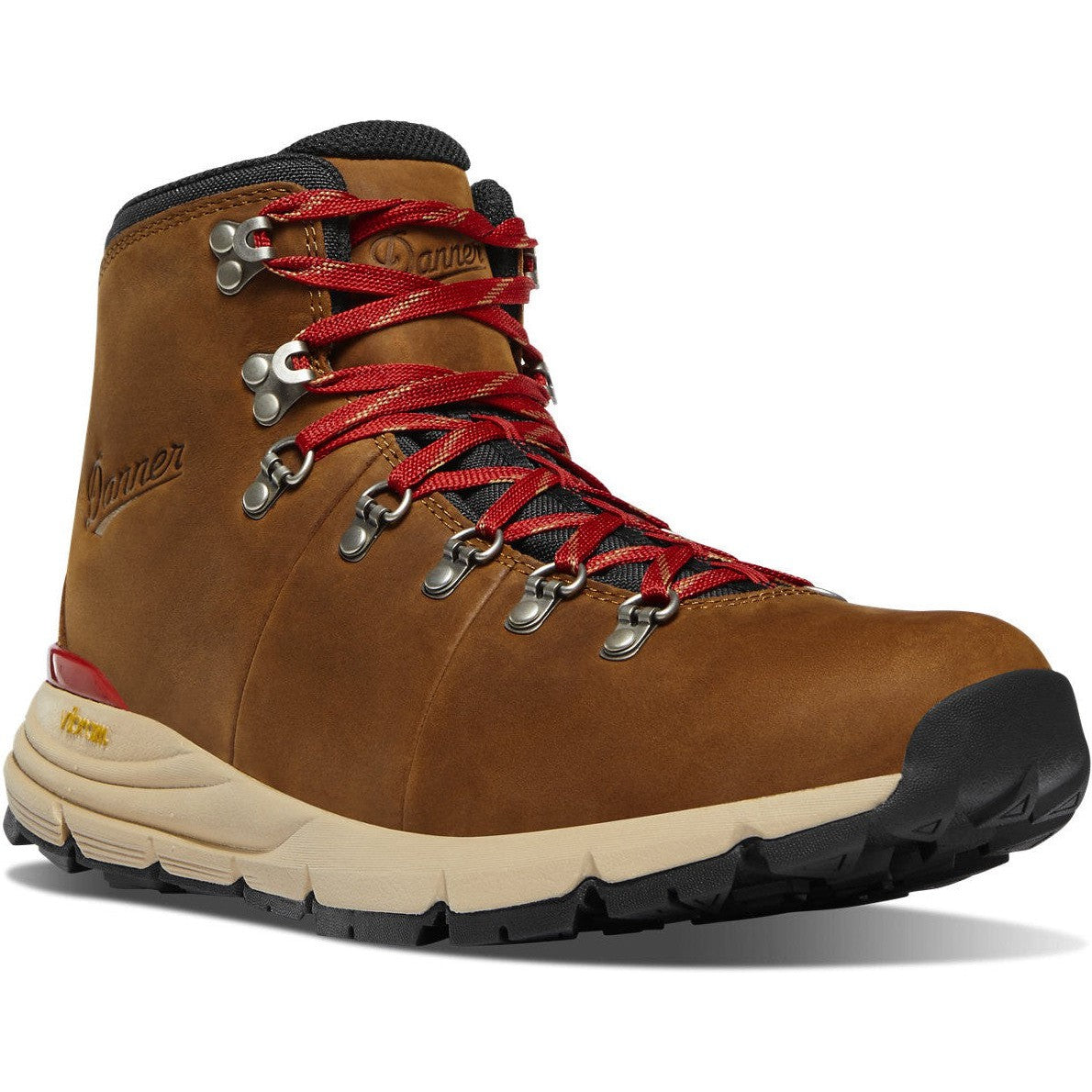
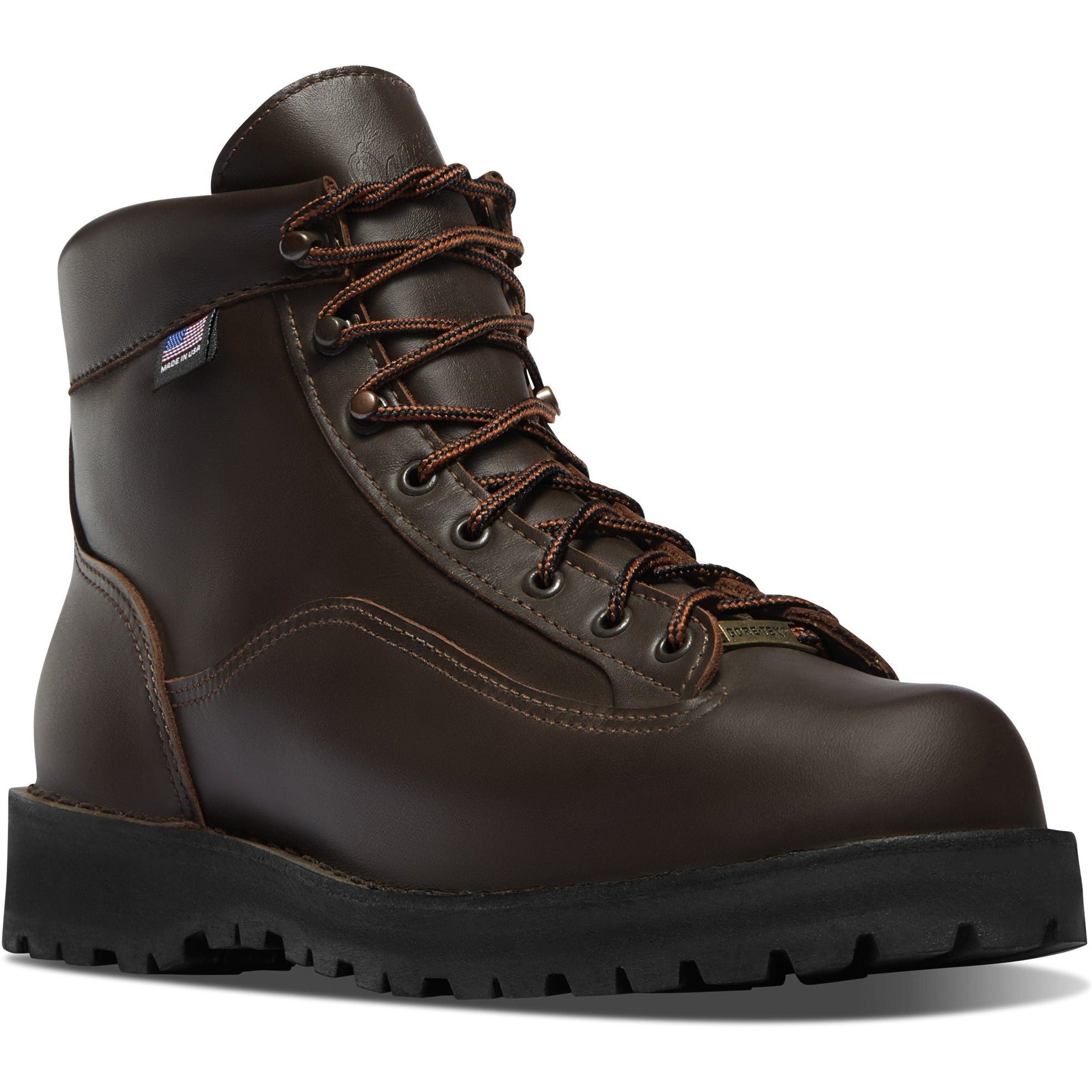
Sale price$489.95
Danner Explorer 650 Men's 6" Waterproof Hiking Boots - USA Made - 45200
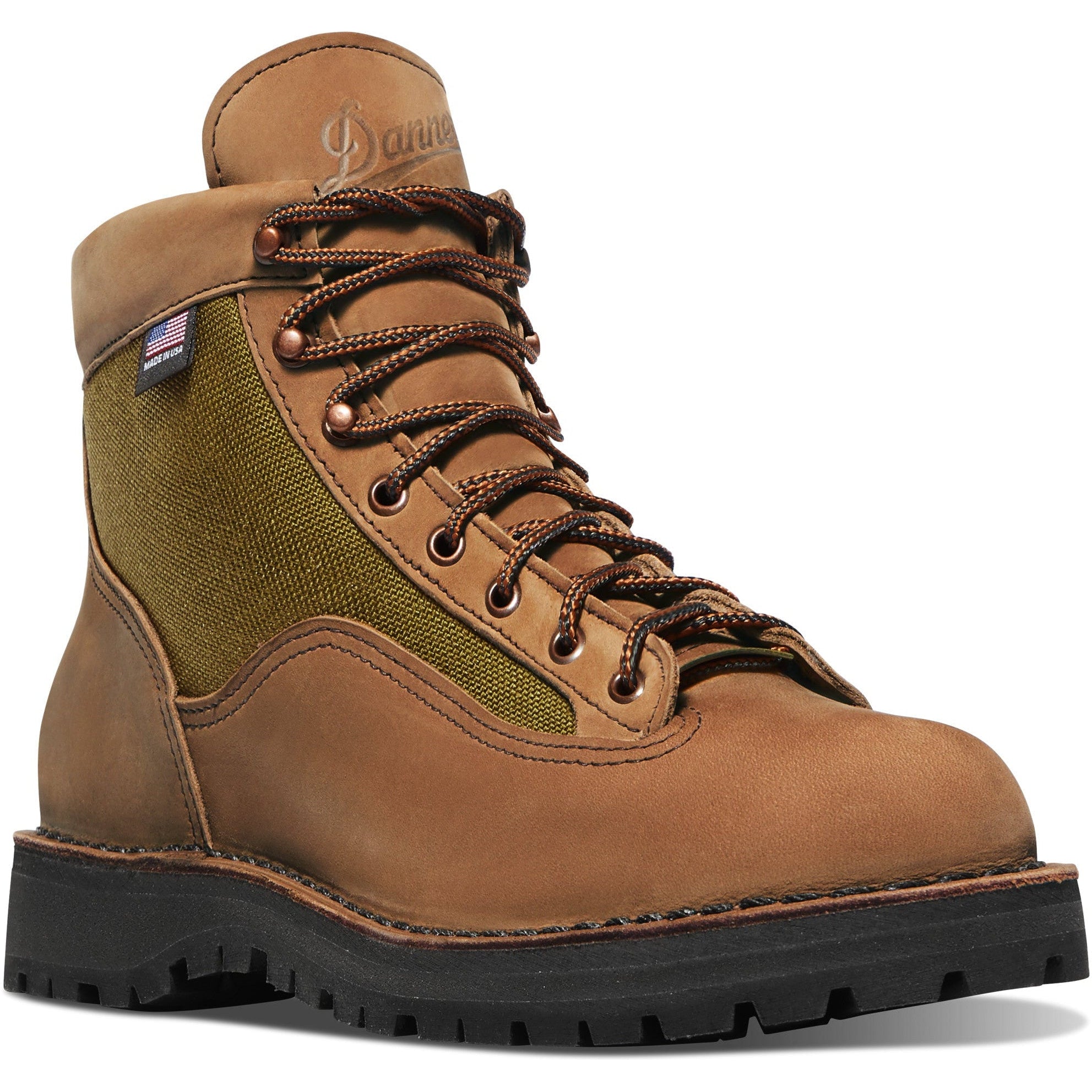
Sale price$479.95
Danner Men's Light II 6" Waterproof USA Made Hiking Boot - Brown - 33000
Save 15%
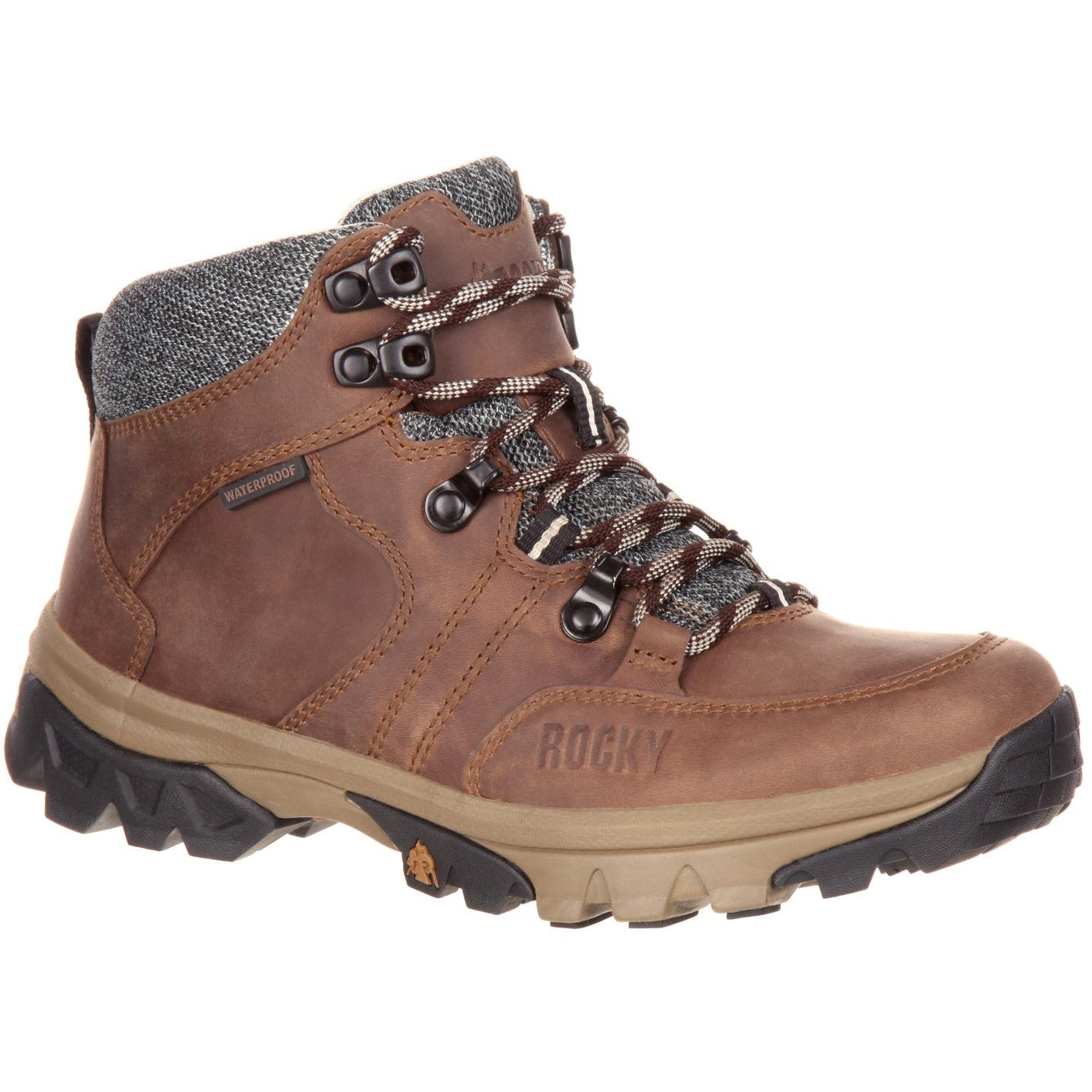
Sale price$124.99
Regular price$147.00
Rocky Women's Endeavor Point 5" Waterproof Outdoor Hiking Boot- Brown- RKS0301
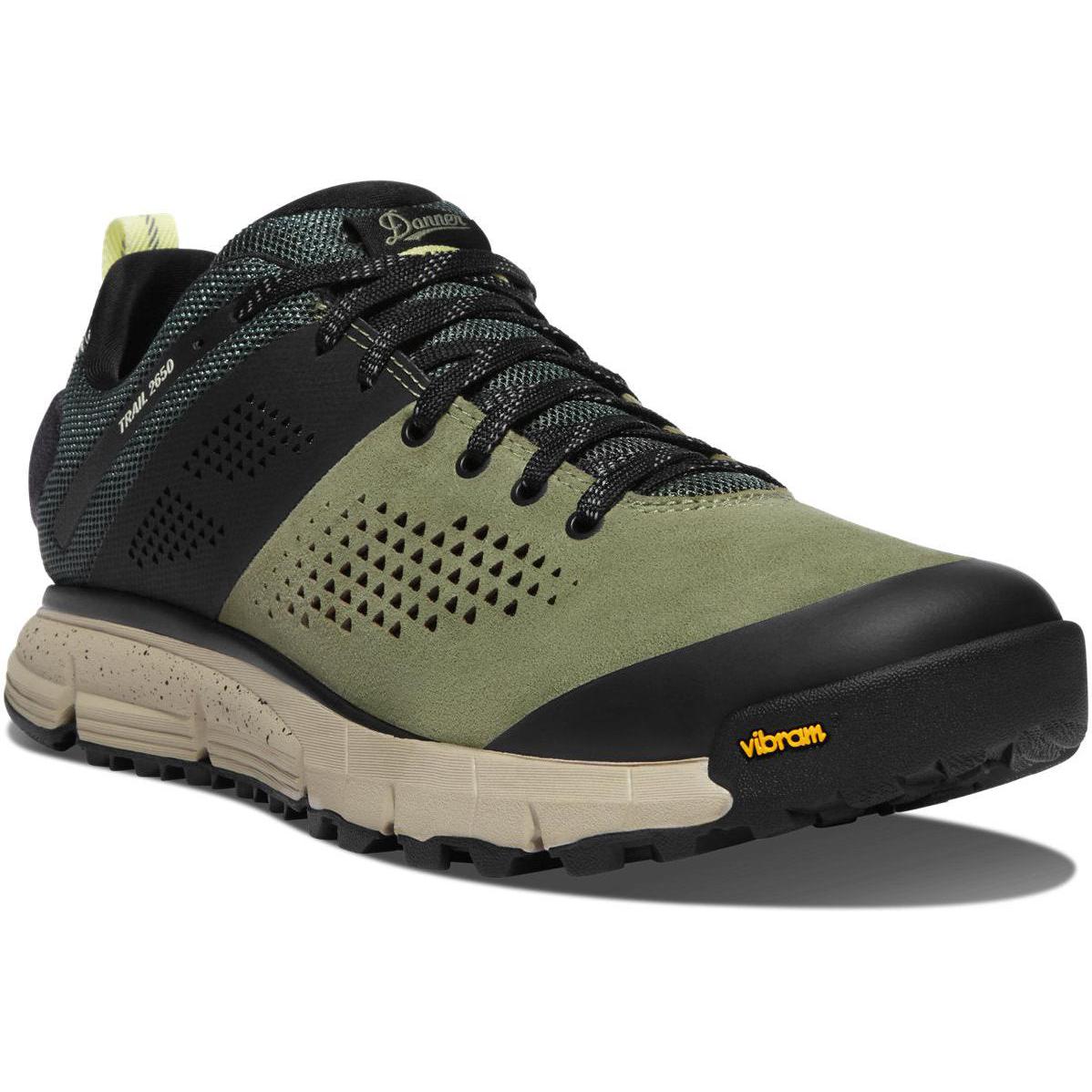
Sale price$189.95
Danner Men's Trail 2650 3" Outdoor Hiking Shoe - Green/Black - 61310
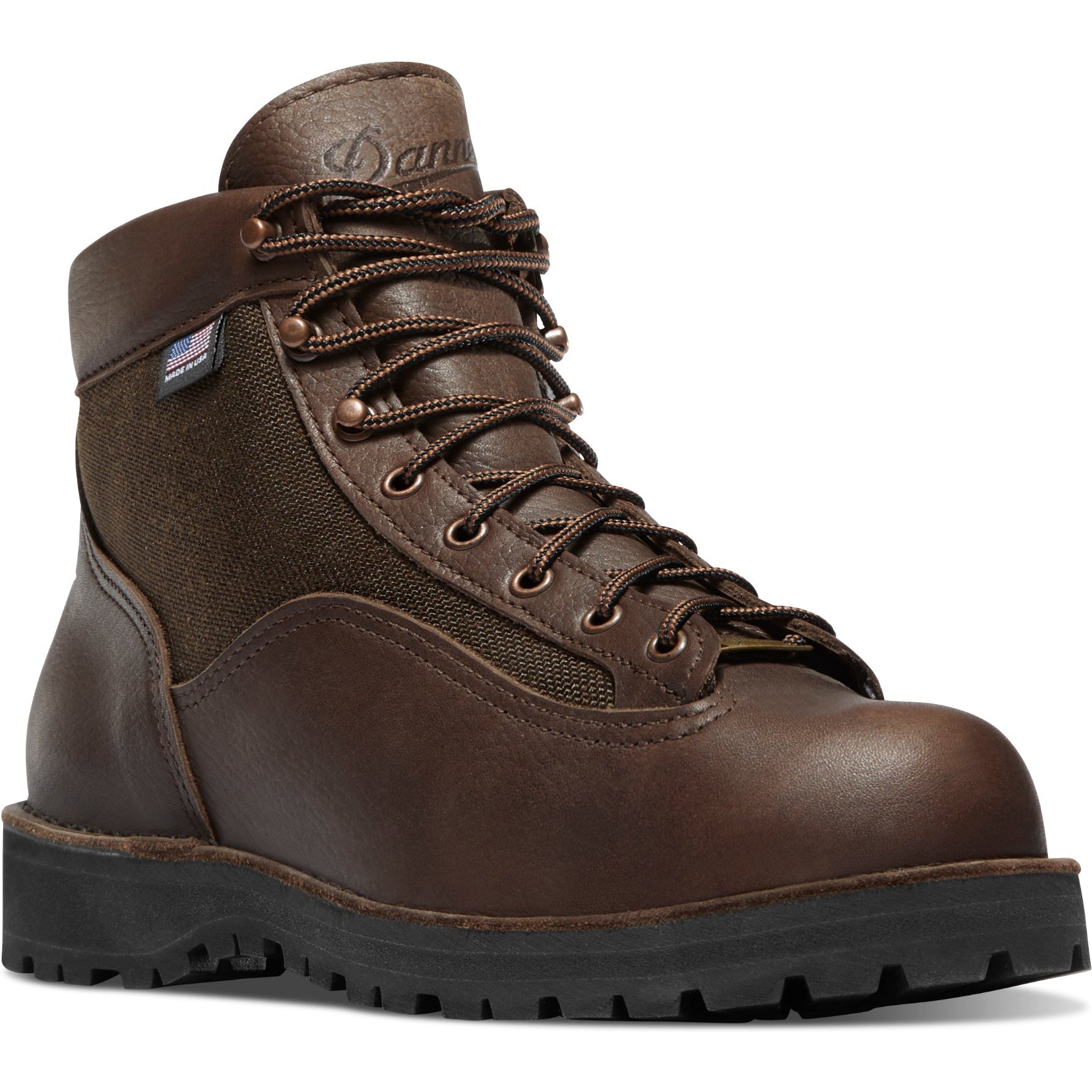
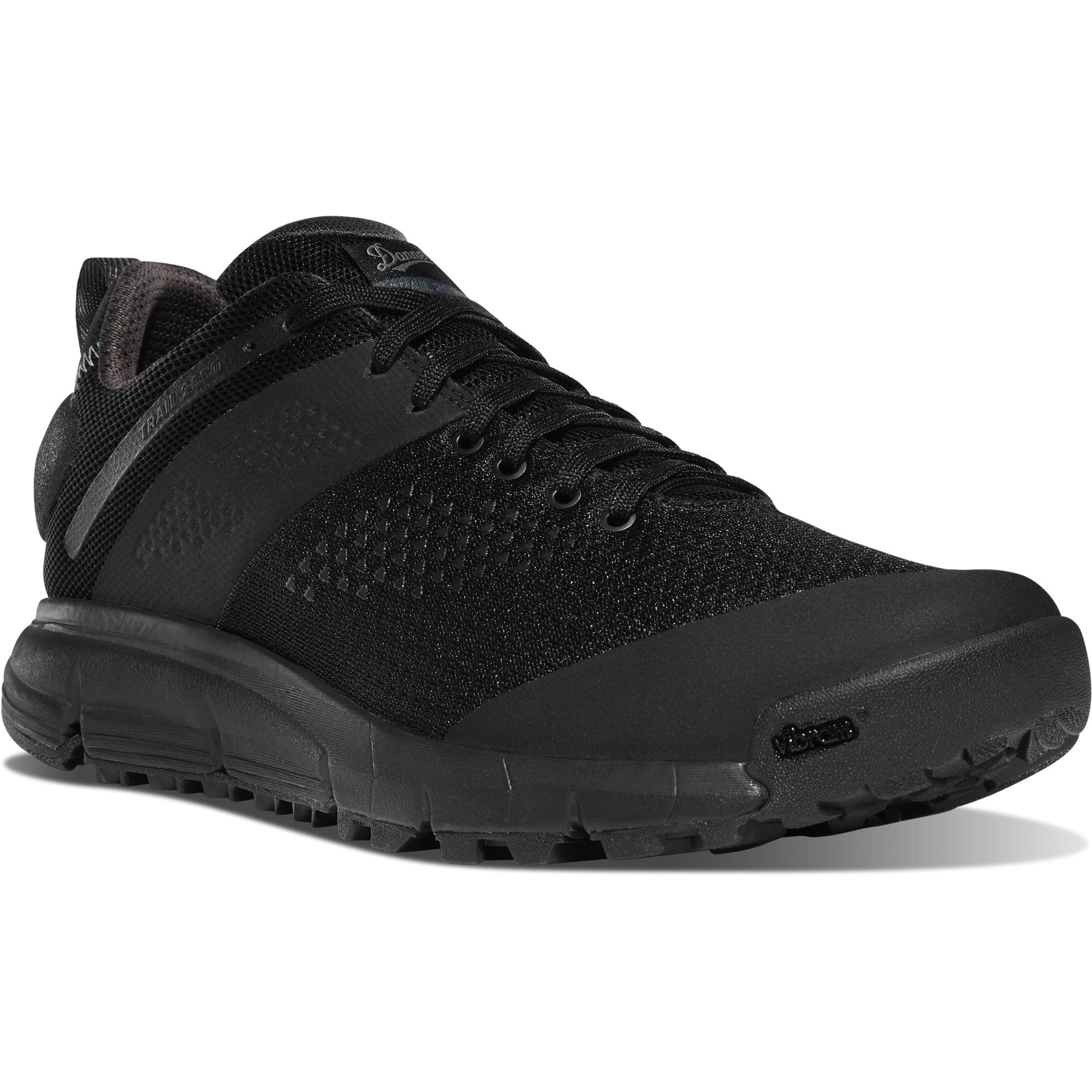
Sale price$179.95
Danner Men's Trail 2650 Mesh 3" Hiking Shoe - Black Shadow - 61210

Sale price$179.95
Danner Men's Trail 2650 Campo 3" Hiking Shoe -Yellow- 68949
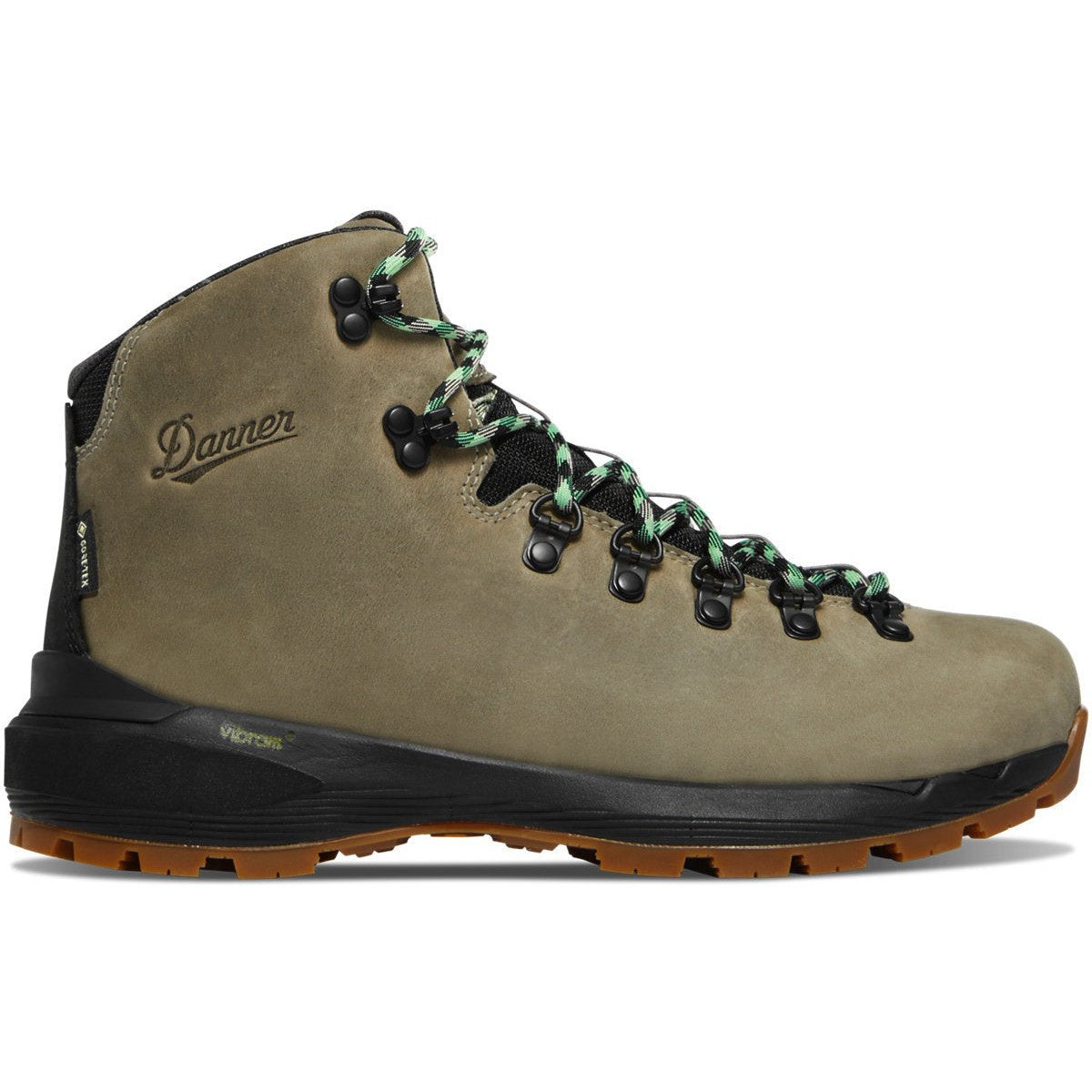
Sale price$279.95
Danner Women's Mountain 600 Evo 4" Waterproof Hiking Boot -Gray- 62713
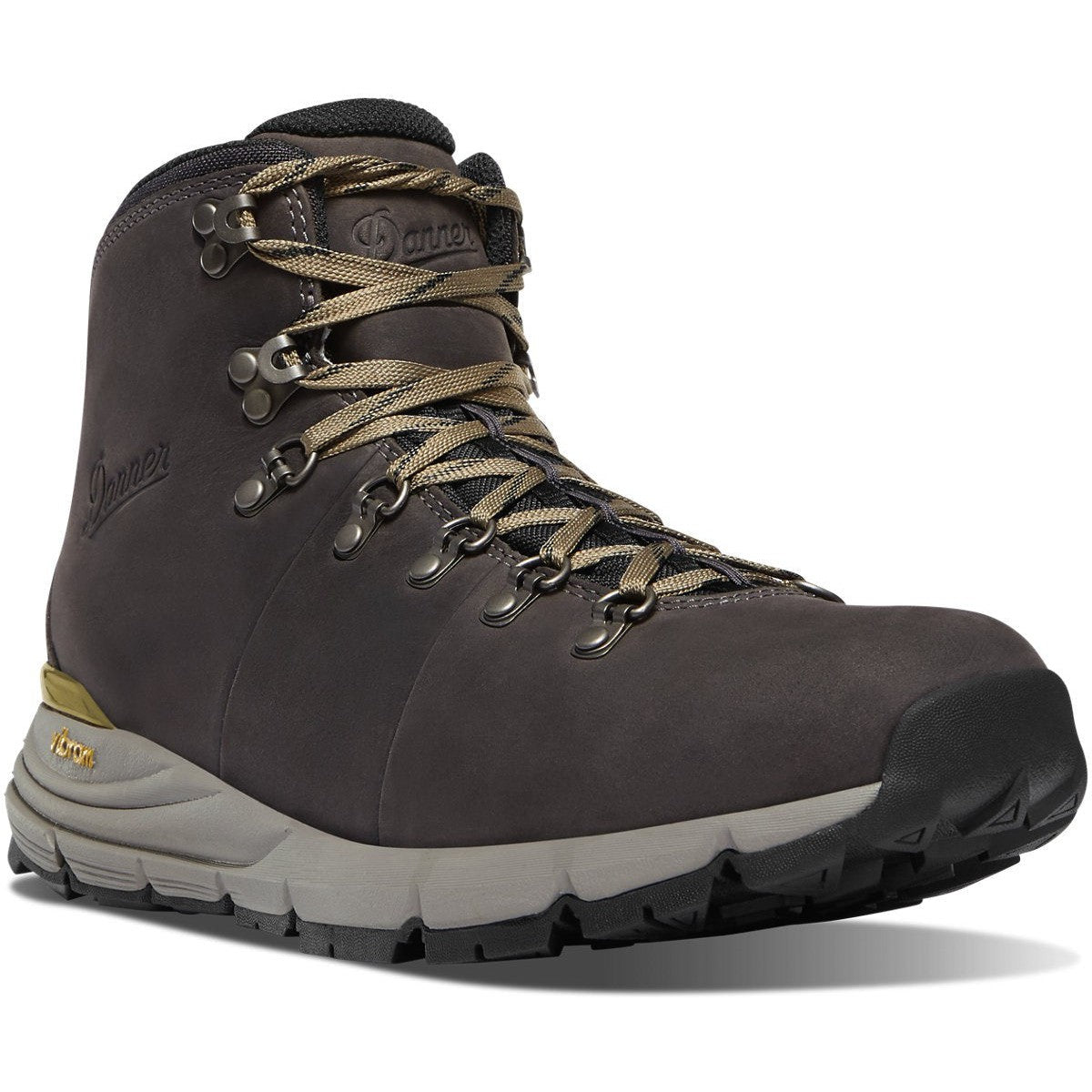
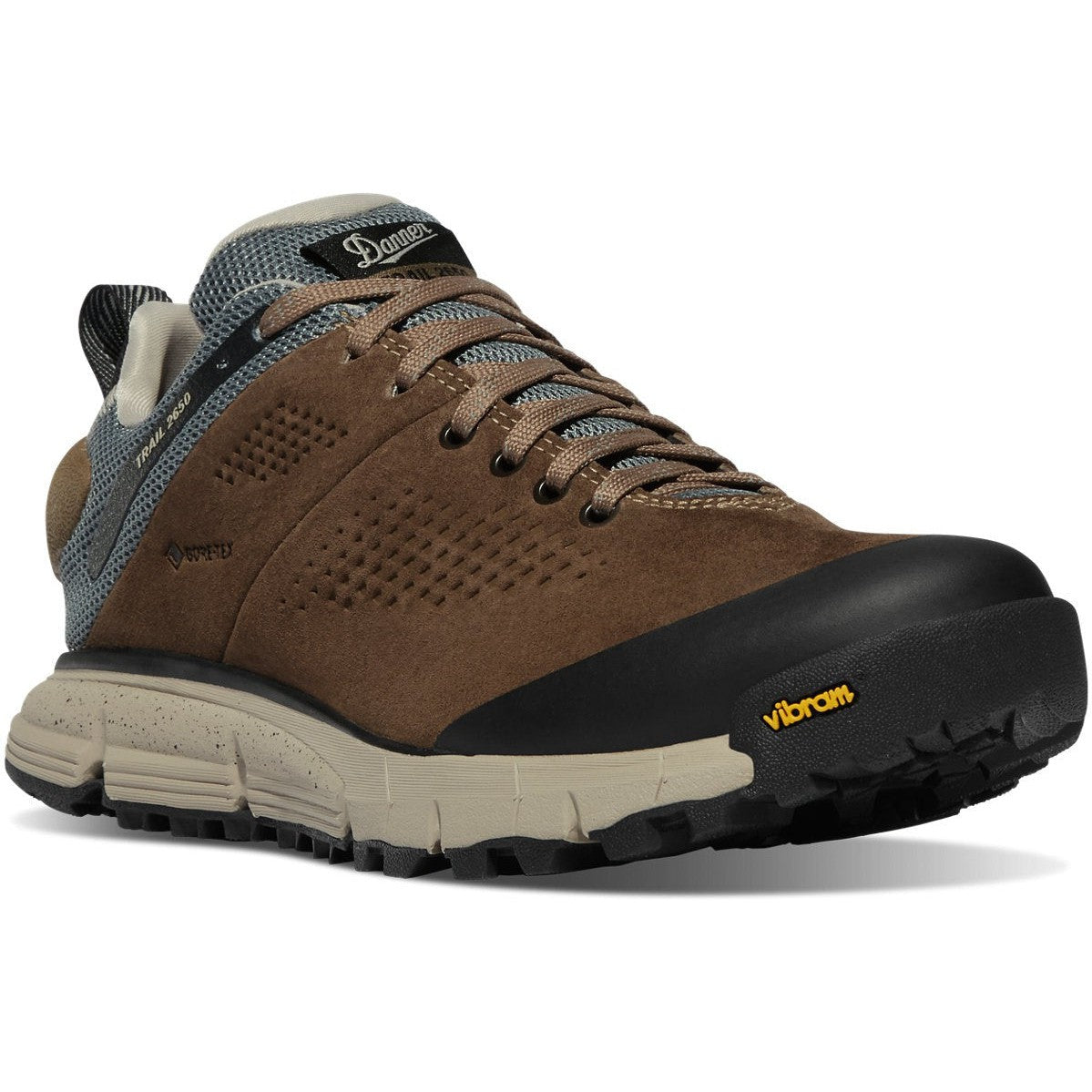
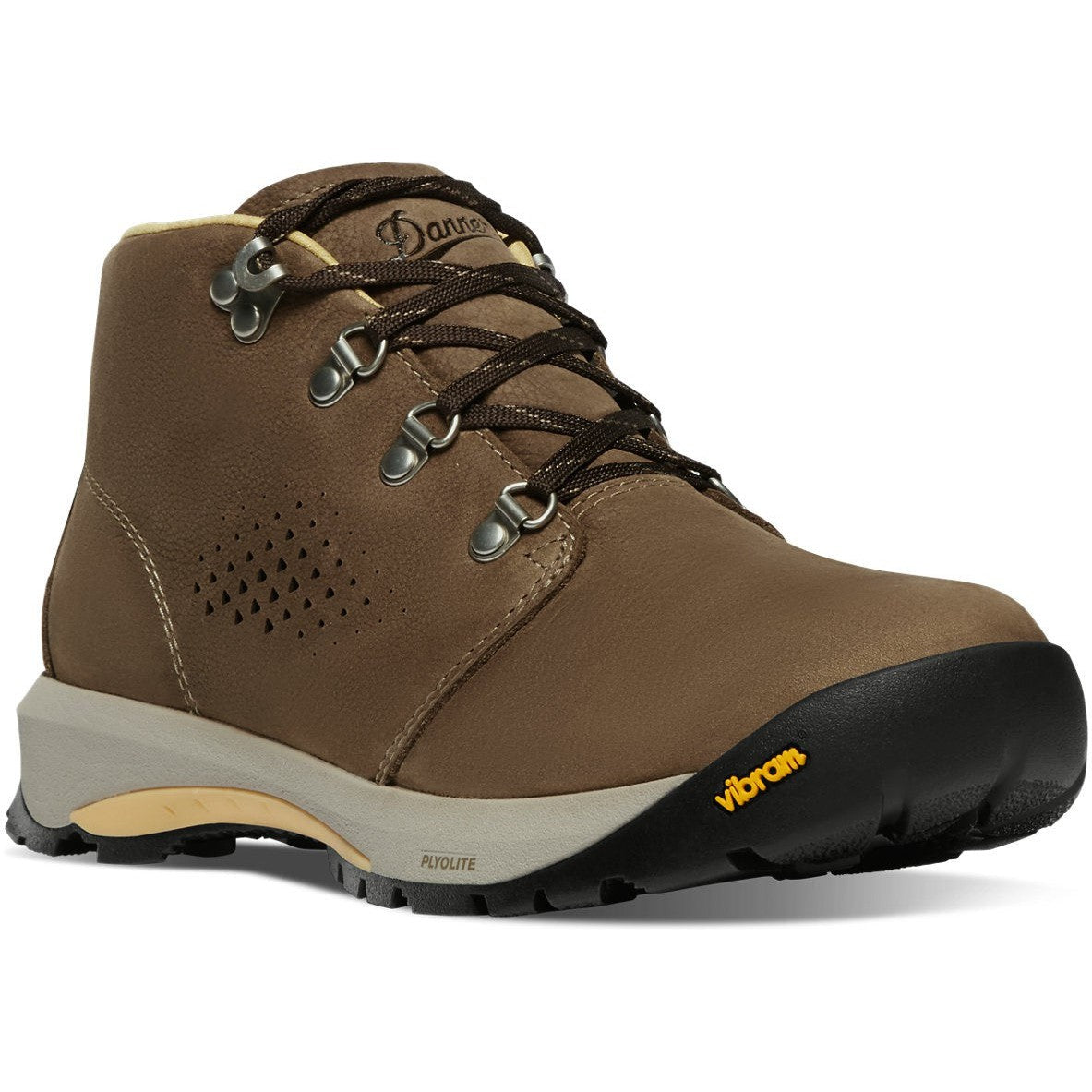
Sale price$189.95
Danner Women's Inquire Chukka 4" Waterproof Hiking Boot -Brown- 64508
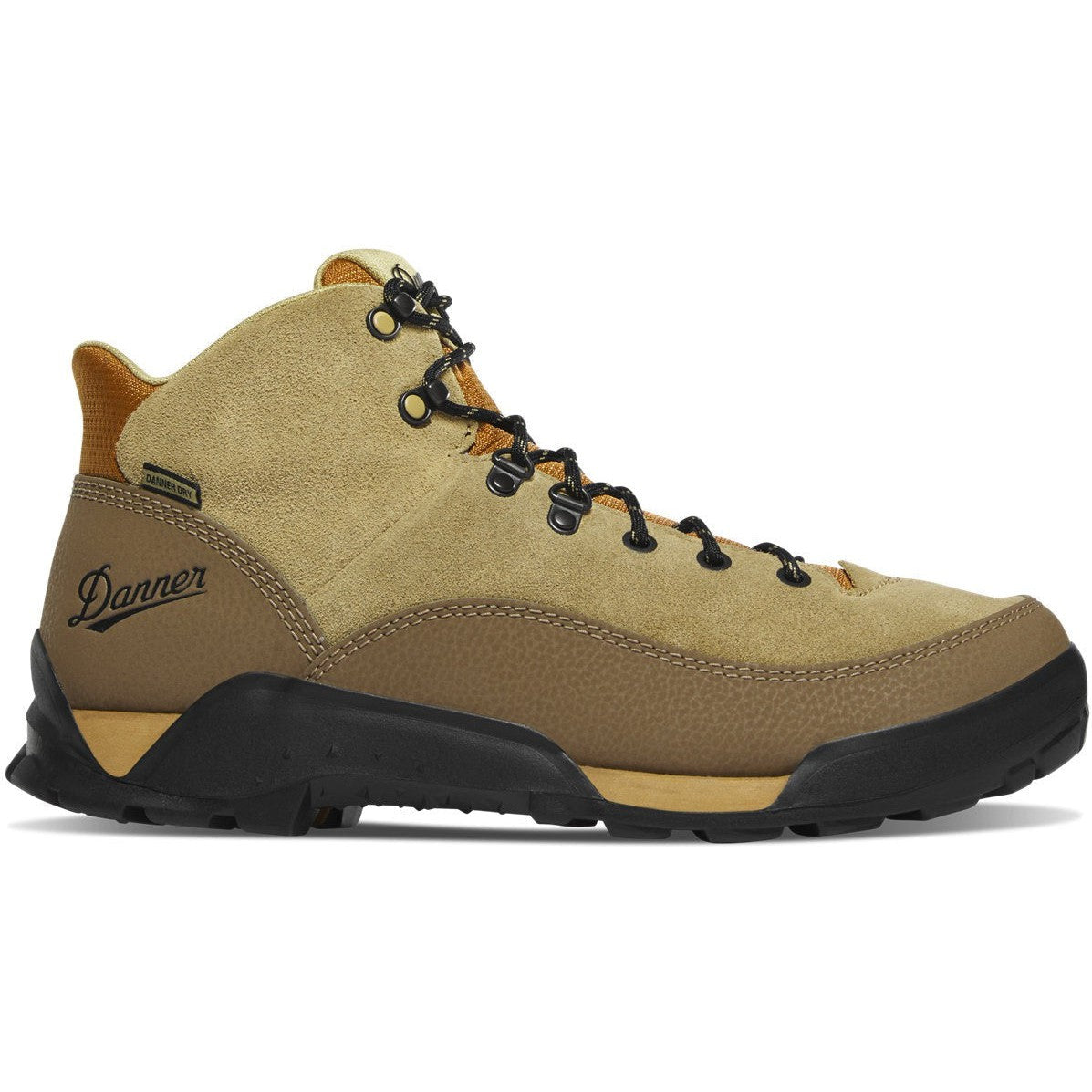
Sale price$189.95
Danner Men's Panorama 6" Waterproof Hiking Boot -Bronze- 63438
Frequently Asked Questions
A low trail shoe is lighter, cooler, and faster on maintained trails, and most day hikers are better served by one. A 6-inch boot gives ankle support and keeps debris out, which matters when you carry a pack, cross broken ground, or hike off trail. Weight on your feet costs disproportionately more energy than weight on your back, so do not buy more boot than your terrain needs.
They reduce how far the ankle can roll when laced properly, which helps on rubble and off-trail ground. They do not strengthen the ankle, and there is a reasonable argument that relying on a stiff boot leaves the ankle weaker over time. On maintained trails the protection is largely theoretical. On loose rock with a heavy pack it is real.
It depends on your climate more than most people admit. In cold and wet conditions a membrane keeps you dry and is worth having. In hot conditions it traps sweat, and once water comes over the collar the membrane holds it in. Non-waterproof boots dry far faster after a soaking. Many experienced hikers in warm climates deliberately choose non-waterproof. See our waterproof hiking boots range.
With about a thumb's width of room in front of your longest toe when standing, because your foot slides forward on descents and toes hitting the end is what causes black toenails on long downhills. Snug through the heel with no lift. Try them on late in the day when your feet have swollen, and wear the socks you will actually hike in.
Modern synthetic and light leather boots need very little, often a few walks. Full-grain leather boots on a welt take two to three weeks of real walking. Either way, break them in before a trip rather than during it, and walk actual distance rather than around the house, because problems appear at mile four and not at mile one.
A work hiker takes the hiking silhouette and adds a safety toe and jobsite features, so it meets a PPE requirement while feeling lighter than a traditional work boot. A true hiking boot has no rated toe and is lighter still. If you need a rated toe, look at work hikers. If you are hiking, the extra weight buys you nothing. See our hiking work boots range.
Only for genuine winter use, and even then match it to your pace. Hiking generates a lot of heat, so insulation that feels right standing at a trailhead becomes uncomfortable within a mile. Most three-season hiking is better served by an uninsulated boot and good socks. See our 400G insulated boots range for cold-weather options.
The stitchdown and welted models can, and Danner's USA-made hiking boots are built to be rebuilt, with the company operating its own recrafting service. Cemented lightweight boots are not. If you hike enough to wear out an outsole in a season or two, a rebuildable boot works out considerably cheaper over time. See our Danner hiking boots range.
Recently viewed
Our Top Brands