Save 8%
Sale price$250.23
Regular price$271.99
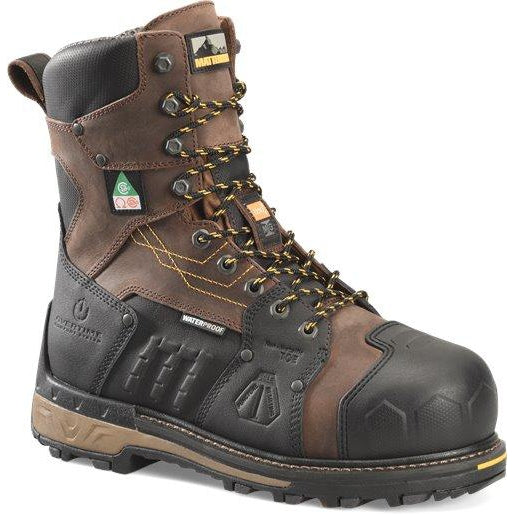
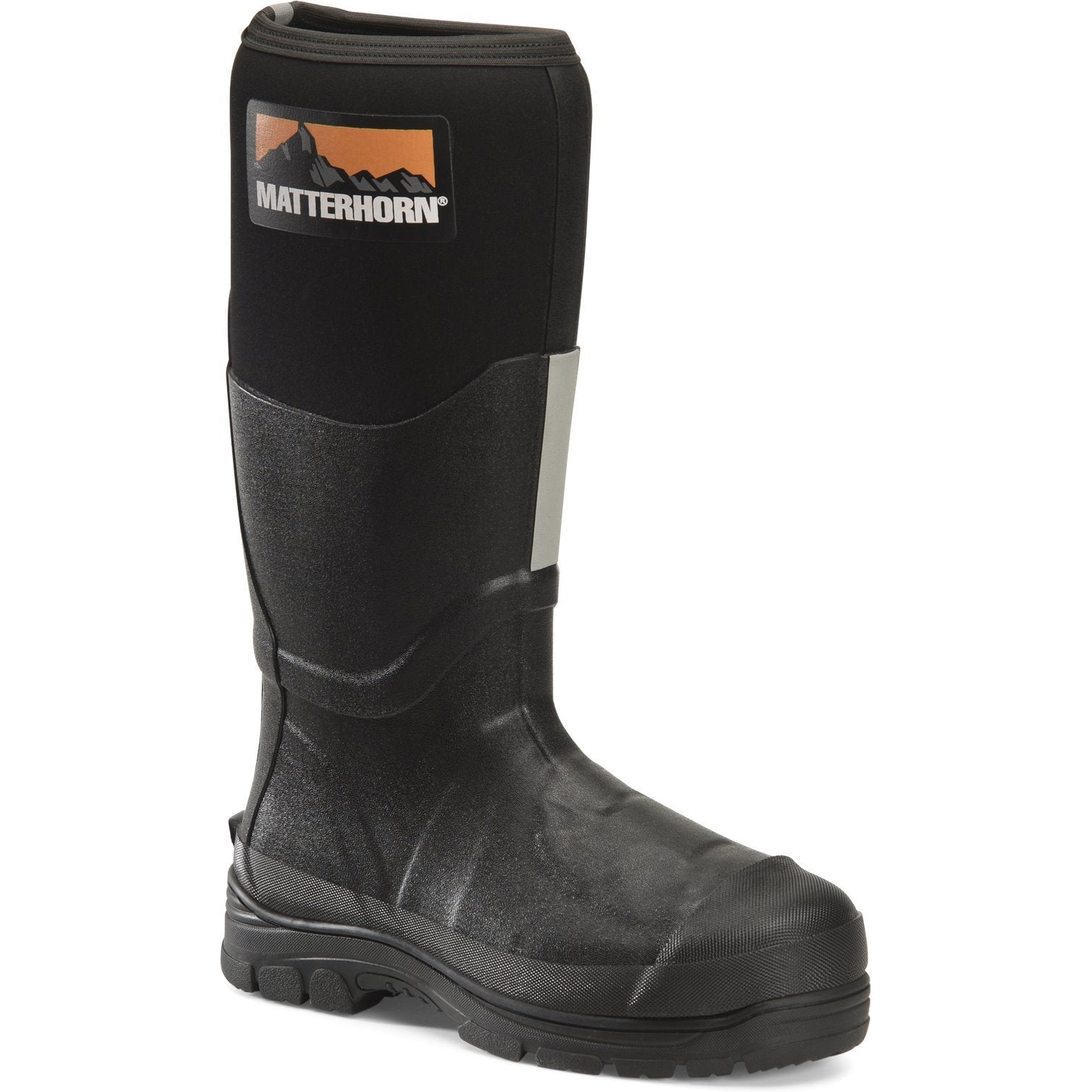
Matterhorn Men's Maximus 2.0 8" Composite Toe Waterproof Metguard Puncture Resistant Work Boot - MTC300
Save 14%
Sale price$326.59
Regular price$378.00
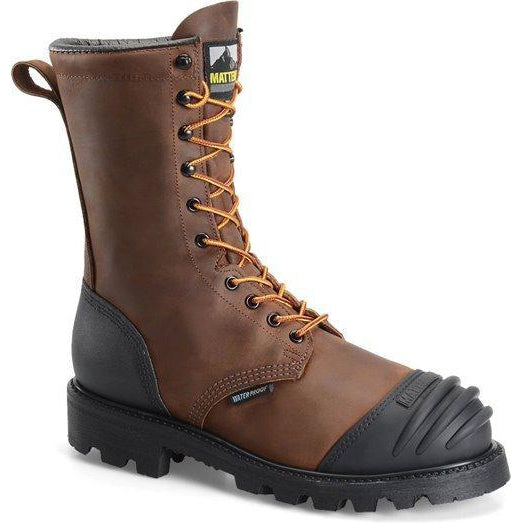
Matterhorn Men's Copper 10" Steel Toe Waterproof Metguard USA Made Work Boot - MT910
Save 23%
Sale price$184.67
Regular price$240.00
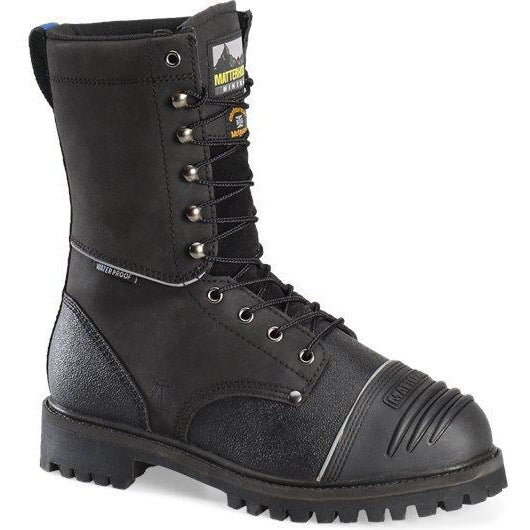
Matterhorn Men's Mulrooney 10" Steel Toe Waterproof Metguard Work Boot Black- MT903
Save 8%
Sale price$174.79
Regular price$189.99
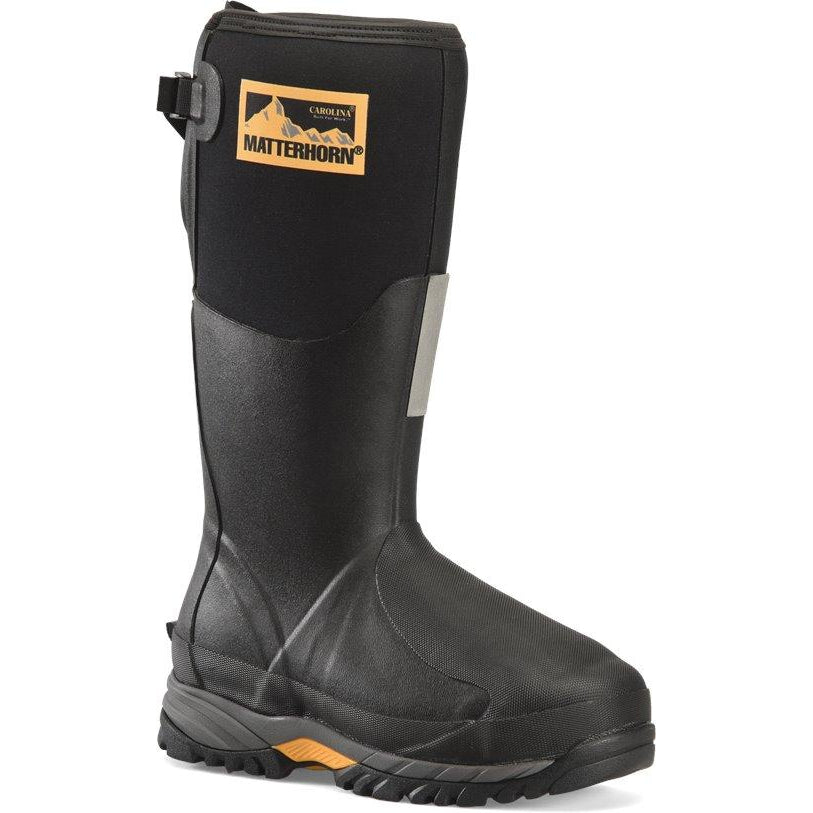
Matterhorn Men's Mud Jumper 15" Steel Toe Waterproof Metguard Rubber Work Boot- MT203
Save 20%
Sale price$373.51
Regular price$466.00
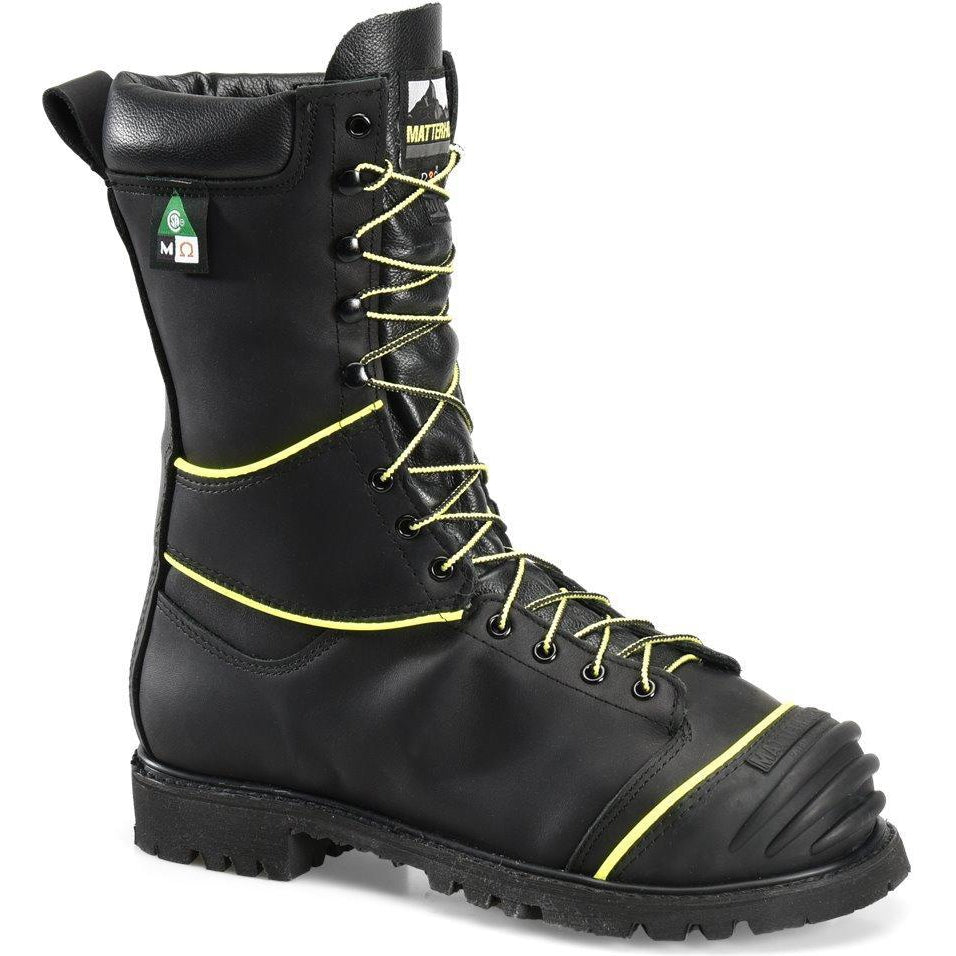
Matterhorn Men's Klondike 10" Steel Toe Waterproof Ins Metguard Puncture Resistant USA Made Work Boot CV12000
Save 17%
Sale price$195.04
Regular price$234.99
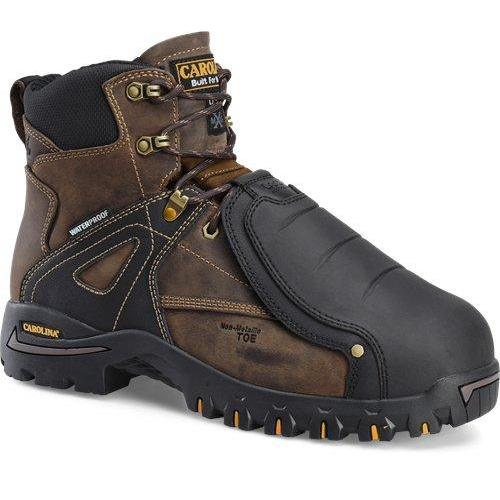
Carolina Men's Miter EXT 6" Composite Toe Waterproof External Metguard Work Boot - Brown - CA5586
Save 19%
Sale price$174.29
Regular price$214.00
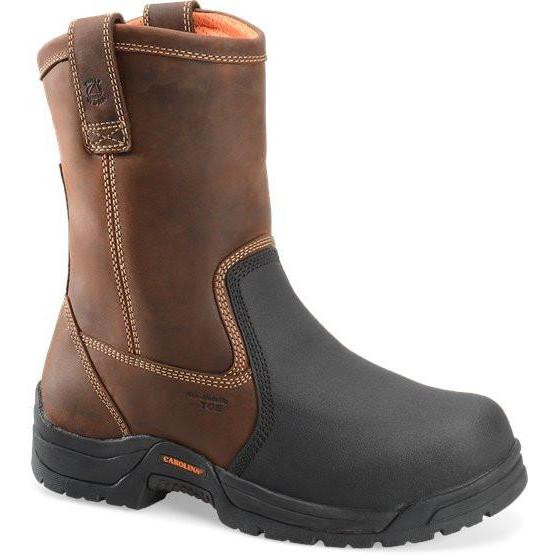
Carolina Men's Well X Metguard Wellington Work Boot - Brown - CA4582
Save 19%
Sale price$387.31
Regular price$480.00
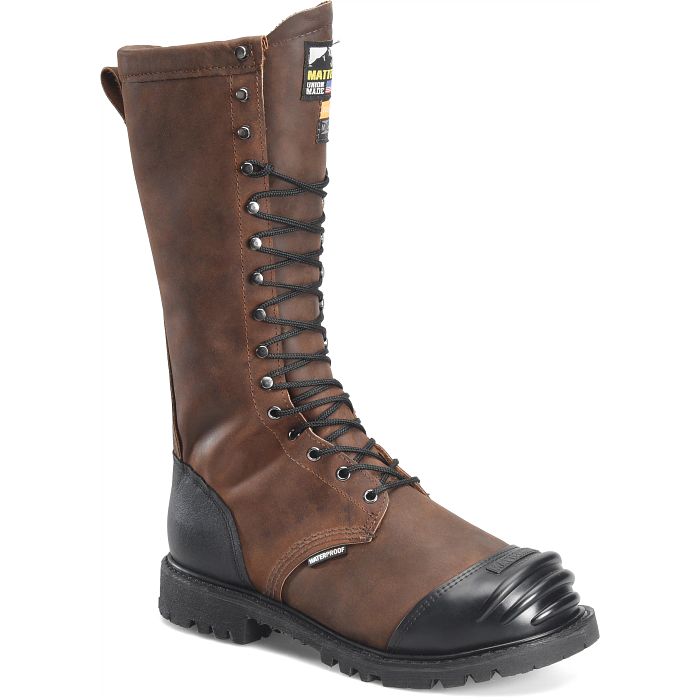
Matterhorn Men's 16" Waterproof Insulated Metguard Work Boot -Brown- MT716
Save 18%
Sale price$182.59
Regular price$224.00
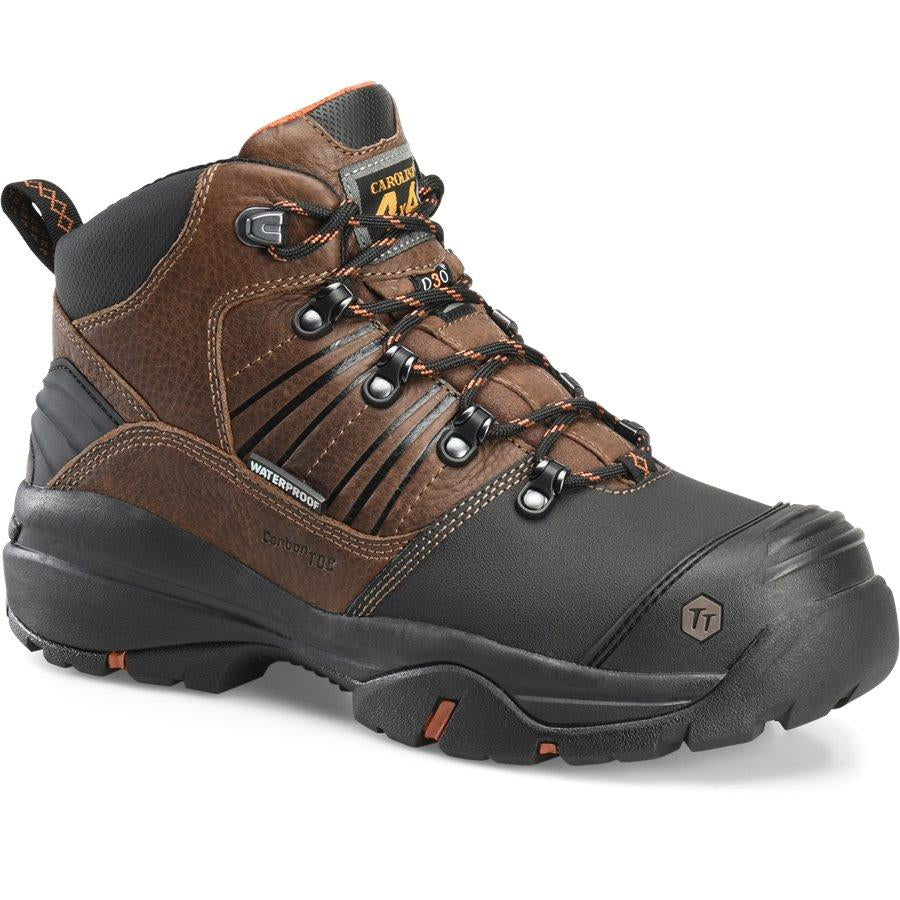
Carolina Men's Miner 6" Carbon Composite Toe Metguard Waterproof Work Shoe CA5587
Save 8%
Sale price$346.83
Regular price$376.99
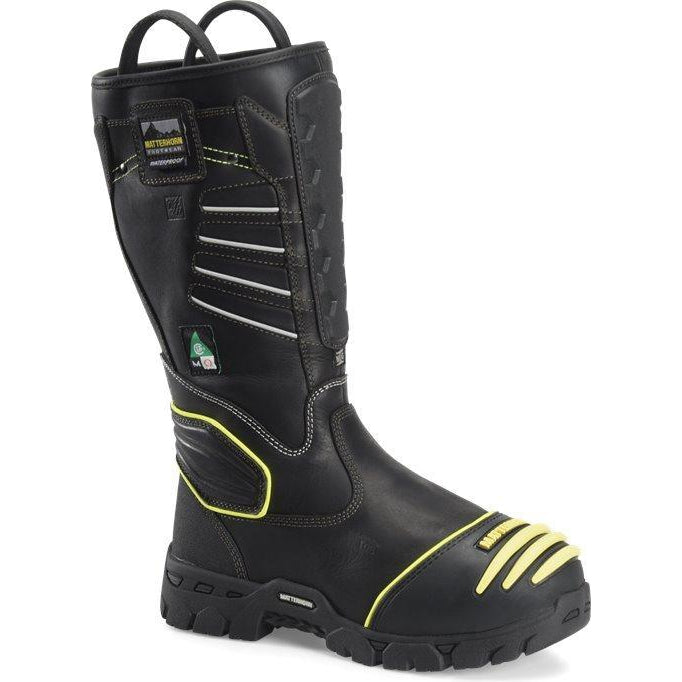
Matterhorn Men's Muckmen 15" Composite Toe Waterproof Metguard Pull-On Work Boot- MTC703
Save 8%
Sale price$242.87
Regular price$263.99
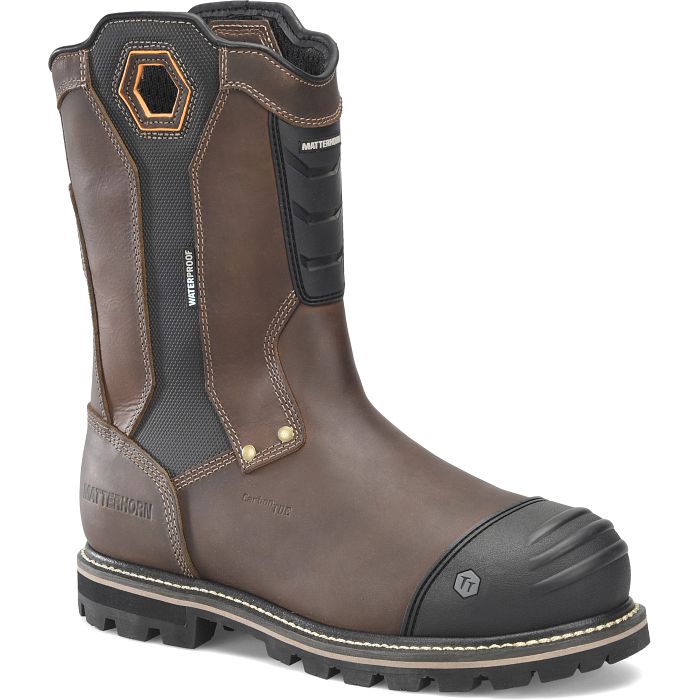
Matterhorn Men's Ibeam 10" Waterproof Composite Toe Metguard Work Boot -Brown- MT2540
Save 17%
Sale price$127.95
Regular price$155.00
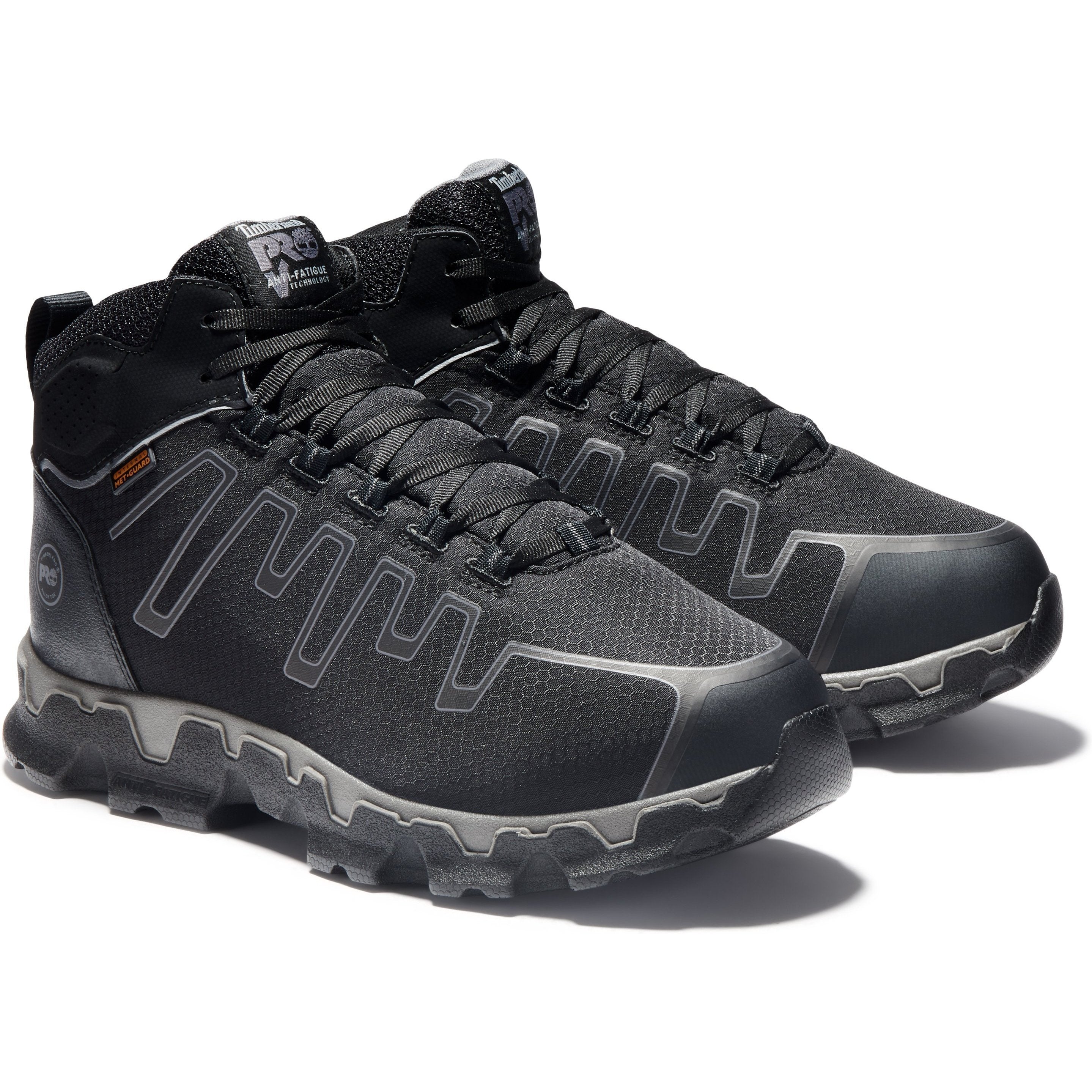
Timberland Pro Men's Powertrain Sport Alloy Toe Internal Met Guard Work Shoe - Black - TB0A1GHM001
Save 8%
Sale price$259.43
Regular price$281.99
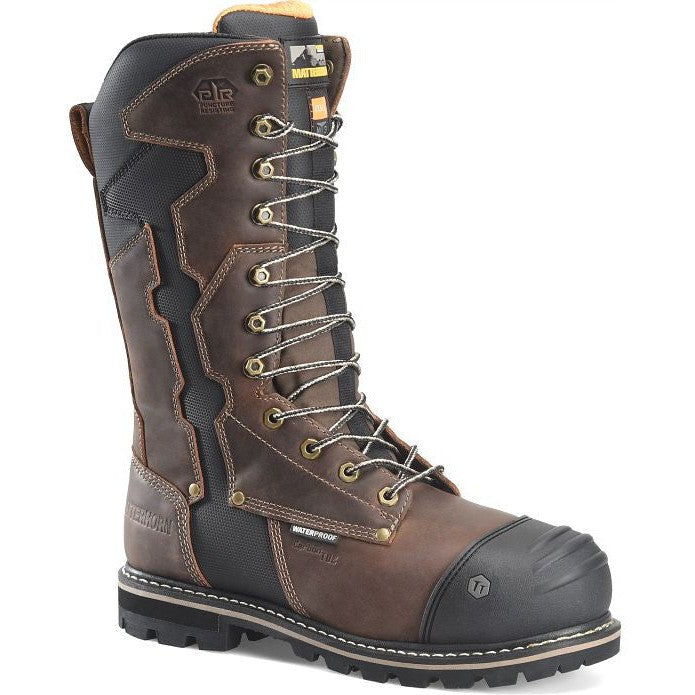
Matterhorn Men's Beam 12" Composite Toe Waterproof Met Guard Work Boot -Brown- MT2549
Save 21%
Sale price$367.07
Regular price$466.00
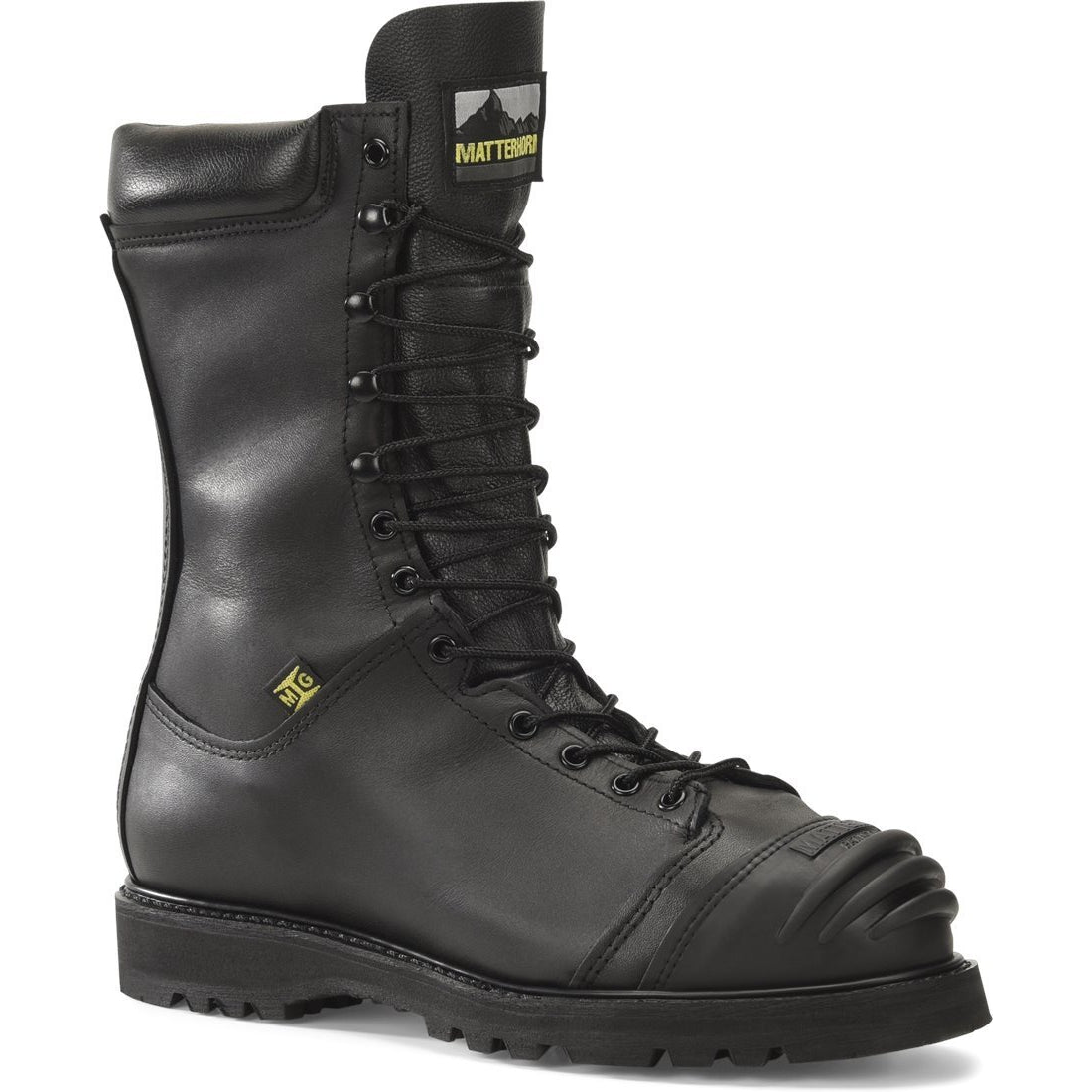
Matterhorn Men's Banksman 10" Steel Toe Waterproof Metguard Puncture Resistant USA Made Work Boot 12255
Save 18%
Sale price$182.59
Regular price$224.00
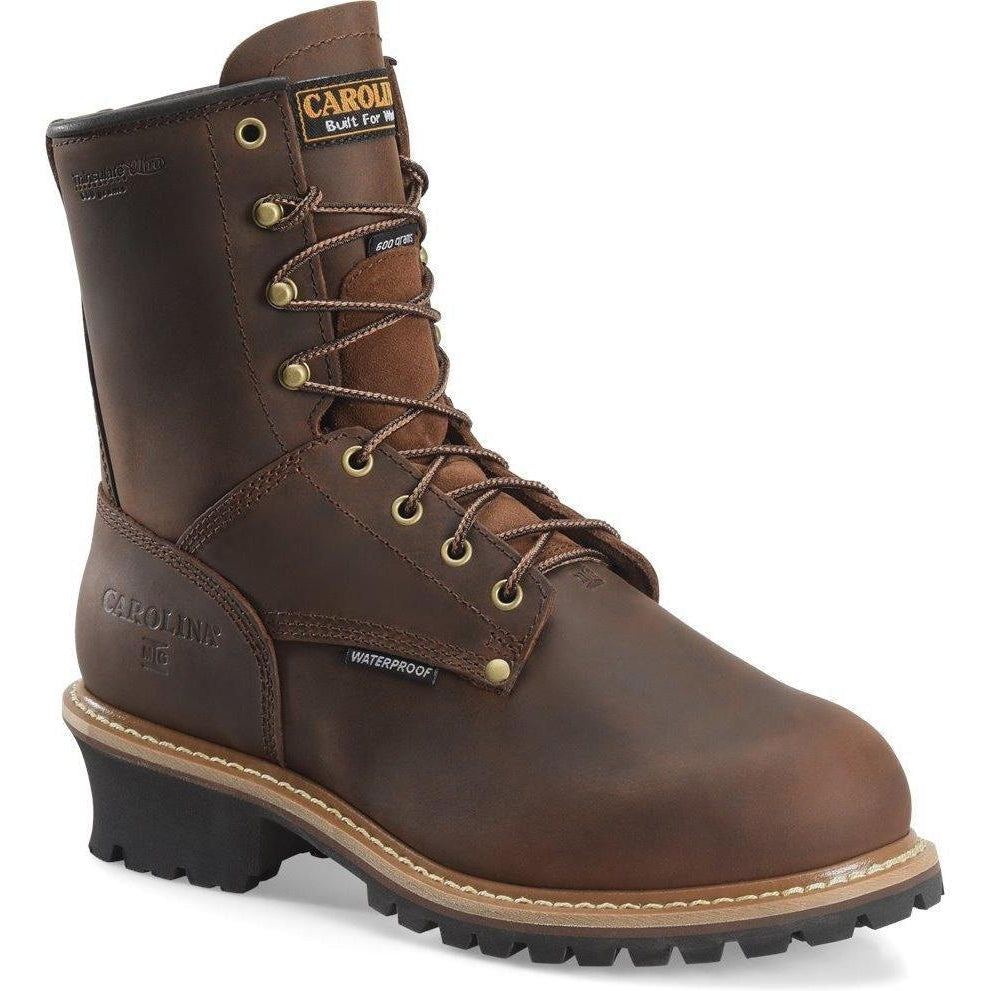
Carolina Men's Elm 8" Waterproof Insulated Metguard Logger Work Boot - CA7821
Save 18%
Sale price$273.89
Regular price$334.00
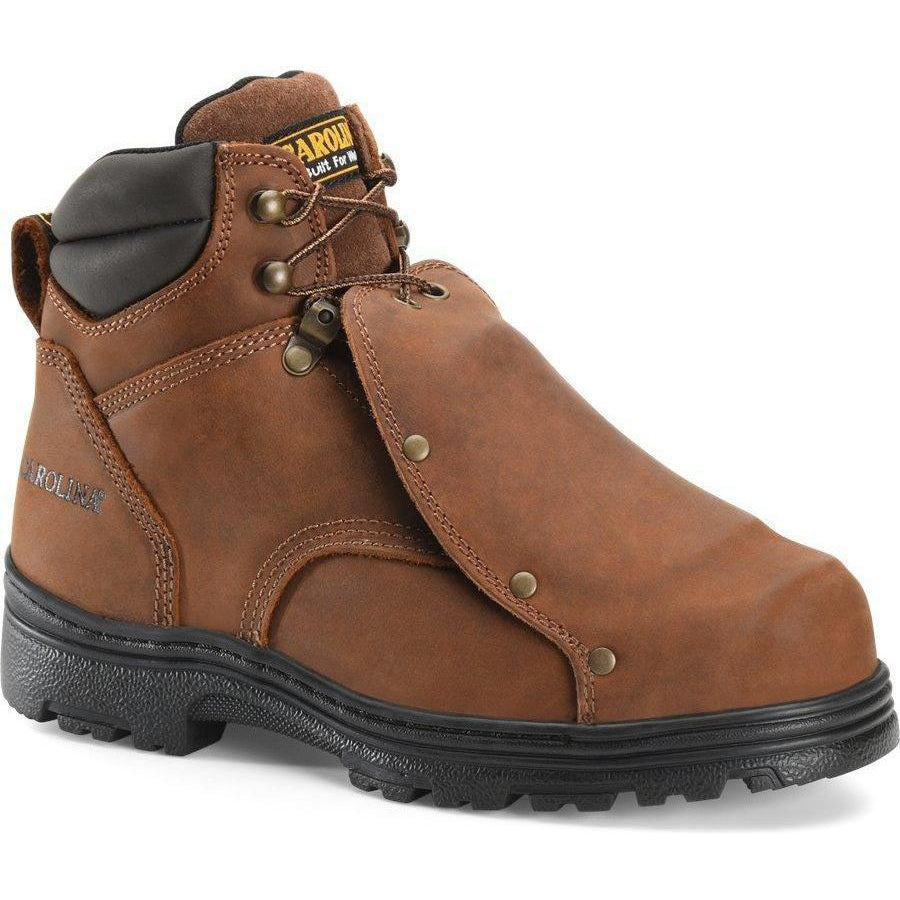
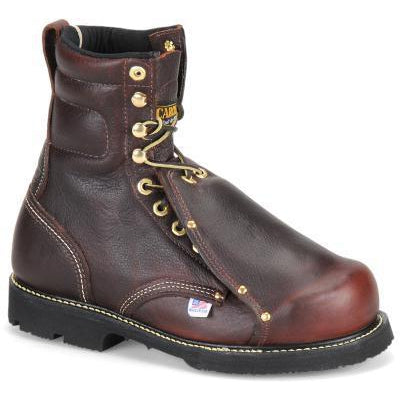
Carolina Men's USA Made 8" External Metguard Work Boot - Briar - 505
Save 8%
Sale price$272.31
Regular price$295.99
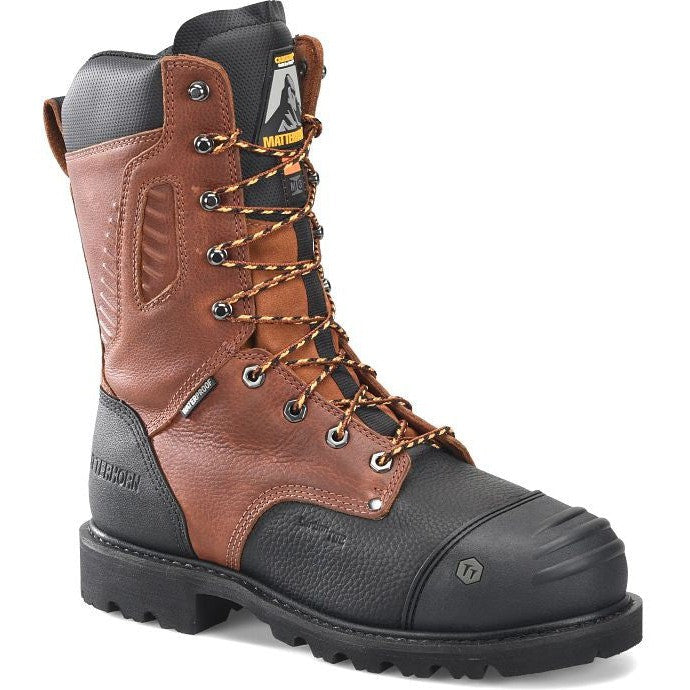
Matterhorn Men's Nickel 12" Composite Toe Waterproof Met Guard Work Boot -Brown- MT2575
Save 17%
Sale price$265.59
Regular price$319.99
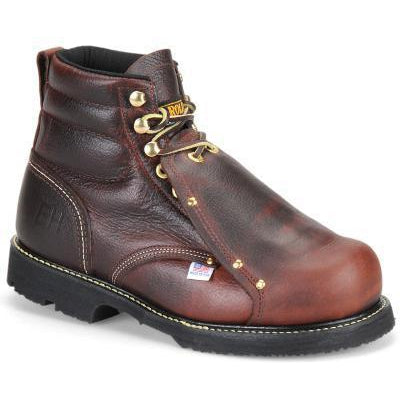
Carolina Men's INT Lo USA Made 6" External Metguard Work Boot - Briar - 508
Save 15%
Sale price$252.26
Regular price$298.00
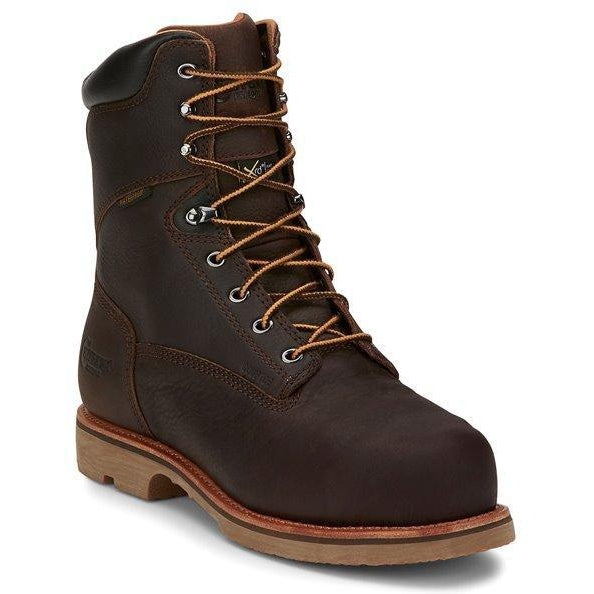
Chippewa Men's Serious+ 8" Composite Toe Waterproof Metguard Puncture Resistant Lace-Up Work Boot - 72311
Save 8%
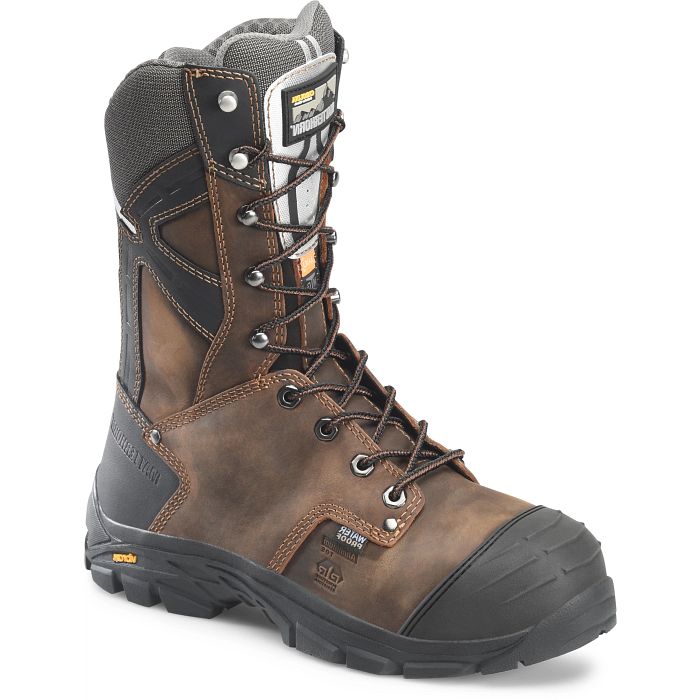
Sale price$292.55
Regular price$317.99
Matterhorn Men's Mainstay 10" Aluminum Toe Waterproof Work Boot - Brown - MT2570
Save 17%
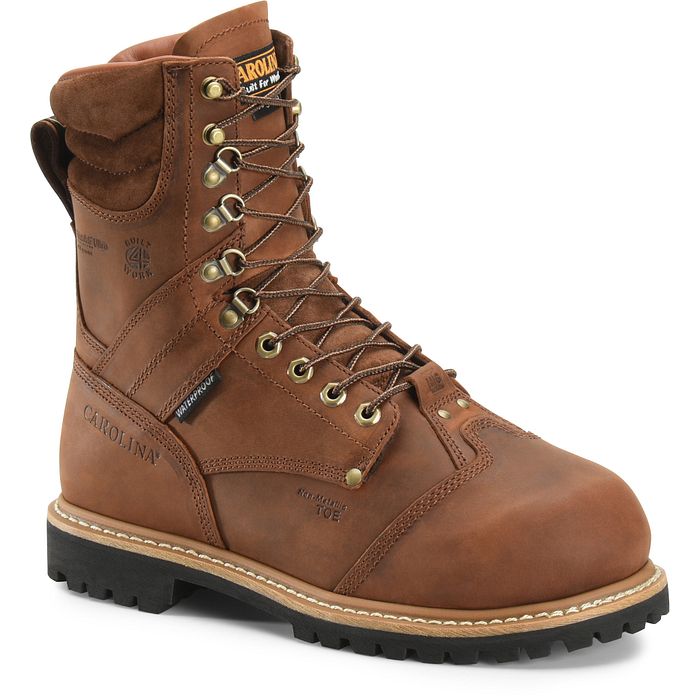
Sale price$219.94
Regular price$264.99
Carolina Men's Metpro Crazy Hardrock 8" Composite Toe Waterproof Work Boot -Brown- CA7921
Save 16%
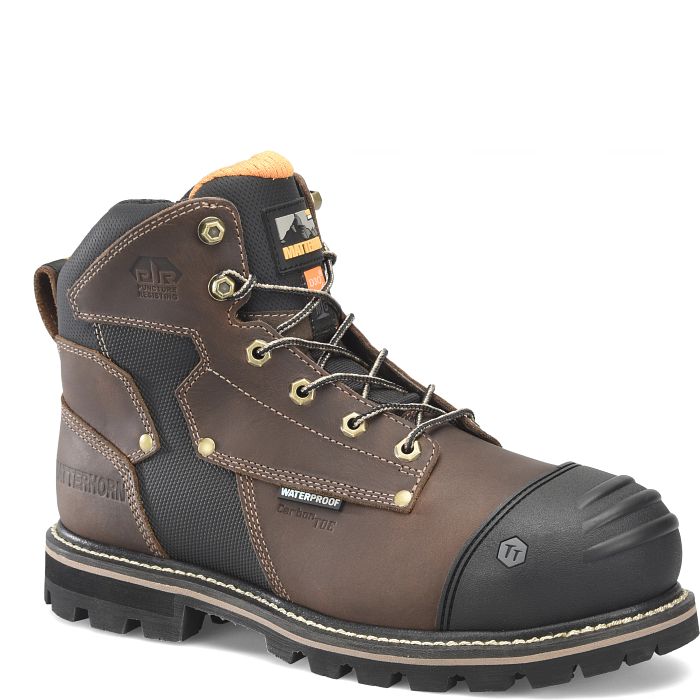
Sale price$197.79
Regular price$236.00
Matterhorn Men's Ibeam 6" Waterproof Composite Toe Metguard Work Boot Brown - MT2546
Save 10%
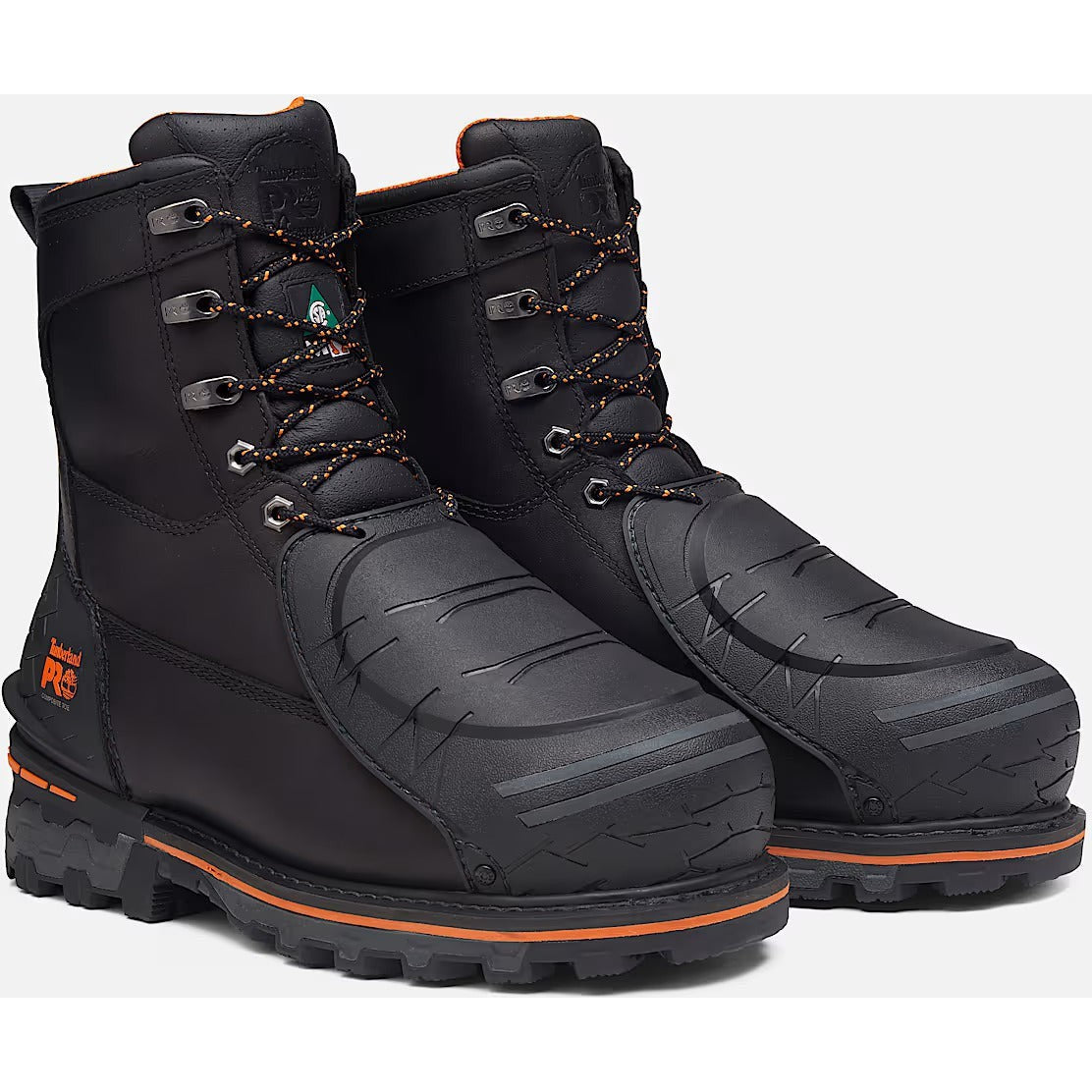
Sale price$259.95
Regular price$290.00
Timberland Pro Men's Boondock 8" Composite Toe Met Guard Work Boot -Black- TB0A66G7EDW
Save 8%
Sale price$227.23
Regular price$246.99
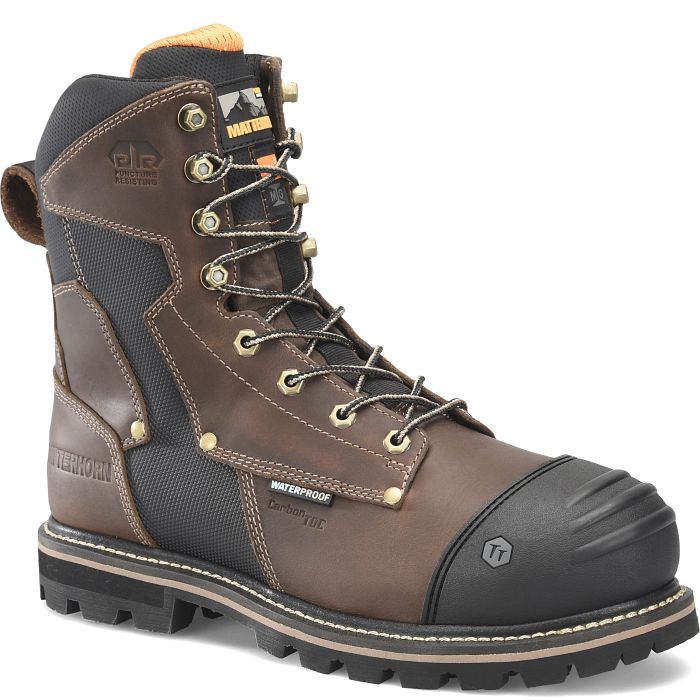
Matterhorn Men's Ibeam 8" Waterproof Composite Toe Metguard Work Boot -Brown- MT2548
Save 22%
Sale price$179.95
Regular price$230.00
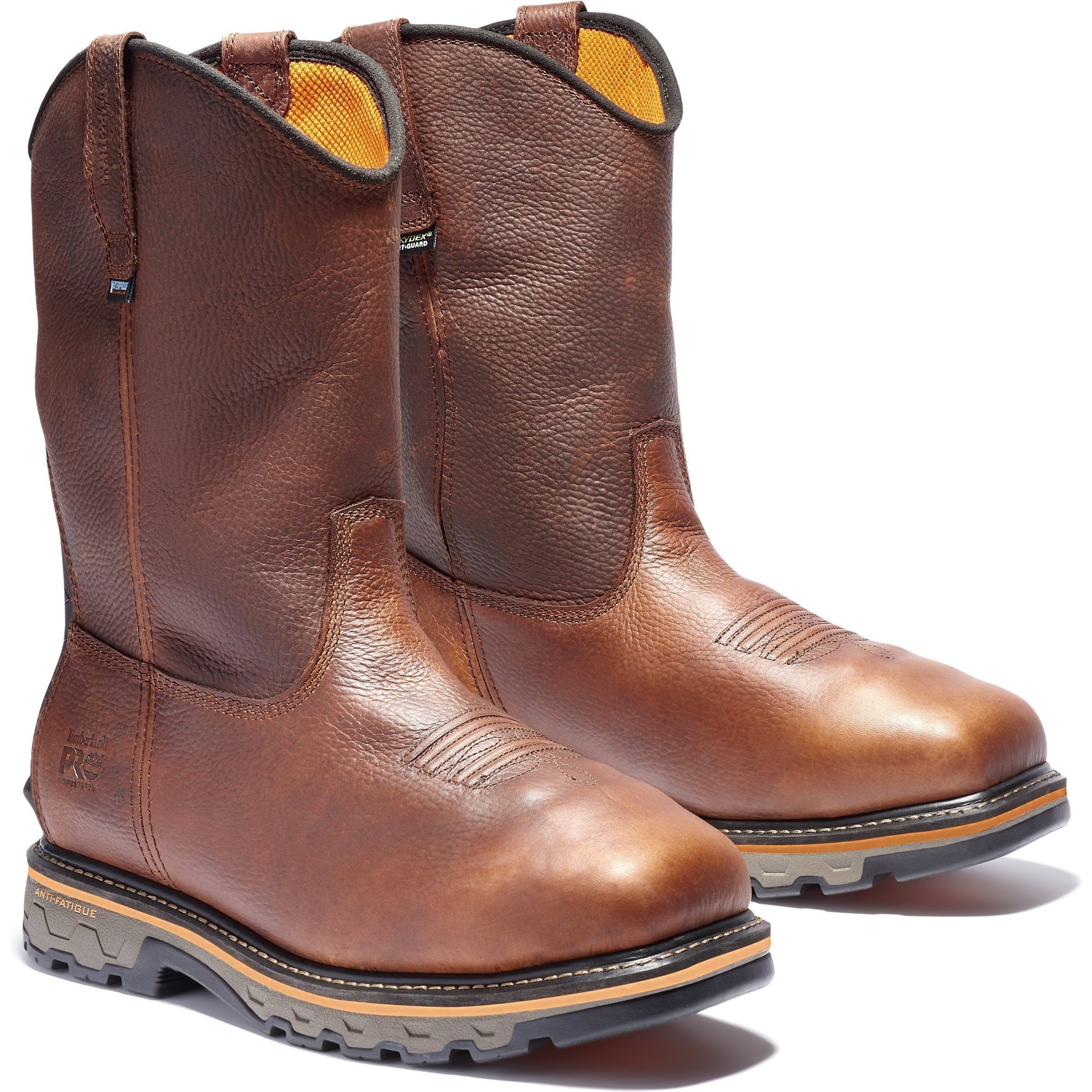
Timberland Pro Men's True Grit 10" Composite Toe Waterproof Internal Met Guard Pull-On Work Boot - Brown - TB1A25F5214
Save 17%
Sale price$170.14
Regular price$204.99
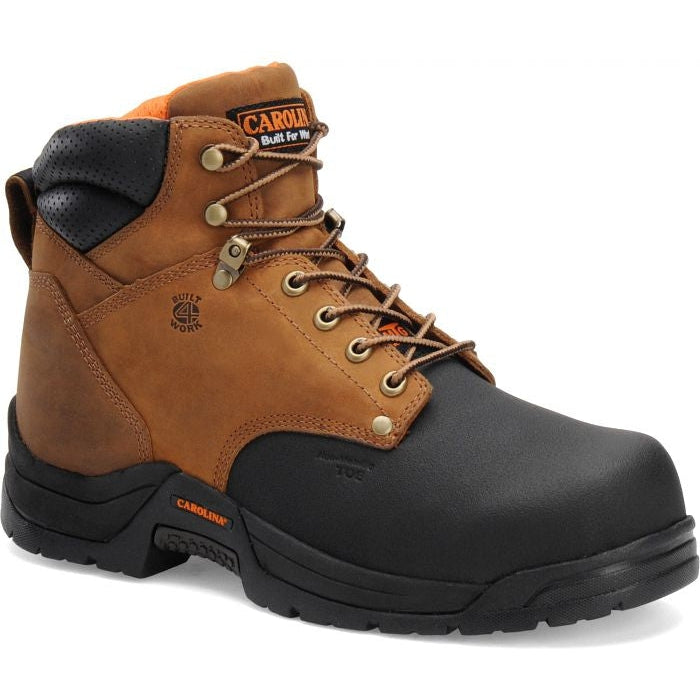
Carolina Men's Bruno Internal 6" Composite Metguard Boot -Brown- CA5582
Save 9%
Sale price$206.99
Regular price$228.00
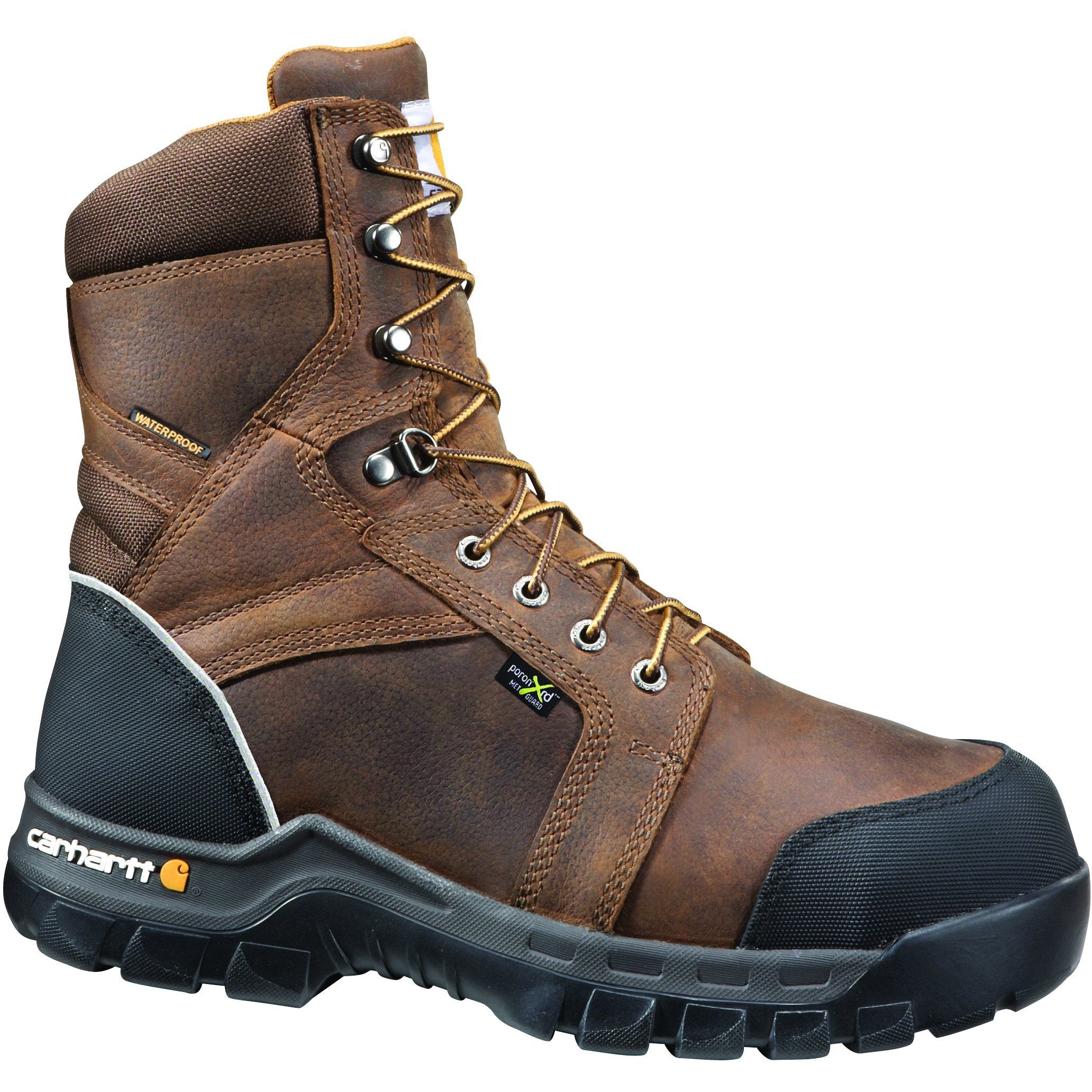
Carhartt Men's 8" Composite Toe Metguard Waterproof Work Boot Brown CMF8720
Save 17%
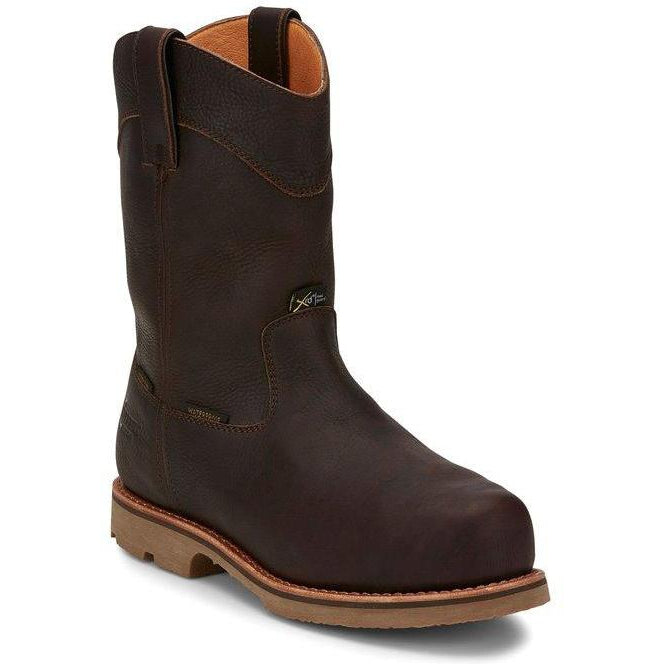
Sale price$256.61
Regular price$308.00
Chippewa Men's Serious+ 10" Composite Toe Waterproof Metguard Pull-On Work Boot- 72331
Save 17%
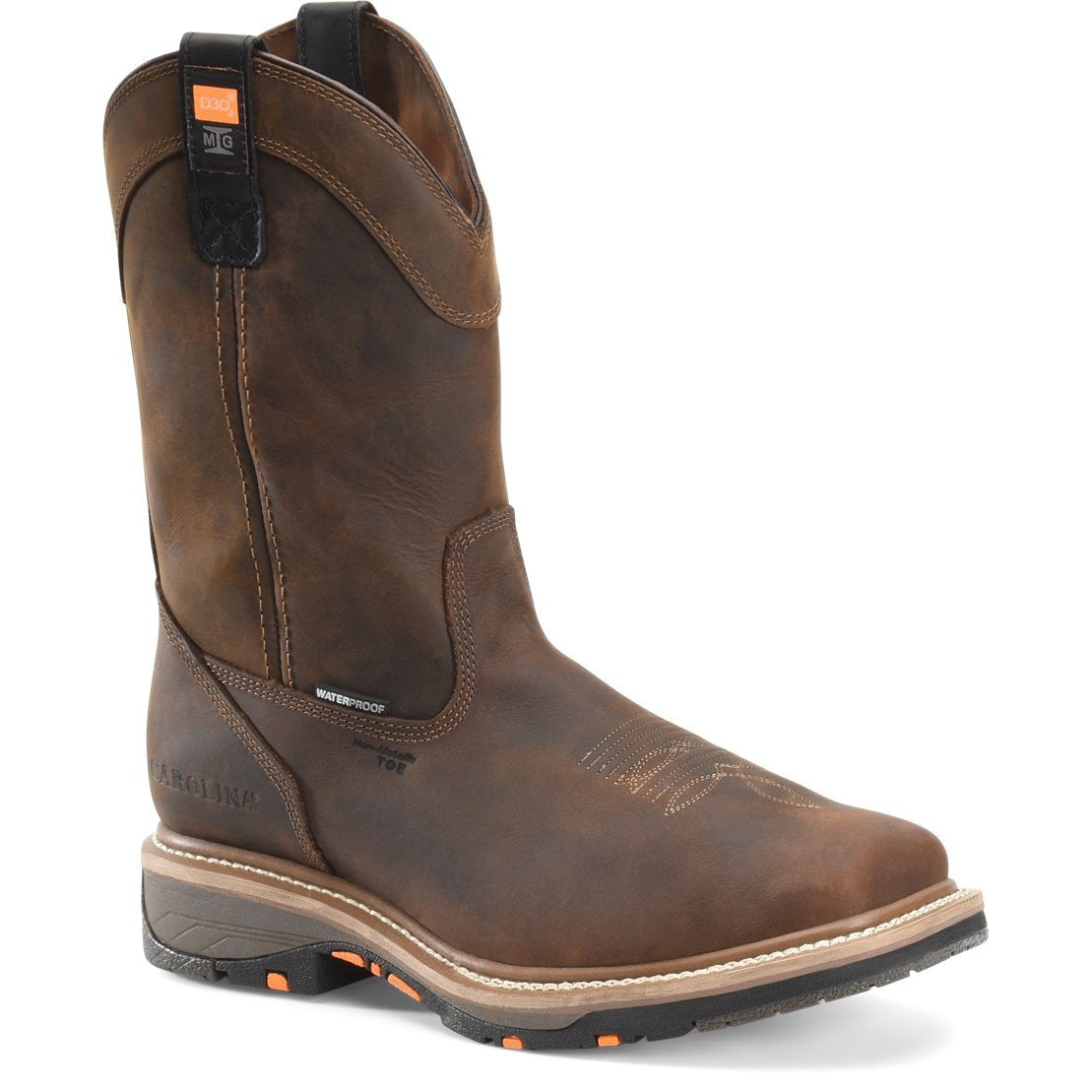
Sale price$232.39
Regular price$279.99
Carolina Men's Actuator 11" Composite Toe Waterproof Metguard Work Boot - Brown - CA8537
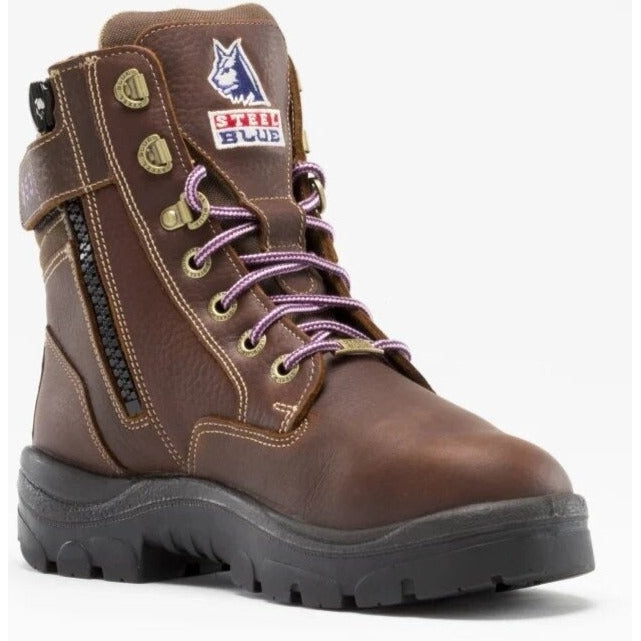
Save 8%
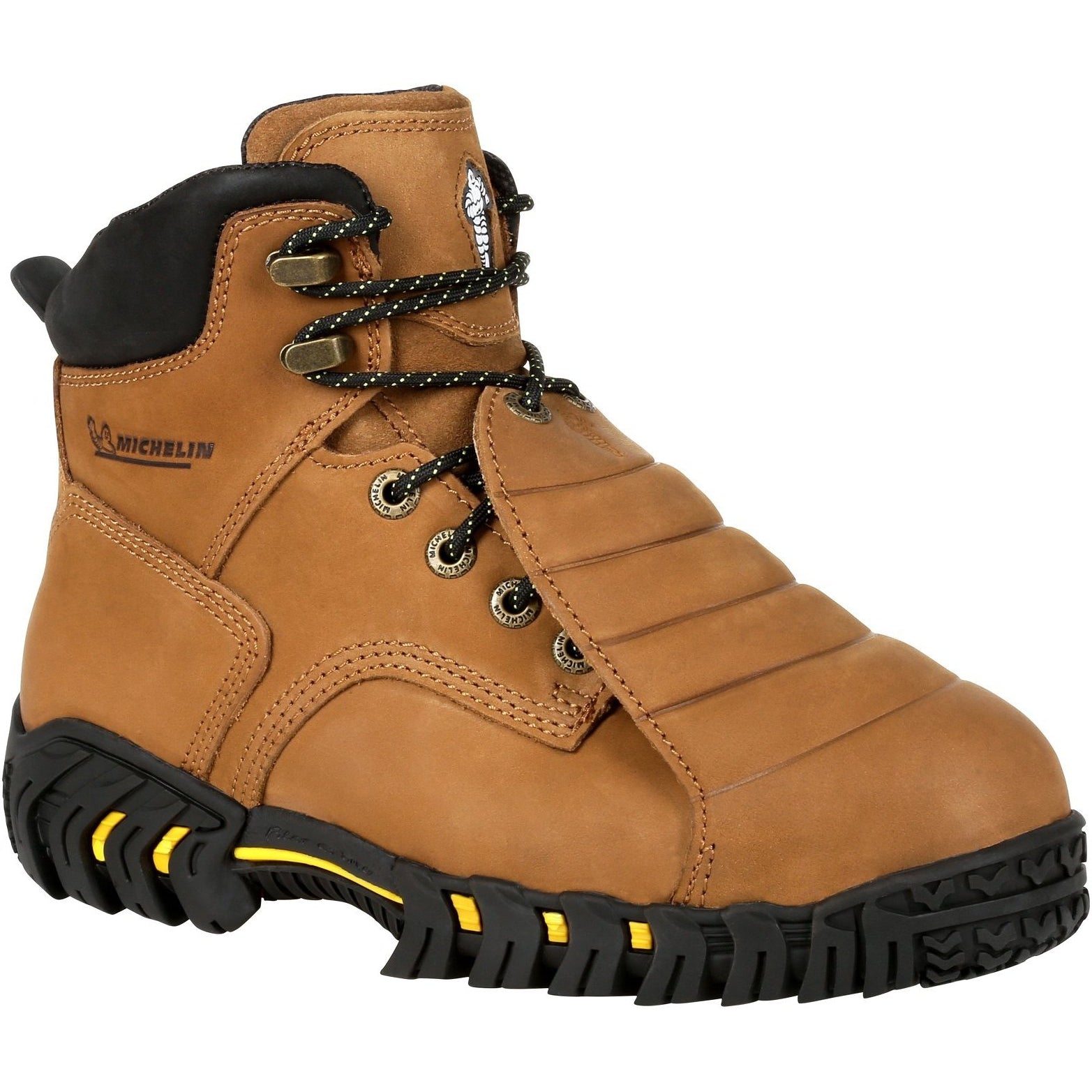
Sale price$220.00
Regular price$240.00
Michelin Men's Sledge Steel Toe Metguard Work Boot - Brown - XPX761
Save 17%
Sale price$219.94
Regular price$264.99
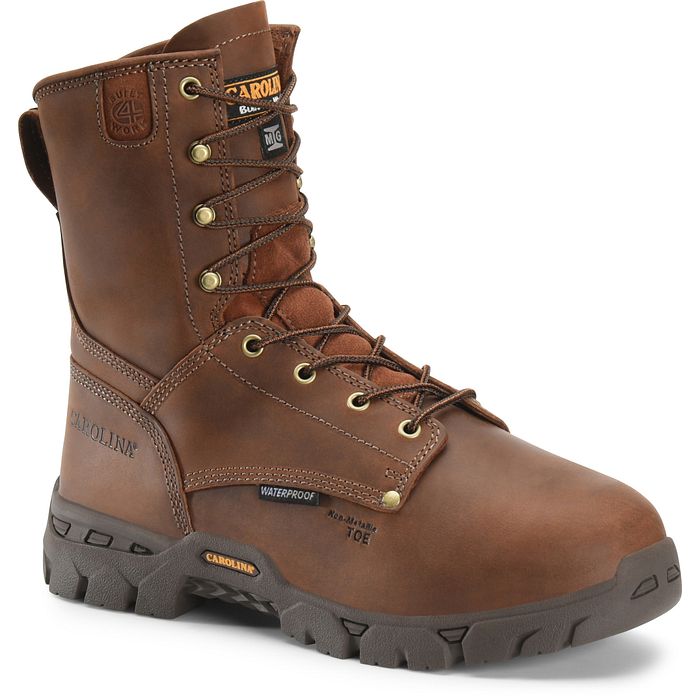
Carolina Men's Buster 8" Composite Toe Waterproof Metguard Work Boot -Brown- CA9582
Save 12%
Sale price$183.95
Regular price$210.00
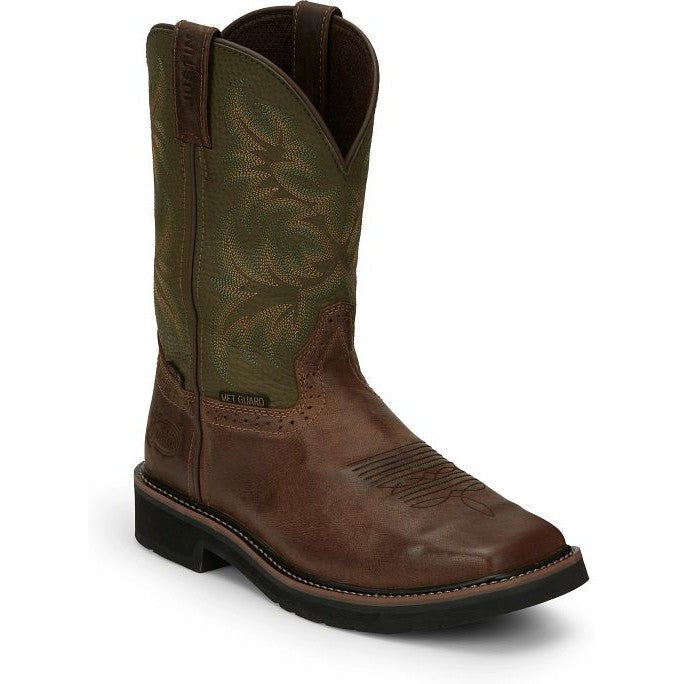
Justin Men's Keavan 11" Steel Toe Waterproof Met Guard Slip Resistant Work Boot - Dark Brown - SE4570
Frequently Asked Questions
A metatarsal guard is a shield covering the instep, the stretch of foot between the safety toe and the ankle. Your metatarsal bones sit just under the skin there with almost no natural protection, and a load that rolls off a pallet or drops from waist height lands on them rather than on your toes. A safety toe does nothing for that area, which is exactly why met protection exists as a separate rating.
An internal guard sits inside the boot under the tongue, so the boot looks conventional and there is nothing on the outside to snag. An external guard is a visible shield over the laces, which some sites require specifically because a supervisor can verify it at a glance. Both carry the same Mt rating. External guards tend to be more robust; internal ones are more comfortable and less likely to catch.
Not in a way that satisfies a site requirement. ASTM F2413 rates the finished boot as a complete assembly, so strap-on external guards sold as accessories are not certified as part of your footwear and will not pass a PPE inspection. If your site specifies met protection, you need a boot built and tested with it. Strap-on guards may still be useful as supplementary protection where nothing is formally required.
Mt is the ASTM F2413 code for metatarsal protection, and it appears on the label alongside the impact and compression codes. Mt/75 is tested with a 75 foot-pound impact to the metatarsal area, with the guard required to keep clearance above a specified height so the bones are not crushed. A boot with I/75 C/75 but no Mt code has a rated toe and no instep protection.
They are heavier than a standard work boot, since the guard is an additional component over the part of the foot that flexes most. Older external guards were genuinely stiff. Modern ones, particularly the flexible segmented designs, bend with the foot rather than fighting it and are far more wearable than their reputation suggests. If your site requires met protection, the weight comes with the specification.
Mining, foundry and metal casting, steel work, heavy construction, demolition, logging, and warehouse work involving heavy palletized loads. Welding is another, since slag and dropped offcuts land squarely on the instep. Our mining boots and welding boots ranges narrow this to those trades specifically.
Matterhorn is the specialist, with met protection standard across most of its range rather than offered as an option, and several of its models pair it with puncture-resistant plates. Carolina, Timberland PRO, Iron Age, Michelin, and Reebok all build met-rated models as well. Browse the Matterhorn range if met and puncture protection are both on your spec sheet.
Effectively always, and it makes sense: there is little logic in protecting the instep while leaving the toes bare, and site rules that require Mt generally require a rated toe alongside it. Toe materials run steel, composite, alloy, and carbon across the range. Toe type is stated in every product title.
Not necessarily, even with a composite toe. Met guards themselves can be metal or non-metallic, and the shank and any puncture plate are separate components again. A boot with a composite toe and a steel met guard will trigger a detector every time. If you work in a detection-controlled facility, verify every component rather than reading the toe type. Our 100 percent non metallic collection covers boots verified metal free throughout.
An internal guard takes up volume over the instep, so a met-rated boot can feel tighter across the top of the foot than the same model without one, particularly if you have a high instep. Lacing adjustment usually handles it. An external guard sits outside the boot and does not affect internal fit at all, which is one practical argument in its favor.
Recently viewed
Our Top Brands