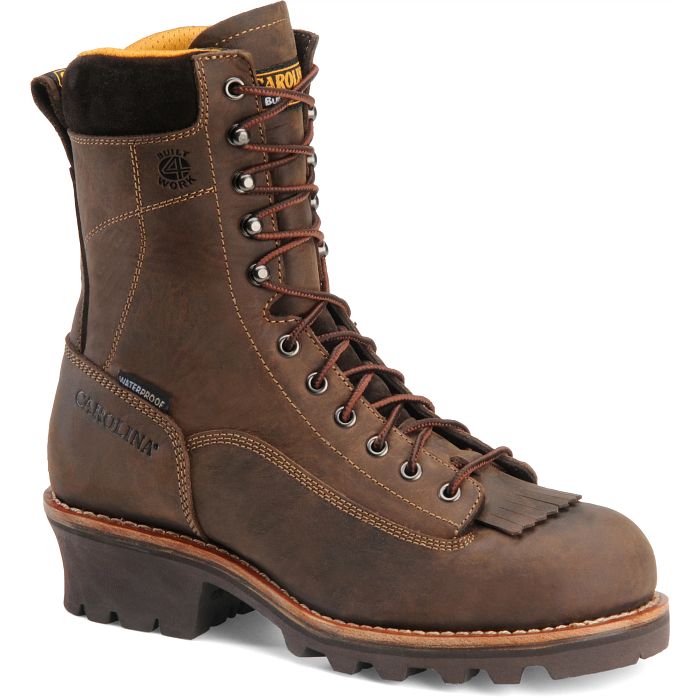
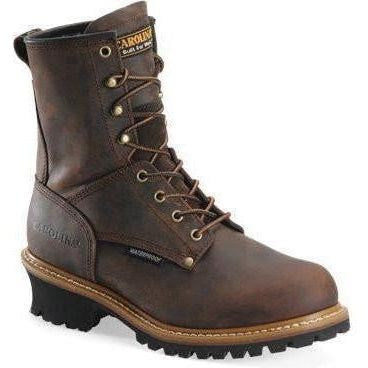
Sale price$194.99
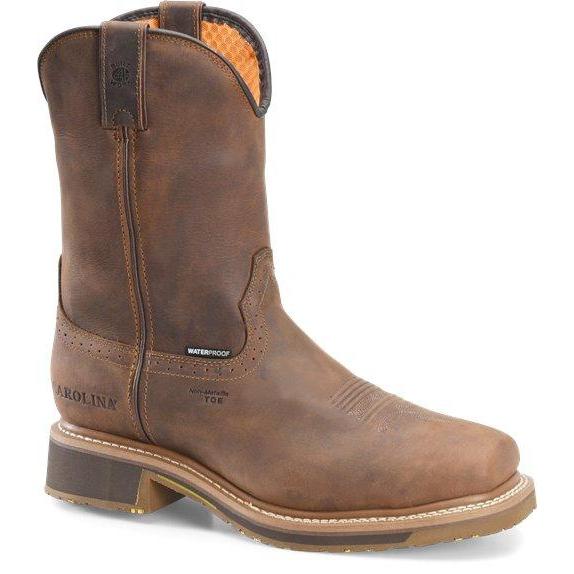
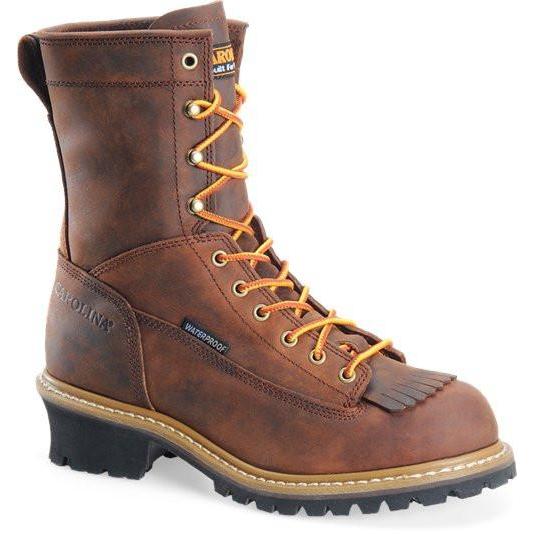
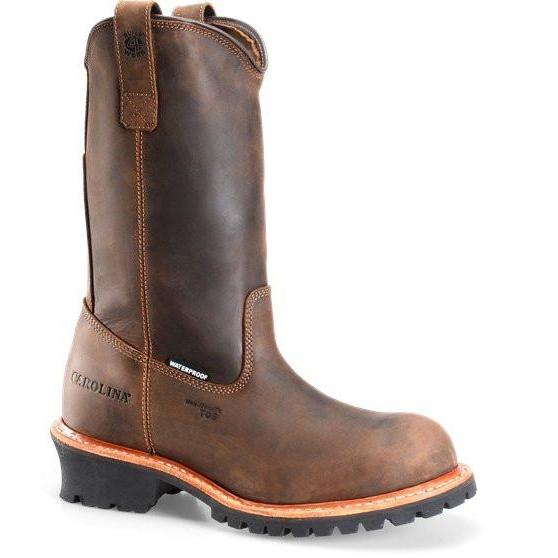
Carolina Men's Elm 8" Waterproof Logger Work Boot - Brown - CA8821
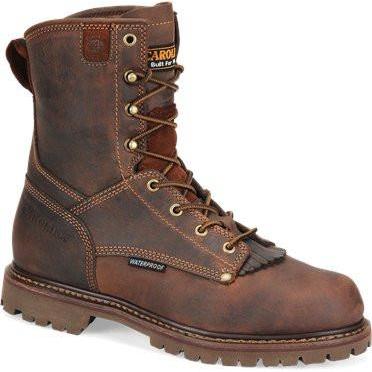
Sale price$219.99
Regular price$224.00
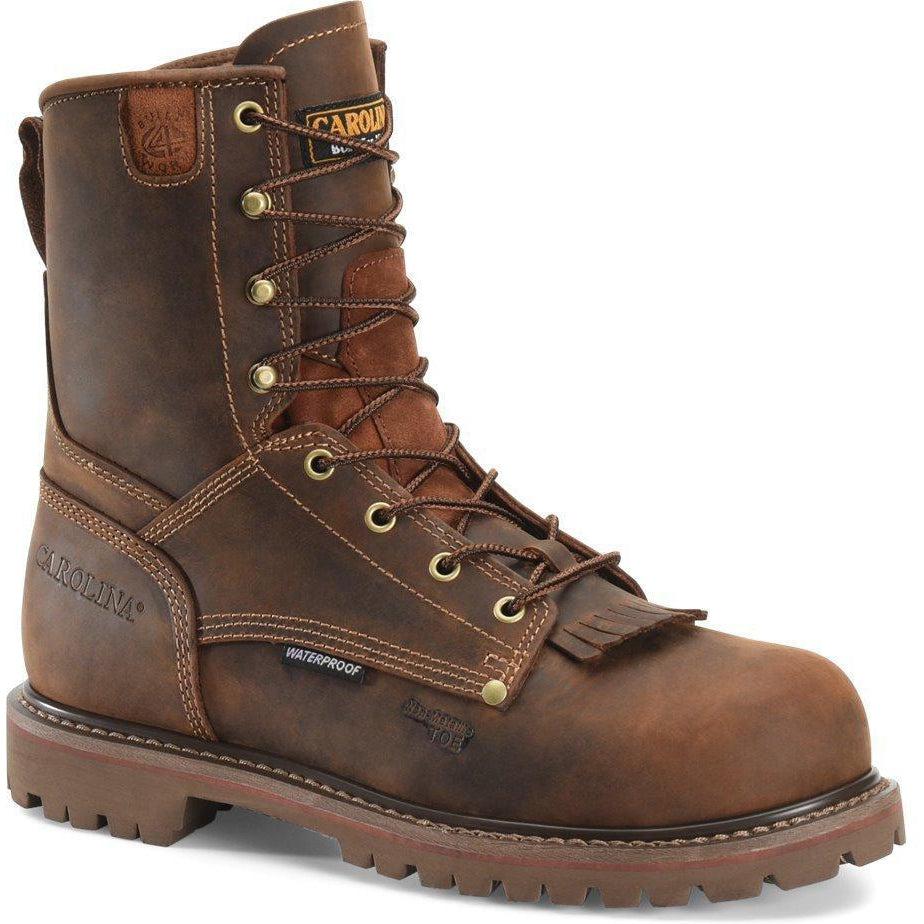
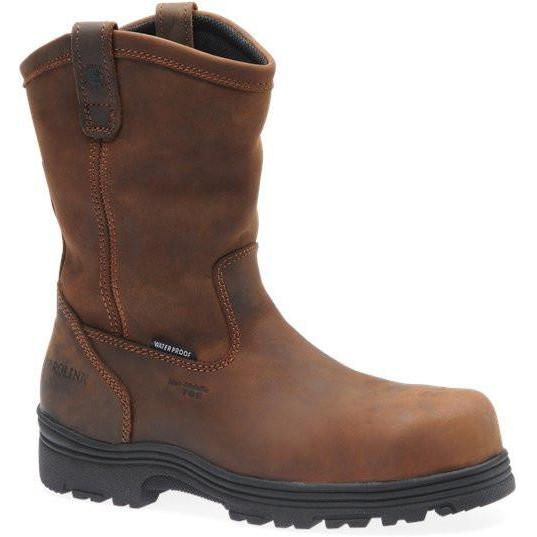
Carolina Men's 28 Series 8" Soft Toe Waterproof Grizzly Work Boot - Brown - CA8028
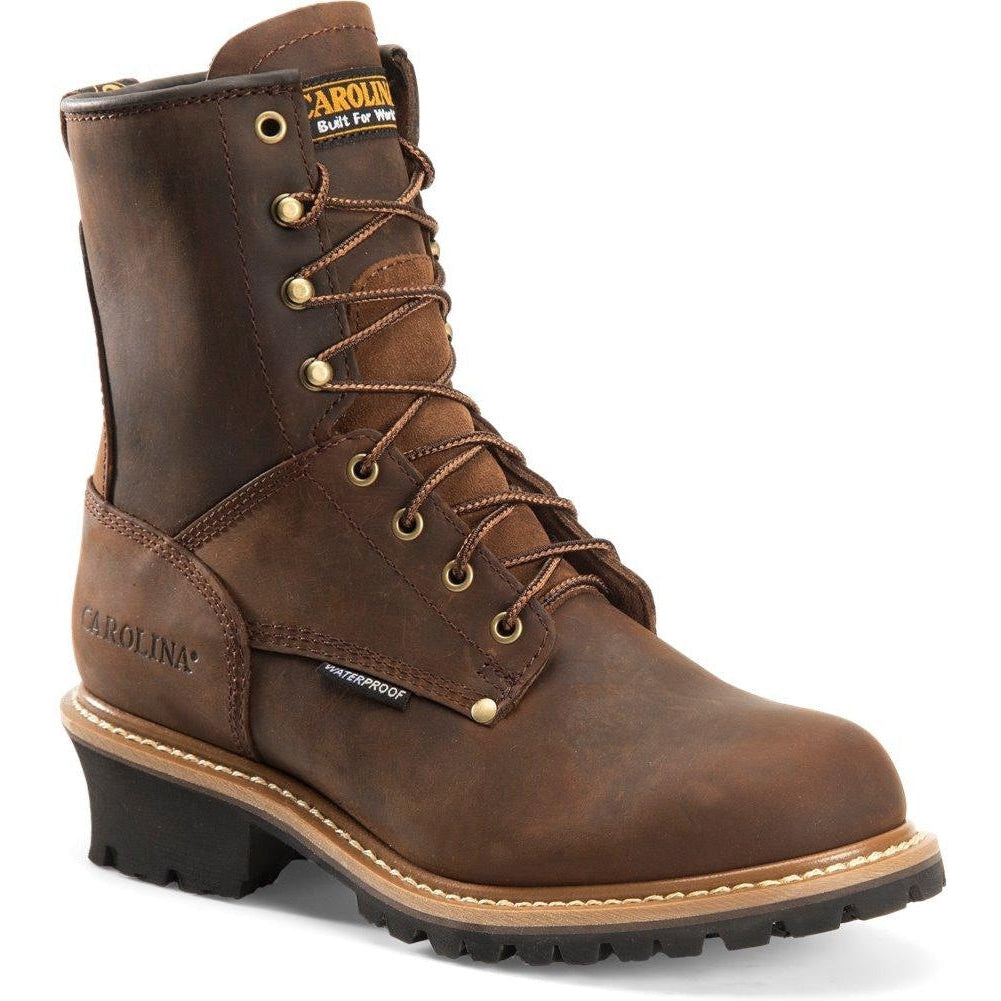
Save 31%
Sale price$148.67
Regular price$214.00
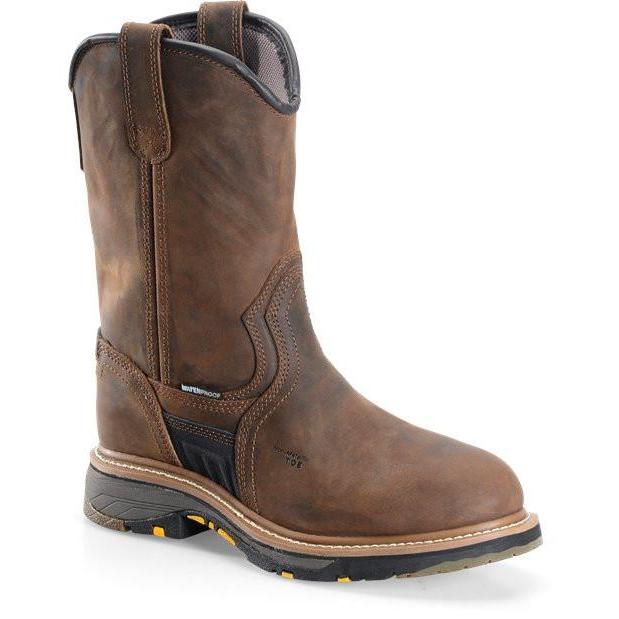
Carolina Men's Well X 10" Composite Toe Waterproof Wellington Work Boot - CA4559
Sale price$214.99
Regular price$224.00
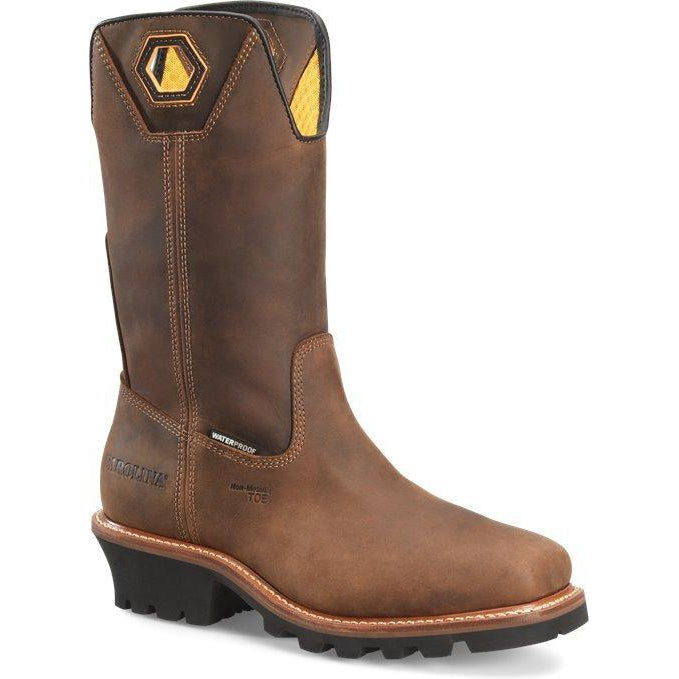
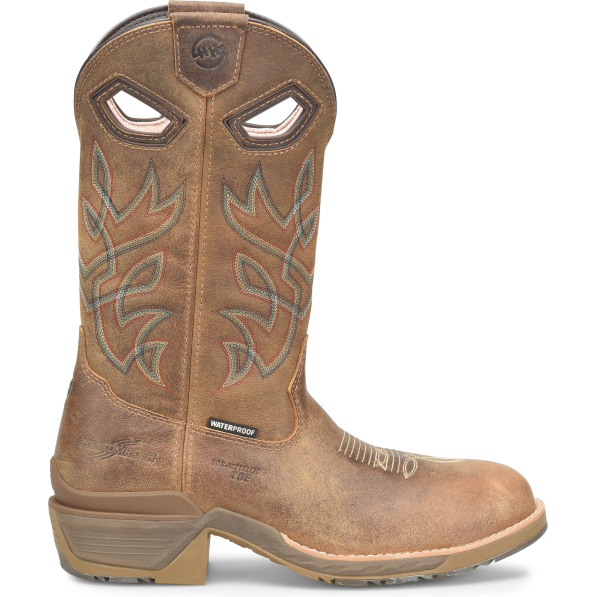
Double H Men's Cleave 12" Composite Toe Waterproof Western Work Boot - Brown - DH5422
Sale price$174.95
Regular price$175.00
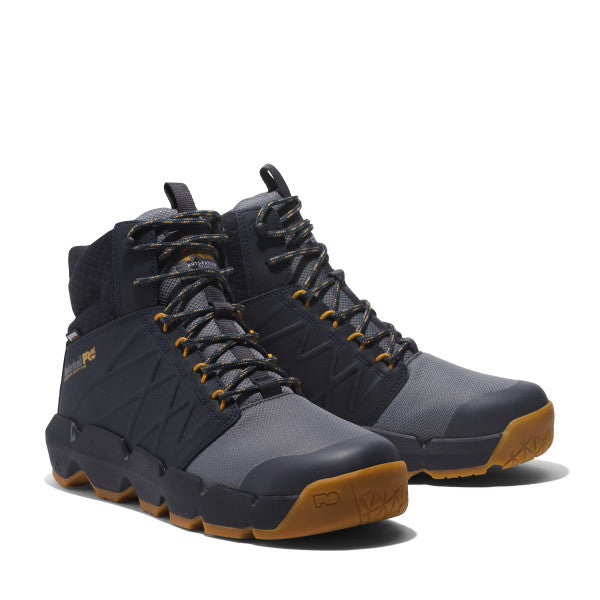
Timberland Pro Men's Morphix 6" Composite Toe Waterproof Work Boot - Grey - TB1A5YFU065
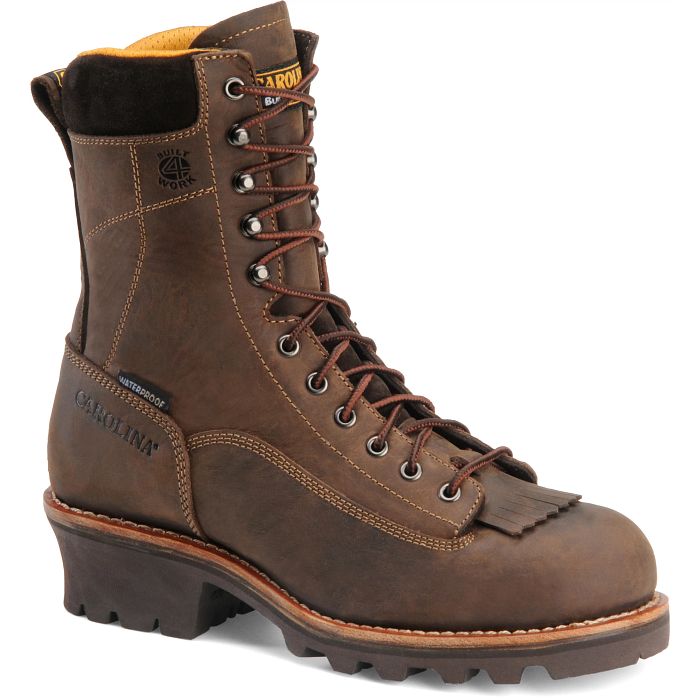
Sale price$249.99
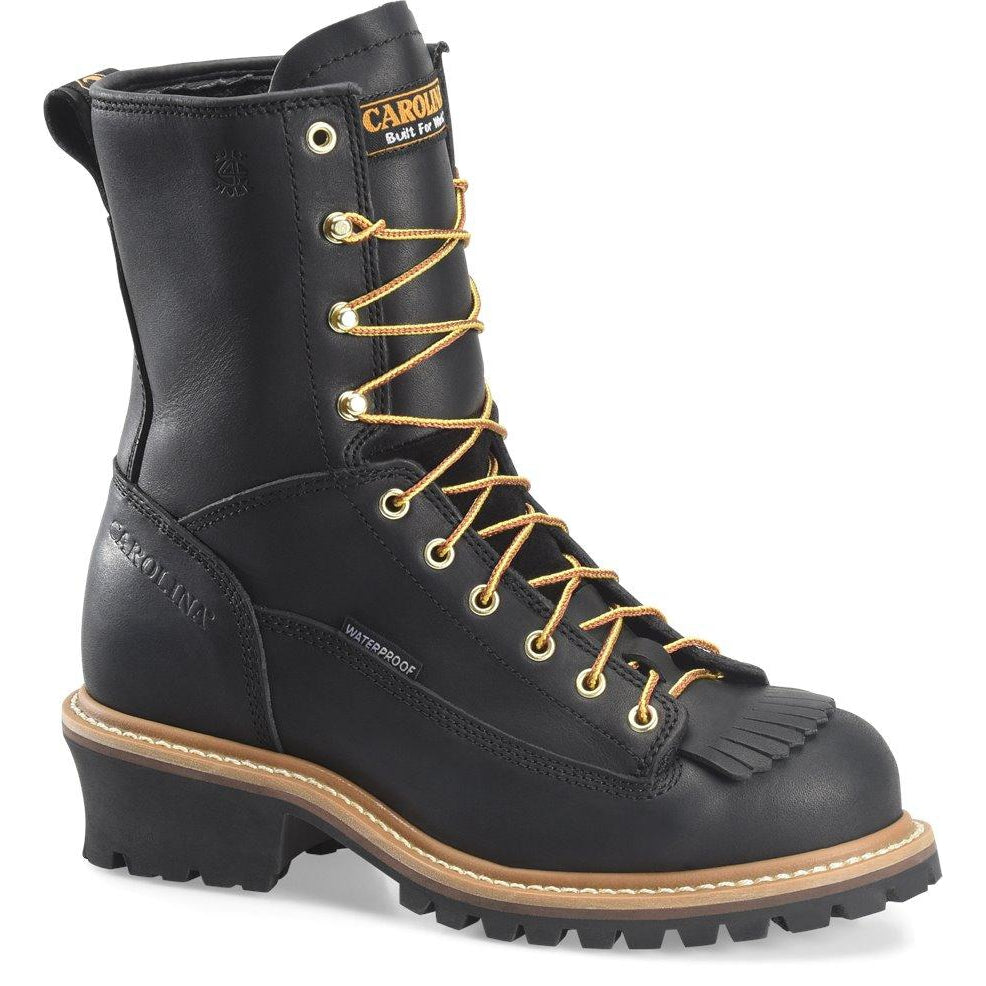
Carolina Men's Birch 8" Waterproof Logger Work Boot - Brown - CA7022
Save 5%
Sale price$294.95
Regular price$310.00
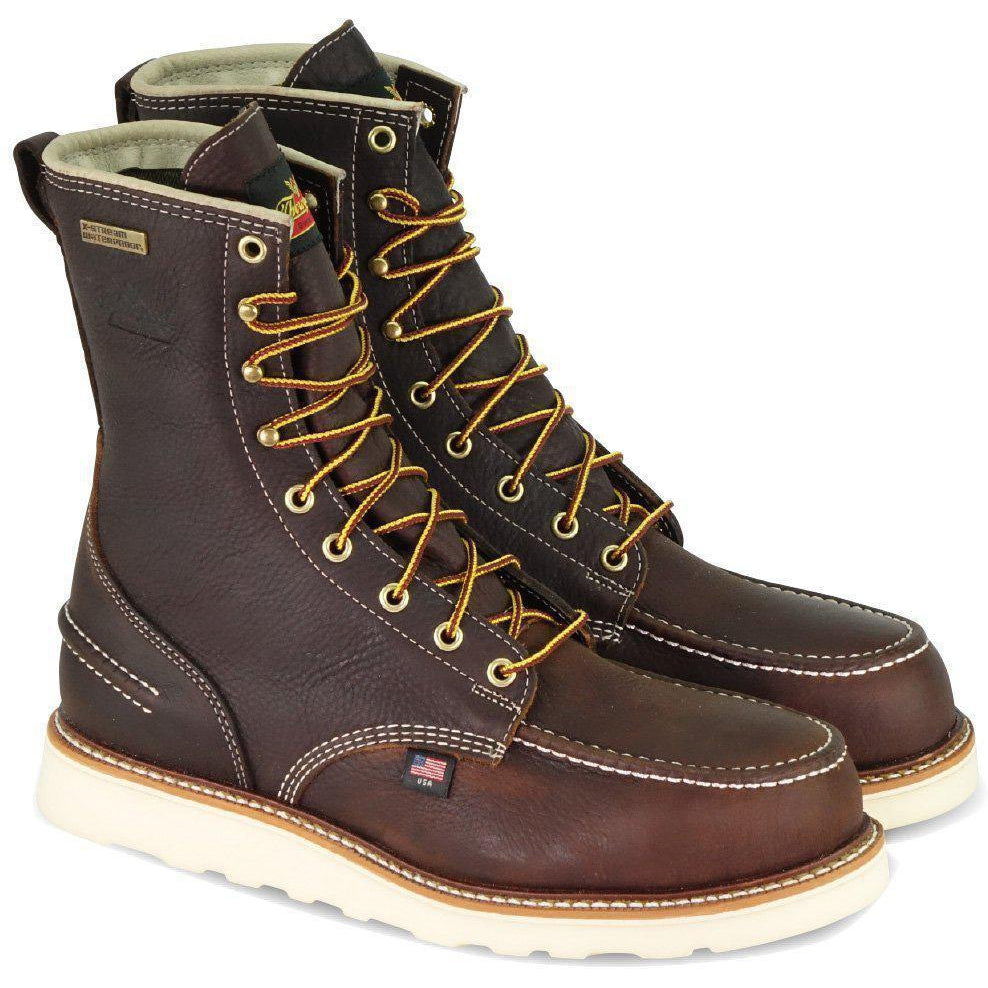
Thorogood Men's USA Made 1957 8" Moc Safety Toe Waterproof Wedge Work Boot 804-3800
Save 24%
Sale price$159.95
Regular price$210.00
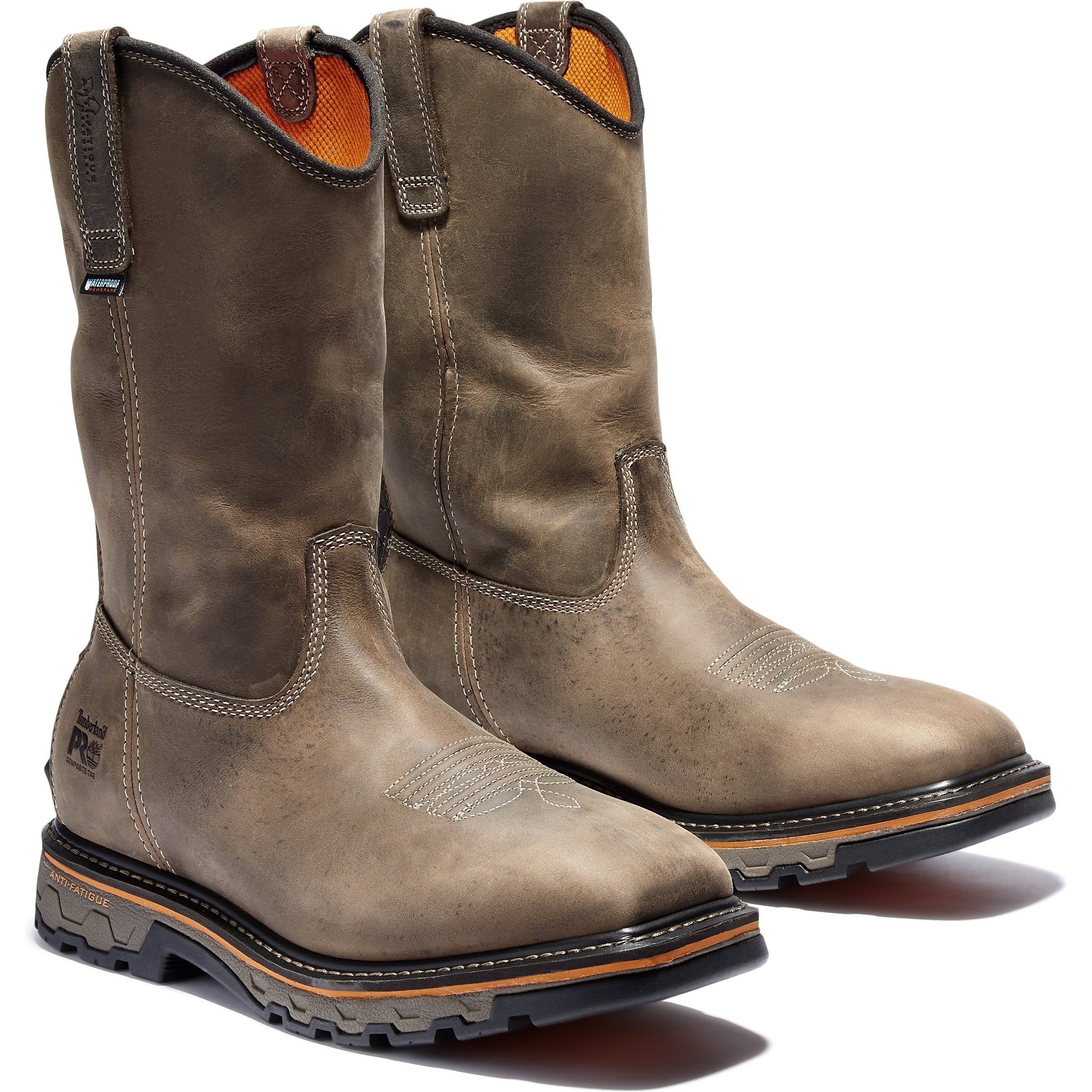
Timberland Pro Men's True Grit Soft Toe Waterproof Western Work Boot- TB1A24AJ214
Save 5%
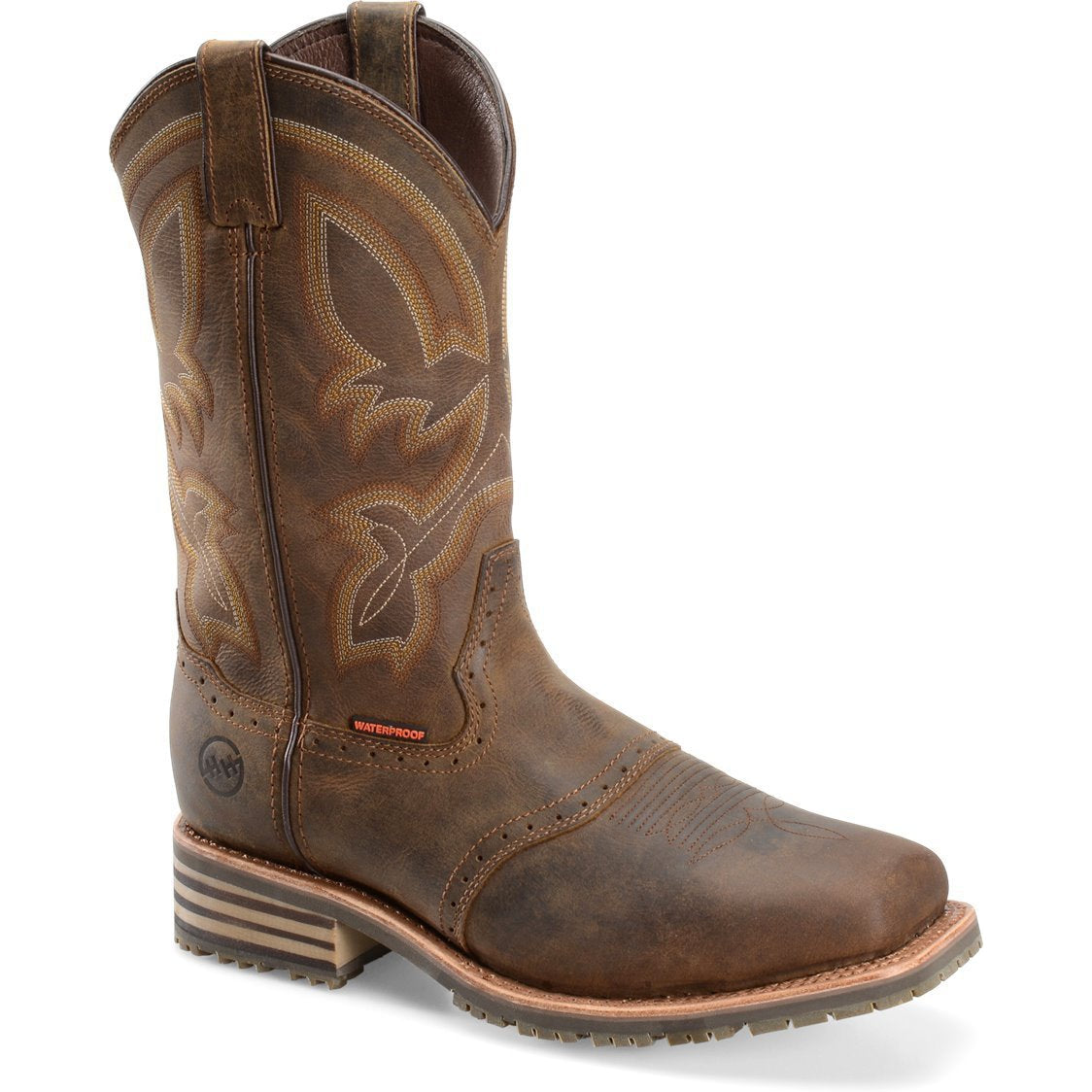
Sale price$224.99
Regular price$236.00
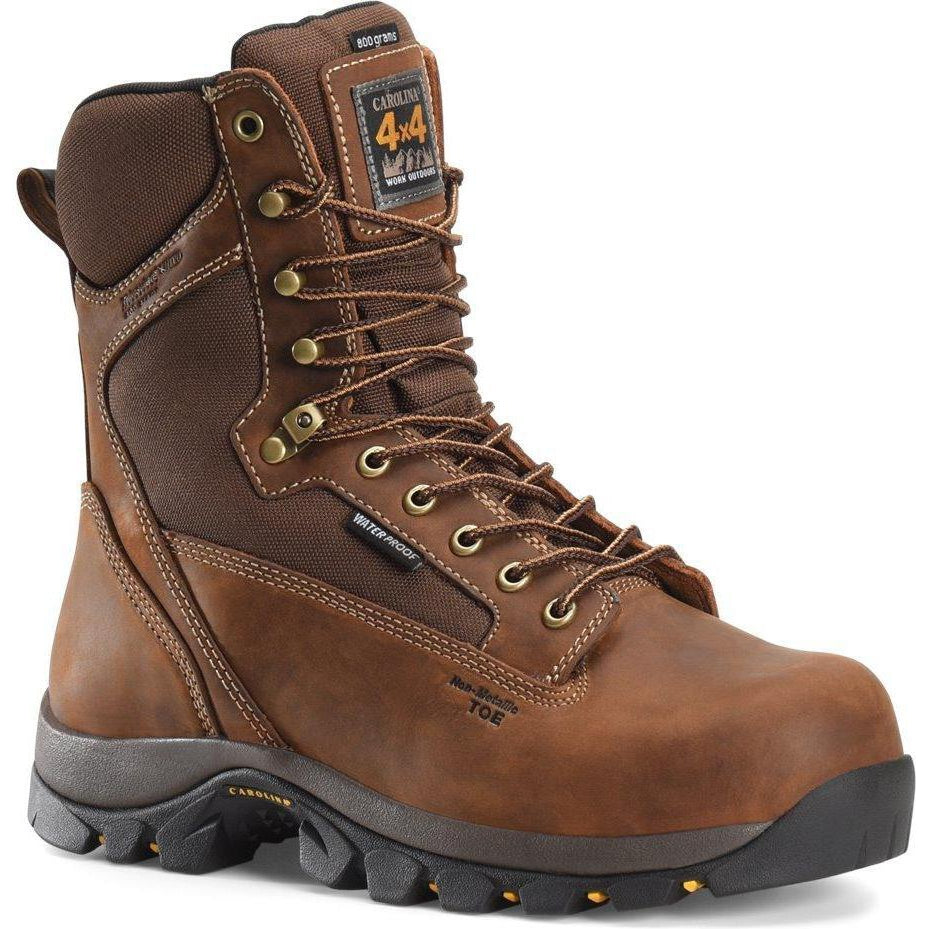
Double H Men's Jeyden 11" Composite Toe Waterproof Western Work Boot- Brown- DH5124
Save 6%
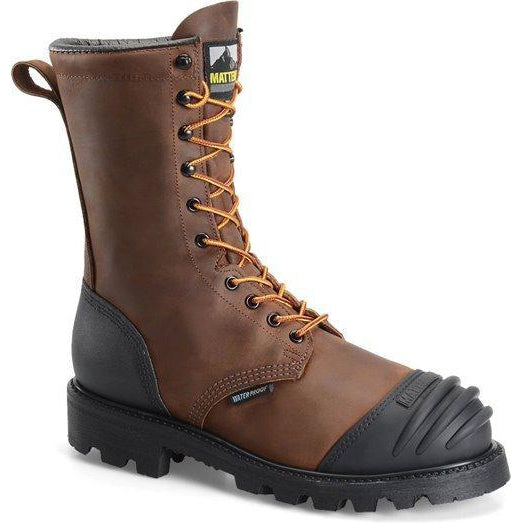
Sale price$354.99
Regular price$378.00
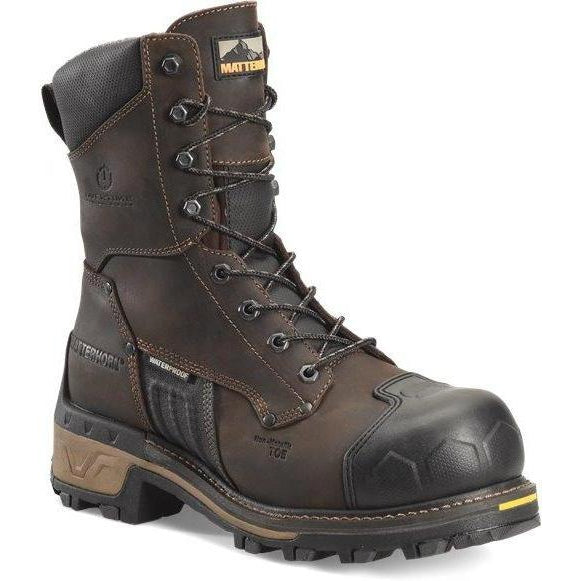
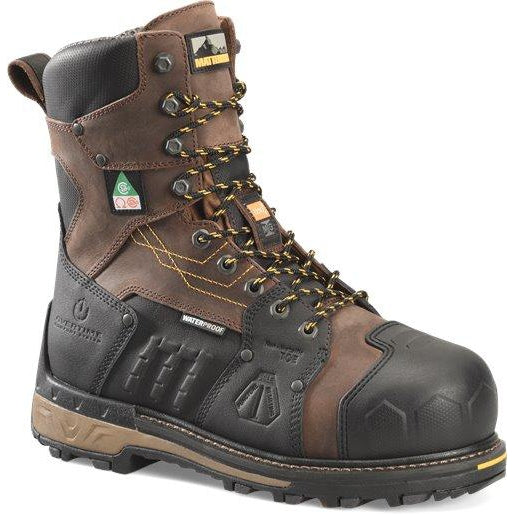
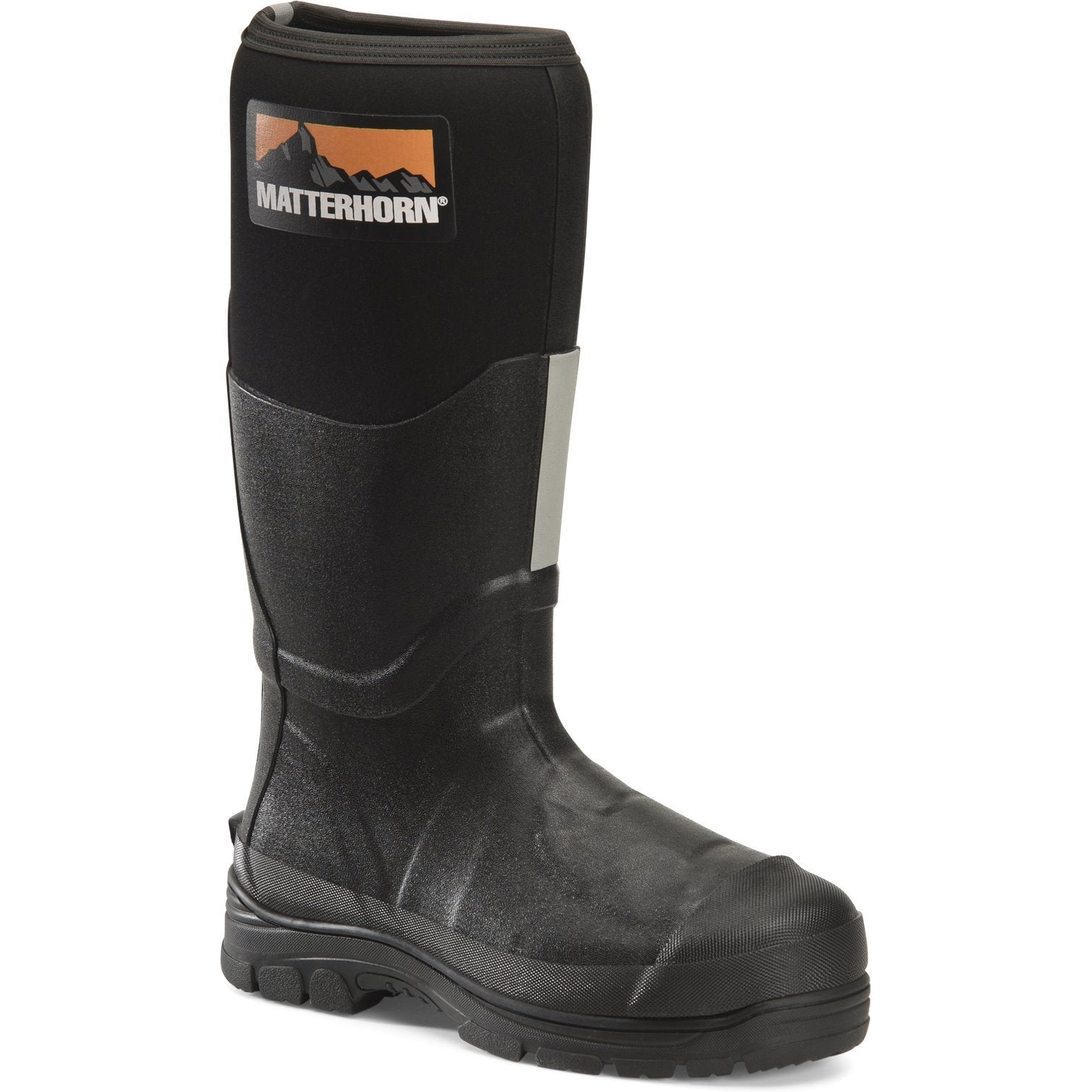
Matterhorn Men's Copper 10" Steel Toe Waterproof Metguard USA Made Work Boot - MT910
Save 8%
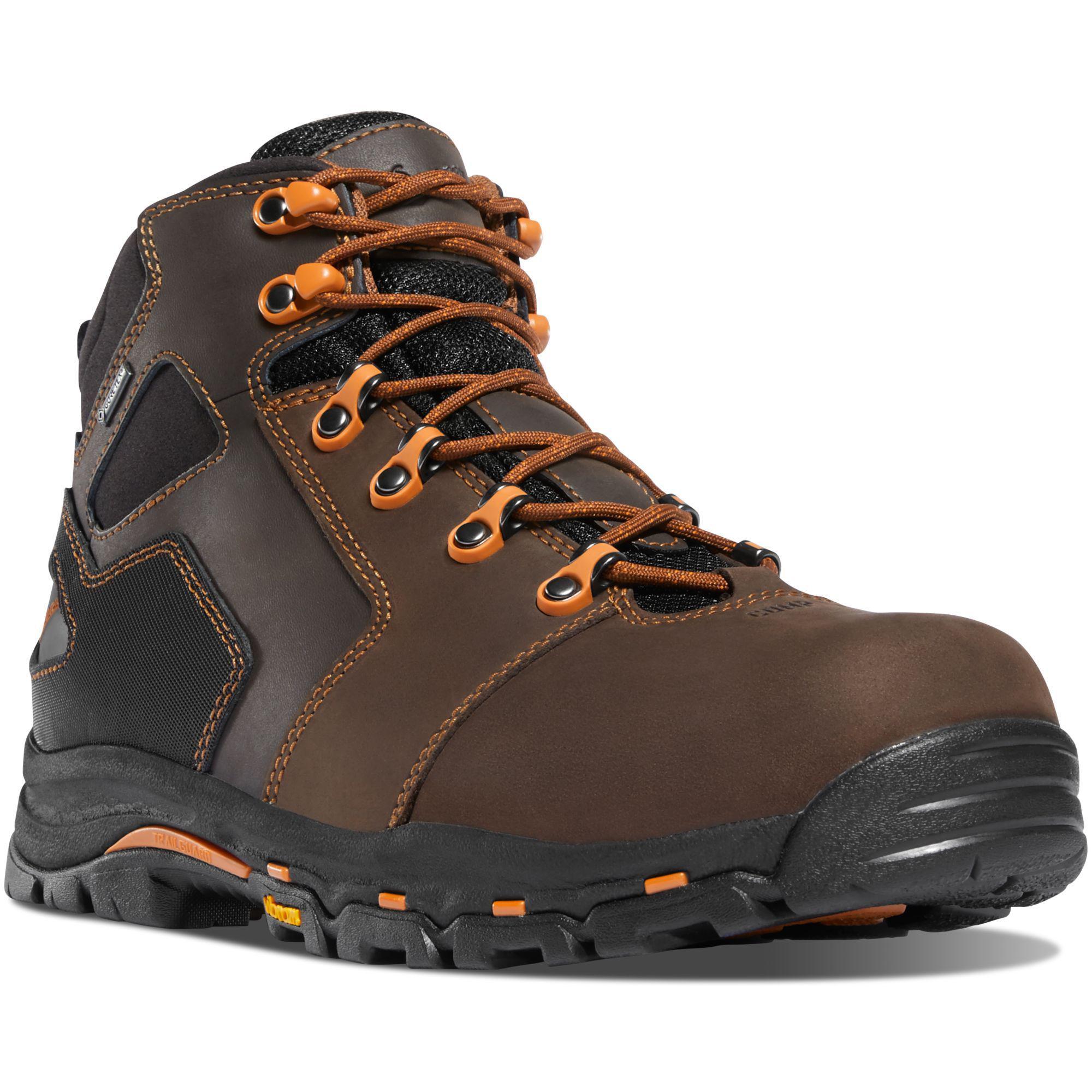
Sale price$239.95
Regular price$260.00
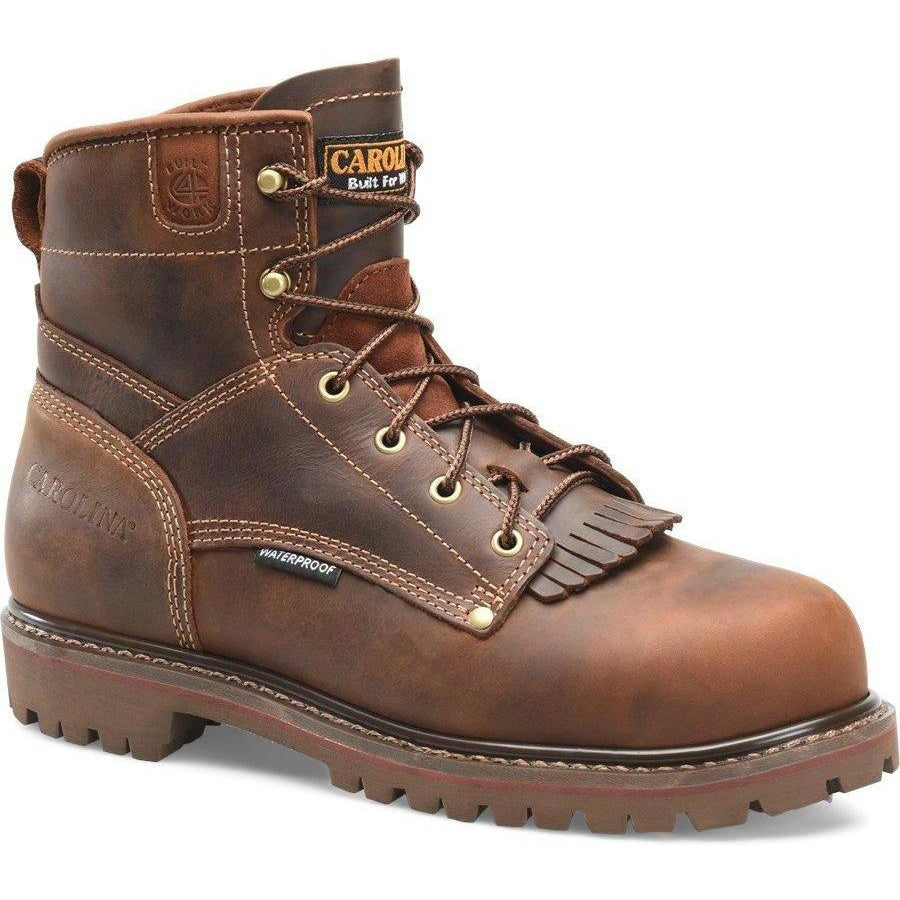
Danner Men's Vicious 4.5" Soft Toe Waterproof Work Boot - Brown - 13858
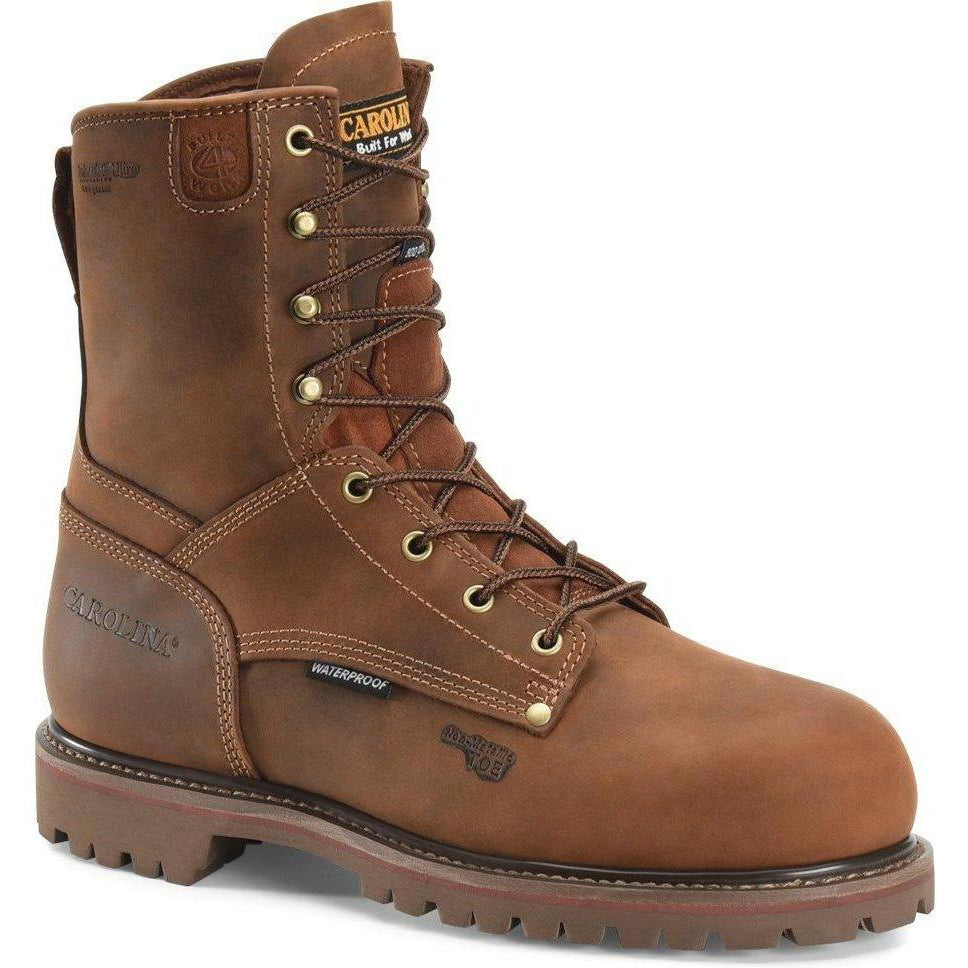
Sale price$319.95
Regular price$331.00
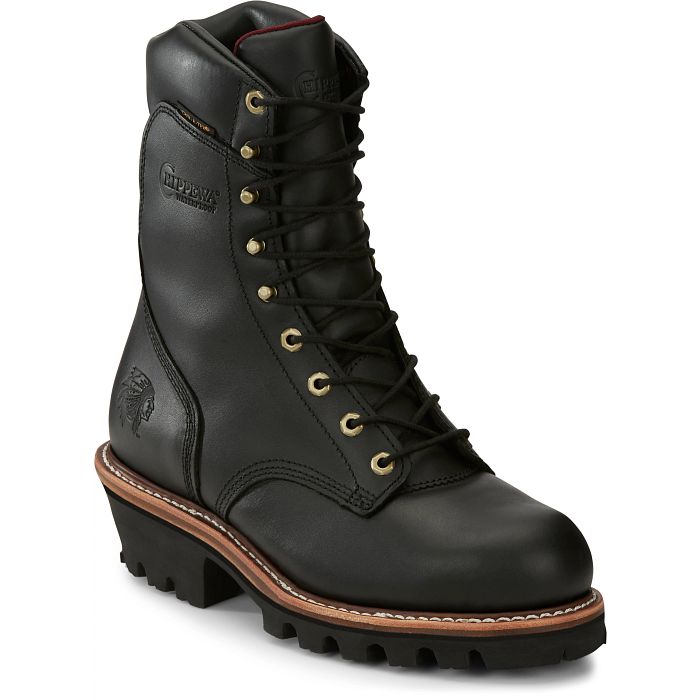
Chippewa Men's Super DNA 9" Steel Toe Waterproof 400G Ins Logger Work Boot - Black - 59410
Save 23%
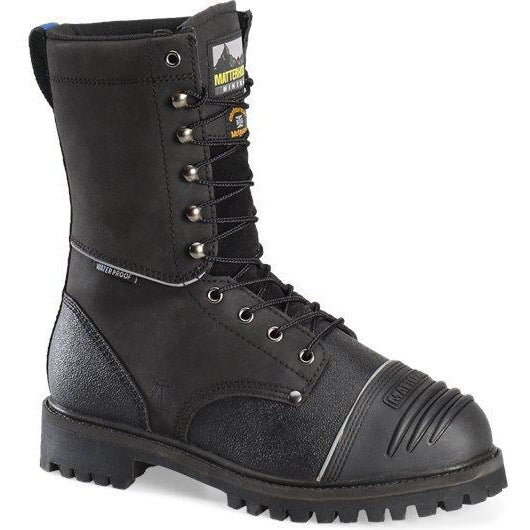
Sale price$184.67
Regular price$240.00
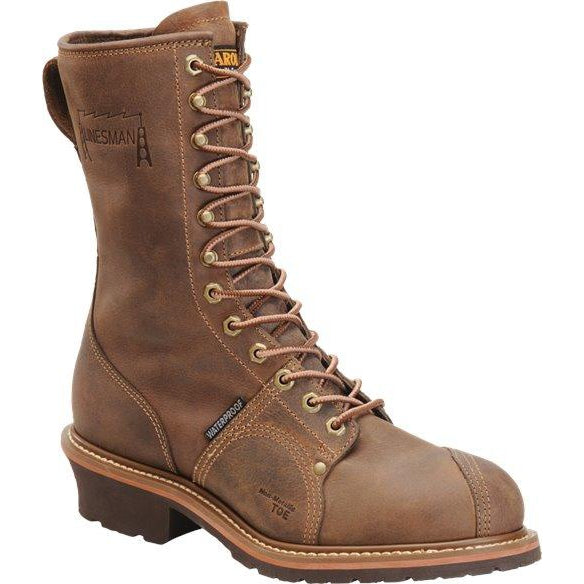
Matterhorn Men's Mulrooney 10" Steel Toe Waterproof Metguard Work Boot Black- MT903
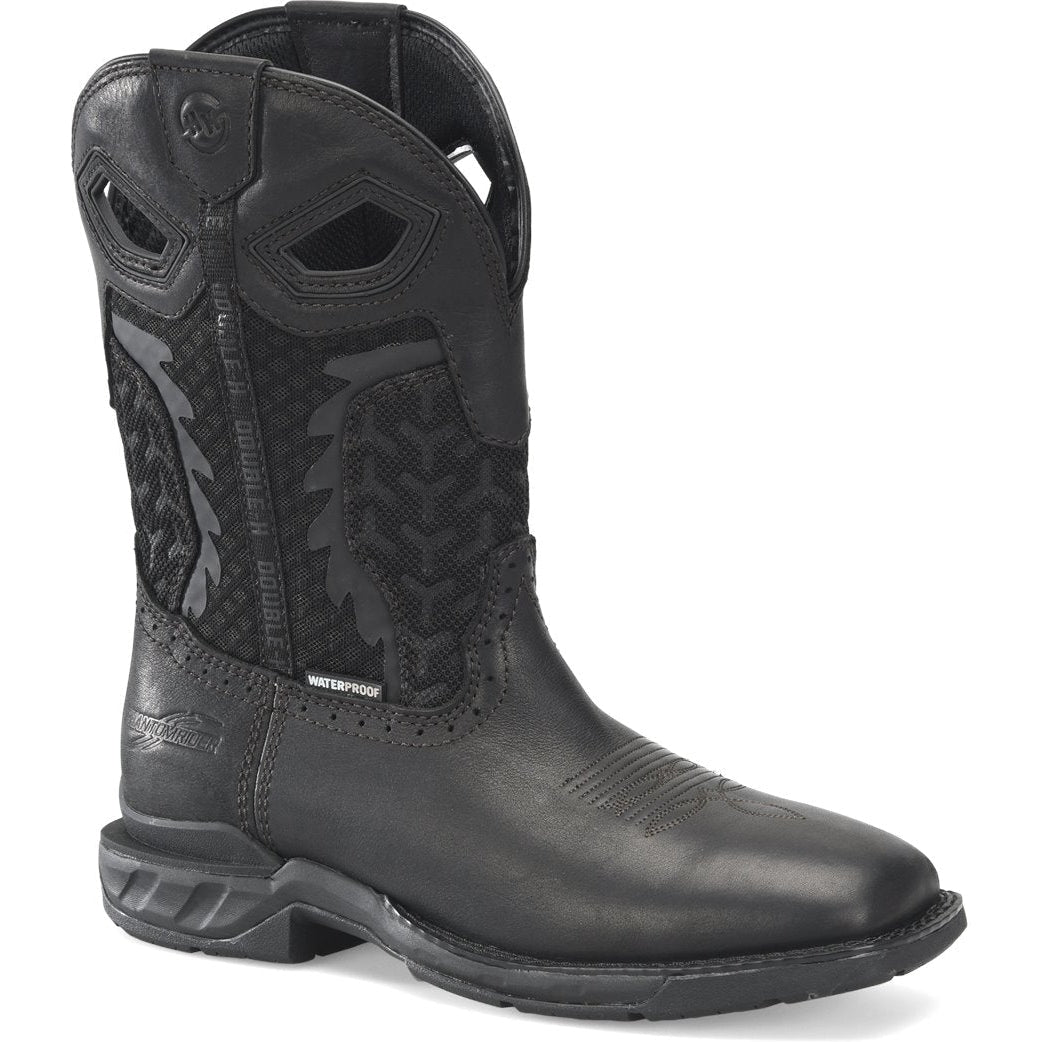
Sale price$189.99
Regular price$198.00
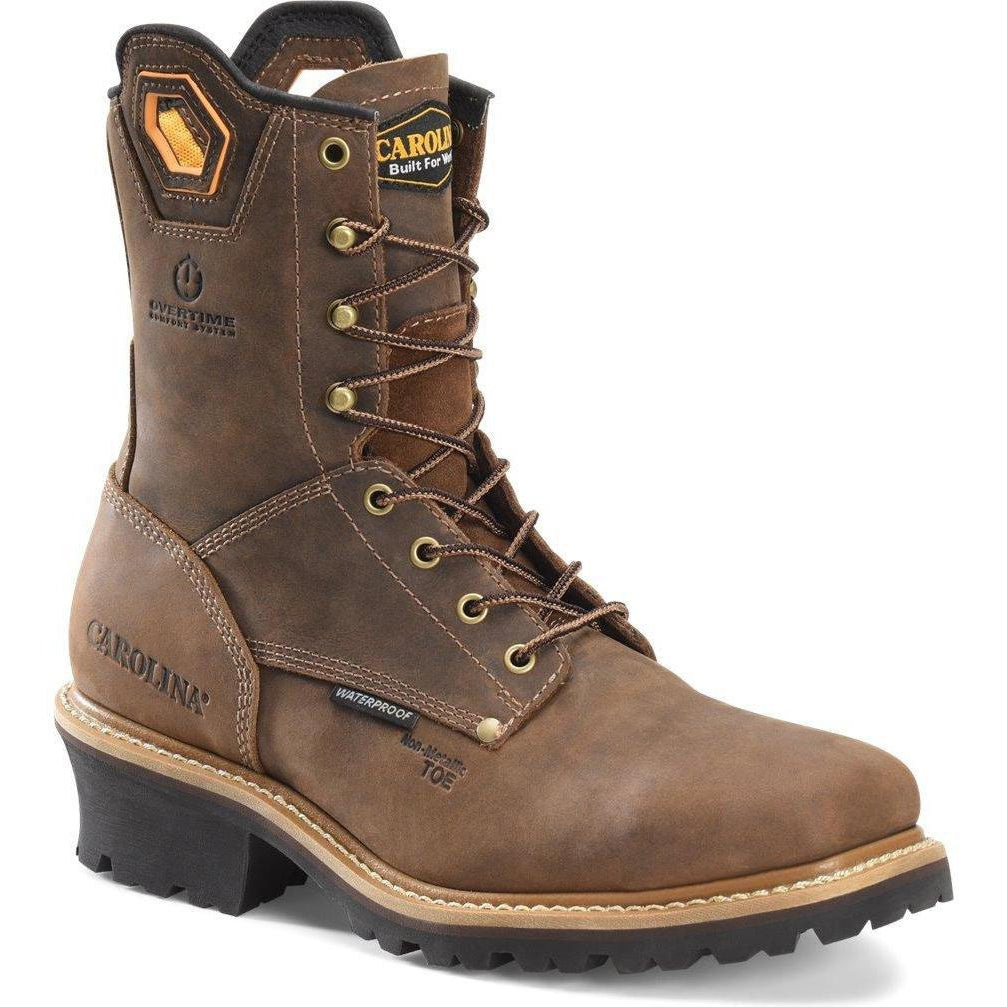
Double H Men's Phantom Rider Shadow 11" Waterproof Roper Work Boot -Black- DH5381
Save 7%
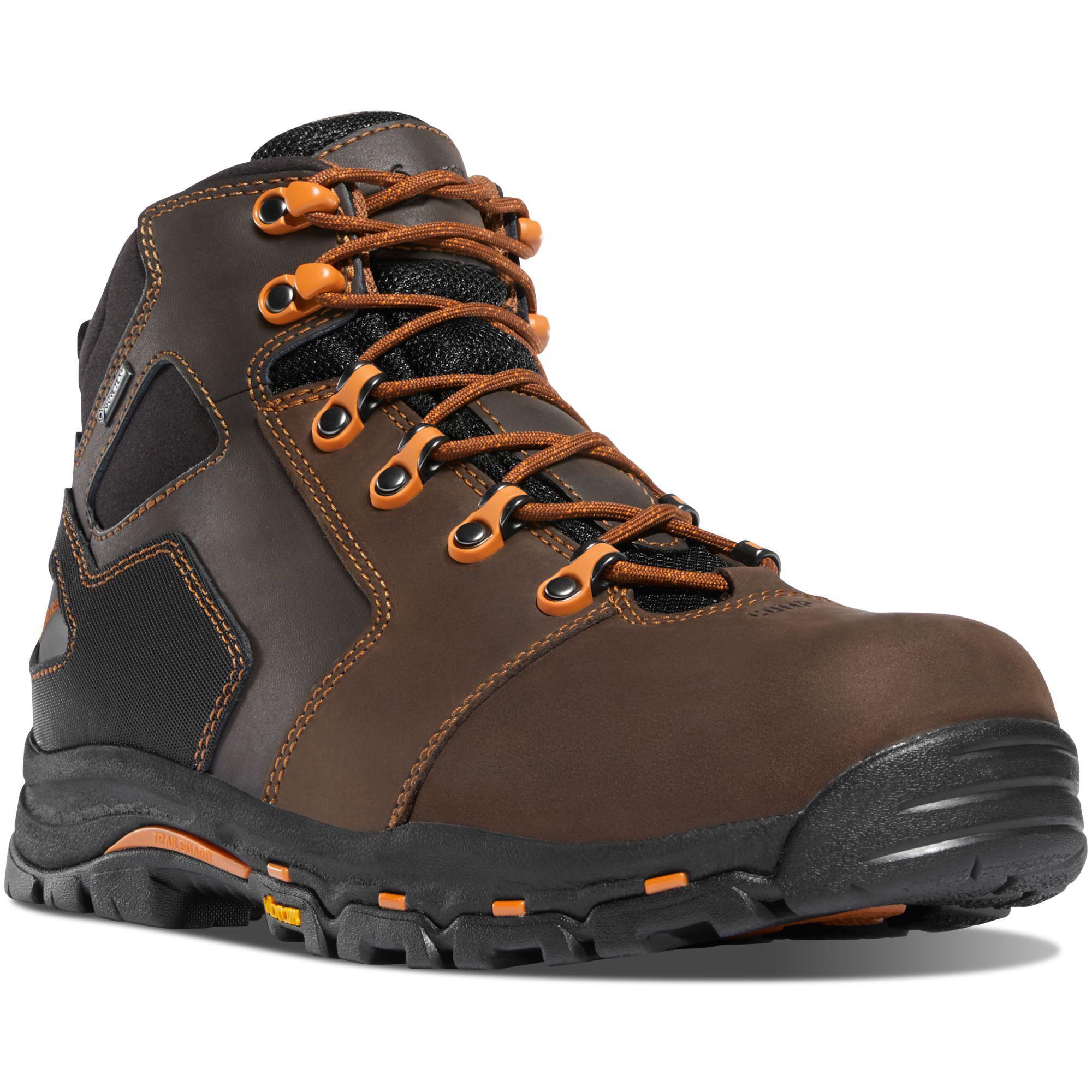
Sale price$249.95
Regular price$270.00
Danner Men's Vicious 4.5" Composite Toe Waterproof Work Boot - Brown - 13860
Frequently Asked Questions
A work boot keeps water out three main ways. It can use an internal waterproof and breathable membrane, waterproof-treated full-grain leather with sealed seams, or a fully molded rubber shell. Membranes manage sweat best, sealed leather resists wear, and a rubber shell is the most watertight. On lace-up boots, a gusseted tongue sewn to the sides keeps water from running in over the laces.
The best waterproof work boots for outdoor and wet-weather work are the ones whose waterproofing matches your conditions. For standing in water or mud, a molded rubber boot or a tall wellington from Muck, LaCrosse, or Xtratuf seals highest up the leg. For wet trails and all-day outdoor wear, a membrane-lined boot from Danner or Timberland Pro keeps water out while it still breathes. For logging and abrasive ground, waterproof full-grain leather with sealed seams takes the longest against abrasion, and Carolina and Wolverine both build it.
What you spend on a waterproof work boot tracks with the upper and the waterproofing method more than the brand name. Molded rubber boots and entry-level membrane boots sit at the lower end, while full-grain leather loggers and top-tier membrane boots from makers like Danner cost more for the leather and the construction. A boot that stays sealed through a year of hard use often runs cheaper than replacing two or three budget pairs that leak within a couple of months.
Yes, waterproof boots for work can keep your feet dry without overheating them, but only the ones built to move sweat out as well as block rain. A waterproof and breathable membrane lets sweat vapor escape while stopping liquid water, so membrane boots tend to run cooler than molded rubber. Liner wicking and airflow, not the waterproof rating, decide whether your feet are swampy by lunch. For hot-weather or high-output work, favor a membrane boot and a moisture-wicking sock, since rubber shells trap the most heat.
Waterproof work boots usually stay fully waterproof for six months to two years before seams, membranes, or leather begin letting water in. The surface finish typically needs renewing long before the membrane itself wears out. Constant wet and abrasion push that toward the short end, and crews standing in water all day often see it sooner. Full-grain leather boots can be re-treated and re-waterproofed to stretch their life, while a membrane that has failed at a flex point usually can't be resealed.
Choose a composite toe for cold or wet work, since it doesn't conduct cold the way steel does and weighs less. Steel and composite toes are certified to the same ASTM impact and compression levels, so check the label inside the boot for the specific rating. Steel dents visibly when overloaded while composite can crack internally without a visible mark, so a composite toe that takes a serious hit should come out of service even if nothing shows on the outside. The full comparison, including how each behaves in heat and cold, is in Overlook's composite toe versus steel toe guide.
You need insulation only for sustained cold or wet-cold work. In hot or mild conditions, an uninsulated boot is the better choice, because insulation traps heat you don't want. Insulation is graded in grams, which is how much insulation is in the boot rather than a temperature rating, so 200G suits cool days, 400G and up handle cold to near-freezing, and 600G or more is for standing still in serious cold. Overlook's insulated work boots start at 200G.
To find a lightweight waterproof boot, look for a membrane lining, a composite or carbon toe, and an athletic-style midsole rather than a heavy leather logger or a molded rubber shell. A membrane-lined boot with a fabric-and-leather upper weighs less than a molded rubber boot, since the shell is the entire upper. A composite or carbon toe drops a couple of ounces over steel per pair, and a lower six-inch shaft weighs less than an eight- or ten-inch upper. The lightest options combine all three, which is what workers on their feet all day are usually after.
Waterproof work boots should fit snug at the heel with enough room to wiggle your toes. Try boots with the socks you actually wear on the job, since a thick or cushioned sock changes the fit. Full-grain leather usually takes 40 to 80 hours of wear to soften up, but if a boot is still pinching after two weeks of daily wear, the size is wrong, and break-in won't fix it. Molded rubber doesn't break in at all, so it has to fit right out of the box.
Recently viewed
Our Top Brands