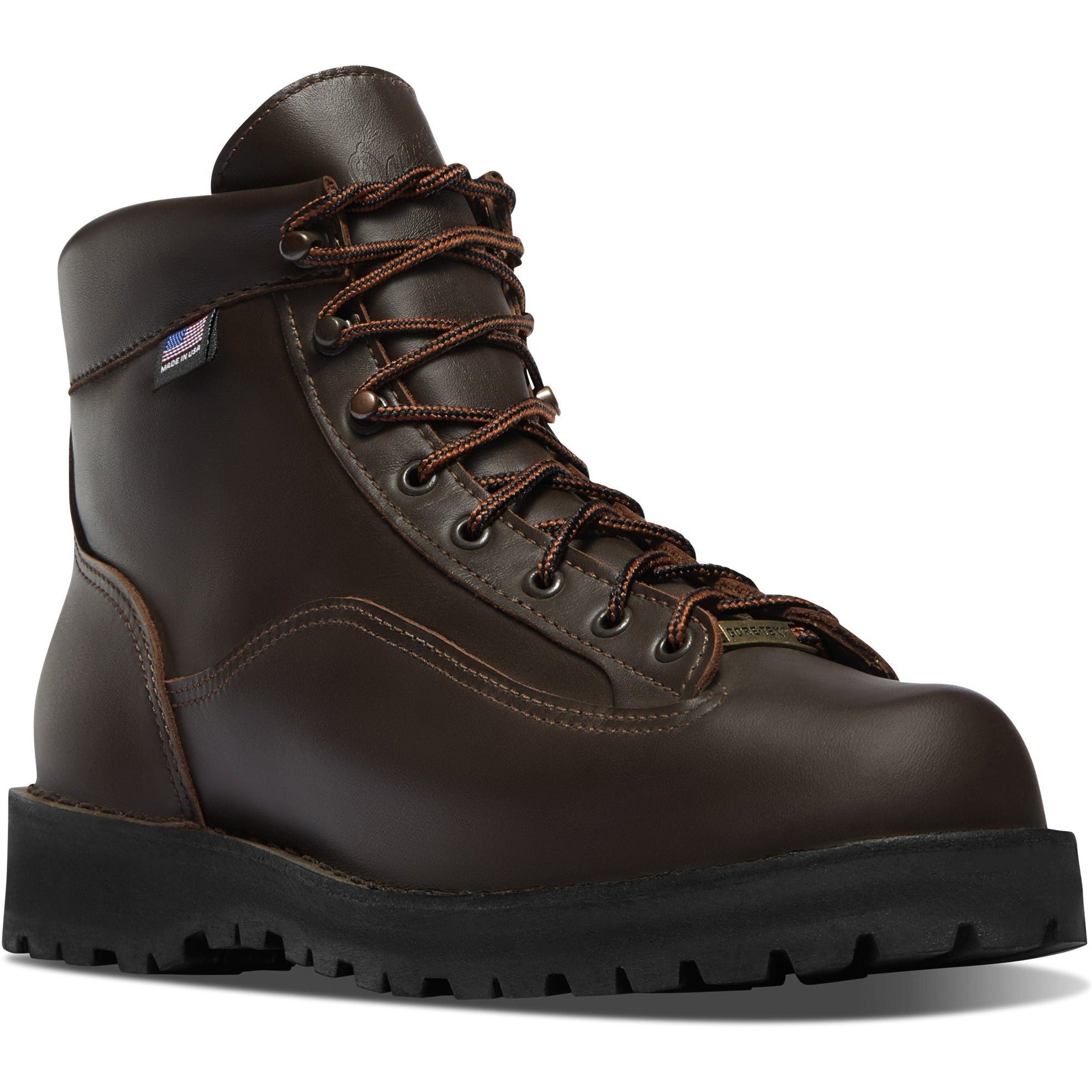
Sale price$489.95
Danner Explorer 650 Men's 6" Waterproof Hiking Boots - USA Made - 45200
Save 7%
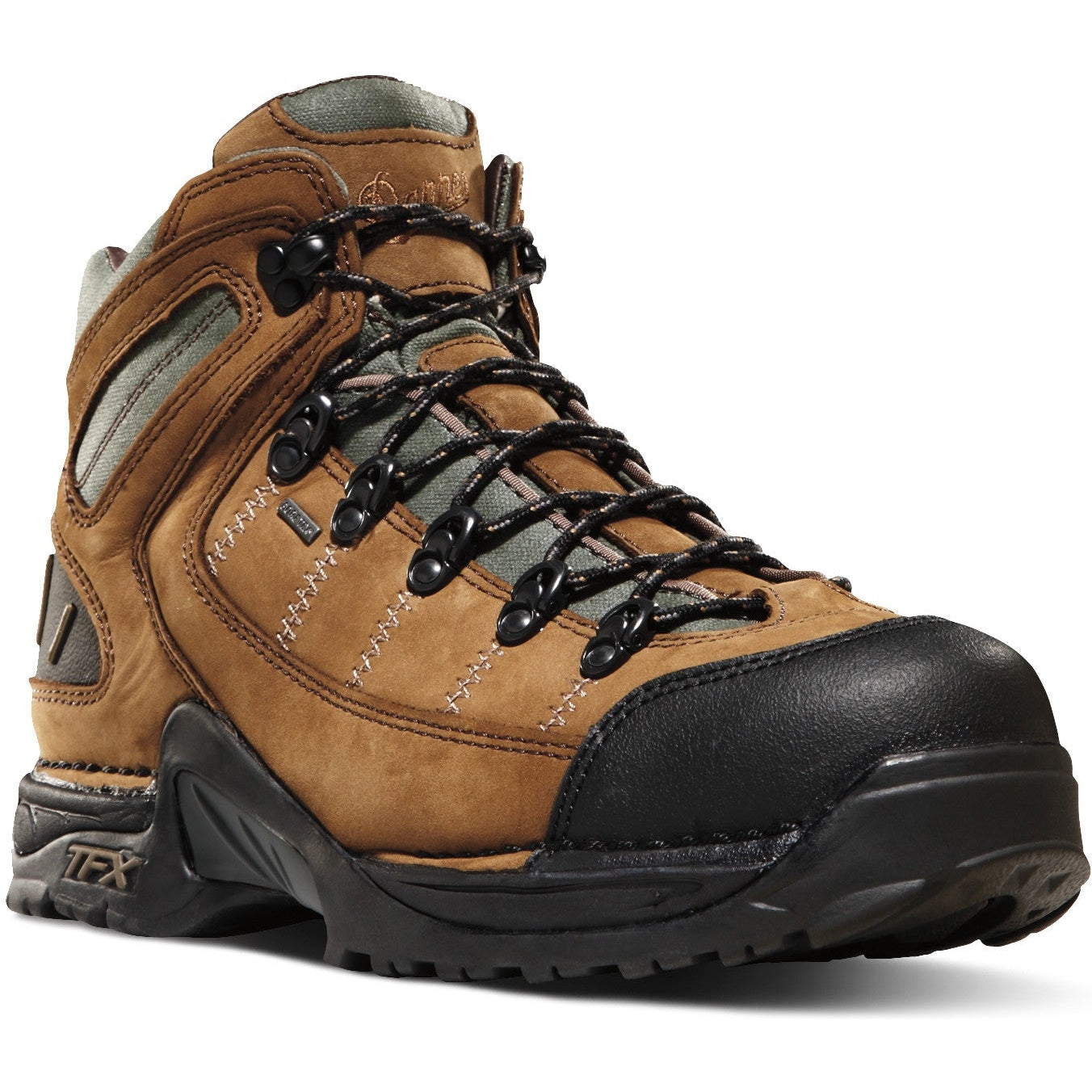
Sale price$269.95
Regular price$290.00
Danner Men's 453 5.5" Waterproof Hiking Boot - Dark Tan - 45364
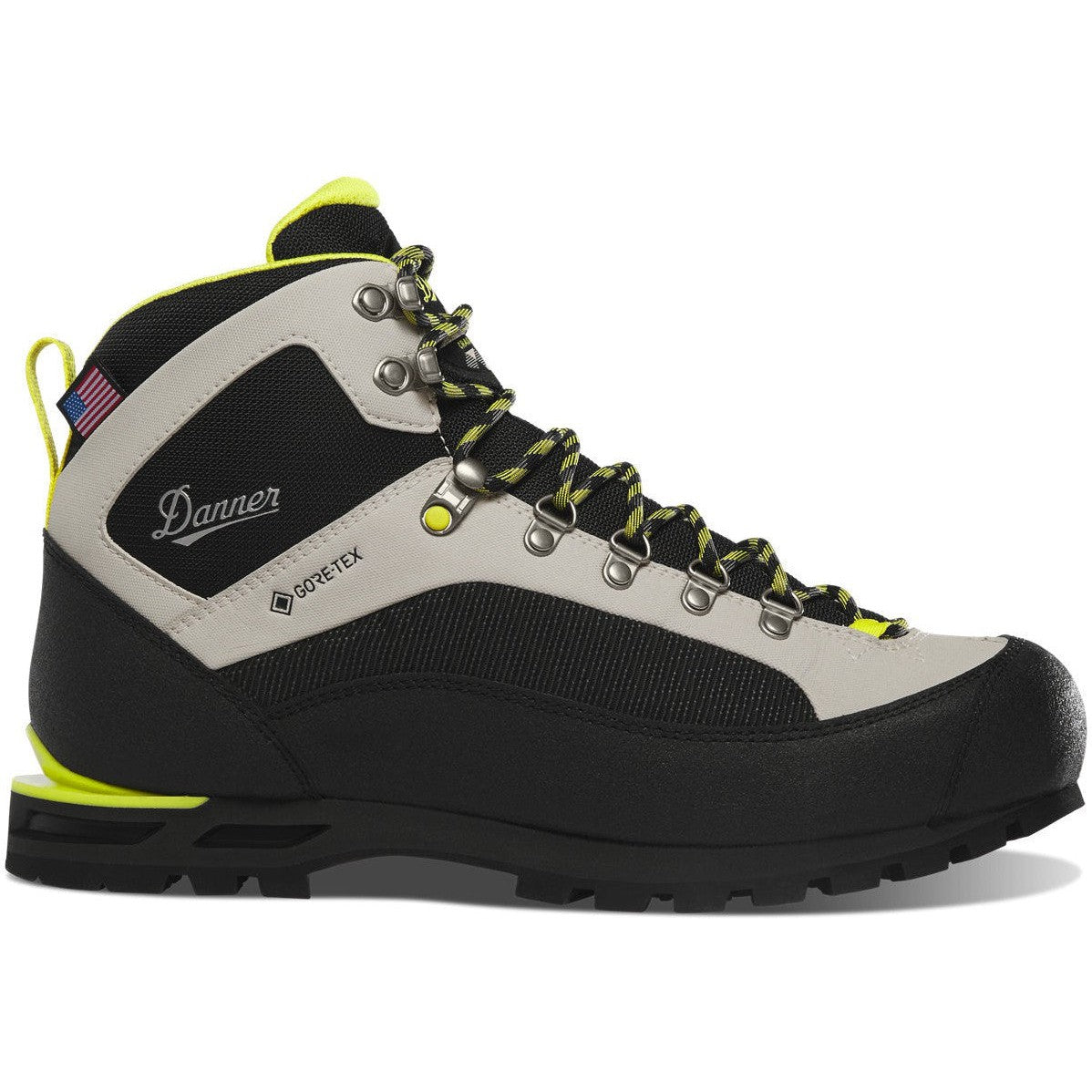
Sale price$389.95
Danner Men's Crag Rat Evo 5.5" Waterproof Hiking Boot -Ice- 65820
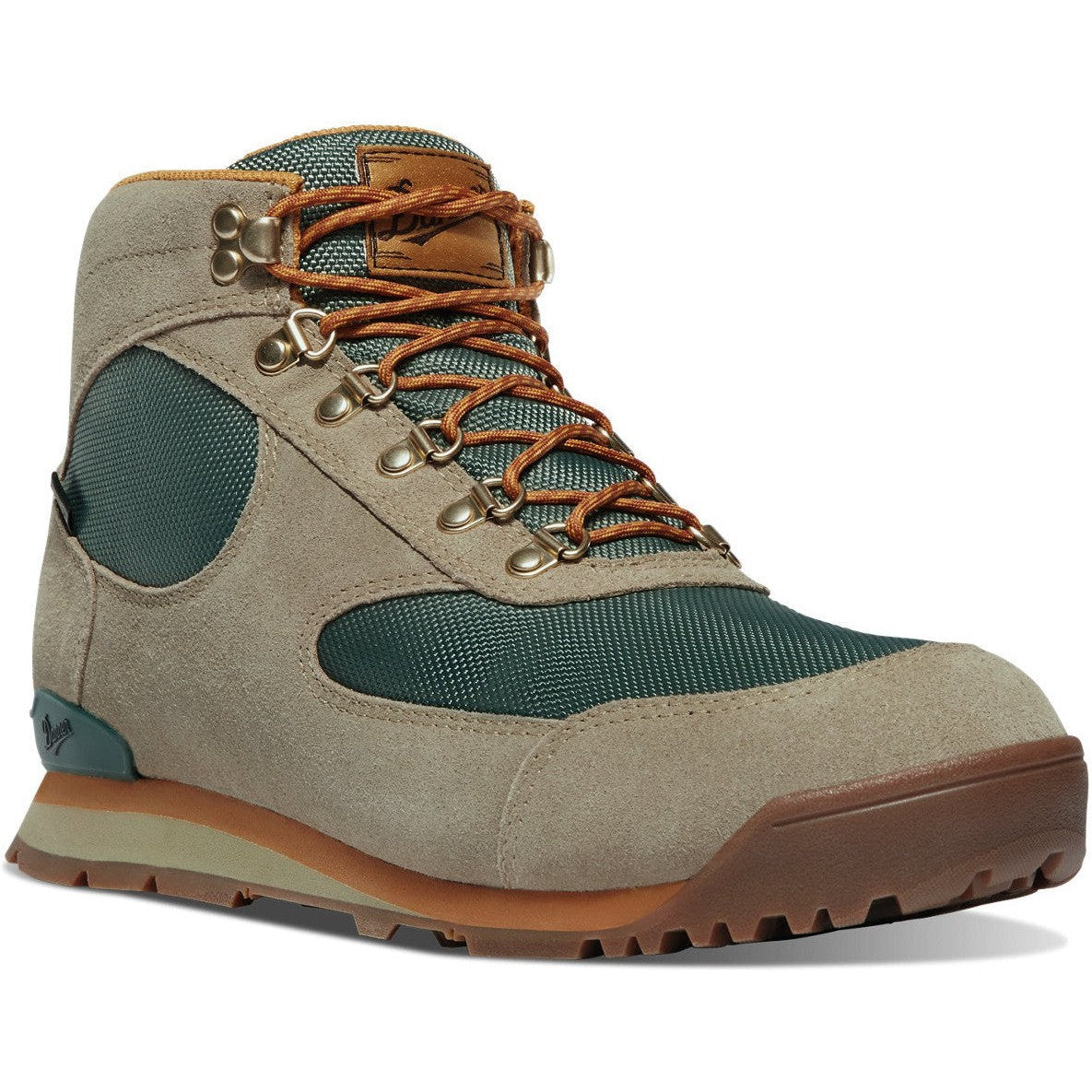
Sale price$199.95
Danner Men's Jag II 4.5" Waterproof Hiking Boot -Gray- 32250
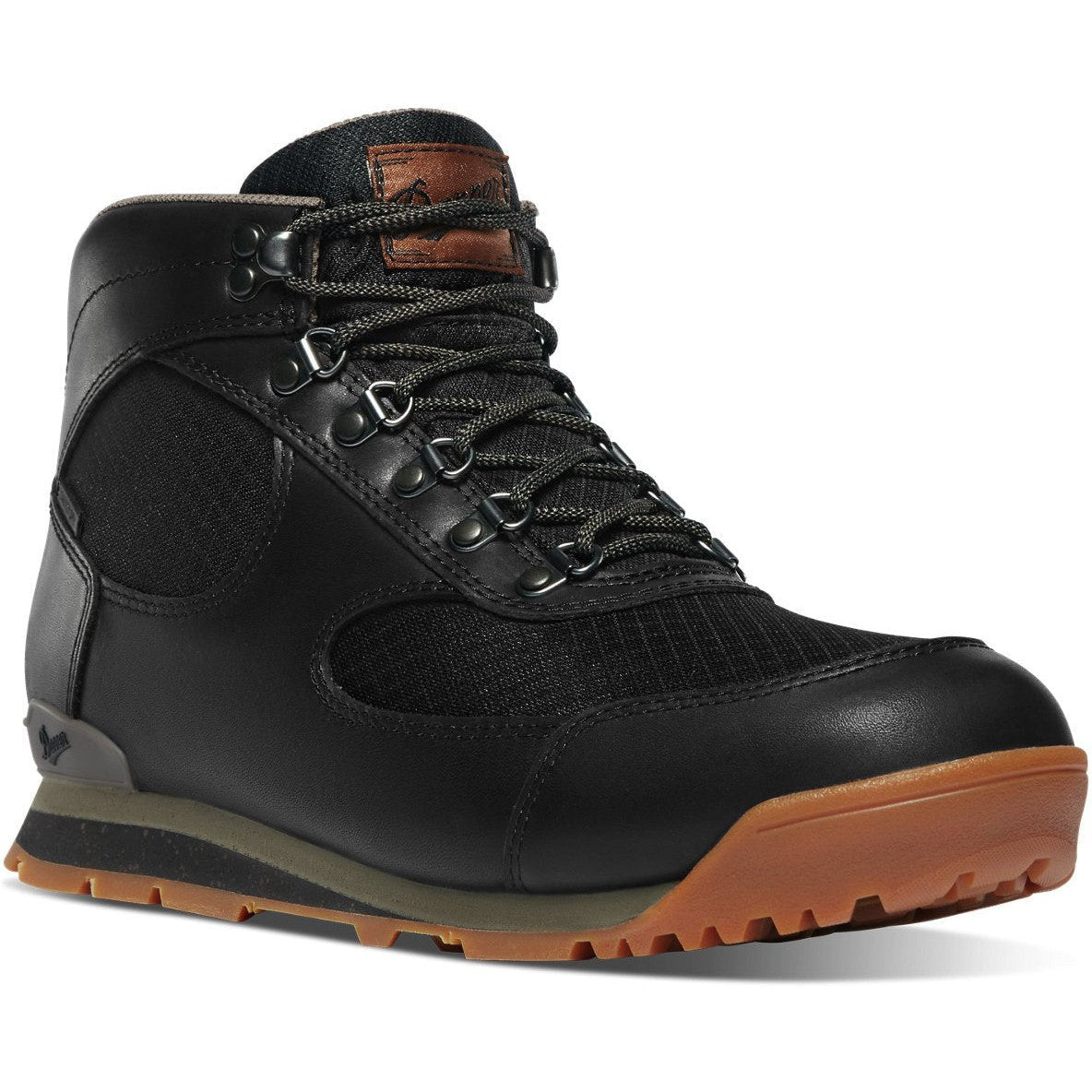
Sale price$199.95
Danner Men's Jag II 4.5" Waterproof Hiking Boot - Midnight - 32251
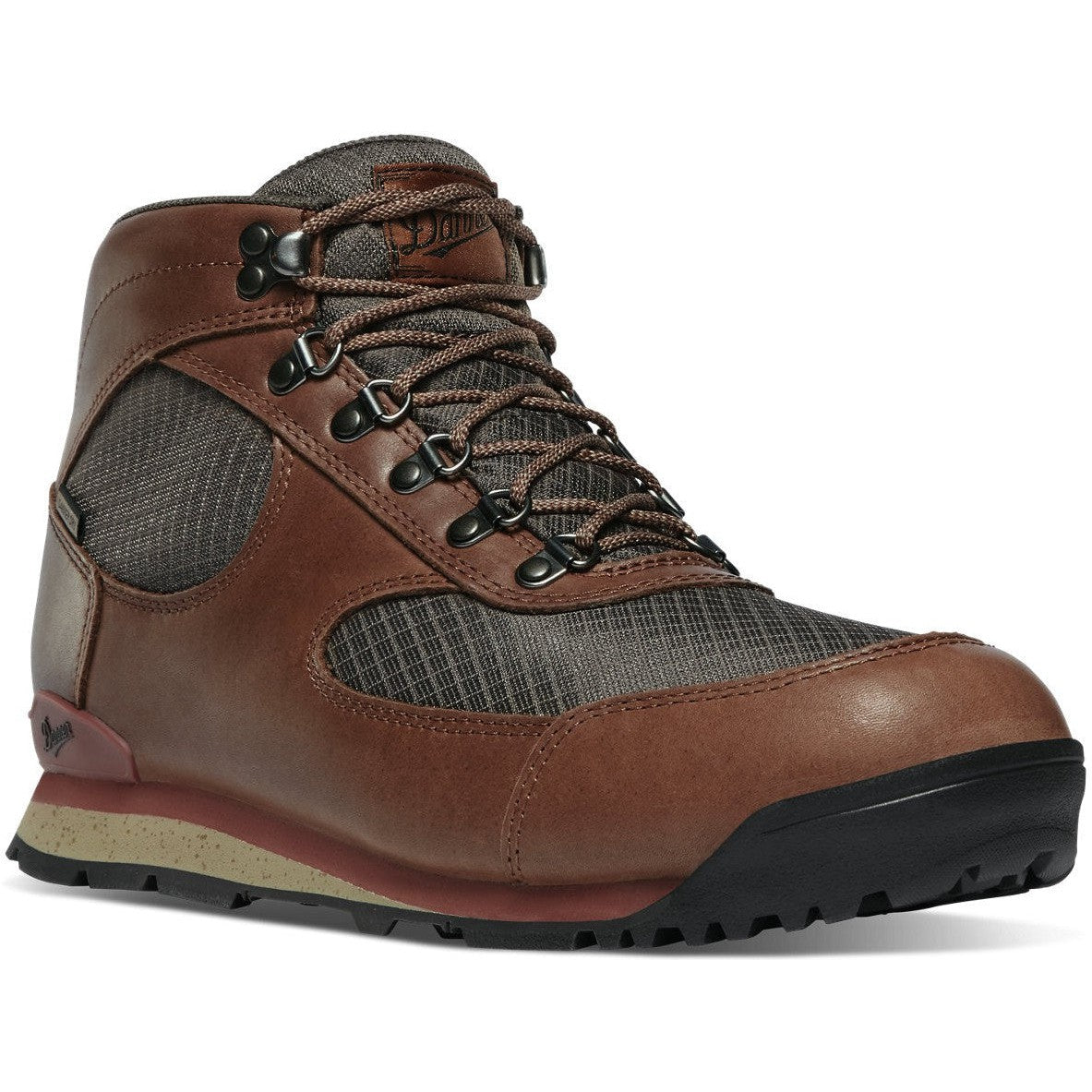
Sale price$199.95
Danner Men's Jag II 4.5" Waterproof Hiking Boot -Barley- 32249
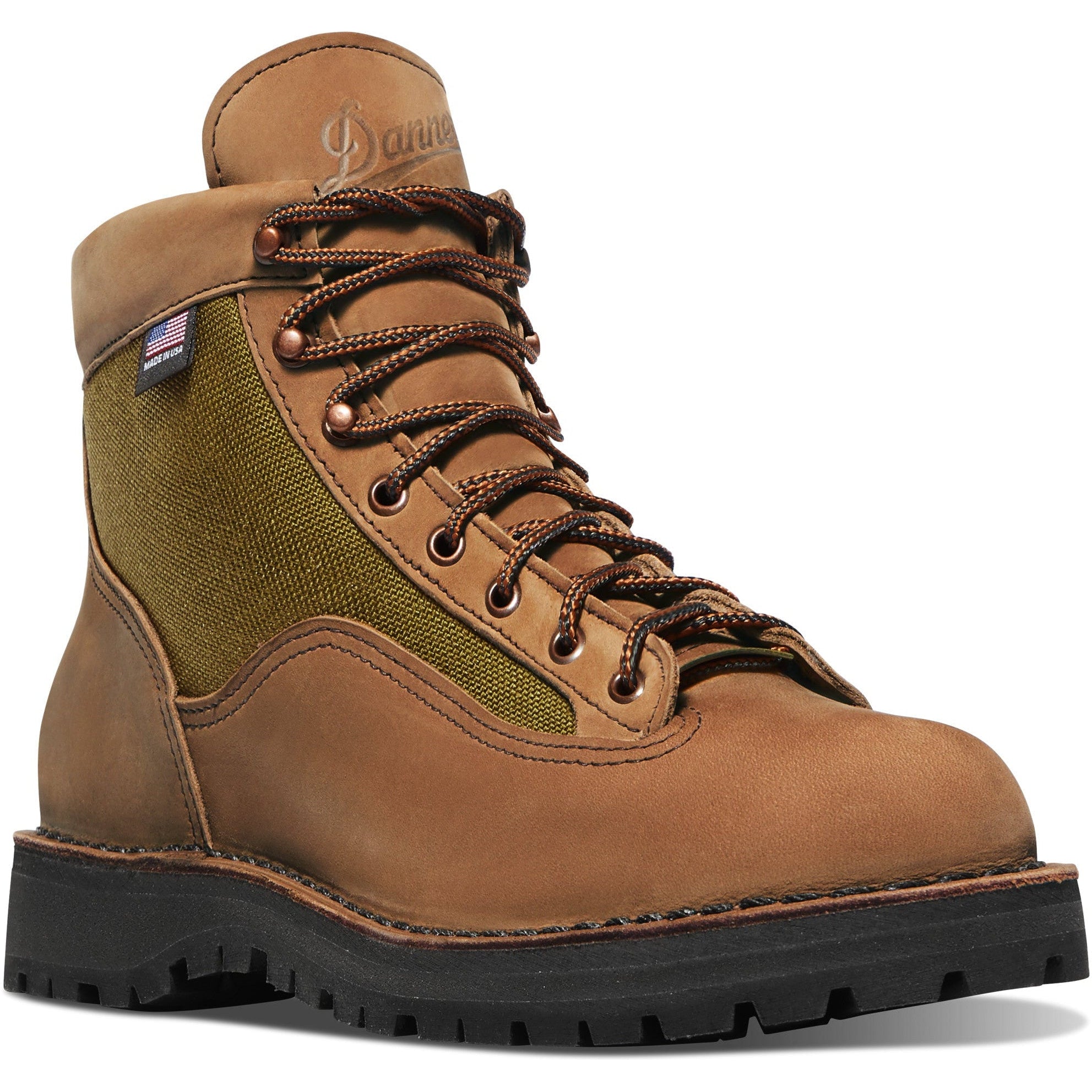
Sale price$479.95
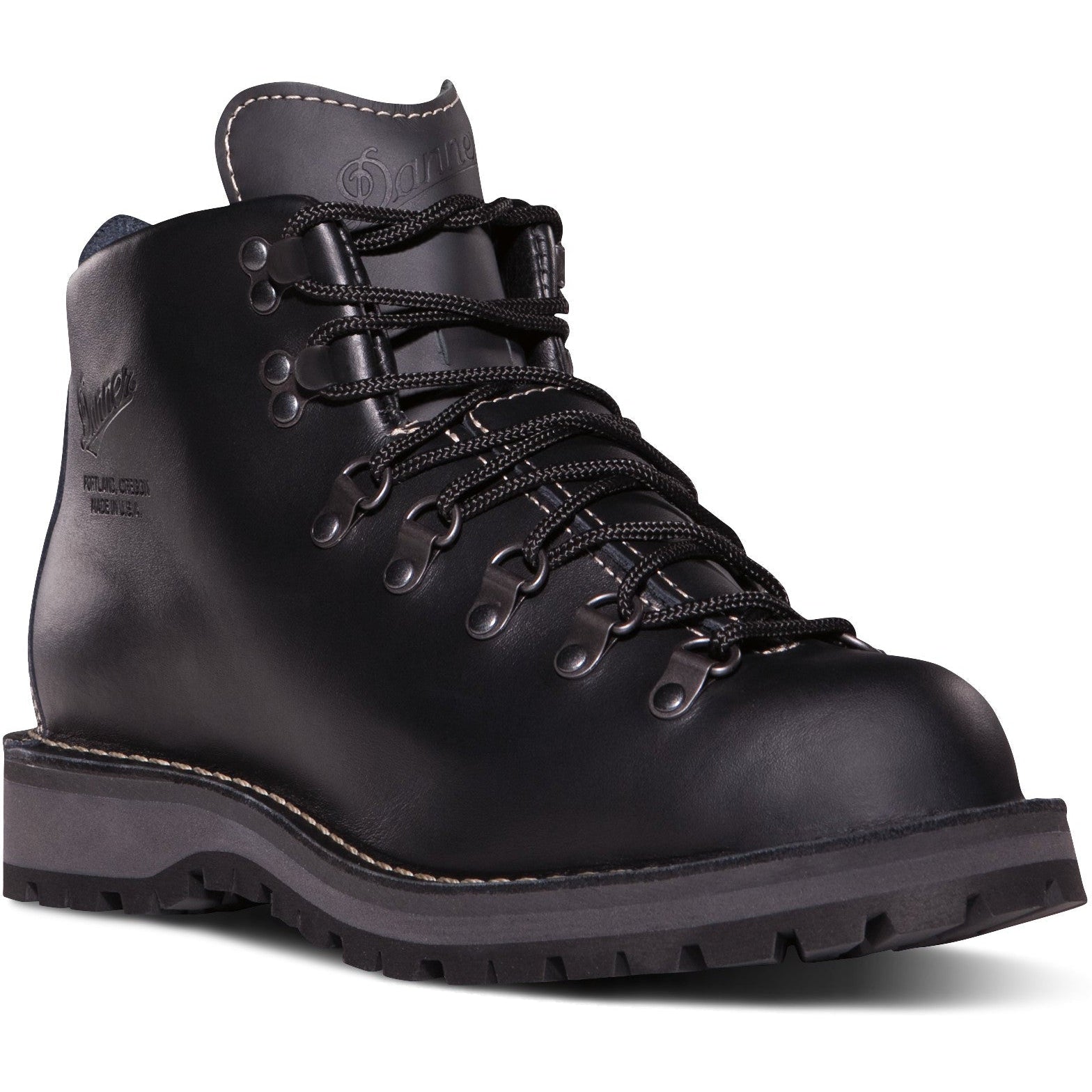
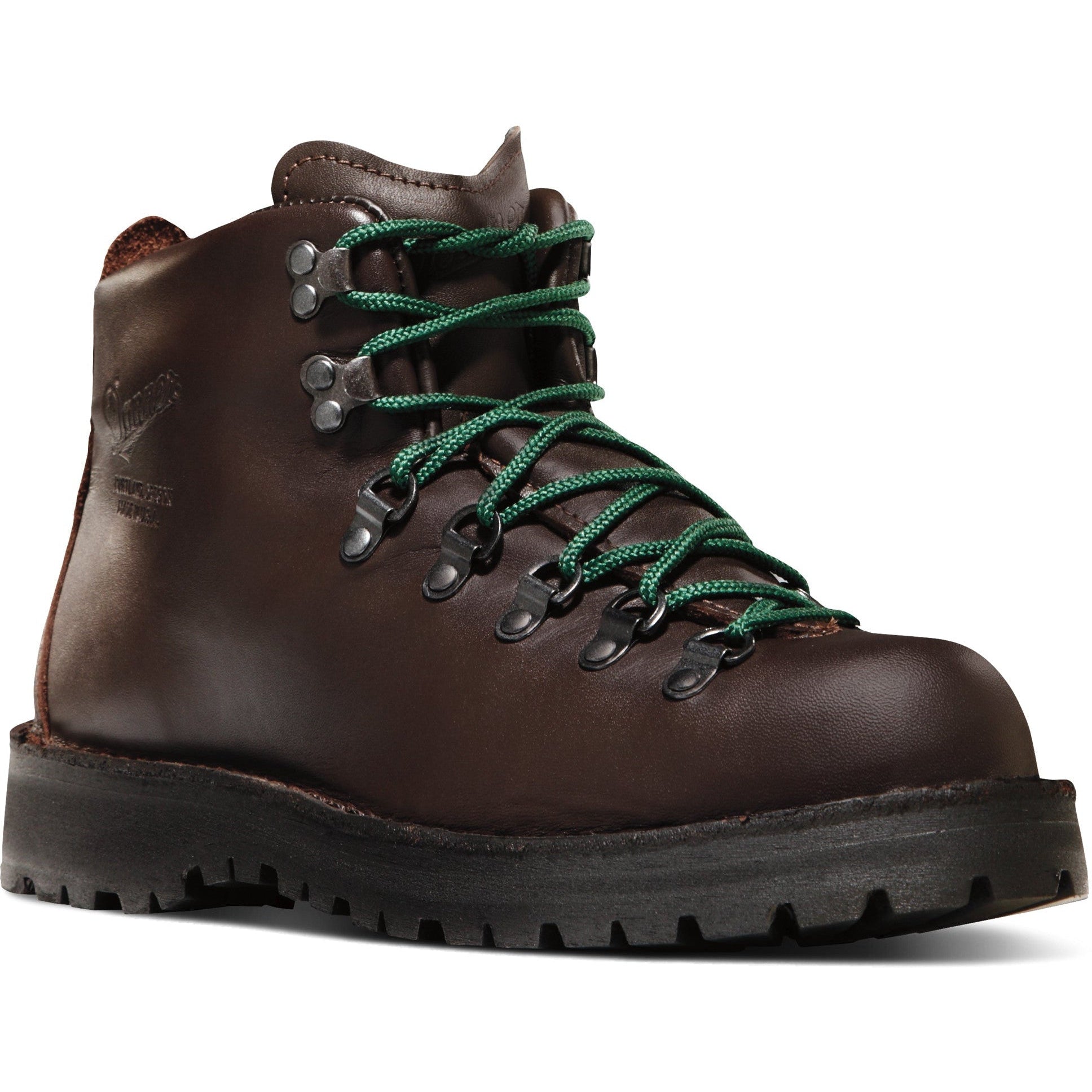
Danner Men's Light II 6" Waterproof USA Made Hiking Boot - Brown - 33000
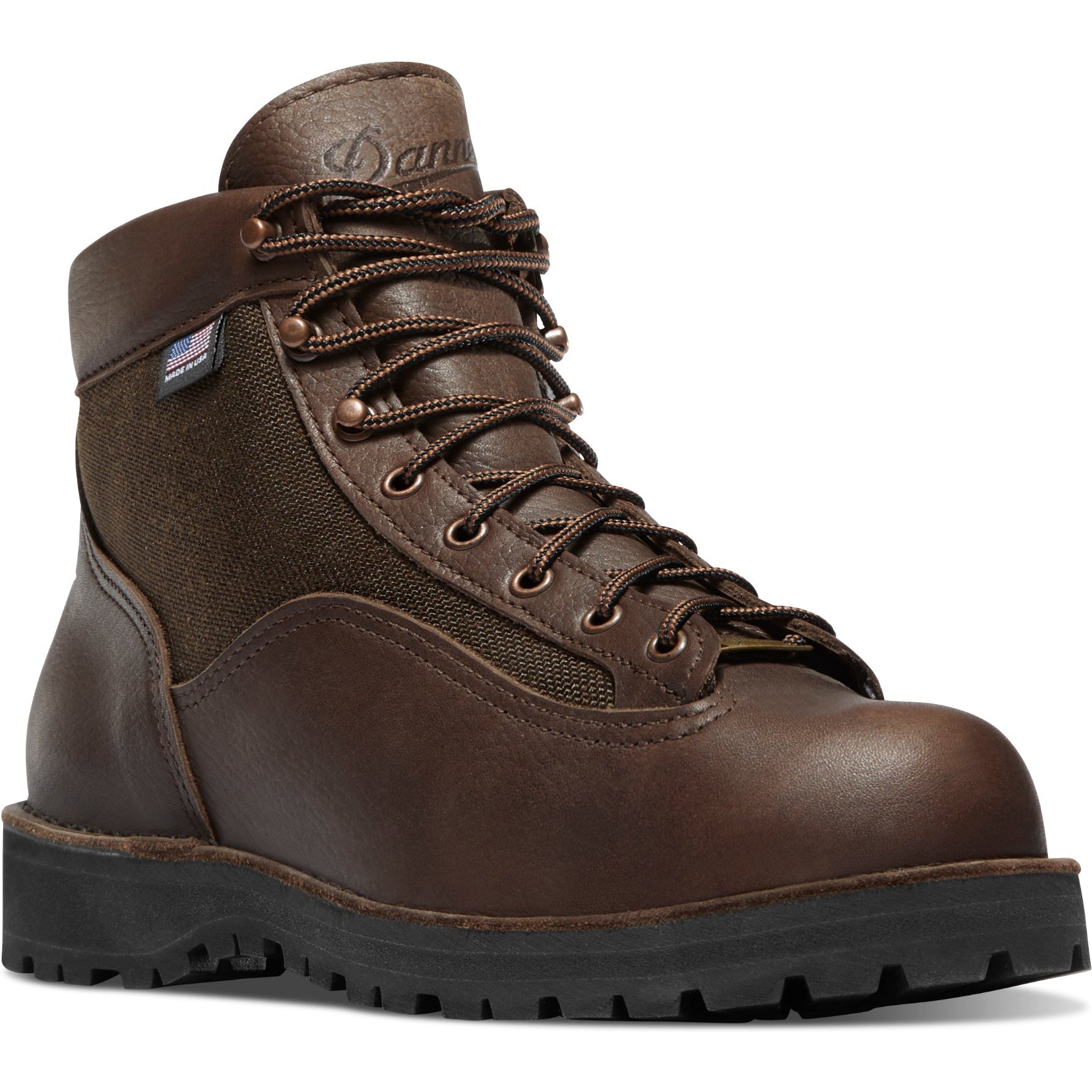
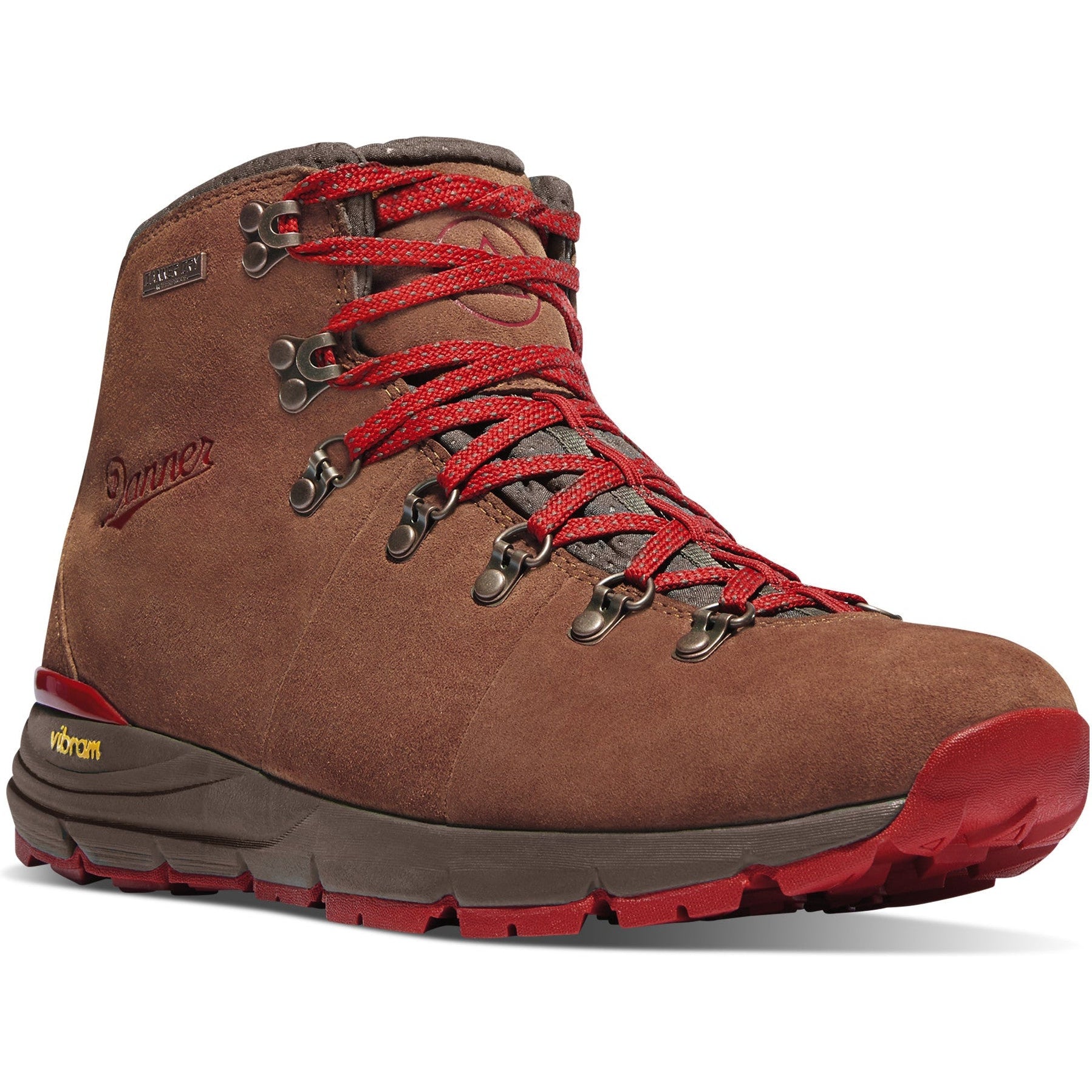
Sale price$219.95
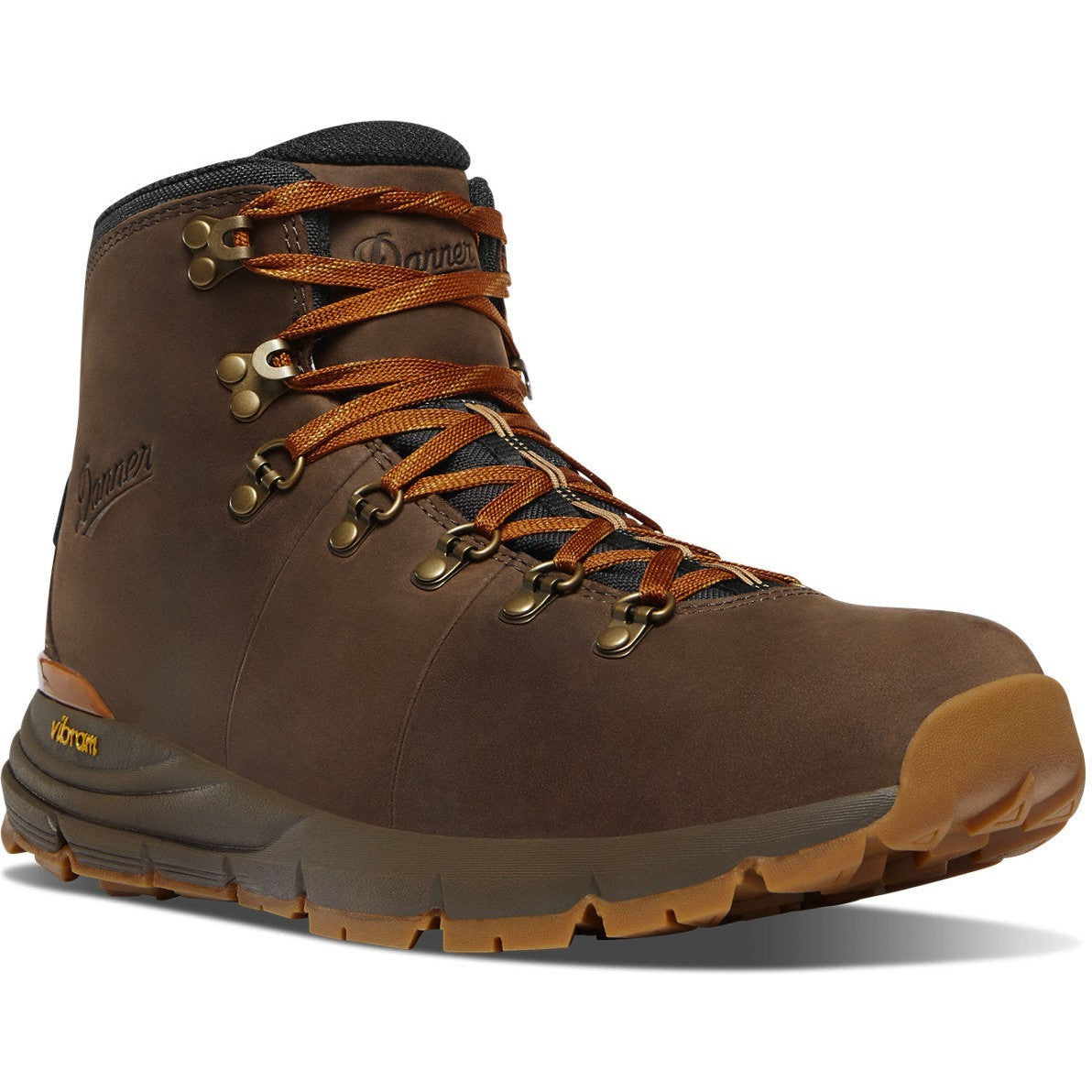
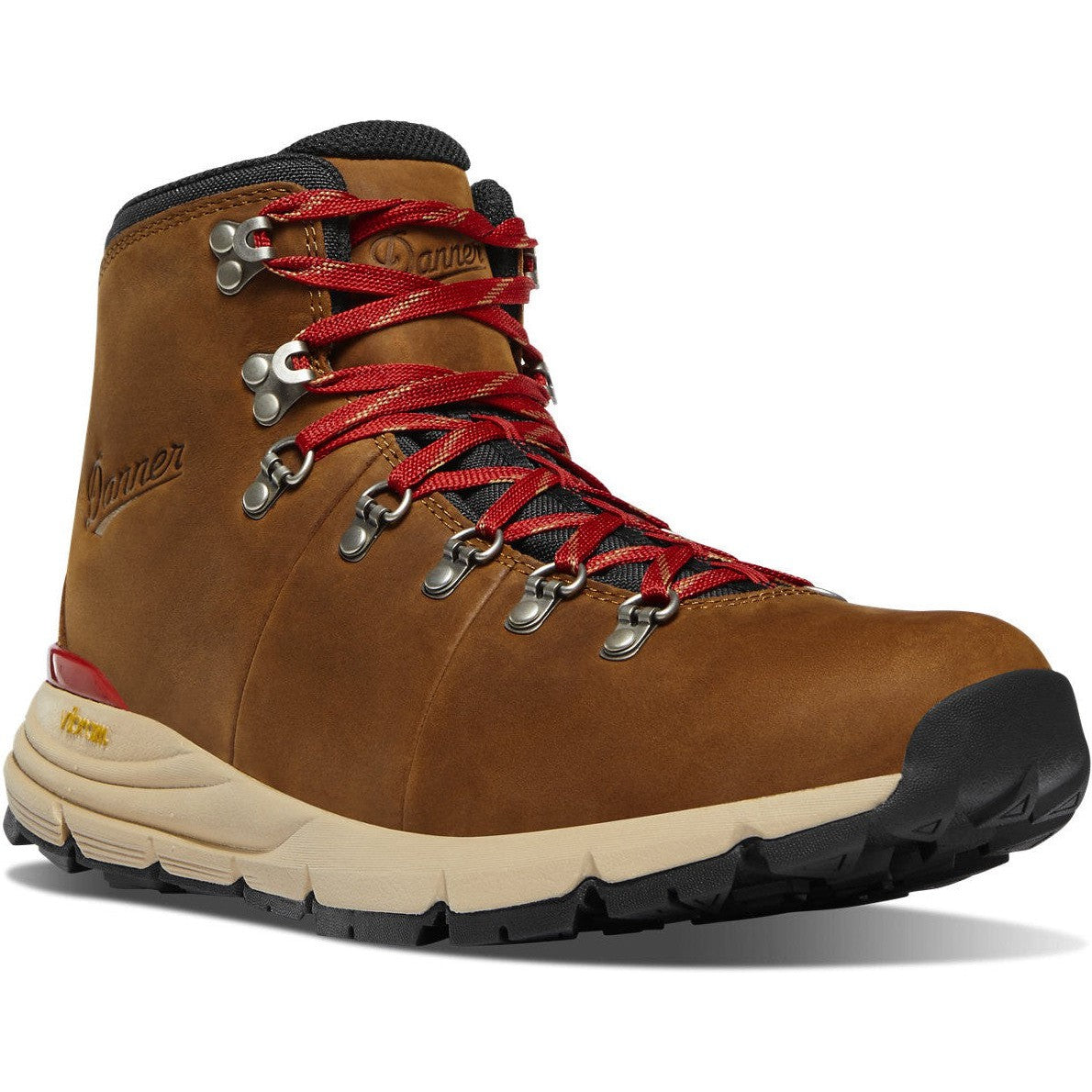
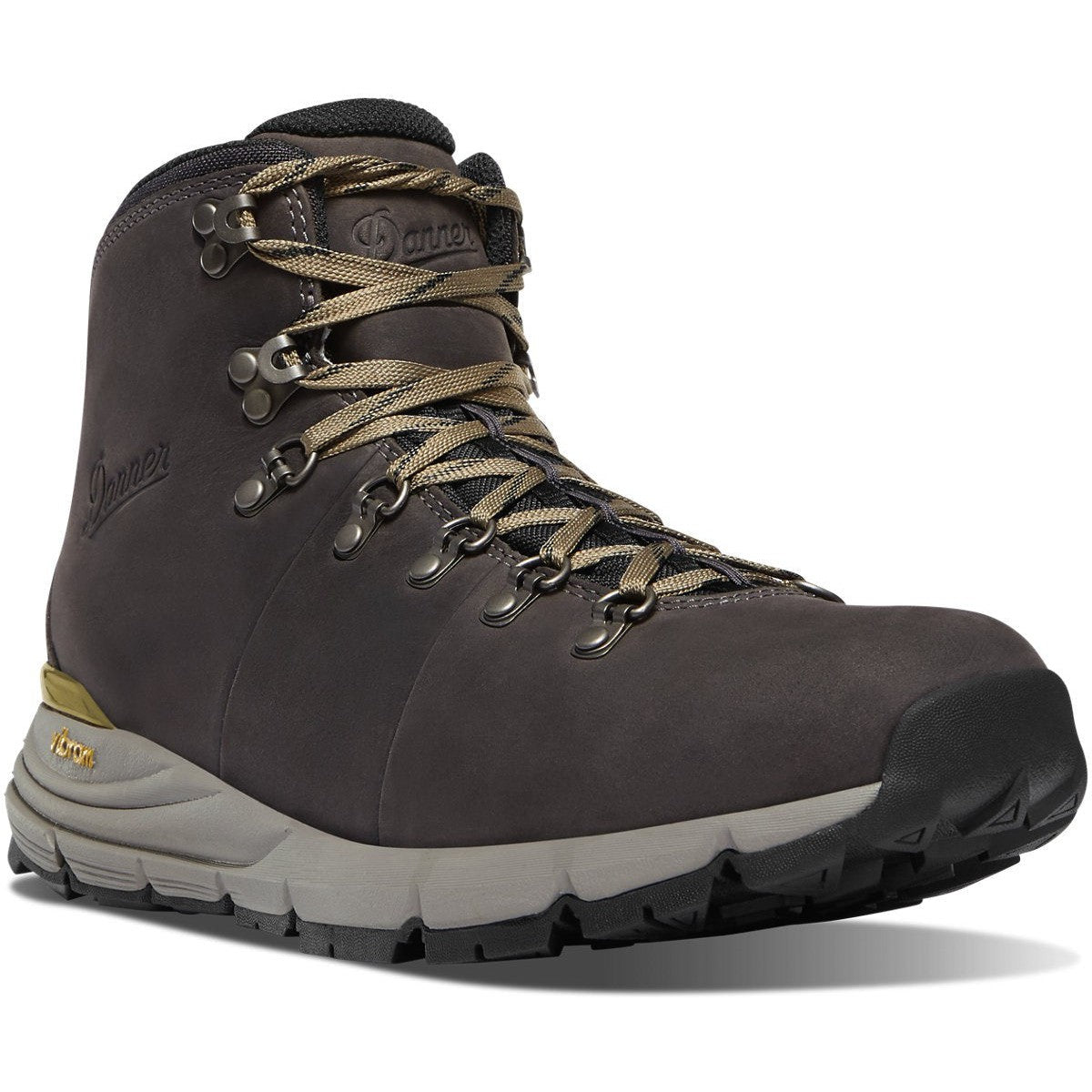
Danner Men's Mountain 600 4.5" Waterproof Hiking Boot - Brown - 62241
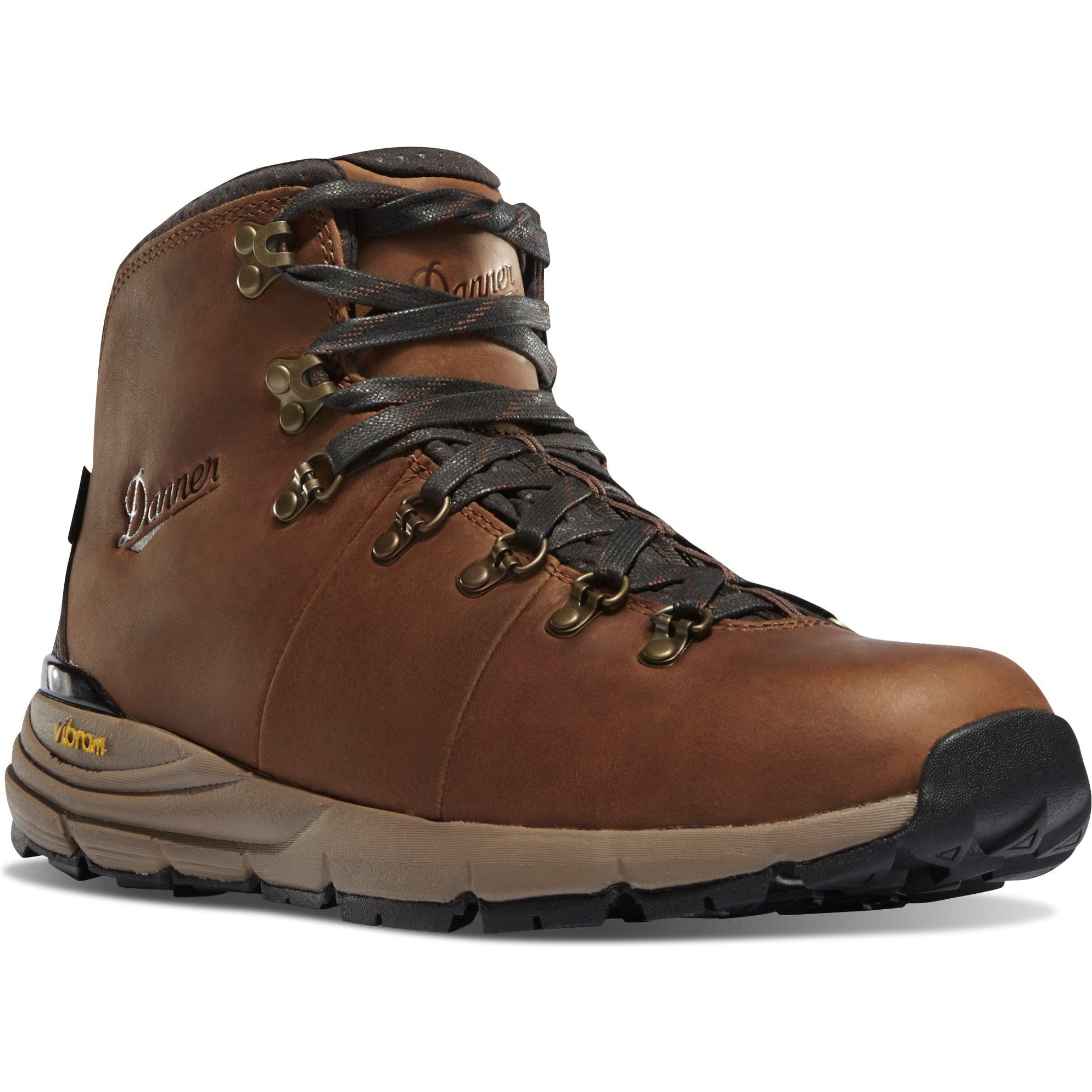
Sale price$229.95
Danner Men's Mountain 600 4.5" Waterproof Hiking Boot - Brown - 62250
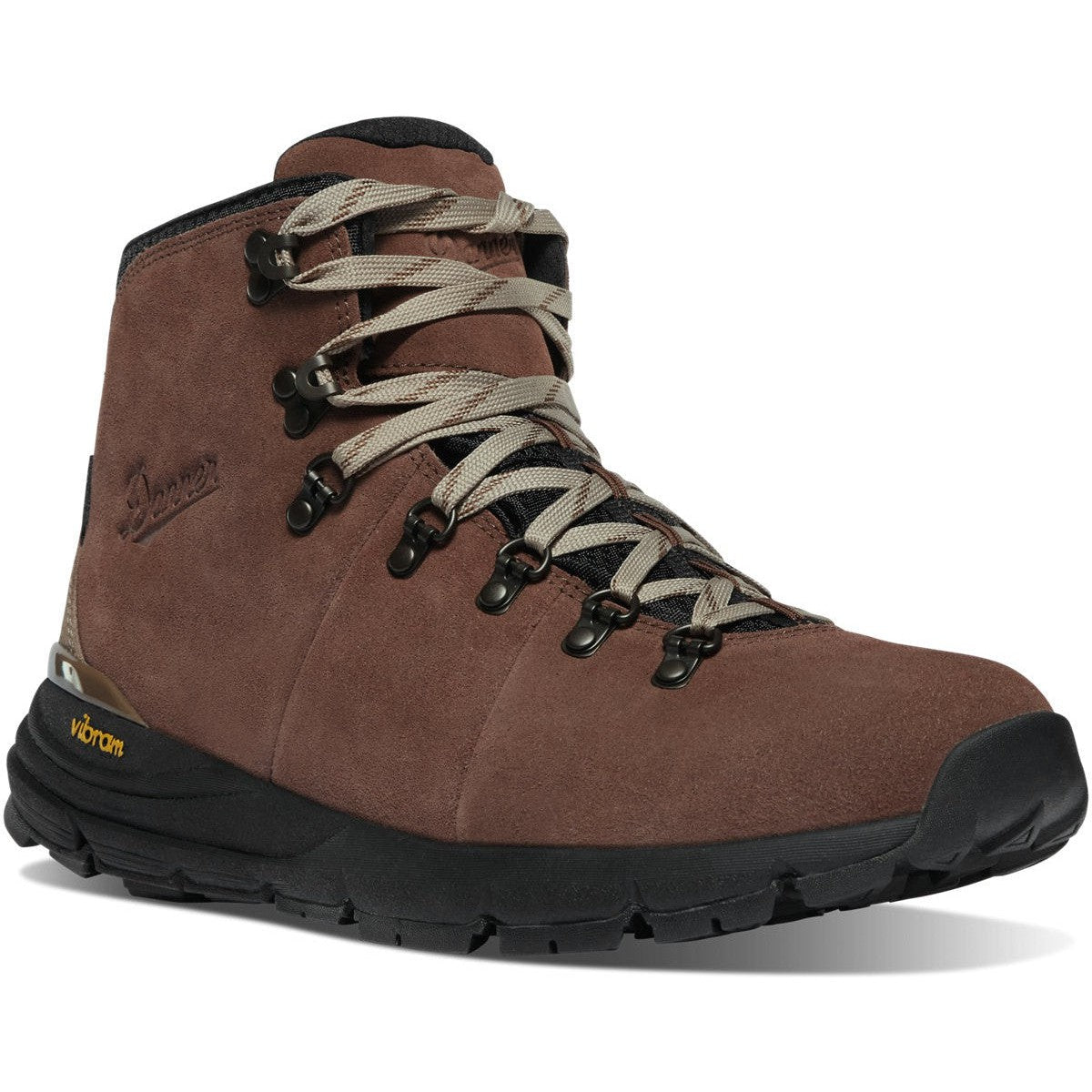
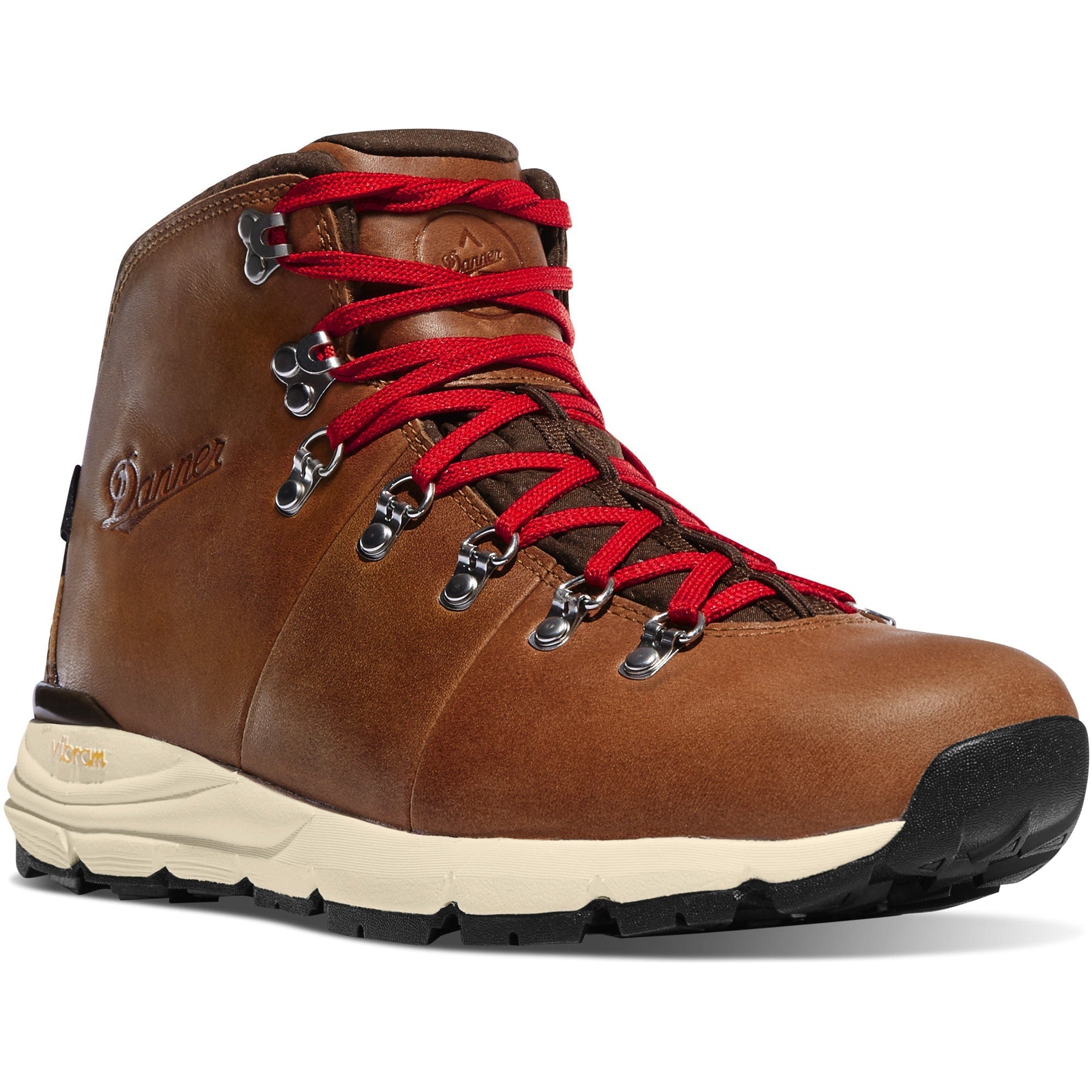
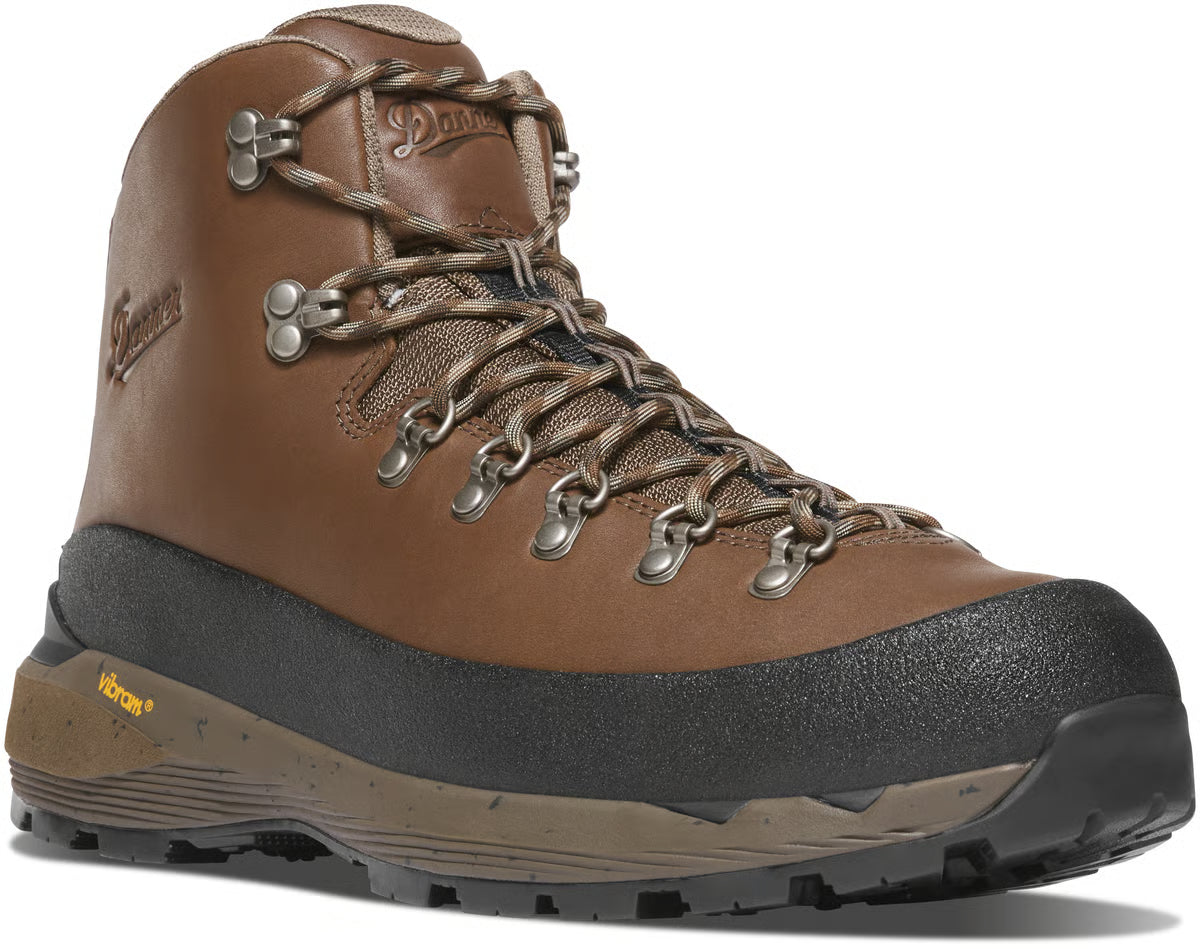
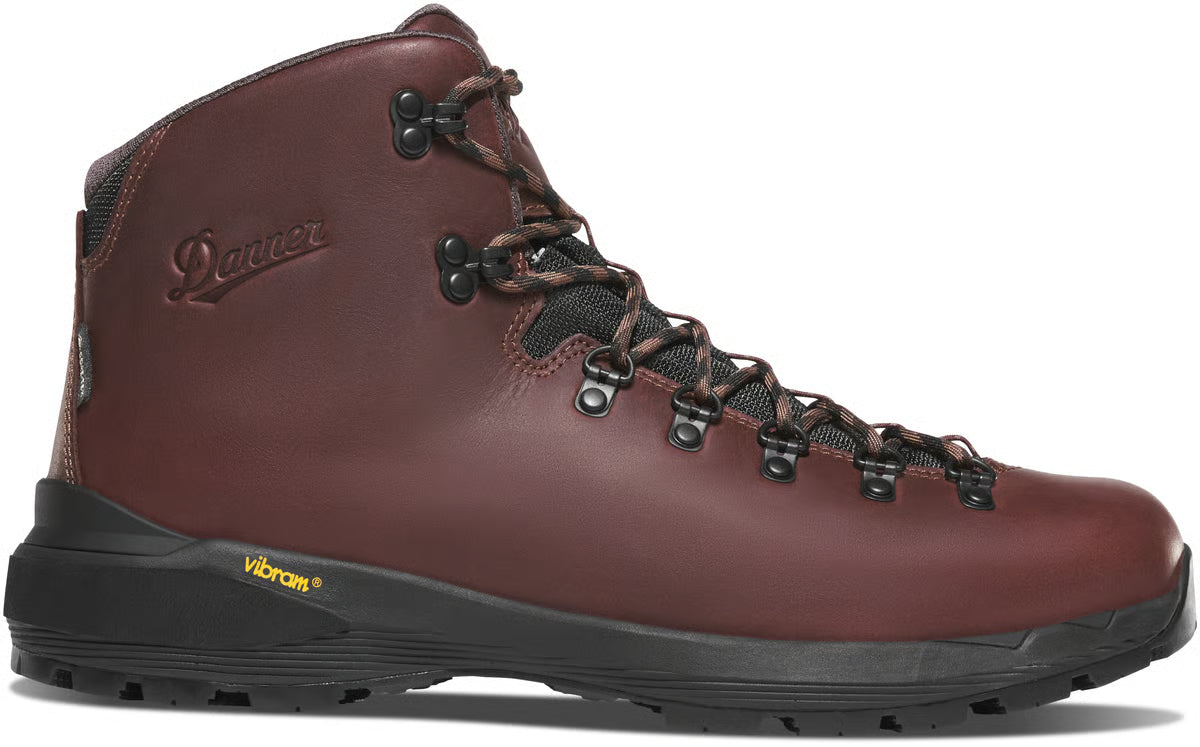
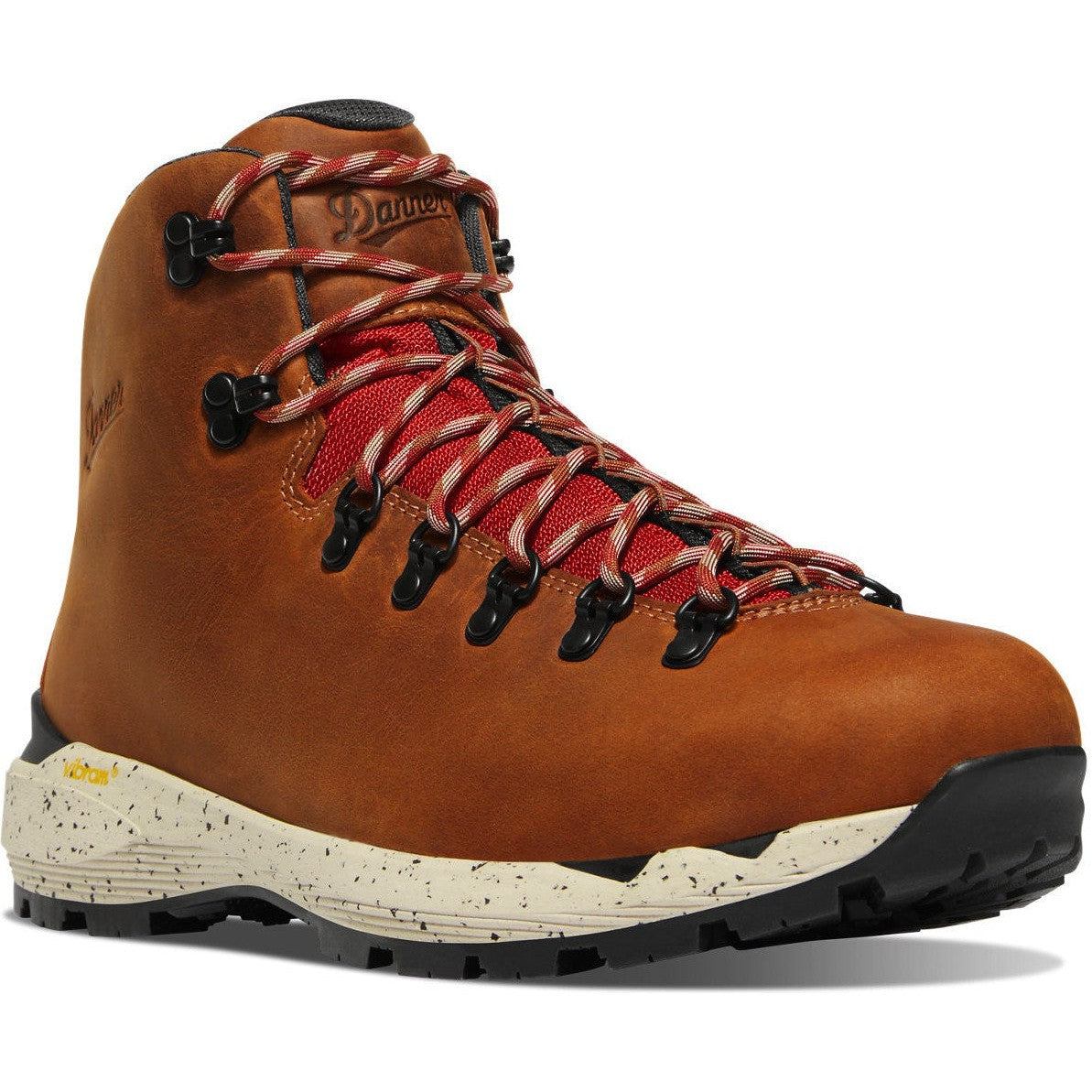
Sale price$279.95
Danner Men's Mountain 600 Evo 4.5" Waterproof Hiking Boot -Brown- 62710
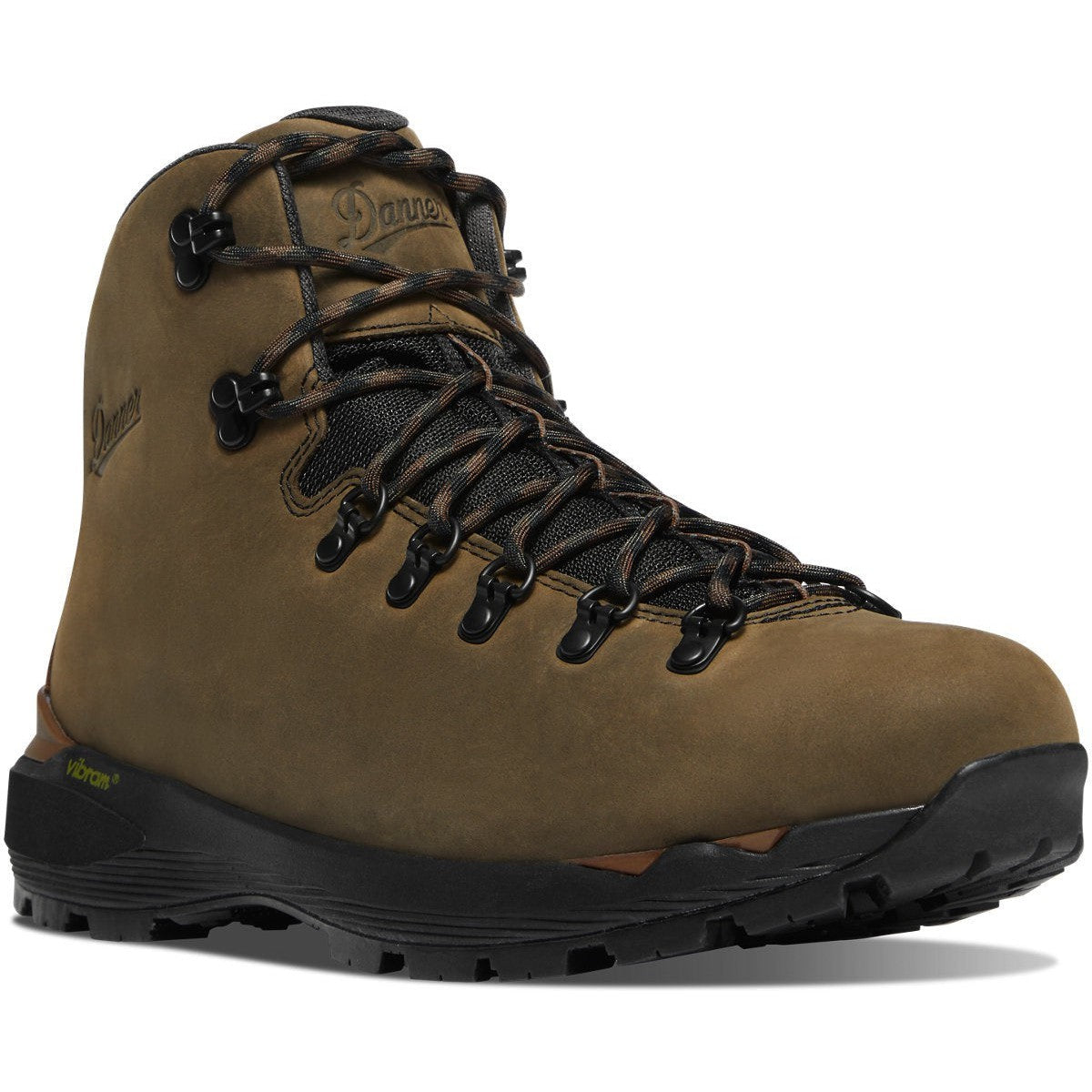
Sale price$279.95
Danner Men's Mountain 600 Evo 4.5" Waterproof Hiking Boot -Brown- 62712
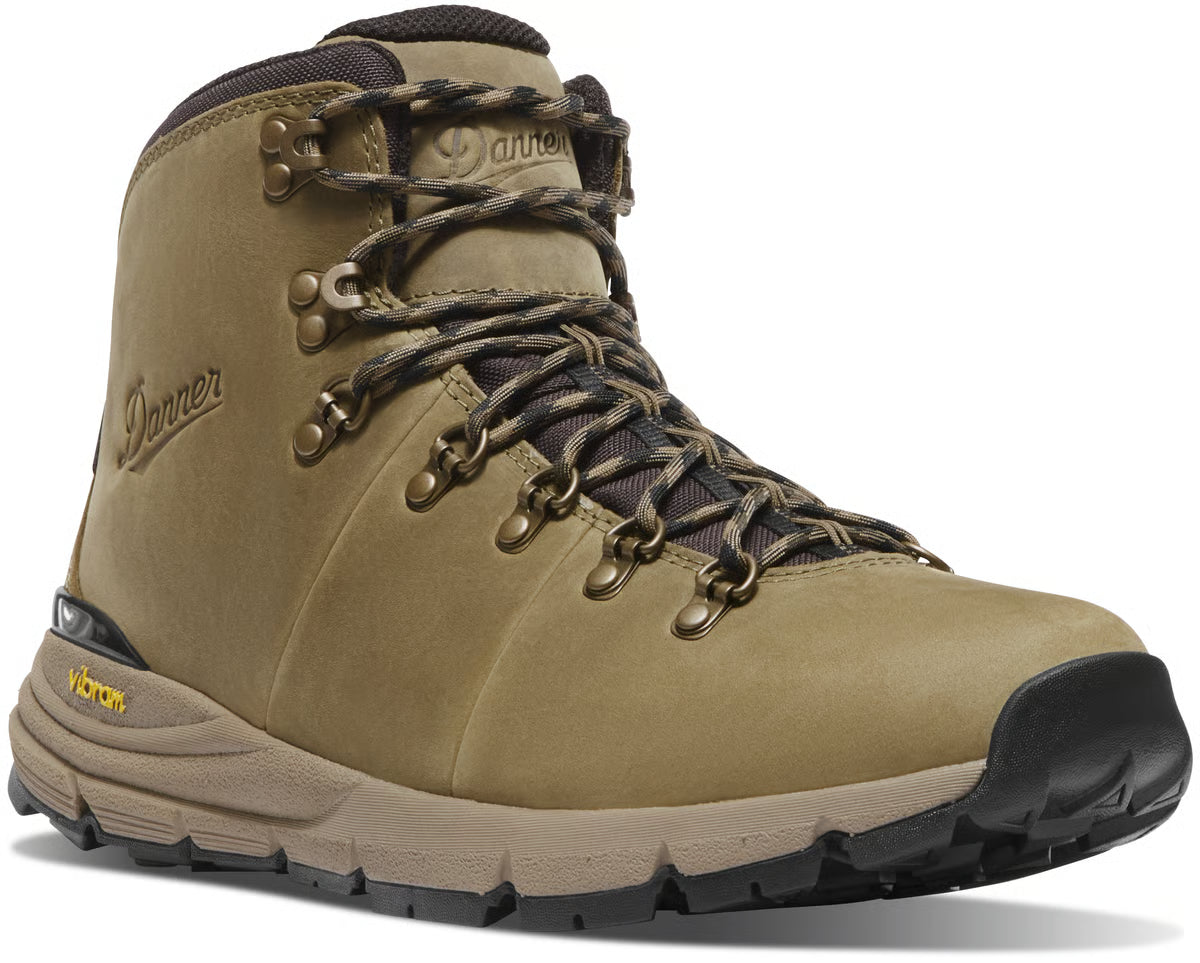
Sale price$249.95
Danner Men's Mountain 600 Leaf Waterproof Hiking Boot - Olive - 62714
Sale price$249.95
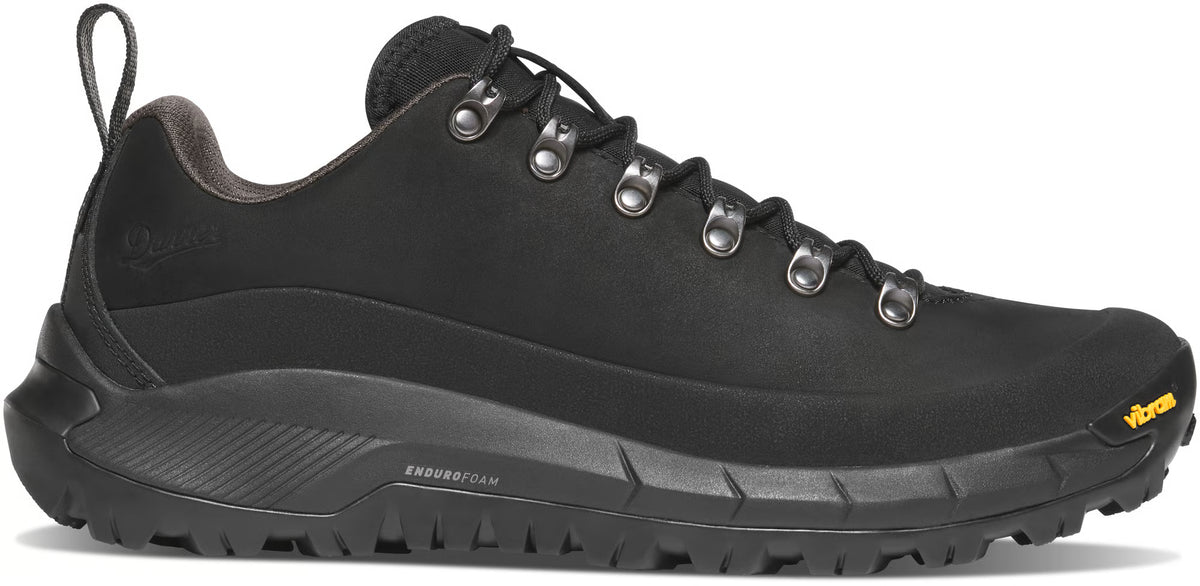
Danner Men's MTN45 Low GTX Waterproof Hiking Shoe - Black - 32852
Sale price$249.95
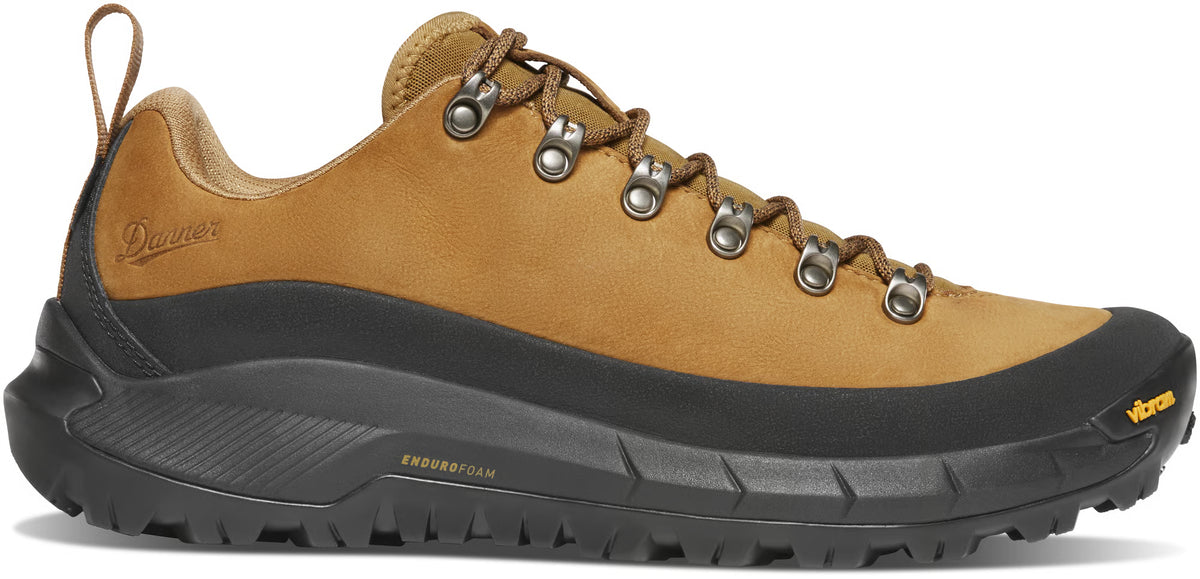
Danner Men's MTN45 Low GTX Waterproof Hiking Shoe - Brown - 32853
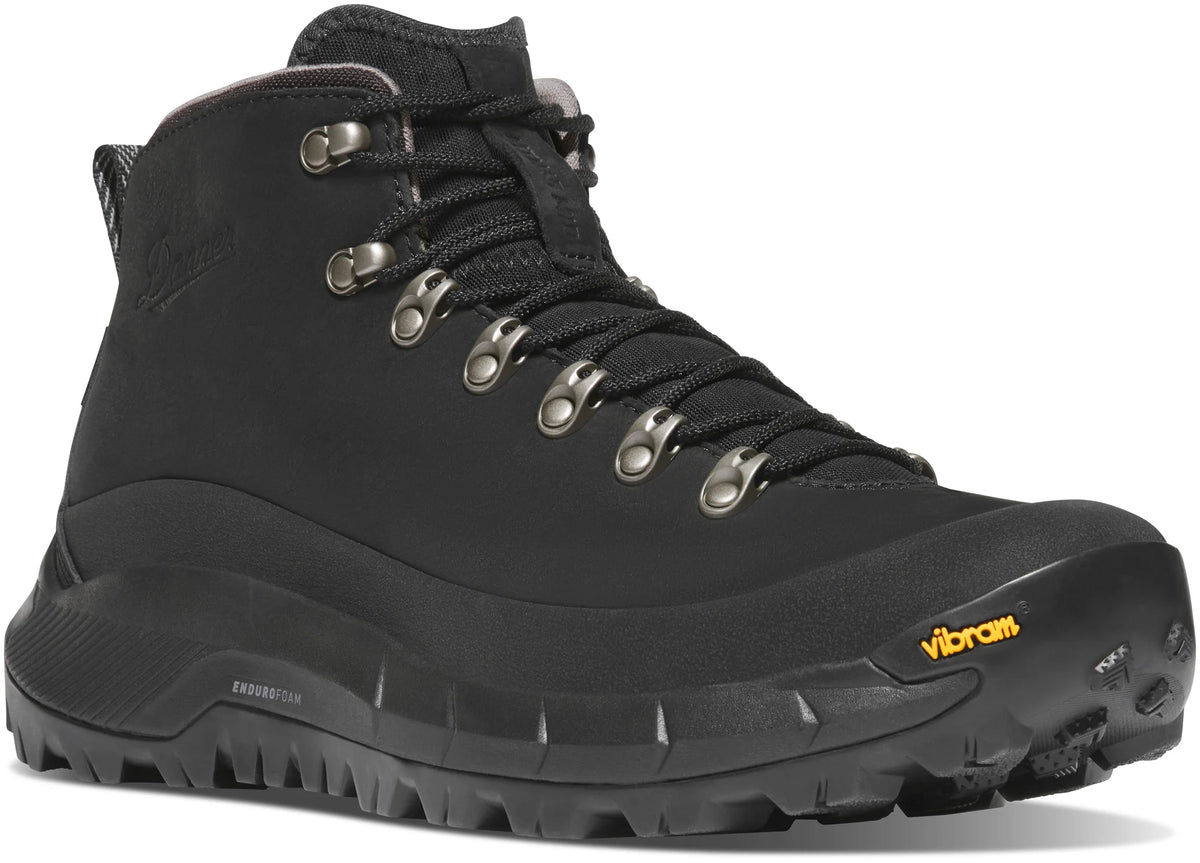
Sale price$269.95
Danner Men's MTN45 Mid GTX Waterproof Hiking Boot - Black - 32885
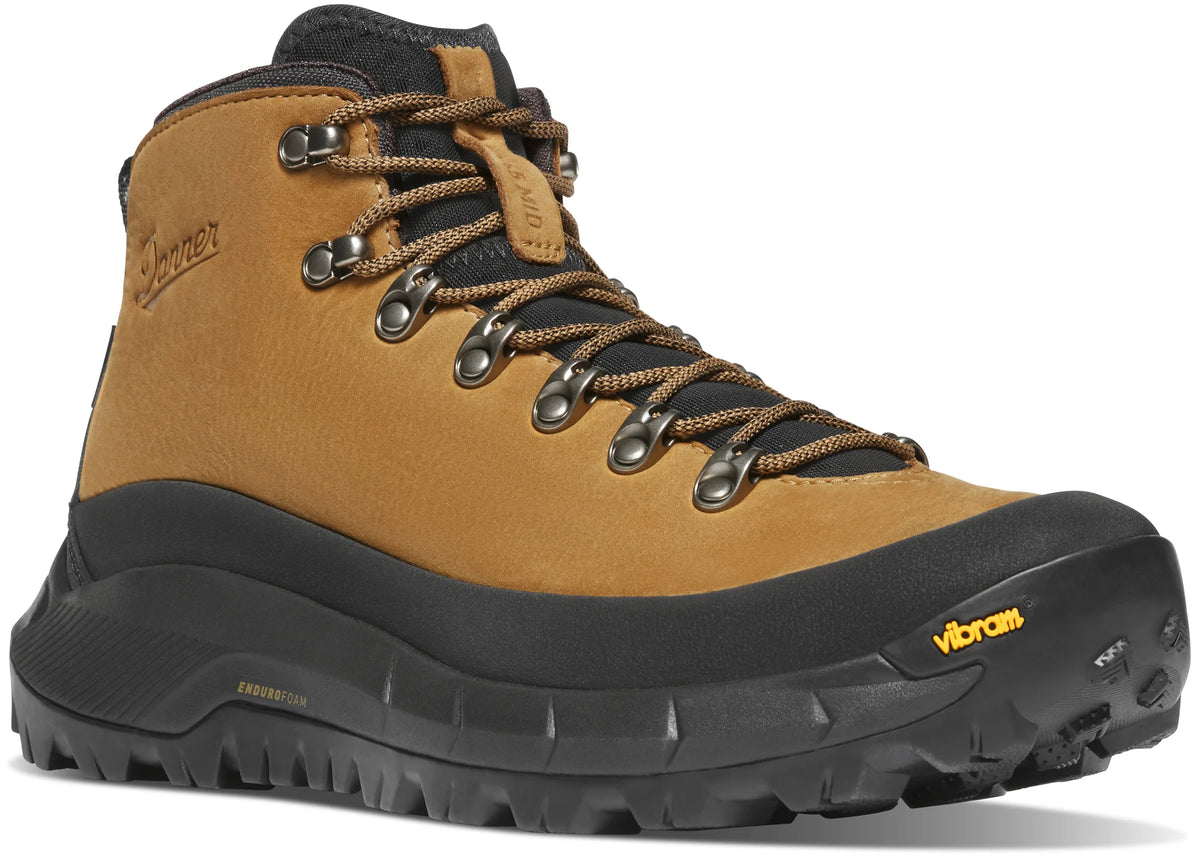
Sale price$269.95
Danner Men's MTN45 Mid GTX Waterproof Hiking Boot - Brown - 32887
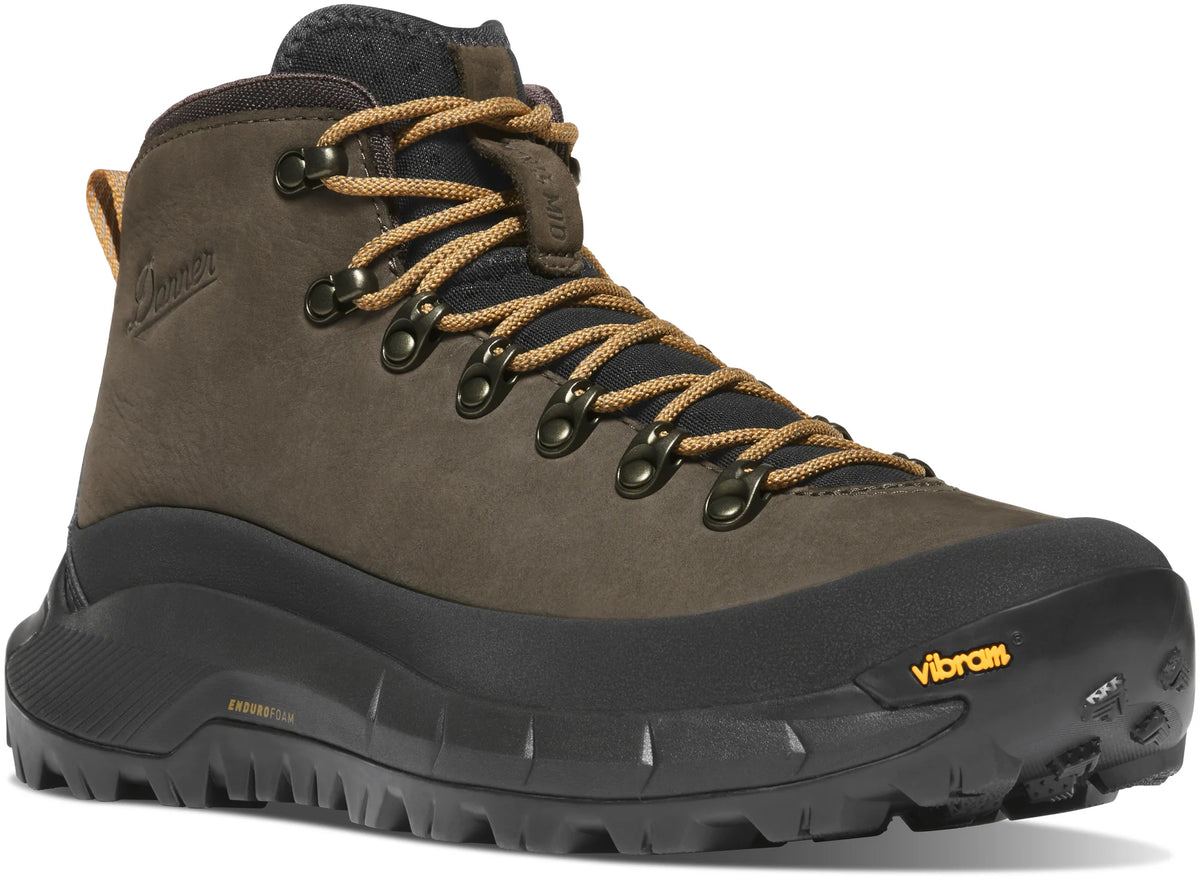
Sale price$269.95
Danner Men's MTN45 Mid GTX Waterproof Hiking Boot - Green - 32886
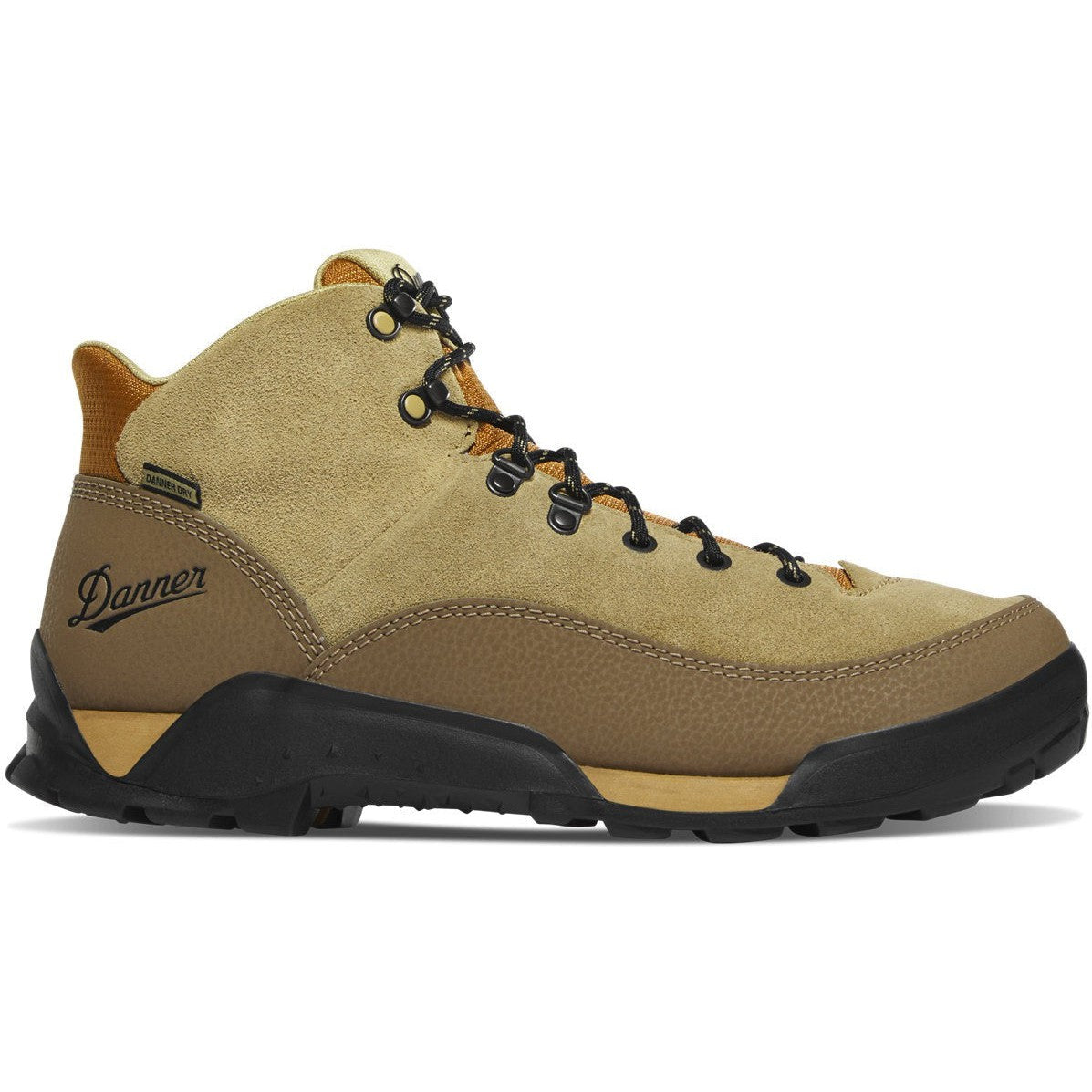
Sale price$189.95
Danner Men's Panorama 6" Waterproof Hiking Boot -Bronze- 63438
Sale price$169.95
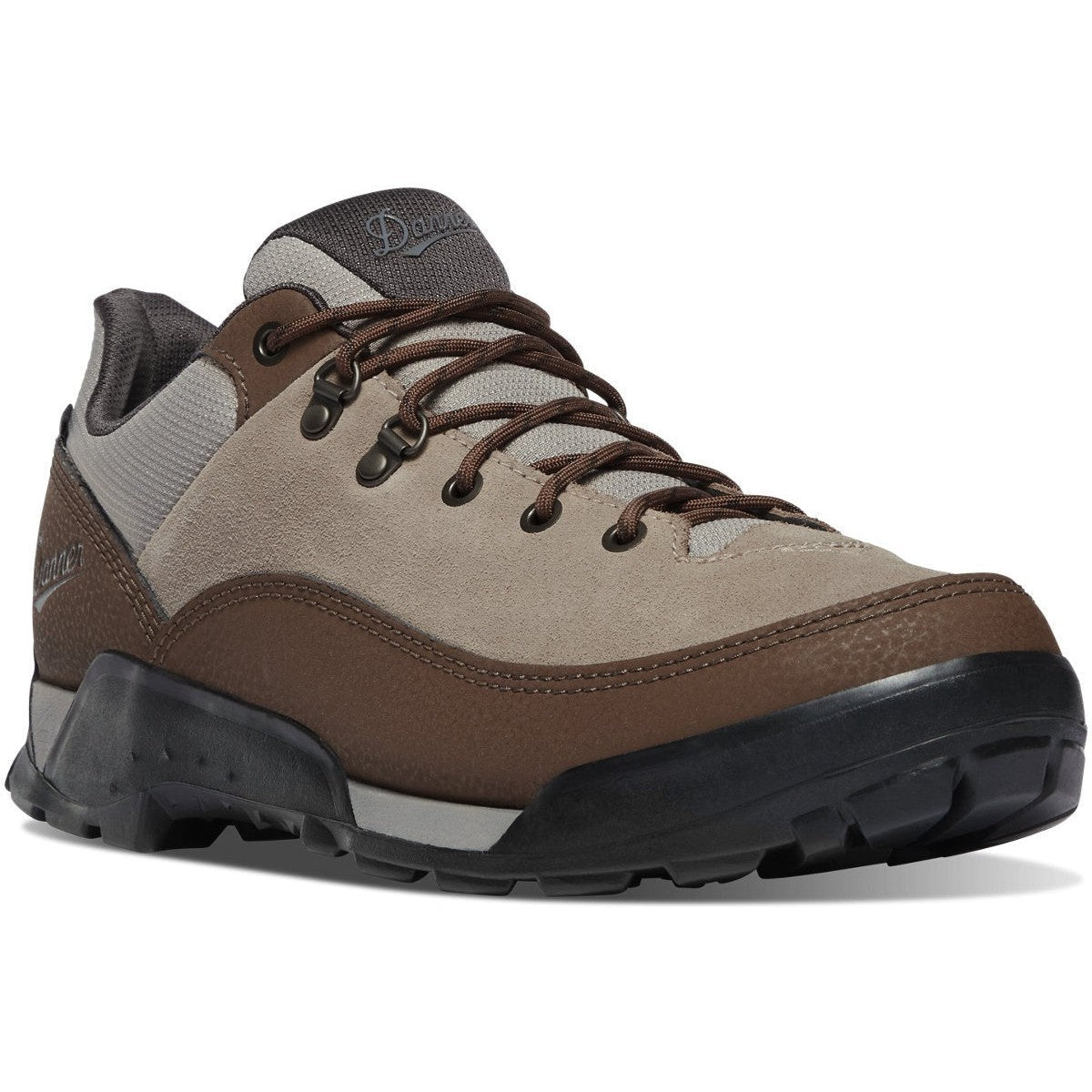
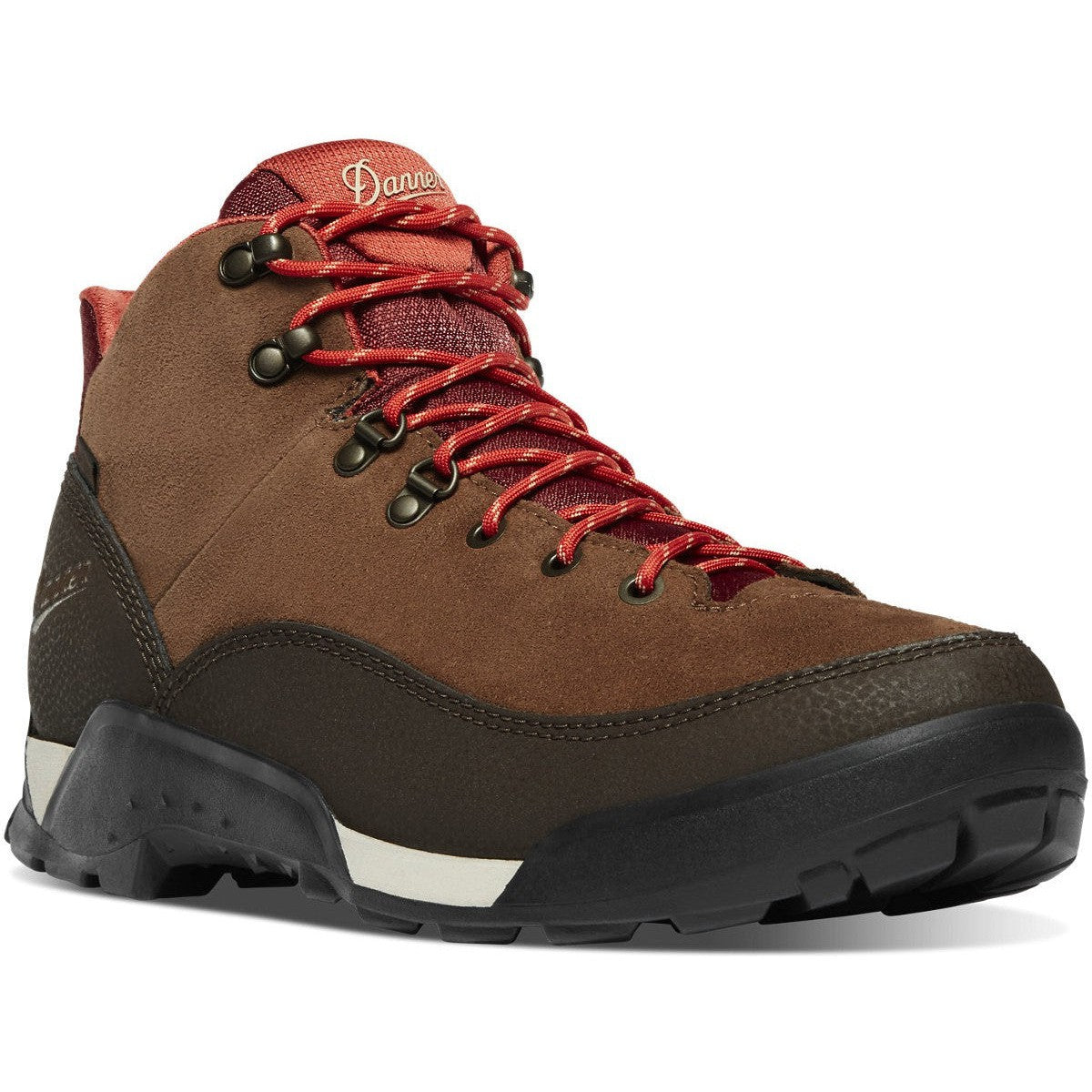
Danner Men's Panorama Low 4" Waterproof Hiking Shoe -Dark Earth- 63472
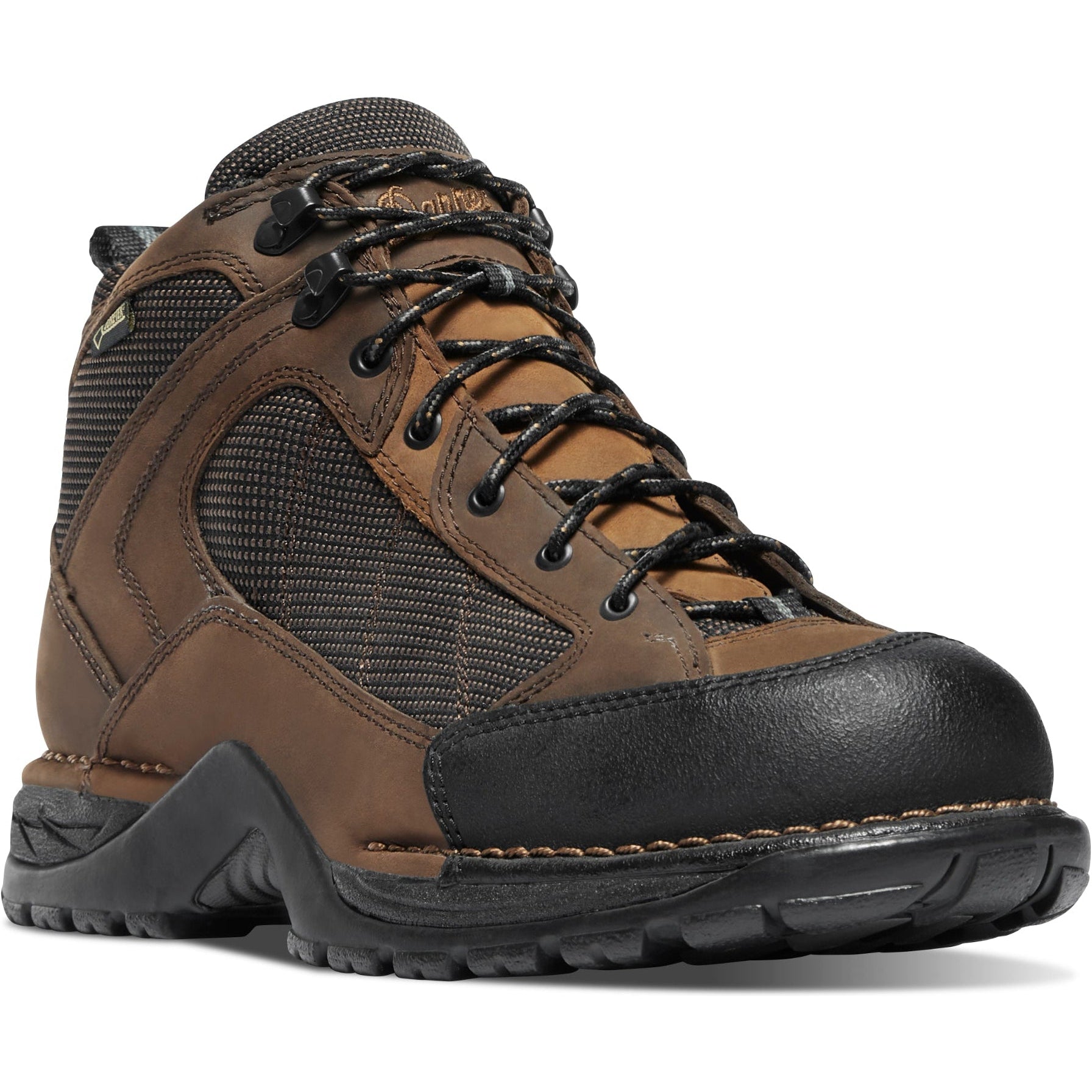
Sale price$239.95
Regular price$250.00
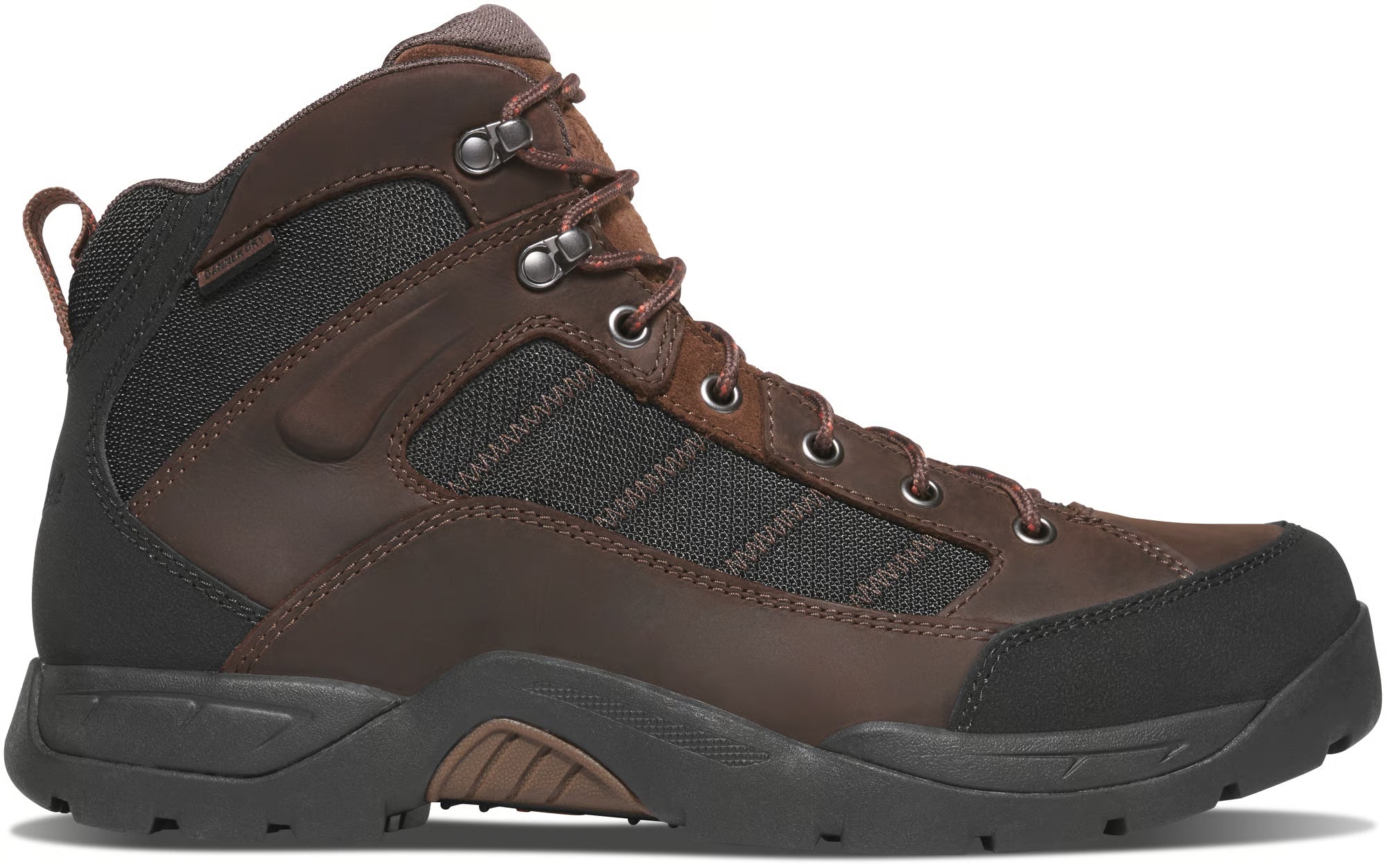
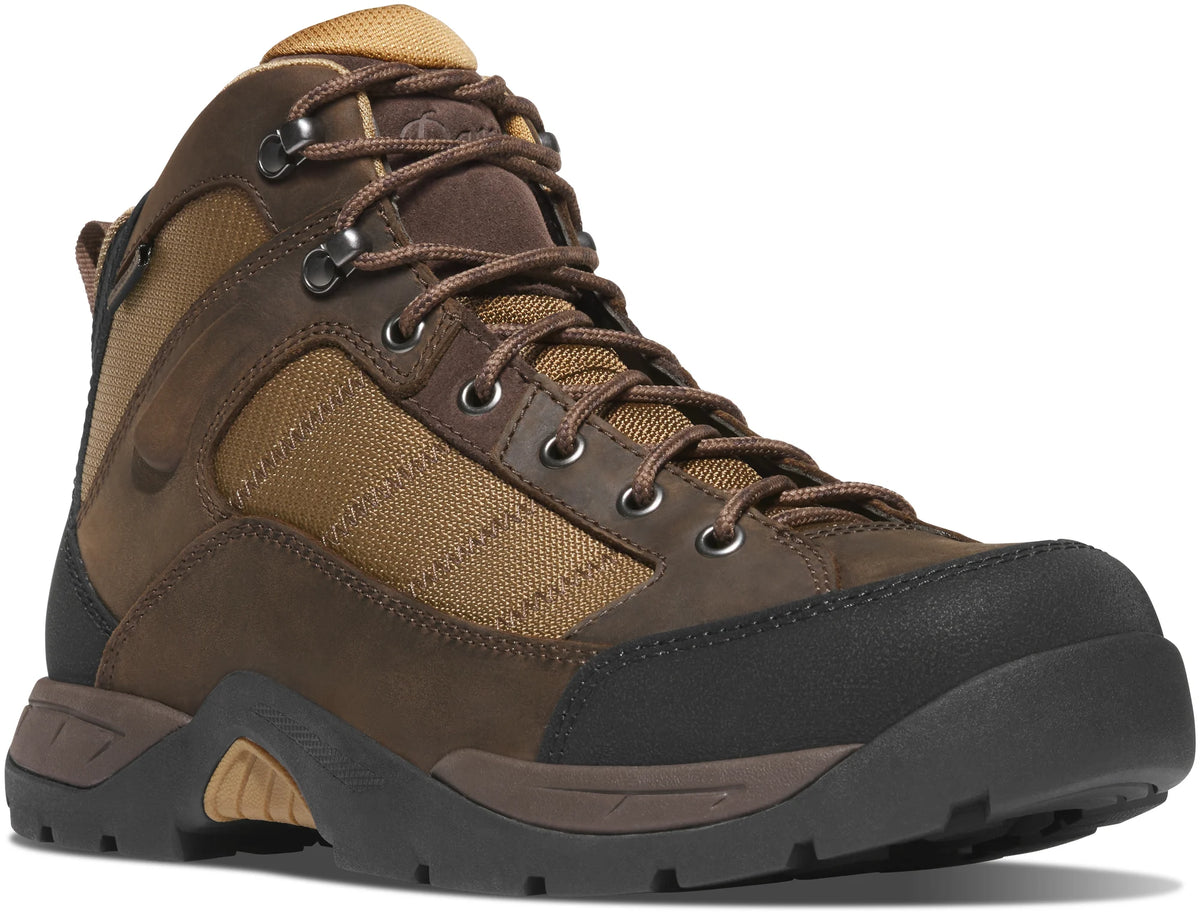
Danner Men's Radical 452 5.5" Waterproof Hiking Boot - Dark Brown - 45254
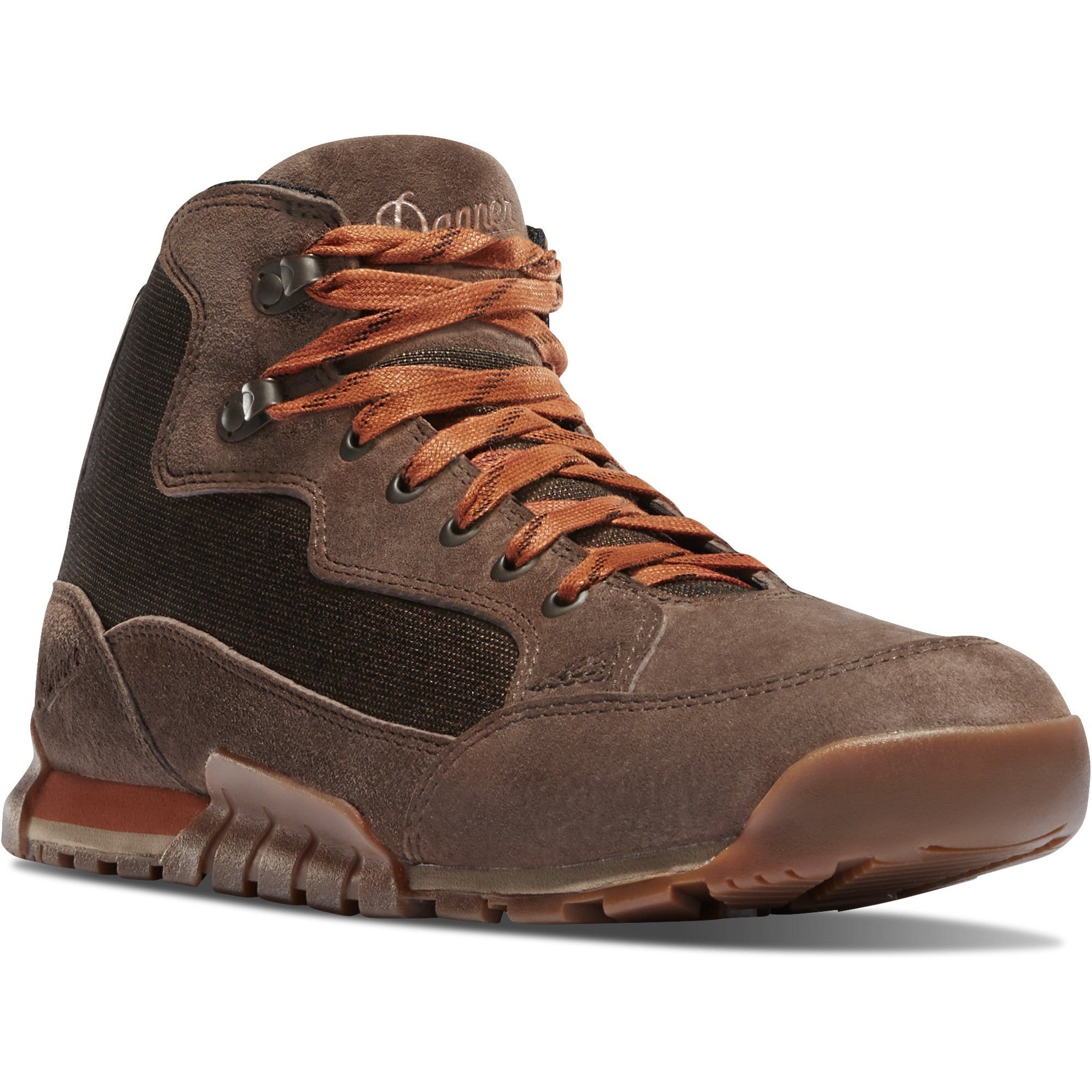
Sale price$189.95
Danner Men's Skyridge 4.5" Waterproof Hiking Shoe - Dark Earth - 30162
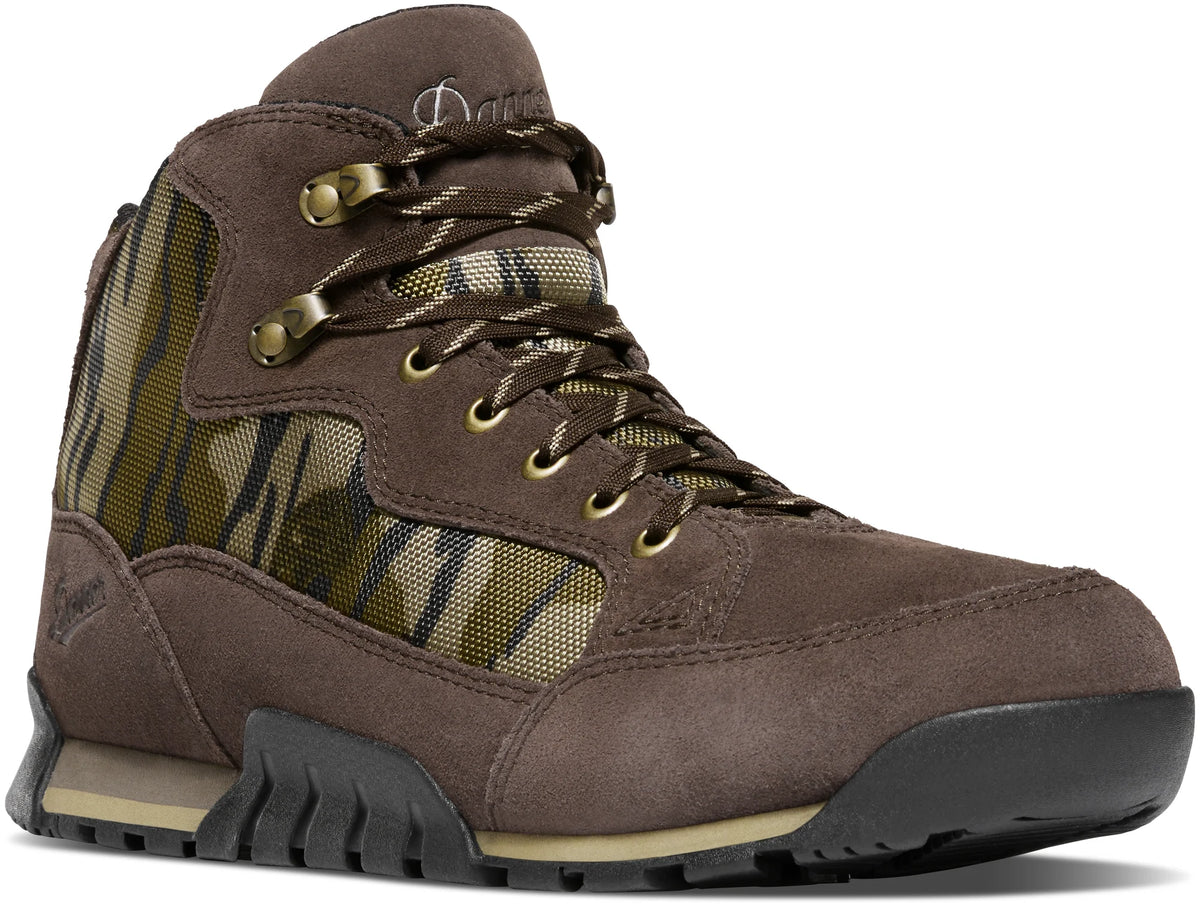
Sale price$199.95
Danner Men's Skyridge Waterproof Hiking Shoe - Mossy Oak - 30163
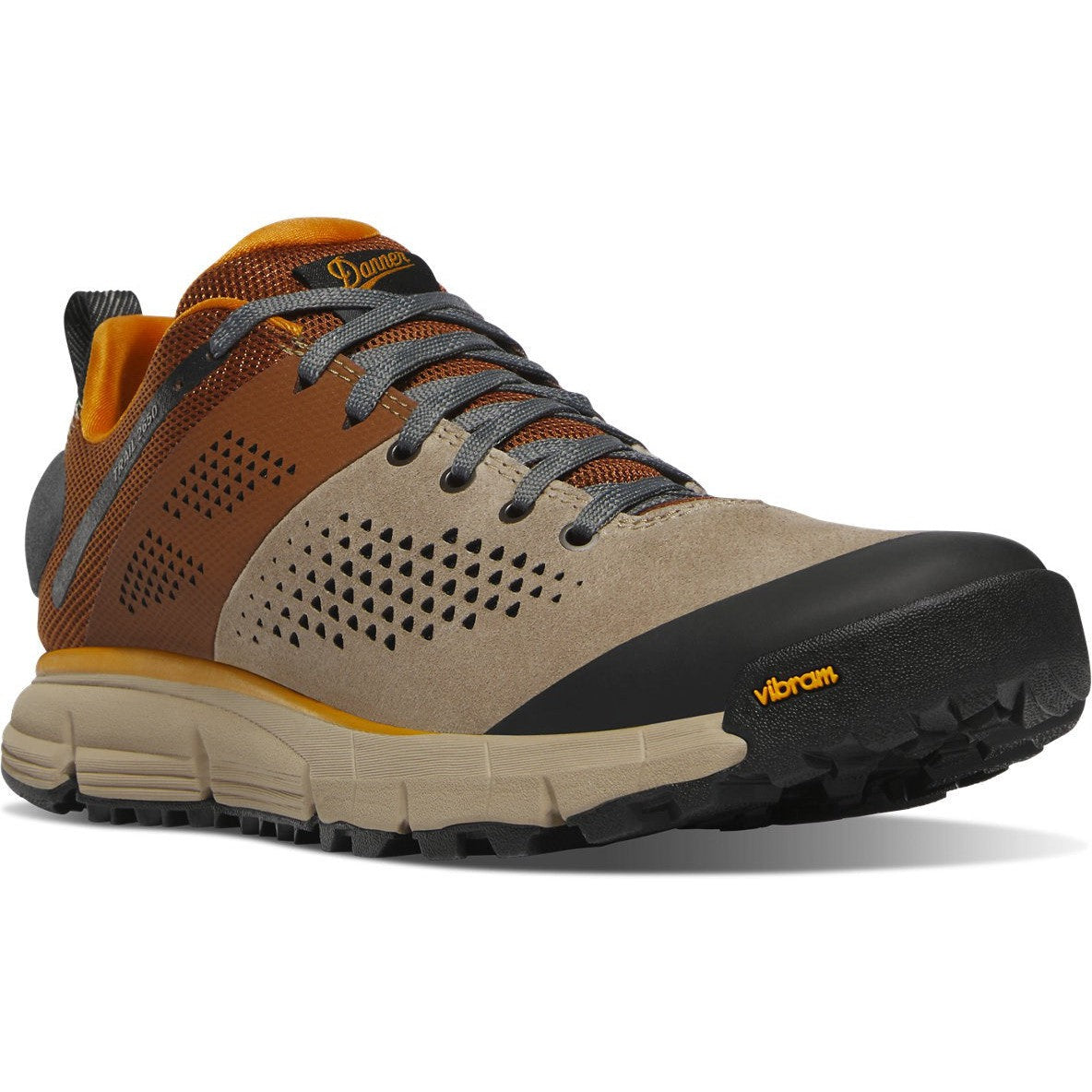
Sale price$189.95
Danner Men's Trail 2650 3" Hiking Shoe -Timber Wolf/Bone Brown- 61301
Frequently Asked Questions
In cold and wet conditions, yes, since wet feet in the cold are genuinely dangerous rather than just unpleasant. In hot conditions the case is much weaker, because a membrane restricts airflow, your feet sweat, and once water comes over the collar the membrane holds it against your skin. Non-waterproof boots dry far faster after a soaking. Choose by climate rather than by default.
The membrane has pores far smaller than a water droplet but larger than a water vapor molecule, so liquid cannot push in from outside while sweat vapor can escape. The driving force is the humidity difference across the membrane, which is why breathability works well in cold dry air and poorly in hot humid air where the outside is already saturated.
Gore-Tex is licensed, and manufacturers build to Gore's specification with the finished boot tested before it can carry the name. A house-brand membrane may perform just as well, but the boot has not been verified the same way. If you spend real time in wet conditions the verification is worth paying for. See our Gore-Tex work boots range.
Almost always sweat rather than leakage, especially in warm weather when the membrane cannot breathe effectively. The other common cause is water coming in over the collar, which no membrane can prevent. If the boot genuinely wets through, check whether the outer leather is wetting out, which is a worn water-repellent finish rather than a failed membrane and is fixable.
The outer water-repellent finish can be restored by cleaning the boot and reapplying a treatment, and that fixes the most common complaint, which is leather wetting out and feeling soaked even though the membrane is intact. A genuinely failed membrane cannot be repaired or replaced, so treat waterproofing as a finite feature over the life of the boot.
Remember a waterproof boot only protects to its collar, so height determines how deep you can cross. A low waterproof shoe is protecting you from wet grass and puddles, not from a stream. If you regularly cross water, a 6 or 8-inch boot does considerably more for you than a better membrane on a low shoe.
Lukewarm water, a soft brush, and a cleaner made for the purpose rather than detergent, which leaves residue that blocks breathability. Dirt and oil clogging the outer fabric is a common reason boots start feeling clammy. Dry at room temperature away from direct heat, since heat damages both leather and membrane adhesives.
Somewhat, since restricted airflow means less cooling, but the membrane provides no meaningful insulation on its own. Warmth comes from a separate insulating lining measured in grams. A waterproof uninsulated boot is a three-season boot rather than a winter one. Insulation weight is stated in every product title where it applies.
Recently viewed
Our Top Brands