Sale price$414.95
Regular price$425.00
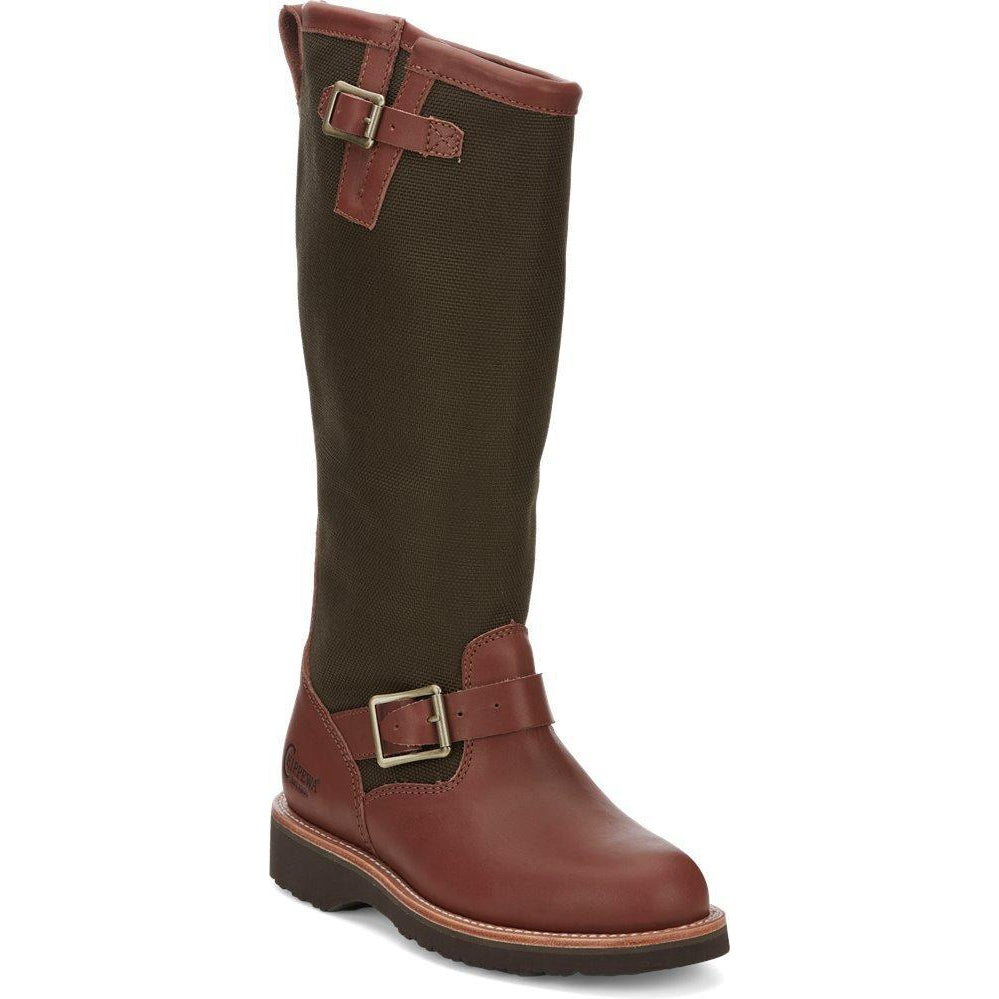
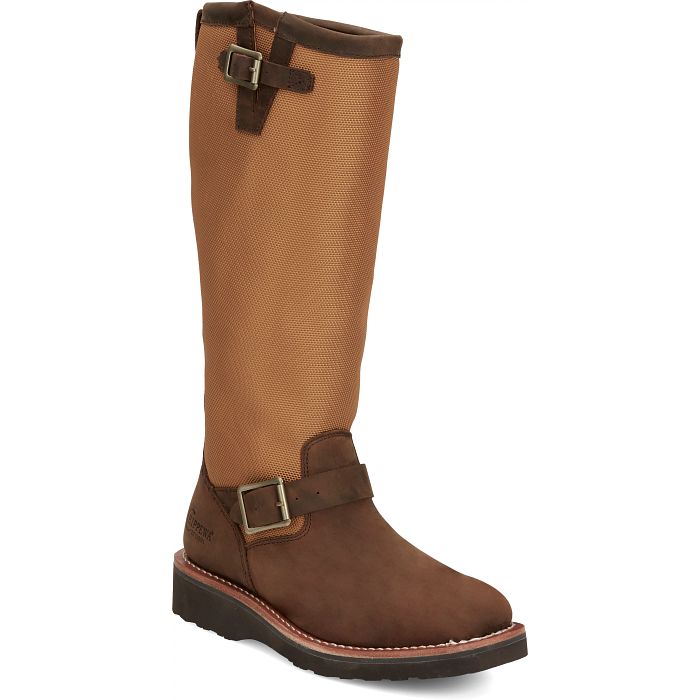
Chippewa Women's Sunjo 15" Soft Toe Outdoor Snake Hunt Boot- Brown - SN6913
Sale price$409.95
Regular price$410.00
Chippewa Women's Cottonwood 15" Snake Hunt Boot -Brown- SN6914
Sale price$184.99
Regular price$192.00
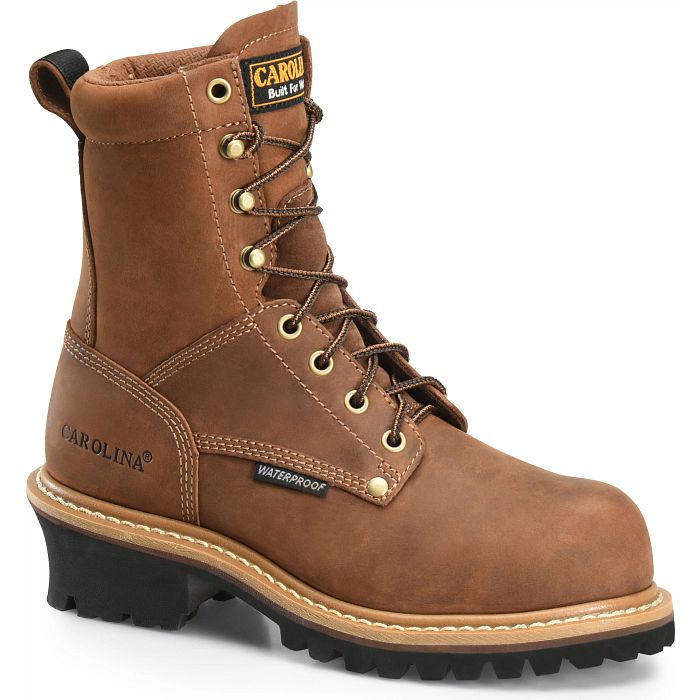
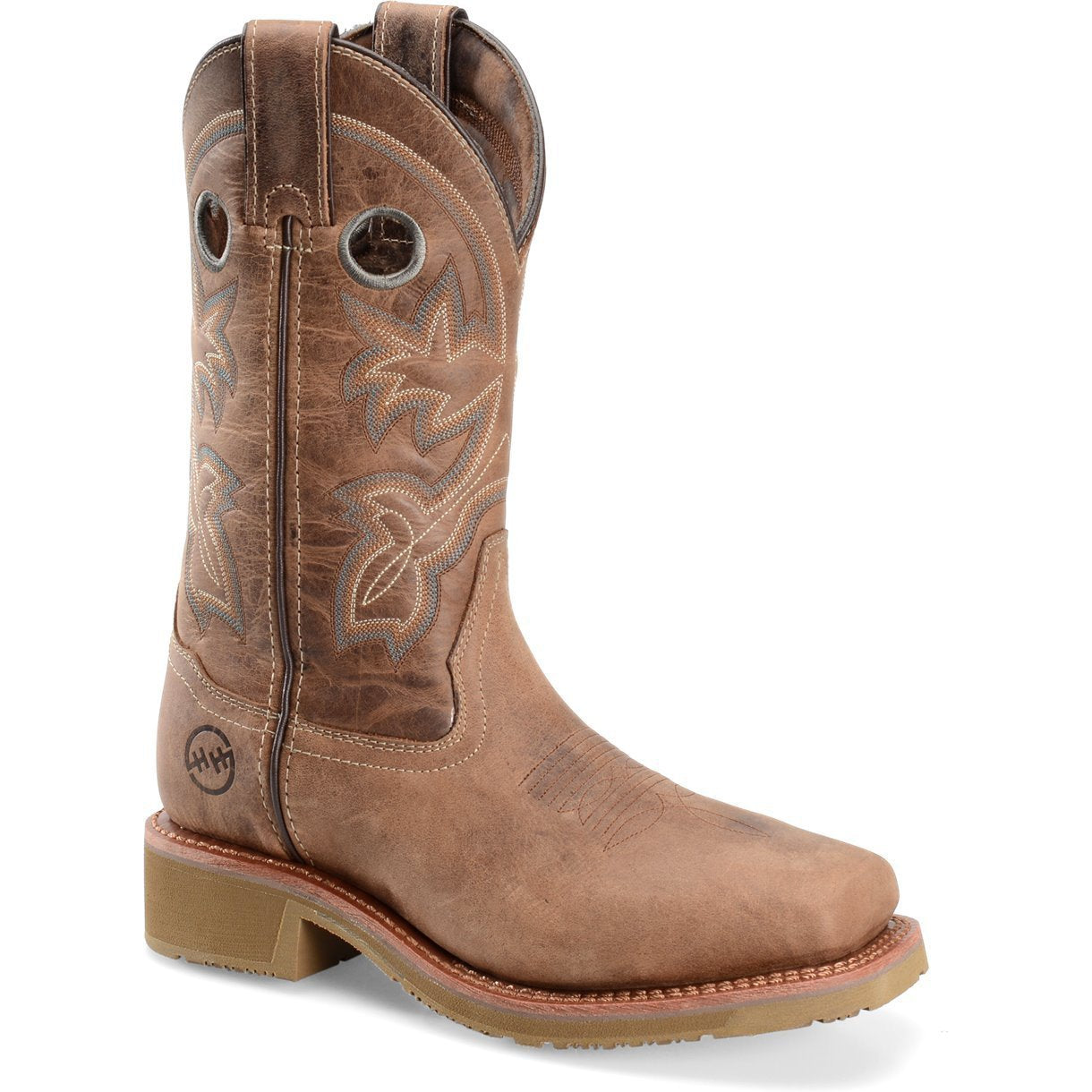
Double H Women's Haddie 11" Composite Toe Western Work Boot- Brown - DH2411
Save 6%
Sale price$149.99
Regular price$160.00
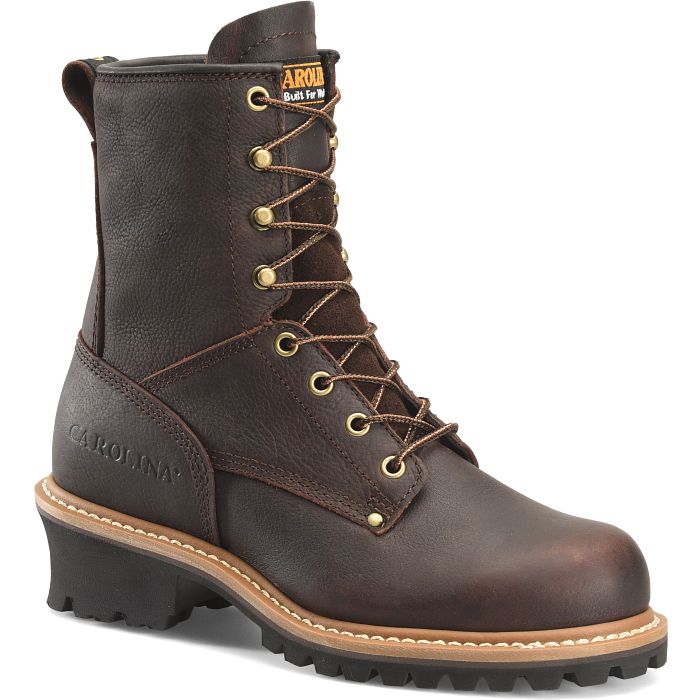
Carolina Women's Elm 8" Logger Work Boot - Brown - CA421
Sale price$110.00
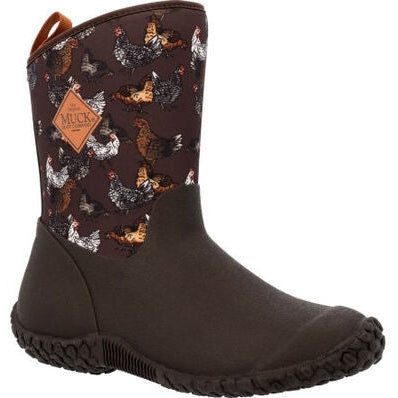
Muck Women's Muckster II Mid Waterproof Ankle Work Boot -Brown- WM29CK
Save 7%
Sale price$135.00
Regular price$145.00
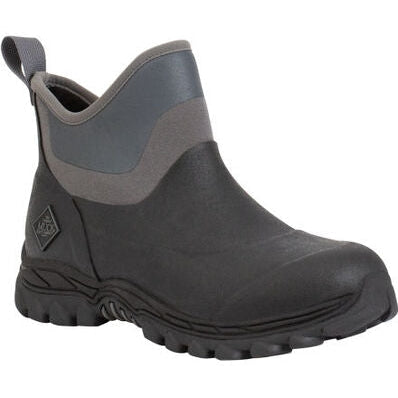
Muck Women's Artic Sport II Waterproof Ankle Style Boots -Black- AS2A001
Save 5%
Sale price$159.95
Regular price$169.00
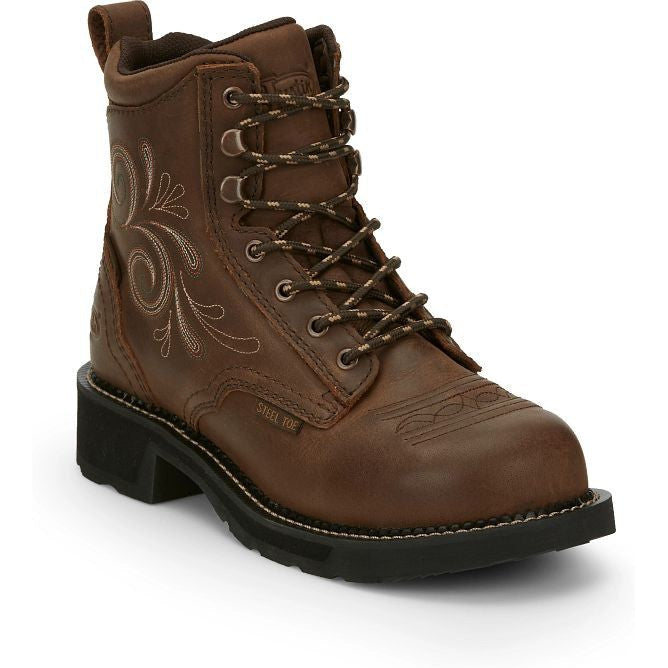
Justin Women's Katerina 6" Steel Toe Waterproof Slip Resistant Work Boot - Aged Bark Brown - GY985
Save 19%
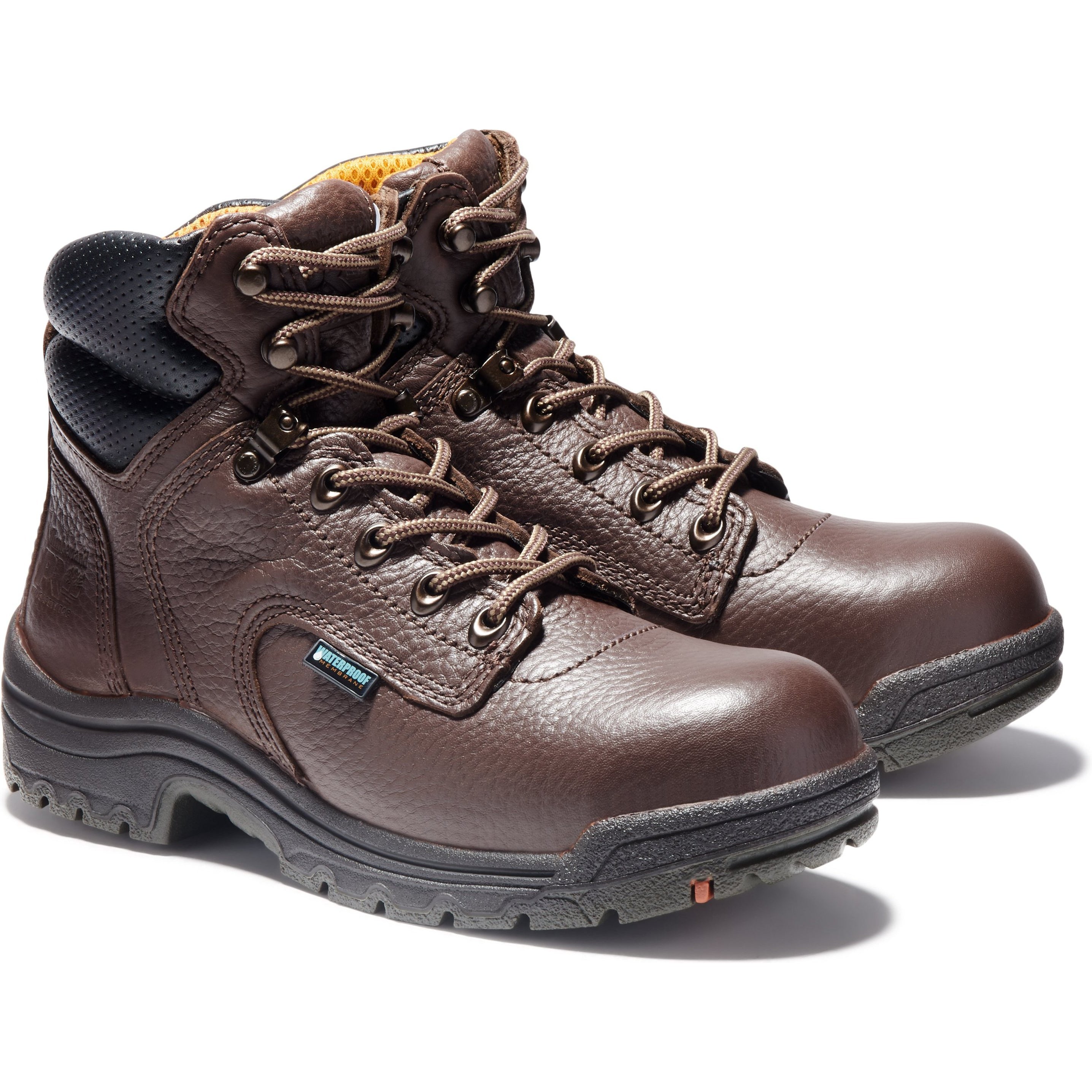
Sale price$132.95
Regular price$165.00
Timberland PRO Women's TITAN 6" Alloy Toe Waterproof Work Boot - TB153359242
Save 38%
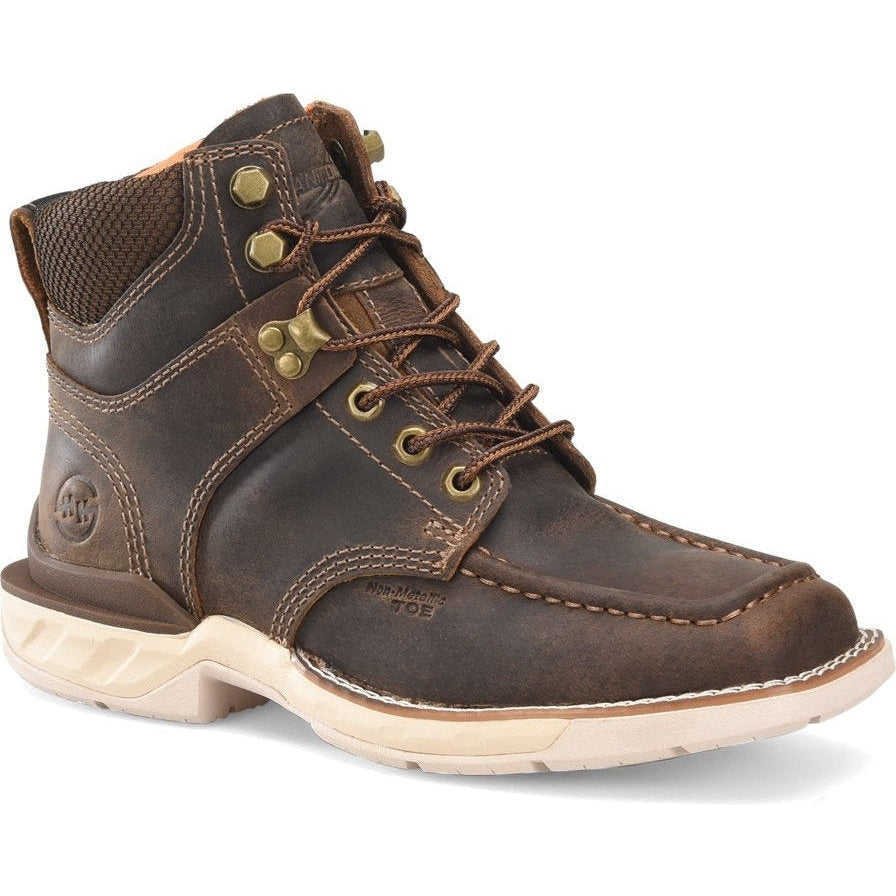
Sale price$105.67
Regular price$170.00
Double H Women's Phantom 5" Waterproof Composite Toe Lacer Work Boot -Brown- DH5386
Save 6%
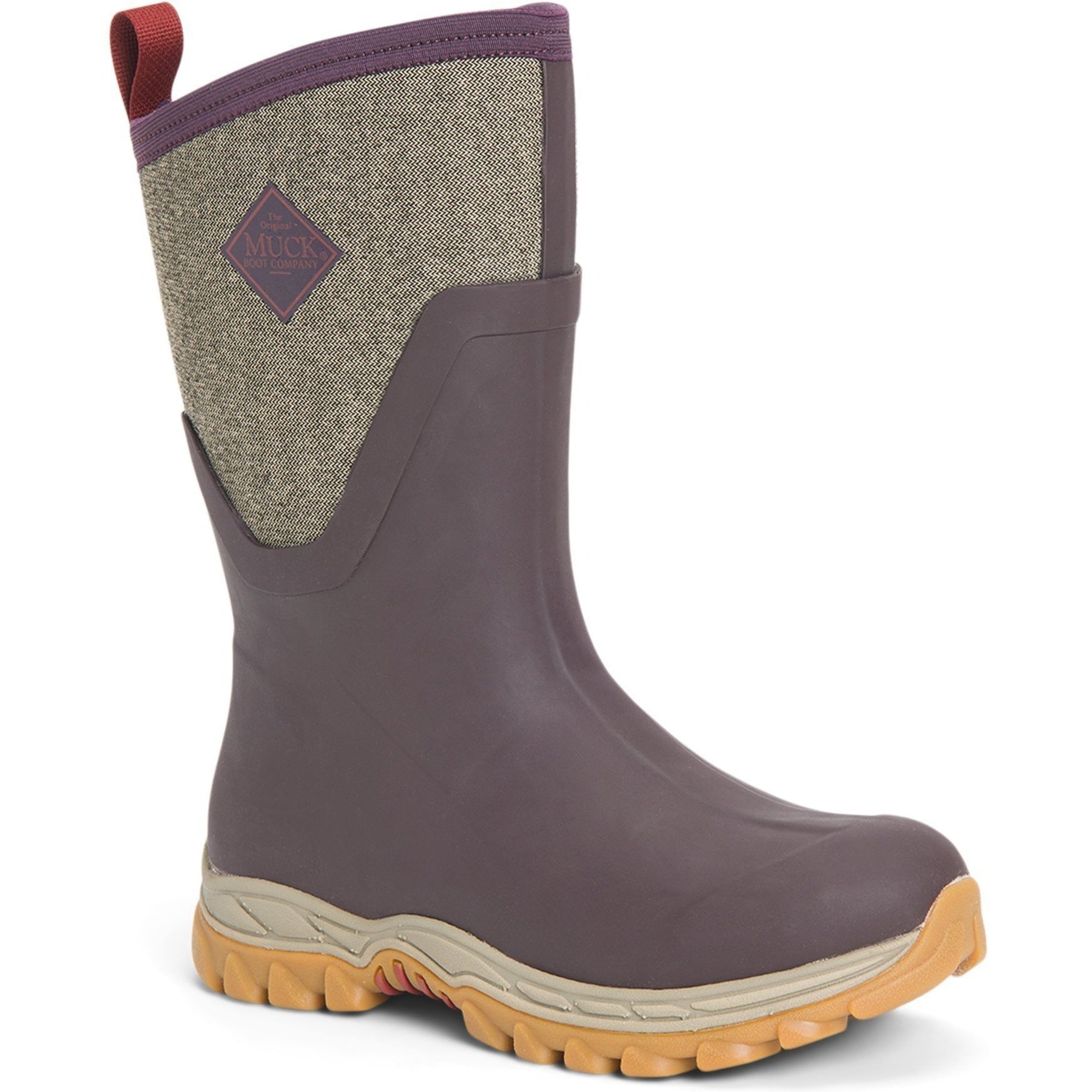
Sale price$145.00
Regular price$155.00
Muck Women's Arctic Sport II Mid Waterproof Outdoor Boot - AS2M-6TW
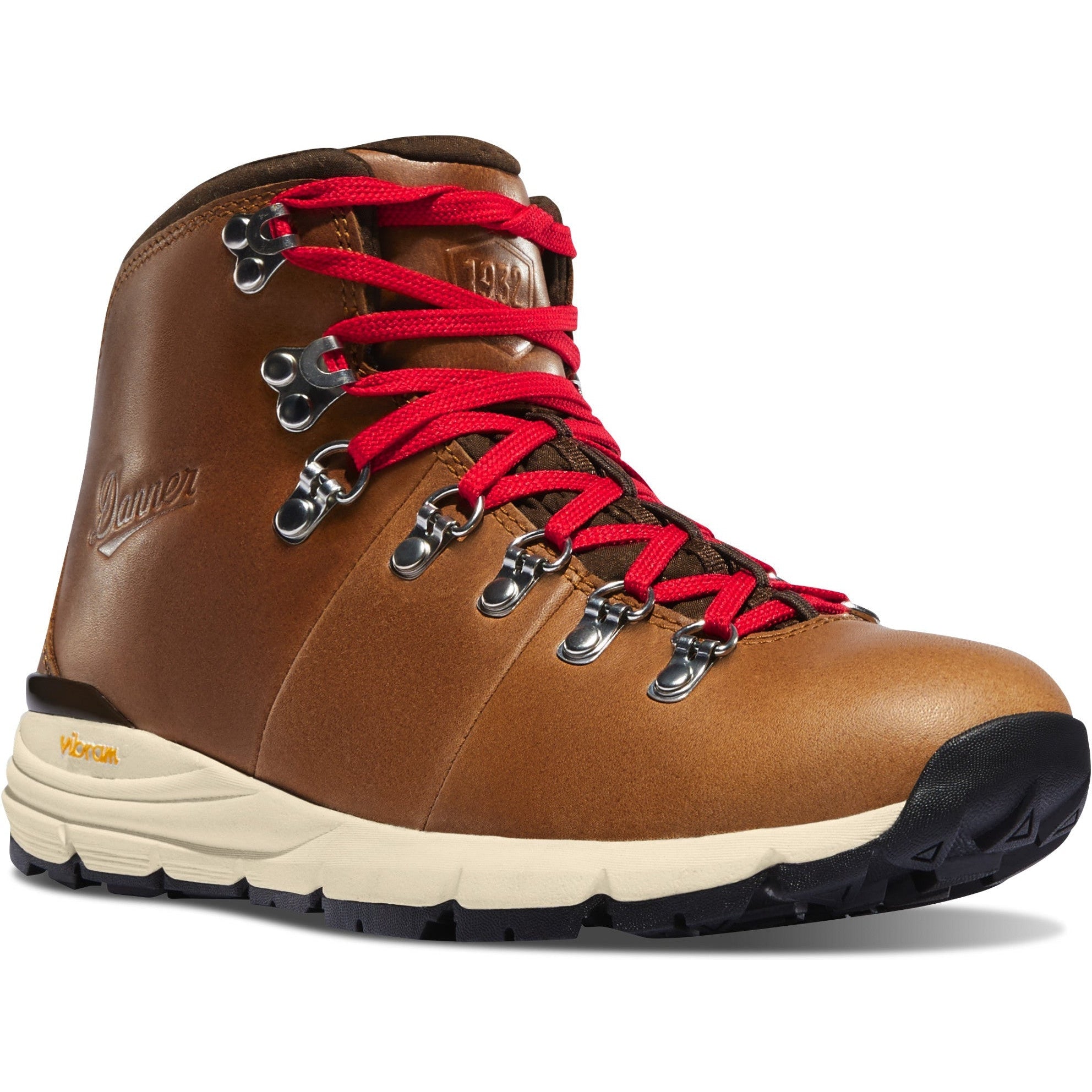
Save 20%
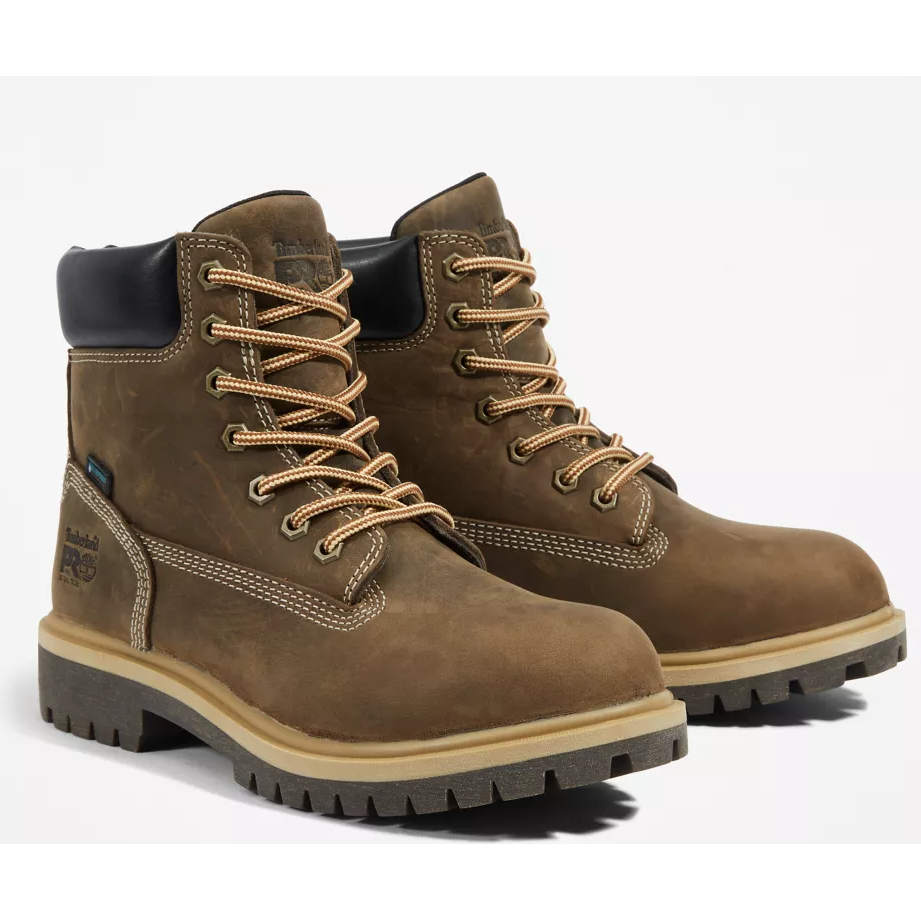
Sale price$139.95
Regular price$175.00
Timberland PRO Women's Direct Attach 6" Steel Toe Waterproof 200G Insulated Work Boot - Brown - TB1A2QX7214
Save 8%
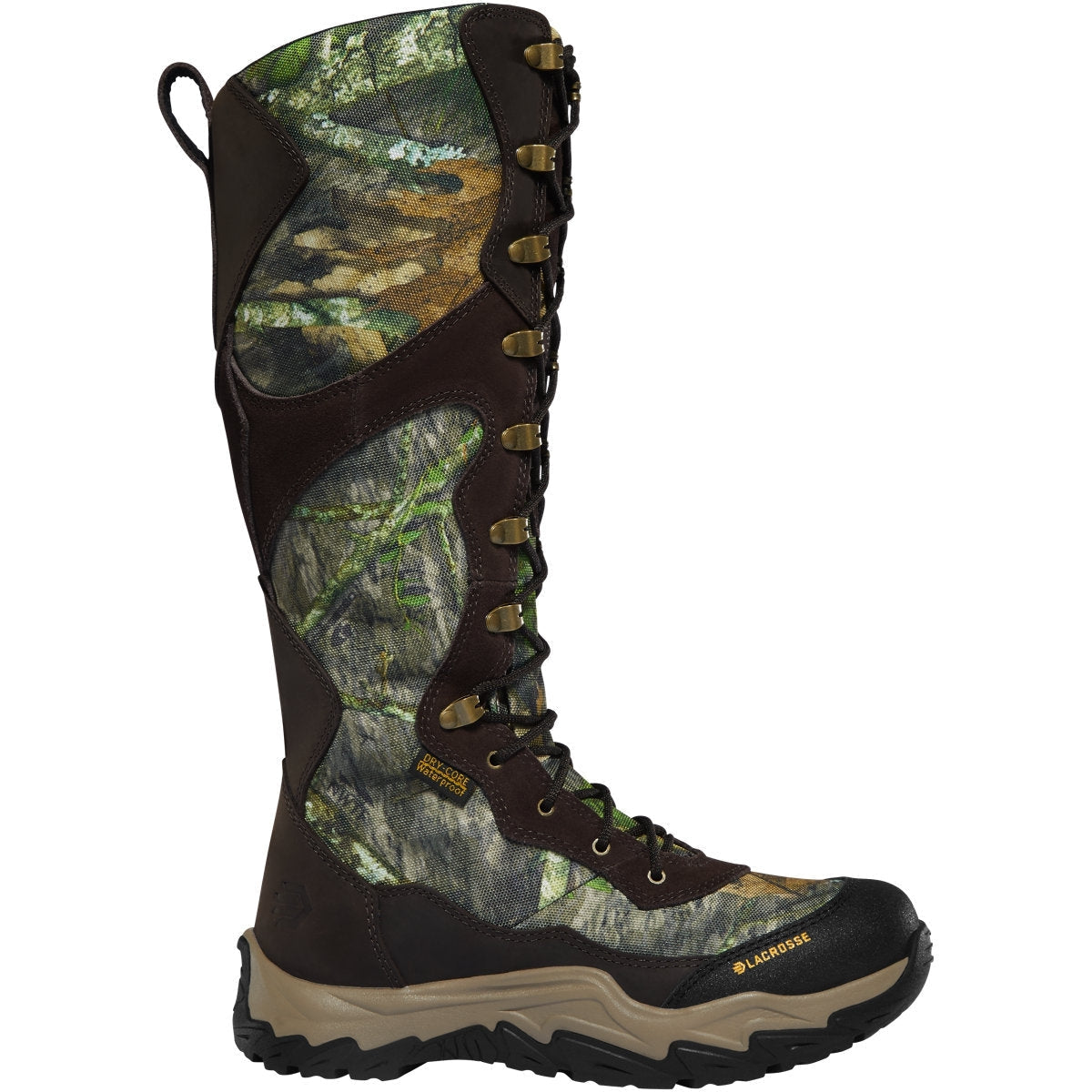
Sale price$279.95
Regular price$304.00
LaCrosse Women's Venom II 15" Waterproof Side Zipper Snake Hunt Boot - NWTF Mossy Oak Obsession - 501001
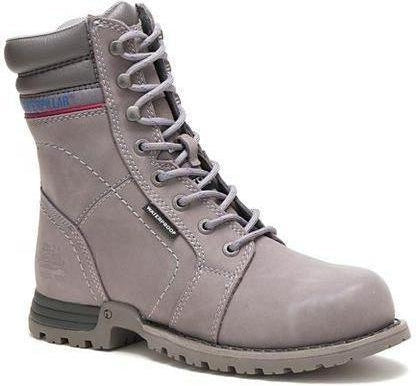
Save 6%
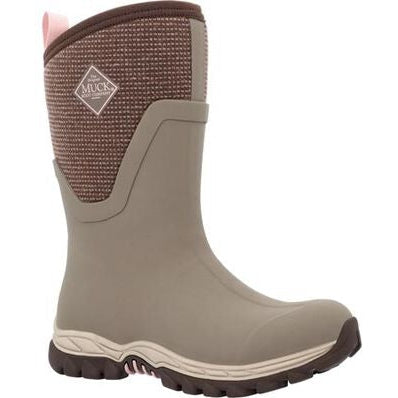
Sale price$145.00
Regular price$155.00
Muck Women's Artic Sport II Waterproof Mid Outdoor Work Boots - Brown - AS2M901
Save 7%
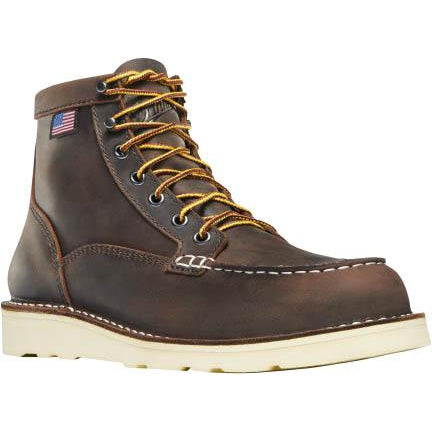
Sale price$269.95
Regular price$290.00
Danner Women's Bull Run 6" Steel Toe Moc Toe Wedge Work Boot - Brown - 15576
Save 8%
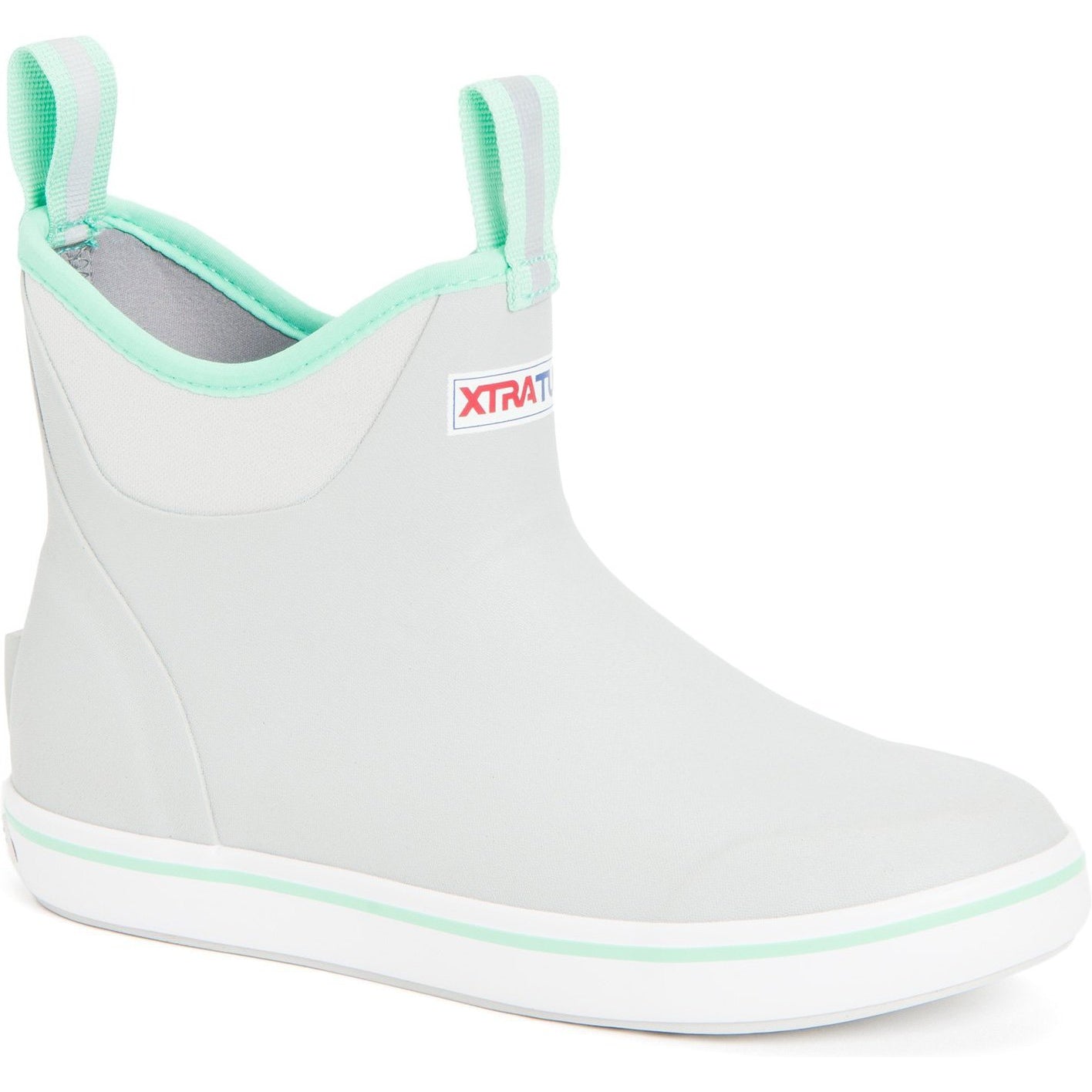
Sale price$115.00
Regular price$125.00
Xtratuf Women's 6" Ankle Deck Waterproof Boot - Gray - XWAB-102
Save 7%
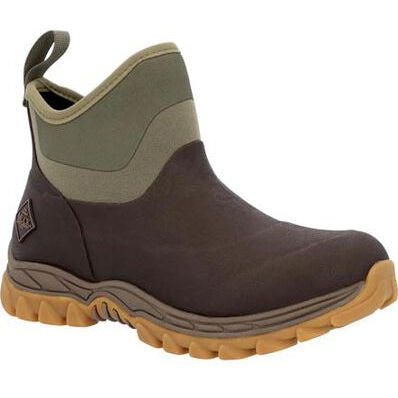
Sale price$135.00
Regular price$145.00
Muck Women's Artic Sport II Waterproof Ankle Style Boots - Brown - AS2A903
Save 8%
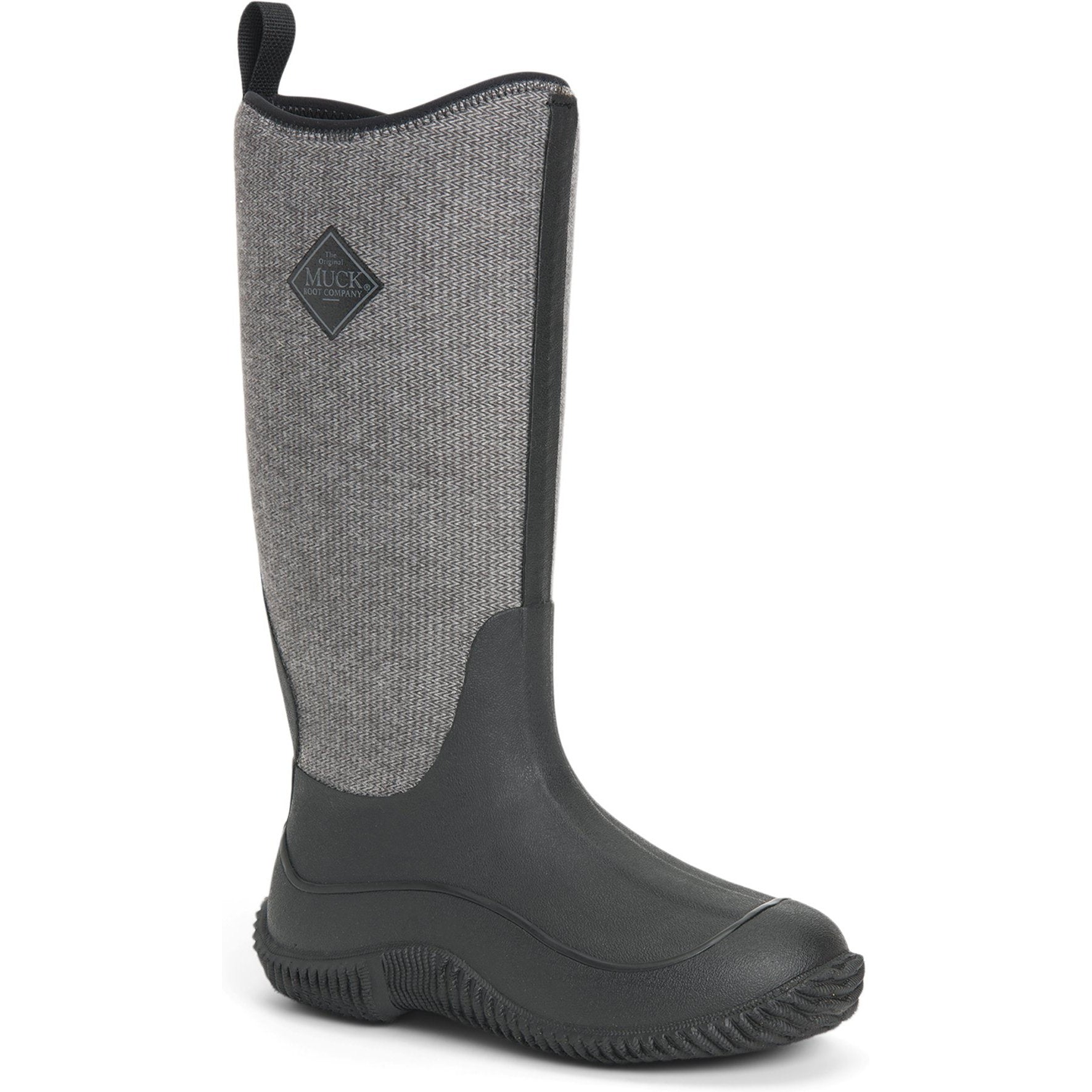
Sale price$120.00
Regular price$130.00
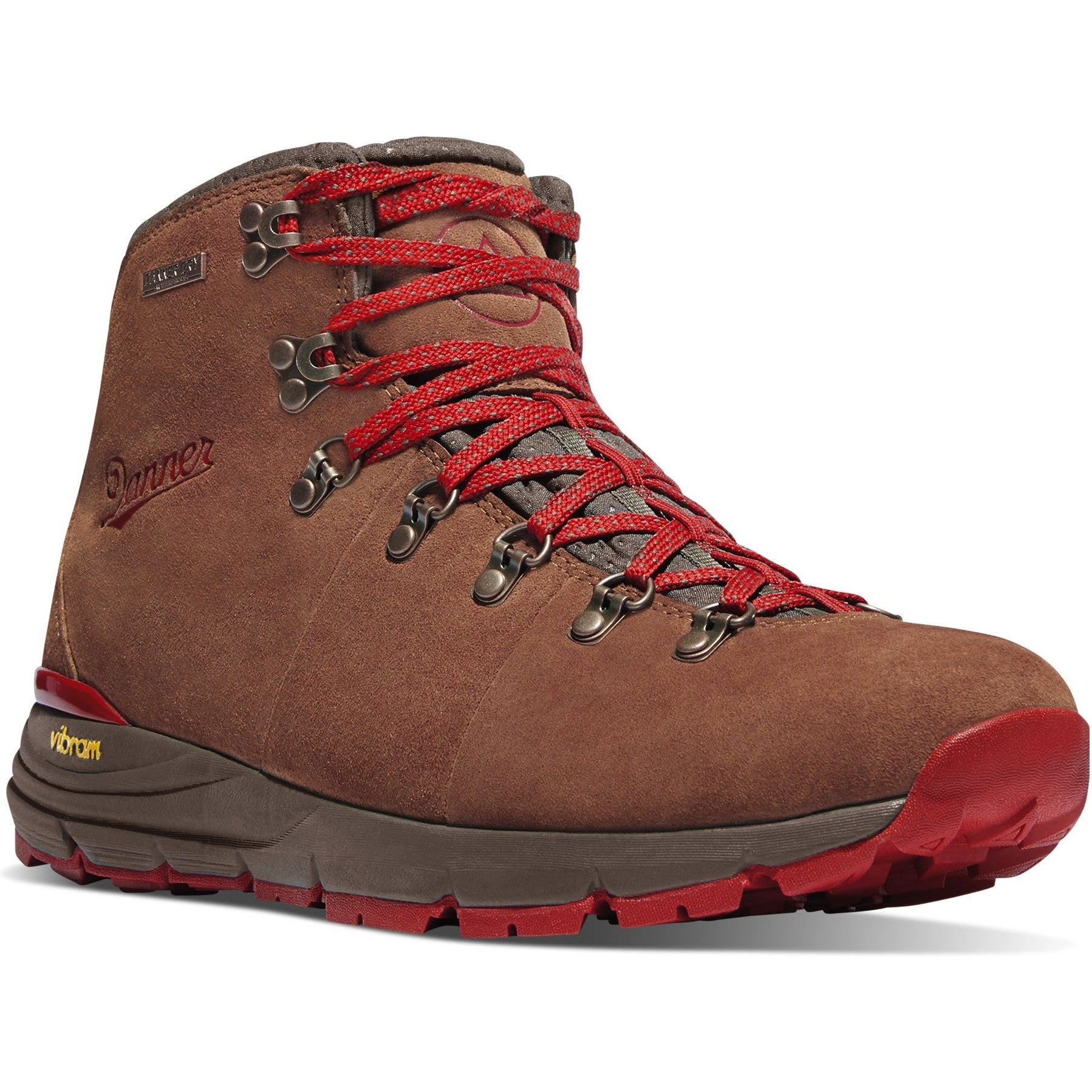
Muck Women's Hale Waterproof Pull-On Outdoor Boot - Black - HAW-1HB
Save 8%
Sale price$189.95
Regular price$206.00
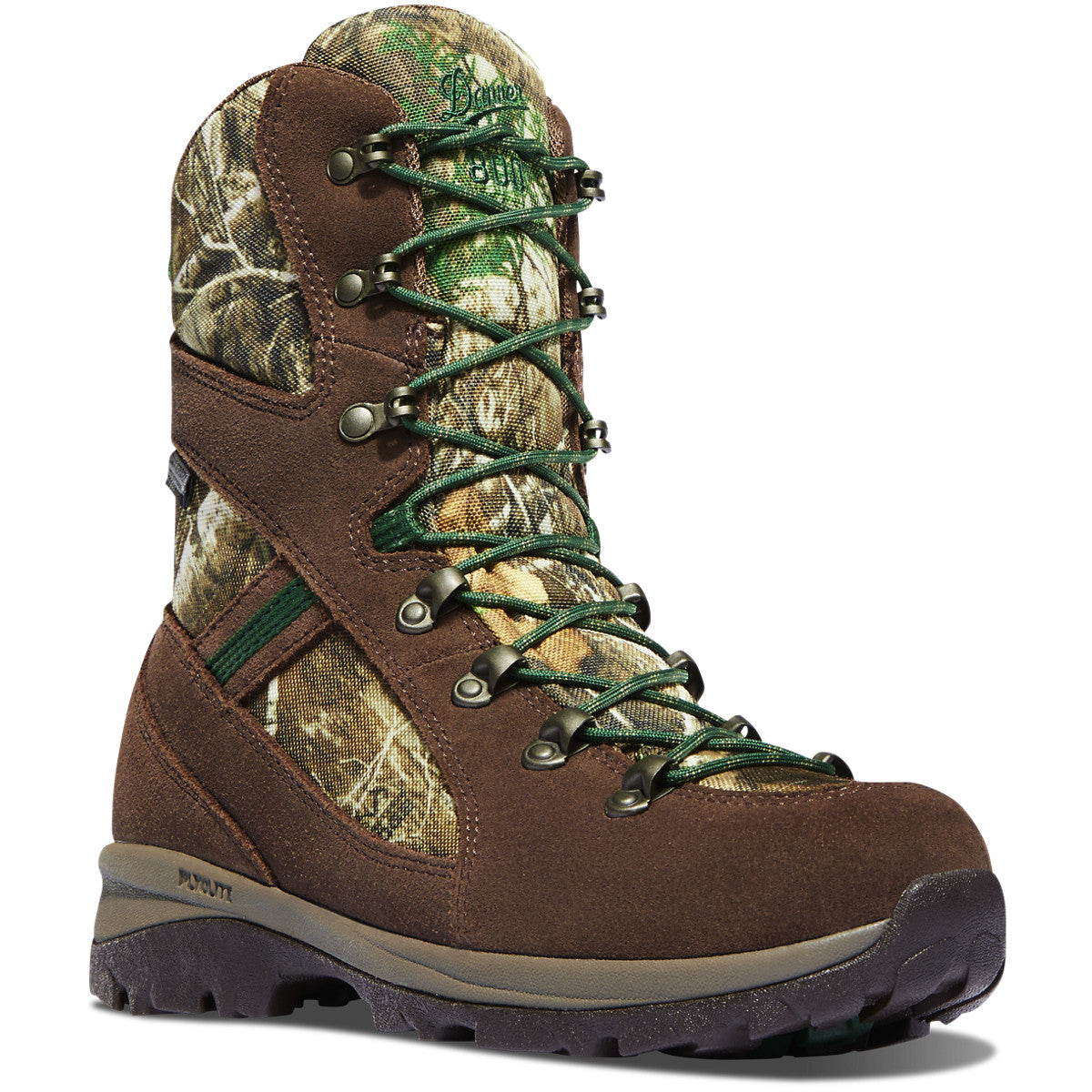
Danner Women's Wayfinder 8" Waterproof Insulated Hunt Boot - Realtree - 44212
Save 5%
Sale price$184.99
Regular price$194.00
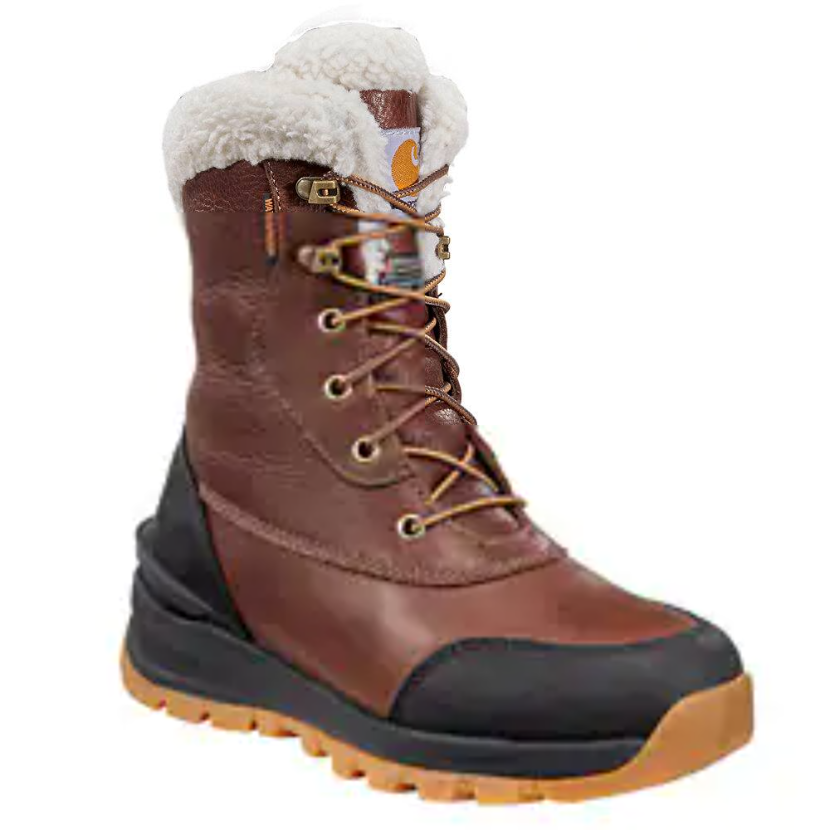
Carhartt Women's Pellston 8" Waterproof Winter Work Boot - Mineral Red - FH8019-W
Save 5%
Sale price$209.95
Regular price$220.00
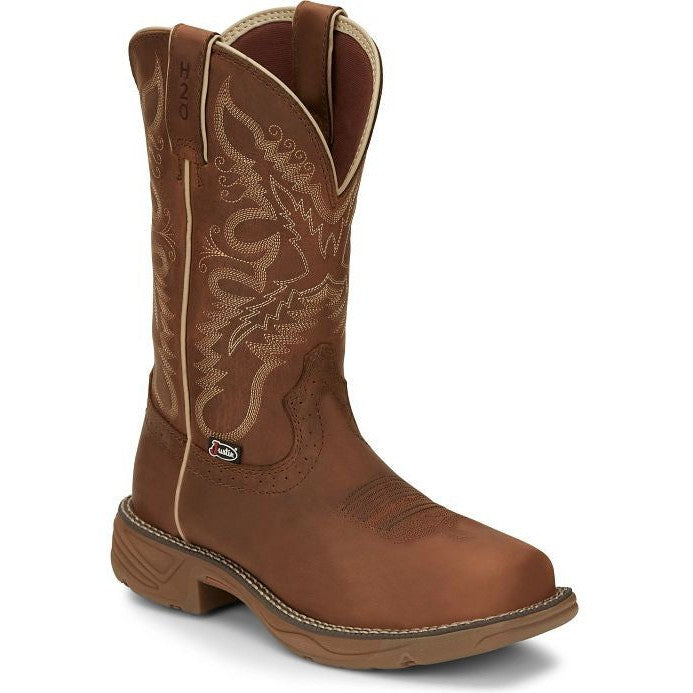
Justin Women's Rush 11" Waterproof Slip Resistant Work Boot - Rustic Tan - SE4353
Sale price$184.99
Regular price$188.00
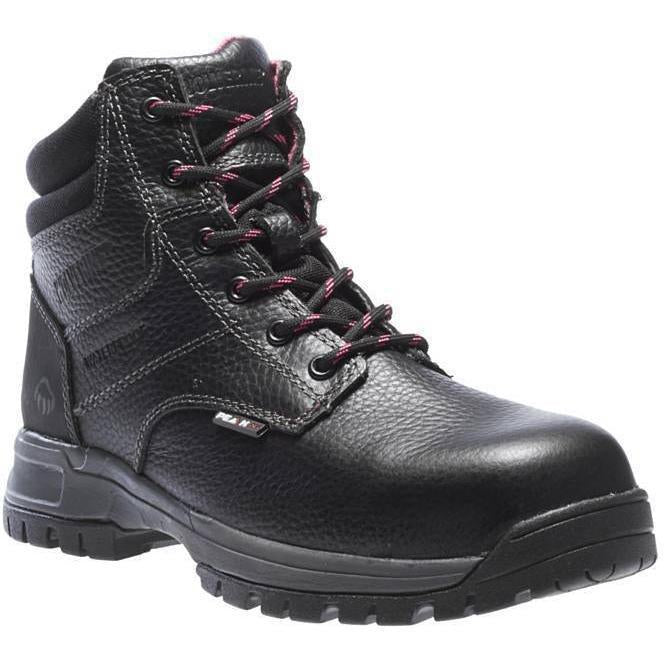
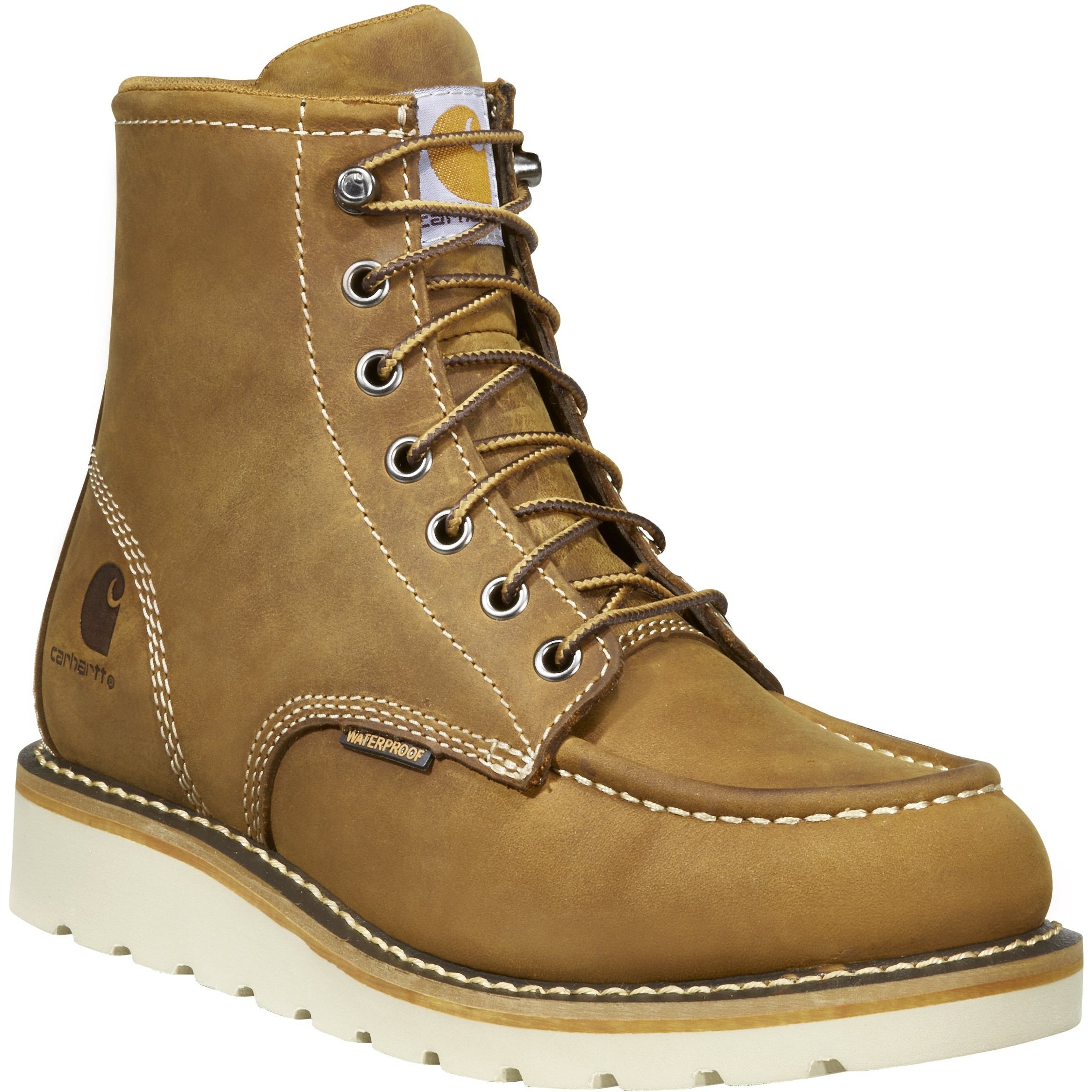
Carhartt Women's 6" Steel Toe Waterproof Wedge Work Boot - Brown - FW6225-W
Save 7%
Sale price$254.95
Regular price$273.00
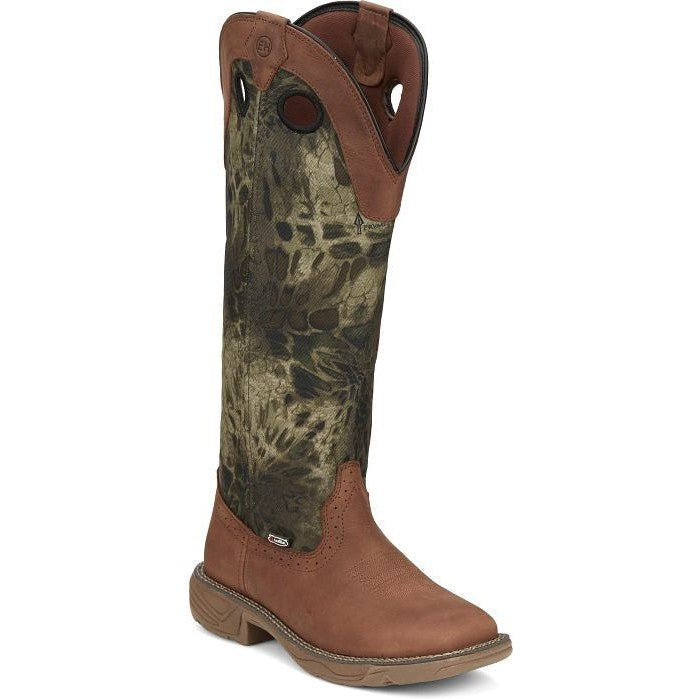
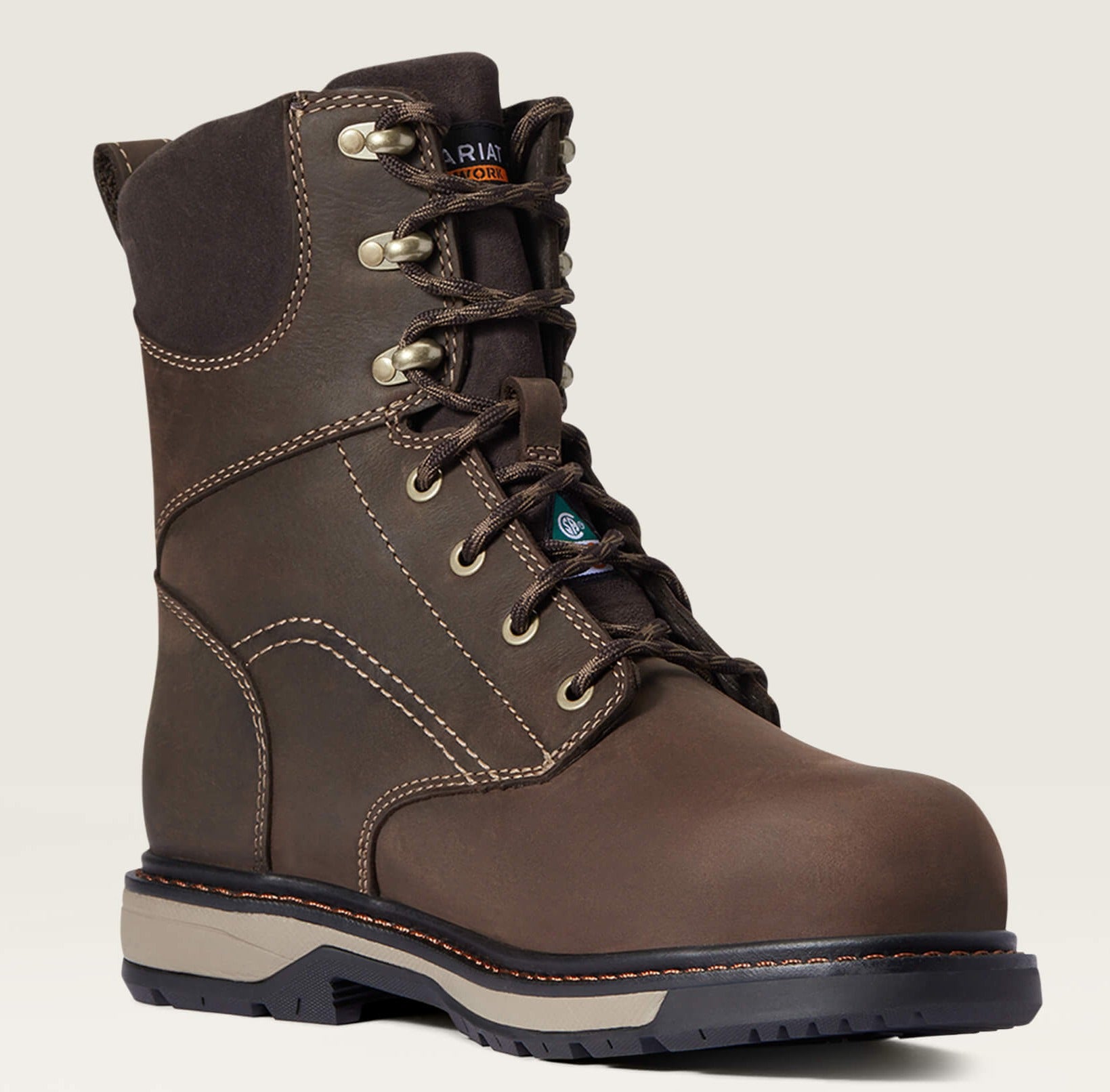
Justin Women's Rush Strike 17" Snake Resistant Work Boot - Russett Brown - SE4361
Save 15%
Sale price$124.99
Regular price$147.00
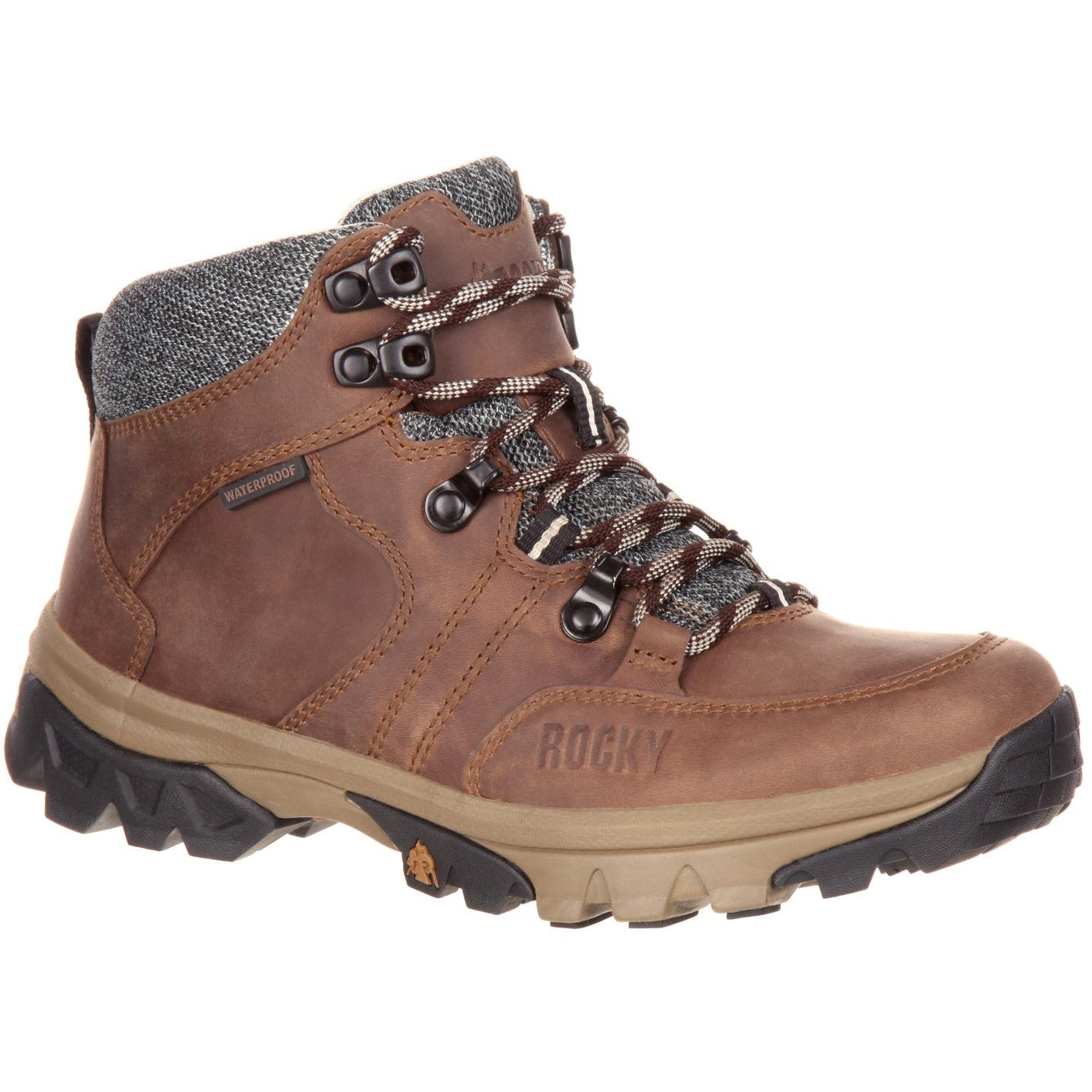
Rocky Women's Endeavor Point 5" Waterproof Outdoor Hiking Boot- Brown- RKS0301
Save 6%
Sale price$155.00
Regular price$165.00
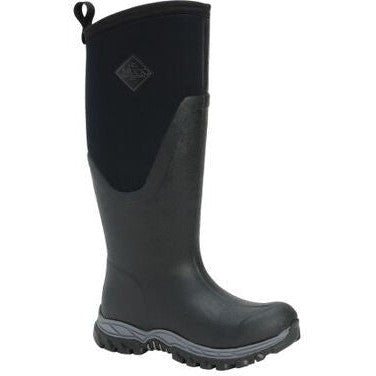
Muck Women's Arctic Sport II Waterproof Tall Work Boot -Black- AS2T000
Sale price$229.95
Regular price$240.00
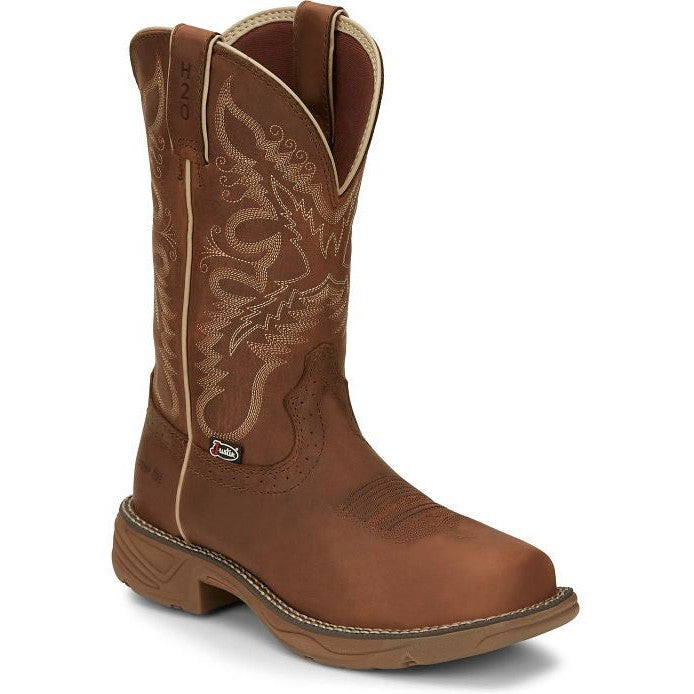
Justin Women's Rush 11" Nano Composite Toe Waterproof Slip Resistant Work Boot - Rustic Tan - SE4352
Save 5%
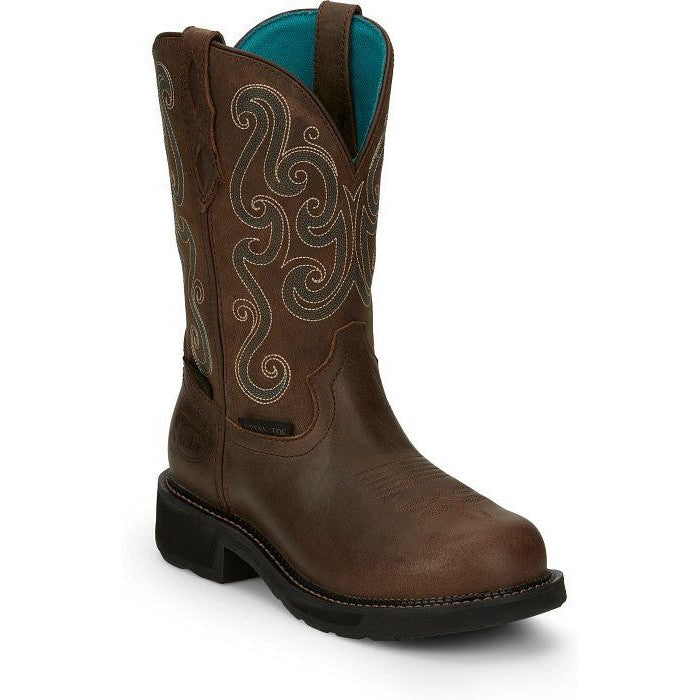
Sale price$169.95
Regular price$179.00
Justin Women's Tasha 11" Steel Toe Waterproof Western Work Boot -Brown- GY9991
Save 5%
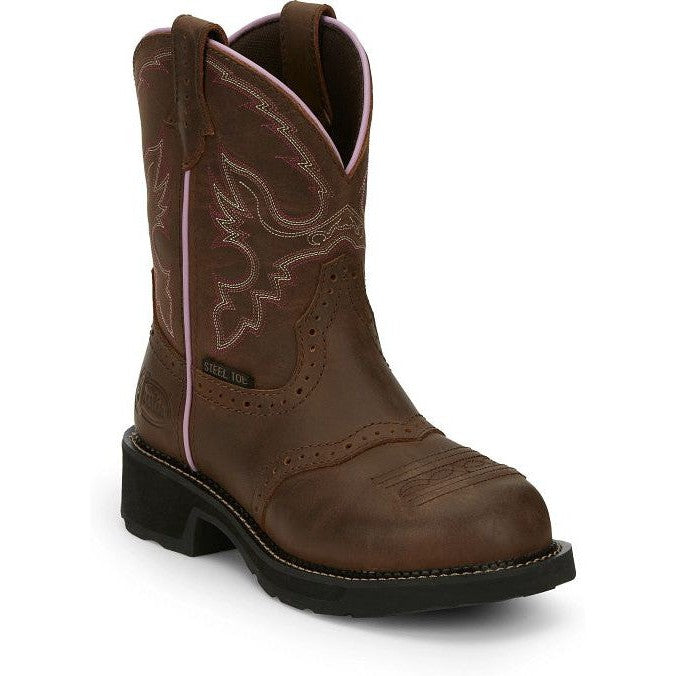
Sale price$144.95
Regular price$153.00
Justin Women's Wanette 8" Steel Toe Waterproof Slip Resistant Work Boot - Aged Bark Brown - GY9980
Save 19%
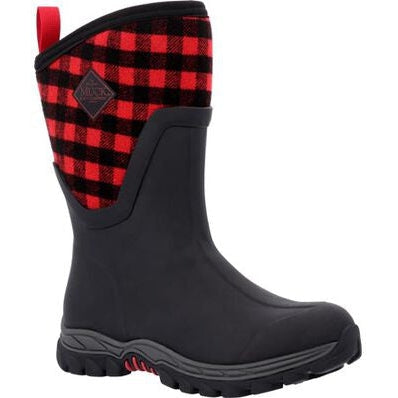
Sale price$145.00
Regular price$180.00
Muck Women's Arctic Sport II Waterproof Mid Outdoor Boots - Black - AS2M0PLD
Frequently Asked Questions
The safety rating and what the boot is optimized for. Work boots carry ASTM-rated toes and are built around jobsite hazards and durability. Outdoor boots skip the rating, which lets them be lighter and more flexible, and prioritize traction, waterproofing, and comfort over distance. Many outdoor boots would be poor on a site and many work boots are miserable on a trail.
For work with no rated-toe requirement, yes, and plenty of people do. What you should not do is take an outdoor boot onto a site that specifies ASTM F2413 and assume it complies, because it does not. Check your site's PPE requirement first. See our women's work boots range.
Leather breathes, supports, and handles distance on foot. Rubber and neoprene are waterproof by construction and hose clean but offer little support and do not breathe. If you walk, choose leather. If you stand in water, mud, or a barn, choose rubber. See our women's rubber boots range.
Match it to your movement rather than the temperature. Uninsulated to 200 grams for active use in cool weather, 400 for cold with moderate activity, 800 and up for standing still in genuine cold. Insulation you do not need traps sweat, and wet insulation is worse than none, which is why over-buying makes feet colder.
A lugged outsole with deep, well-spaced tread that sheds mud rather than packing with it, and a defined heel to set into a slope. Wedge and flat soles are poor on loose or steep ground because there is no edge to bite with, which is the reverse of their advantage on concrete.
For cold and wet conditions yes. In heat a membrane traps sweat and holds water once it comes over the collar, and non-waterproof boots dry far faster after a soaking. Remember a membrane boot only protects to its collar, so height matters as much as the membrane if you cross water.
Several weeks, walking real distance rather than around the house, because break-in problems show up at mile four and not at mile one. Wear the socks you will actually use, since thickness changes fit substantially. Leather boots on a welt need the most time and rubber boots need essentially none.
Because heel fit determines whether you blister over distance, and a women's foot is proportionally narrower through the heel. A men's boot sized down leaves the heel loose, and on a long day that lift becomes a blister. It matters more on trail and hunting boots than on anything you stand still in.
Recently viewed
Our Top Brands