Save 17%
Sale price$190.89
Regular price$229.99
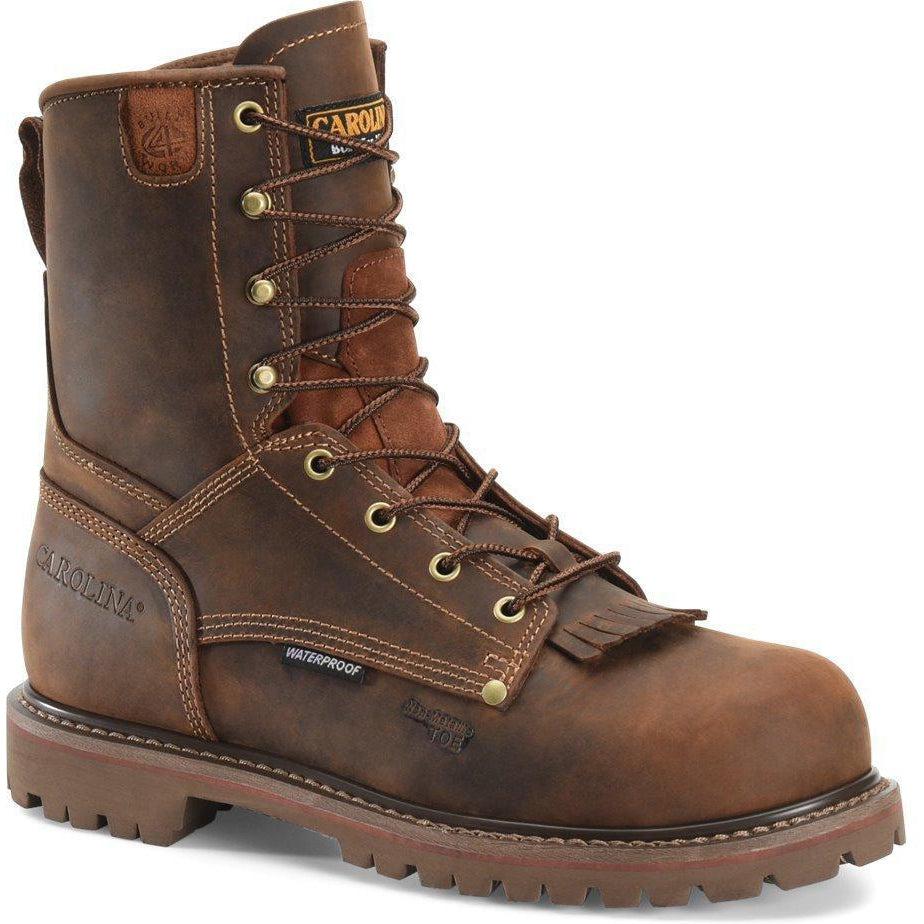
Carolina Men's 28 Series 8” Waterproof Composite Toe Work Boot - Kharthoum Cigar - CA8528
Save 21%

Sale price$248.99
Regular price$314.00
Double H Men's Anton 11" Steel Toe USA Made Western Work Boot - DH4637
Save 8%
Sale price$250.23
Regular price$271.99
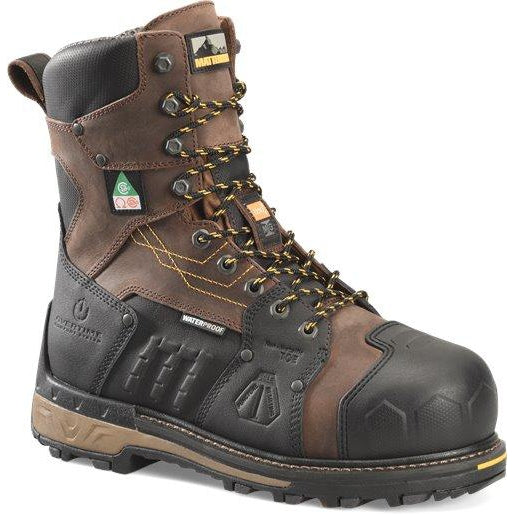
Matterhorn Men's Maximus 2.0 8" Composite Toe Waterproof Metguard Puncture Resistant Work Boot - MTC300
Save 5%
Sale price$294.95
Regular price$310.00
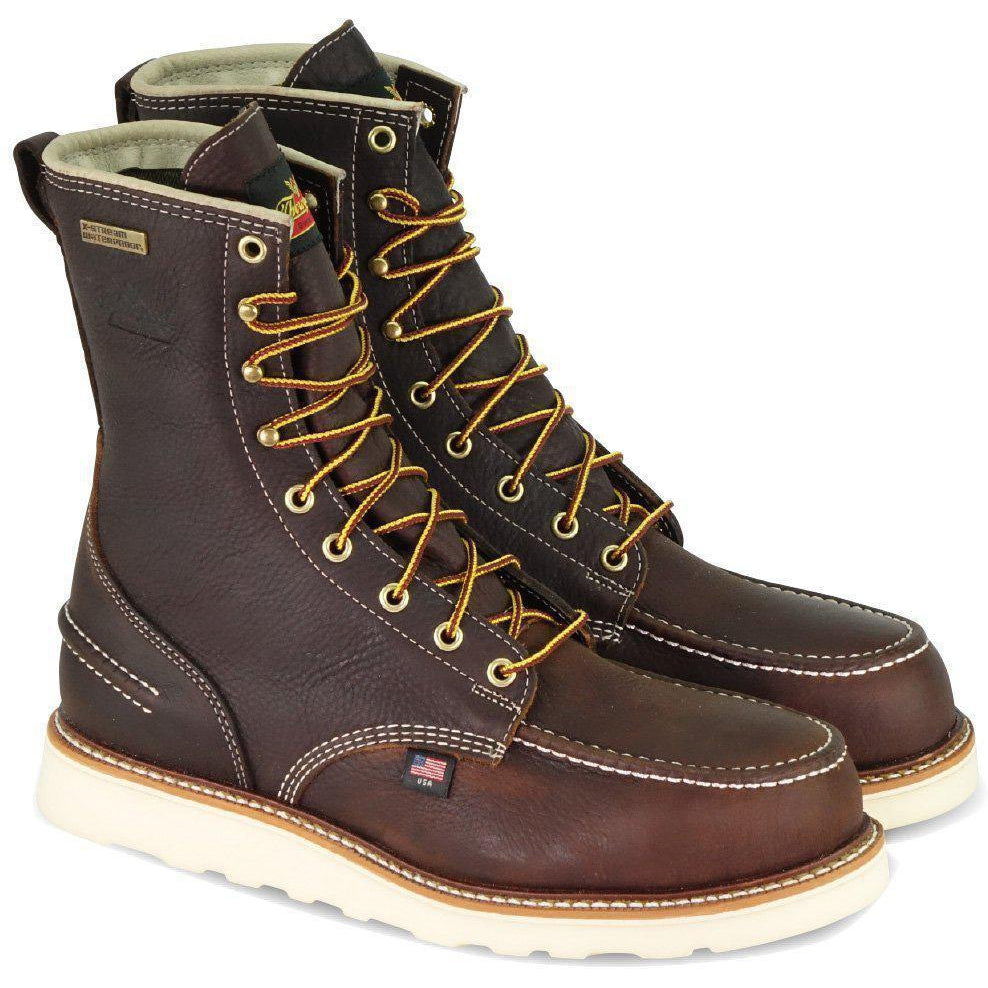
Thorogood Men's USA Made 1957 8" Moc Safety Toe Waterproof Wedge Work Boot 804-3800
Save 7%
Sale price$269.95
Regular price$290.00
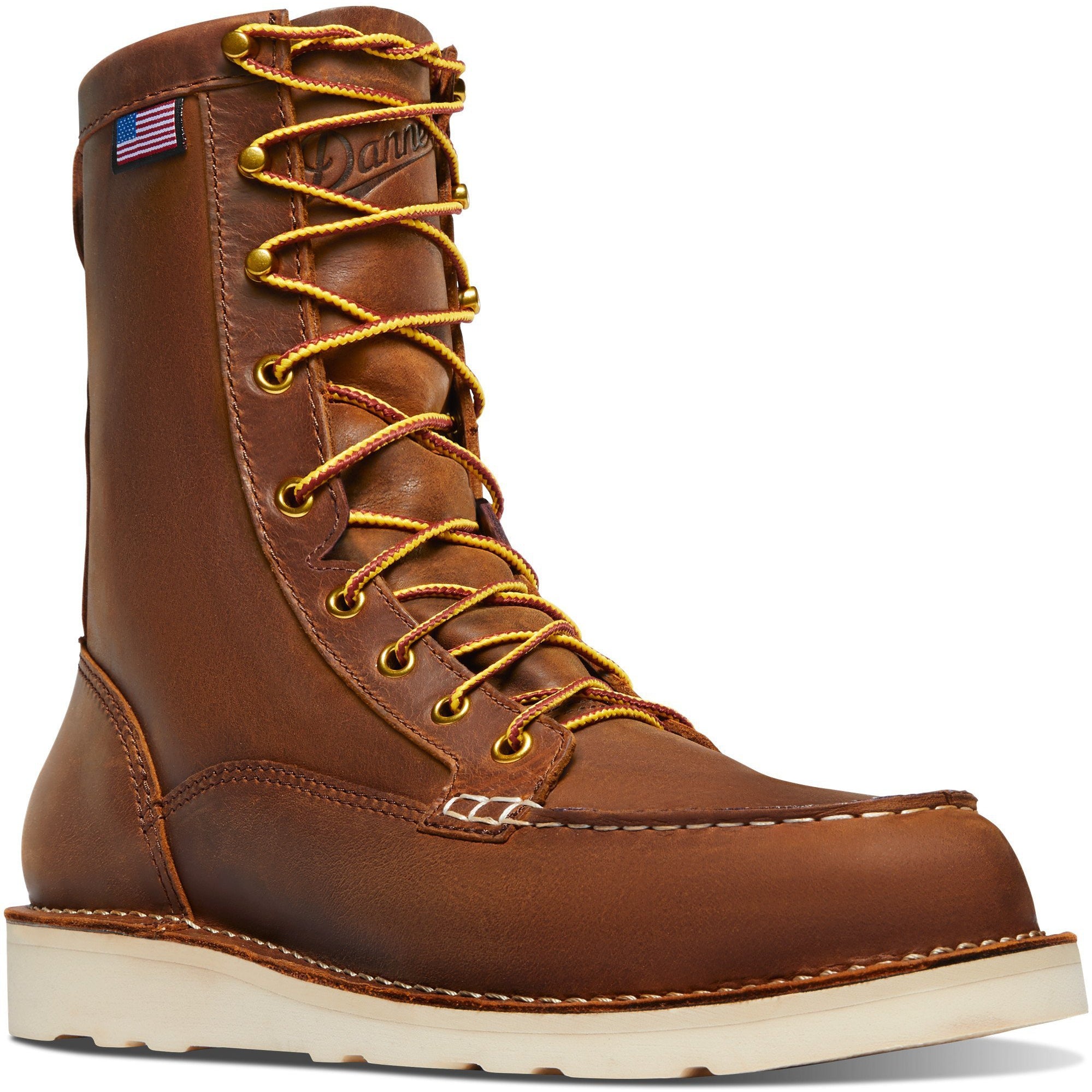
Danner Men's Bull Run 8" Moc Toe USA Made Wedge Work Boot - Tobacco - 15541
Save 7%
Sale price$259.95
Regular price$280.00
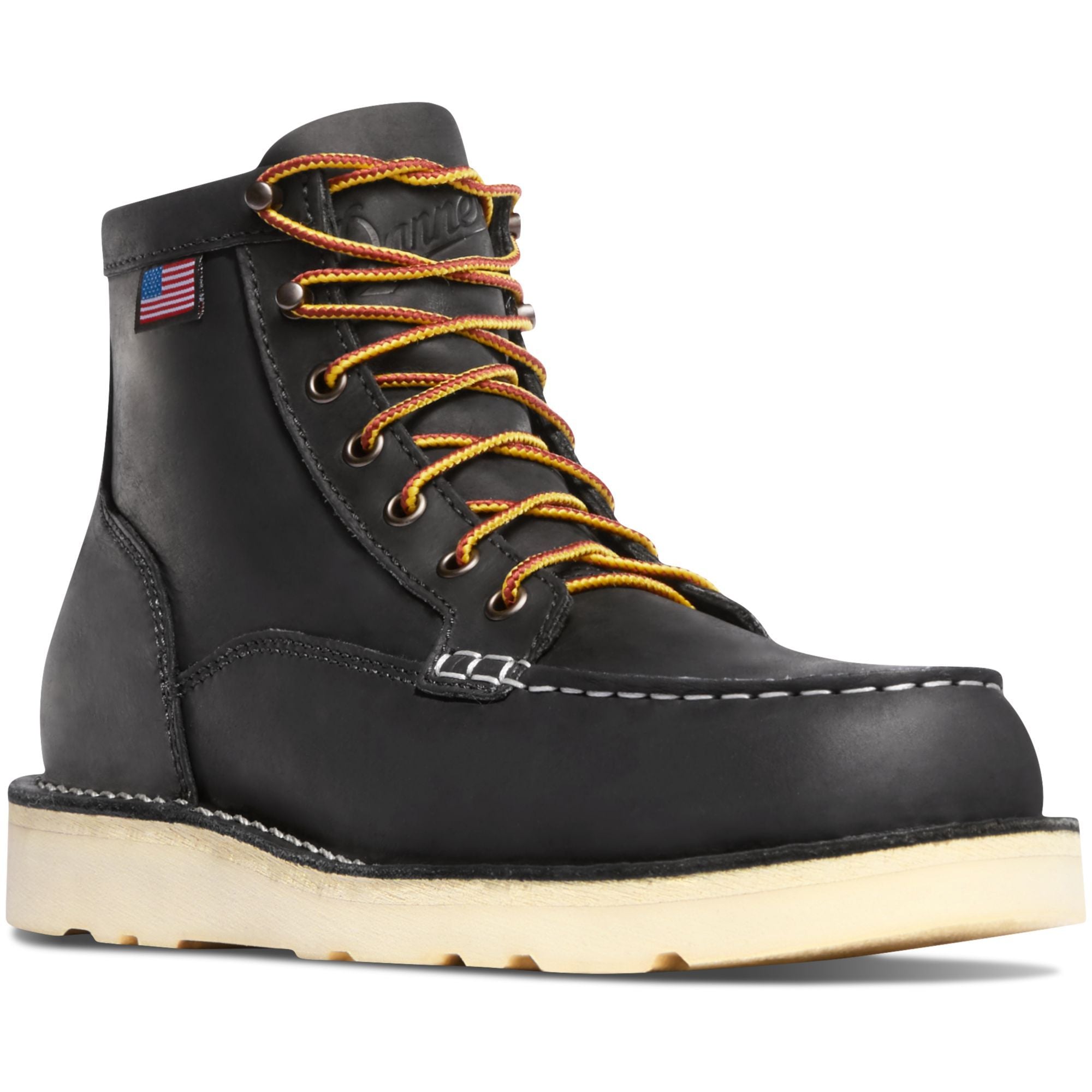
Danner Men's Bull Run USA Made 6" Moc Soft Toe Work Boot Black 15568
Save 5%
Sale price$284.95
Regular price$300.00
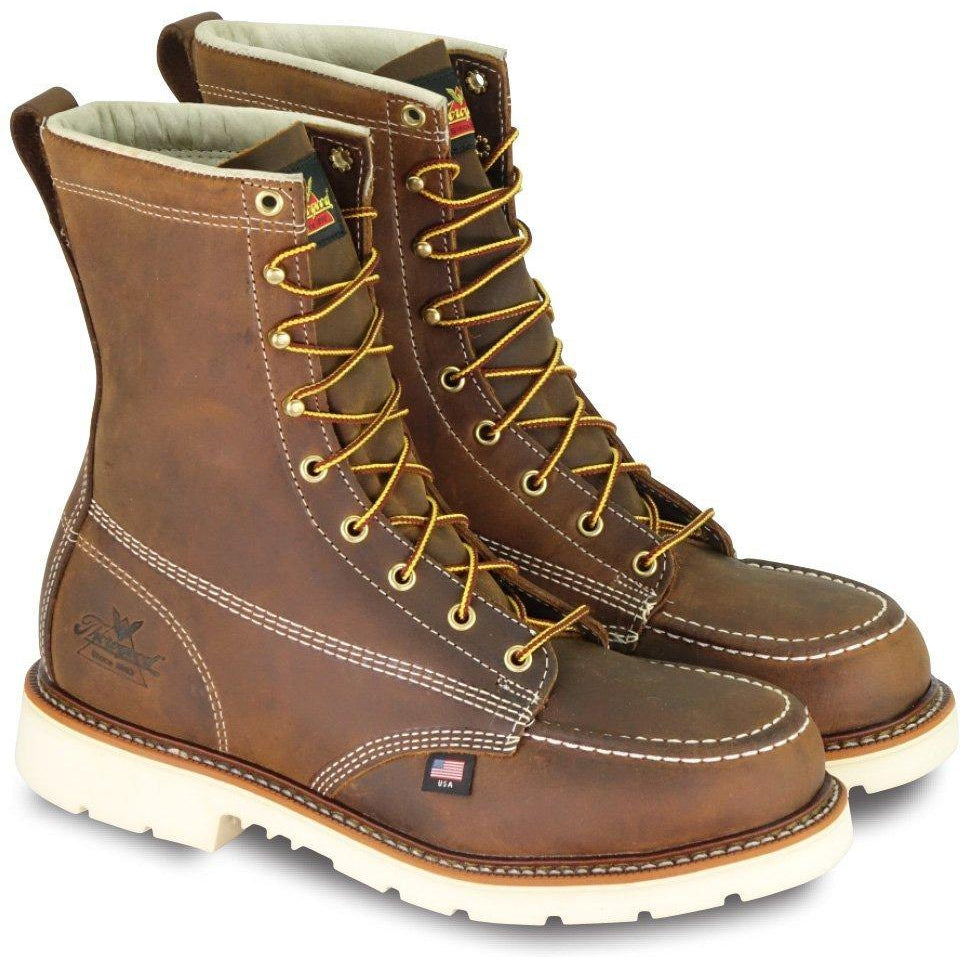
Thorogood Men's USA Made Amer. Heritage 8" Steel Toe Work Boot 804-4378
Save 27%
Sale price$164.95
Regular price$225.00
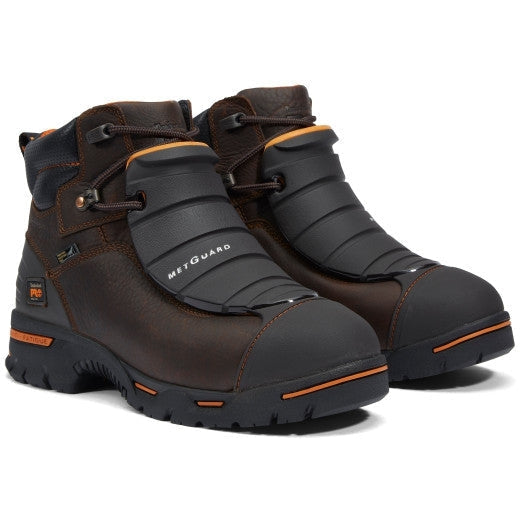
Timberland PRO Men's Endurance 6" Metguard Steel Toe Work Boot - TB1A172T214
Save 17%
Sale price$182.59
Regular price$219.99
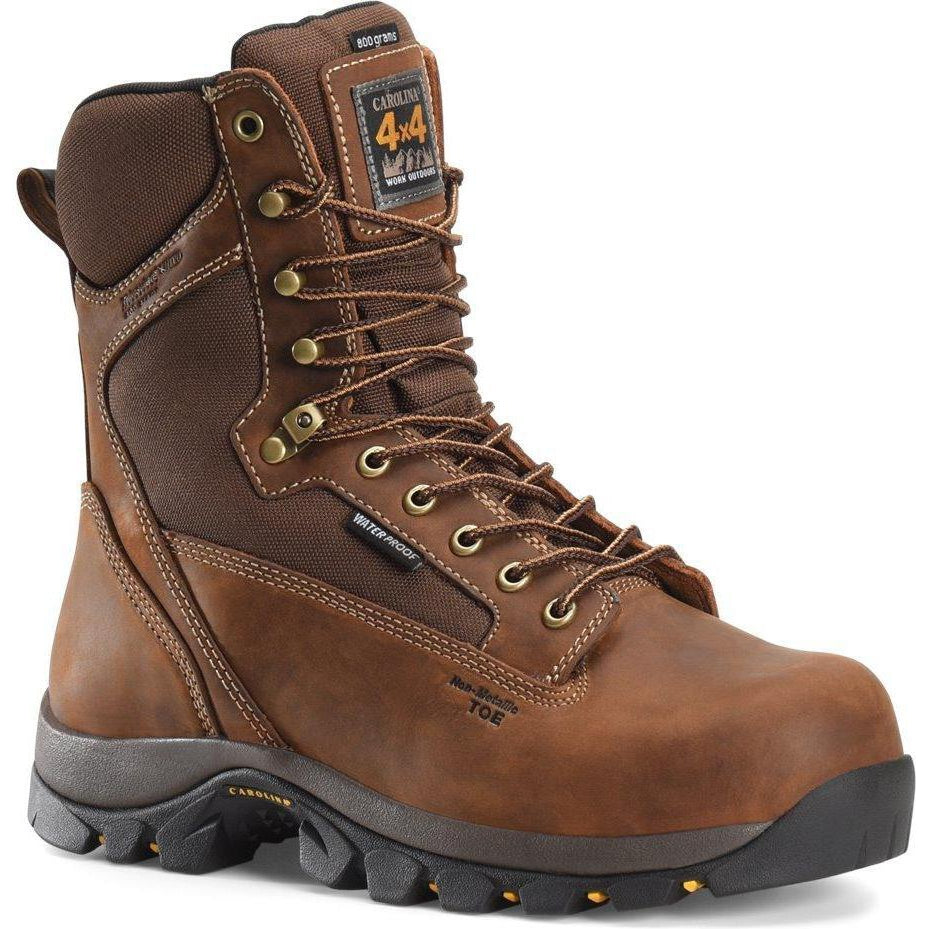
Carolina Men's Forrest 8" Waterproof Ins Composite Toe Work Boot - Brown - CA4515
Save 5%
Sale price$274.95
Regular price$290.00
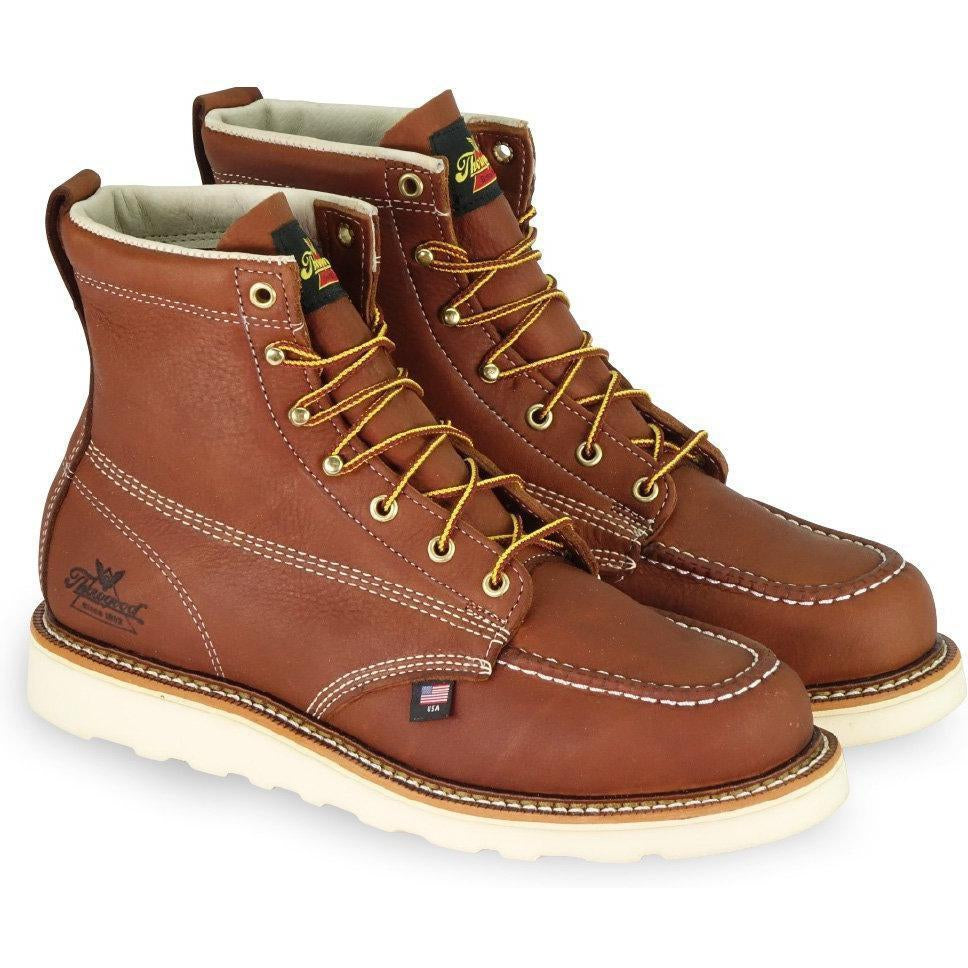
Thorogood Men's USA Made Amer. Heritage 6" Steel Toe Wedge Work Boot 804-4200
Save 14%
Sale price$326.59
Regular price$378.00
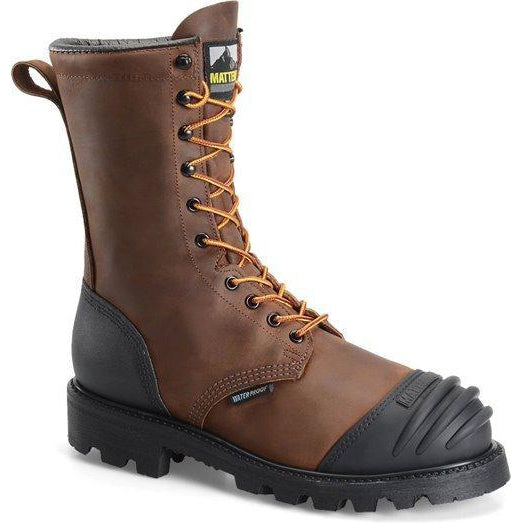
Matterhorn Men's Copper 10" Steel Toe Waterproof Metguard USA Made Work Boot - MT910
Save 5%
Sale price$284.95
Regular price$300.00
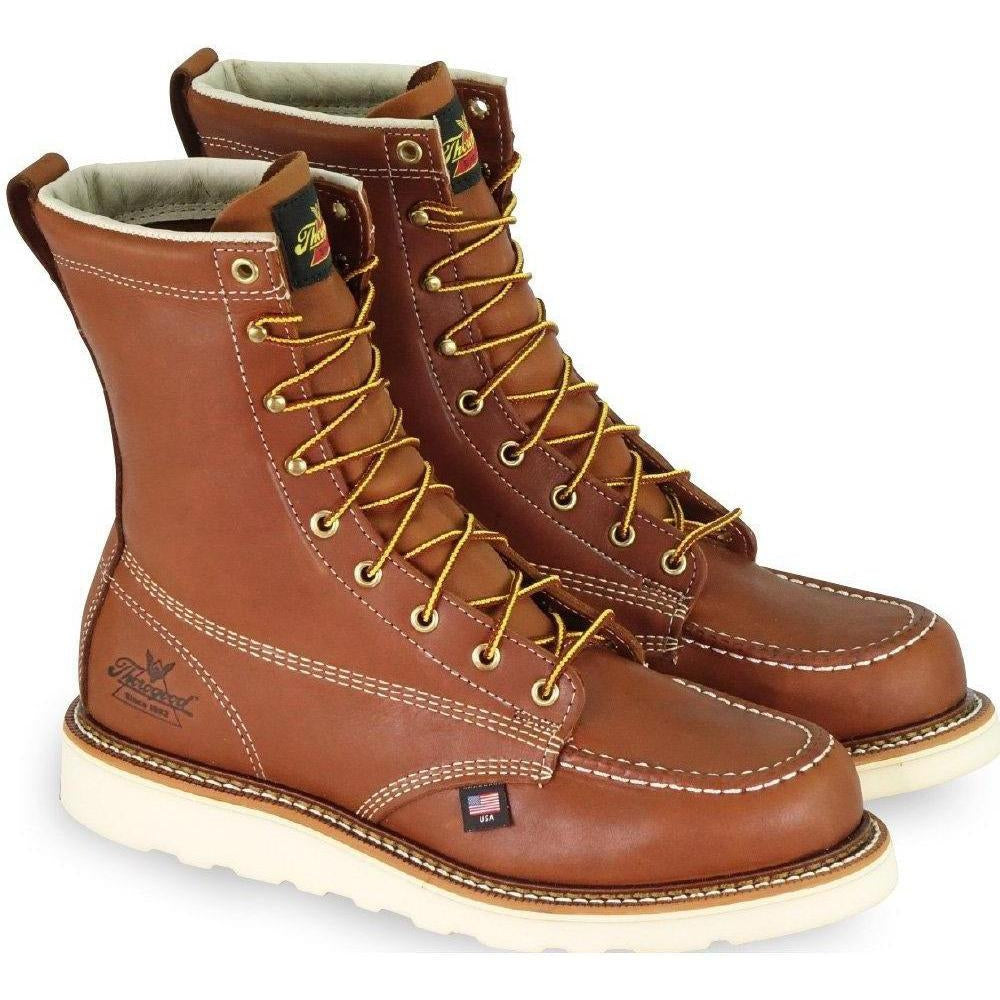
Thorogood Men's USA Made Amer. Heritage 8" Steel Toe Wedge Work Boot 804-4208
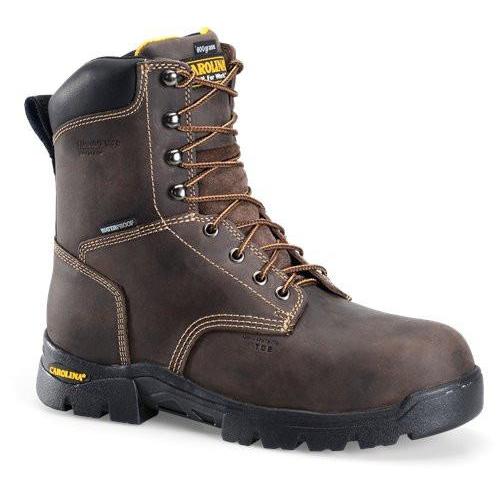
Sale price$164.99
Carolina Men's Circuit Hi 8" Composite Toe Insulated Work Boot - CA3538
Save 7%
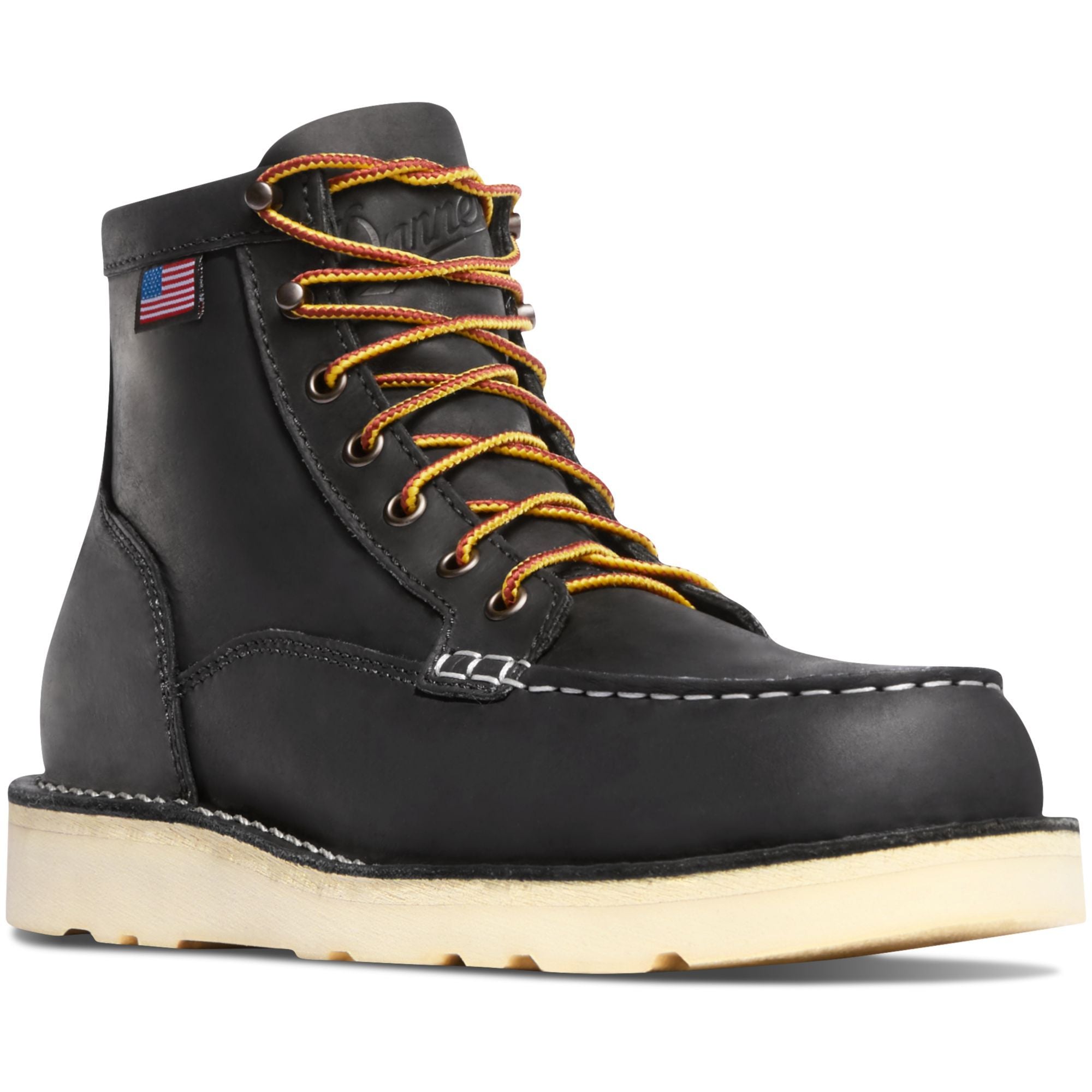
Sale price$269.95
Regular price$290.00
Danner Men's Bull Run USA Made 6" Moc Steel Toe Wedge Work Boot Black 15569
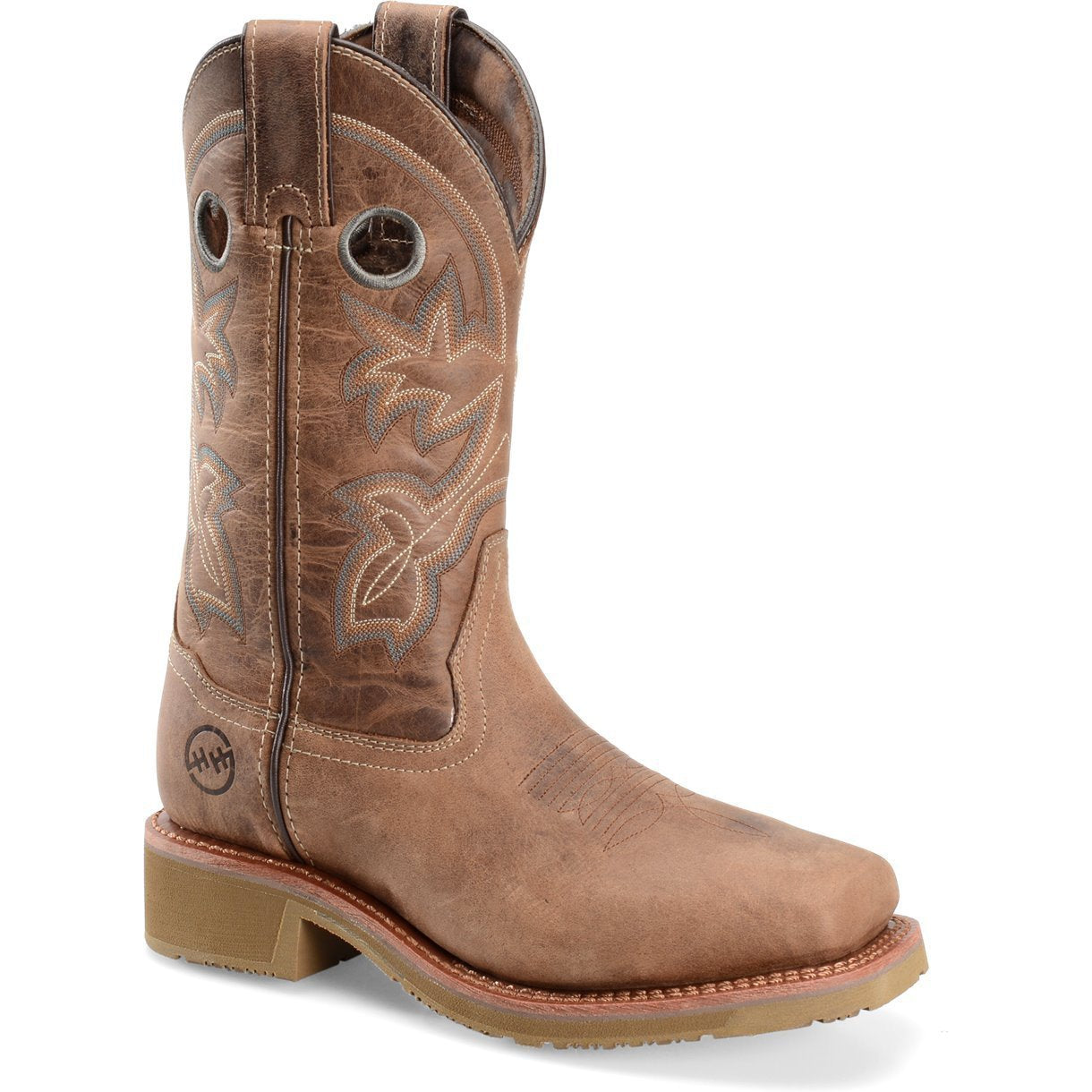
Sale price$184.99
Regular price$192.00
Double H Women's Haddie 11" Composite Toe Western Work Boot- Brown - DH2411
Save 17%
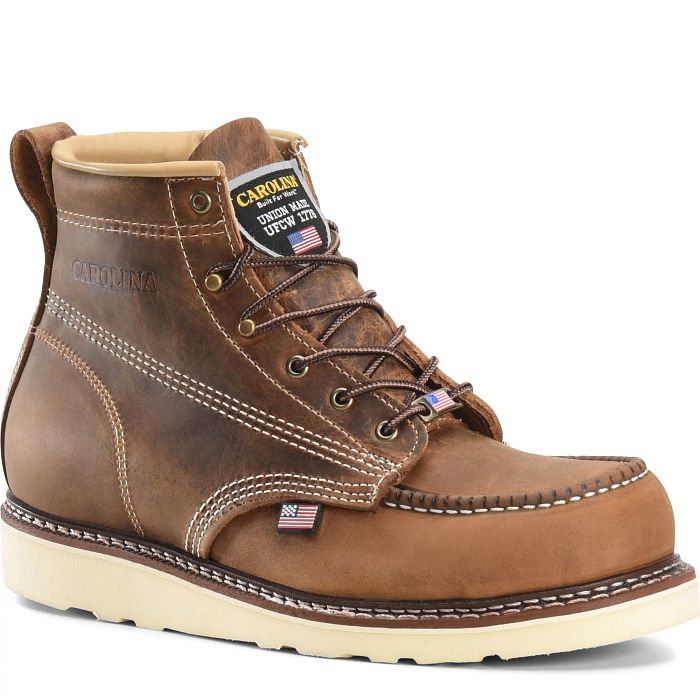
Sale price$215.79
Regular price$259.99
Carolina Men's Amped USA Made 6" Steel Toe Wedge Work Boot Brown - CA7811
Save 7%
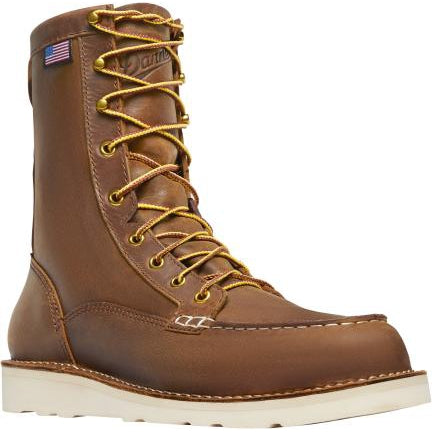
Sale price$279.95
Regular price$300.00
Danner Bull Run 8 Inch Steel Toe USA Made Work Boots - Wedge Boot 15542
Save 17%
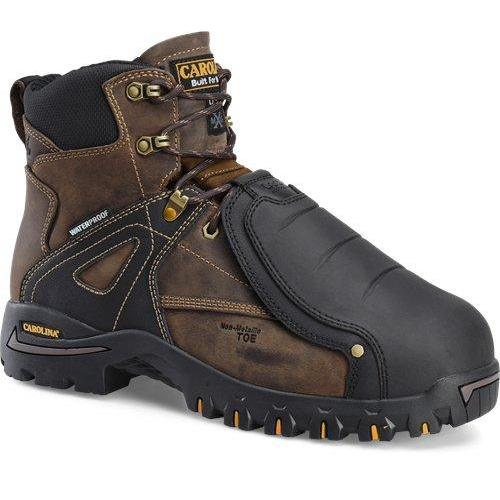
Sale price$195.04
Regular price$234.99
Carolina Men's Miter EXT 6" Composite Toe Waterproof External Metguard Work Boot - Brown - CA5586
Save 5%
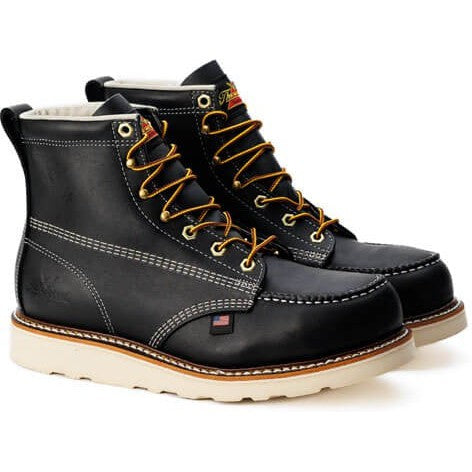
Sale price$274.95
Regular price$290.00
Thorogood Men's American Heritage 6" Wedge Work Boot - Black - 804-6201
Save 19%
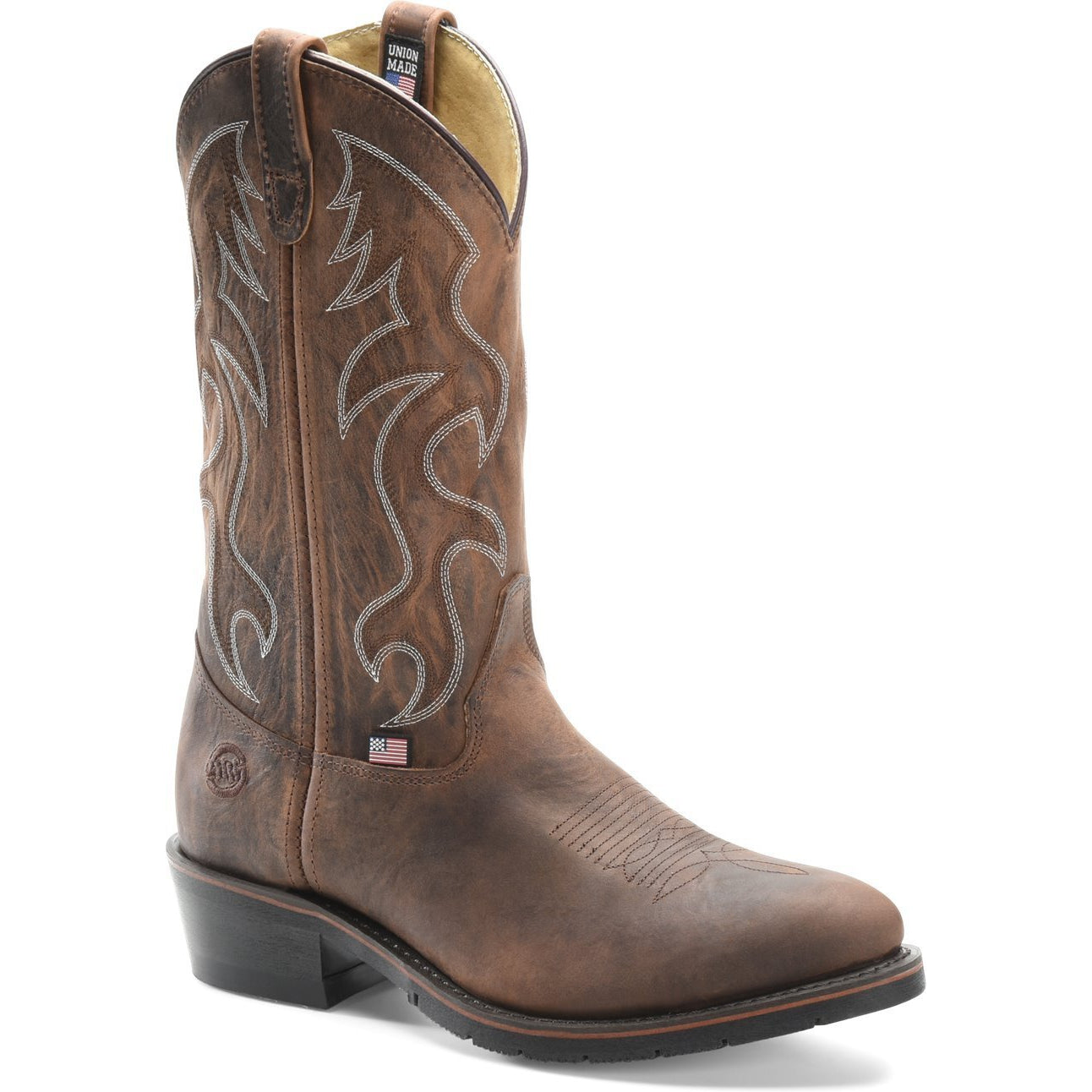
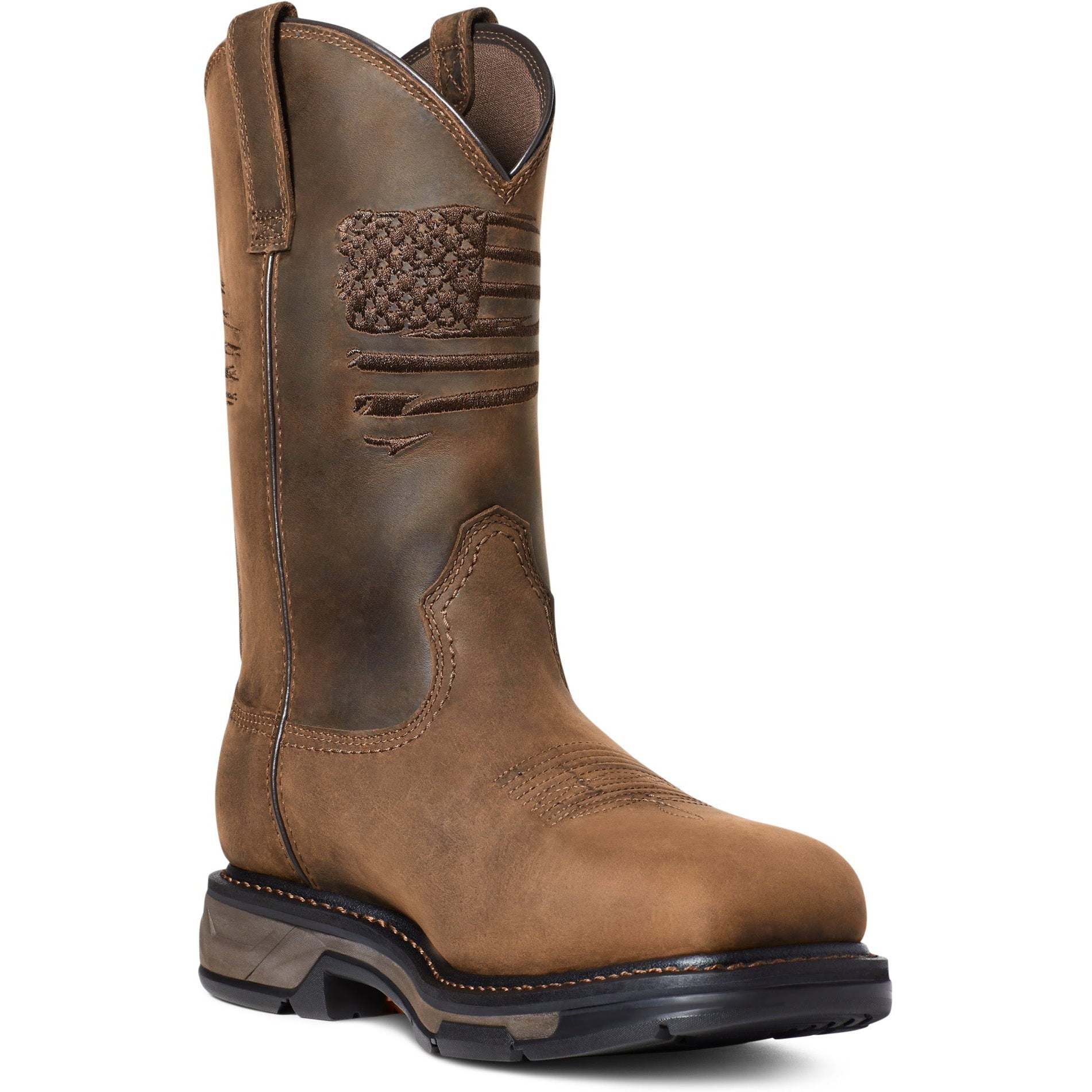
Sale price$240.69
Regular price$298.00
Double H Men's Robert 12" Steel Toe USA Made Arch Guard 7 Western Work Boot- 2282
Save 38%
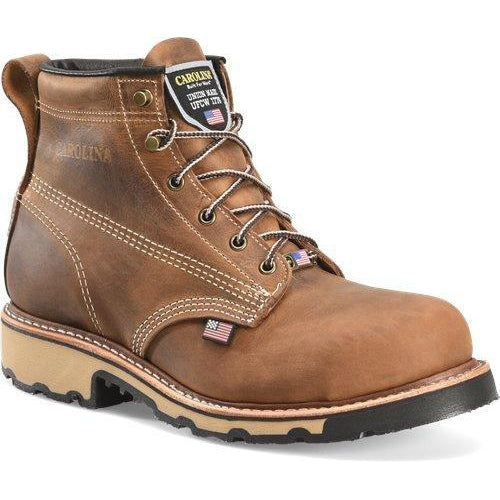
Sale price$176.67
Regular price$286.00
Carolina Men's Ferric 6" Steel Toe Made in USA Work Boot- Brown- CA7829
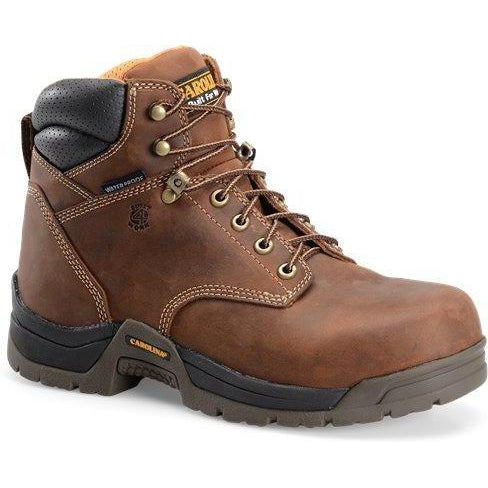
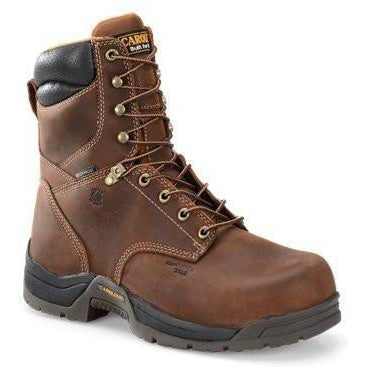
Sale price$189.99
Regular price$194.00
Carolina Men's Bruno Hi 8" Waterproof Composite Toe Work Boot - Brown - CA8520
Save 5%
Sale price$294.95
Regular price$310.00
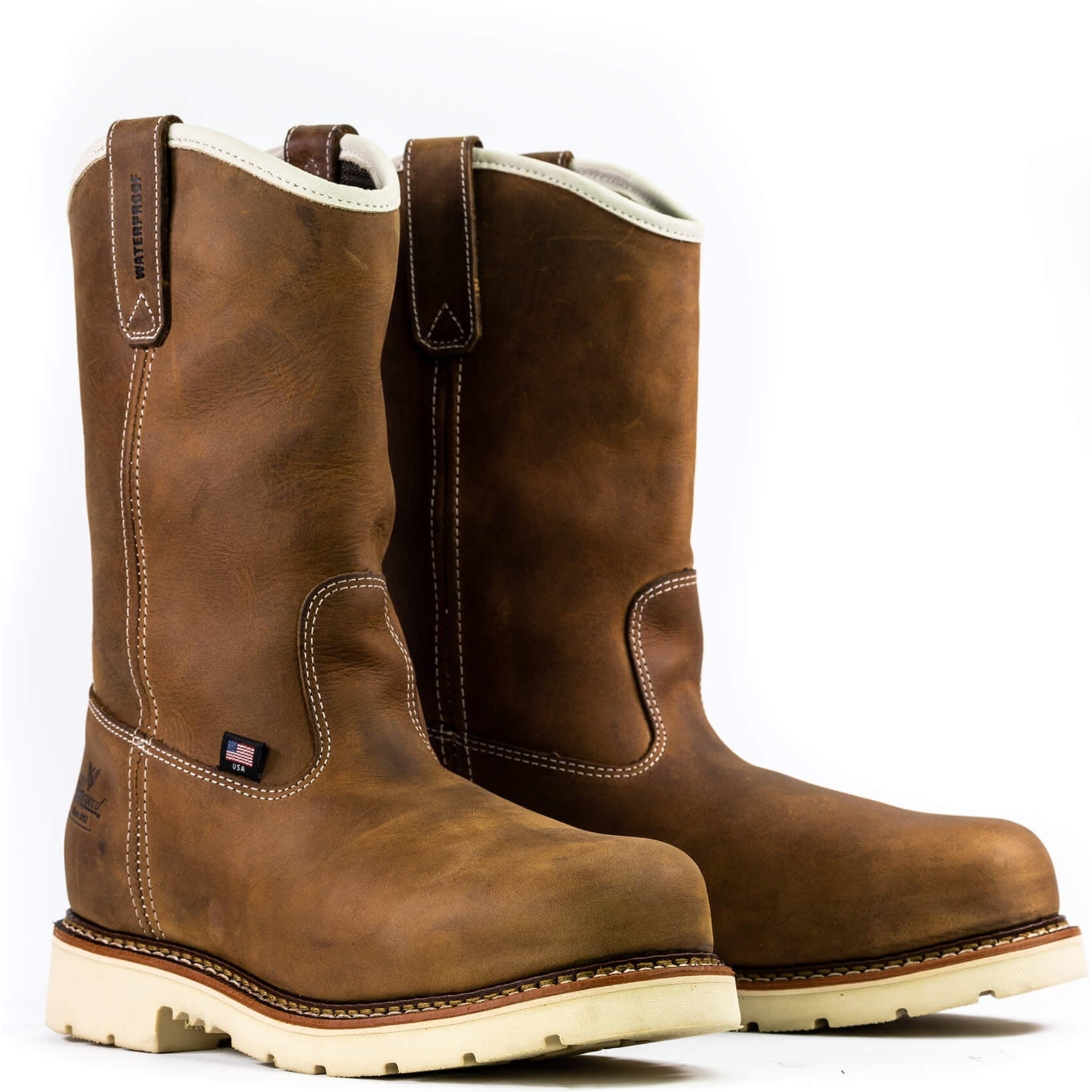
Thorogood Men's American Heritage 11" Steel Toe Waterproof Work Boot - 804-3320
Save 15%
Sale price$256.61
Regular price$301.00
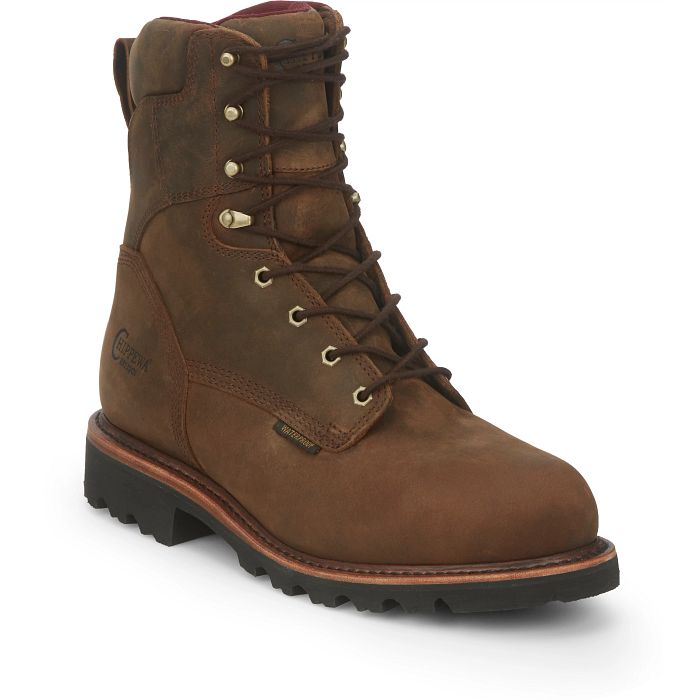
Chippewa Men's 8" Steel Toe 400G Ins Waterproof Work Boot - Brown - 59330
Save 17%
Sale price$224.09
Regular price$269.99
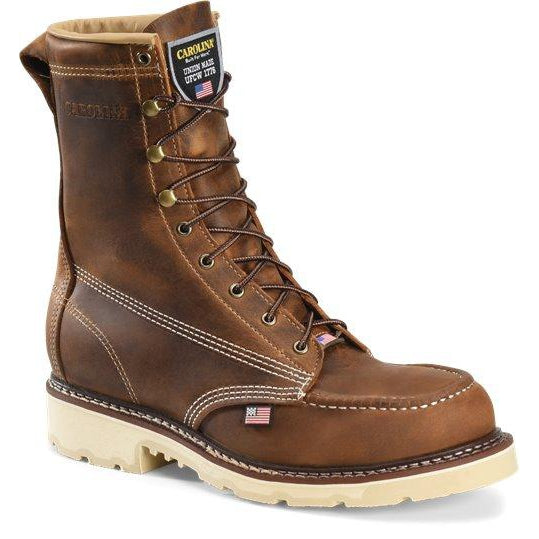
Carolina Men's Ferric 8" Soft Toe USA Made Moc Toe Work Boot - Brown - CA7016
Save 18%
Sale price$273.89
Regular price$334.00
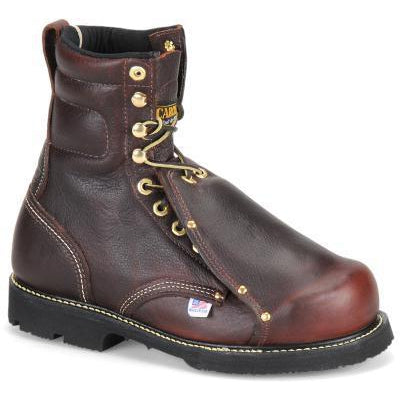
Carolina Men's USA Made 8" External Metguard Work Boot - Briar - 505
Save 17%
Sale price$178.44
Regular price$214.99
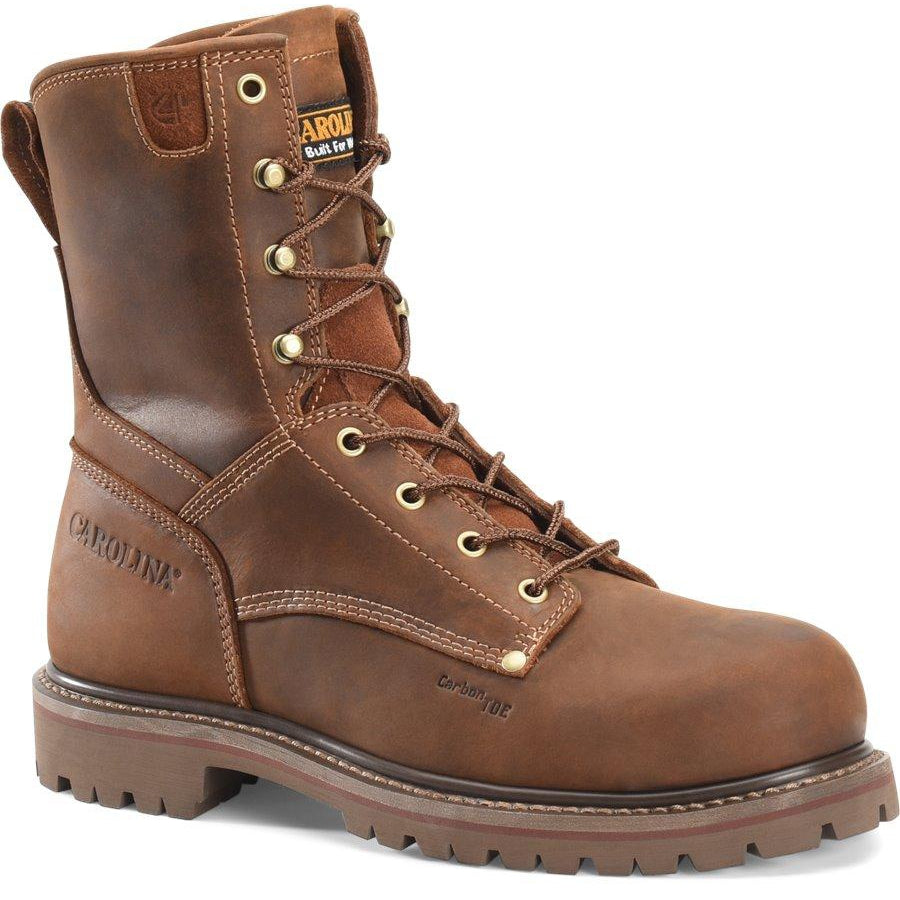
Carolina Men's 8" Composite Toe Unlined Work Boot - Brown - CA8628
Save 18%
Sale price$257.29
Regular price$314.00
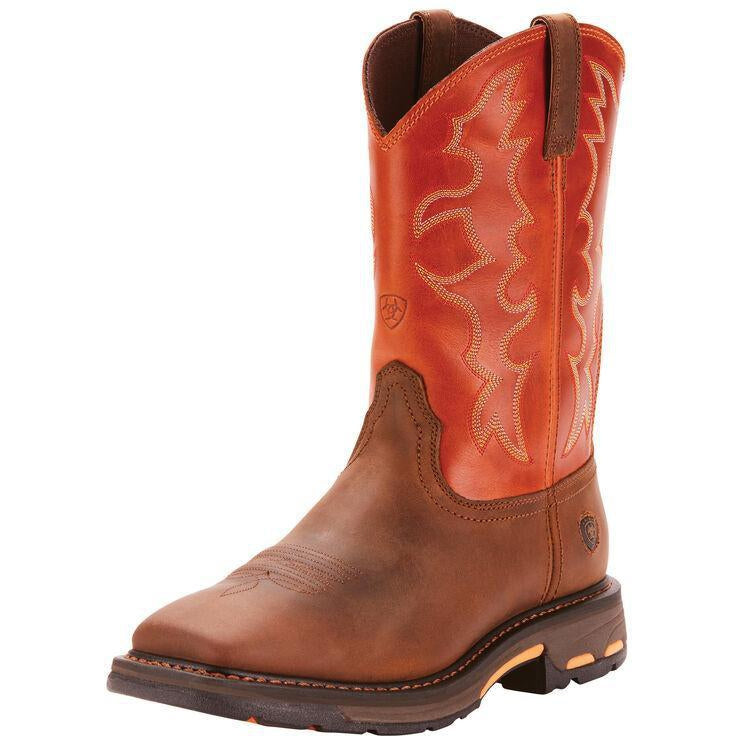
Carolina Men's Sarge Lo USA Made 6" Soft Toe Work Boot - Amber Gold - 309
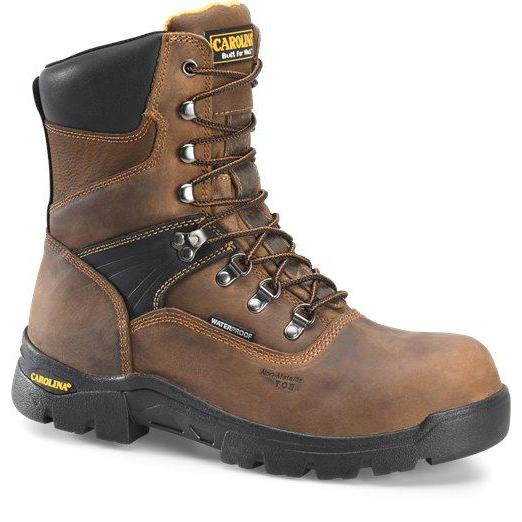
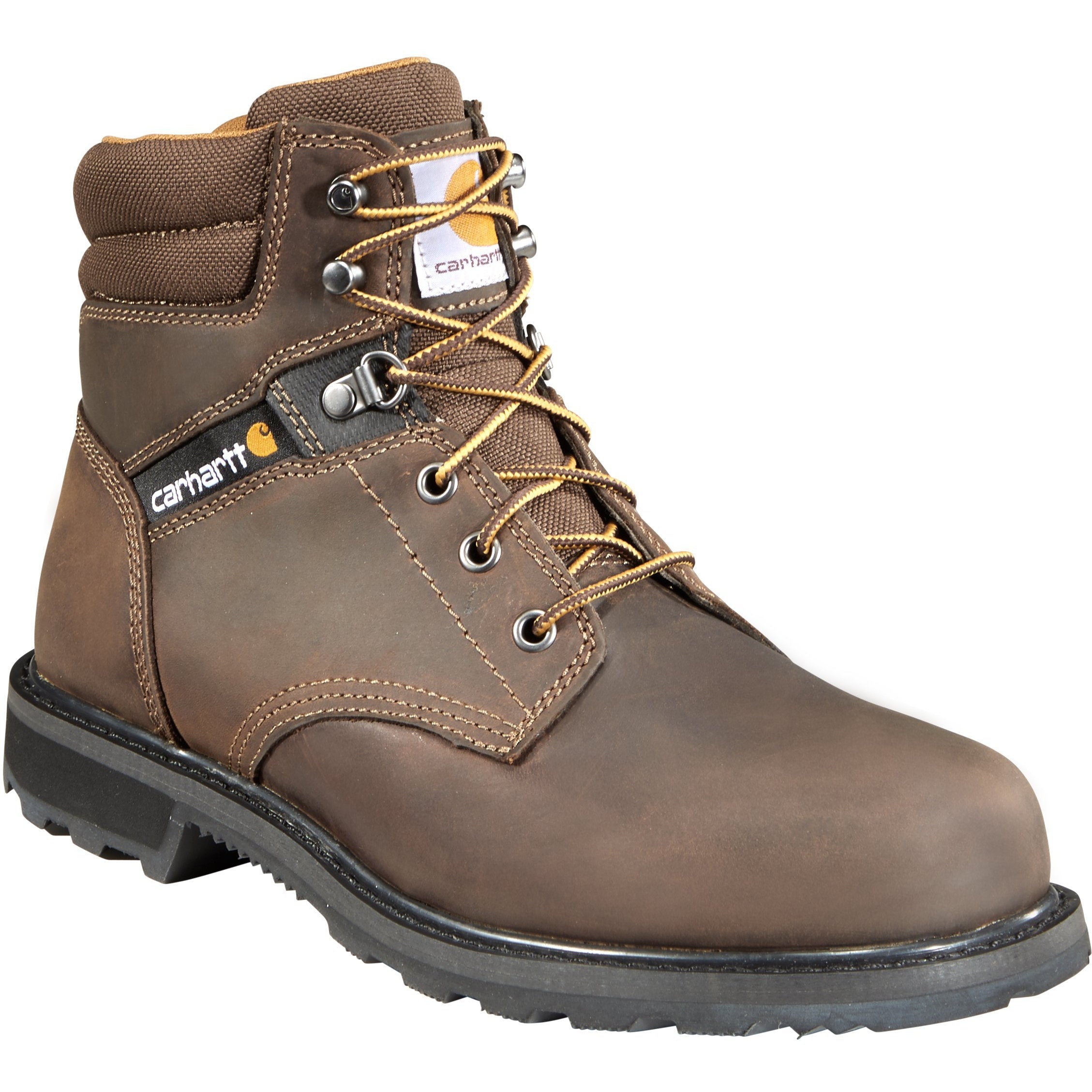
Sale price$144.99
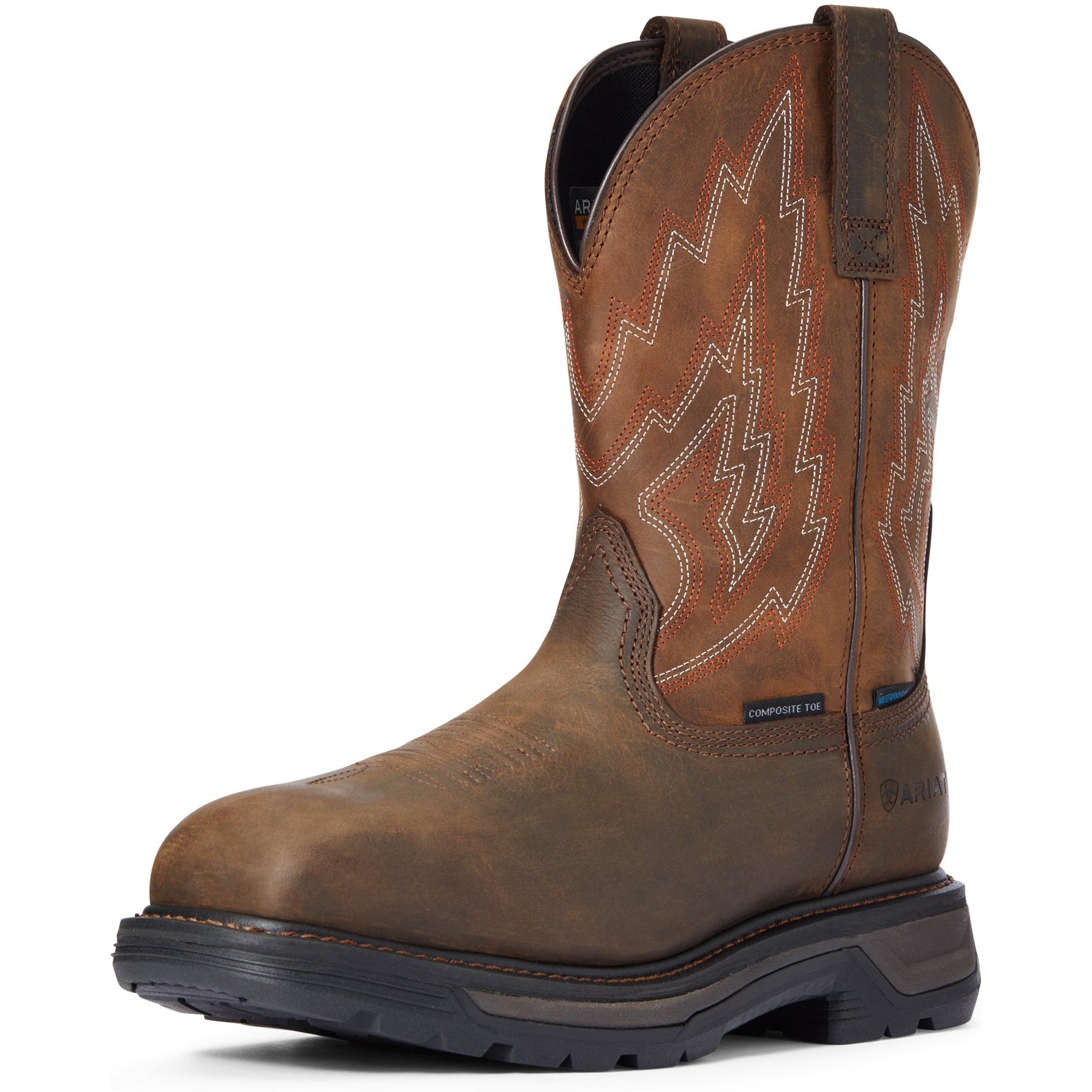
Carhartt Men's 6" Soft Toe Work Boot - Brown - CMW6174
Save 38%
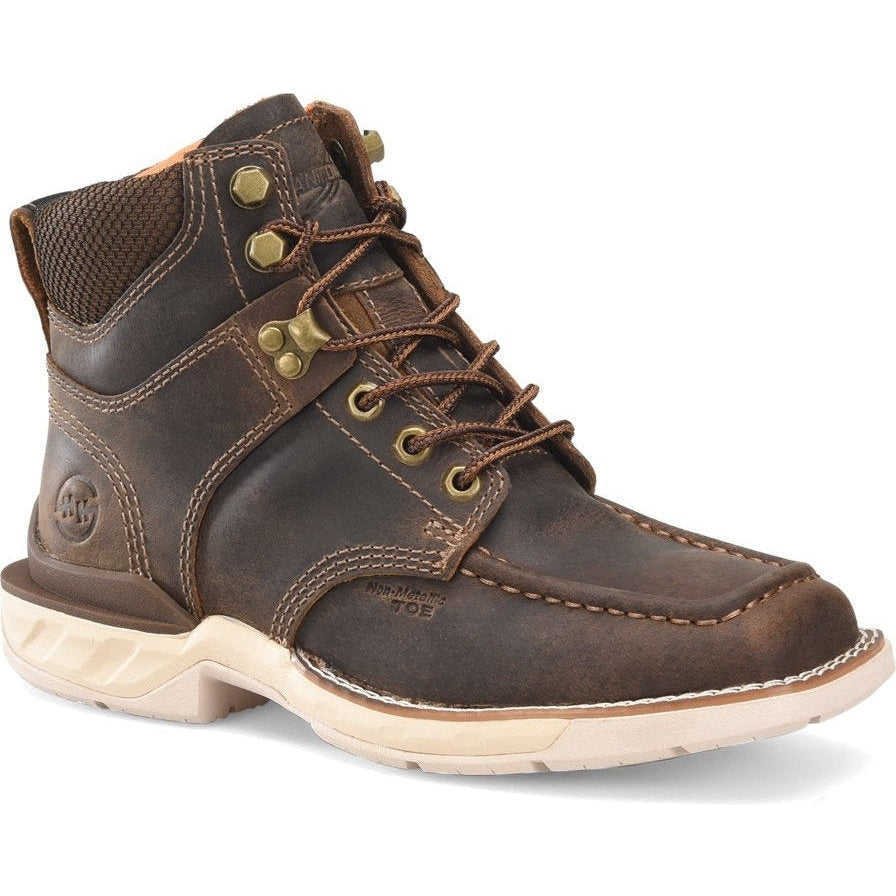
Sale price$105.67
Regular price$170.00
Double H Women's Phantom 5" Waterproof Composite Toe Lacer Work Boot -Brown- DH5386
Save 14%
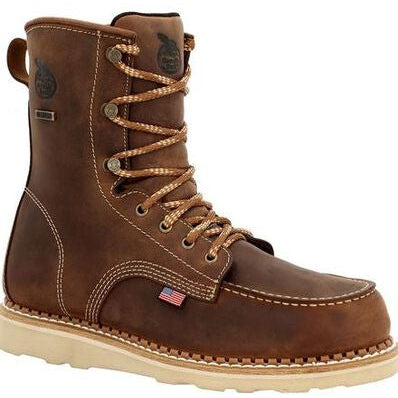
Sale price$218.55
Regular price$255.00
Georgia Men's Wedge 8" Waterproof Soft Toe Slip Resistant Work Boot -Brown- GB00532
12
Frequently Asked Questions
The features to look for in a machinist boot are a safety toe rated for your shop, a slip- and oil-resistant outsole, and enough anti-fatigue cushioning for a full shift on concrete. An EH rating matters when you work near live circuits. An HRO outsole is needed when you stand on hot surfaces, and a metatarsal guard when heavy stock can land on your instep.
Neither is better for machine-shop work, because a steel toe and a composite toe certified to the same ASTM F2413 impact and compression levels carry the same rated protection. Steel machinist boots reach the rating in a thinner cap, so the toe box can sit lower and take less room, while composite runs lighter and transfers less heat and cold on a long shift or a cold floor. EH is a rating of the finished boot, based on its electrical resistance rather than the toe-cap material, so check it separately instead of assuming a composite toe makes a boot safer around electricity.
A sole grips an oily shop floor through its rubber compound and tread pattern, not through aggressive lugs. Fine siping and channels cut into the tread move the liquid film away from the contact surface, which is why a purpose-built slip-resistant outsole often looks flatter and tamer than an outdoor lug pattern. Watch the wording on the spec sheet, though, because slip resistance and oil resistance are two different claims. Oil resistance means the compound is designed to resist swelling and breakdown from oil exposure, and a boot can carry that without ever being tested for traction.
A machinist doesn't always need a safety toe, because the requirement depends on the shop and the work rather than a blanket rule. Many shops mandate a rated safety toe by policy, and any work with heavy stock, dies, or dropped tooling makes a strong case for one. Some machinists running light parts on clean floors work comfortably in a soft-toe boot, which is a legitimate choice where no policy or real drop hazard exists. Check your employer's PPE requirement first, then match the toe to what actually lands near your feet.
Replace your machinist boots when the tread stops gripping, the outsole starts separating from the upper, the leather cracks through, or the safety toe takes a serious strike, since damage to a cap isn't always visible from the outside. How fast you get there comes down to hours on concrete, chip and coolant exposure, and whether the boots dry fully between shifts. A welted boot can often be resoled while the upper and welt are still sound, and a cemented boot usually costs more to resole than to replace. Rotating two pairs so each dries out is a practical way to stretch both.
A machinist needs a met guard boot when heavy objects can fall or roll onto the top of the foot, which the toe cap does not protect. Handling heavy stock, dies, castings, or bar stock is the clearest case, and some heavy-fabrication and foundry-adjacent shops require met guards by policy. The guard is a plate or shell over the instep, built into the boot or worn externally, and it adds weight and stiffness, which is why it belongs where the instep hazard is real rather than on every boot.
The most comfortable boots for standing on concrete all day are the ones with a real anti-fatigue midsole, a supportive cushioned footbed, and enough shank support to hold your arch through a long shift. Polyurethane and purpose-built comfort midsoles take the edge off the impact concrete sends back up through your legs. Fit matters as much as cushioning, so size for a snug heel with room at the toes.
To get the right fit when ordering machinist work boots online, order your usual work-boot size, then account for the socks and any insole you actually wear on the shop floor. Sizing isn't identical across brands, so a 10 in one maker can run longer or wider than a 10 in another, which is why the maker's own size guidance matters more than your general size. Aim for a snug heel that doesn't slip with a thumb's width of room at the toe, because a work boot should hold your foot in place, not stretch to fit later.
The work boot brands that recur in machine-shop and trade forum threads are Thorogood, Carolina, and Danner, recommended by machinists for holding up to daily wear. All three anchor this collection, with Carolina carrying the widest range of toe types and heights.
Recently viewed
Our Top Brands