Save 11%
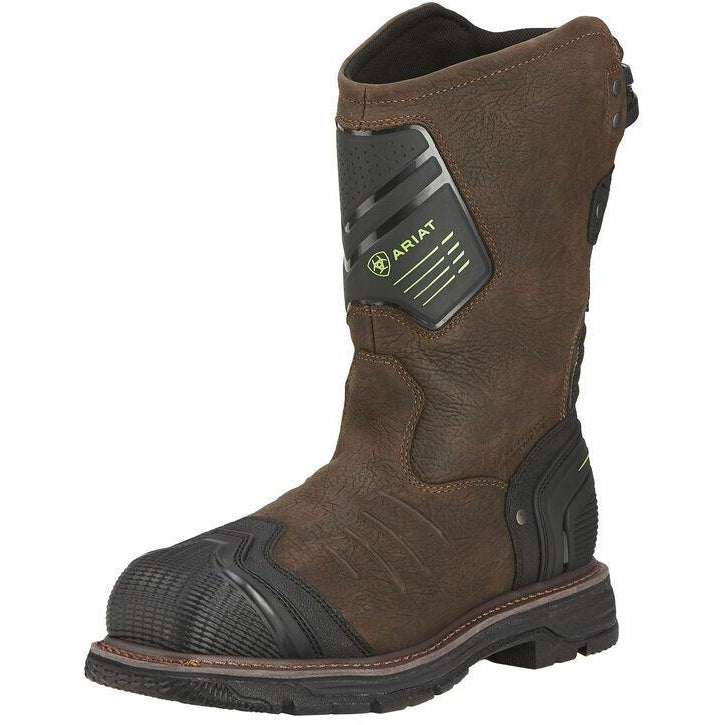
Sale price$311.46
Regular price$349.95
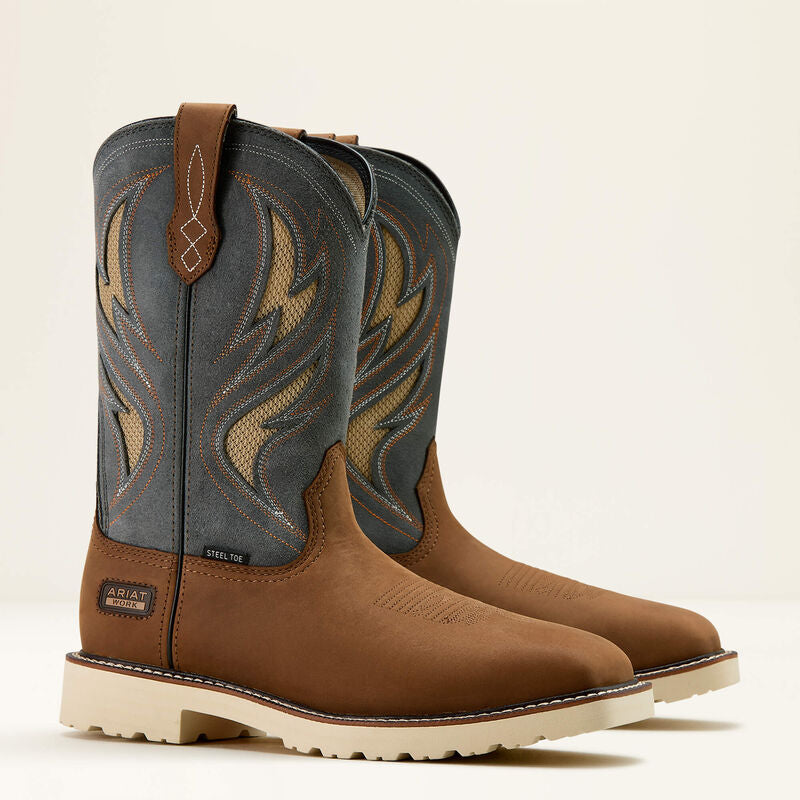
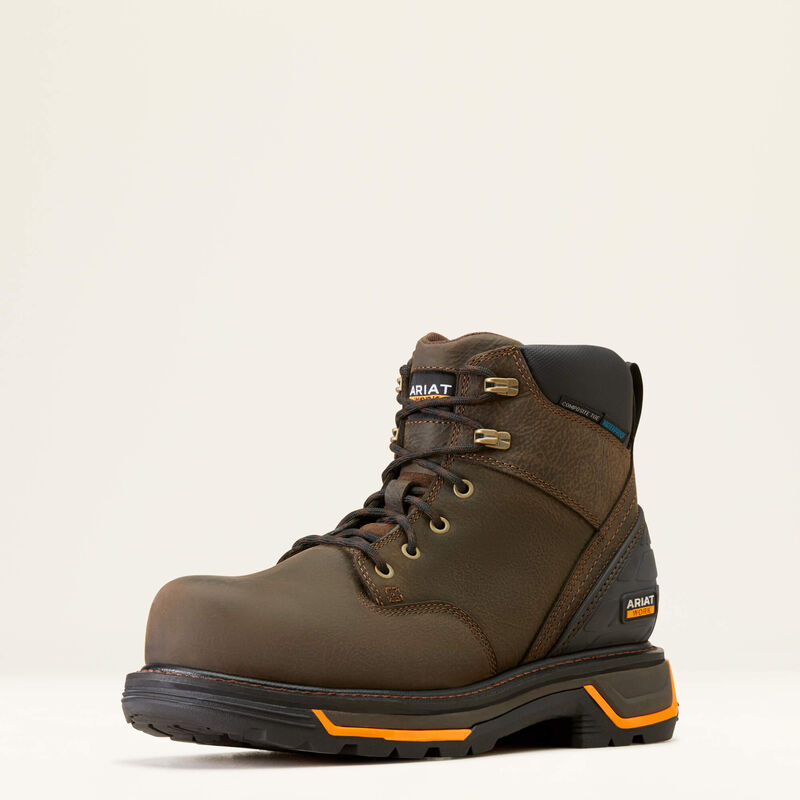
Ariat Catalyst VX Work Boot - Men's 11" Waterproof Composite Toe Brown - 10016253
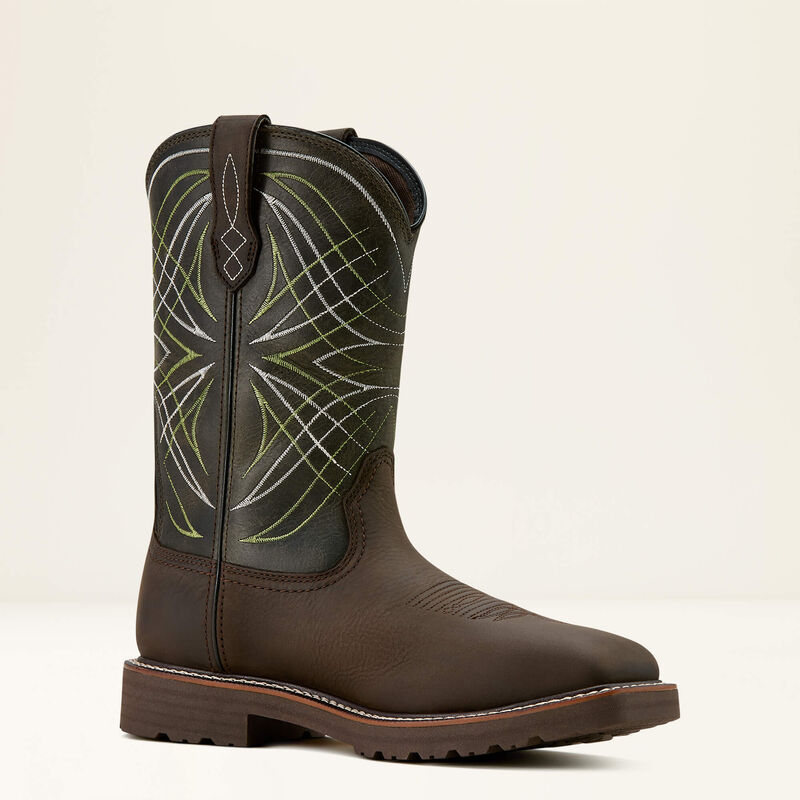
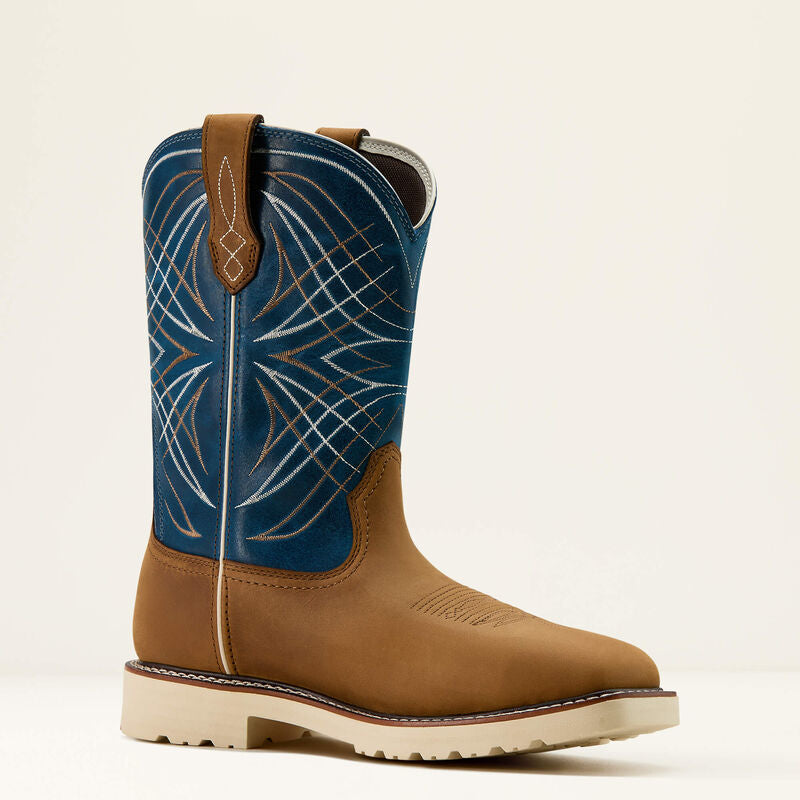
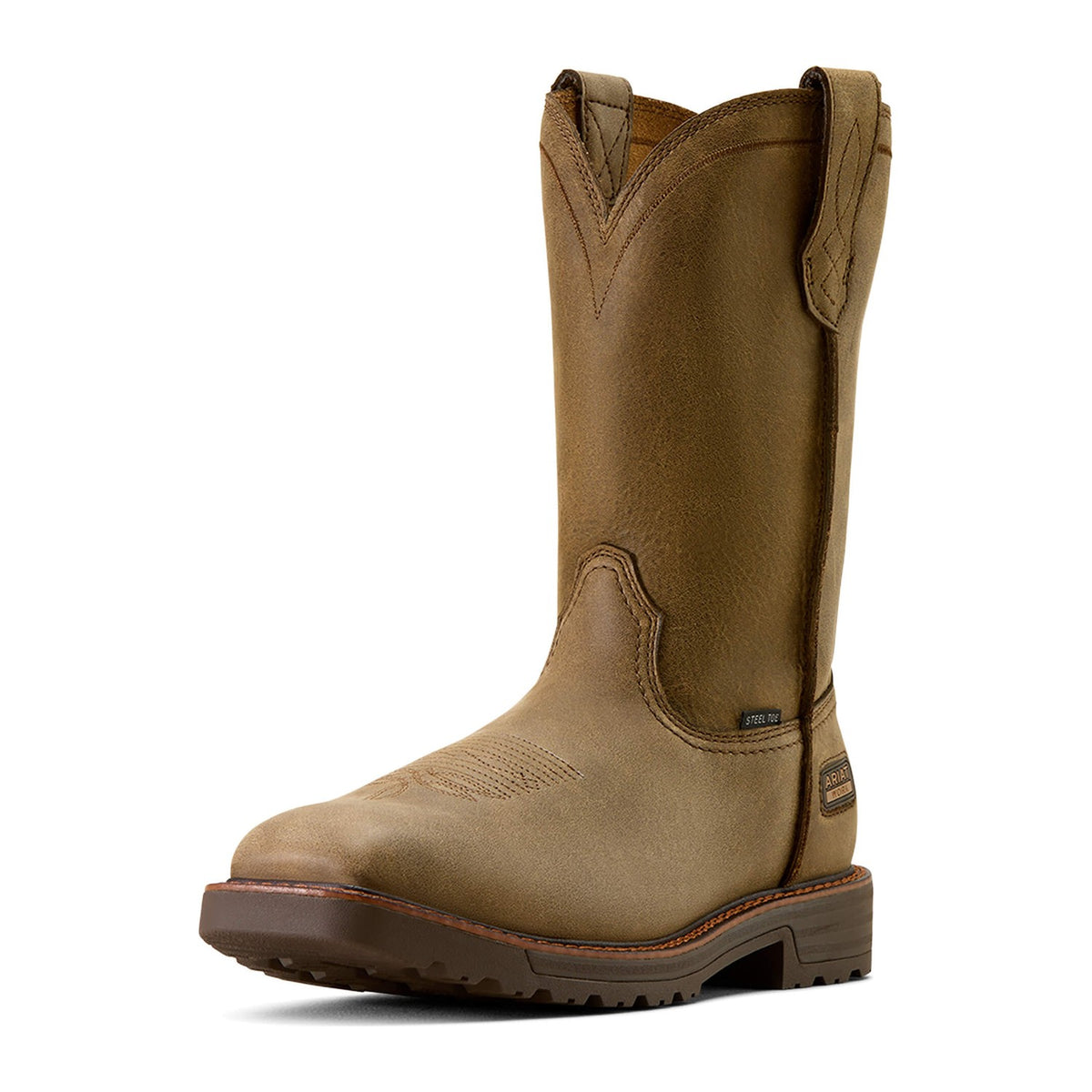

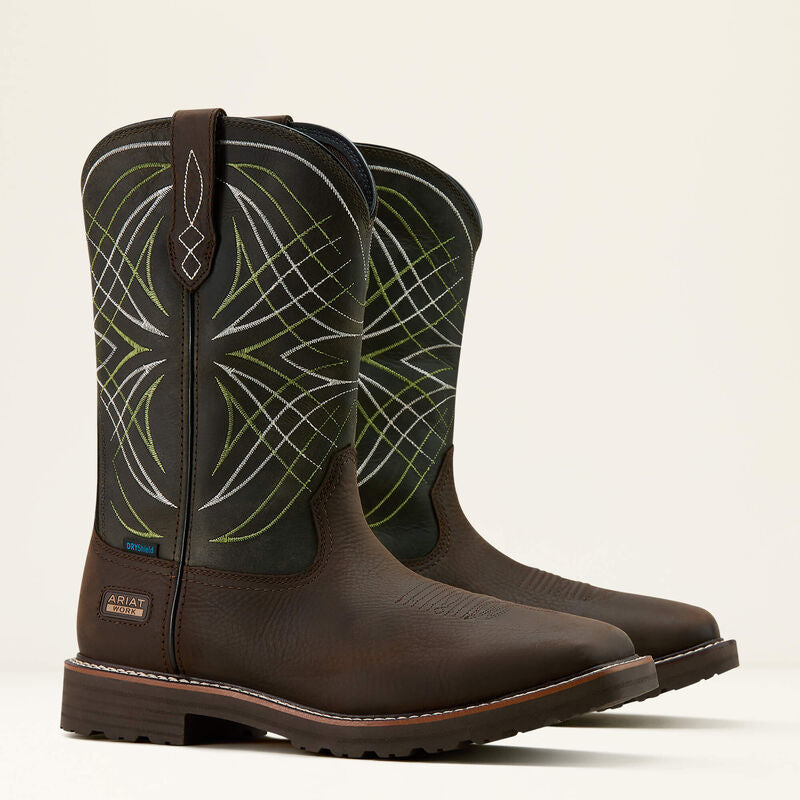


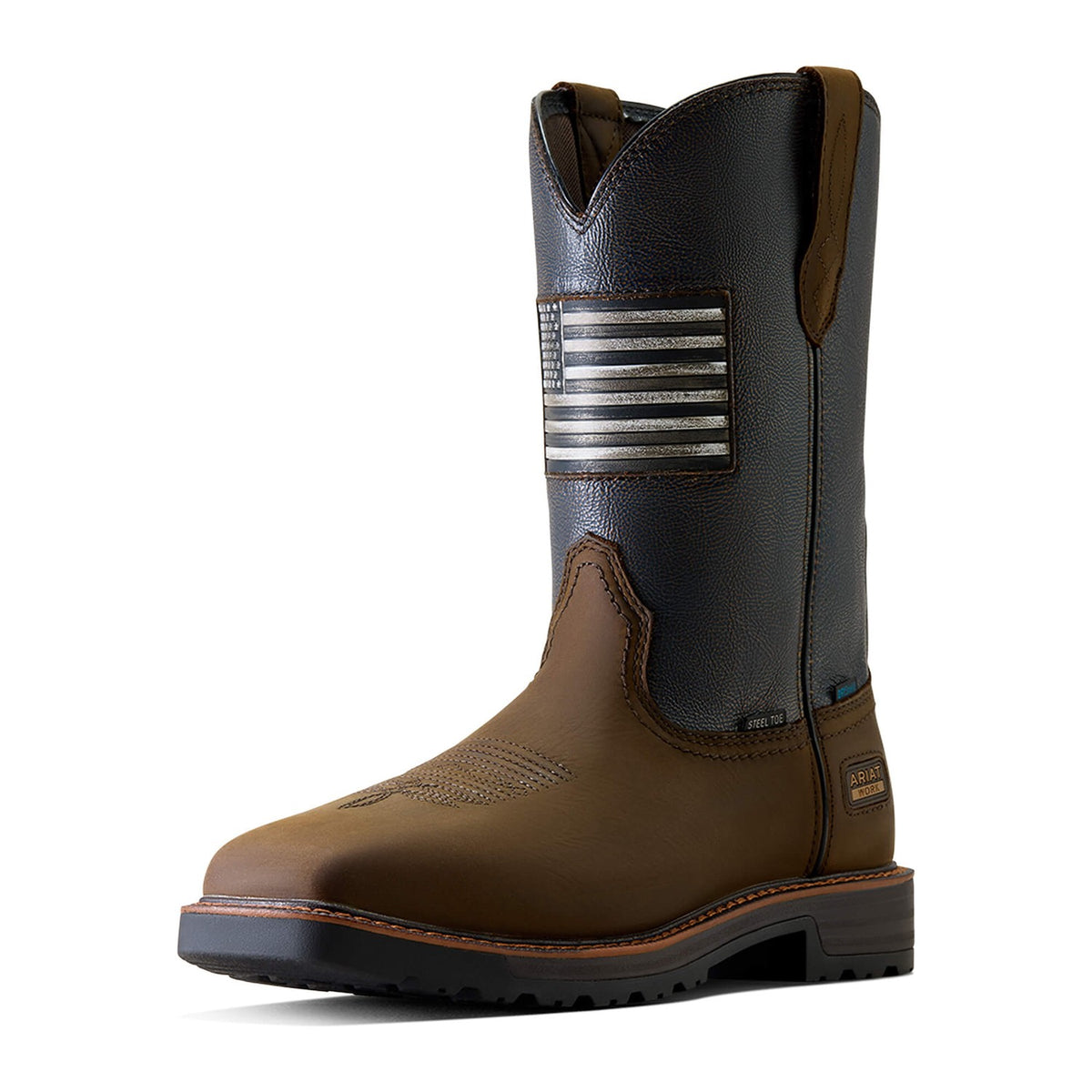
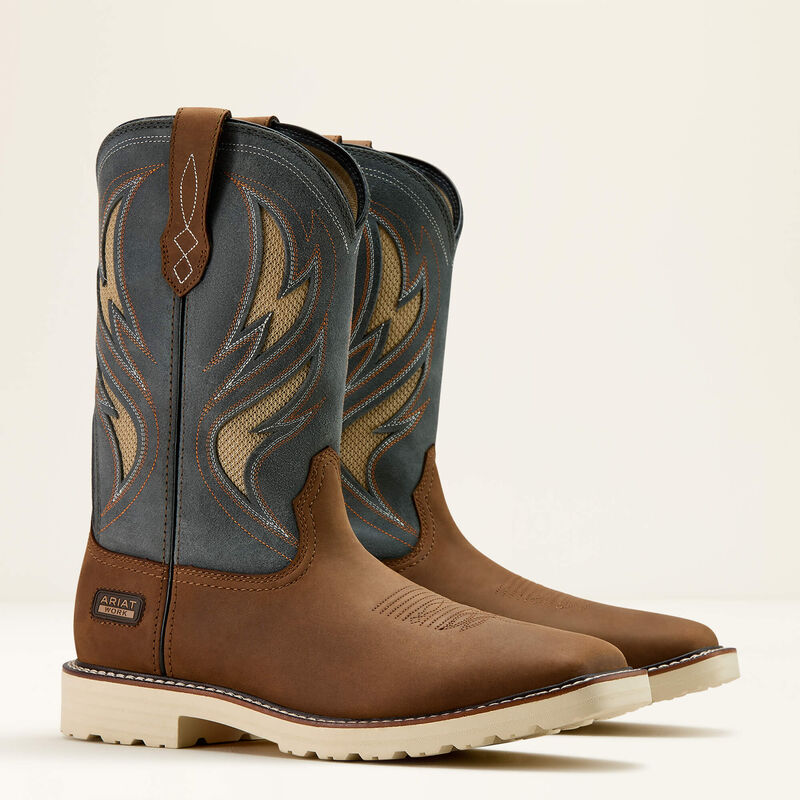
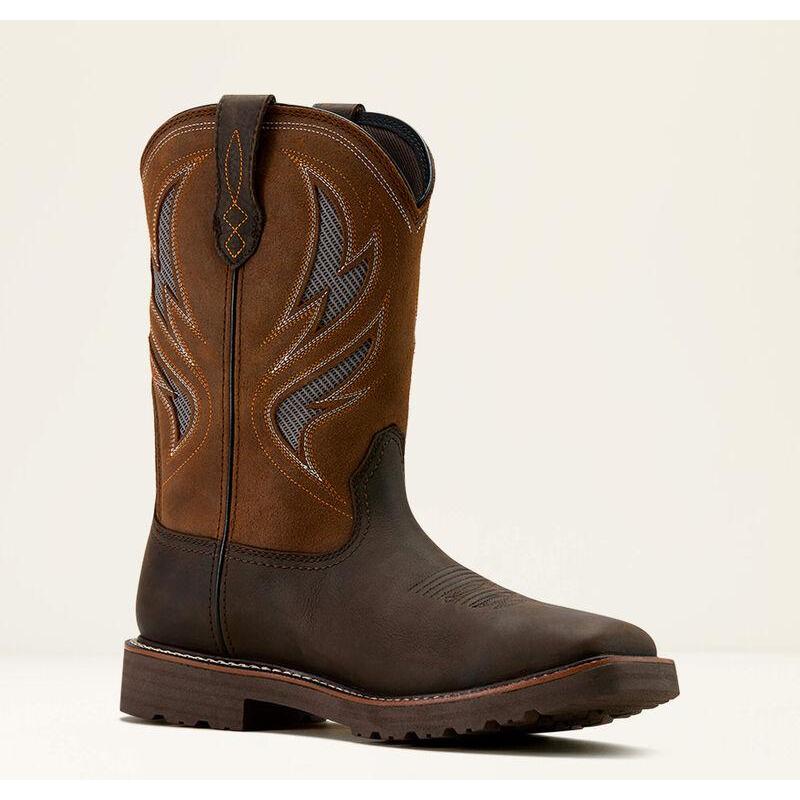
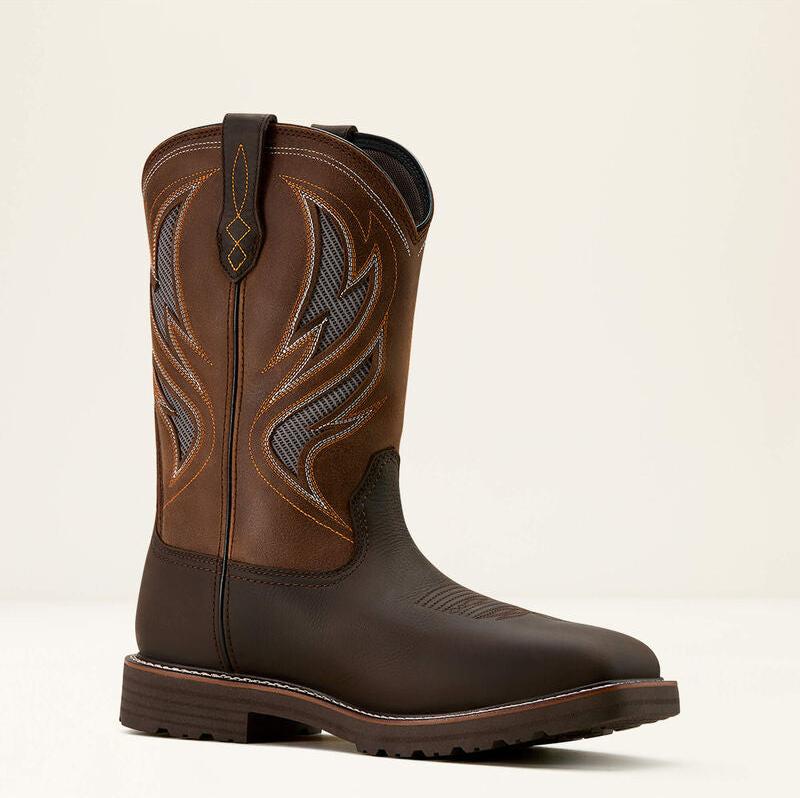
Save 11%
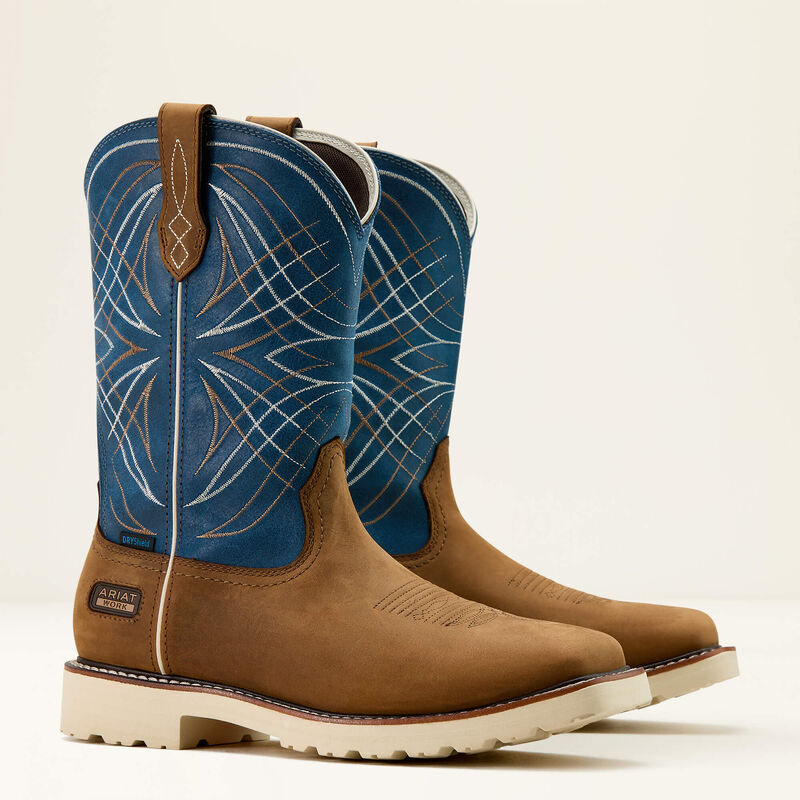
Sale price$266.96
Regular price$299.95
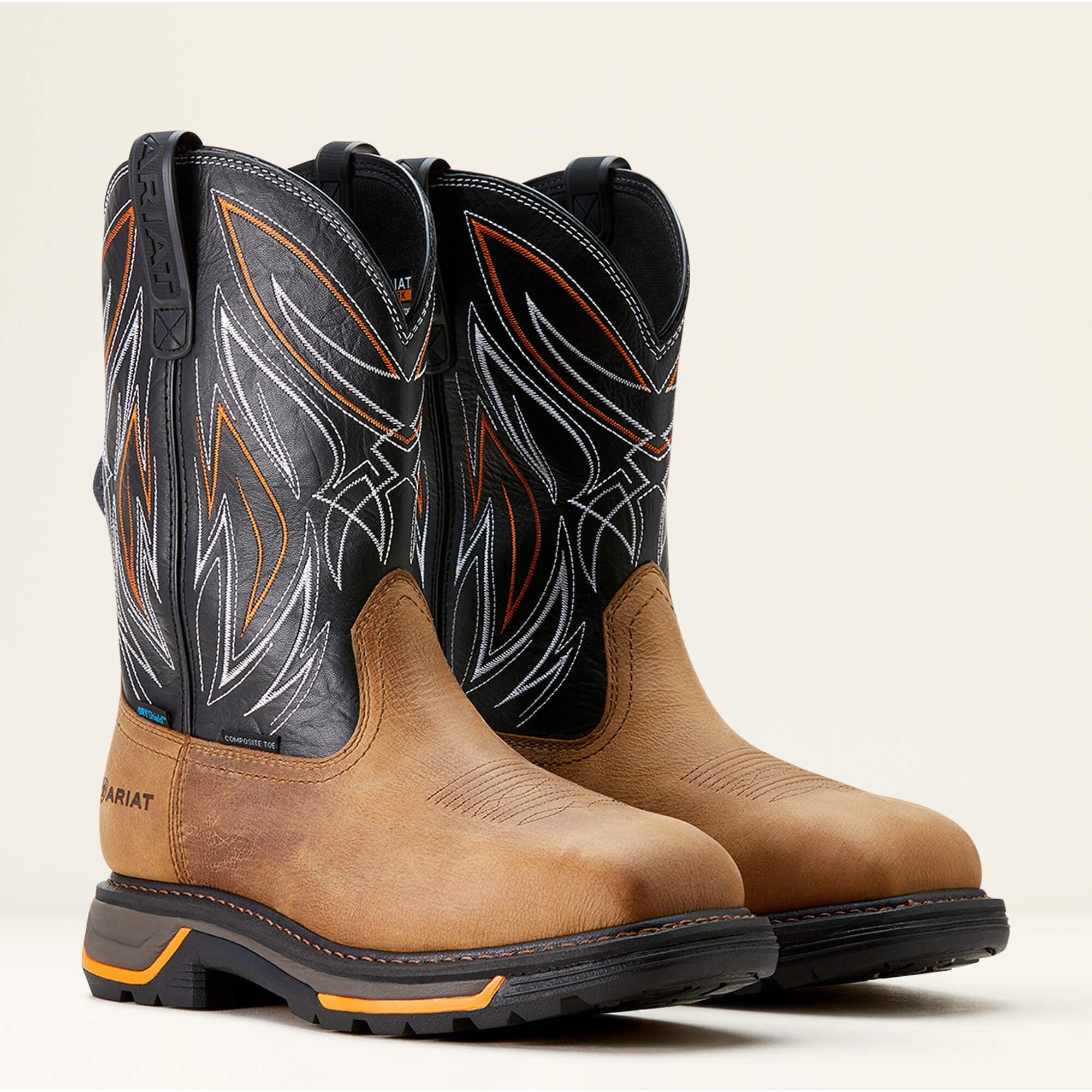
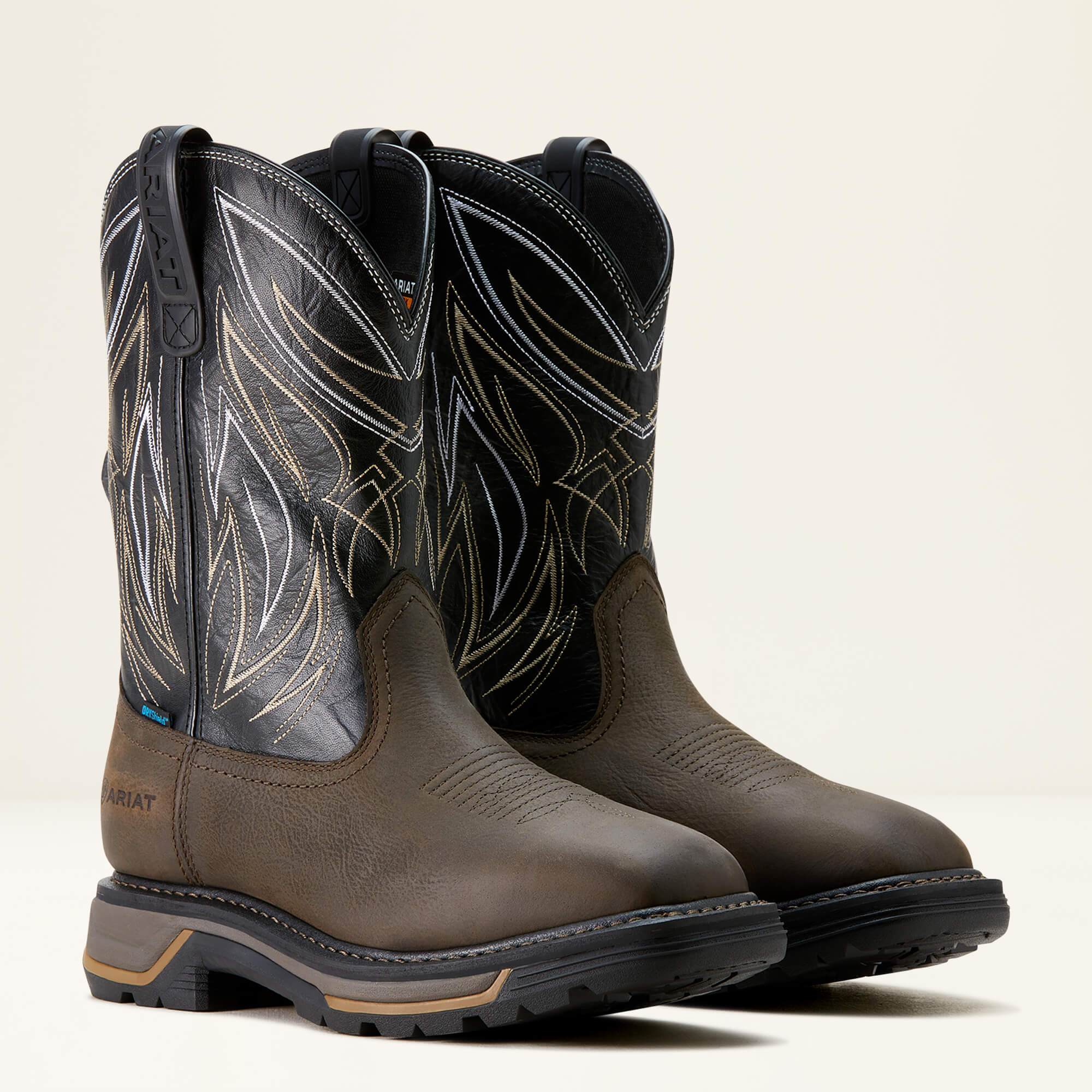
Ariat Men's Big Rig BOA 11" Composite Toe Waterproof Western Work Boot - Natural Tan/Black - 10053617
Save 11%
Sale price$258.06
Regular price$289.95
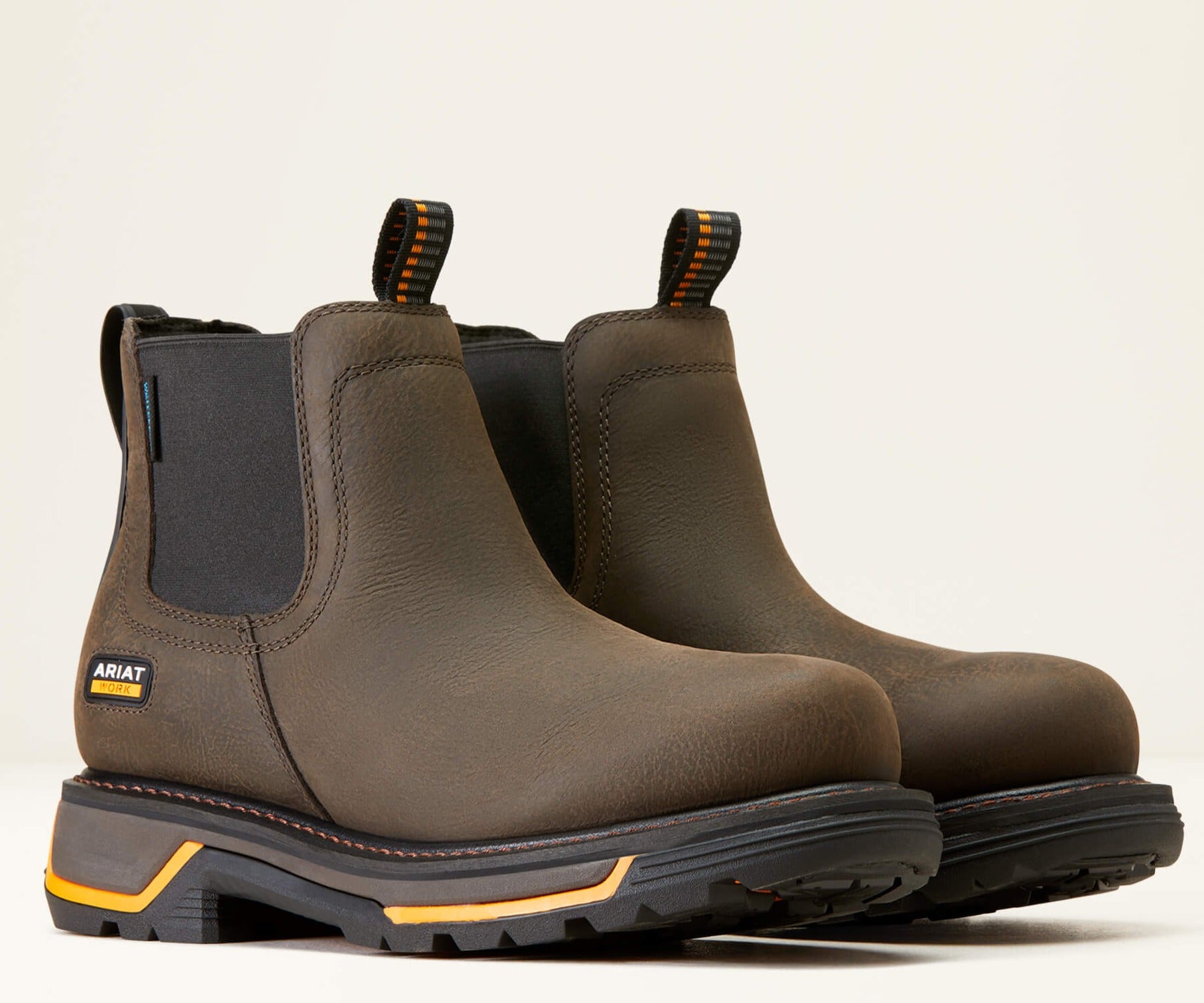
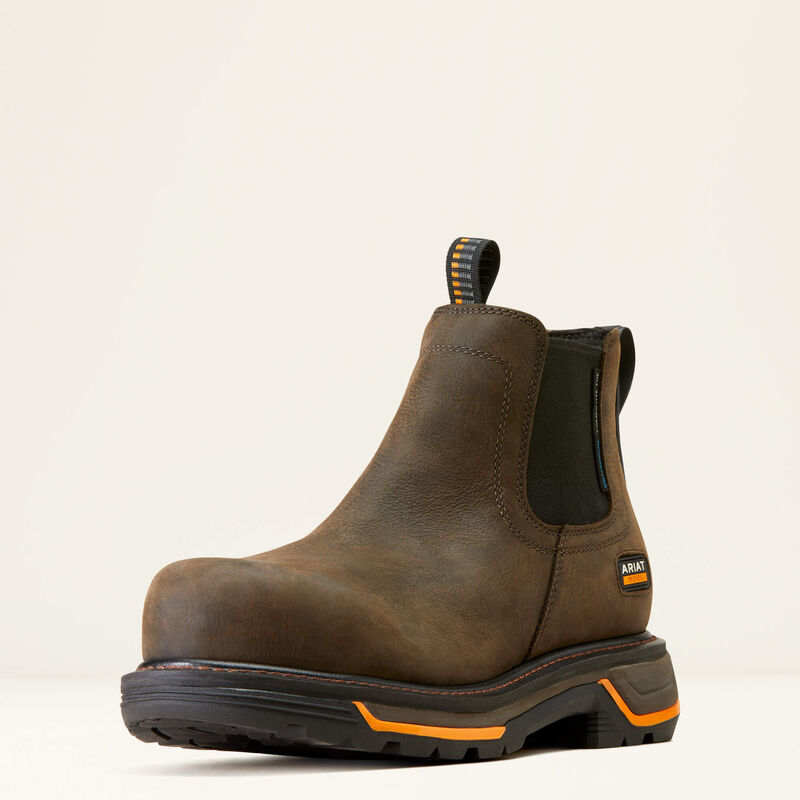
Ariat Men's Big Rig BOA 11" Soft Toe Waterproof Western Work Boot - Iron Coffee/Black - 10053777
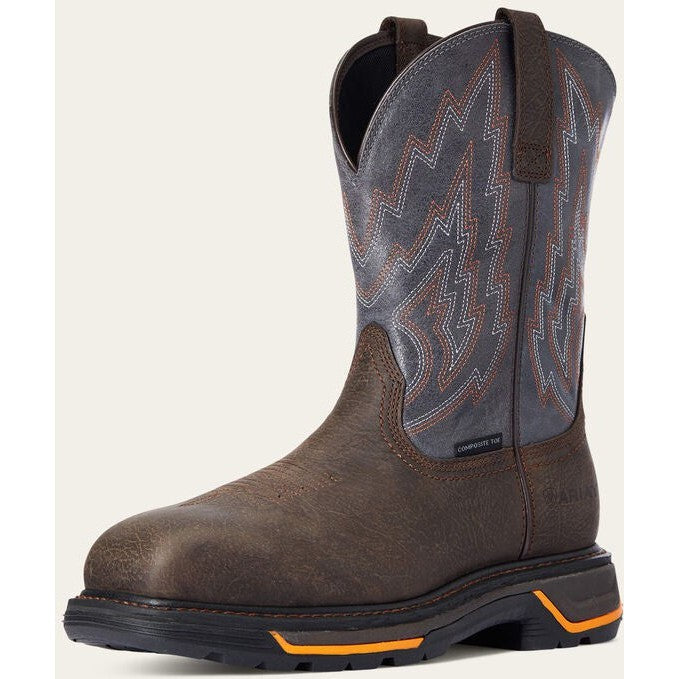
Sale price$229.95
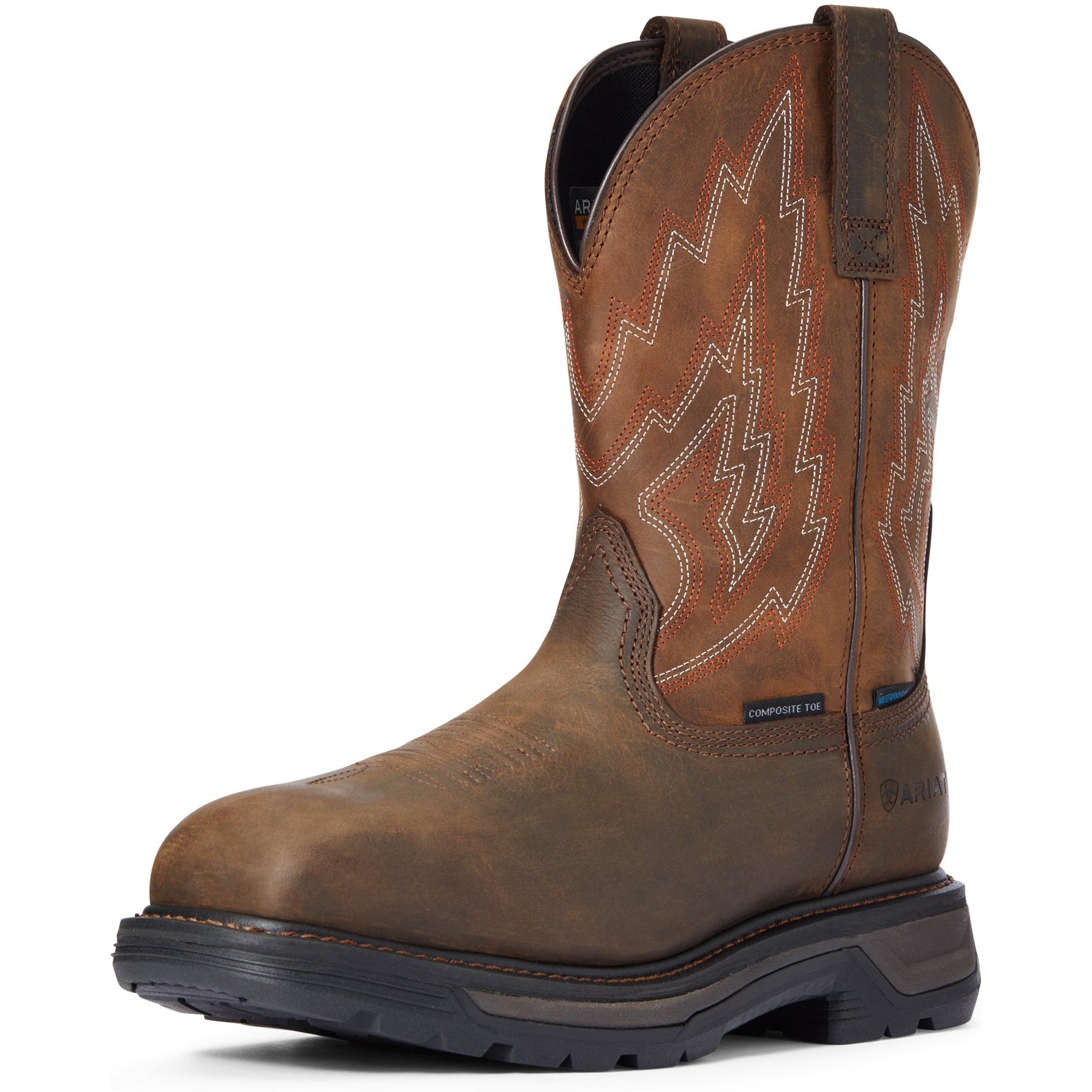
Ariat Men's Big Rig Composite Toe Western Work Boot -Coffee- 10033966
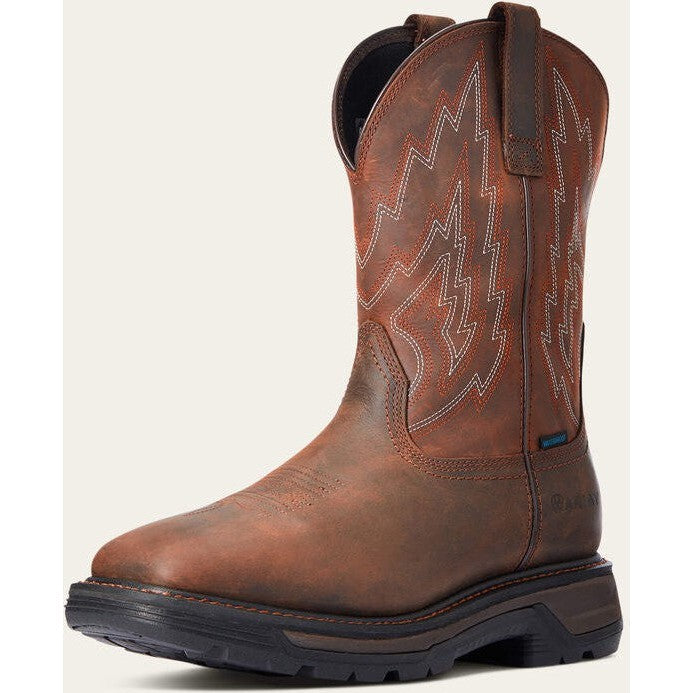
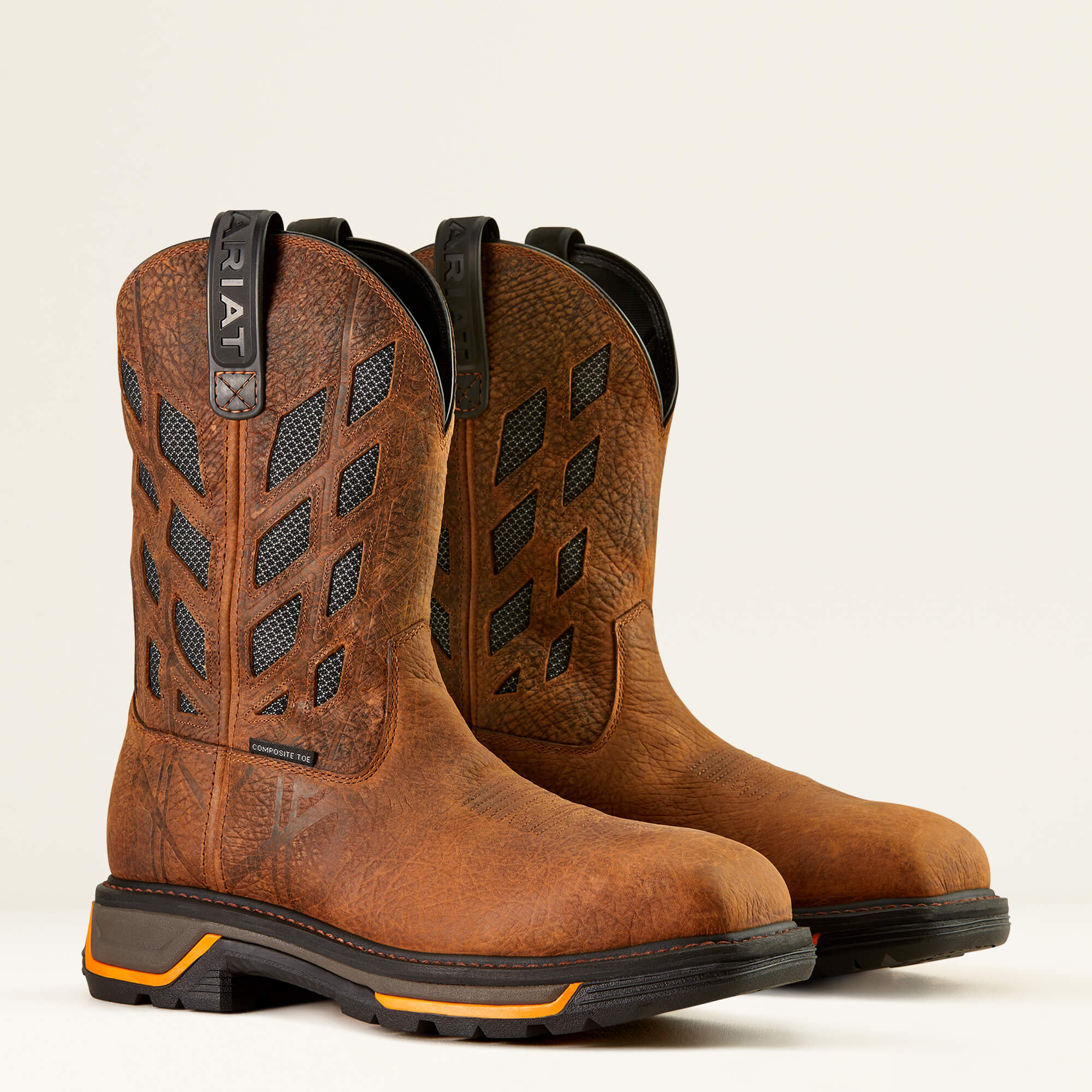
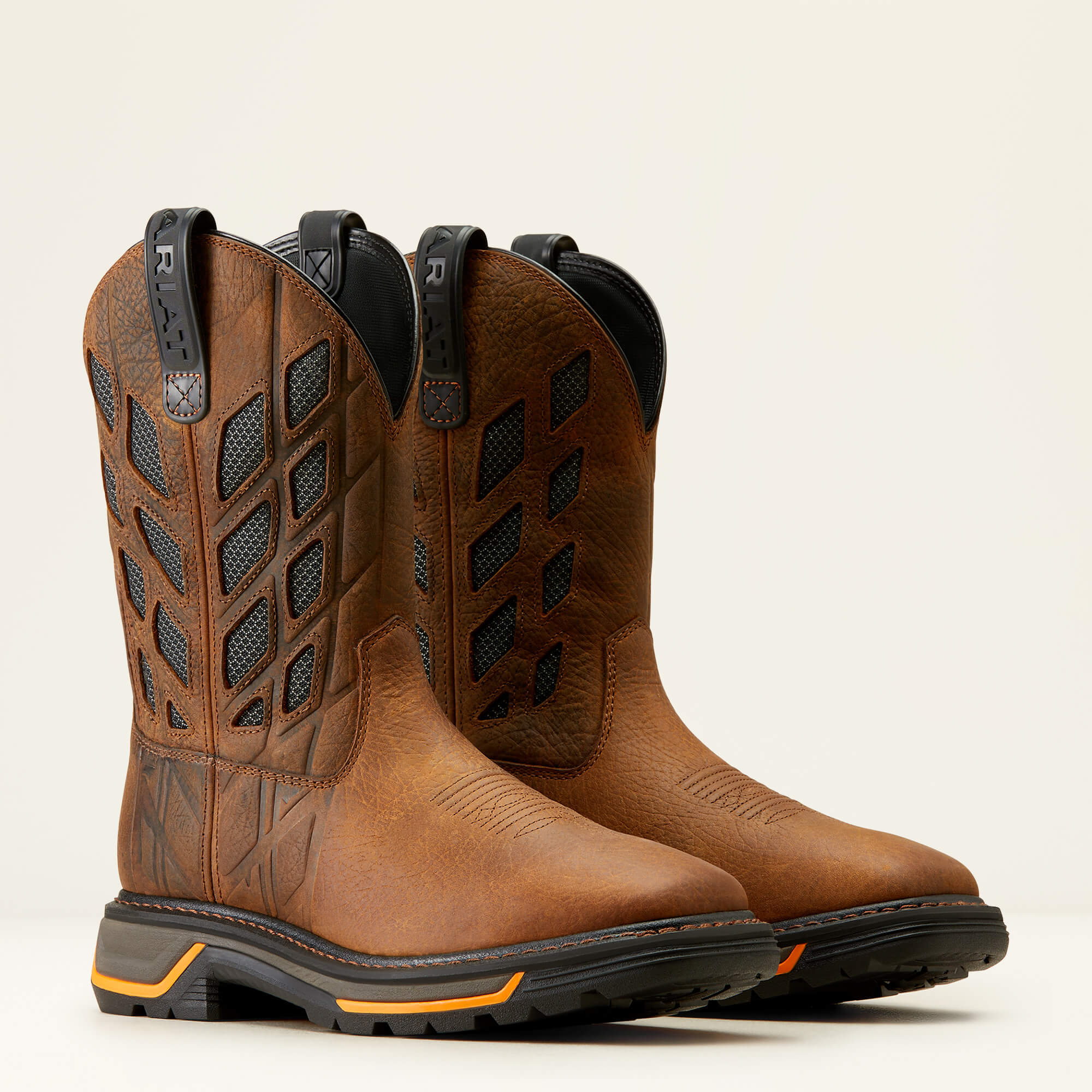
Sale price$114.95
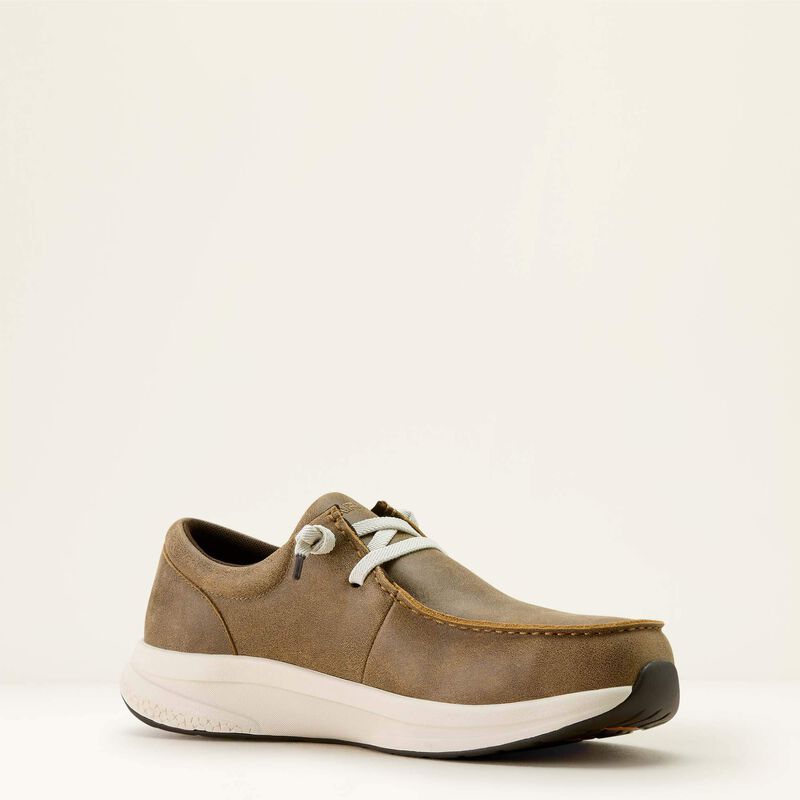
Ariat Men's Buckeye Steel Toe Slip Resist Work Shoe - Brown - 10063828
Save 11%
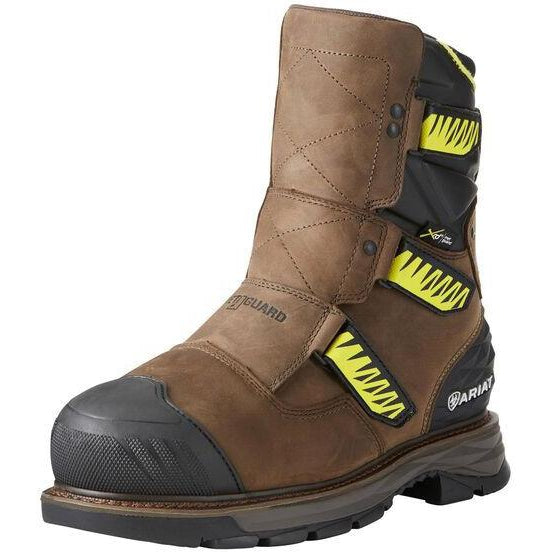
Sale price$307.01
Regular price$344.95
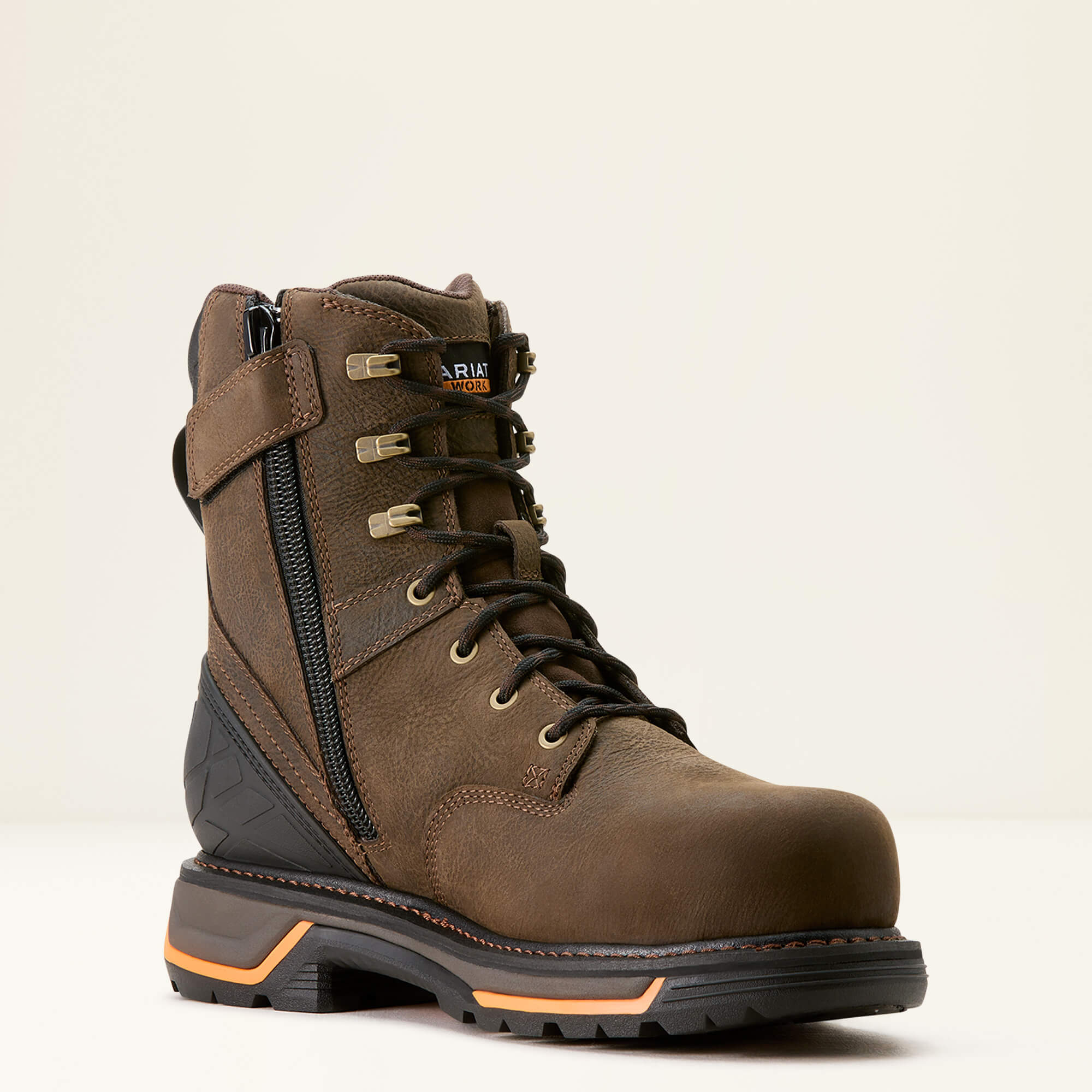
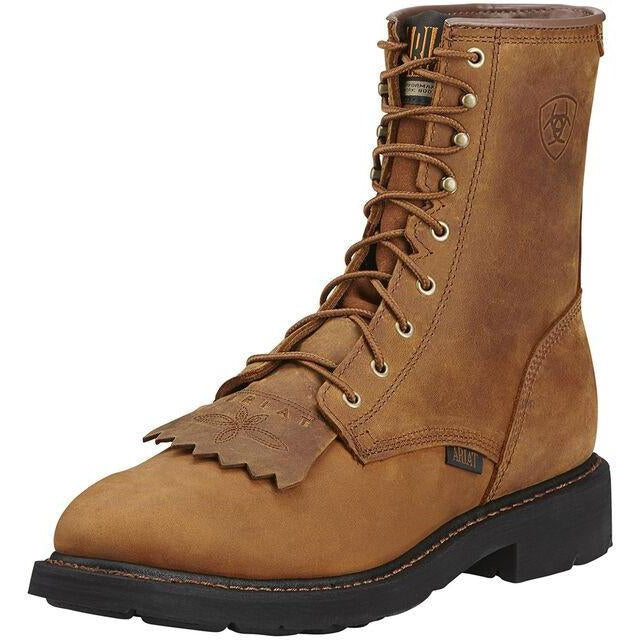
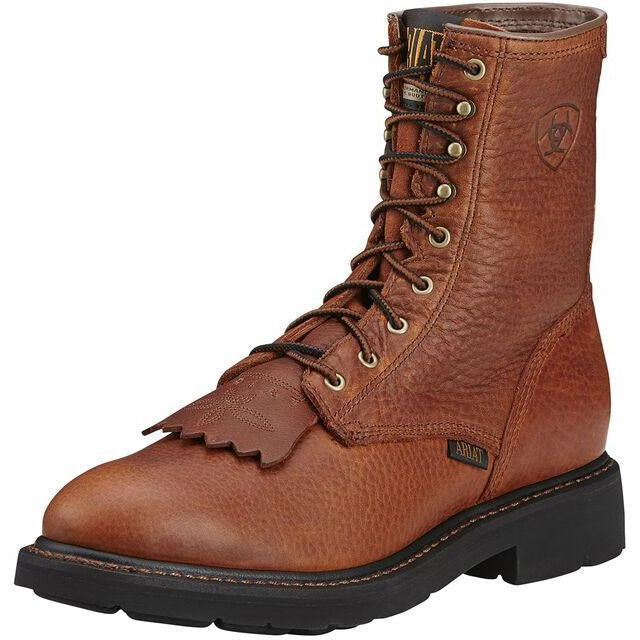
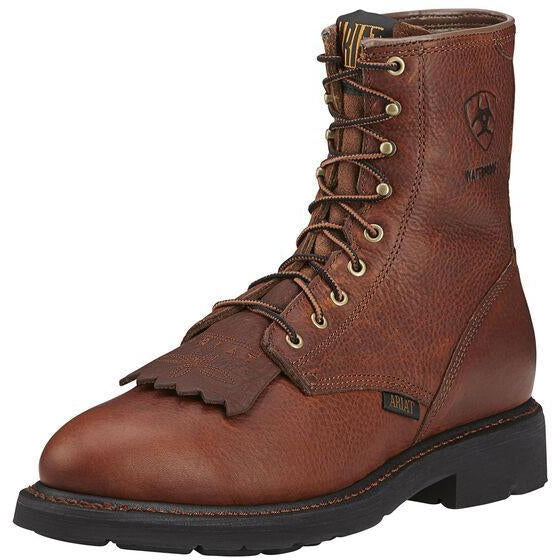
Ariat Men's Catalyst VX 8" Composite Toe Waterproof MetGuard Work Boot - Oily Distressed Brown - 10021706
Frequently Asked Questions
You have wide feet if the widest part of your foot, across the ball, is wider than a standard D last has room for. Trace your foot on paper at the end of the day, when your feet are at their largest, and measure straight across the widest point. On a men's foot, that measurement can point to a wide (EE) width, depending on shoe size and brand fit. The faster test is fit itself, so if your boots pinch across the ball, press on the little-toe side, or leave red marks along the edges while the length feels right, the width is what is short, not the size.
Wide width in work boots means extra girth across the ball of the foot, not extra length. Boot widths are marked in letters: D is the standard men's width, and EE, also written 2E, is wide. Each step up in width adds more room across the ball, so a wide boot gives a broad foot room where a standard last would squeeze it. The boots in this collection are the wide cut of the broader men's work boots selection.
The difference between wide and extra wide work boots is one more step of girth across the ball. Wide (EE) adds room over the standard D width, and extra wide (4E) adds another step of room beyond that. Most broad-footed workers start with EE, while true 4E and rarer 6E styles are for the widest feet or heavy swelling. True 4E, and the rarer 6E, exist in only a handful of styles for the widest feet or heavy swelling, so step up to extra wide only if an EE still pinches across the ball.
No, a wide width and a wide toe box are not the same thing. Wide width is girth across the ball of the foot, while a wide toe box is room at the front for your toes to splay. A boot can be wide across the ball but still taper to a narrow toe, or carry a roomy toe on an otherwise standard last. If the ball of your foot feels squeezed, you need the wider width, and if your toes feel crammed, you need a rounder or squarer toe shape, which brands like Ariat build into their square and oblique-toe styles. Our wide-fit vs. narrow-fit work boots guide walks through which one your feet need.
Work boots run true to length for wide feet, so order your normal size and choose the width letter rather than sizing up. Going up a full size adds room at the toe and heel, where a broad foot does not need it, and leaves the ball of your foot sitting in the narrowest part of the last. Fit still varies by brand and last even at the same EE, so a Wolverine wide and an Ariat wide will not feel identical. Check each brand's fit notes before you settle on a size.
Wide and extra wide sizes usually cost the same as the standard width of the same boot. The width is a different last, not an upgrade, so you pay the boot's regular price whether you buy a D, an EE, or a 4E. Width is a fit decision here, not a budget one.
Wide work boots are built on a genuinely wider last, not a longer version of the standard size. The wide last carries more girth across the ball and, on many styles, more instep room, so the extra room lands where a broad foot actually needs it. That construction is the reason a true EE fits a wide foot better than a bigger D ever will. The brands Overlook carries build their wide styles this way across most of the lineup, from Ariat's Big Rig line to Timberland Pro and Danner.
Some work boots only come in a wide (EE) width because Danner, for one, started with a style on a last that traditionally ran narrow, then redesigned it on a wider EE last for everyday comfort. The EE-only version is the more comfortable boot, not a stock limitation. Danner, for example, redesigned a number of its styles this way on an EE last to make them more wearable for daily use. For an average-width foot, you typically won't find an EE-only style exceptionally wide. A standard-only last, though, will not accommodate a truly wide foot. So an EE-only listing is a design choice that serves the wider-foot buyer better than it serves the average-width foot.
Yes, you can get wide work boots with a steel toe, along with composite and alloy safety toes, across most of the brands in this collection. On a wide foot, the cap matters more than usual, because a rigid safety toe does not flex, so the width of the cap and the shape of the toe drive comfort as much as the width letter does. If your foot is broad across the ball, pair the wide width with a roomy or square toe so the cap sits off your toes.
Wide work boots can ease bunions and swollen feet, though the toe shape matters as much as the width. A wider last can take pressure off the ball and the bunion joint, and a rounded, oblique, or square toe tends to give the big-toe joint room instead of pressing a rigid cap against it. For a pronounced bunion or feet that swell through the day, an extra-wide (4E) or an oblique-toe style tends to help more than width alone. This is comfort guidance, not a medical fix, so anyone with a painful or worsening bunion should check with a podiatrist.
Recently viewed
Our Top Brands