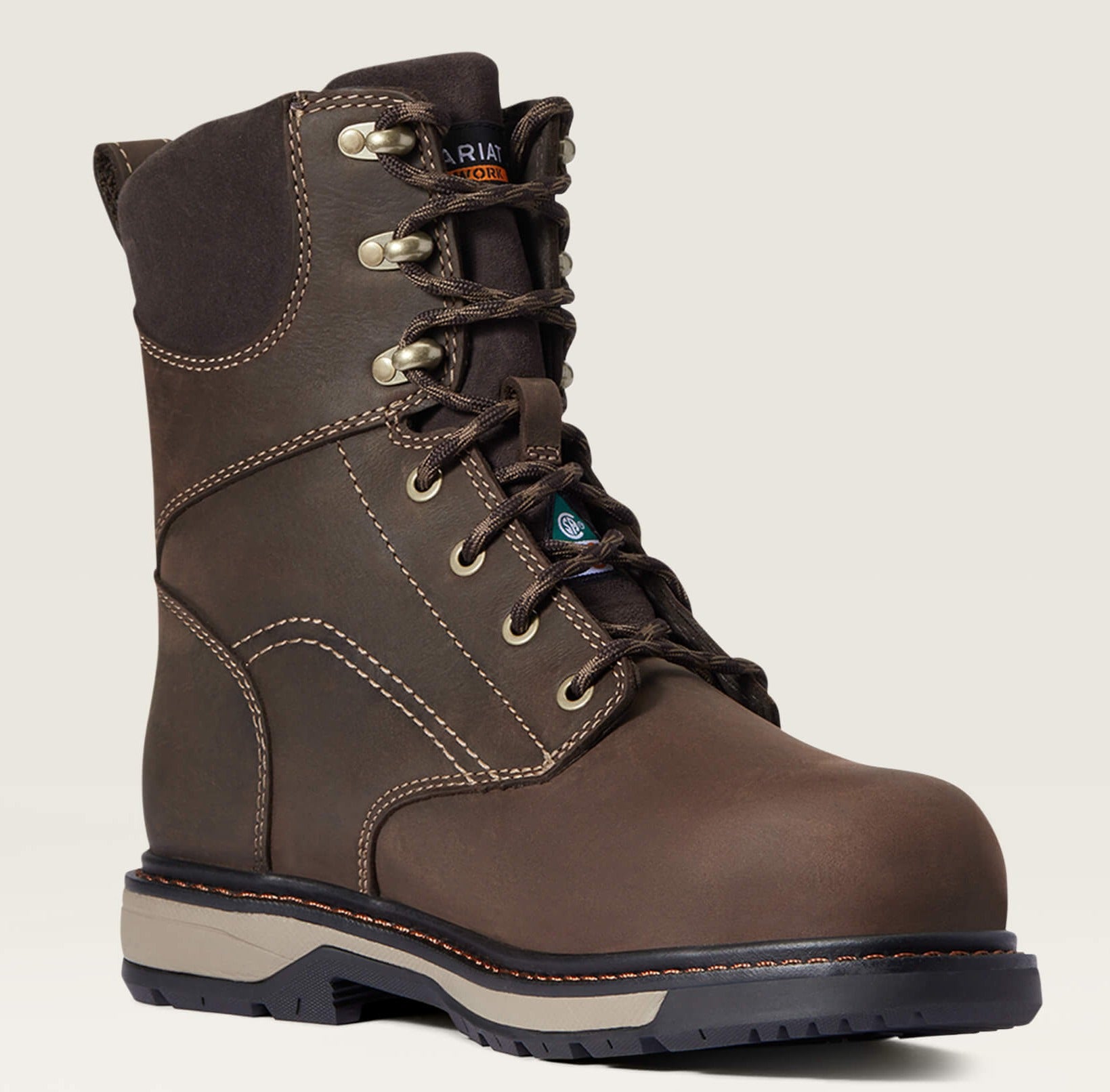
Save 8%
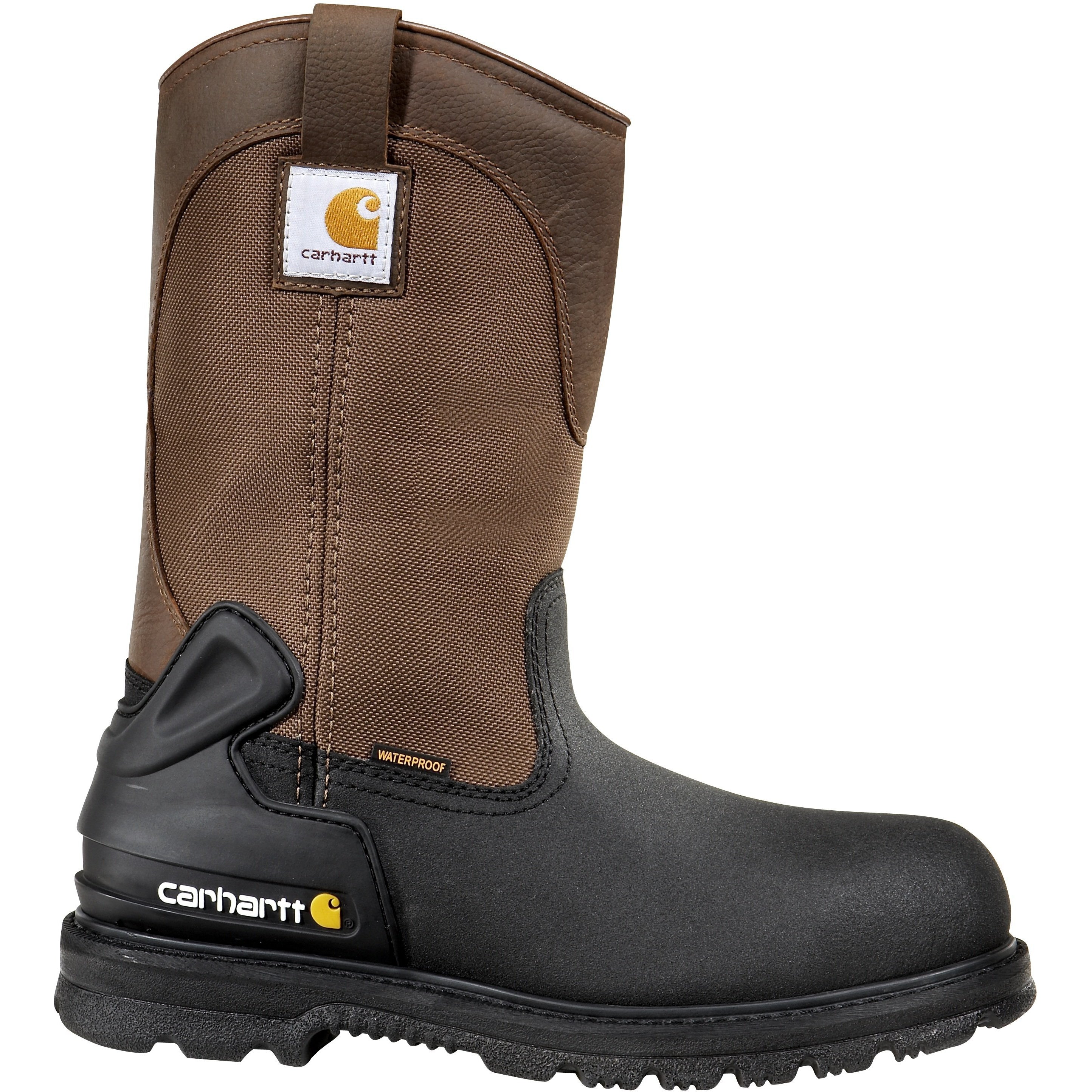
Sale price$197.79
Regular price$214.99
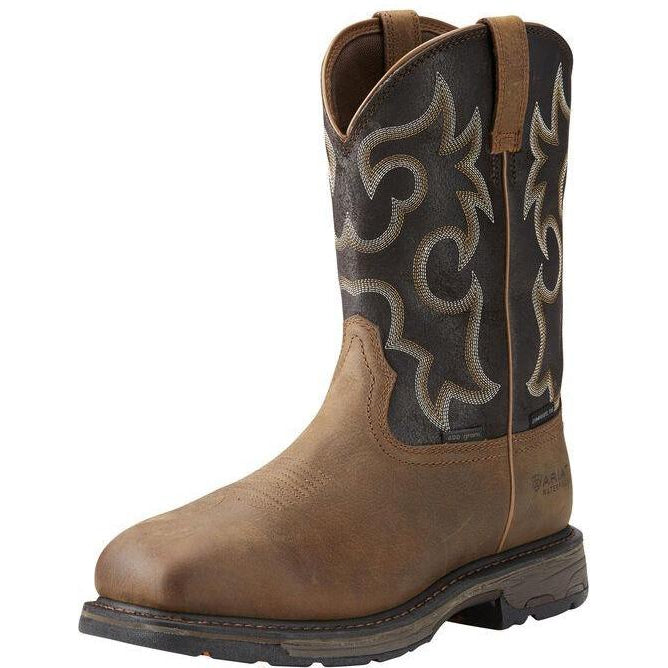
Carhartt Men's 11" Steel Toe Ins Waterproof Wellington Work Boot Brown CMP1259
Save 10%
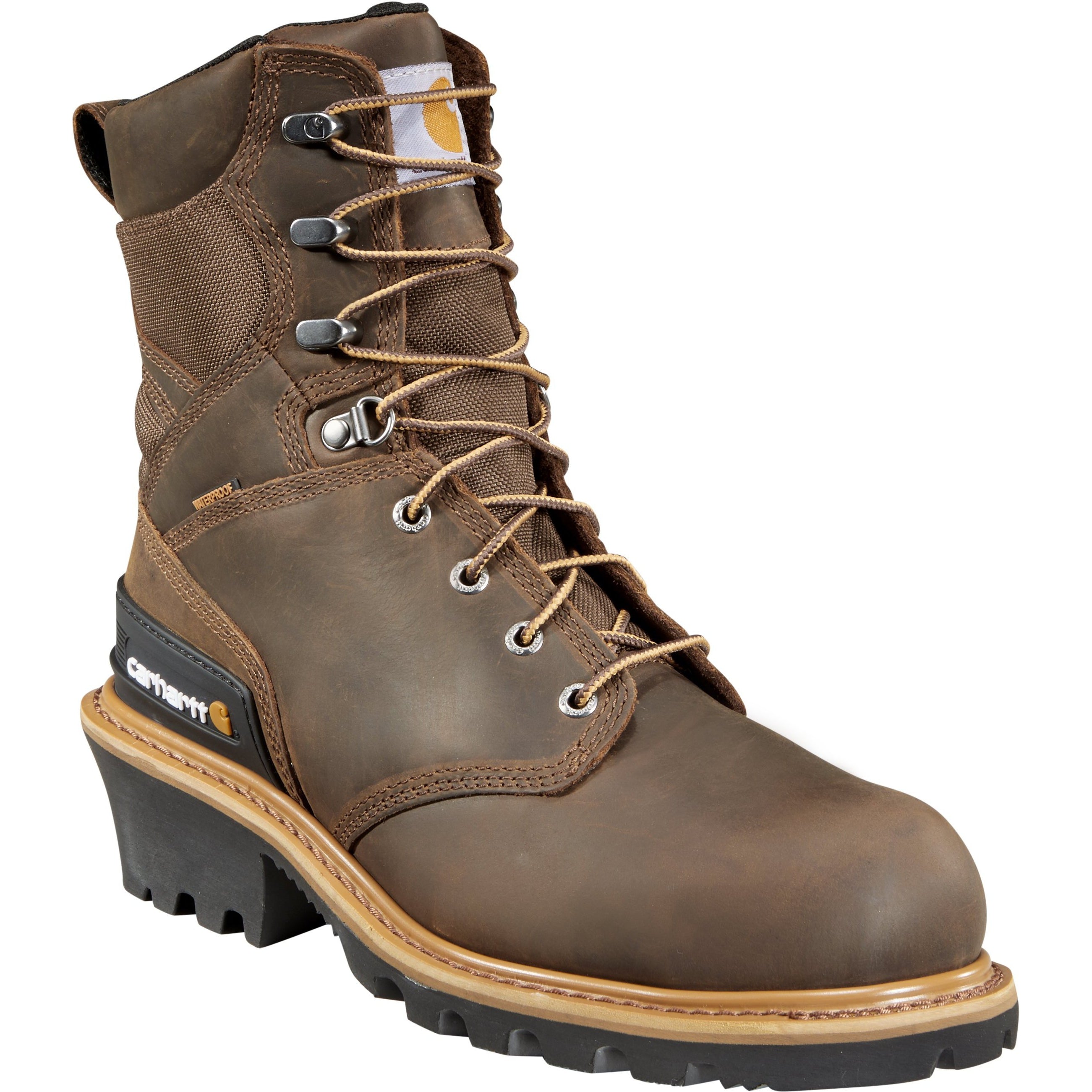
Sale price$202.39
Regular price$226.00
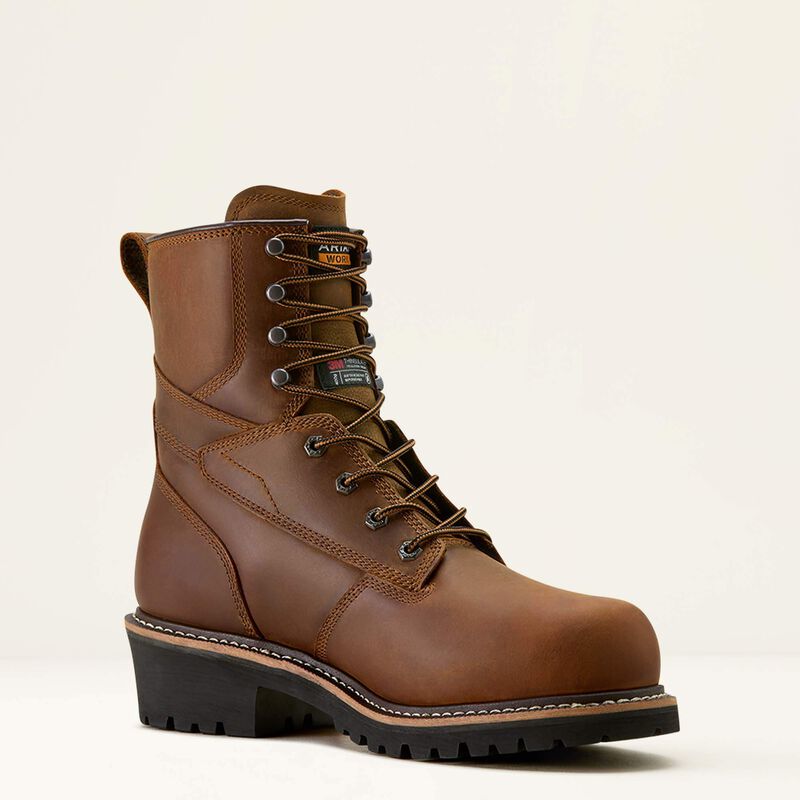
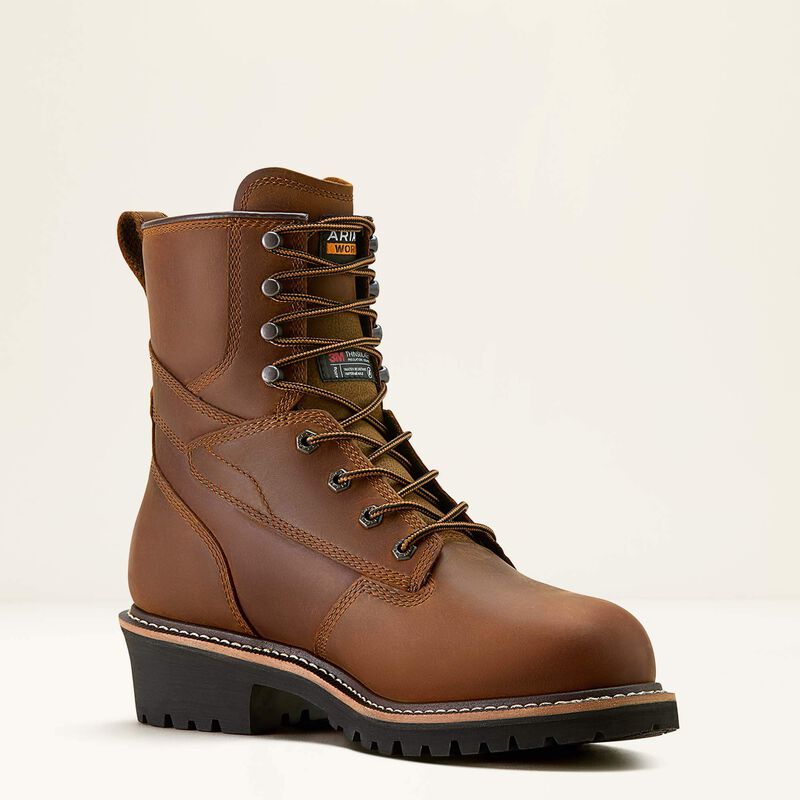
Carhartt Men's 8" Composite Toe Waterproof Ins Climbing Work Boot - Brown - CML8369
Save 8%
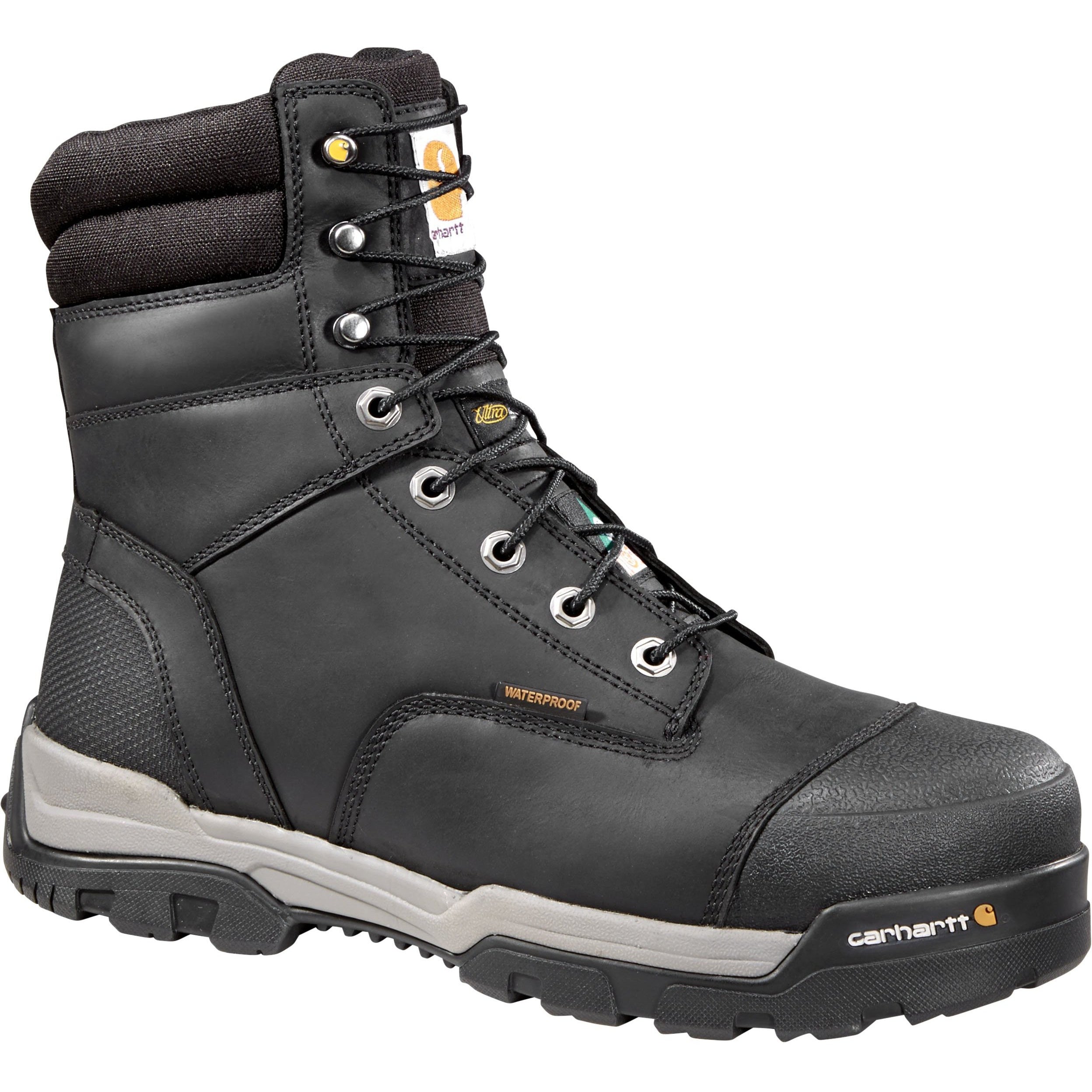
Sale price$202.39
Regular price$219.99
Carhartt Men's 8" Ground Force Composite Toe Ins Waterproof CSA Work Boot - CMR8959
Save 8%

Sale price$174.79
Regular price$189.99
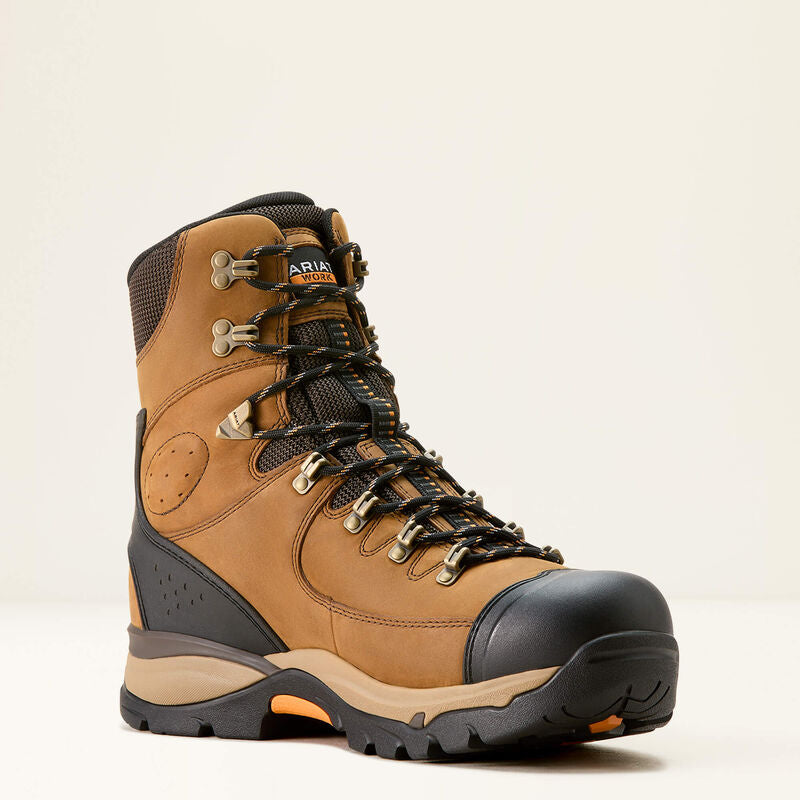
Carhartt Men's Force HD 6" CT Waterproof 400G Insulated Work Boot- Brown- FX6393-M
Save 8%
Sale price$193.19
Regular price$209.99
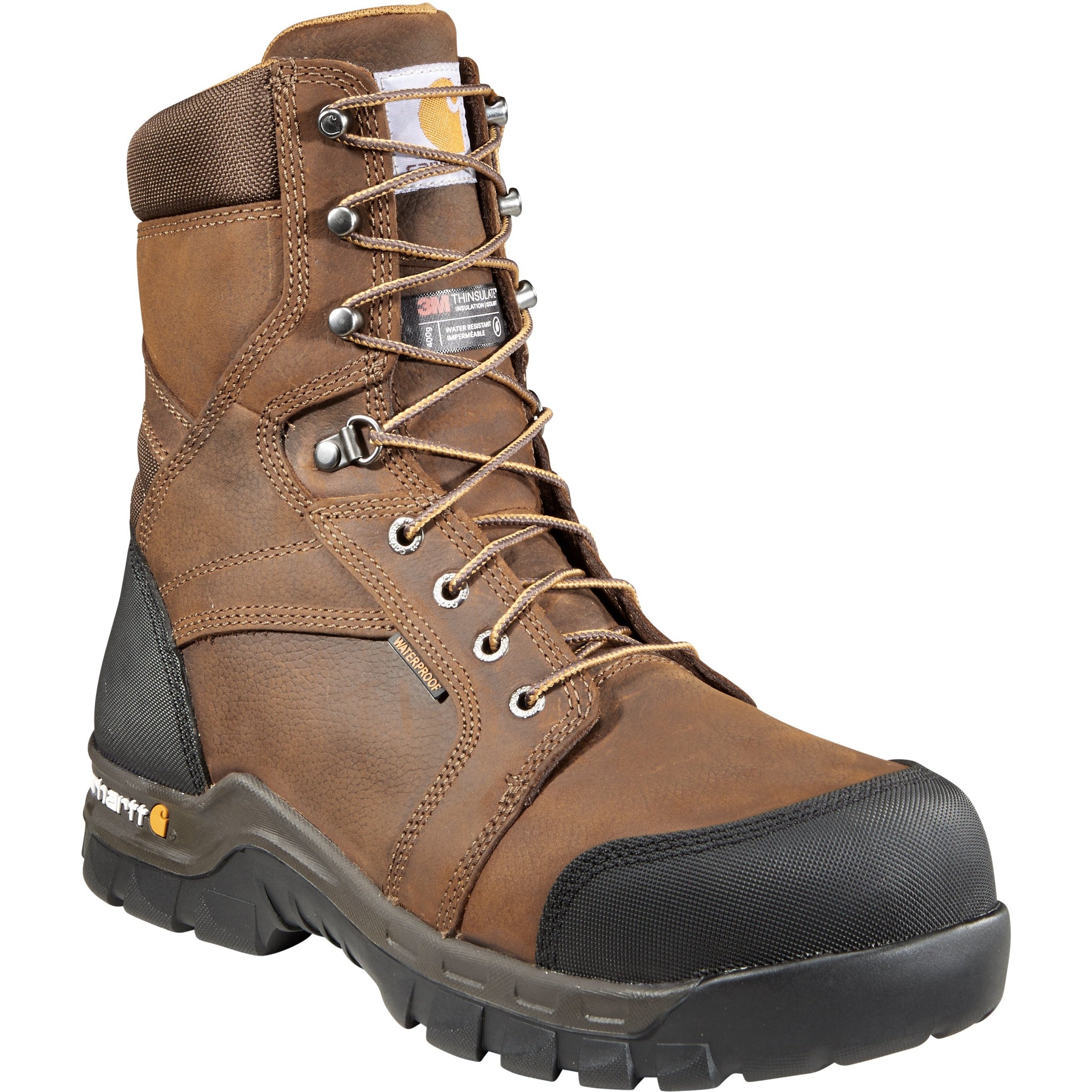
Carhartt Men's Rugged Flex 8" Composite Toe Ins Waterproof Work Boot Brown CMF8389
Save 8%
Sale price$183.99
Regular price$200.00
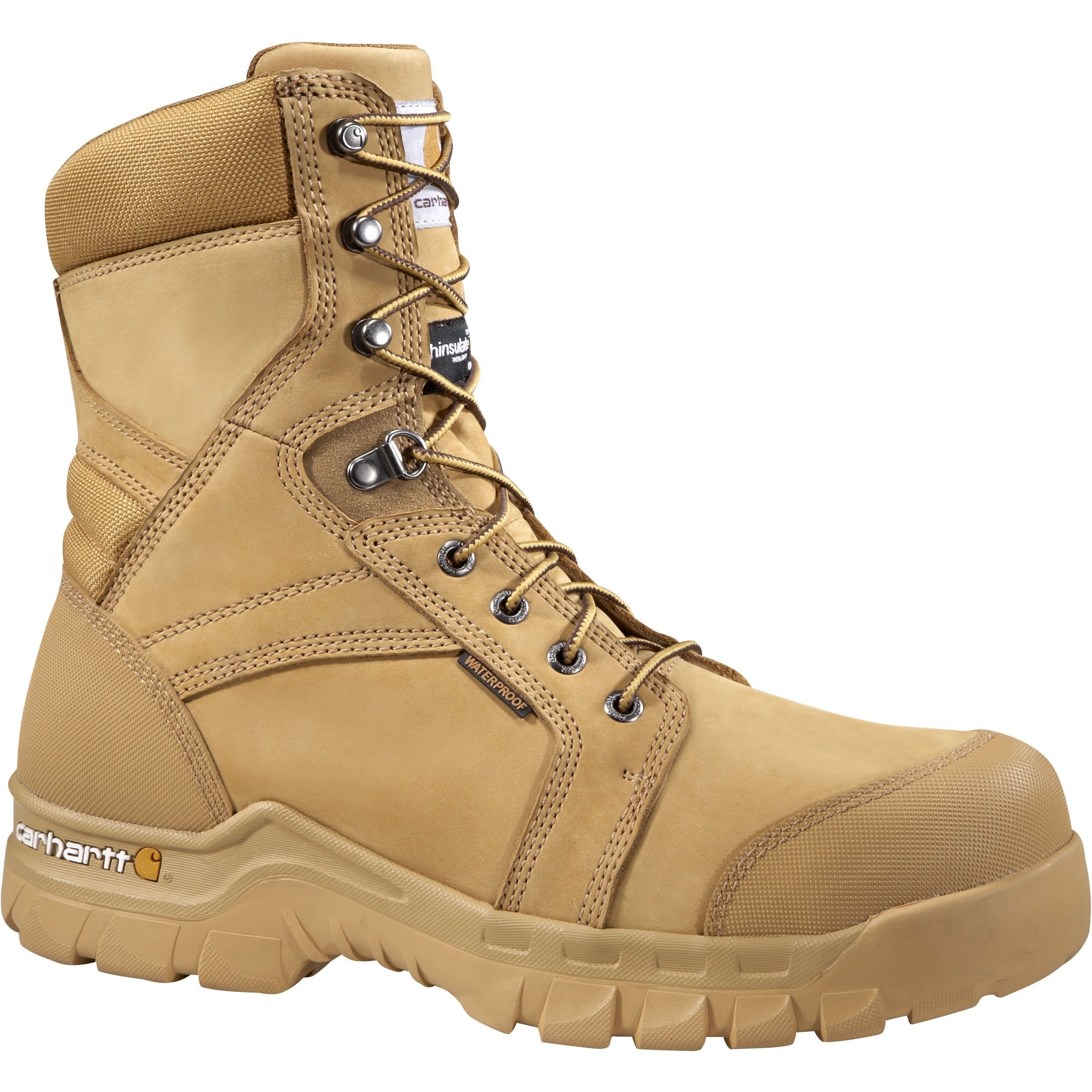
Carhartt Men's Rugged Flex 8" Waterproof Insulated Work Boot - Wheat - CMF8058
Sale price$189.99
Regular price$194.00
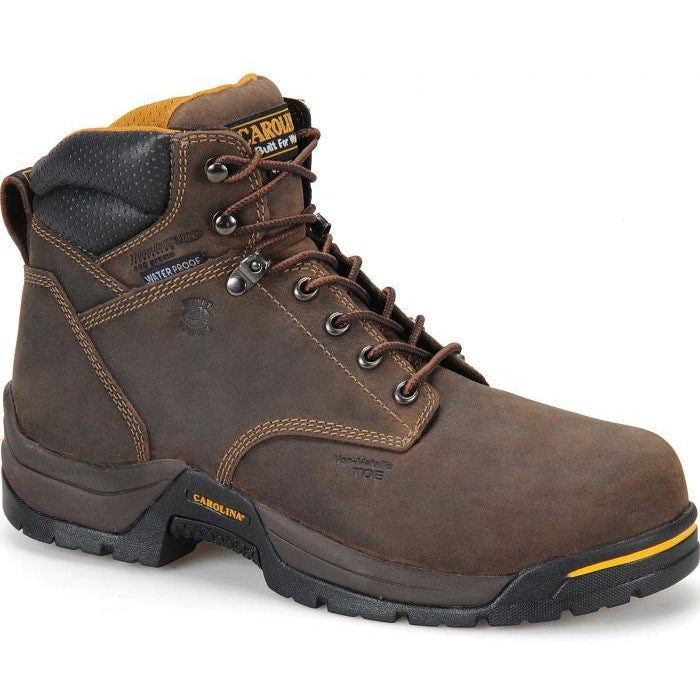
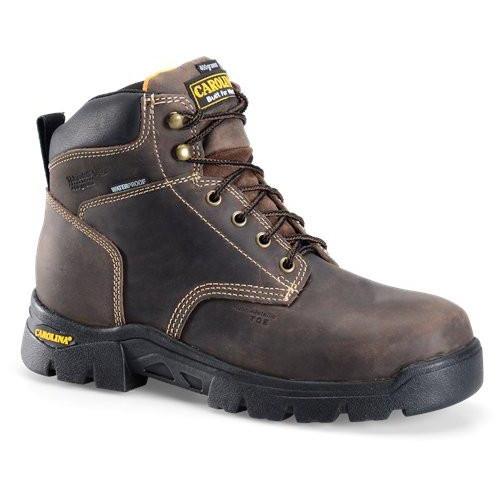
Carolina Men's Bruno Lo 6" Composite Toe Waterproof Insulated Work Boot -Brown- CA5521
Sale price$139.99
Regular price$144.00
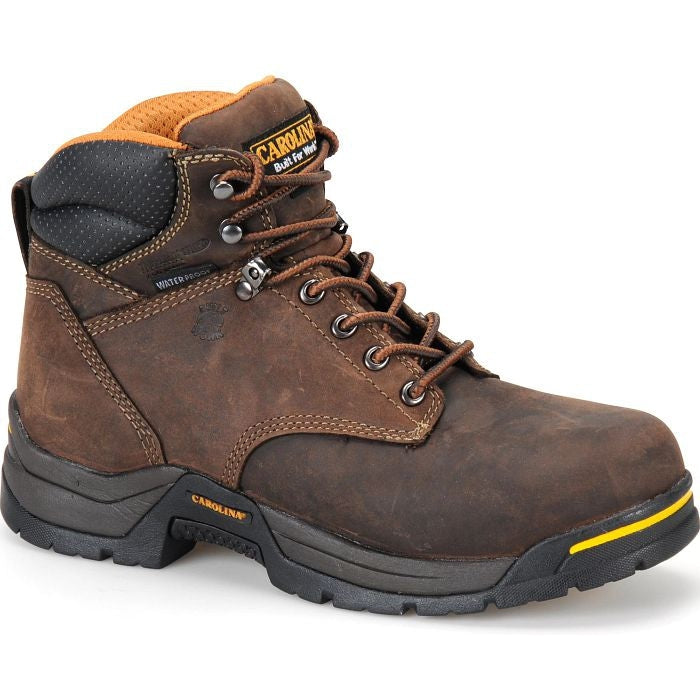
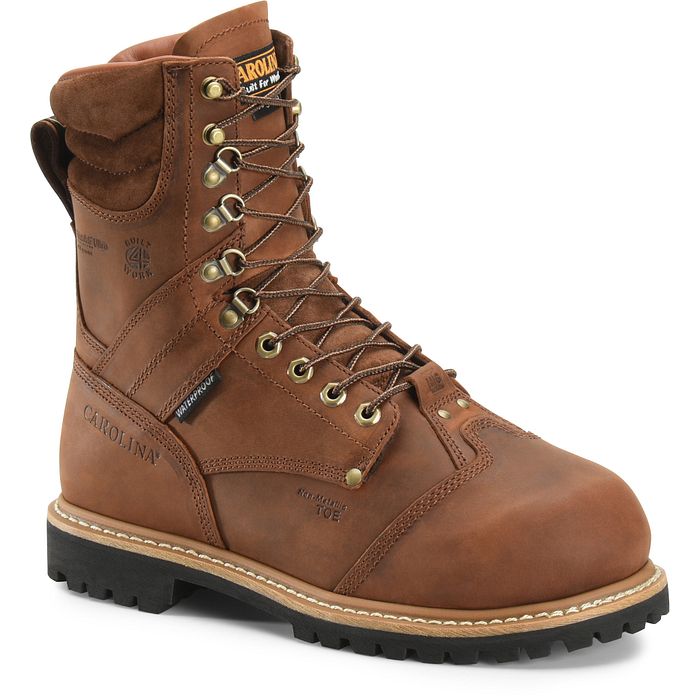
Carolina Men's Circuit 6" Composite Toe Insulated Work Boot - CA3535
Save 16%
Sale price$222.59
Regular price$264.99
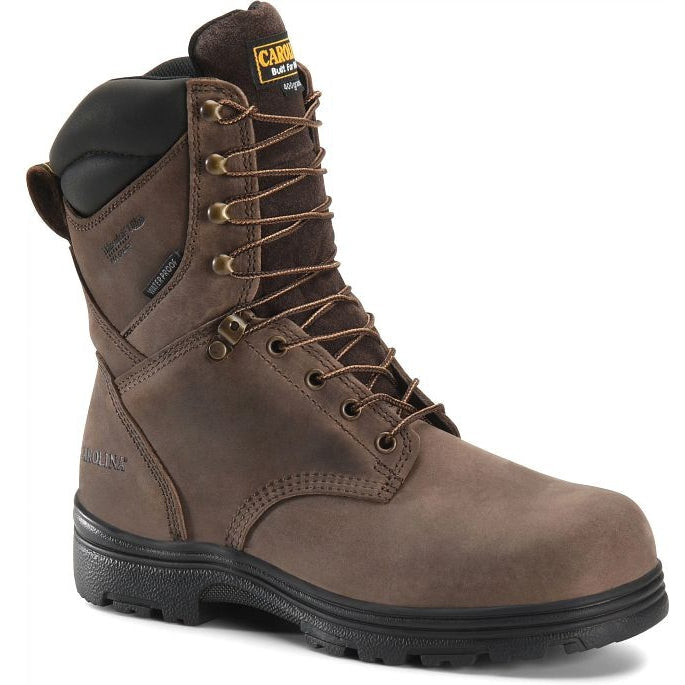
Carolina Men's Metpro Crazy Hardrock 8" Composite Toe Waterproof Work Boot -Brown- CA7921
Sale price$139.99
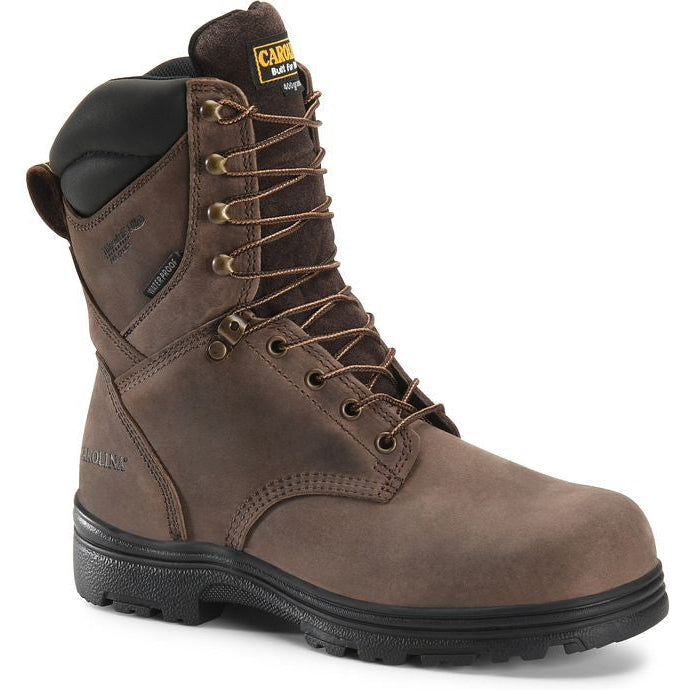
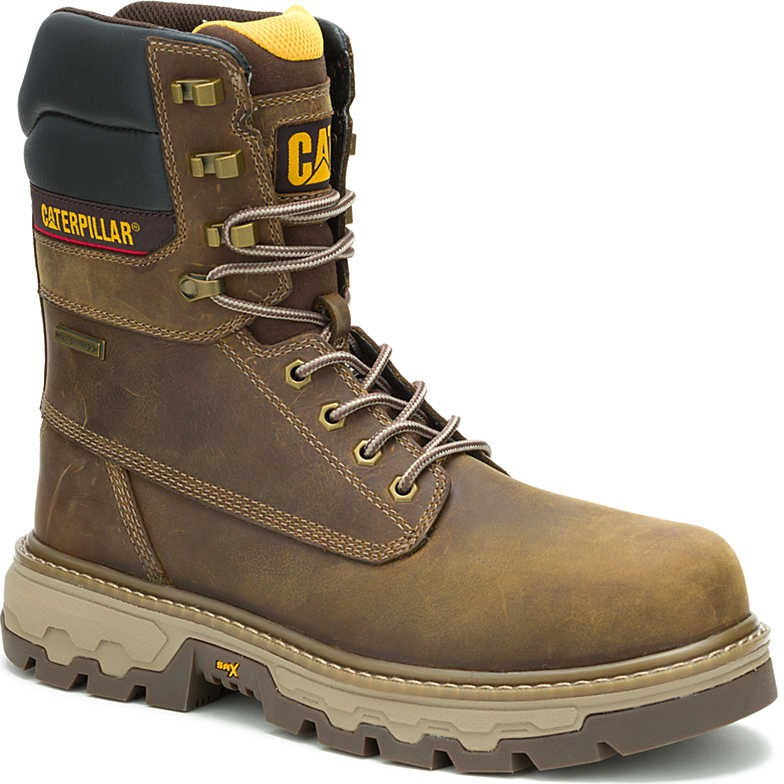
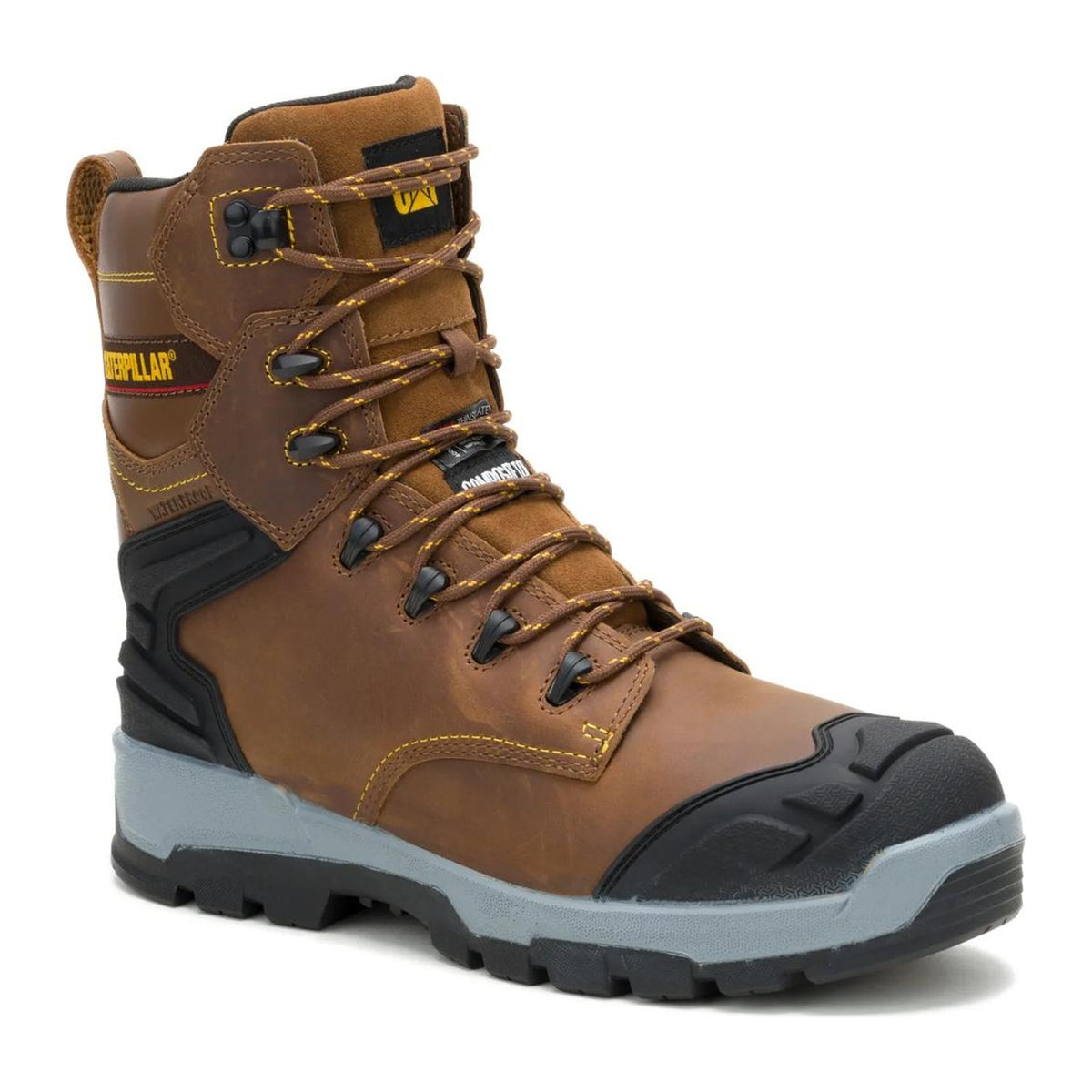
Carolina Men's Surveyor 8" Insulated Waterproof Work Boot -Brown- CA3034
Save 13%
Sale price$262.51
Regular price$301.00
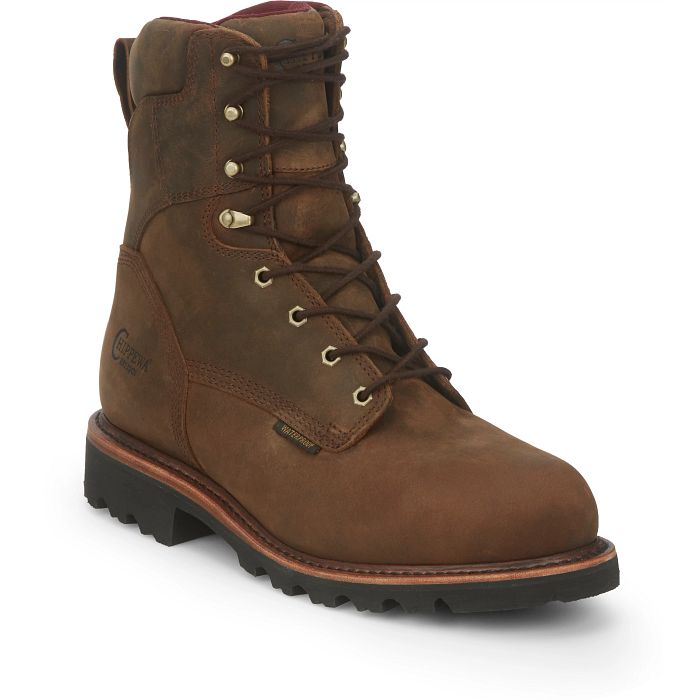
Chippewa Men's 8" Steel Toe 400G Ins Waterproof Work Boot - Brown - 59330
Save 14%
Sale price$284.76
Regular price$331.00
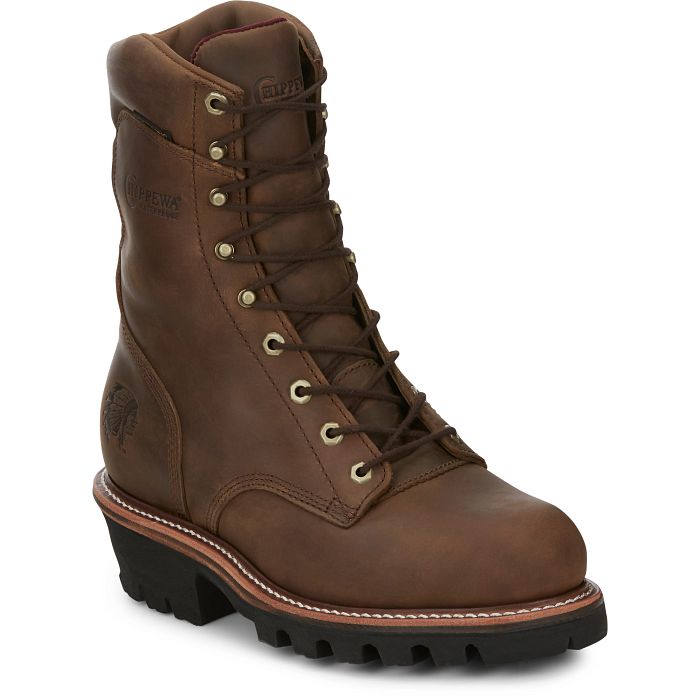
Chippewa Men's 9" Steel Toe Waterproof Ins Logger Work Boot - Brown - 59405
Save 15%
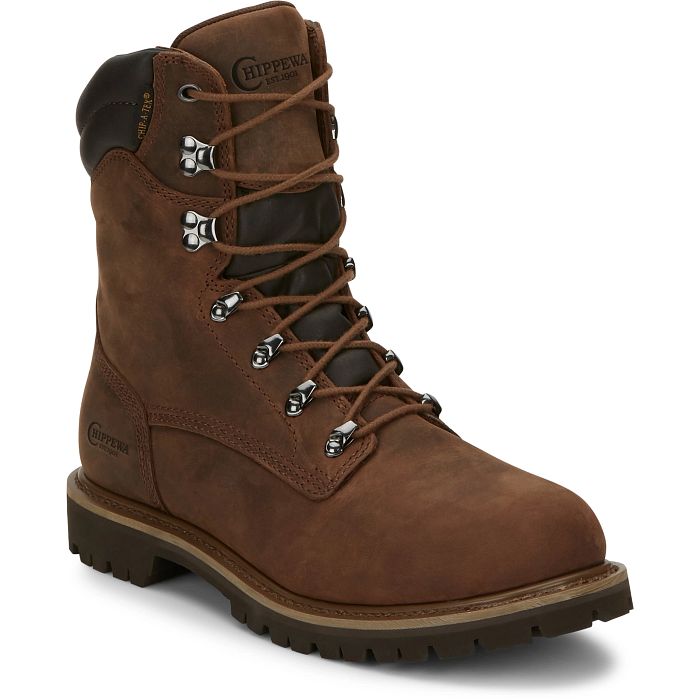
Sale price$213.56
Regular price$250.00
Chippewa Men's Birkhead 8" Soft Toe Waterproof 400G Ins Lace-Up Work Boot - 55068
Save 14%
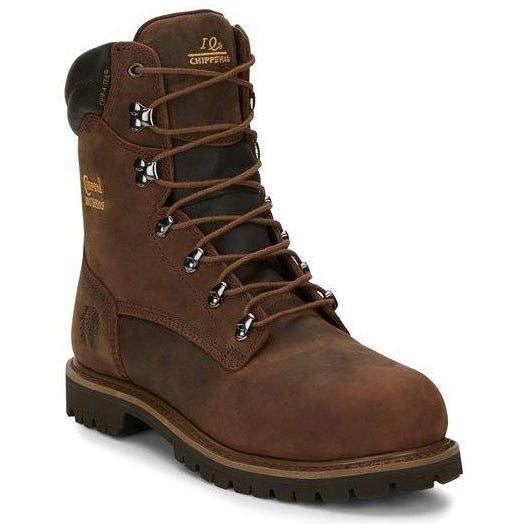
Sale price$222.46
Regular price$258.00
Chippewa Men's Birkhead 8" Steel Toe Waterproof 400G Ins Lace-Up Work Boot - 55069
Save 25%
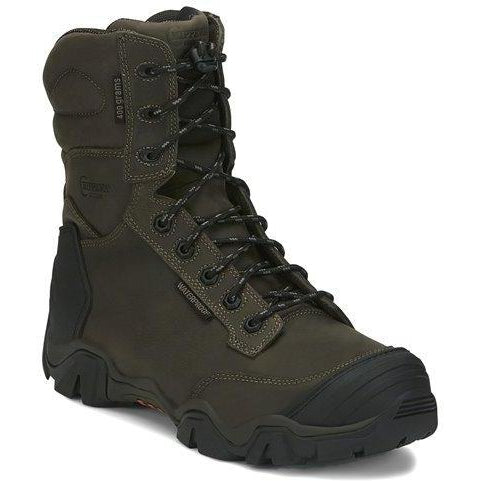
Sale price$177.96
Regular price$238.00
Chippewa Men's Cross Terrain 8" Composite Toe Waterproof 400G Ins Work Boot - AE5014
Save 17%
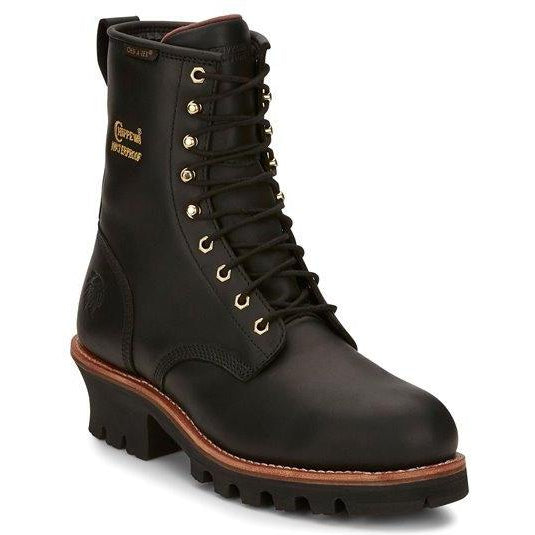
Sale price$258.06
Regular price$310.00
Chippewa Men's Paladin 8" Steel Toe Waterproof 400G Ins Logger Work Boot - 73050
Save 14%
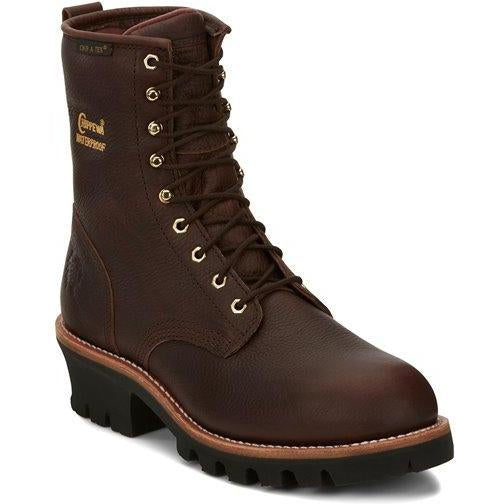
Sale price$284.76
Regular price$330.00
Chippewa Men's Paladin 8" Steel Toe Waterproof 400G Ins Logger Work Boot - 73060
Save 13%
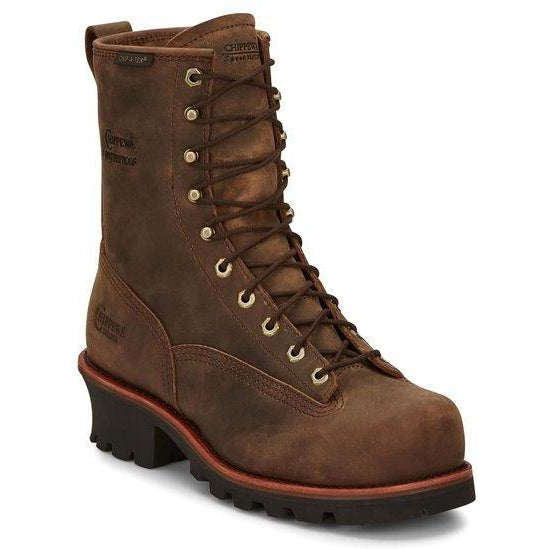
Sale price$280.31
Regular price$323.00
Chippewa Men's Paladin 8" Steel Toe Waterproof 400G Ins Logger Work Boot - 73103
Save 15%
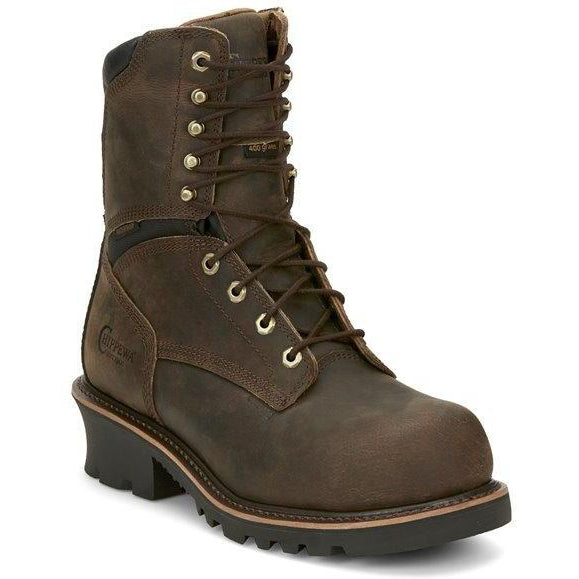
Sale price$200.21
Regular price$235.00
Chippewa Men's Sador 9" Composite Toe Waterproof 400G Insulated Logger Work Boot - 73233
Save 13%
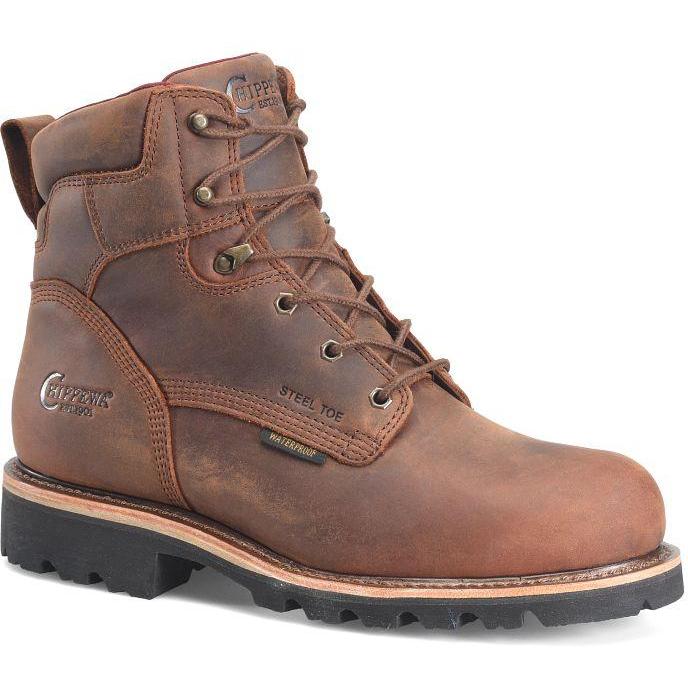
Sale price$244.71
Regular price$280.00
Chippewa Men's Super DNA 6" Steel Toe Waterproof 400G Work Boot- Brown- 59208
Save 13%
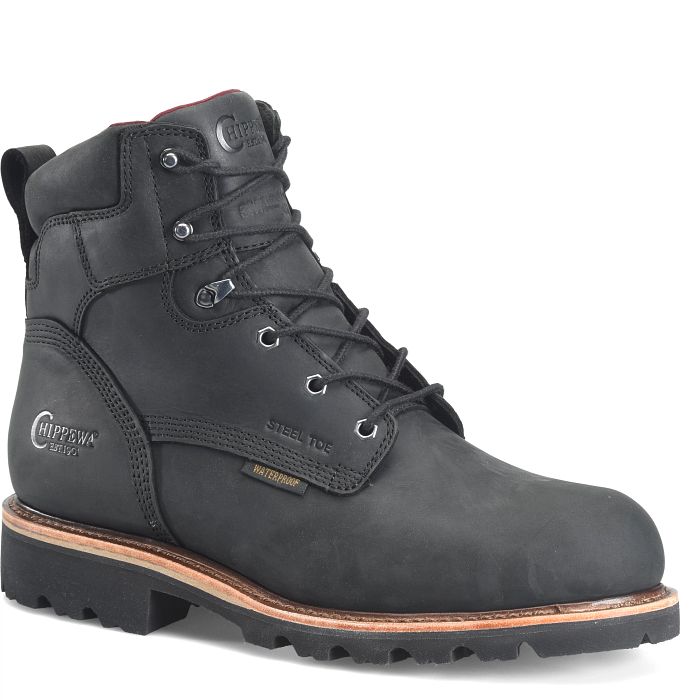
Sale price$244.71
Regular price$280.00
Chippewa Men's Super DNA 6" Steel Toe WP 400G Lace Up Work Boot - Black - 59202
Save 13%
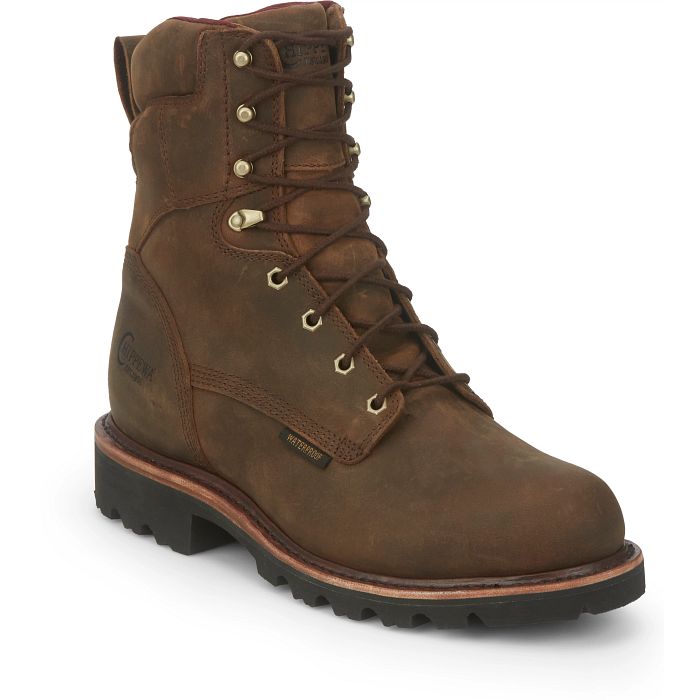
Sale price$253.61
Regular price$291.00
Chippewa Men's Super Dna 8" Waterproof Lace Up Work Boot - Brown - 59416
Save 16%
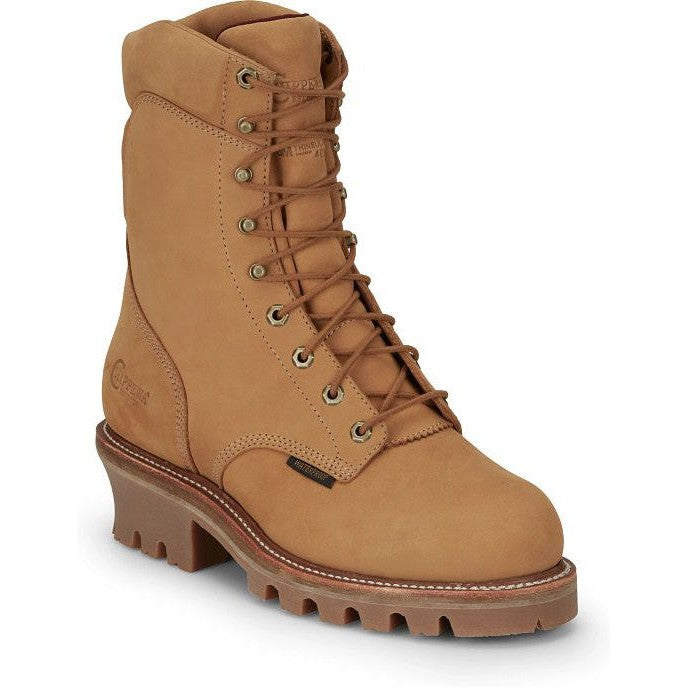
Sale price$284.76
Regular price$339.00
Chippewa Men's Super Dna 9" 400G Insulated Steel Toe Work Boot -Wheat- 59417
Save 13%
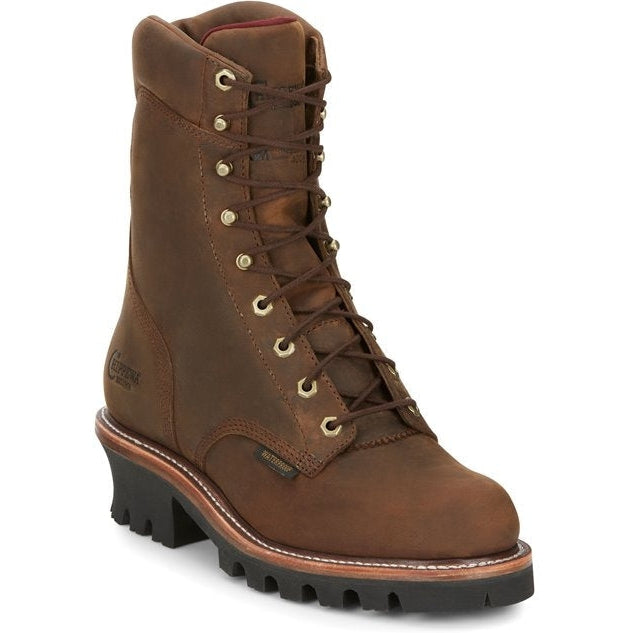
Sale price$271.41
Regular price$311.00
Chippewa Men's Super Dna 9" Plain Toe 400G Insulated Lace Up Work Boot -Brown- 59408
Save 14%
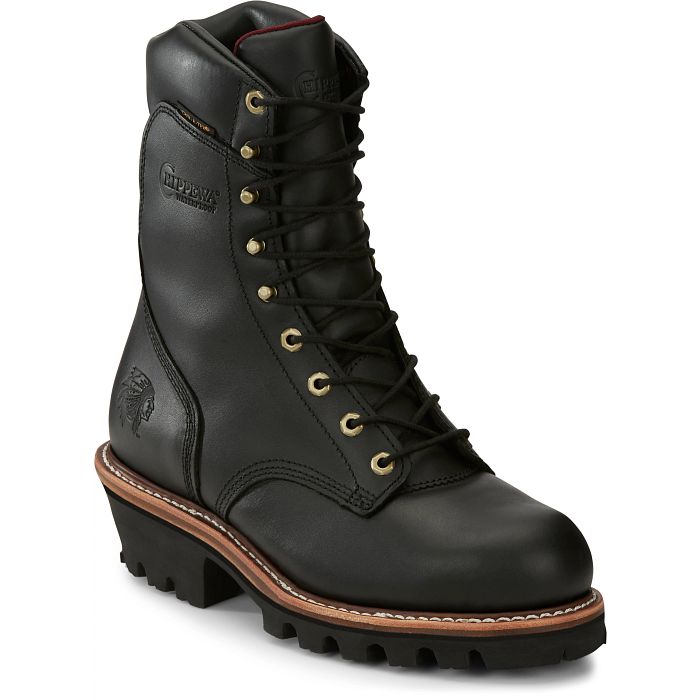
Sale price$284.76
Regular price$331.00
Chippewa Men's Super DNA 9" Steel Toe Waterproof 400G Ins Logger Work Boot - Black - 59410
Save 13%
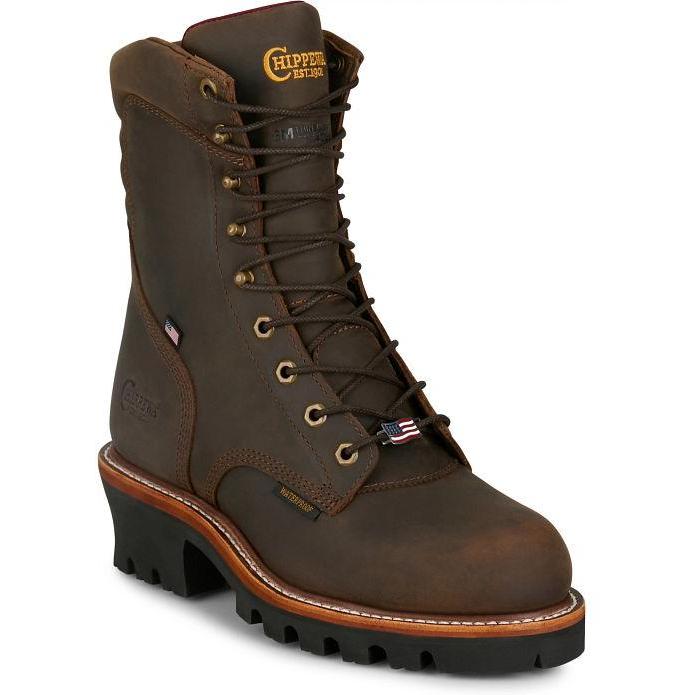
Sale price$355.96
Regular price$410.00
Chippewa Men's Super Logger 9" Steel Toe Waterproof 400G Logger Work Boot - Brown - SL5405
Frequently Asked Questions
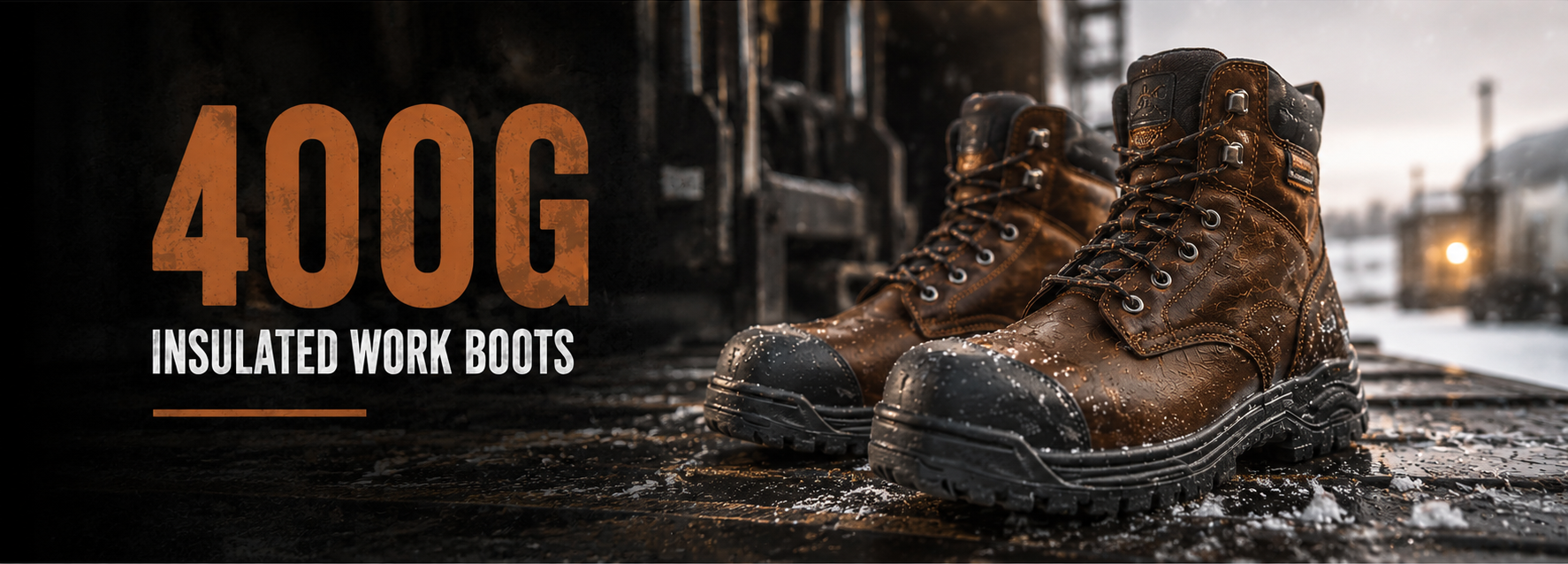
For most outdoor winter work where you keep moving, yes, and it is the weight most trades settle on. It handles cold while you are active without the bulk and sweat problems of heavier insulation. If your work involves standing still for long stretches in hard cold, step up to 800 grams or more. See our 800G insulated boots range.
There is no dependable temperature rating in the industry, and any figure you see should be treated as marketing rather than specification. How warm a boot feels depends on your activity, circulation, socks, and how long you stand still. As a rough guide, 400 grams suits active work in freezing to just below freezing conditions.
Activity decides it, not temperature. Four hundred if you are walking, lifting, and moving through the day. Eight hundred if you are standing still, sitting, or working in one spot in real cold. Choosing 800 for active work is a common mistake: you sweat, the insulation saturates, and you end up colder than you would have been in 400.
Usually sweat, sometimes circulation. Damp insulation loses most of its value, and if you overheat while active the moisture stays in the boot. Boots laced too tight restrict blood flow, which has the same result. Wool socks that wick, and a boot sized to leave a little air space, both help more than adding insulation does.
In almost every case, since wet insulation stops working and snow melts against a warm boot. A waterproof membrane also stops slush and meltwater soaking in from the outside. Waterproof status is stated in every product title. See our full waterproof work boots range.
Slightly looser than uninsulated, sized to allow the socks you will actually wear plus a little air space. Dead air is part of how insulation works, and a boot laced tight restricts circulation and makes feet colder. Buying your normal size and then wearing thick socks in it is the classic error.
Yes, meaningfully. Steel and alloy conduct temperature and pull cold toward your toes, while composite and carbon do not. If you work outdoors in hard cold and your site allows a choice, a non-metallic toe removes a cold path that no amount of insulation fully compensates for. See our composite toe work boots range.
Thinsulate is 3M's synthetic insulation, built from fine fibers that trap air in less bulk than traditional materials, and it is the most common branded insulation in work boots. Other manufacturers use their own synthetics that work on the same principle. The gram figure is comparable across brands as a measure of quantity, not of performance. See our 3M Thinsulate boots range.
They will be warm, and in anything above about 50 degrees with real activity you will notice it. If your seasons are distinct, two pairs serve you better than one compromise, and rotating them also extends the life of both by letting each dry fully between wears.
Recently viewed
Our Top Brands