Save 15%
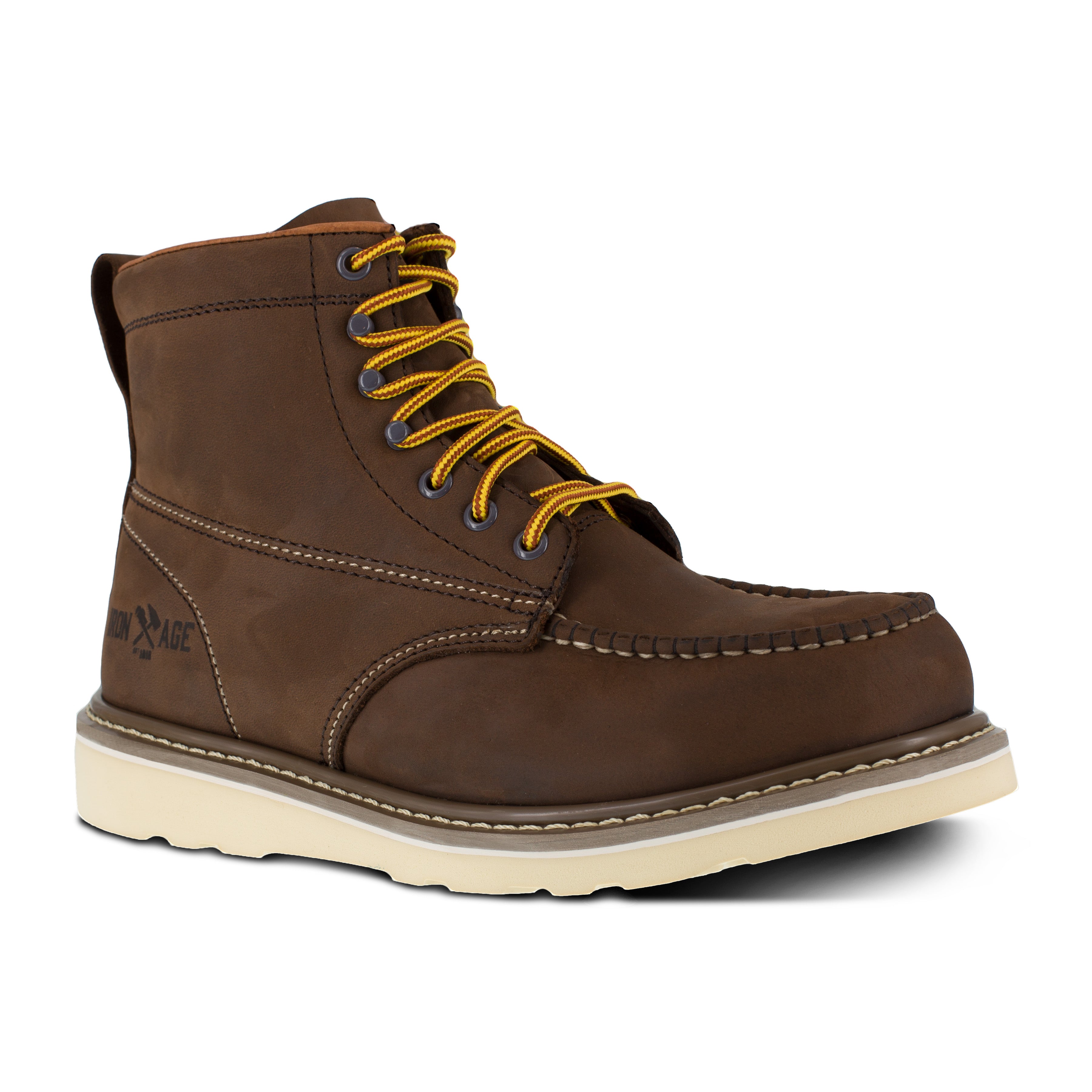
Sale price$139.95
Regular price$165.00
Iron Age Men's Reinforcer 6" Steel Toe Wedge Work Boot - Brown - IA5061
Save 17%
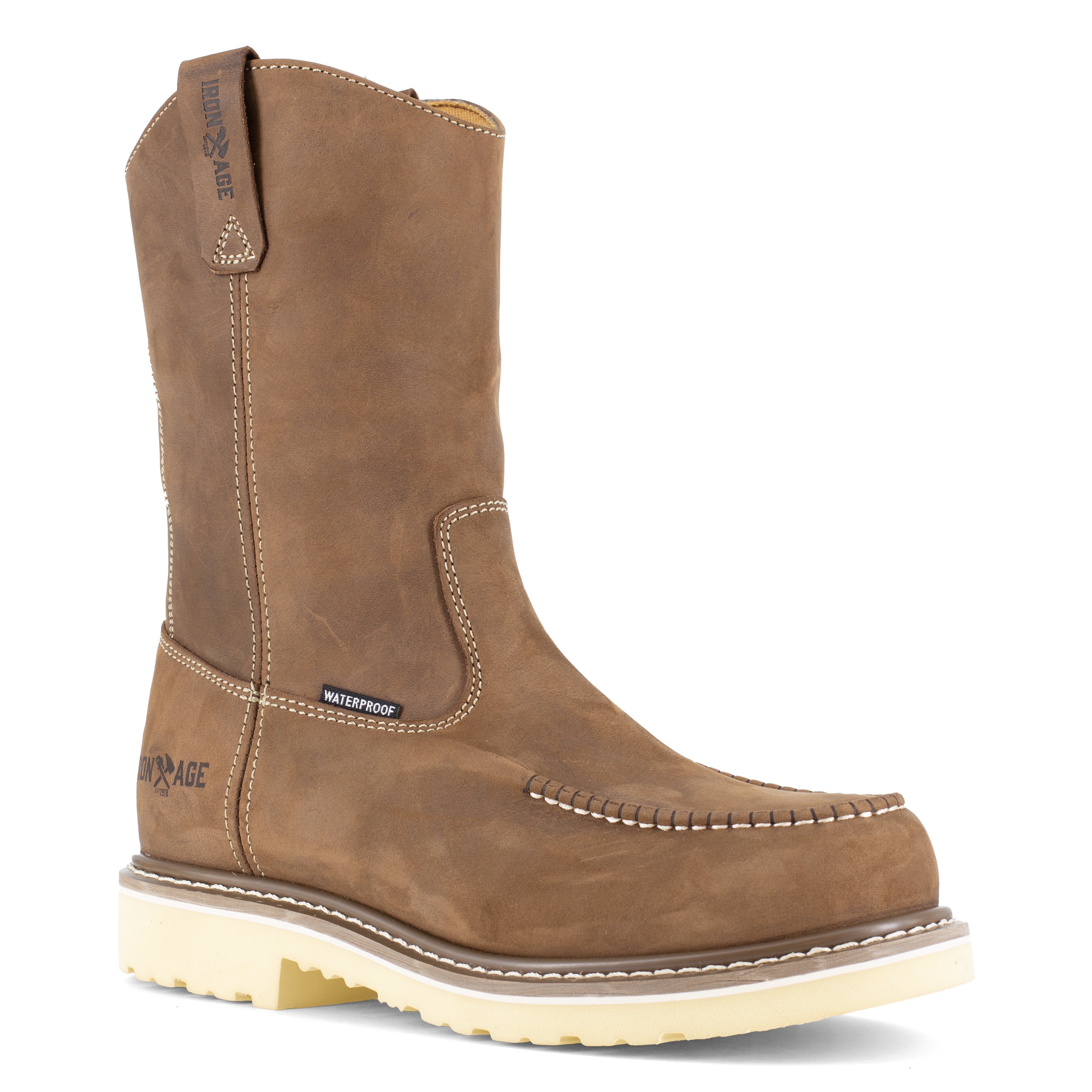
Sale price$159.95
Regular price$192.00
Iron Age Men's Solidifier 11" Composite Toe Moc Toe Waterproof Wellington Work Boot - Brown - IA5093
Save 18%
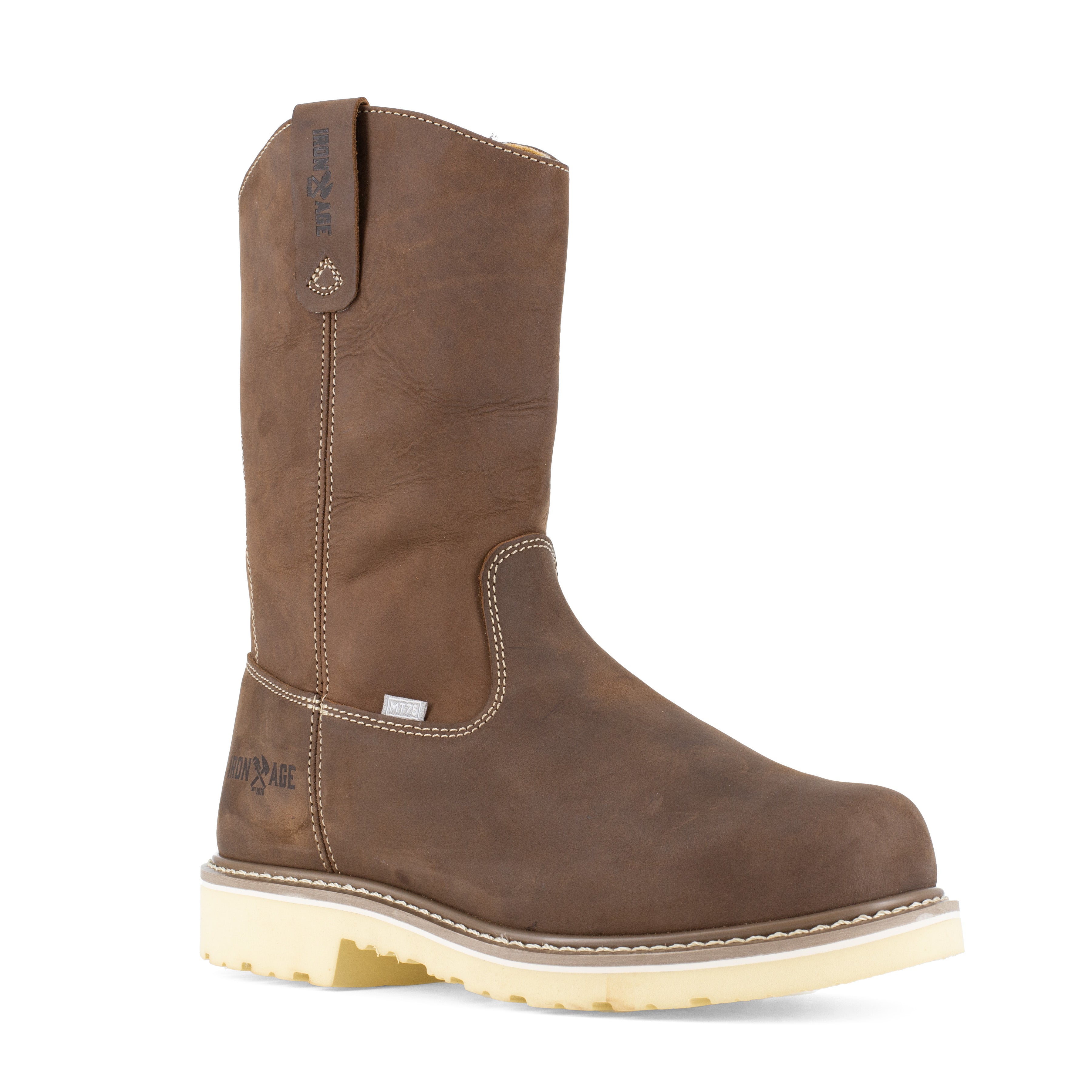
Sale price$149.95
Regular price$182.00
Iron Age Men's Solidifier 11" Composite Toe Cushguard Met Guard Wellington Work Boot - Brown - IA5092
Save 16%
Sale price$164.95
Regular price$196.00
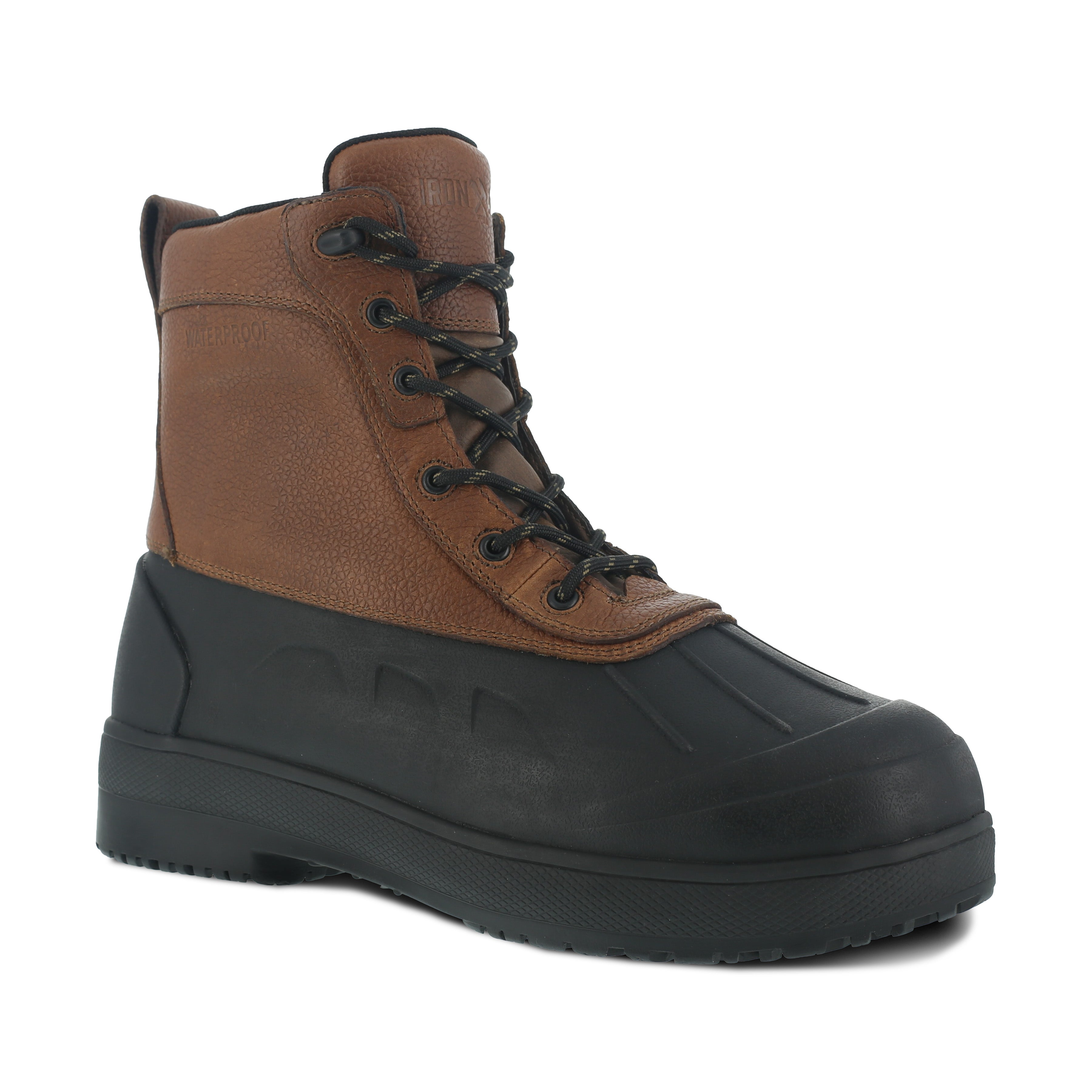
Iron Age Women's Compound Composite Toe Waterproof Rubber Vamp Work Boot - Black - IA965
Save 16%
Sale price$129.95
Regular price$154.00
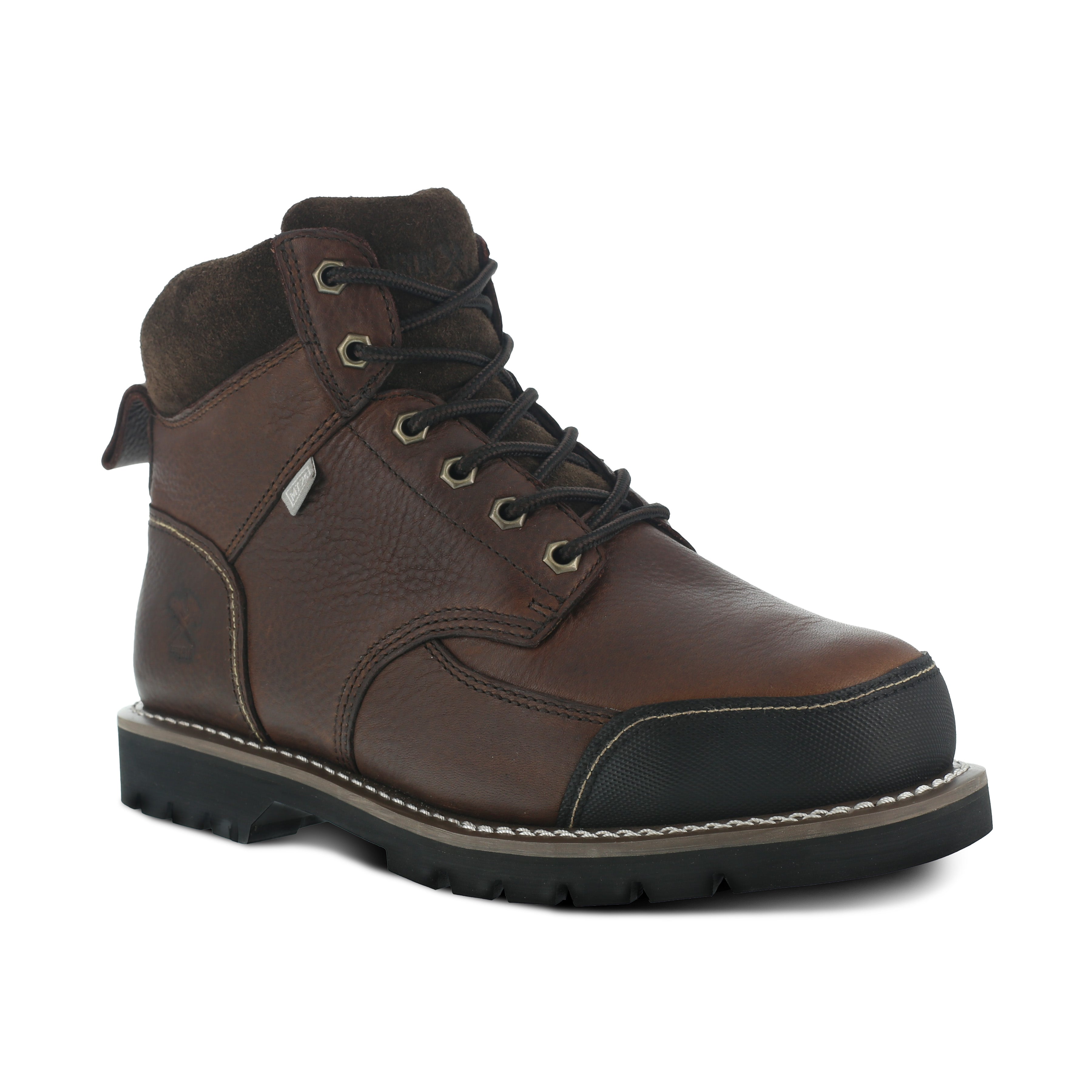
Iron Age Men's Dozer 6" Steel Toe Flex Met Guard Work Boot - Brown - IA0163
Save 17%
Sale price$139.95
Regular price$169.00
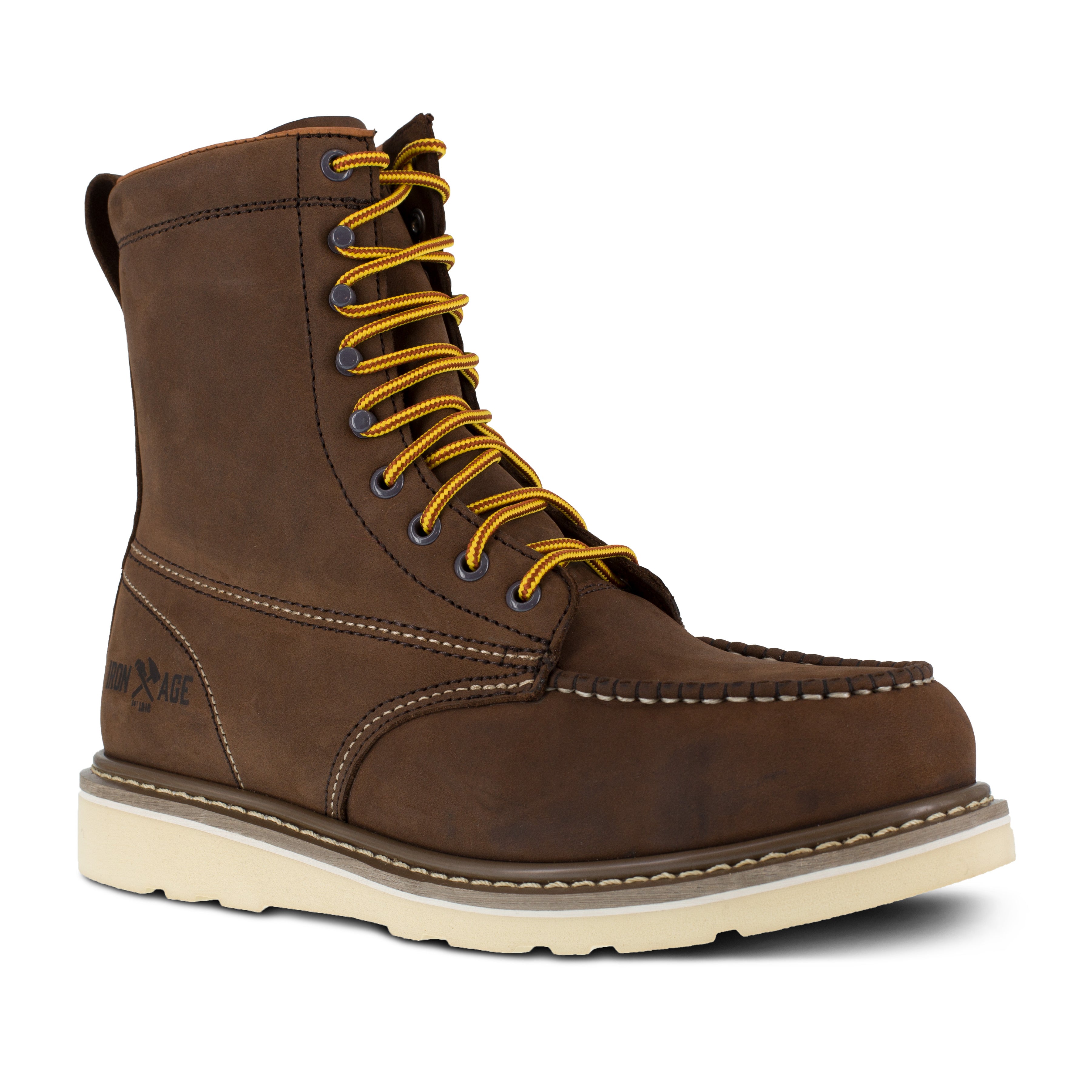
Iron Age Men's Reinforcer 8" Steel Toe Wedge Work Boot - Brown - IA5081
Save 16%
Sale price$164.95
Regular price$196.00
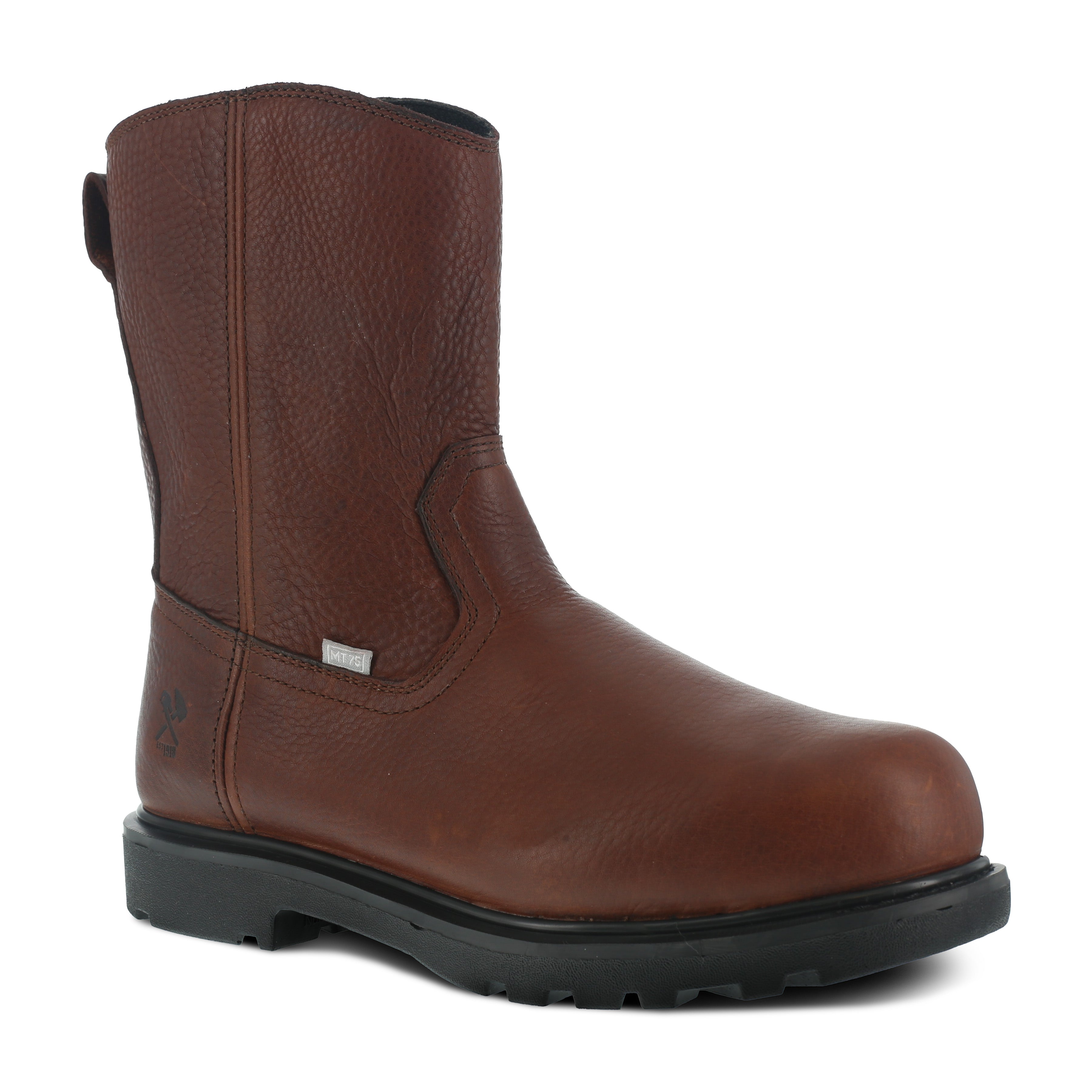
Iron Age Men's Hauler 10" Composite Toe Met Guard Wellington Work Boot - Brown - IA0195
Save 16%
Sale price$149.95
Regular price$179.00
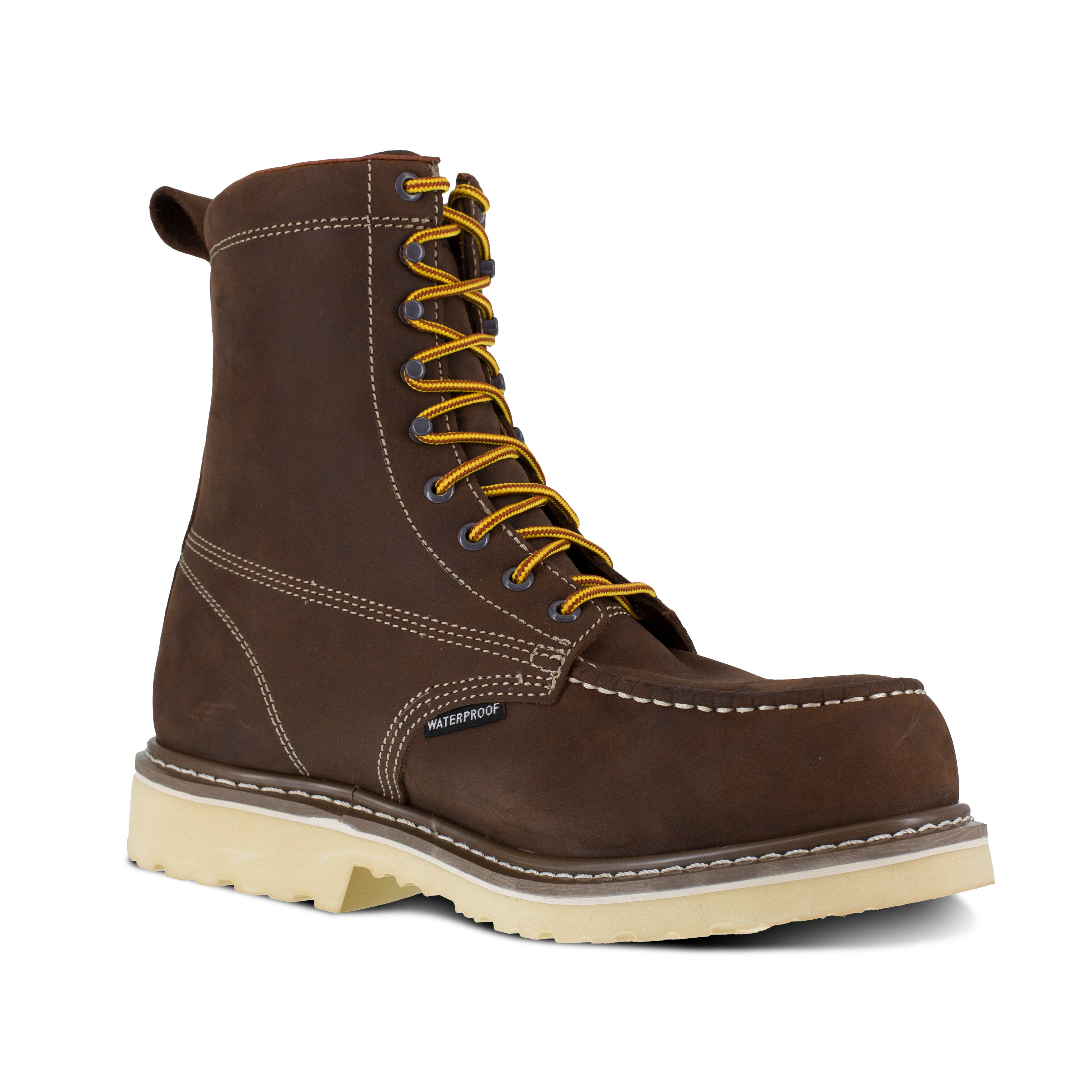
Iron Age Men's Solidifier 8" Composite Toe Waterproof Work Boot - Brown - IA5082
Save 16%
Sale price$164.95
Regular price$196.00
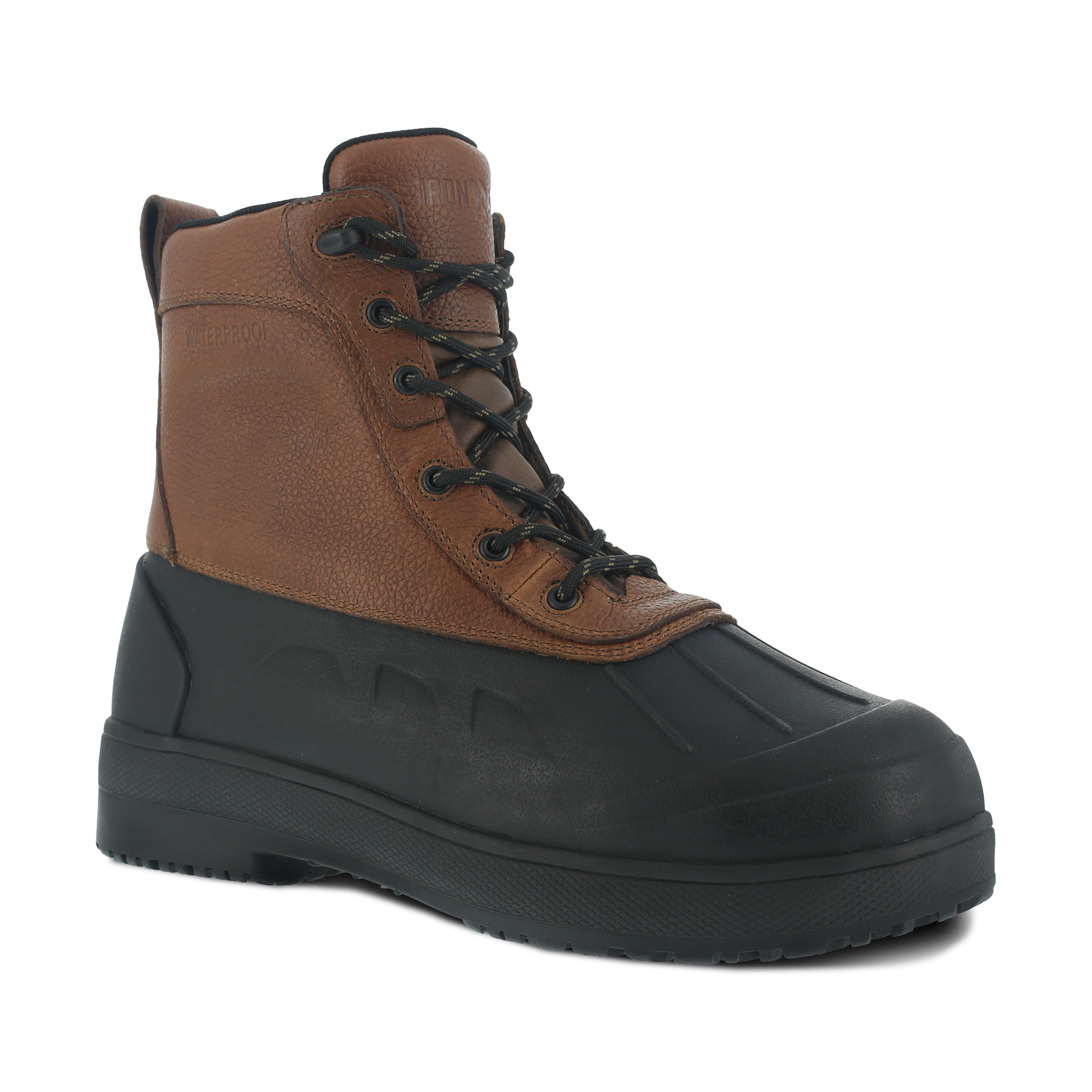
Iron Age Men's Compound Composite Toe Waterproof Rubber Vamp Work Boot - Black - IA9650
Save 16%
Sale price$124.95
Regular price$149.00
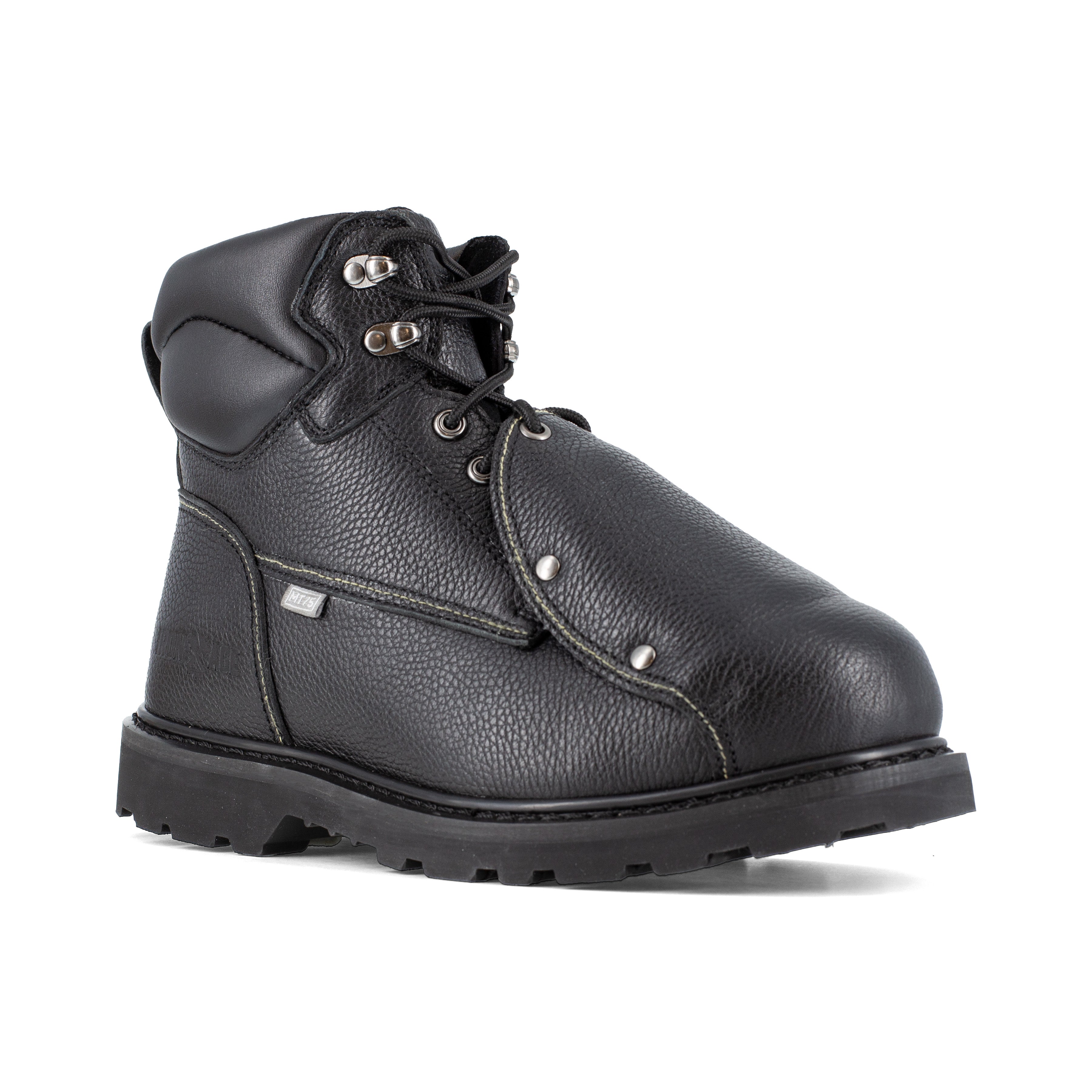
Iron Age Men's Groundbreaker 6" Steel Toe External Work Boot - Black - IA5016
Save 18%
Sale price$144.95
Regular price$177.00
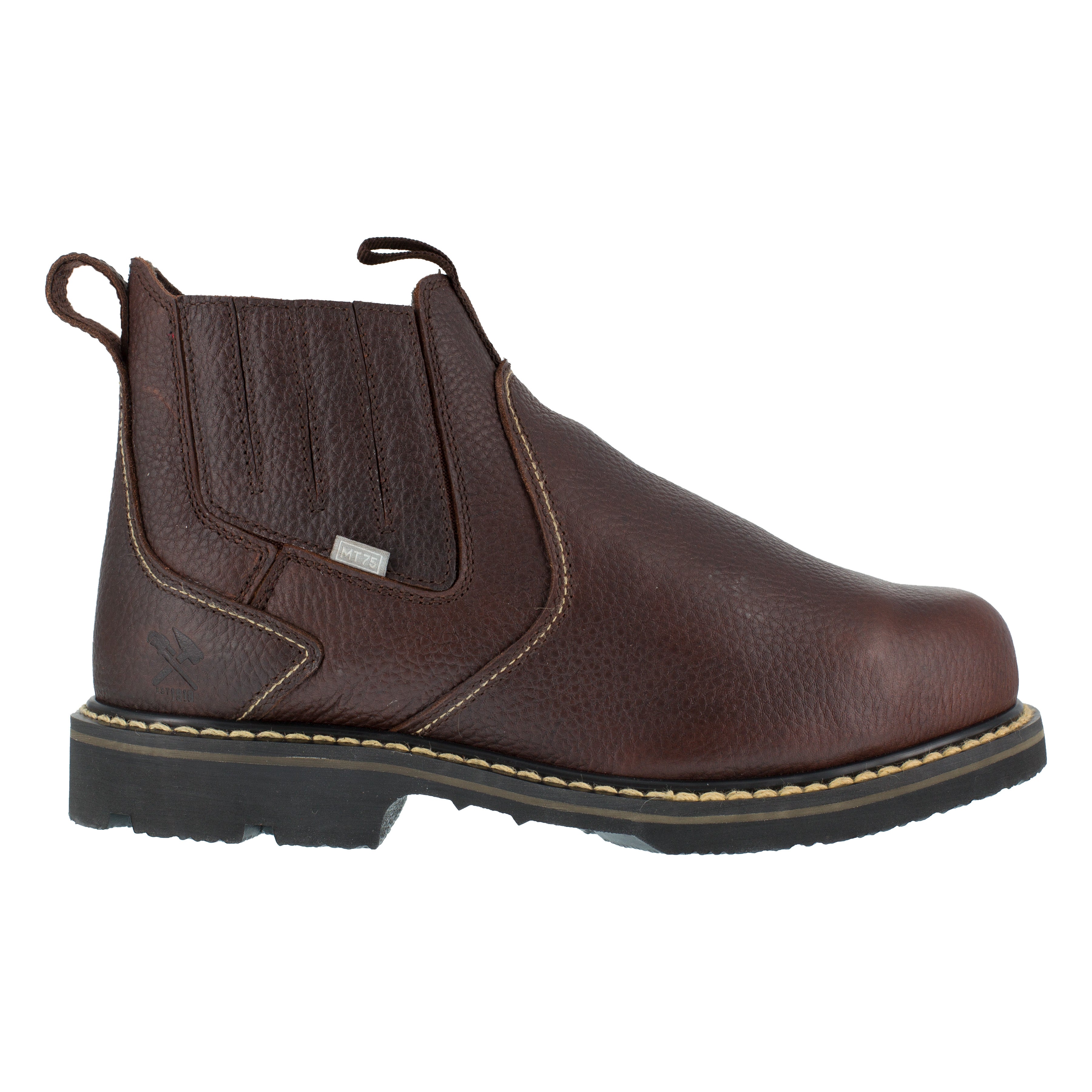
Iron Age Men's Groundbreaker 6" Steel Toe CushGuard Metguard Work Boot - Brown - IA5018
Save 16%
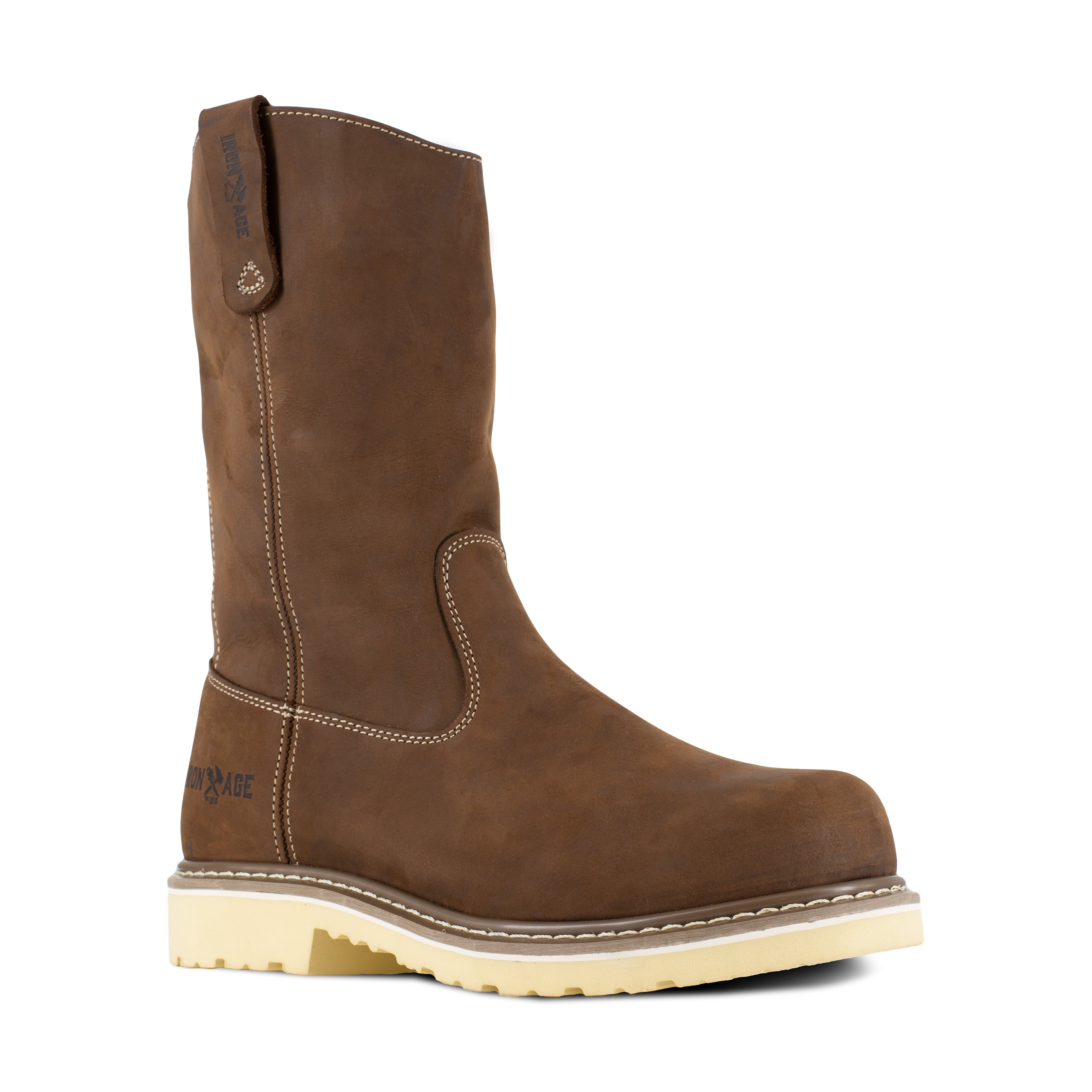
Sale price$149.95
Regular price$178.00
Iron Age Men's Solidifier 11" Composite Toe Wellington Work Boot - Brown - IA5090
Save 7%
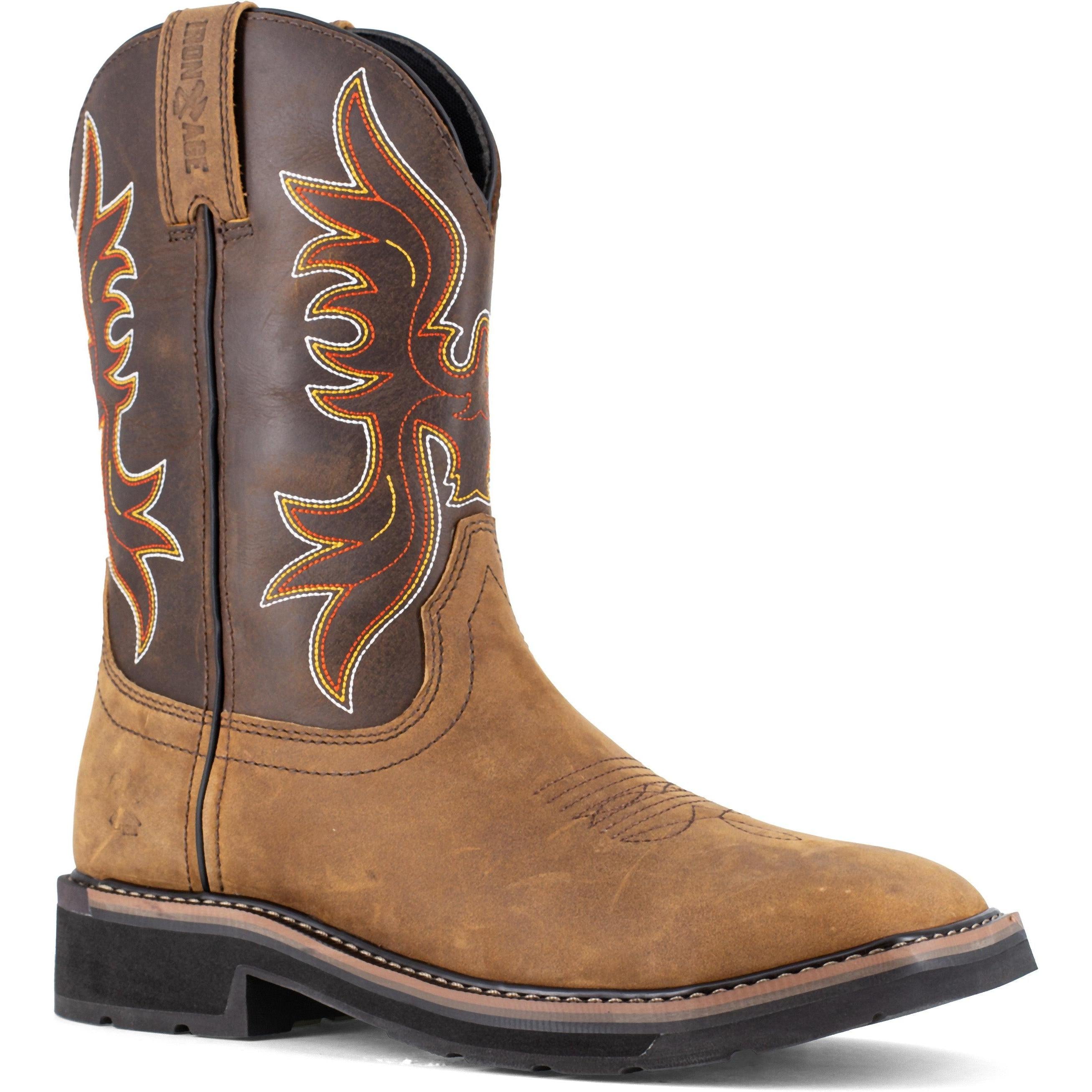
Sale price$124.95
Regular price$134.00
Iron Age Men's Outlaw 10" Square Toe Work Western Work Boot- Brown- IA5040
Save 20%

Sale price$109.95
Regular price$138.00
Iron Age Men's Surveyor Comp Toe Trail Hiker Work Boot - Brown - IA5401
Save 16%
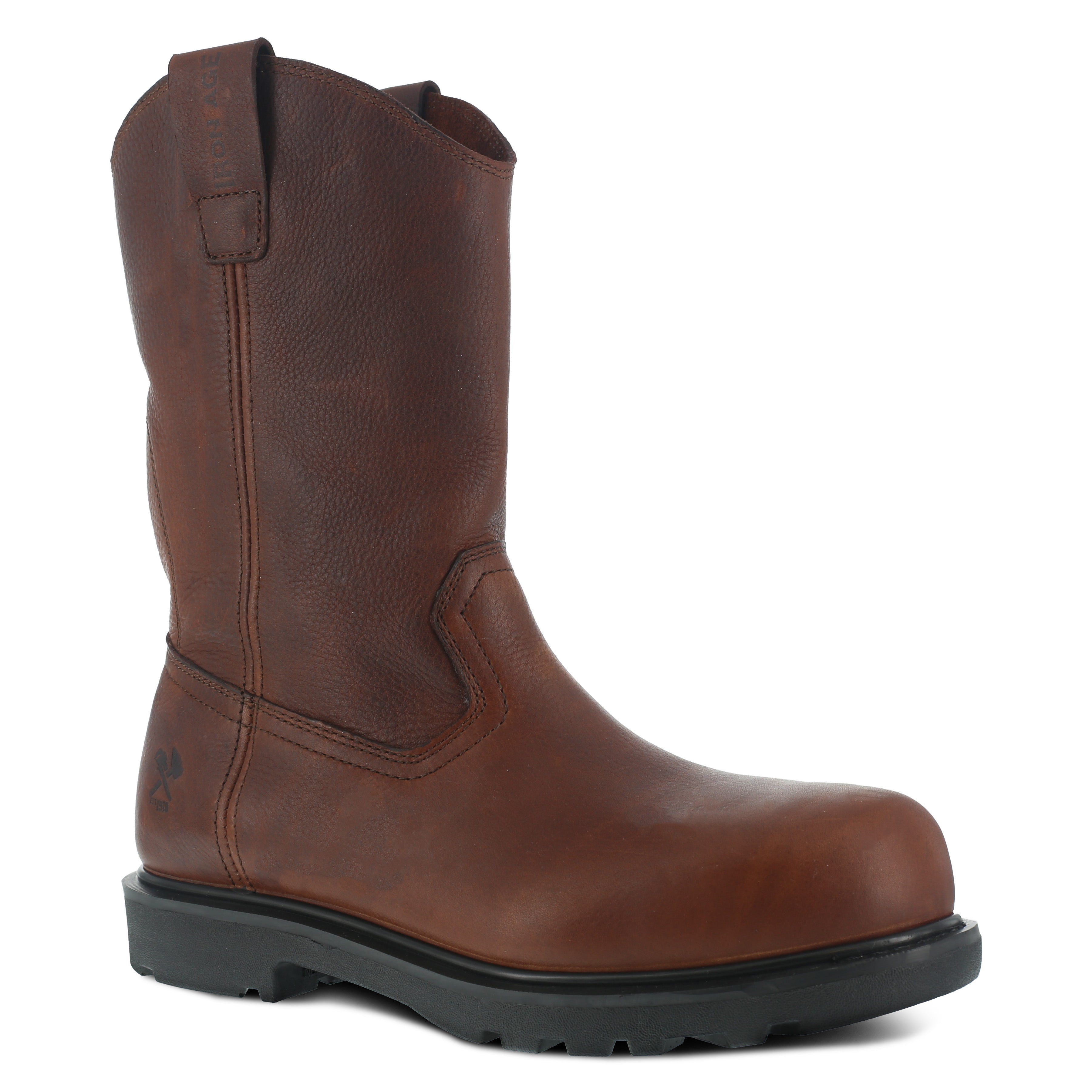
Sale price$154.95
Regular price$185.00
Iron Age Men's Hauler 11" Composite Toe Wellington Work Boot - Brown - IA0194
Save 11%
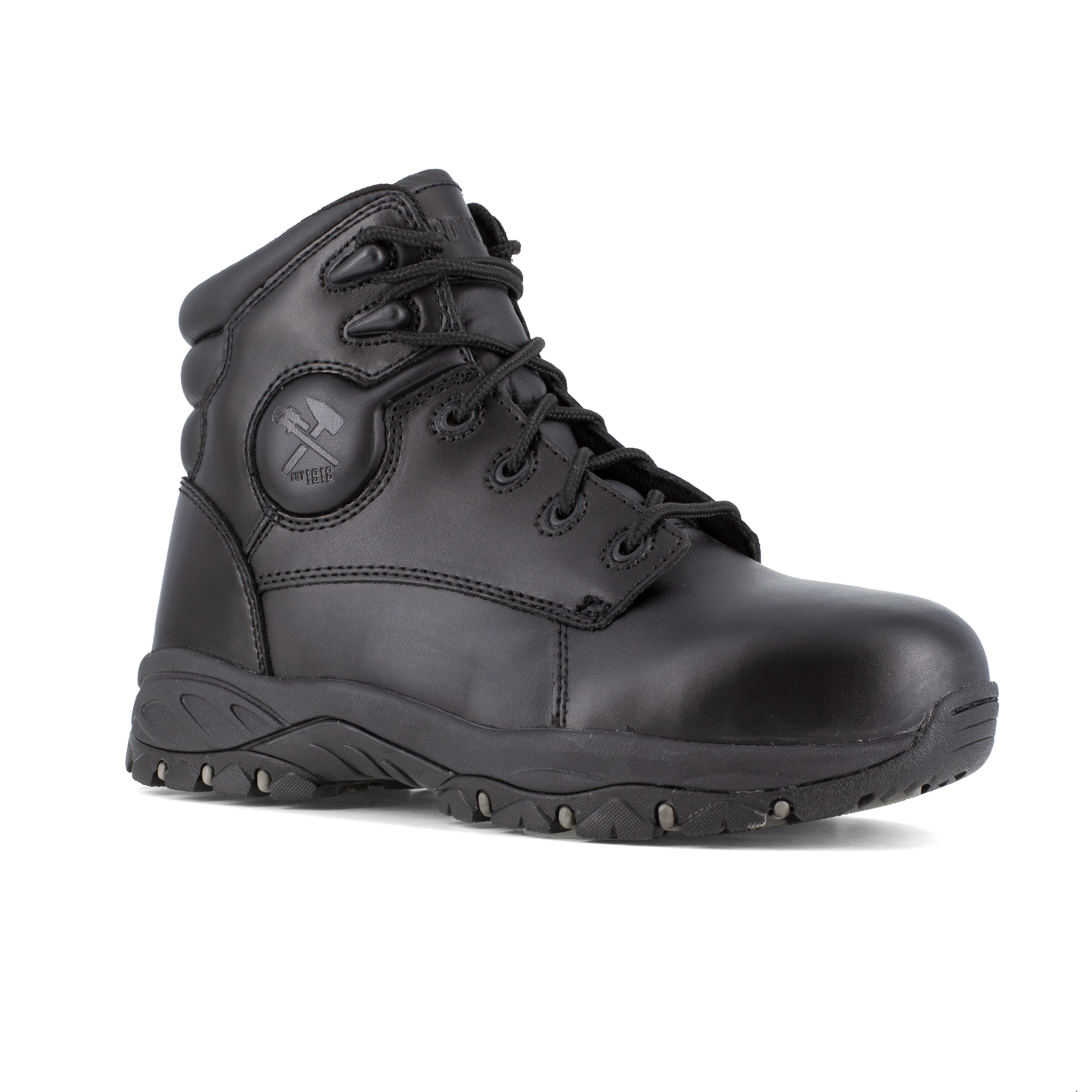
Sale price$109.95
Regular price$124.00
Iron Age Men's Ground Finish 6" Steel Toe Work Boot - Black - IA5150
Save 18%
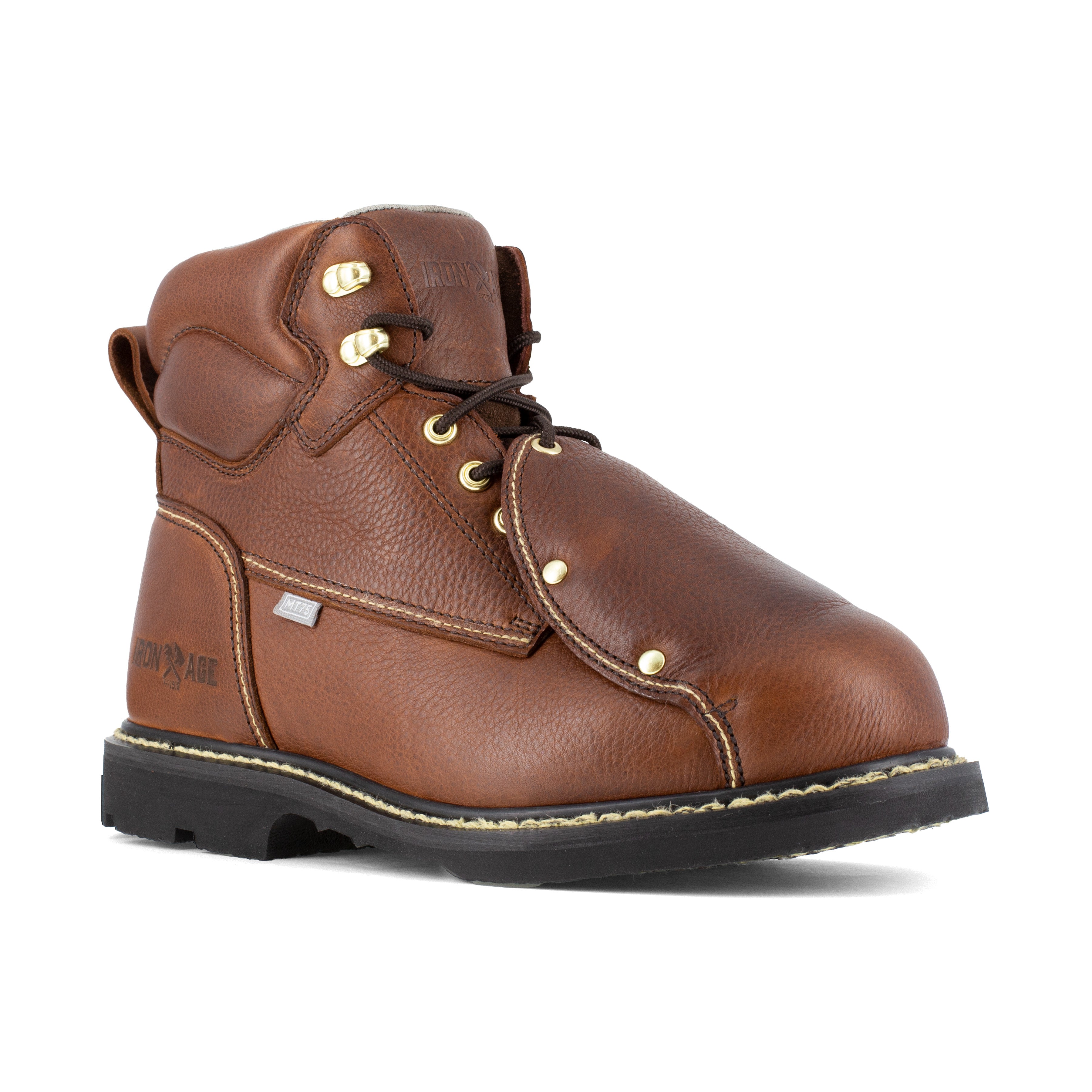
Sale price$154.95
Regular price$189.00
Iron Age Men's Groundbreaker 6" Steel Toe External Work Boot - Brown - IA5017
Save 19%
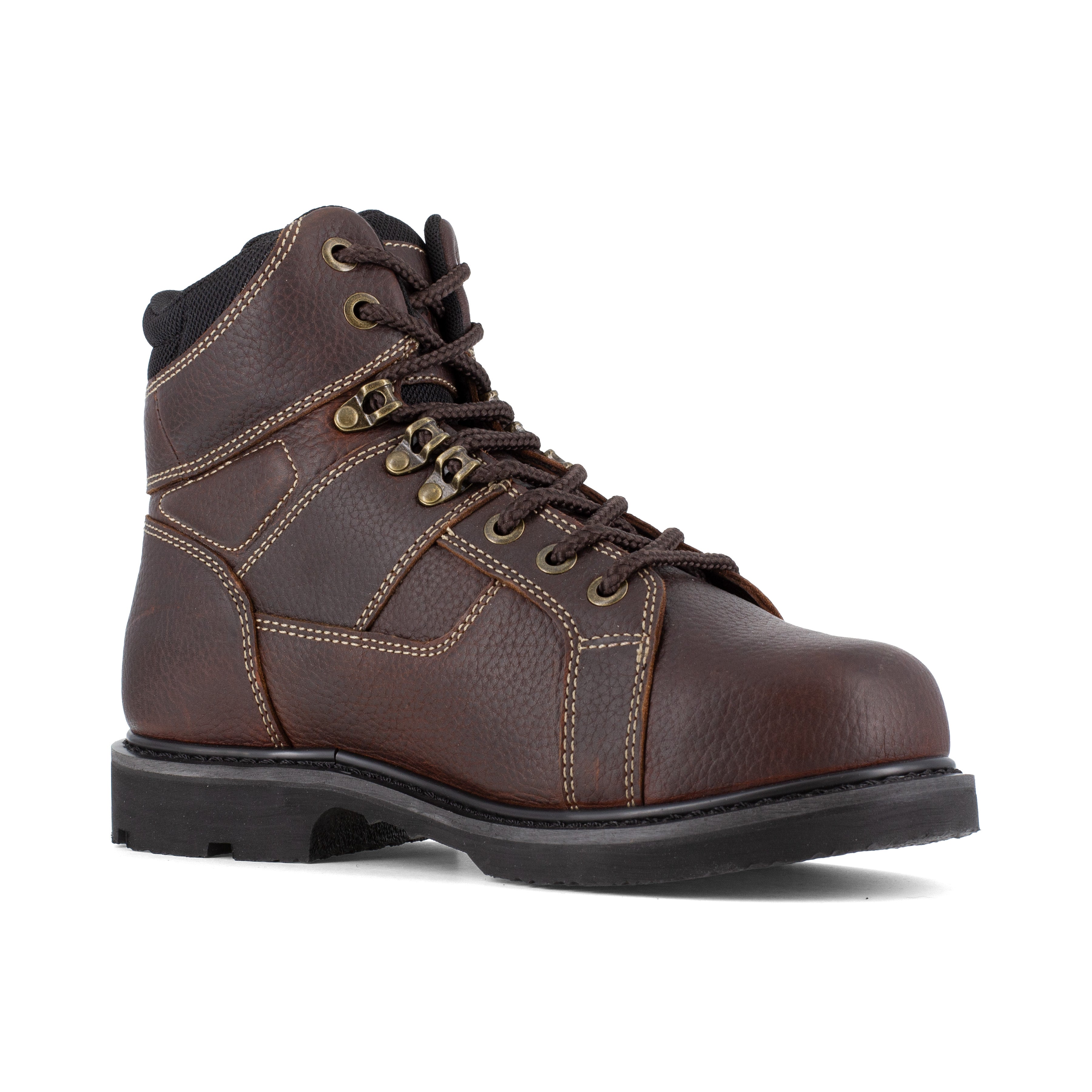
Sale price$154.95
Regular price$192.00
Iron Age Men's Groundbreaker 6" Steel Toe CushGuard Metguard Work Boot - Brown - IA5021
Save 17%
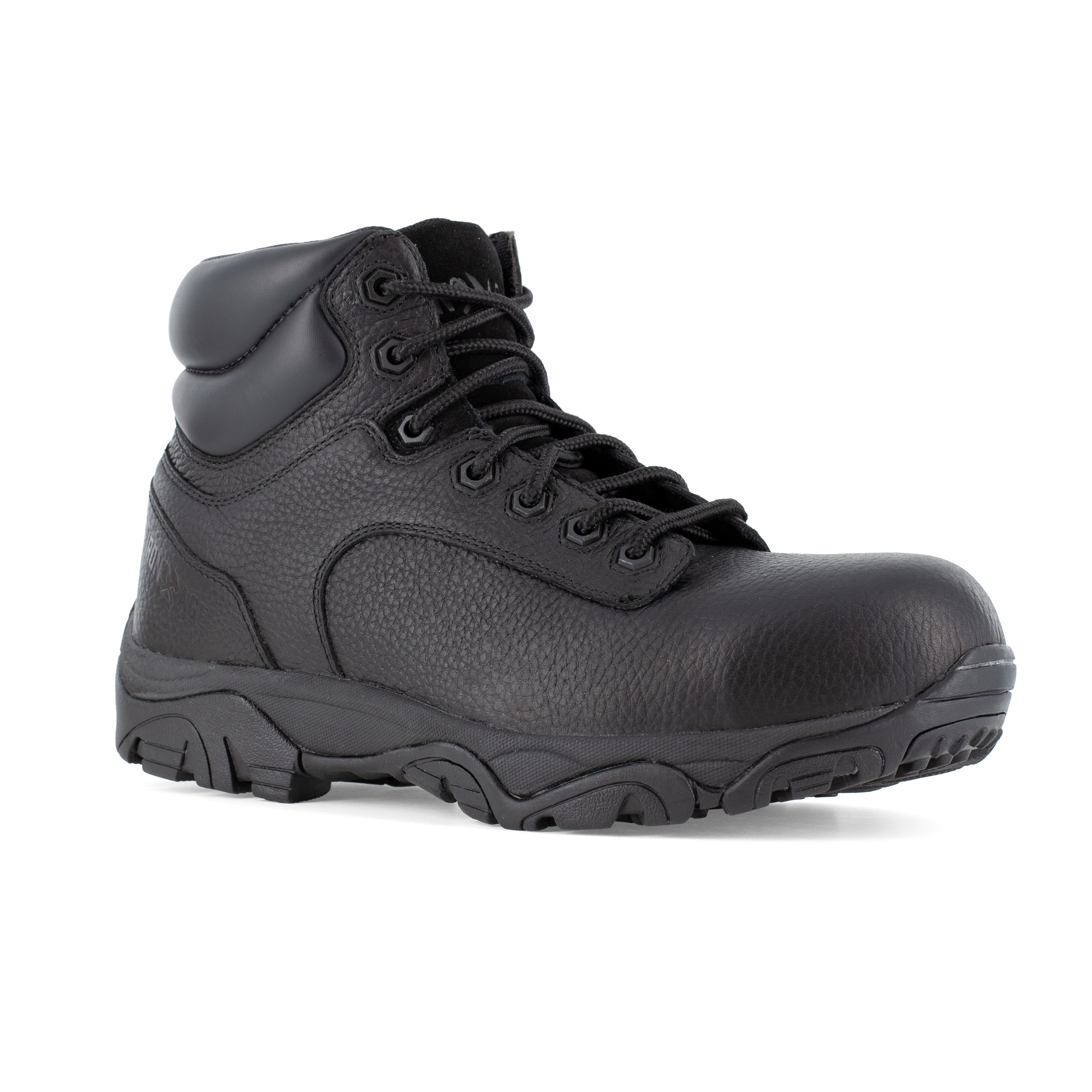
Sale price$114.95
Regular price$138.00
Iron Age Men's Trencher 6" Composite Toe Work Boot - Black - IA5007
Save 6%
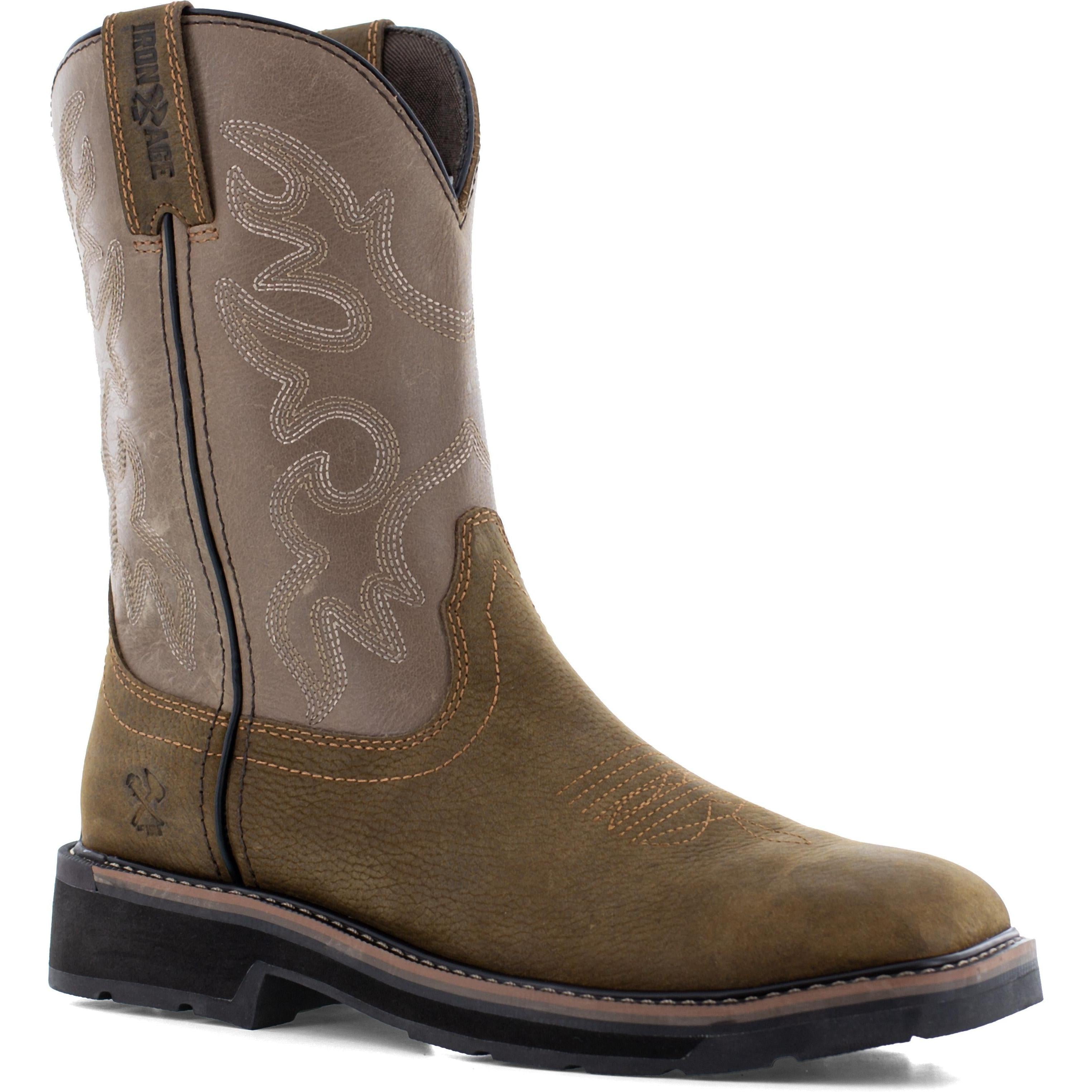
Sale price$134.95
Regular price$143.00
Iron Age Men's Outlaw 10" Steel Toe Waterproof Western Work Boot- Brown- IA5041
Save 18%
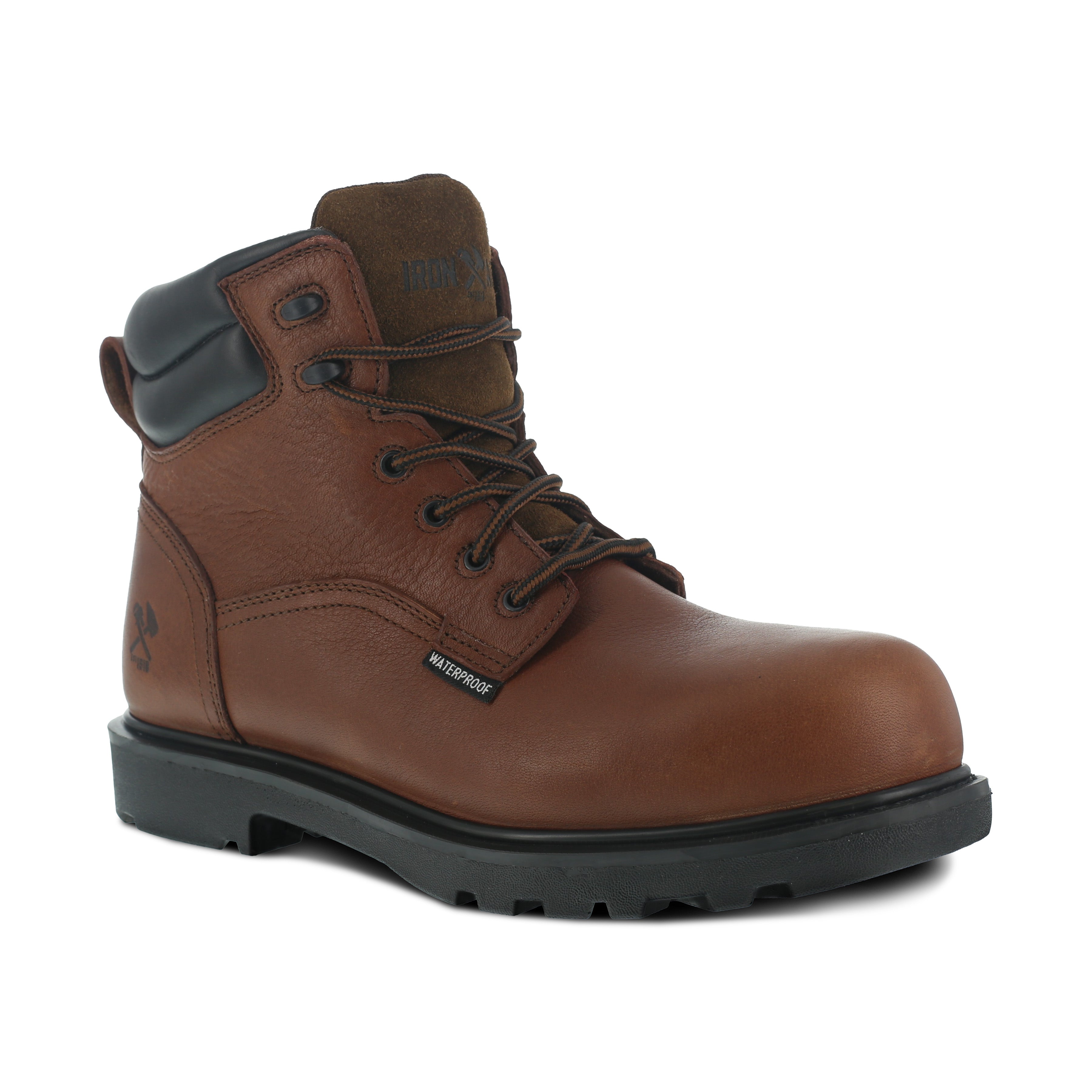
Sale price$154.95
Regular price$188.00
Iron Age Men's Hauler 6" Composite Toe Waterproof Work Boot - Brown - IA0160
Save 17%
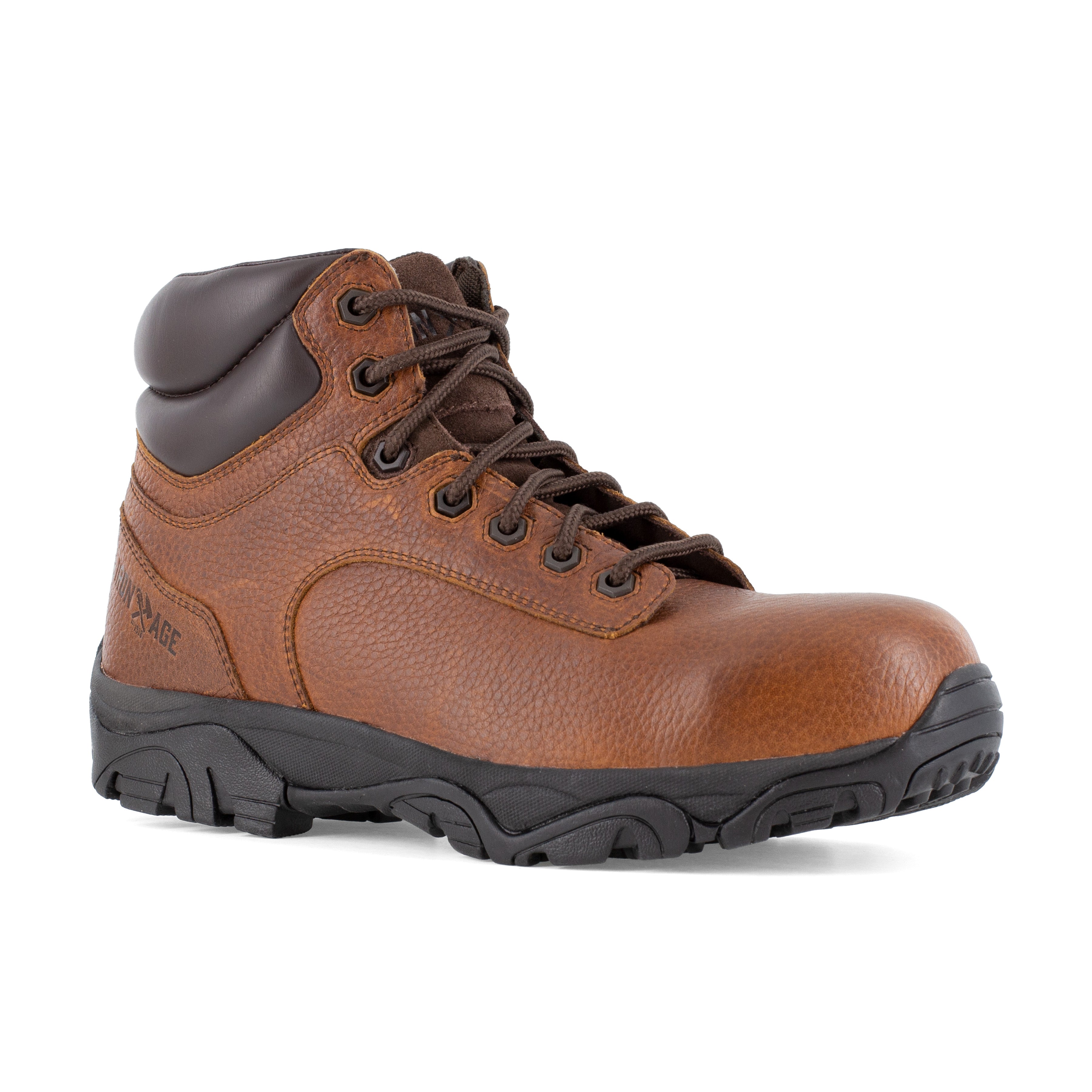
Sale price$114.95
Regular price$138.00
Iron Age Men's Trencher 6" Composite Toe Work Boot - Brown - IA5002
Save 17%
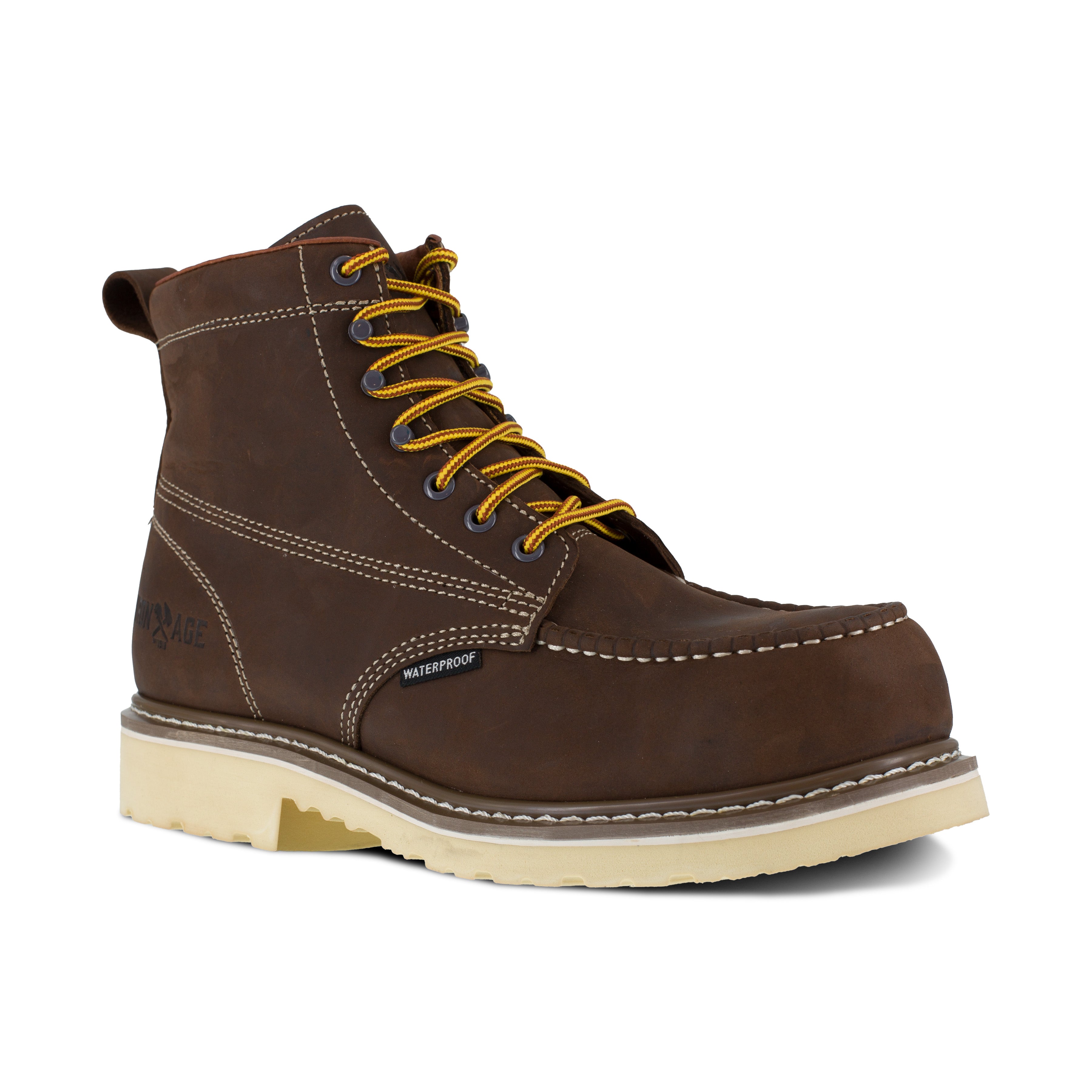
Sale price$144.95
Regular price$174.00
Iron Age Men's Solidifier 6" Composite Toe Waterproof Work Boot - Brown - IA5062
Save 18%
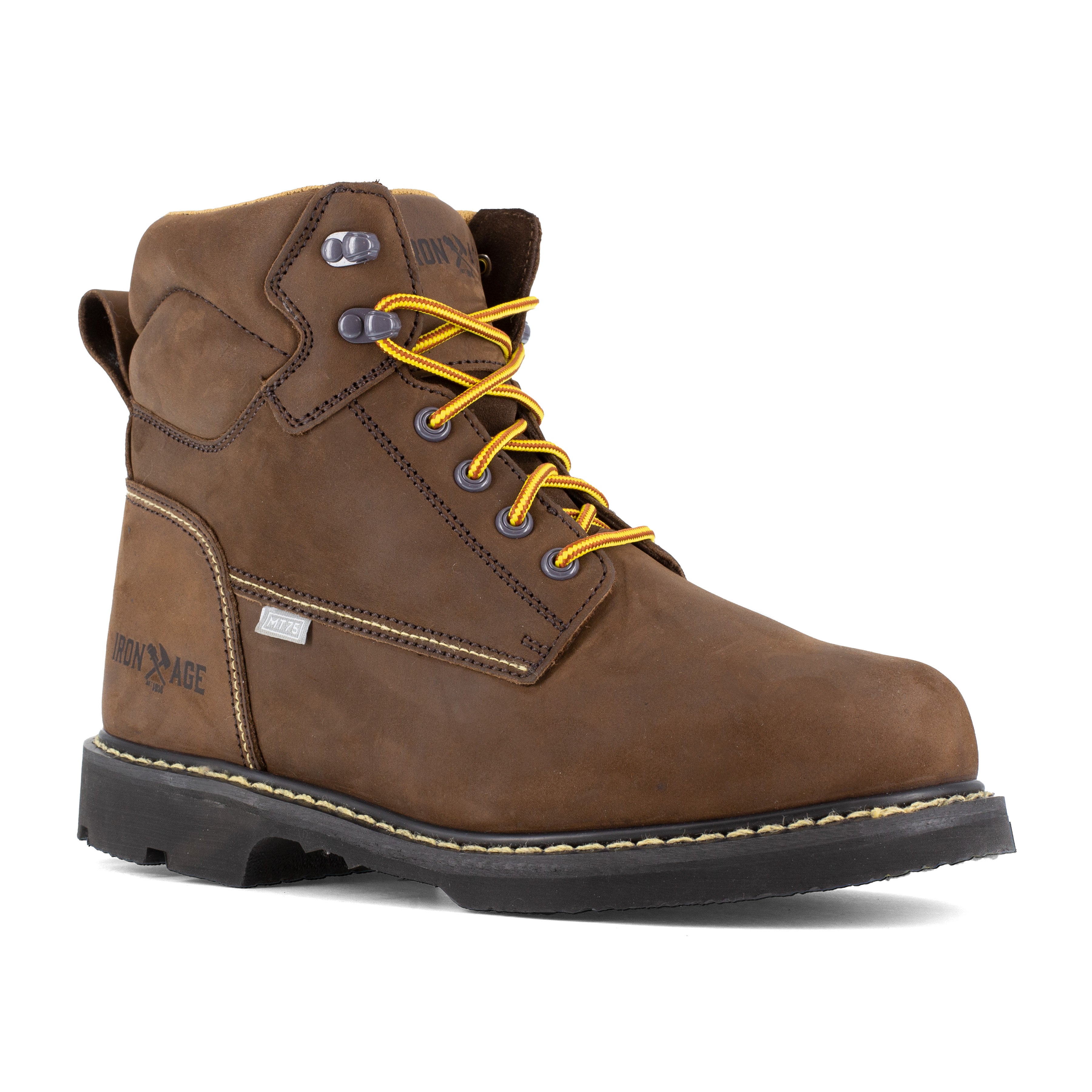
Sale price$144.95
Regular price$176.00
Iron Age Men's Groundbreaker 6" Steel Toe Work Boot - Brown - IA5014
Save 15%
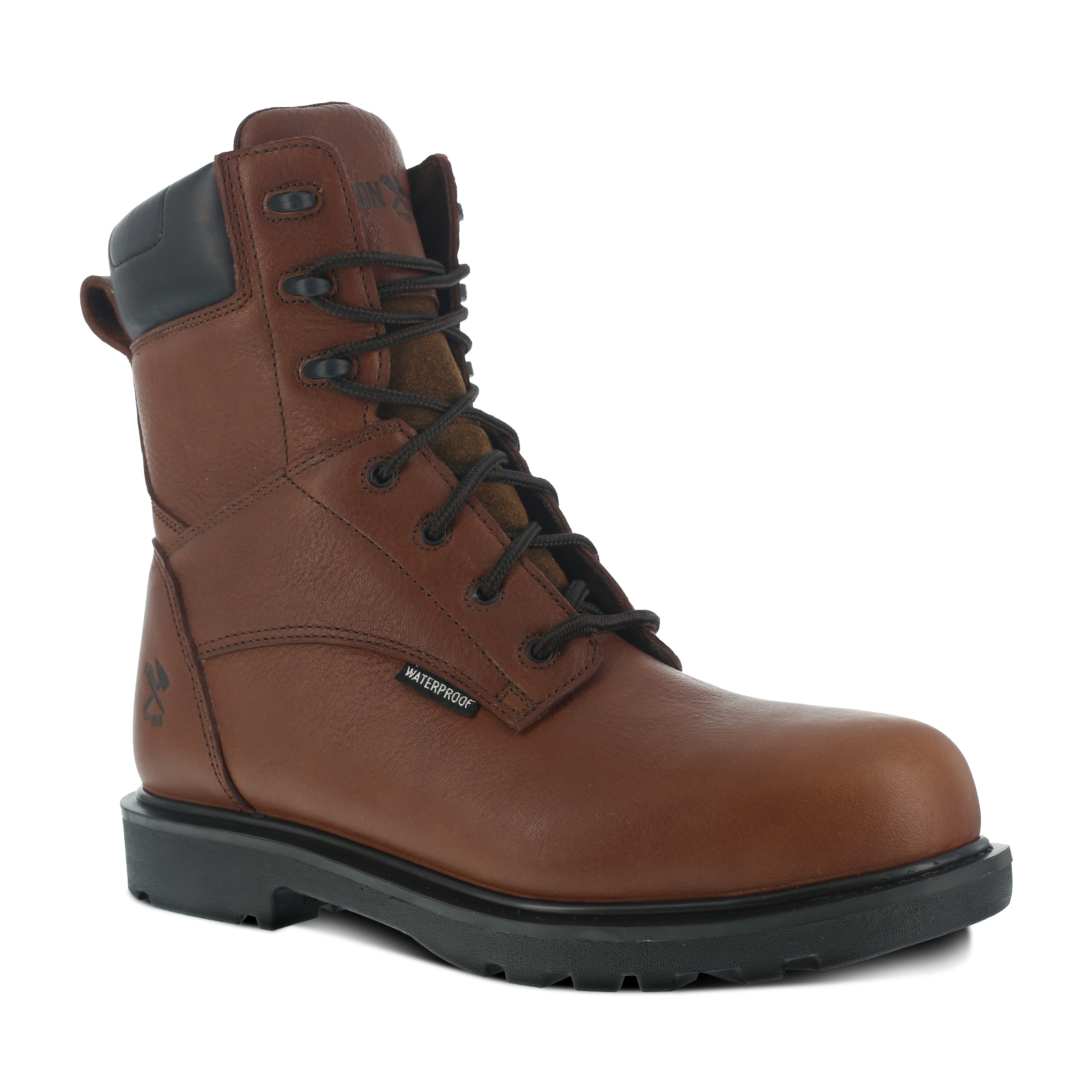
Sale price$164.95
Regular price$194.00
Iron Age Men's Hauler 8" Composite Toe Waterproof Work Boot - Brown - IA0180
Save 18%
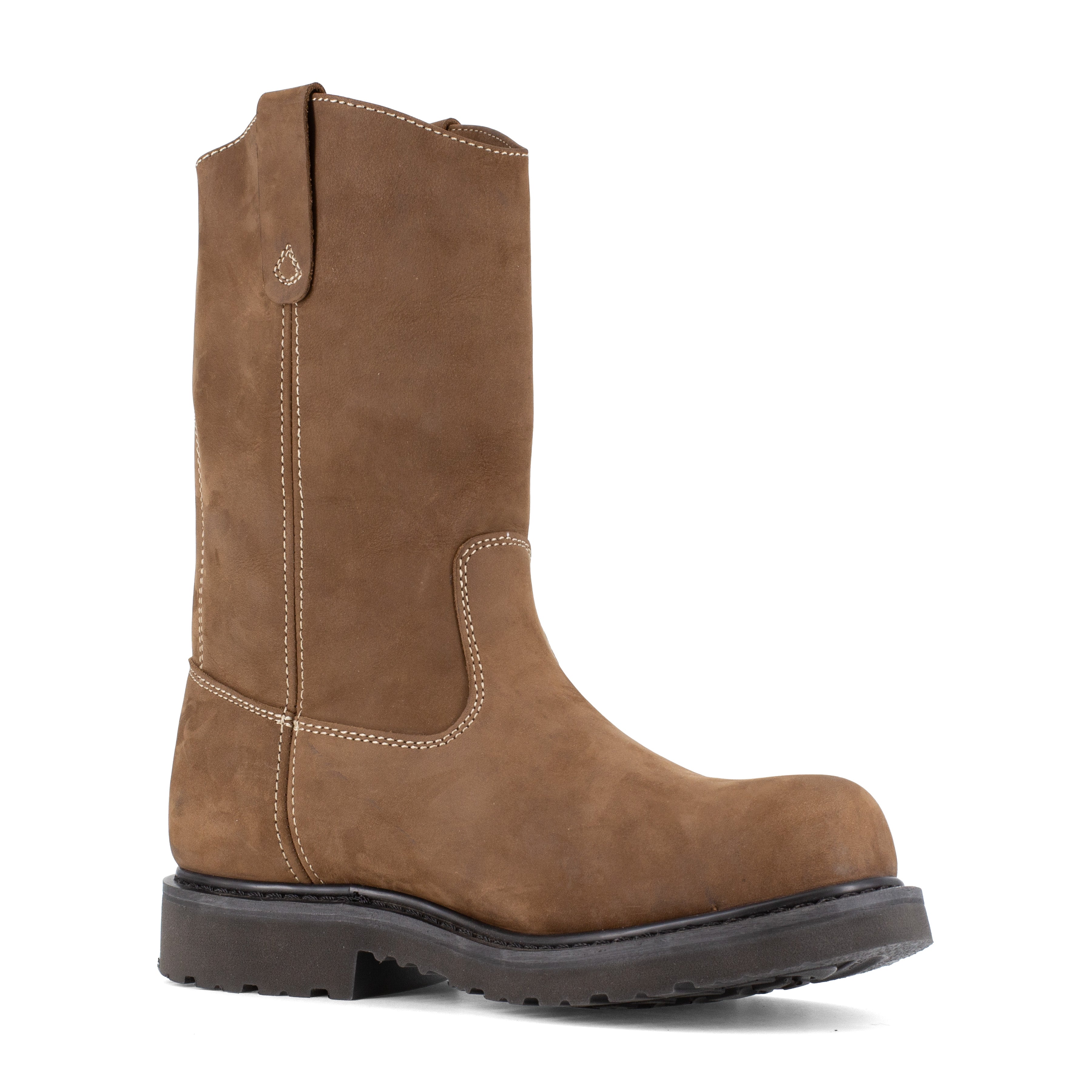
Sale price$154.95
Regular price$188.00
Iron Age Men's Solidifier 11" Composite Toe Pull On Wellington Work Boot - Brown - IA5095
Frequently Asked Questions
A flexible met guard, like the one on the Iron Age Dozer, uses segmented or articulated material over the instep instead of a single rigid plate, so it bends as your foot flexes. The protection rating is the same, but a rigid guard resists every step while a flexible one moves with you, which matters over a ten-hour shift. Both are rated as part of the finished boot rather than added on, so you need a met-rated model from the start. See our full metatarsal boots range.
A safety toe protects roughly the first two inches of the foot and stops there, leaving the metatarsal bones behind it exposed. That is the injury pattern that gets a met requirement written into a PPE policy: a load that rolls or drops onto the instep rather than onto the toes. Mining, foundry, heavy construction, and demolition sites are the common places you will see it specified.
Both, and composite is the more common of the two here. The Hauler and Trencher families use composite toes, while the Dozer and Groundbreaker are steel. All rated models meet ASTM F2413 for impact and compression. Composite is non-metallic and lighter and does not conduct temperature, but it does not on its own make a boot metal-detector safe, since the shank and hardware are separate components that need verifying separately.
The range runs 6-inch and 8-inch lace-ups and 10-inch and 11-inch pull-on Wellingtons. The Wellingtons have no laces to catch on a rung, a chain, or moving equipment, which is why they are common on heavy industrial and oilfield work, and they come on and off quickly. The 6-inch and 8-inch lace-ups give you an adjustable instep and better ankle lockdown for climbing. Height is stated in every product title.
Several models are, including the Hauler 6-inch and 8-inch composite toe boots, and it is stated in the product title. Others in the range, including the Trencher and Groundbreaker, are not. Because Iron Age builds both versions of similar silhouettes, check the title rather than assuming across the family. See our full waterproof work boots range for the wider set of options.
The Hauler is the broader family and spans the most builds, from 6-inch lace-ups up to met guard Wellingtons, with waterproof options through most of it. The Trencher is a 6-inch composite toe work boot without waterproofing, positioned as the more basic option. If you need a specific combination of height, waterproofing, and met protection, the Hauler is where you will find it.
They are built primarily for protection rather than for concrete comfort, which is a real trade. A boot carrying a met guard and a heavy safety toe weighs more than a general work boot, and that weight is what you feel by the end of a shift on flat hard ground. If your site does not require met protection, a lighter boot will serve you better. If it does, the weight comes with the spec, and a cushioned aftermarket insole is the usual way people manage it.
Heavy industrial work: steel, foundry, mining, demolition, and construction where crush and instep hazards are written into the PPE policy. The catalog is deliberately narrow and skewed toward met-rated and composite-toe boots rather than covering every trade. If you are shopping against a written spec sheet rather than personal preference, match the codes on the boot tag to the codes on your spec rather than picking on brand.