Save 23%
Sale price$184.67
Regular price$240.00
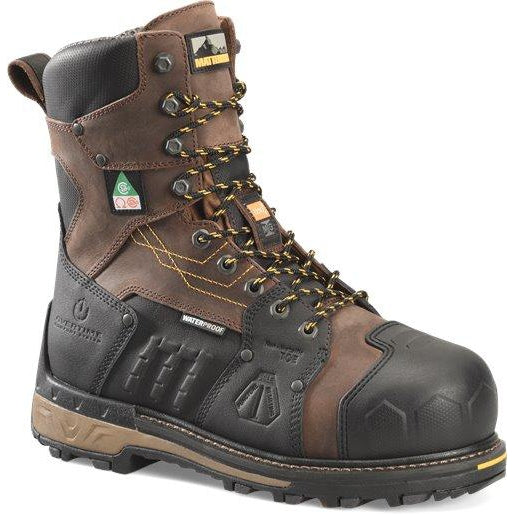
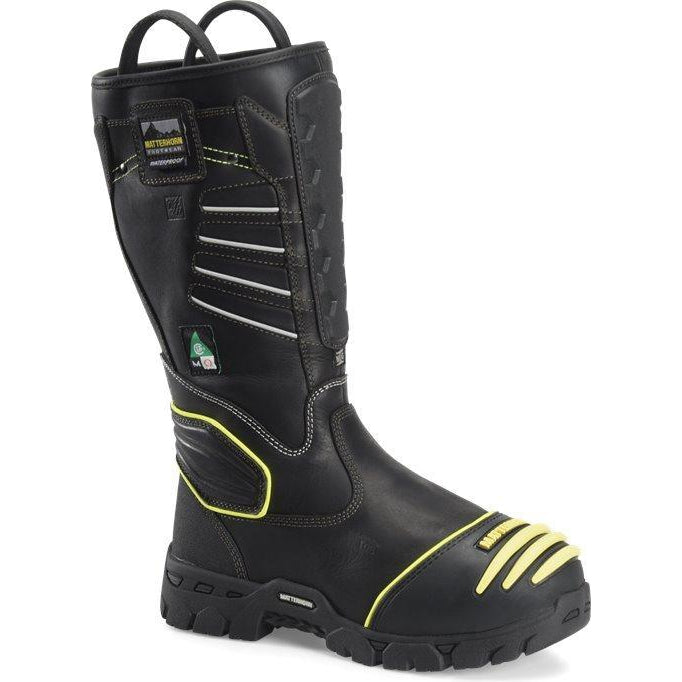
Matterhorn Men's Mulrooney 10" Steel Toe Waterproof Metguard Work Boot Black- MT903
Save 13%
Sale price$405.99
Regular price$466.00
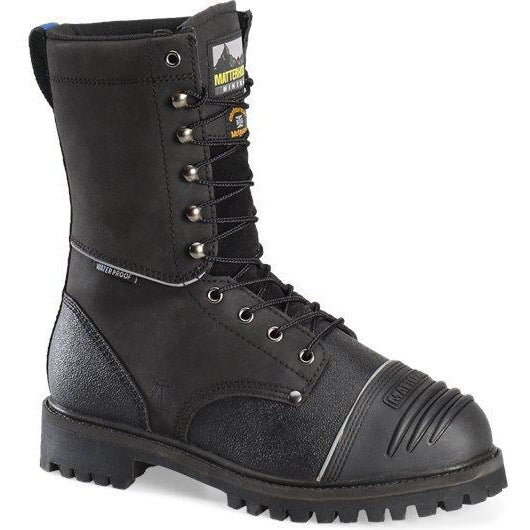
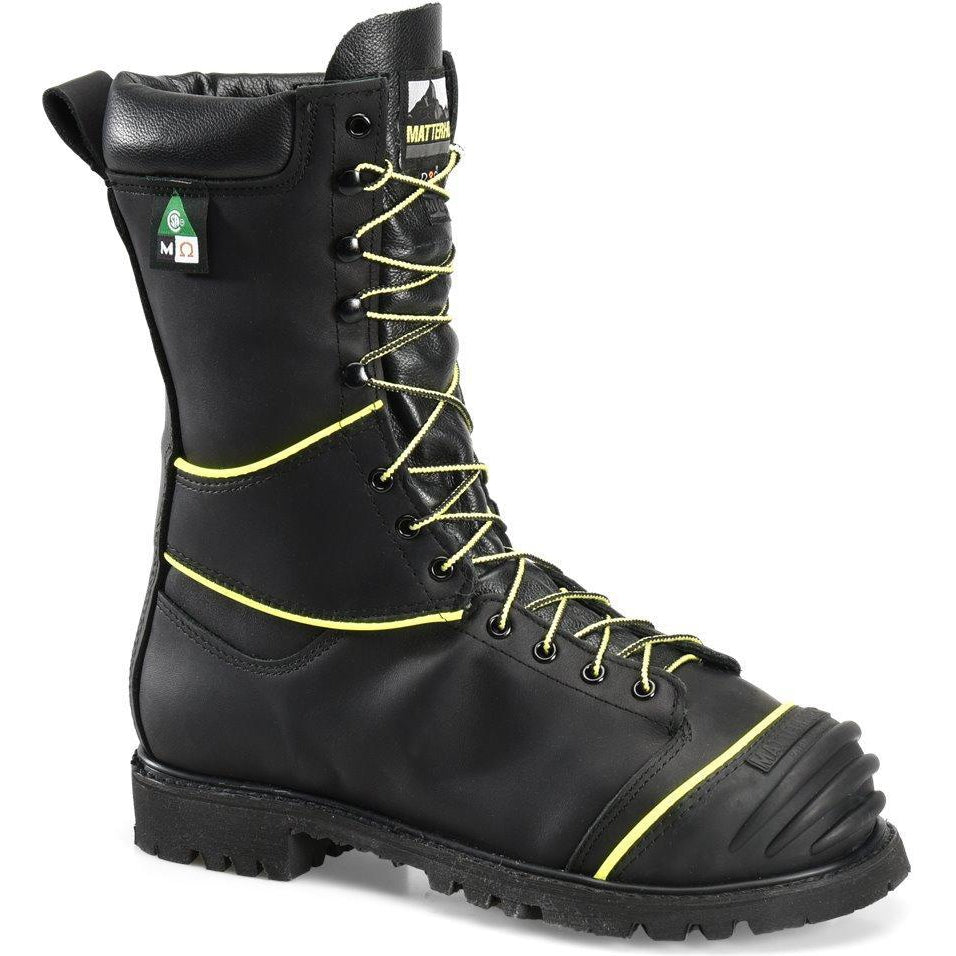
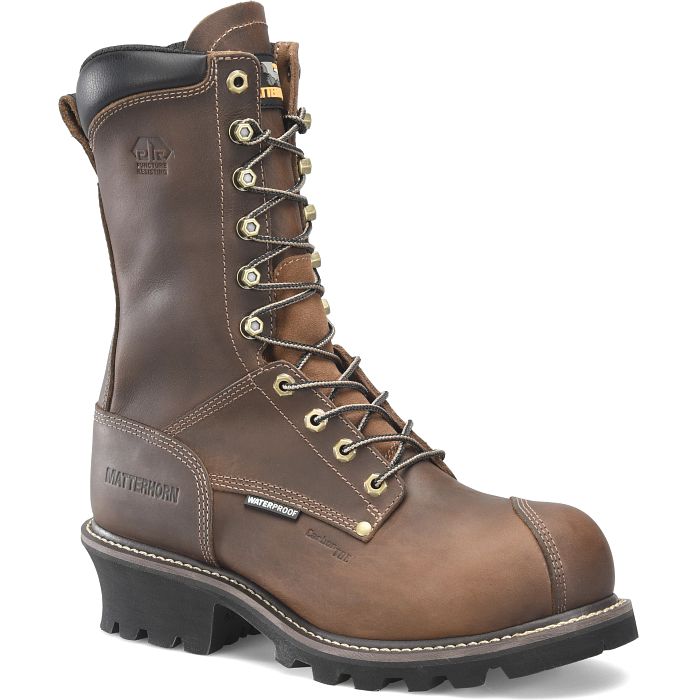
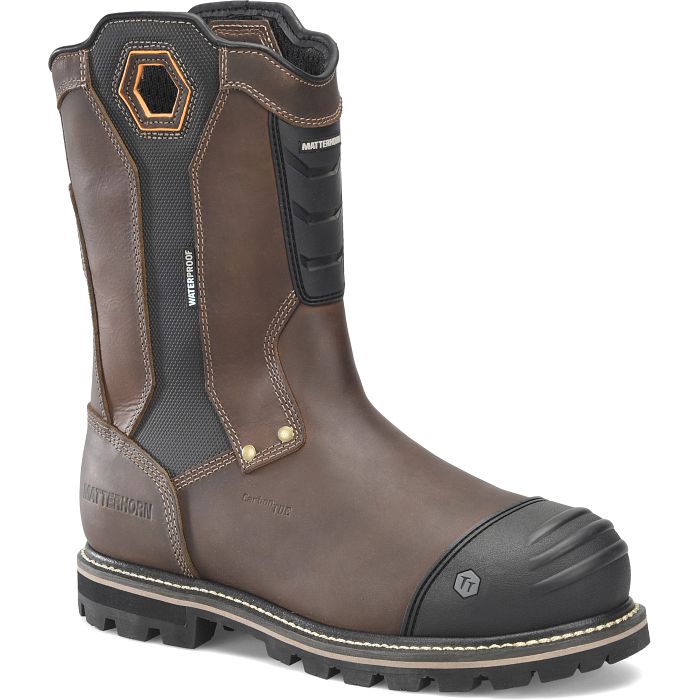
Matterhorn Men's Klondike 10" Steel Toe Waterproof Ins Metguard Puncture Resistant USA Made Work Boot CV12000
Save 14%
Sale price$398.99
Regular price$466.00
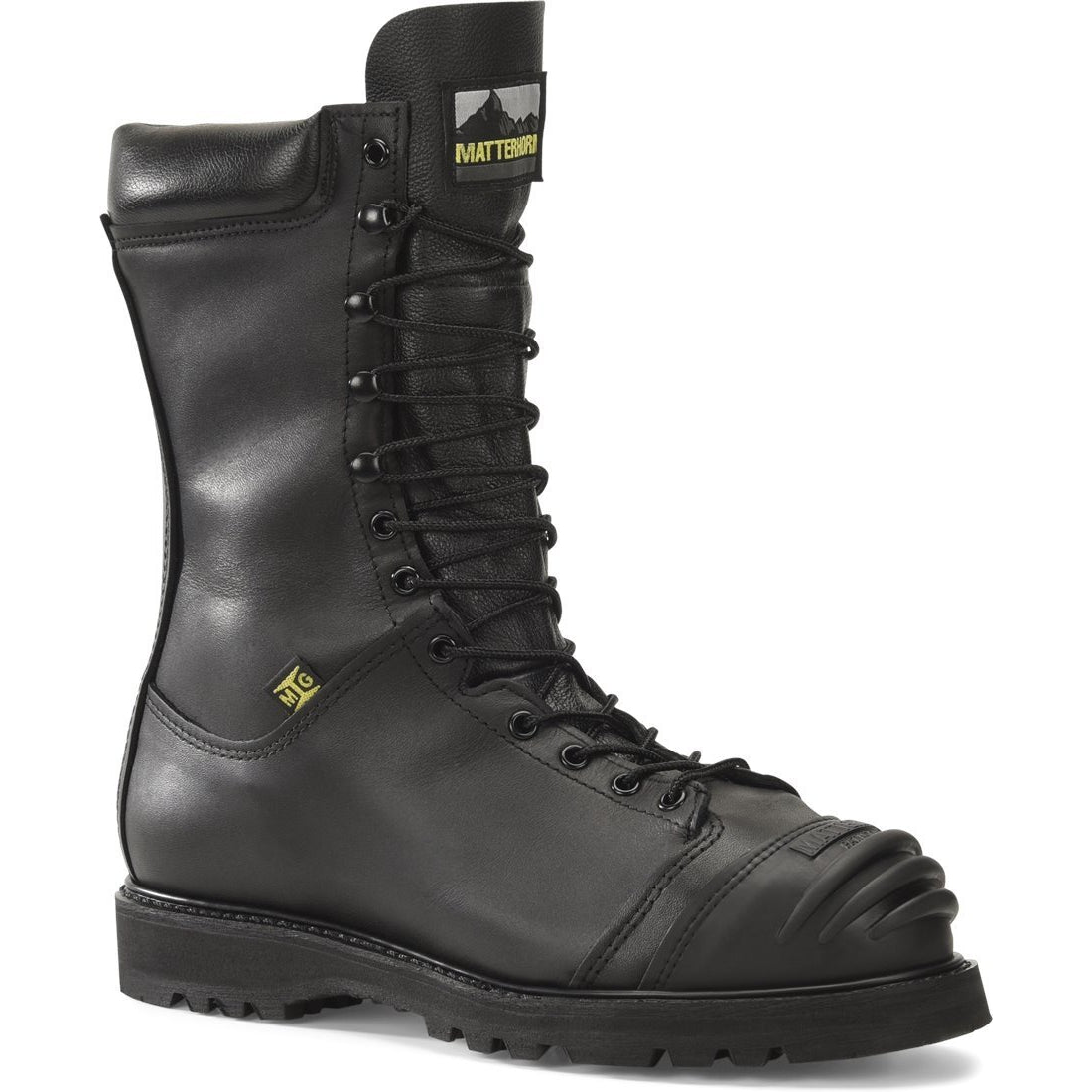
Matterhorn Men's Banksman 10" Steel Toe Waterproof Metguard Puncture Resistant USA Made Work Boot 12255
Save 36%
Sale price$147.67
Regular price$232.00
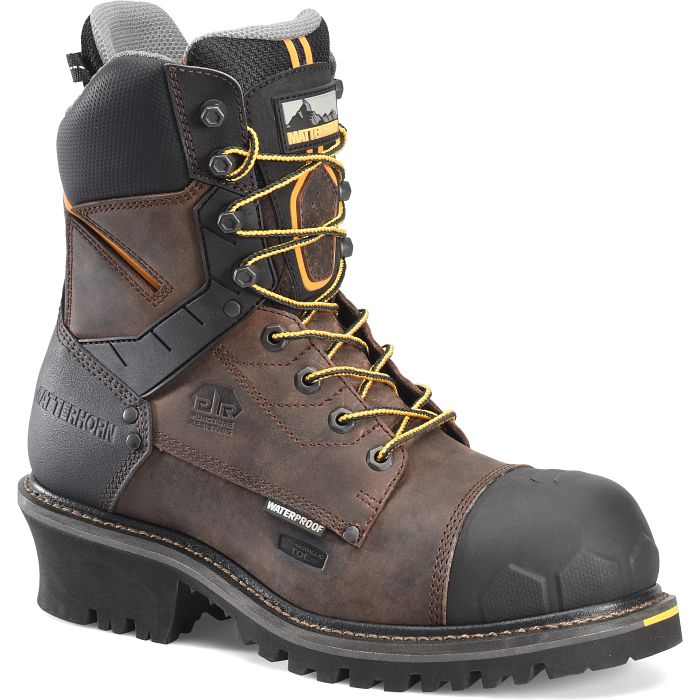
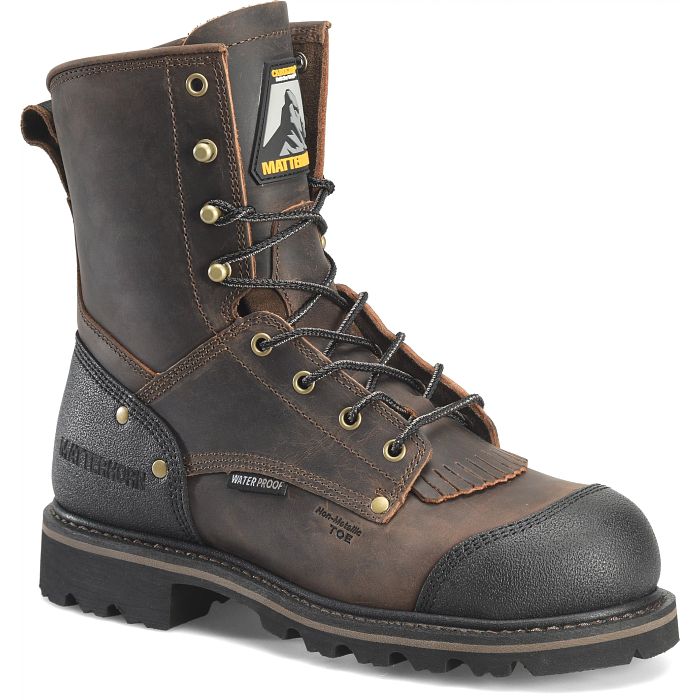
Matterhorn Men's Pr Steadfast 8" Waterproof Composite Toe Logger Work Boot -Brown- MT2558
Sale price$289.95
Regular price$298.00
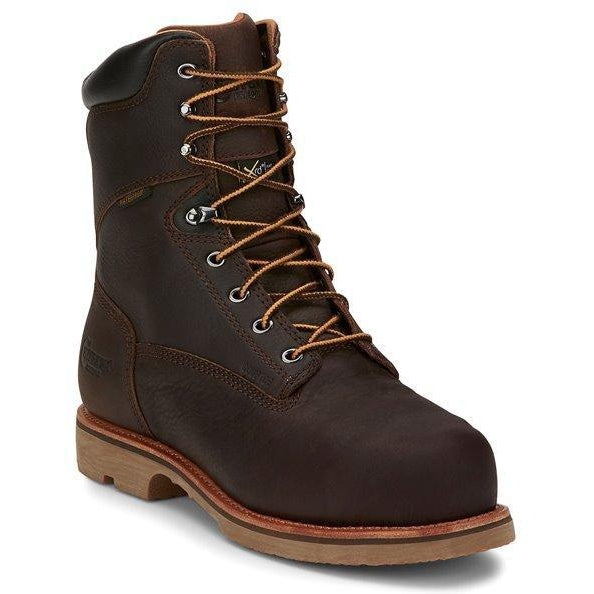
Chippewa Men's Serious+ 8" Composite Toe Waterproof Metguard Puncture Resistant Lace-Up Work Boot - 72311
Sale price$294.95
Regular price$308.00
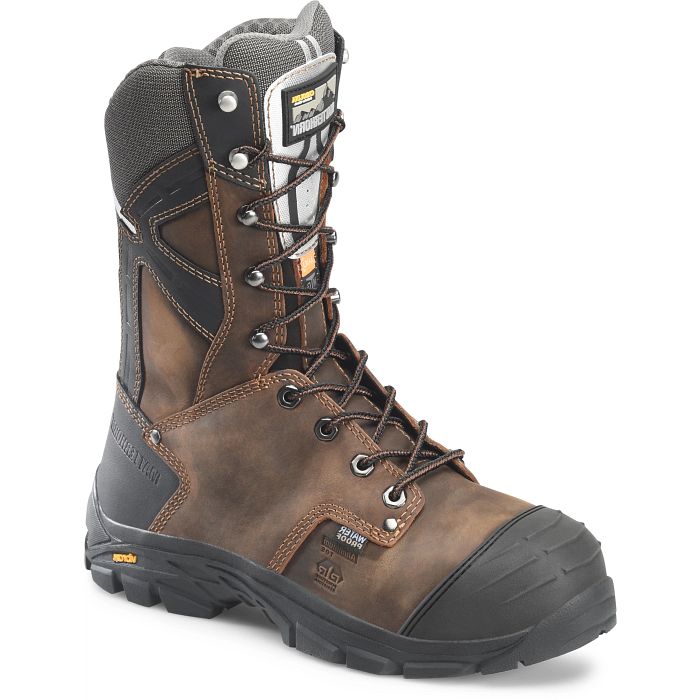
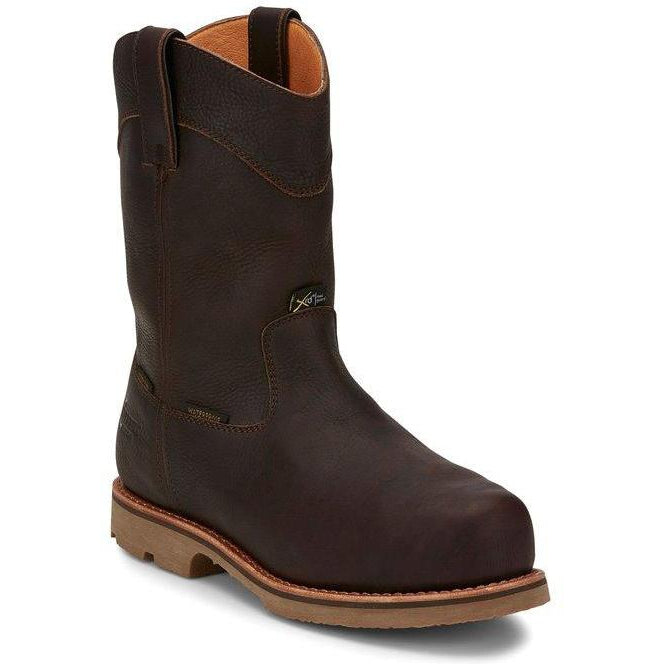
Chippewa Men's Serious+ 10" Composite Toe Waterproof Metguard Pull-On Work Boot- 72331
Save 6%
Sale price$160.00
Regular price$170.00
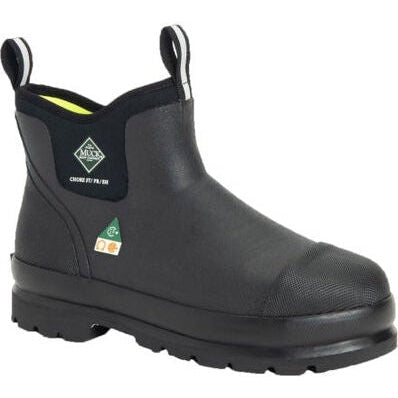
Muck Men's CC Chelsea Steel Toe Waterproof Puncture Resistant Work Boot - Black - CCST-CSA
Save 46%
Sale price$147.67
Regular price$276.00
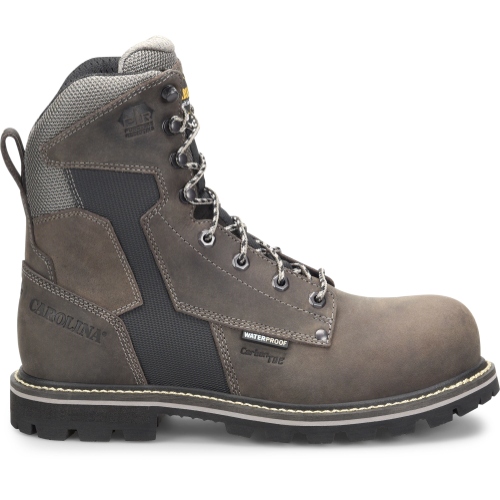
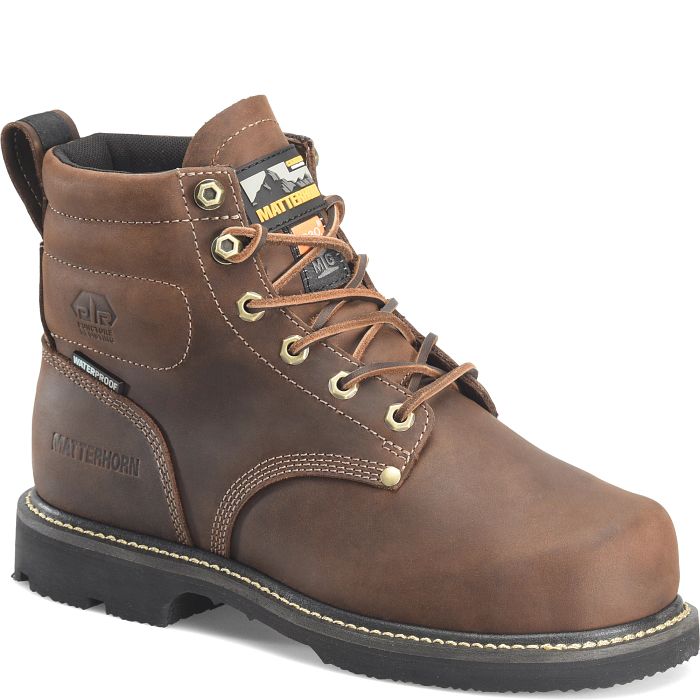
Matterhorn Men's D30 6" Steel Toe Waterproof Metguard Work Boot -Brown- MT2520
Sale price$219.00
Regular price$229.00
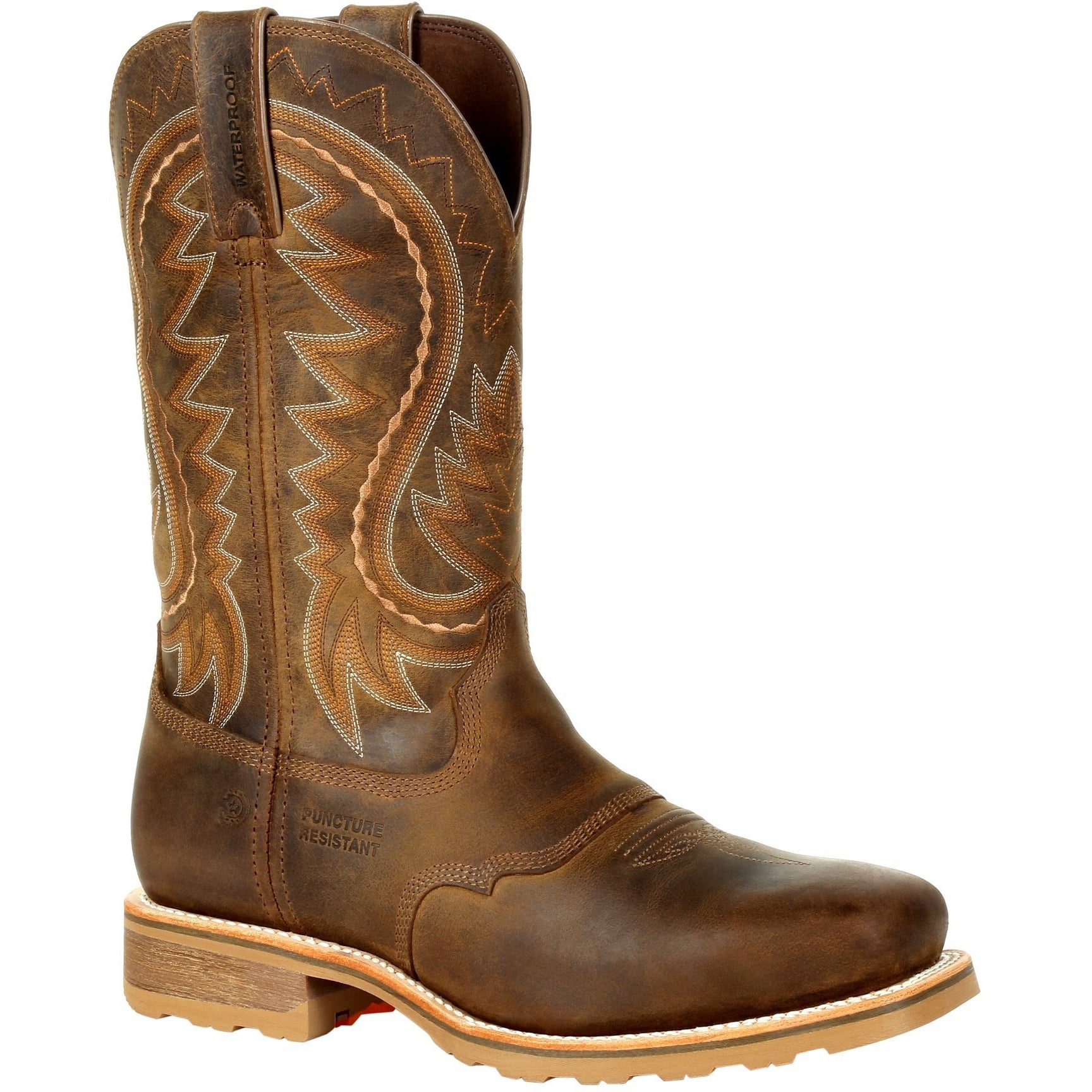
Durango Men's Maverick Pro 12" Steel Toe Waterproof Western Work Boot - DDB0297
Save 9%
Sale price$144.95
Regular price$160.00
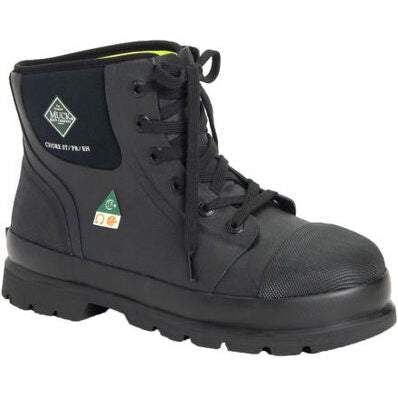
Muck Men's Chore Classic 6" Steel Toe Waterproof Puncture Resistant Work Boot- Black- C6ST-CSA
Save 6%
Sale price$165.00
Regular price$175.00
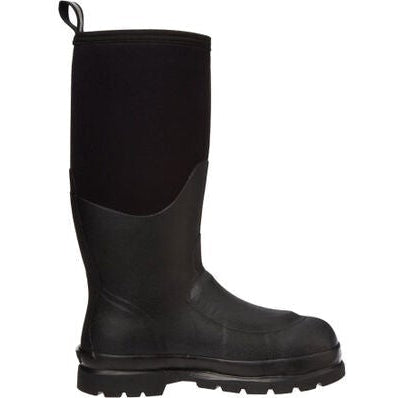
Muck Men's CC Steel Toe Waterproof MG Puncture Resistant Work Boot - Black - CHS-META
Save 7%
Sale price$278.00
Regular price$298.00
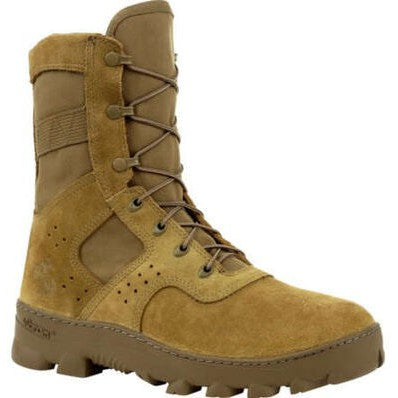
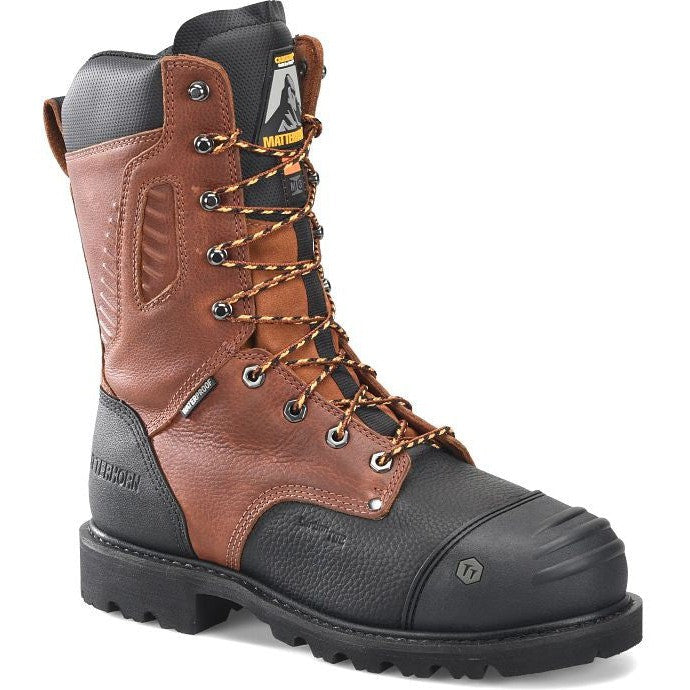
Rocky Men's USMC Tropical 8" Soft Toe Puncture Resistant USA Made Military Boot- RKC091
Save 5%
Sale price$190.00
Regular price$200.00
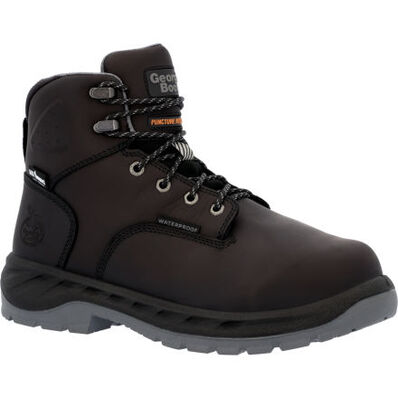
Georgia Men's OT 6" Composite Toe Waterproof MG Puncture Resistant Work Boot - Black - GB00562
Sale price$269.95
Regular price$278.00
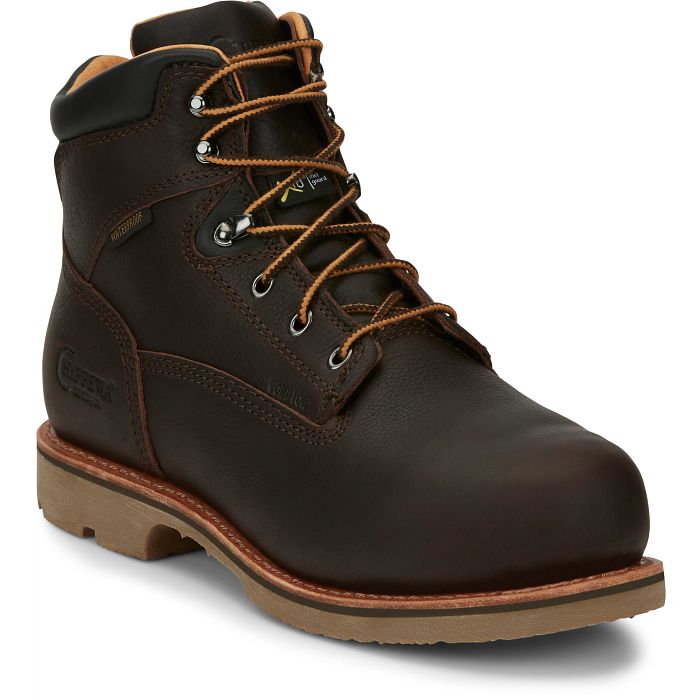
Chippewa Men's Serious+ 6" Composite Toe Waterproof Metguard Lace-Up Work Boot - 72301
Sale price$164.99
Regular price$172.00
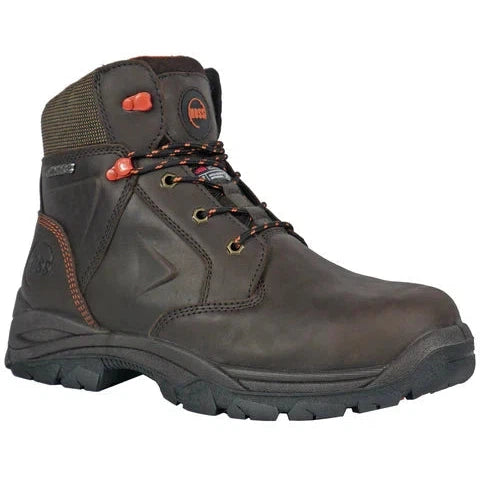
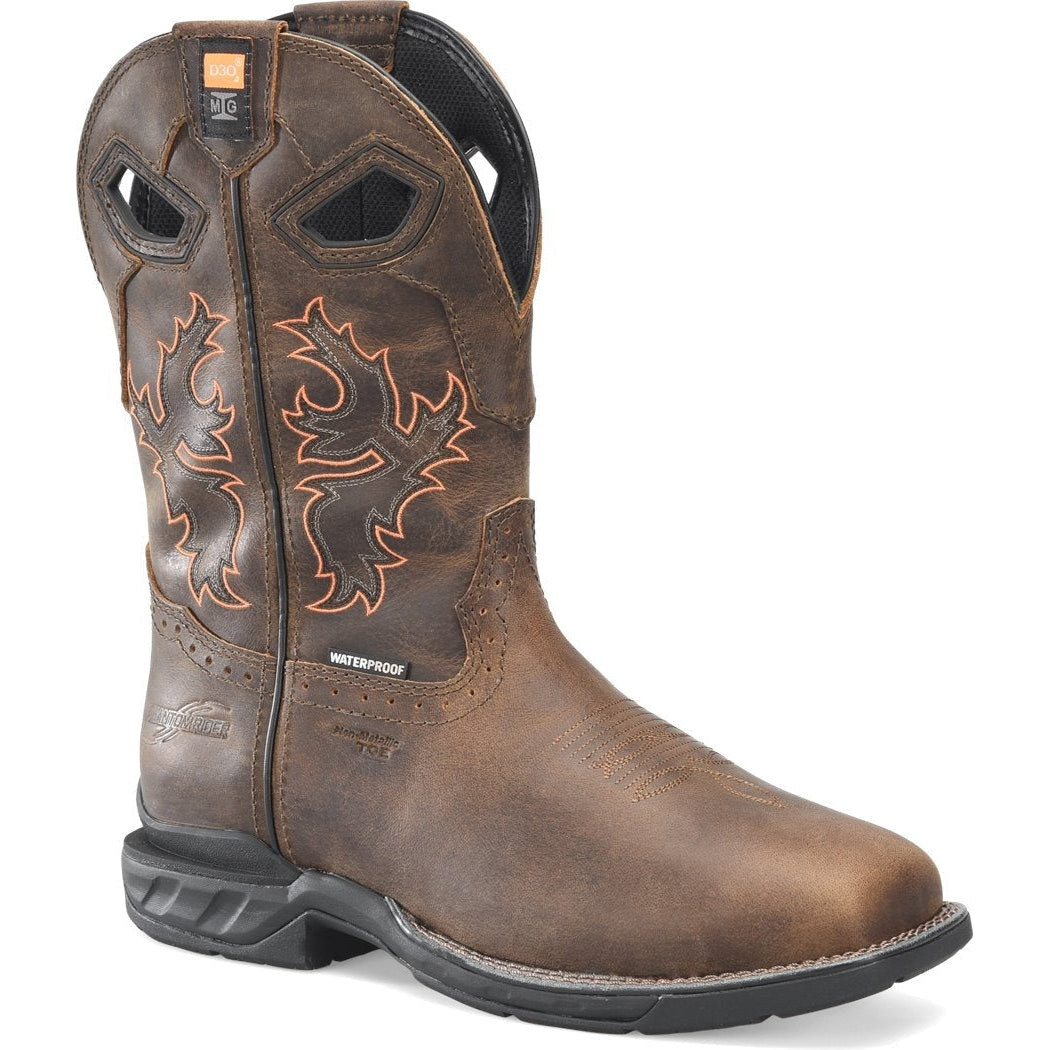
Double H Men's Troy 11" Square Toe Waterproof Western Work Boot Brown- DH5357
Save 12%
Sale price$420.99
Regular price$480.00
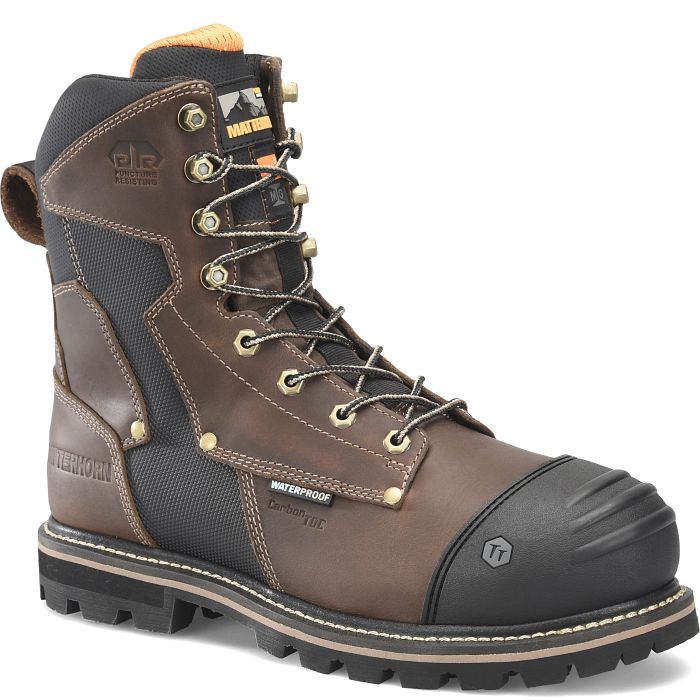
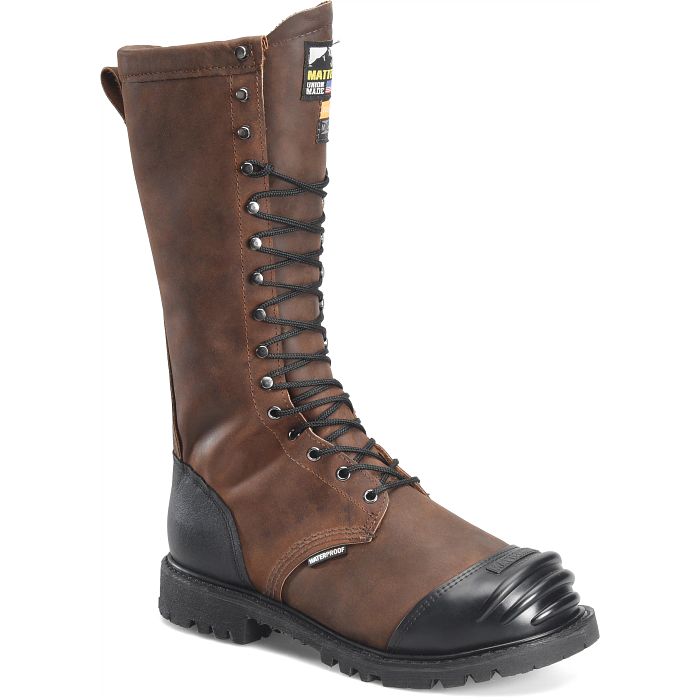
Matterhorn Men's 16" Waterproof Insulated Metguard Work Boot -Brown- MT716
Save 9%
Sale price$214.99
Regular price$236.00
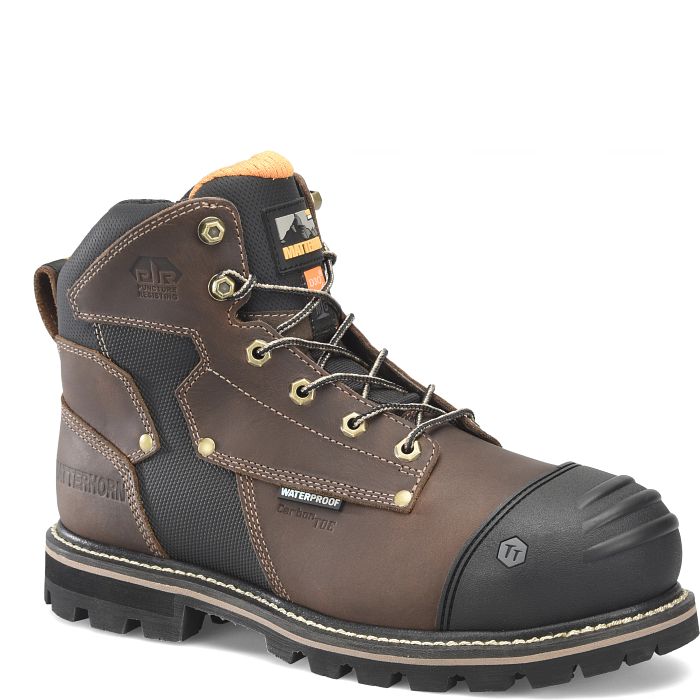
Matterhorn Men's Ibeam 6" Waterproof Composite Toe Metguard Work Boot Brown - MT2546
Save 38%
Sale price$104.95
Regular price$170.00
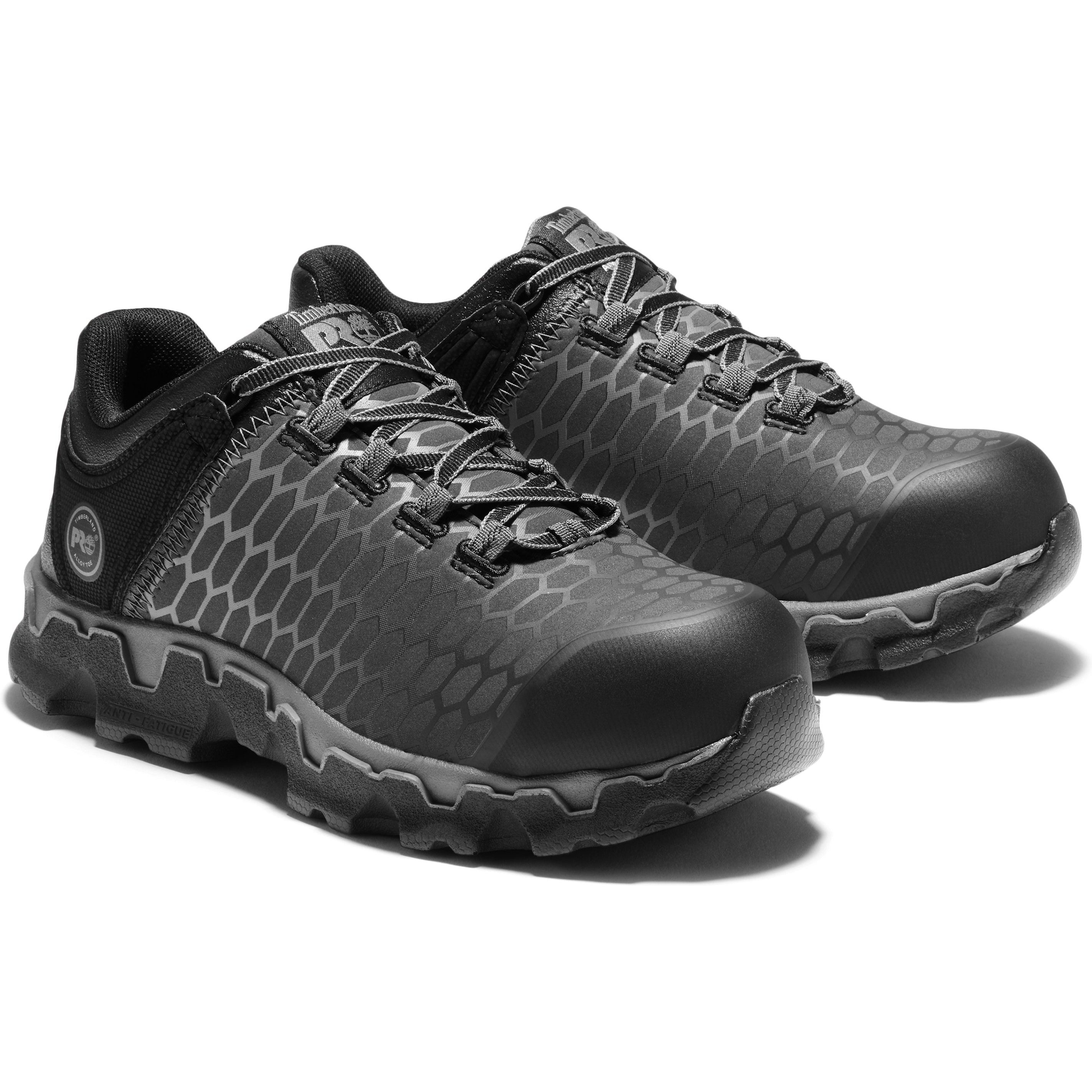
Timberland PRO Women's Powertrain Alloy Toe Electrical Hazard Work Shoe TB1A1JY4001
Sale price$229.99
Regular price$240.00
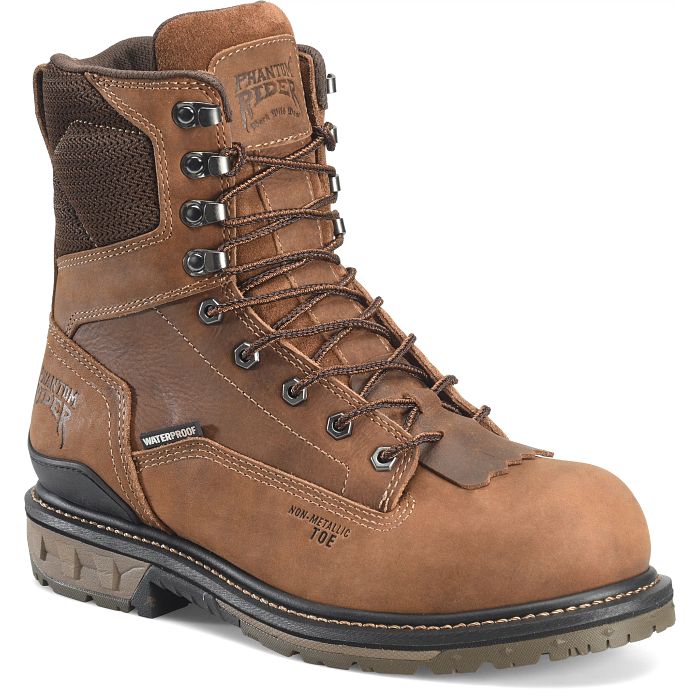
Phantom Rider Men's Piston 8" Comp Toe Waterproof Lace Up Work Boot - Brown - PH5018
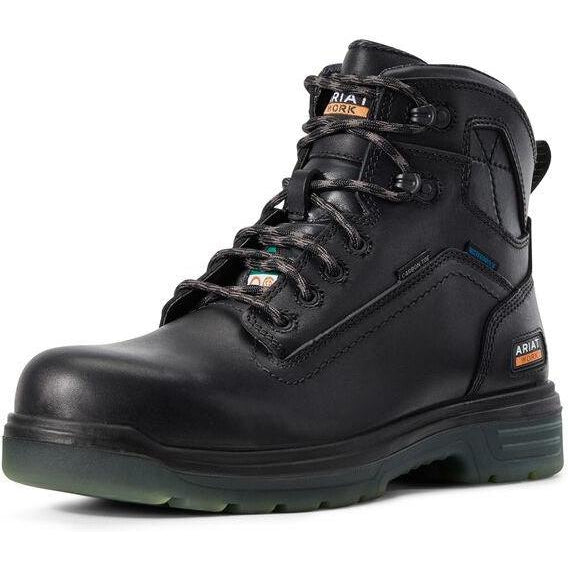
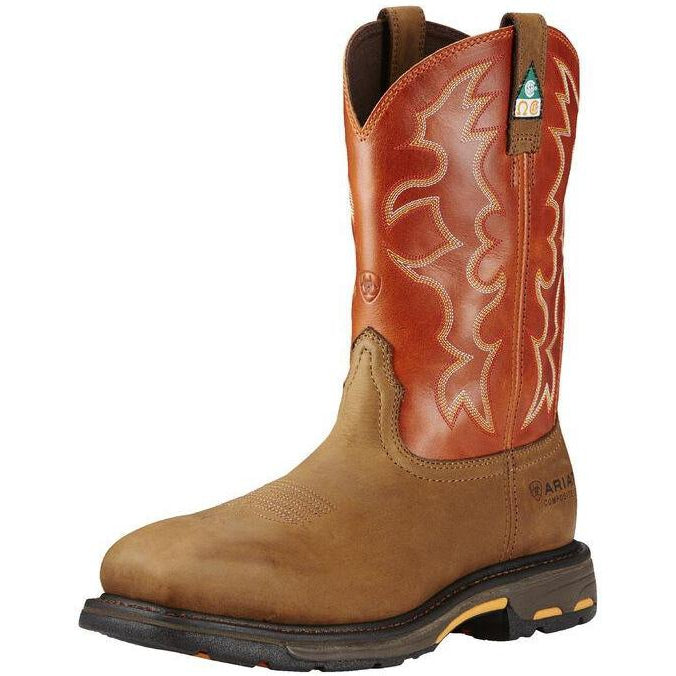
Sale price$239.95
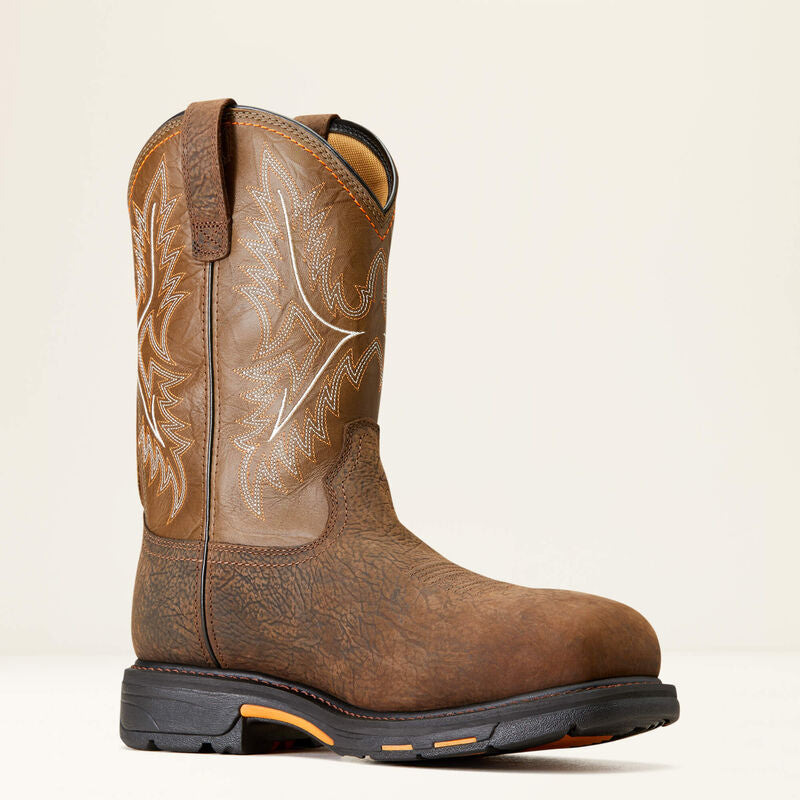
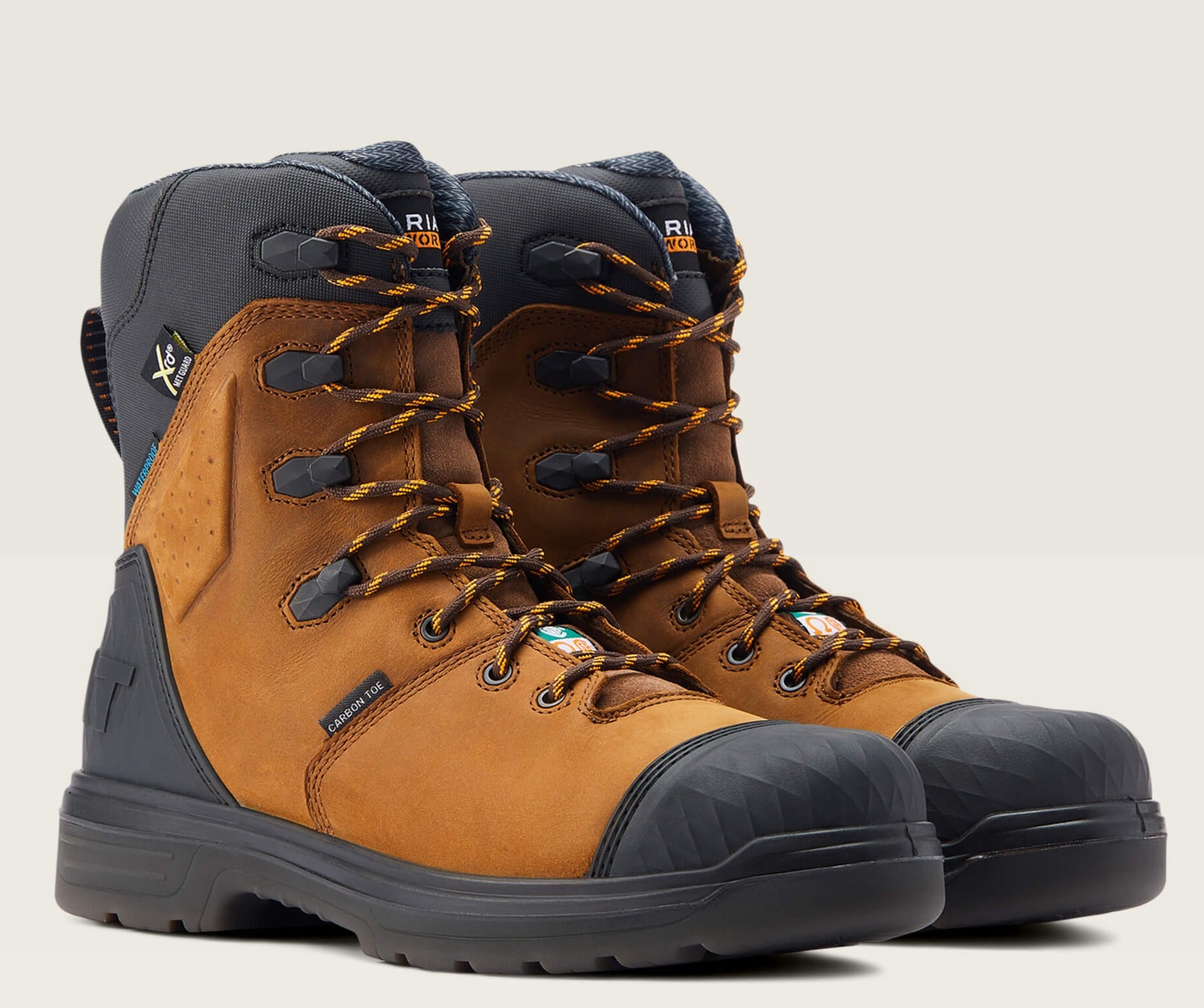
Ariat Men's WorkHog CSA 11" Composite Toe Western Work Boot - 10017170
Frequently Asked Questions
It means a protective plate is built into the sole between the insole and the outsole, and under ASTM F2413 it carries the PR code. The plate is tested against a specified force driving a standard nail-shaped probe through the sole. It protects the bottom of the foot only. Nothing about a PR rating protects the sides or the upper of the boot, which is where a nail can still go through.
Not automatically, and this trips people up. Impact and compression, coded I/75 and C/75, are toe protections. Puncture resistance is coded PR and tested separately. Plenty of steel toe boots have no puncture plate at all. Read the codes on the ASTM label rather than assuming a rated boot covers both.
Both meet the same PR rating, so the difference is flexibility, weight, temperature, and detection. Steel plates are thinner and typically cheaper but stiffer underfoot, colder, and will set off a detector. Composite plates are more flexible, lighter, do not conduct cold, and are detector-friendly, though they add slightly more bulk. If your ground is genuinely hostile, steel remains the more proven material.
Most plates cover the main weight-bearing area from the ball of the foot back through the heel, and coverage at the very edges and around the flex point can be less complete depending on the design. That is worth knowing rather than assuming total coverage. A nail entering at a sharp angle near the perimeter can still find its way past the plate.
Demolition and site cleanup crews, roofers working around dropped fasteners, recycling and waste handling, construction on sites with exposed rebar tie wire, and anyone walking ground littered with material they cannot see. It is one of the most commonly under-specified protections, because a nail through the foot is easy to imagine but rarely written into a hazard assessment until it happens.
A steel plate makes the sole noticeably stiffer, which reduces how much the boot flexes through the ball of the foot and takes some getting used to. Composite plates are considerably more flexible and most people stop noticing them. Neither is unbearable, and the stiffness has the side benefit of reducing fatigue on rough ground where a flexible sole lets every stone register.
Only if the plate, the toe, the shank, and the hardware are all non-metallic. This is the single most common place where a boot marketed as detector-friendly fails, because a composite toe is frequently paired with a steel plate or a steel shank. Verify every component on the product page rather than reading the toe type. Our 100 percent non metallic collection covers boots verified metal free throughout.
The plate itself effectively does not, but the outsole under it does, and once the outsole is worn through the plate is exposed to direct contact and the boot should be replaced. If the plate is ever actually struck by something that penetrates the outsole, replace the boot even if the plate held, since a deformed plate has spent its protection.
Matterhorn builds them as standard across much of its industrial range, frequently paired with metatarsal guards on the same boot. Timberland PRO, Carolina, Terra, and several others offer PR-rated models within their broader lines. Browse the Matterhorn range if you need PR and Mt together, and our heat resistant boots range if hot surfaces are also on your list.
They are different components doing different jobs, and they are easy to confuse because both sit in the sole. A shank is a structural support running through the arch that stops the boot twisting and supports your foot on ladder rungs. A puncture plate is a protective barrier across the sole area. A boot can have a shank with no plate, which is very common, and having a shank tells you nothing about puncture protection.
Recently viewed
Our Top Brands