
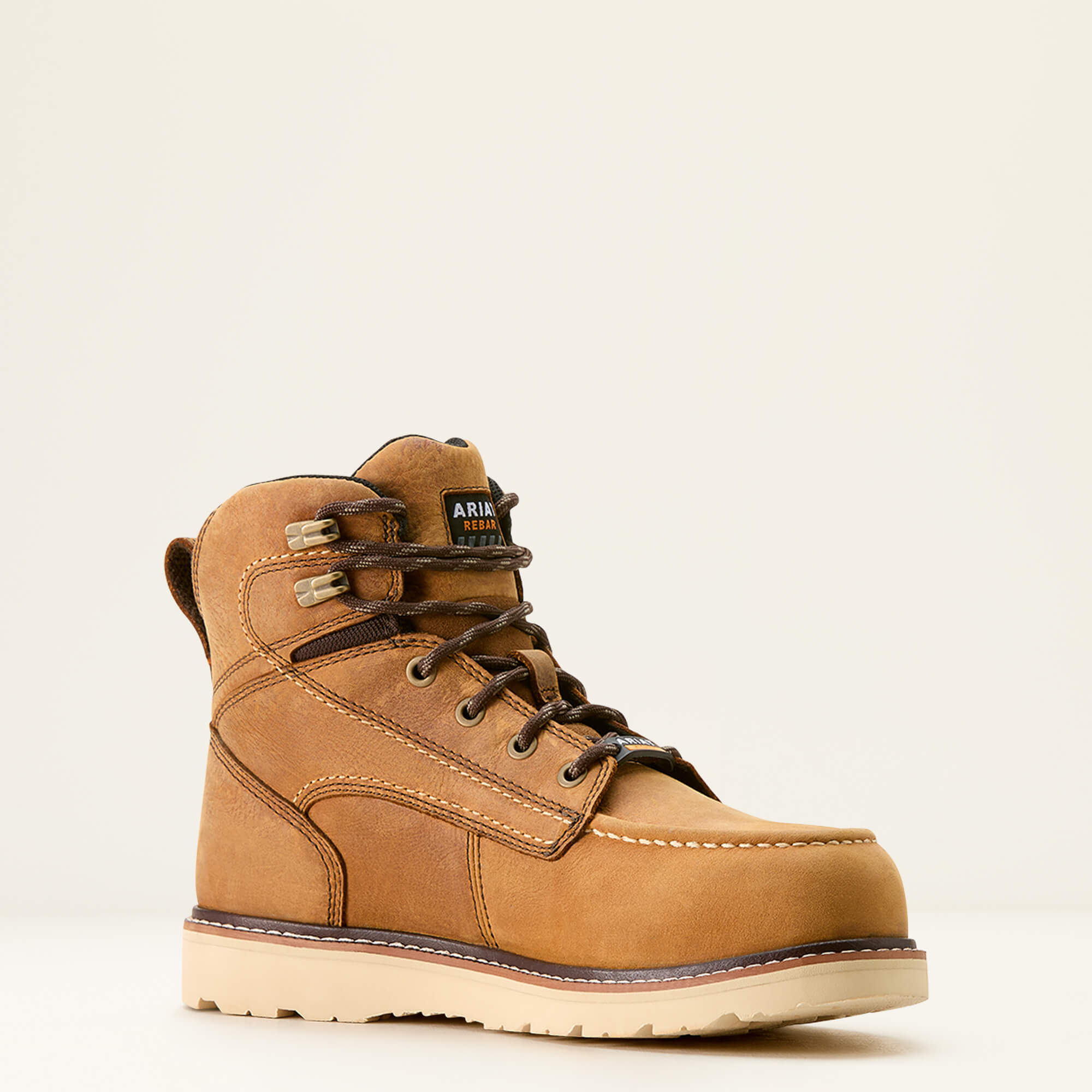
Sale price$179.95
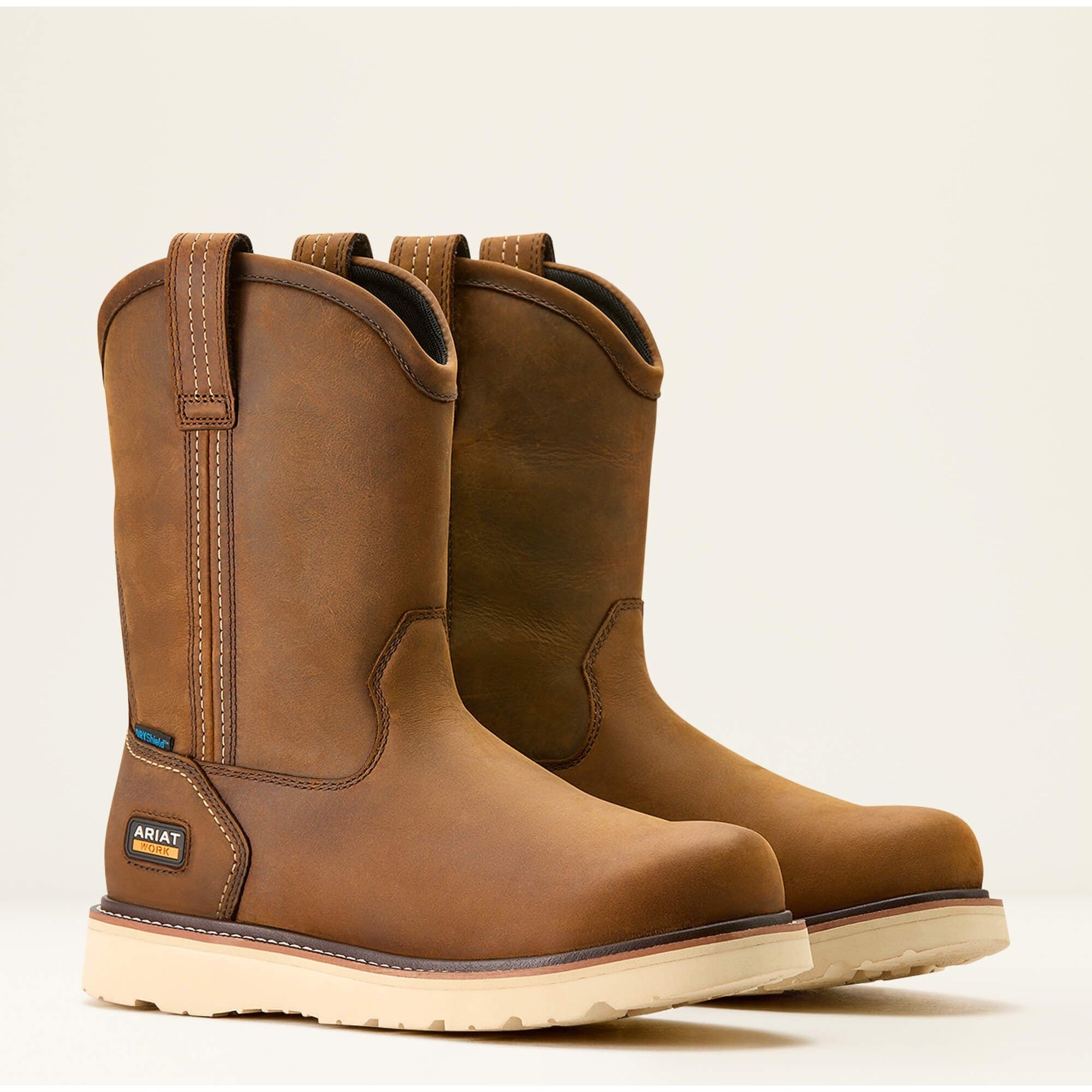
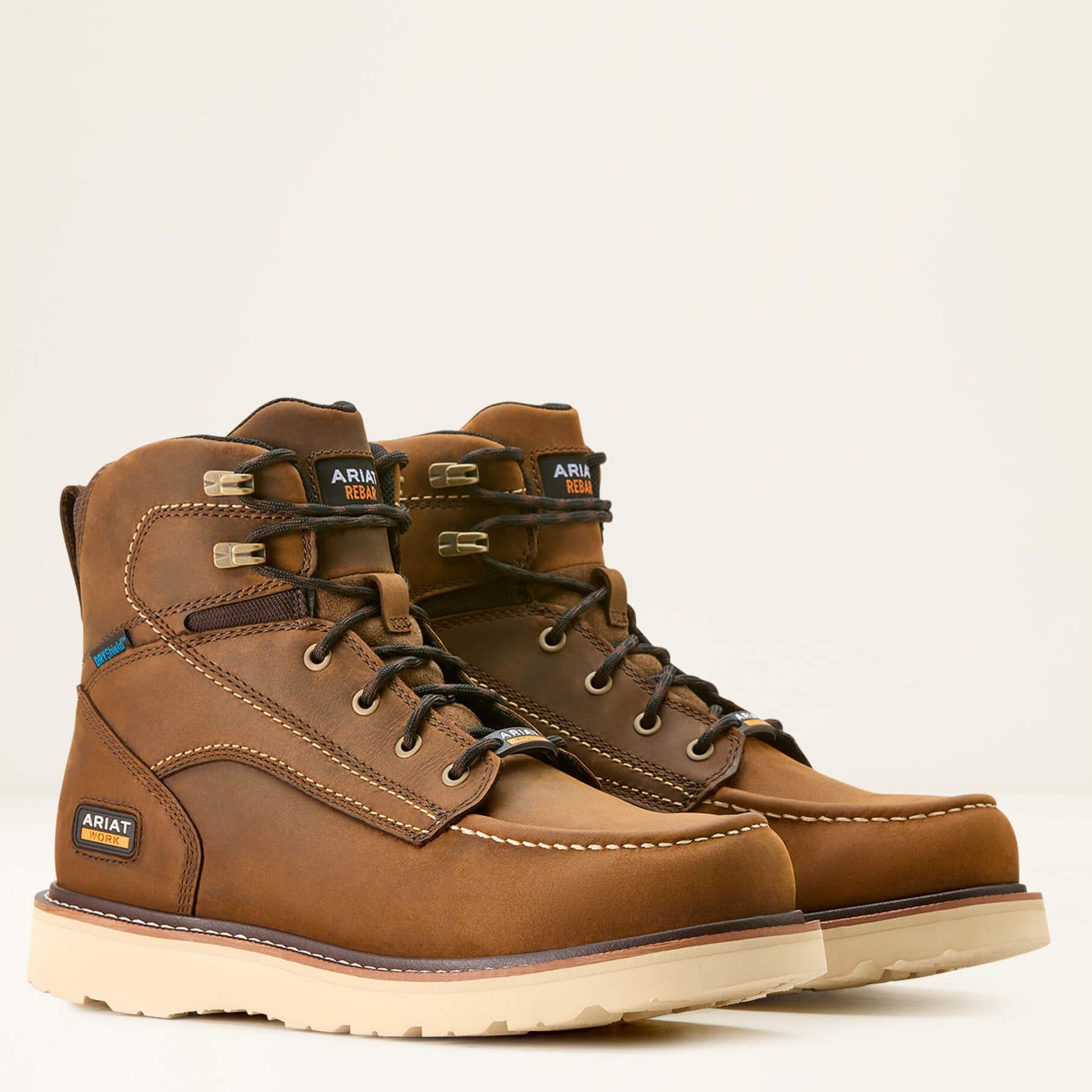
Ariat Women's Rebar Moc Toe Waterproof Wedge Work Boot -Brown- 10053717
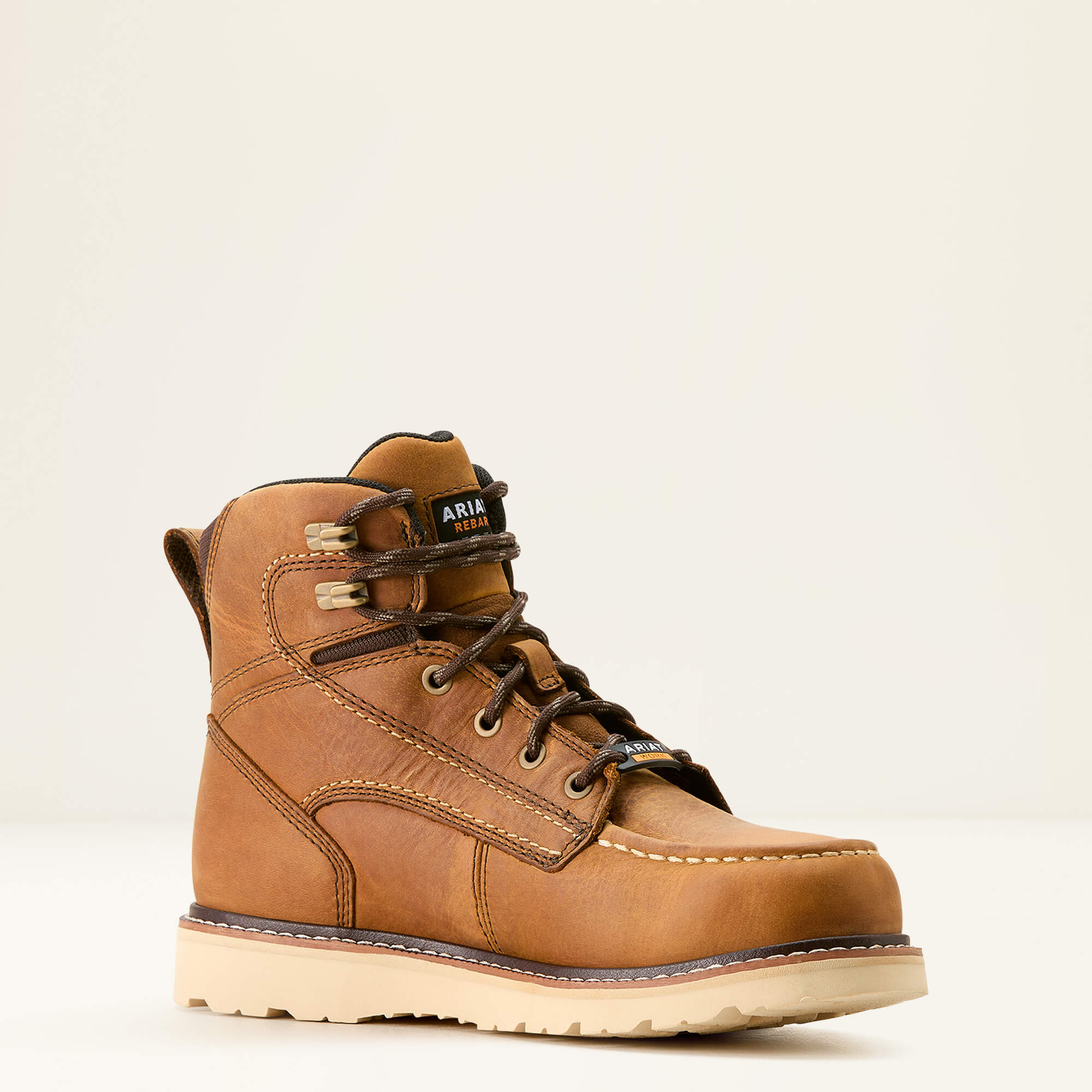
Sale price$169.95
Ariat Women's Rebar Moc Toe Waterproof Wedge Work Boot -Brown- 10053718
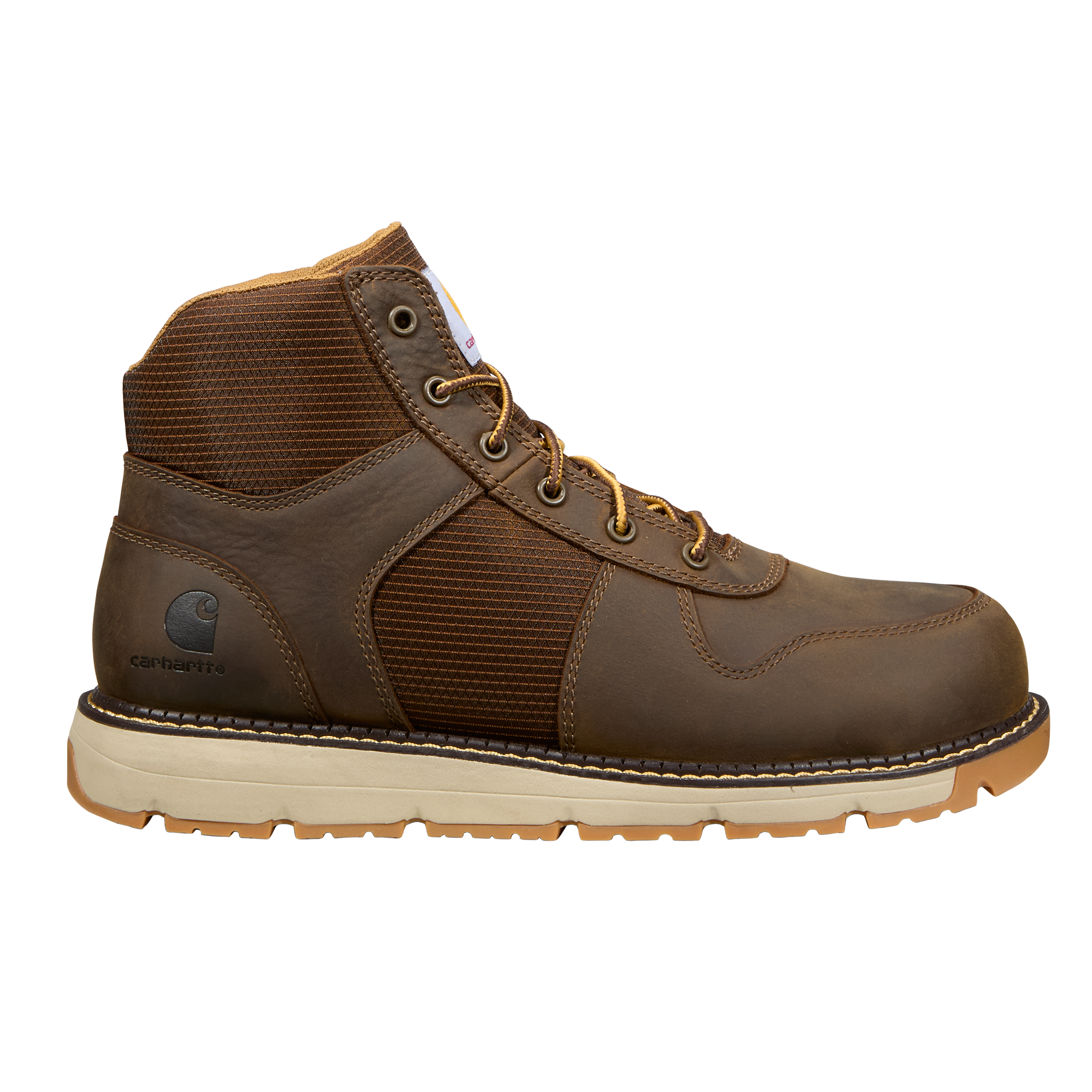
Sale price$154.99
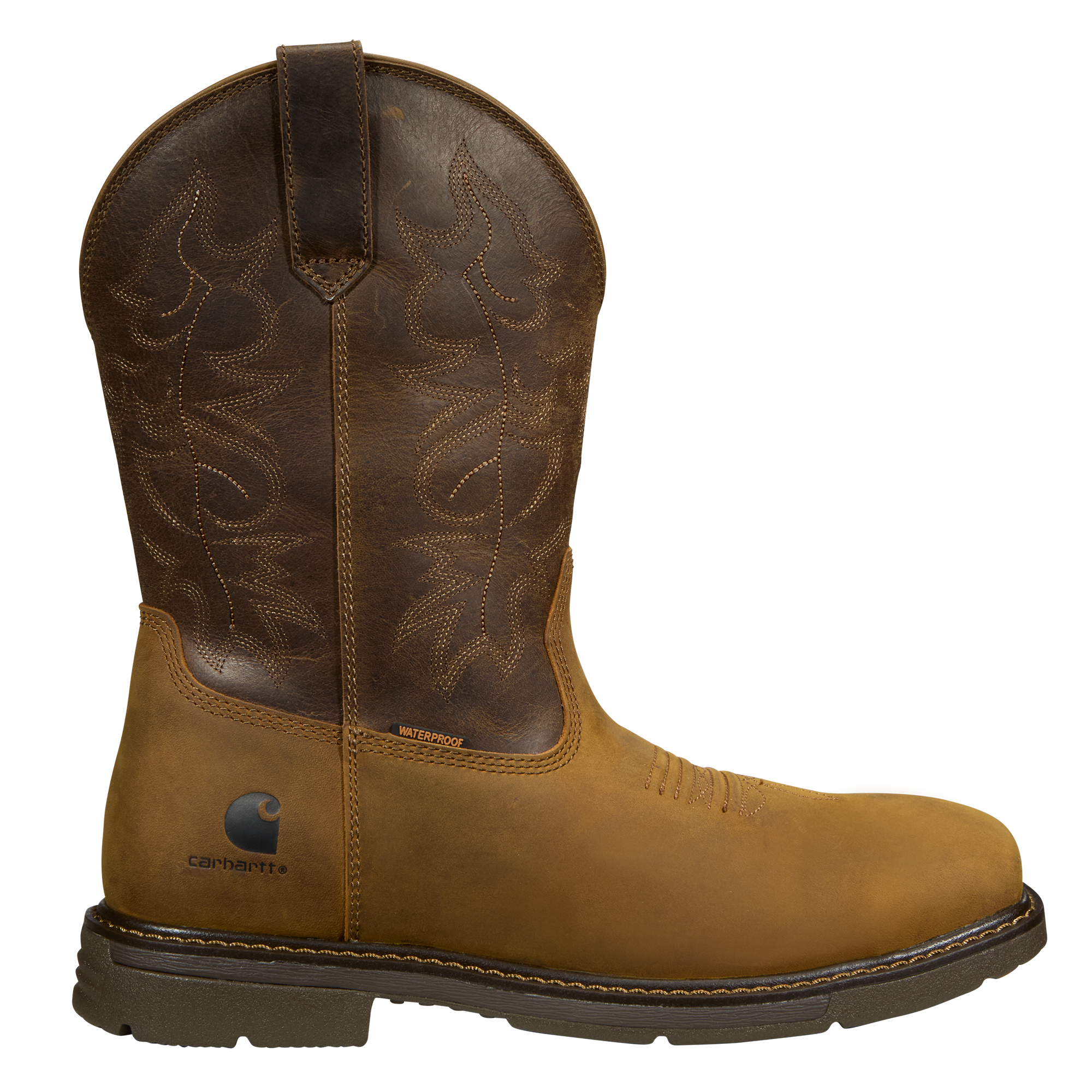
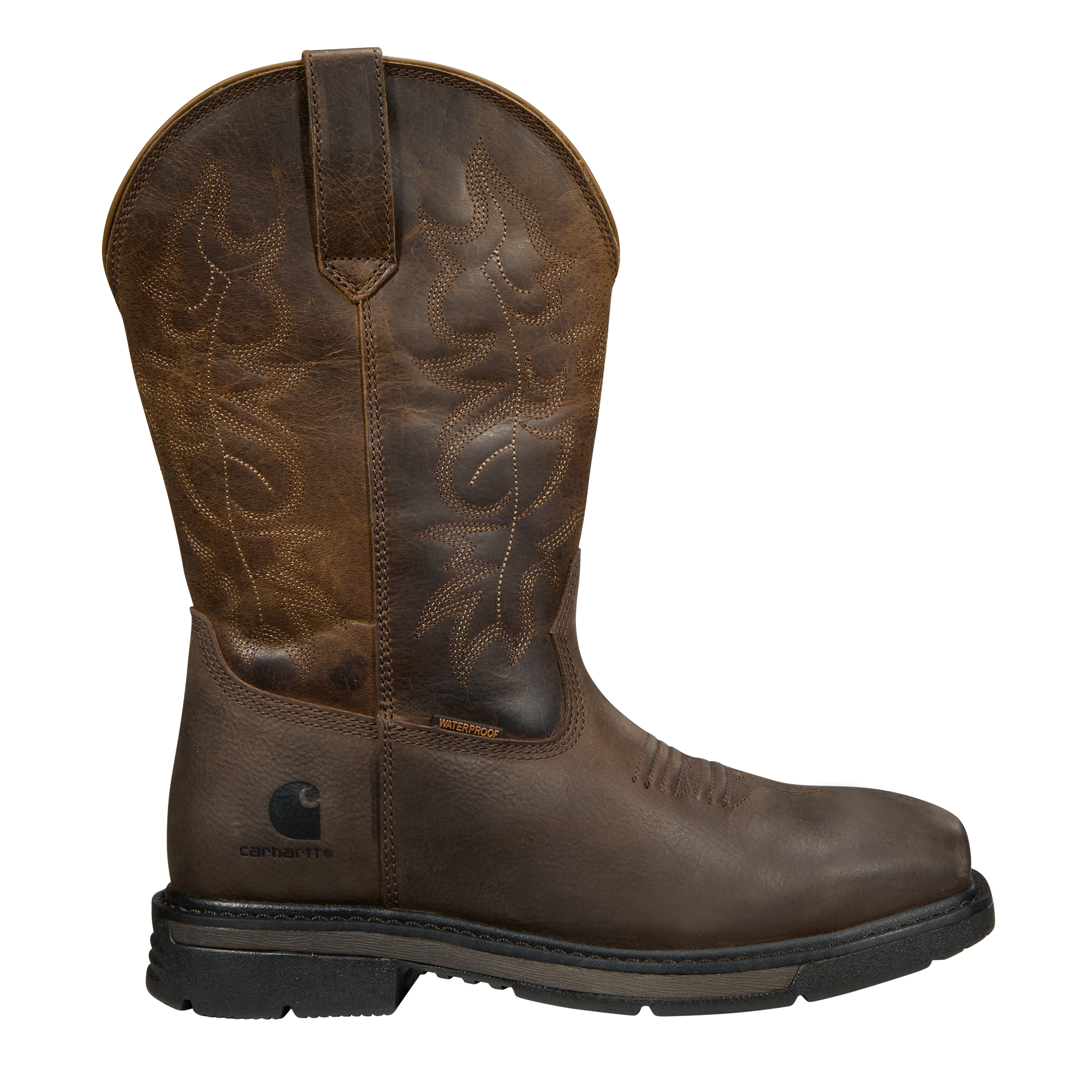
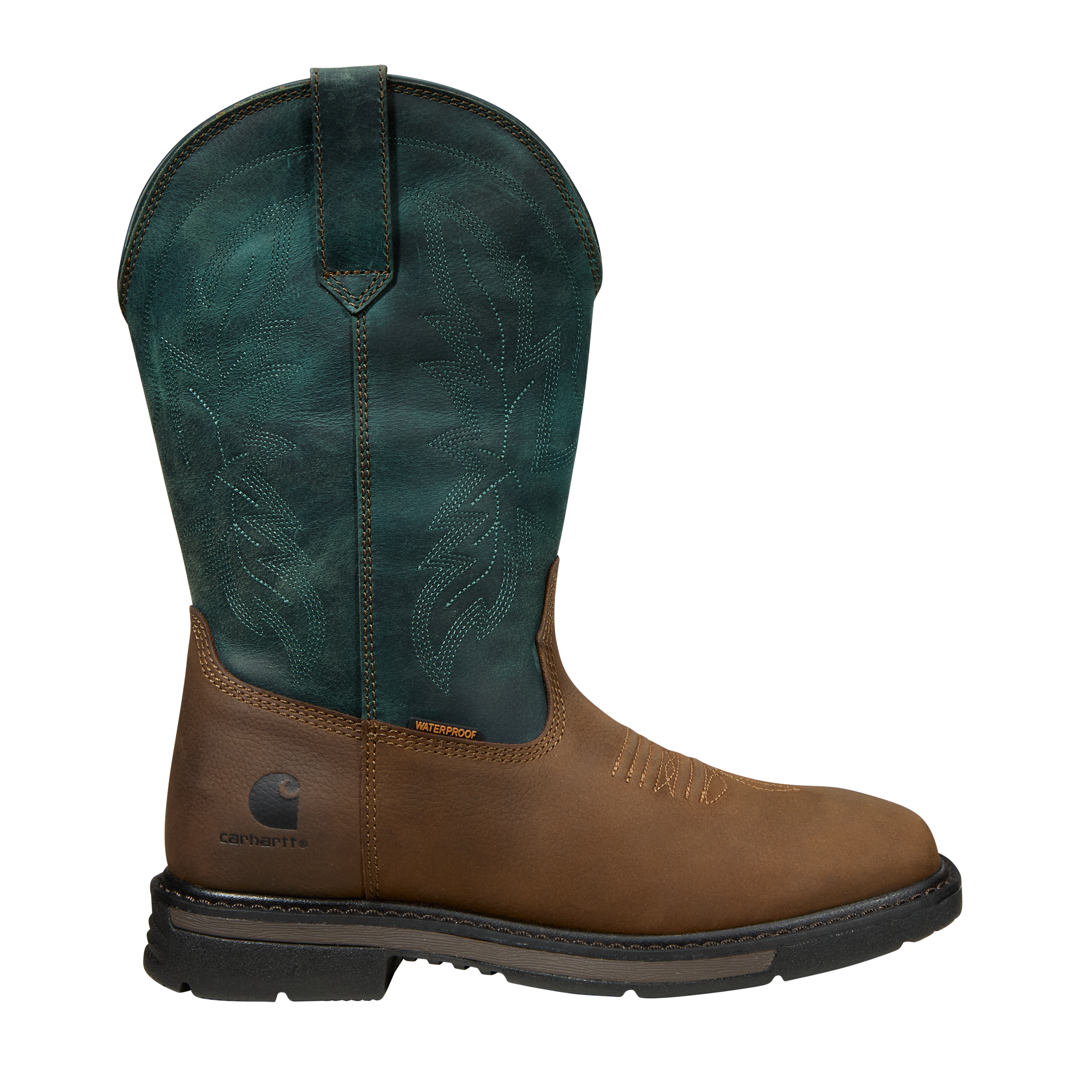
Carhartt Men's Millbrook Mid Nano Toe Wedge Work Boot - Brown - FM5455-M
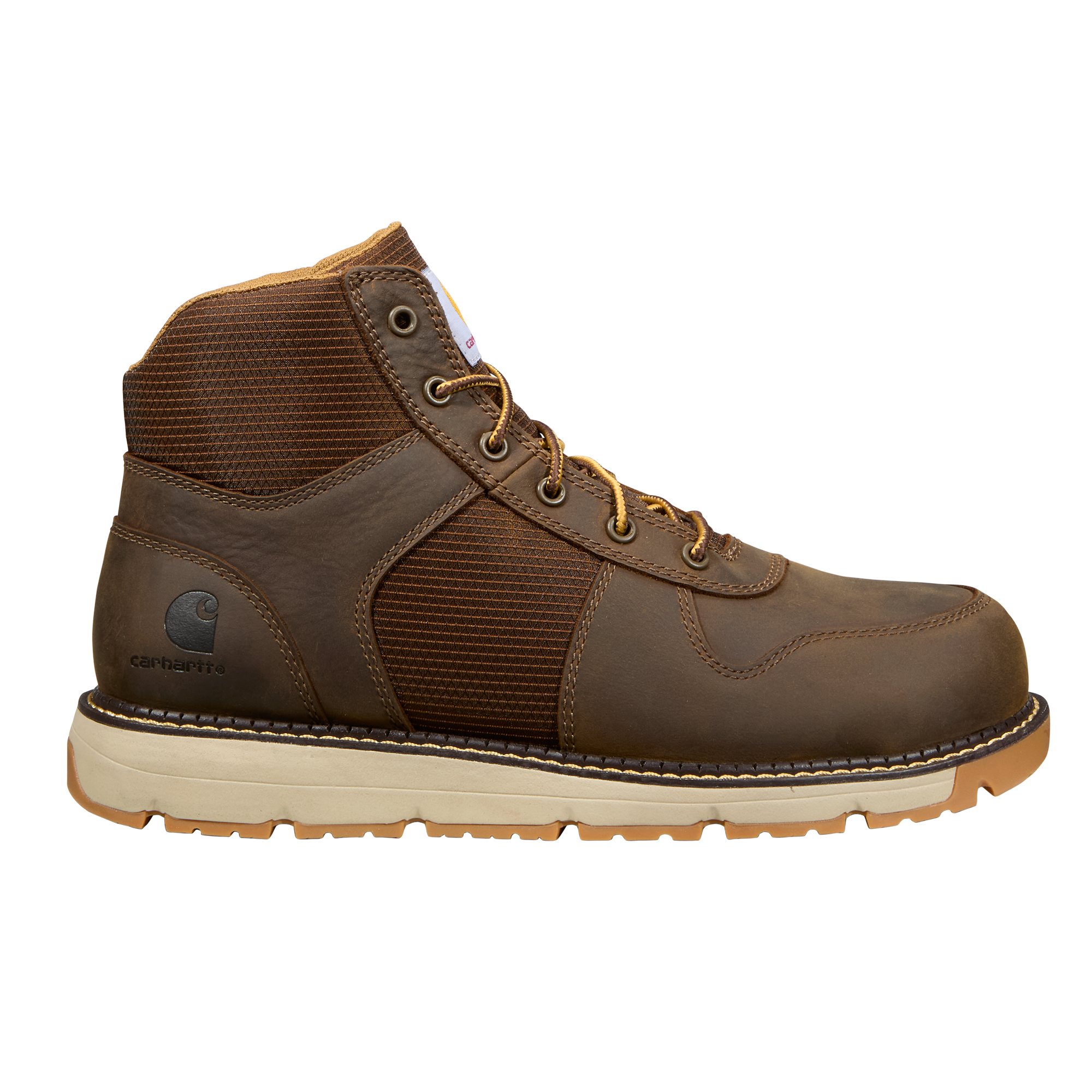
Sale price$149.99
Carhartt Men's Millbrook Mid Soft Toe Wedge Work Boot - Brown - FM5055-M
Save 27%
Sale price$155.69
Regular price$214.00
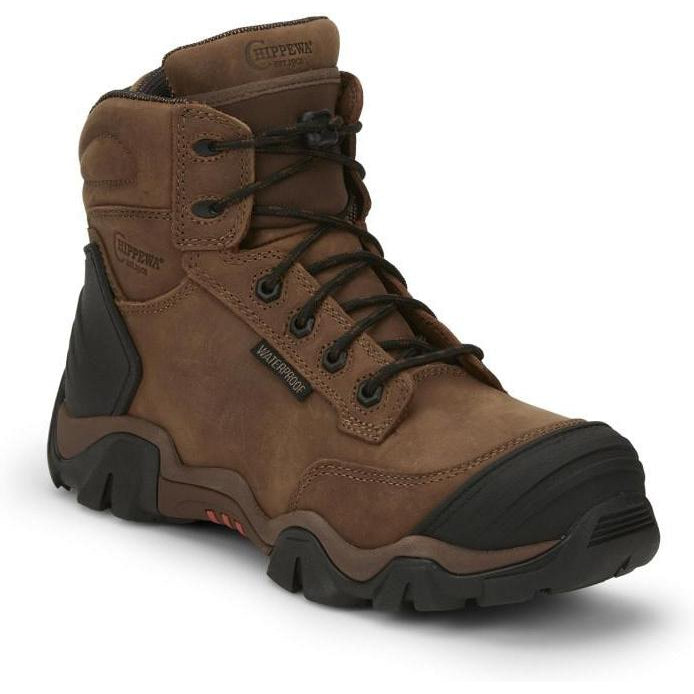
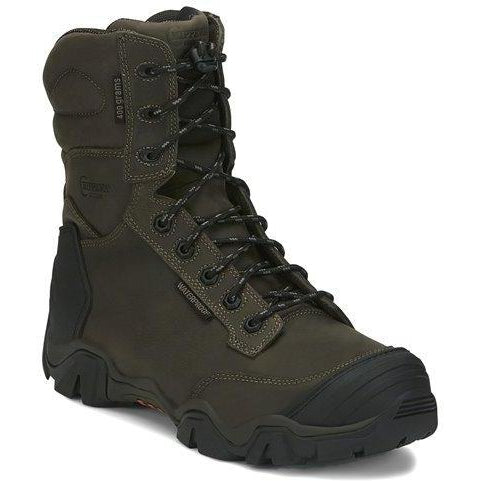
Chippewa Cross Terrain 6" Waterproof Composite Toe Work Boots - AE5003
Save 27%
Sale price$173.96
Regular price$238.00
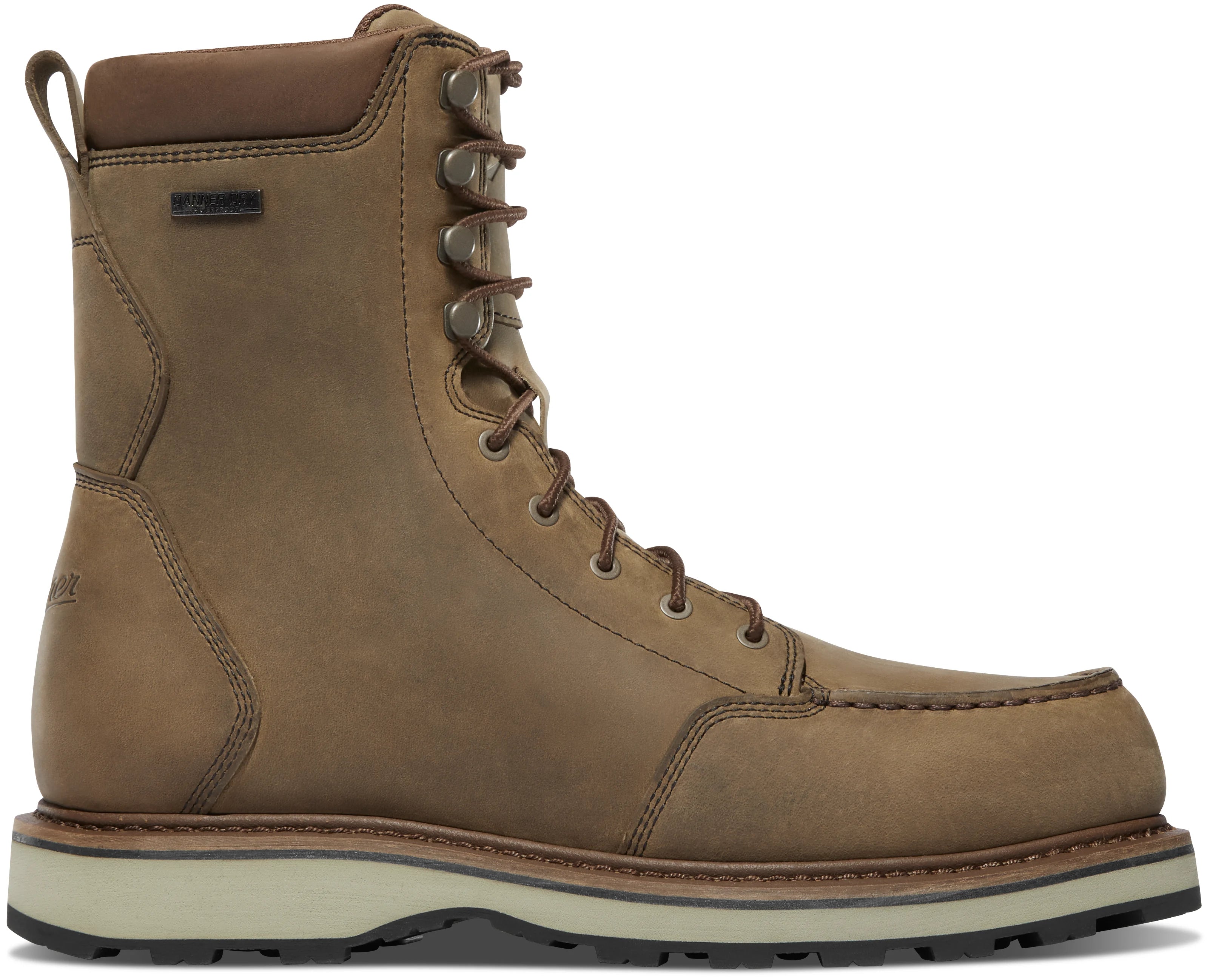
Chippewa Men's Cross Terrain 8" Composite Toe Waterproof 400G Ins Work Boot - AE5014
Sale price$229.95
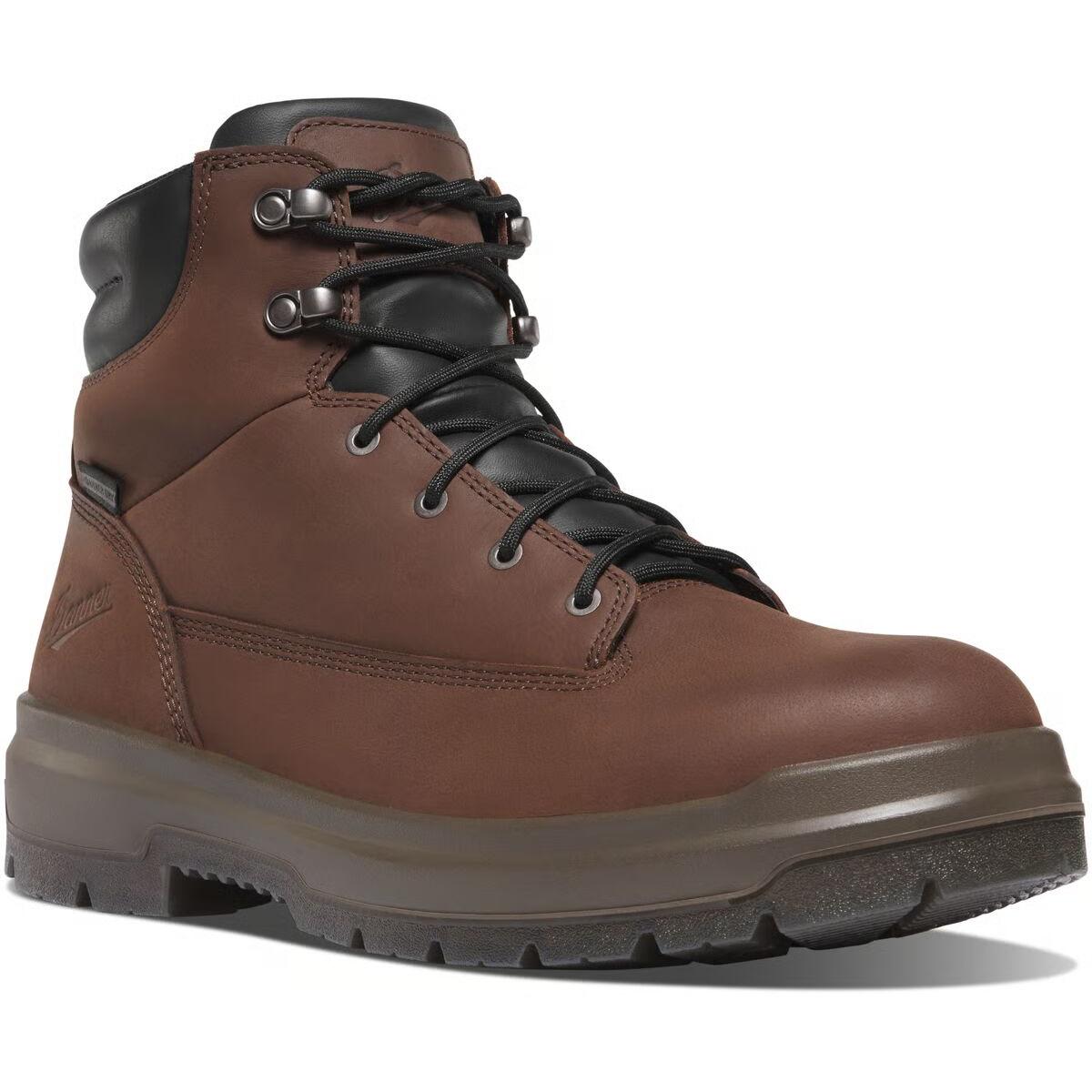
Danner Cedar River Moc Toe 8" Hunter Boot - Timberwolf - 14309
Sale price$239.95
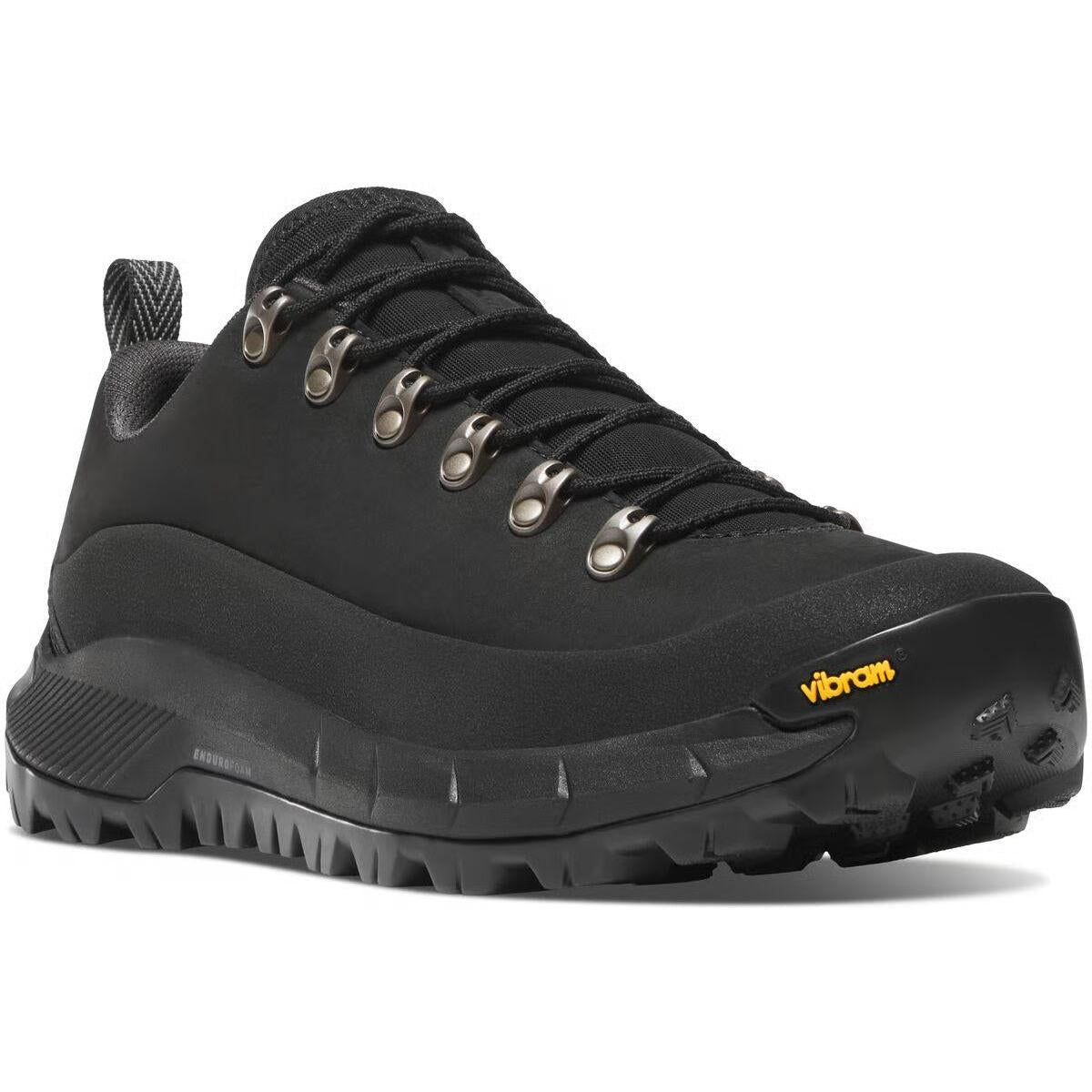
Danner Men's MTN45 3" Slip Resistant Lace Up Work Boot - Black - 31850
Sale price$239.95
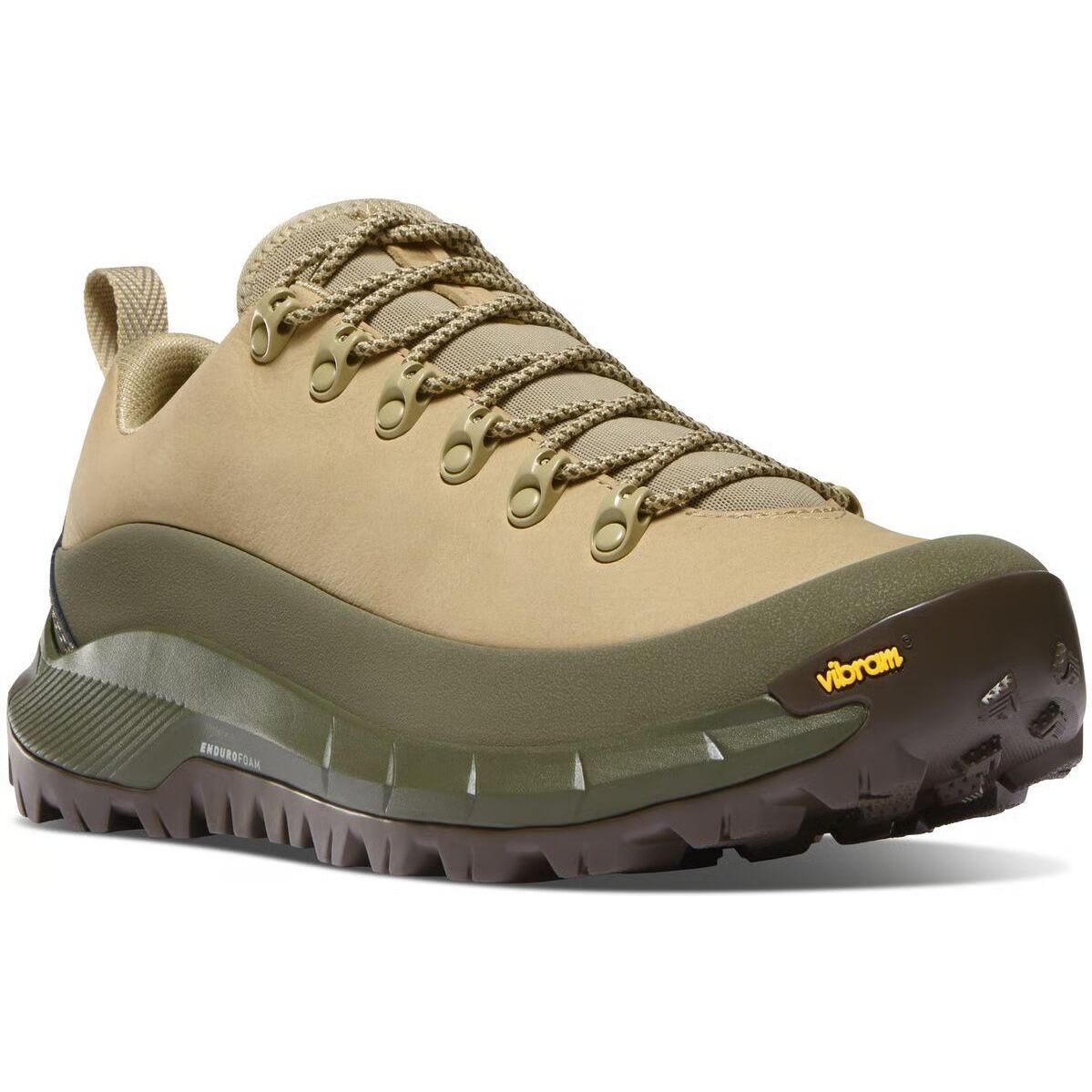
Danner Men's MTN45 3" Slip Resistant Lace Up Work Boot- Desert- 31851
Save 5%
Sale price$175.00
Regular price$185.00
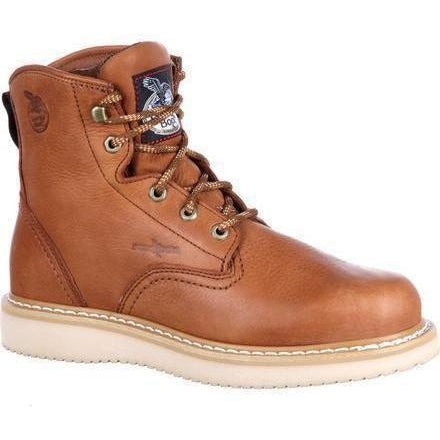
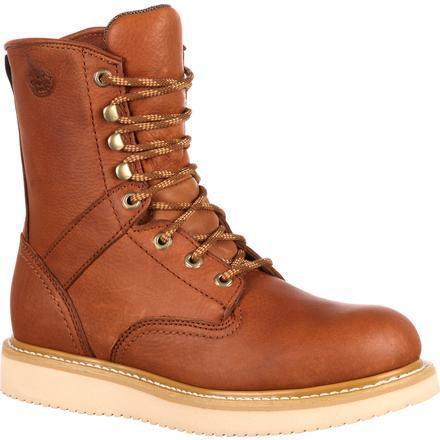
Georgia Men's 8" Wedge Steel Toe Work Boot - Brown - G8342
Save 12%
Sale price$181.35
Regular price$205.00
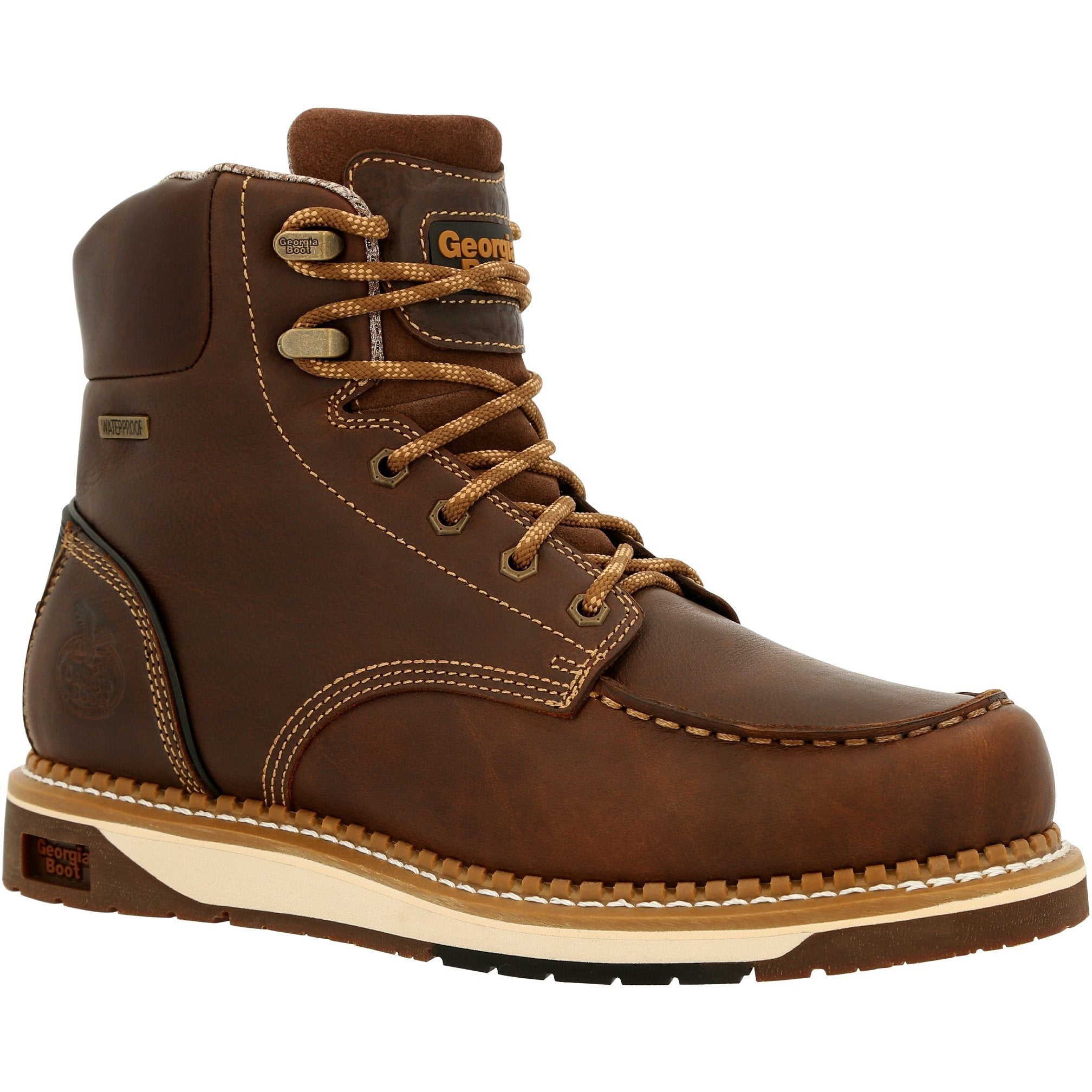
Georgia Men's Amped Lightweight Wedge 6" Soft Toe Waterproof Work Boot - Brown - GB00429
Save 12%
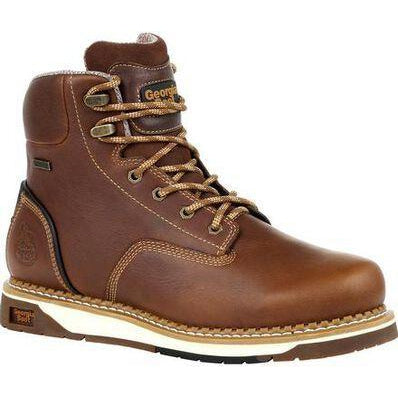
Sale price$176.70
Regular price$200.00
Georgia Men's Amped Lightweight Wedge Soft Toe Waterproof Work Boot - Brown - GB00350
Save 12%

Sale price$172.05
Regular price$195.00
Georgia Men's Eagle One 6" Soft Toe Waterproof Work Boot - Brown - GB00312
Save 6%
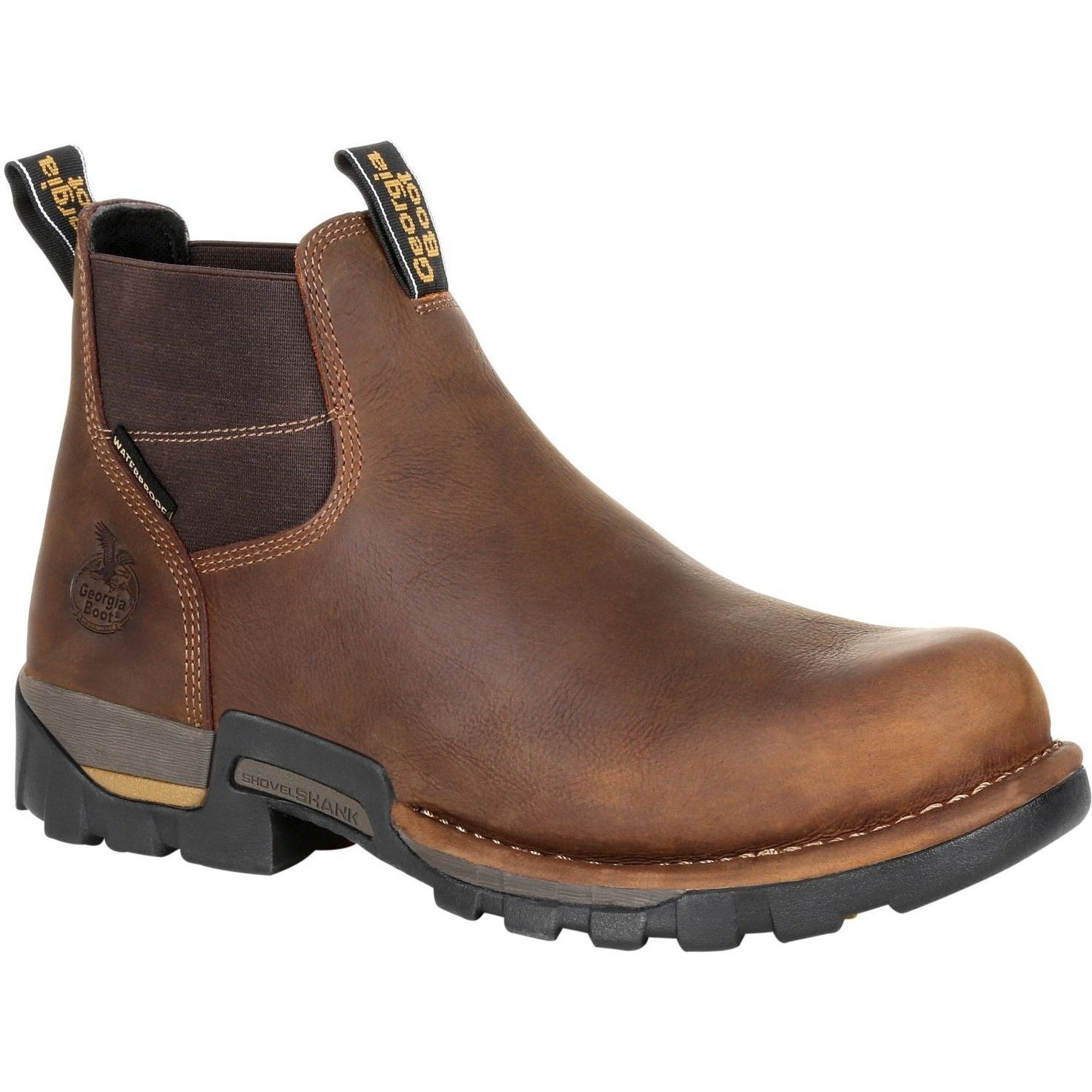
Sale price$160.00
Regular price$170.00
Georgia Men's Eagle One Soft Toe Waterproof Chelsea Work Boot - Brown - GB00315
Save 11%
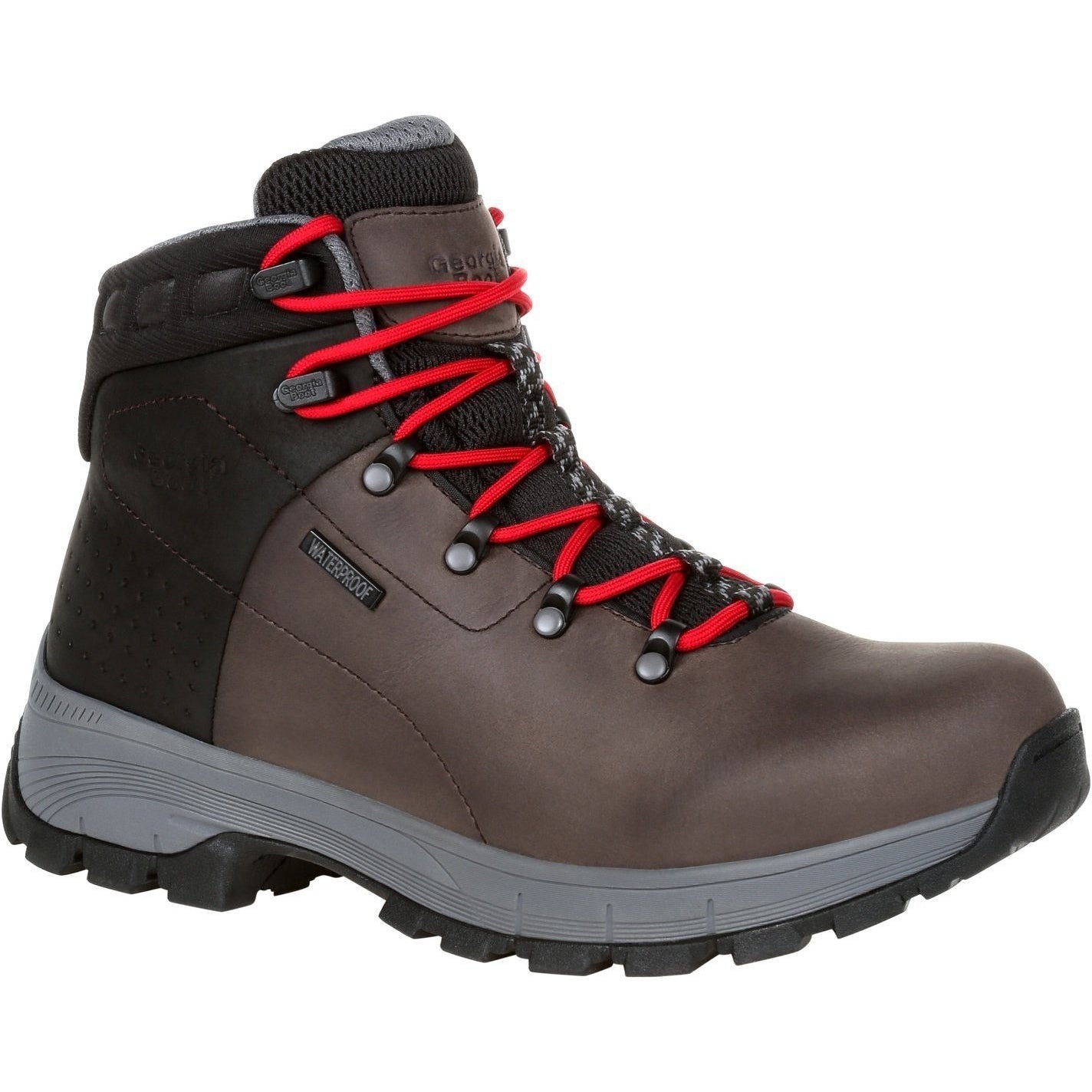
Sale price$164.00
Regular price$185.00
Georgia Men's Eagle Trail 6" Soft Toe Waterproof Work Boot - Brown - GB00399
Save 6%
Sale price$155.00
Regular price$165.00
Georgia Men's Eagle Trail Soft Toe Waterproof Oxford Work Shoe - Brown - GB00398
Save 7%
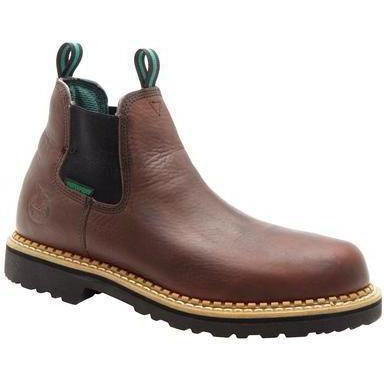
Sale price$140.00
Regular price$150.00
Georgia Men's Giant High Romeo Waterproof Work Boot - Brown - GR500
Save 12%

Sale price$174.84
Regular price$198.00
Georgia Women's Amp Lt Edge 6" Waterproof Alloy Toe Work Boot -Brown- GB00515
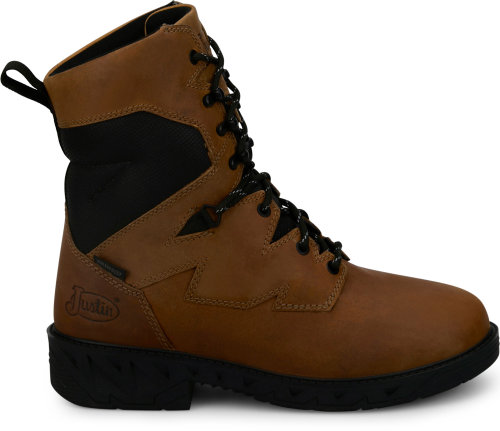
Sale price$144.95
Regular price$150.00
Justin Men's Underdog 11" Soft Toe Waterproof Work Boot - Brown - PD668
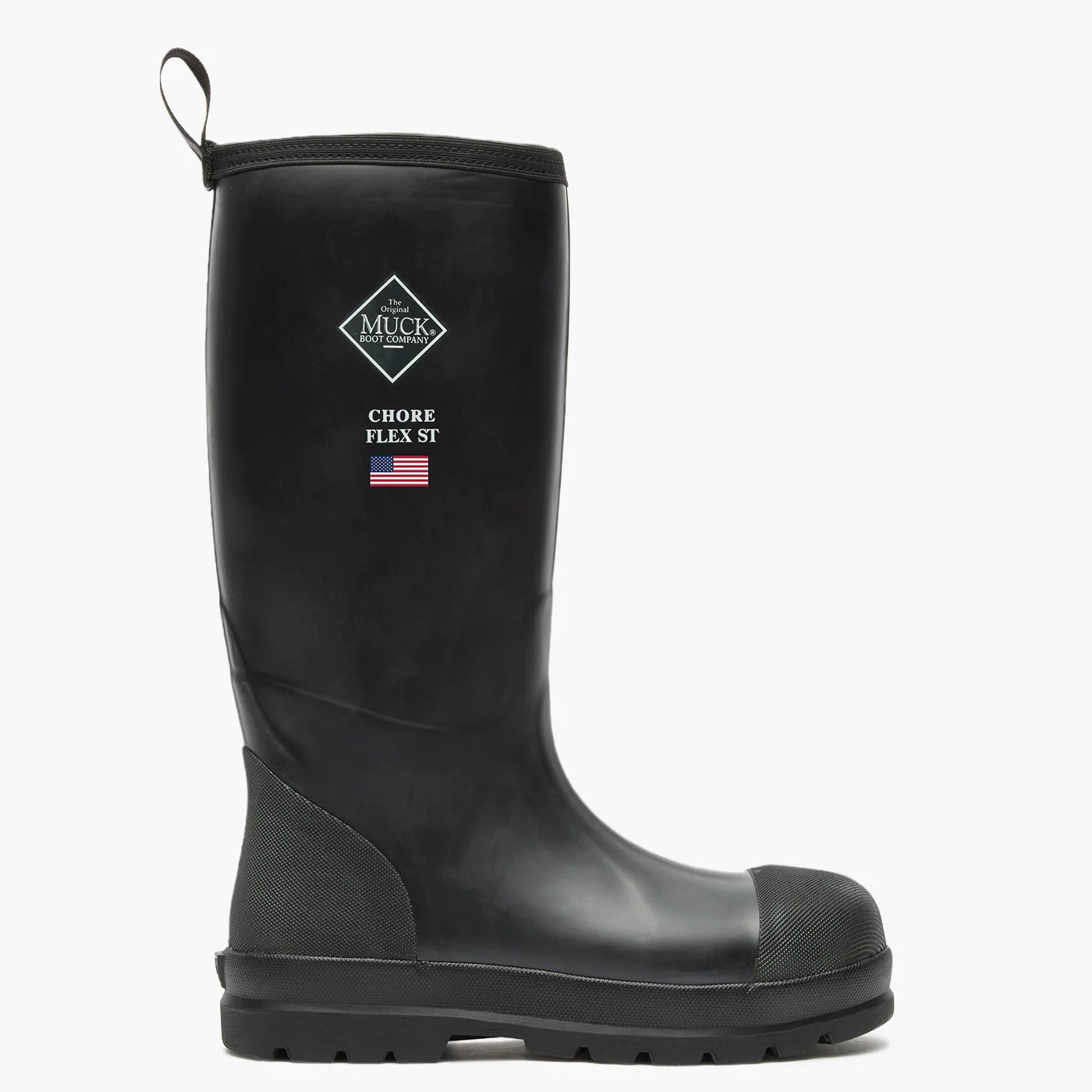
Sale price$160.00
Muck Chore Flex Men's 15" Waterproof Rubber Work Boot - Black - MCHHDP00
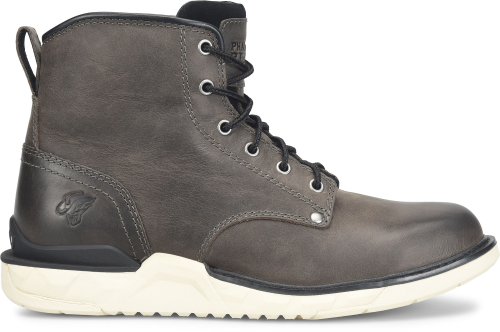
Sale price$154.99
Phantom Rider Men's Carey 6" Lacer Western Work Boot - Black - PH5062
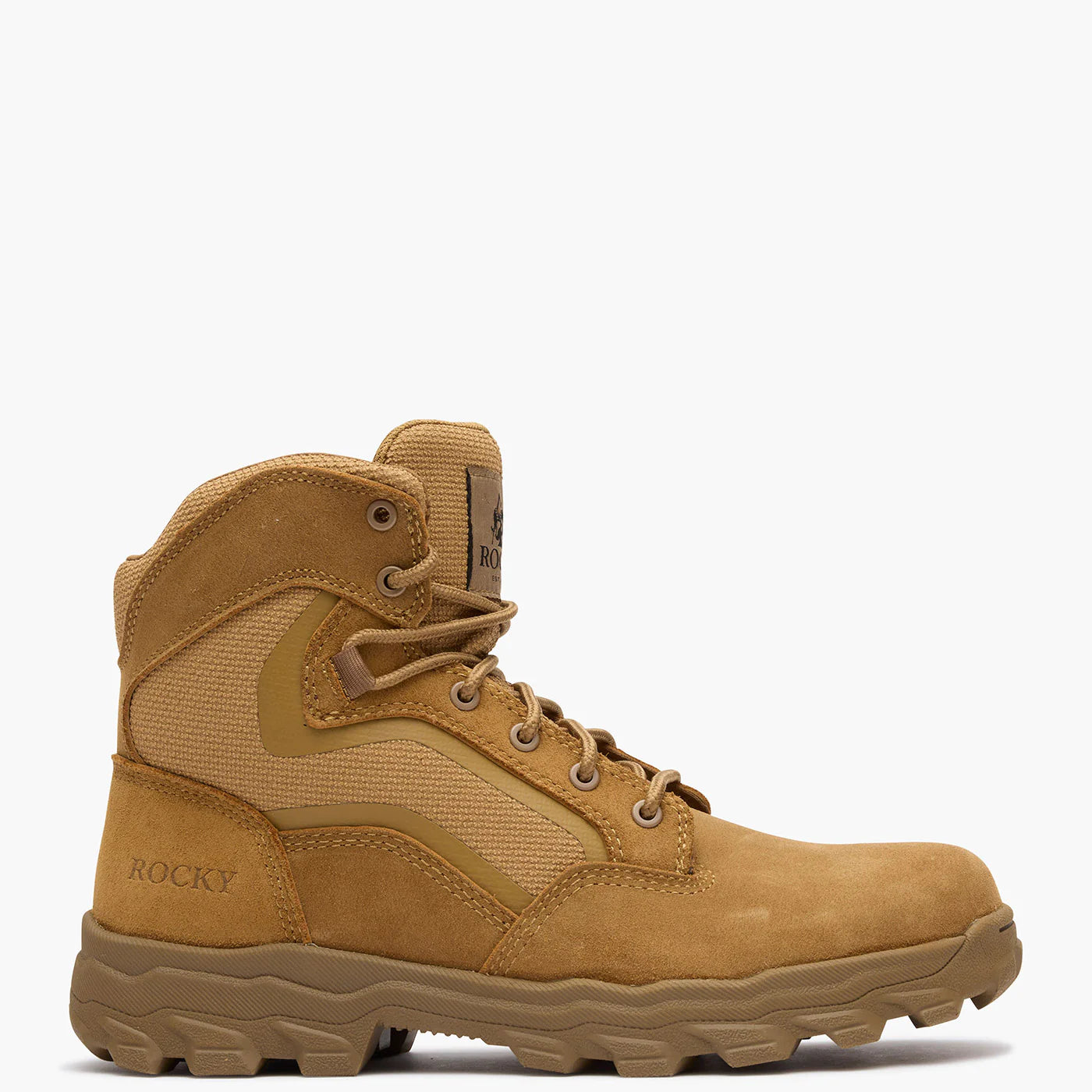
Sale price$120.00
Rocky Alpha Force Lite Men's 6" Duty Boot - Coyote - RKD0142
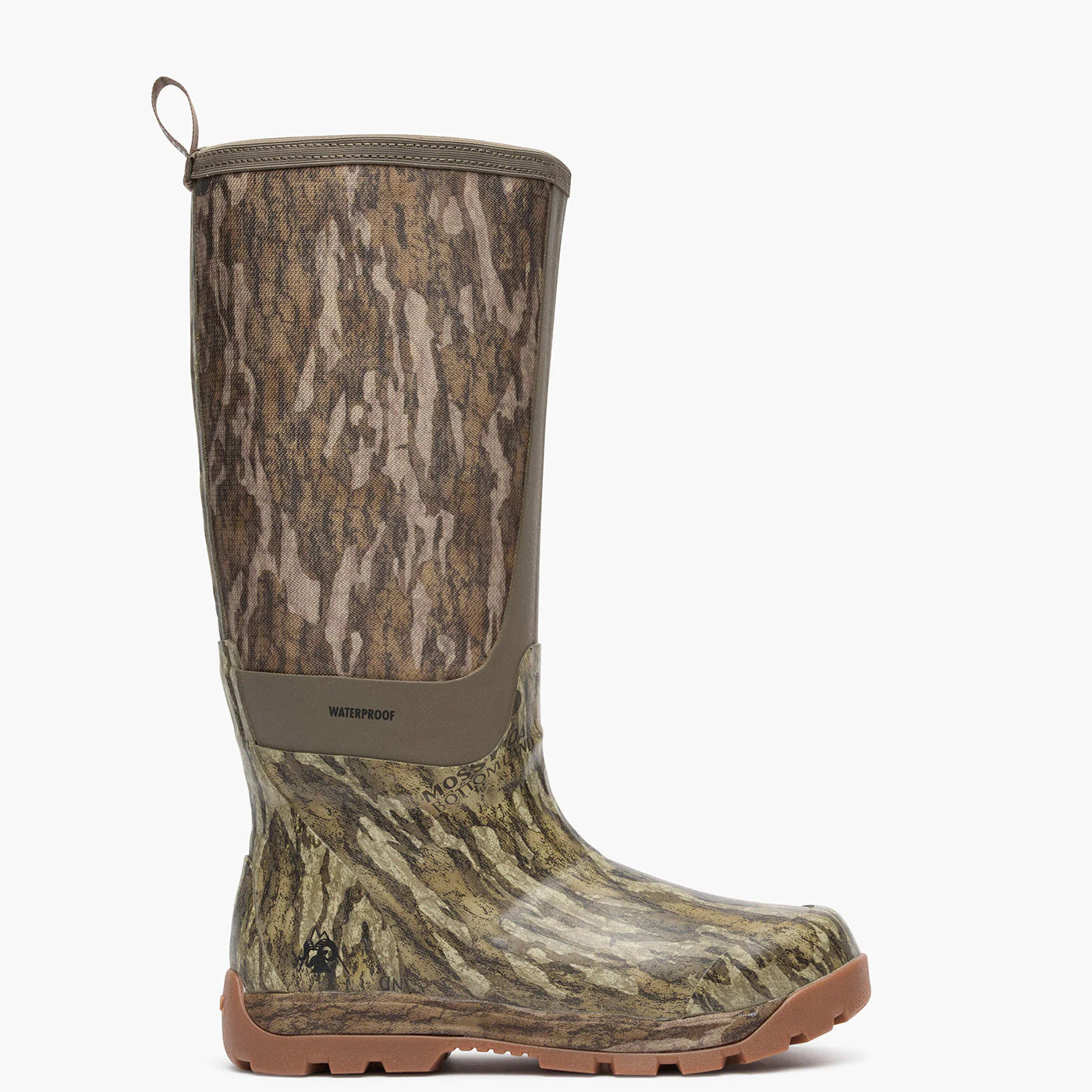
Sale price$189.99
Rocky Backlands Men's 16" Waterproof Snake Boot - Camo - RKS0720
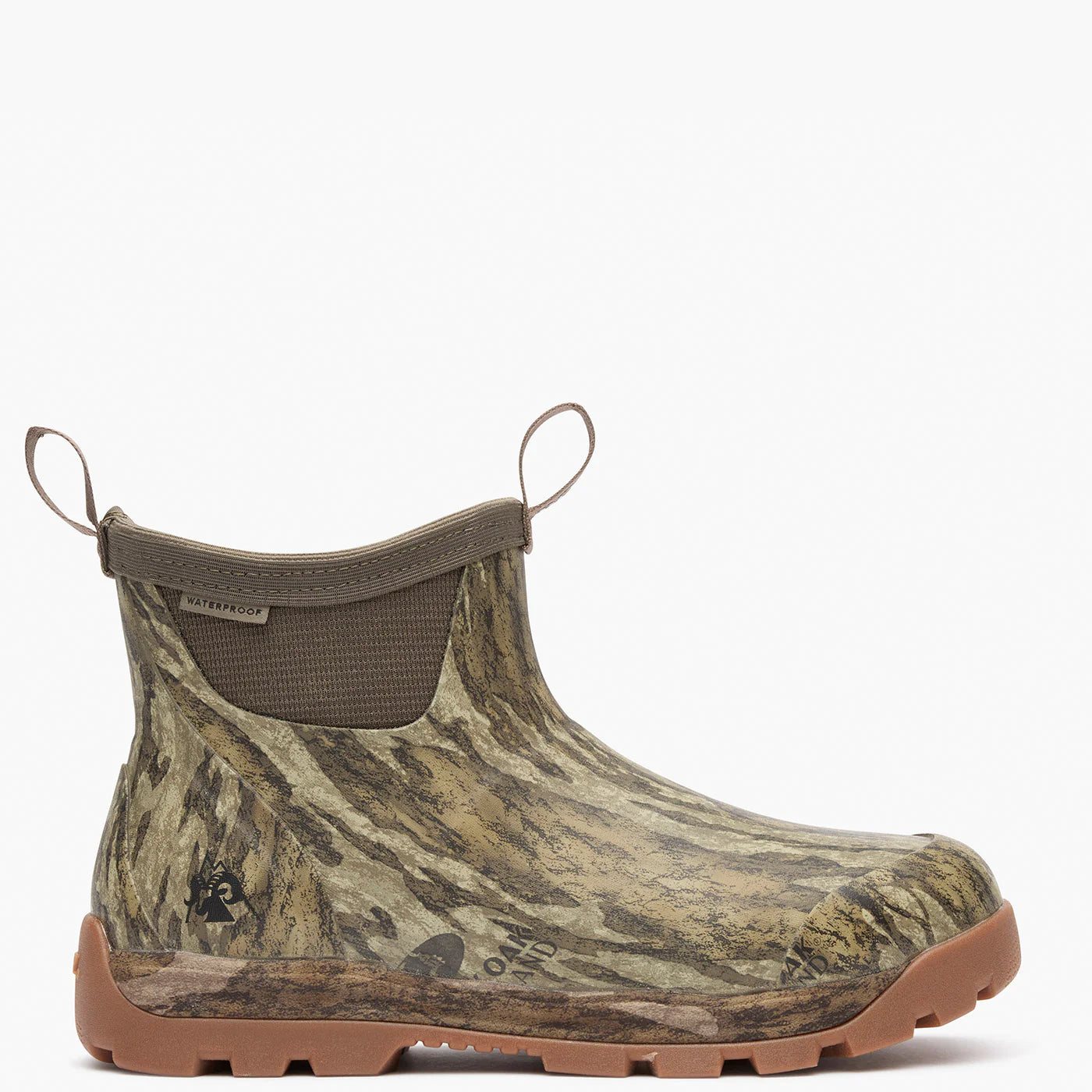
Sale price$129.99
Rocky Backlands Men's 6" Waterproof Rubber Outdoor Boot - Camo - RKS0717
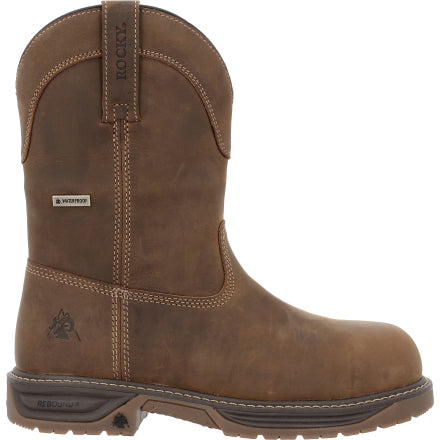
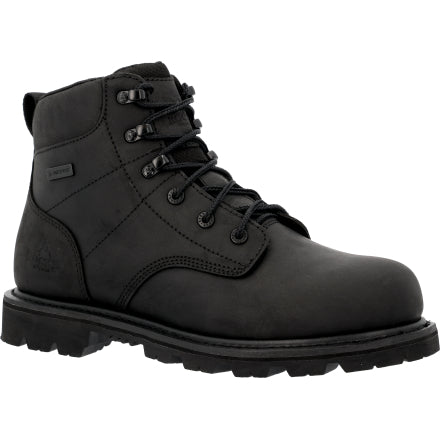
Sale price$133.95
Rocky Men's Ranger 6" Waterproof Work Boot - Black - RKK0532
12
Frequently Asked Questions
Waterproof, mid-height, and slip-resistant, with puncture protection if you work sites with debris. Wet grass alone will soak an unsealed boot before the morning is out, which is the complaint most landscapers have about their footwear. A moderate lug outsole handles both turf and the ramps and driveways you cross constantly.
A rated toe helps around mowers, trimmers, and dropped equipment, and many crews require one. Worth being honest about the limit: a safety toe is tested against impact and compression, not against a spinning blade, and it does not make a boot cut-resistant. It is worthwhile protection, but do not treat it as blade protection.
On sites with landscape staples, irrigation stakes, wire, and old fencing, genuinely yes, and it is under-specified in this trade. A puncture plate carries the PR code under ASTM F2413 and is tested separately from the toe, so a rated boot does not necessarily have one. Thorns and rose work are another case for it. See our puncture resistant boots range.
Constant wet and dry cycling is the main culprit. Leather that soaks every morning and dries out every night hardens and cracks at the flex point, and fertilizers and lawn chemicals accelerate it. Rinsing boots off and conditioning the leather regularly makes a substantial difference. Drying them at room temperature rather than near a heater matters just as much.
Boots, in almost every case. You need the ankle support on slopes and uneven turf, and the height keeps grass seed, mulch, and debris out. A low shoe fills with material within an hour on a mulch job. Six or eight inches covers most of the work. See our 6 inch boots range.
A lugged outsole with reasonably deep, well-spaced tread that clears mud rather than packing with it. Wedge soles are poor on wet turf and slopes because there is no edge to bite with, which is the opposite of their advantage on concrete. If you work steep ground regularly, a defined heel gives you something to set into the slope.
For spring and fall cleanup work in cold, light insulation helps, but the more common problem in this trade is overheating rather than cold, since landscaping is physical work in summer. Uninsulated waterproof boots cover most of the season. Match insulation to how much you move, and remember that insulation you do not need traps sweat.
Yes, for irrigation work, pond and water feature installation, and heavy mud, and many crews keep a pair on the truck for those jobs specifically. They are not the boot for a full day of walking and mowing, since they offer little support and do not breathe. See our rubber boots range.
Recently viewed
Our Top Brands