Save 7%
Sale price$249.95
Regular price$270.00
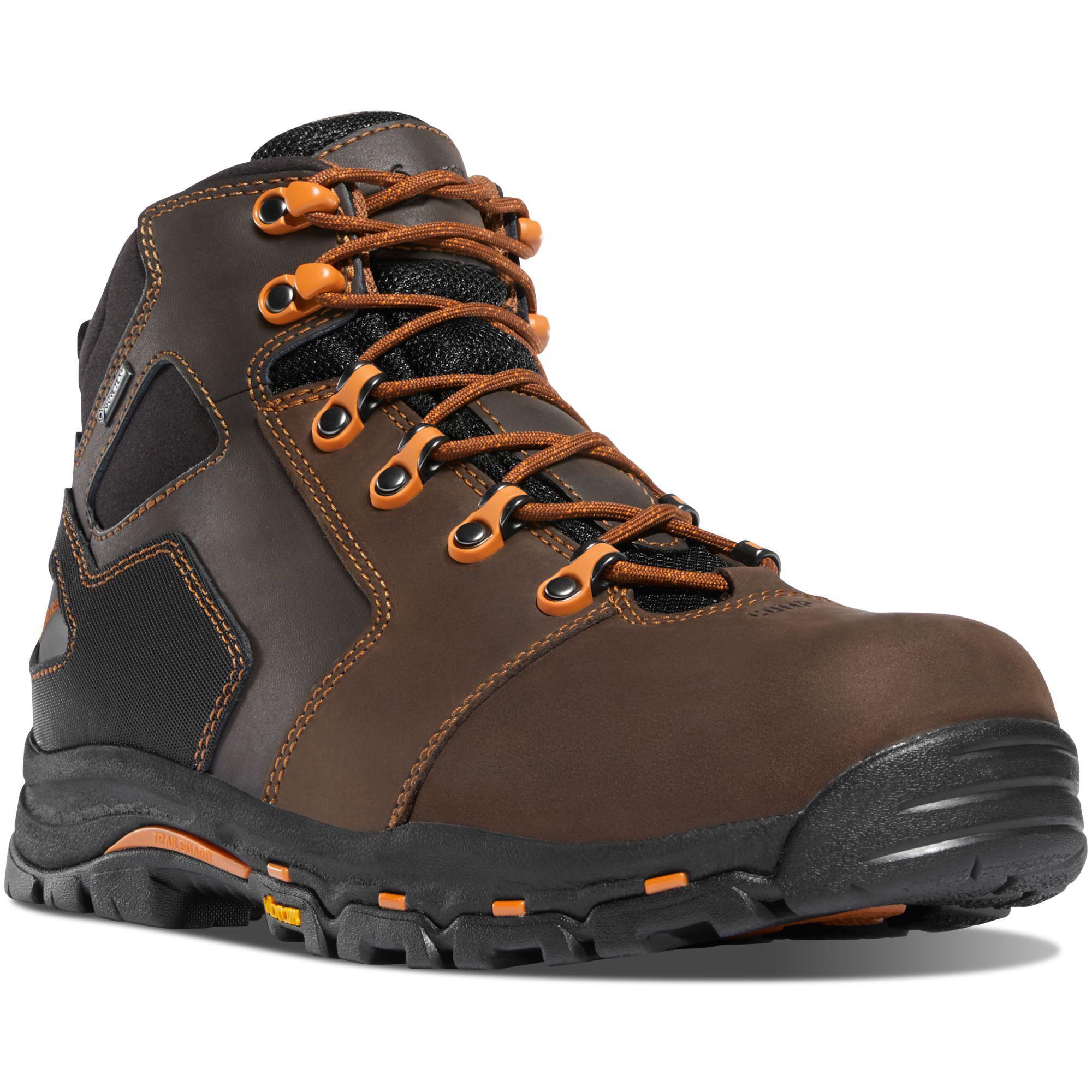
Danner Men's Vicious 4.5" Composite Toe Waterproof Work Boot - Brown - 13860
Save 8%
Sale price$239.95
Regular price$260.00
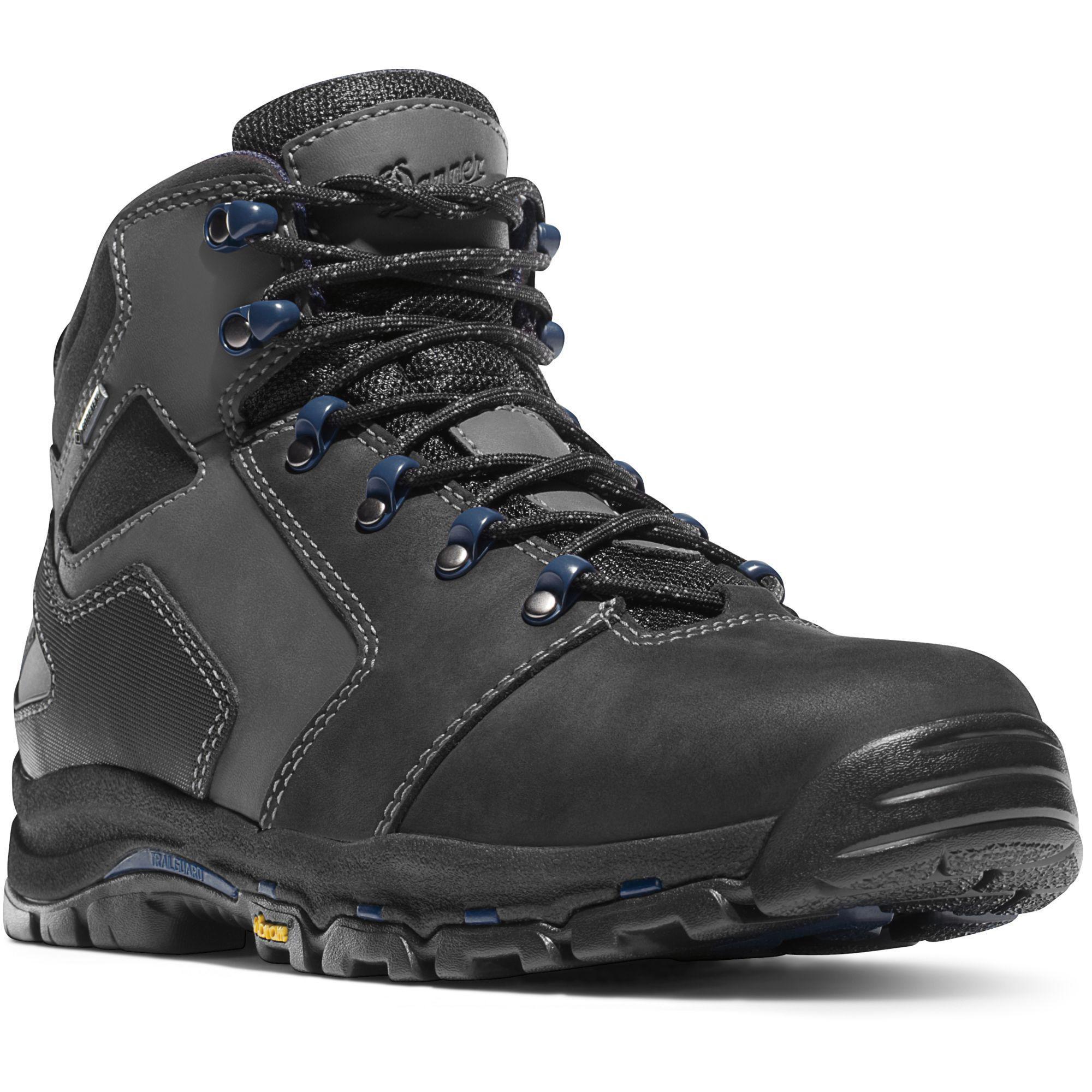
Danner Men's Vicious 4.5" Soft Toe Waterproof Work Boot - Black - 13862
Save 8%
Sale price$239.95
Regular price$260.00
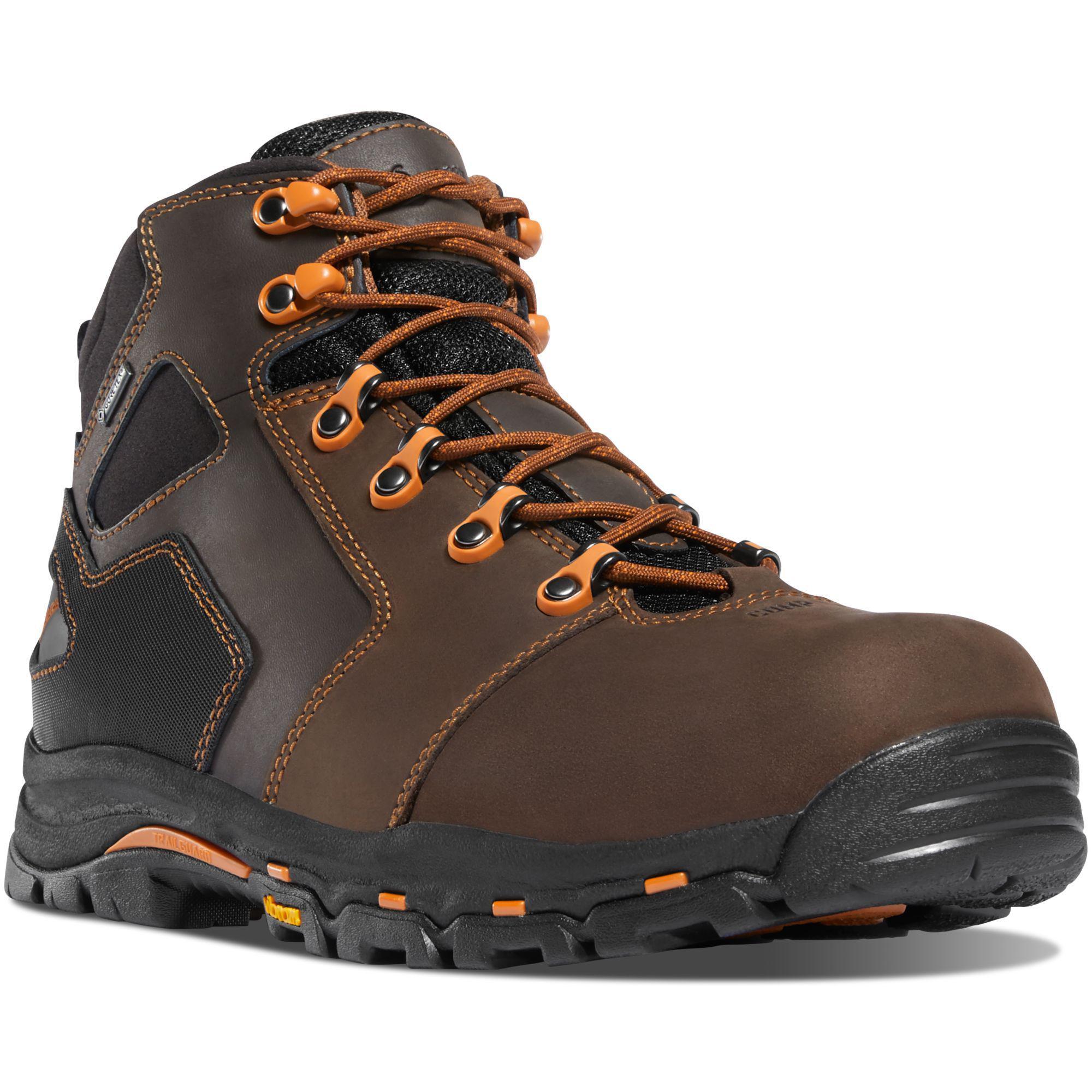
Danner Men's Vicious 4.5" Soft Toe Waterproof Work Boot - Brown - 13858
Save 10%
Sale price$269.95
Regular price$300.00
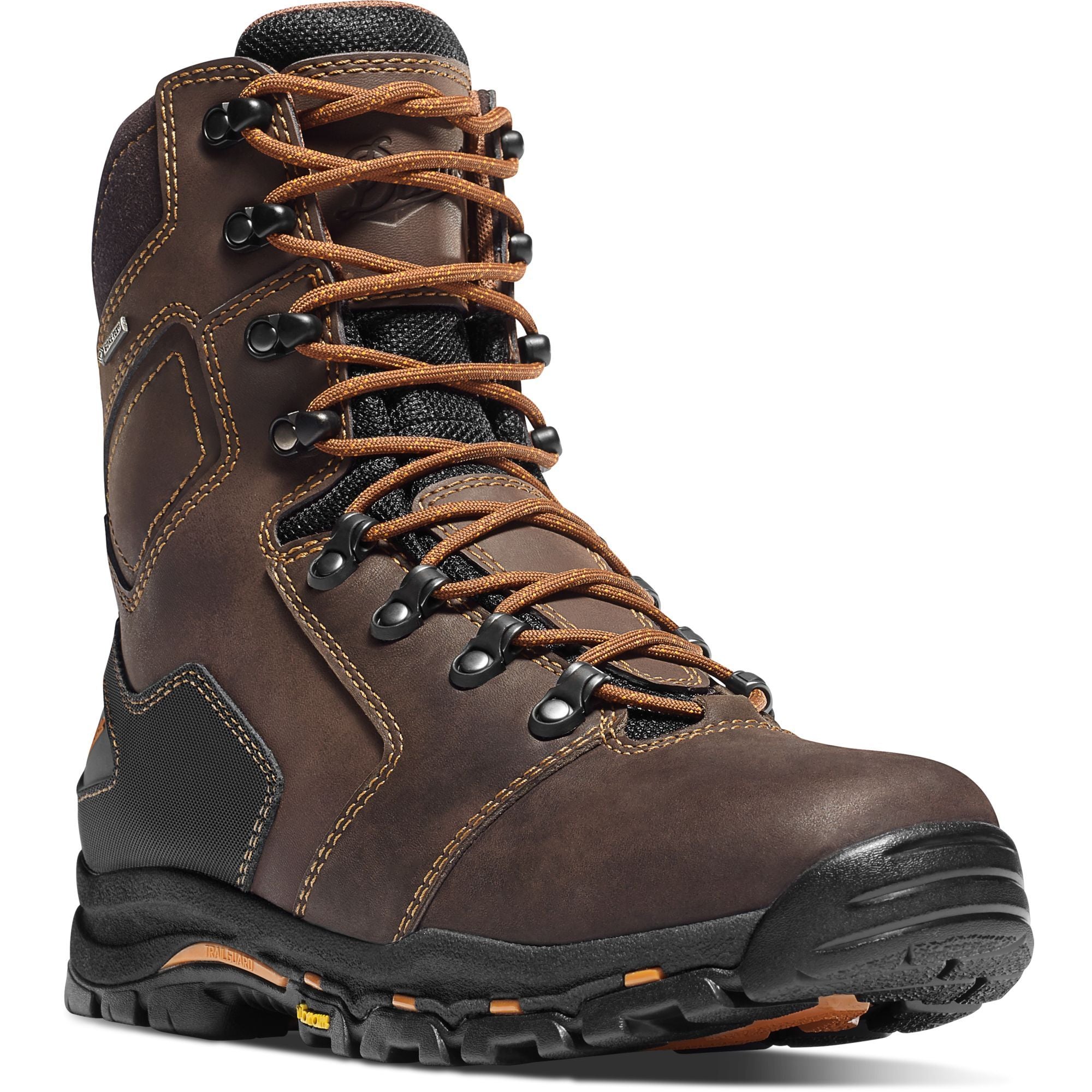
Danner Men's Vicious 8" Composite Toe Waterproof Work Boot - Brown - 13868
Save 10%
Sale price$259.95
Regular price$290.00
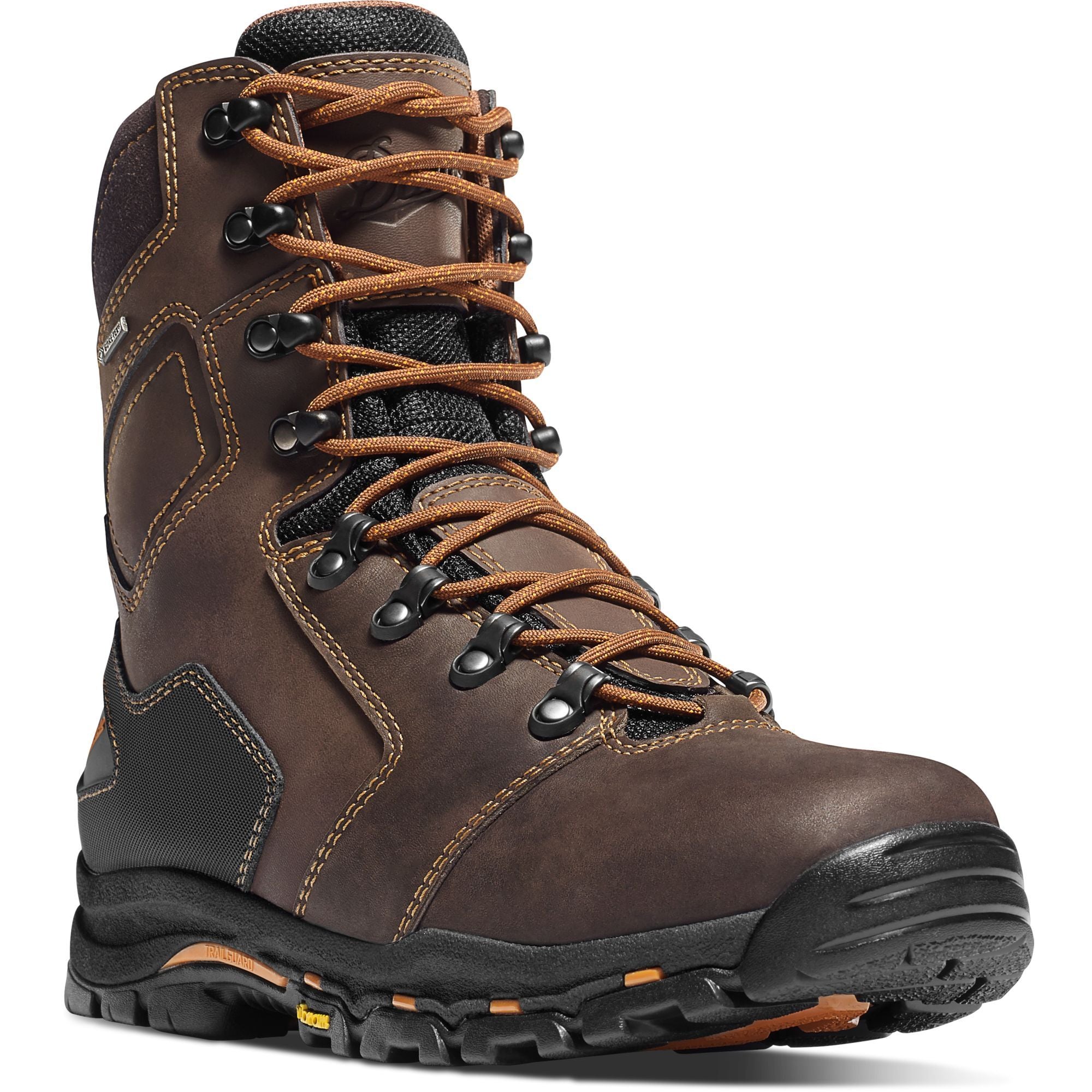
Danner Men's Vicious 8" Soft Toe Waterproof Work Boot - Brown - 13866
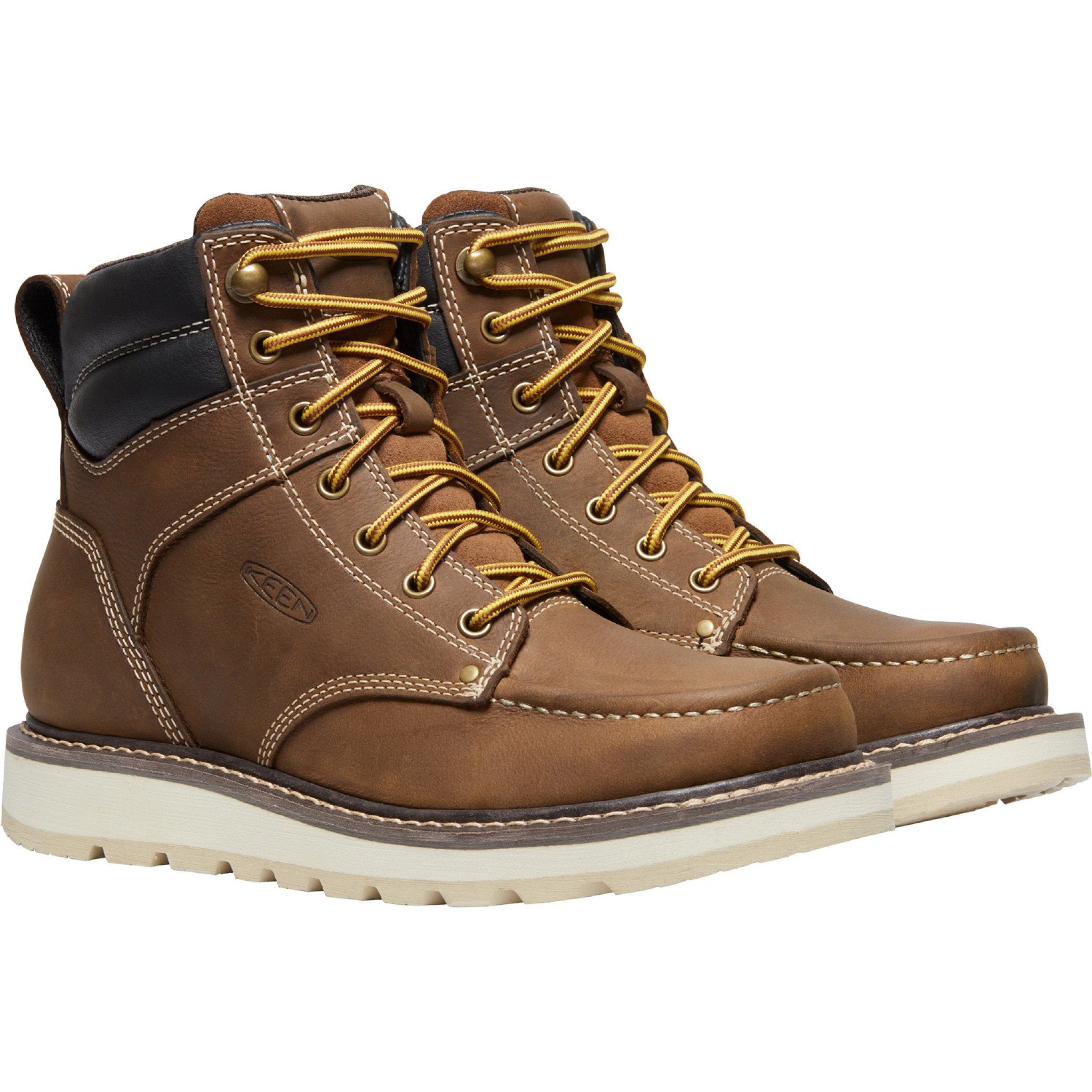
Sale price$179.99
Keen Utility Men's Cincinnati 6" Soft Toe Wedge Work Boot - 1025614
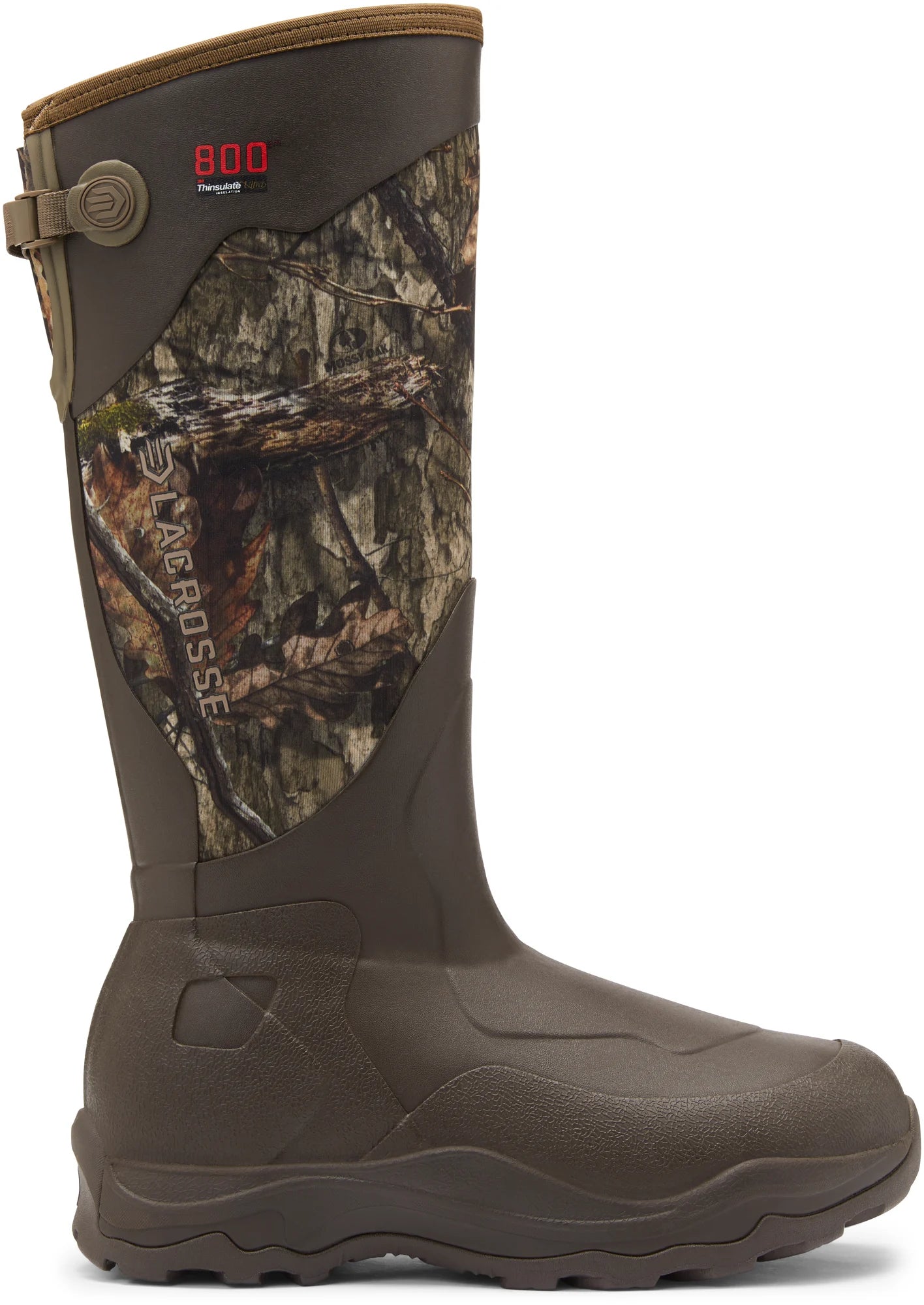
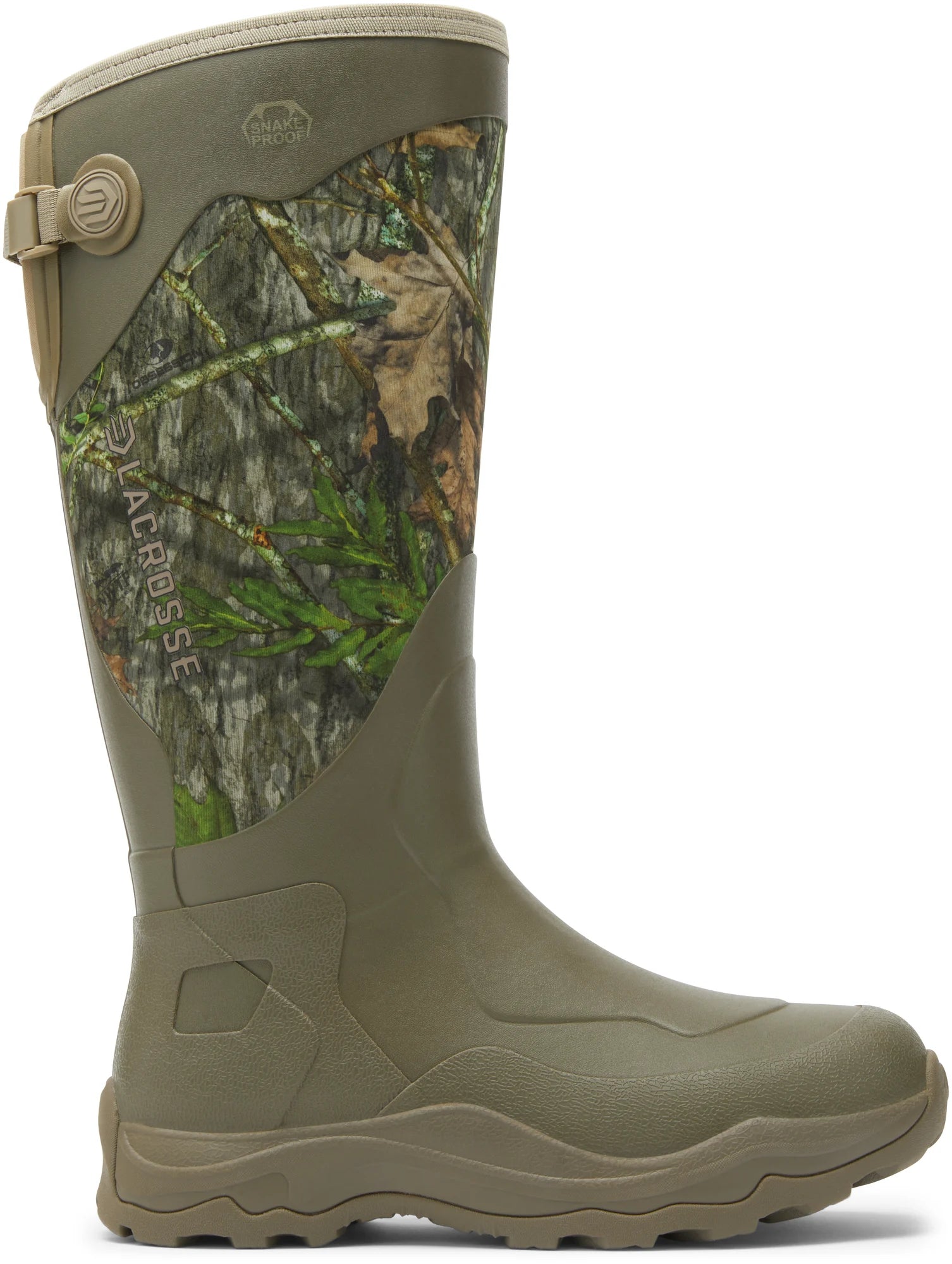
Sale price$239.95
LaCrosse Alpha Agility 17" Waterproof Snake Boot - Mossy Oak - 302483
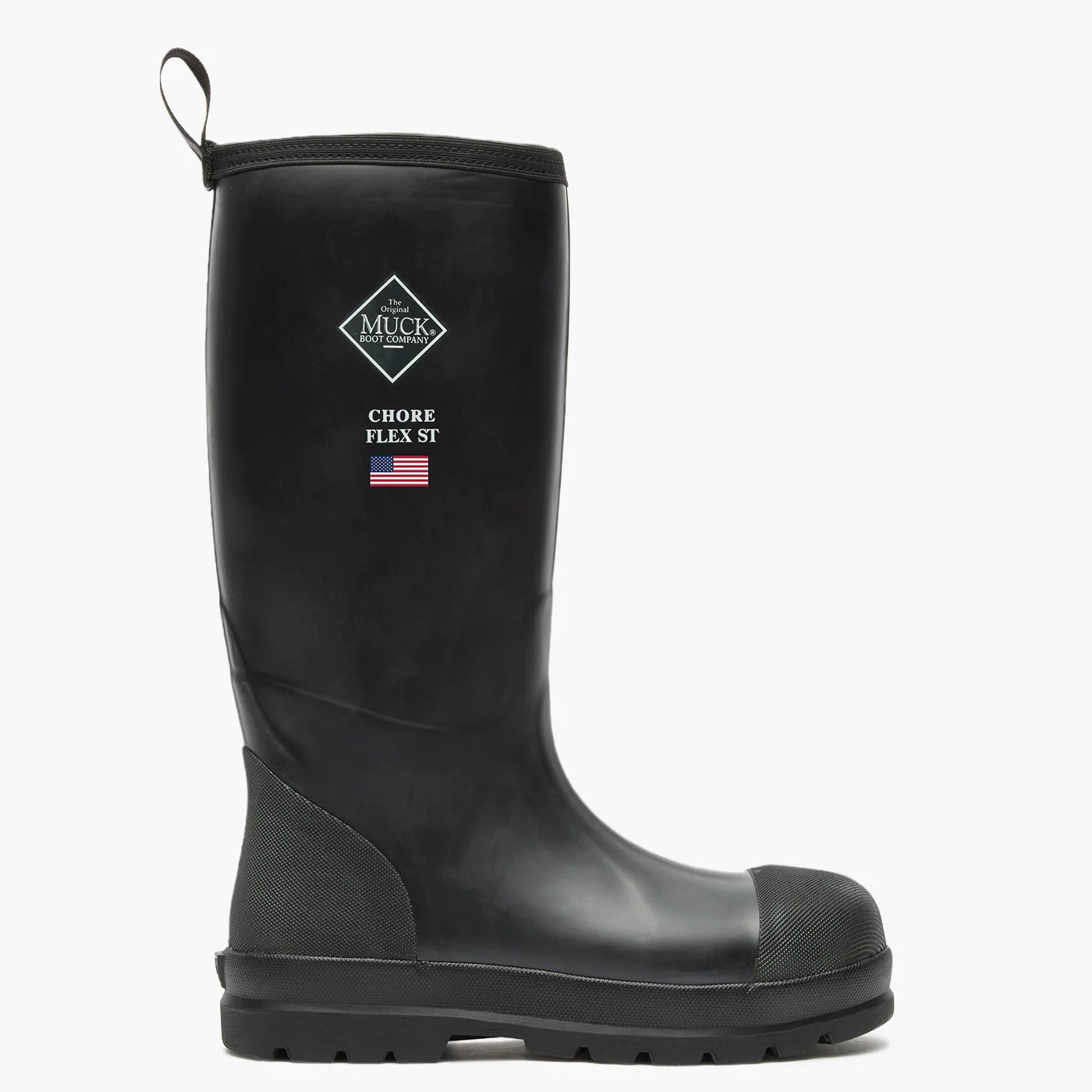
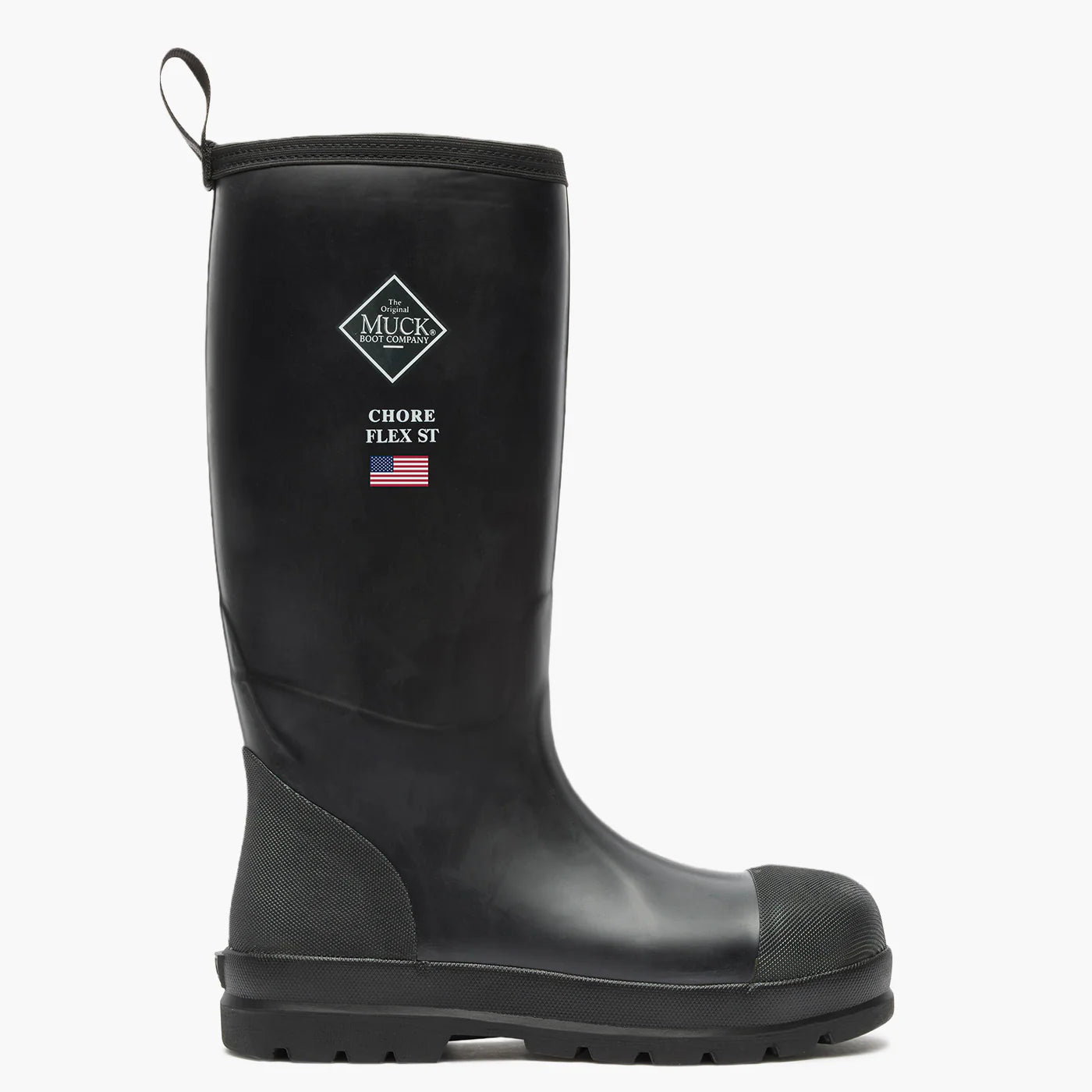
Sale price$160.00
Muck Chore Flex Men's 15" Waterproof Rubber Work Boot - Black - MCHHDP00
Save 12%
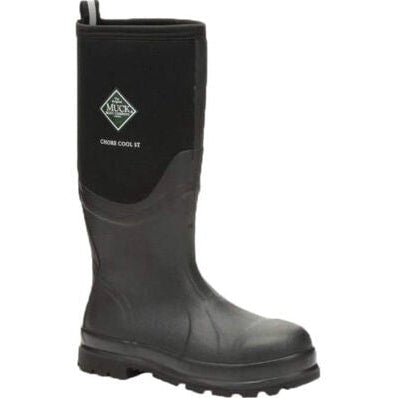
Sale price$176.70
Regular price$200.00
Muck Men's Chore Cool Tall Steel Toe Waterproof Work Boot - Black - CSCT-000
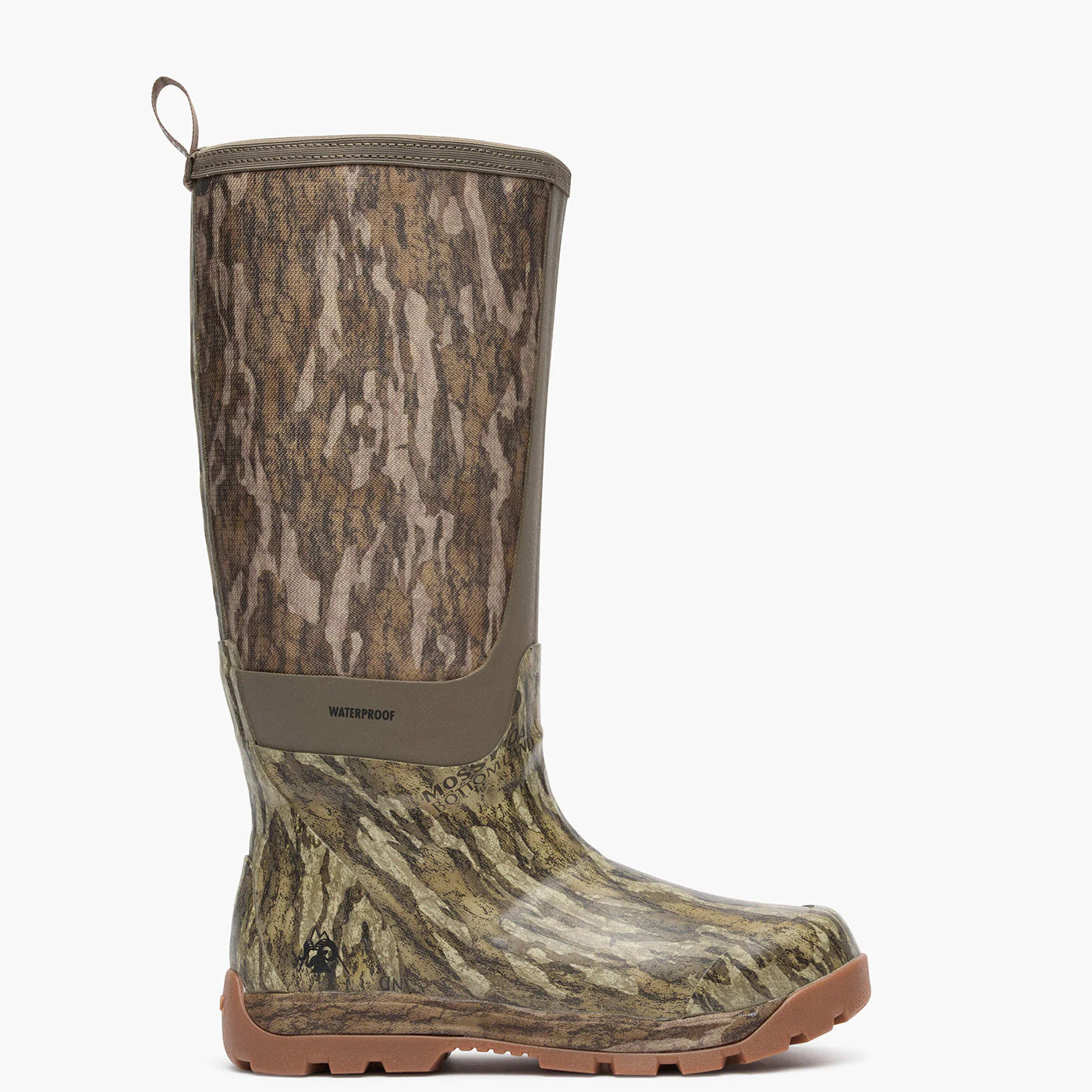
Sale price$189.99
Rocky Backlands Men's 16" Waterproof Snake Boot - Camo - RKS0720
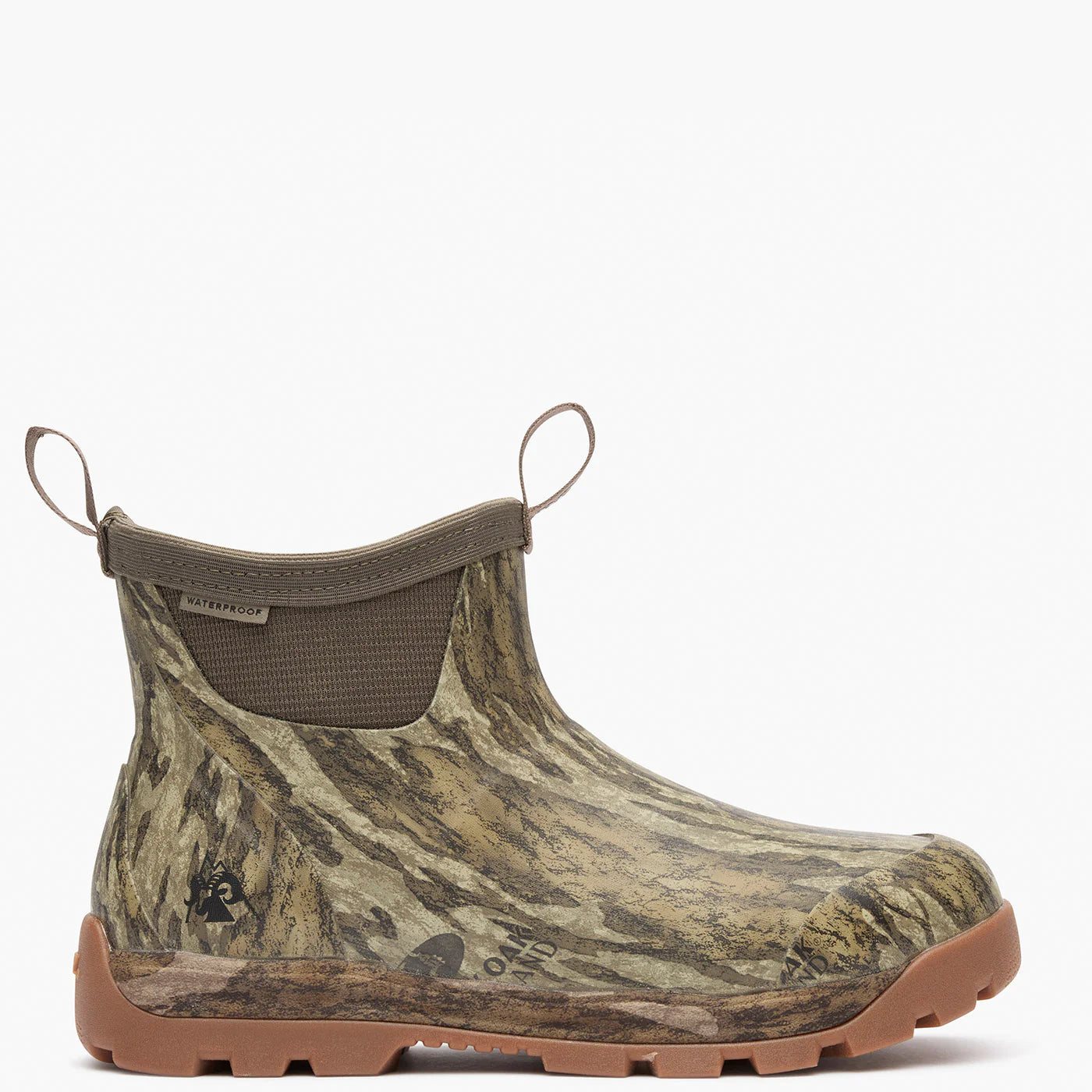
Sale price$129.99
Rocky Backlands Men's 6" Waterproof Rubber Outdoor Boot - Camo - RKS0717
Save 5%
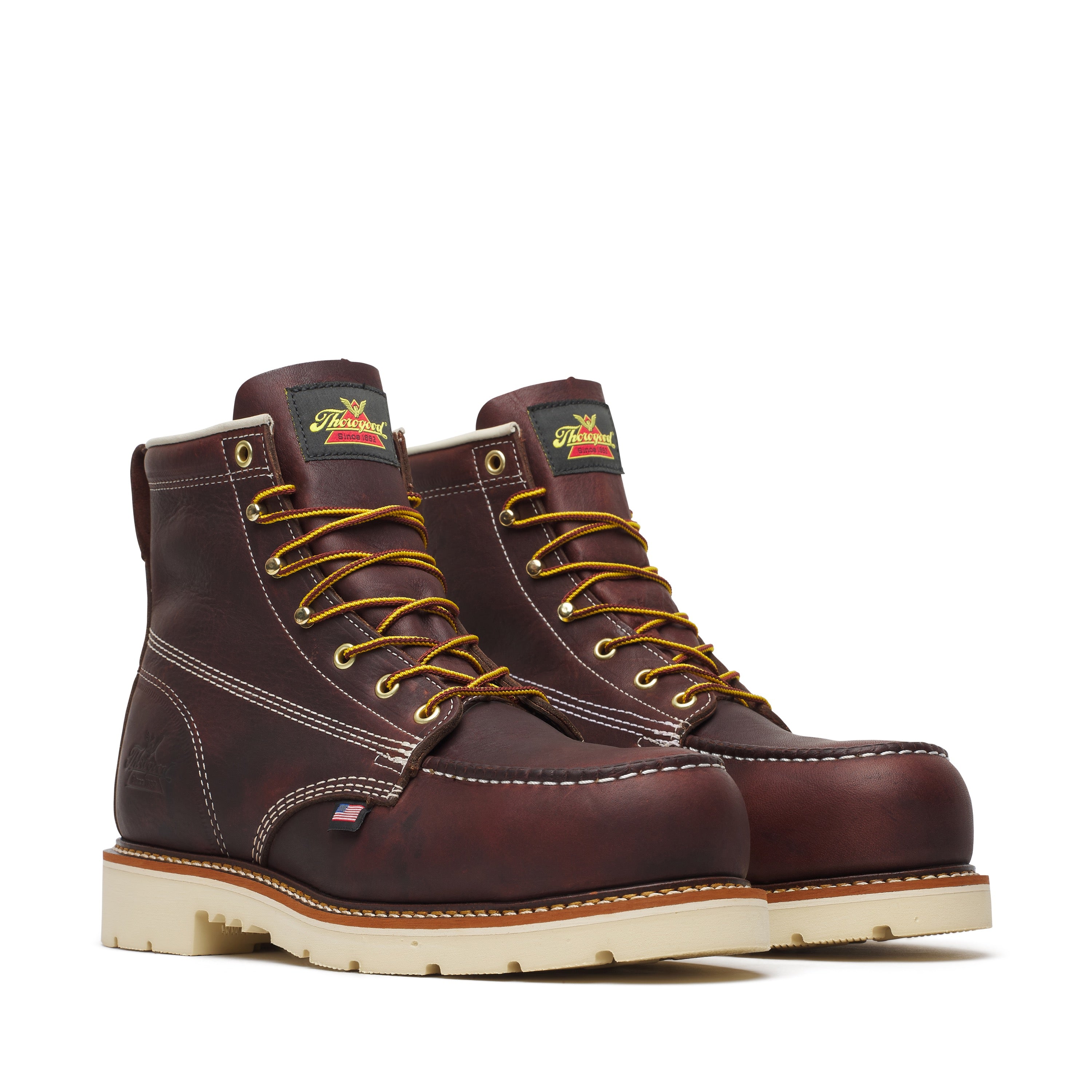
Sale price$284.95
Regular price$300.00
Thorogood Men's American Legacy 6" Nano Moc Toe Slip Resistant Work Boot - Brown - 804-6110
Save 17%
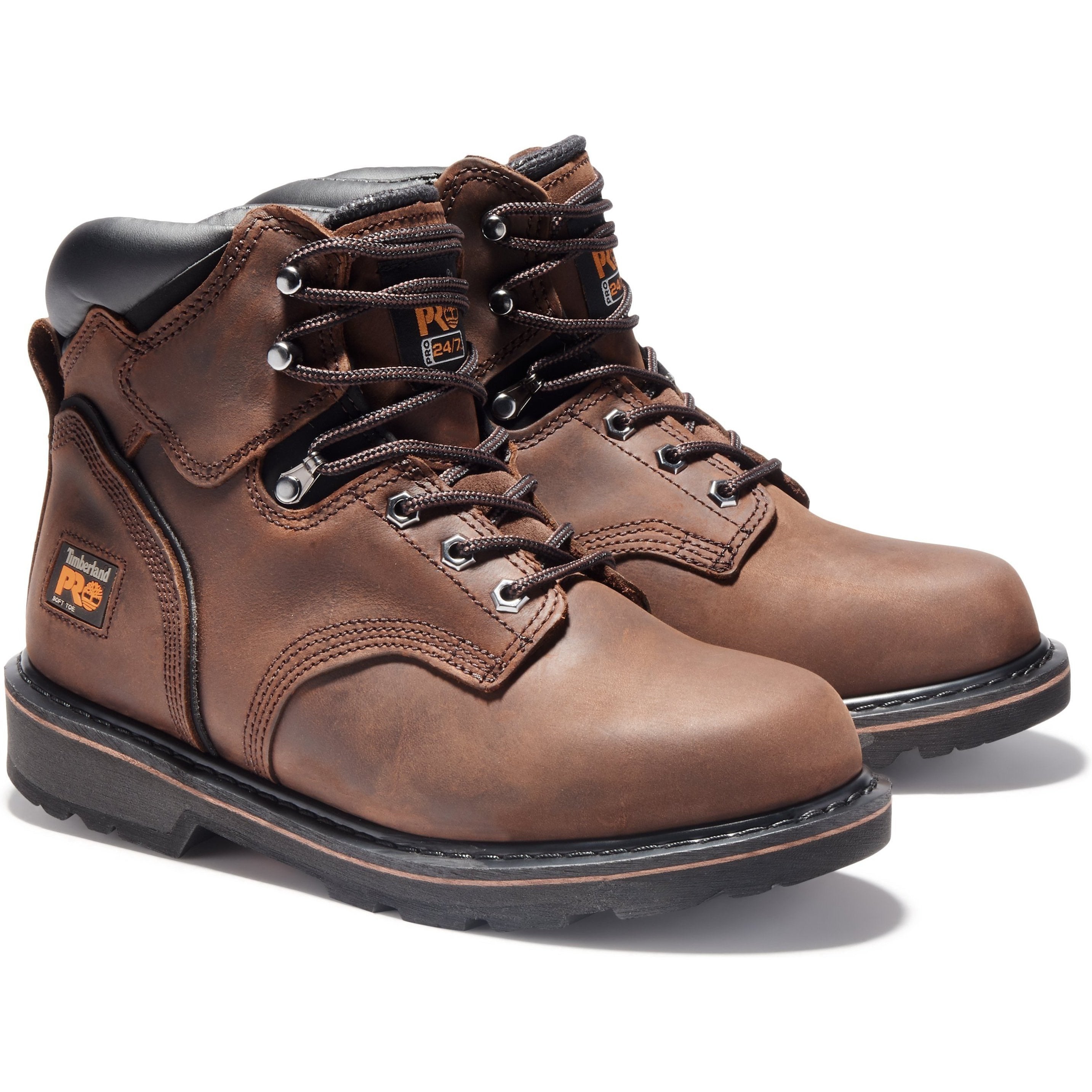
Sale price$127.95
Regular price$155.00
Timberland PRO Men's Pit Boss 6" Soft Toe Work Boot - Brown - TB133046214
Save 11%
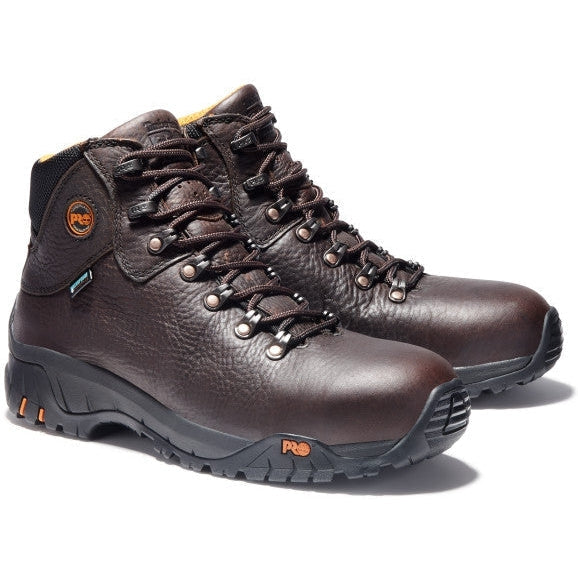
Sale price$154.95
Regular price$175.00
Timberland PRO Men's TiTAN Trekker Alloy Toe Waterproof Work Boot - Dark Brown - TB185520214
Save 5%
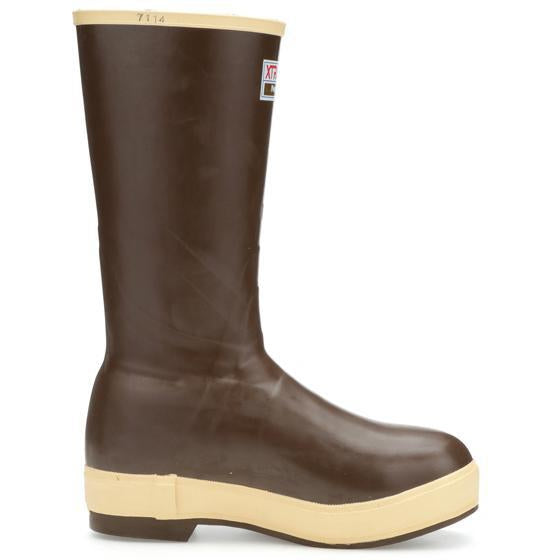
Sale price$180.00
Regular price$190.00
Xtratuf Men's 15" Legacy Waterproof Insulated Rubber Work Boot - Copper - 22274G
Frequently Asked Questions
Waterproof, slip-resistant, and tolerant of cleaning chemicals. Molded rubber and PVC boots are the standard on cellar and production floors because they are waterproof by construction with no seams to fail and they hose clean at the end of a shift. Sealed leather safety boots work in drier areas such as packaging and the warehouse.
Two reasons together. Constant water means leather never dries out, and caustic cleaning agents used for CIP and floor washdown attack it chemically. A leather boot in a cellar will crack, stiffen, and eventually rot at the flex point within months. This is one of the few environments where the material choice is not really a preference.
It is the most important property on the list. Wet tile with wort, must, or cleaning foam on it is among the more slippery industrial surfaces, and slips are the dominant injury in the industry. Look for an outsole rated for wet and greasy conditions with a tread that channels liquid rather than a flat smooth sole. Browse the wider slip resistant range.
Kegs, cases, and equipment make a reasonable case for one, and many production floors require it. Full kegs are heavy enough that a rated cap genuinely earns its place. Composite is often preferred over steel because it does not conduct cold in chilled cellars and refrigerated storage. Toe type is stated in every product title.
Caustics used in cleaning and sanitizing are the main exposure, along with acids in some processes. Rubber, PVC, and neoprene all resist chemical contact far better than leather, though resistance is specific to the chemical and the compound. Match the boot material to what you actually handle rather than assuming rubber covers everything. See our chemical resistant boots range.
Light insulation helps in chilled cellars and cold storage, and neoprene-lined rubber boots insulate reasonably well without adding bulk. Standing still on a cold wet floor is what makes feet cold, so if you are stationary a warmer boot is worth it. Match insulation to your movement rather than to the room temperature alone.
Mid-height, generally 10 to 16 inches, since you are dealing with hose spray and standing water rather than deep immersion. Tall enough to keep washdown out of the boot, short enough to walk and climb stairs comfortably. Ankle-height boots fill up fast on a hose-down day. See our rubber boots range.
Rubber does not breathe, so sweat has nowhere to go and that is the source of the problem rather than anything on the floor. Rinse the inside as well as the outside, dry them fully between shifts rather than leaving them in a locker, and use wool socks that wick. Removable liners and a boot dryer both help considerably.
Recently viewed
Our Top Brands