Save 16%
Sale price$139.95
Regular price$167.00
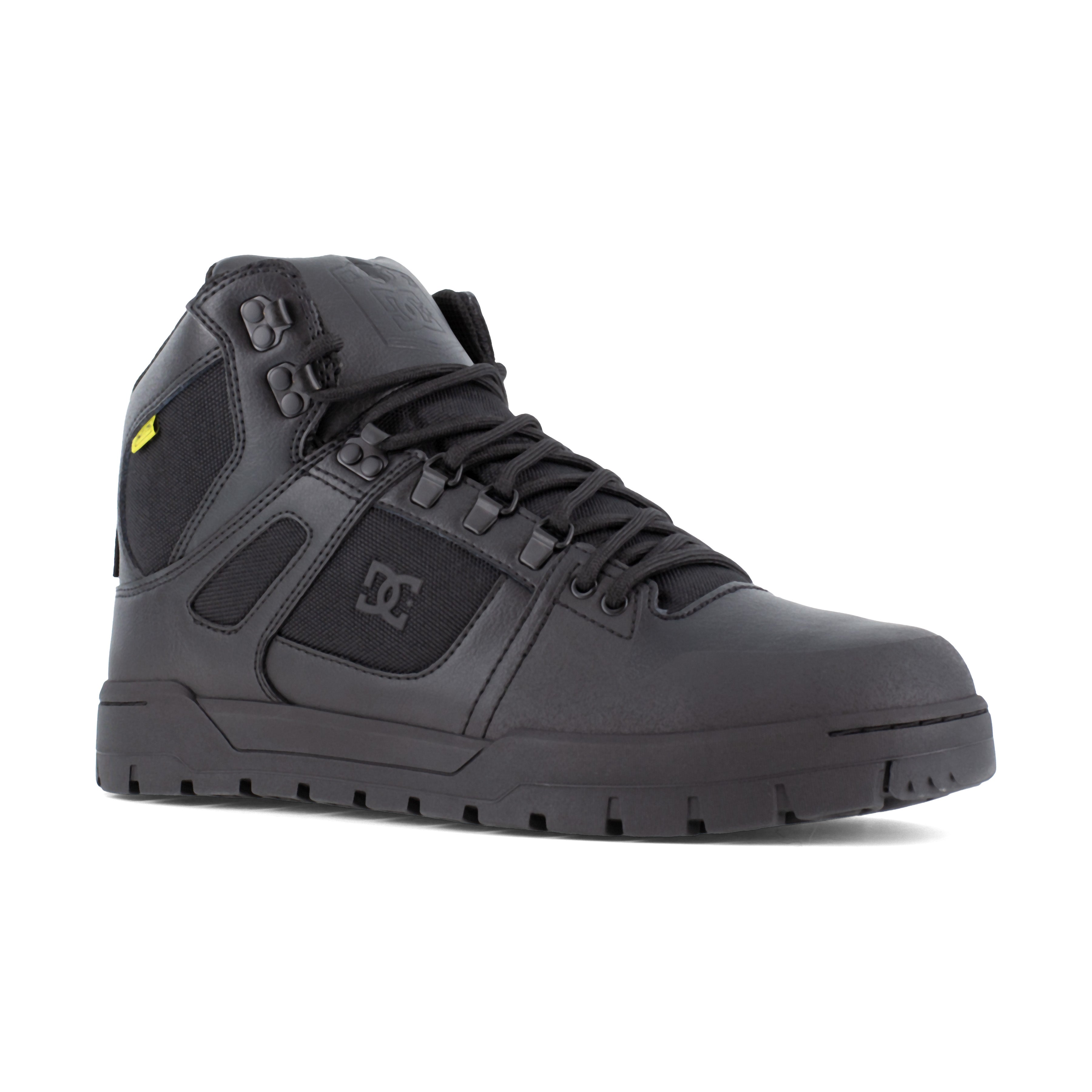
DC Men's Pure Composite Toe Waterproof High-Top Met Guard Work Shoe - Black - DC60604
Save 15%
Sale price$134.95
Regular price$159.00
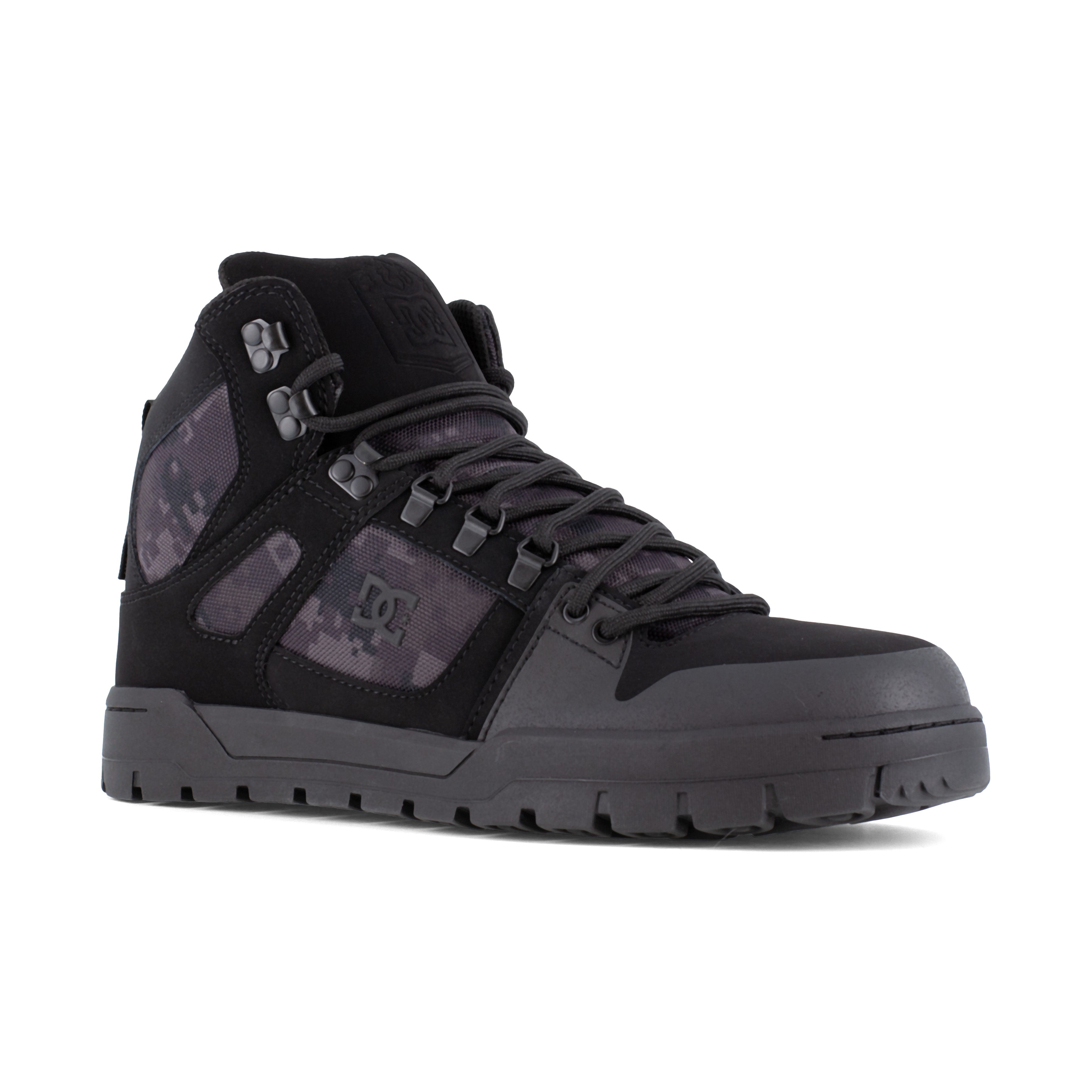
DC Men's Pure Composite Toe Waterproof High-Top Work Shoe - Black - DC60603
Save 13%
Sale price$119.95
Regular price$138.00
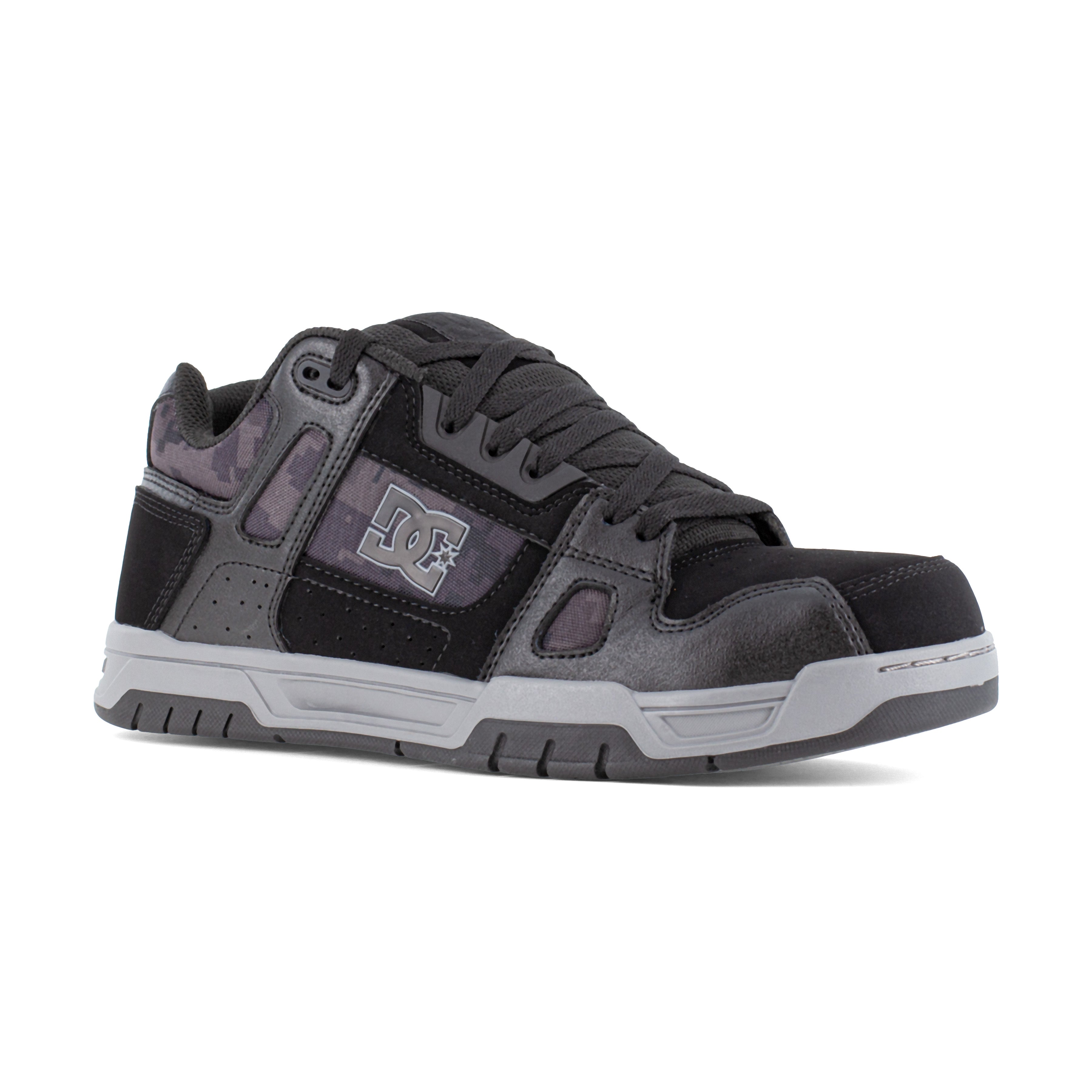
DC Men's Stag Composite Toe Slip Resistant Work Shoe - Camo - DC60501
Save 13%
Sale price$124.95
Regular price$143.00
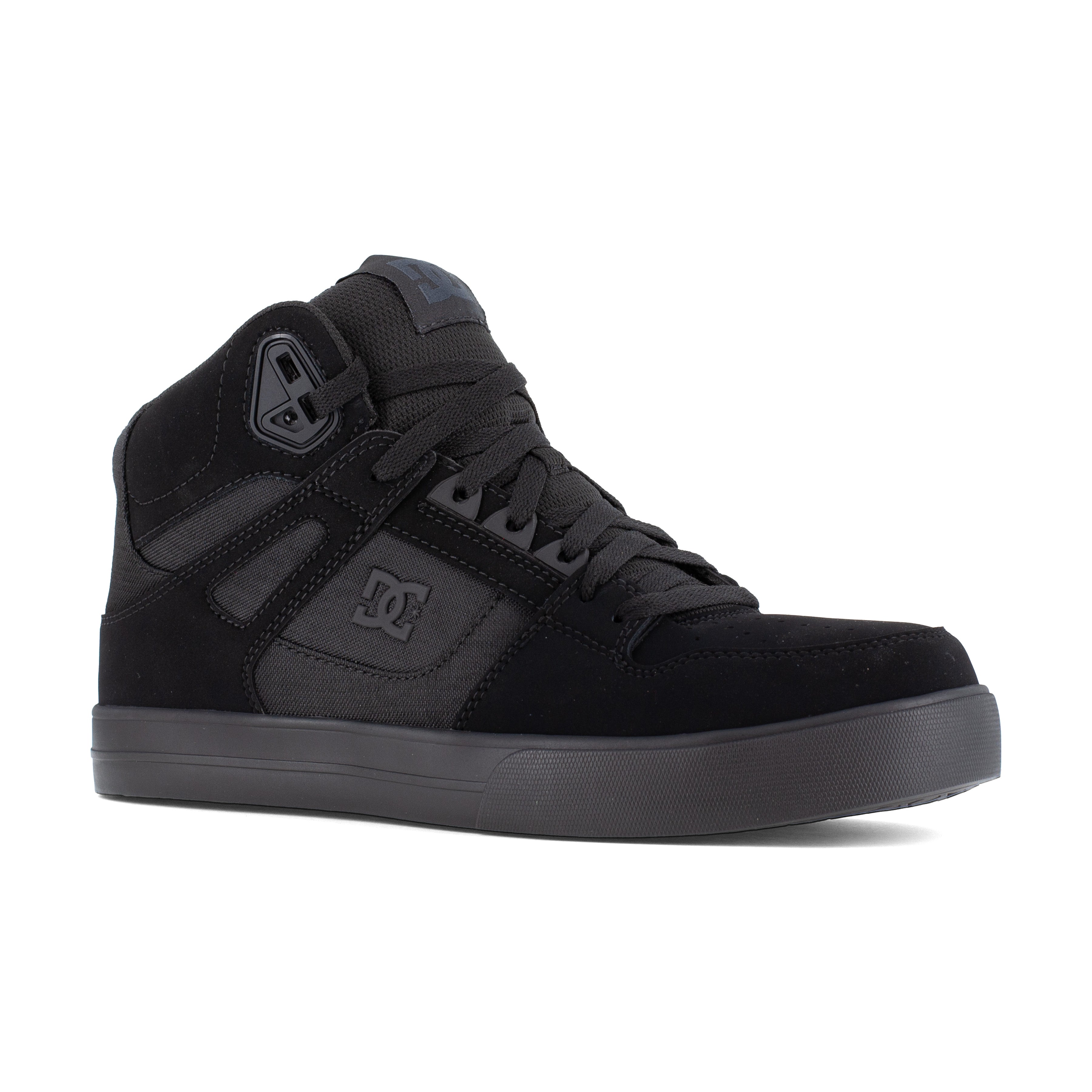
DC Men's Pure Composite Toe High-Top Work Shoe - Black - DC60206
Save 15%
Sale price$124.95
Regular price$147.00
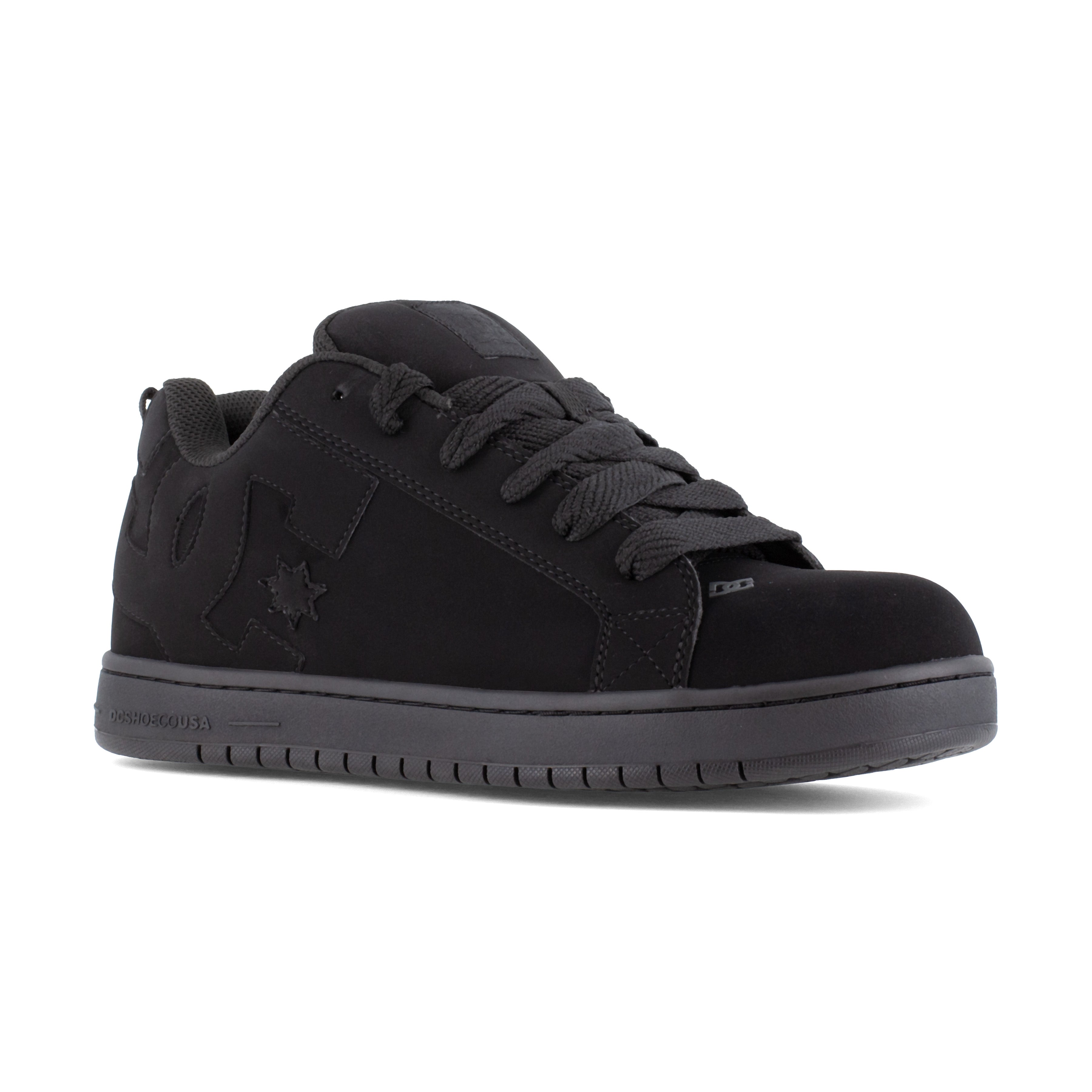
DC Men's Court Graffik Composite Toe Work Shoe - Black - DC60101
Save 12%
Sale price$154.95
Regular price$176.00
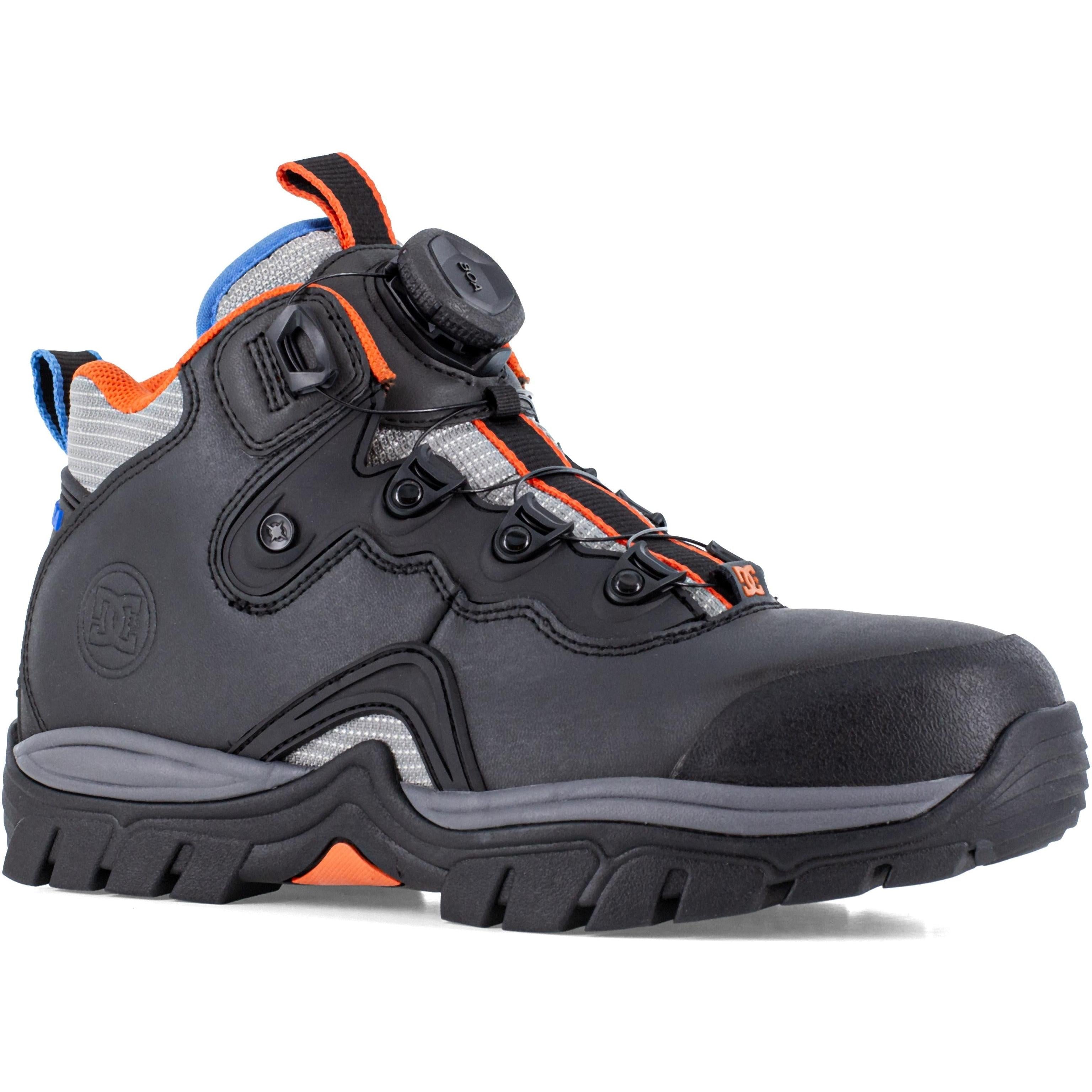
DC Men's Navigator Work CT BOA® Fit System Work Shoe- Black/Orange - DC60702
Save 13%
Sale price$119.95
Regular price$138.00
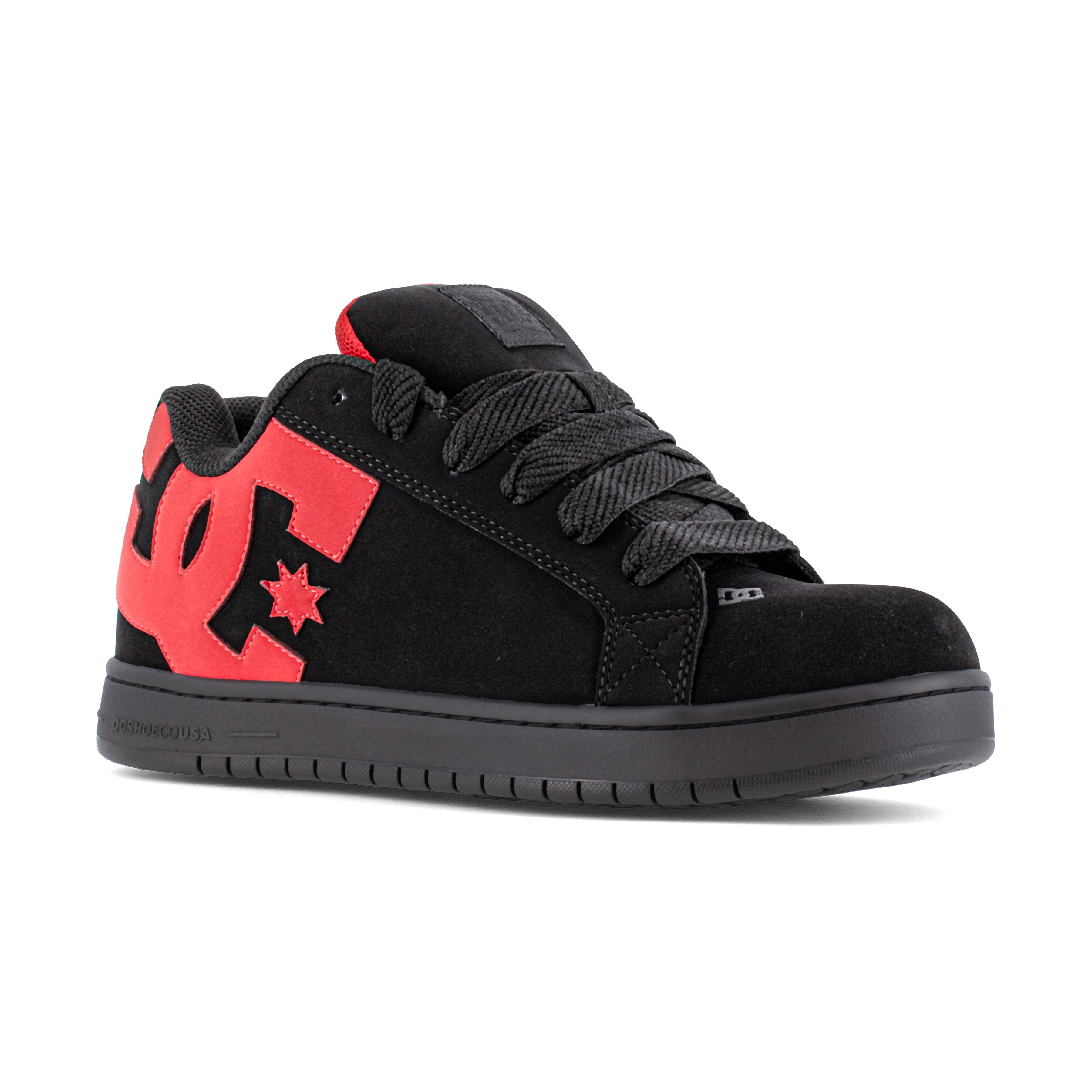
DC Men's Court Graffik Composite Toe Work Shoe - Red - DC60102
Save 16%
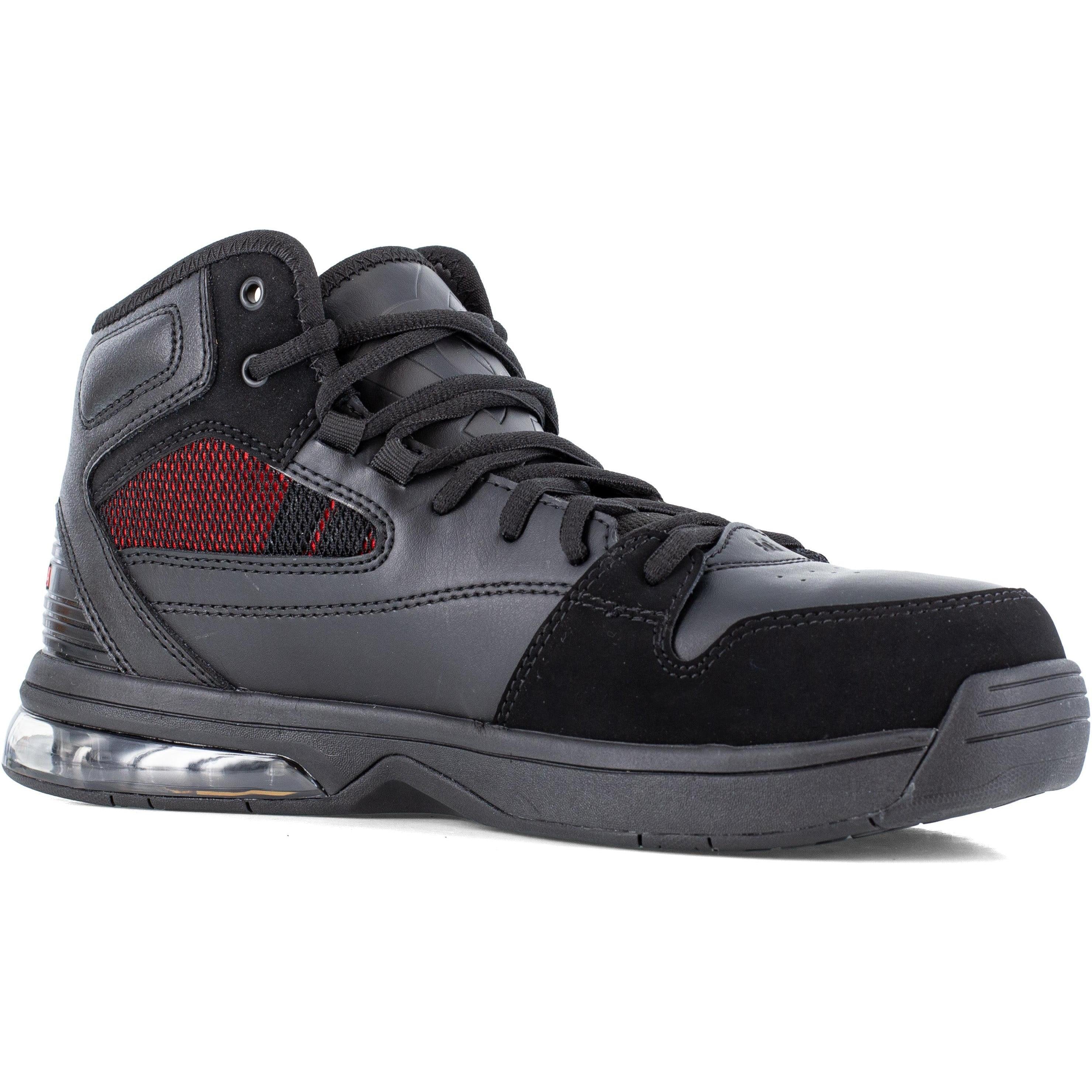
Sale price$134.95
Regular price$160.00
DC Men's Versatile CT Moisture Wicking MetGuard Work Shoe- Black- DC60810
Save 13%
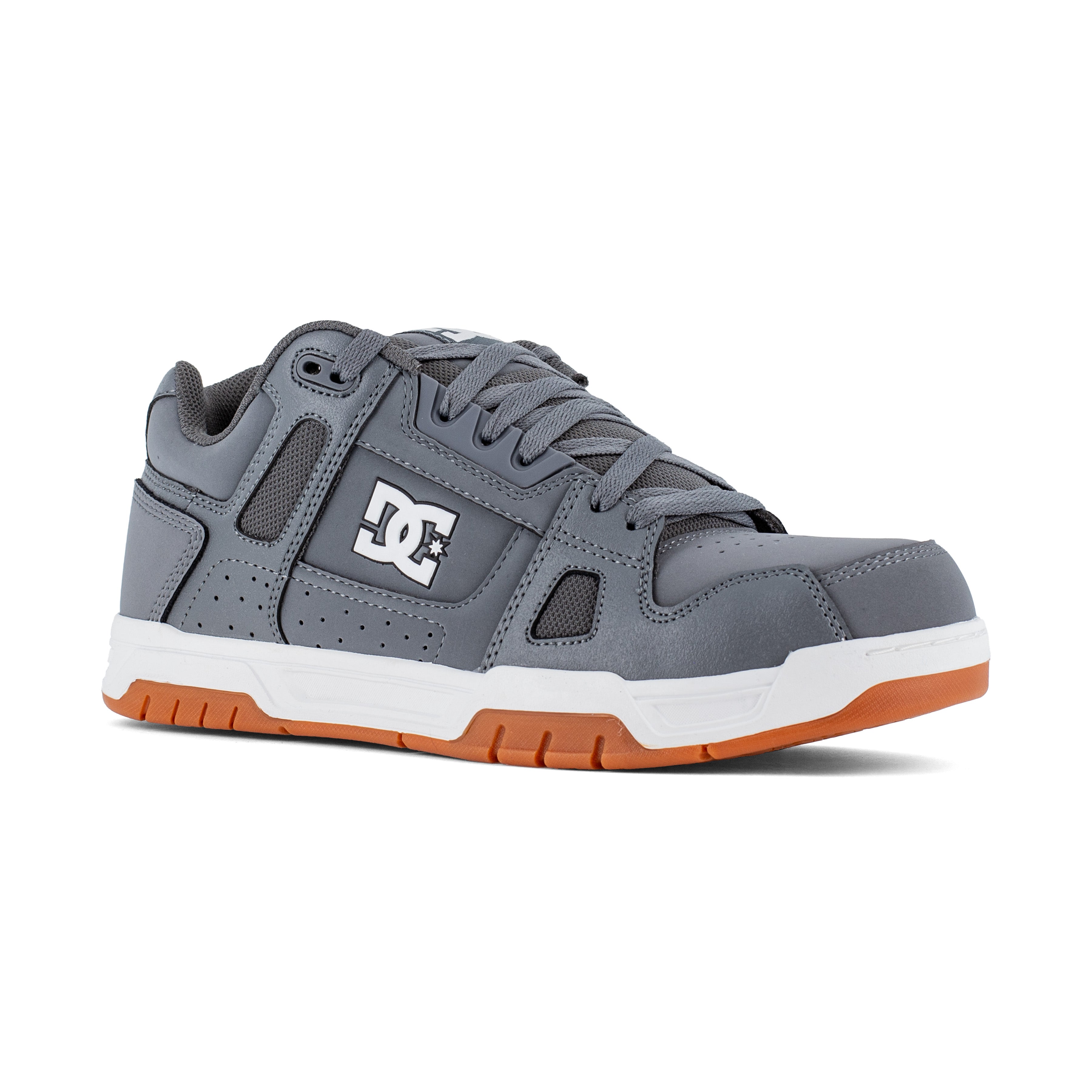
Sale price$119.95
Regular price$138.00
DC Men's Stag Composite Toe Slip Resistant Work Shoe - Gray - DC60502
Save 15%
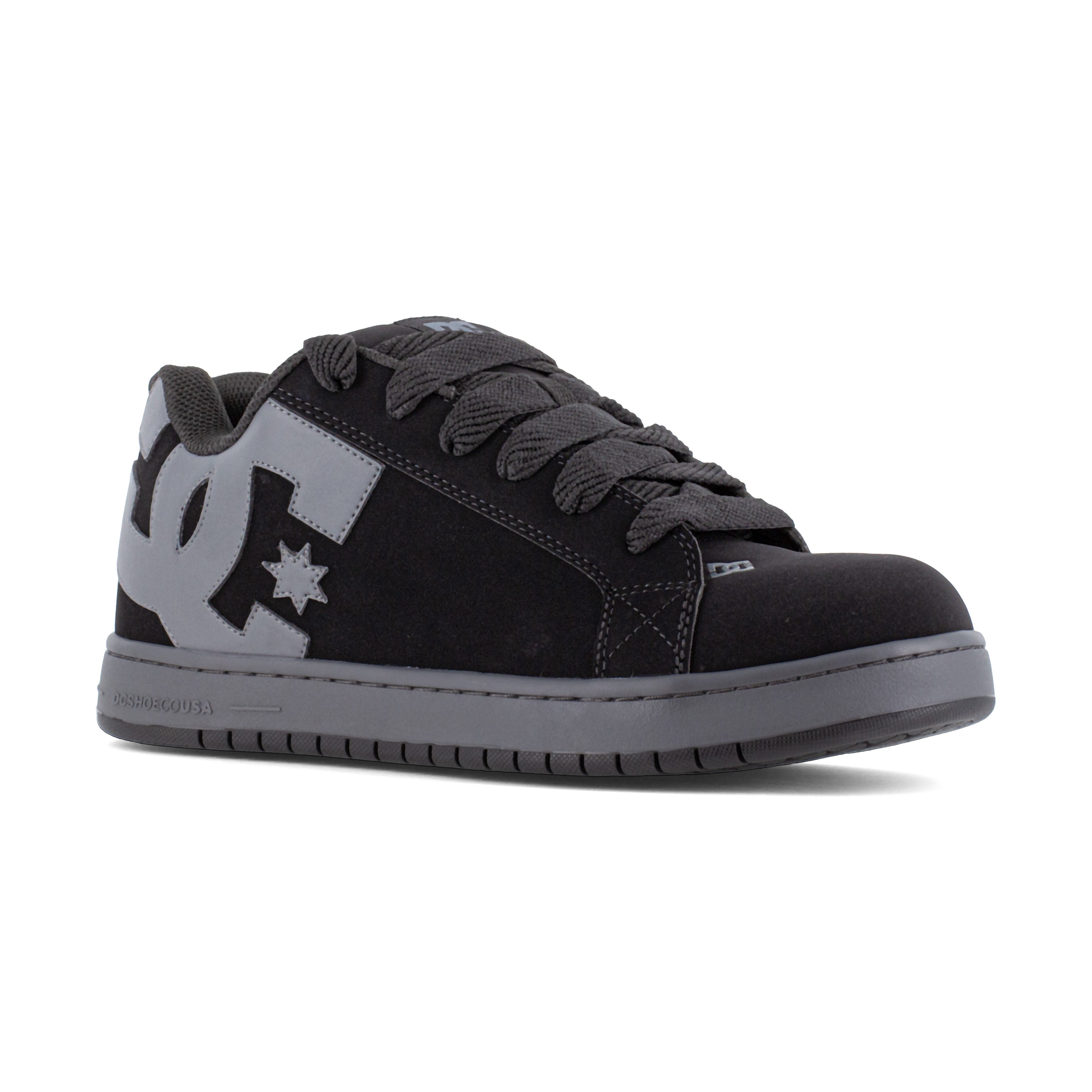
Sale price$124.95
Regular price$147.00
DC Men's Court Graffik Composite Toe Work Shoe - Gray - DC60103
Save 14%
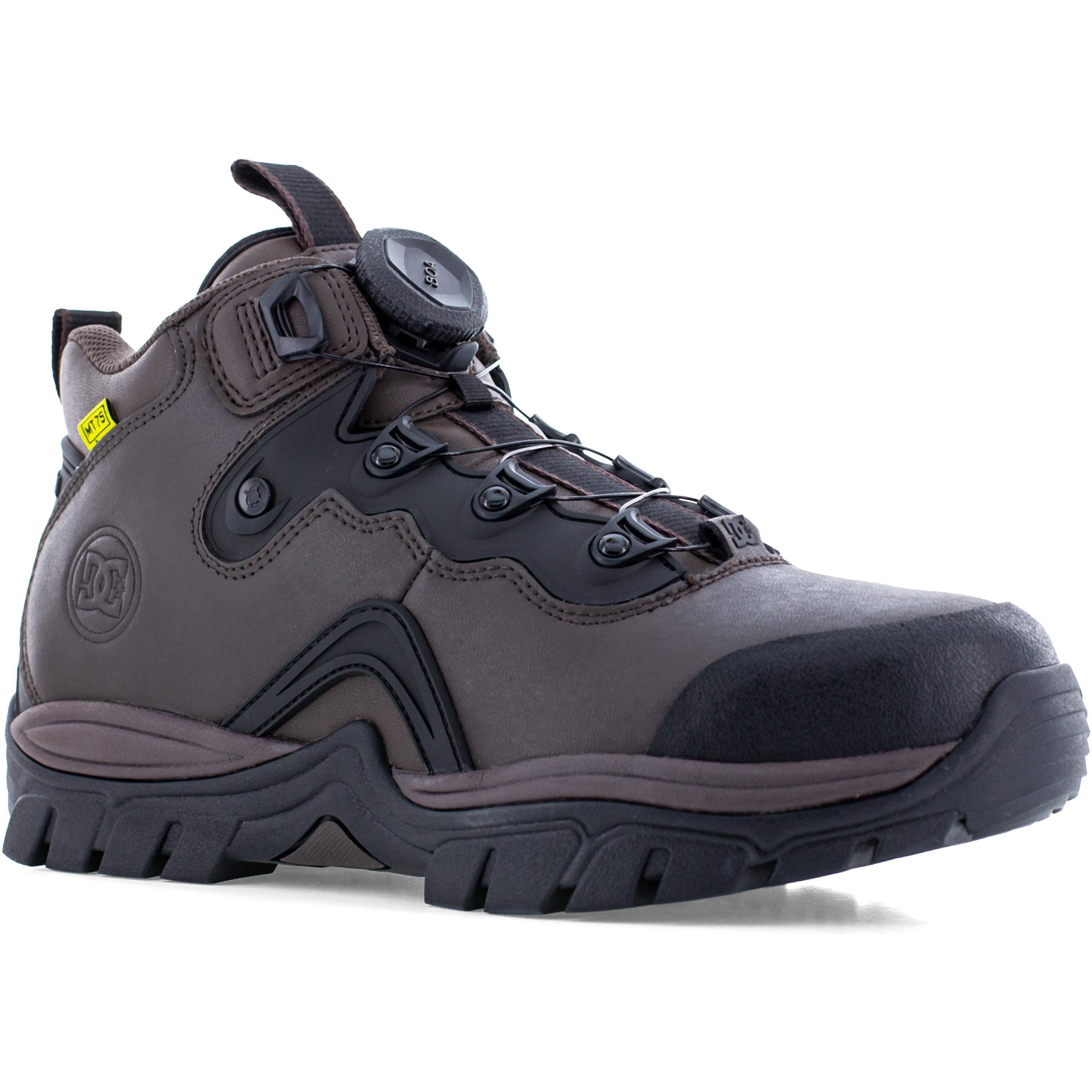
Sale price$164.95
Regular price$192.00
DC Men's Navigator CT BOA® Fit System MetGuard Work Shoe- Brown- DC60703
Save 15%
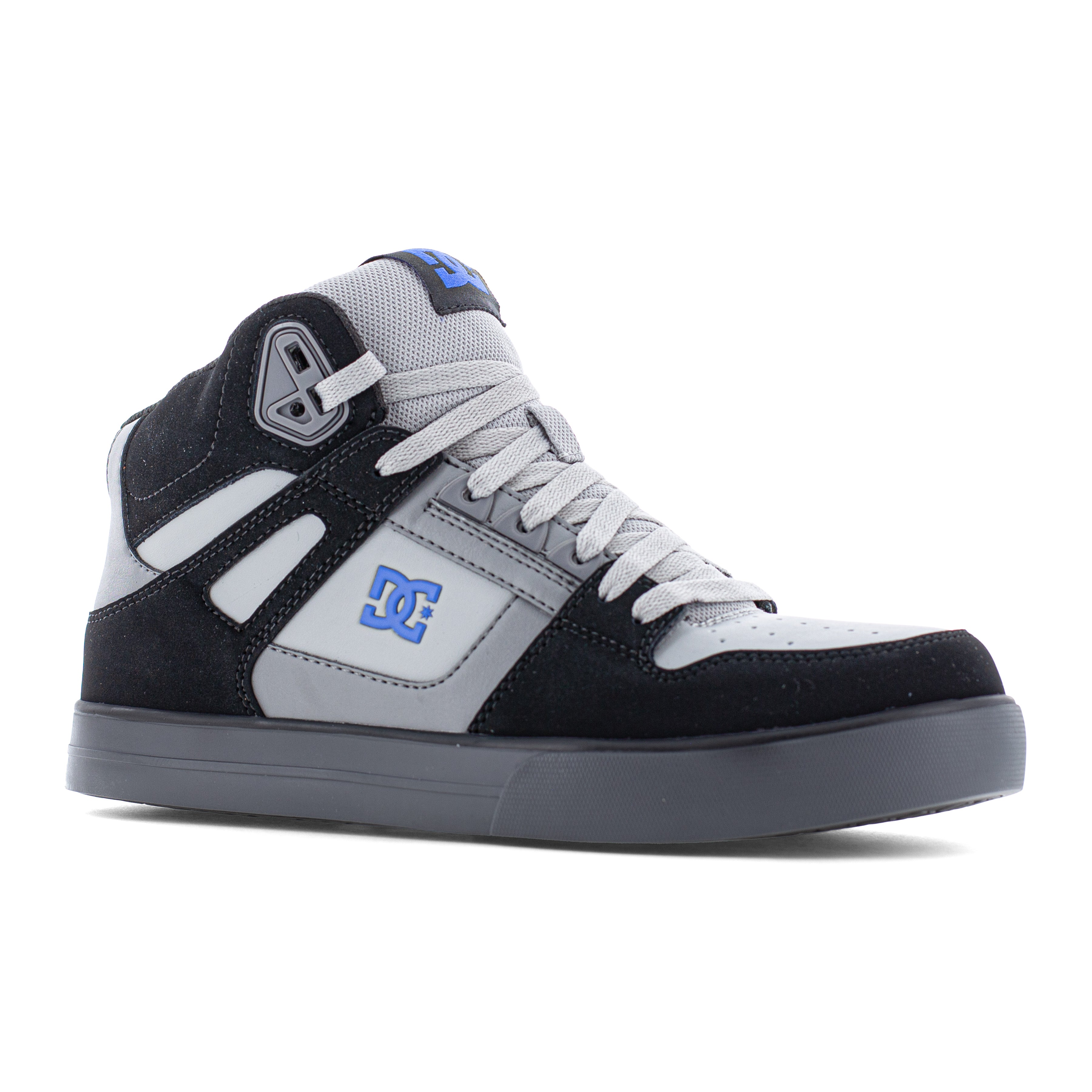
Sale price$129.95
Regular price$152.00
DC Men's Pure Composite Toe High-Top Work Shoe - Black - DC60205
Save 16%
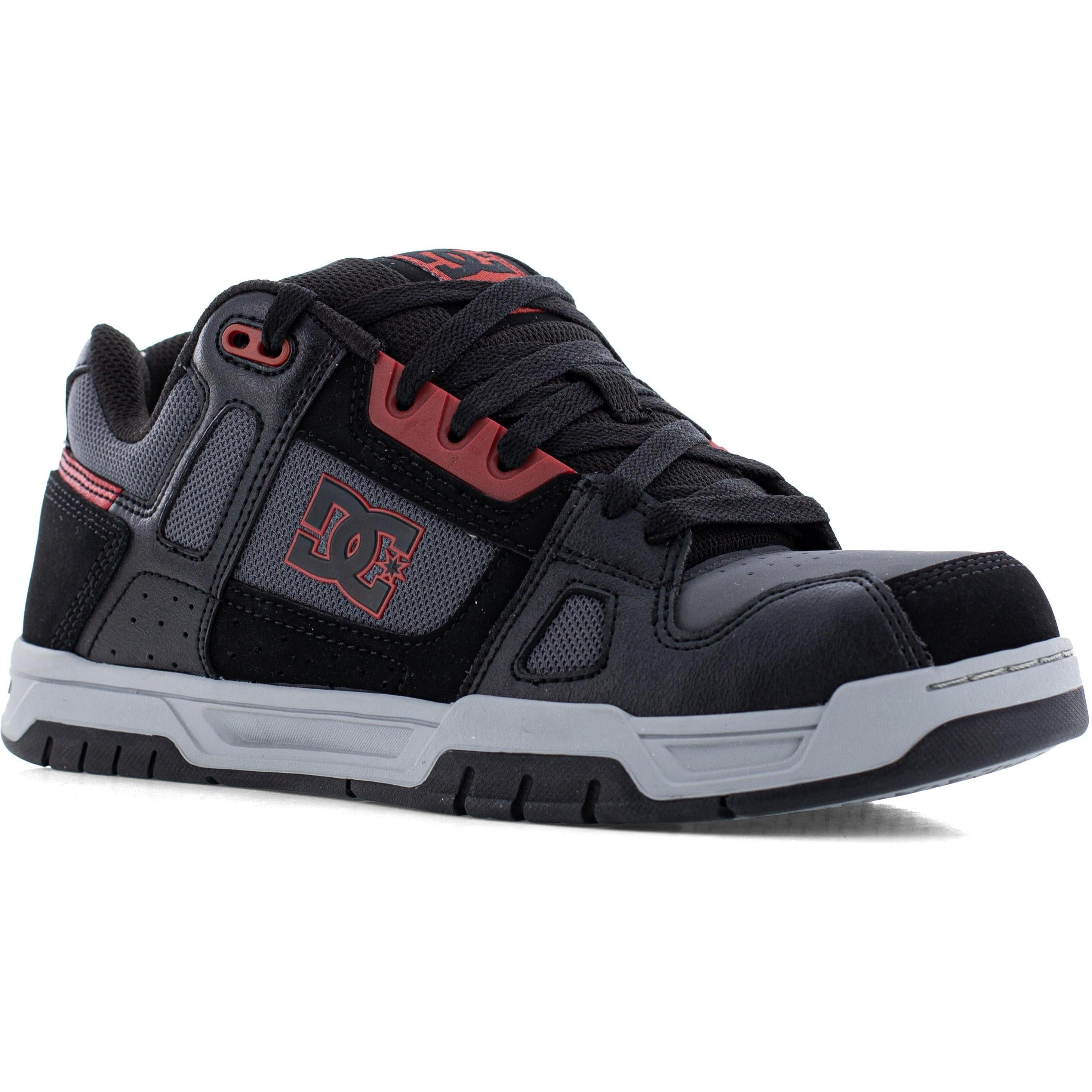
Sale price$119.95
Regular price$142.00
DC Men's Stag Work Comp Toe Moisture Wicking Work Shoe- Black- DC60503
Save 16%
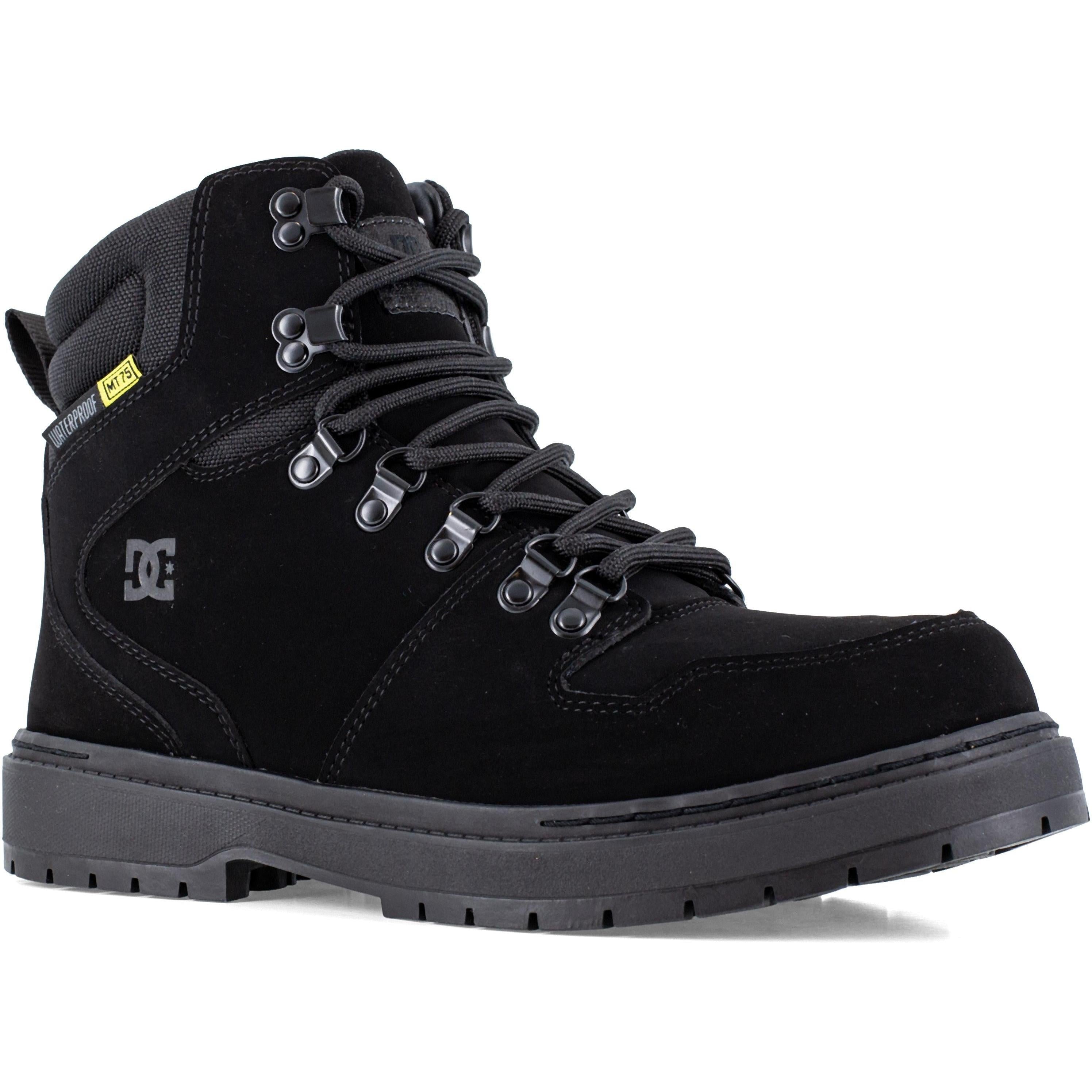
Sale price$134.95
Regular price$161.00
DC Men's Versatile Work Comp Toe Waterproof MetGuard Work Boot- Black- DC60902
Save 16%
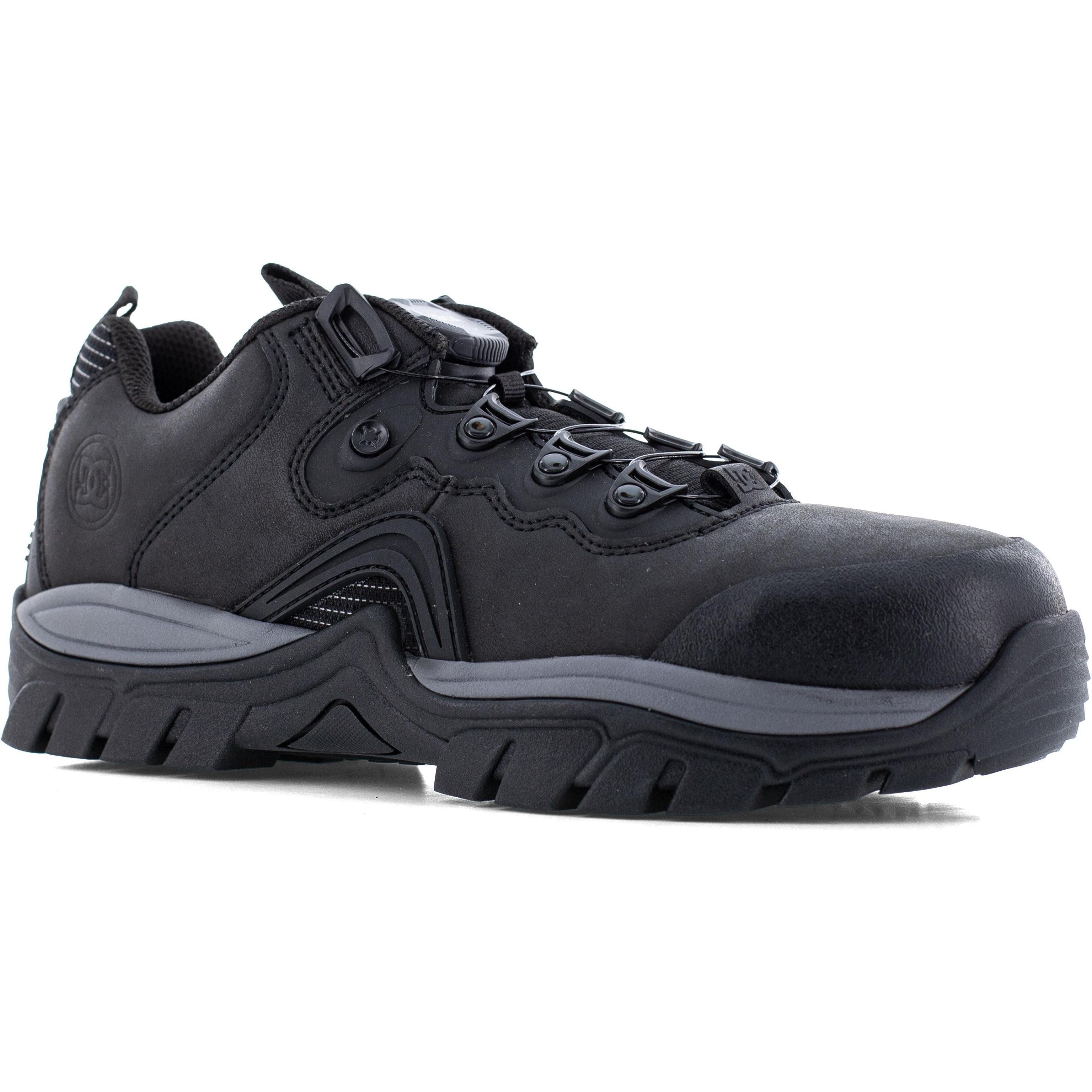
Sale price$139.95
Regular price$166.00
DC Men's Navigator Work CT BOA® Fit System Work Shoe- Black- DC60701
Save 15%
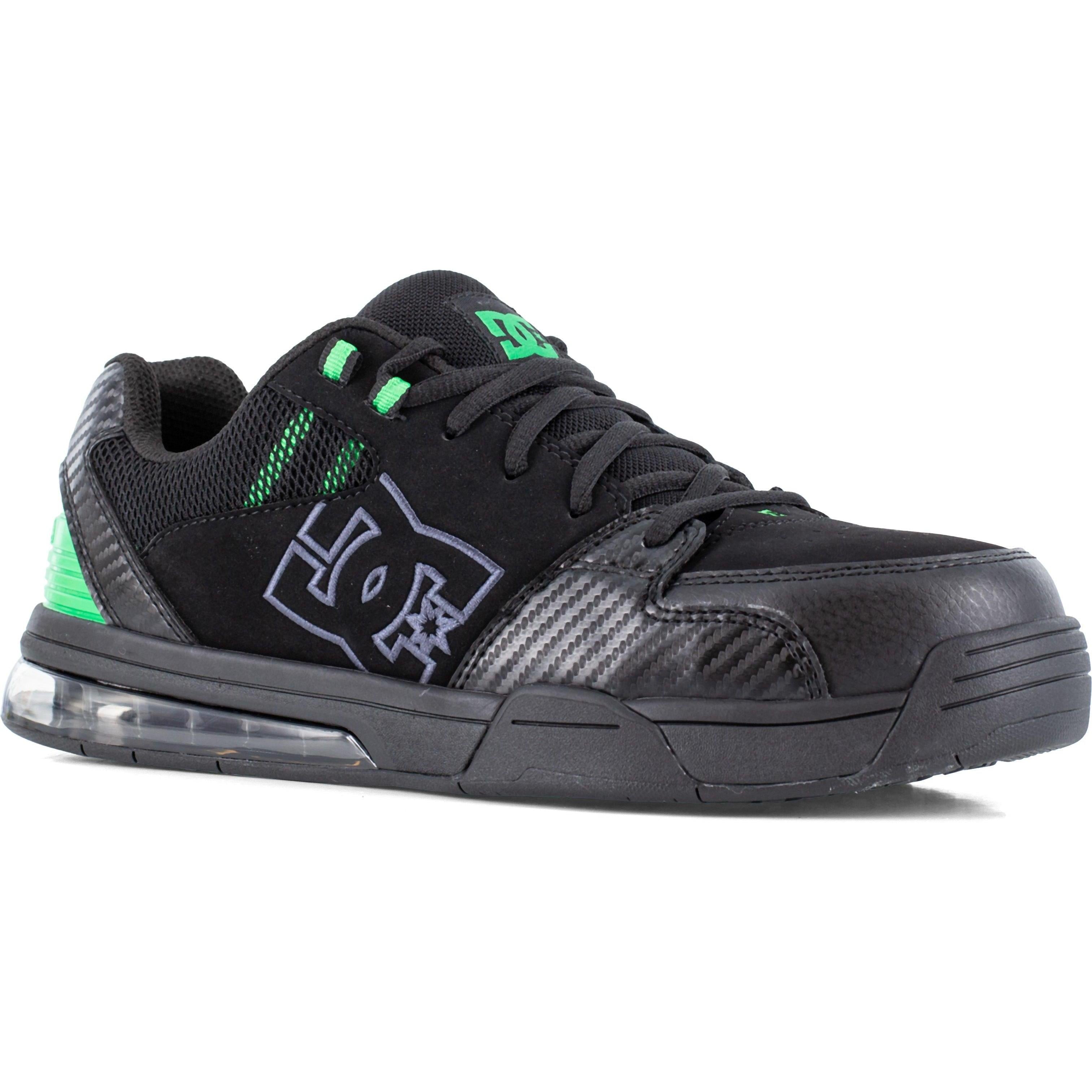
Sale price$124.95
Regular price$147.00
DC Men's Versatile Work CT Moisture Wicking Work Shoe- Black- DC60802
Save 17%
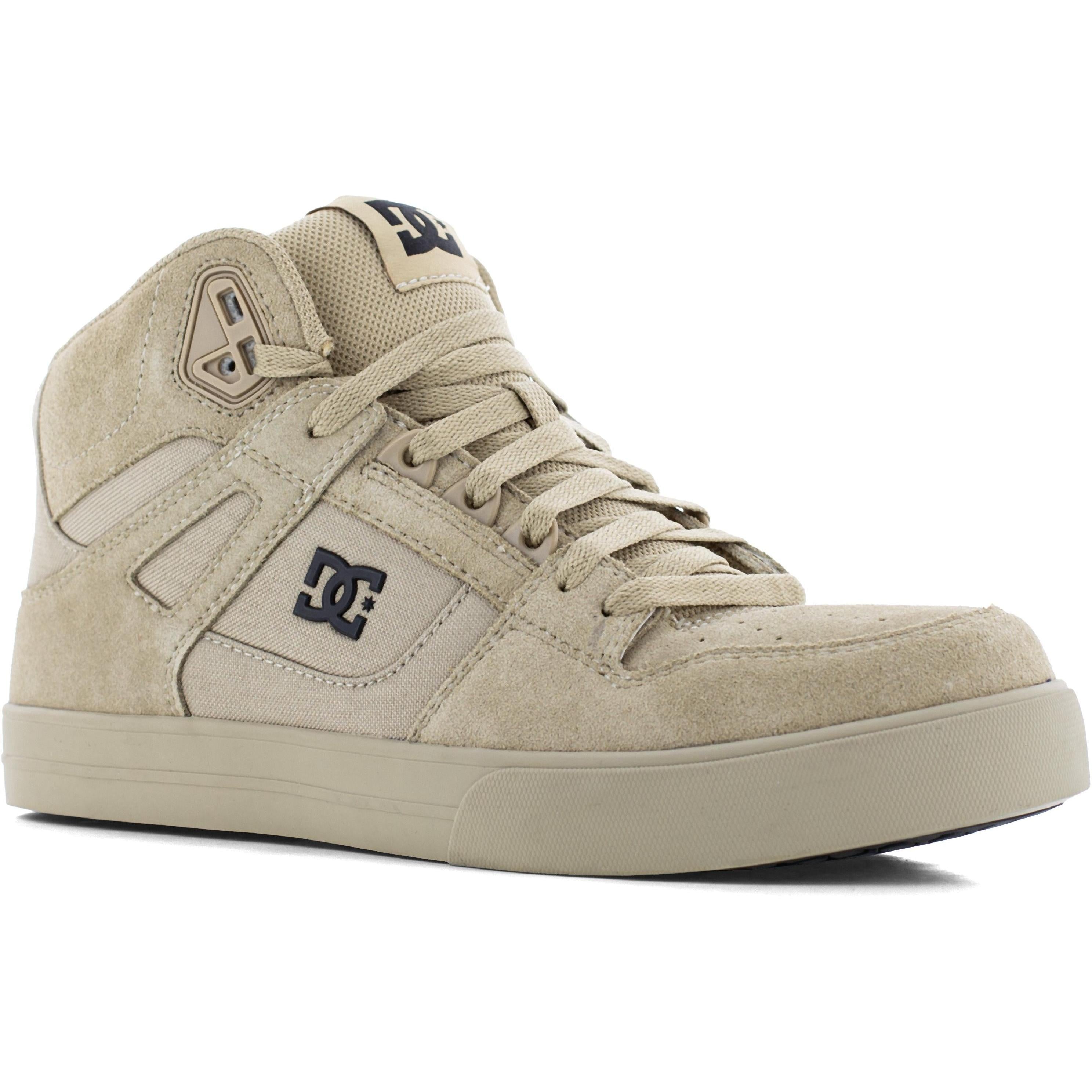
Sale price$114.95
Regular price$138.00
DC Men's Pure Comp Toe Moisture Wicking High Top Work Shoe- Tan- DC60207
Save 17%
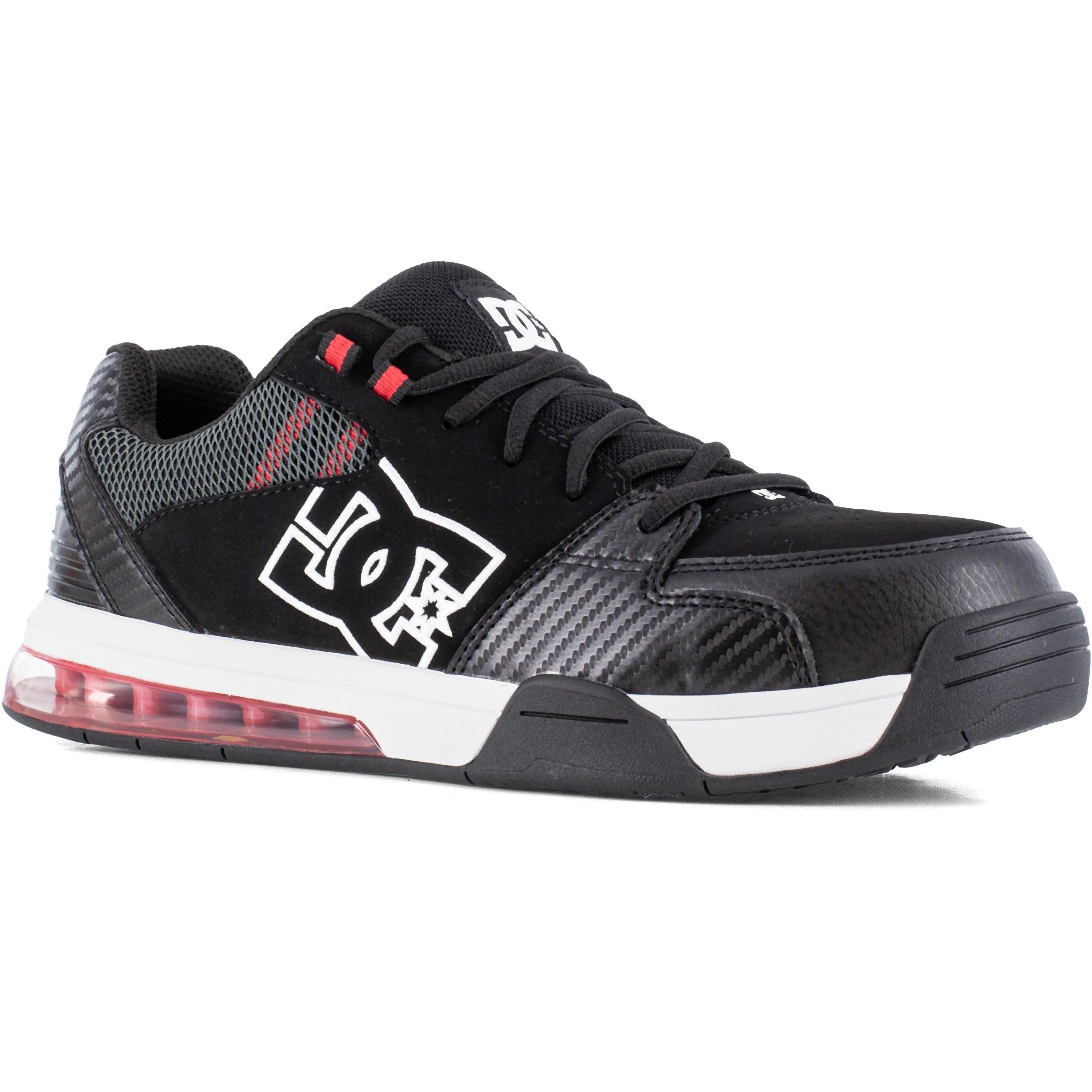
Sale price$114.95
Regular price$139.00
DC Men's Versatile Work CT Moisture Wicking Work Shoe- Black- DC60803
Save 16%
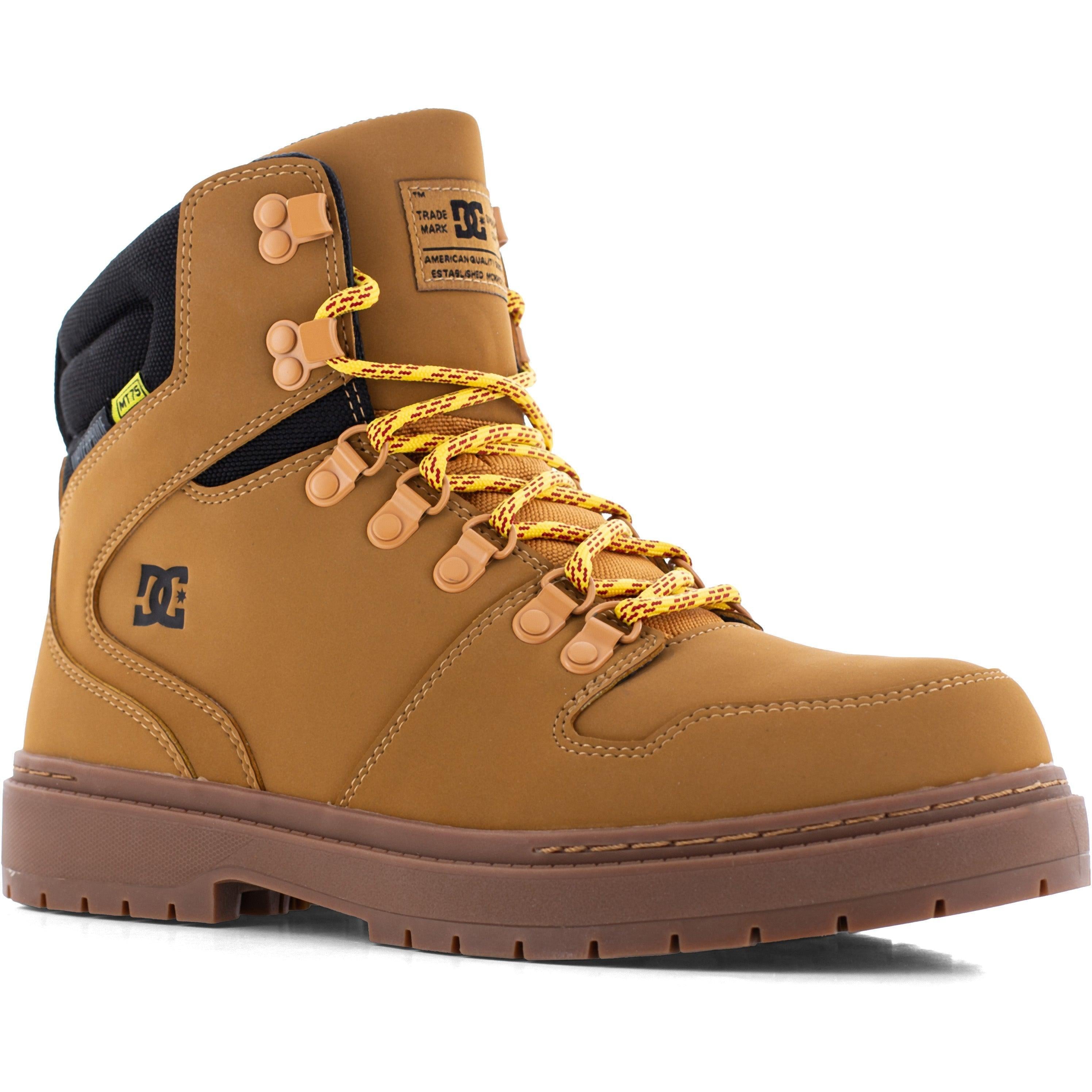
Sale price$134.95
Regular price$161.00
DC Men's Versatile Work Comp Toe Waterproof MetGuard Work Boot- Wheat- DC60901
Frequently Asked Questions
Yes. The composite toe models carry a cap rated to ASTM F2413 for impact and compression, the same standard steel meets, built inside a skate shoe silhouette. The appearance is deliberate: the shoe satisfies a rated-toe requirement without looking like PPE. Toe type is stated in every product title, so you can confirm before ordering.
Close, though the composite toe cap takes up internal volume at the front, so a work model runs slightly snugger there than a skate shoe in the same size. Everything behind the toe box fits like the standard DC last. If you already know your DC size that is a reliable starting point, and if you are between sizes, the larger of the two is usually the better call on a rated model.
The Versatile CT is the metatarsal model in the range, pairing a composite toe with a met guard and moisture-wicking lining. A met guard covers the instep, the stretch of foot a safety toe leaves exposed, and it is specified where heavy objects can drop or roll onto the top of the foot. The guard is rated as part of the finished shoe rather than added on, so you need a met-rated model from the start. See our full metatarsal boots range.
The Pure high-top is offered in a waterproof version, and it says so in the product title. Most of the range is not waterproof, because the breathable canvas and mesh construction that makes a skate shoe comfortable is the opposite of a sealed membrane. If wet conditions are part of your day, filter to the waterproof models specifically. See our full waterproof work boots range.
Several models carry a slip-resistant rating, including the Stag, and it is stated in the product title. Slip resistance is a property of the outsole compound and tread pattern rather than of the shoe overall, which is why it is listed per model rather than brand-wide. If your employer requires a slip rating for a plant, kitchen, or retail floor, confirm it on the page for the exact model. Browse the wider slip resistant range.
A high-top gives some ankle coverage and keeps more debris out, but it is not the same as the structured ankle support of a work boot, because a skate high-top is built to be flexible. Choose the high-top if you want a bit more coverage and the look, and the low-top if you value airflow and freedom of movement. Neither is a substitute for a boot on genuinely uneven ground.
Warehouse, distribution, delivery, retail stockroom, automotive shop, and technician work: flat indoor surfaces where you need a rated toe and grip, but not ankle support or heavy abrasion resistance. For outdoor trades, broken ground, or anywhere the upper takes real punishment, a leather work boot is the right answer instead.
Expect roughly six months to a year and a half of daily wear, in line with any athletic-construction work shoe. The midsole usually goes before the upper: the foam compresses, the cushioning flattens, and the shoe stops doing the job even while it still looks fine. If it feels dead underfoot, that is the replacement signal rather than waiting for visible outsole wear.