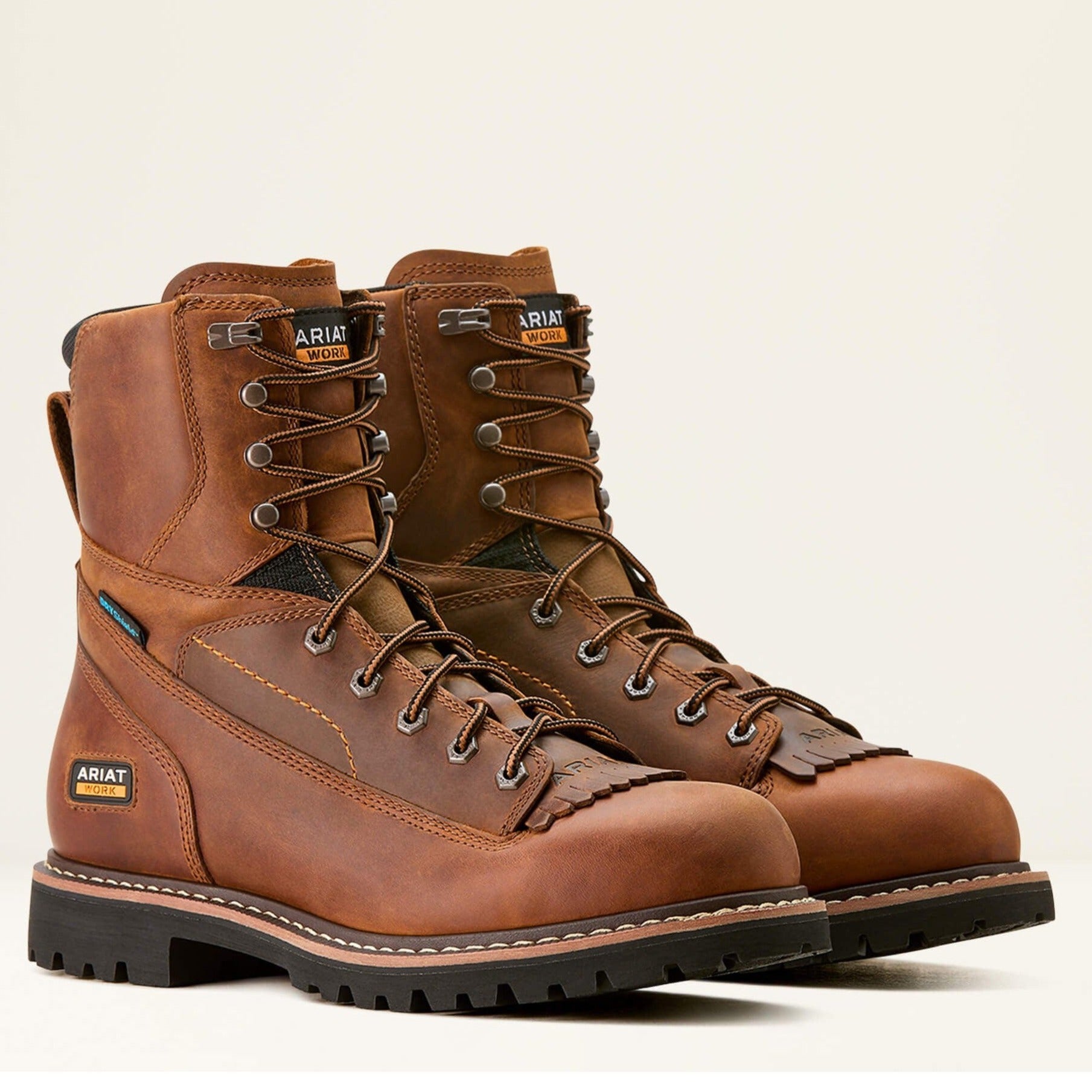
Sale price$219.99
Regular price$226.00
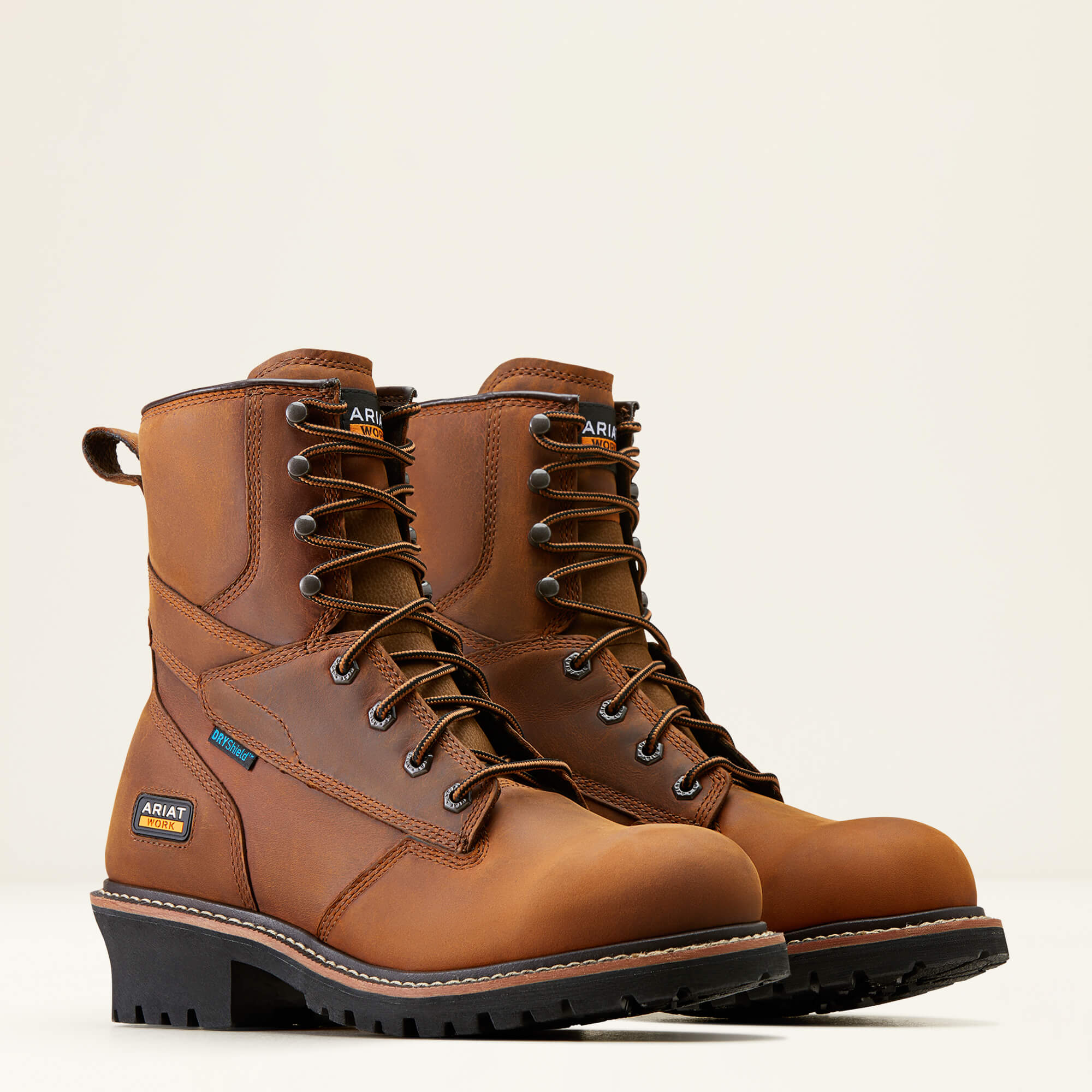
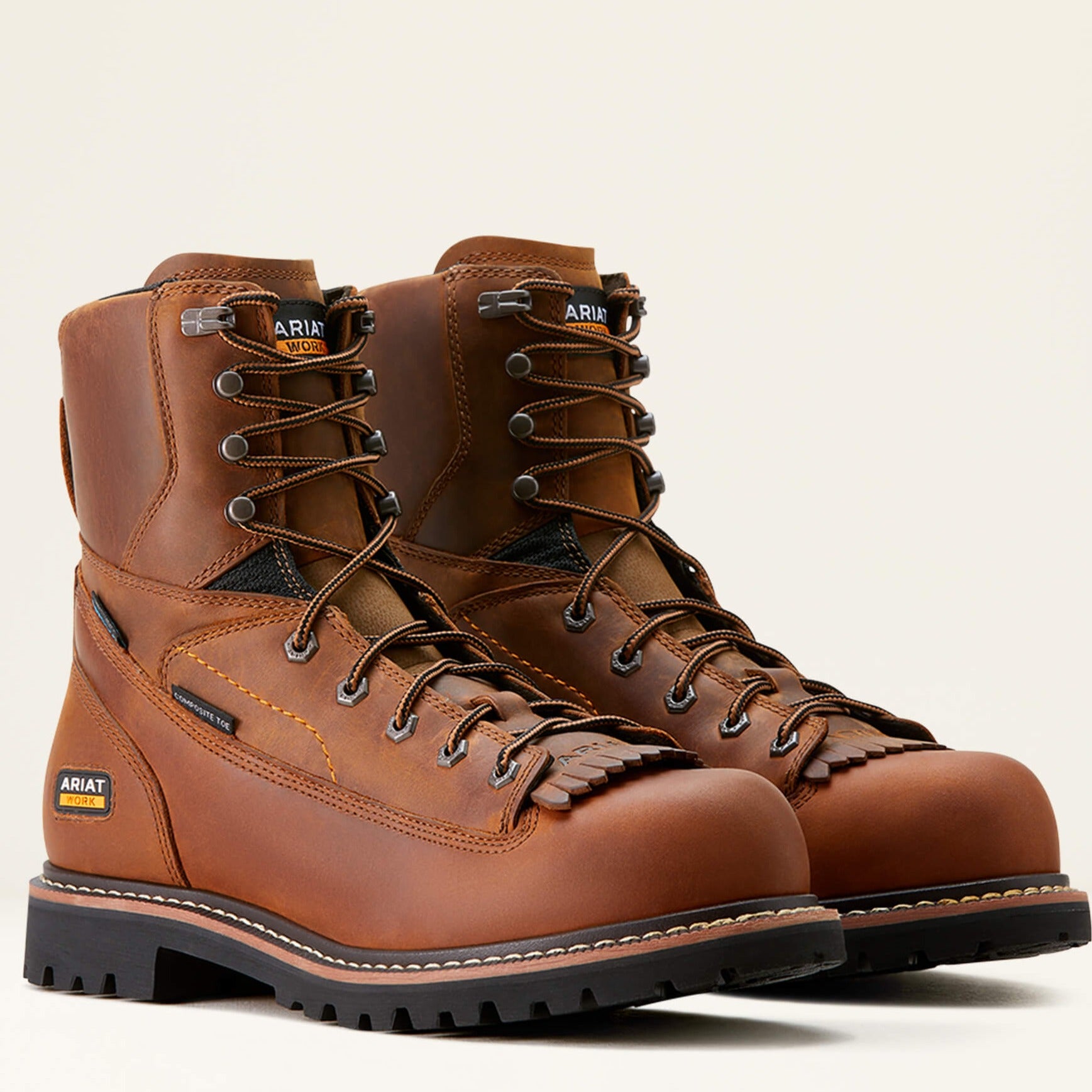
Carhartt Men's 8" Composite Toe Waterproof Ins Climbing Work Boot - Brown - CML8369
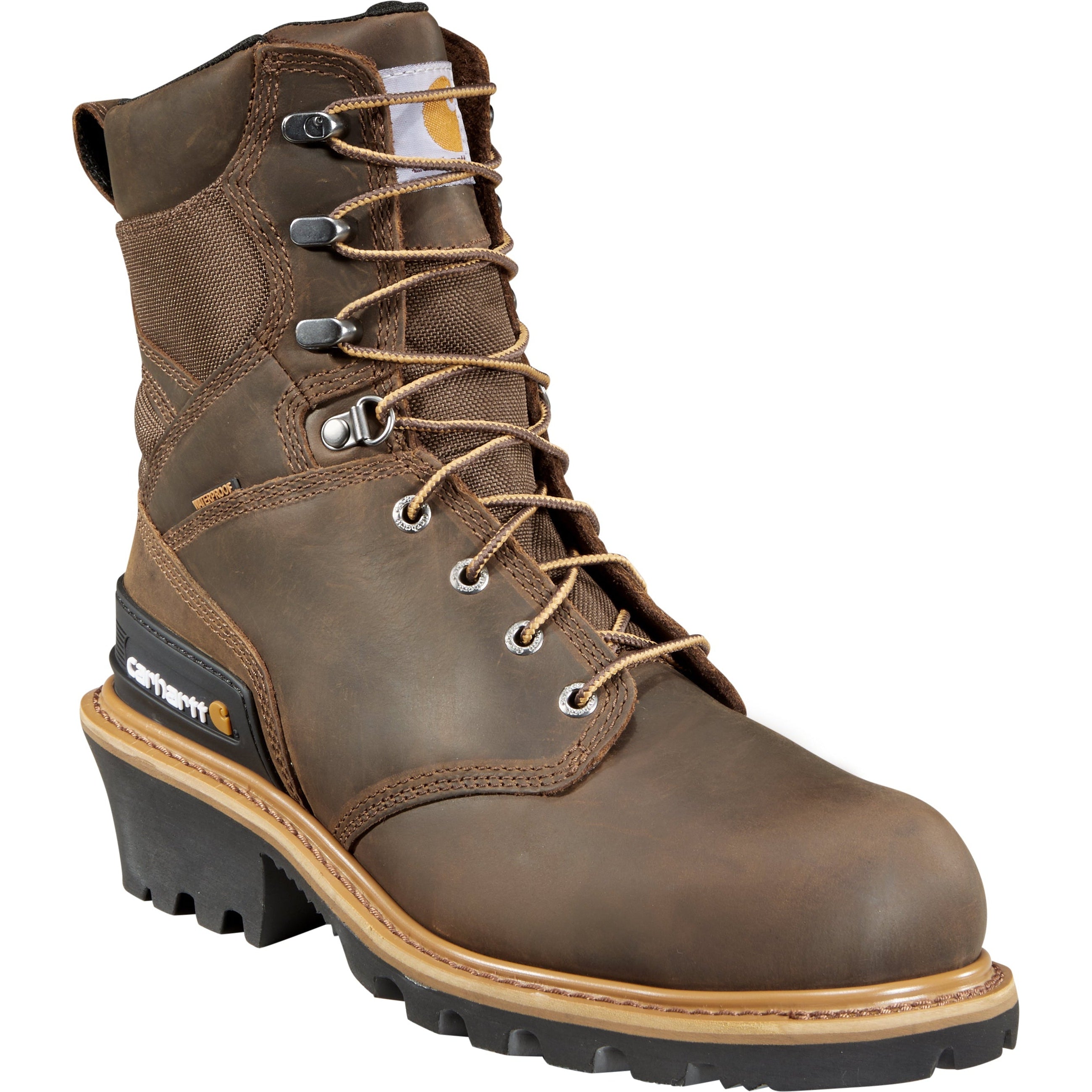
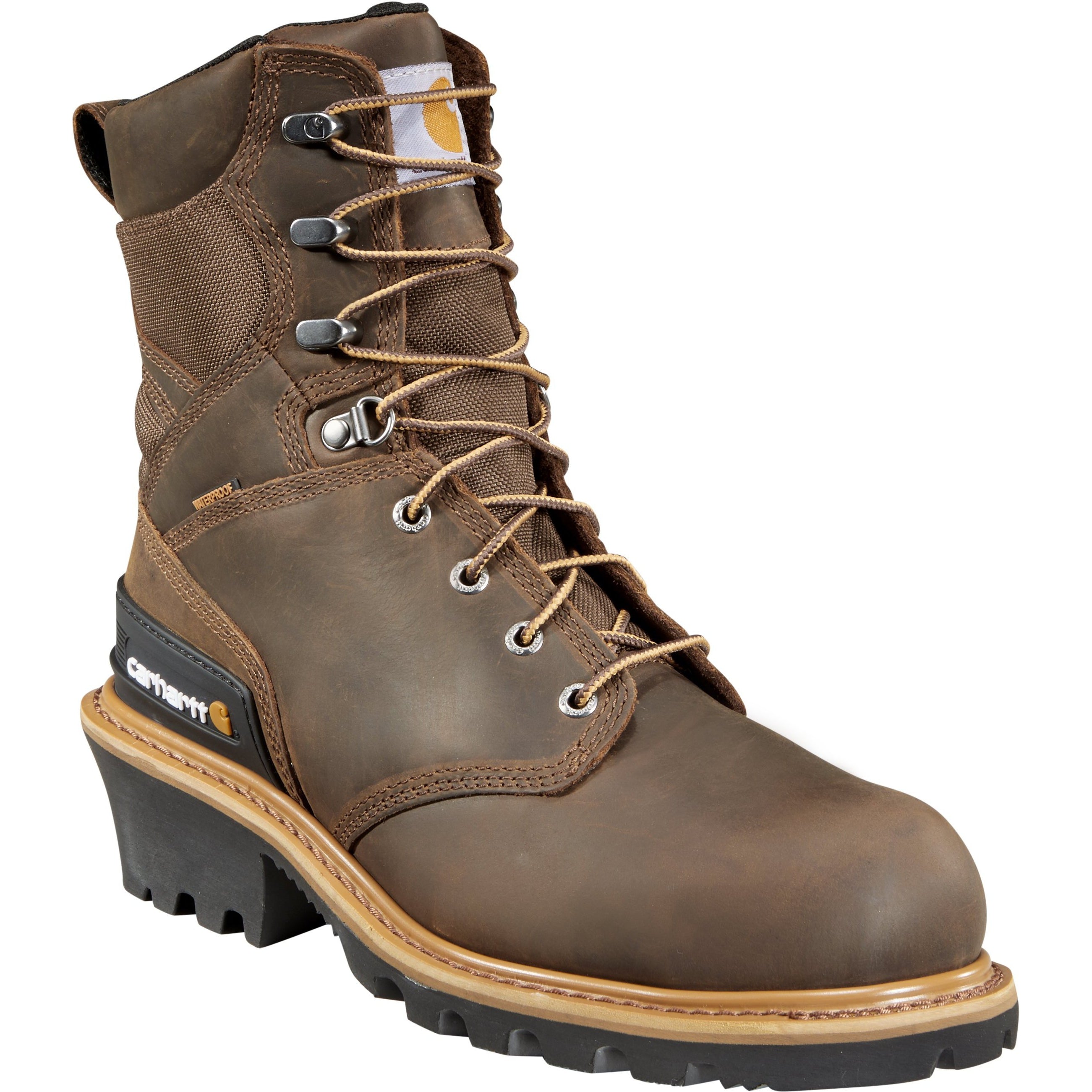
Sale price$214.99
Regular price$221.50
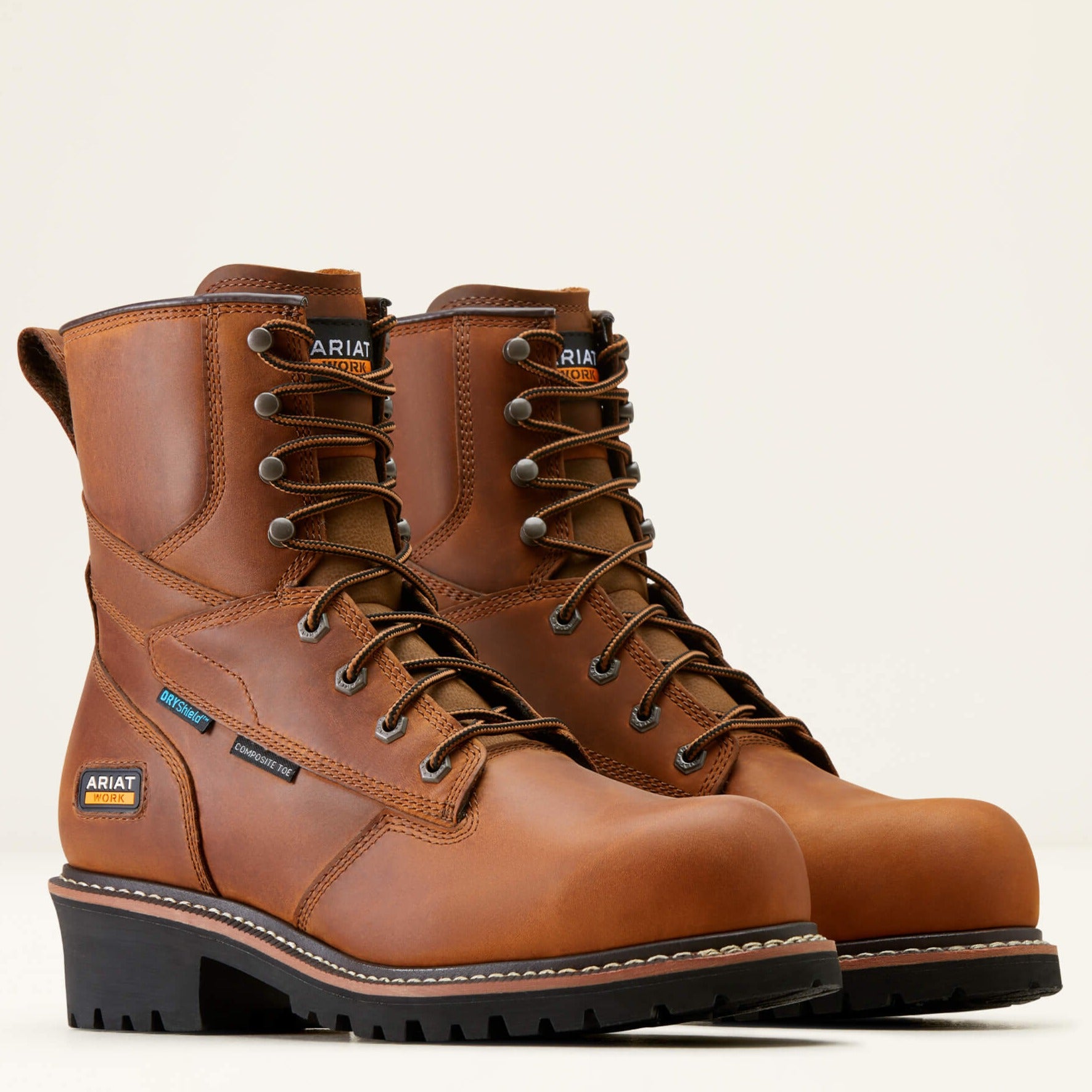
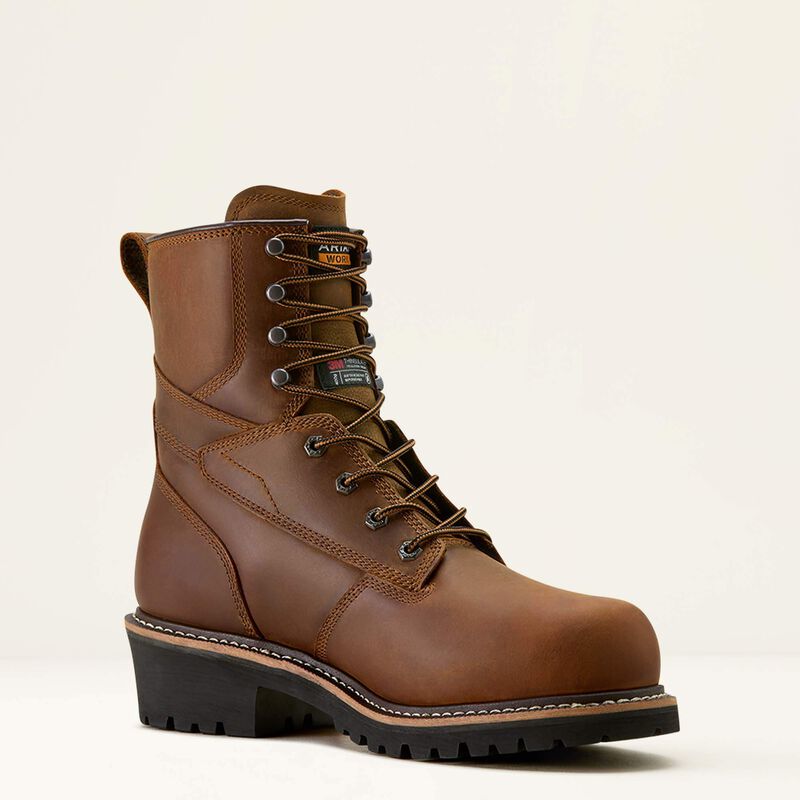
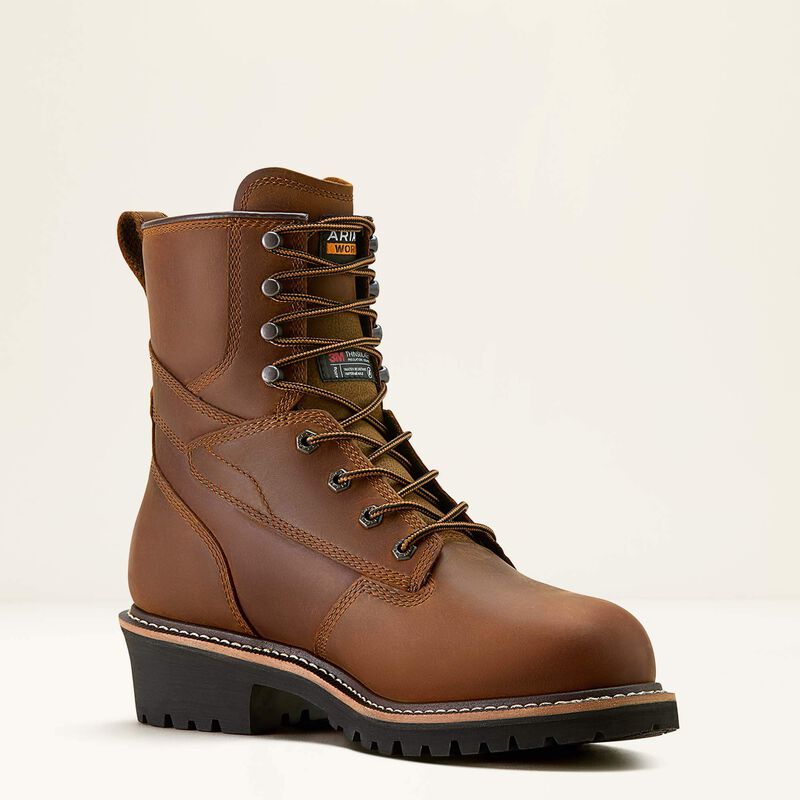
Carhartt Men's 8" Composite Toe Waterproof Logger Work Boots - Brown - CML8360
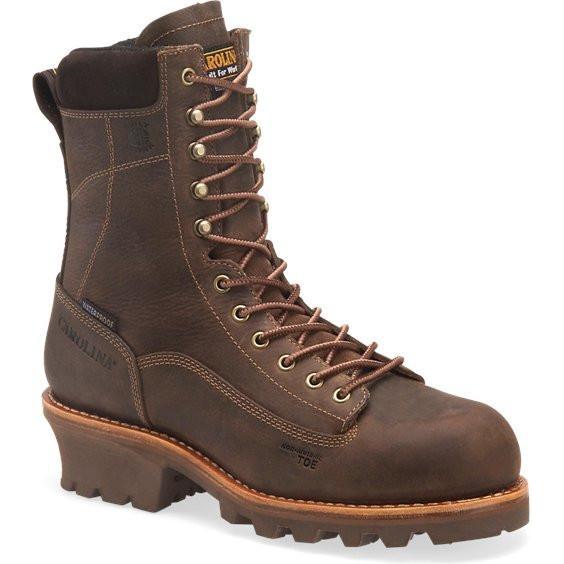
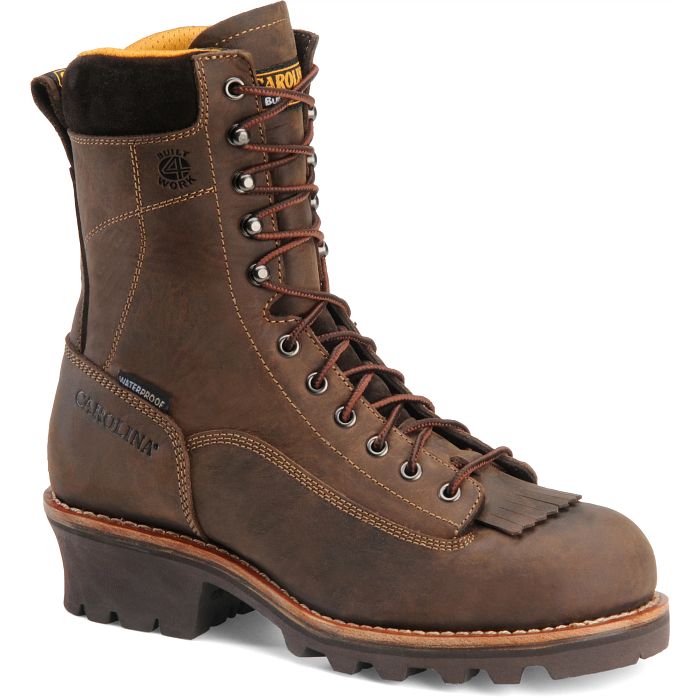
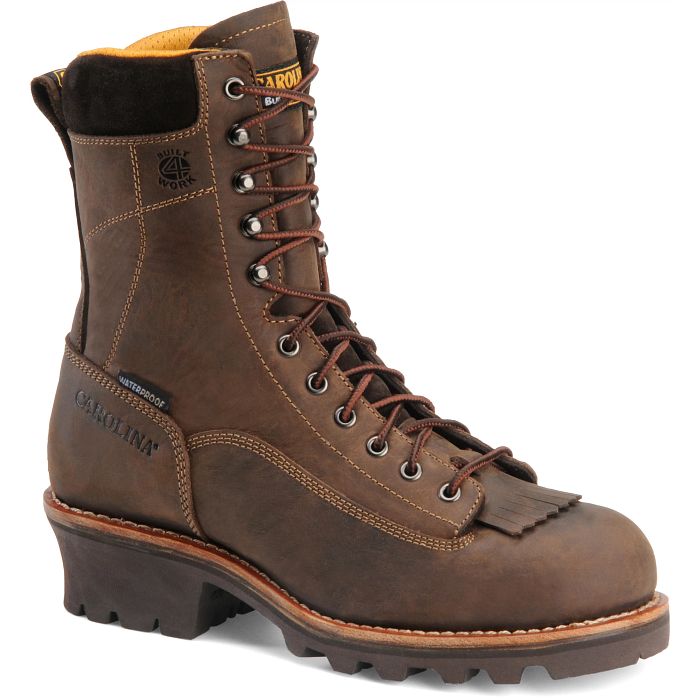
Sale price$249.99
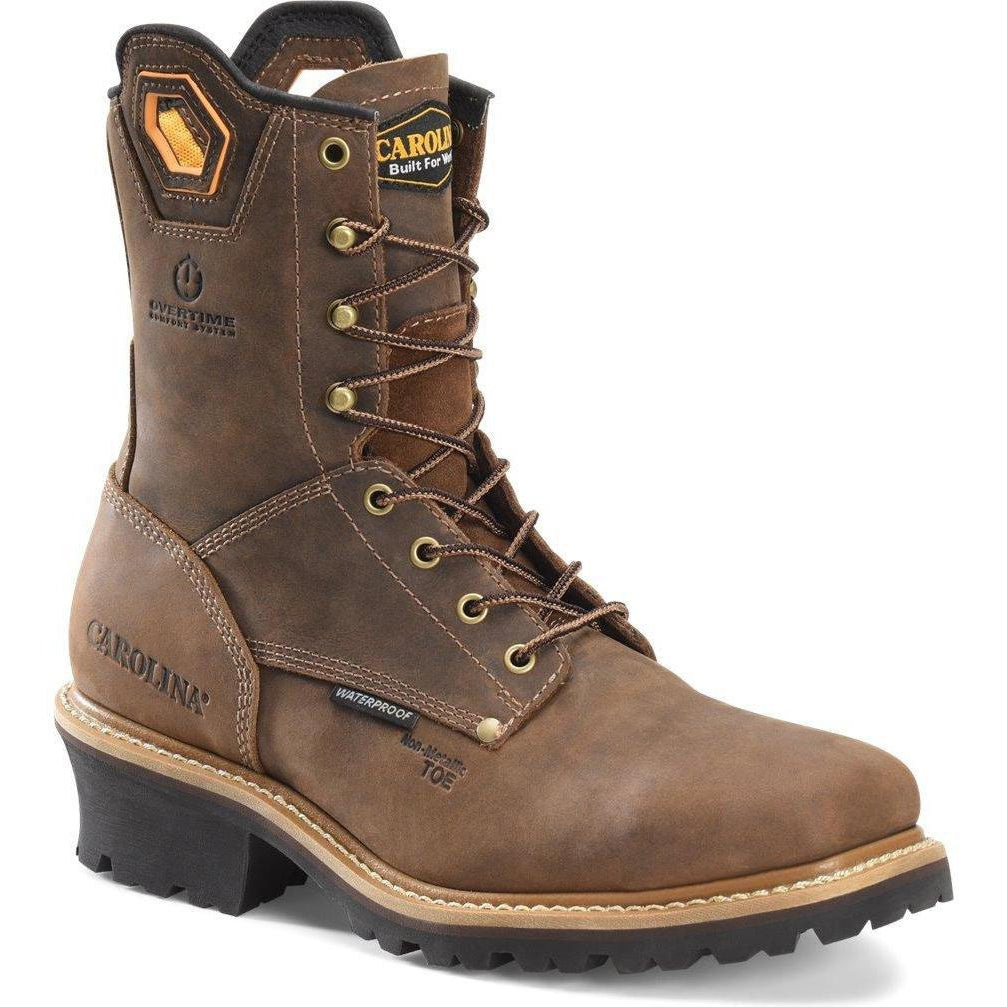
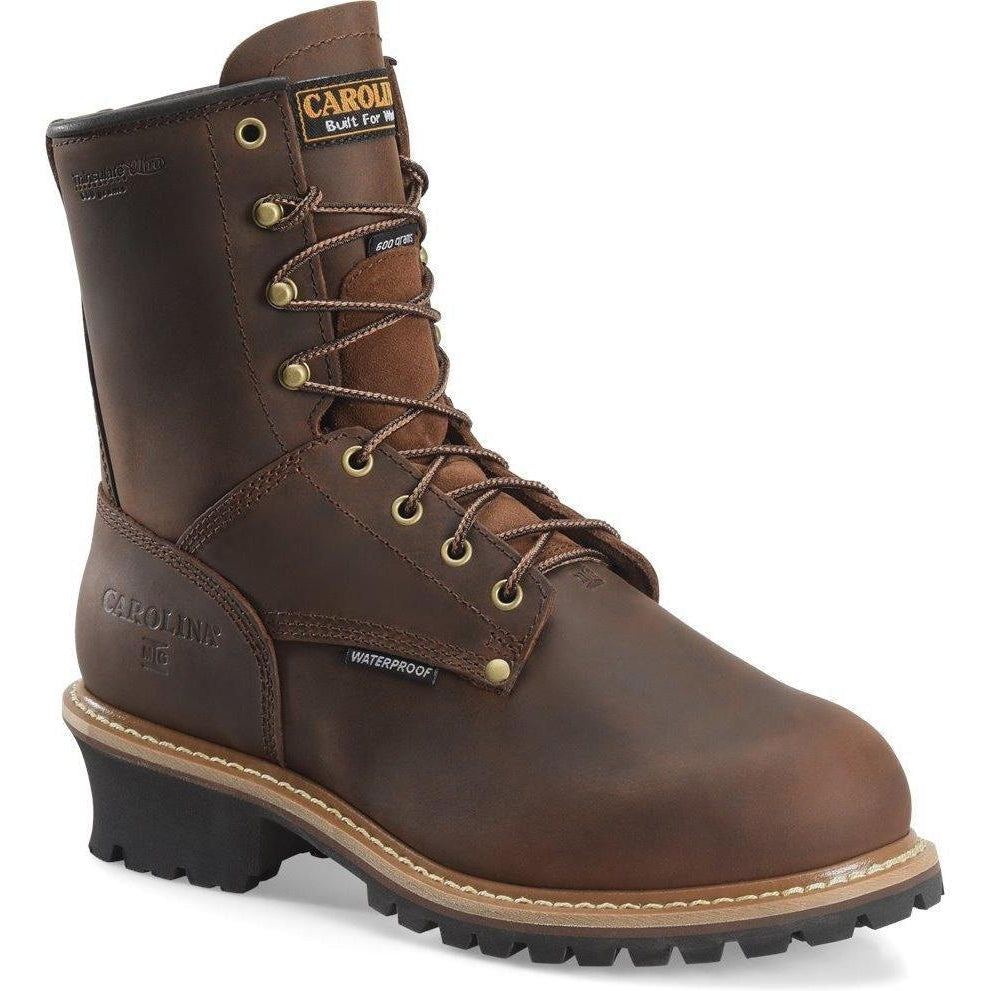
Carolina Men's Birch 8" Waterproof Logger Work Boot - Brown - CA7022
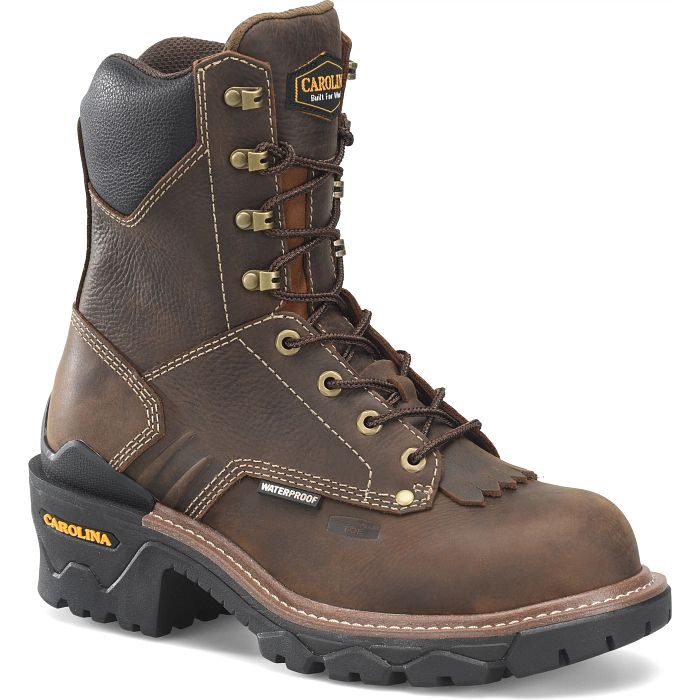
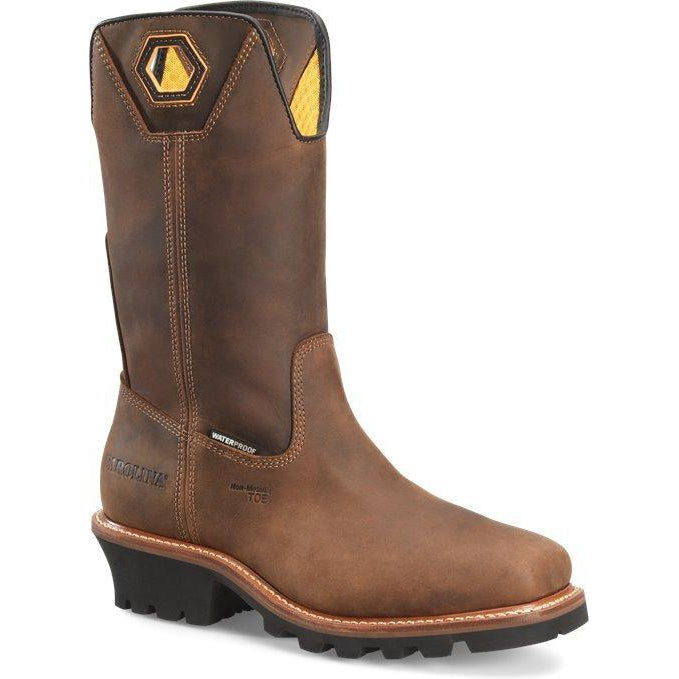
Sale price$219.99
Regular price$224.00
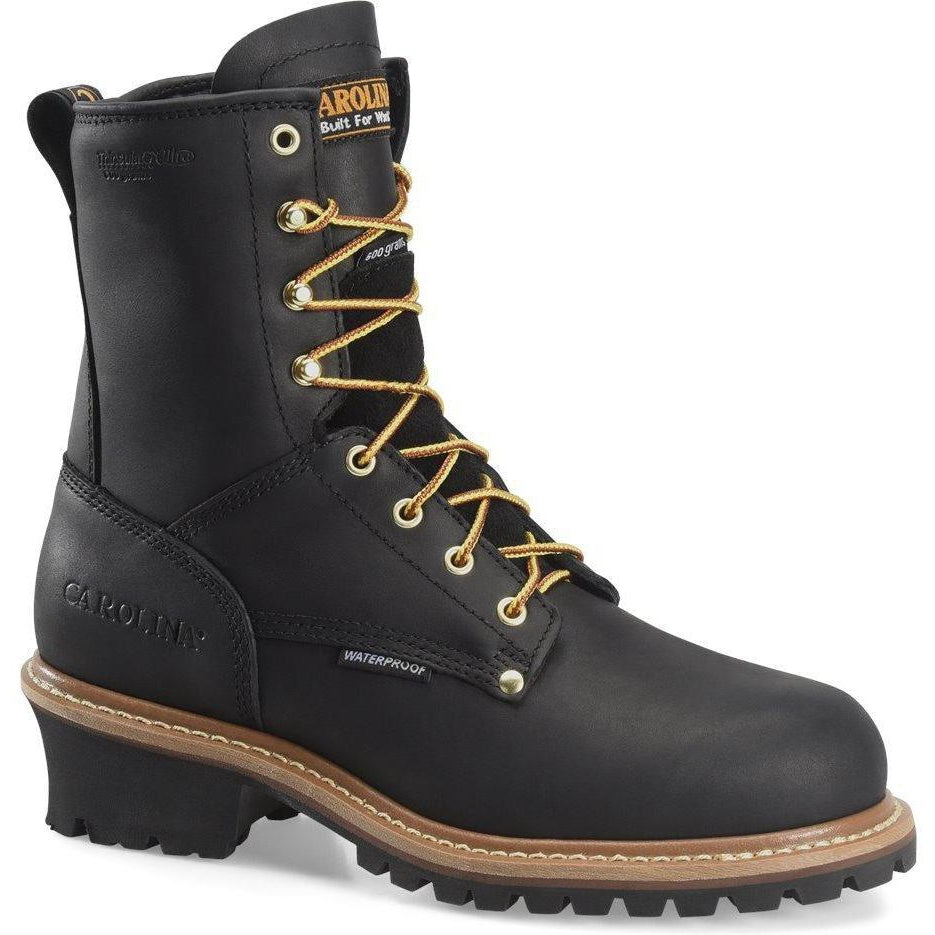
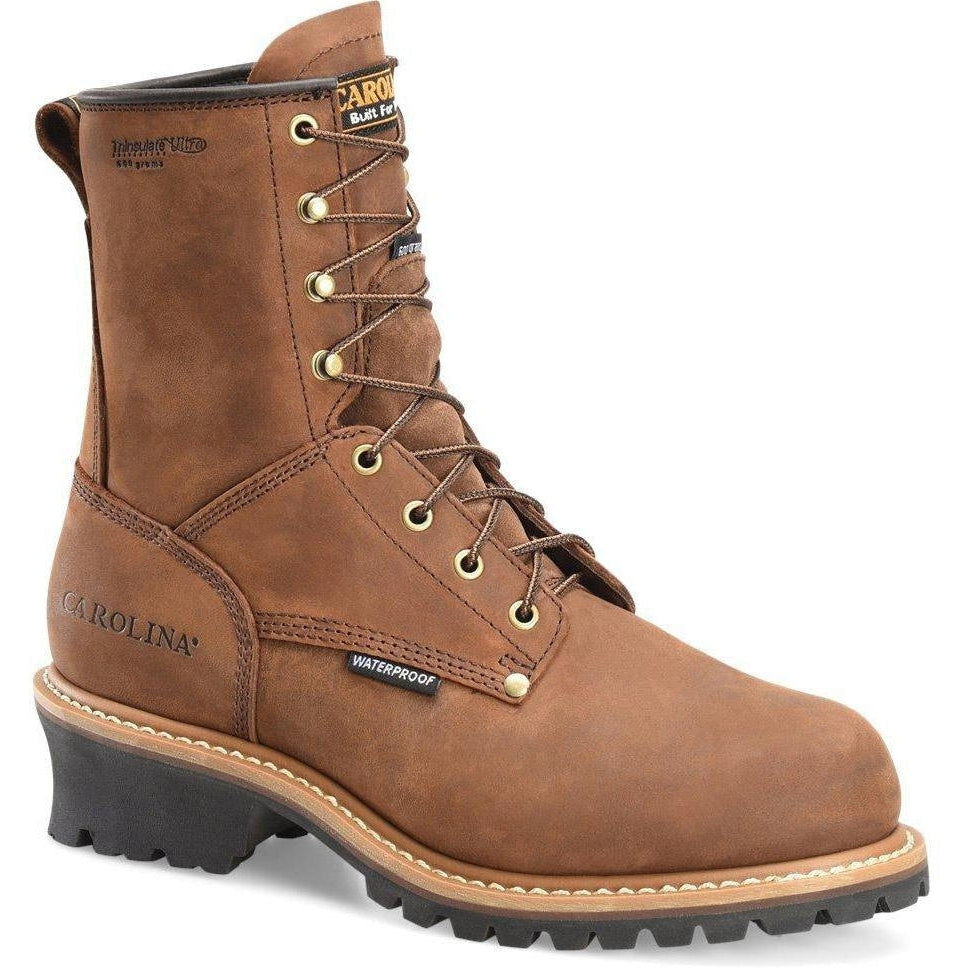
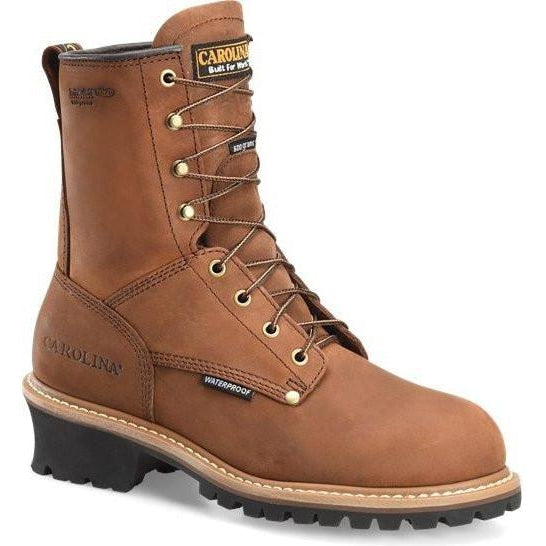
Carolina Men's Elm 8" Waterproof Insulated Metguard Logger Work Boot - CA7821
Sale price$184.99
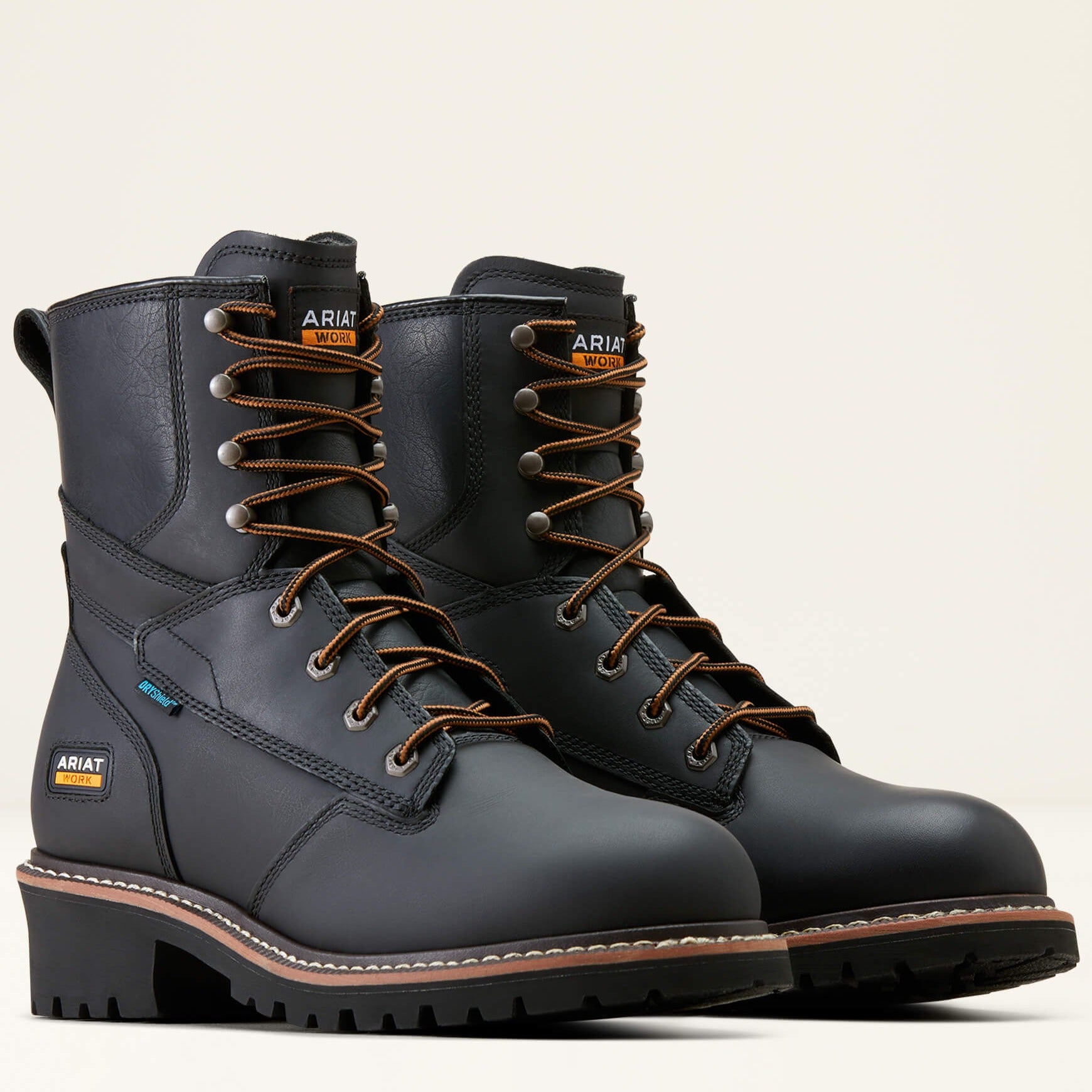
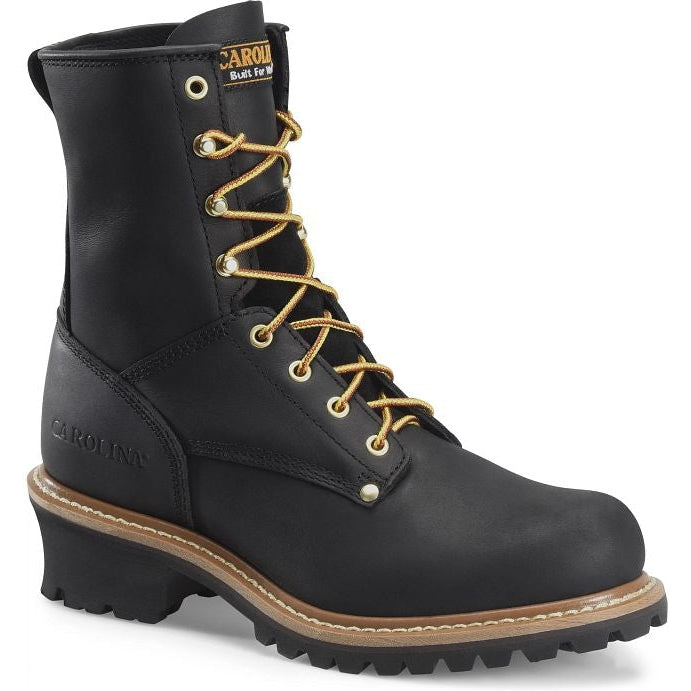
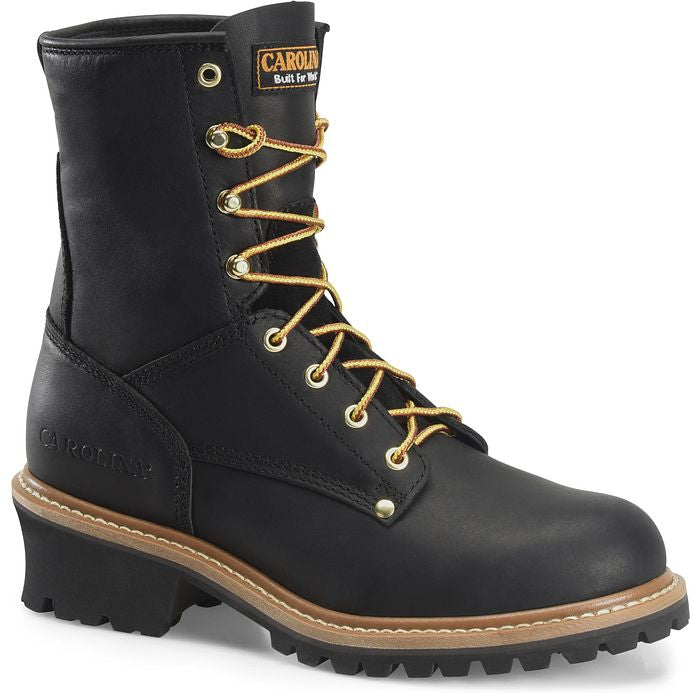
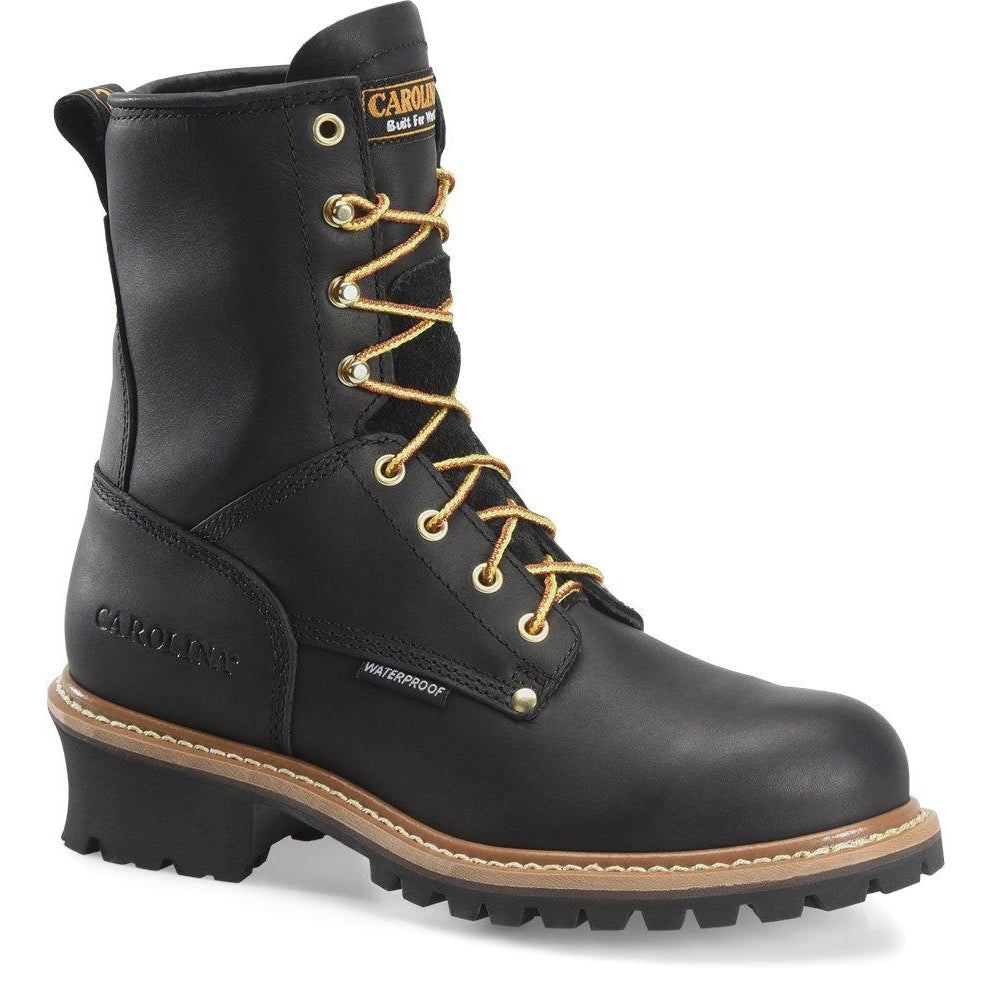
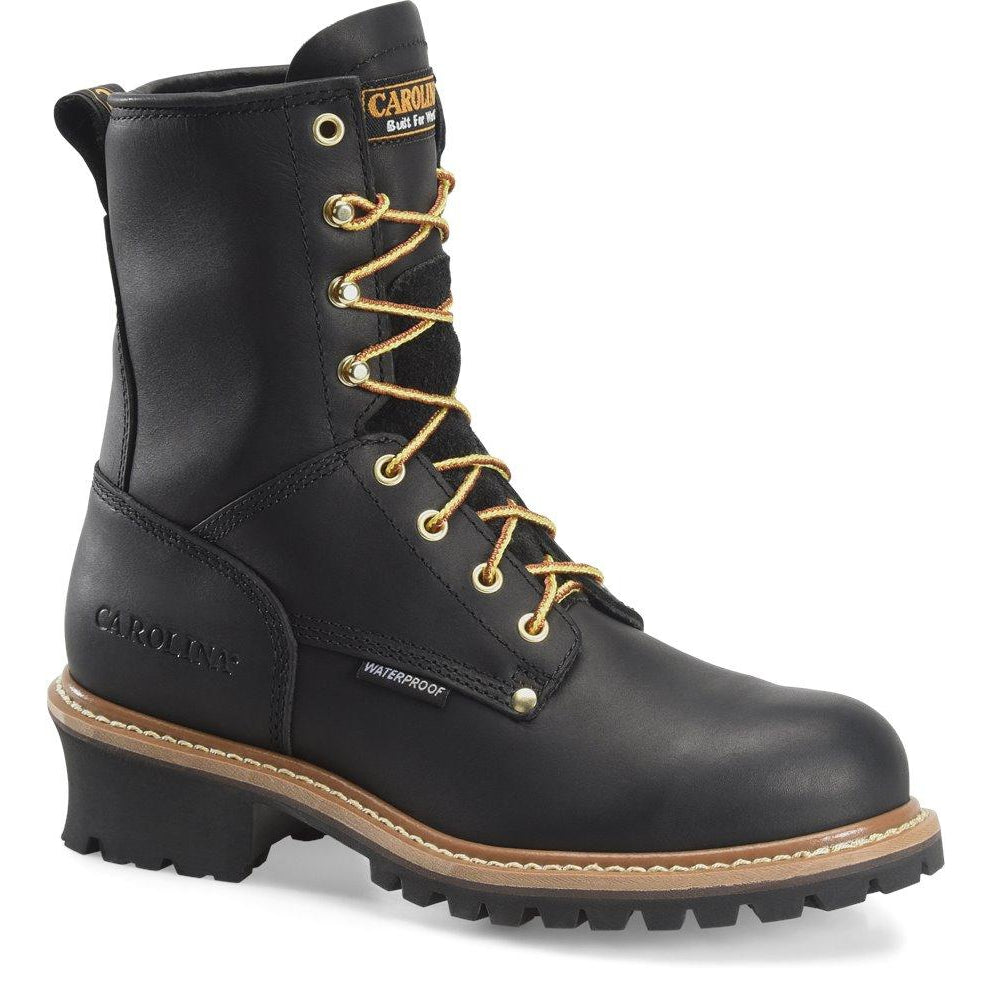
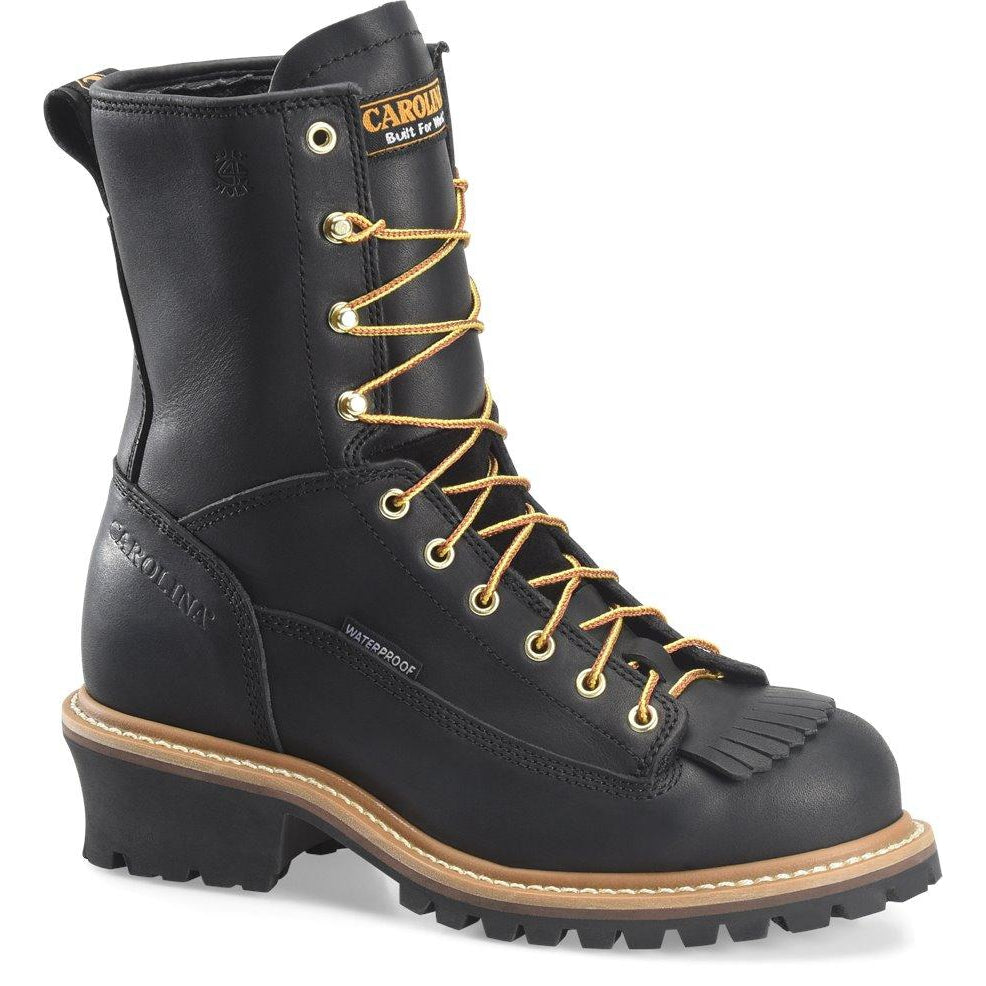
Carolina Men's Elm 8" Waterproof Logger Work Boot - Black - CA8823
Sale price$194.99
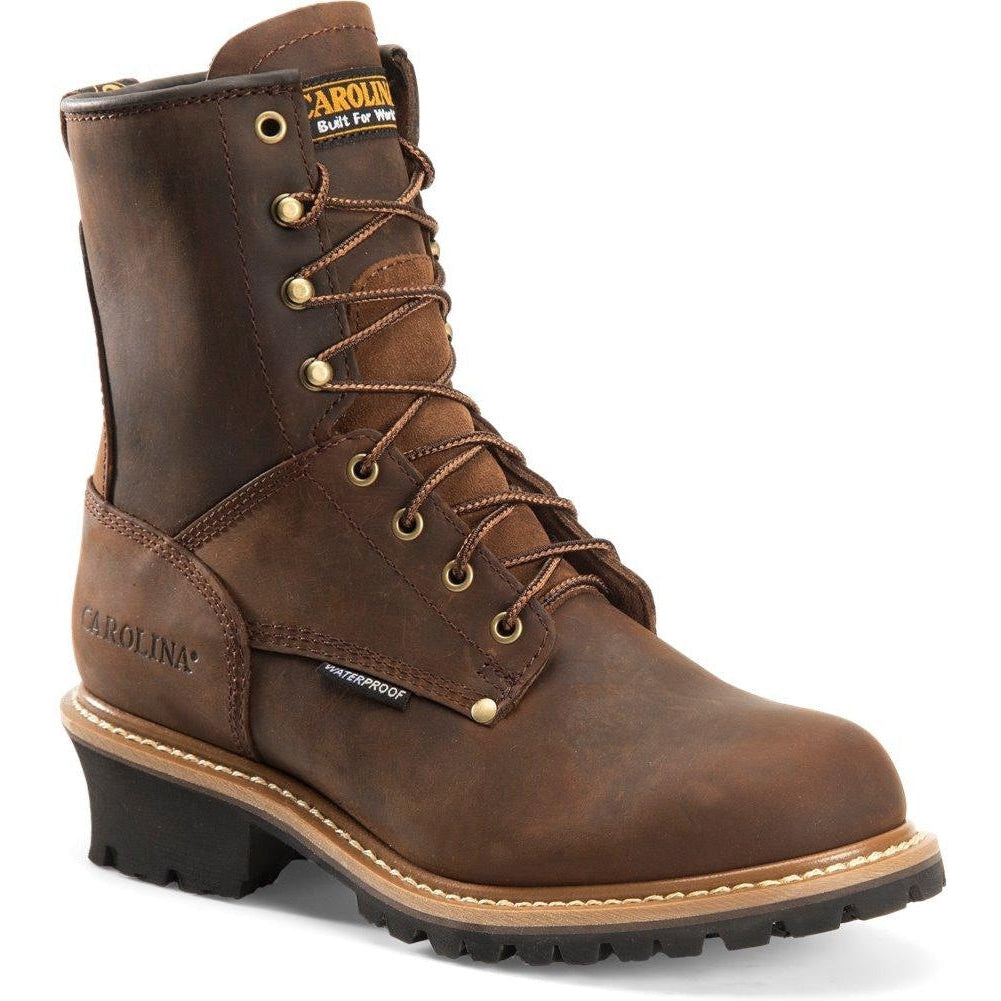
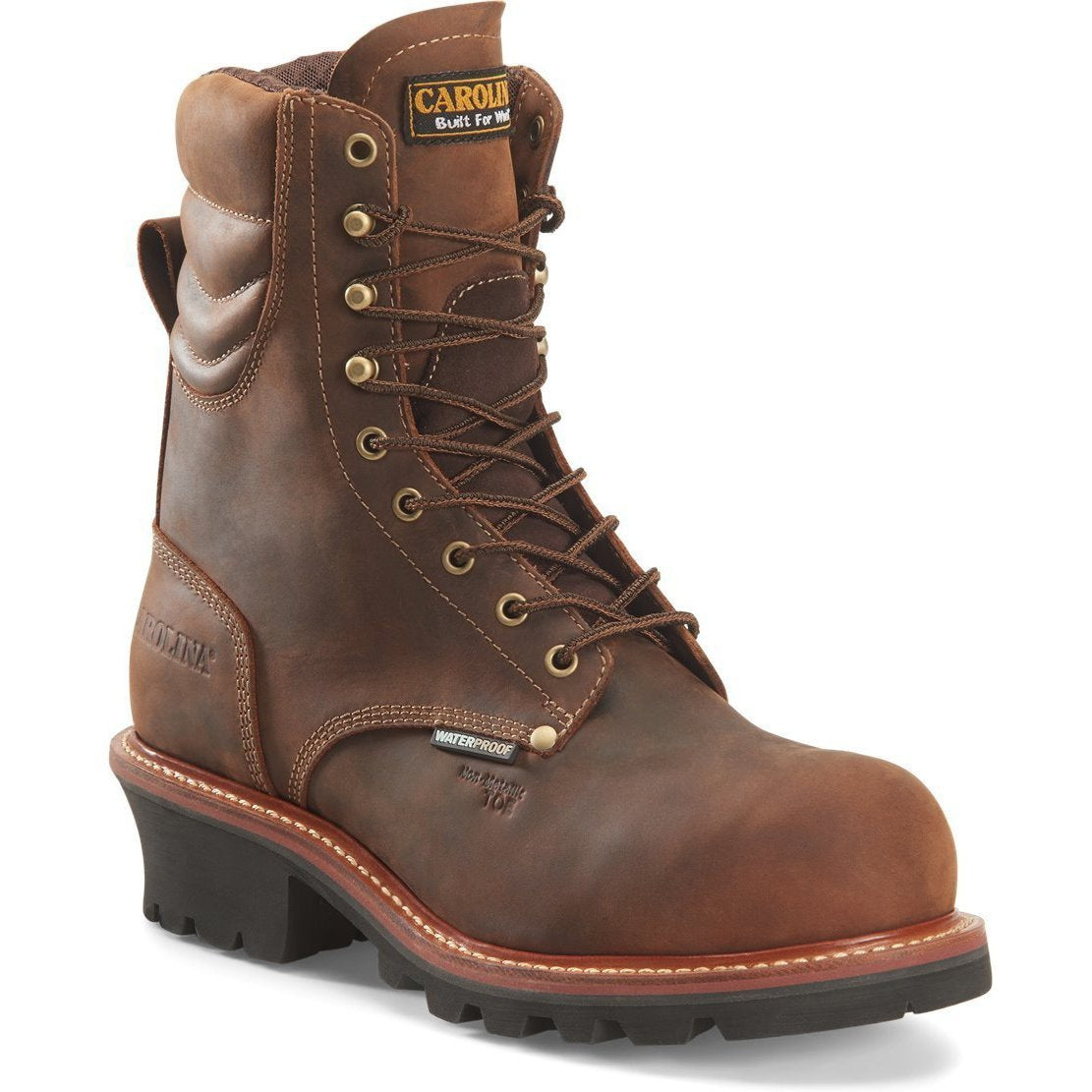
Carolina Men's Elm 8" Waterproof Logger Work Boot - Brown - CA8821
Save 33%
Sale price$156.67
Regular price$234.00
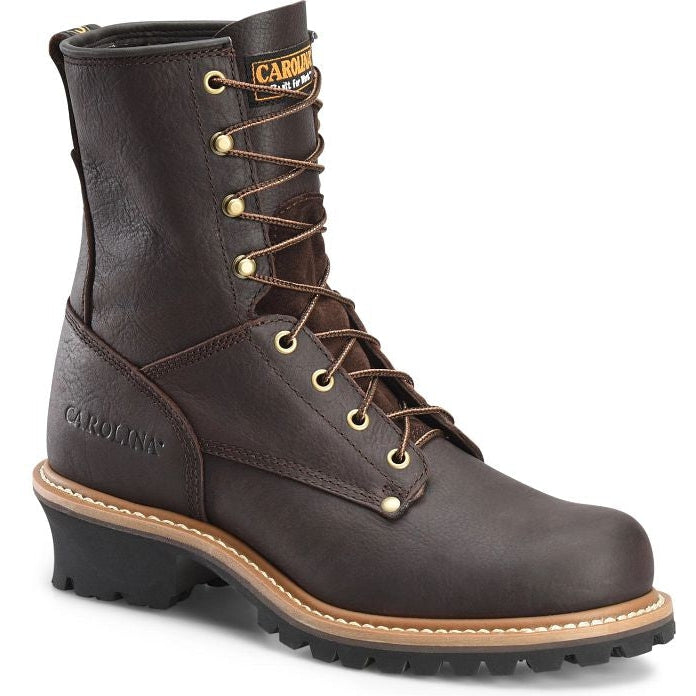
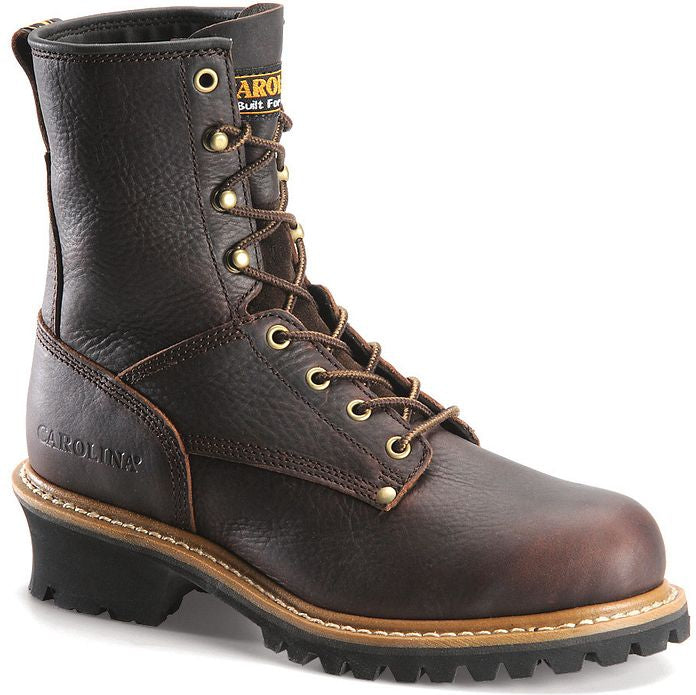
Carolina Men's Hemlock Composite Toe Logger Work Boot - Brown - CA9854
Sale price$279.99
Regular price$284.00
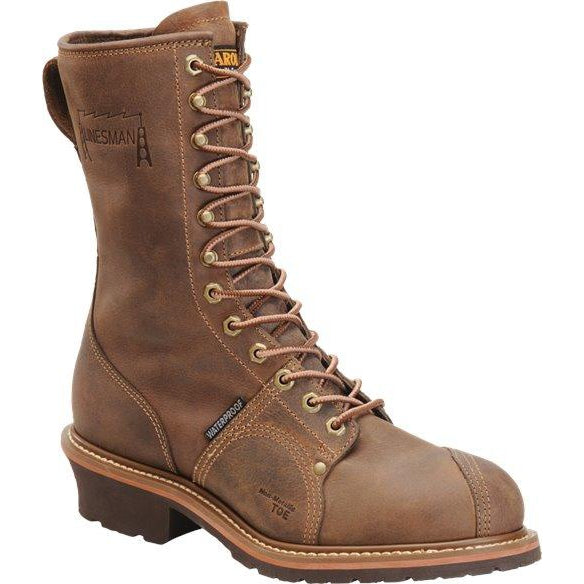
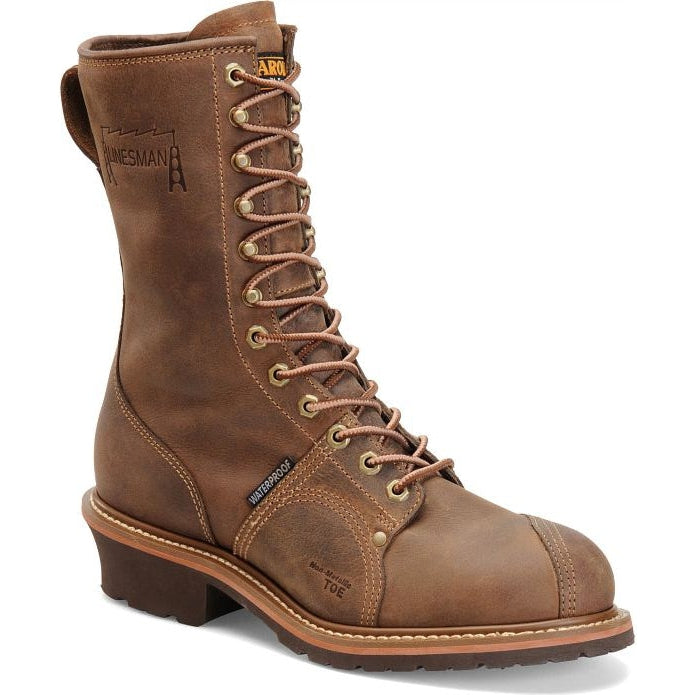
Carolina Men's Linesman 10" Soft Toe Waterproof Slip Resistant Work Boot -Brown- CA904
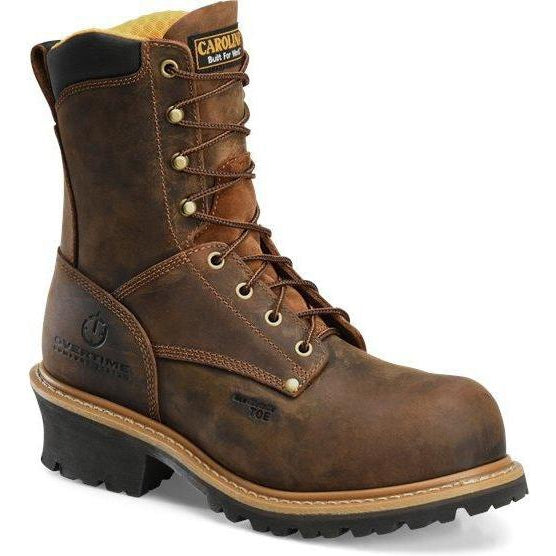
Sale price$179.99
Regular price$184.00
Carolina Men's Poplar 8" Composite Toe Unlined Logger Work Boot - Brown - CA9853
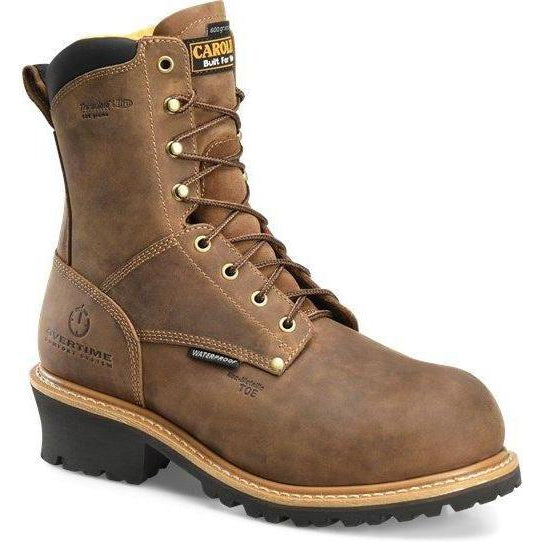
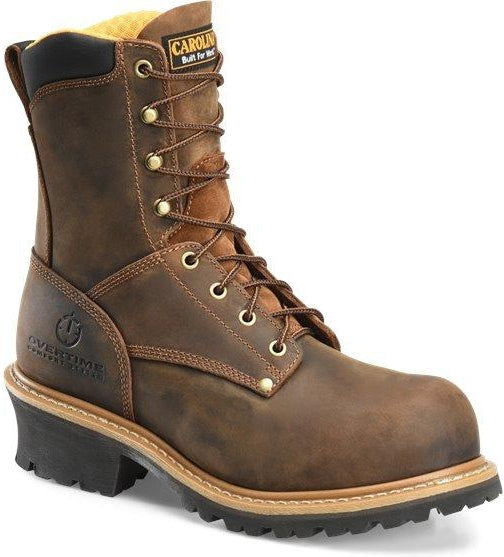
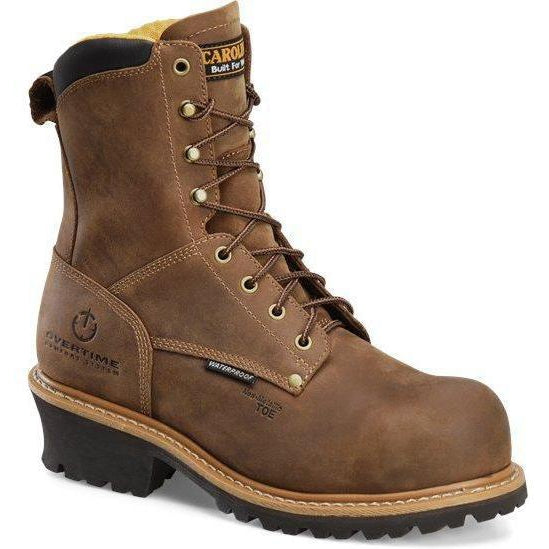
Sale price$219.99
Regular price$224.00
Carolina Men's Poplar 8" Waterproof Composite Toe Logger Work Boot Brown - CA9852
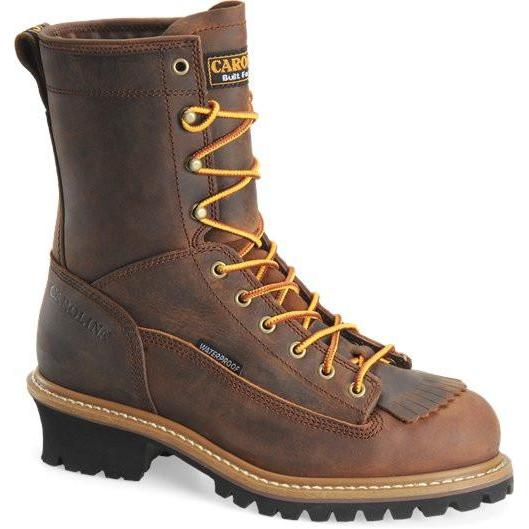
Sale price$219.99
Regular price$224.00
Carolina Men's Spruce 8" Steel Toe Waterproof Logger Work Boot - Brown - CA9824
Frequently Asked Questions
A stiff shank above all else. When you stand on a climbing gaff, your entire weight bears on a narrow point under the arch, and a flexible sole lets the foot fold around it, which is exhausting and eventually injurious. A rigid shank spreads that load across the whole arch. Add a defined heel to seat the climber strap and a tall shaft to support the ankle against the pole, and you have the boot.
You can climb in them, but a flexible-soled boot lets your arch collapse over the gaff, which causes real foot pain over a day and does not hold the climber strap securely. Wedge-soled boots are particularly poor for it, since there is no heel for the strap to seat against. If you climb regularly, a purpose-built climbing boot is not a luxury.
Most run 8 to 16 inches, and taller is genuinely more supportive here rather than just more coverage. The shaft braces your lower leg against the pole and against the climber, which reduces fatigue and helps control. Sixteen-inch logger-style boots are common among climbers who spend the day on poles; 8-inch models suit crews doing more ground and bucket work.
Almost all utility work specifies one, and EH is standard across this range. Worth being precise about what it does: an EH sole resists incidental contact with a live circuit and is tested dry. It degrades when wet and when the tread wears down, and it is a secondary defense rather than a substitute for de-energizing and insulating equipment. See our electrical hazard boots range.
Steel is the traditional choice and it delivers the rigidity climbing requires, which is why it remains common in this category. Non-metallic shanks exist and some are stiff enough, but this is one of the few applications where the extra rigidity of steel is doing real work. If you also need to clear metal detectors, that is a genuine conflict worth resolving before you buy.
Not especially, and that is the trade. The stiff shank and heavy build that make a boot good on a pole make it tiring on flat ground, and the raised heel concentrates weight the same way a logger does. Crews who split their time between climbing and ground work often keep a second lighter pair. If your work is mostly ground-based, look at general work boots instead.
They are close relatives and share the raised heel, tall shaft, and stiff shank. Loggers are built around traction on steep, loose, muddy ground and use aggressive lugged outsoles. Lineman boots prioritize the shank and the heel shelf for climbers, and often carry an EH rating that loggers may not. Many boots serve both. See our logger boots range.
Two to four weeks, which is long, and the stiffness people want to break in is partly the shank doing its job. Heavy leather and a rigid platform simply take time. Wear them in shorter stretches at first, and expect the shaft rather than the sole to be the last part to soften. A boot that breaks in fast is usually not stiff enough for climbing.
The welted ones can, and it is worth paying for in this category because climbers destroy outsoles faster than almost any other trade. A Goodyear welt lets a cobbler replace the sole without disturbing the upper, and a good upper will outlast several soles. Check the construction on the product page. See our American made boots collection for the welted lines.
Carolina and Georgia have the deepest ranges of climbing-suitable boots, with Chippewa, Danner, and Thorogood contributing models. Look for the combination of a rigid shank, a defined heel, and a tall shaft rather than shopping by the label, since not every boot marketed to utility crews is genuinely built for gaffs. See our forestry boots range for the closely related builds.
Recently viewed
Our Top Brands