Save 27%
Sale price$174.95
Regular price$240.00
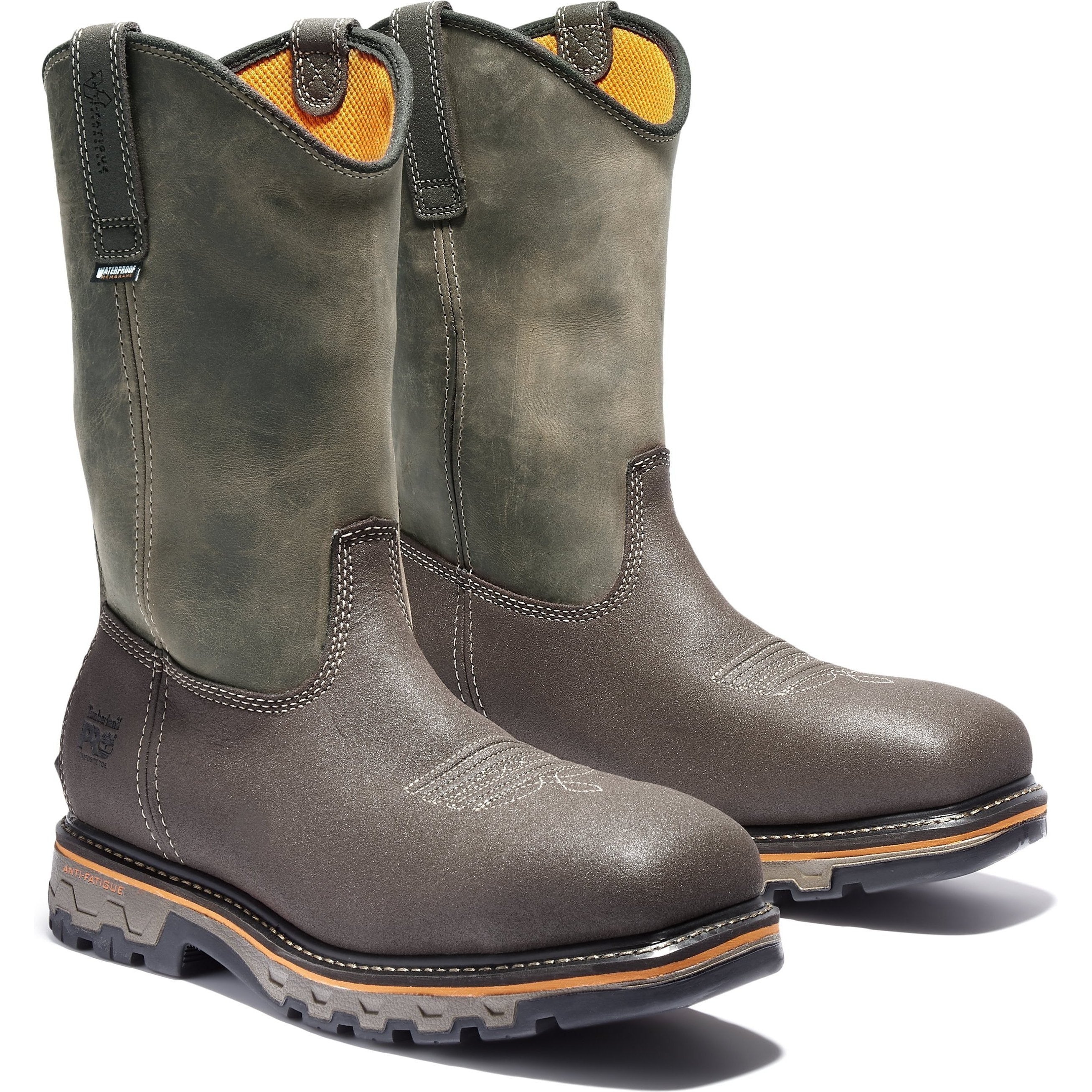
Timberland Pro Men's True Grit Composite Toe Waterproof Pull-On Work Boot- TB1A2297214
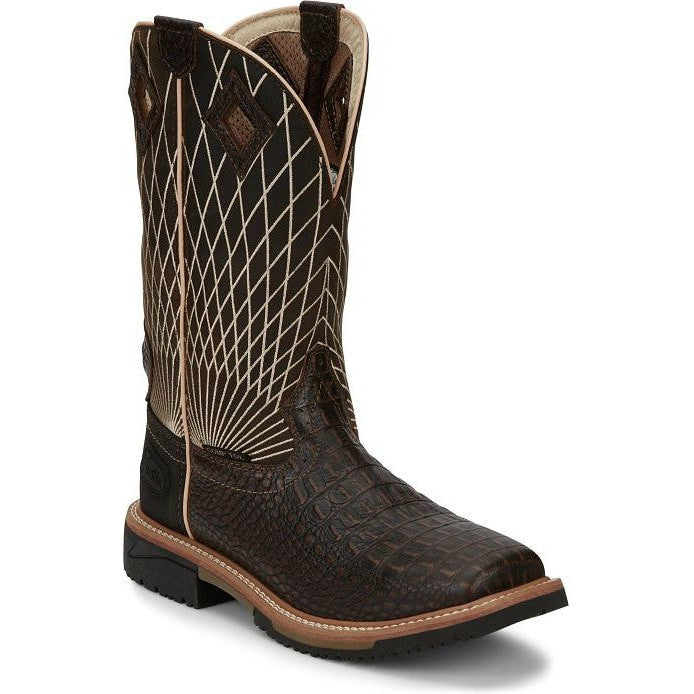
Sale price$239.95
Regular price$250.00
Justin Men's Derrickman 12" Composite Toe Slip Resistant Work Boot - Brown Croc Print - SE4833
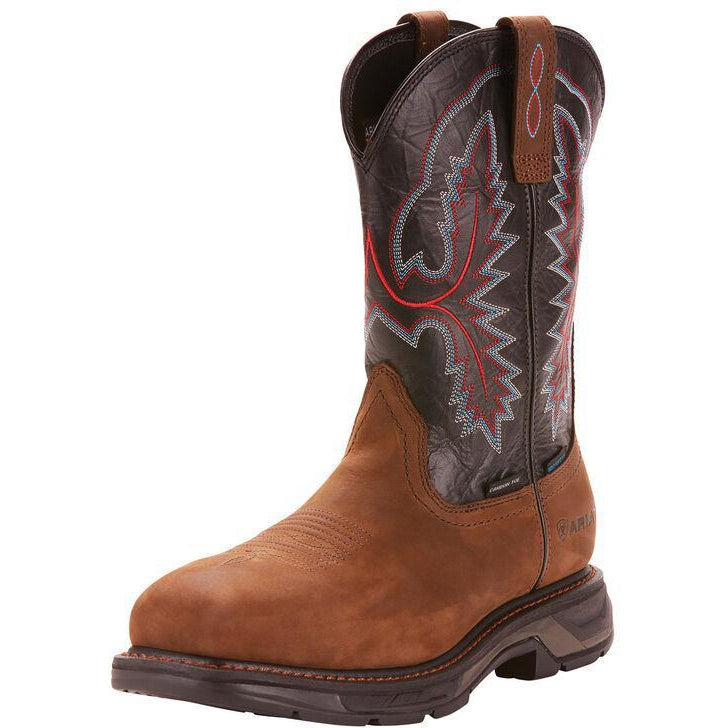
Save 6%
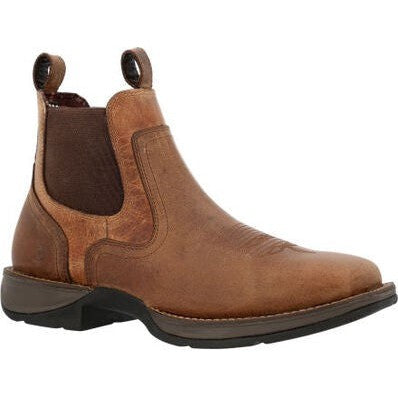
Sale price$161.50
Regular price$171.50
Durango Men's Rebel Red Dirt 6" Square Toe Western Work Boot -Brown And Tan- DDB0460
Save 28%
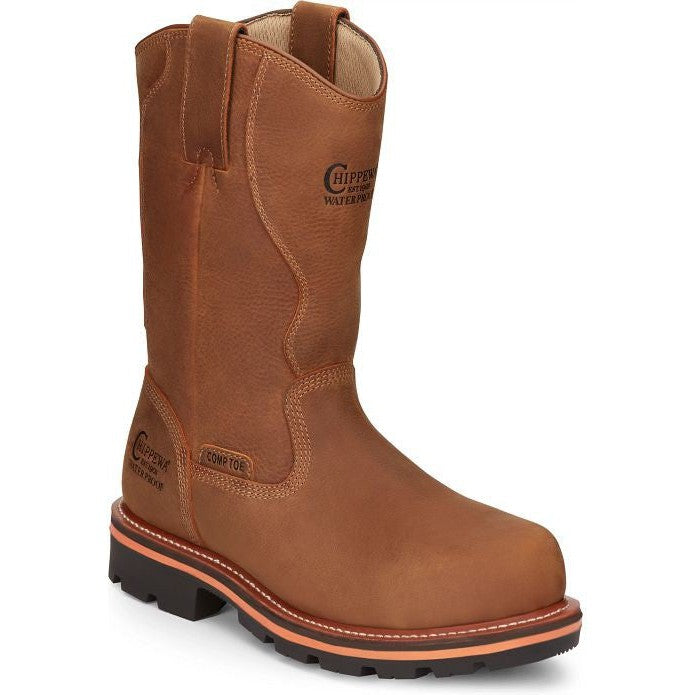
Sale price$226.16
Regular price$313.00
Chippewa Men's Thunderstruck 11" Waterproof Nano Composite Toe Work Boot -Tan- TH1041
Save 9%
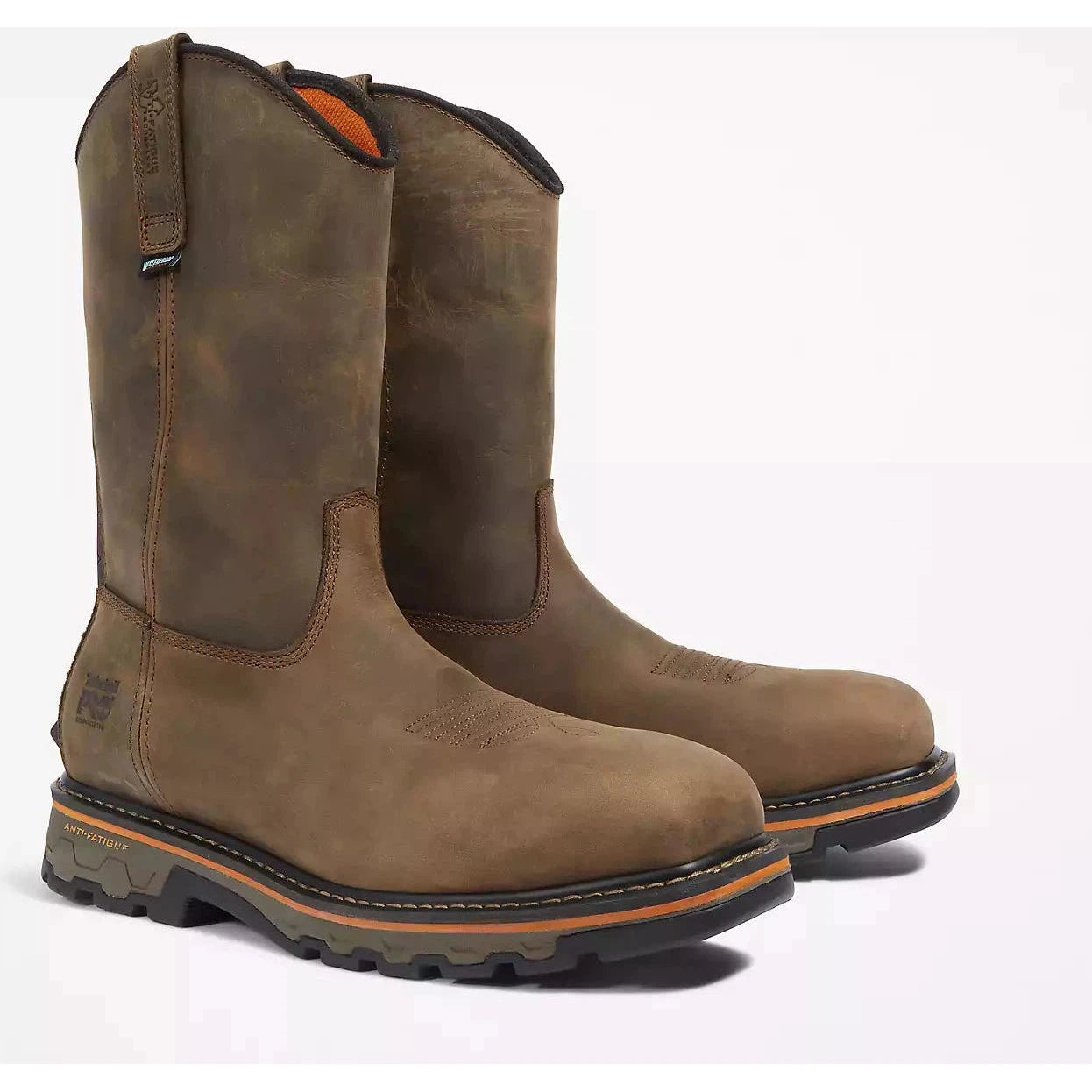
Sale price$199.95
Regular price$220.00
Timberland Pro Men's True Grit Pull On Composite Toe Waterproof Work Boot- Brown- TB1A437Y214
Save 19%
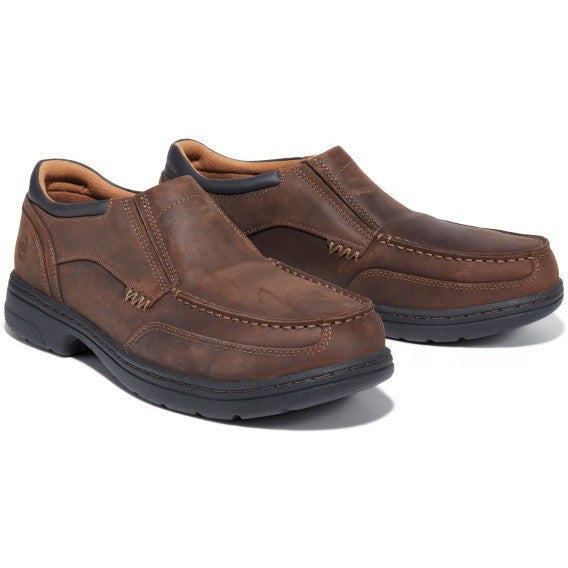
Sale price$129.95
Regular price$160.00
Timberland PRO Men's Branston Alloy Toe Slip-On Work Shoe TB191694214
Save 17%
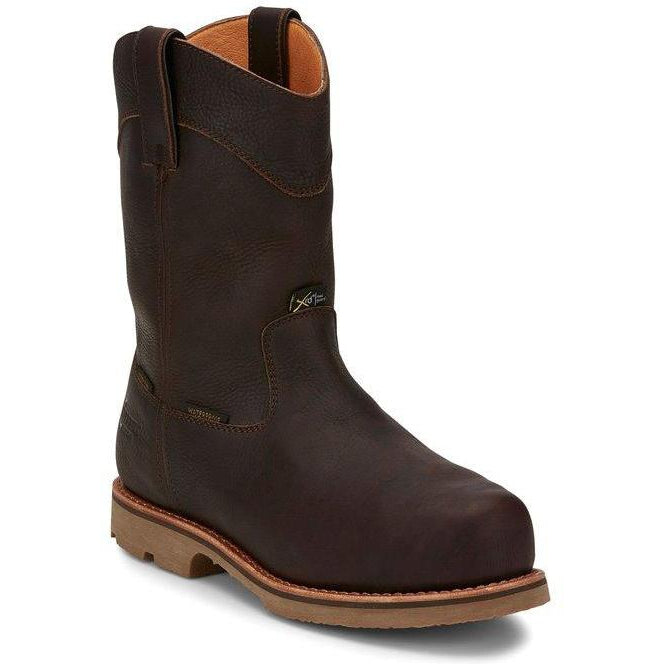
Sale price$256.61
Regular price$308.00
Chippewa Men's Serious+ 10" Composite Toe Waterproof Metguard Pull-On Work Boot- 72331
Save 13%
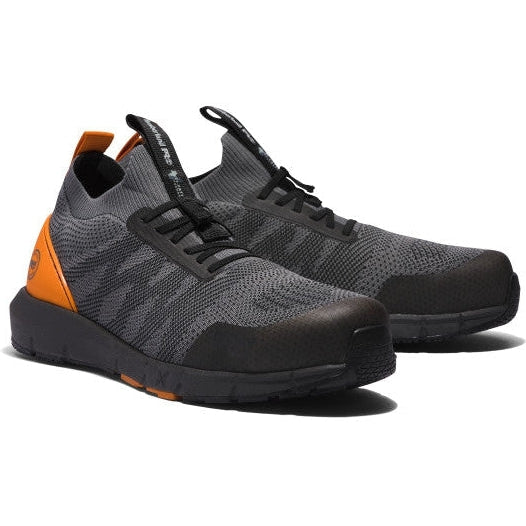
Sale price$134.95
Regular price$155.00
Timberland PRO Radius Knit Men's Slip-On Comp-Toe Work Shoe - TB0A2B6X065
Save 9%
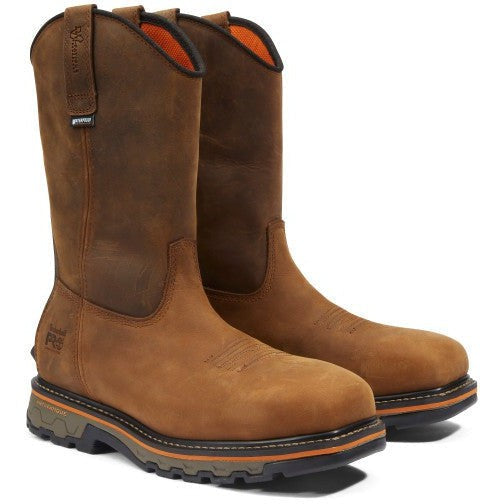
Sale price$199.95
Regular price$220.00
Timberland Pro Men's True Grit Pull On Composite Toe Waterproof Work Boot- Brown- TB1A24BH214
Save 5%

Sale price$274.95
Regular price$290.00
Thorogood Men's American Heritage 11" Moc Toe Wellington Work Boot - Brown - 814-3311
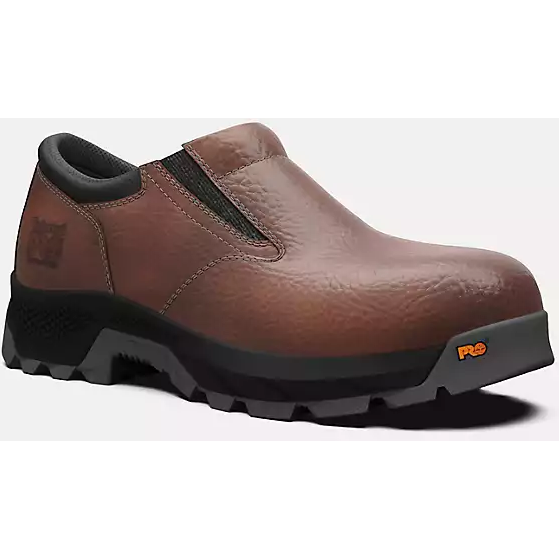
Sale price$134.95
Regular price$135.00
Timberland Pro Men's Titan Ev Composite Toe Slip On Work Shoe -Teak- TB0A5YC3214
Save 7%
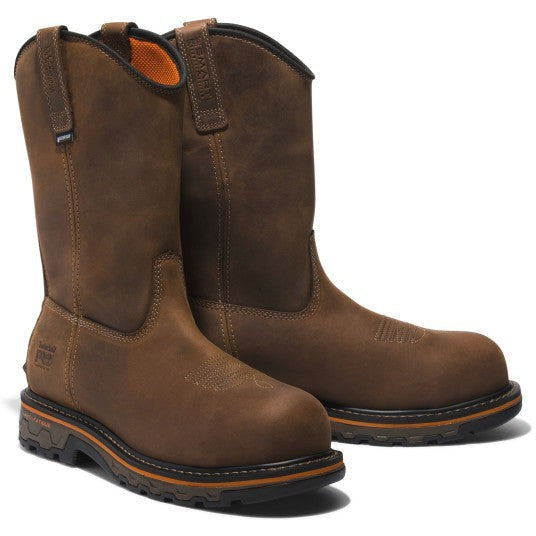
Sale price$199.95
Regular price$215.00
Timberland Pro Men's True Grit Pull On Composite Toe Waterproof Work Boot- TB1A5WZB214
Save 14%
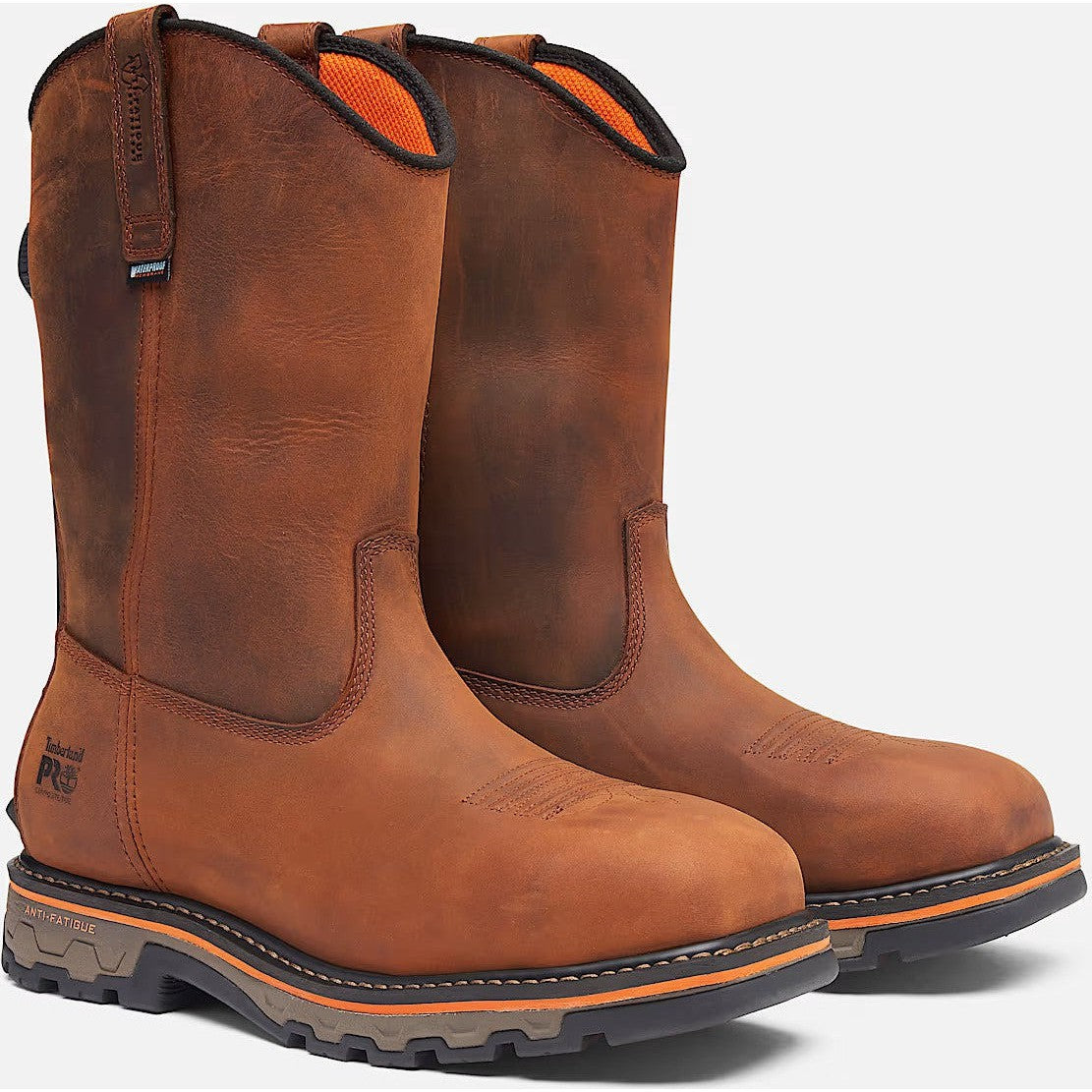
Sale price$239.95
Regular price$280.00
Timberland Pro Men's BOA True Grit Waterproof Pull-On Work Boot -Brown- TB0A66JQEM4
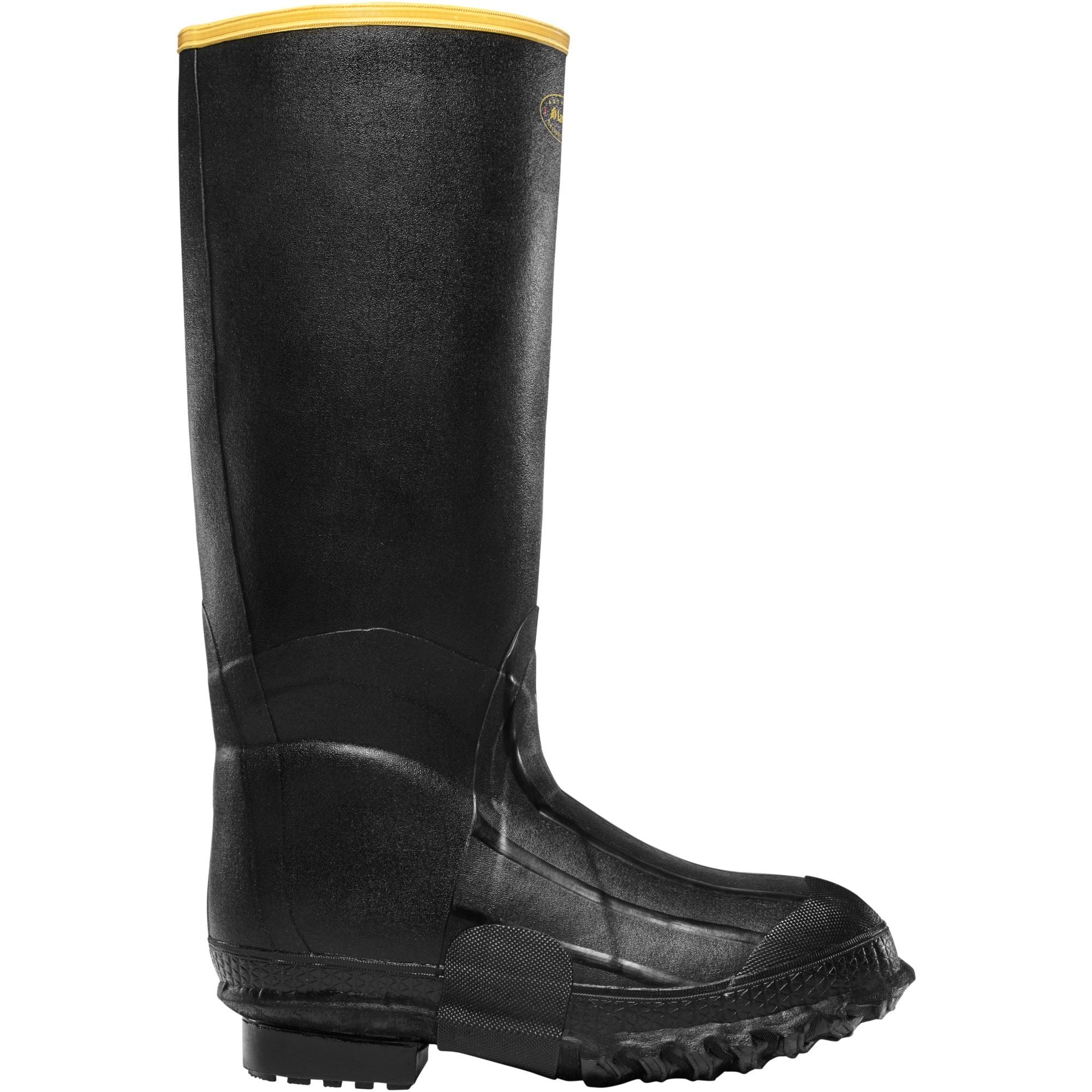
Sale price$124.95
LaCrosse Men's ZXT Knee Boot 16" Ins Rubber Work Boot - Black - 189010
Save 14%
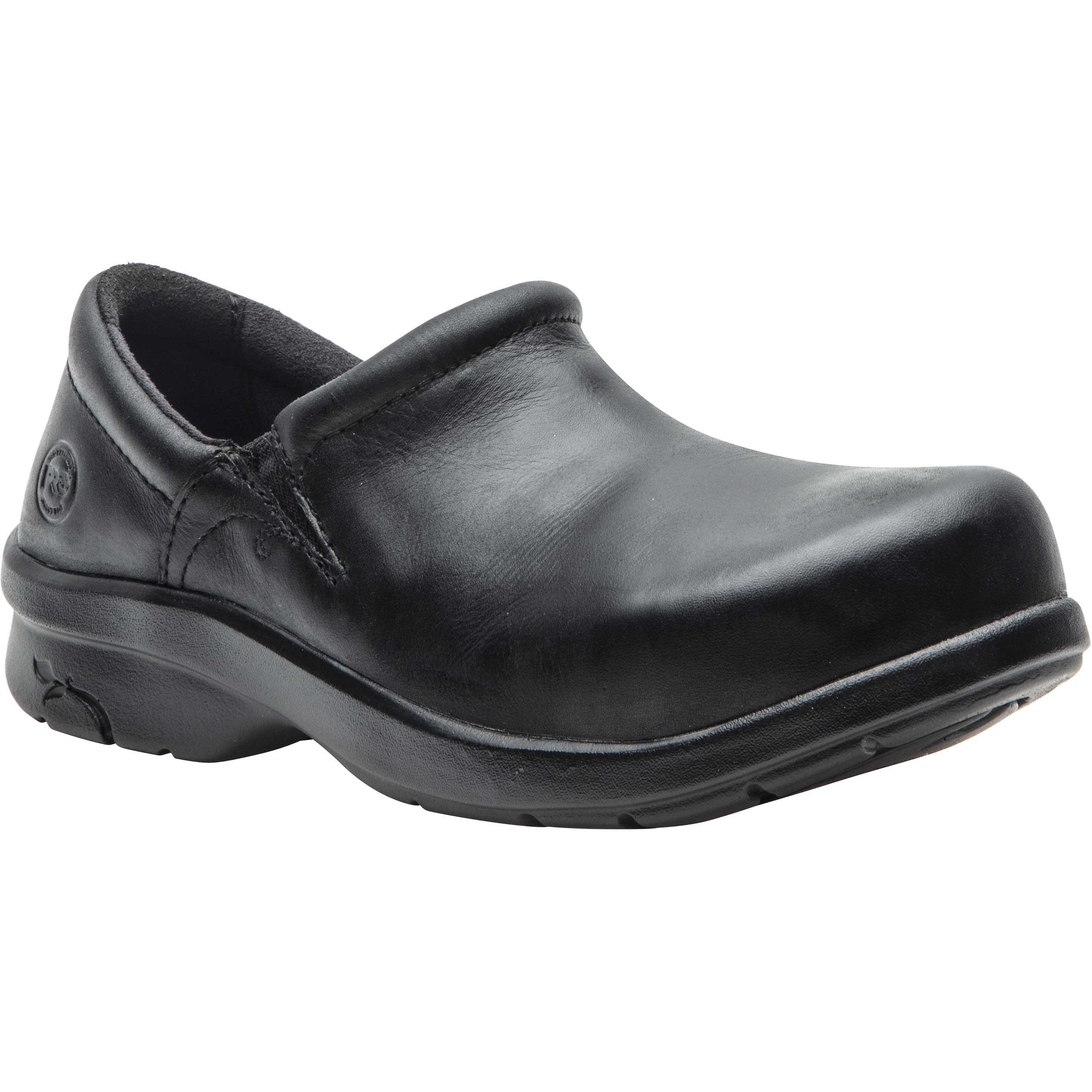
Sale price$119.95
Regular price$140.00
Timberland PRO Women's Newbury Alloy Toe Slip On Work Shoe TB187528001
Save 8%
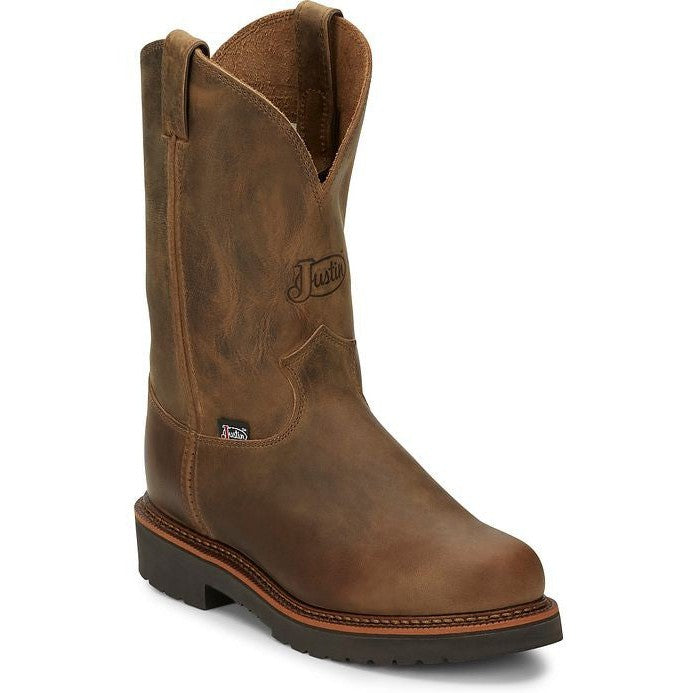
Sale price$249.95
Regular price$273.00
Justin Men's Blueprint 11” Slip Resistant Work Boot - Tan Gaucho - 4440
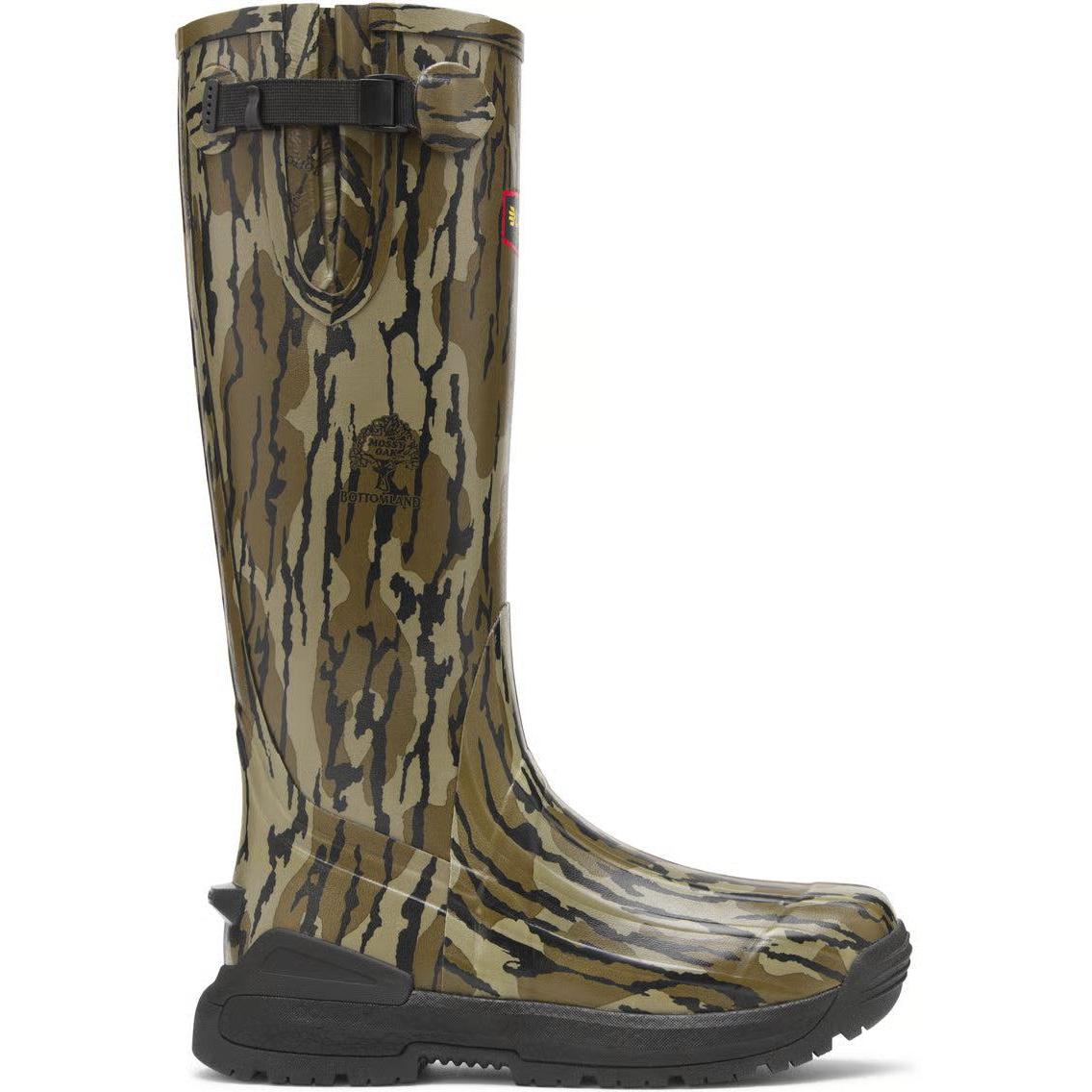
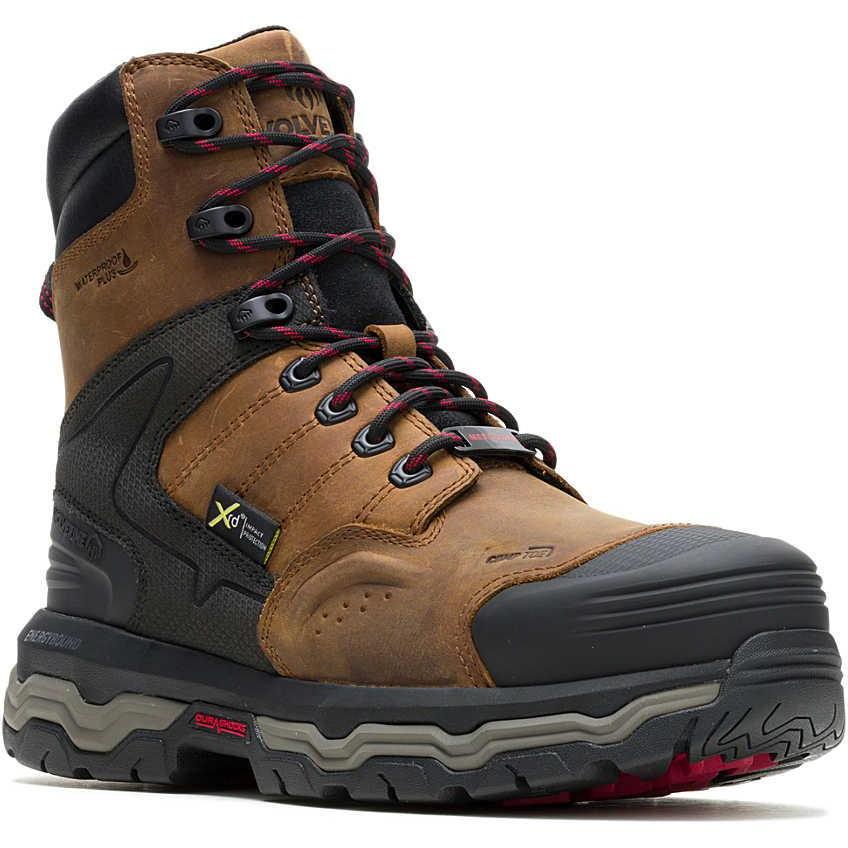
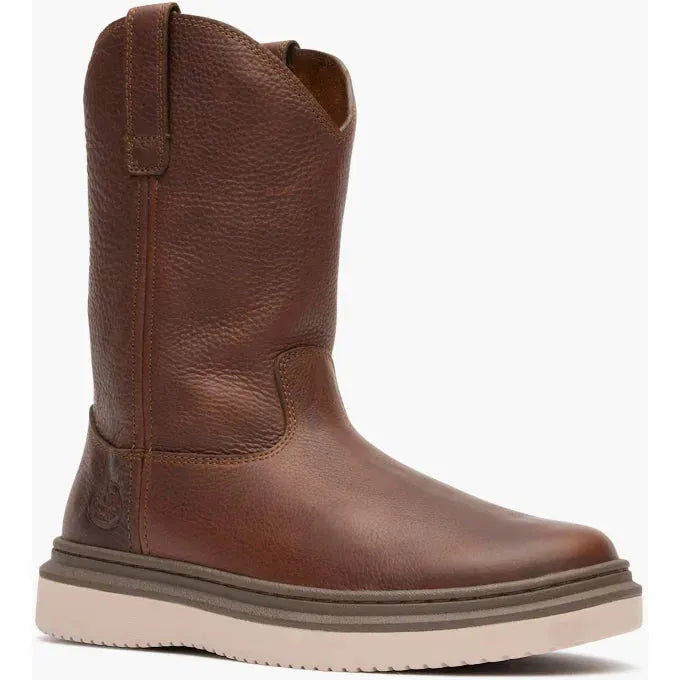
Sale price$145.00
Georgia Men's Superlyte 11" Pull On Wedge Work Boot- Brown- GB00743
Save 17%
Sale price$159.95
Regular price$192.00
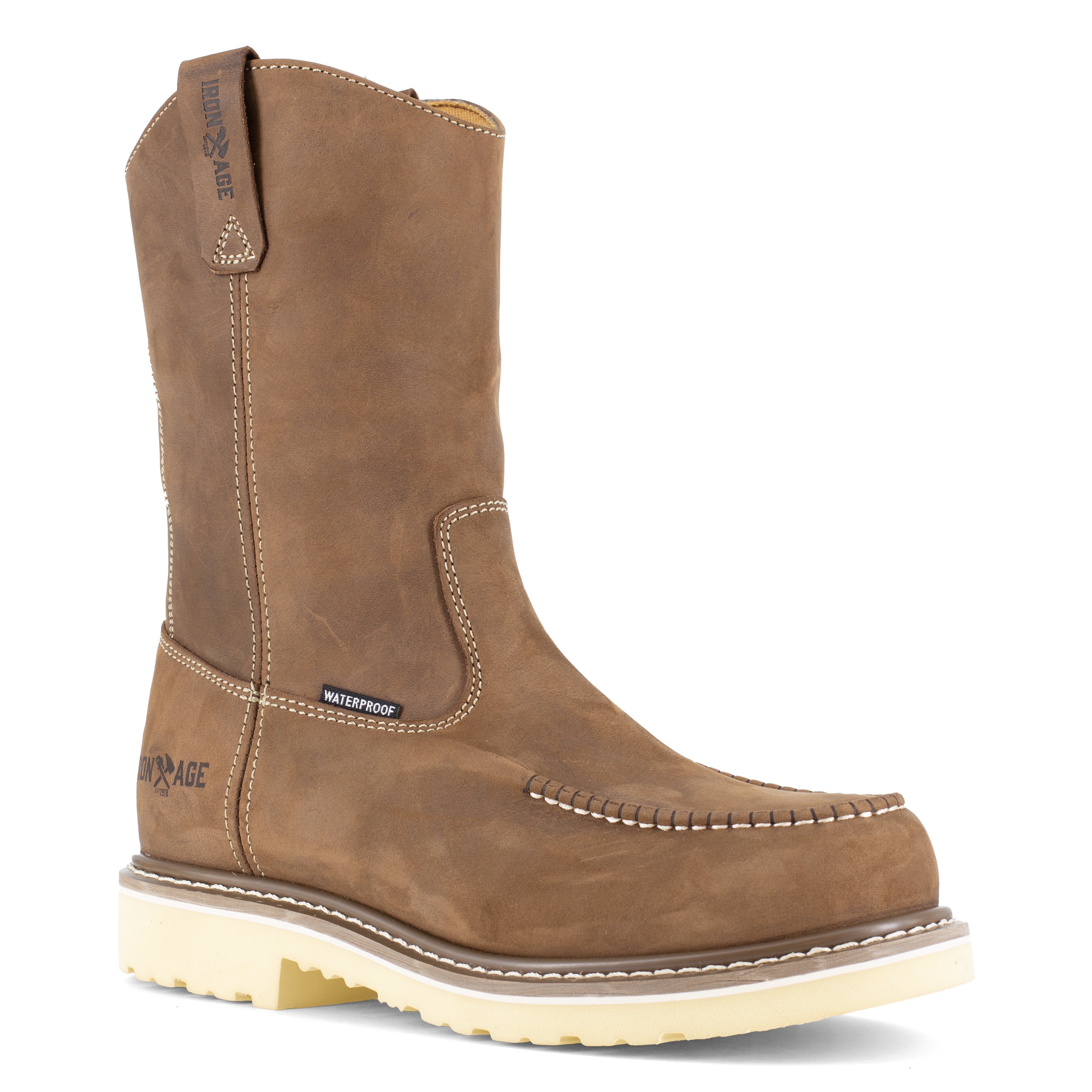
Iron Age Men's Solidifier 11" Moc Toe Waterproof Wellington Work Boot - Brown - IA5093
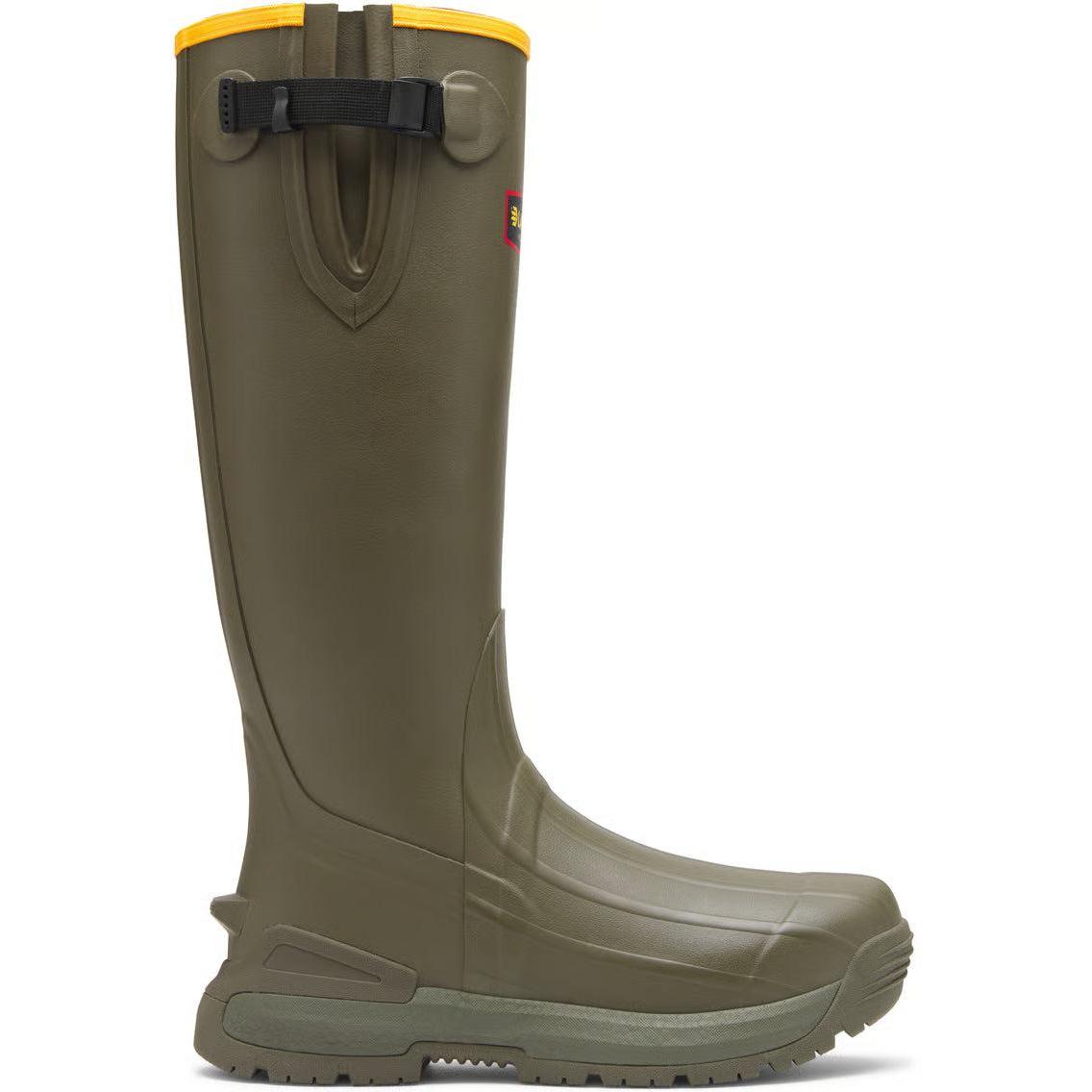
Save 9%

Sale price$214.95
Regular price$236.00
Thorogood Men's Genesis Series 11" Waterproof Wellington Work Boot - Chestnut - 814-4323
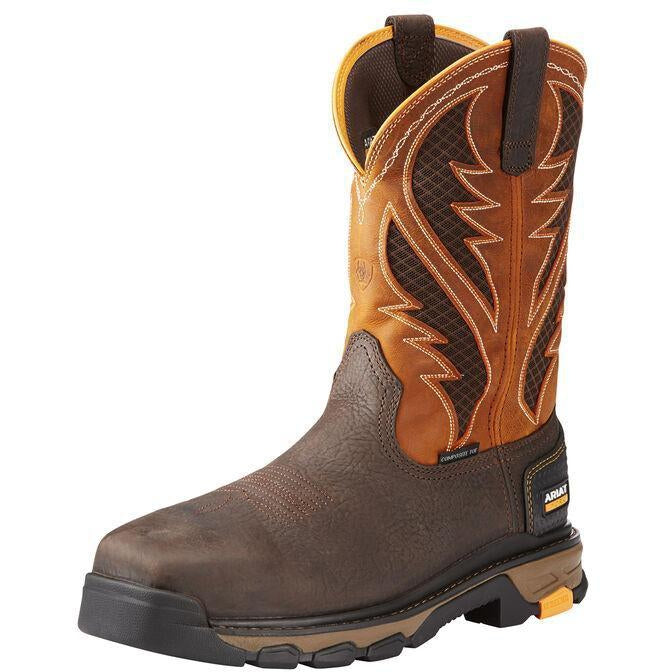
Save 38%
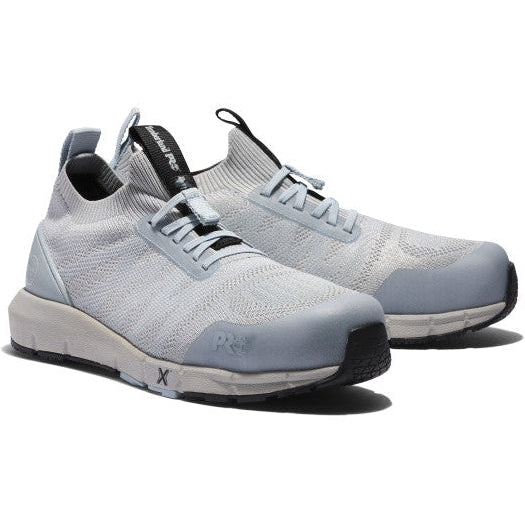
Sale price$90.00
Regular price$145.00
Timberland Pro Women's Radius Knit Composite Toe Slip On Work Shoe - TB0A2CDF065
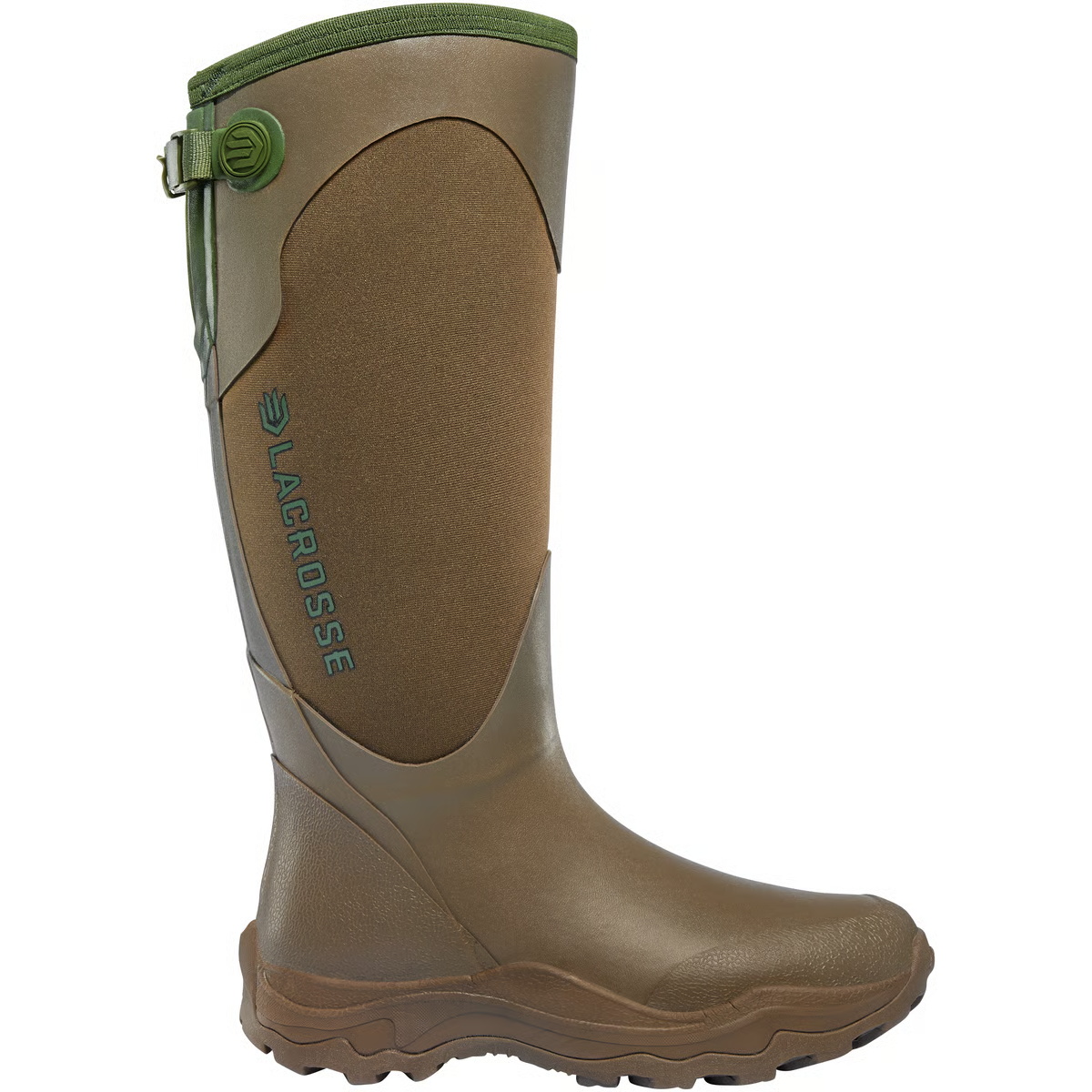


Save 9%
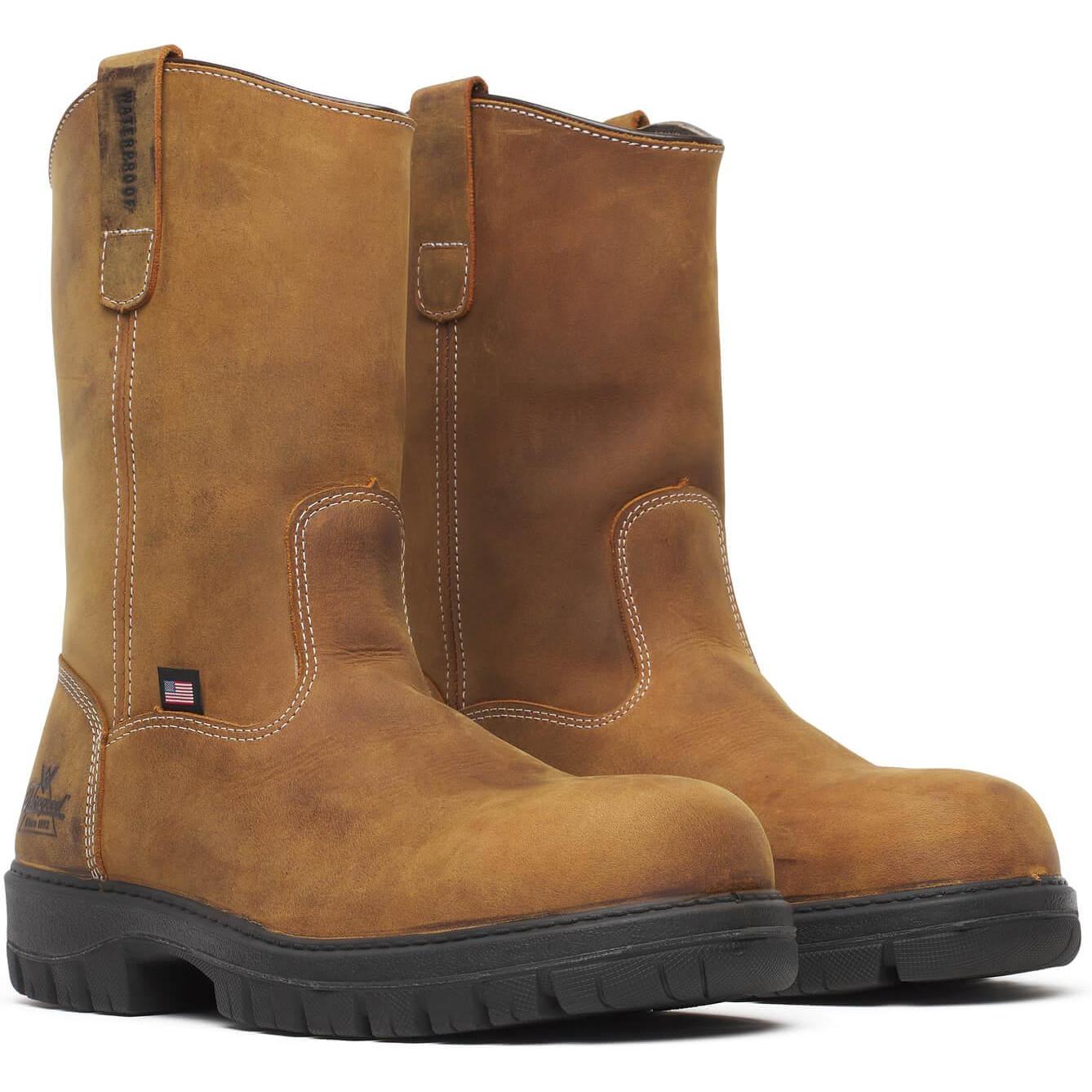
Sale price$224.95
Regular price$248.00
Thorogood Men's Genesis 11" Nano Toe Waterproof Wellington Work Boot - Chestnut - 804-4323
Save 18%
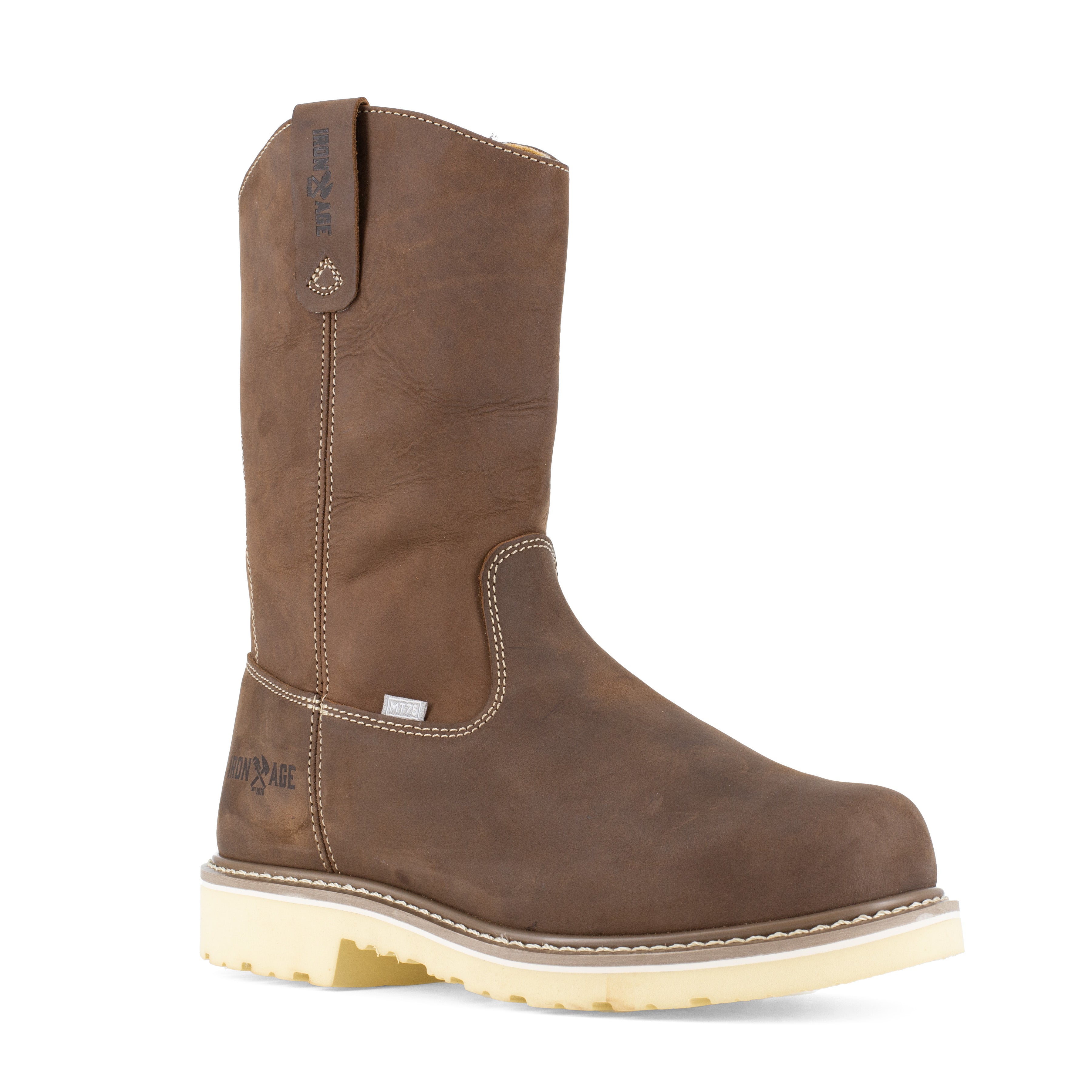
Sale price$149.95
Regular price$182.00
Iron Age Men's Solidifier 11" Composite Toe Cushguard Met Guard Wellington Work Boot - Brown - IA5092
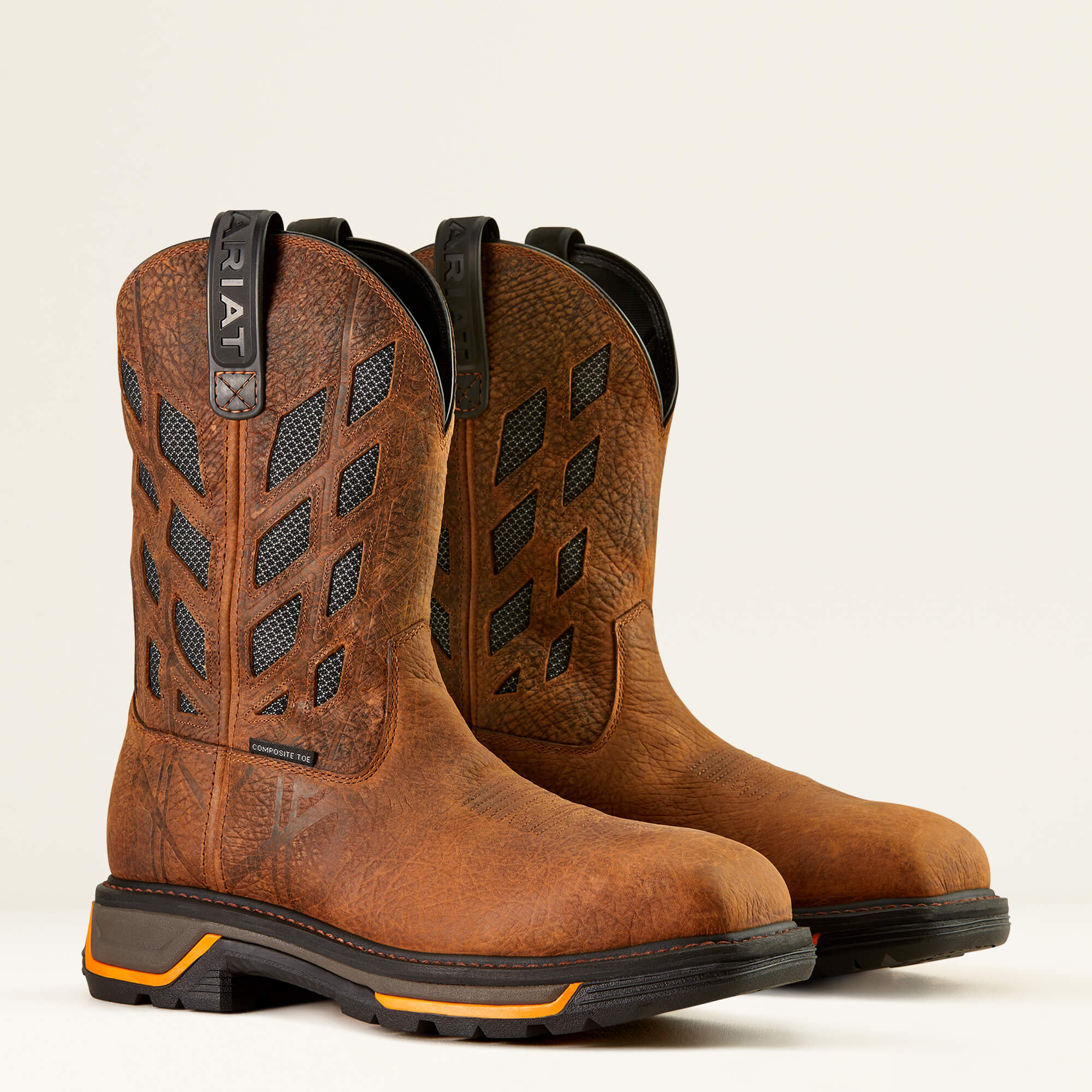
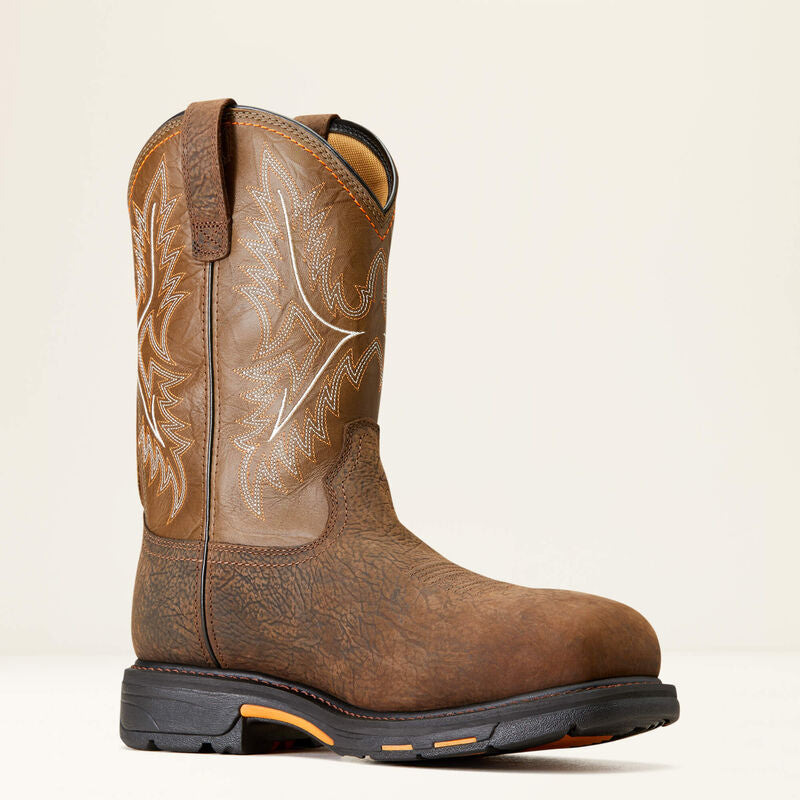
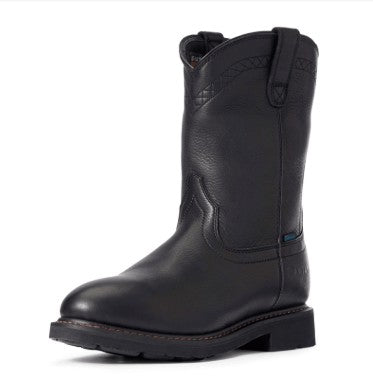
Sale price$179.95
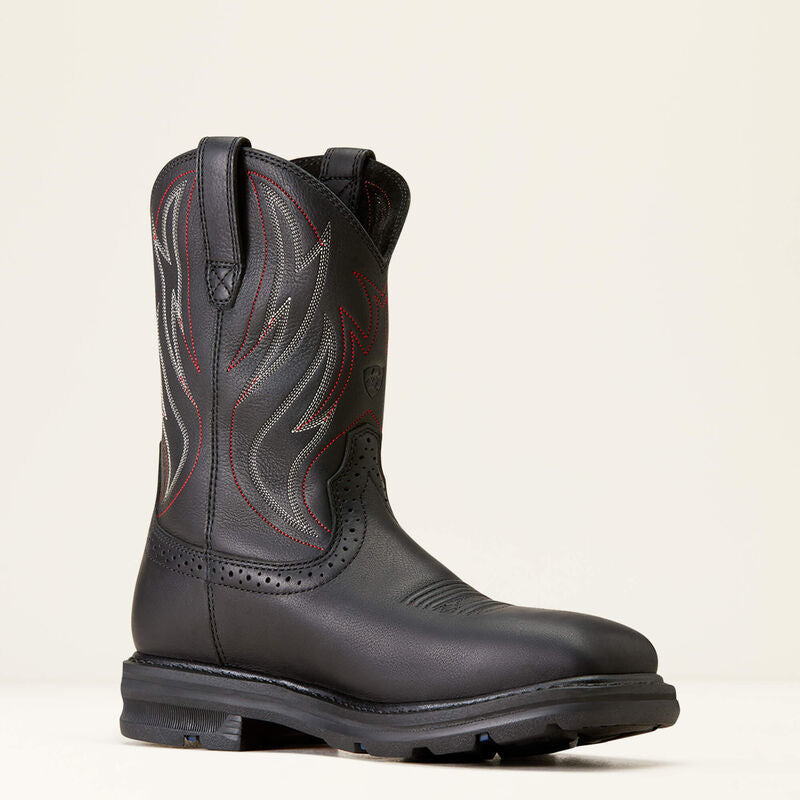
Ariat Men's Sierra Waterproof Roper Toe Work Boot - Black - 10034142

Frequently Asked Questions
No laces means nothing to catch on machinery and nothing to fumble with in gloves, and the boots come on and off in seconds when you are in and out of a truck all day. On farm and oilfield work in particular, a lace snagging on a rotating shaft or a rung is a genuine hazard rather than an inconvenience. That safety case, not just the speed, is why pull-ons dominate those trades.
Not as precisely, and it is the main trade. With no lacing to snug the instep, a pull-on relies on the shaft and the heel cup to hold your foot, so some heel movement is normal and expected. That is fine on flat ground and in a cab, and it is a real drawback on ladders and steep slopes where a lifting heel costs you control. If you climb a lot, a lace-up serves you better.
A small amount, roughly a quarter inch, is normal and usually settles as the footbed compresses and the leather takes the shape of your heel over the first few weeks. What is not normal is your heel lifting clear of the insole or the boot sliding forward so your toes hit the end. Both of those mean the boot is too long, and since there is no lacing to compensate, the fix is a shorter size rather than breaking them in.
Shaft shape and height. A Wellington is a straight-sided tall pull-on, usually 10 or 11 inches, built plainly for work. A western pull-on has the same height with the shaped shaft and toe of a cowboy boot. A Chelsea is low cut with elastic side gores rather than a tall shaft, so it is fastest of the three but keeps out the least. Browse our Wellington boots and Chelsea work boots ranges.
Use the pull straps with both hands, keep your foot pointed, and drive the heel down rather than wiggling side to side, which just binds the shaft against your instep. New boots are hardest because the shaft has not softened. Boot jacks and a bit of talc inside the shaft both help. If a boot needs a genuine fight every morning, the shaft is too narrow at the instep and a wider width will usually solve it.
Yes, in steel, composite, alloy, and carbon, all meeting ASTM F2413 for impact and compression on the rated models, plus plenty of soft toe options. Toe type is stated in every product title, which matters more here than in most categories because a pull-on gives no visual clue whether a cap is inside. See our composite toe Wellington boots range for the non-metallic builds.
Many are, and it is stated in the product title. The advantage a tall pull-on has is height: a waterproof boot only protects to its collar, and an 11-inch shaft keeps you dry through considerably more standing water than a 6-inch lace-up. The gap at the top of the shaft is the weak point, so if you routinely stand in real depth, a molded rubber boot is a better answer than a leather pull-on. See our rubber boots range.
Some can. Welted pull-ons, including the USA-made Double H, Justin, and Thorogood Wellingtons, stitch a leather welt around the sole so a cobbler can replace it. Cemented pull-ons, which is most of the imported range, are built to be replaced rather than rebuilt. Check the construction on the product page before buying on the assumption you will resole them. Our American made boots collection covers the welted lines.
Some models do, and it is worth checking rather than assuming, because the calf opening on a tall pull-on is a fixed circumference with no lacing or gusset to open it up. That makes calf fit a genuine buying constraint rather than a preference. Sizing up in length adds very little circumference, so if tall boots have not gone on before, look for a wide calf model specifically.
It depends on the sole rather than the closure. Western pull-ons with a defined heel concentrate weight in a way that tires you on flat concrete, while wedge-soled Wellingtons spread it across the whole footprint and are much better on hard floors. Several brands now build pull-ons on flat work outsoles for exactly this reason. If your day is a plant floor, look for the wedge versions.
Recently viewed
Our Top Brands