Save 14%
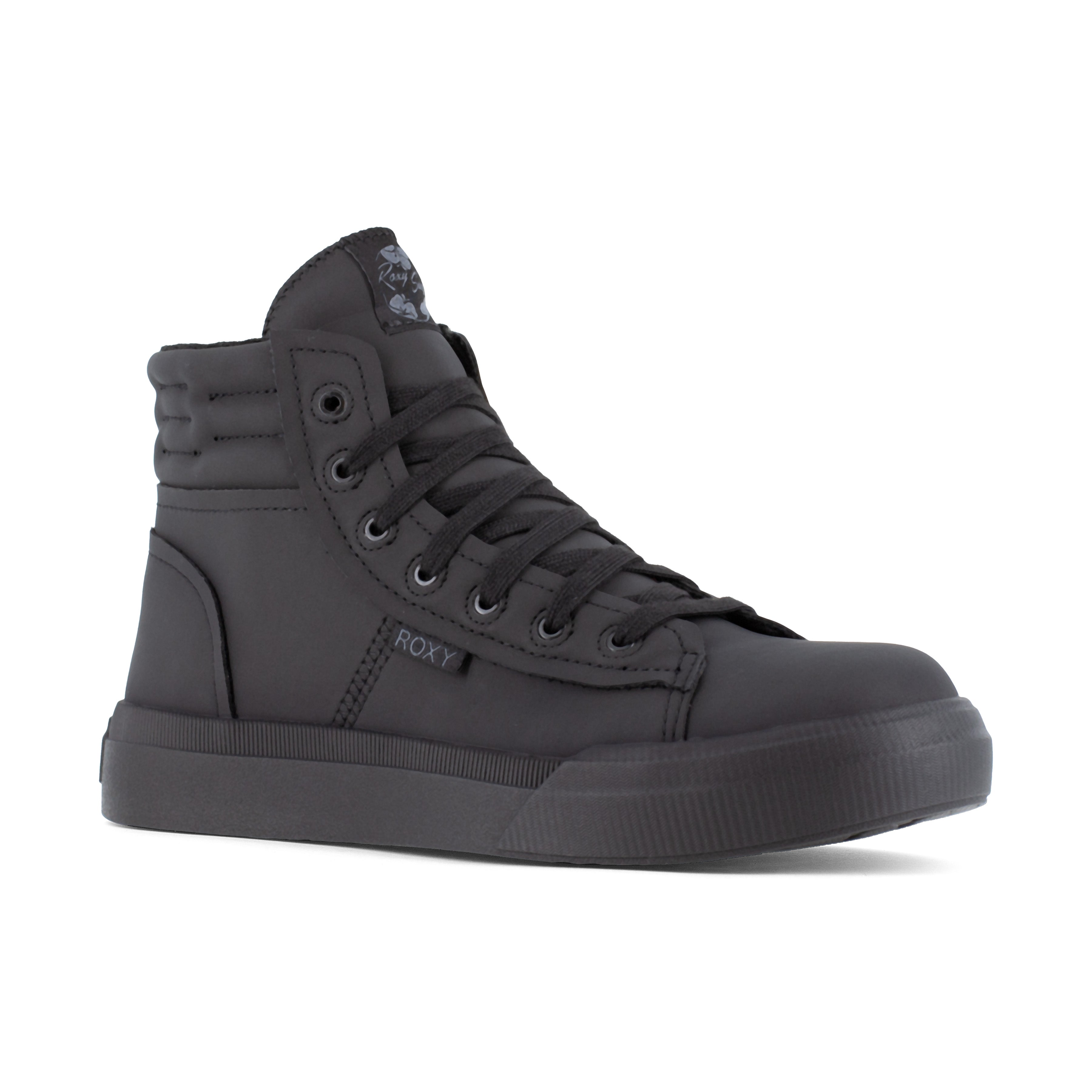
Sale price$109.95
Regular price$128.00
Roxy Women's Rae Composite Toe High Top Casual Work Shoe - Black - RX90203
Save 10%
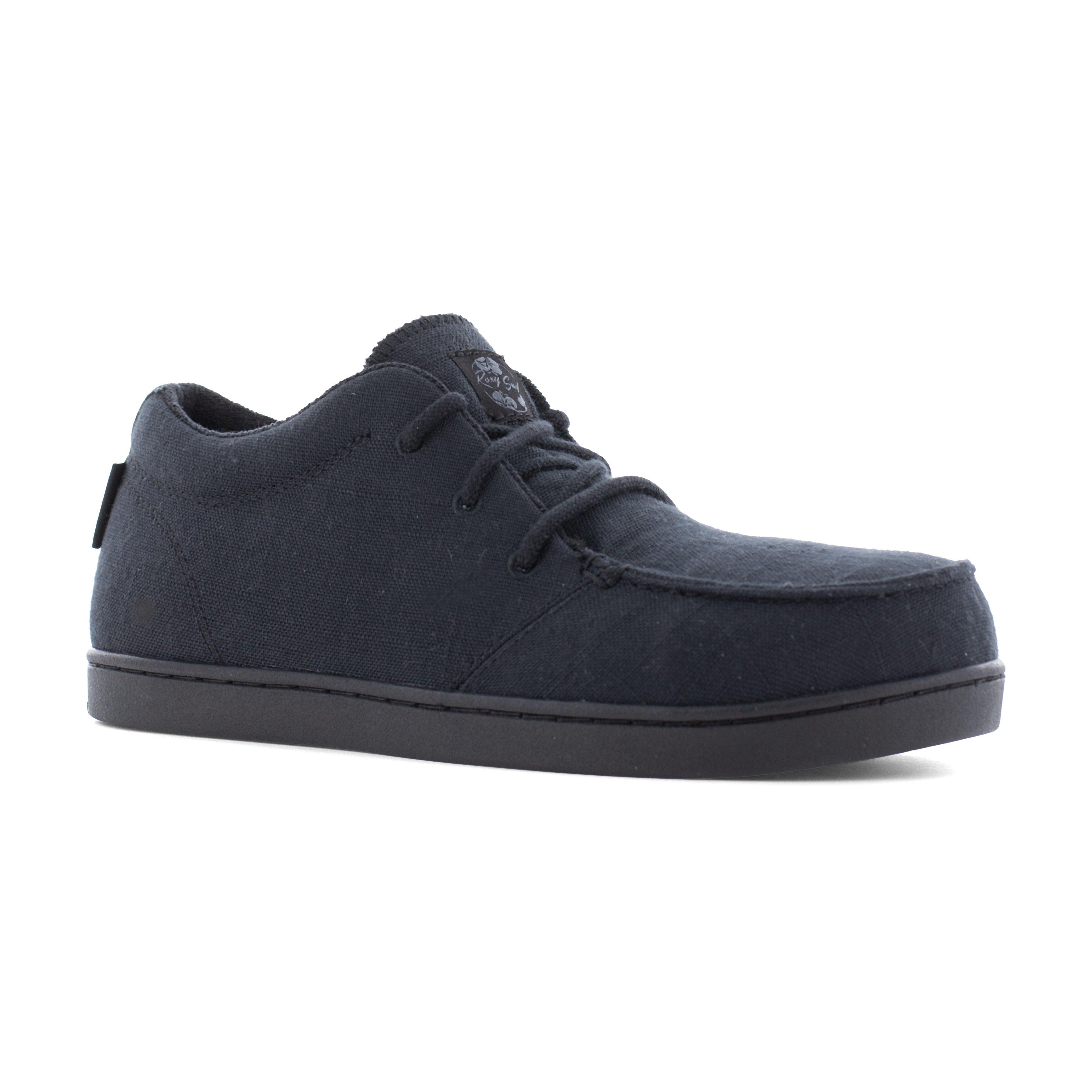
Sale price$99.95
Regular price$111.00
Roxy Women's Minnow Composite Toe Mid-Cut Casual Work Shoe - Black - RX90101
Save 12%
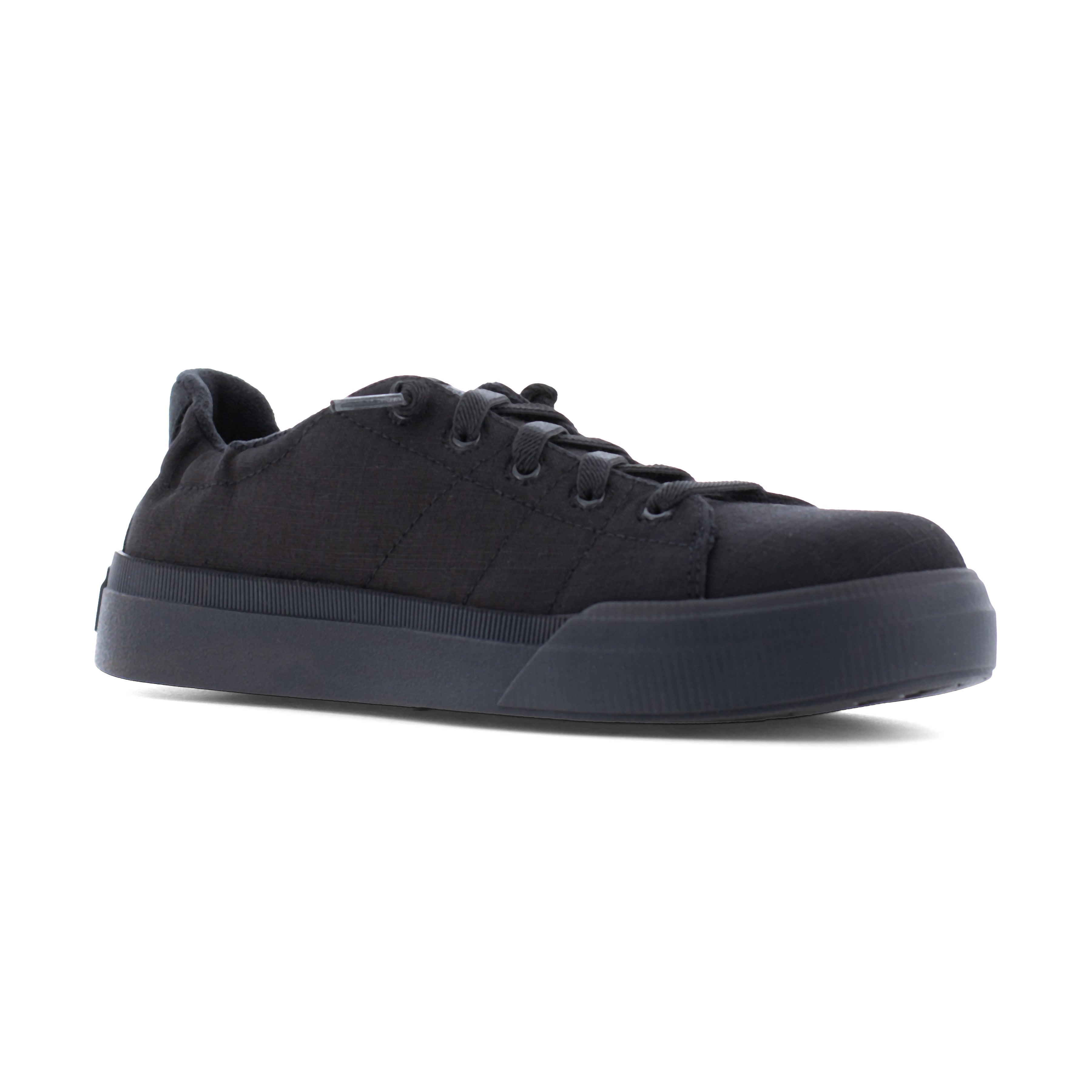
Sale price$109.95
Regular price$125.00
Roxy Women's Rae Composite Toe Casual Work Shoe - Black - RX90201
Save 14%
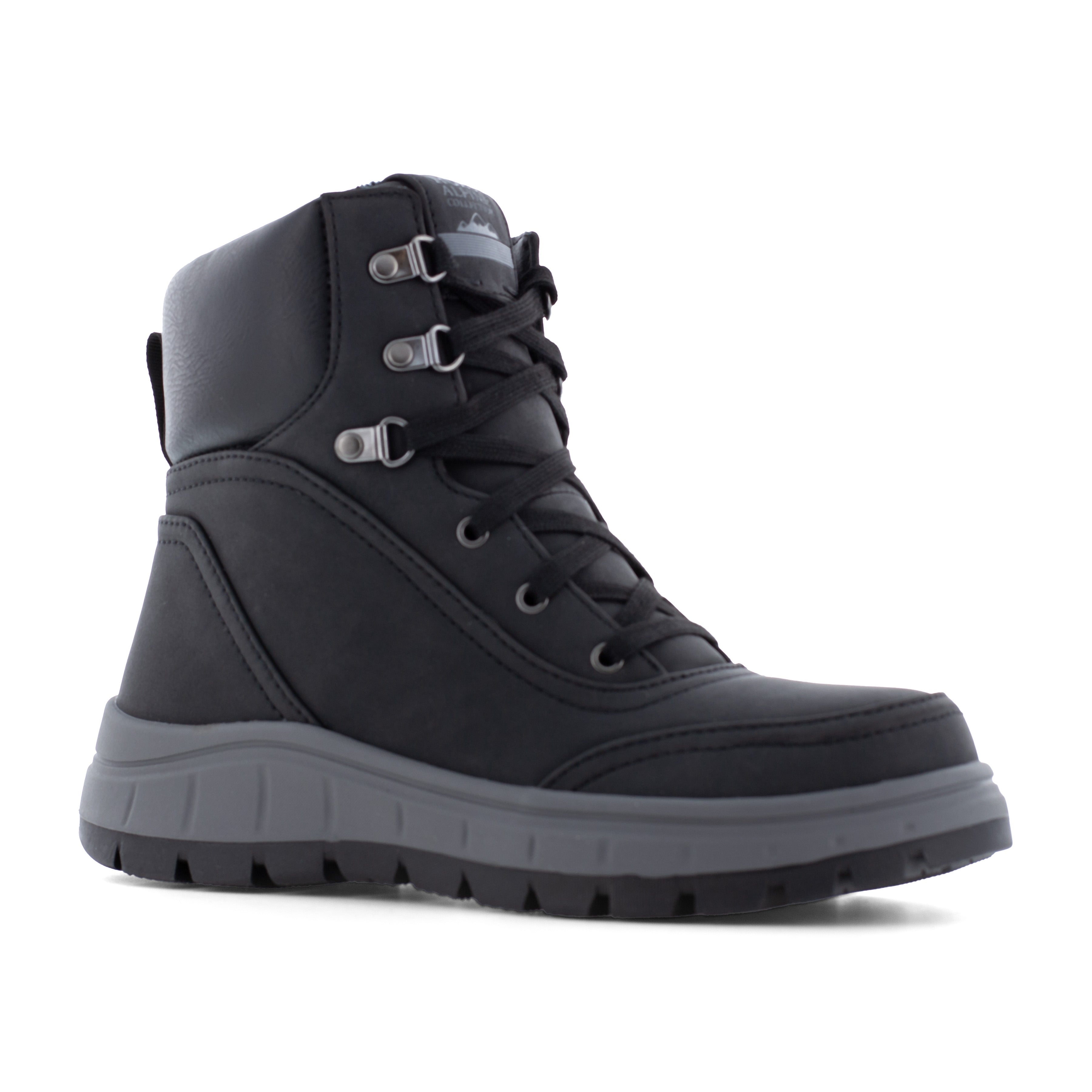
Sale price$109.95
Regular price$128.00
Roxy Women's Karmel Composite Toe Lace-Up Work Boot - Black - RX90301
Save 20%
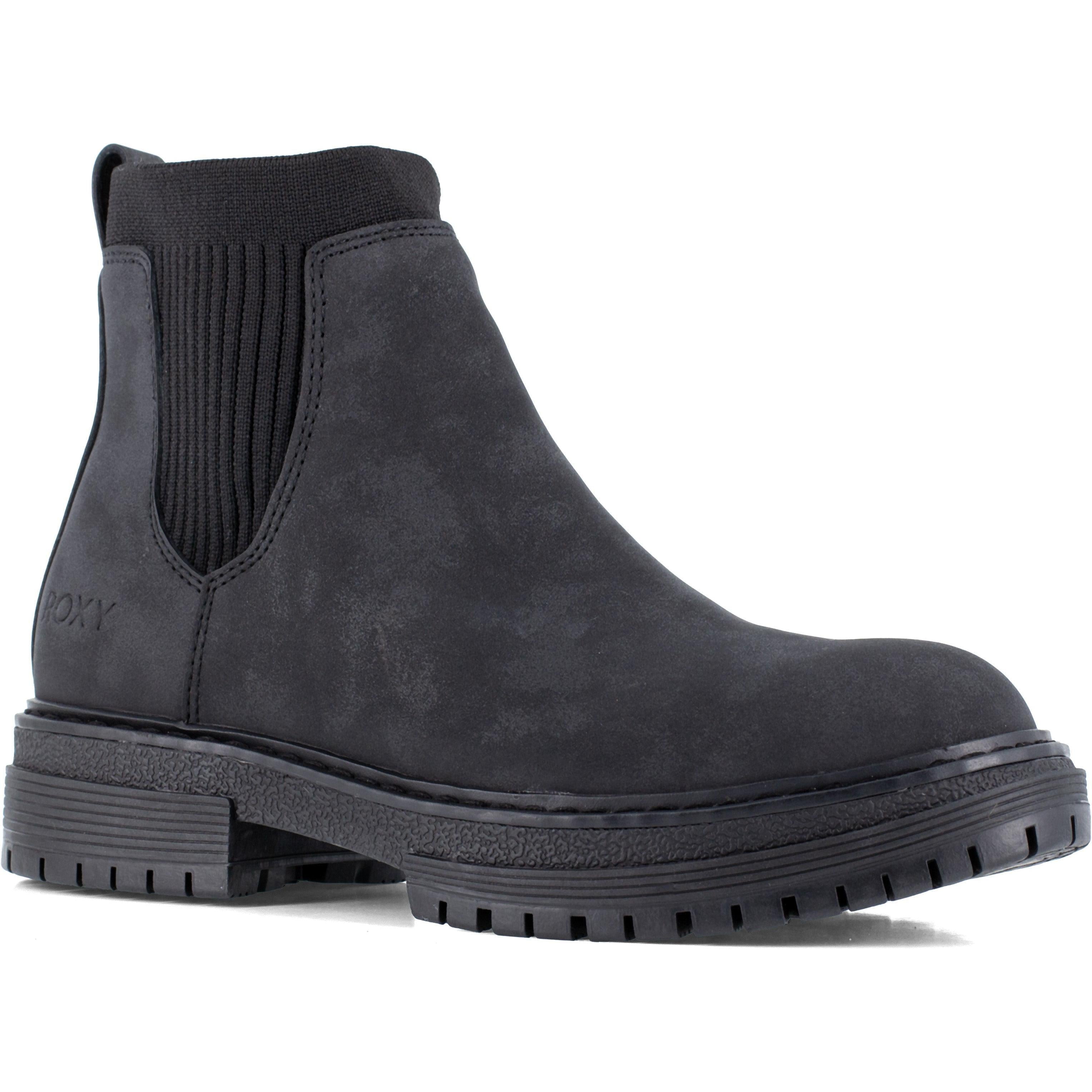
Sale price$109.95
Regular price$138.00
Roxy Women's Jeyna Comp Toe Moisture Wicking Work Boot- Black- RX90601
Save 17%
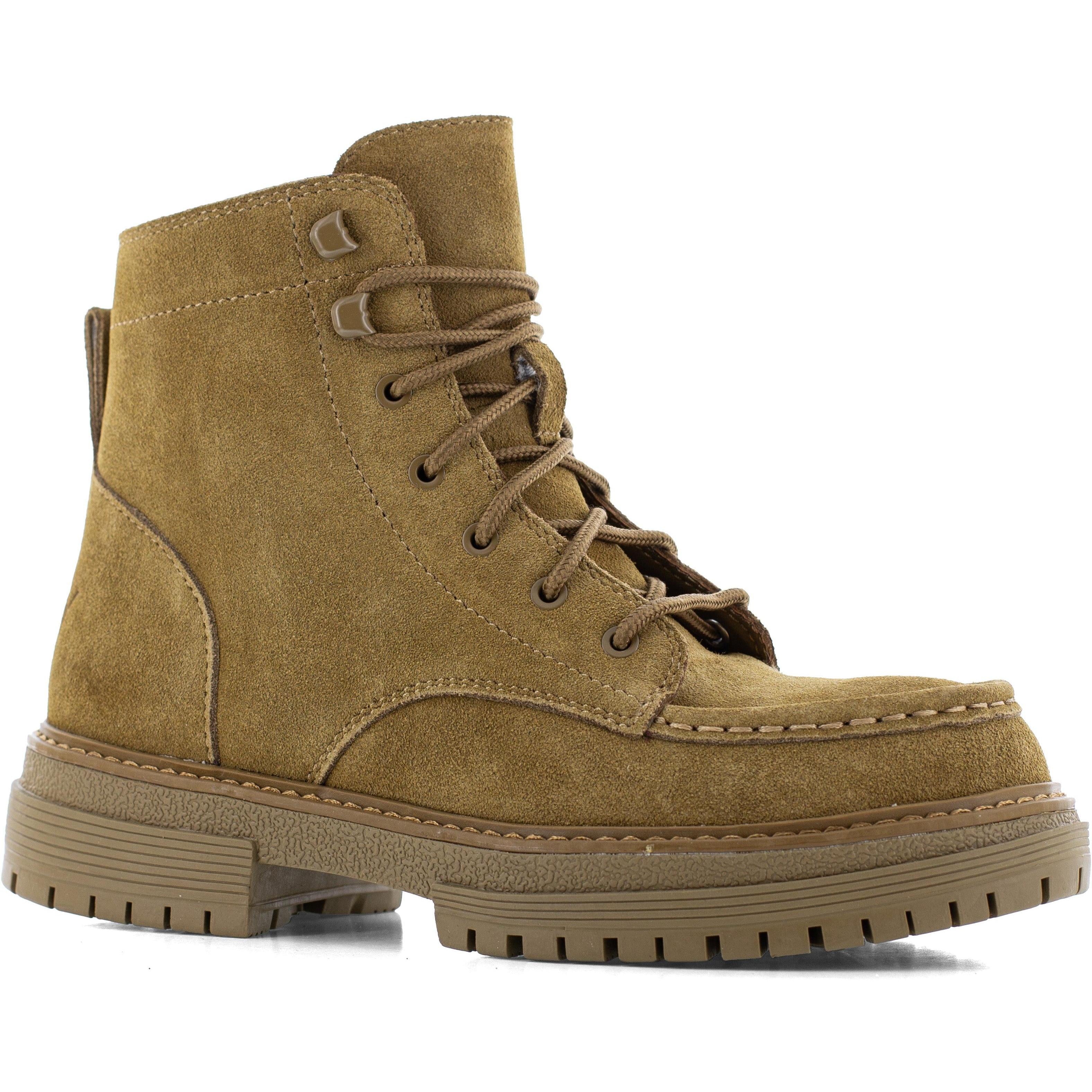
Sale price$114.95
Regular price$139.00
Roxy Women's Comp Toe Moisture Wicking Lace Up Work Boot- Sand- RX90502
Frequently Asked Questions
A women's foot is typically narrower through the heel and higher at the arch relative to its length, so a men's shoe in a smaller size fits the length but leaves the heel loose. That heel lift is what causes blisters and the constant toe-clawing that tires your feet over a shift. Roxy at Work builds on women's lasts throughout, which is the fix. See our full women's work shoes range for the wider set of options.
Yes, the range uses composite safety toes rated to ASTM F2413 for impact and compression, the same standard steel meets. The casual styling is deliberate rather than a sign of a lesser shoe: the point is footwear that satisfies a workplace rated-toe requirement without looking like industrial PPE. Toe type is stated in every product title.
A composite toe is a non-metallic cap made from materials such as carbon fiber, fiberglass, or reinforced plastic, meeting the same ASTM F2413 rating as steel while weighing less. Weight matters more on a lighter shoe, where a steel cap would dominate the feel of the whole thing. Composite also does not conduct heat or cold. Note that a composite toe alone does not make a shoe metal-detector safe, since the shank and hardware are separate components. See our women's composite toe range.
They generally run true to size, and because the construction is athletic your normal sneaker size is a reasonable starting point. The composite toe cap does take up some volume at the front, so if you are between sizes the larger of the two is usually the better call. Available sizes are listed on each product page, and exchanges are free if the fit is not right.
Coverage and how much the shoe holds your ankle. The Rae high-top and Minnow mid-cut sit at or just below the ankle and stay flexible, which suits flat indoor floors and a lot of walking. The Karmel and Jeyna lace-up boots give more coverage and a firmer hold, which is the better answer if your footing is less predictable. None of them is a substitute for a full work boot on genuinely rough ground.
They are built for it, with cushioned athletic construction and moisture-wicking linings on several models. Feet swell over a long shift, and a shoe that fits properly at the heel is what stops that swelling turning into pain at the toes. Footbeds are removable on most models if you use custom orthotics or need more arch support than the stock insole provides.
Healthcare, hospitality, food service, retail, warehouse, and light industrial work: indoor environments on flat floors where a rated toe is required and heavy abrasion resistance is not. For outdoor trades, construction, or rough ground, look at the women's boot ranges from the leather work boot brands instead.
Expect roughly six months to a year and a half of daily wear, which is normal for athletic-construction work footwear. The midsole usually goes before the upper does: the foam compresses, the cushioning flattens, and the shoe stops doing its job while it still looks fine. If it feels dead underfoot, that is the signal to replace rather than waiting for visible outsole wear.
Recently viewed
Our Top Brands