Save 7%
Sale price$259.95
Regular price$280.00
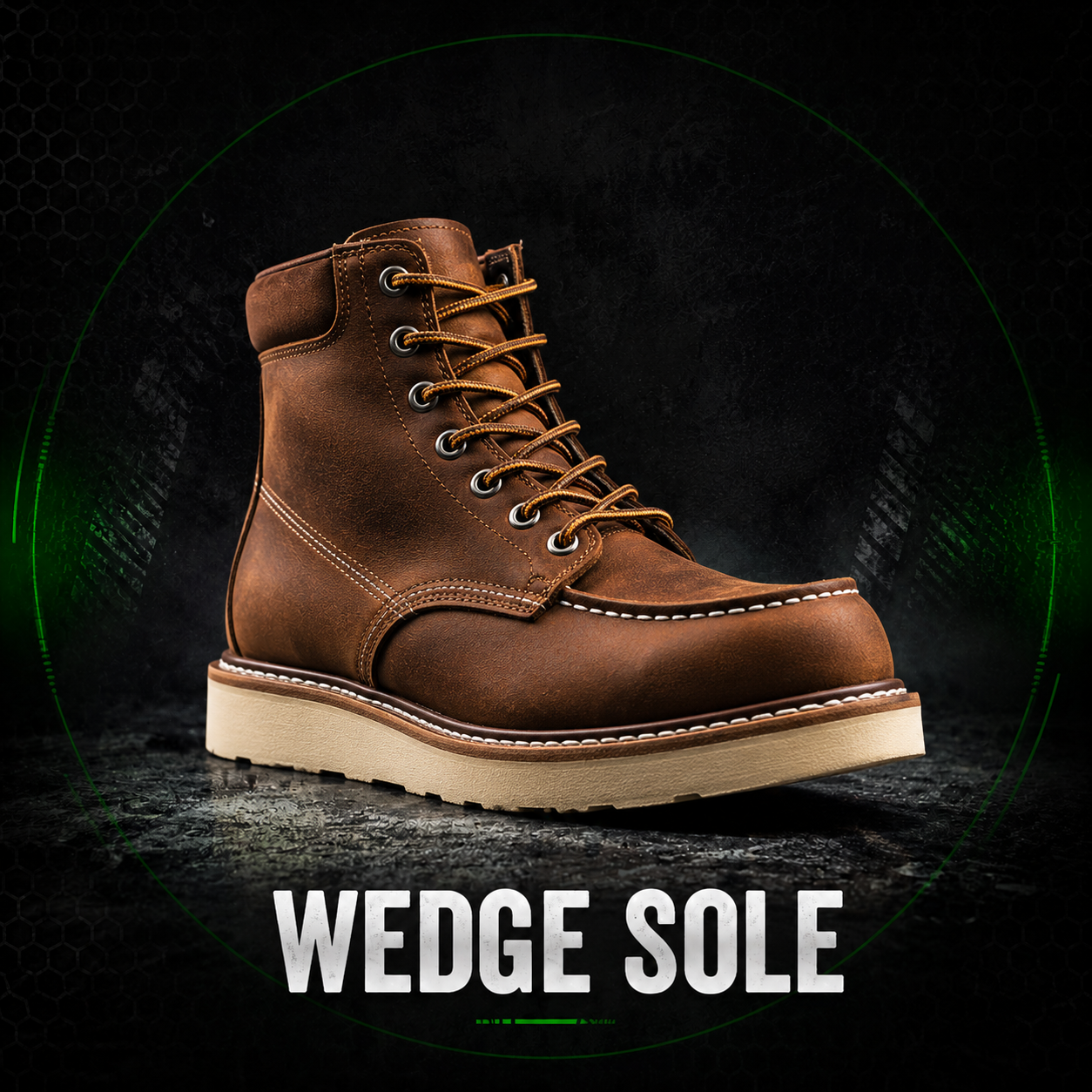
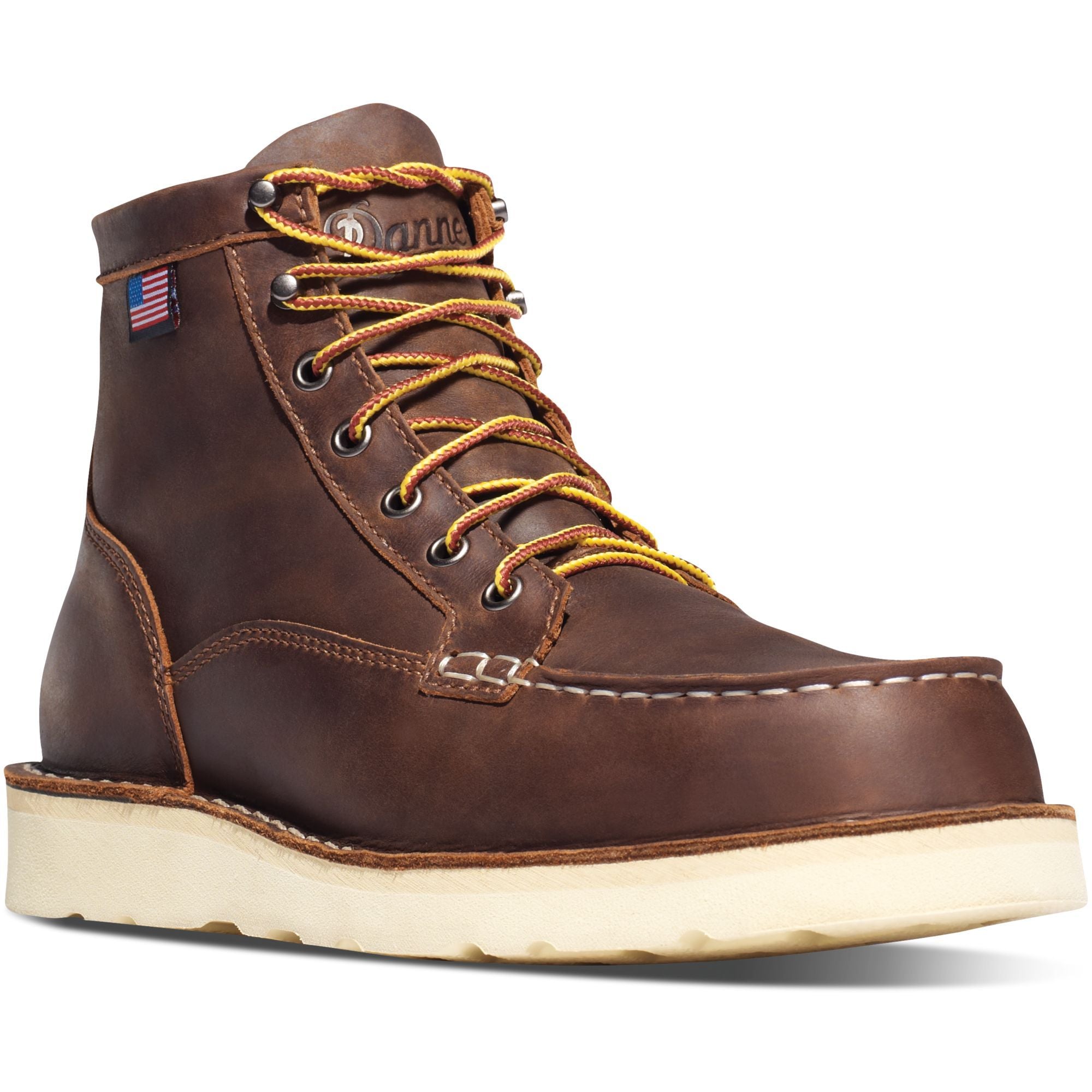
Danner Men's Bull Run USA Made 6" Moc Toe Wedge Work Boot - Brown - 15563
Sale price$179.99
Regular price$184.00
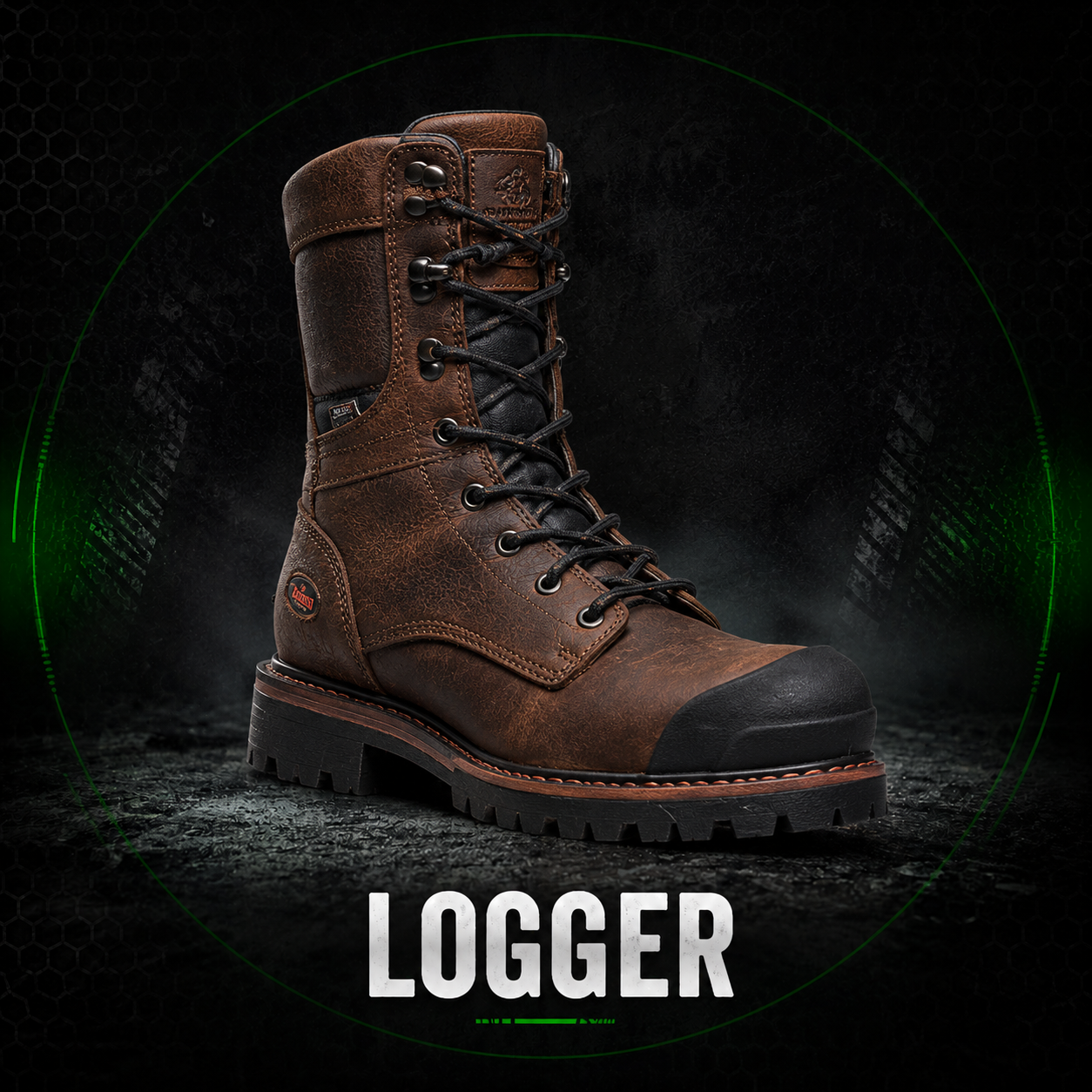
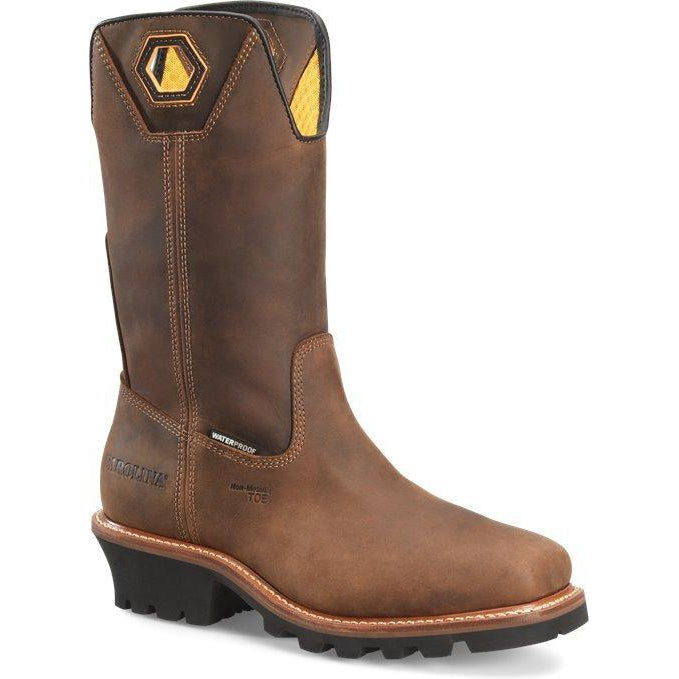
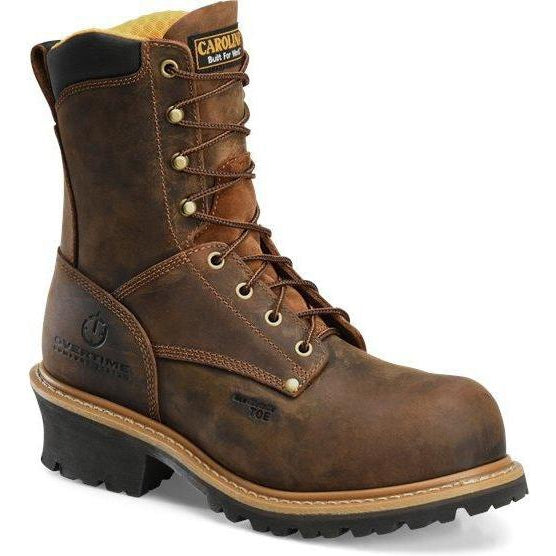
Carolina Men's Poplar 8" Composite Toe Unlined Logger Work Boot - Brown - CA9853
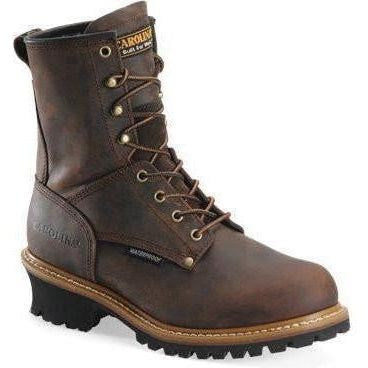
Sale price$194.99
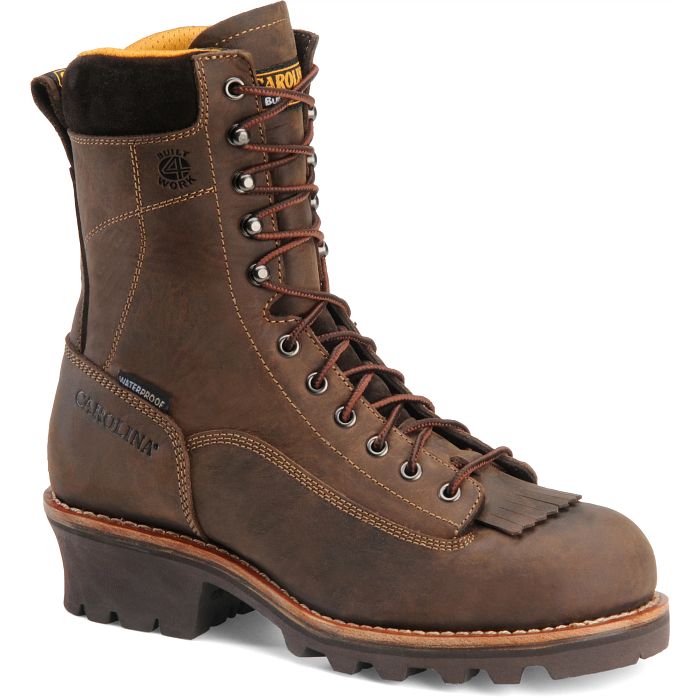
Carolina Men's Elm 8" Waterproof Logger Work Boot - Brown - CA8821
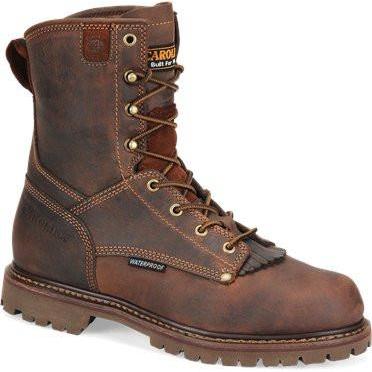
Sale price$219.99
Regular price$224.00
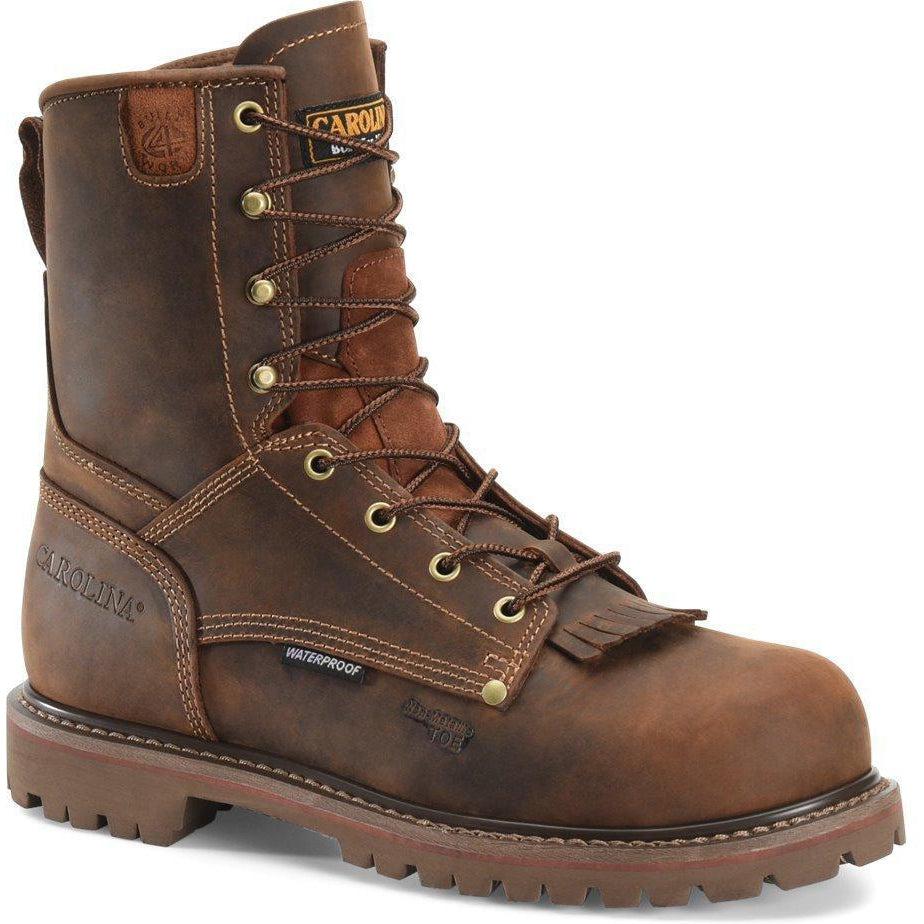
Carolina Men's 28 Series 8" Soft Toe Waterproof Grizzly Work Boot - Brown - CA8028
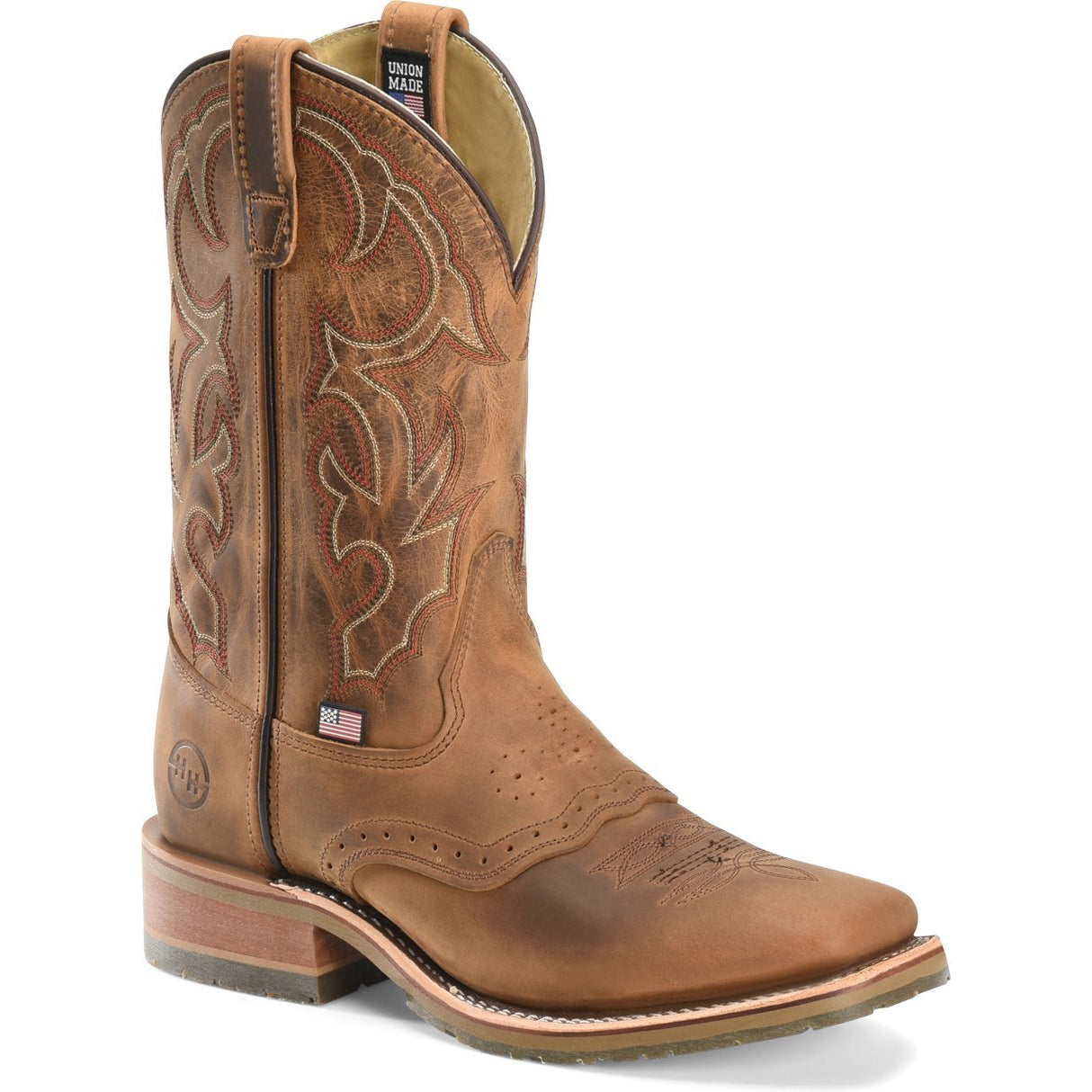
Sale price$294.99
Regular price$306.00
Double H Men's Jase 11" Square Toe USA Made Western Work Boot - DH3560
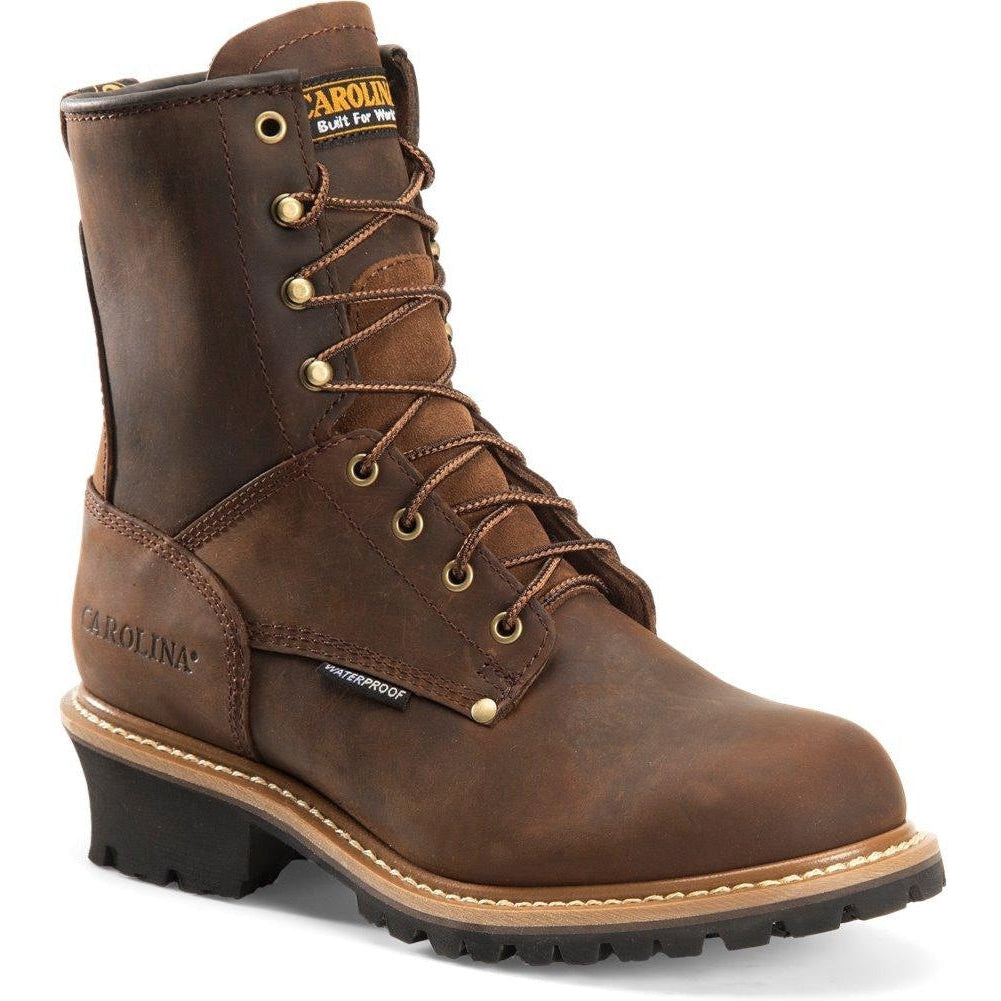
Save 31%
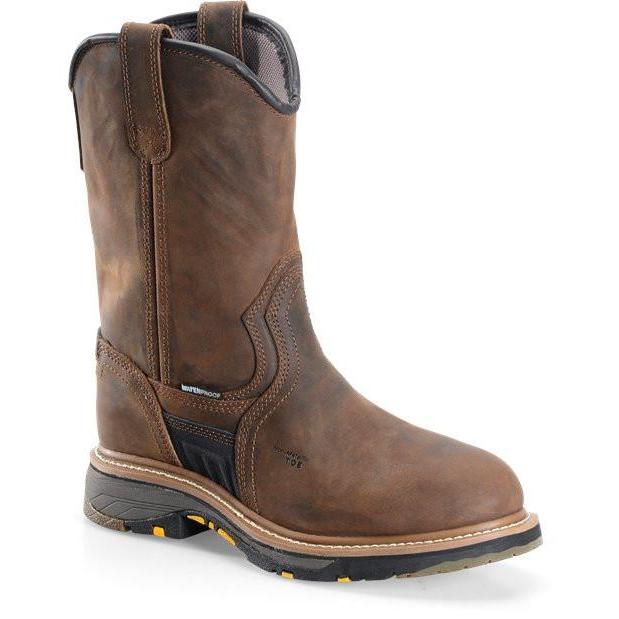
Sale price$148.67
Regular price$214.00
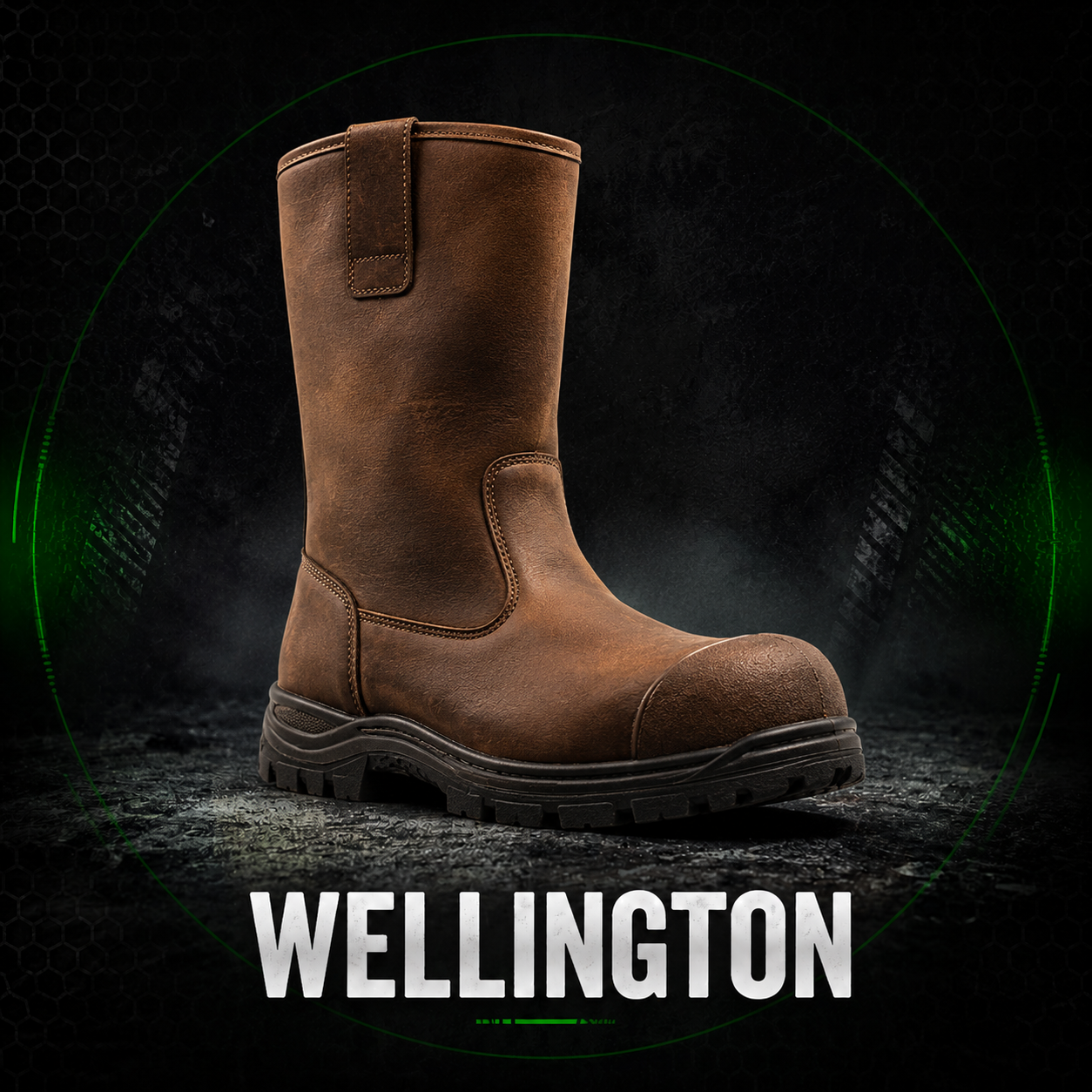
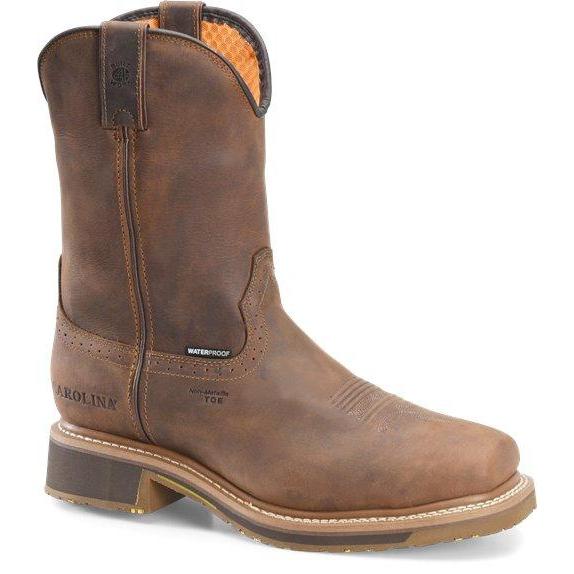
Carolina Men's Well X 10" Composite Toe Waterproof Wellington Work Boot - CA4559
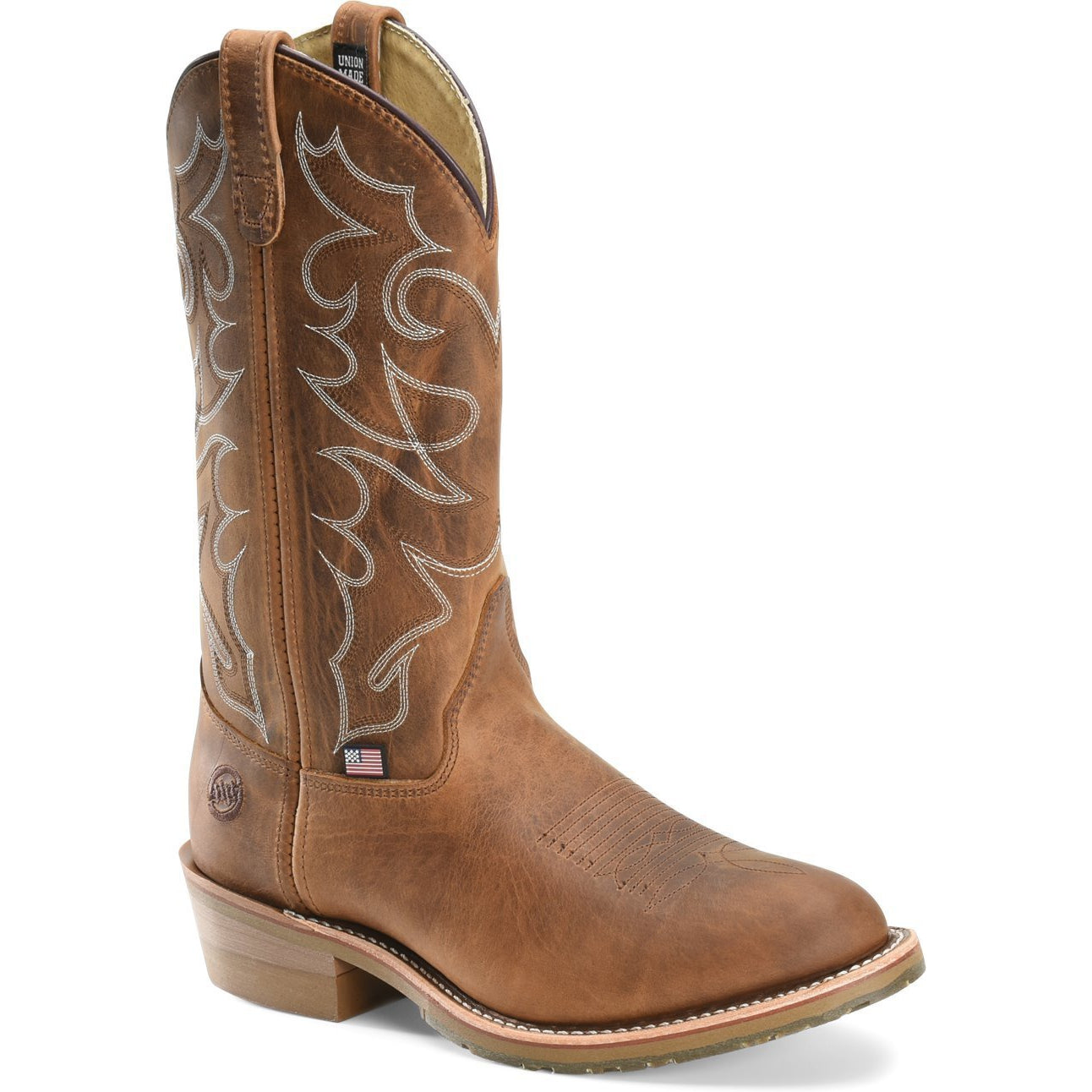
Sale price$279.99
Regular price$290.00
Double H Men's Dylan 12" Soft Toe USA Made Western Work Boot - DH1552

Sale price$299.99
Regular price$314.00
Double H Men's Anton 11" Steel Toe USA Made Western Work Boot - DH4637
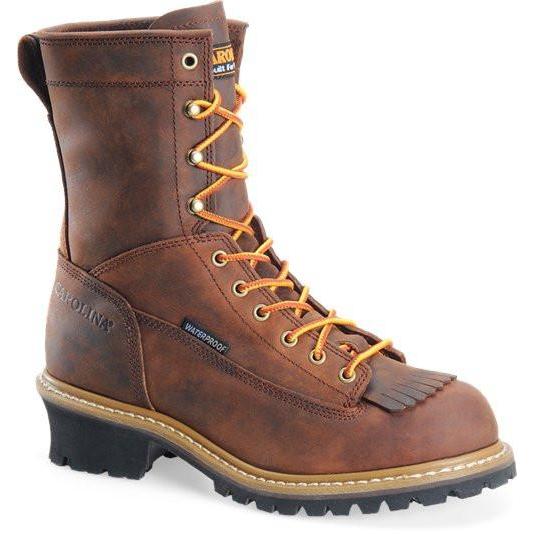
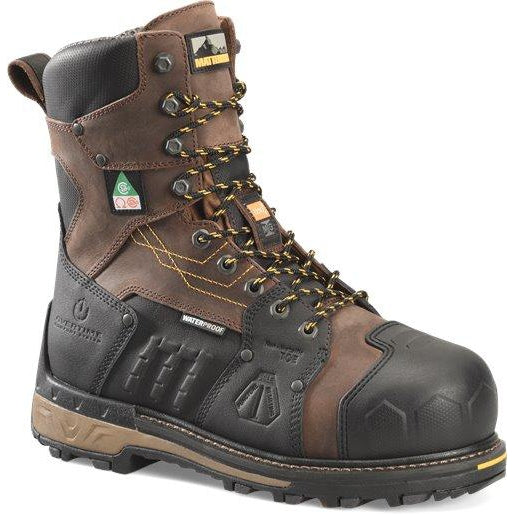
Save 5%
Sale price$264.95
Regular price$280.00
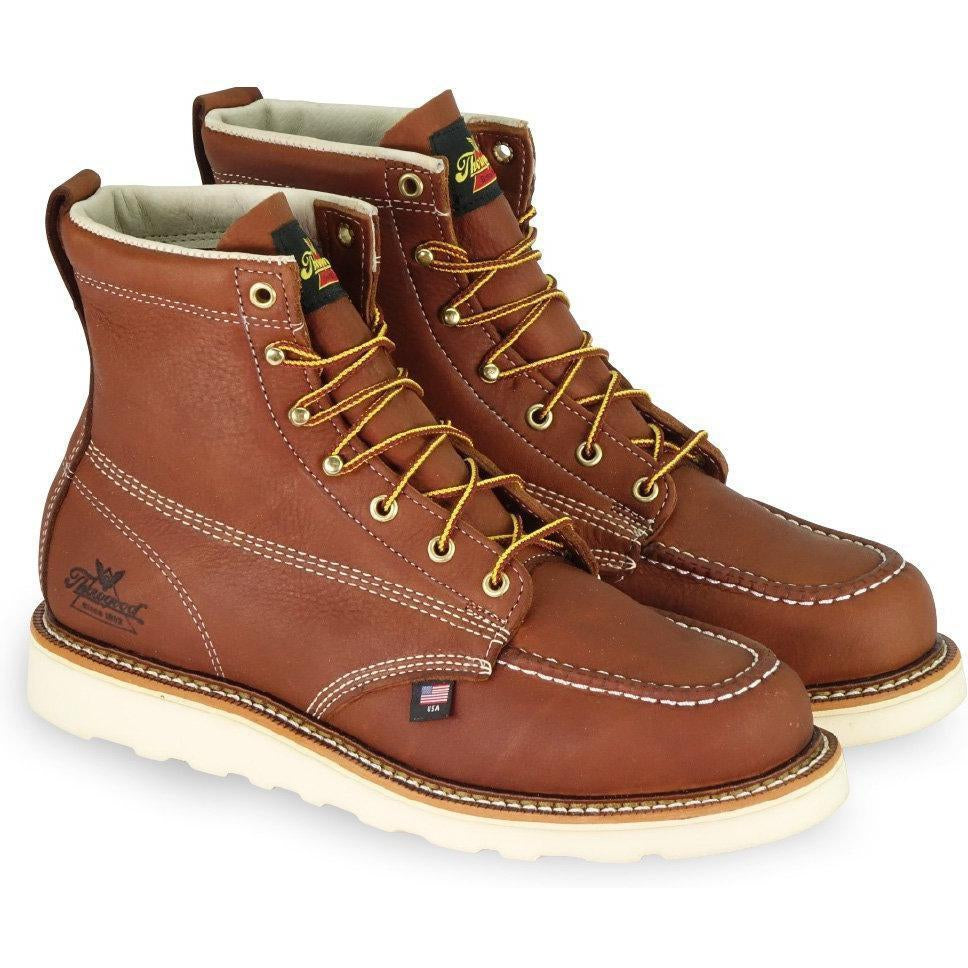
Thorogood Men's USA Made American Heritage 6" Wedge Work Boot - 814-4200
Save 7%
Sale price$269.95
Regular price$290.00
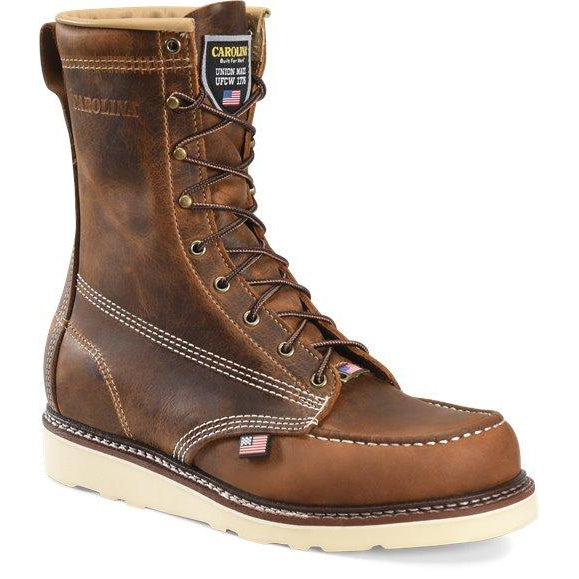
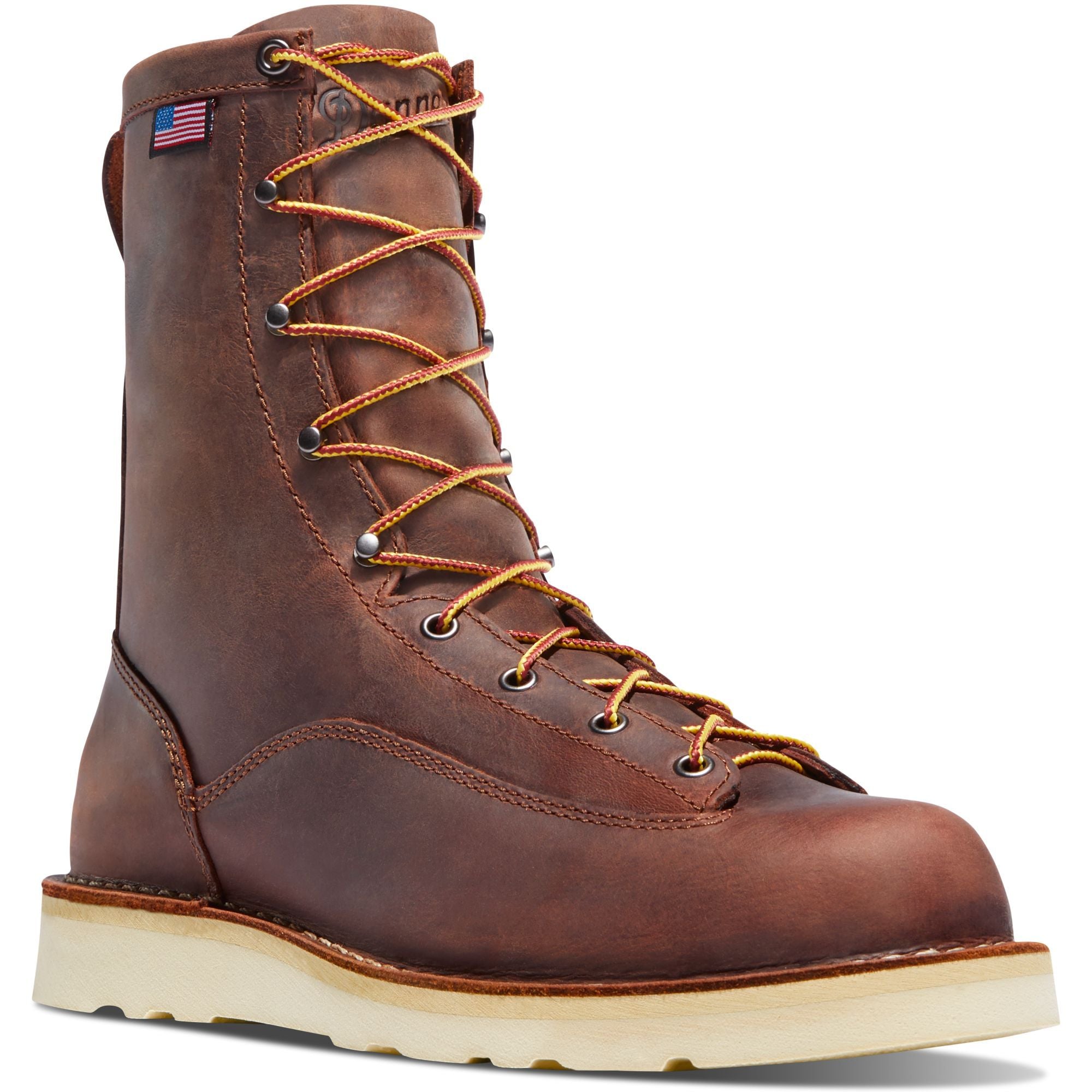
Danner Men's Bull Run USA Made 8" Soft Toe Wedge Work Boot - Brown - 15556
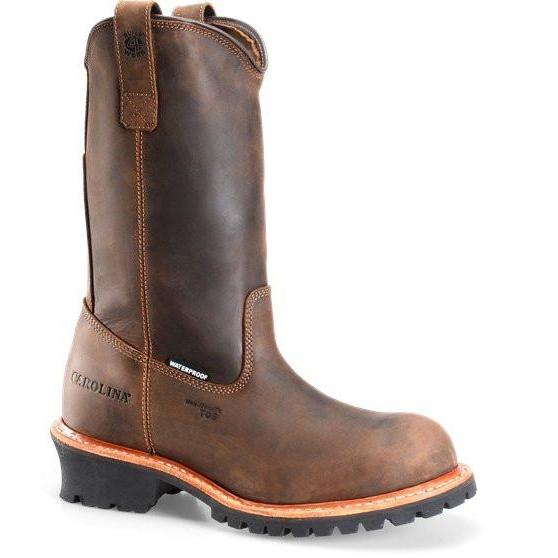
Save 5%
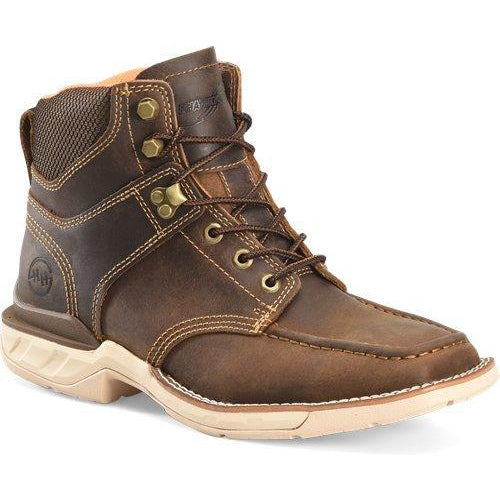
Sale price$144.99
Regular price$152.00
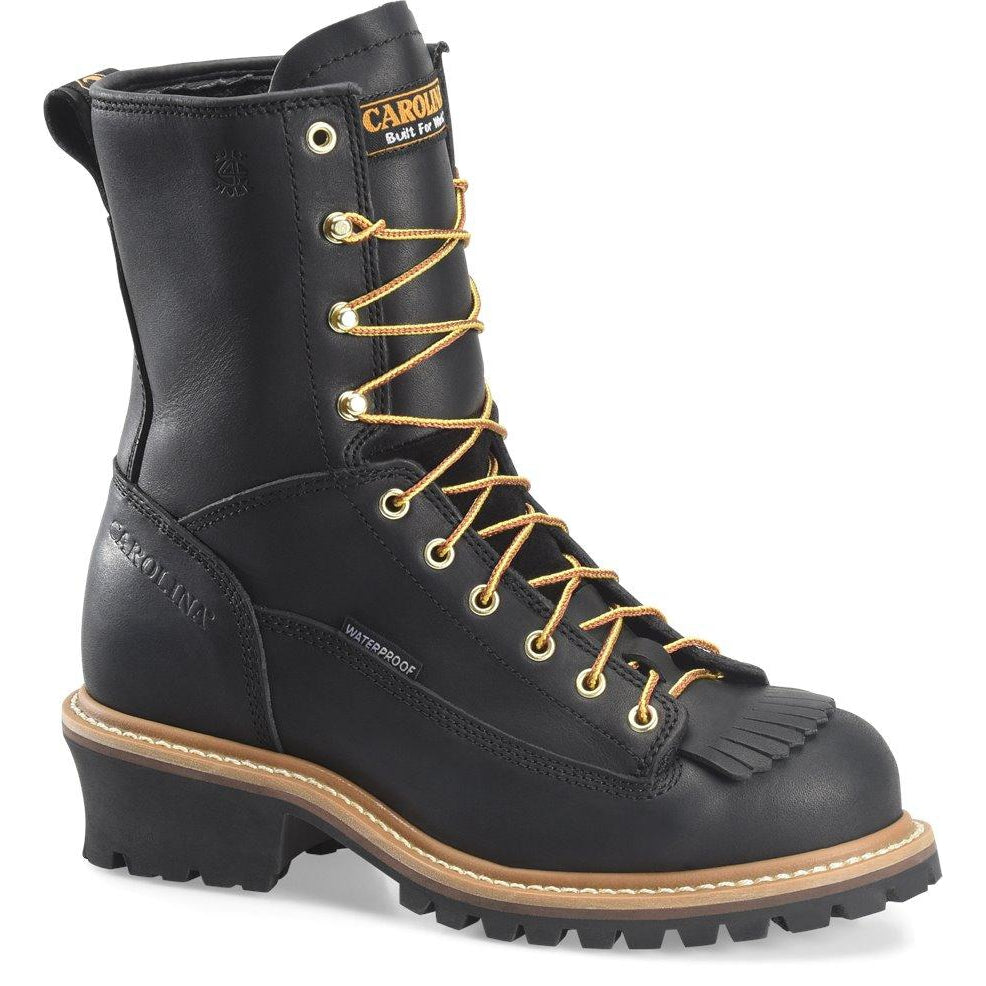
Double H Men's Brunel 6" Moc Toe Western Work Boot - Brown - DH5372
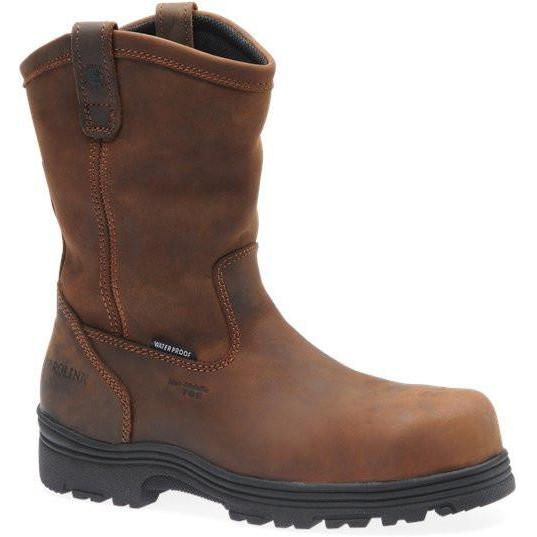
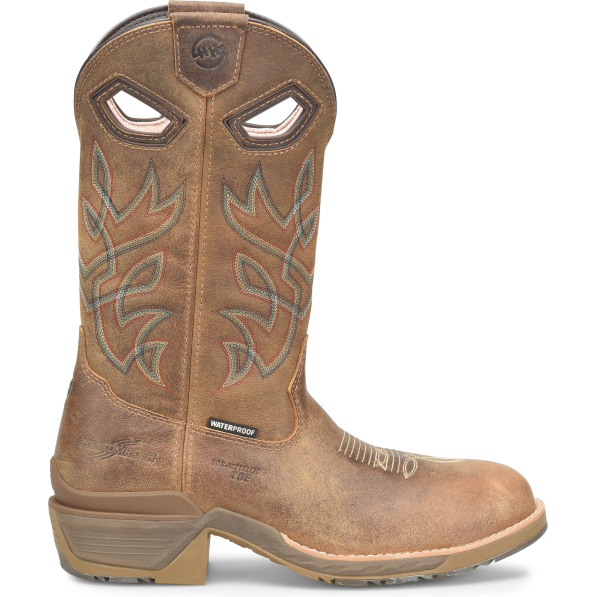
Sale price$214.99
Regular price$224.00
Double H Men's Cleave 12" Composite Toe Waterproof Western Work Boot - Brown - DH5422
Save 5%
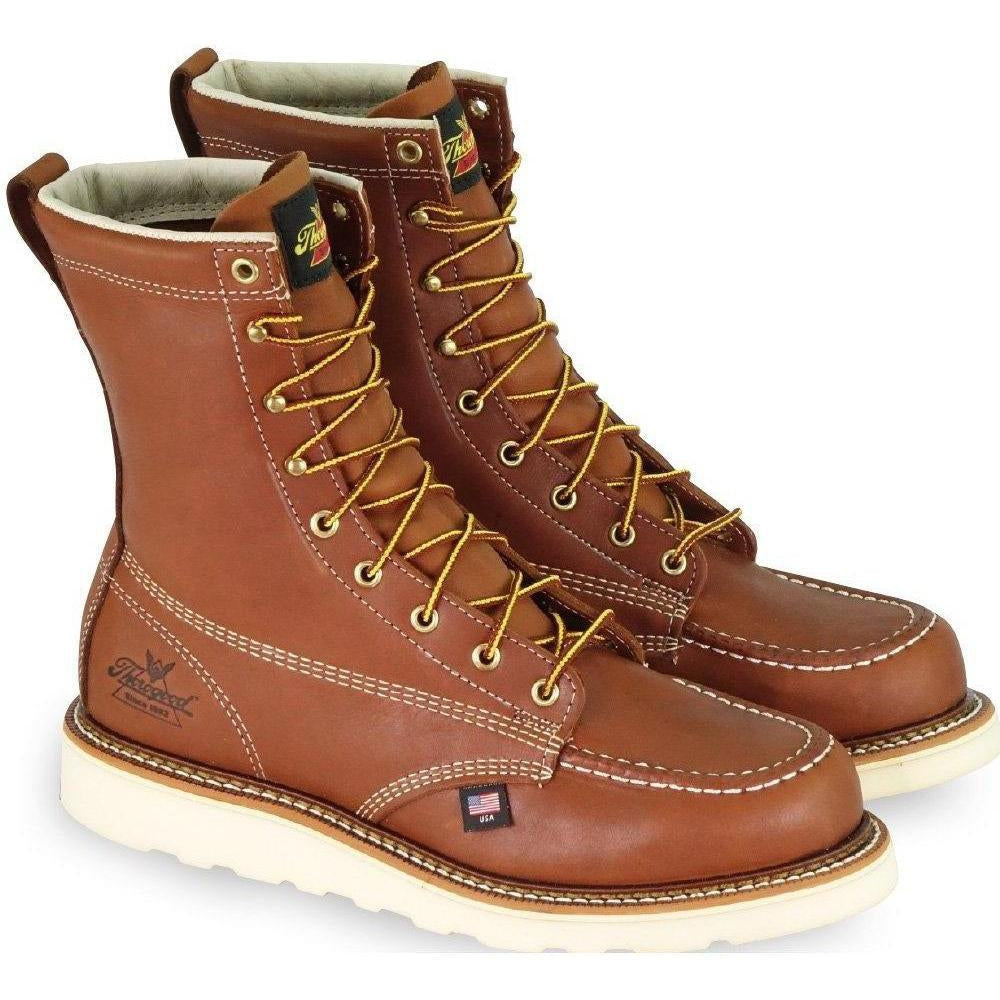
Sale price$274.95
Regular price$290.00
Thorogood Men's USA Made American Heritage 8" Wedge Work Boot - 814-4201
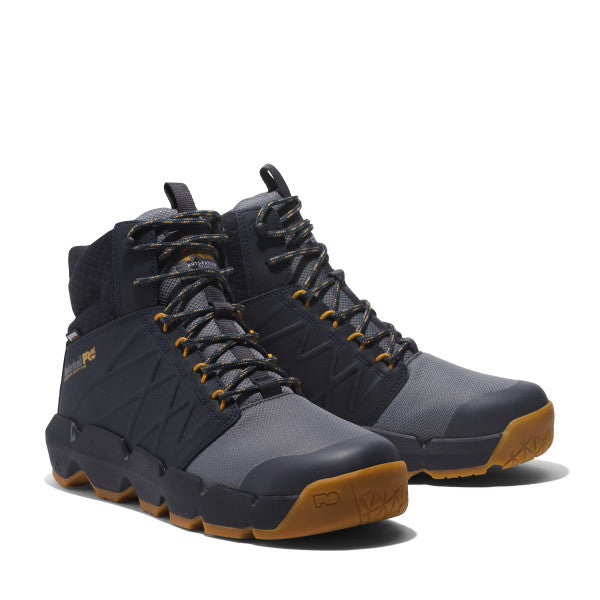
Sale price$174.95
Regular price$175.00
Timberland Pro Men's Morphix 6" Composite Toe Waterproof Work Boot - Grey - TB1A5YFU065
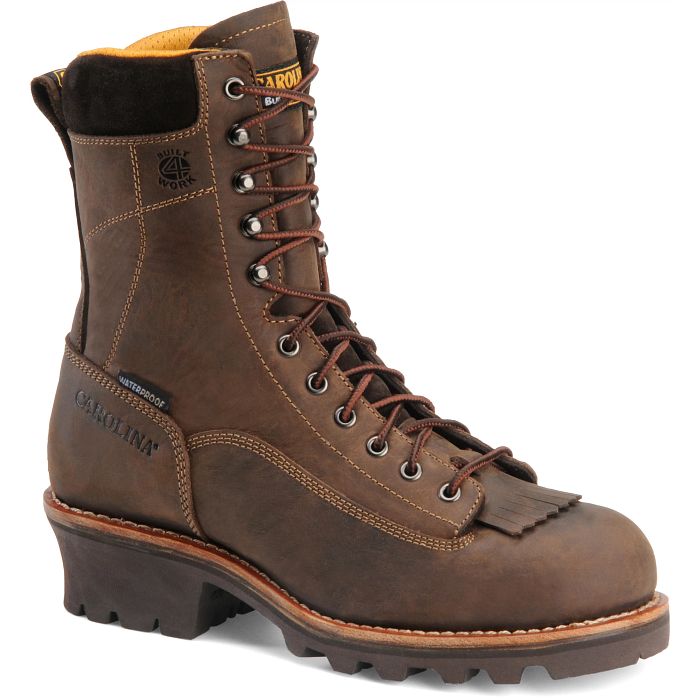
Sale price$249.99
Carolina Men's Birch 8" Waterproof Logger Work Boot - Brown - CA7022
Save 7%
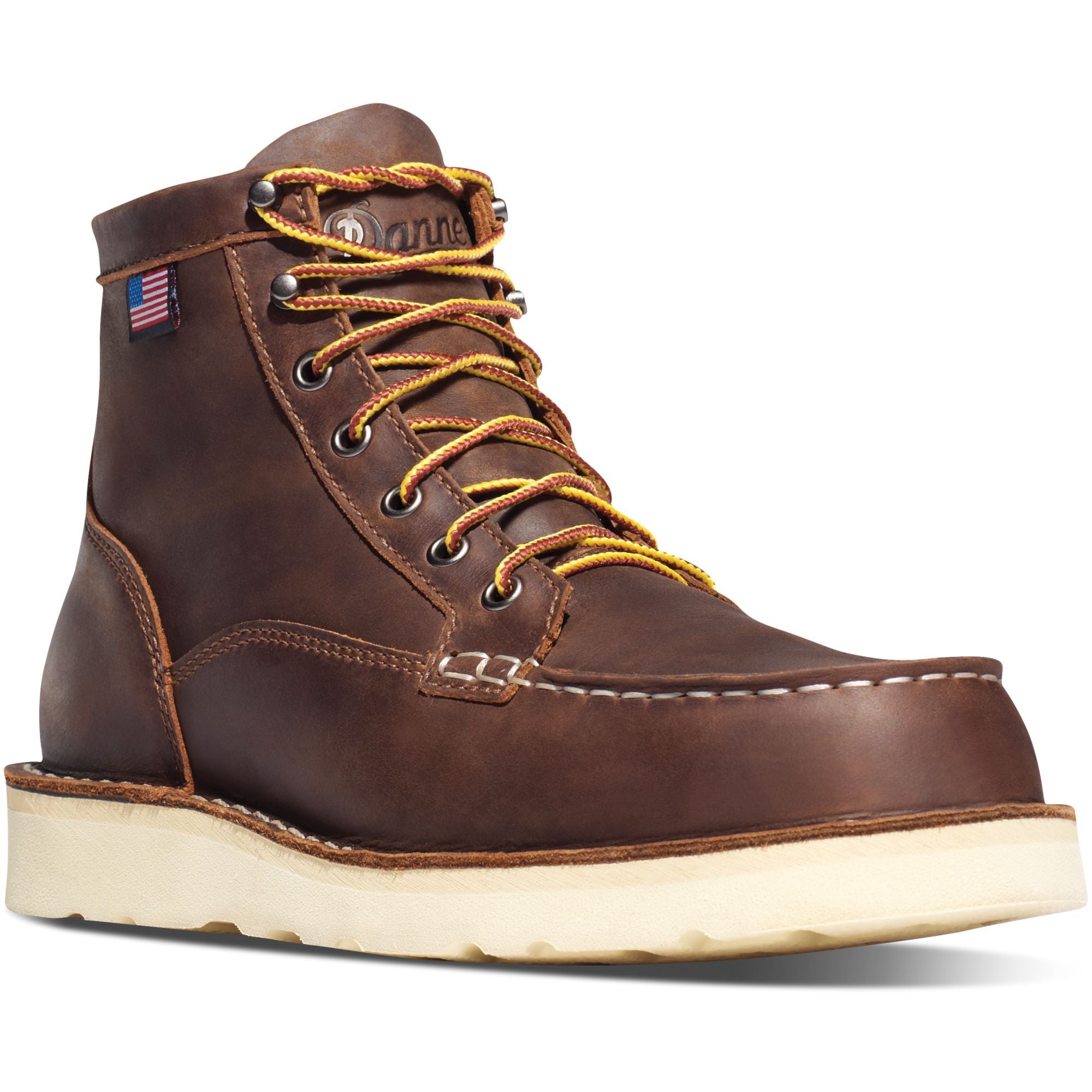
Sale price$269.95
Regular price$290.00
Danner Men's Bull Run USA Made 6" Moc Steel Toe Work Boot Brown 15564
Save 6%
Sale price$239.95
Regular price$256.00
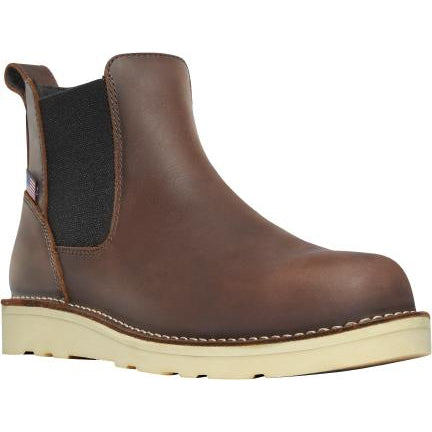
Danner Bull Run Chelsea 6 Inch Work Boots - Men's Soft Toe Wedge - 15481
Save 5%
Sale price$294.95
Regular price$310.00
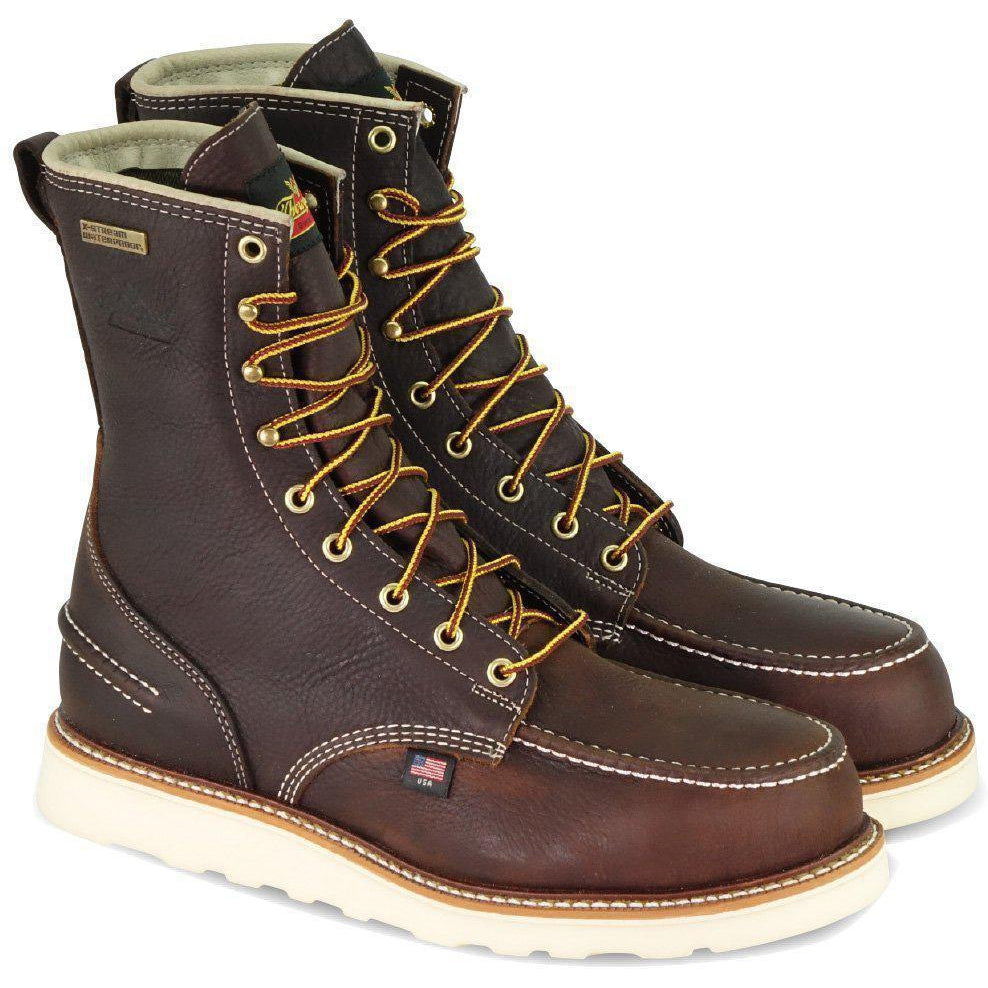
Thorogood Men's USA Made 1957 8" Moc Safety Toe Waterproof Wedge Work Boot 804-3800
Save 24%
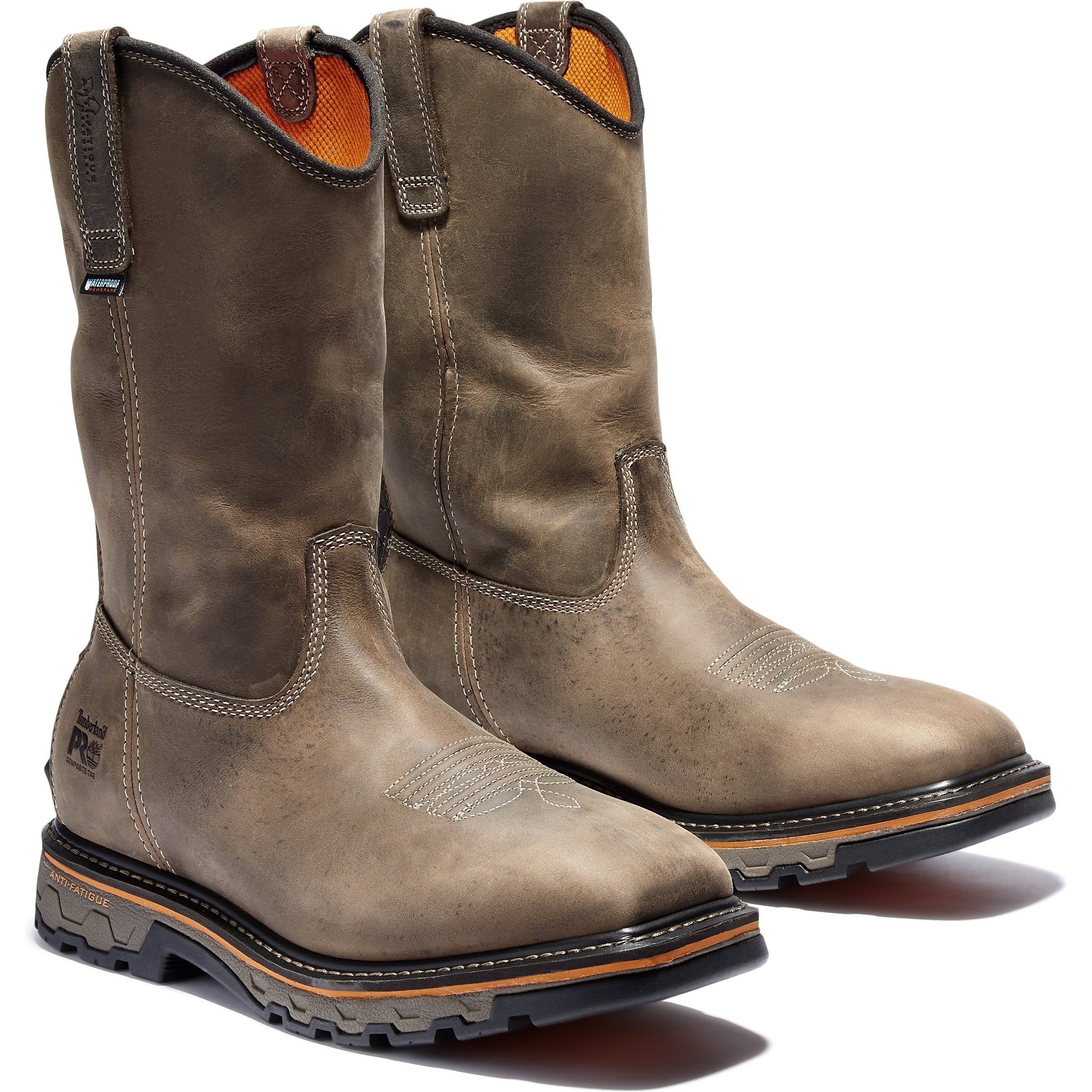
Sale price$159.95
Regular price$210.00
Timberland Pro Men's True Grit Soft Toe Waterproof Western Work Boot- TB1A24AJ214
Save 7%
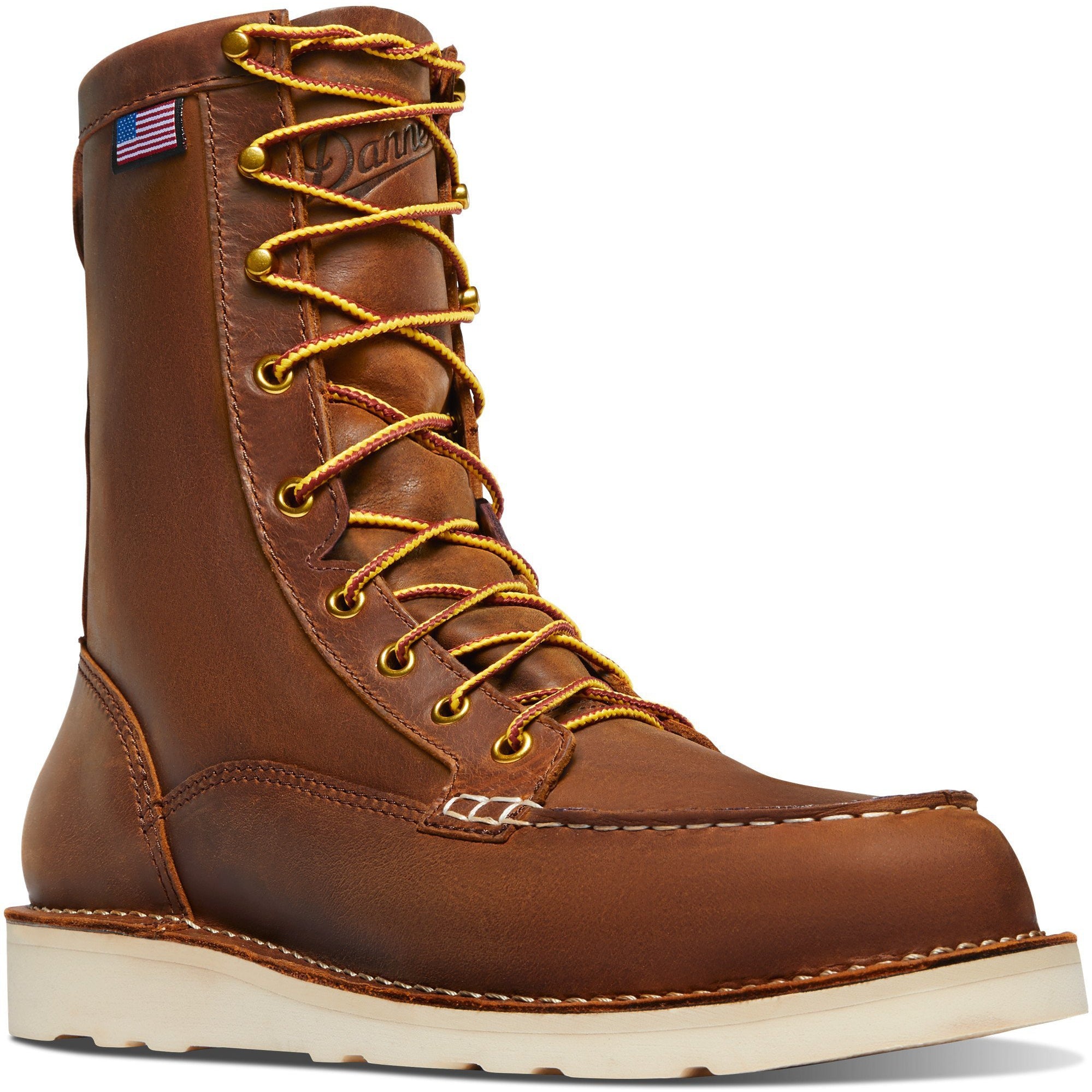
Sale price$269.95
Regular price$290.00
Danner Men's Bull Run 8" Moc Toe USA Made Wedge Work Boot - Tobacco - 15541
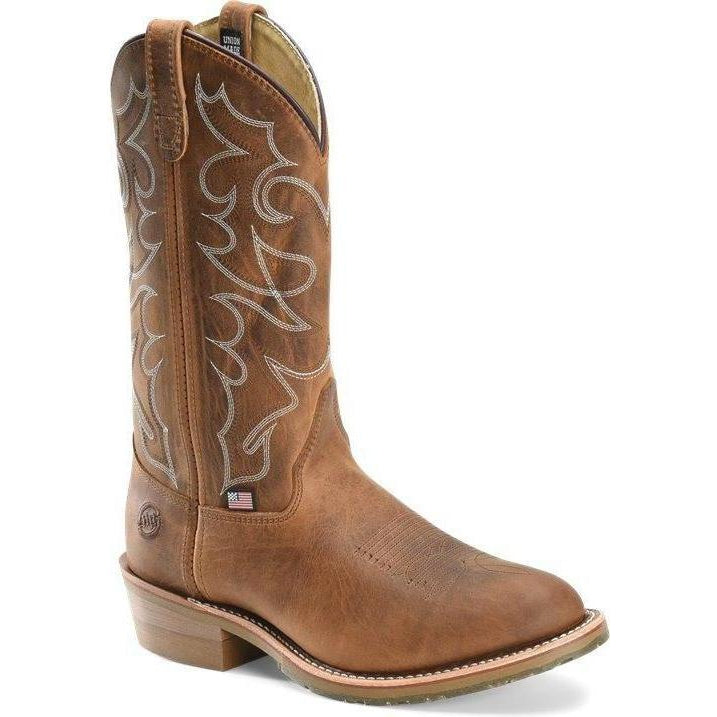
Sale price$284.99
Regular price$296.00
Double H Men's Dylan 12" Steel Toe USA Made Western Work Boot - DH1592
Recently viewed
Frequently Asked Questions
Most people working full time get somewhere between six months and a year out of a pair, though the real answer is condition rather than calendar. Replace them when the outsole tread has worn smooth, when the midsole no longer springs back and your feet ache earlier in the shift, or when the leather has cracked through. A safety toe boot that has taken a serious impact should be retired regardless of how it looks.
Six inches covers most general trades and gives the most ankle mobility, which matters for ladder work, crawl spaces, and time in a cab. Eight inches adds coverage against debris, sparks, and shallow water and is the standard lace-up work height. Ten inches and up is western pull-on and deep-mud territory. Compare our 6 inch and 8 inch ranges.
A well-fitted leather work boot usually settles within one to two weeks of regular wear, and wedge-sole and athletic-styled boots are often comfortable much sooner. Wear them in shorter stretches at first with the socks you actually work in. Break-in softens leather but will not add width, so pressure across the ball of the foot on day one is a sign to exchange for a wider size.
That depends on your employer's hazard assessment rather than on the trade name. Sites with falling or rolling object hazards typically require an ASTM F2413 rated toe, and many contracts specify it outright. Where no rating is required, a soft toe is lighter and more comfortable. Compare our safety toe and soft toe ranges.
All three meet the same ASTM F2413 impact and compression ratings, so protection is not the deciding factor. Steel is the cheapest and slimmest. Alloy is lighter metal. Composite is non-metallic and does not conduct heat or cold. Electrical hazard protection comes from the sole, not the toe cap, so check for the EH rating separately.
Buy the width rather than sizing up in length. A longer boot puts the flex point in the wrong place and lets your heel slip, while a wide width gives room across the ball of the foot where you need it. Most major brands offer wide and extra-wide. See our wide fit work boots range.
Brush off dirt and salt after wear, let them dry at room temperature away from any heat source, and condition the leather when it starts looking dry or stops shedding water. Direct heat from a heater or truck vent is what cracks uppers and loosens sole adhesive. Rotating two pairs so each fully dries between wears does more for boot life than any single product.
Yes, in a separate collection: athletic work shoes, oxfords and slip-ons, many with rated safety toes. See our men's work shoes range.