Sale price$294.99
Regular price$306.00
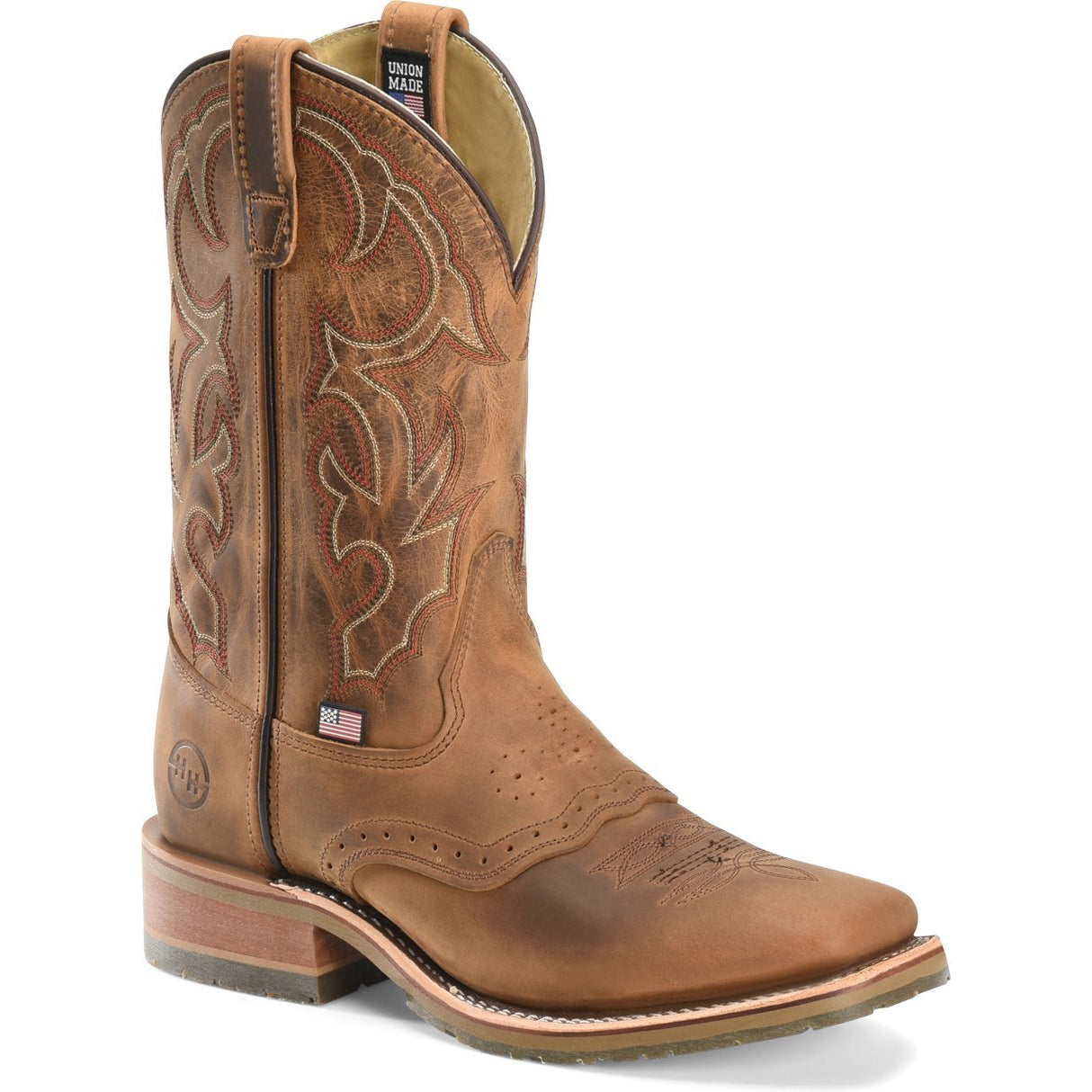
Double H Men's Jase 11" Square Toe USA Made Western Work Boot - DH3560
Sale price$279.99
Regular price$290.00
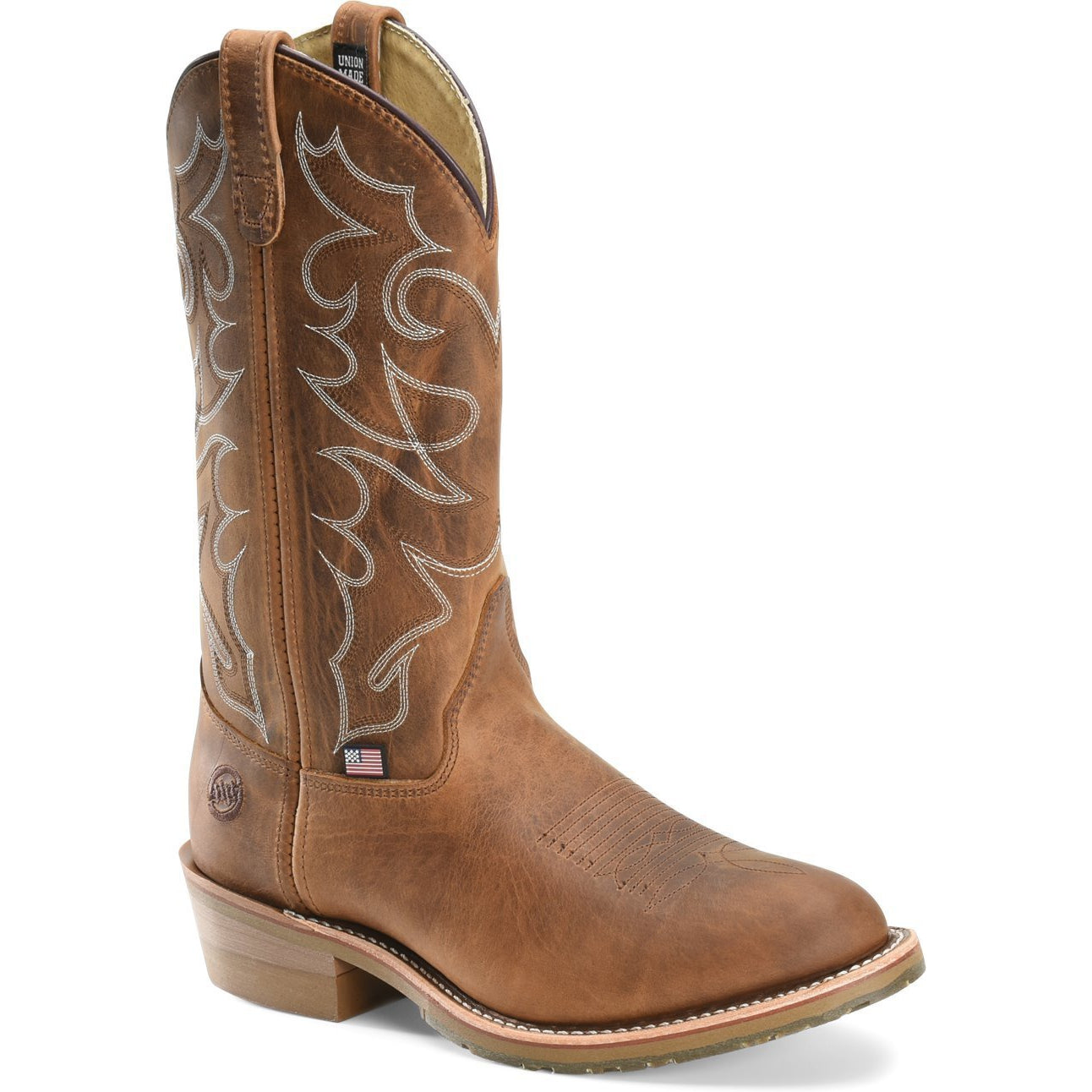
Double H Men's Dylan 12" Soft Toe USA Made Western Work Boot - DH1552

Sale price$299.99
Regular price$314.00
Double H Men's Anton 11" Steel Toe USA Made Western Work Boot - DH4637
Sale price$214.99
Regular price$224.00
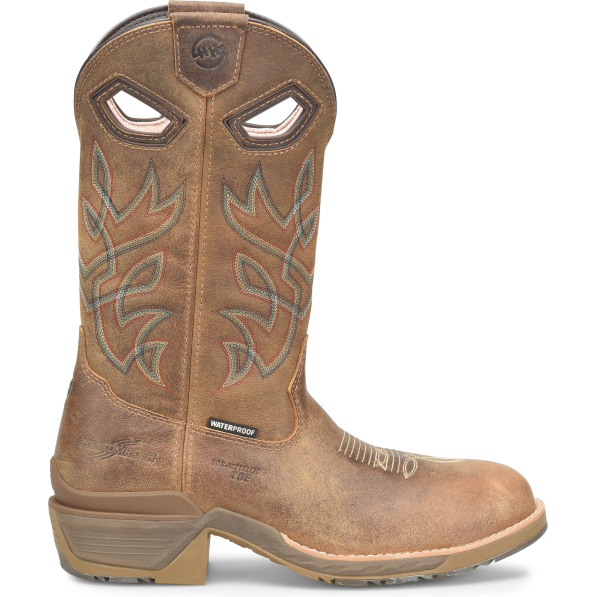
Double H Men's Cleave 12" Composite Toe Waterproof Western Work Boot - Brown - DH5422
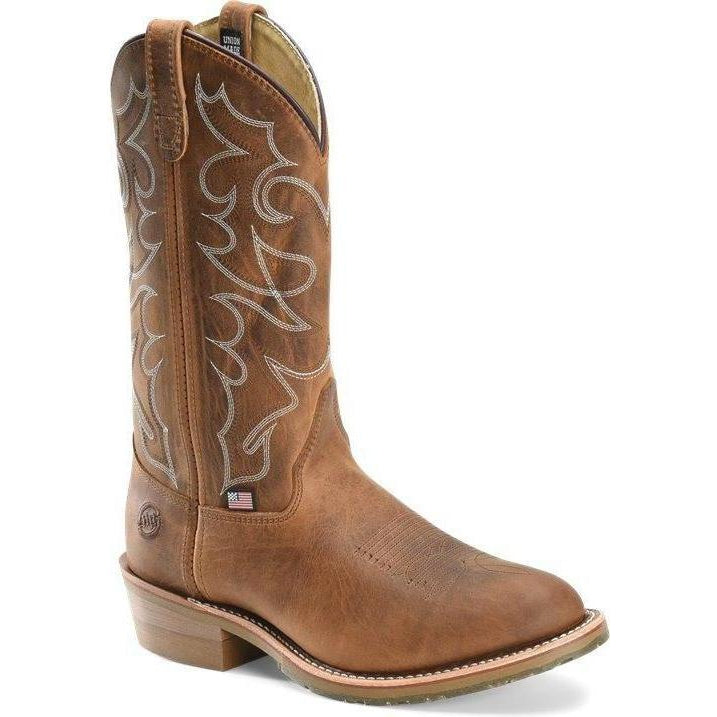
Sale price$284.99
Regular price$296.00
Double H Men's Dylan 12" Steel Toe USA Made Western Work Boot - DH1592
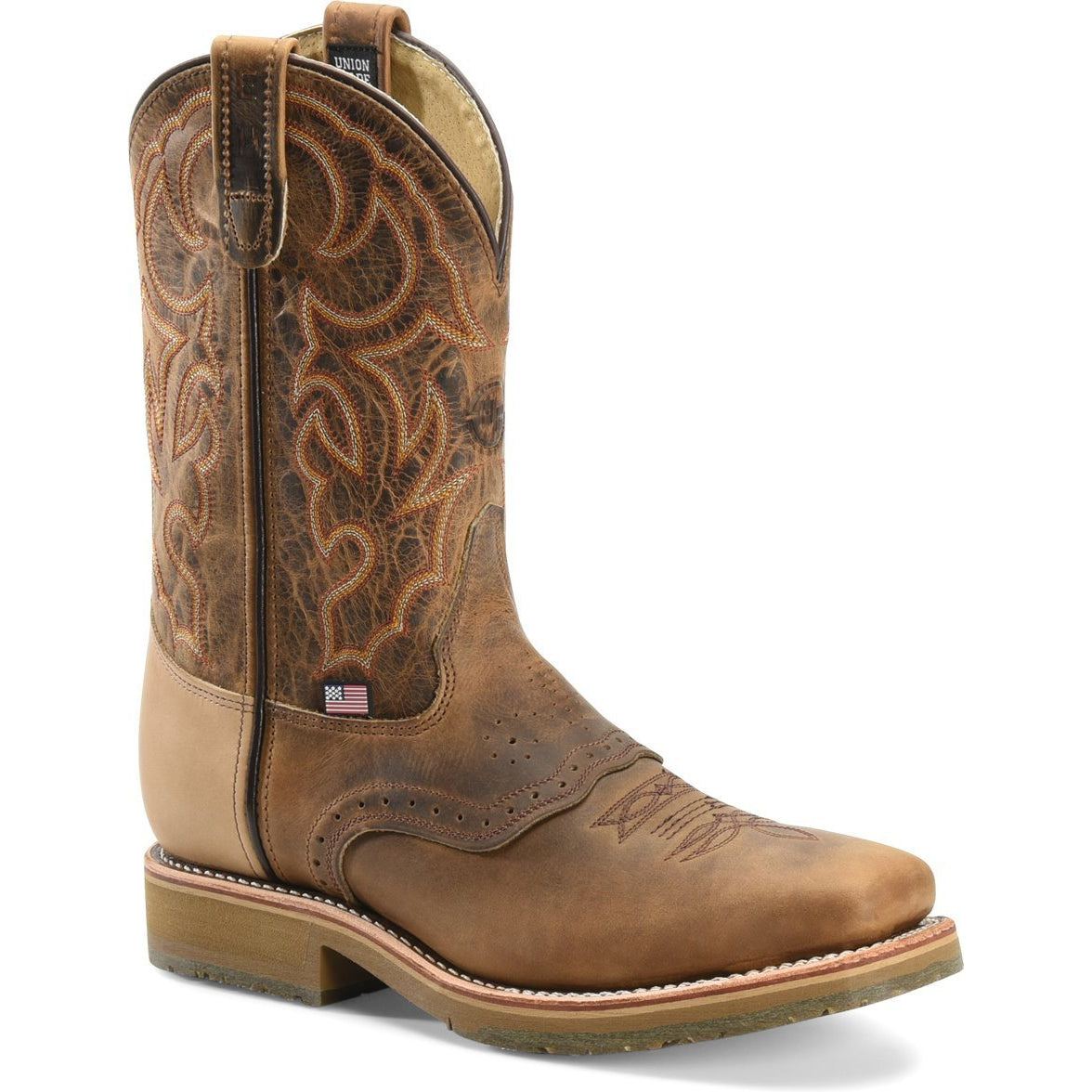
Sale price$314.99
Regular price$328.00
Double H Men's Dwight 11" Steel Toe USA Made Western Work Boot- DH3567
Save 5%
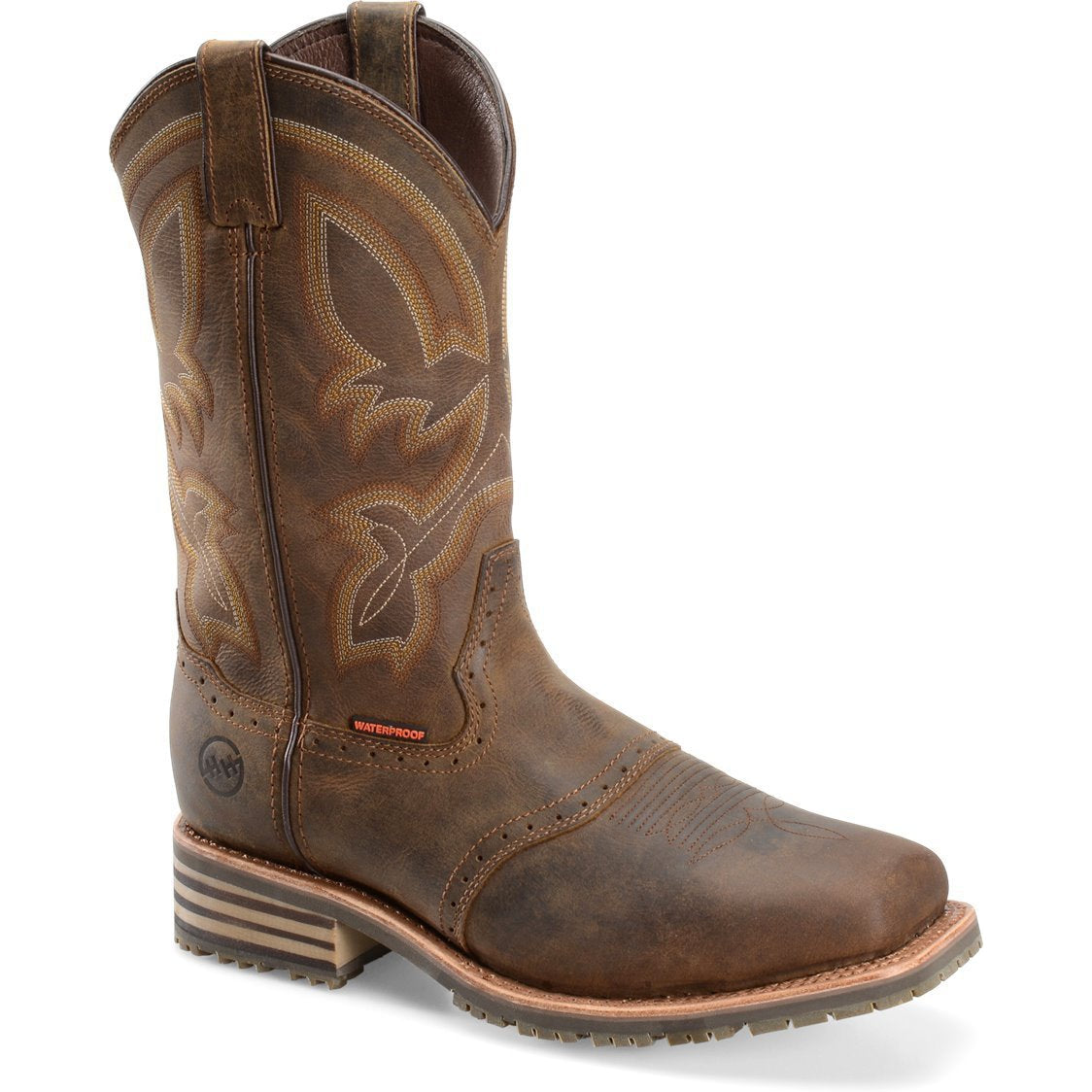
Sale price$224.99
Regular price$236.00
Double H Men's Jeyden 11" Composite Toe Waterproof Western Work Boot- Brown- DH5124
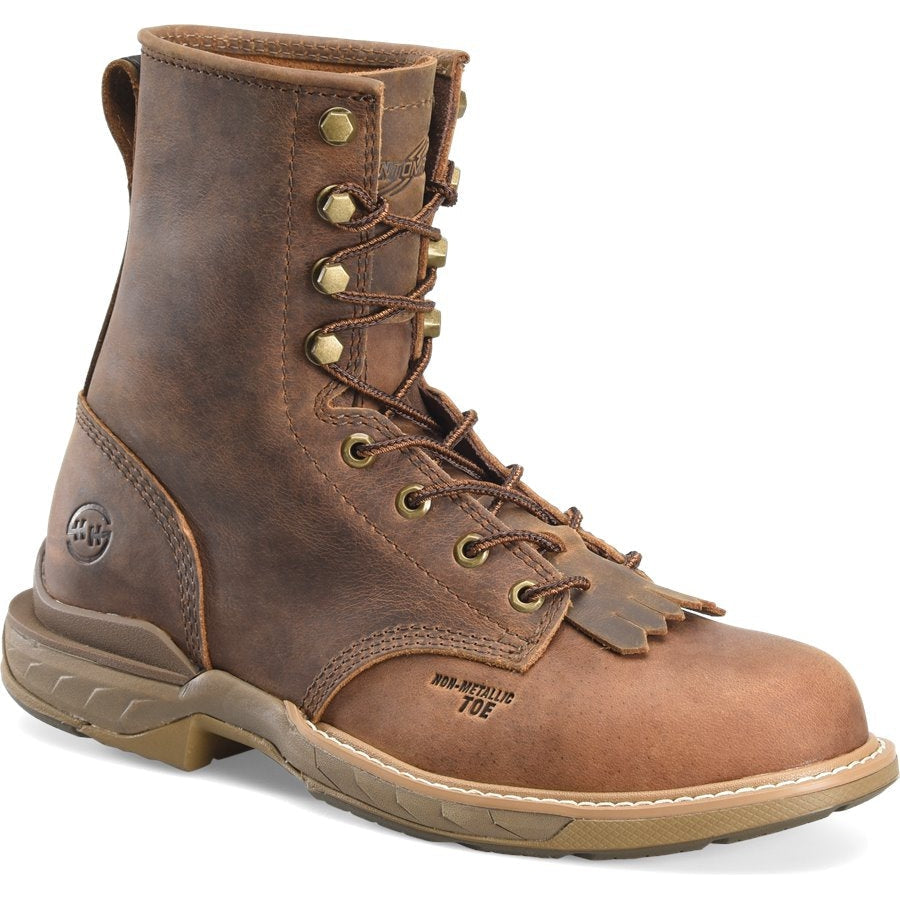
Sale price$194.99
Regular price$202.00
Double H Men's Phantom Rider Raid 8" Composite Toe Lacer Work Boot -Brown- DH5393
Save 16%
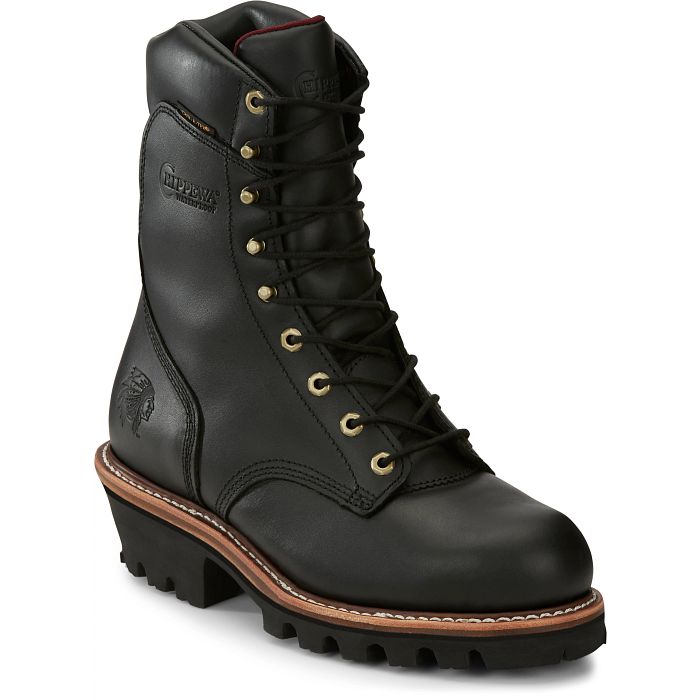
Sale price$278.36
Regular price$331.00
Chippewa Men's Super DNA 9" Steel Toe Waterproof 400G Ins Logger Work Boot - Black - 59410
Save 5%
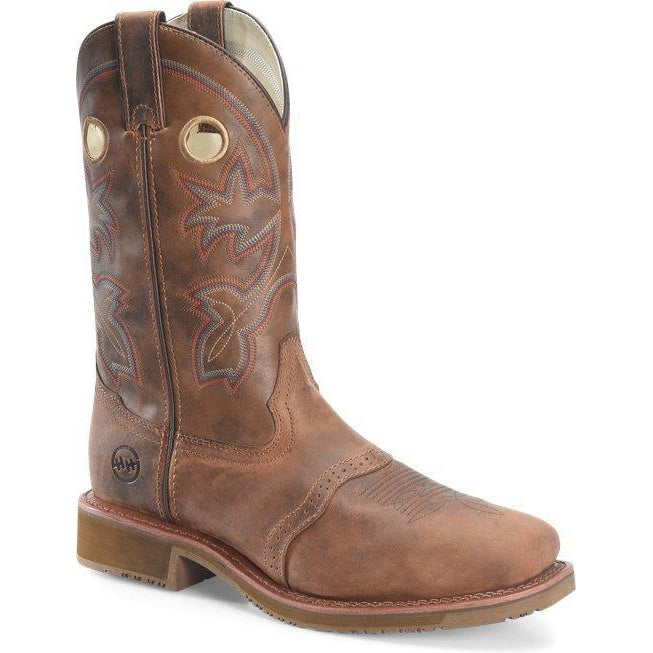
Sale price$184.99
Regular price$194.00
Double H Men's Antonio 13" Composite Toe Western Work Boot Brown- DH6134
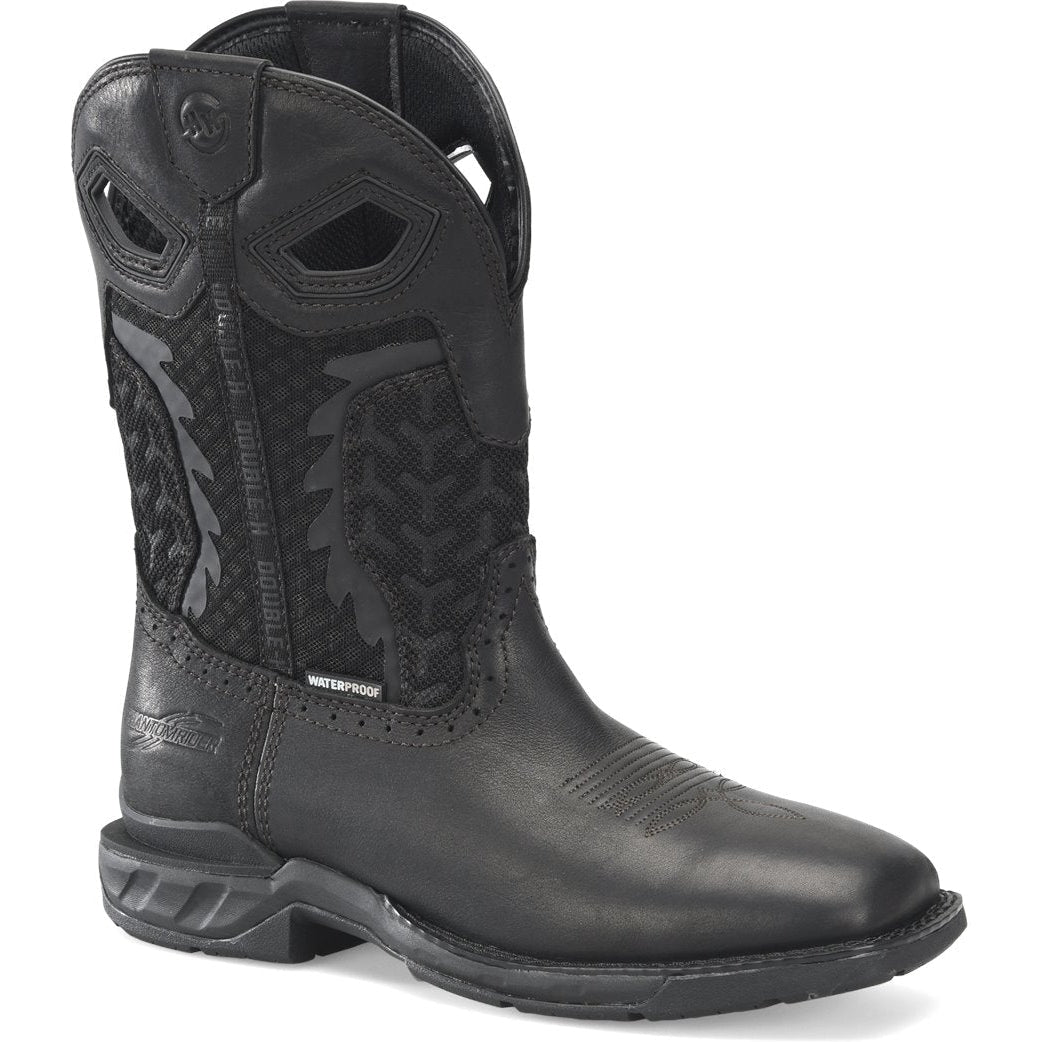
Sale price$189.99
Regular price$198.00
Double H Men's Phantom Rider Shadow 11" Waterproof Roper Work Boot -Black- DH5381
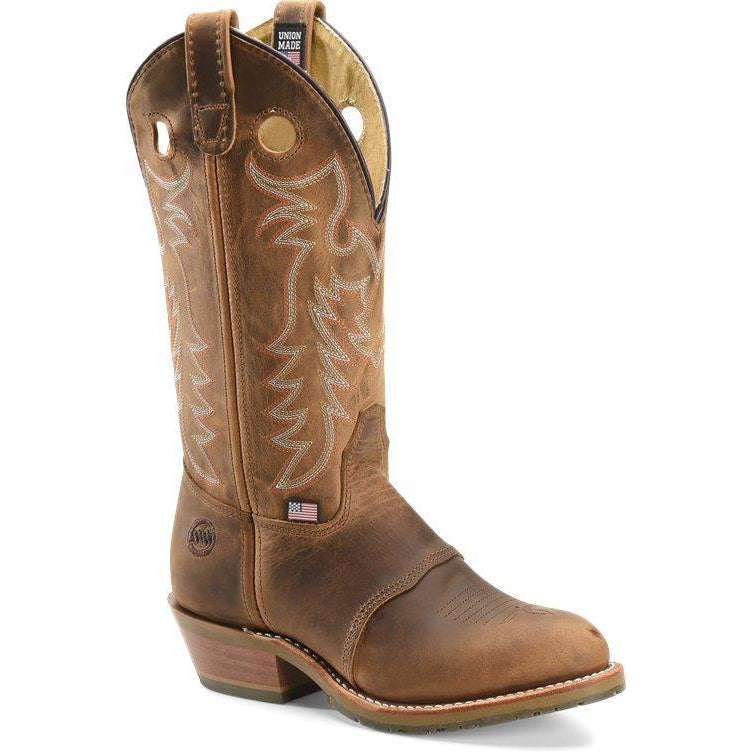
Sale price$284.99
Regular price$294.00
Double H Women's Daniela 12" Round Toe USA Made Western Work Boot DH5159
Save 16%
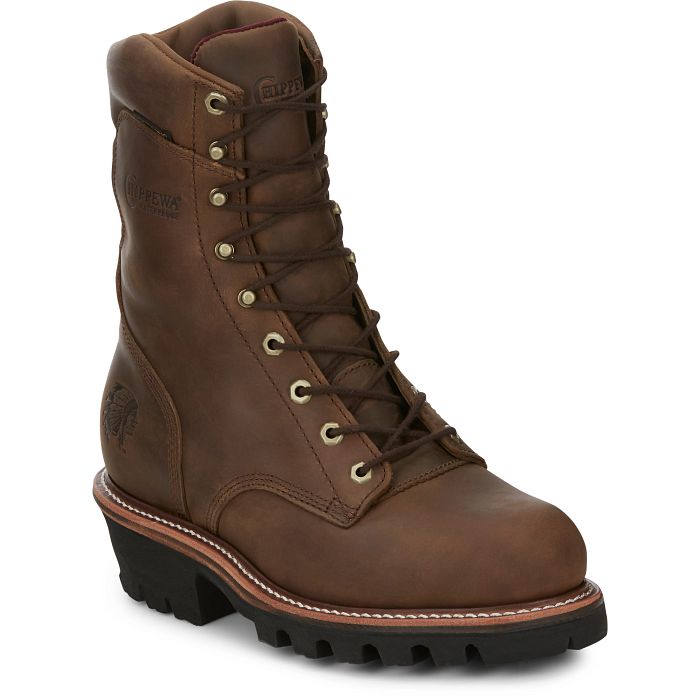
Sale price$278.36
Regular price$331.00
Chippewa Men's 9" Steel Toe Waterproof Ins Logger Work Boot - Brown - 59405
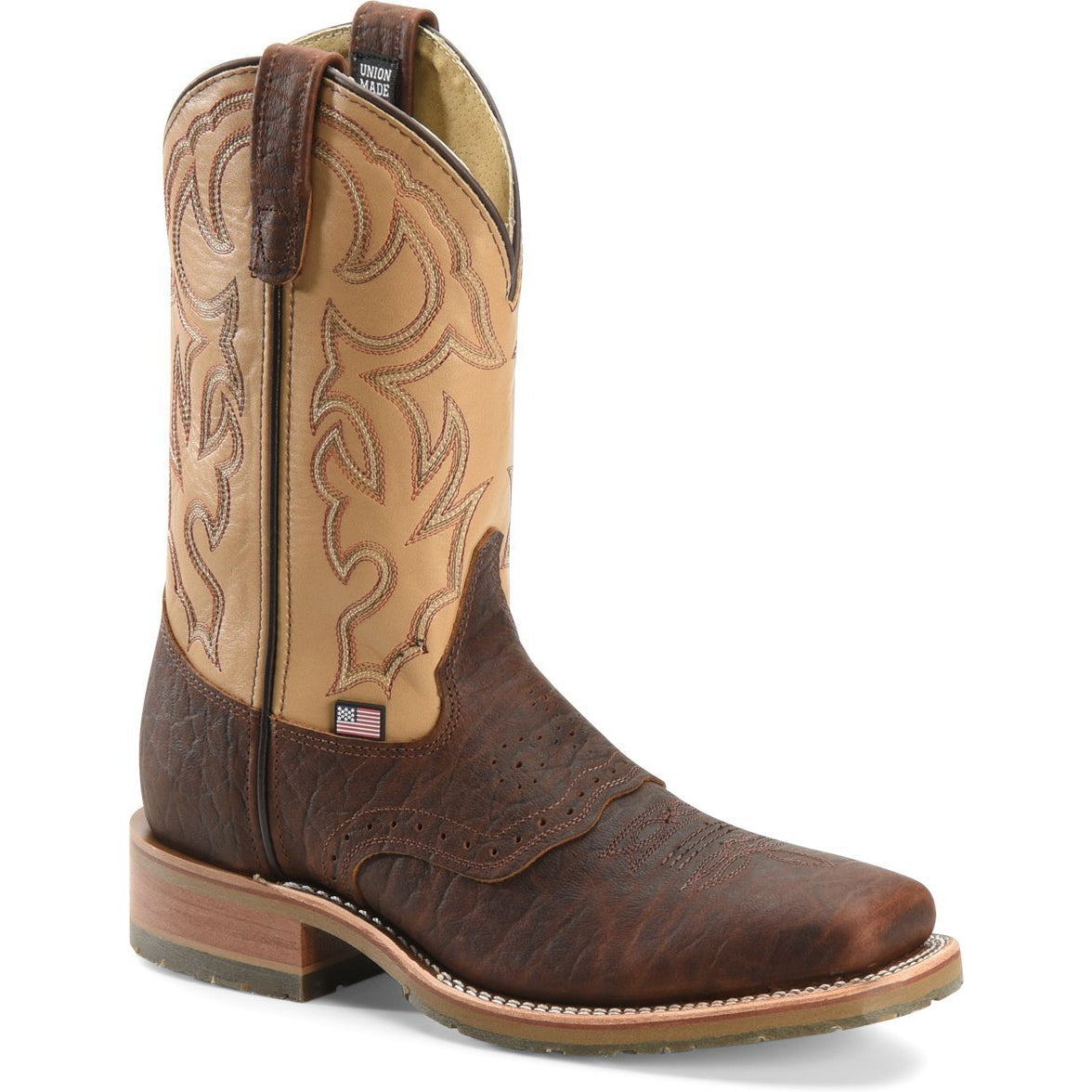
Sale price$304.99
Regular price$318.00
Double H Men's Graham 11" Steel Toe USA Made Western Work Boot- DH5305
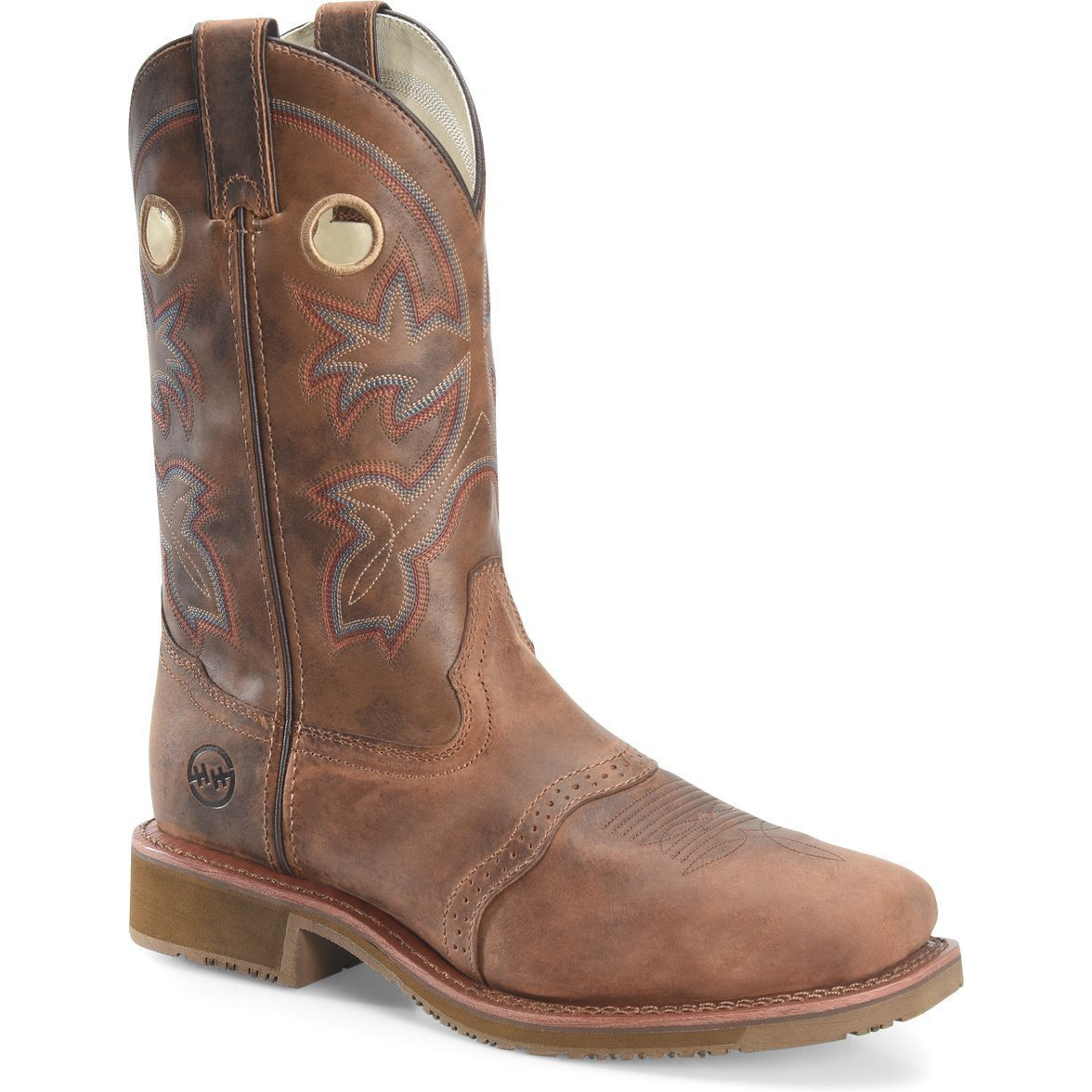
Sale price$179.99
Regular price$188.00
Double H Men's Antonio 13" Square Toe Western Work Boot- Brown- DH5134
Save 22%
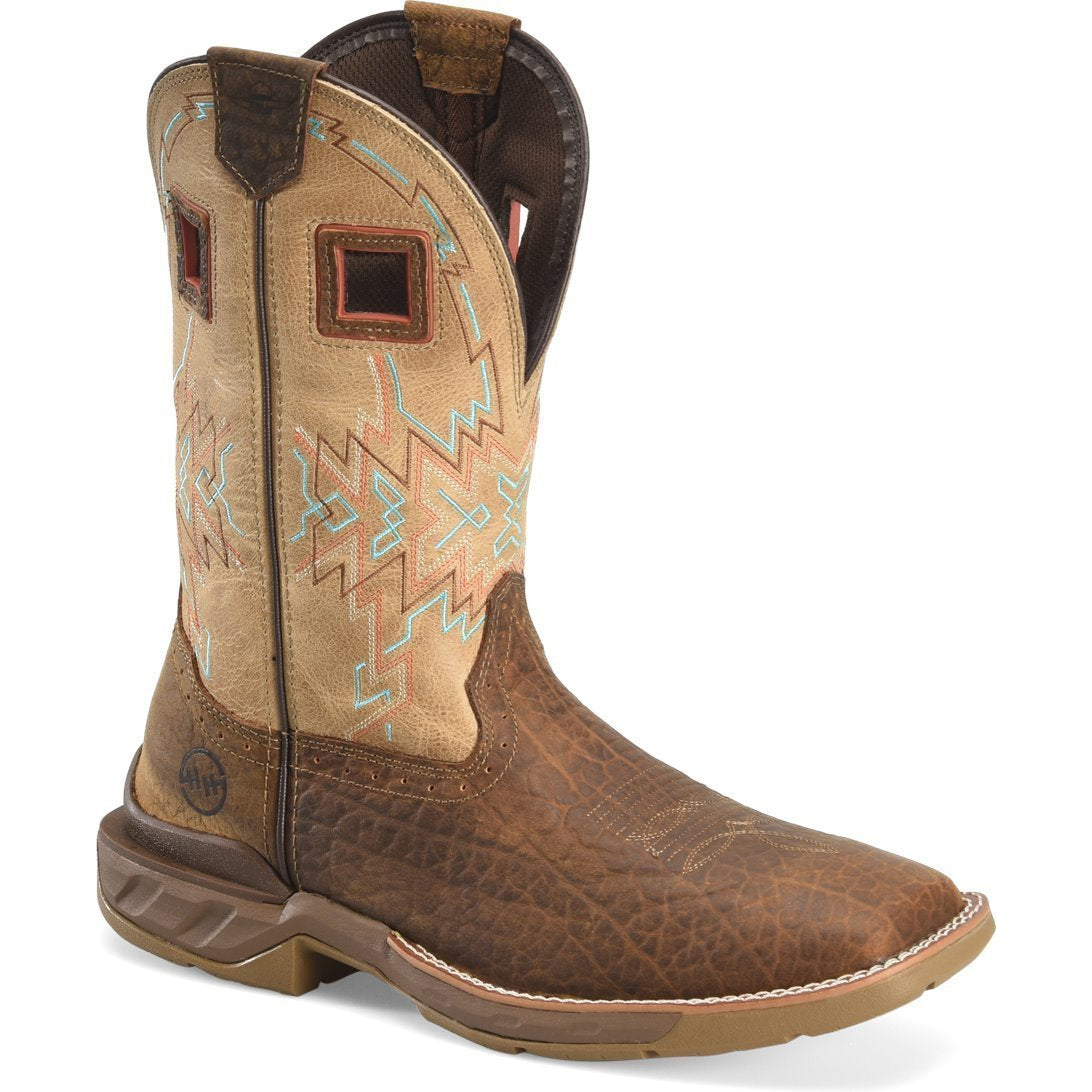
Sale price$131.67
Regular price$168.00
Double H Men's Phantom Rider Clem 11" Square Toe Western Work Boot - Brown - DH5361
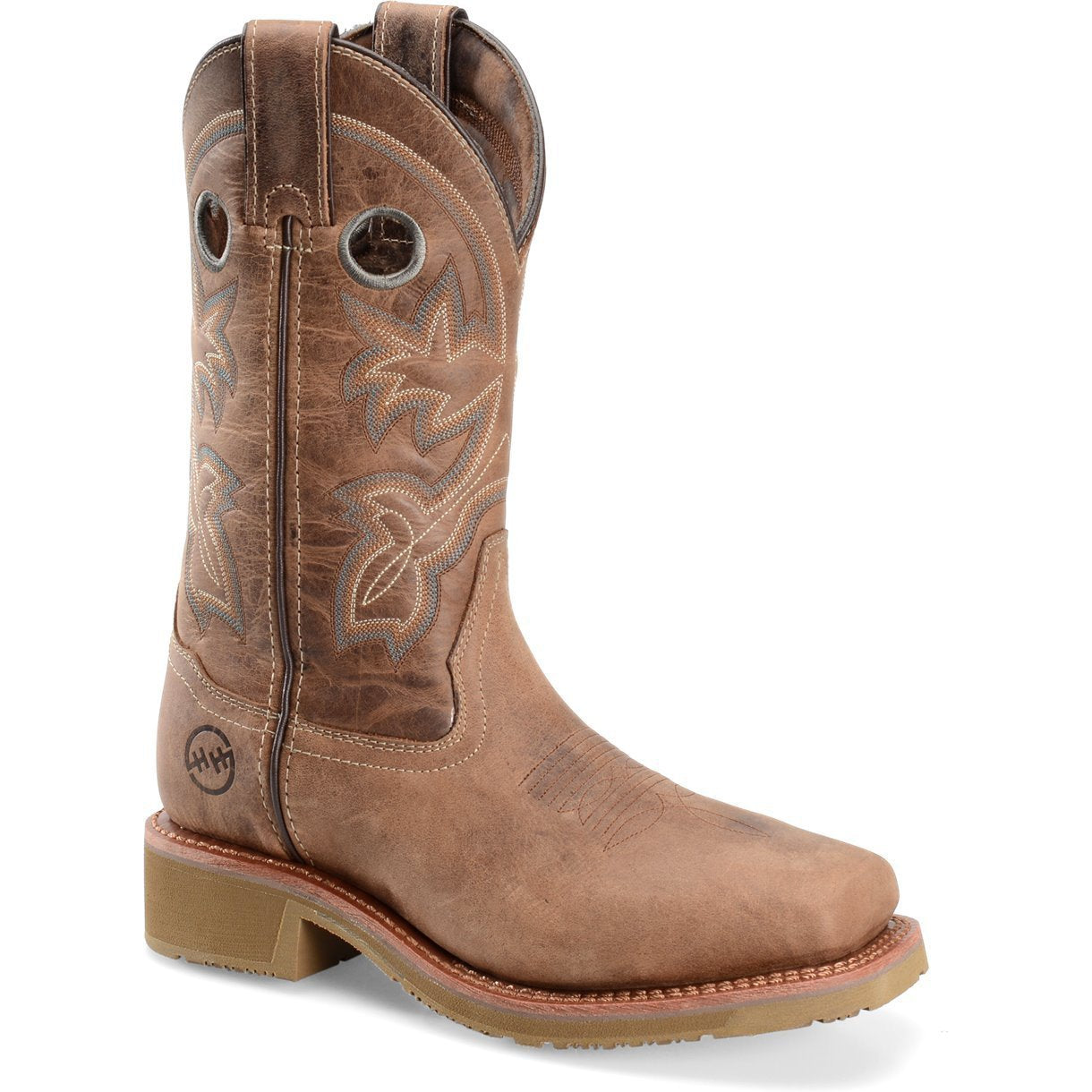
Sale price$184.99
Regular price$192.00
Double H Women's Haddie 11" Composite Toe Western Work Boot- Brown - DH2411
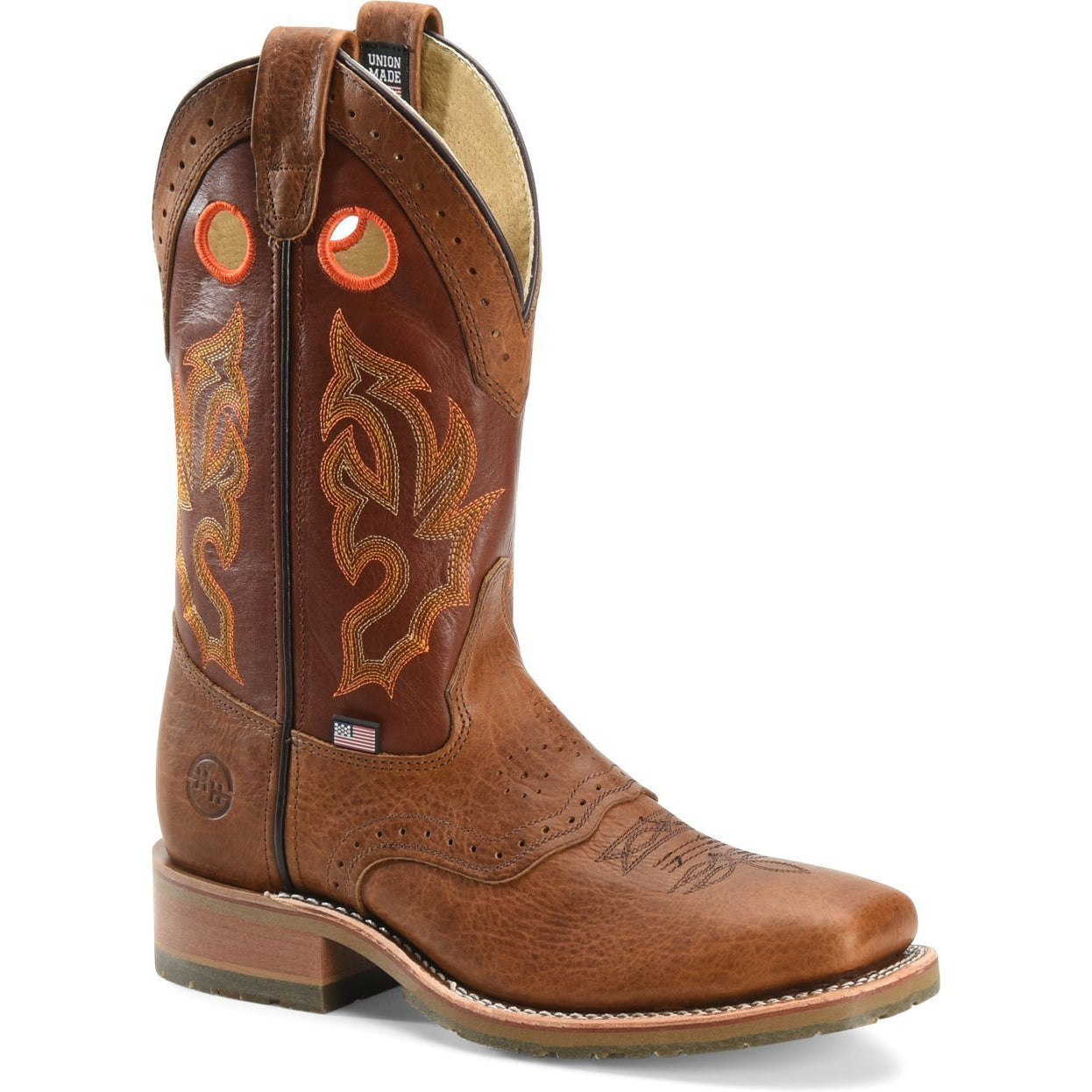
Sale price$319.99
Regular price$334.00
Double H Men's Mickey 12" Steel Toe USA Made Western Work Boot- DH5400
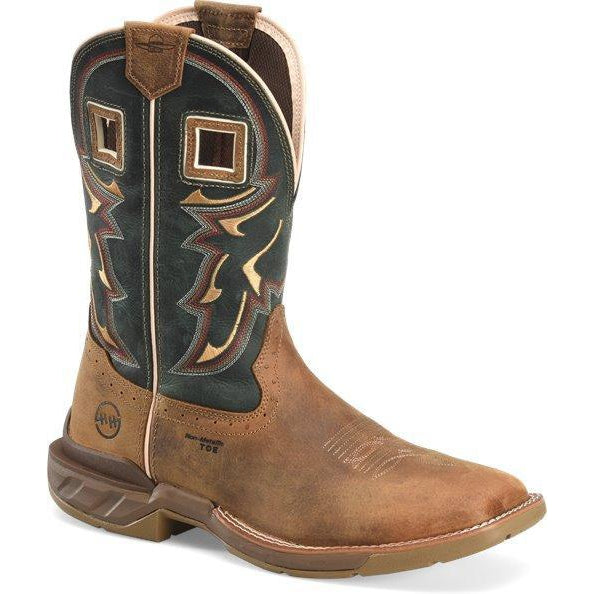
Sale price$164.99
Regular price$172.00
Double H Men's Phantom Rider Kerrick 11" Composite Toe Western Work Boot - Brown - DH5356
Save 29%
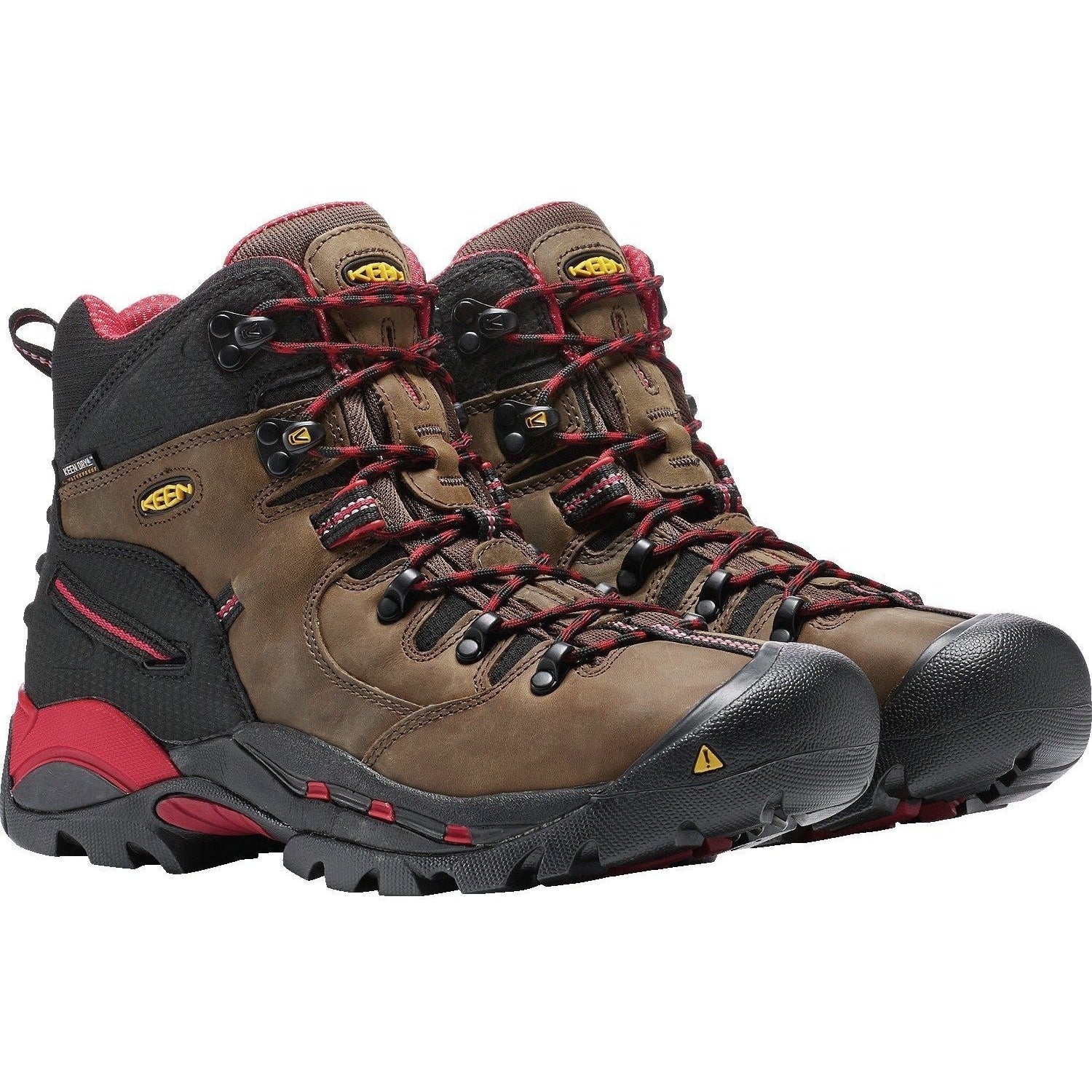
Sale price$141.67
Regular price$200.00
Keen Utility Pittsburgh Steel Toe Work Boot - Bison - 1007024
Sale price$299.99
Regular price$312.00
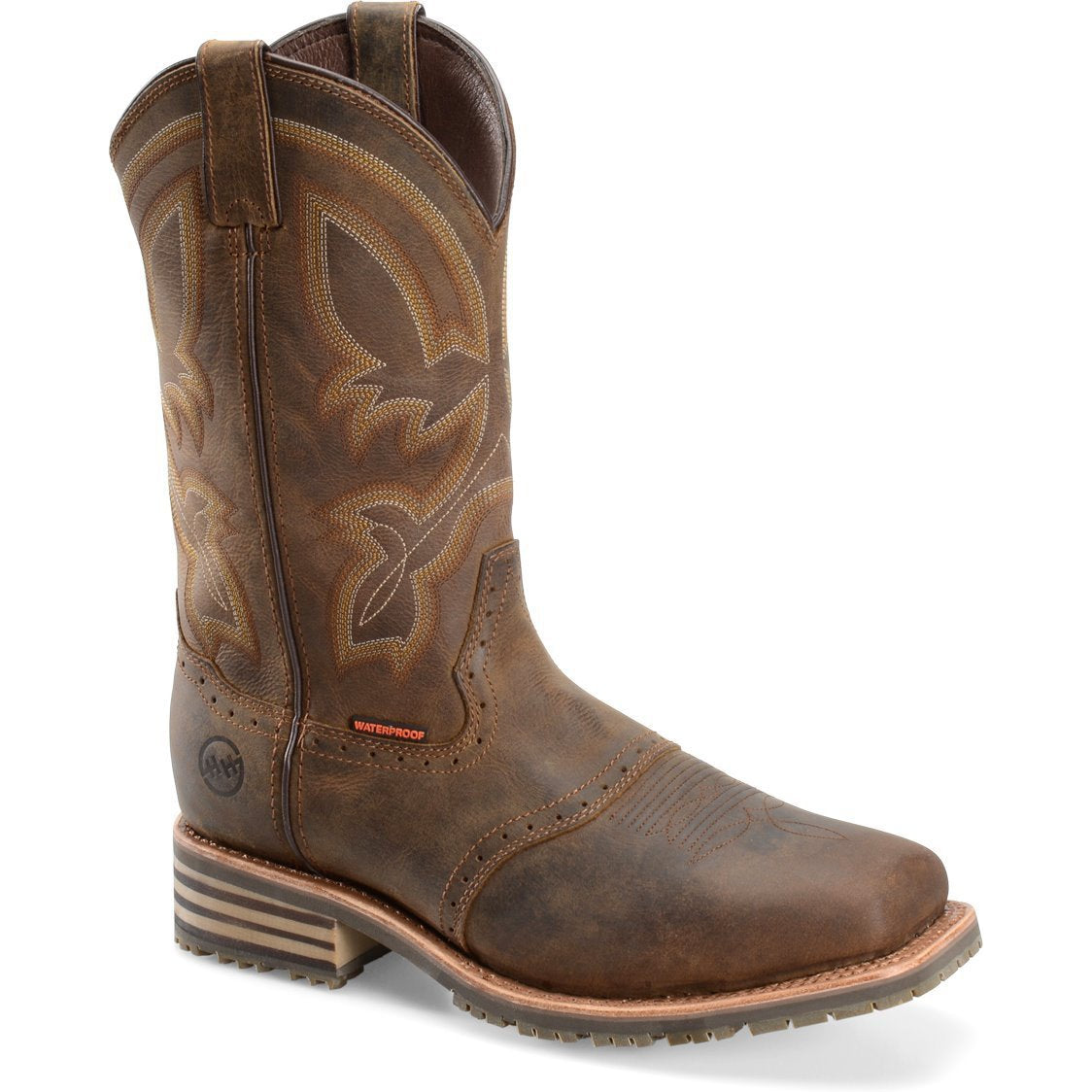
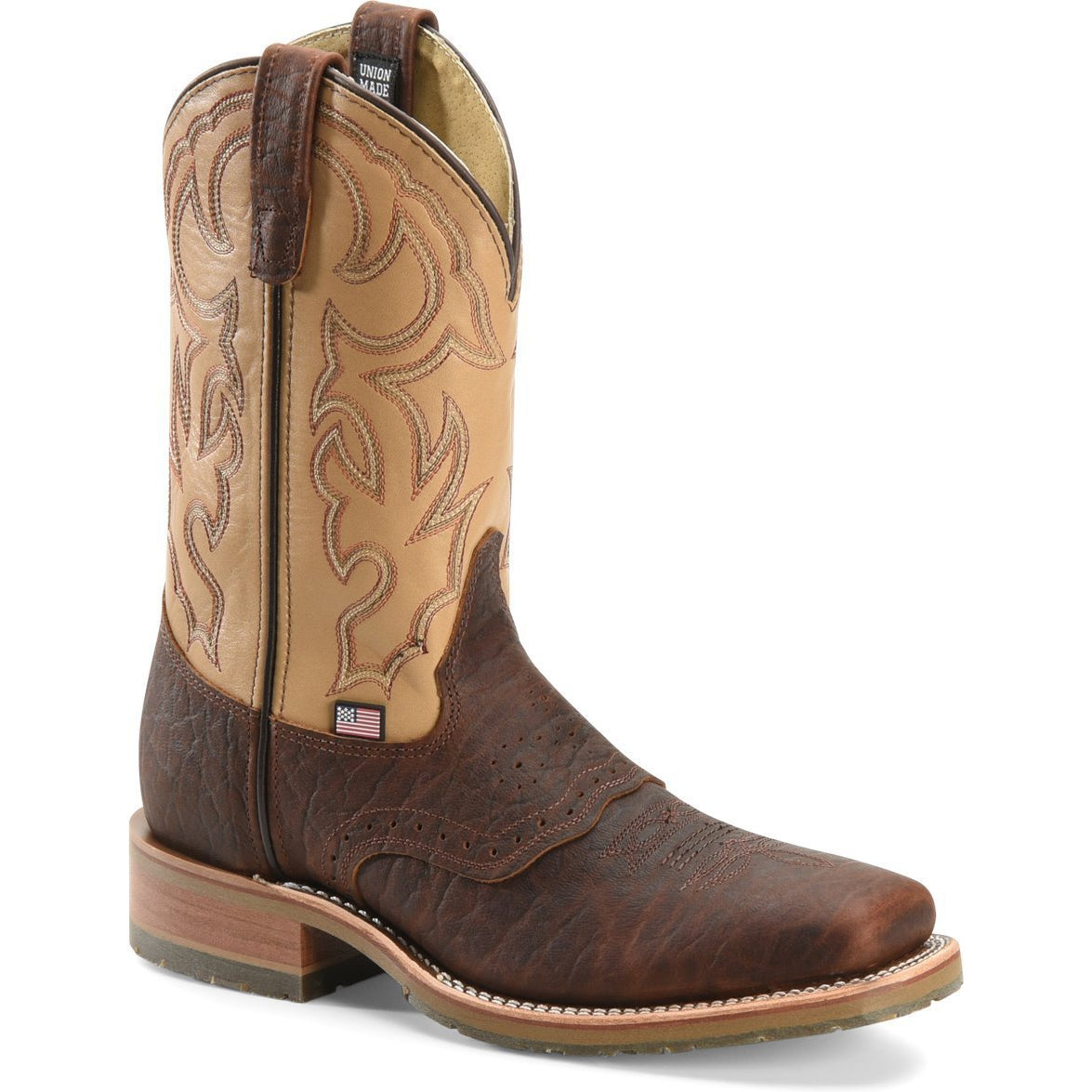
Double H Men's Graham 11" Square Toe USA Made Western Work Boot DH4305
Sale price$284.99
Regular price$296.00
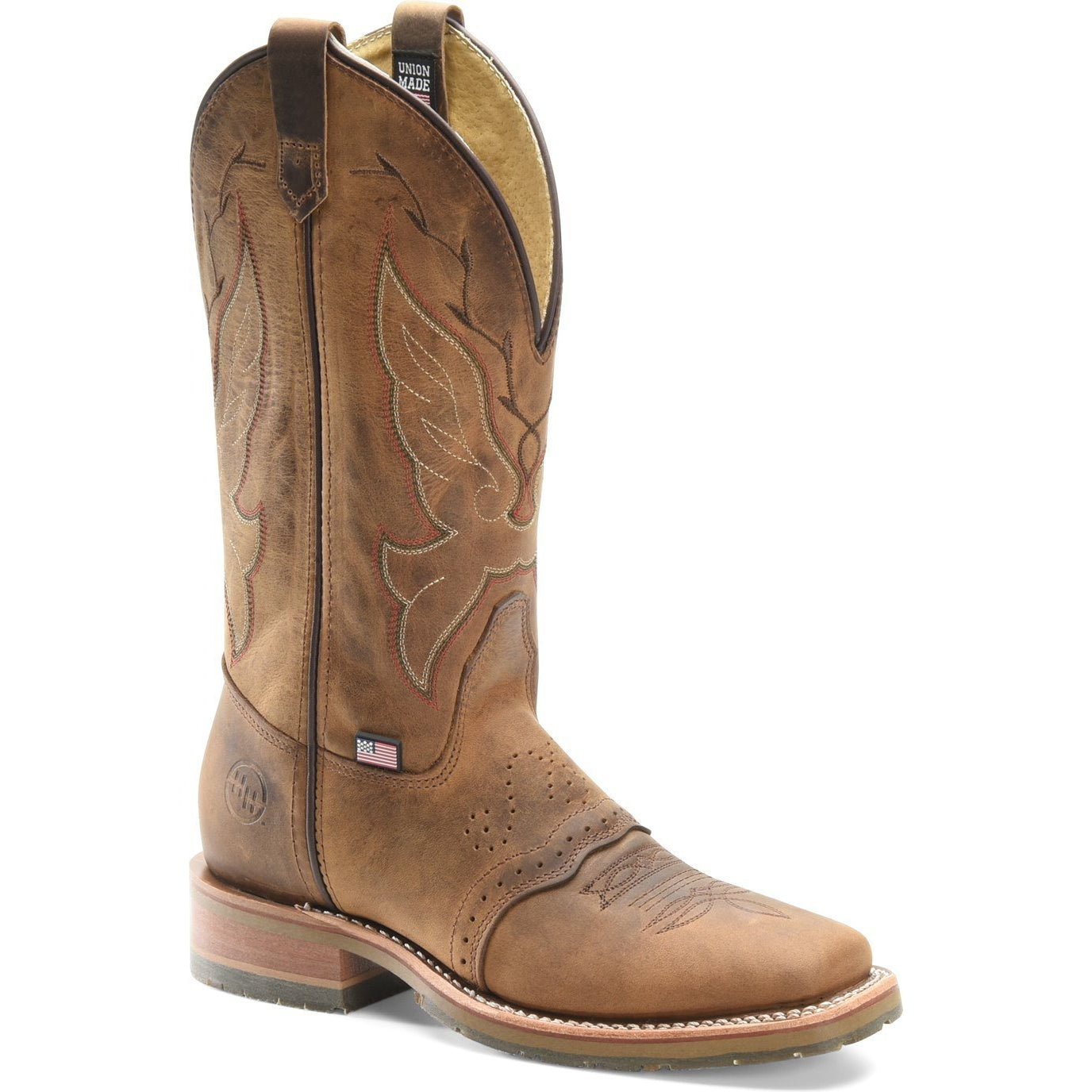
Double H Women's Charity 11" Square Toe USA Made Western Work Boot DH5314
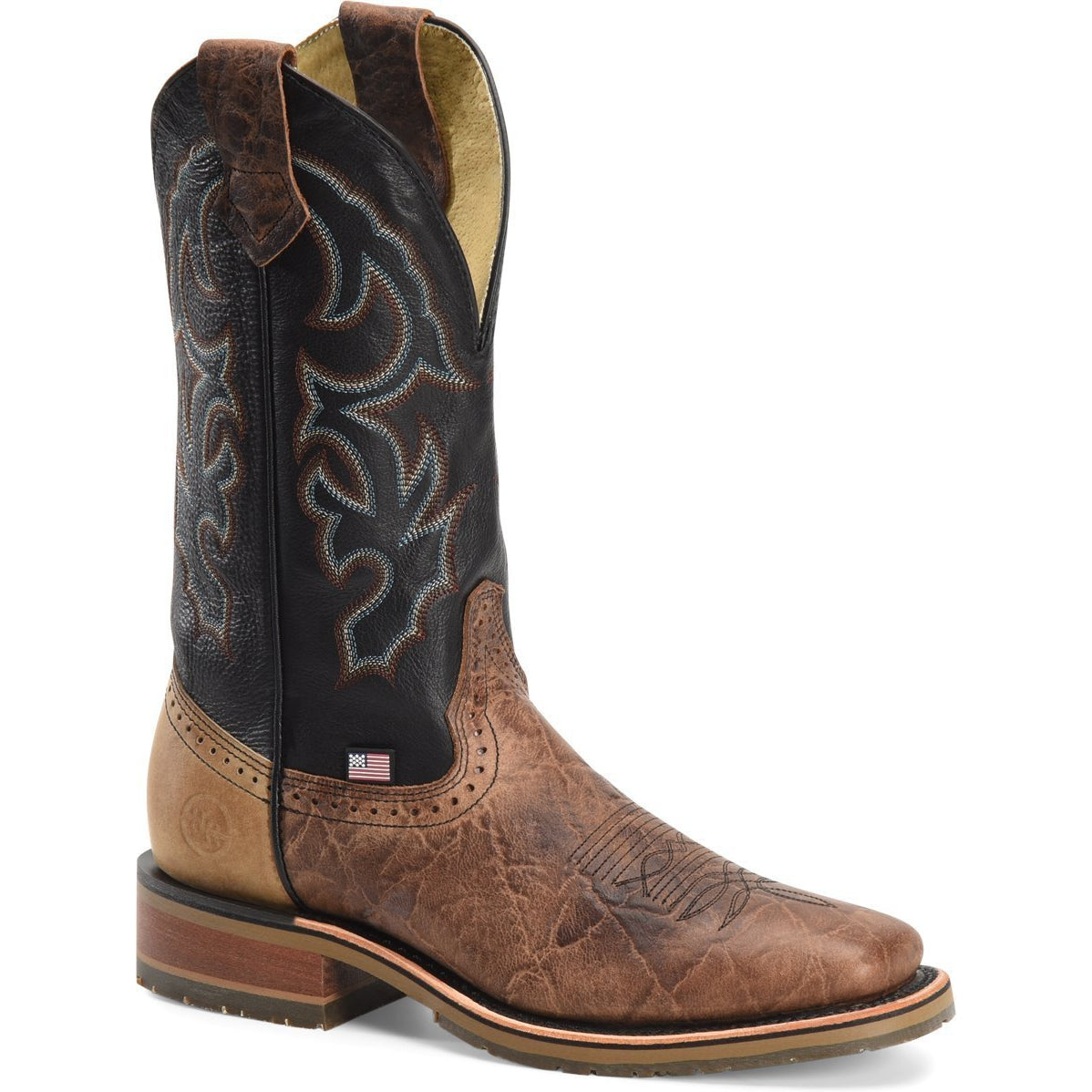
Sale price$309.99
Regular price$322.00
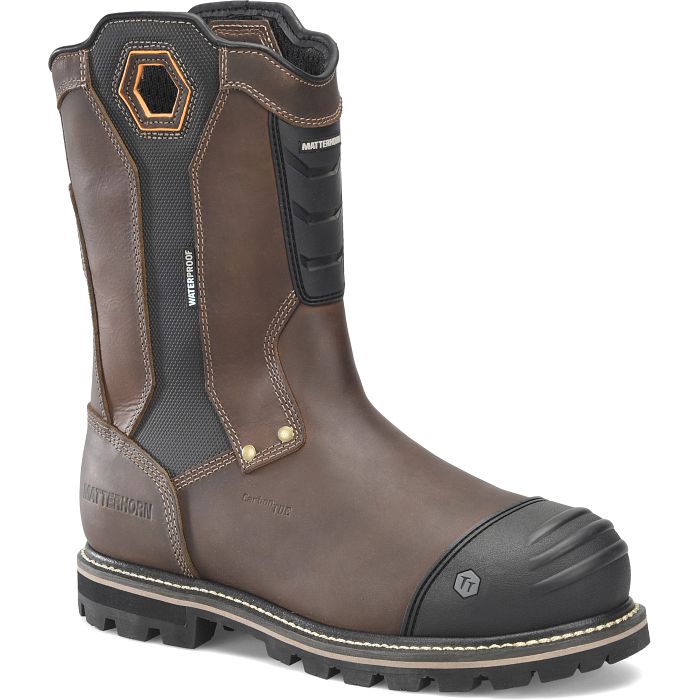
Double H Men's Grissom 12" Square Toe USA Made Western Work Boot - DH4644
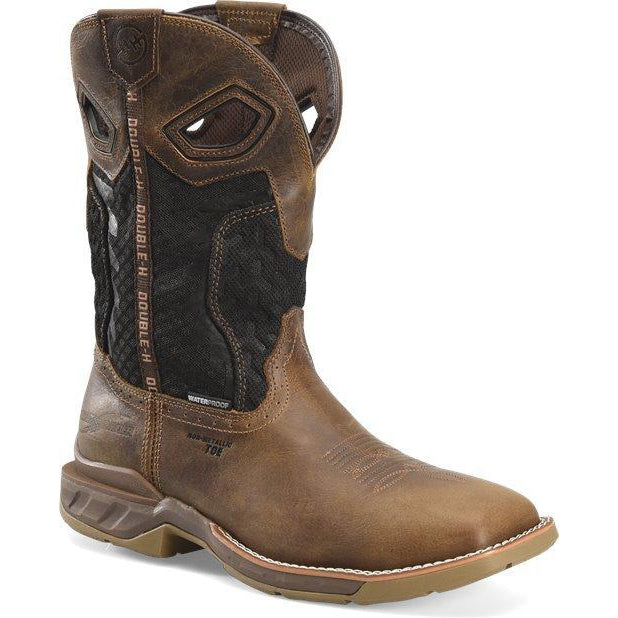
Sale price$189.99
Regular price$196.00
Double H Men's Phantom Rider Zenon 11" Composite Toe Waterproof Western Work Boot- Brown - DH5366
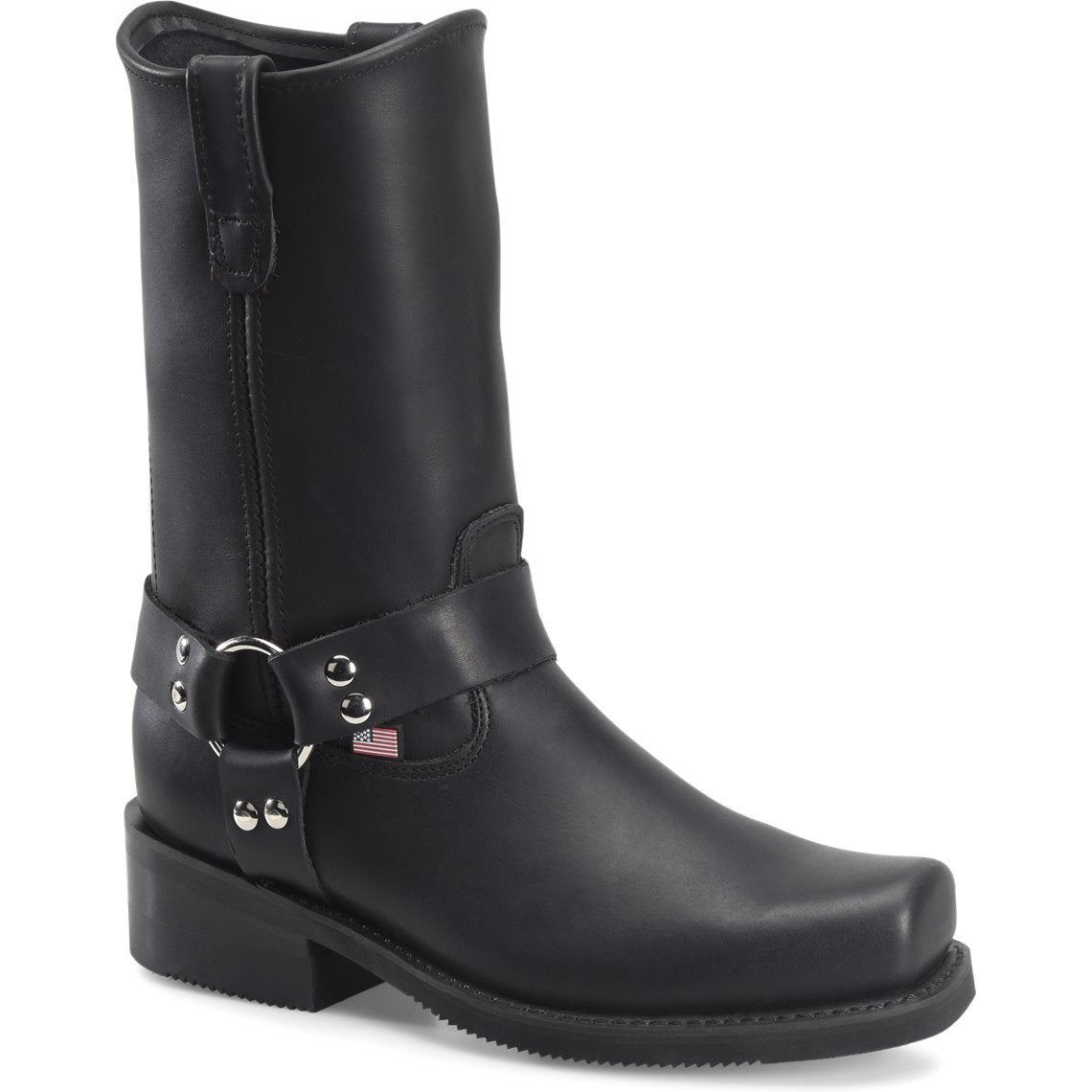
Sale price$254.99
Regular price$262.00
Double H Men's Barry 10" Square Toe USA Made Harness Boot- Black- 4008
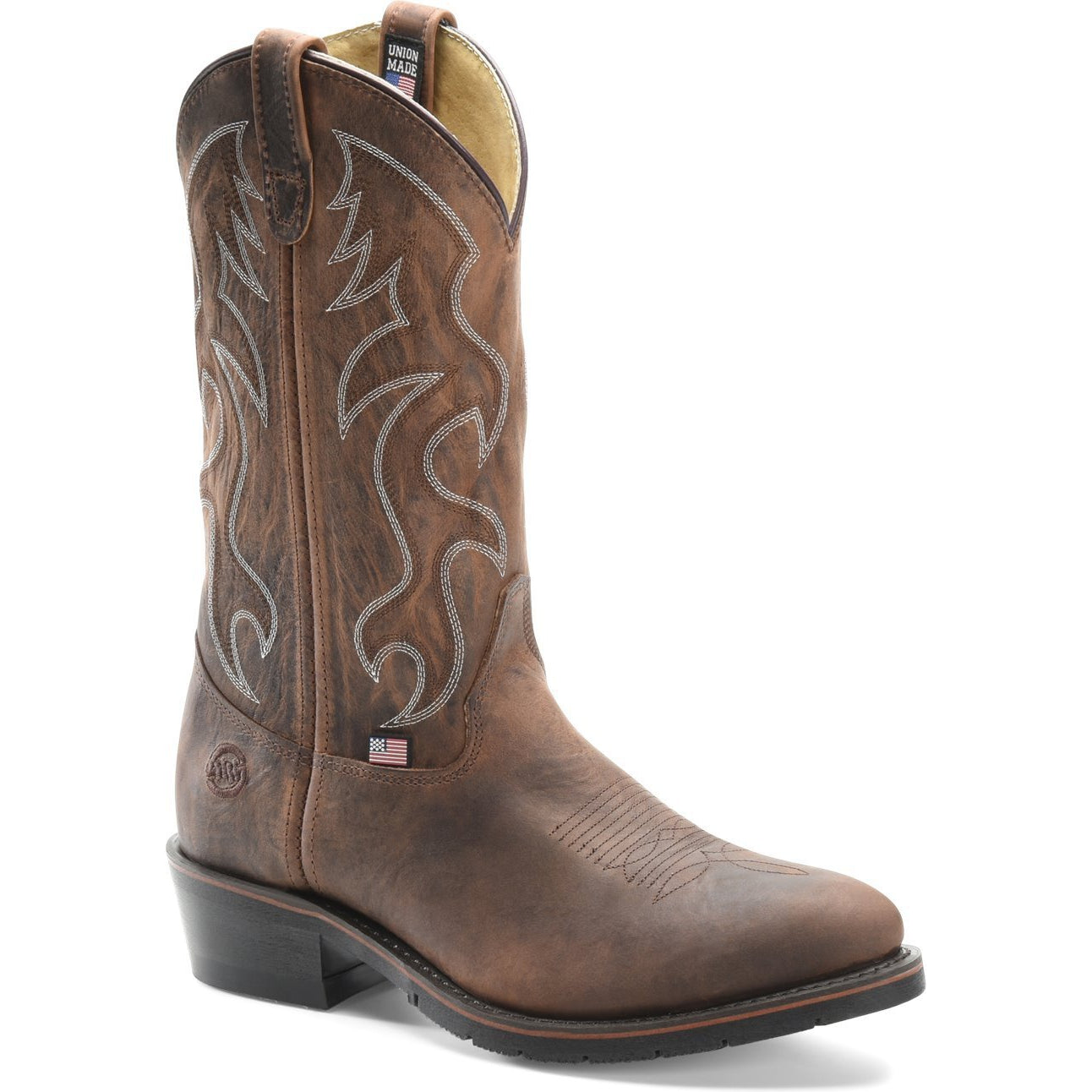
Sale price$284.99
Regular price$292.00
Double H Men's Robert 12" Soft Toe USA Made Arch Guard 7 Western Work Boot 3282
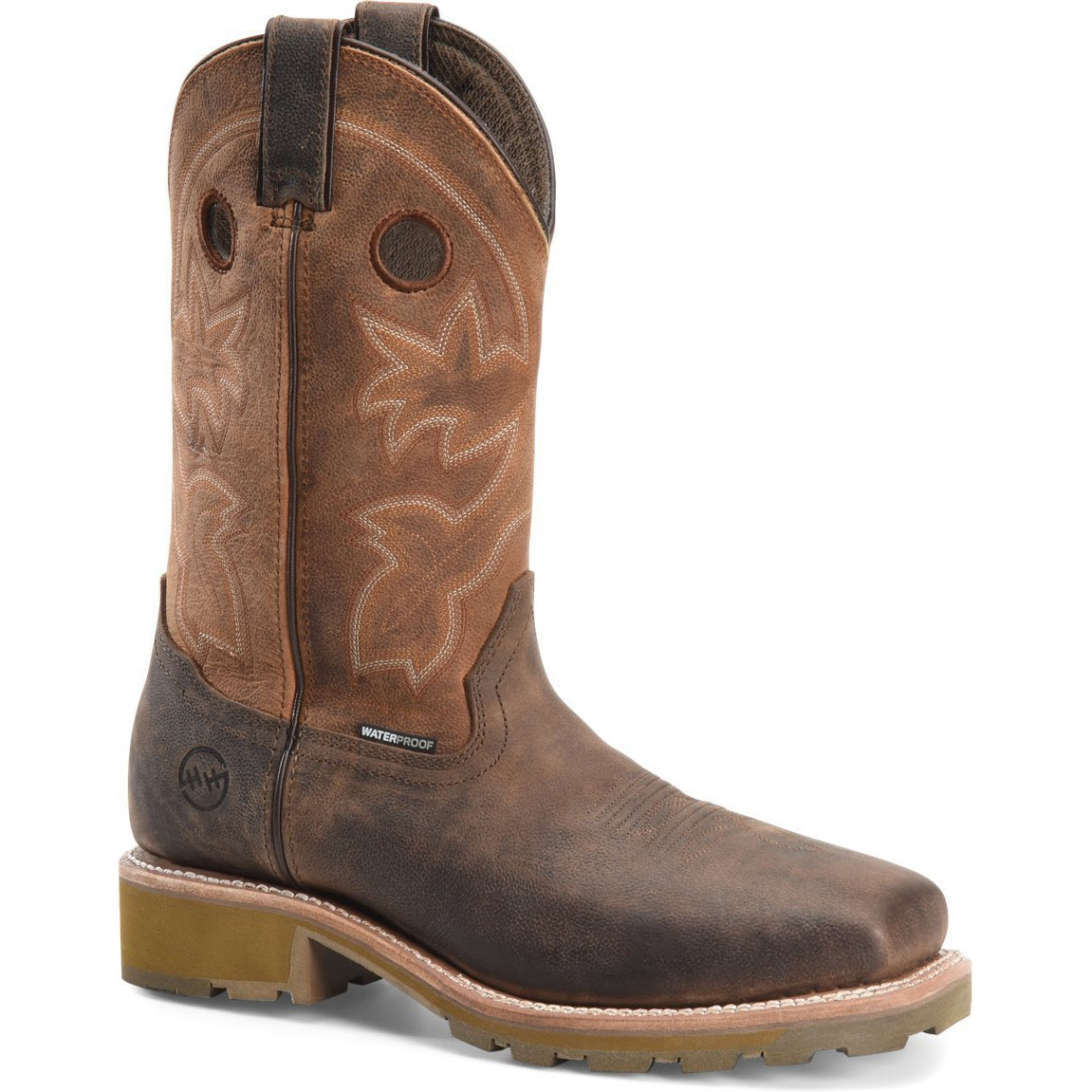
Sale price$229.99
Regular price$240.00
Double H Men's Abner 12" Composite Toe Waterproof Western Work Boot- Brown - DH5353
Save 32%
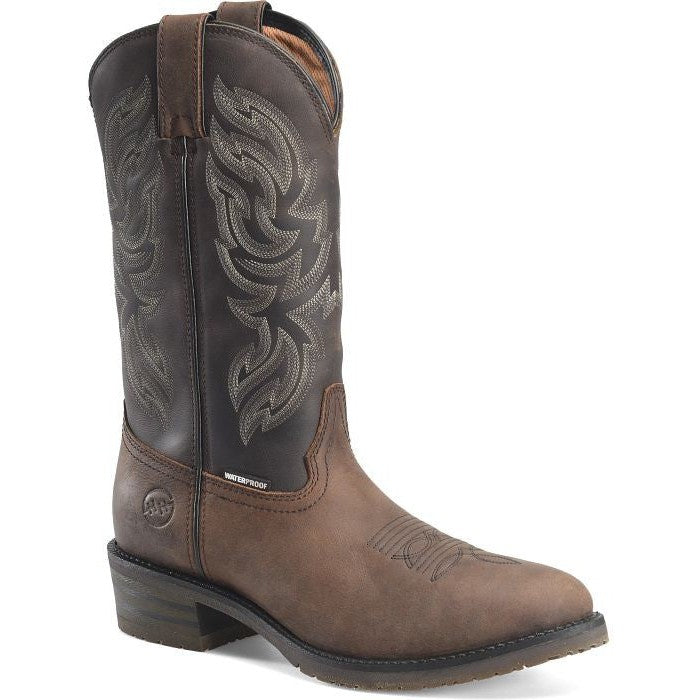
Sale price$154.67
Regular price$228.00
Double H Men's Tascosa 12" R Toe Waterproof Western Classic Boot -Brown- DH4158
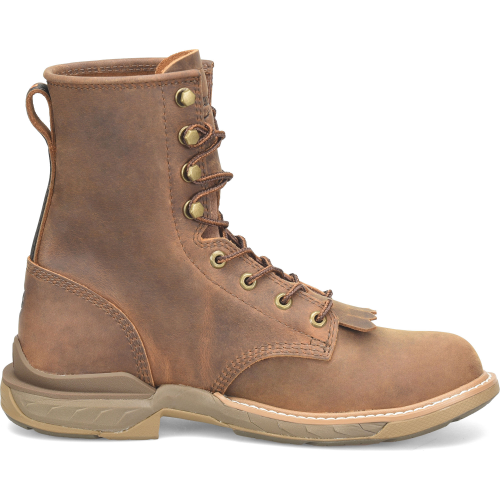
Sale price$189.99
Regular price$196.00
Double H Men's Phantom Rider Raid 8" Slip Resistant U Toe Lacer Work Boot -Brown- DH5394
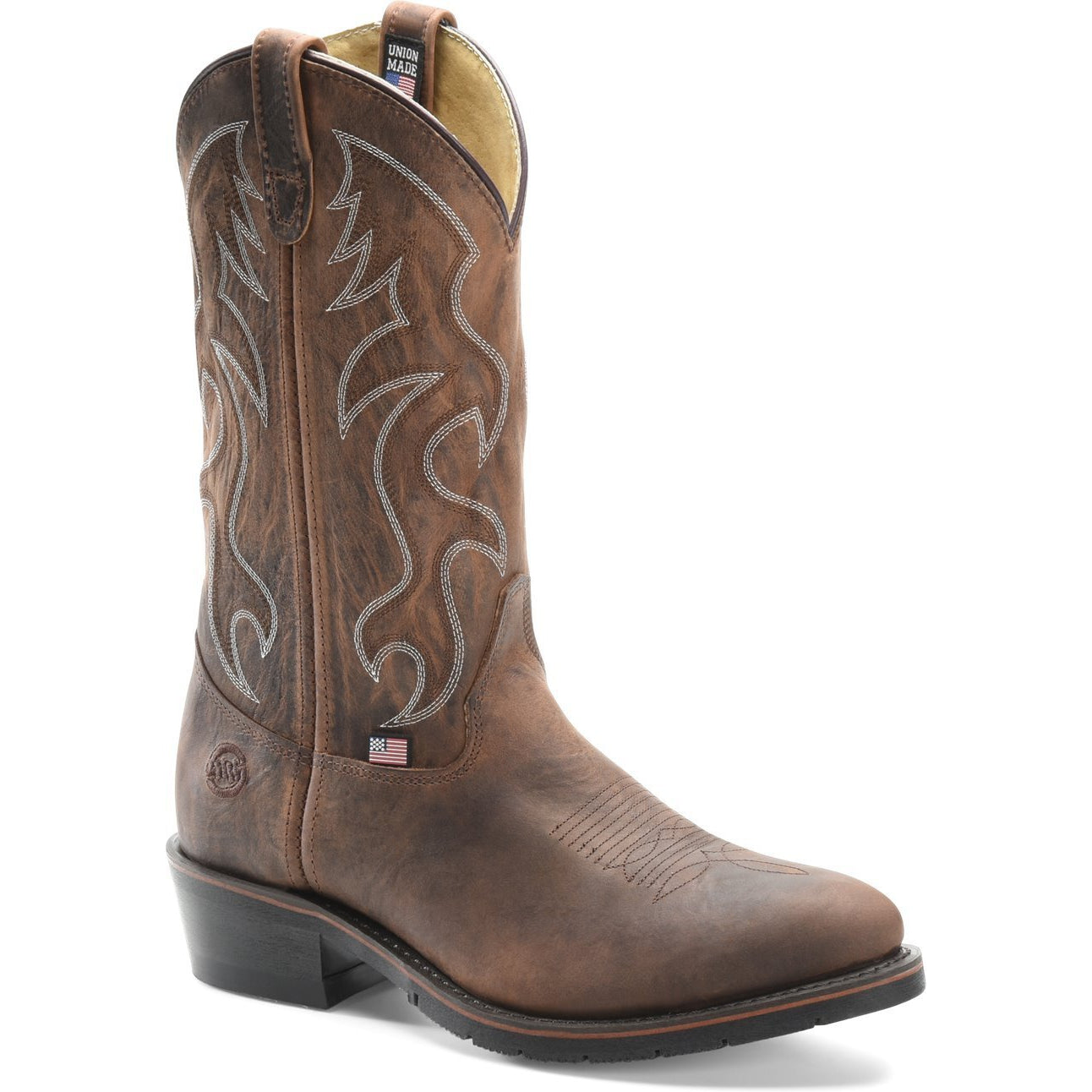
Sale price$289.99
Regular price$298.00
Double H Men's Robert 12" Steel Toe USA Made Arch Guard 7 Western Work Boot- 2282
Save 6%
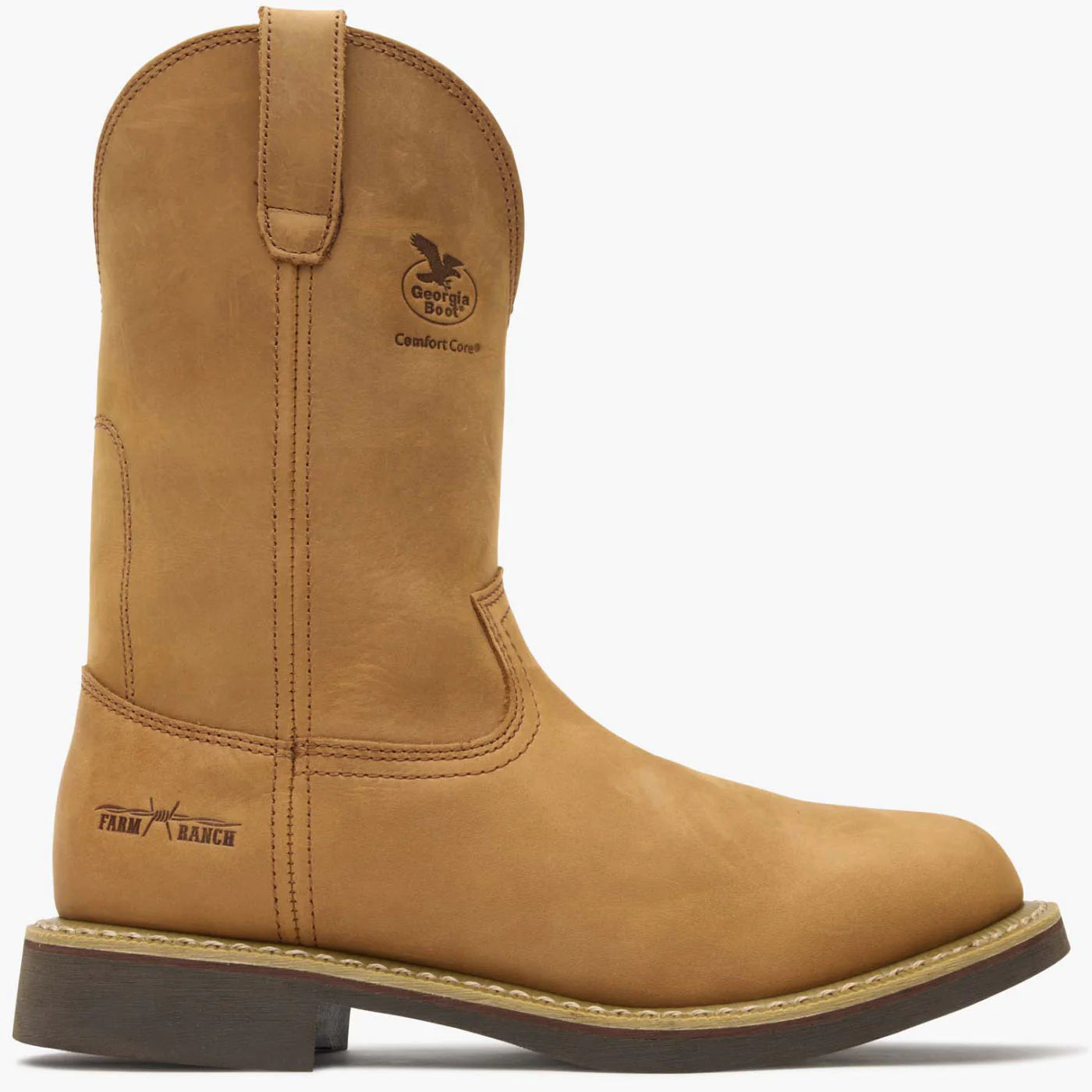
Sale price$160.00
Regular price$170.00
Georgia Men's Carbo Tec Wellington Work Boot - Brown - G5814
Save 7%
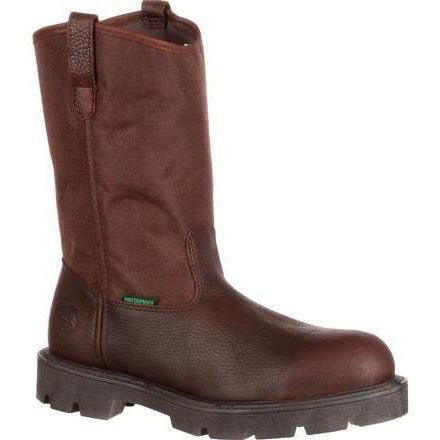
Sale price$135.00
Regular price$145.00
Georgia Men's Homeland Steel Toe Waterproof Wellington Work Boot - Brown - G111
Save 21%
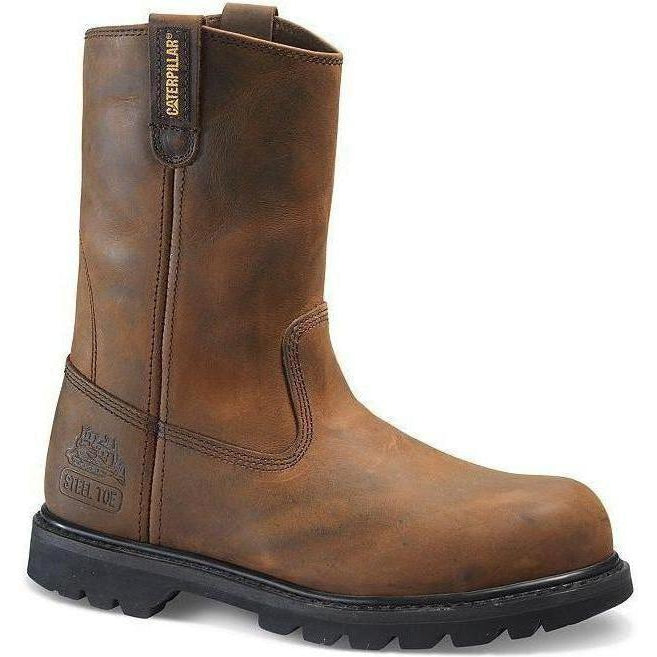
Sale price$114.95
Regular price$145.00
CAT Men's Revolver Steel Toe Pull On Work Boot - Brown - P89516
Save 8%
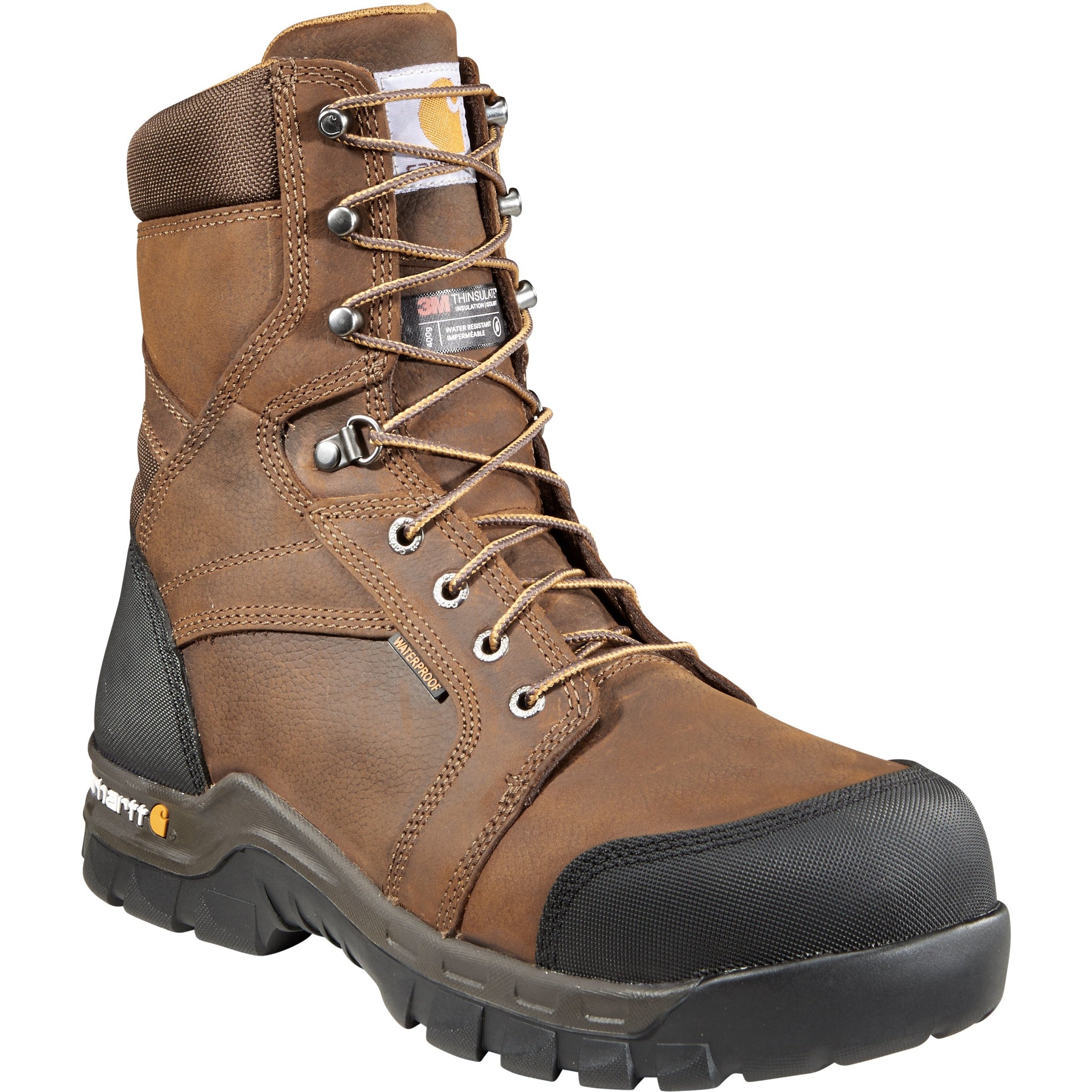
Sale price$193.19
Regular price$209.99
Carhartt Men's Rugged Flex 8" Composite Toe Ins Waterproof Work Boot Brown CMF8389
Frequently Asked Questions
Most operations specify an ASTM F2413 rated toe and an EH rating at minimum, and many require a metatarsal guard where heavy tubulars and tools are handled. Some sites require a specific shaft height. The requirement comes from the operator's own PPE policy rather than a single rule, and it varies between companies, so check your site's specification and match the codes on the boot's tongue label to it.
No laces to catch on a rung, a chain, tongs, or rotating equipment, and no laces to soak in oil and mud and then have to untie. They also come on and off in seconds when you are in and out of a truck through a long shift. Entanglement and snagging are real hazards around drilling equipment, which is why the preference is practical rather than stylistic. See our pull-on work boots range.
Oil resistance means the outsole compound will not swell, soften, or break down chemically when it sits in petroleum, which is about the sole surviving. Slip resistance is about grip on a contaminated surface. A sole can be chemically oil-resistant and still be slippery on oily steel. On a rig you want both, and they are stated separately. Browse the wider slip resistant range.
Many operators require one, and the reason is what gets handled: tubulars, tongs, and heavy tools that roll or drop onto the instep rather than onto the toes. A safety toe protects roughly the first two inches of your foot and nothing behind it. If your site specifies Mt, you need a boot built and rated with the guard from the start. See our metatarsal boots range.
Most crews wear 11 or 12-inch pull-ons, which keeps drilling mud and light standing water out and covers the calf against splash. Lace-up 8-inch boots are common where climbing and precise fit matter more than speed of entry. Height is stated in every product title. Taller is not automatically better, since more shaft means more weight and less ankle flex on stairs and ladders.
Constant hydrocarbon exposure degrades both the leather and the sole bond, and the metal grating most rigs are built on is abrasive in a way that ordinary ground is not. Between the two, boots that would last two years elsewhere often go in under a year. Cleaning oil off and conditioning the leather helps, but this is genuinely a hard environment for footwear.
Generally yes, since composite meets the same ASTM F2413 rating as steel, though some operators specify a material in their policy so it is worth confirming. Composite is lighter and does not conduct heat or cold, which matters on long shifts and in extreme climates. Note that a composite toe does not by itself make a boot metal free, since the shank is a separate component.
Double H, Phantom Rider, Ariat, and Justin dominate the western pull-on side, which is what most crews wear. Matterhorn and Carolina cover the heavy met guard and puncture-resistant end. Browse the Double H and Phantom Rider ranges for the pull-ons specifically.
It helps in wet climates and on wet locations, though the more common problem is oil and mud rather than water. Waterproof construction also keeps drilling fluid out, which is worth having. Waterproof status is stated in every product title. See our full waterproof work boots range.
For work around completion fluids, acids, and solvents, yes, and a leather boot is not the right tool for it. Leather absorbs acids and caustics and breaks down. Molded rubber, PVC, and neoprene boots resist chemical contact, though resistance is specific to the chemical and the compound. Match the material to what you actually handle. See our chemical resistant boots range.