Save 15%
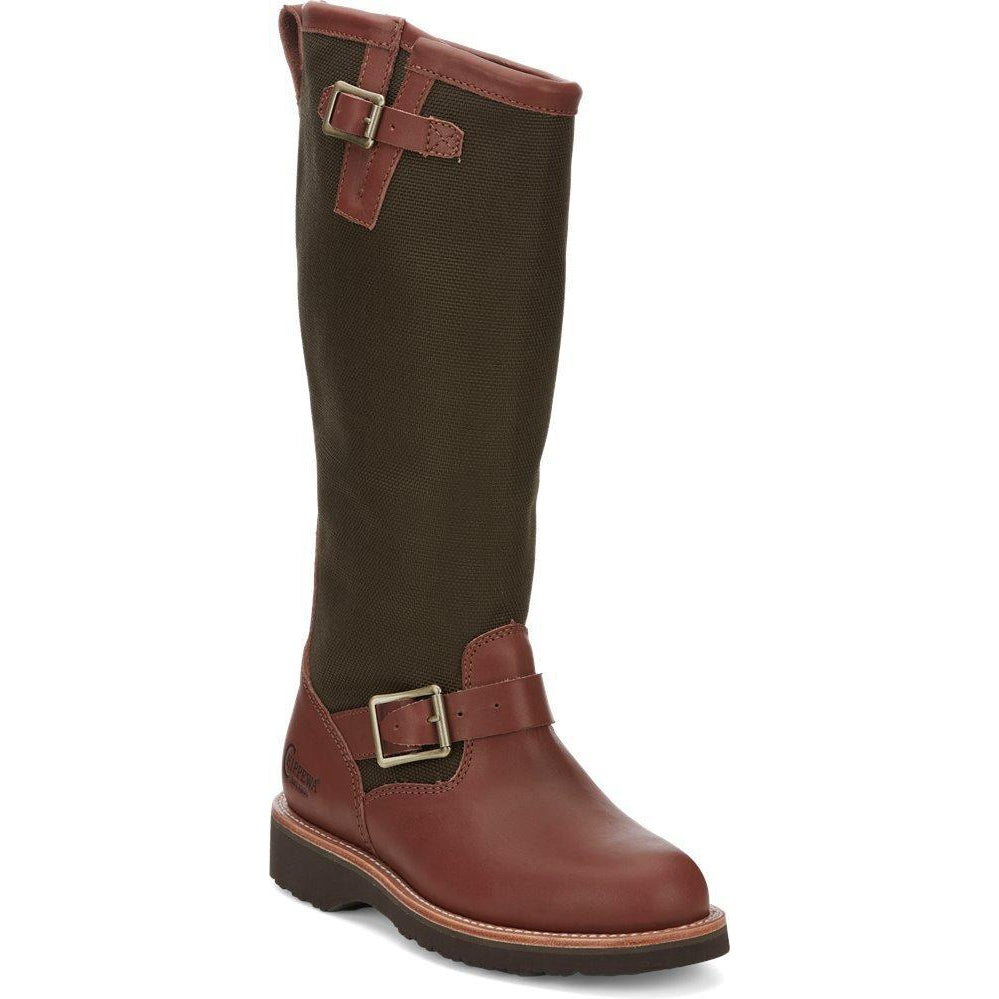
Sale price$361.01
Regular price$425.00
Chippewa Women's Sunjo 15" Soft Toe Outdoor Snake Hunt Boot- Brown - SN6913
Save 13%
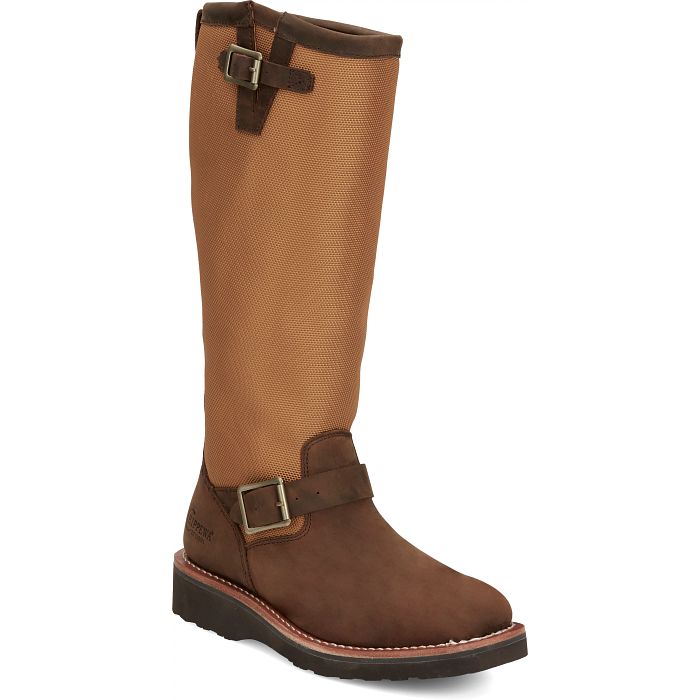
Sale price$356.66
Regular price$410.00
Chippewa Women's Cottonwood 15" Snake Hunt Boot -Brown- SN6914
Save 8%
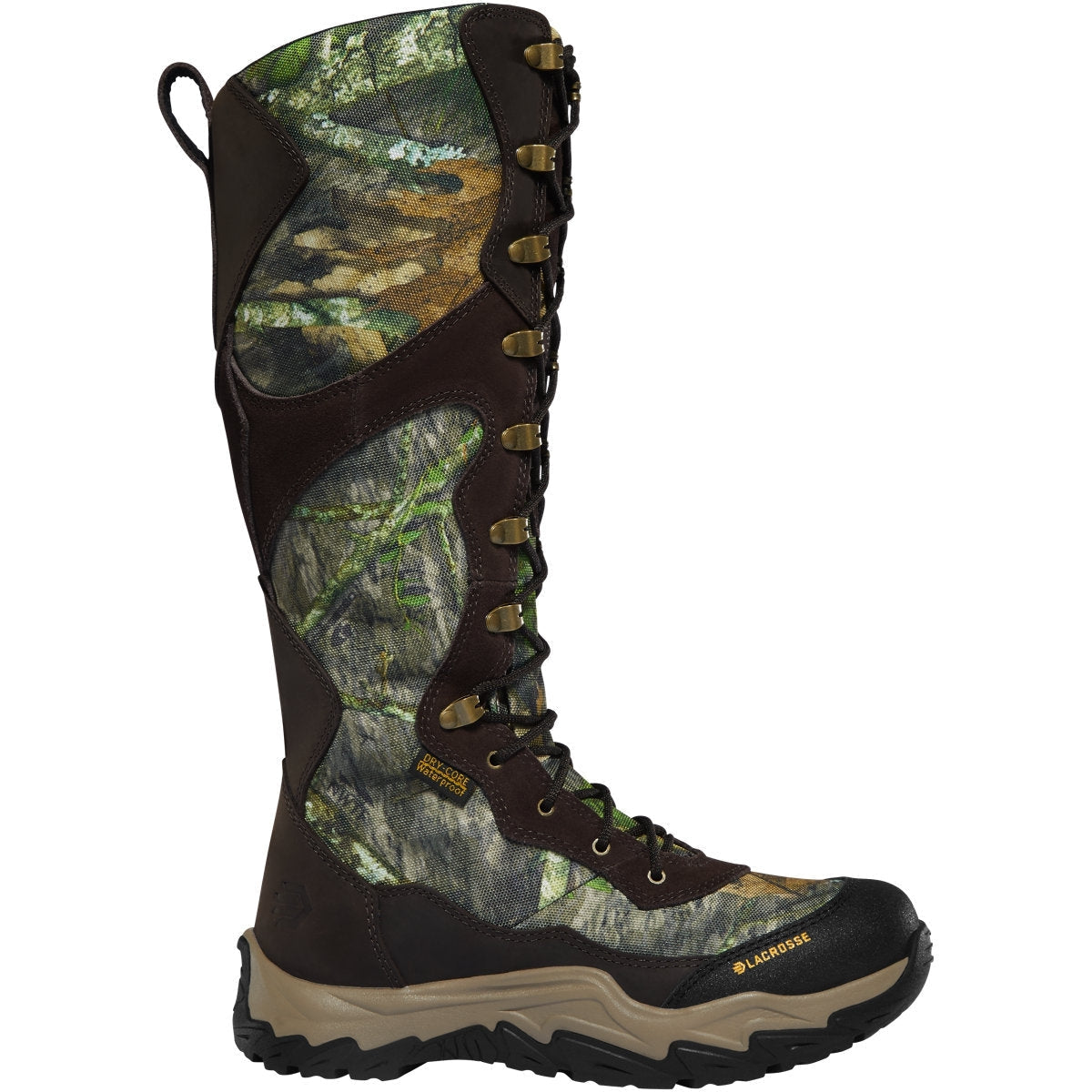
Sale price$279.95
Regular price$304.00
LaCrosse Women's Venom II 15" Waterproof Side Zipper Snake Hunt Boot - NWTF Mossy Oak Obsession - 501001
Save 14%
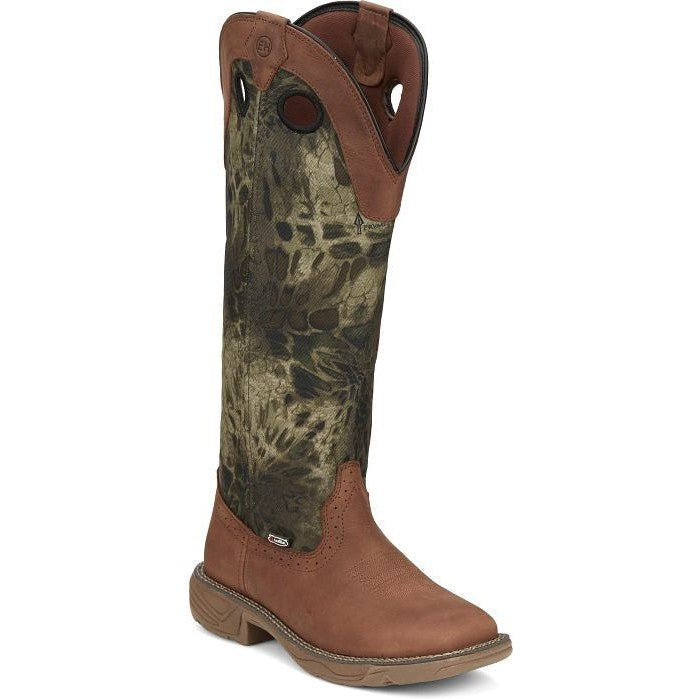
Sale price$234.55
Regular price$273.00
Justin Women's Rush Strike 17" Snake Resistant Work Boot - Russett Brown - SE4361

Frequently Asked Questions
They use dense layered materials in the shaft, typically ballistic nylon, tightly woven synthetics, or heavy leather, designed to resist penetration so a fang does not reach skin. The protection covers the shaft and the foot. It reduces risk substantially rather than eliminating it, and manufacturers describe it that way for good reason.
No, and treating them that way is the wrong approach. They significantly reduce risk over the area they cover, but a large snake, an unusual strike angle, or a strike above the shaft can still result in a bite. They are one layer alongside watching your footing, using a stick in heavy cover, and knowing where you put your hands and feet.
Sixteen inches is the practical minimum and eighteen is common, because the majority of bites land below the knee and most below mid-calf. A shorter boot leaves the part of your leg most likely to be struck unprotected. Snake gaiters or chaps extend protection further up if you want coverage above the boot.
No, and this is a dangerous assumption people make. Standard rubber is not thick or dense enough to reliably stop a fang. Some manufacturers build purpose-made snake-protective rubber boots with reinforced shafts, and those are labeled as such. If a boot does not specifically state snake protection, treat it as having none.
Hunters in the southern and southwestern US during warm months, particularly in thick cover. Surveyors, utility crews, and ranch workers in snake country. Anyone moving through tall grass, palmetto, or rocky terrain where you cannot see the ground. If you can see where you are stepping, the case is much weaker.
Yes, and it is the main complaint. The dense shaft materials that resist penetration also resist airflow, and snake country is hot when snakes are active. Uninsulated and ventilated models help. Most people accept the heat for the hours they are in cover rather than wearing them all day.
Snake boots are a specialist category and manufacturers have historically built them on men's lasts. The narrow range here reflects what exists rather than how this page is filtered. Our full snake proof boots range covers the men's models if nothing here fits.
Reasonably, though the tall stiff shaft restricts ankle flex and they are heavier than a standard hunting boot. Leather models soften over time; nylon-shafted ones are lighter from the start. If you cover serious ground, consider whether gaiters over a lighter boot suit you better than a full snake boot.
Recently viewed
Our Top Brands