Save 7%
Sale price$269.95
Regular price$290.00
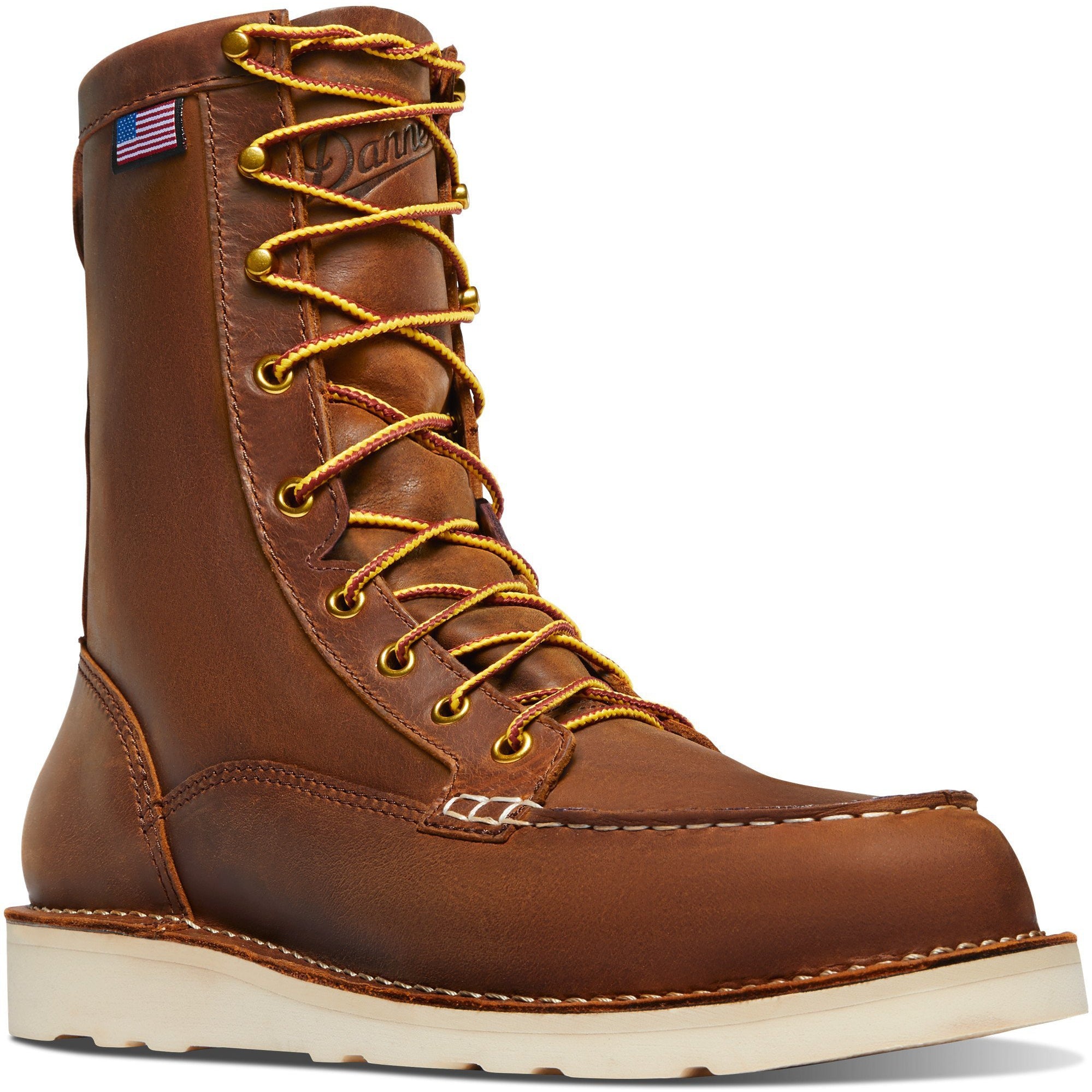
Danner Men's Bull Run 8" Moc Toe USA Made Wedge Work Boot - Tobacco - 15541
Save 7%
Sale price$259.95
Regular price$280.00
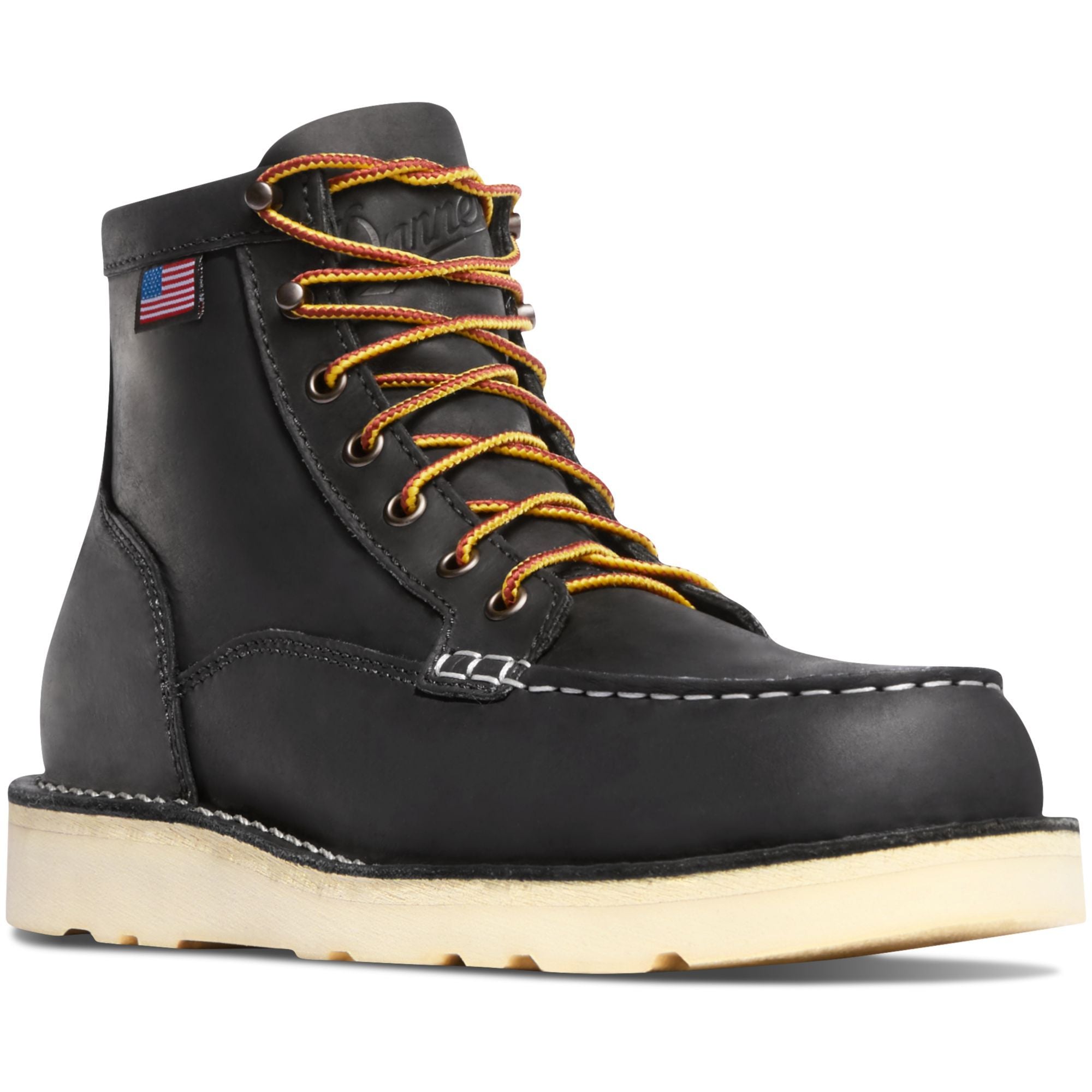
Danner Men's Bull Run USA Made 6" Moc Soft Toe Work Boot Black 15568
Save 27%
Sale price$164.95
Regular price$225.00
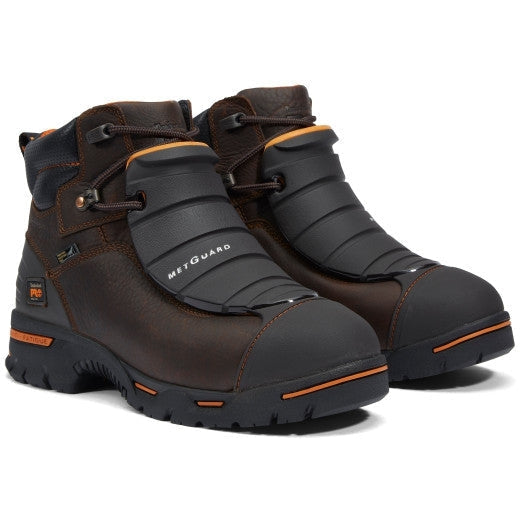
Timberland PRO Men's Endurance 6" Metguard Steel Toe Work Boot - TB1A172T214
Sale price$284.99
Regular price$294.00
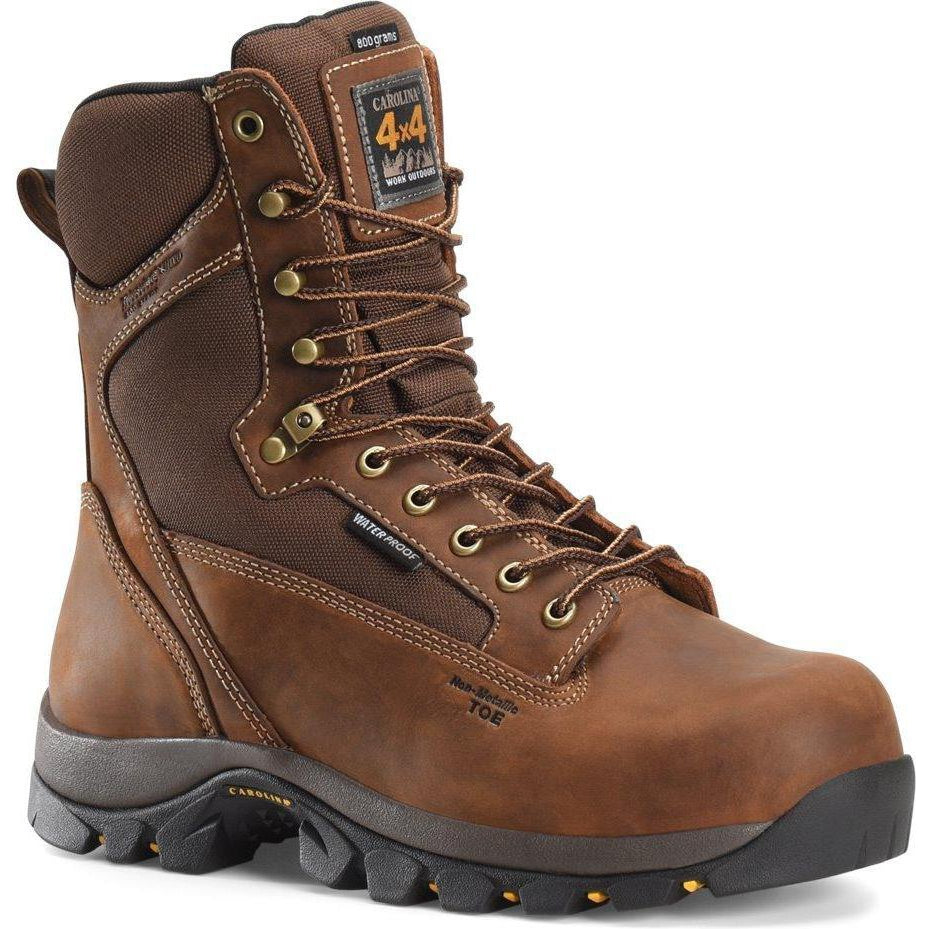
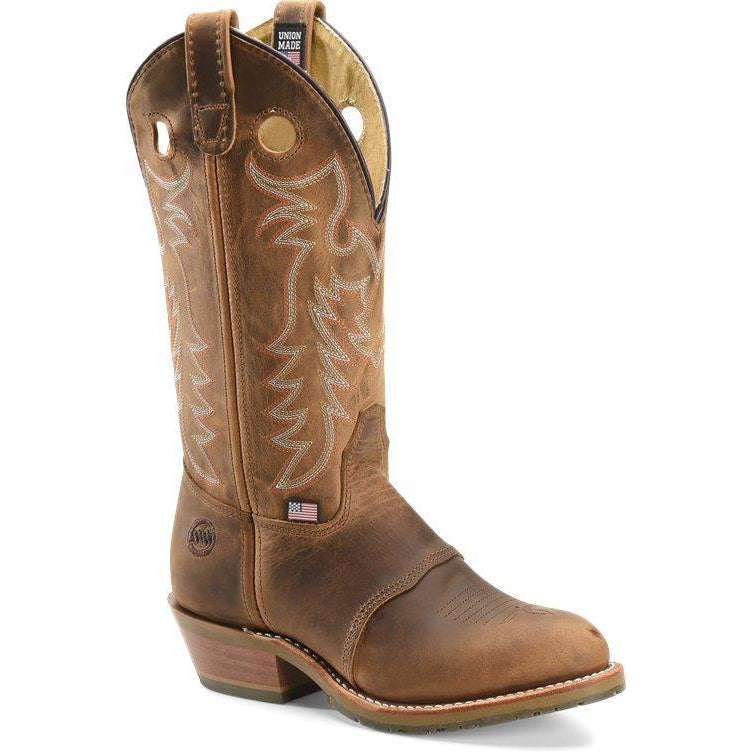
Double H Women's Daniela 12" Round Toe USA Made Western Work Boot DH5159
Sale price$164.99
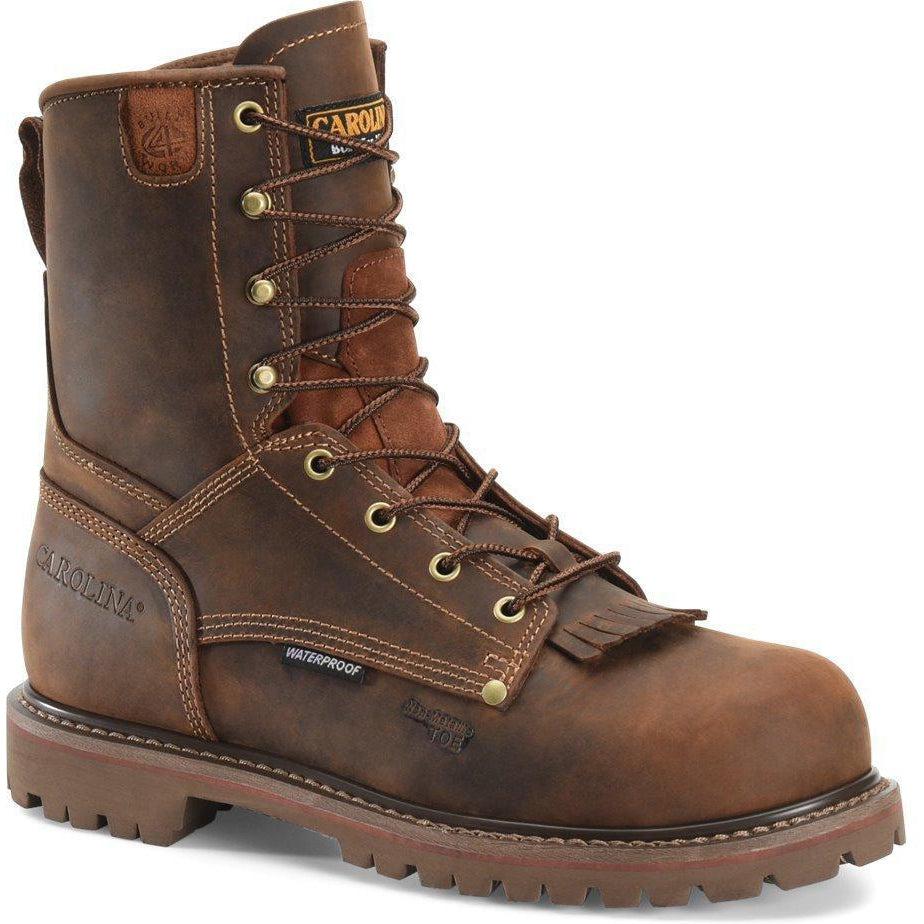
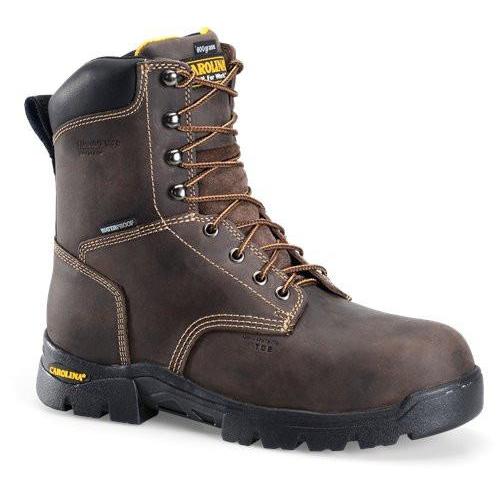
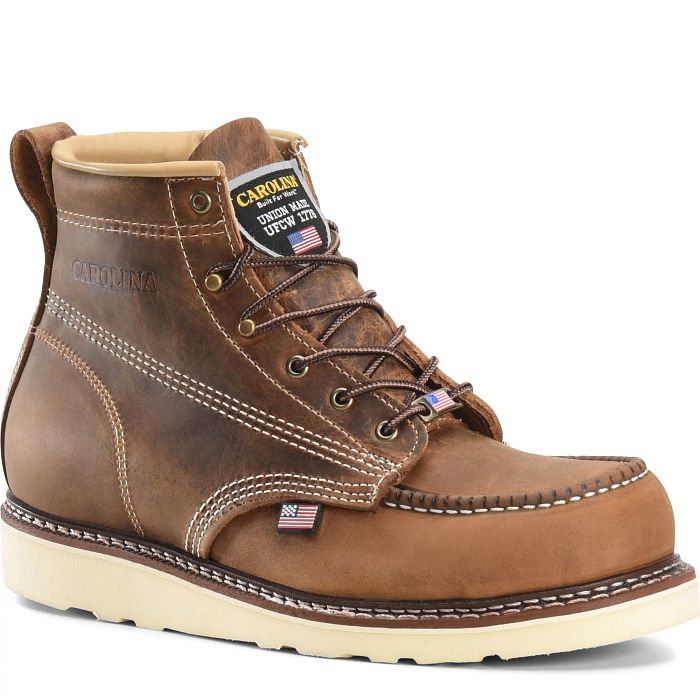
Carolina Men's Circuit Hi 8" Composite Toe Insulated Work Boot - CA3538
Save 5%
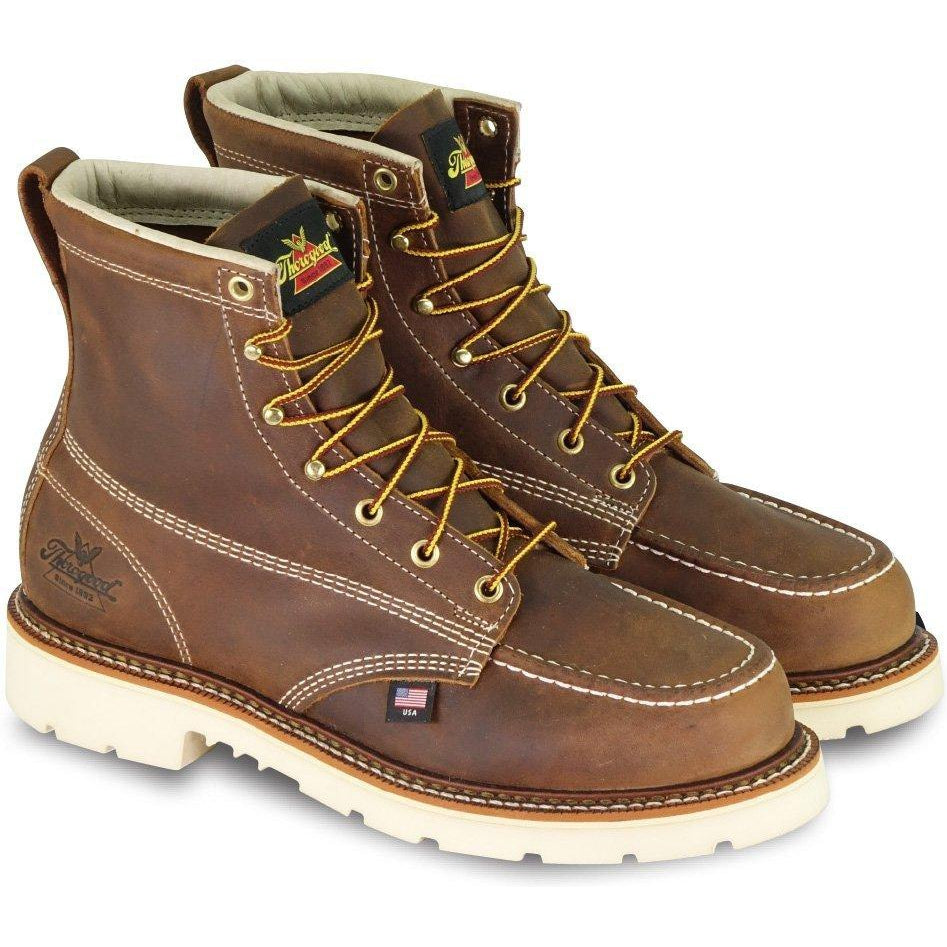
Sale price$274.95
Regular price$290.00
Thorogood Men's USA Made Amer. Heritage 6" Steel Toe Work Boot- 804-4375
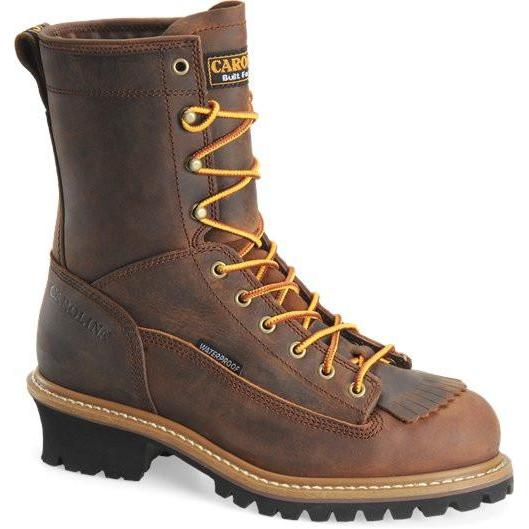
Sale price$219.99
Regular price$224.00
Carolina Men's Spruce 8" Steel Toe Waterproof Logger Work Boot - Brown - CA9824
Save 7%
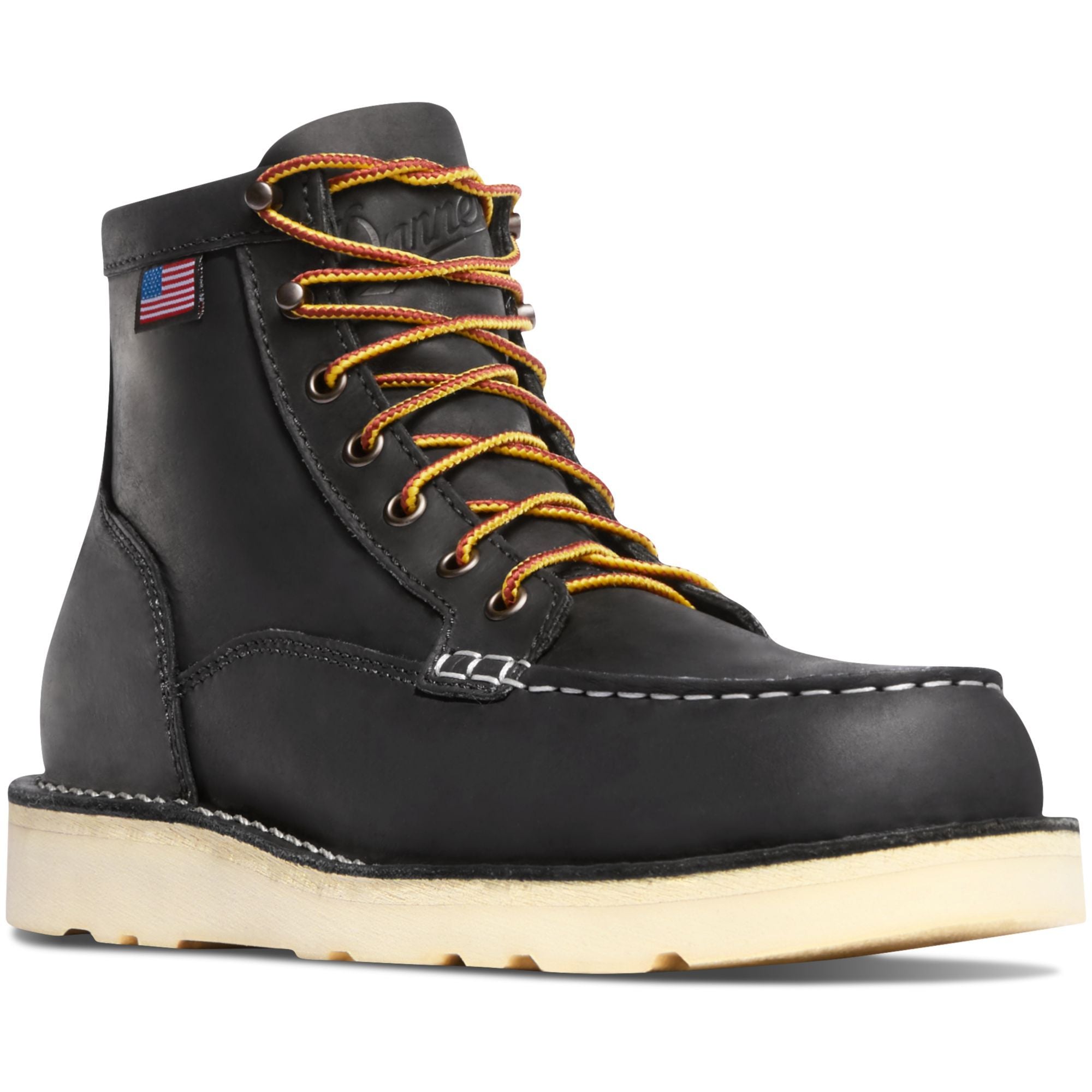
Sale price$269.95
Regular price$290.00
Danner Men's Bull Run USA Made 6" Moc Steel Toe Wedge Work Boot Black 15569
Save 5%
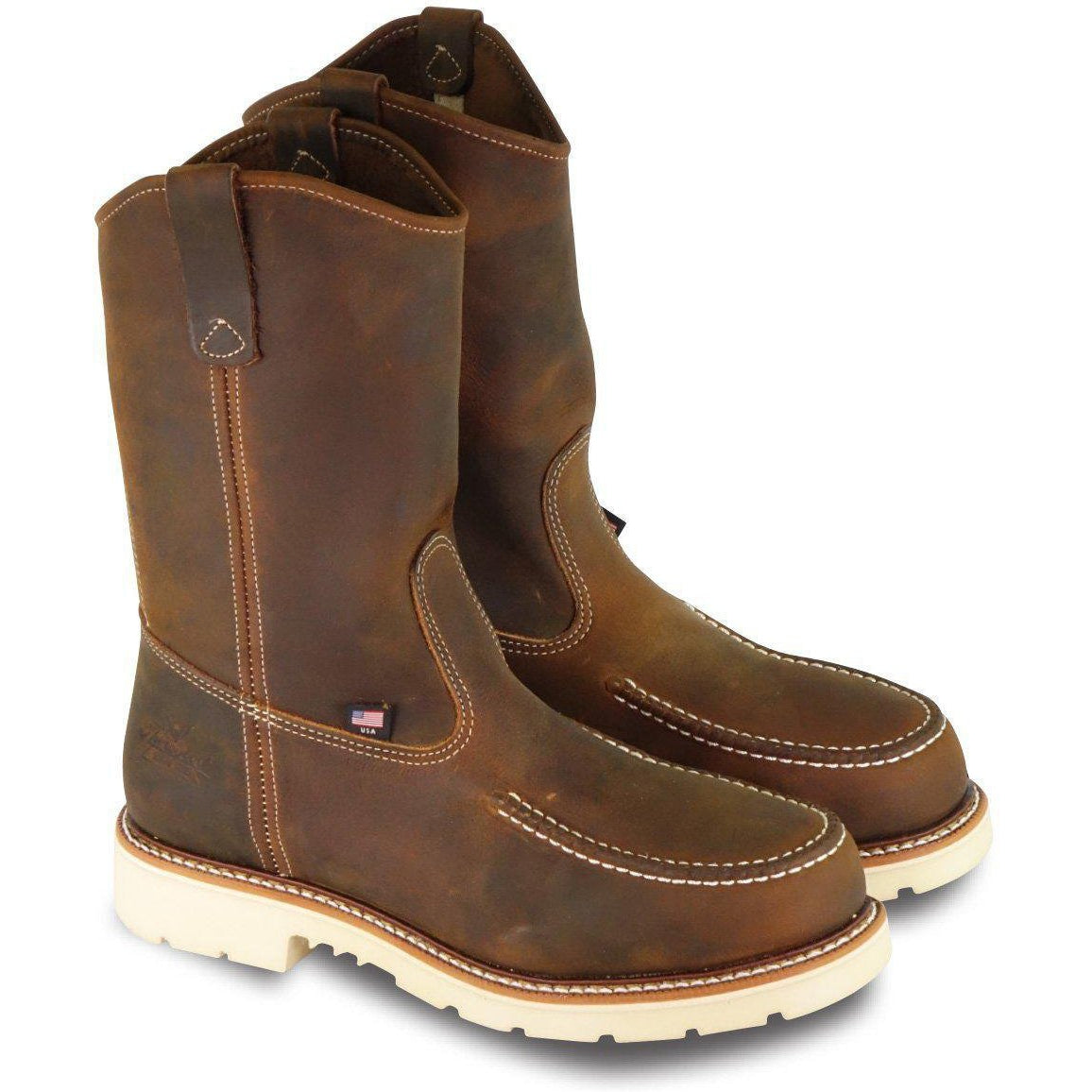
Sale price$284.95
Regular price$300.00
Thorogood Men's 11" USA Made Ranch Steel Moc Toe Work Boot Brown 804-3311
Sale price$184.99
Regular price$192.00
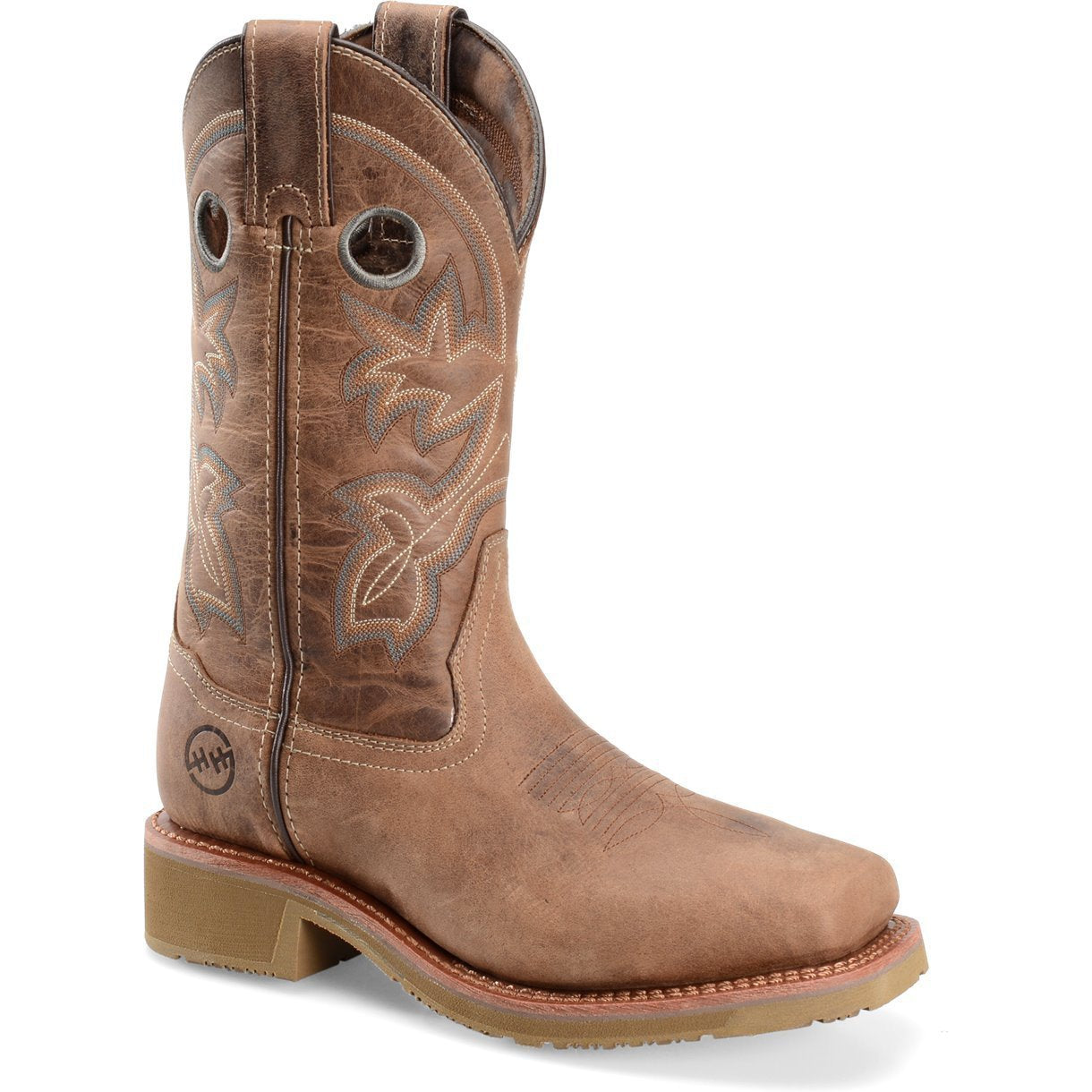
Double H Women's Haddie 11" Composite Toe Western Work Boot- Brown - DH2411
Save 7%
Sale price$279.95
Regular price$300.00
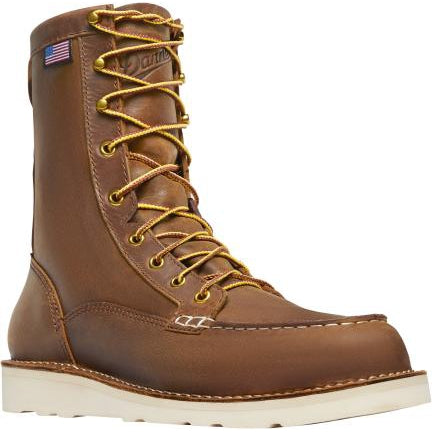
Danner Bull Run 8 Inch Steel Toe USA Made Work Boots - Wedge Boot 15542
Save 29%
Sale price$141.67
Regular price$200.00
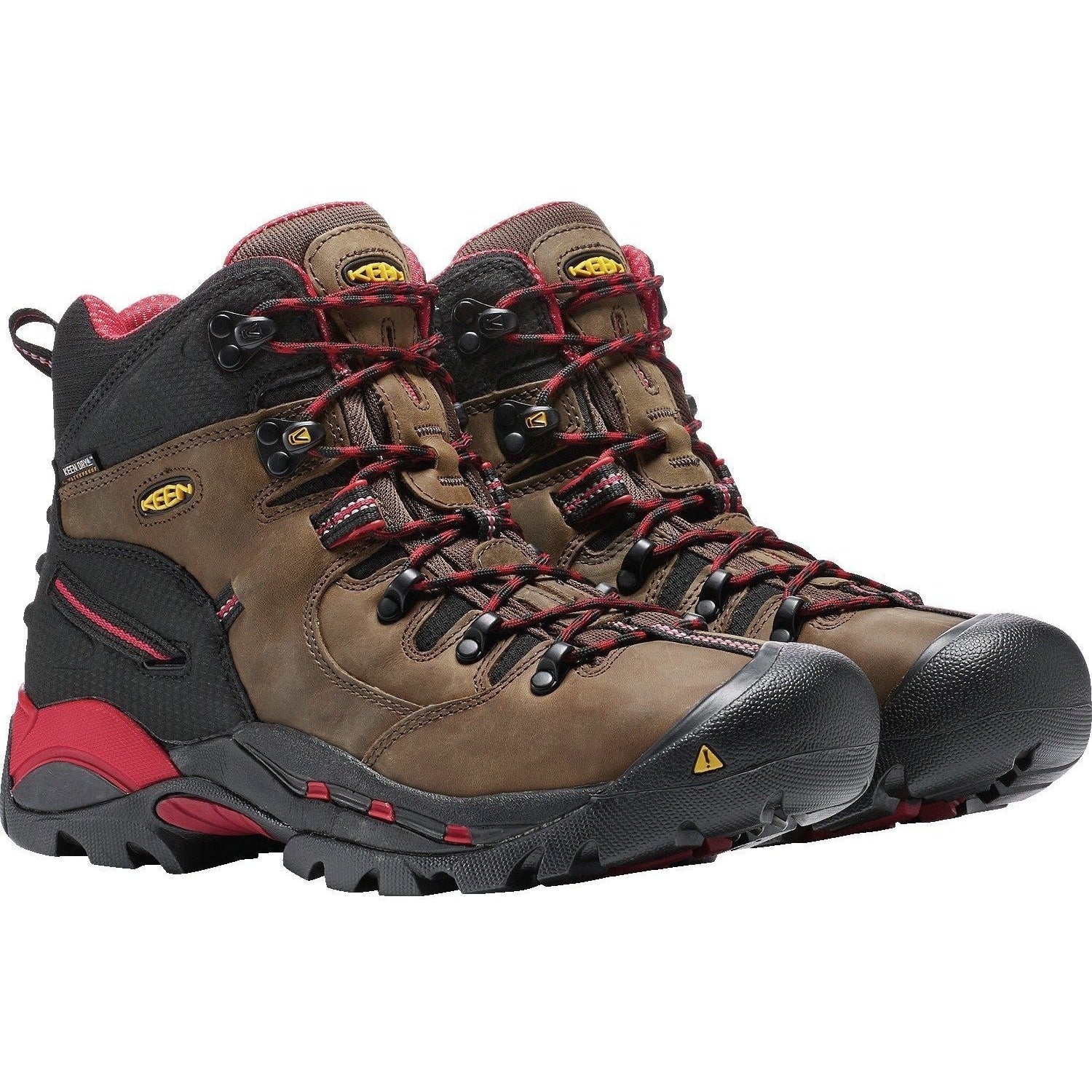
Keen Utility Pittsburgh Steel Toe Work Boot - Bison - 1007024
Save 5%
Sale price$264.95
Regular price$280.00
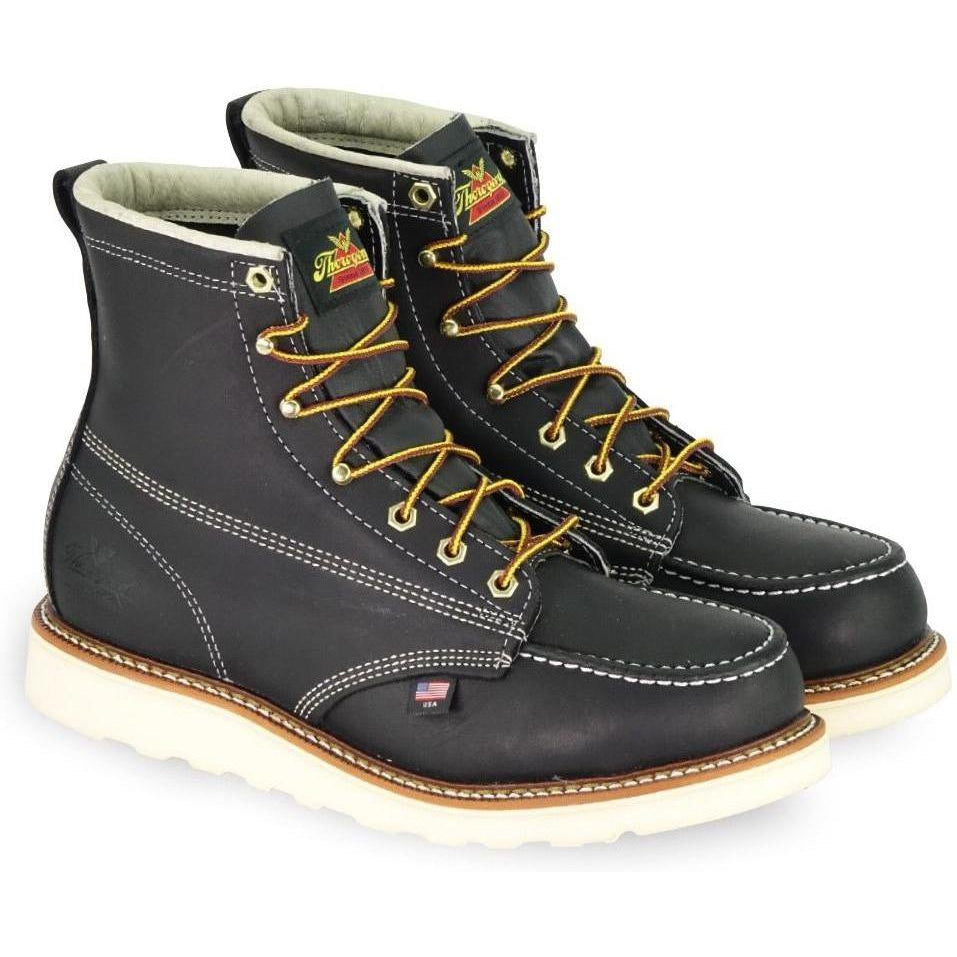
Thorogood Men's USA Made American Heritage 6" Wedge Work Boot - 814-6201
Save 5%
Sale price$274.95
Regular price$290.00
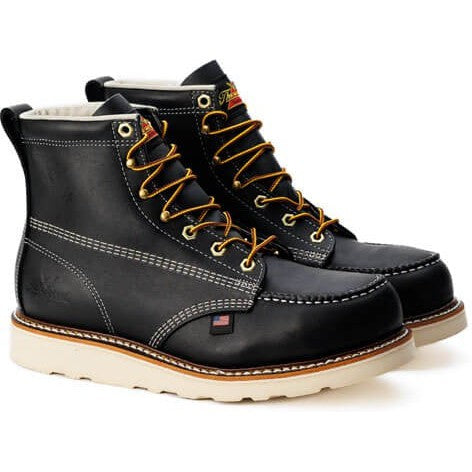
Thorogood Men's American Heritage 6" Wedge Work Boot - Black - 804-6201
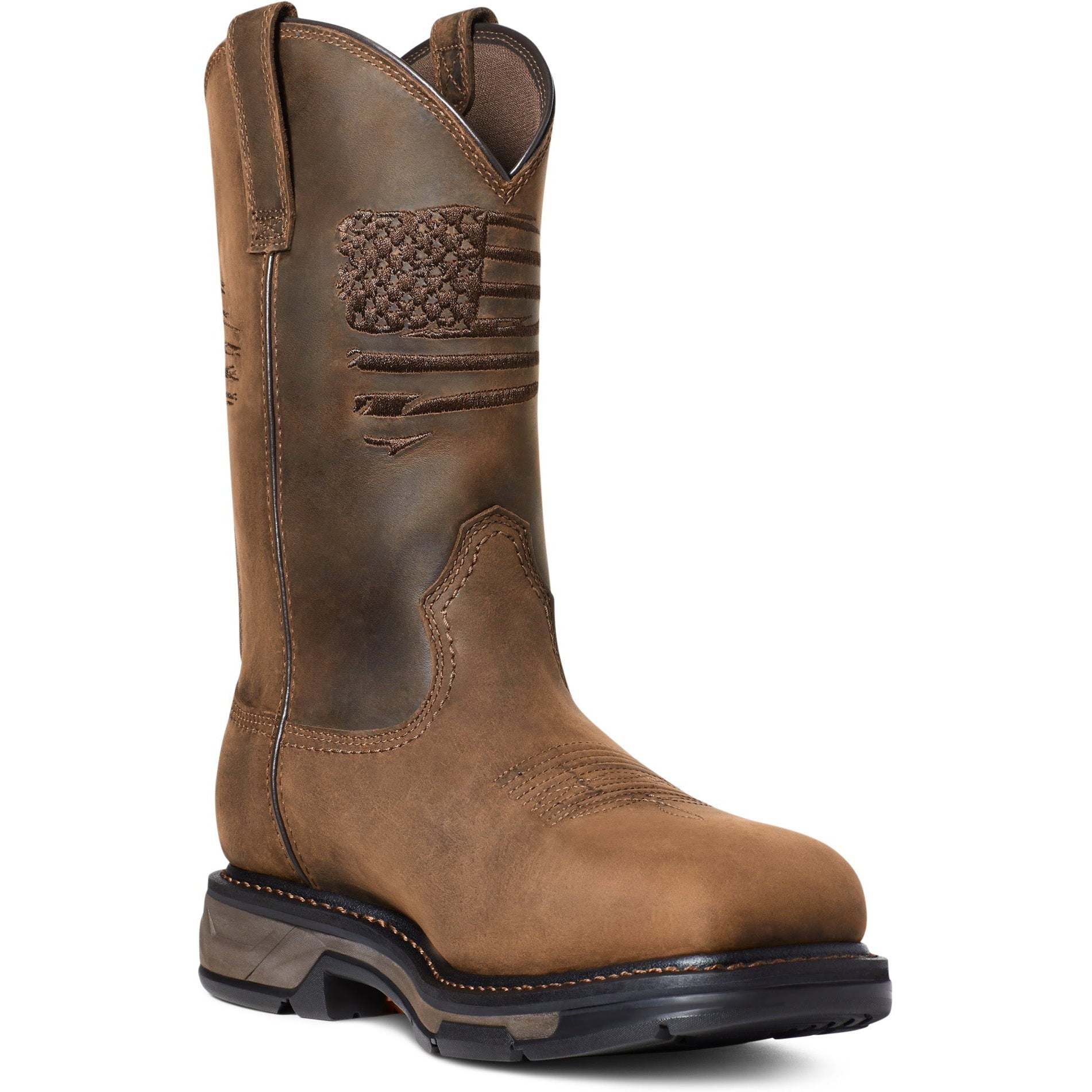
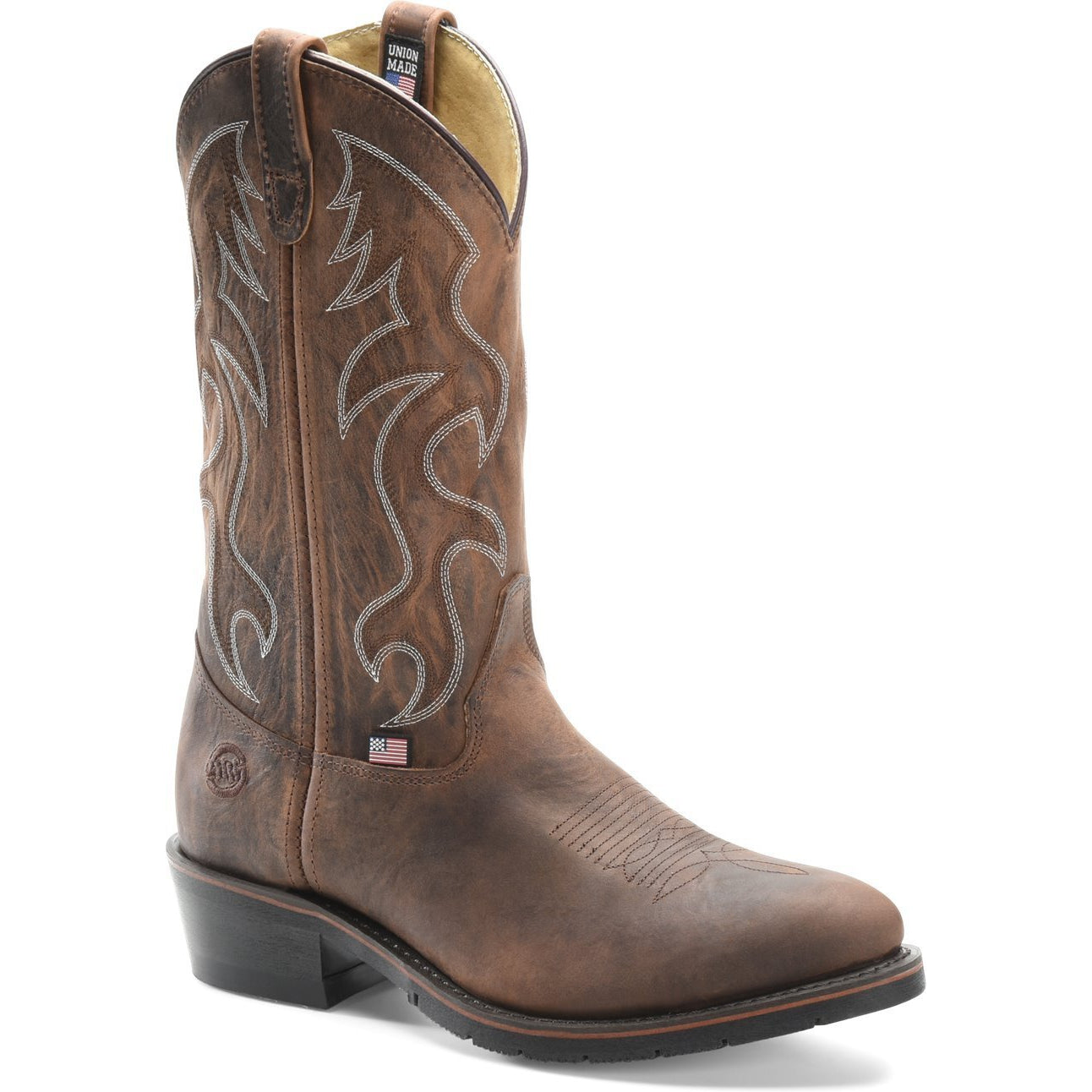
Sale price$289.99
Regular price$298.00
Double H Men's Robert 12" Steel Toe USA Made Arch Guard 7 Western Work Boot- 2282
Save 38%
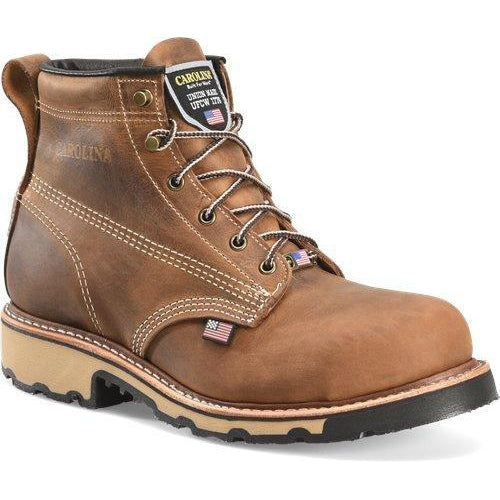
Sale price$176.67
Regular price$286.00
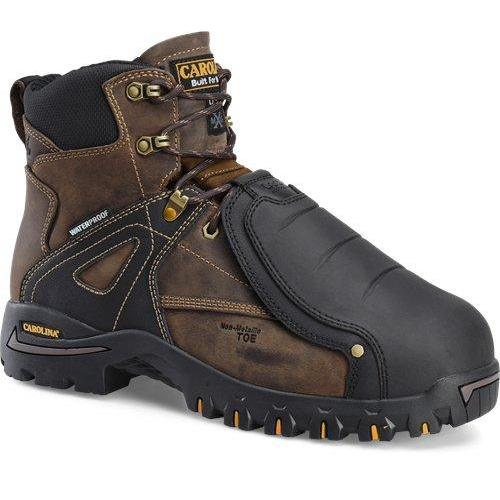
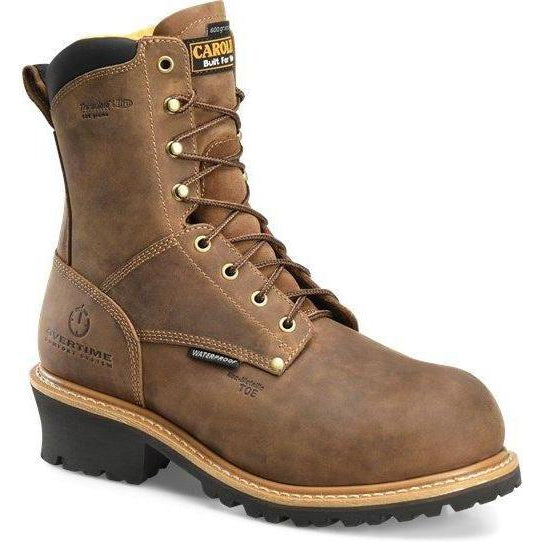
Carolina Men's Ferric 6" Steel Toe Made in USA Work Boot- Brown- CA7829
Save 15%
Sale price$256.61
Regular price$301.00
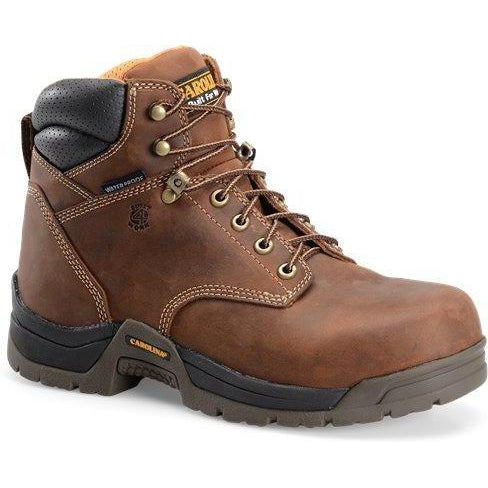
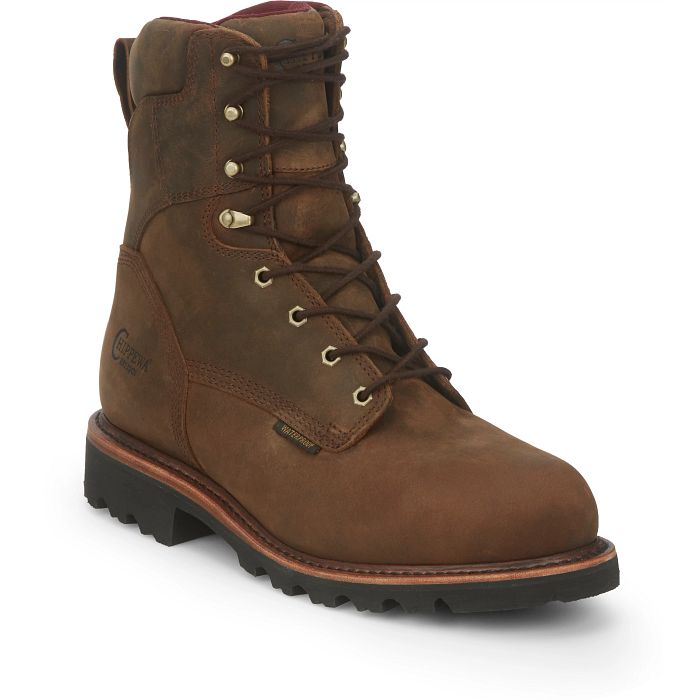
Chippewa Men's 8" Steel Toe 400G Ins Waterproof Work Boot - Brown - 59330
Save 37%
Sale price$133.67
Regular price$212.00
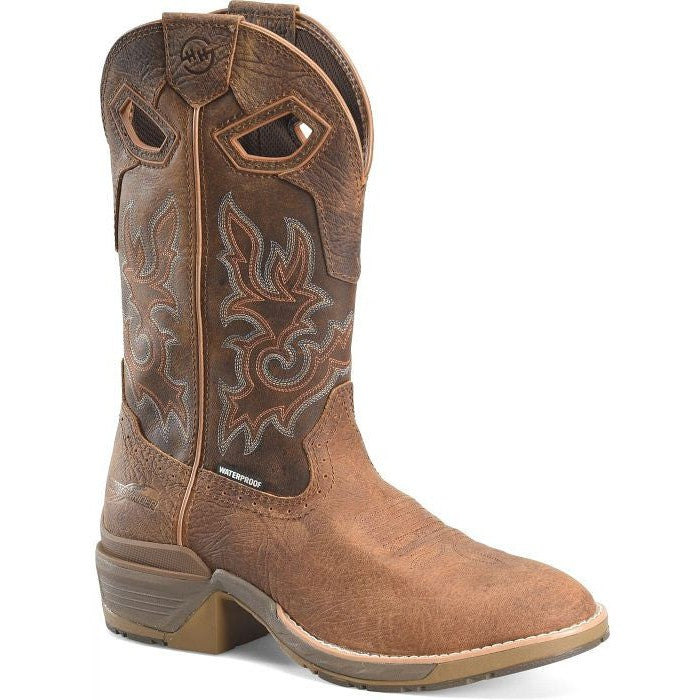
Double H Men's Phantom Rider League 12" U Toe Waterproof Western Work Boot -Brown- DH5427
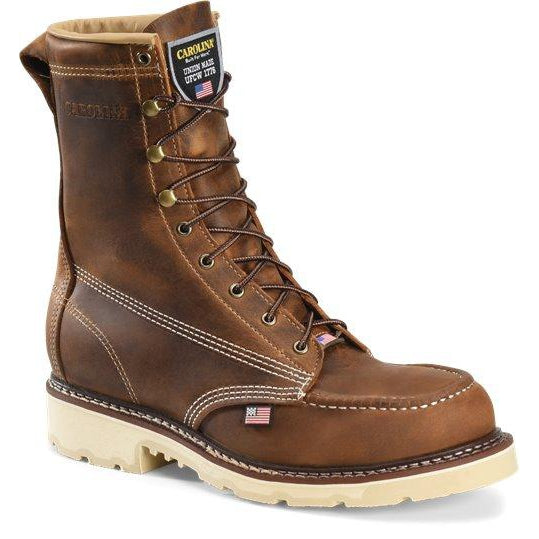
Save 10%
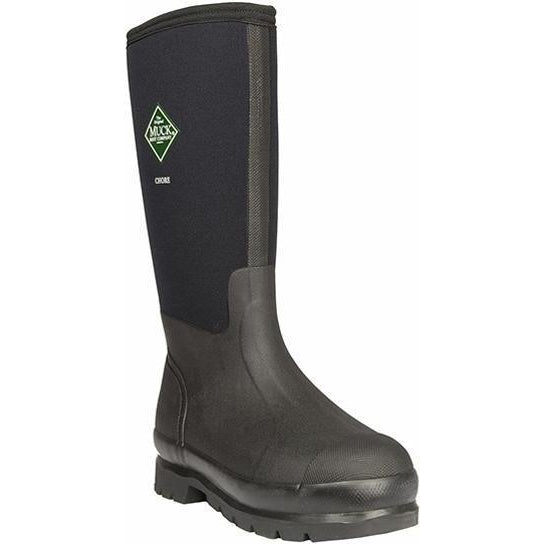
Sale price$130.00
Regular price$145.00
Muck Men's Chore Tall 17" Waterproof Rubber Work Boot - Black - CHH-000A
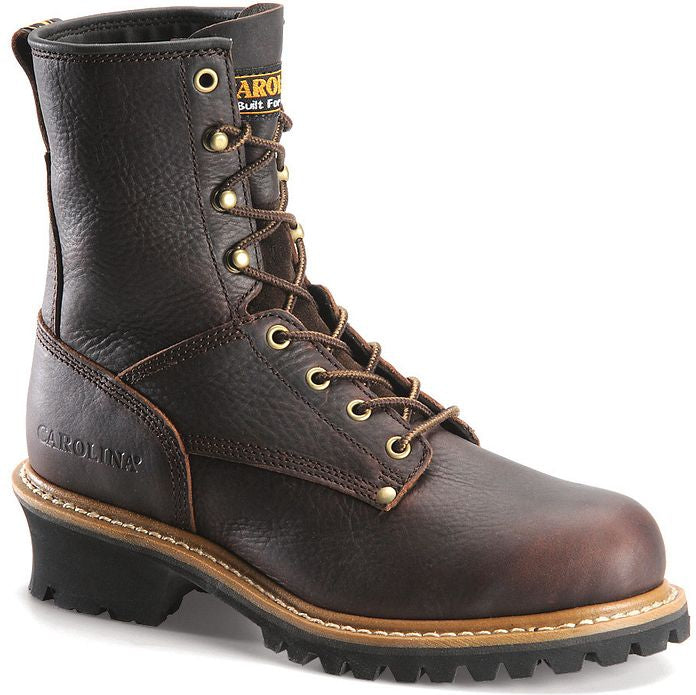
Save 5%
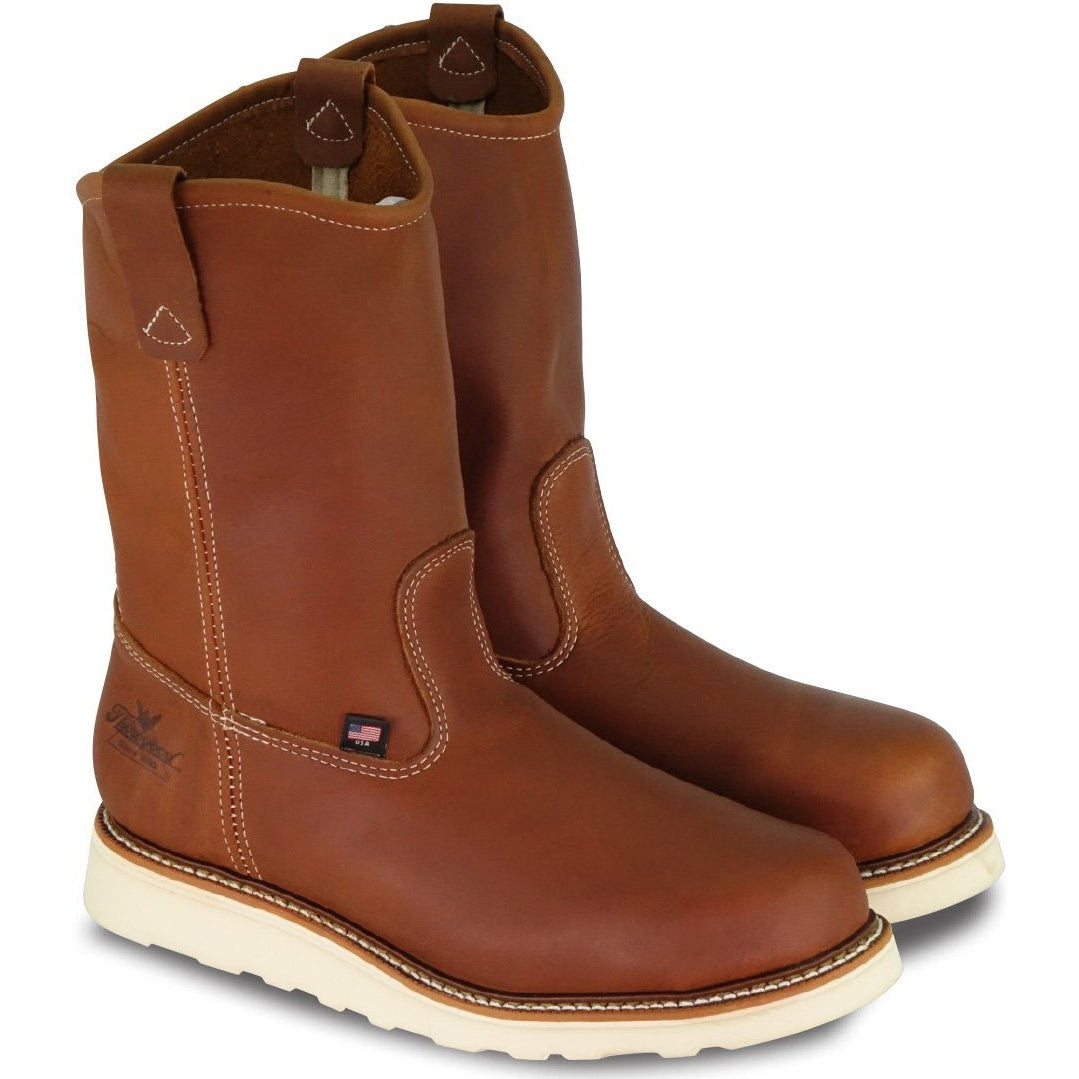
Sale price$284.95
Regular price$300.00
Thorogood Men's USA Made Amer Heritage Steel Toe Wel Wedge Work Boot 804-4205
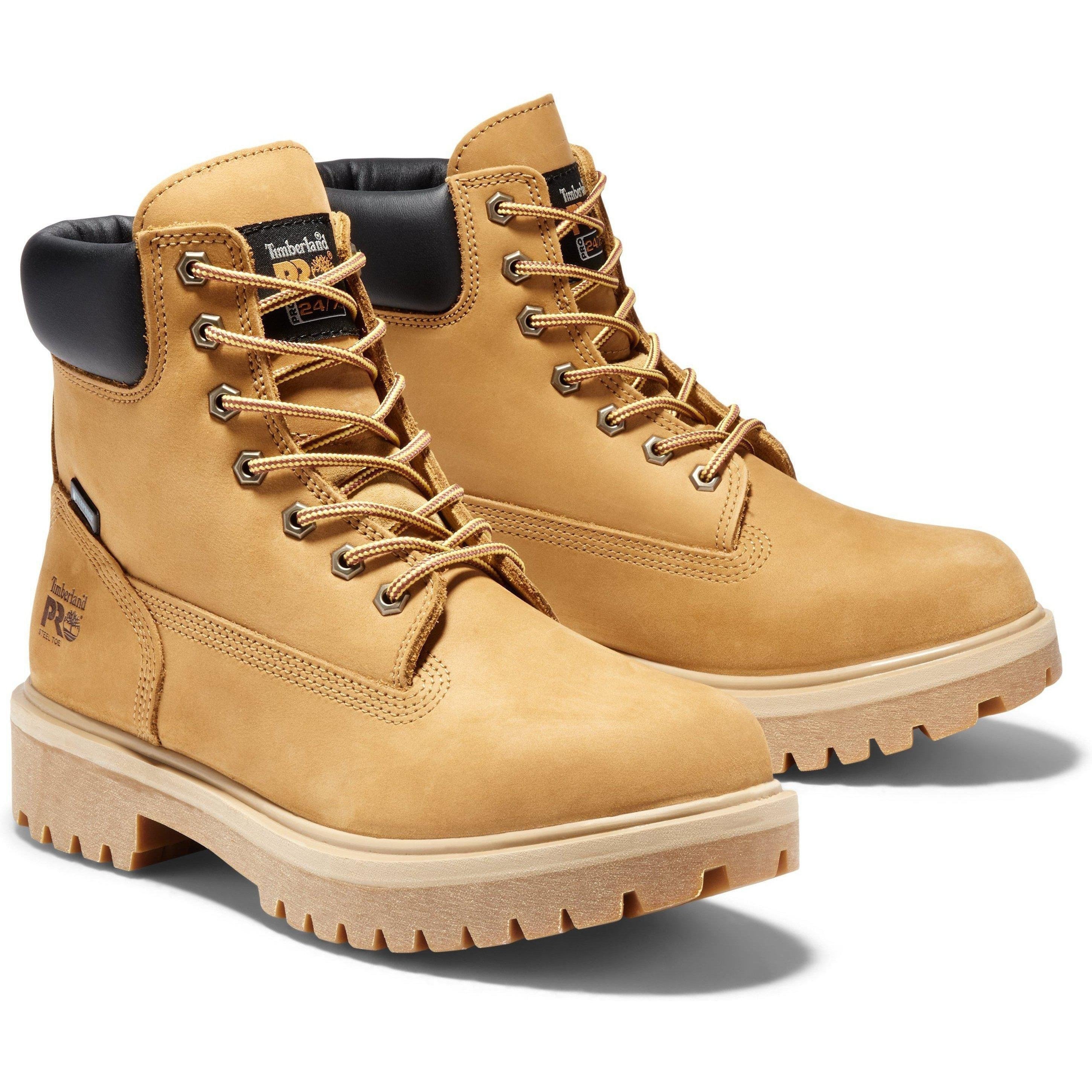
Sale price$179.95
Regular price$180.00
Timberland PRO Men's Direct Attach 6" Steel Toe Work Boot-TB165016713
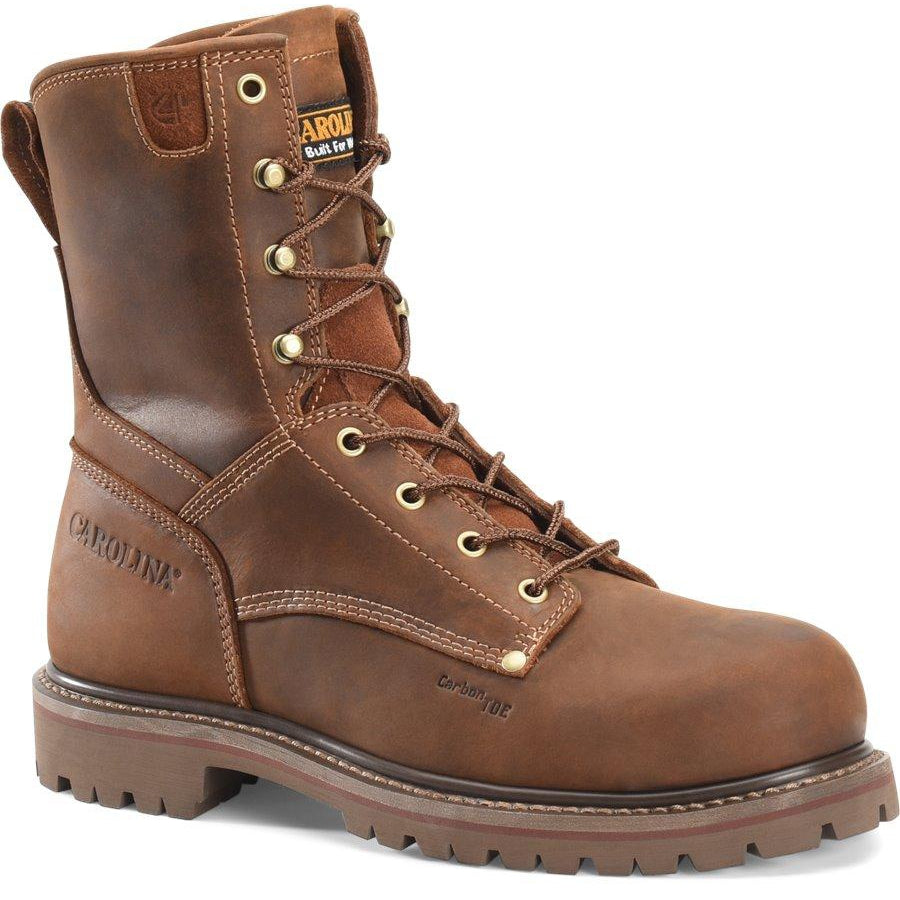
Sale price$214.99
Carolina Men's 8" Composite Toe Unlined Work Boot - Brown - CA8628
Save 6%
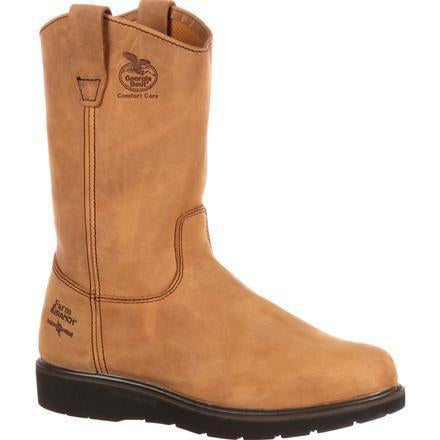
Sale price$155.00
Regular price$165.00
Georgia Men's Farm and Ranch Wellington Wedge Work Boot - Brown - G4432
Frequently Asked Questions
First, look for a slip- and oil-resistant outsole that grips wet, greasy concrete. After the sole, weigh toe protection (steel, composite, or soft) and all-day comfort, since most mechanics stand on hard floors through a full shift. An EH rating and waterproofing come next, depending on whether you work around live circuits or wash bays. Mechanic boots are a use-case narrowing of the broader work boots line, so the same support and fit standards apply once the sole and toe are sorted.
Mechanics can wear either, and both steel and composite toes certify to the same ASTM F2413 impact standard. Composite toes are usually lighter than steel and do not transfer temperature the same way, which can matter on an unheated shop floor in winter. Steel remains a common jobsite safety-toe option, while composite is a non-metallic alternative for buyers who want less toe-cap weight. If you already know you want the higher-impact option, the full steel toe boots set narrows it down by brand and height.
The best boots for standing on concrete all day have a cushioned, anti-fatigue midsole and a supportive footbed, not the toughest-looking sole. Comfort on hard floors usually comes from midsole cushioning and arch support rather than tread depth alone. Many wearers also swap in an aftermarket insole to dial the fit in further. Check each product page for the midsole, footbed, and support features before choosing a boot for concrete-heavy shifts.
Pricier work boots may be worth it for a mechanic when the extra cost buys confirmed features such as resoleable welt construction, a durable outsole, or stronger support for long shop shifts. A boot you can resole outlasts a cemented one that gets scrapped the moment the tread wears through. The sole compound matters more than the sticker, since a soft oil-resistant rubber grips greasy floors that harder budget soles skate across. Spend where it matters: the sole and construction, not the badge.
No, oil-resistant soles are not oil-proof. Oil-resistant means the rubber resists breaking down and holds its grip when it meets oil, not that oil has no effect on it. Constant exposure still degrades soles and adhesives over time, which is why even a good oil-resistant boot wears out in a shop faster than it would on dry ground. Wiping spills off the sole and rotating pairs slows that breakdown.
Mechanic work boots commonly last 6 to 18 months of daily shop use, depending on oil exposure and whether boots are rotated, before the sole or its oil-resistant grip gives out. Oil, solvents, and constant concrete wear the outsole and its adhesives faster than ordinary use, so the sole usually fails before the upper does. Heavier daily exposure to spills and hot surfaces pushes lifespan toward the short end of that range.
Whether a mechanic needs a safety toe depends on the shop's hazards and its rules, not on a blanket law. OSHA requires protective footwear where there is danger of foot injury from falling or rolling objects, objects piercing the sole, or certain electrical hazards, so match the toe protection to the shop’s hazards and site policy. Some mechanics run a soft toe where no safety toe is mandated, and comfort is the priority. If you've decided you want the protection, the full safety toe boots set covers both toe types.
You don't need waterproof boots for most mechanic work, since a dry indoor shop rarely soaks your feet. Waterproofing earns its place if you work in wash bays, on outdoor lots, or in field and heavy-equipment repair where you're in mud and standing water. The tradeoff is breathability, because a waterproof membrane runs warmer, which is worth weighing if your shop gets hot. Match the boot to where you actually stand, not to the worst weather you can picture.
Slip-resistant soles are built for better traction on wet or oily shop floors, but performance depends on the outsole compound, floor surface, and conditions. A softer, oil-resistant rubber with flat, broad contact grips greasy epoxy better than a deep, aggressive lug, and a wedge sole can lose grip on wet, uneven, or outdoor terrain where lugs would normally bite. Look for an outsole rated slip-resistant and built from an oil-resistant compound, which most mechanic-focused work boots here already are. The full slip-resistant boots set filters for exactly that grip if it's your first priority.
The best boots are broadly similar across diesel, auto, and heavy-equipment work, but the emphasis shifts with the environment. Auto and indoor shop mechanics lean on a slip-resistant sole and all-day comfort on clean concrete. Diesel and outdoor work can add more exposure to heat, fluids, rough ground, or weather, so check the boot’s outsole, waterproofing, and protective features against the actual jobsite. Heavy-equipment and field mechanics often move toward waterproofing, a higher shaft, and met-guard or puncture protection for rougher, dirtier ground.
Recently viewed
Our Top Brands