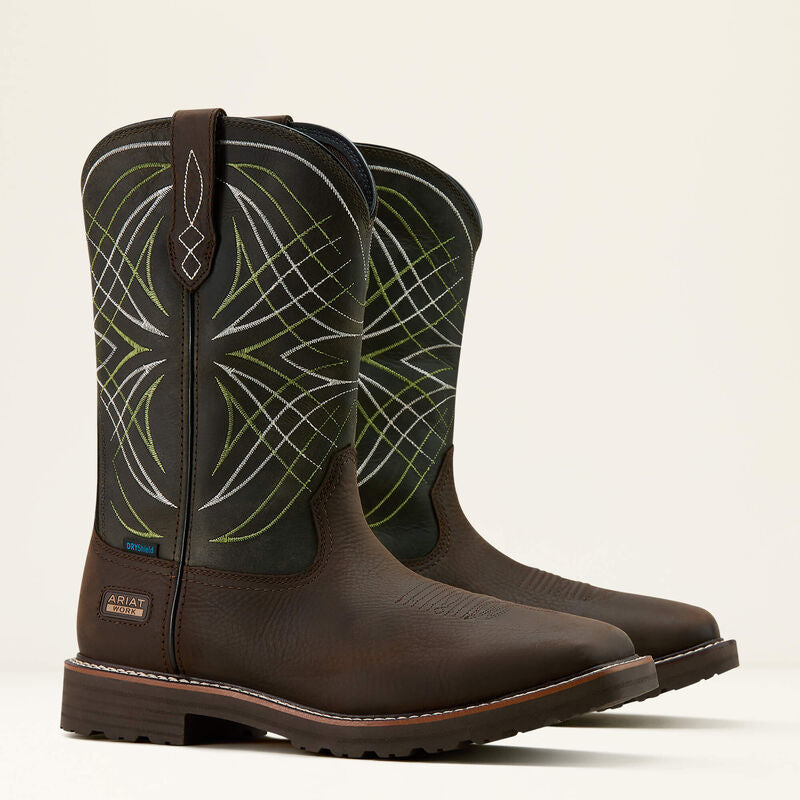
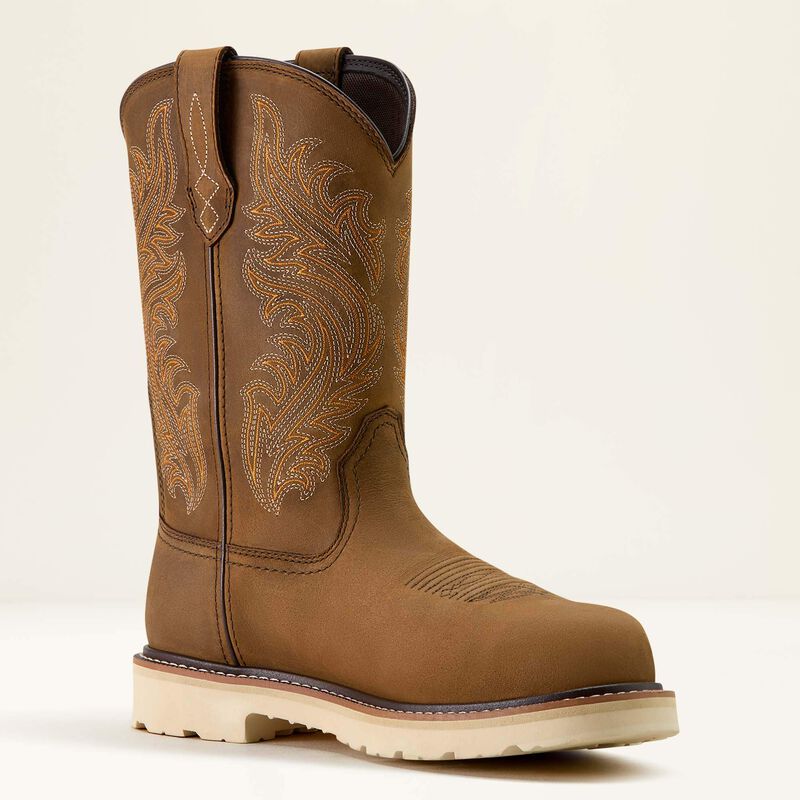

Save 10%
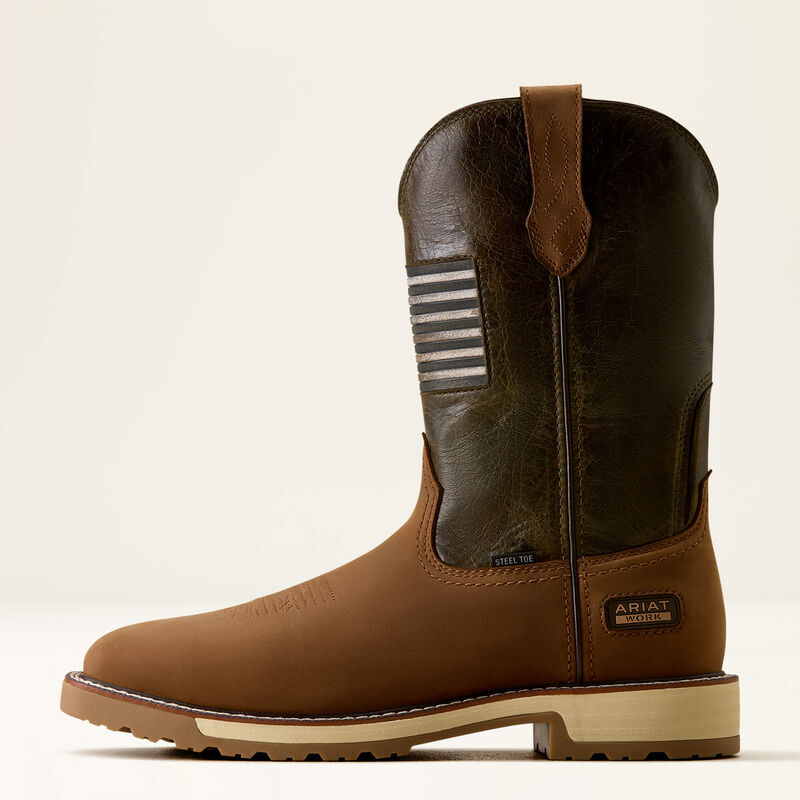
Sale price$189.95
Regular price$209.95
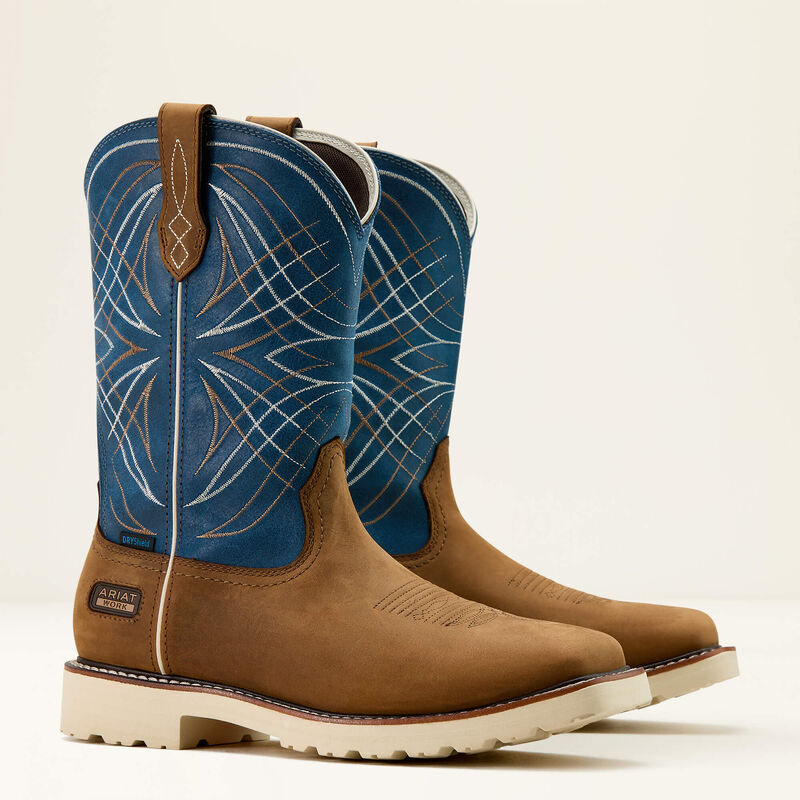
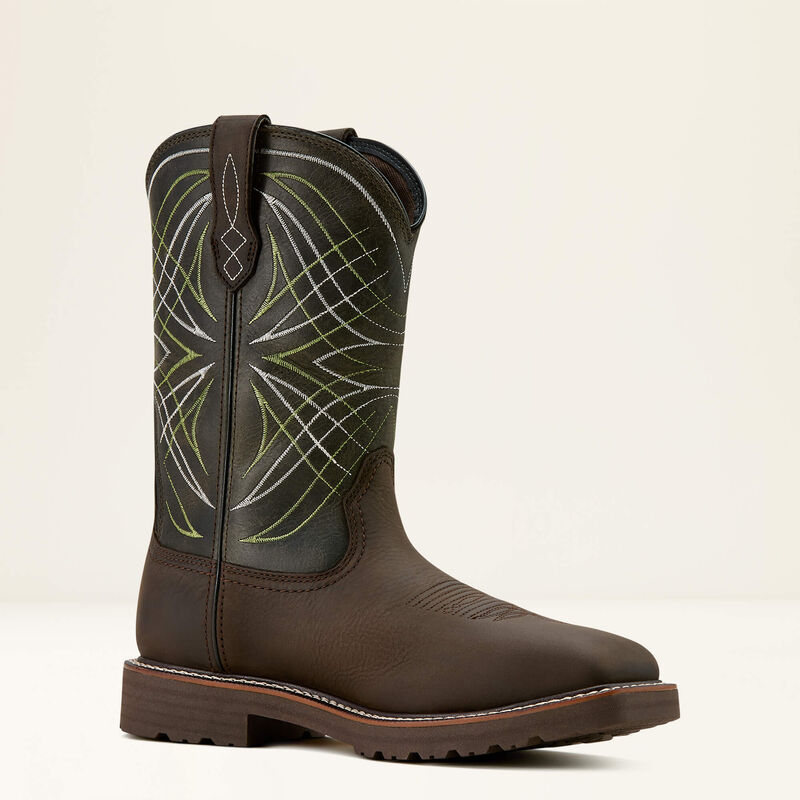
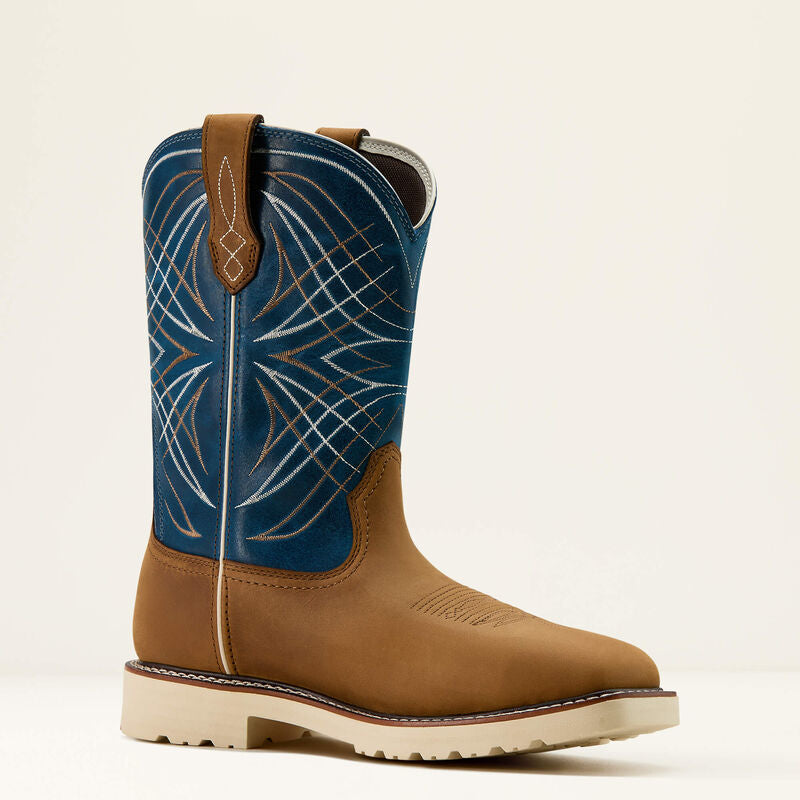
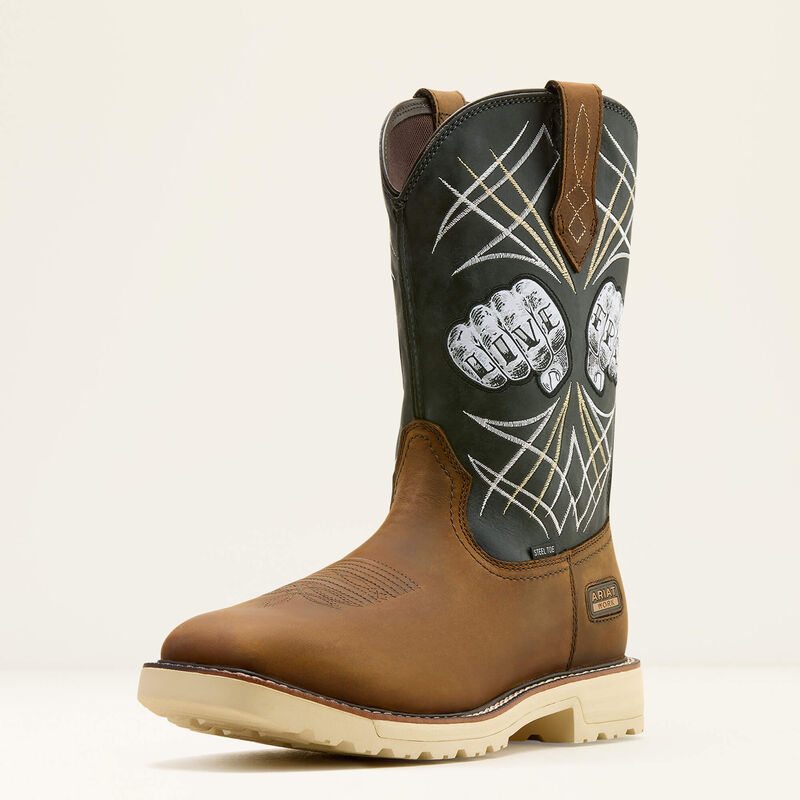
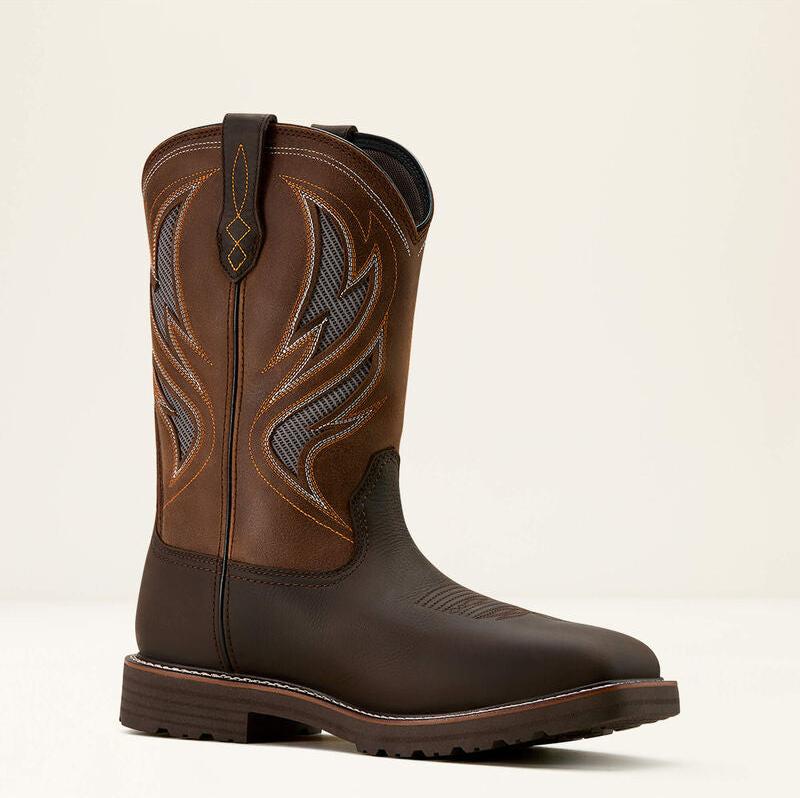
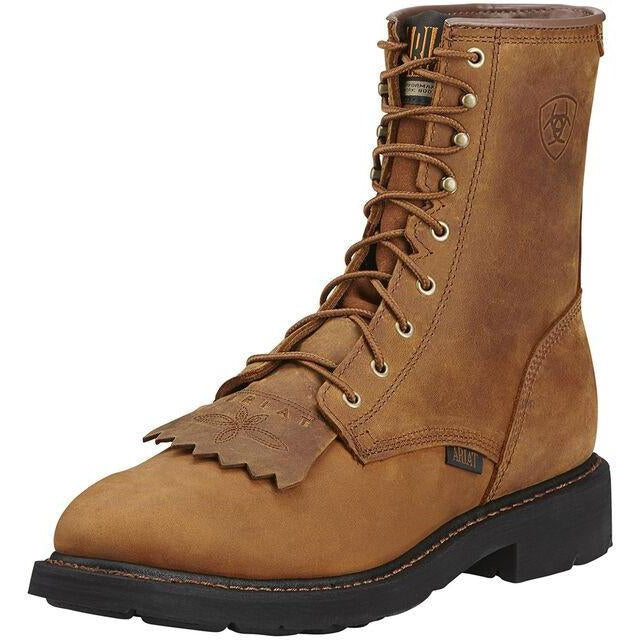
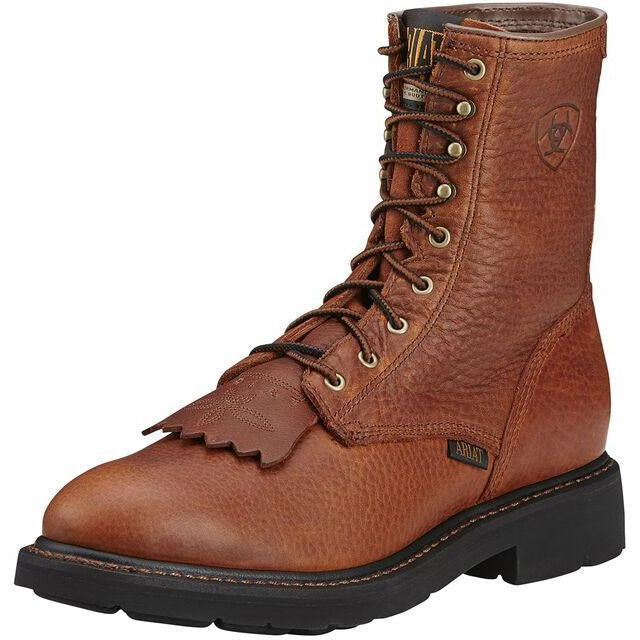
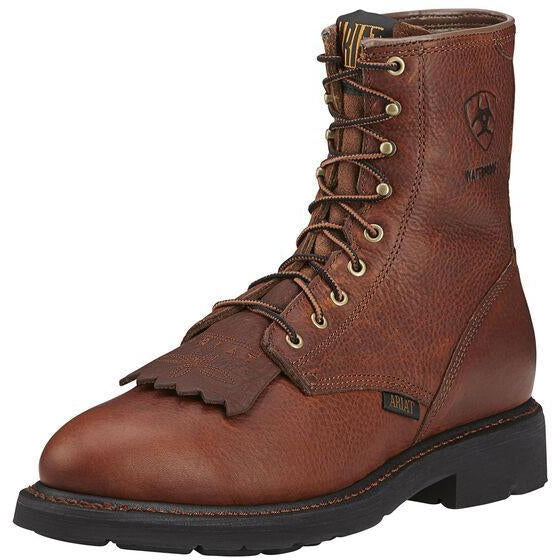
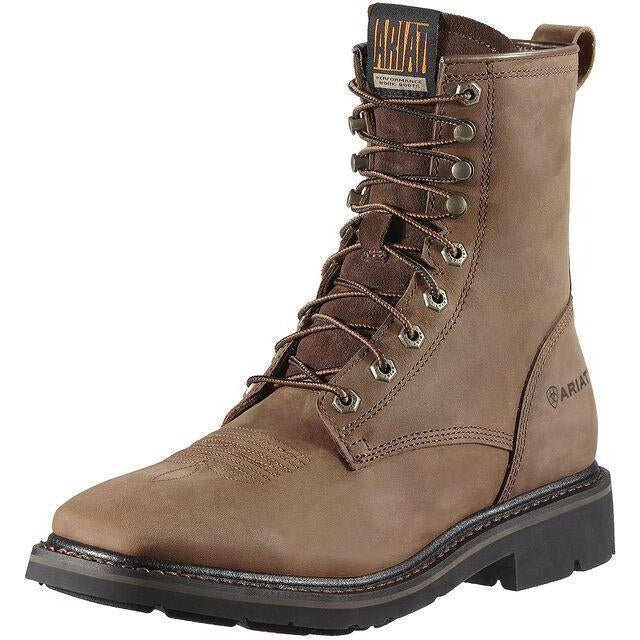
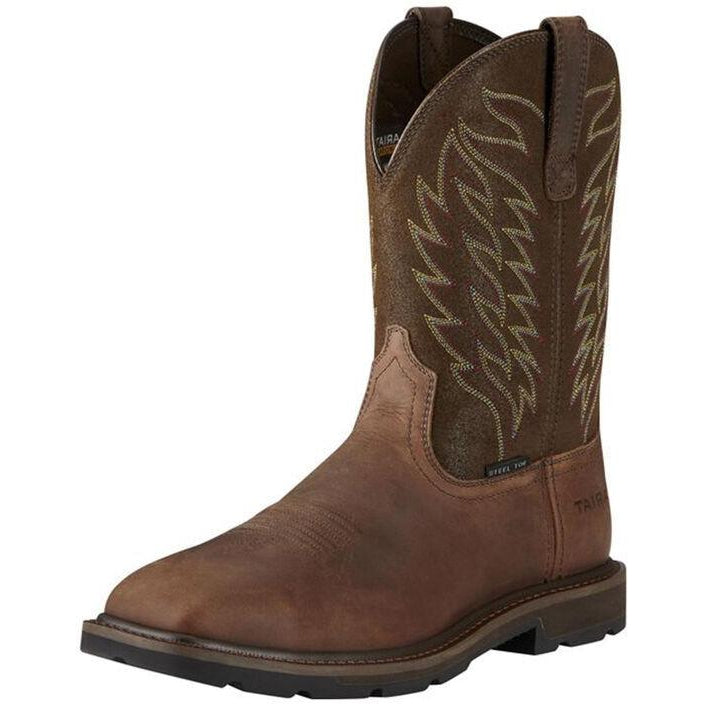
Ariat Men's Activator Patriot Wide Square Toe Steel Toe Work Boot - Brown - 10080468
Save 10%
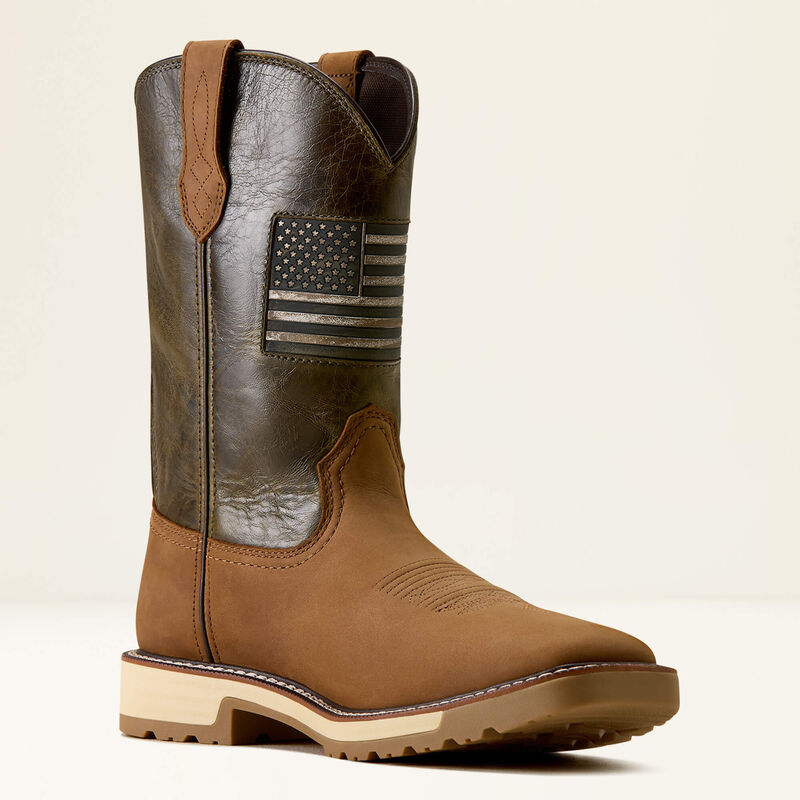
Sale price$179.95
Regular price$199.95
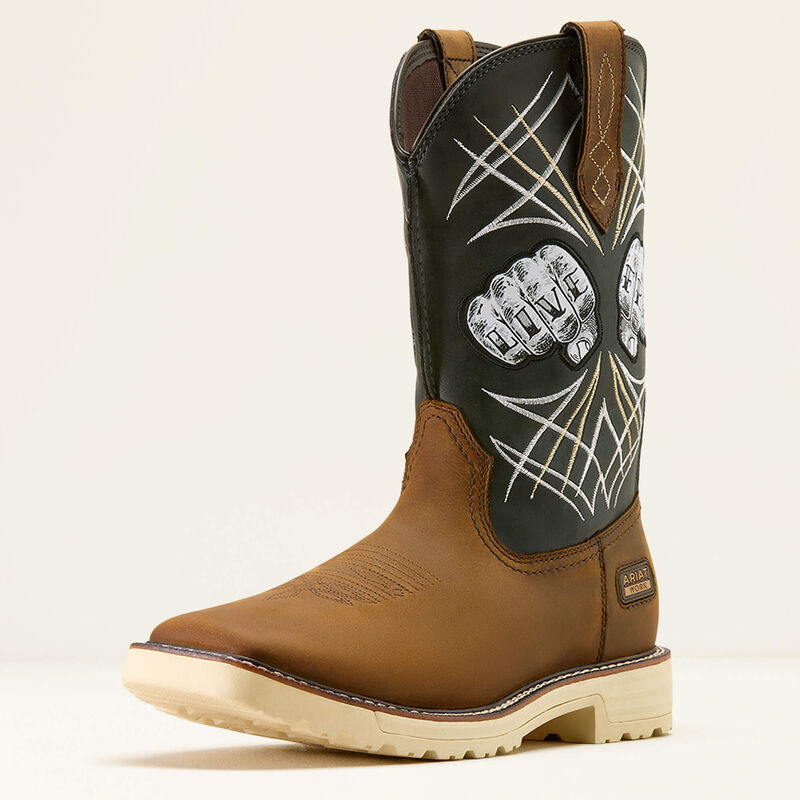
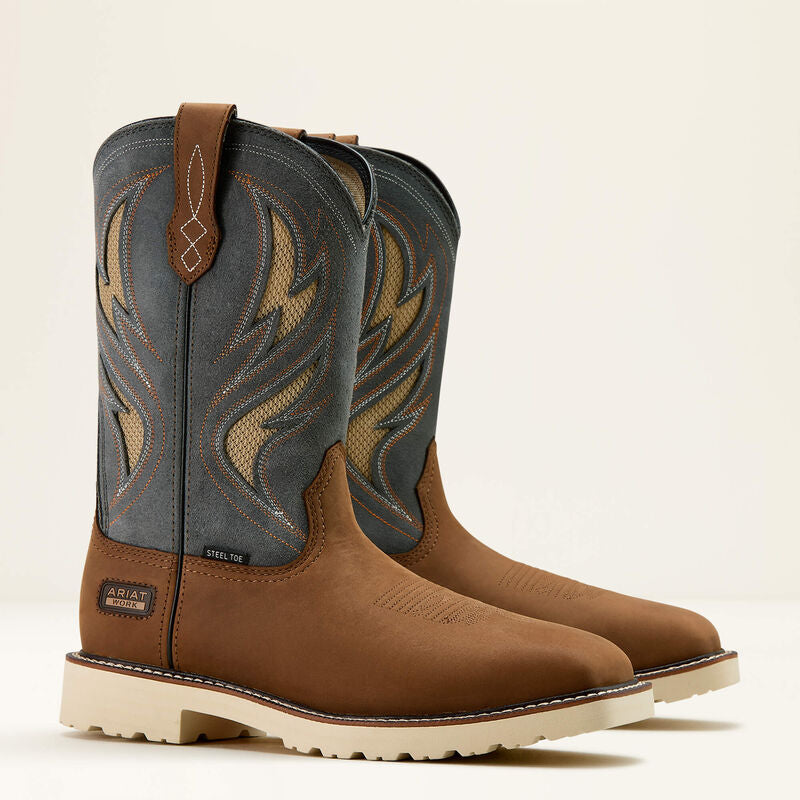
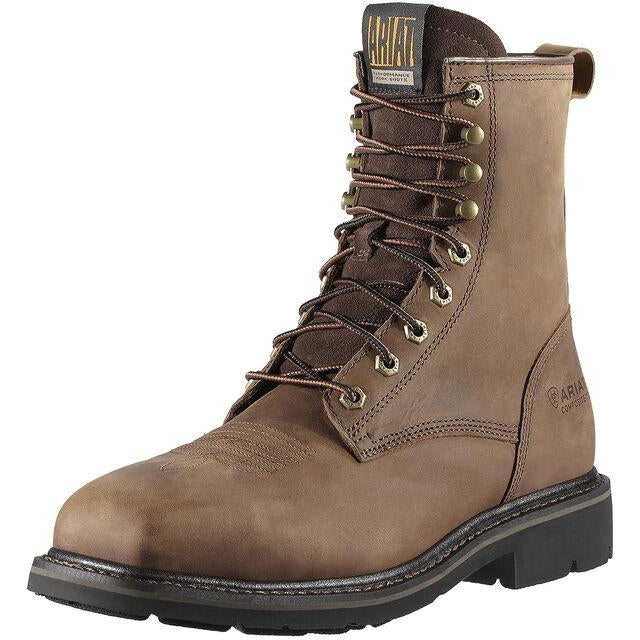
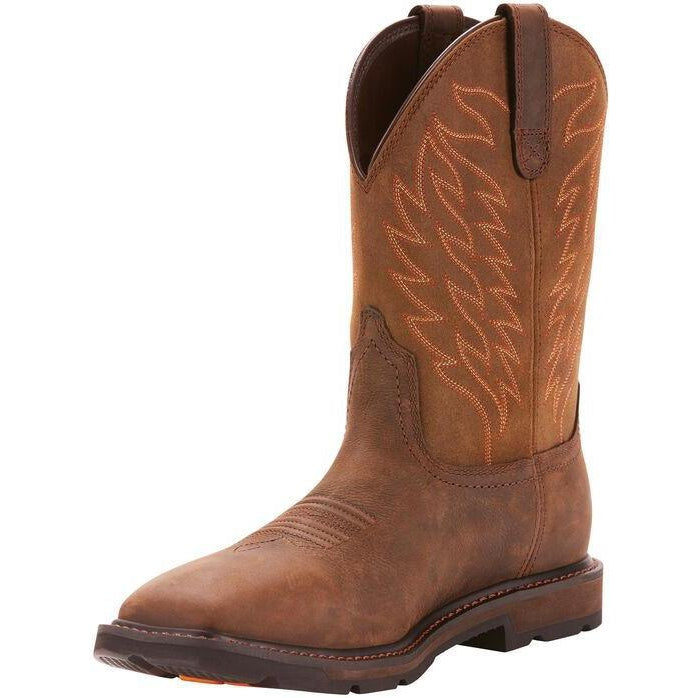
Ariat Men's Activator Patriot Wide Square Toe Work Boot - Brown - 10079675
Save 10%
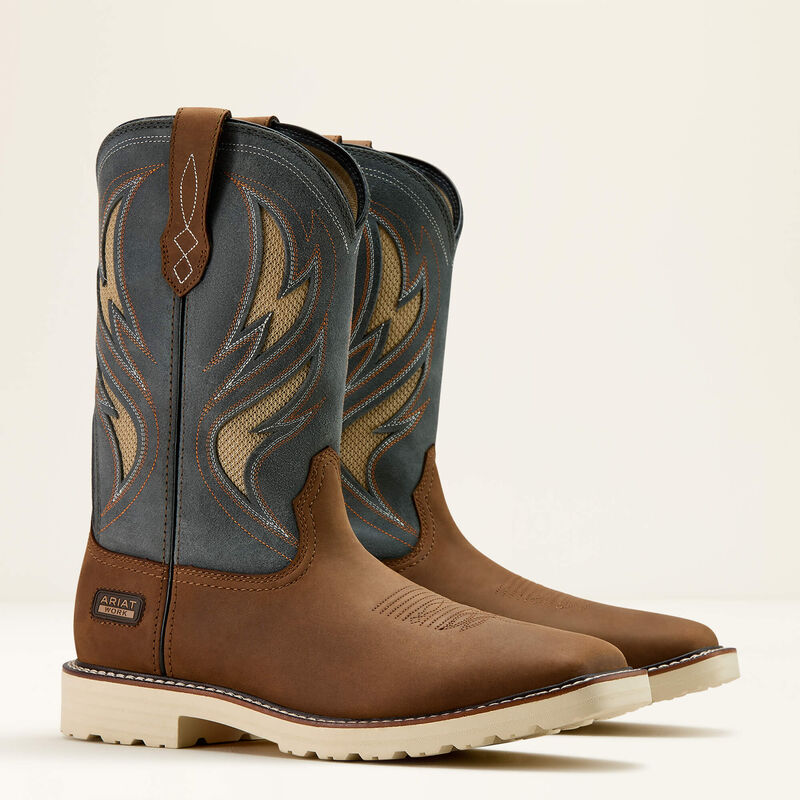
Sale price$269.96
Regular price$299.95
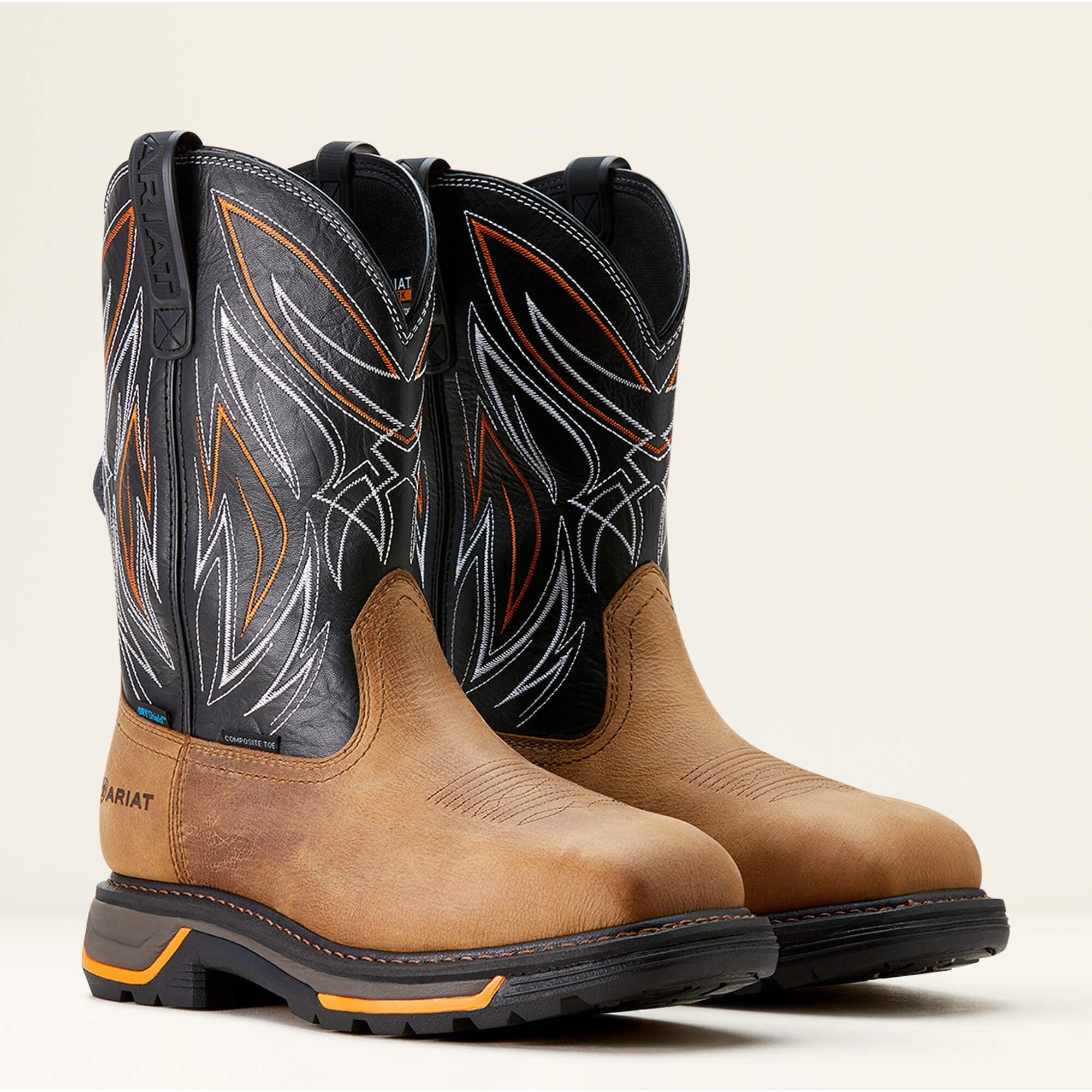
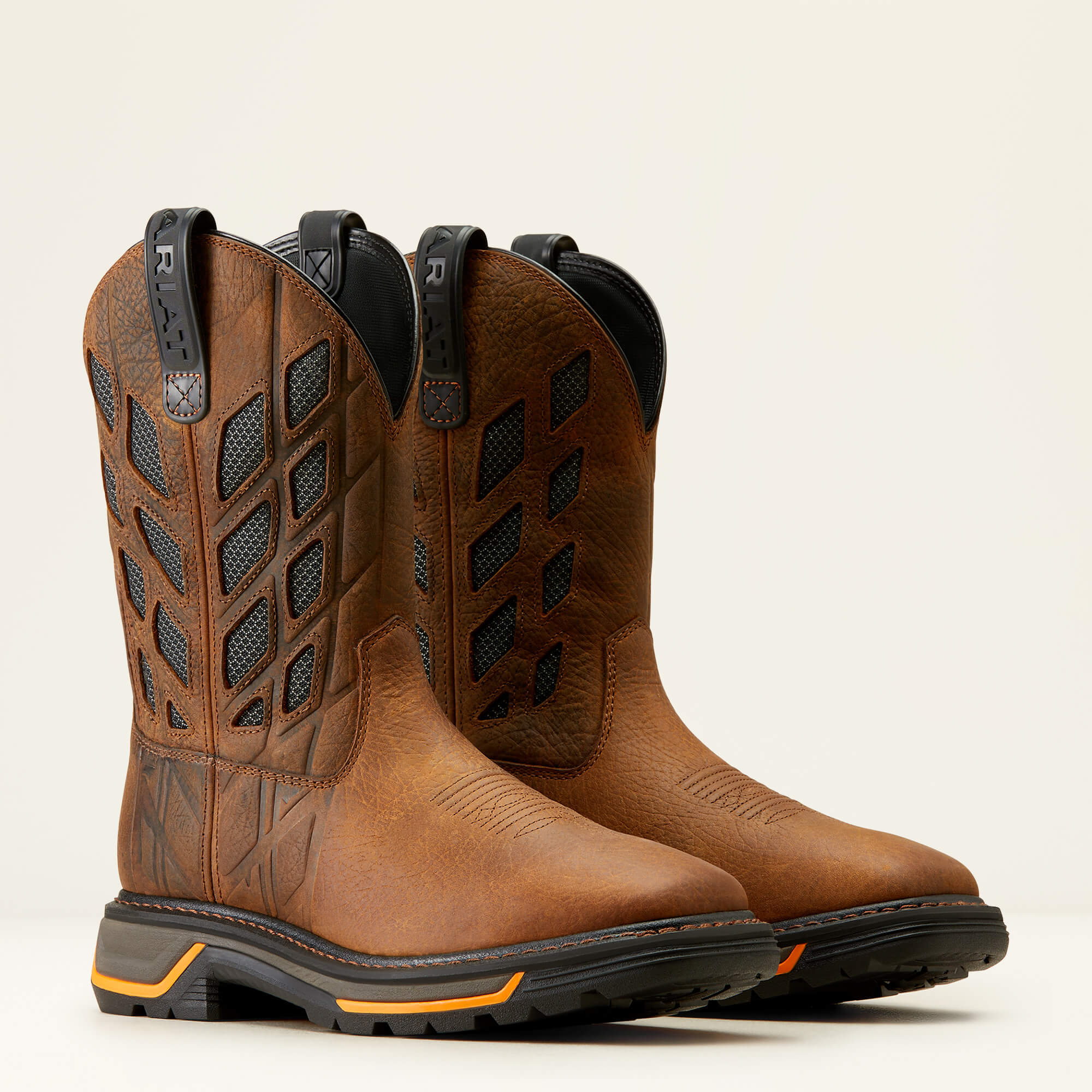
Ariat Men's Big Rig BOA 11" Composite Toe Waterproof Western Work Boot - Natural Tan/Black - 10053617
Save 10%
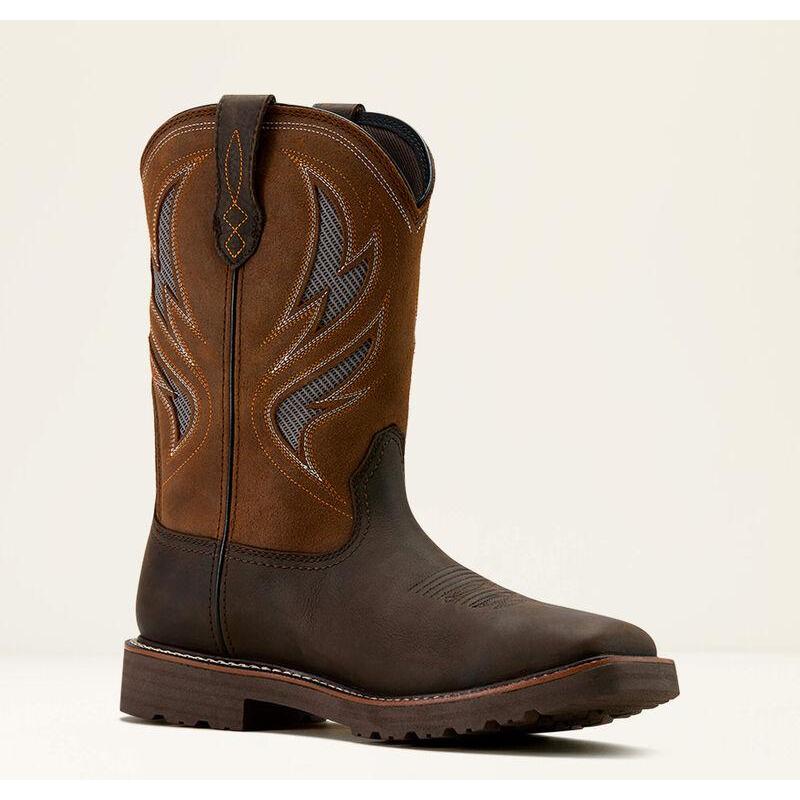
Sale price$260.96
Regular price$289.95
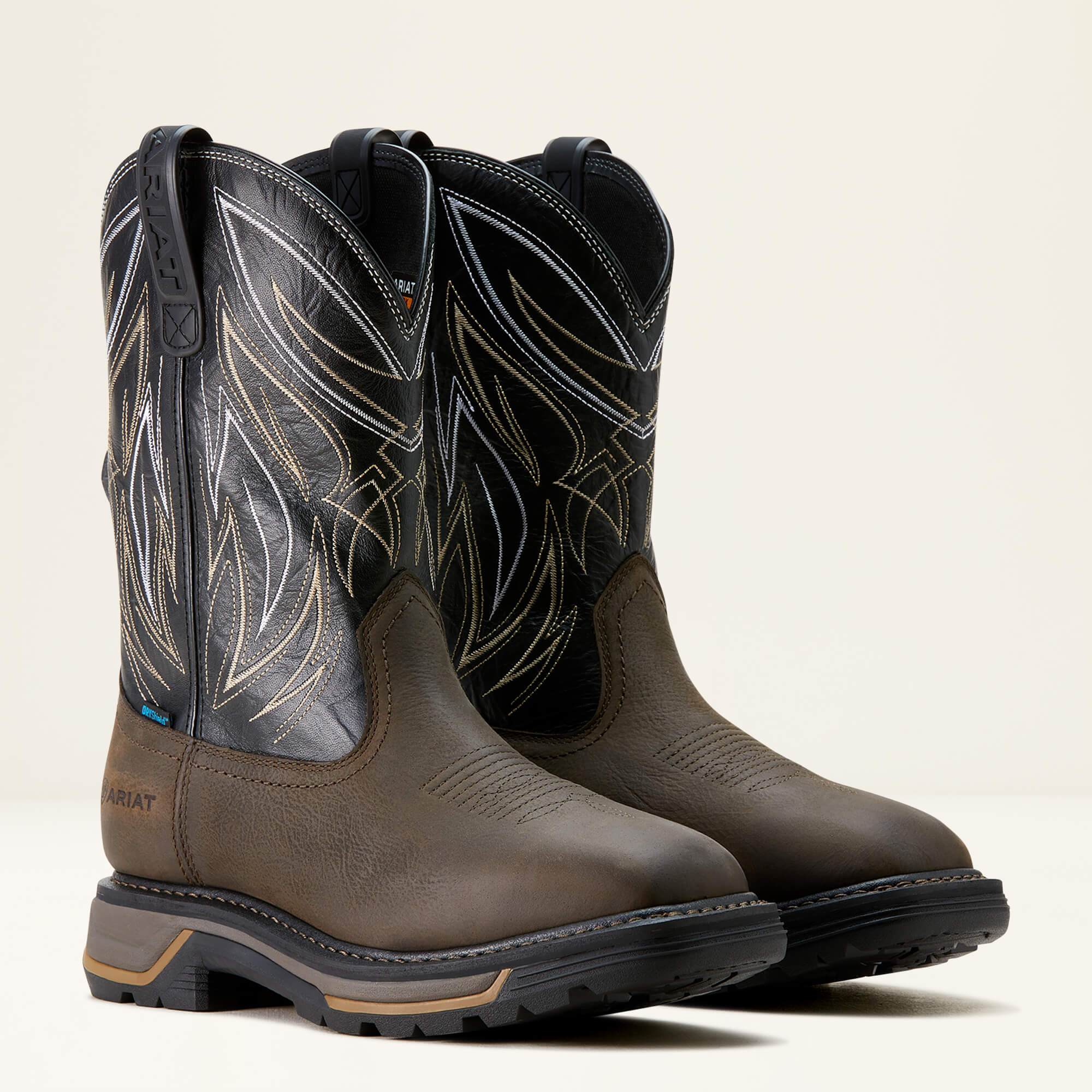
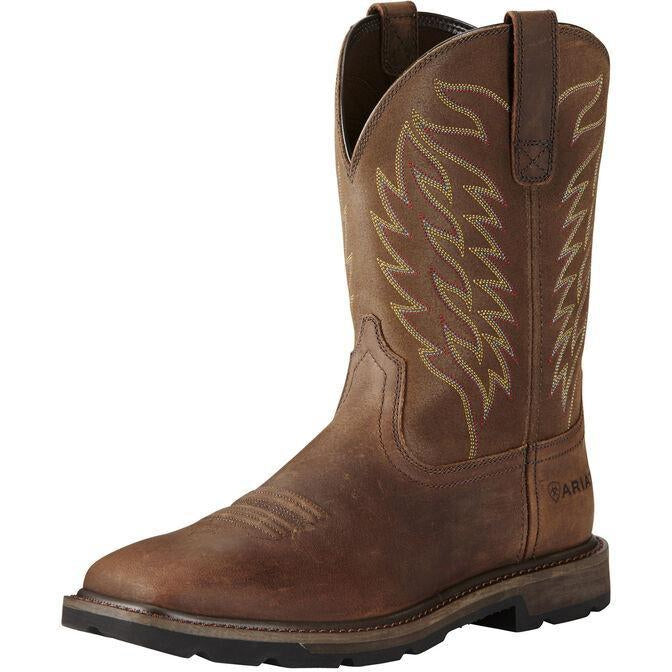
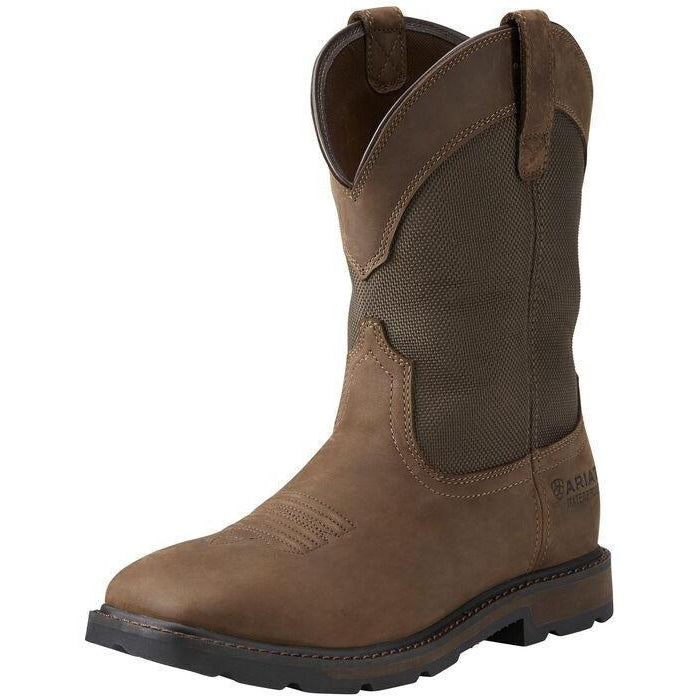
Ariat Men's Big Rig BOA 11" Soft Toe Waterproof Western Work Boot - Iron Coffee/Black - 10053777
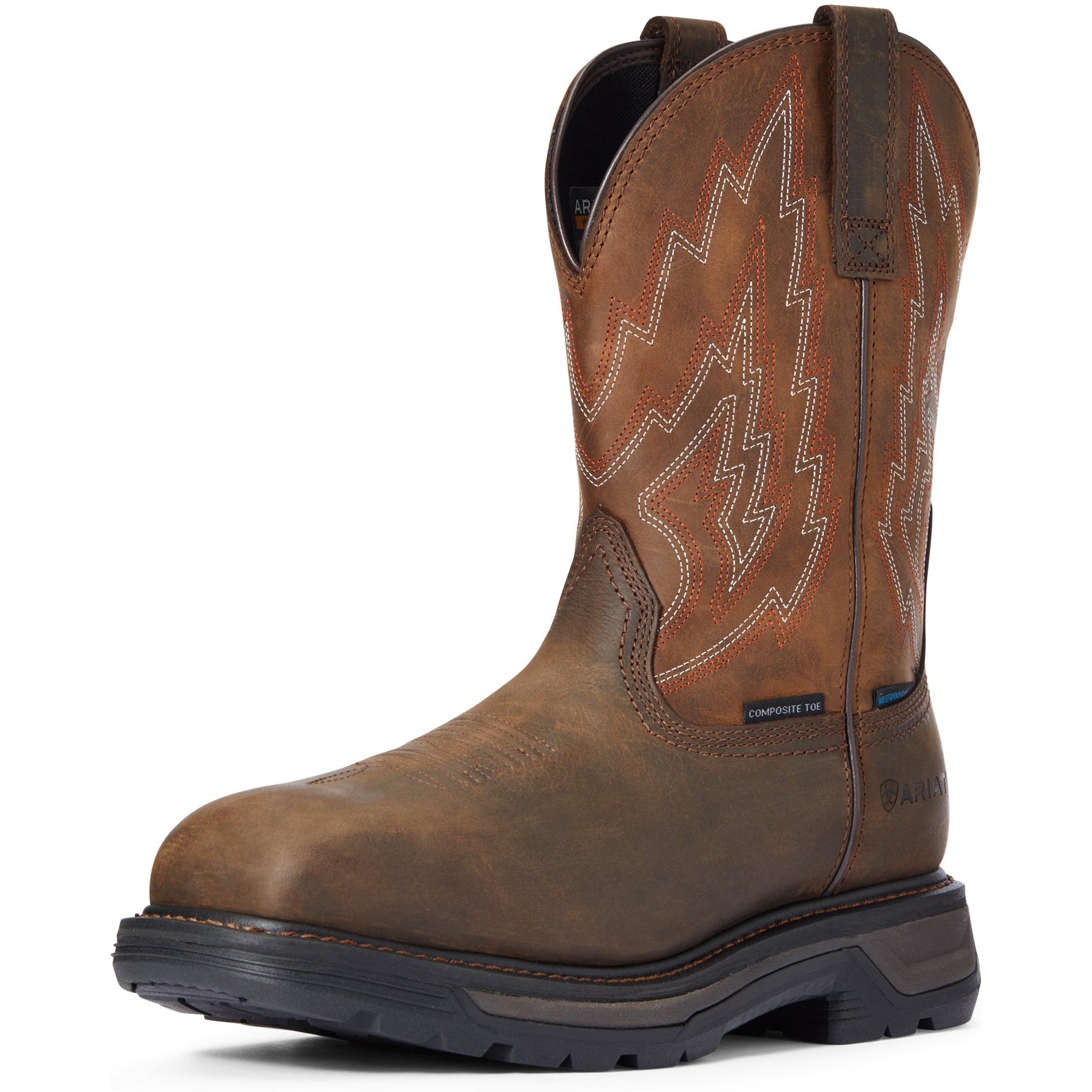
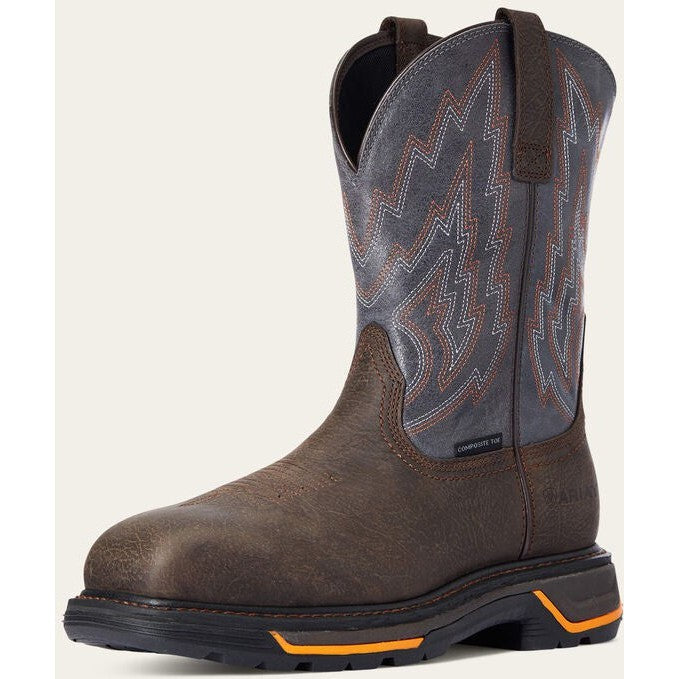
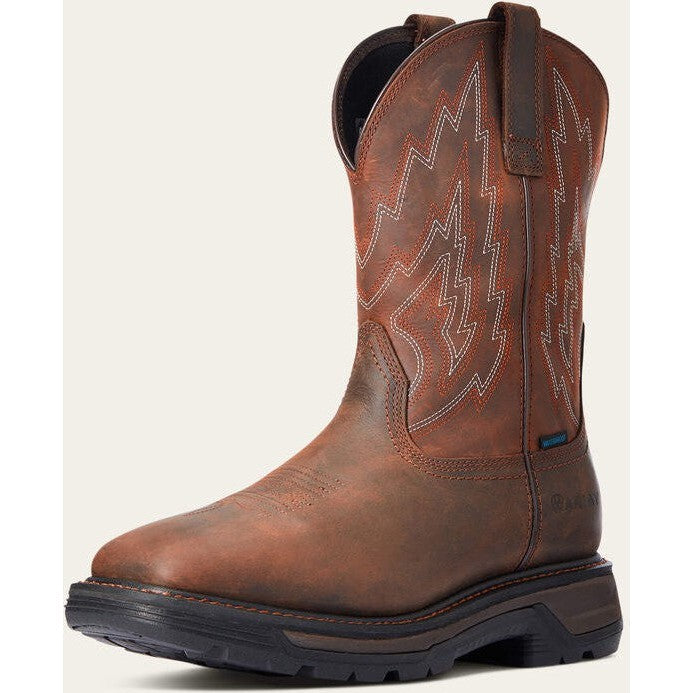
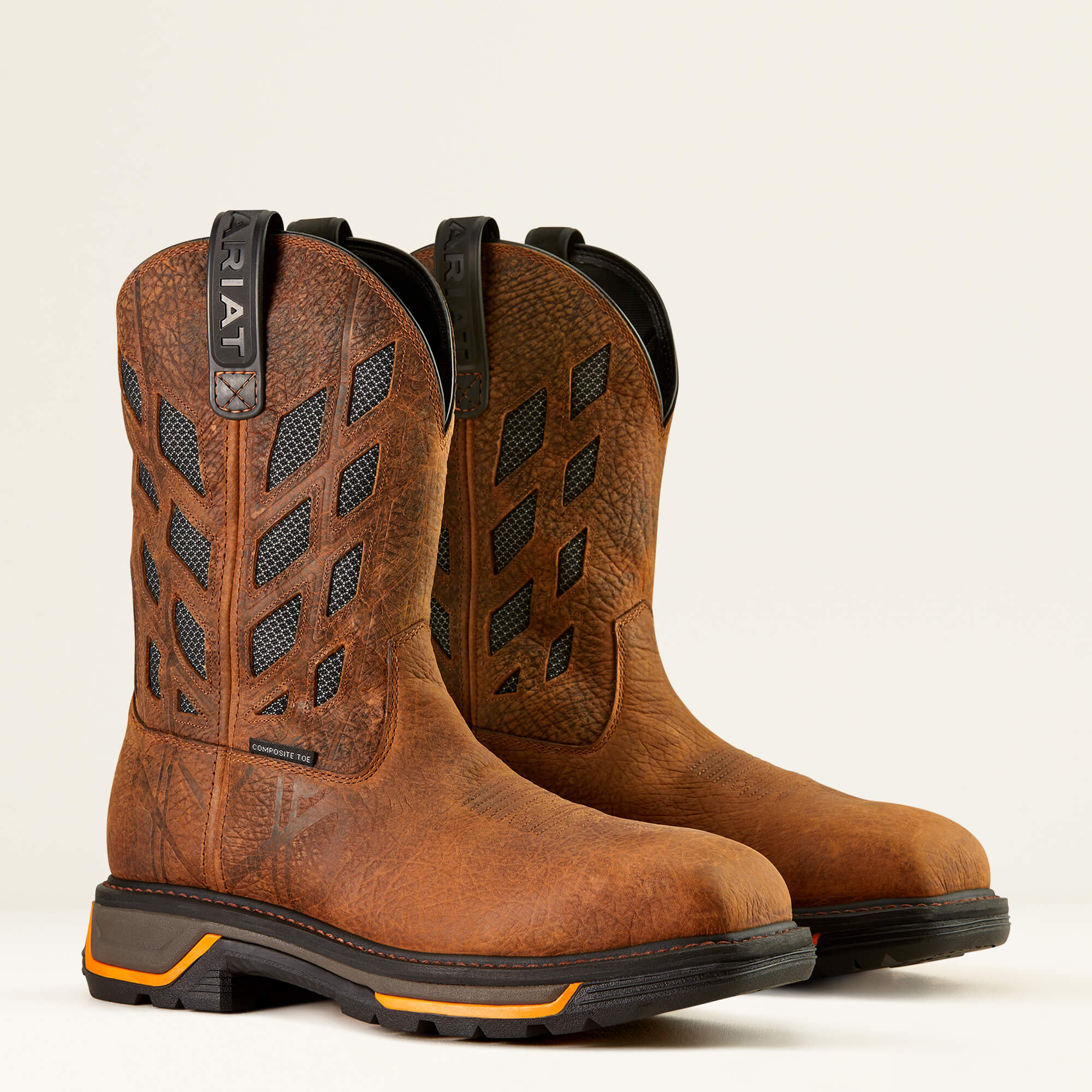
Sale price$229.95
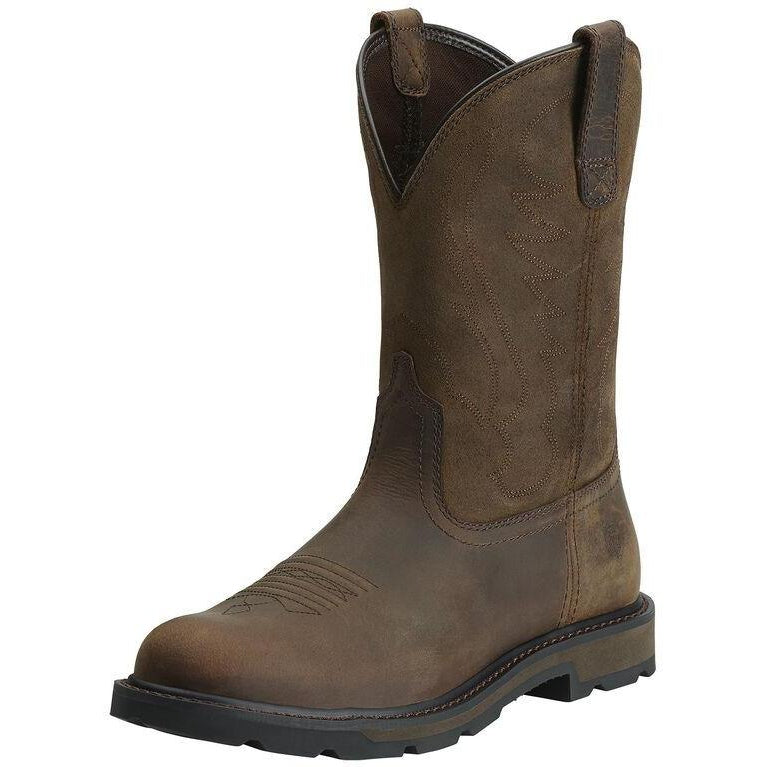
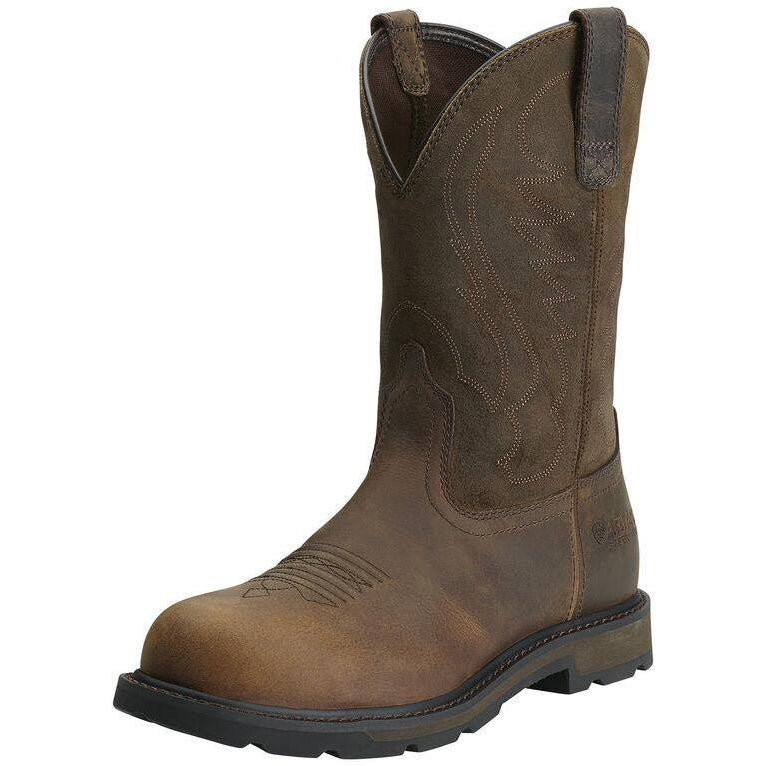
Ariat Men's Big Rig Composite Toe Western Work Boot -Coffee- 10033966



Frequently Asked Questions
A pull-on shaft with nothing to catch, a sole that grips in a lot and in a pasture, and leather tough enough to survive manure and wet. If you ride, the boot also has to work in a stirrup, which means a heel that seats and a sole that is not so aggressively lugged that it hangs up. Whether you need a safety toe depends on how much time you spend around equipment and cattle.
Some, with caution. A traditional cowboy boot has a smooth leather sole designed to slide in and out of a stirrup, which is a safety feature. A work-rated western boot has a lugged or work outsole that grips, which is what you want on the ground and exactly what you do not want if you come off a horse with a foot in the stirrup. If you ride regularly, that trade deserves real thought.
A cow standing on your foot delivers exactly the compression a rated cap is designed for, and it happens routinely in cattle work. Equipment and gate work are the other cases. Plenty of ranch work carries no crush hazard and a soft toe is more comfortable and lighter, so it comes down to how much time you spend in a chute or around machinery.
Square gives more room across the ball of the foot and is the broader traditional working silhouette. Round and roper toes fit closer and slide into a stirrup more easily, which matters if you ride. Neither is tougher, since the shape is the last rather than the protection. If your feet swell over a long day, square is usually more comfortable. See our square toe boots range.
Eleven or twelve inches is the traditional working height and keeps mud, manure, and debris out while covering the calf against brush and wire. Shorter 8-inch lacers are easier to walk and drive in if you spend more time in a truck than on a horse. Height is stated in every product title.
For wet lots, spring mud, and winter work, it makes a real difference, and most of the major western work lines offer waterproof versions. The rest are water-resistant leather that sheds rain but wets through eventually. Because brands build both versions of similar models, check the product title rather than assuming. See our full waterproof work boots range.
Ammonia from manure breaks leather down considerably faster than mud or ordinary wear, and repeated soaking and drying hardens and cracks it at the flex point above the vamp. Rinsing boots off and keeping the leather conditioned is the single most effective thing you can do. Drying them away from direct heat matters just as much.
Most people who ranch end up doing exactly that, because no single boot handles daily washdown and comfortable driving well. Rubber pull-ons for the lot and the barn, leather western boots for everything else, is the common split. See our rubber boots and western work boots ranges.
Ariat, Justin, Double H, Tony Lama, Rocky, and Georgia all build serious western work lines, and Twisted X covers the lighter more comfortable end. Which suits you depends on fit and on whether you want a welted boot you can resole. Filter by brand within this collection to compare directly.
The welted ones can, including the USA-made Double H and Justin lines, and a cobbler can replace the outsole without disturbing the upper. Most imported western work boots are cemented and are built to be replaced rather than rebuilt. Check the construction on the product page before buying on the assumption you will resole them.
Recently viewed
Our Top Brands