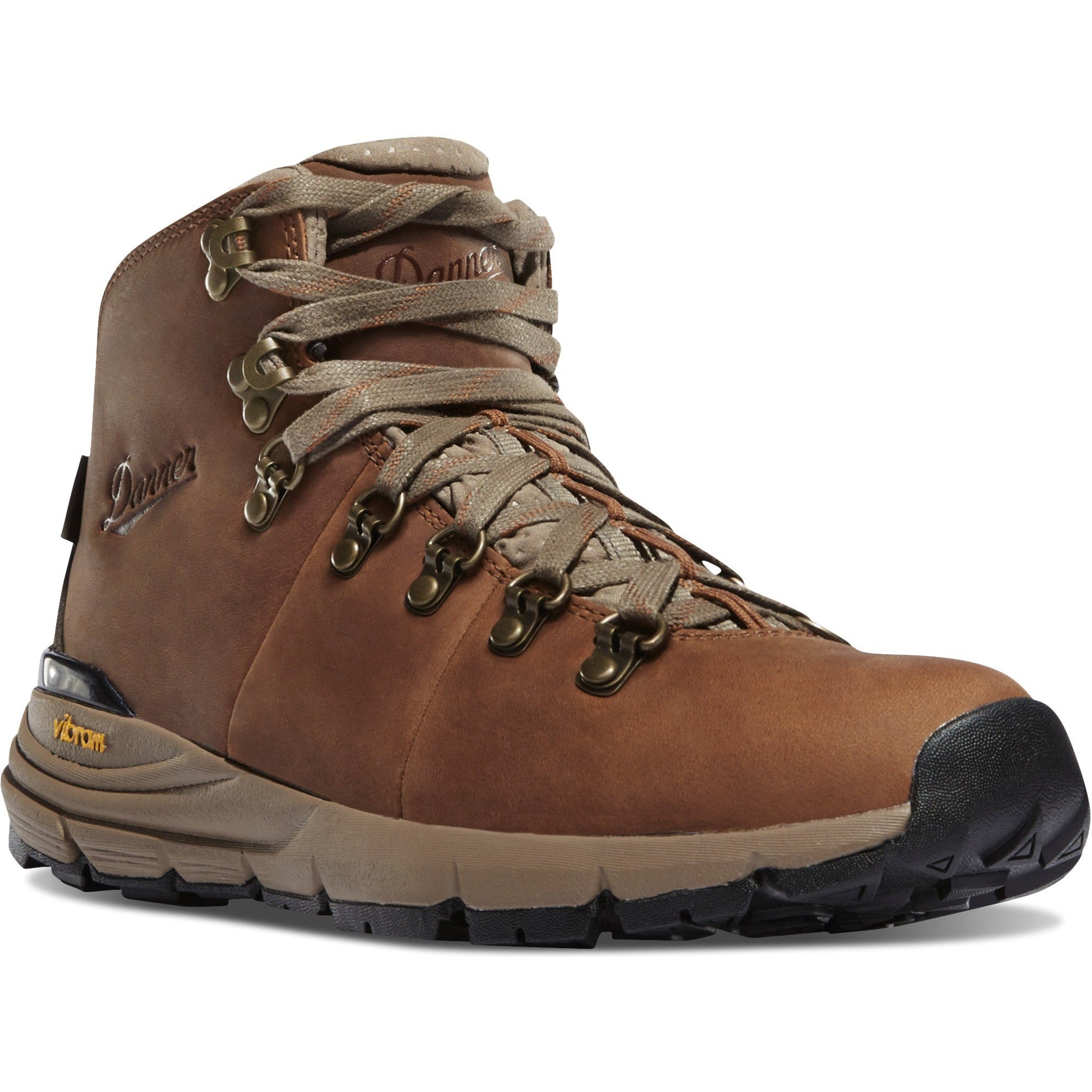
Sale price$229.95
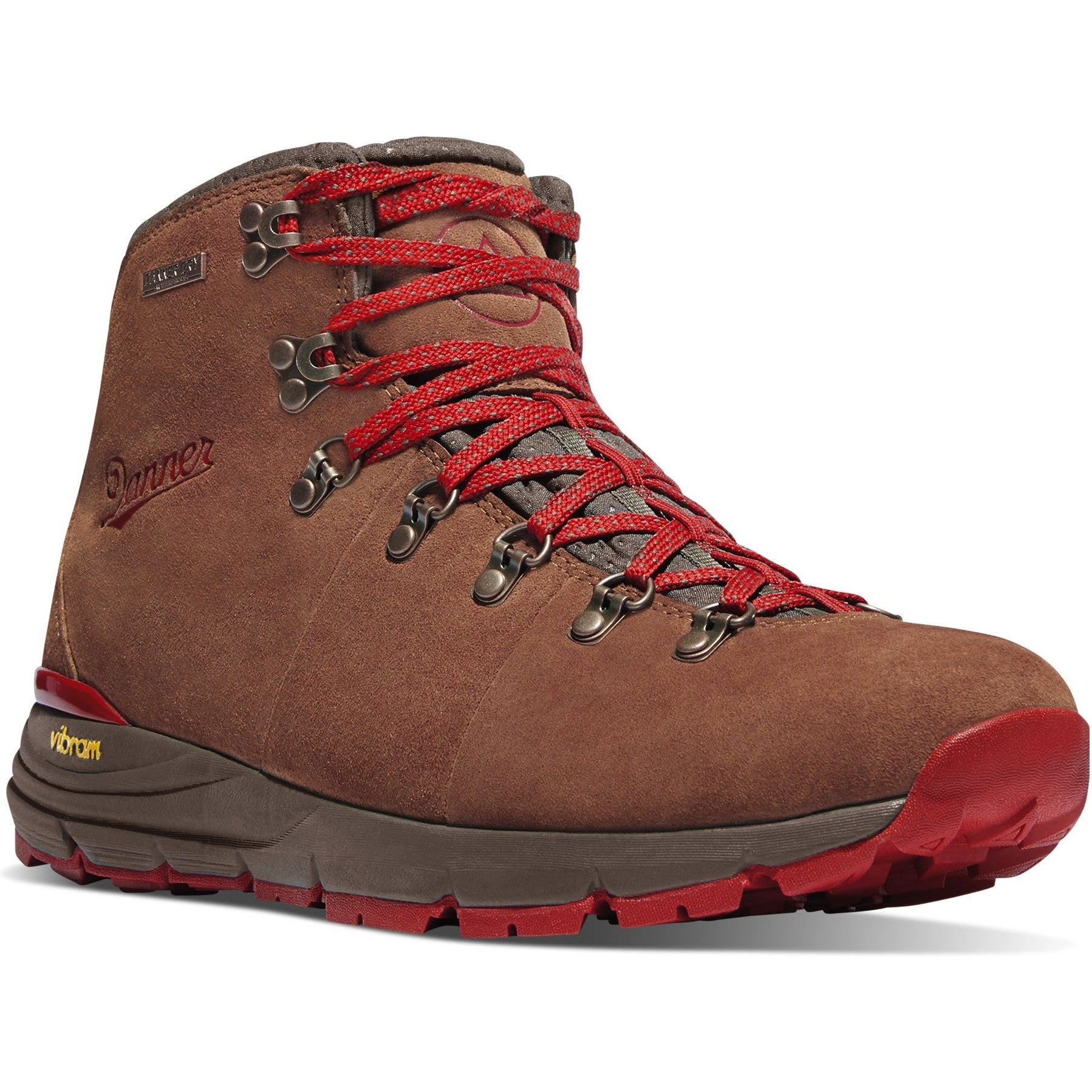
Danner Women's Mountain 600 4.5" Waterproof Hiking Boot - Brown - 62251
Save 15%
Sale price$124.99
Regular price$147.00
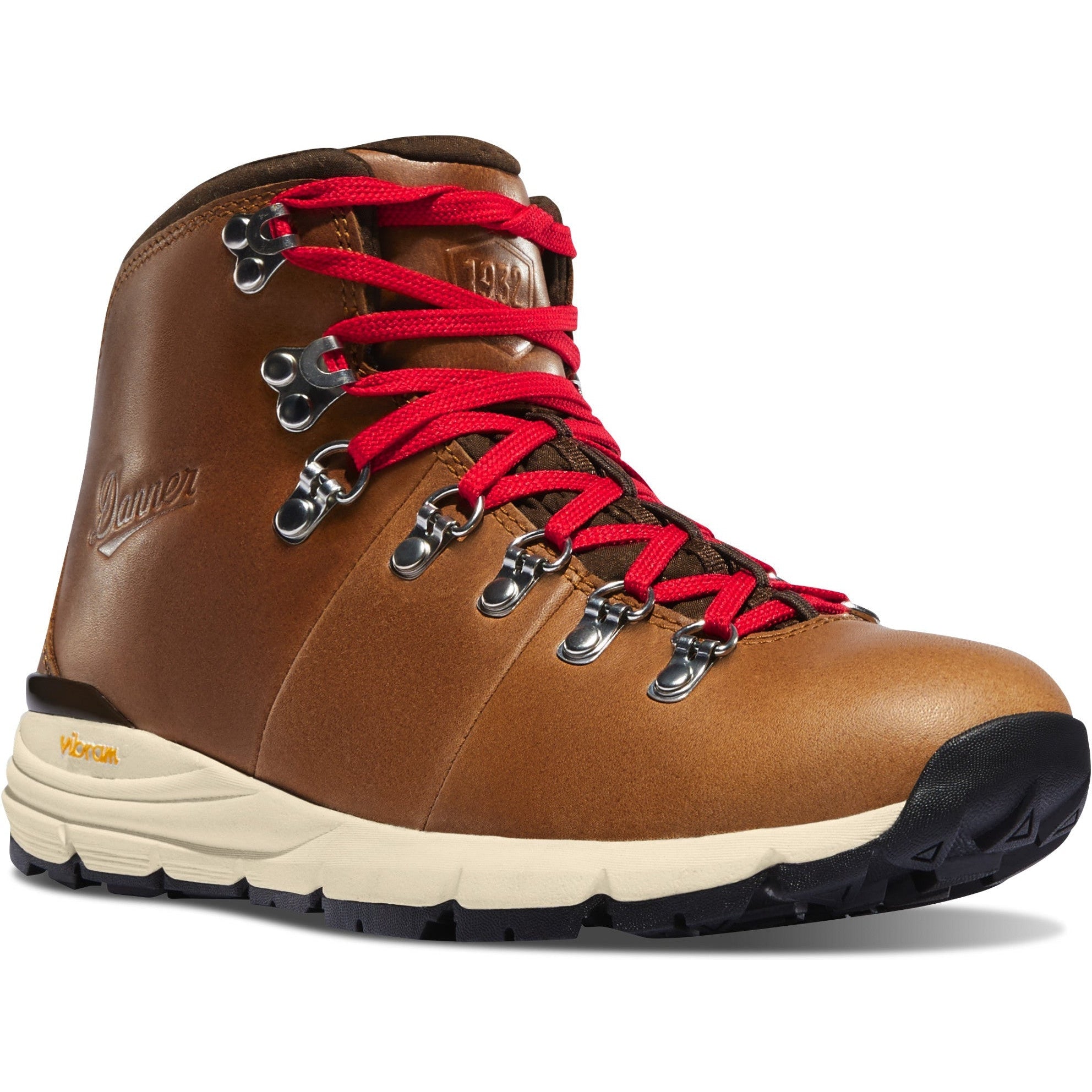
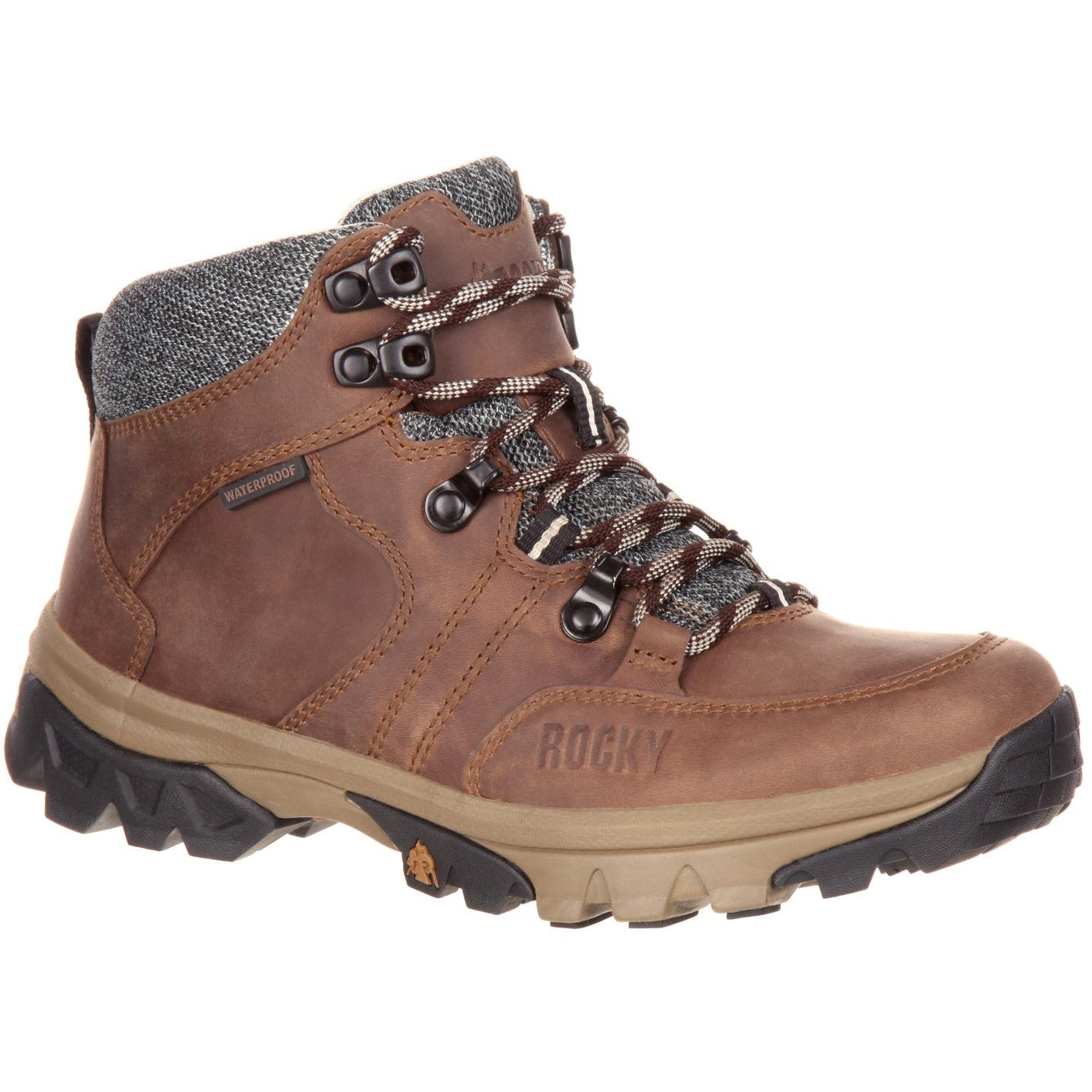
Rocky Women's Endeavor Point 5" Waterproof Outdoor Hiking Boot- Brown- RKS0301
Sale price$279.95
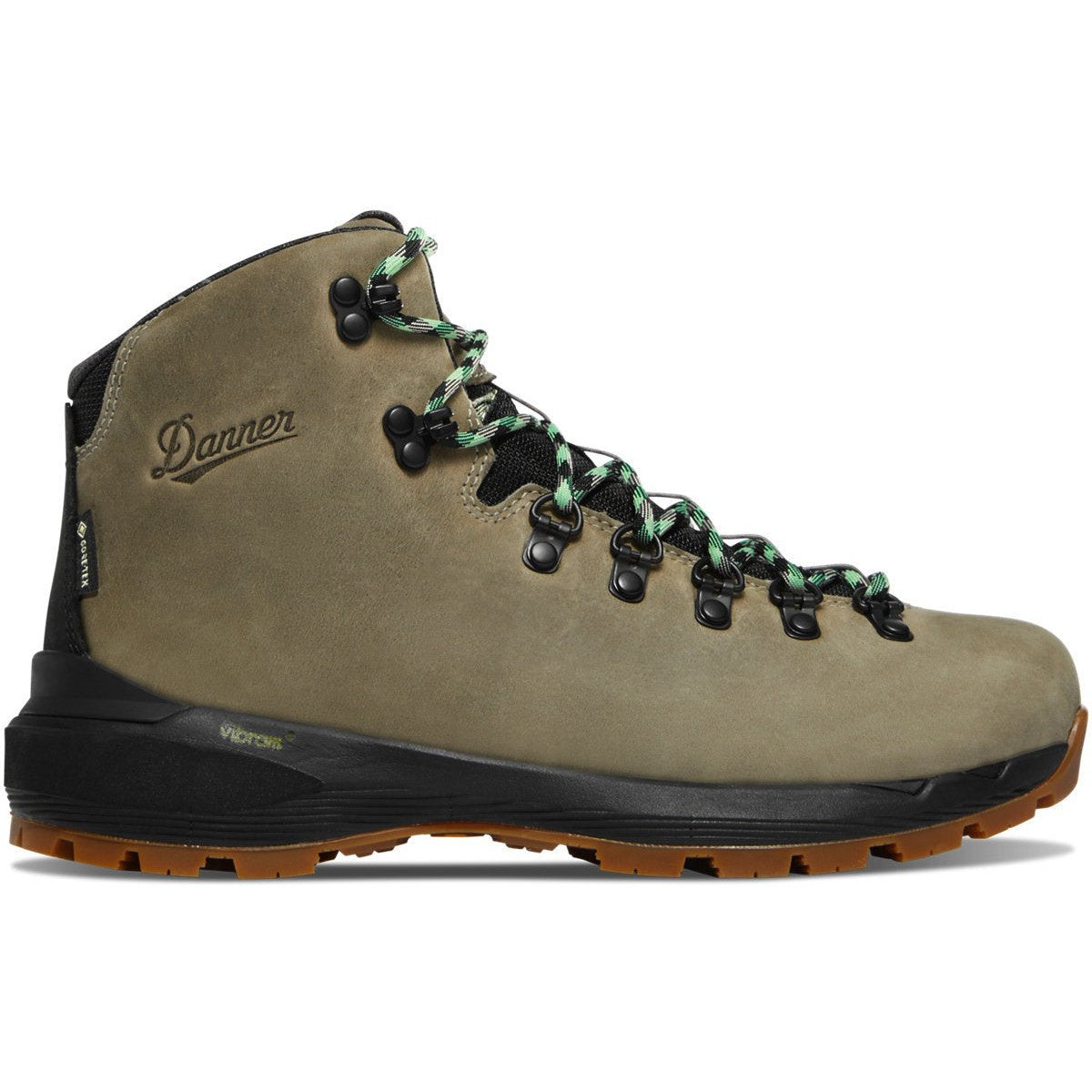
Danner Women's Mountain 600 Evo 4" Waterproof Hiking Boot -Gray- 62713
Sale price$189.95
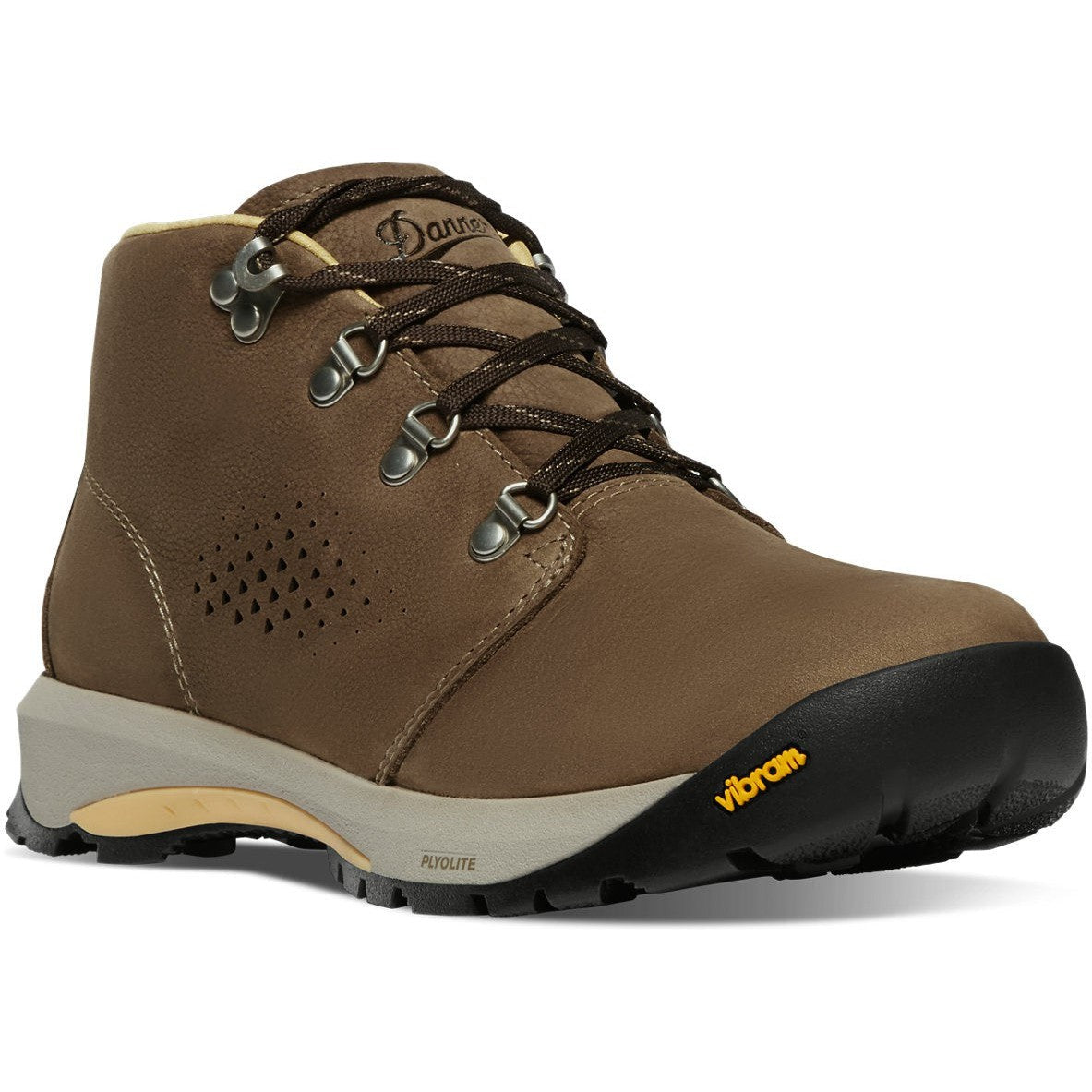
Danner Women's Inquire Chukka 4" Waterproof Hiking Boot -Brown- 64508

Sale price$199.95
Danner Women's Inquire Mid 5" Waterproof Hiking Boot -Brown/Sand- 64534
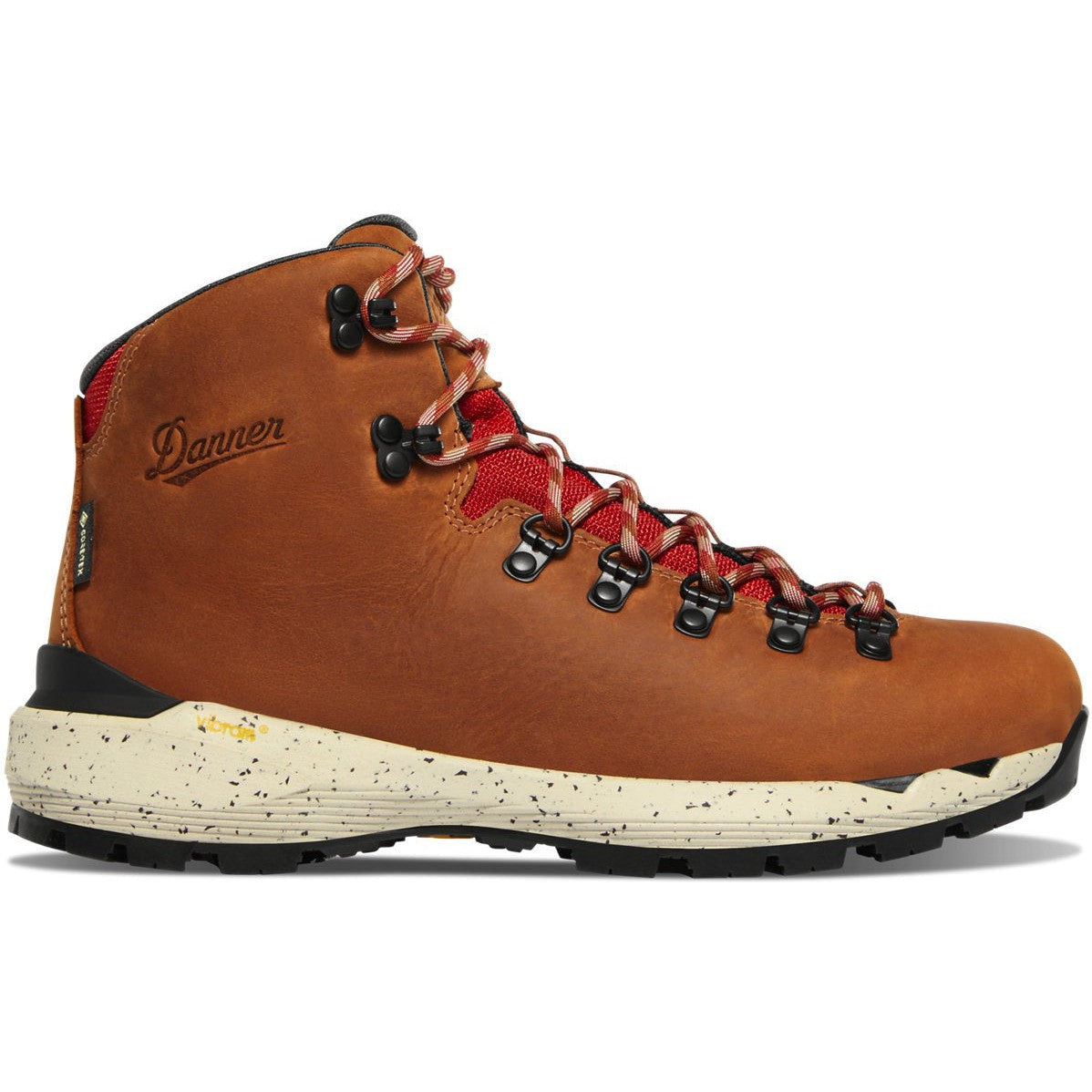
Sale price$279.95
Danner Women's Mountain 600 Evo 4" Waterproof Hiking Boot -Brown- 62711
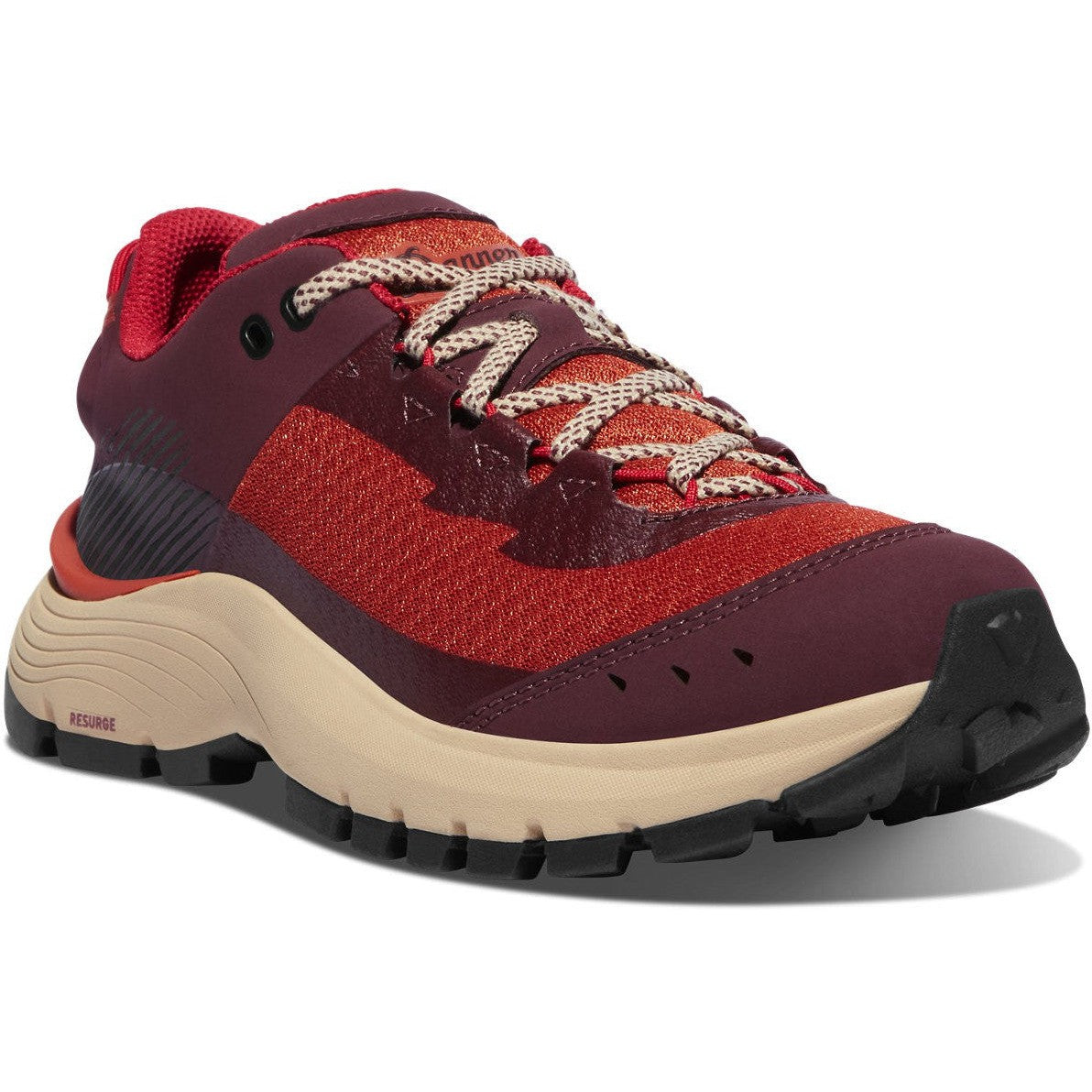
Sale price$169.95
Danner Women's Trail Junction 3" Outdoor Hiking Boot - Chocolate - 65202
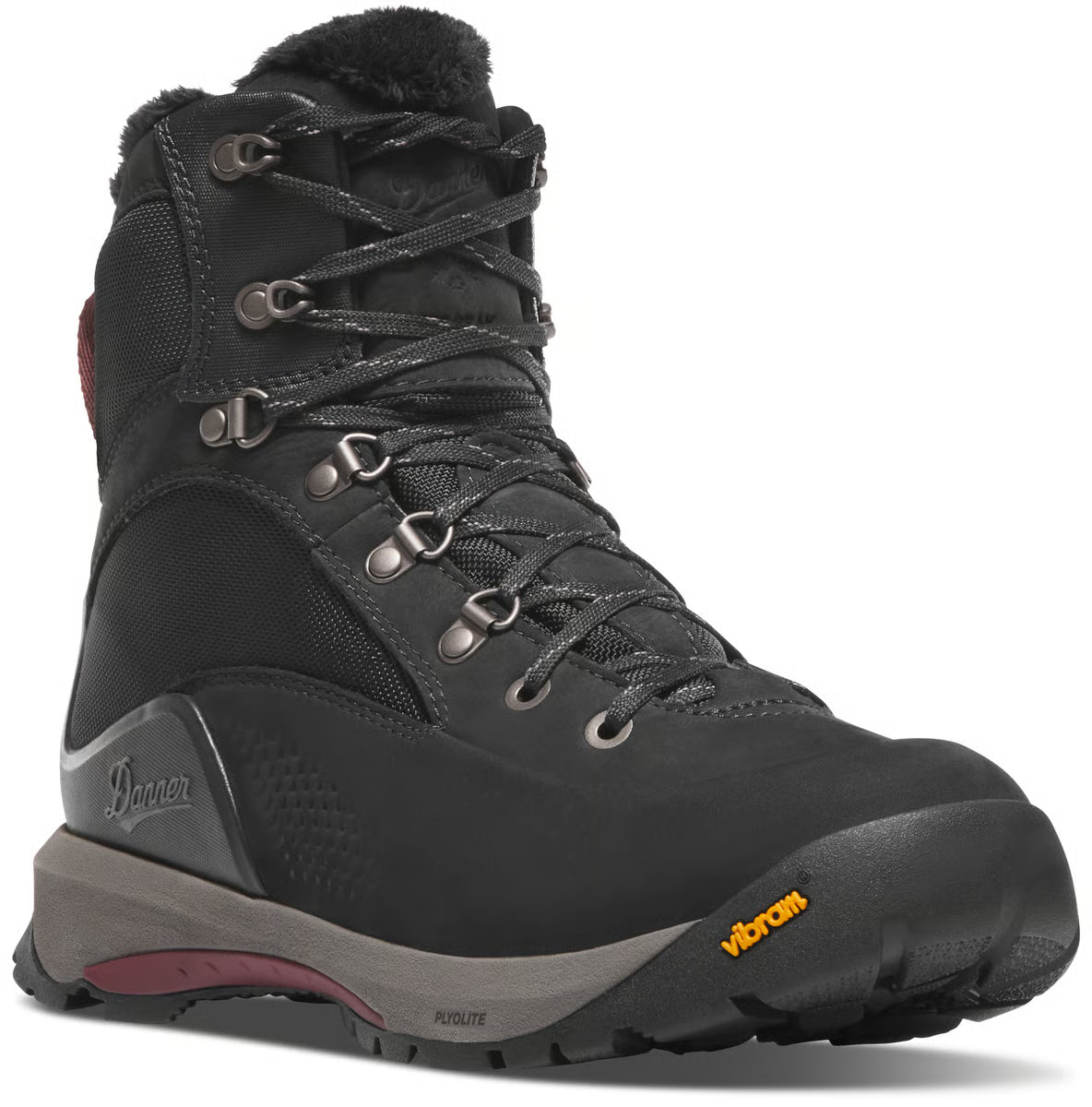
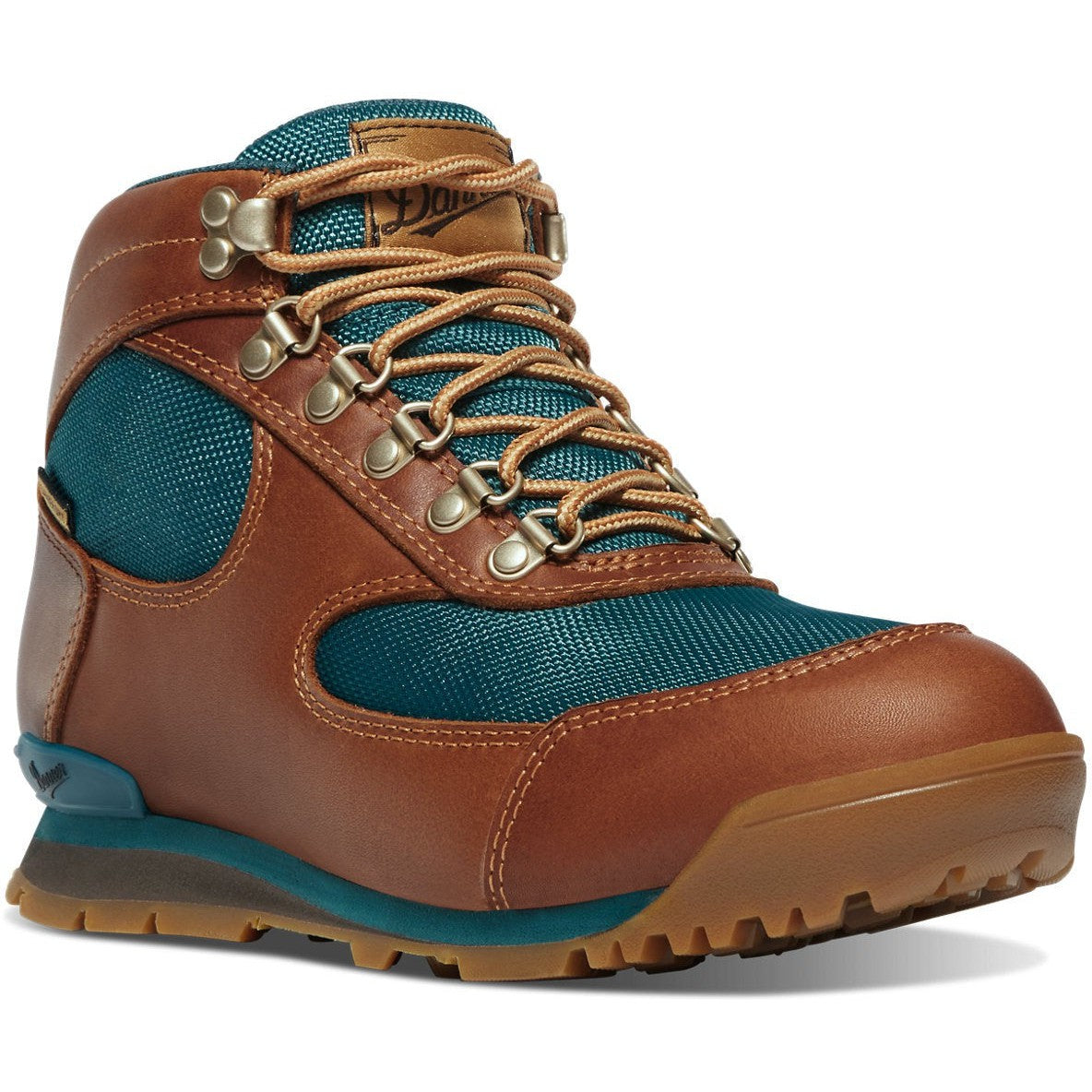
Sale price$199.95
Danner Women's Jag II 4.5" Waterproof Hiking Boot -Brown- 32253
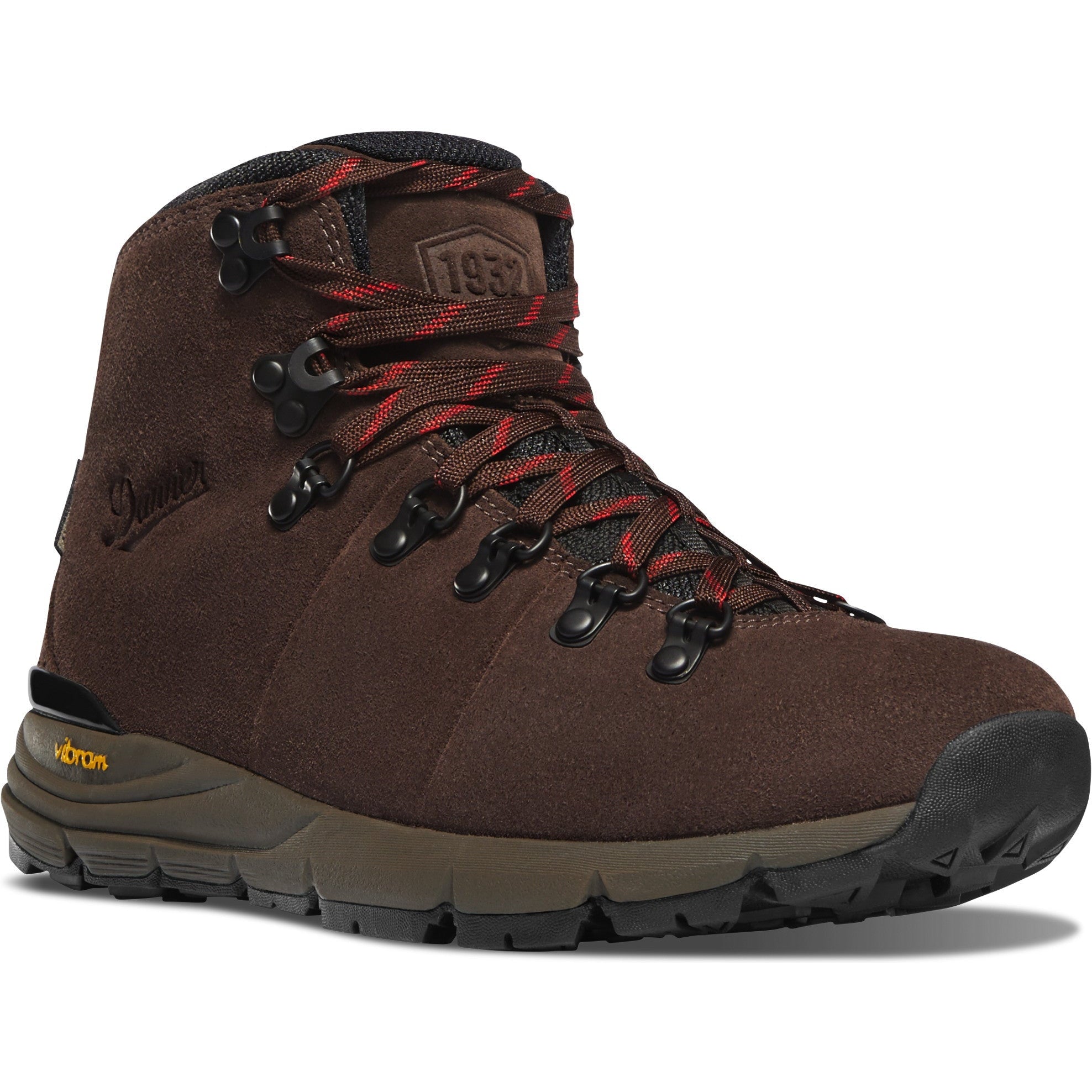
Sale price$199.95
Danner Women's Mountain 600 4.5" Waterproof Hiking Boot - Java - 36235


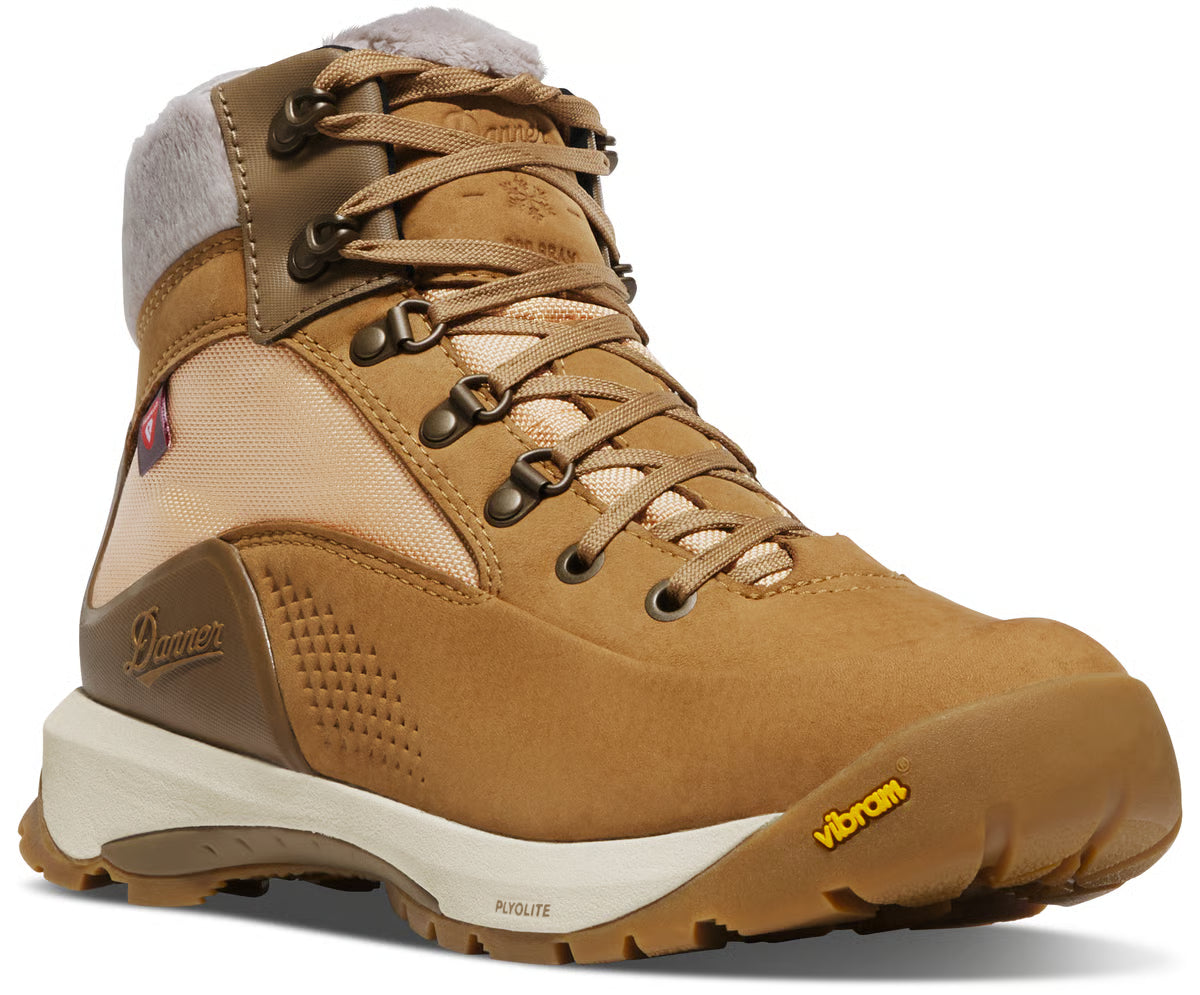
Sale price$219.95
Danner Women's Inquire 5" Waterproof 200G Hiking Boot - Brown - 64572
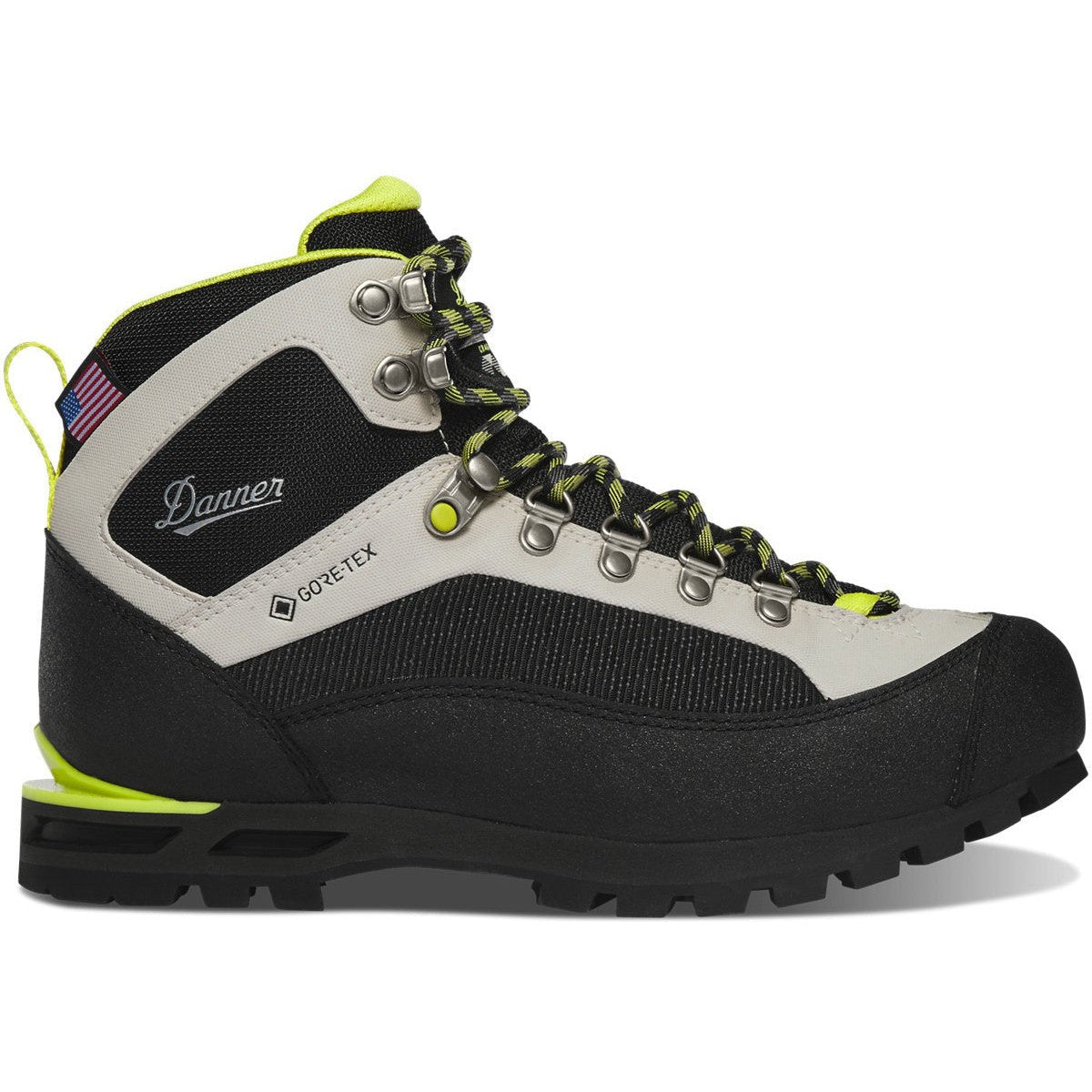
Sale price$389.95
Danner Women's Crag Rat Evo 4.5" Waterproof Hiking Boot -Yellow- 65821
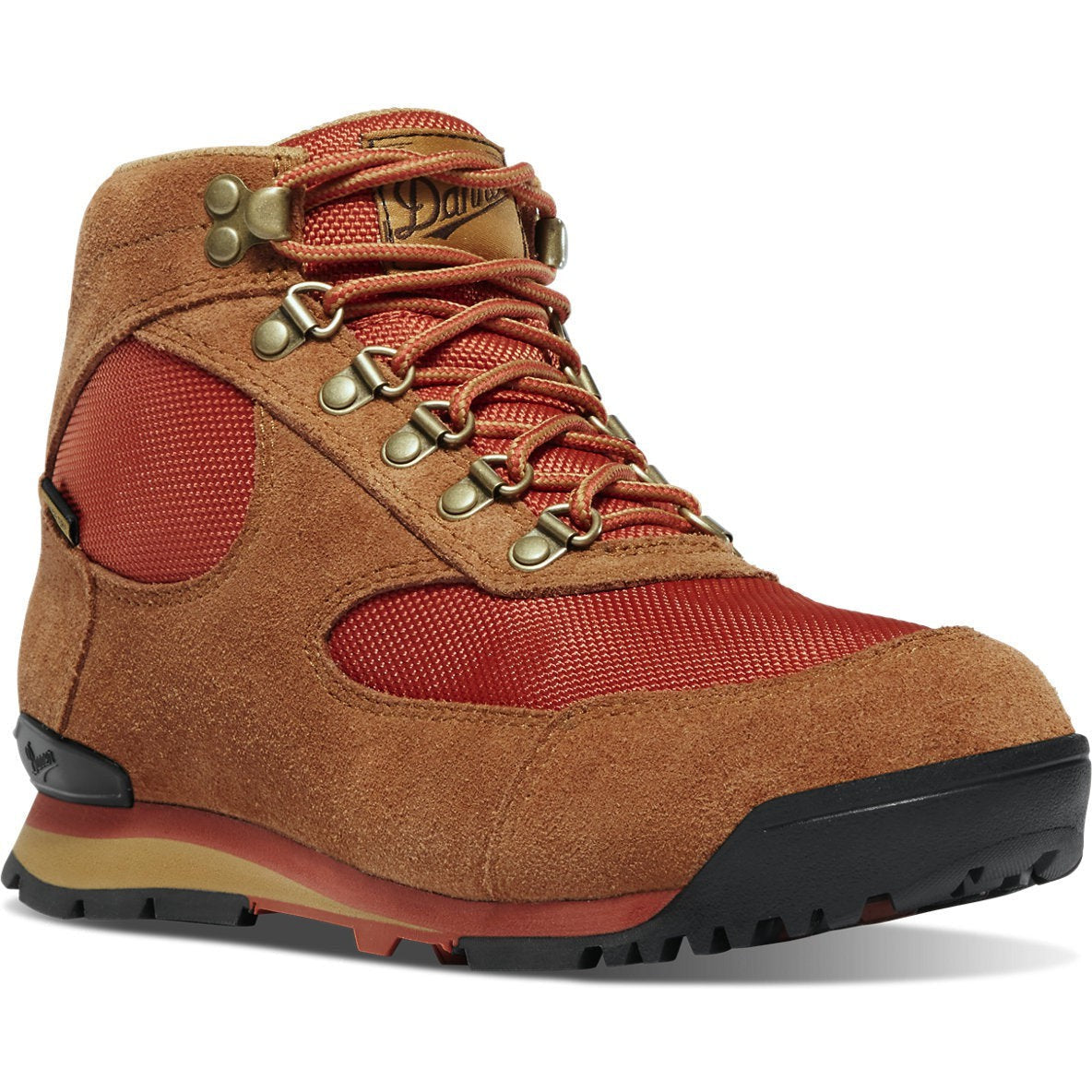
Sale price$199.95
Danner Women's Jag II 4.5" Waterproof Hiking Boot -Brown- 32254
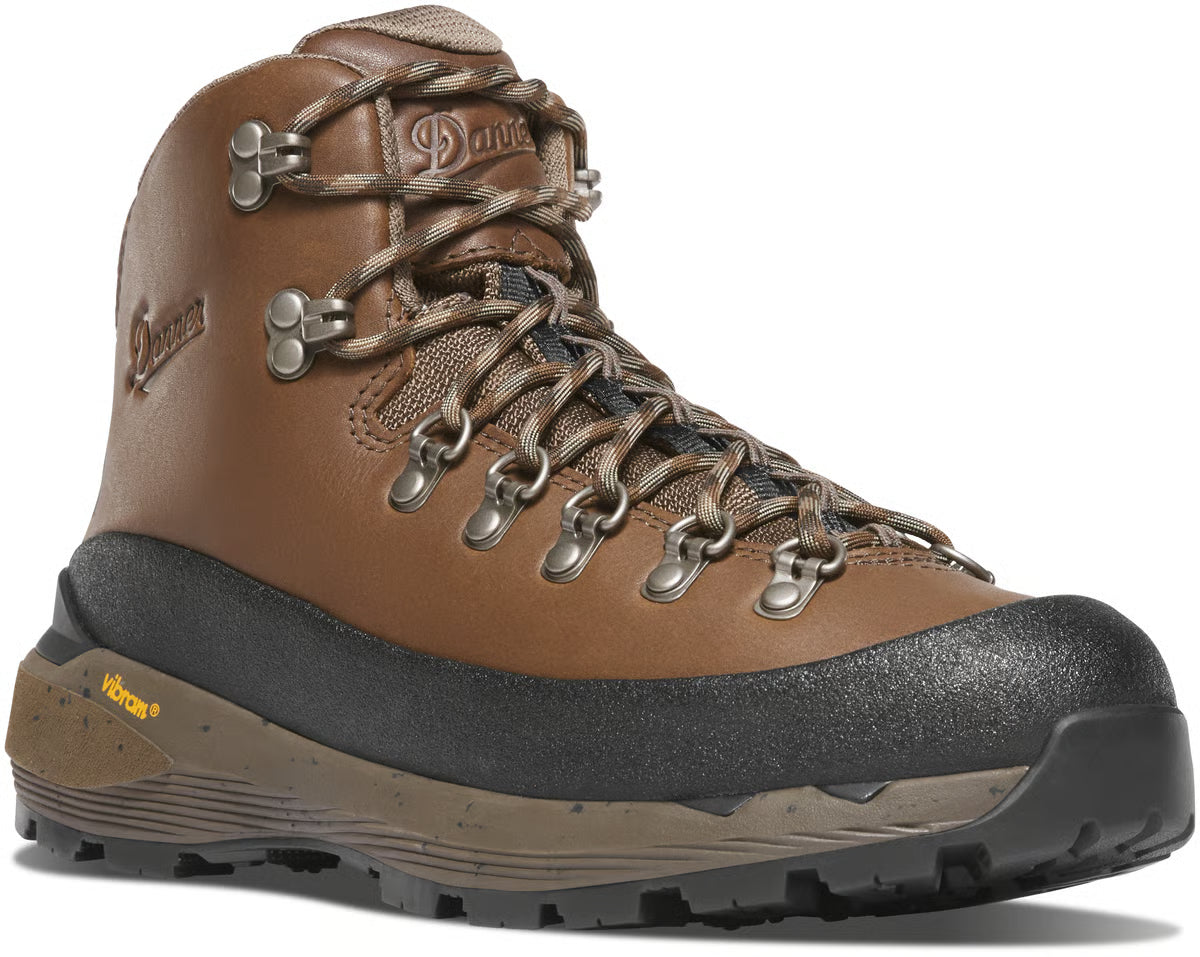
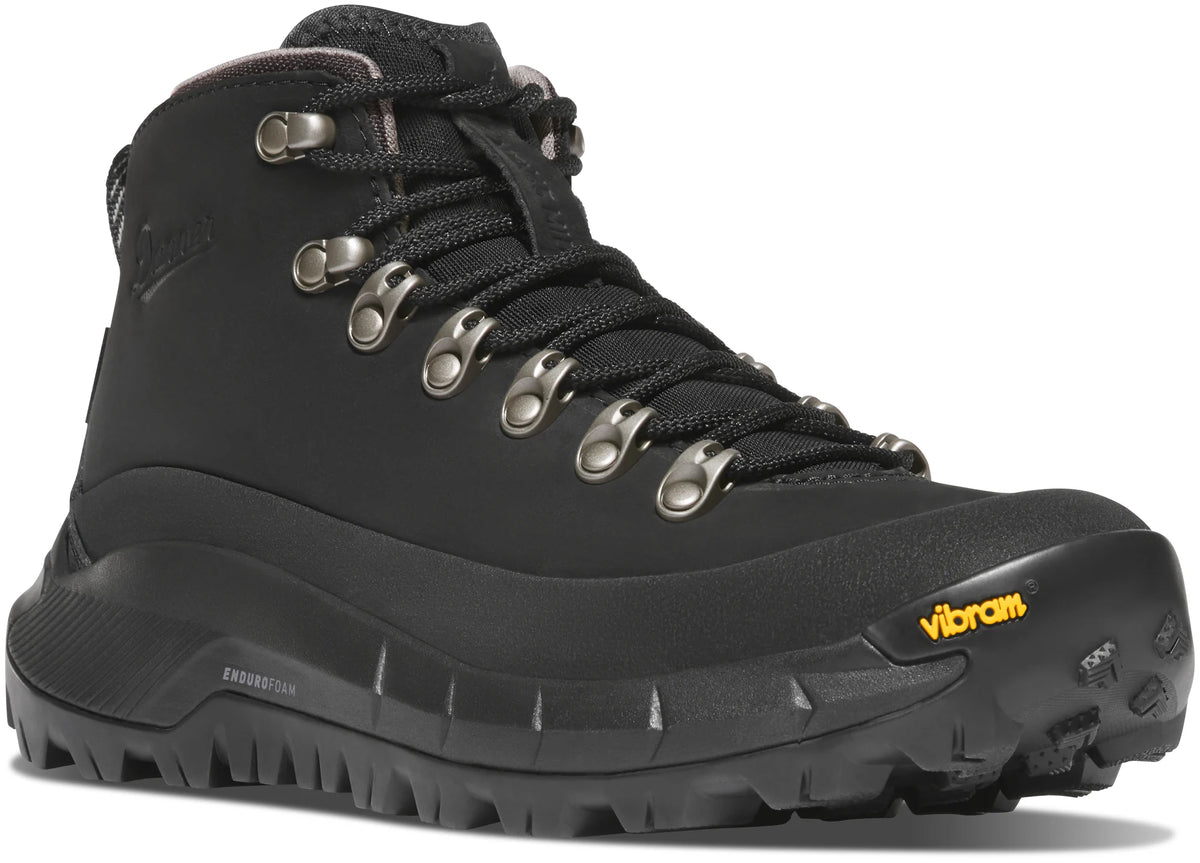
Sale price$269.95
Danner Women's MTN45 Mid GTX Waterproof Hiking Boot - Black - 32888

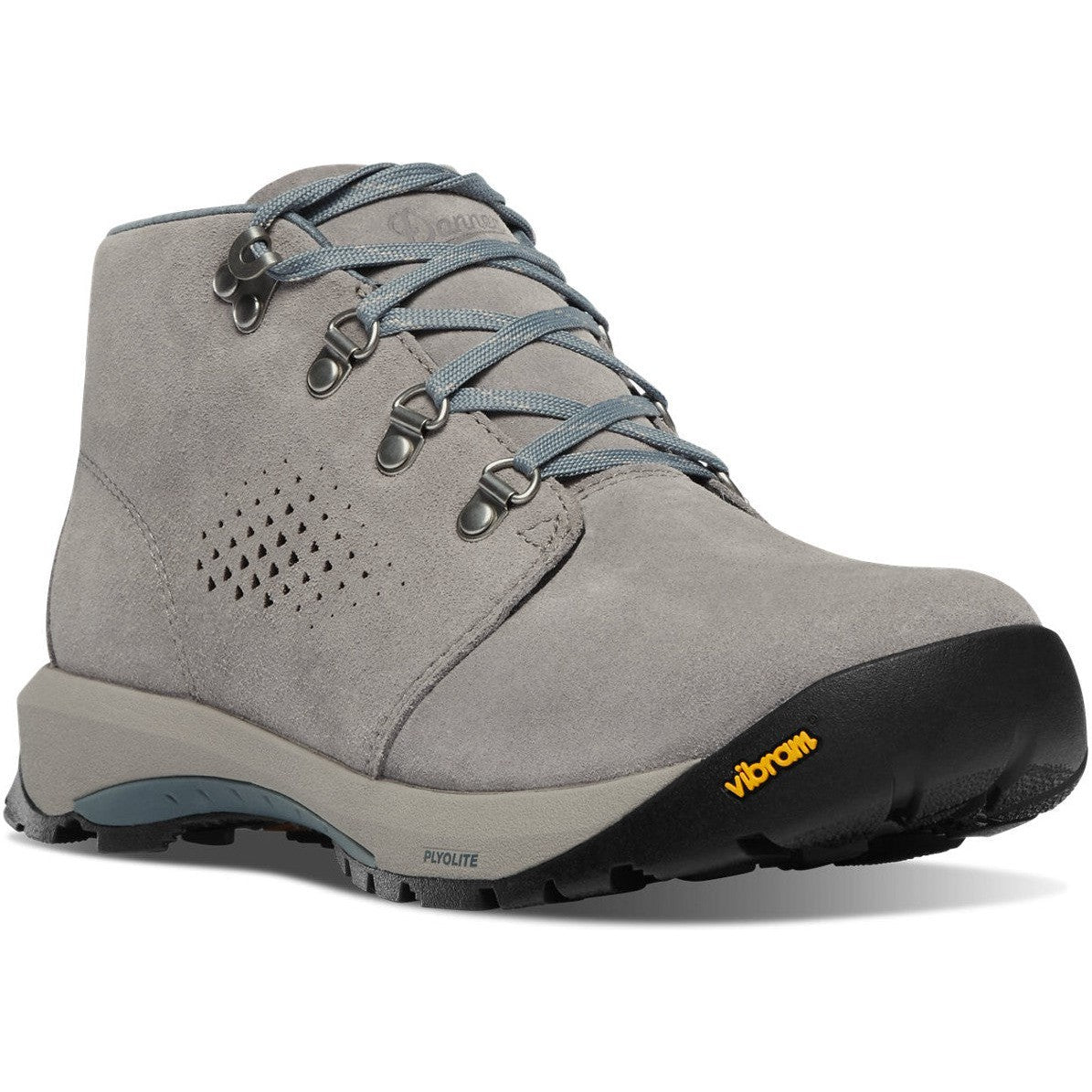
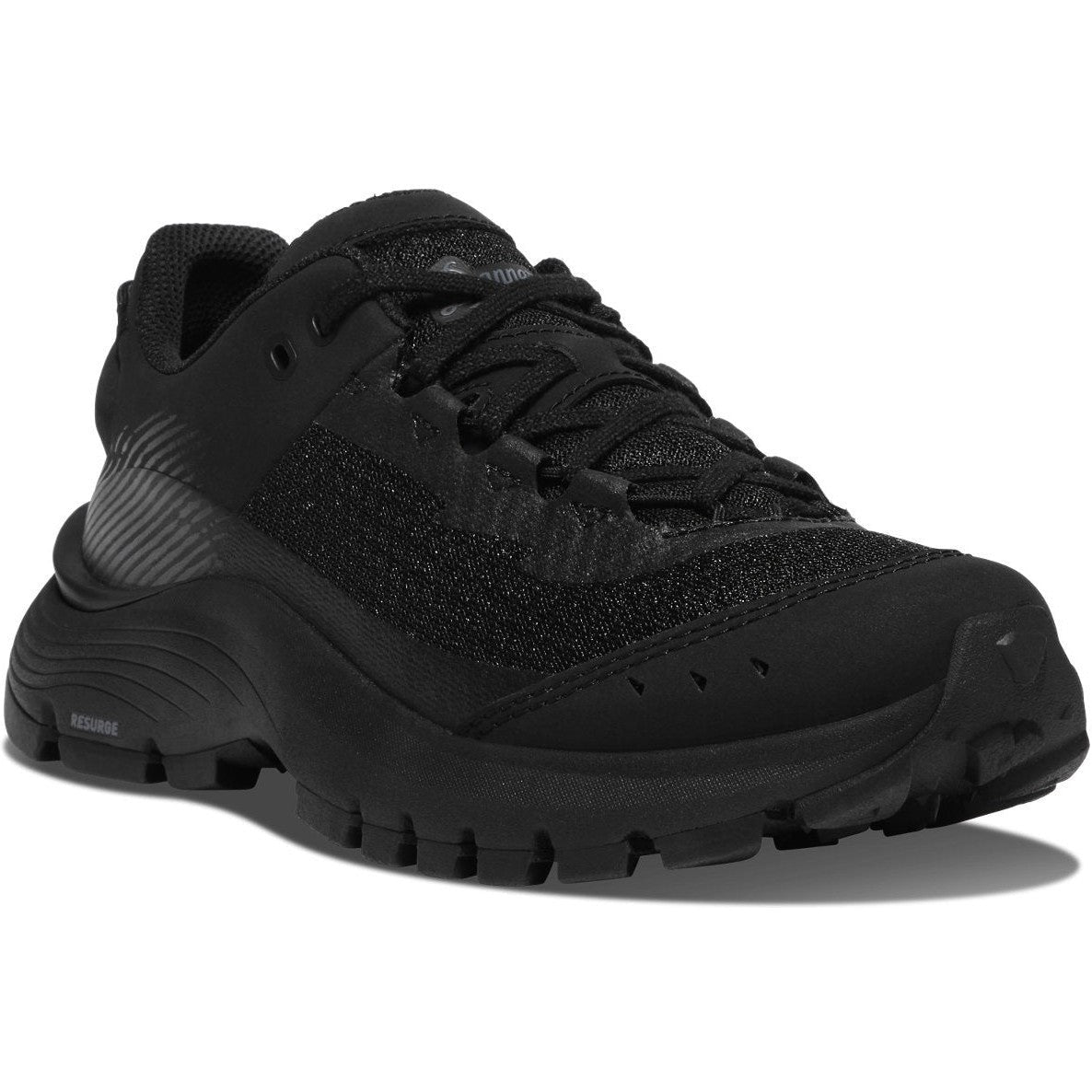
Sale price$169.95
Danner Women's Trail Junction 3" Outdoor Hiking Boot - Black - 65206

Sale price$169.95
Danner Women's Trail Junction 3" Outdoor Hiking Boot - Green - 65204
Frequently Asked Questions
With about a thumb's width in front of your longest toe when standing, because your foot slides forward on descents and toes hitting the end is what causes black toenails on long downhills. Snug through the heel with no lift. Try them on late in the day when your feet have swollen, wearing the socks you will actually hike in.
It depends on your climate more than most people admit. In cold and wet conditions a membrane keeps you dry and is worth it. In heat it traps sweat, and once water comes over the collar the membrane holds it in. Non-waterproof boots dry far faster after a soaking. See our waterproof hiking boots range.
They limit how far the ankle can roll when laced properly, which helps on rubble and off-trail ground. They do not strengthen the ankle, and on maintained trails the protection is largely theoretical. On loose rock with a pack it is real. Match the height to your terrain rather than buying the tallest option.
A low trail shoe is lighter, cooler, and faster on maintained trails, and most day hikers are better served by one. A mid boot gives ankle support and keeps debris out, which matters with a pack or on broken ground. Weight on your feet costs disproportionate energy, so do not buy more boot than your terrain needs.
Because heel fit determines whether you blister over distance, and a women's foot is proportionally narrower through the heel. A men's boot sized down matches the length while leaving the heel loose, and on a ten-mile day that lift turns into a blister. It matters more here than in almost any other category.
Modern synthetic and light leather boots need very little, often a few walks. Full-grain leather boots take two to three weeks of real walking. Either way, break them in before a trip rather than during it, and walk actual distance, because problems appear at mile four and not at mile one.
Only for genuine winter use, and even then match it to your pace. Hiking generates a lot of heat, so insulation that feels right at a trailhead becomes uncomfortable within a mile. Most three-season hiking is better served by an uninsulated boot and good socks.
Merino wool or a synthetic blend, never cotton. Cotton absorbs sweat and holds it against your skin, which is how blisters start, while merino wicks moisture away and keeps insulating when damp. Sock choice can undo a well-fitted boot entirely. See our work socks range.
Recently viewed
Our Top Brands