Sale price$184.99
Regular price$192.00
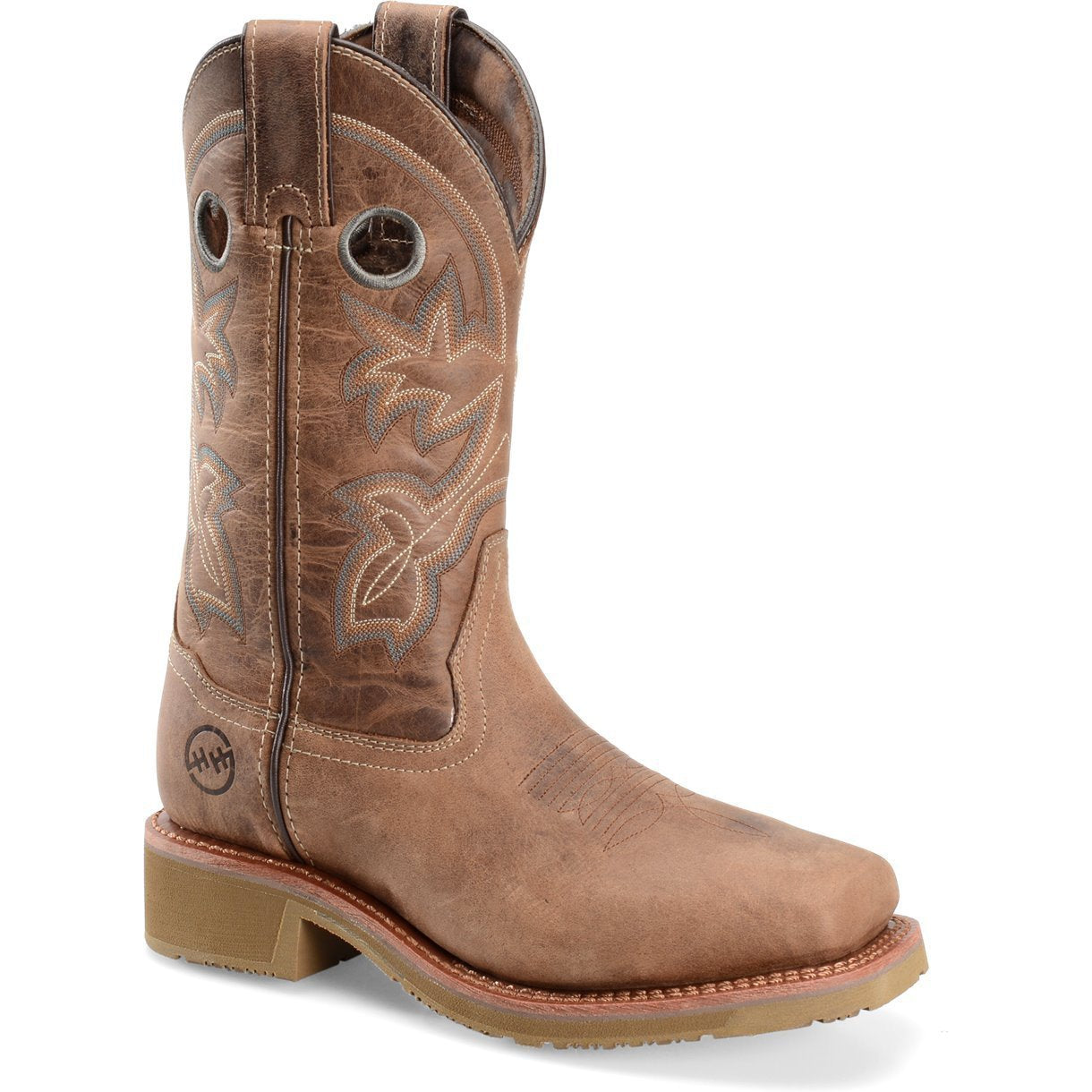
Double H Women's Haddie 11" Composite Toe Western Work Boot- Brown - DH2411
Save 6%
Sale price$154.99
Regular price$165.00
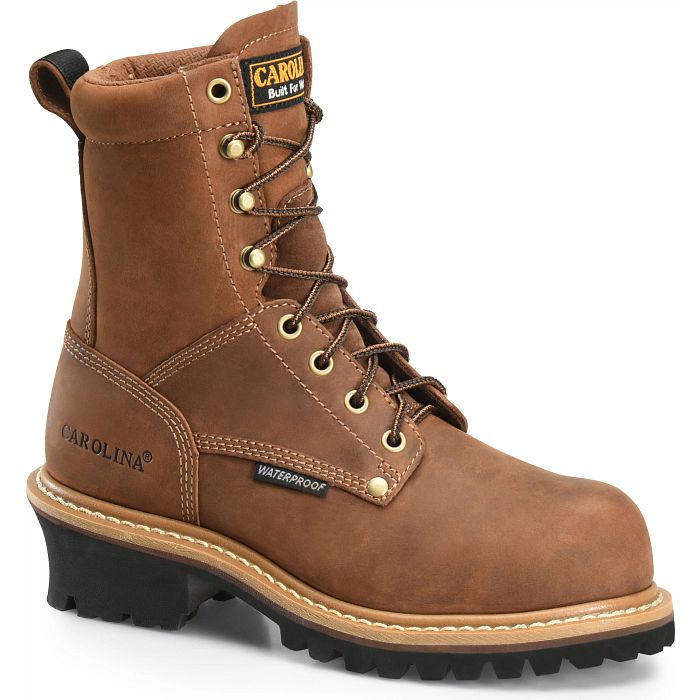
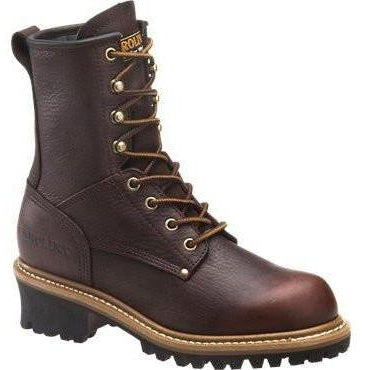
Carolina Women's Elm 8" Steel Toe Logger Work Boot - Brown - CA1421
Save 5%
Sale price$159.95
Regular price$169.00
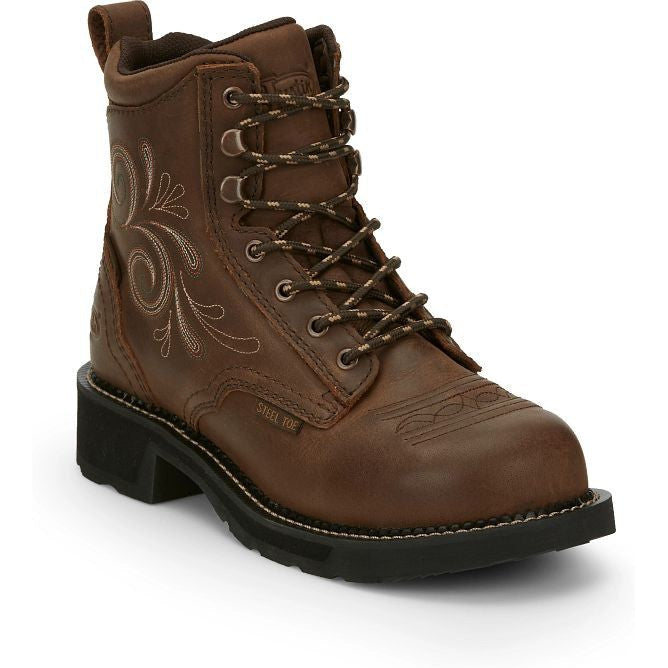
Justin Women's Katerina 6" Steel Toe Waterproof Slip Resistant Work Boot - Aged Bark Brown - GY985
Save 19%
Sale price$132.95
Regular price$165.00
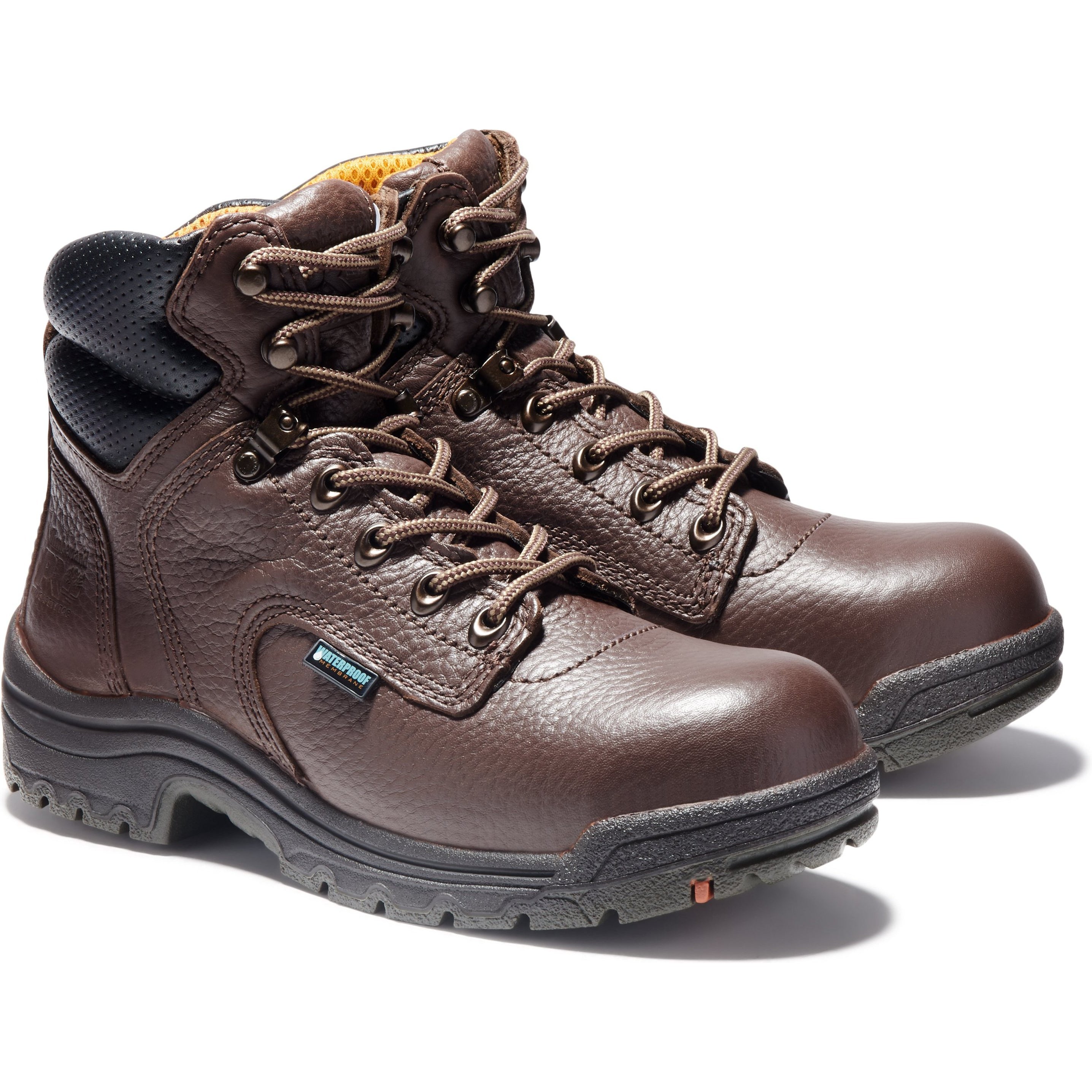
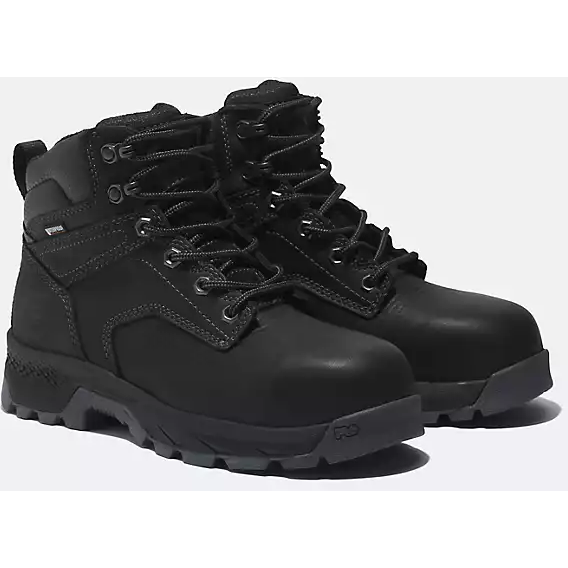
Timberland PRO Women's TITAN 6" Alloy Toe Waterproof Work Boot - TB153359242
Save 38%
Sale price$105.67
Regular price$170.00
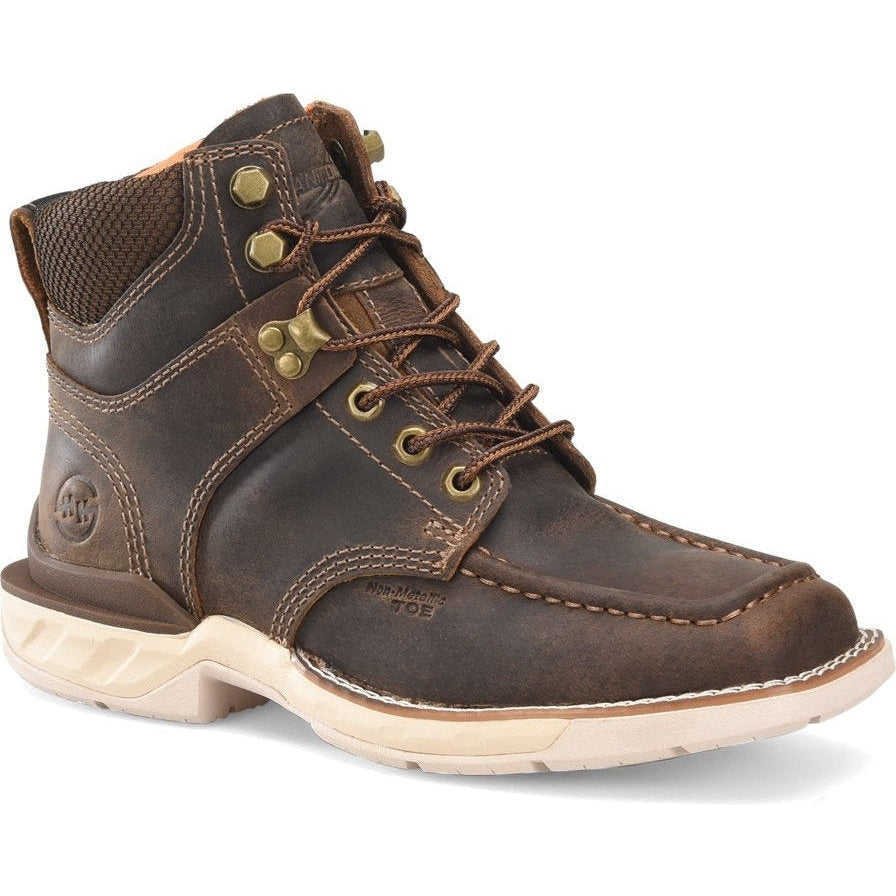
Double H Women's Phantom 5" Waterproof Composite Toe Lacer Work Boot -Brown- DH5386
Save 26%
Sale price$85.67
Regular price$115.00
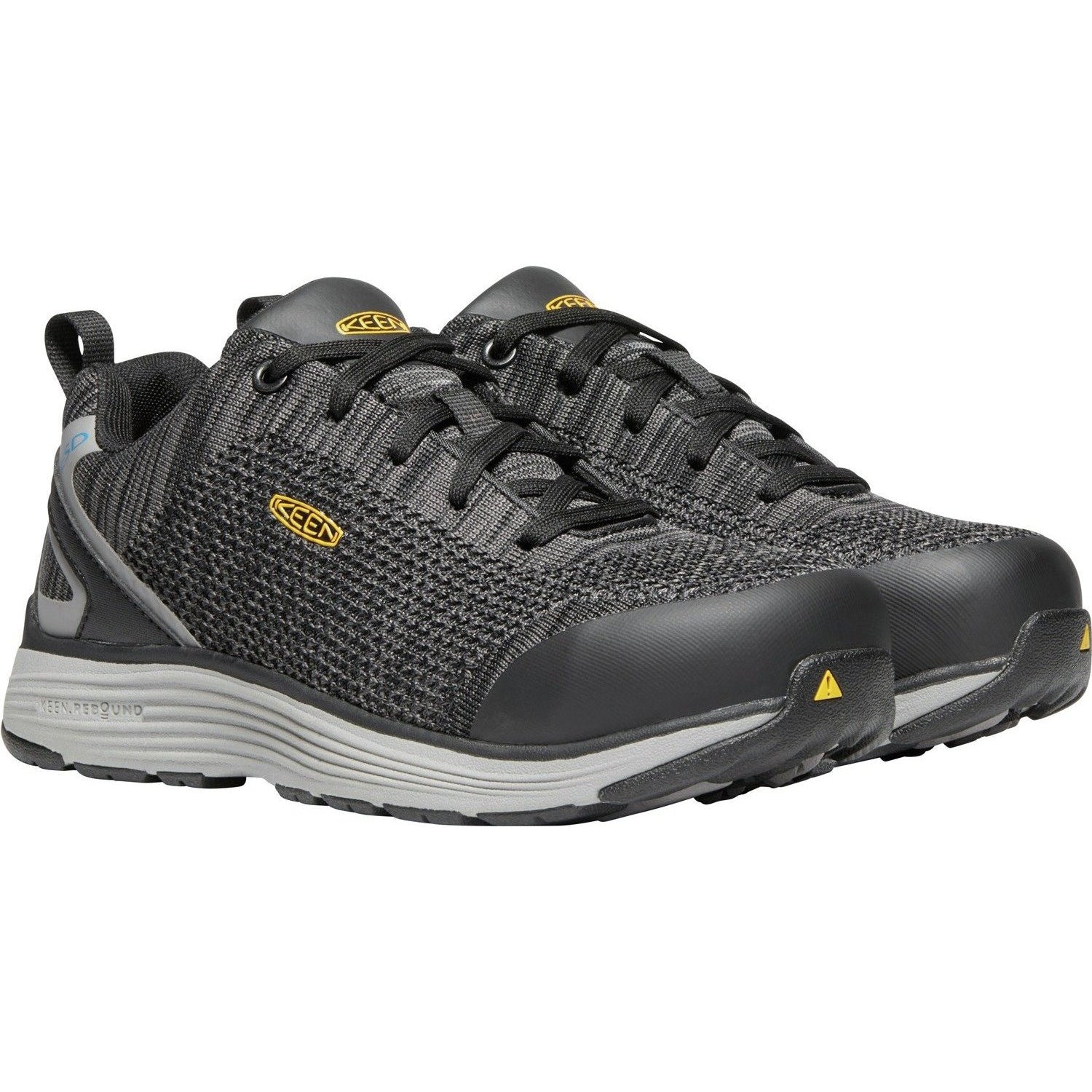
Keen Utility Women's Sparta ESD Aluminum Toe Work Shoe - Grey - 1021350
Save 20%
Sale price$139.95
Regular price$175.00
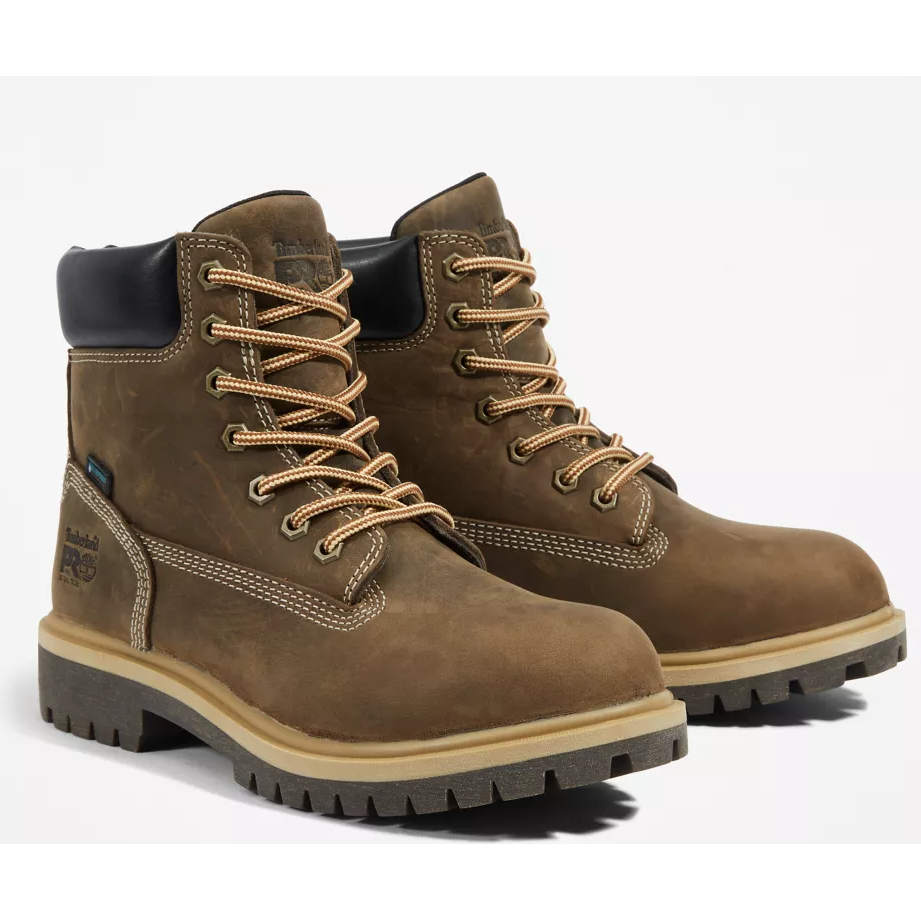
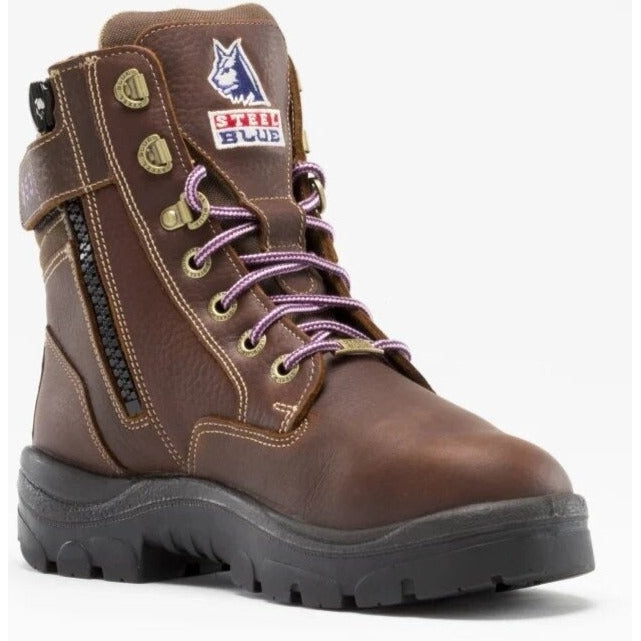
Timberland PRO Women's Direct Attach 6" Steel Toe Waterproof 200G Insulated Work Boot - Brown - TB1A2QX7214
Save 20%
Sale price$139.95
Regular price$175.00
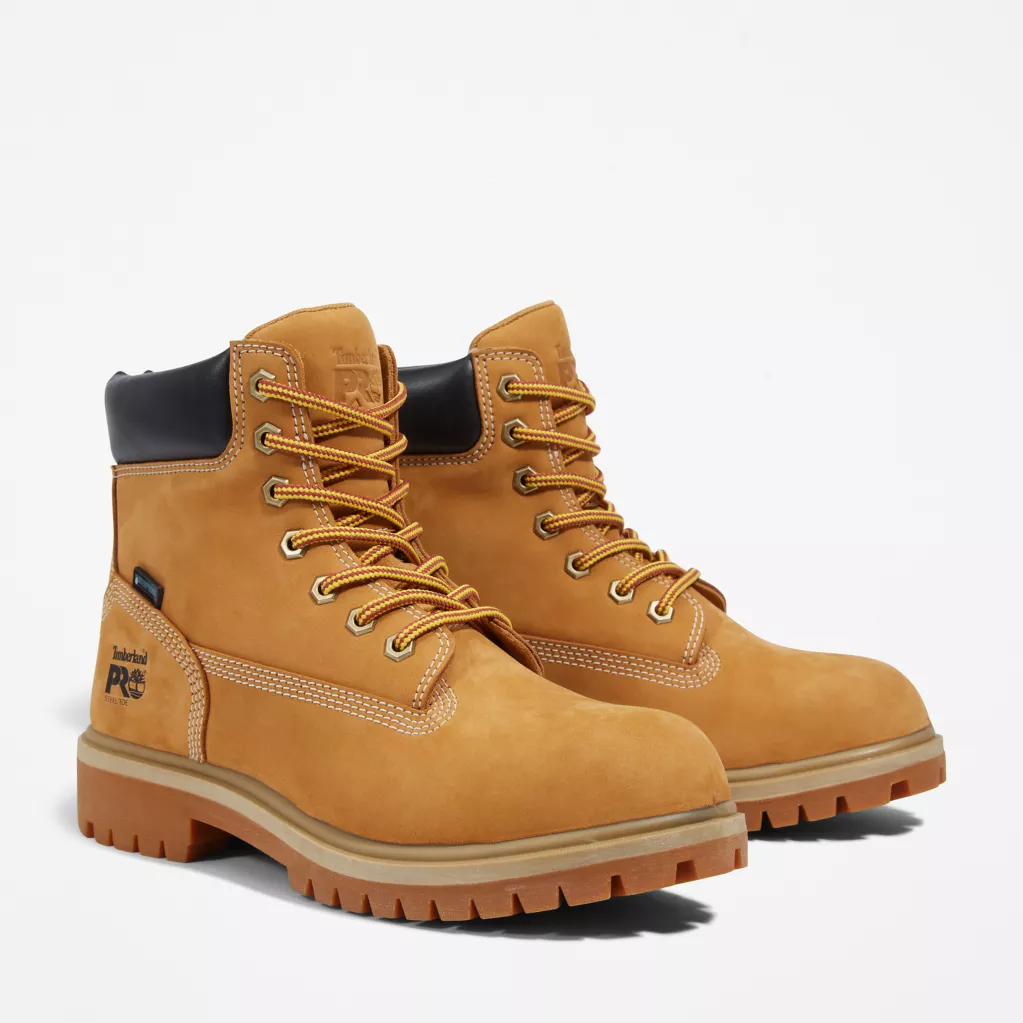
Timberland PRO Women's Direct Attach 6" Steel Toe Waterproof 200G Insulated Work Boot - Wheat - TB1A2QVU231
Save 9%
Sale price$154.95
Regular price$170.00
Timberland PRO Women's Titan EV 6" Composite Toe Waterproof Work Boot - Black - TB1A5WUY001
Sale price$189.99
Regular price$196.00
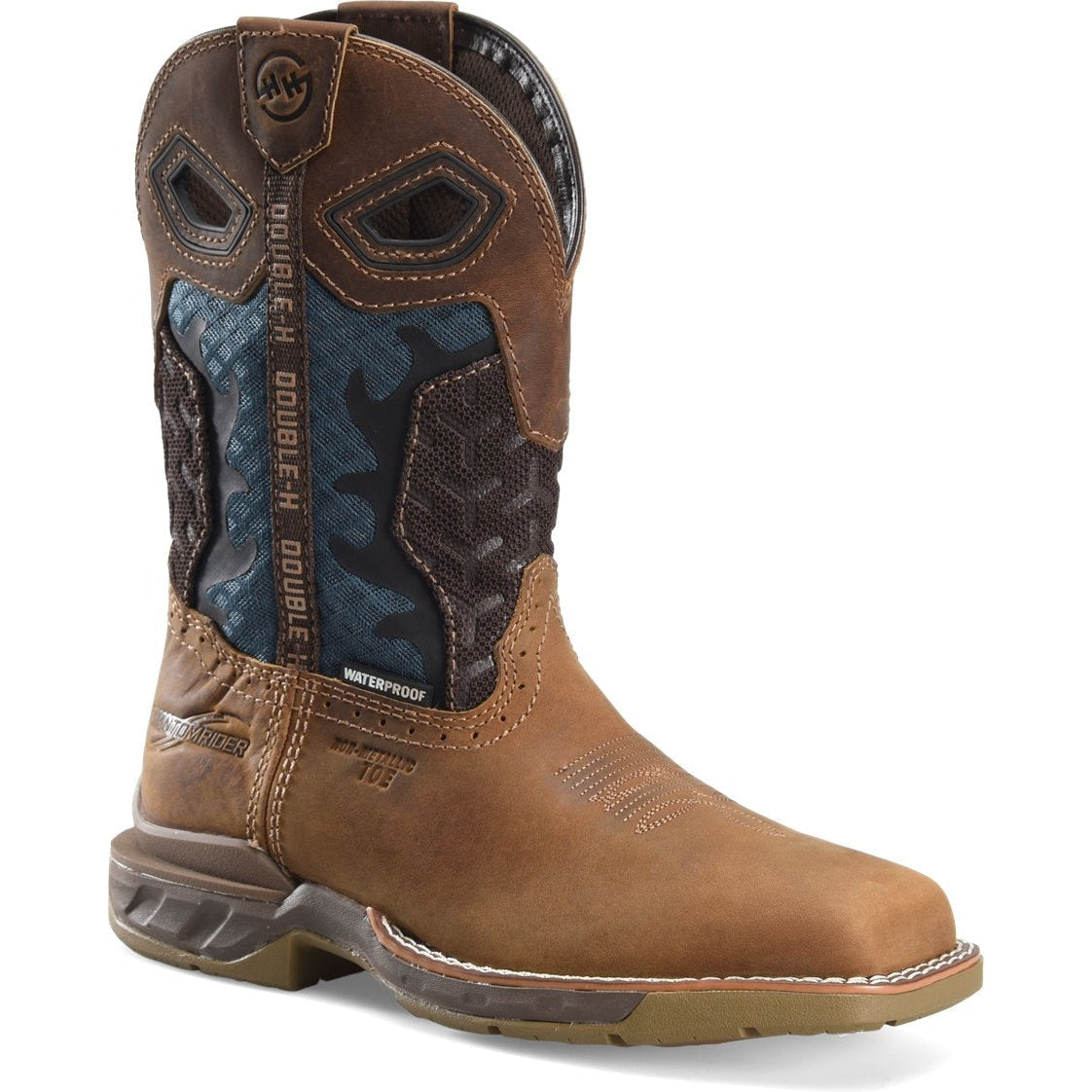
Double H Women's Phantom Rider Watcher 10" Waterproof Composite Toe Roper Work Boot -Brown- DH5392
Save 14%
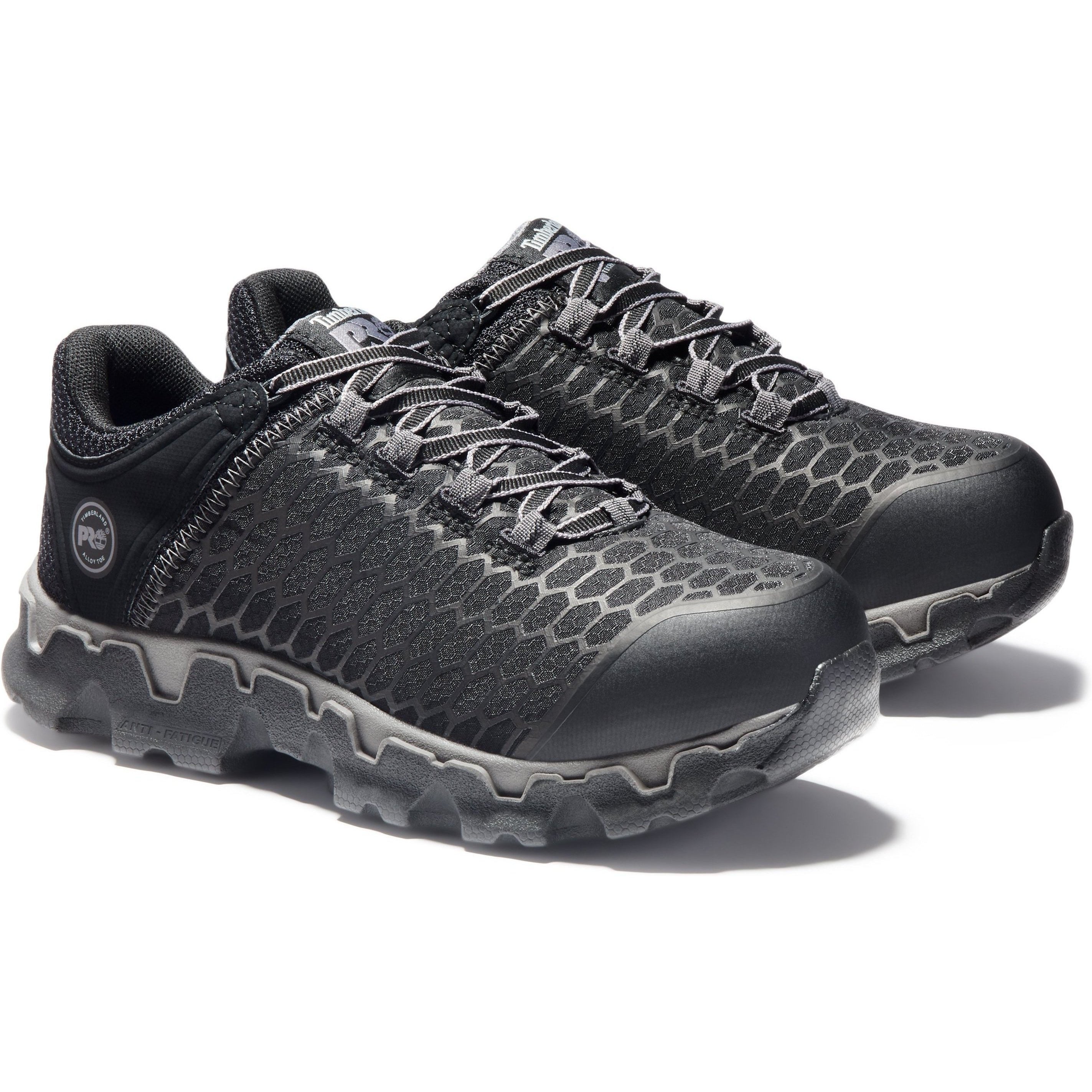
Sale price$119.95
Regular price$140.00
Timberland PRO Women's Powertrain Sport Alloy Toe SD+ Work Shoe - Black - TB1A1B7F001
Save 21%
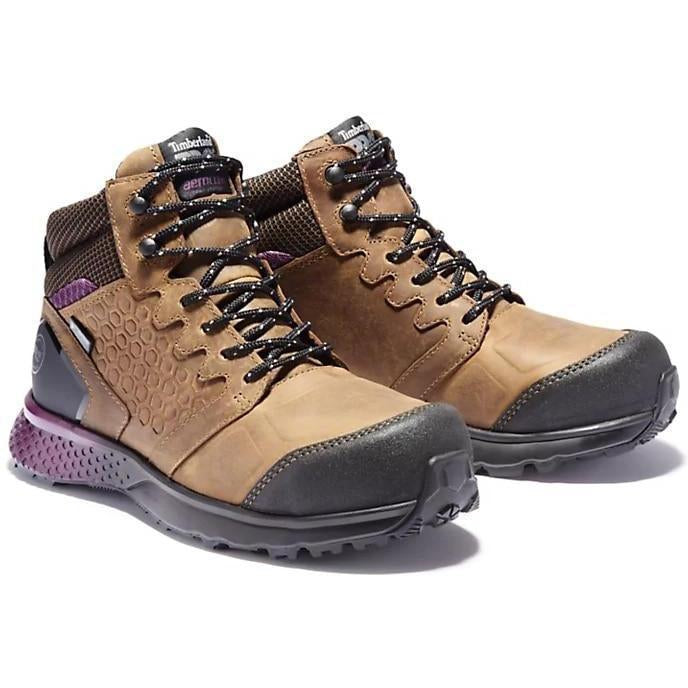
Sale price$134.95
Regular price$170.00
Timberland PRO Women's Reaxion Composite Toe Waterproof Work Boot - Brown - TB1A219B214
Save 5%
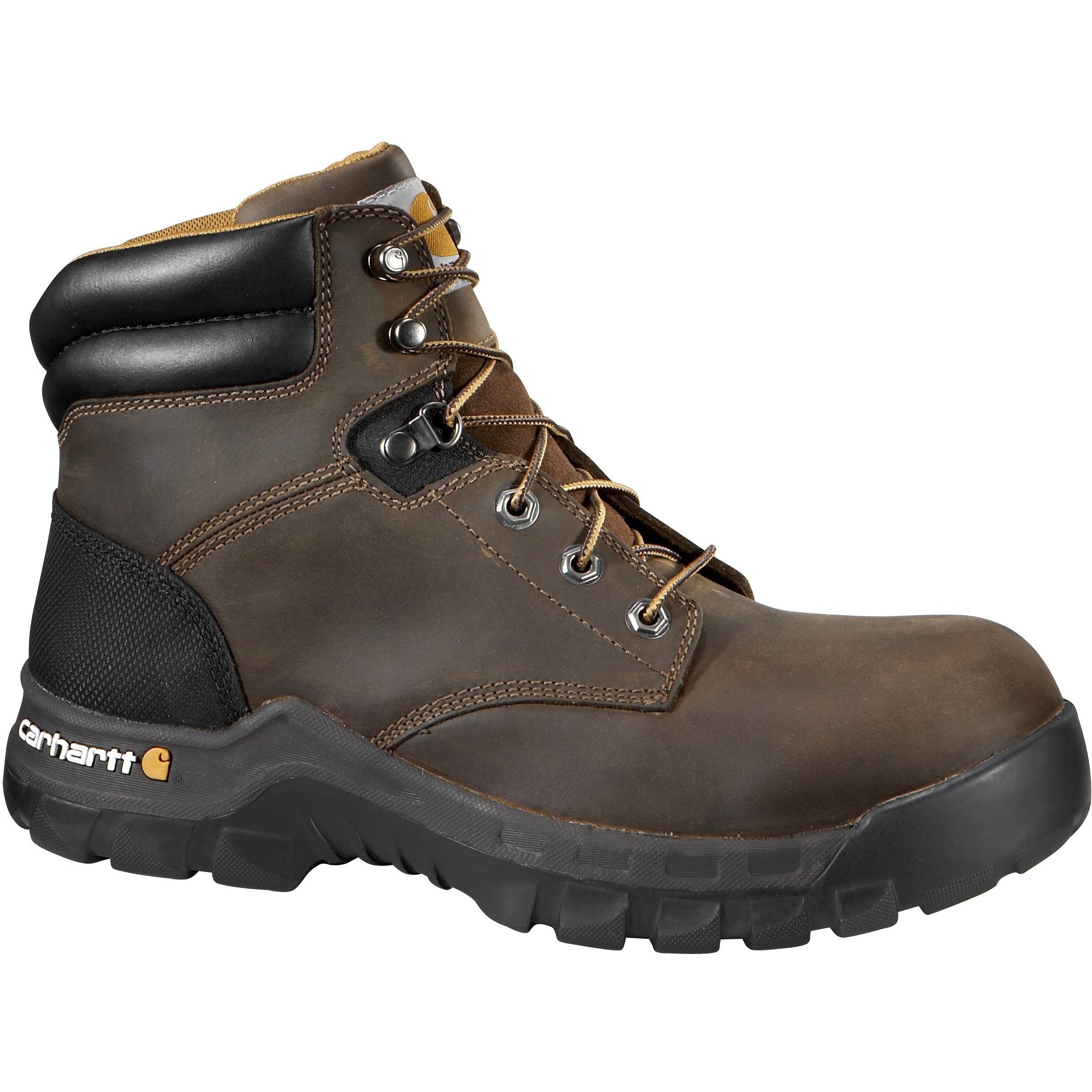
Sale price$149.99
Regular price$158.00
Carhartt Women's Rugged Flex 6" Composite Toe Work Boot - Brown - CWF5355
Save 7%
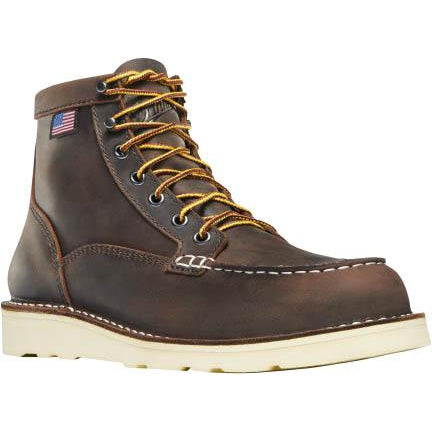
Sale price$269.95
Regular price$290.00
Danner Women's Bull Run 6" Steel Toe Moc Toe Wedge Work Boot - Brown - 15576

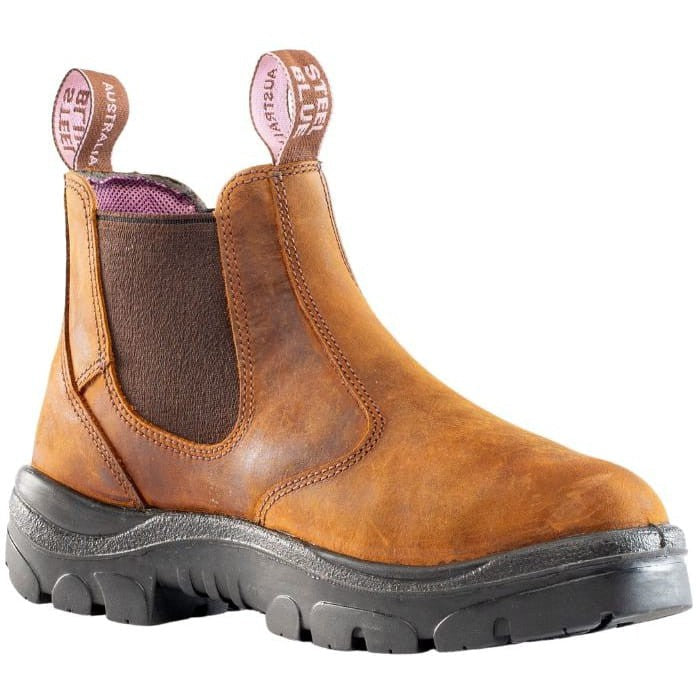
Save 14%
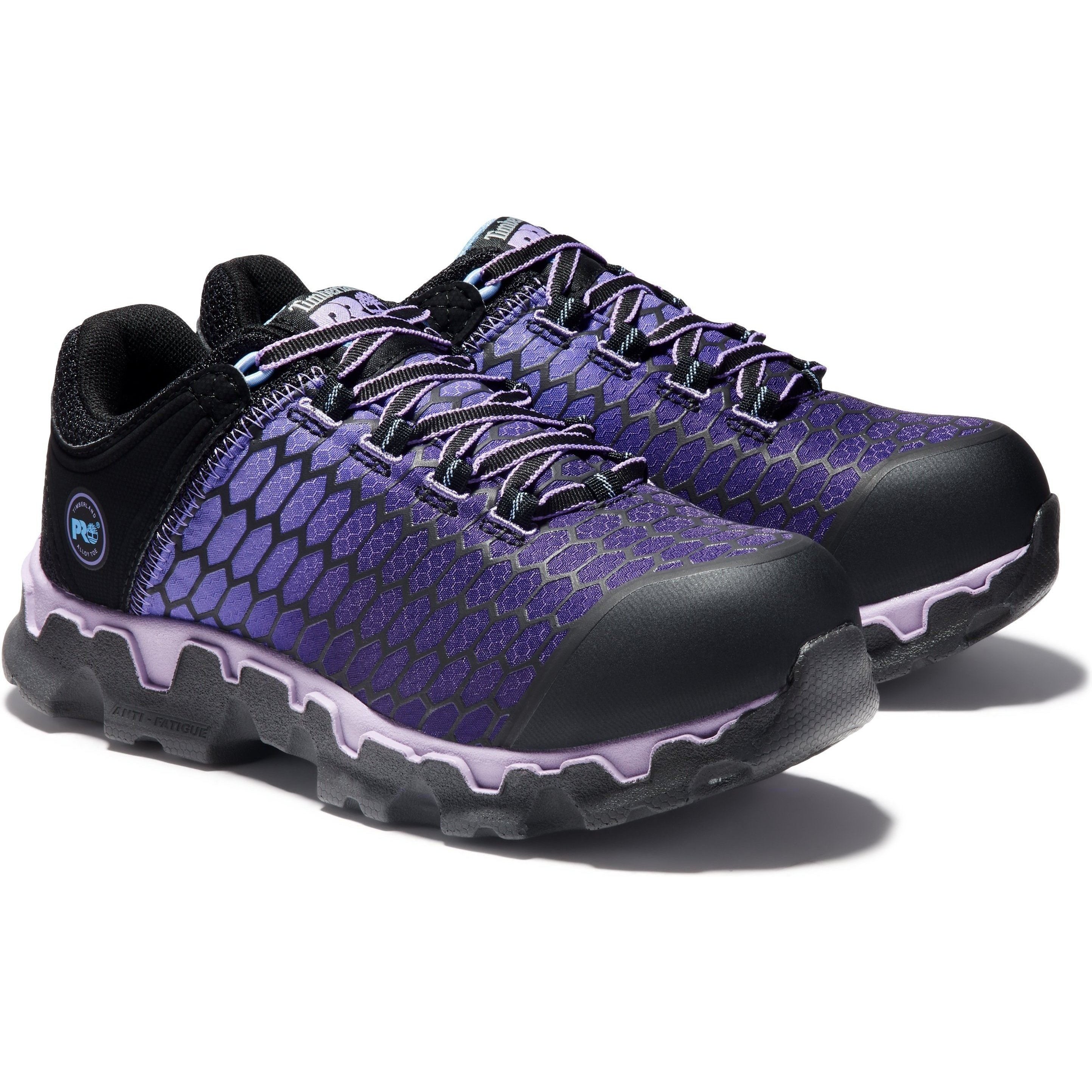
Sale price$119.95
Regular price$140.00
Timberland PRO Women's Powertrain Sport Alloy Toe SD+ Work Shoe - Black/Purple - TB1A1H1S001

Save 35%
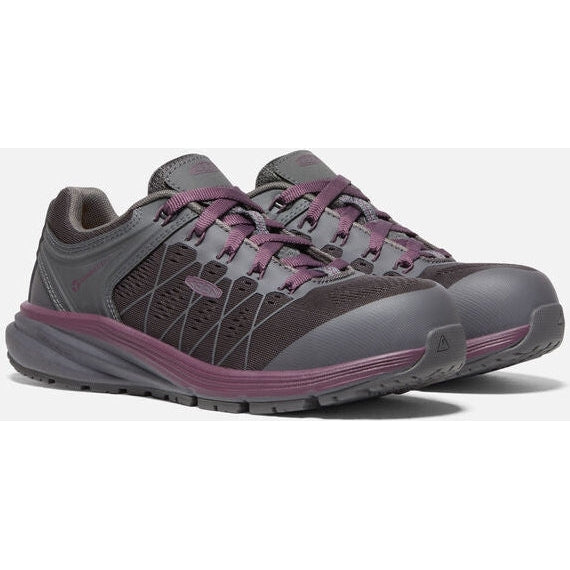
Sale price$84.67
Regular price$130.00
Keen Utility Women's Vista Energy ESD Carbon Fiber Toe Work Shoe - Magnet/Prune Purple - 1026985
Save 13%
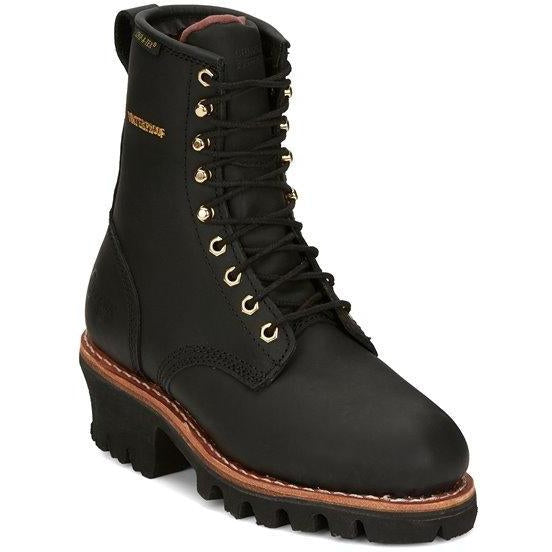
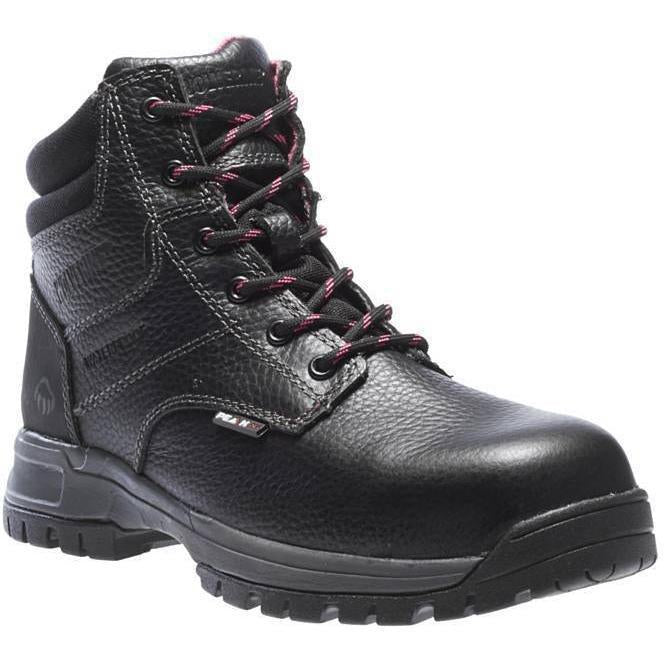
Sale price$282.71
Regular price$324.95
Chippewa Women's Tinsley 8" Steel Toe Waterproof 400G Ins Work Boot - Black - L73050
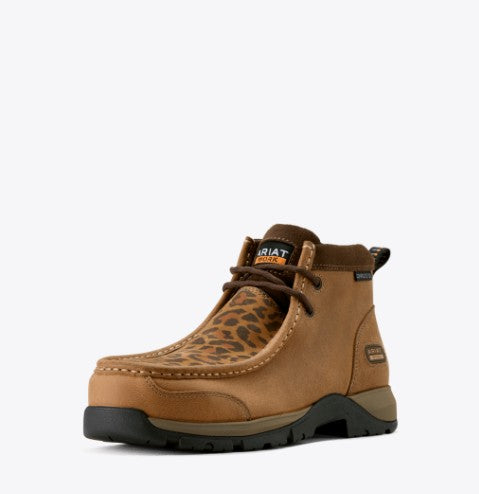
Sale price$159.95
Ariat Women's Edge Moc Composite Toe Work Boot - Brown - 10073361
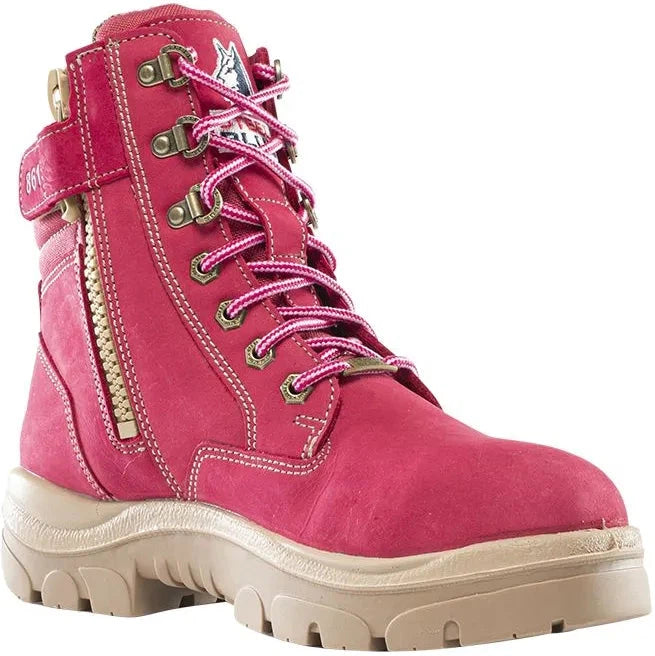
Save 9%
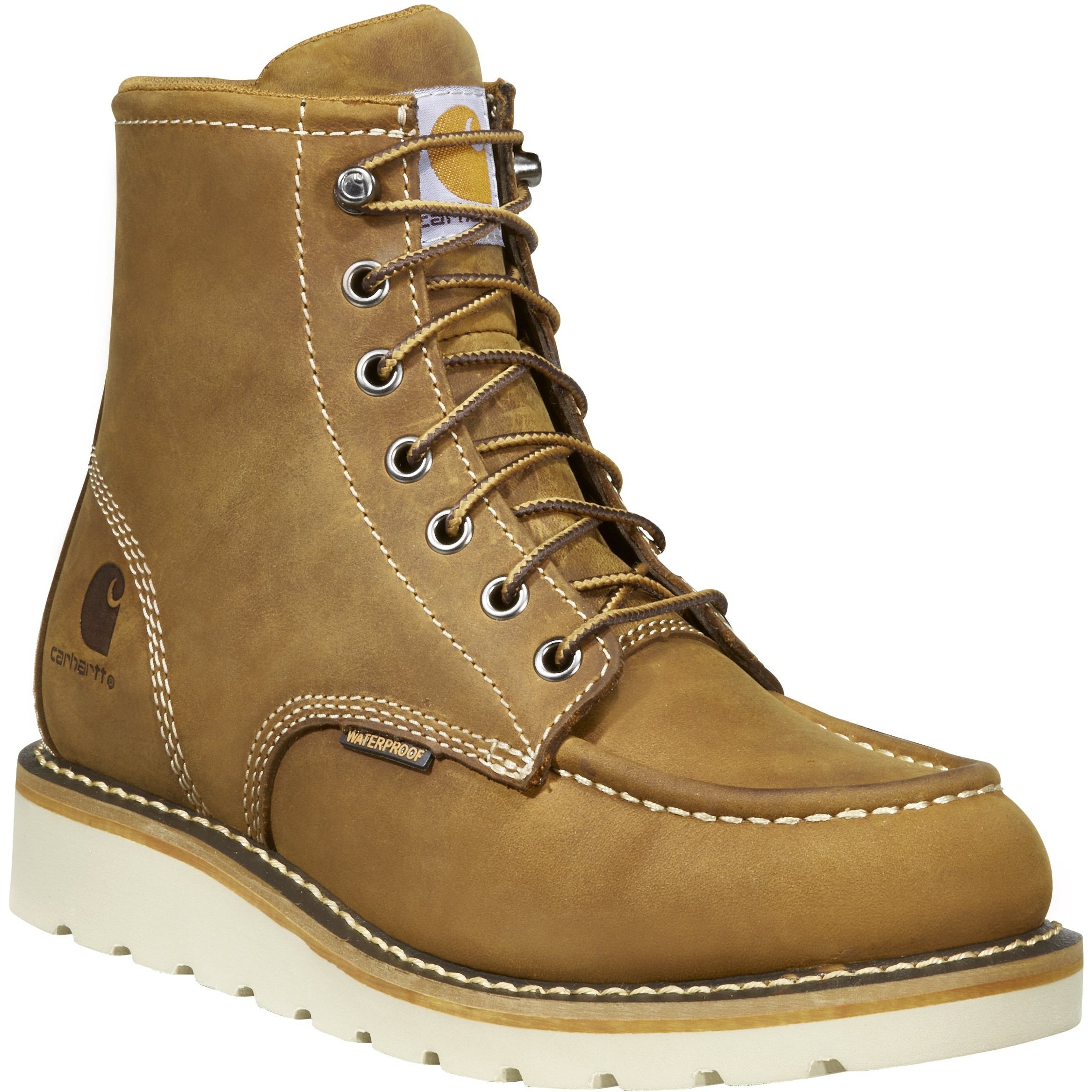
Sale price$170.19
Regular price$188.00
Carhartt Women's 6" Steel Toe Waterproof Wedge Work Boot - Brown - FW6225-W
Save 8%
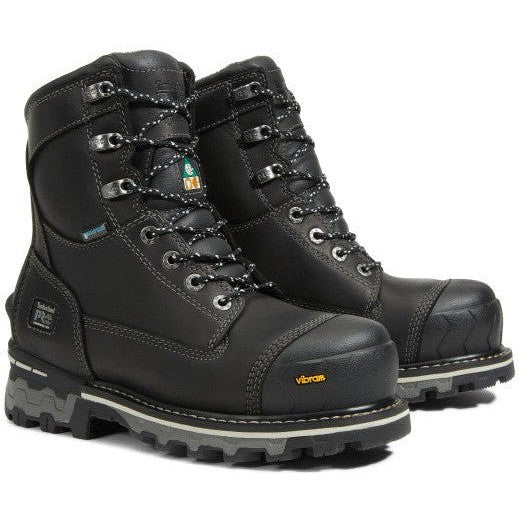
Sale price$229.95
Regular price$250.00
Timberland PRO Women's Boondock 8" Composite Toe Waterproof Puncture Resistant 200G Insulated Work Boot - Black - TB1A5R7K001
Save 7%
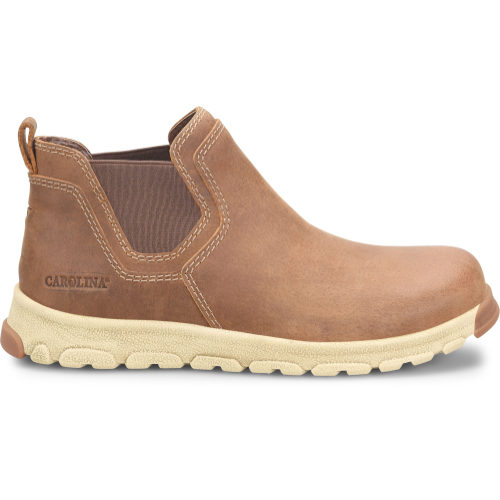
Sale price$139.99
Regular price$150.00
Carolina Women's S-117 Electrostatic Dissipative Romeo Alum Toe Lightweight Work Shoe - Brown - CA5671
Save 14%
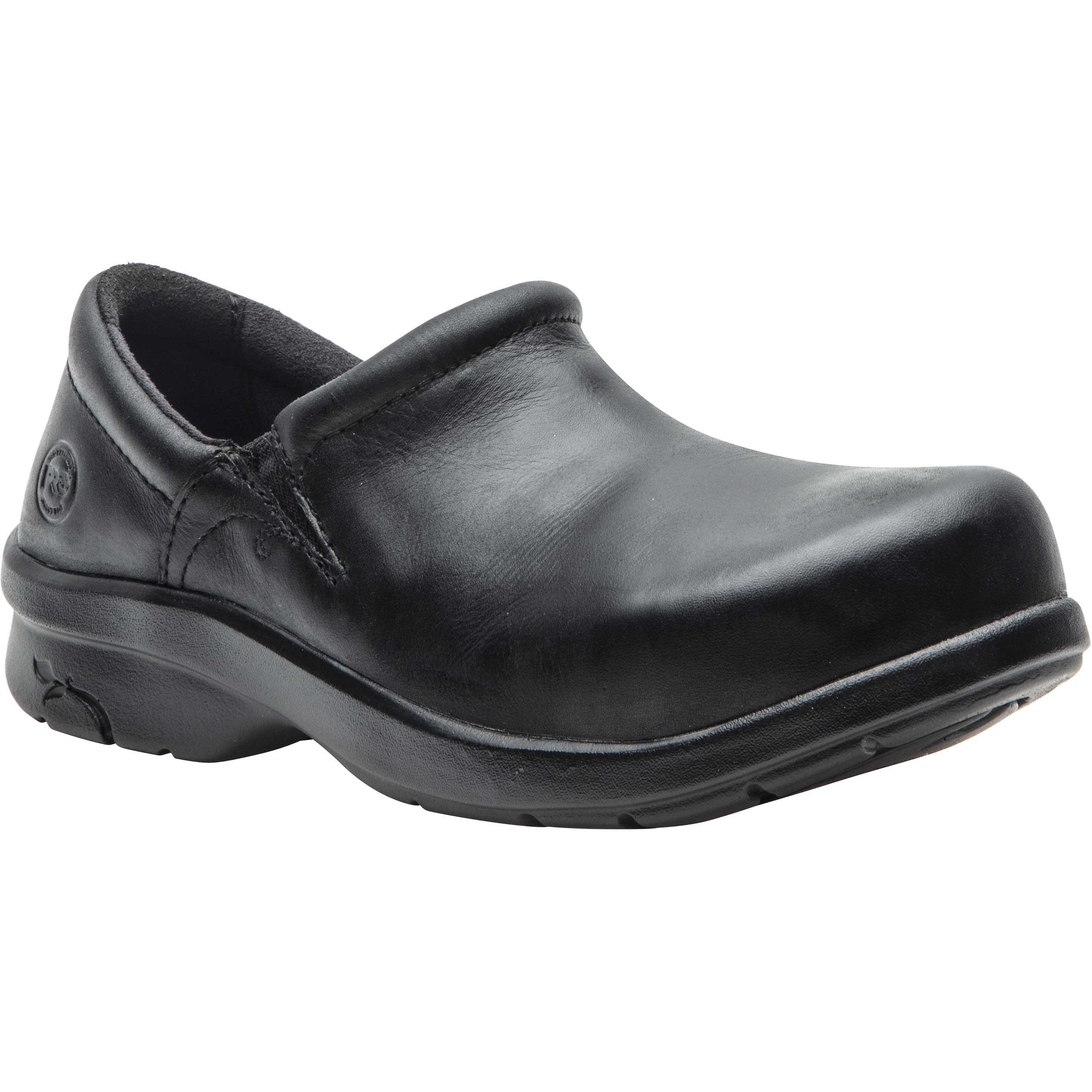
Sale price$119.95
Regular price$140.00
Timberland PRO Women's Newbury Alloy Toe ESD Slip-On Work Shoe - Black - TB187528001
Save 20%
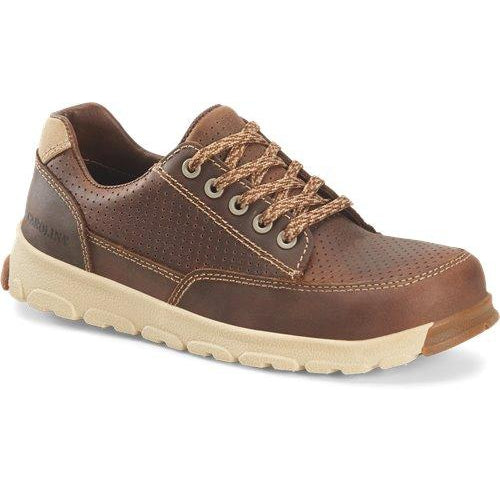
Sale price$105.67
Regular price$132.00
Carolina Women's S-117 Aluminum Toe Oxford Work Shoe- Mahogany- CA5674
Save 5%
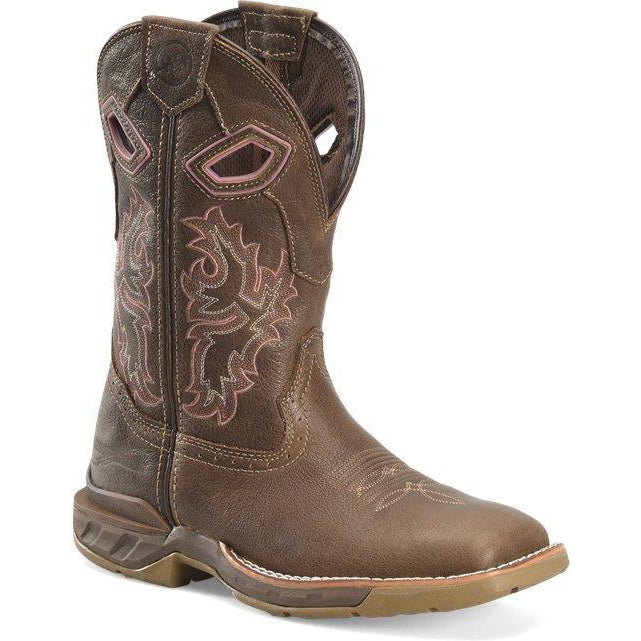
Sale price$159.99
Regular price$168.00
Double H Women's Phantom Rider 10" Composite Toe Western Work Boot - DH5374
Save 9%
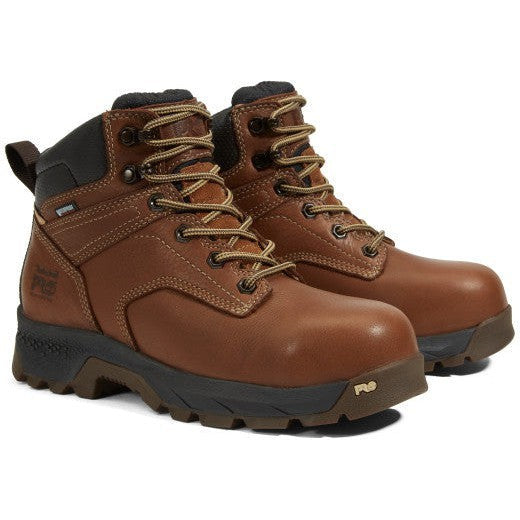
Sale price$154.95
Regular price$170.00
Timberland PRO Women's Titan EV 6" Composite Toe Waterproof Work Boot - Brown - TB1A5P1A214
Frequently Asked Questions
Yes, identically. ASTM F2413 tests the protective cap against a set impact and compression load, and a cap meeting I/75 and C/75 in a women's boot meets exactly the same standard as one in a men's boot. There is no reduced women's standard. The cap is scaled with the boot rather than being weaker.
All four meet the same rating, so pick on weight, temperature, and screening. Composite and carbon are non-metallic and lightest, which matters more on a smaller boot where a steel cap is proportionally heavier. Alloy is light metal and thin. Steel is cheapest and thinnest but conducts temperature. See our women's composite toe range.
Almost always fit rather than break-in, because the cap is rigid and never softens the way leather does. If your toes touch the cap walking downhill, the boot is too short. If the pain is across the ball of your foot, you need more width, not more length. Sizing up in length usually just adds heel slip without fixing the pinch.
A rated cap adds weight at the front of the foot, which is where weight costs the most energy over a shift. On a smaller boot that proportion is more noticeable than on a large one. Composite and carbon caps cut most of it back while meeting the same standard, which is why they are worth the price difference for many people.
The cap itself will not, since it is non-metallic. That does not make the whole boot detector-safe though, because the shank, any puncture plate, and the eyelets are separate components and can be steel. If you clear checkpoints at work, the whole boot needs verifying. See our 100 percent non metallic collection.
Snug at the heel with no lift, room across the ball of the foot, and enough length that your toes never reach the cap when you walk downhill. Try them on late in the day with the socks you will actually wear. Because the cap cannot stretch, a boot that pinches at the front on day one will still pinch in month three.
OSHA requires employers to provide protective footwear where a foot injury risk exists, and to ensure it meets a recognized standard, which in the US is ASTM F2413. The requirement is about the hazard rather than the person. Your employer's own policy may be stricter and may specify a cap material.
Some do, though availability is narrower than in men's ranges. Width matters more on a rated boot than on an unrated one, since the cap will not give at all. Where wide widths exist they are listed on the product page. Filter for width from the start rather than compensating with length.
Recently viewed
Our Top Brands