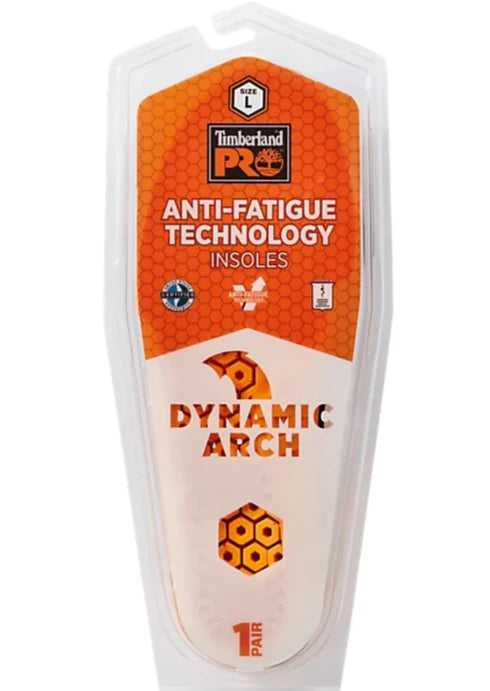
Sale price$34.95
Timberland Pro Anti Fatigue Technology Insoles - TB091621827

Sale price$78.00
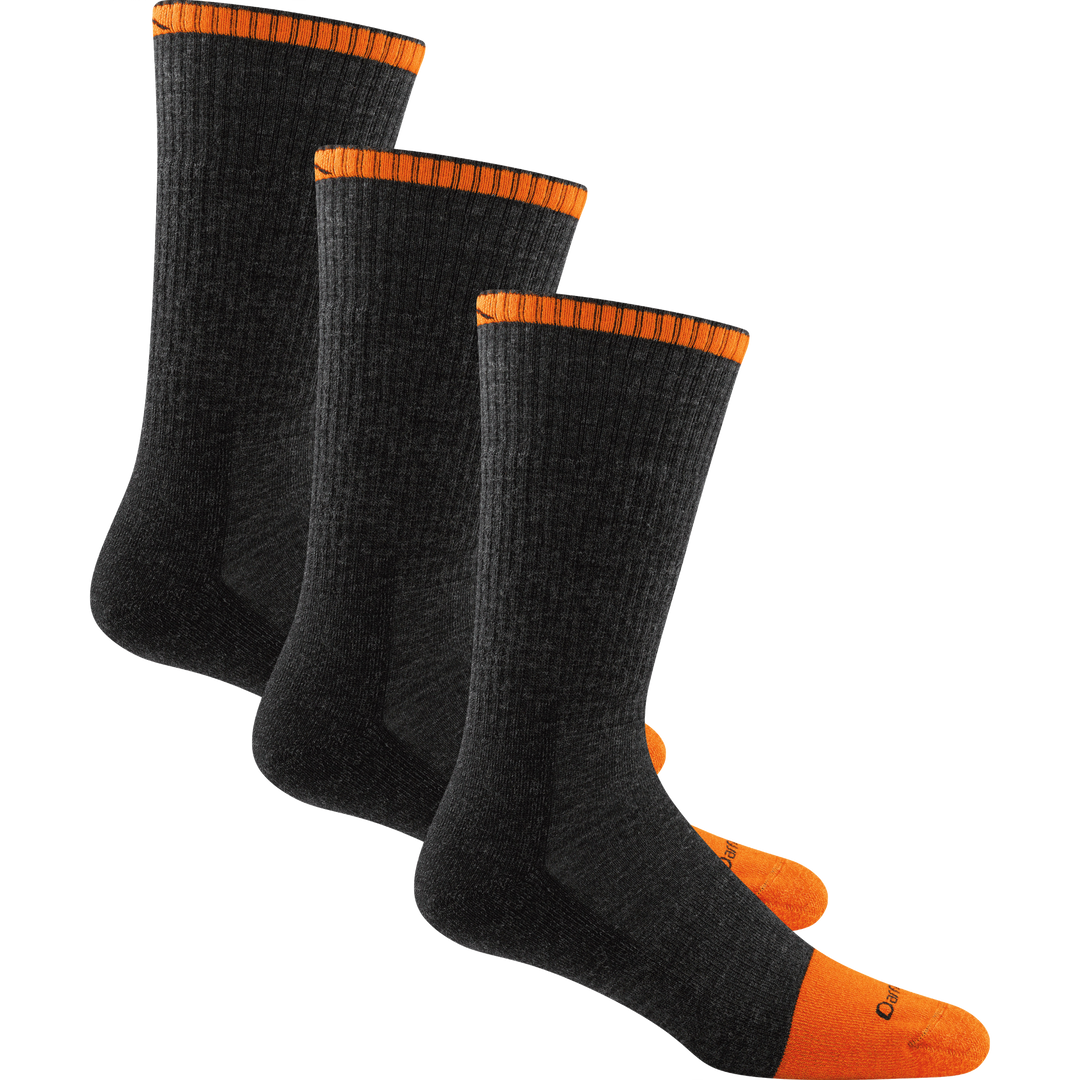
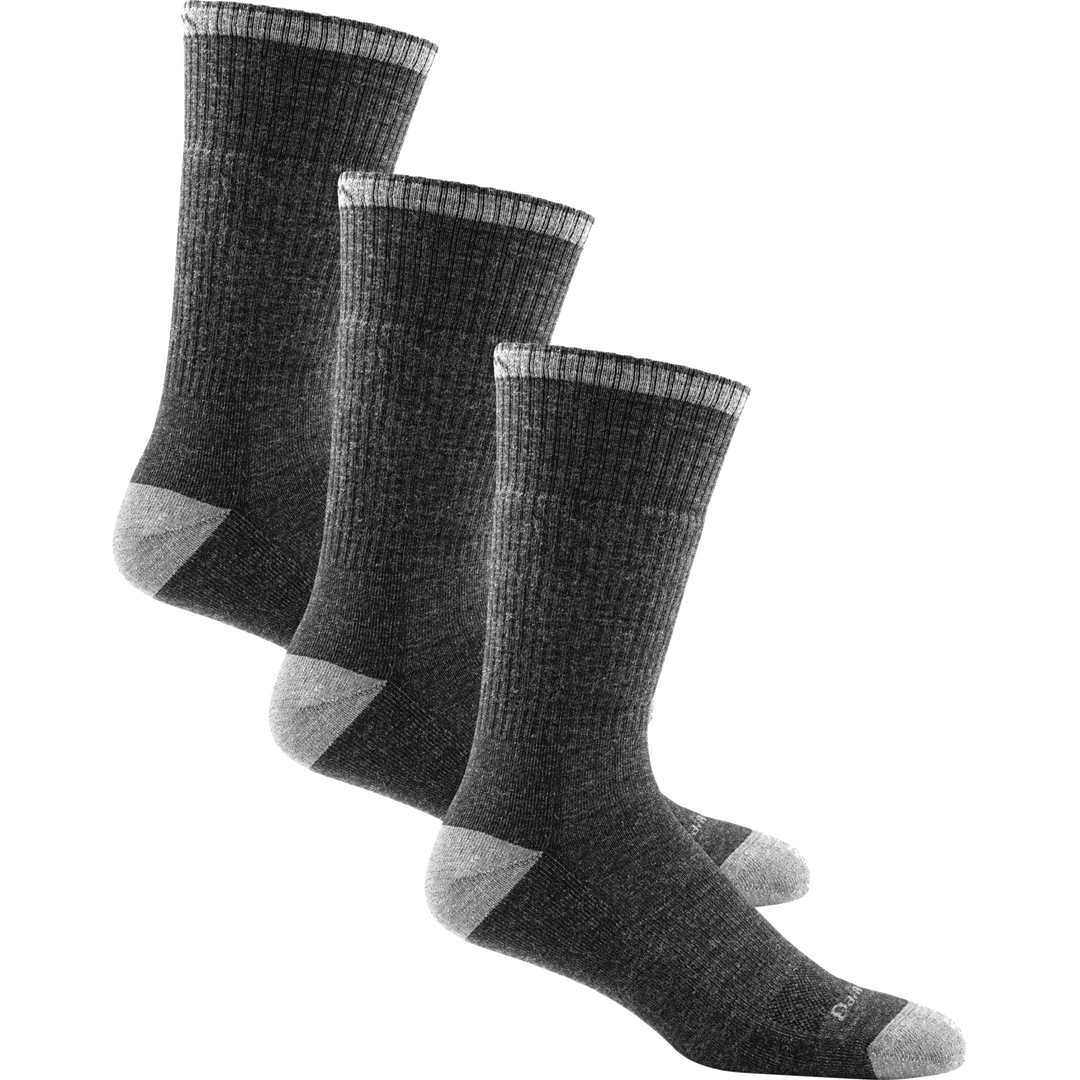
Men's Darn Tough John Henry Boot Midweight Work Sock - 2001 - 3 PACK
Sale price$24.95
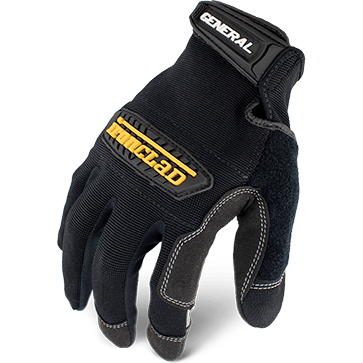
Ironclad General Utility Work Gloves - Black - GUG


Sale price$81.00
Women's Darn Tough Steely Boot Midweight Work Socks - 2015 - 3 PACK
Sale price$65.00
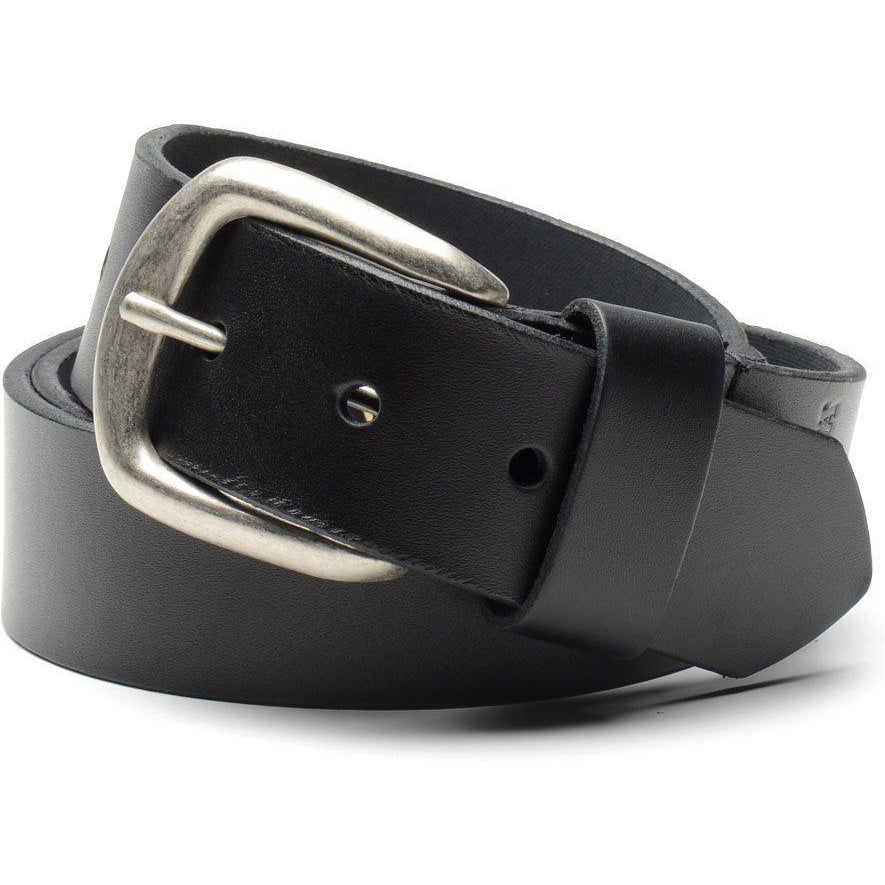
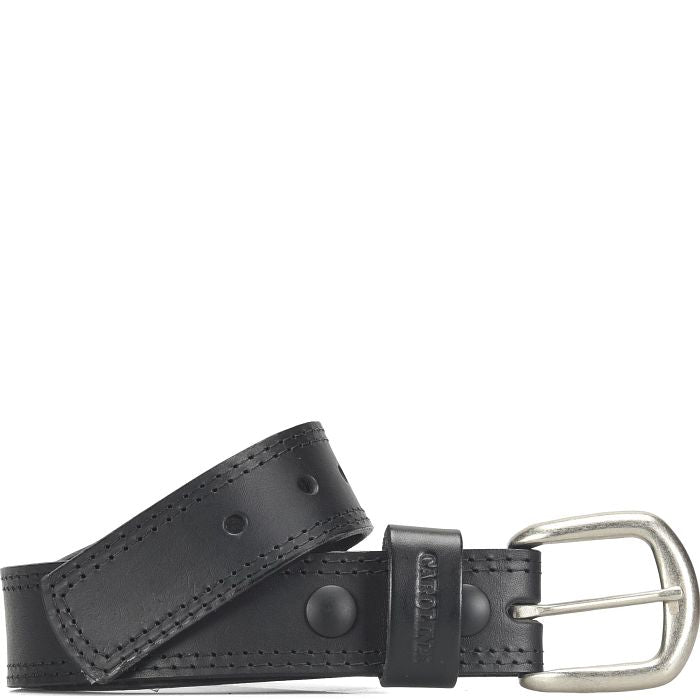
Carolina Men's USA Made Work Belt 2 Row Stitch - Black - CA902
Sale price$77.95
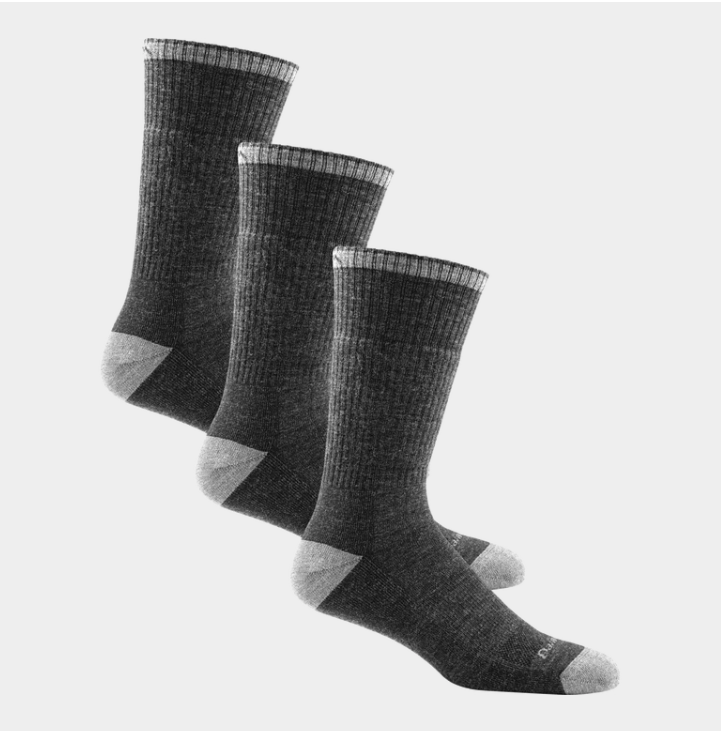
Men's Darn Tough John Henry Boot Midweight Work Sock 3-Pack - Gravel
Sale price$29.95
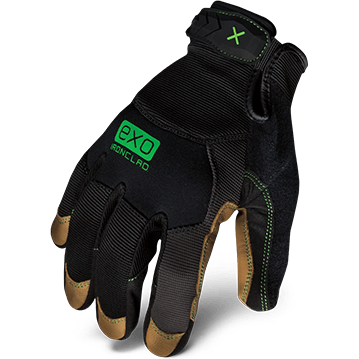
Ironclad EXO Modern Leather Work Gloves - EXO-MOL
Sale price$80.95
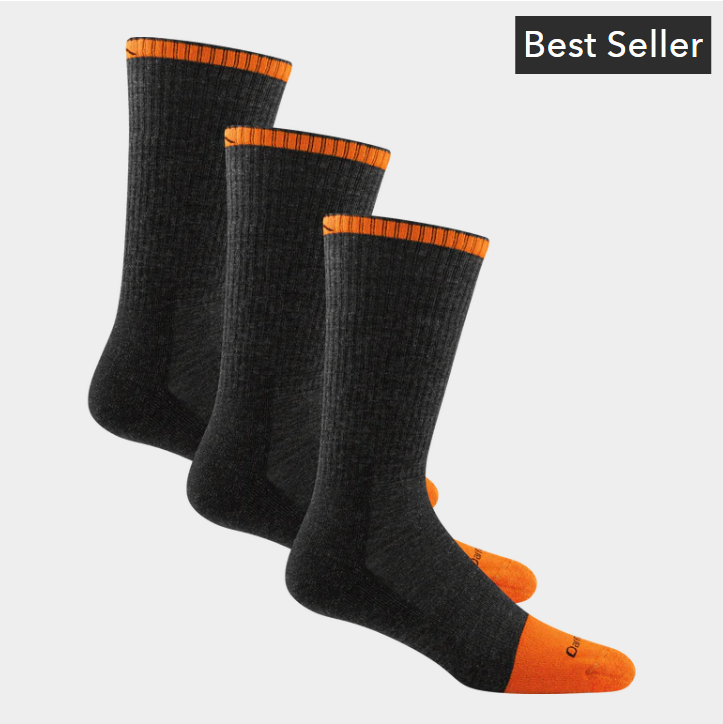
Men's Darn Tough Steely Boot Midweight Work Sock 3-Pack - Graphite

Frequently Asked Questions
Leather conditioner above everything, because leather that dries out hard is what cracks at the flex point and ends most boots. Replacement laces, since a snapped lace mid-shift is a genuine hazard. And a boot dryer or simply rotating two pairs, because a boot that never dries out fails far sooner than one that does.
Often yes, and they are the cheapest meaningful upgrade to a boot you already own. A replacement footbed adds cushioning and arch support, and it lets you fit a prescribed orthotic. What it cannot do is fix a compressed midsole, since that sits below the footbed. If the boot feels dead underfoot rather than just unsupportive, the boot is finished.
It conditions and water-proofs by saturating the leather with oils, which keeps it supple and helps it shed water. Worth knowing: heavy oil treatments darken leather permanently and soften it, which reduces structure. That is desirable on a rugged work boot and undesirable on a boot you want to hold its shape, so use it deliberately rather than routinely.
As soon as they fray. A lace that snaps mid-shift leaves you with a boot that will not hold your heel, which is a real trip and ankle risk on a ladder. Laces cost very little compared with the boot. Kevlar-reinforced laces last considerably longer if you are hard on them.
Merino wool or a synthetic blend, never cotton. Cotton absorbs sweat and holds it against your skin, which is how blisters start and why feet get cold in winter. Merino wicks moisture away, keeps insulating when damp, and resists odor. Sock choice can undo a well-fitted boot entirely. See our work socks range.
Meaningfully, and for two reasons. Wet insulation stops insulating, so a boot that has not dried since yesterday is colder today. And damp boots are where odor-causing bacteria thrive. A low-heat dryer is safe; a heat gun or radiator is not, since high heat permanently hardens leather and damages adhesives.
Brush the dirt off first, since conditioner over grit just drives it in. Apply conditioner every one to three months, more often if the boots get soaked regularly. Dry at room temperature away from any heat source. Winter salt should be wiped off promptly with a weak water and vinegar solution, because salt draws oils out and leaves leather brittle.
Cleats or coils fitted over the outsole for grip on ice. They matter because no slip-resistant outsole works reliably on ice: the rating is tested against wet and oily surfaces, and ice defeats the mechanism entirely. If you work on ice, a traction device is the only real answer. See our traction devices range.
Recently viewed
Our Top Brands