Save 5%
Sale price$274.95
Regular price$290.00
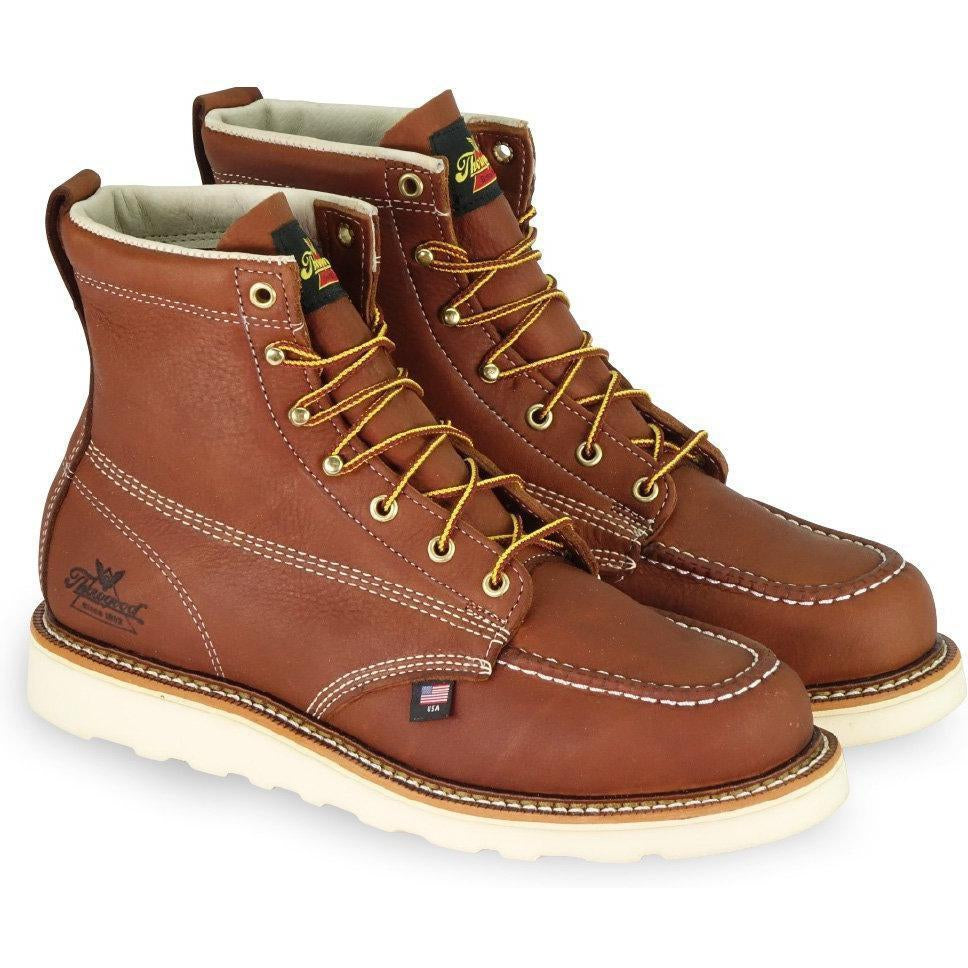
Thorogood Men's USA Made Amer. Heritage 6" Steel Toe Wedge Work Boot 804-4200
Save 6%
Sale price$354.99
Regular price$378.00
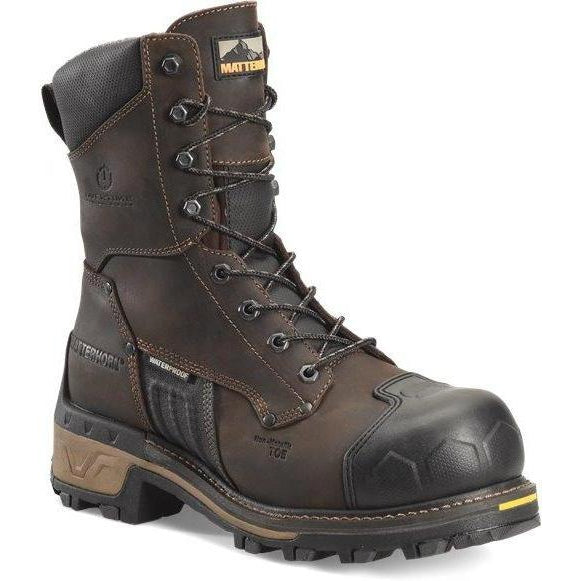
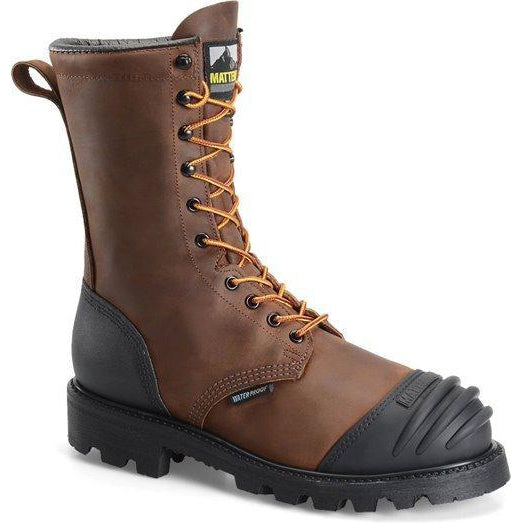
Matterhorn Men's Copper 10" Steel Toe Waterproof Metguard USA Made Work Boot - MT910
Save 5%
Sale price$284.95
Regular price$300.00
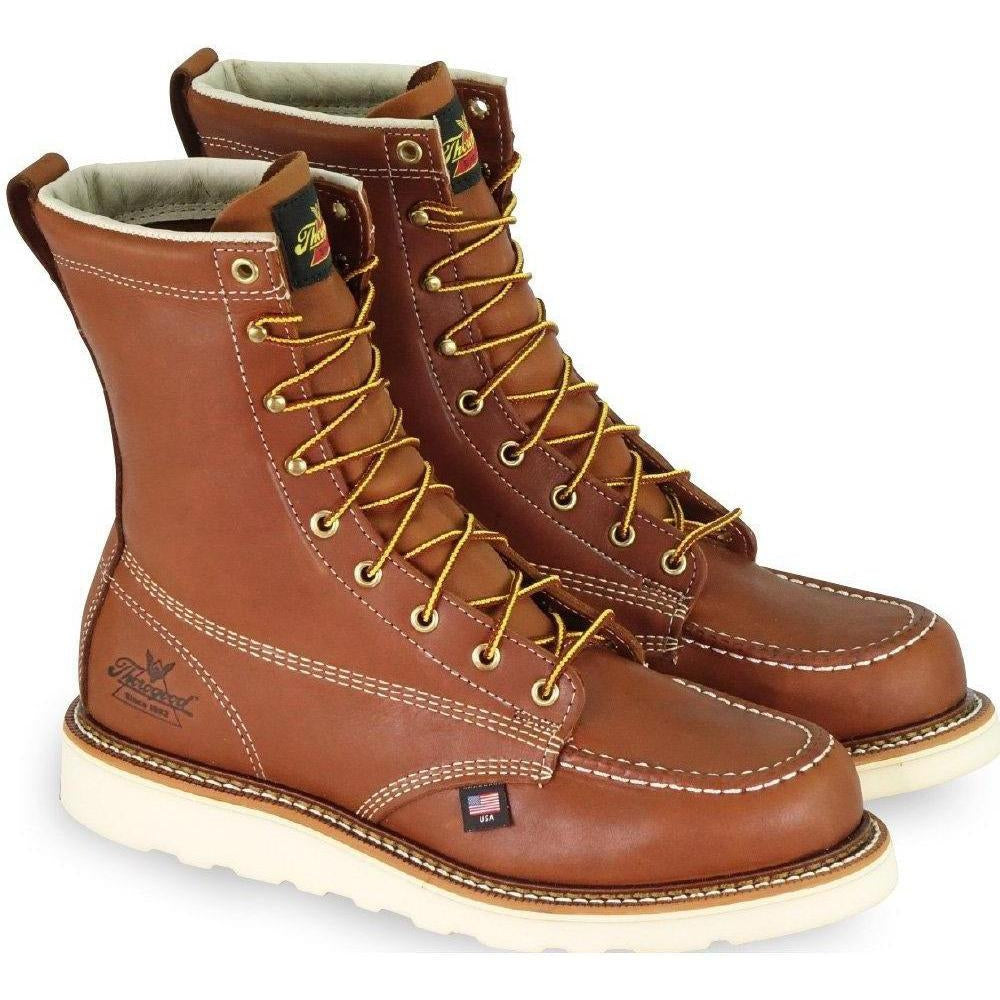
Thorogood Men's USA Made Amer. Heritage 8" Steel Toe Wedge Work Boot 804-4208
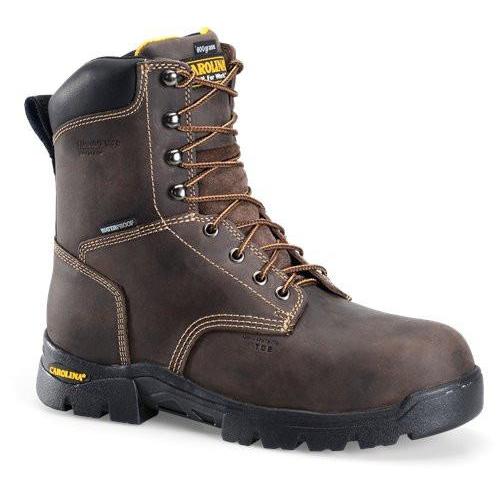
Sale price$164.99
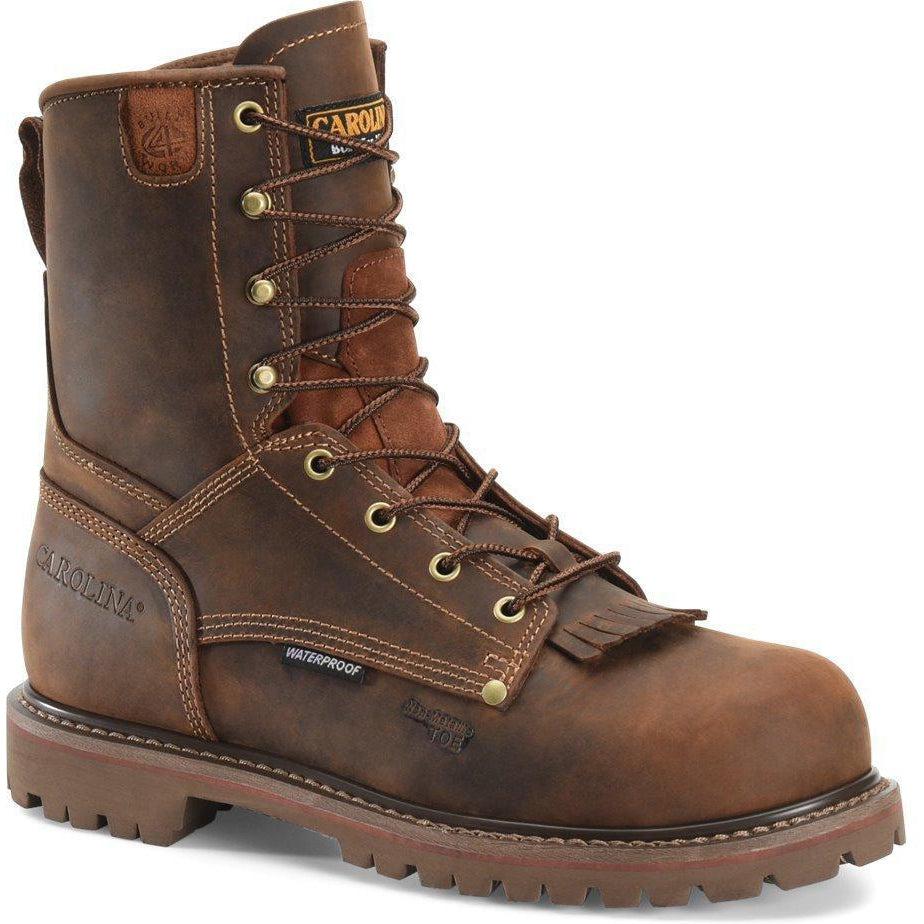
Carolina Men's Circuit Hi 8" Composite Toe Insulated Work Boot - CA3538
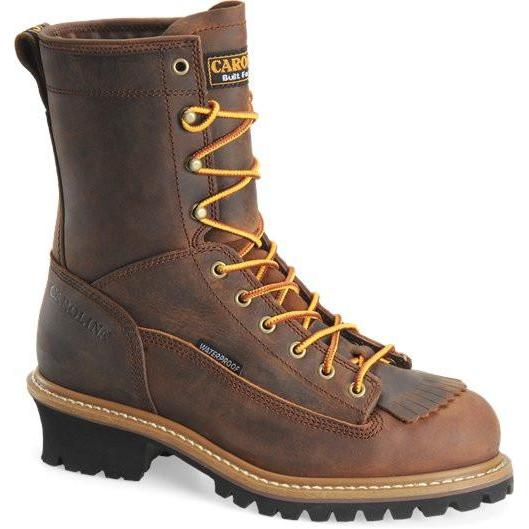
Sale price$219.99
Regular price$224.00
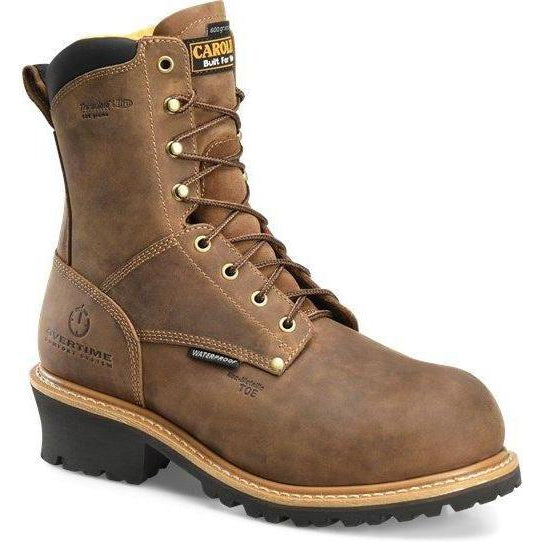
Carolina Men's Spruce 8" Steel Toe Waterproof Logger Work Boot - Brown - CA9824
Save 7%
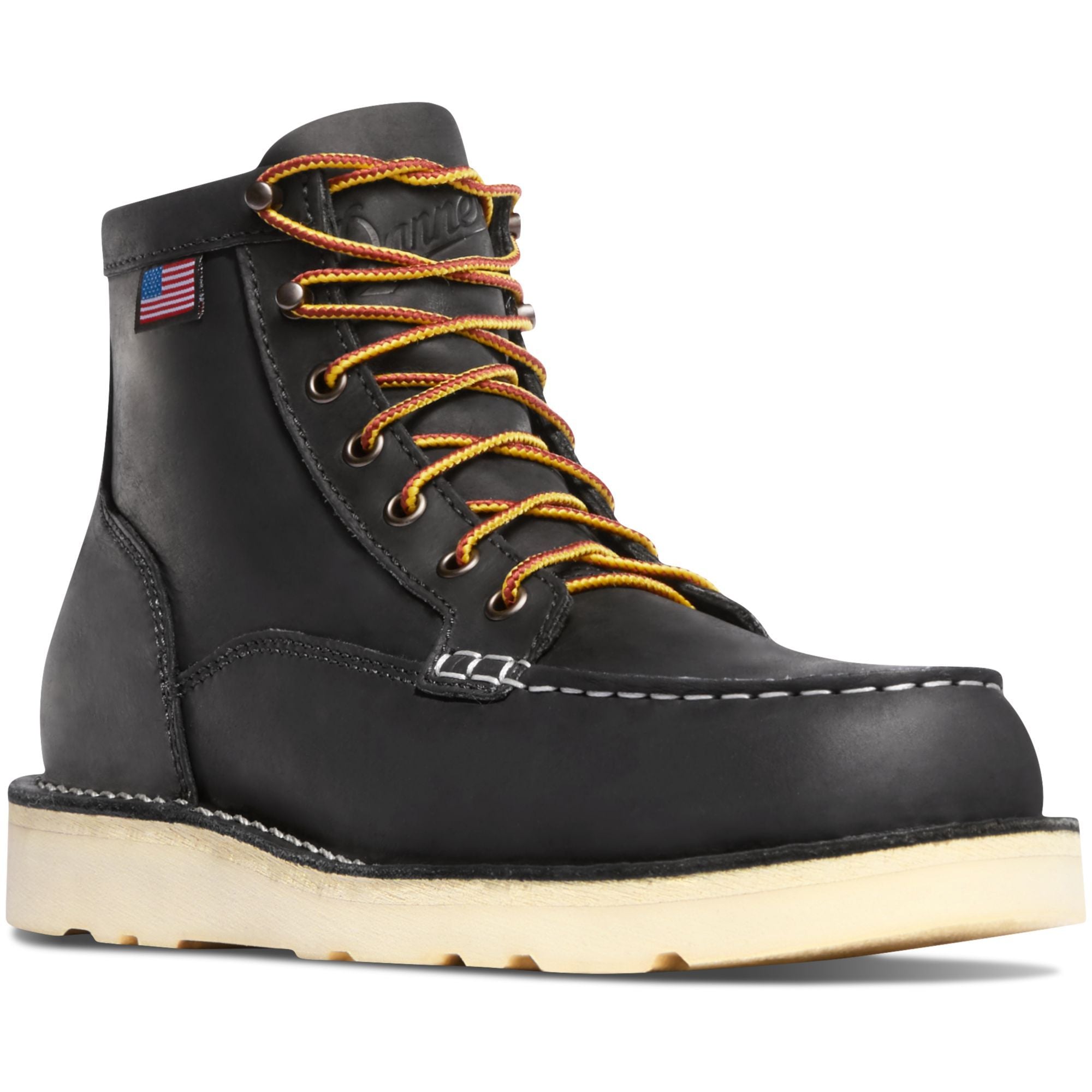
Sale price$269.95
Regular price$290.00
Danner Men's Bull Run USA Made 6" Moc Steel Toe Wedge Work Boot Black 15569
Save 10%
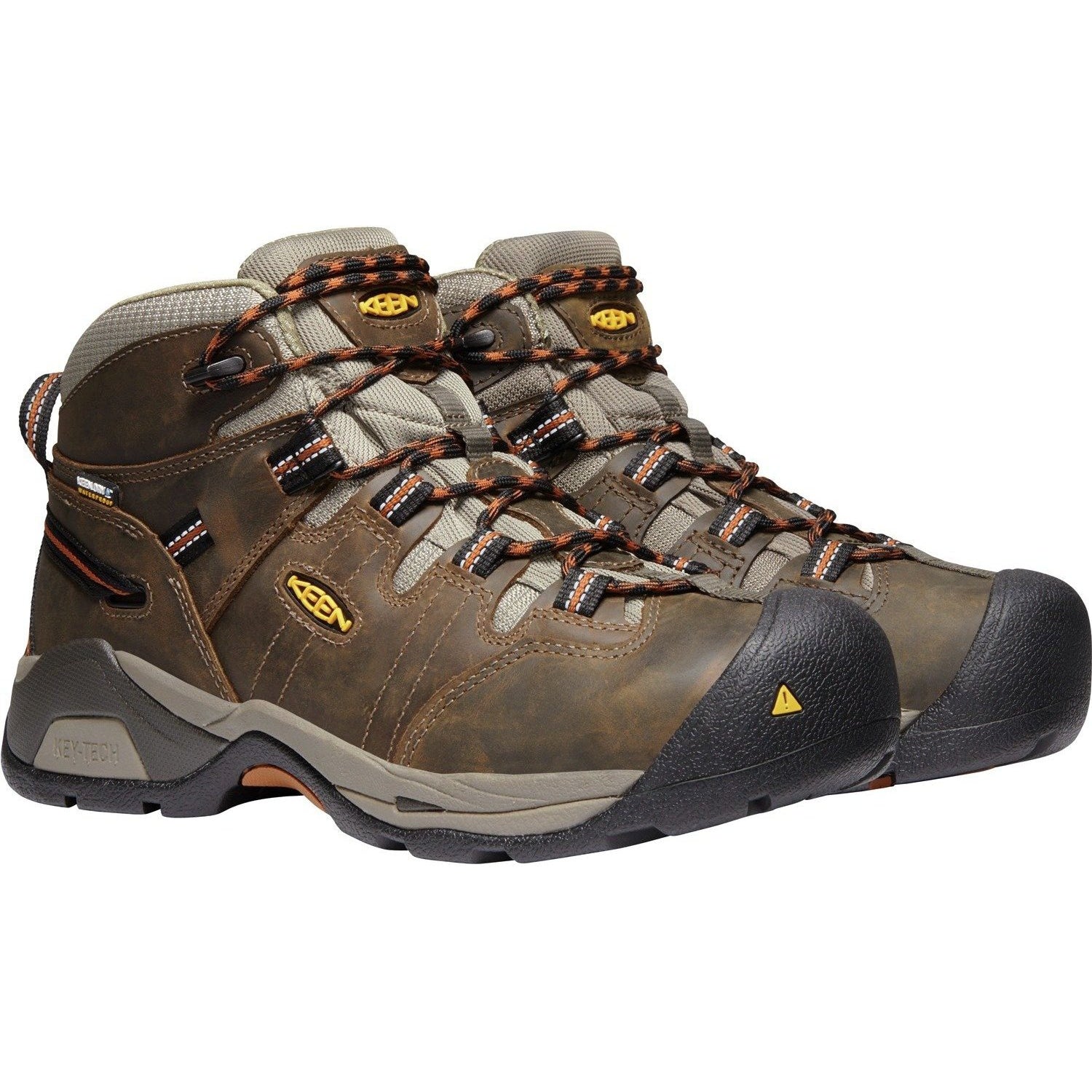
Sale price$157.49
Regular price$174.99
Keen Utility Men's Detroit XT Waterproof Soft Toe Work Boot - Olive/Brown - 1020039
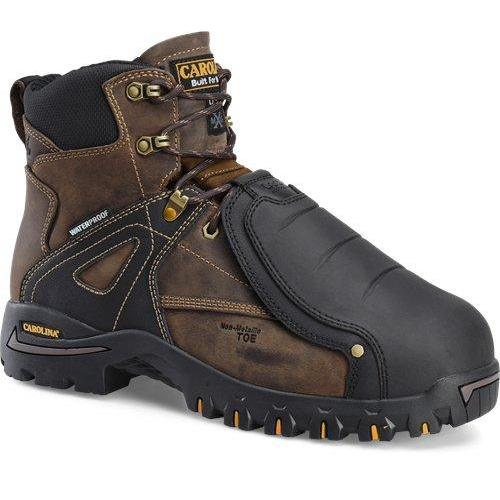
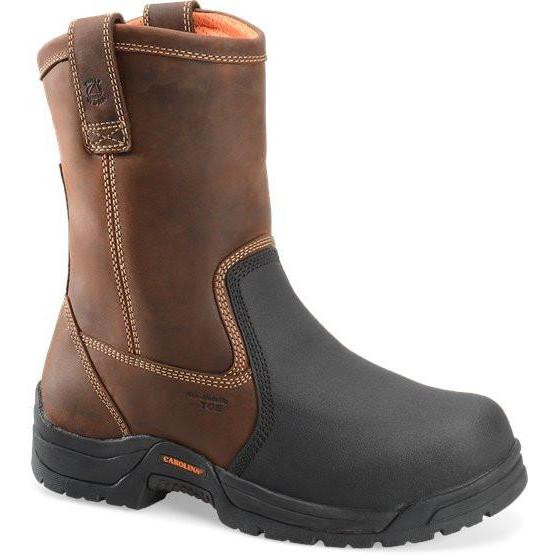
Sale price$209.99
Regular price$214.00
Carolina Men's Well X Metguard Wellington Work Boot - Brown - CA4582
Save 12%
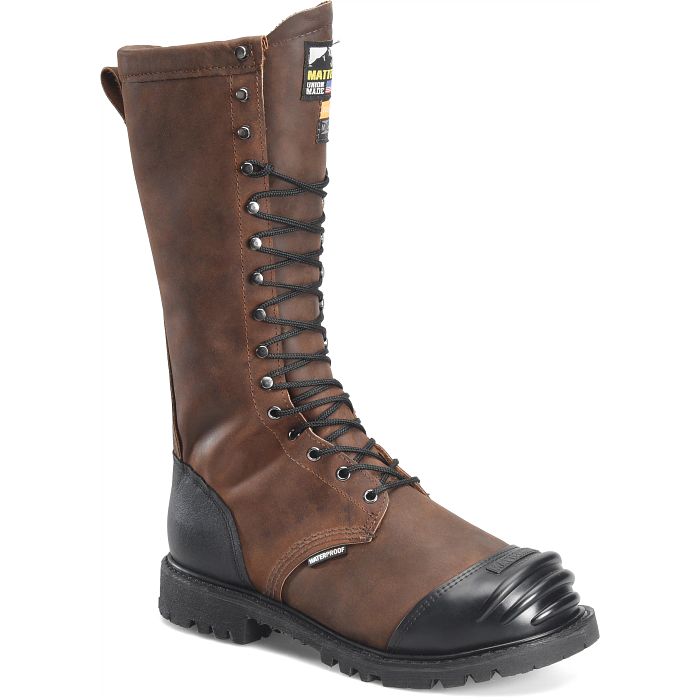
Sale price$420.99
Regular price$480.00
Matterhorn Men's 16" Waterproof Insulated Metguard Work Boot -Brown- MT716
Save 5%
Sale price$264.95
Regular price$280.00
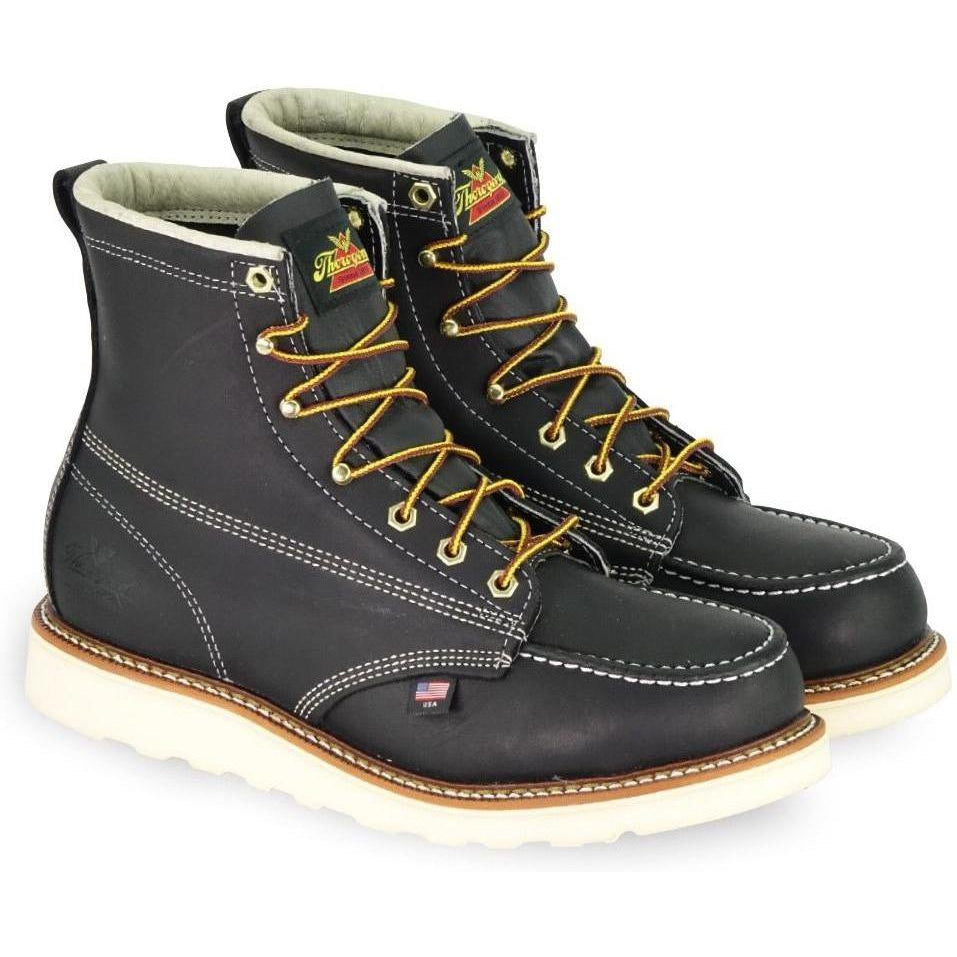
Thorogood Men's USA Made American Heritage 6" Wedge Work Boot - 814-6201
Save 38%
Sale price$176.67
Regular price$286.00
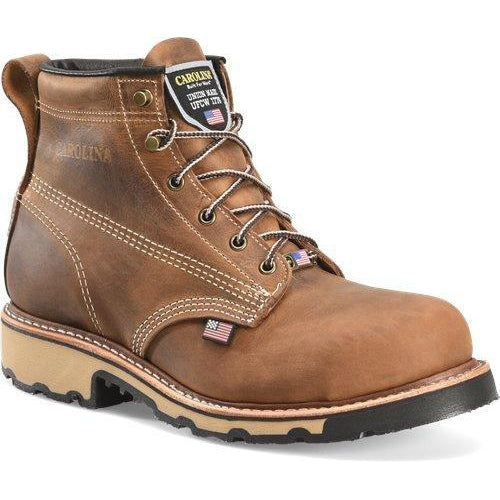
Carolina Men's Ferric 6" Steel Toe Made in USA Work Boot- Brown- CA7829
Save 5%
Sale price$274.95
Regular price$290.00
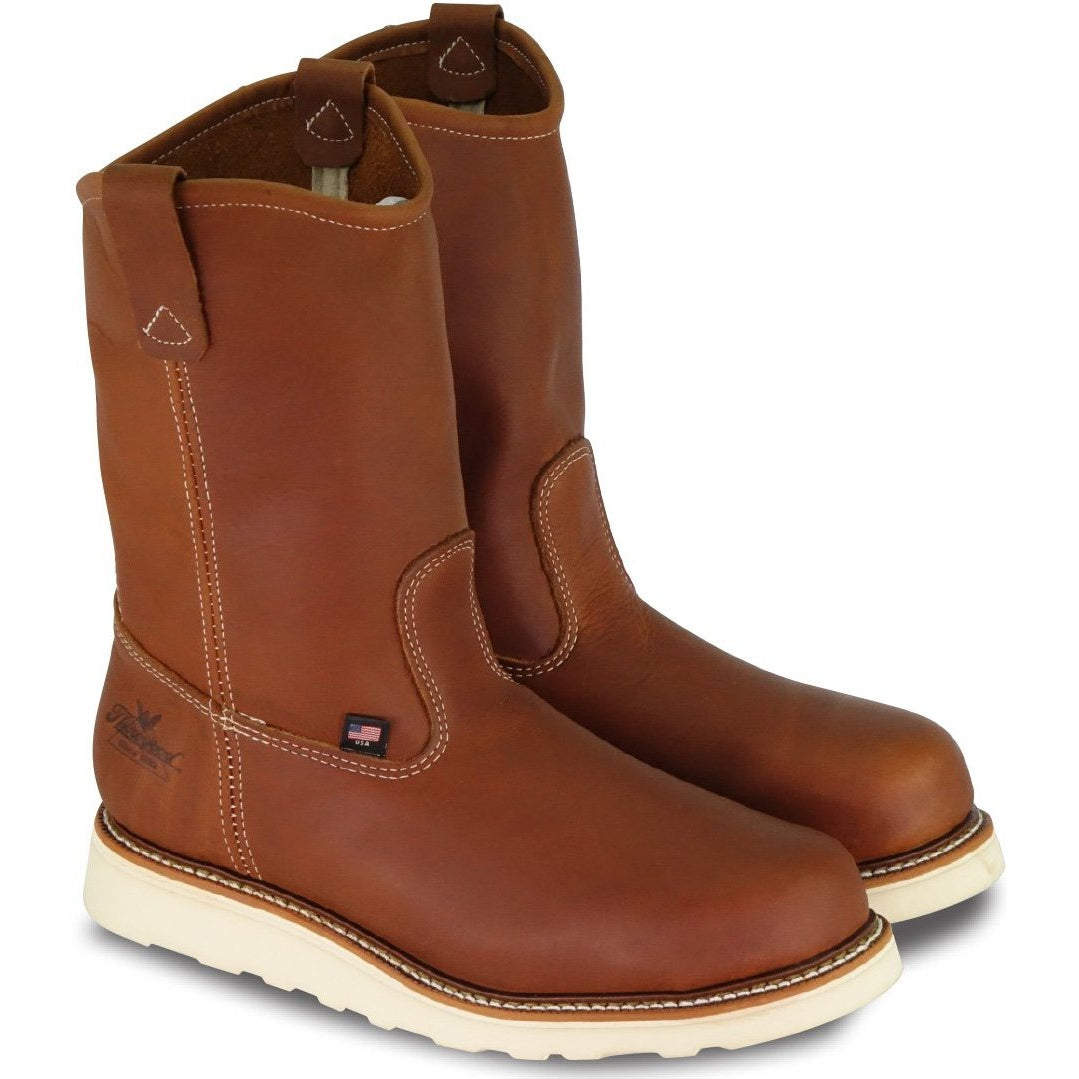
Thorogood Men's USA Made Amer. Heritage Wellington Wedge Work Boot 814-4208
Save 19%
Sale price$170.99
Regular price$209.95
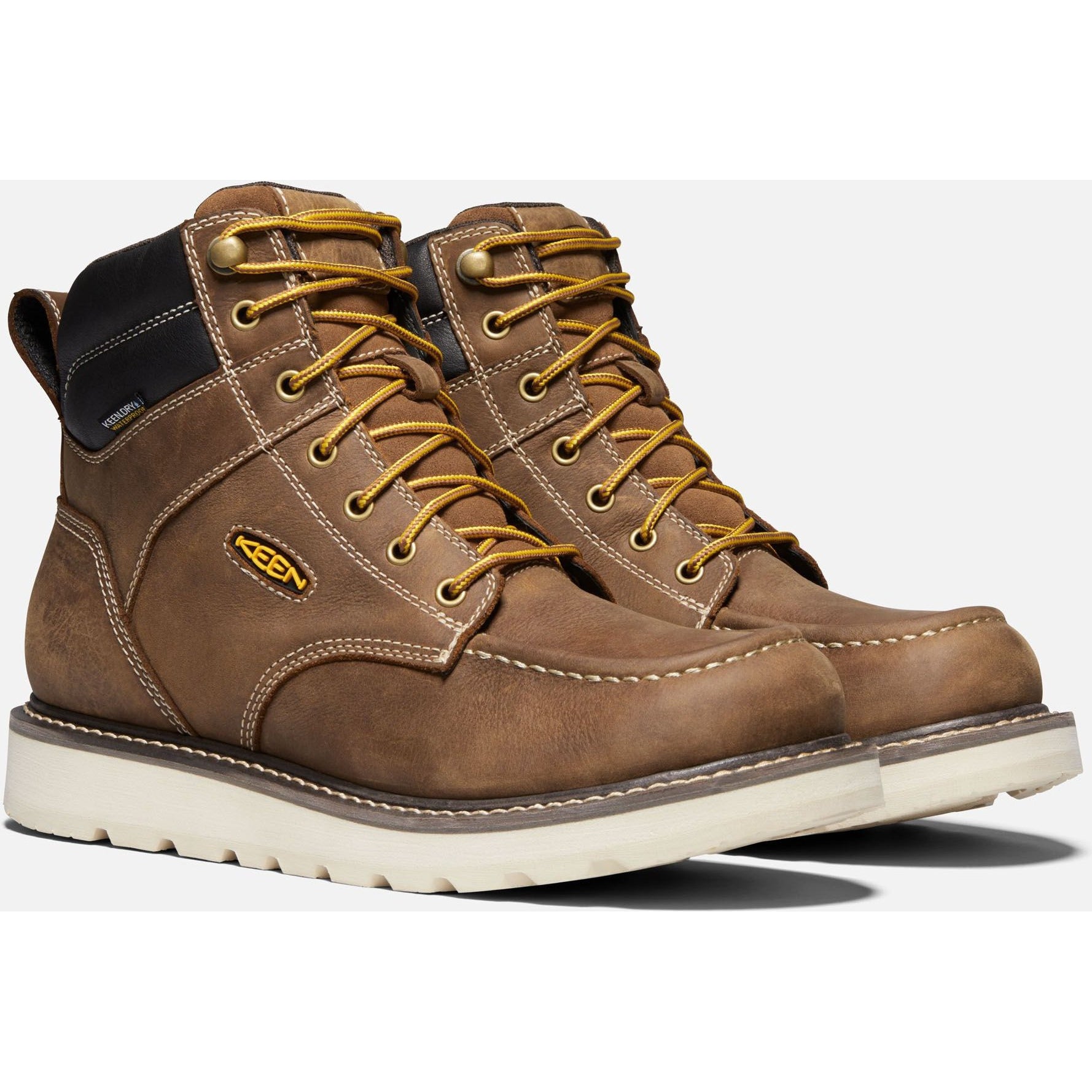
Keen Utility Men's Cincinnati 6" Soft Toe Waterproof Wedge Work Boot - Belgian/Sandshell - 1023223
Save 5%
Sale price$294.95
Regular price$310.00
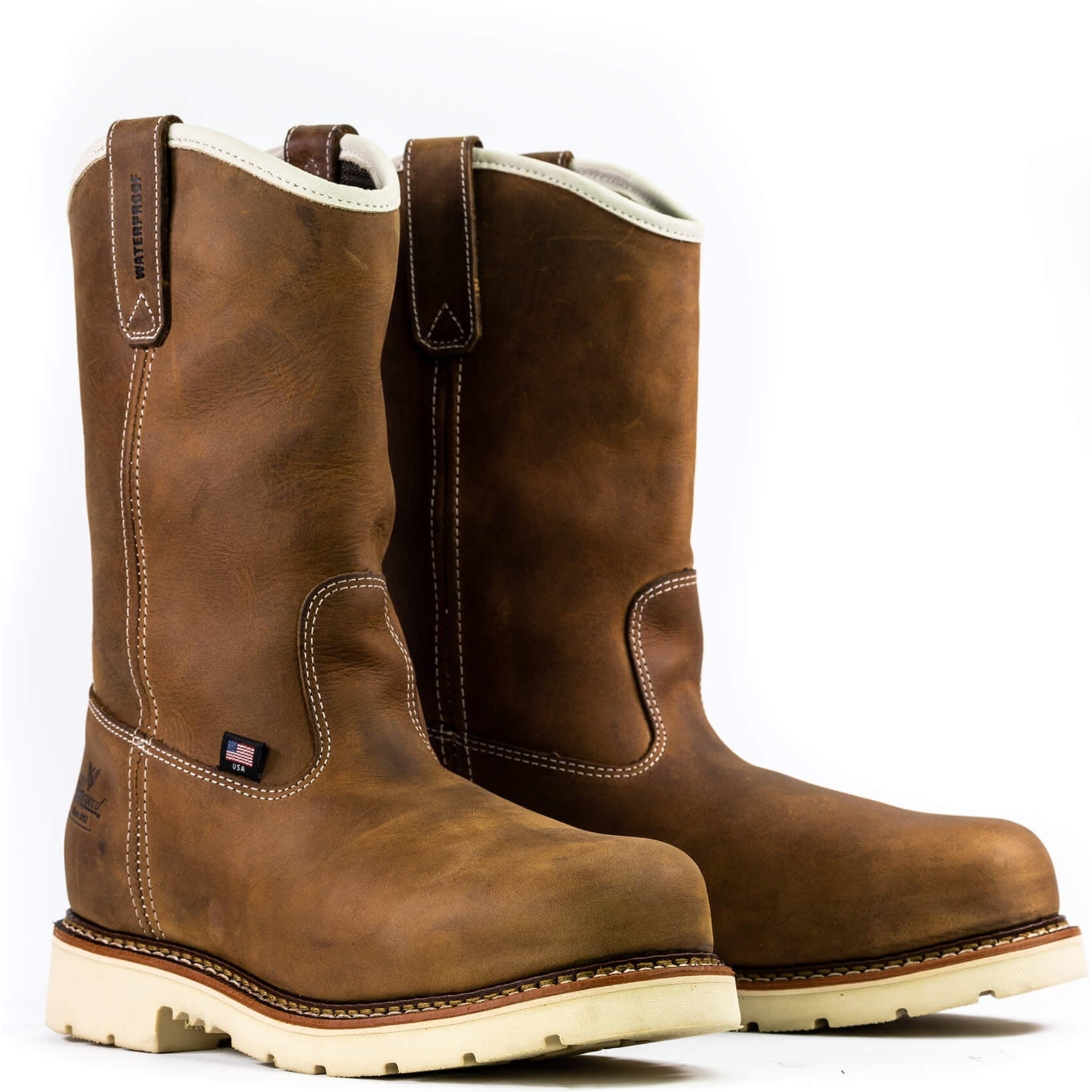
Thorogood Men's American Heritage 11" Steel Toe Waterproof Work Boot - 804-3320
Sale price$259.99
Regular price$264.00
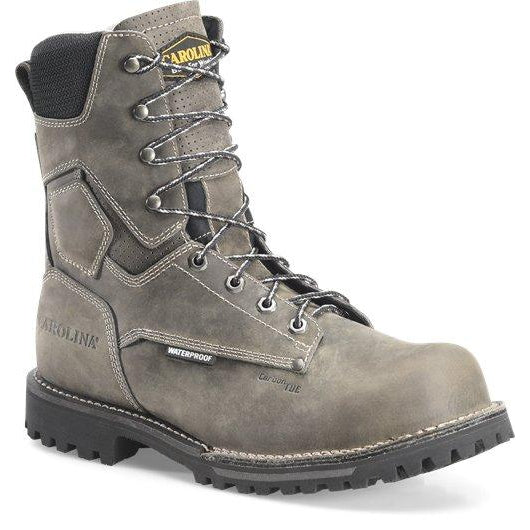
Carolina Men's Pitstop 8" Composite Toe Waterproof Work Boot - Grey - CA8532
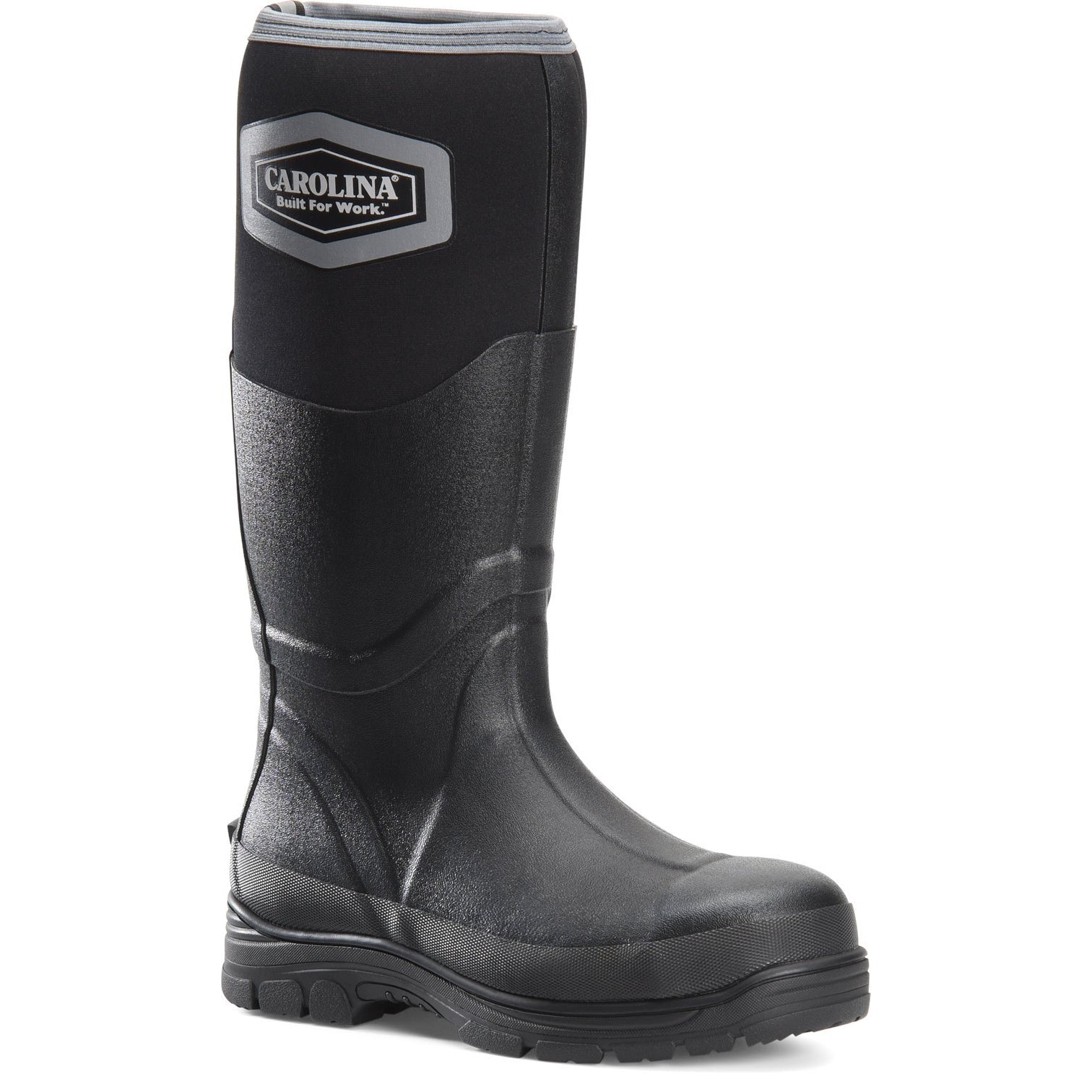
Sale price$119.99
Regular price$124.00
Carolina Men's Graupel 16" Steel Toe Waterproof Rubber Work Boot - Black - CA2200
Save 5%
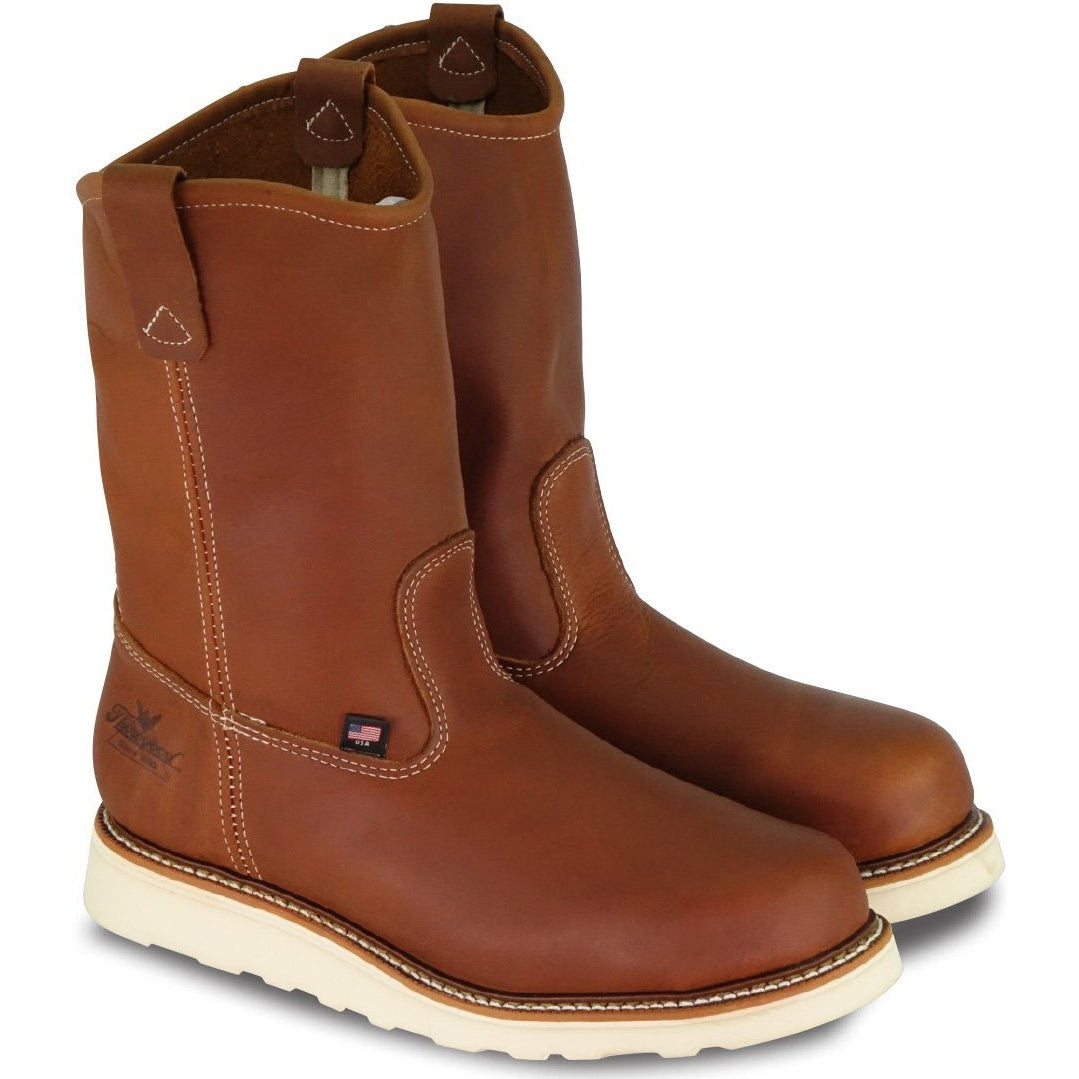
Sale price$284.95
Regular price$300.00
Thorogood Men's USA Made Amer Heritage Steel Toe Wel Wedge Work Boot 804-4205
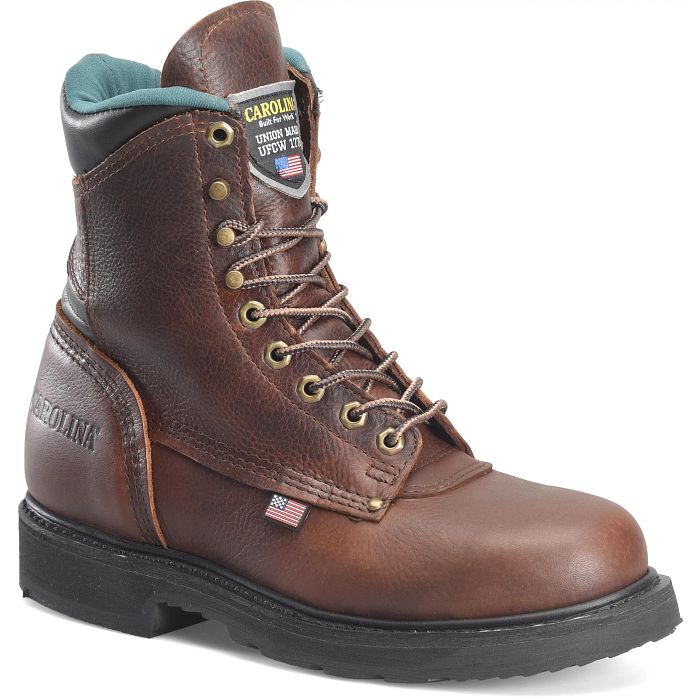
Sale price$329.99
Carolina Men's Sarge Hi USA Made 8" Plain Toe Work Boot Amber Gold 809
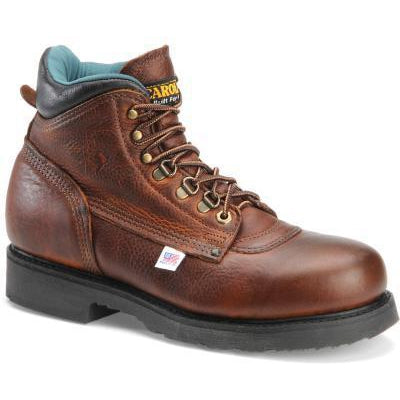
Sale price$309.99
Regular price$314.00
Carolina Men's Sarge Lo USA Made 6" Soft Toe Work Boot - Amber Gold - 309
Save 9%
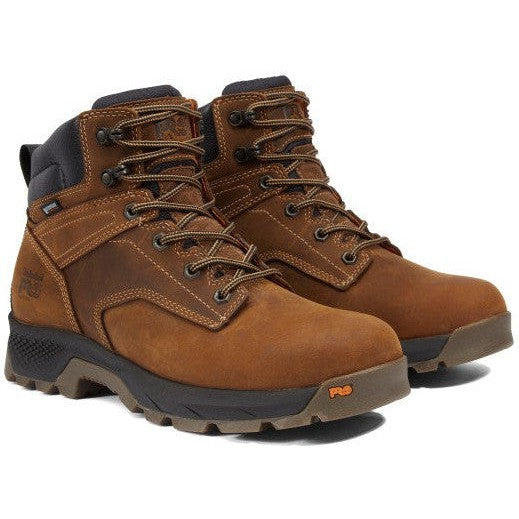
Sale price$154.95
Regular price$170.00
Timberland Pro Men's Titan Evolution 6" Soft Toe Waterproof Work Boot- Brown- TB1A5M2T214
Save 20%
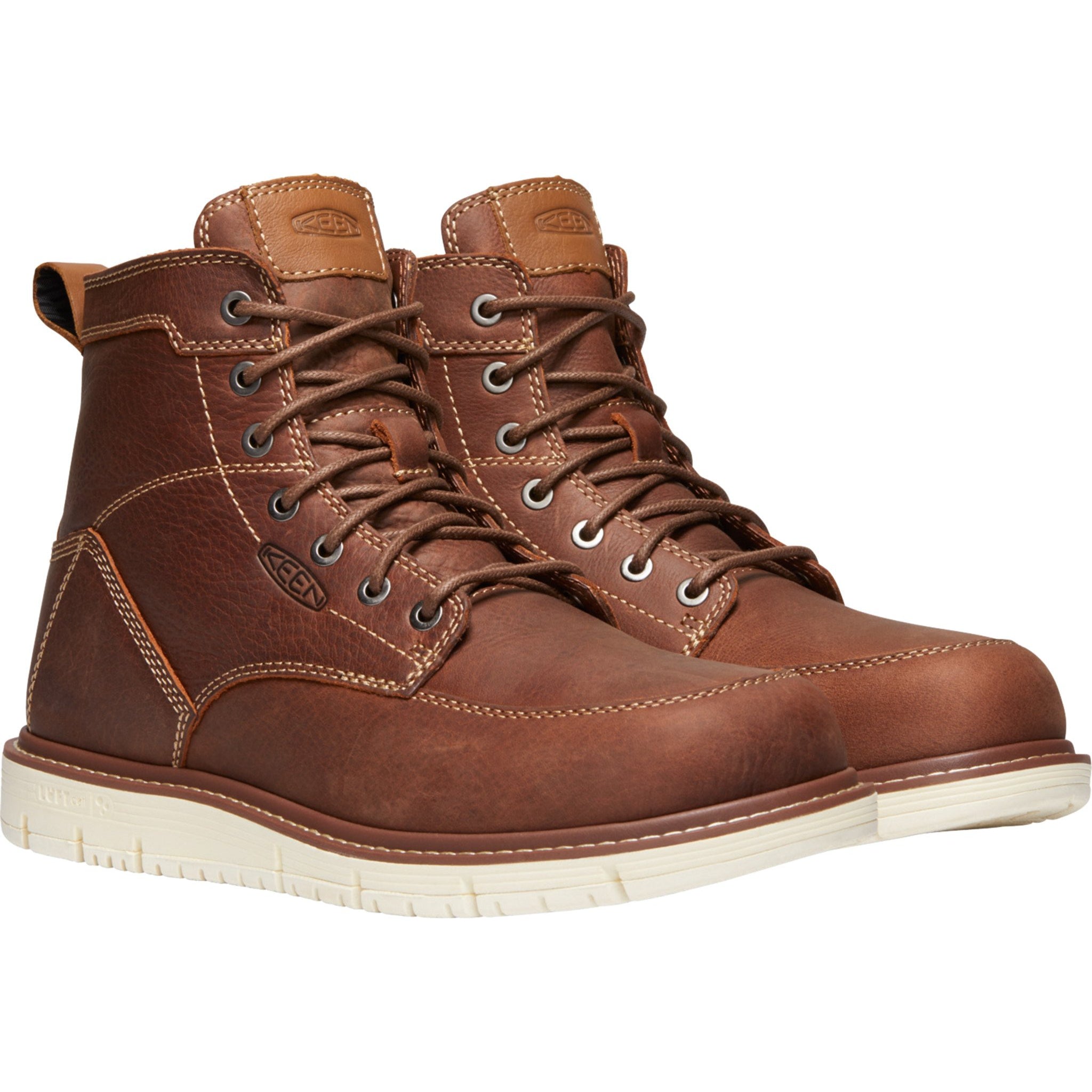
Sale price$143.99
Regular price$179.95
Keen Utility Men's San Jose 6" Soft Toe Work Boot - Gingerbread/Off White - 1020146
Save 36%
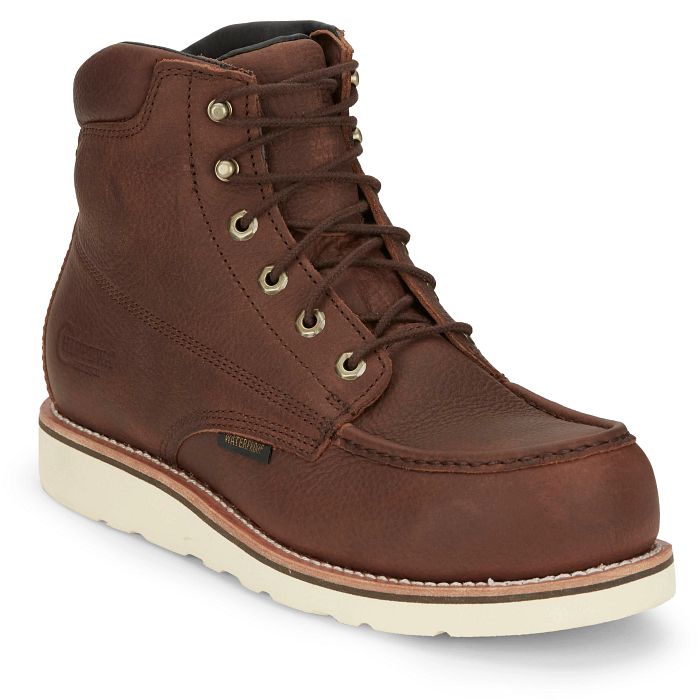
Sale price$163.67
Regular price$254.00
Chippewa Men's Edge Walker 6" Composite Toe Waterproof Lace-Up Wedge Work Boot - 25342
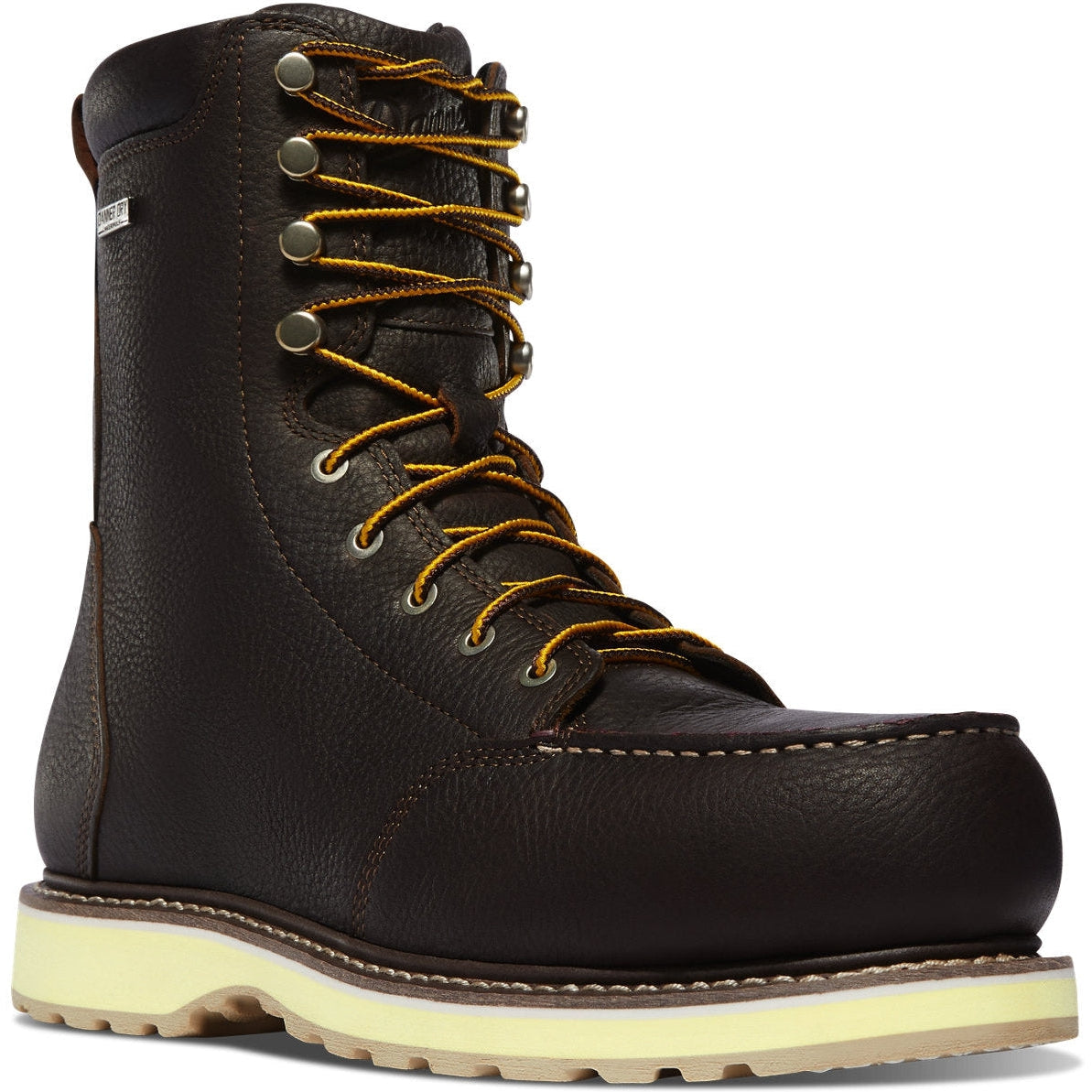
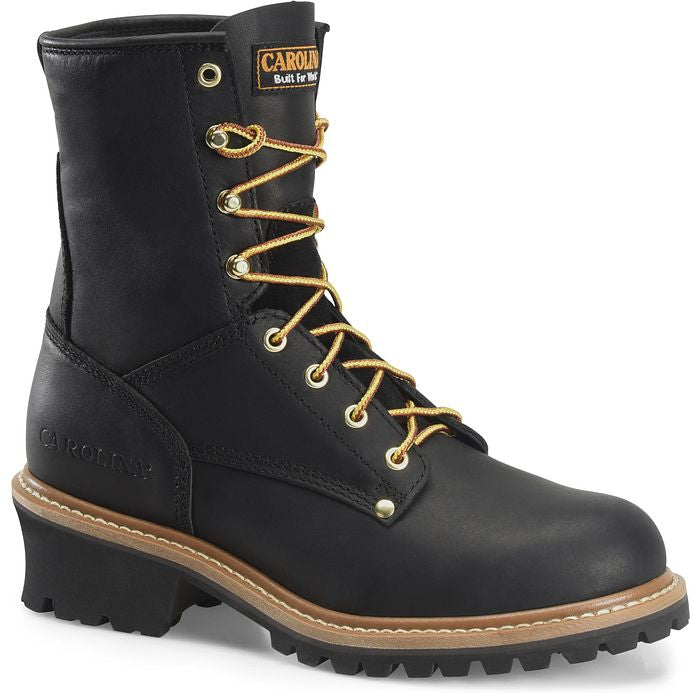
Save 13%

Sale price$134.95
Regular price$155.00
Timberland PRO Men's Barstow Wedge 6" Soft Toe Work Boot - TB189647214
Save 26%
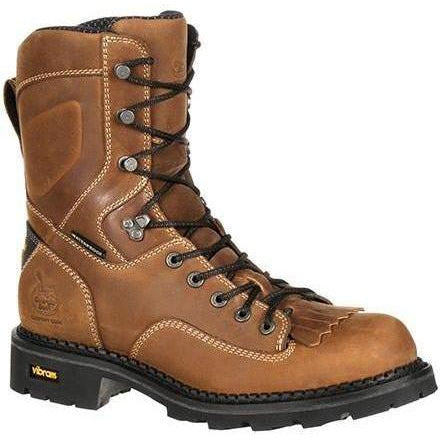
Sale price$189.66
Regular price$255.00
Georgia Men's Comfort Core 8" Low Heel Logger Work Boot Brown GB00122
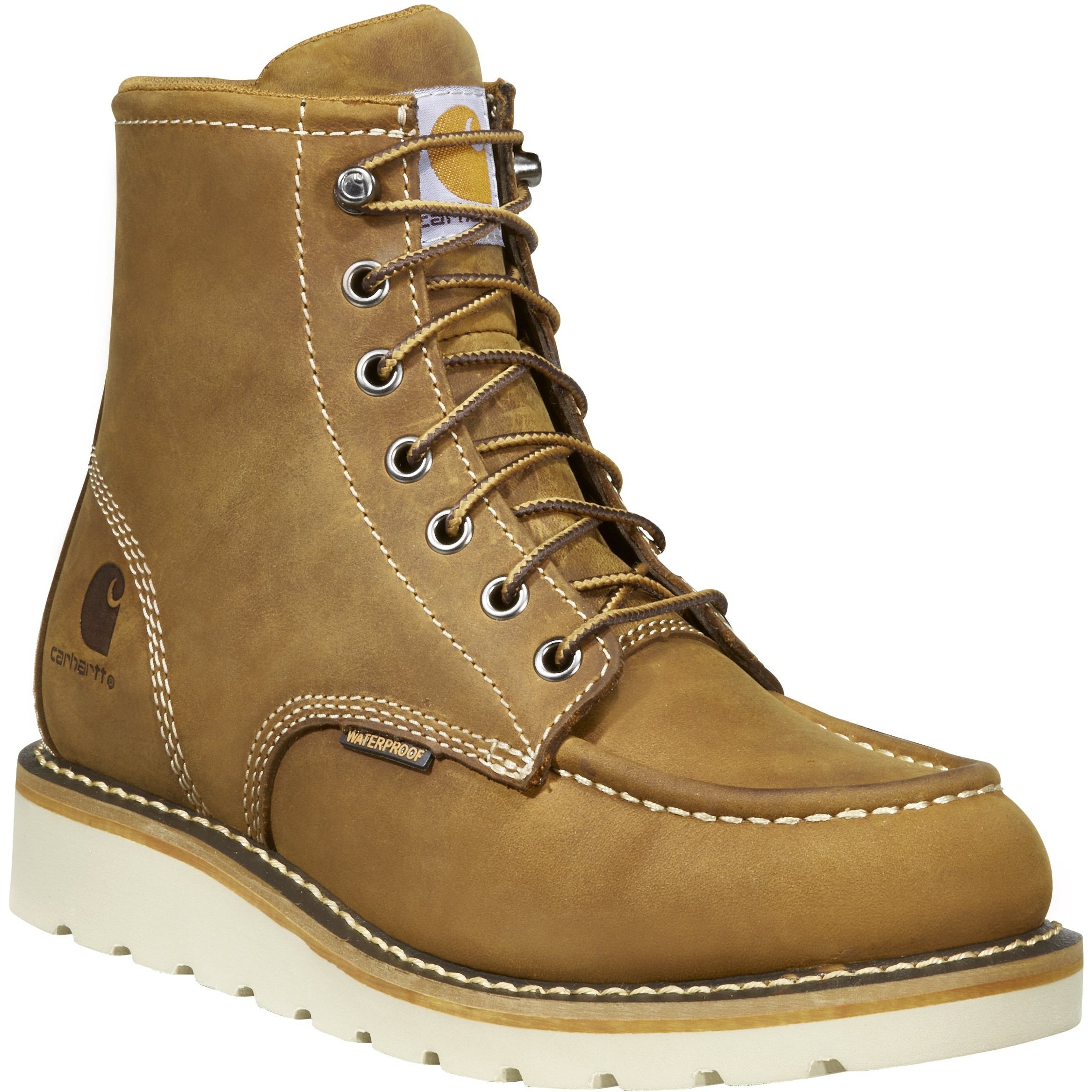
Sale price$184.99
Regular price$188.00
Carhartt Women's 6" Steel Toe Waterproof Wedge Work Boot - Brown - FW6225-W
Save 6%
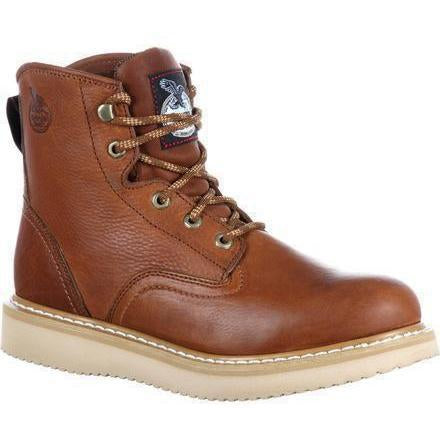
Sale price$160.00
Regular price$170.00
Georgia Men's 6" Wedge Steel Toe Work Boot - Brown - G6342
12
Frequently Asked Questions
You should look for toe protection consistent with your terminal's rules, all-day comfort, and a slip-resistant outsole for climbing out of the cab. You will also want to consider the closure style in your boot, as pull-ons and lace-ups serve different functions.
Truck drivers only need steel-toe boots when the load or the facility calls for them. Pure, on-the-road driving rarely requires a safety toe, but many shippers, steel plants, and flatbed and dock operations require closed-toe footwear at the gate. If your routes take you around freight or on docks that check, a steel or composite-toe boot is the safer choice.
For truck driving, a composite toe is often the better pick because of its lighter weight and because it doesn't carry wintery weather into the cab. It also won't set off metal detectors at secure shipping facilities the way a steel-toe cap can. A steel toe is thinner but can withstand the heaviest knocks, so drivers who handle freight or run flatbeds tend to choose it. Both steel toes and composite toes meet the same ASTM impact standard.
The most comfortable work boots for truck drivers combine a cushioned, anti-fatigue midsole with arch support and a footbed that performs well in both seated and standing positions. Long-haul comfort derives more from lasting support than from soft padding, since a worn footbed is a common cause of the heel and arch pain drivers report. A flexible forefoot also helps, allowing your foot to bend against the pedals all day.
Long-haul comfort is decided somewhere around hour six, not in the first mile. Feet swell over a long shift, so a pair that fits well in the morning can feel tight by evening, which is why many drivers size for the end of the day rather than the start. Getting boots on and off quickly matters too, since most drivers pull them off at breaks and in the sleeper. If your day is mostly seated with short stops, weight and easy entry count for more; if you are on and off the trailer all day, put support first. The best boots for truck drivers on long routes are the ones you stop noticing.
A work boot worn for daily driving usually lasts about a year to eighteen months before the outsole and footbed reach the end of their useful life. Rotating two pairs of boots and swapping the insoles once they flatten stretches the life of both.
You can tell a boot is genuinely slip resistant by looking for an ASTM F3445 or F2913 mark on its label. The outsole tells you the rest: a soft rubber compound with a siped or lugged tread tends to grip wet and oily surfaces better than a hard, flat sole.
Truckers need waterproof boots when their route takes them outside in rough weather to fuel up, chain up, or cross wet docks. Drivers who stay mostly seated inside during mild weather can skip them. A sealed waterproof membrane can also run warmer than plain leather, so a driver working hot southern roads may do better in a water-resistant or more breathable boot.
For life in the cab, pull-on boots win on convenience, while lace-ups win on fit. A laceless Wellington or side-zip goes on and off fast in a tight cab, which is preferable for drivers who climb in and out all day. Drivers who stay on their feet often prefer lace-ups, which provide an adjustable fit and a firmer heel hold for time spent walking docks and lots. This collection stocks trucking boots in both styles, including pull-on Wellingtons from Thorogood, Carolina, and Georgia, as well as lace-up models.
Trucker boots hold up to warehouse and dock work because these boots are standard safety work boots, built for the trades and curated here for drivers. For steady dock and warehouse work, look for a safety toe, a slip-resistant outsole, and a met-guard if you handle heavy freight, since those shifts put more load on the boot than driving does.
Recently viewed
Our Top Brands