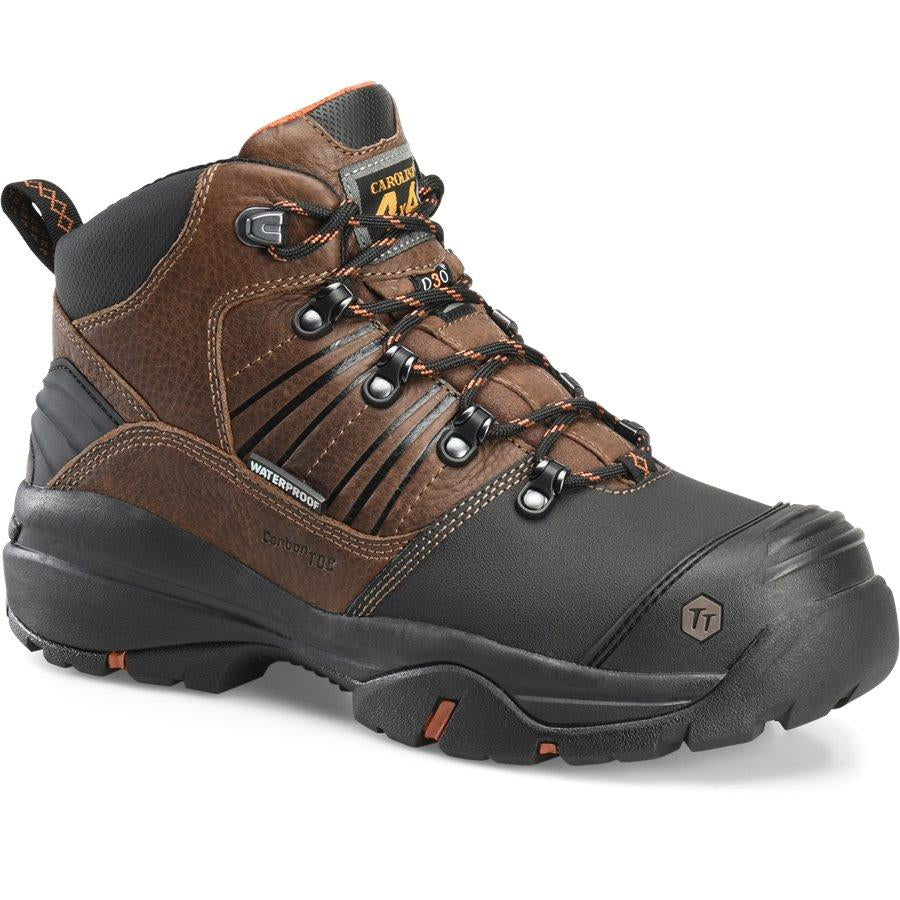
Sale price$219.99
Regular price$224.00
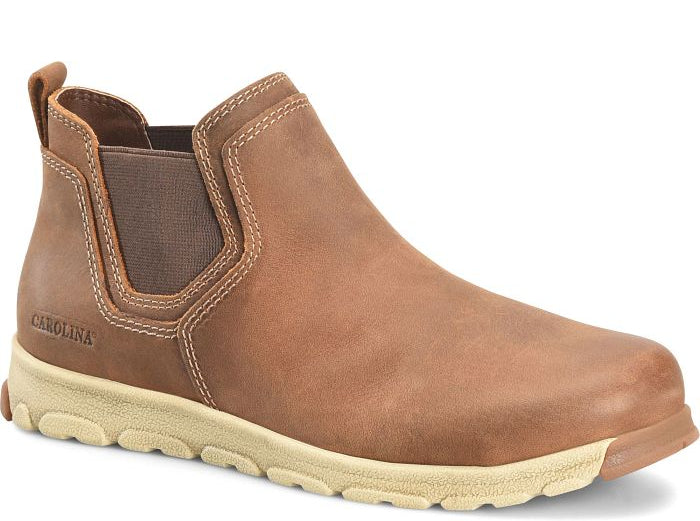
Carolina Men's Miner 6" Carbon Composite Toe Metguard Waterproof Work Shoe CA5587
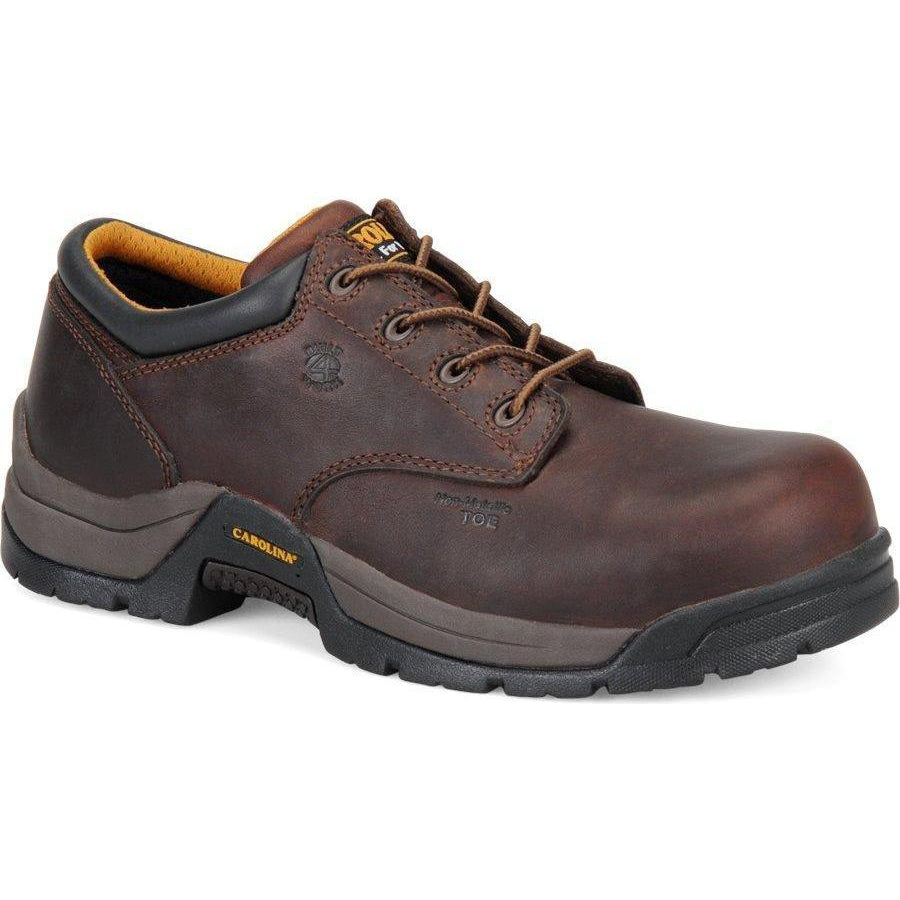
Save 17%
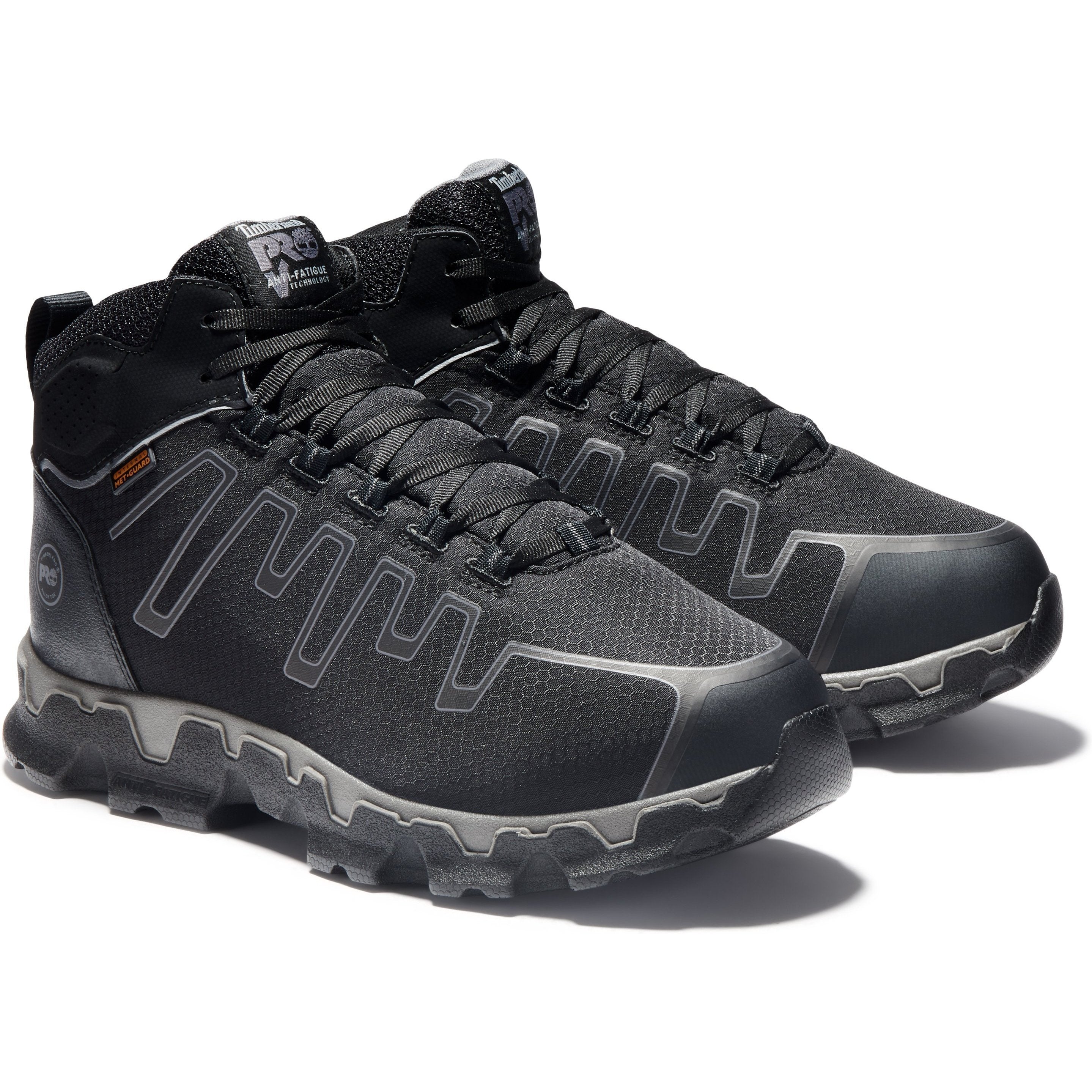
Sale price$127.95
Regular price$155.00
Timberland Pro Men's Powertrain Sport Alloy Toe Internal Met Guard Work Shoe - Black - TB0A1GHM001
Save 14%
Sale price$119.95
Regular price$140.00
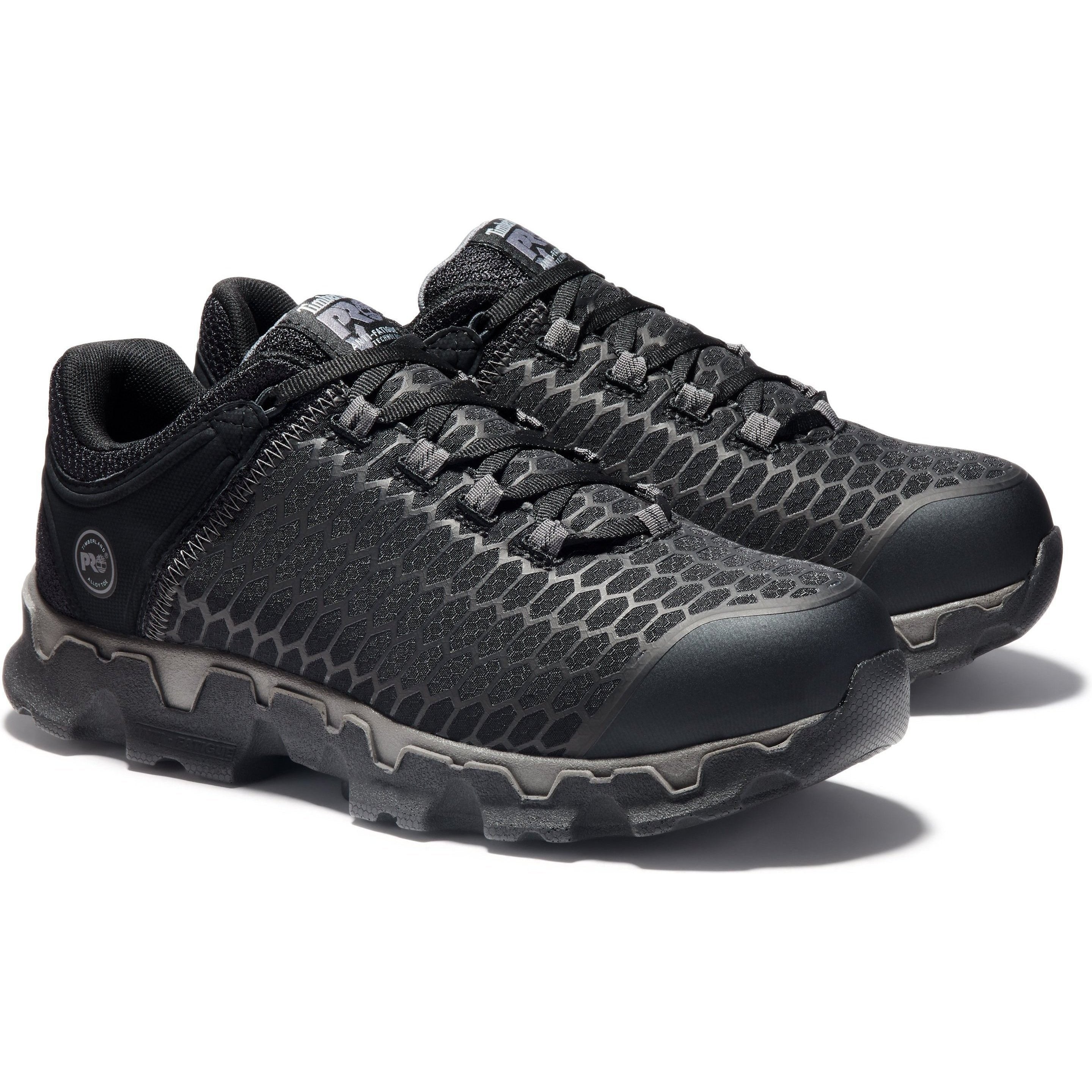
Timberland Pro Men's Powertrain Sport Alloy Toe SD+ Work Shoe - Black - TB1A1B6U001
Save 14%
Sale price$119.95
Regular price$140.00
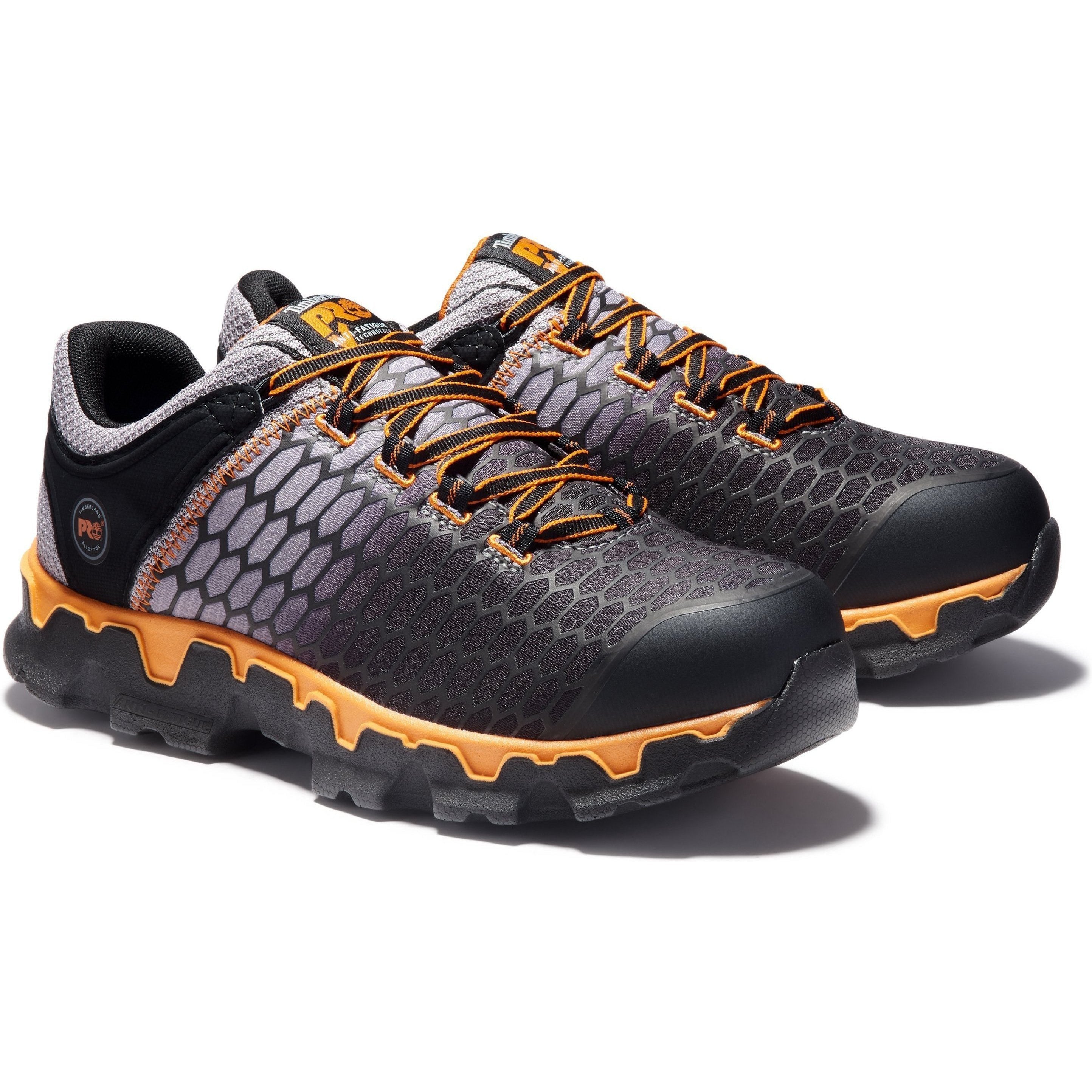
Timberland Pro Men's Powertrain Sport Alloy Toe SD+ Work Shoe - Grey - TB1A1GT9065
Sale price$139.95
Regular price$140.00
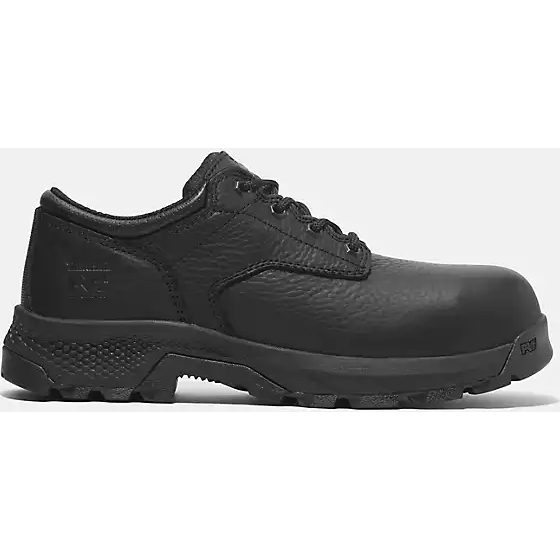
Timberland Pro Men's Titan Ev Oxford Composite Toe Work Shoe -Black- TB0A5ZBY001
Save 13%
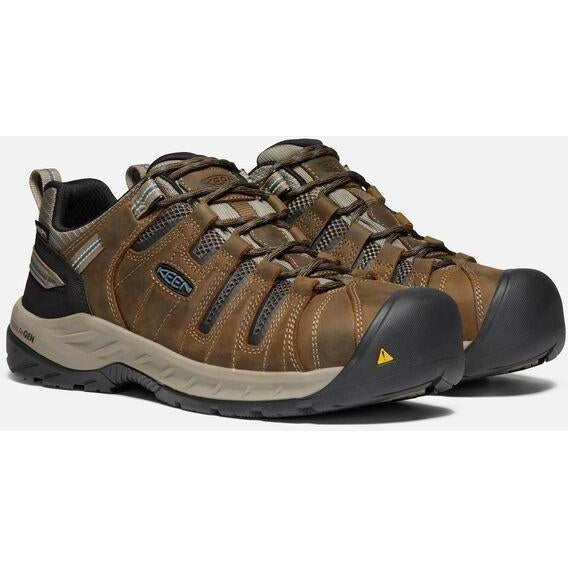
Sale price$143.99
Regular price$164.95
Keen Utility Men's Flint II Steel Toe Waterproof Work Shoe - Cascade Brown/Orion Blue - 1023236
Save 19%
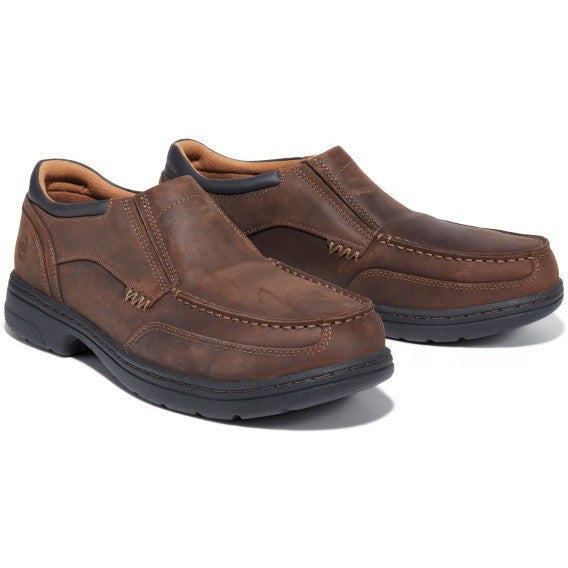
Sale price$129.95
Regular price$160.00
Timberland PRO Men's Branston Alloy Toe ESD Slip-On Moc Toe Work Shoe - Brown - TB191694214
Save 25%
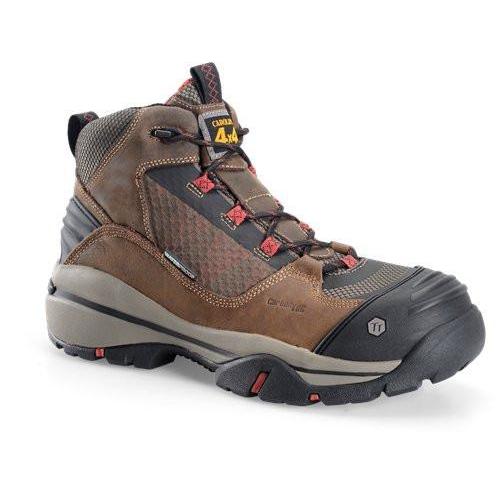
Sale price$124.67
Regular price$166.00
Carolina Men's EXT 5" Carbon Toe Waterproof Hiker Work Shoe - CA4551
Save 8%
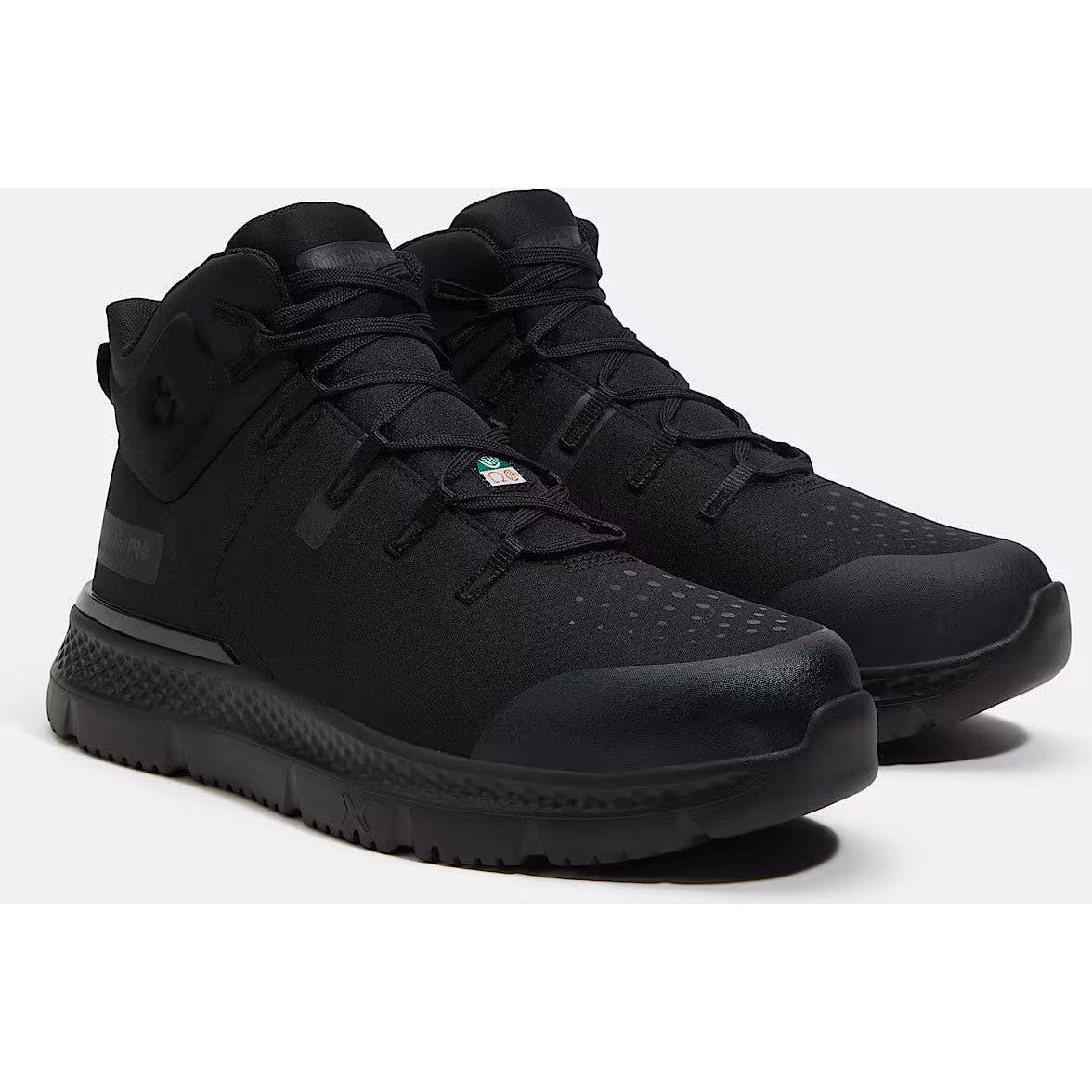
Sale price$114.95
Regular price$125.00
Timberland PRO Men's Intercept Mid CSA Steel Toe Puncture Resistant Sneaker Work Shoe - Black - TB0A67SFEL0
Save 13%
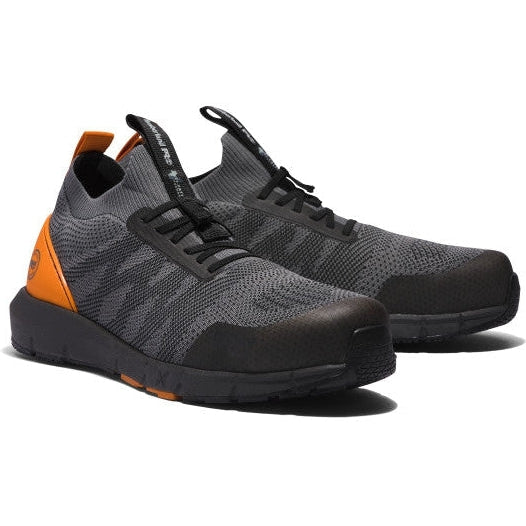
Sale price$134.95
Regular price$155.00
Timberland PRO Men's Radius Knit Slip-On Composite Toe Work Shoe - Grey - TB0A2B6X065
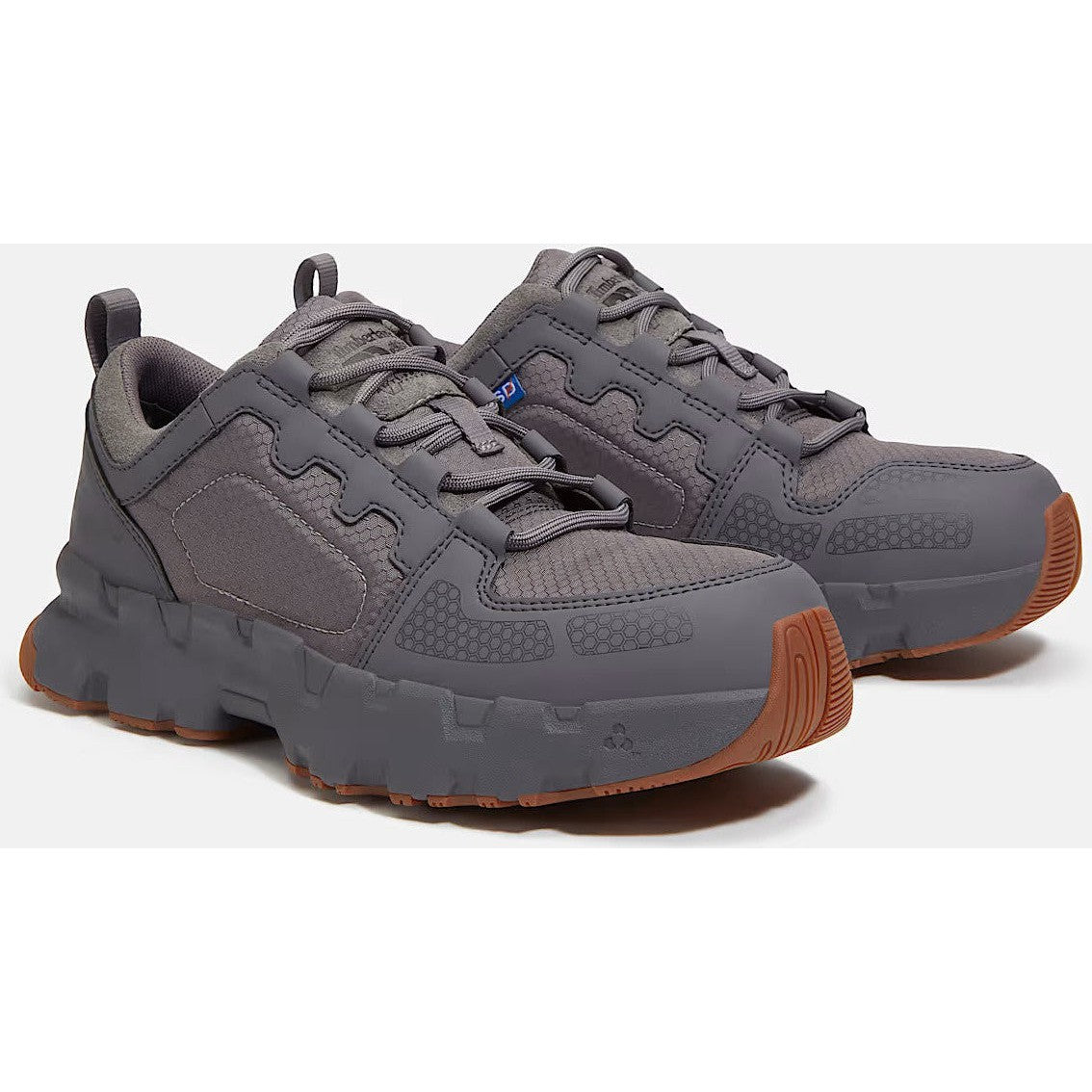
Sale price$139.95
Regular price$140.00
Timberland PRO Men's Powertrain EV SD10 Composite Toe Work Shoe - Grey - TB0A67NQY55
Save 14%
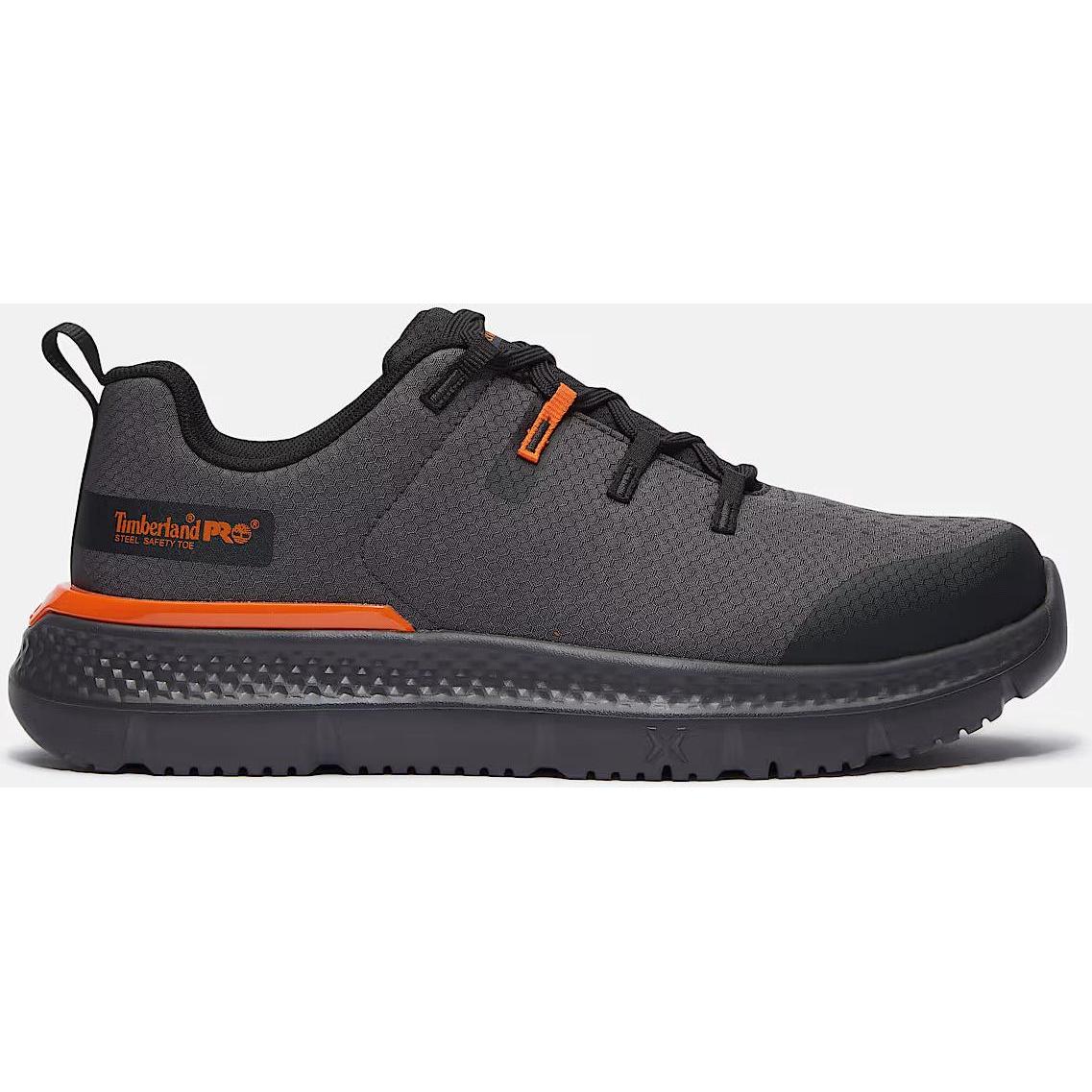
Sale price$89.95
Regular price$105.00
Timberland PRO Men's Intercept Steel Toe Sneaker Work Shoe - Dark Grey - TB0A5ME3EOS
Save 13%
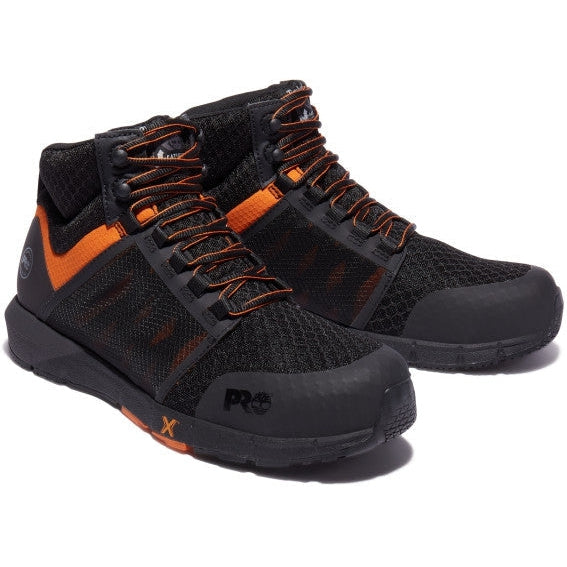
Sale price$134.95
Regular price$155.00
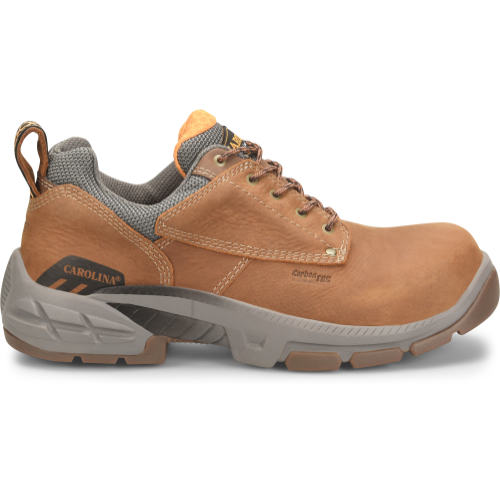
Timberland PRO Men's Radius Composite Toe Work Shoe - Black - TB1A29QB001
Sale price$119.95
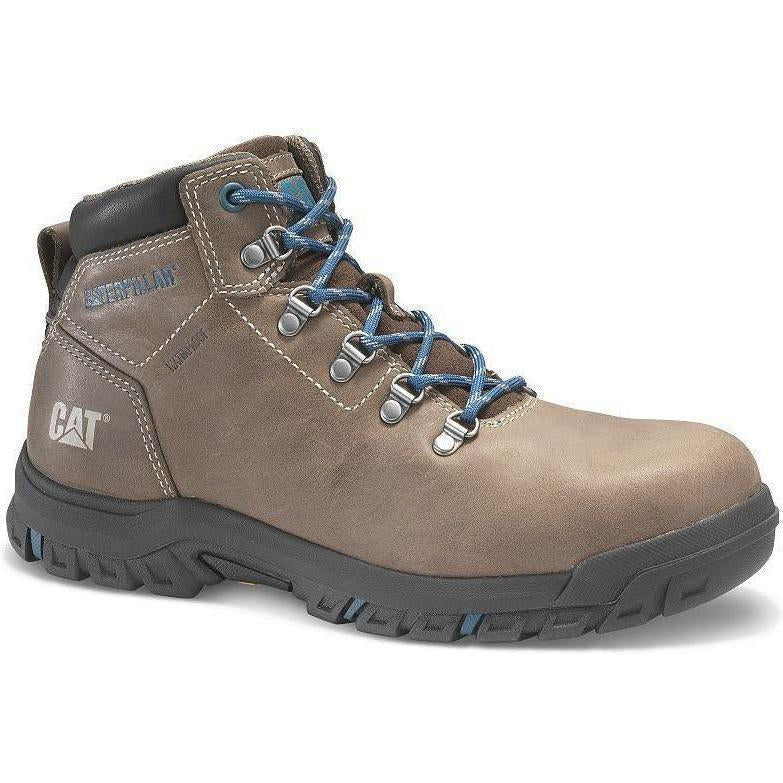
CAT Womens Mae Steel Toe Waterproof Work Shoe - Brown - P91012
Sale price$124.95
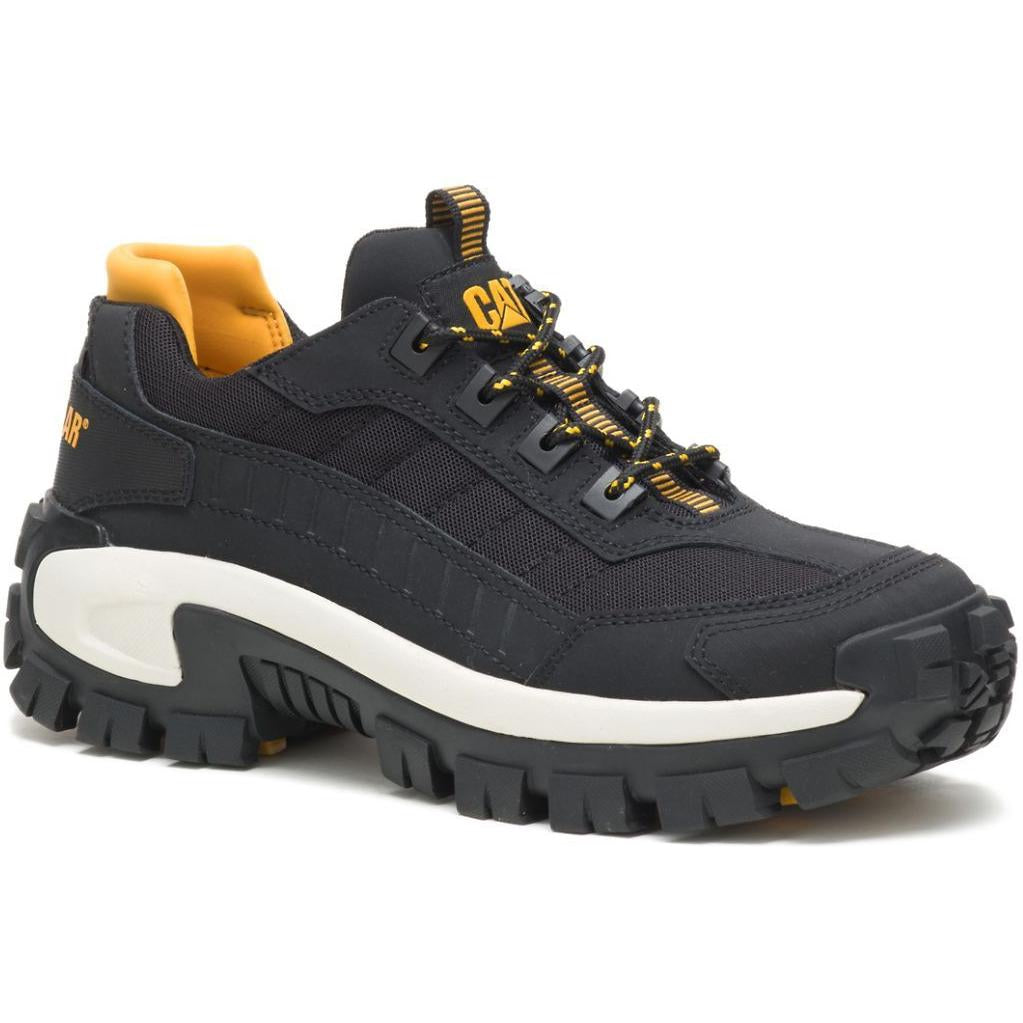
CAT Men's Invader Steel Toe Work Shoe - Black/Full Moon - P91275
Sale price$134.95
Regular price$135.00
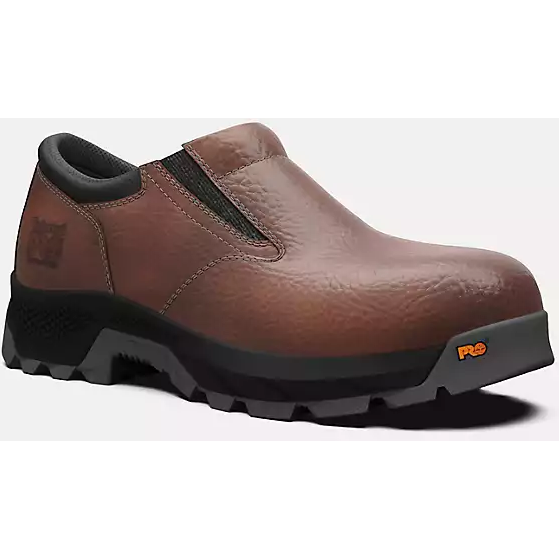
Timberland PRO Men's Titan EV Composite Toe Slip-On Work Shoe - Teak - TB0A5YC3214
Save 10%
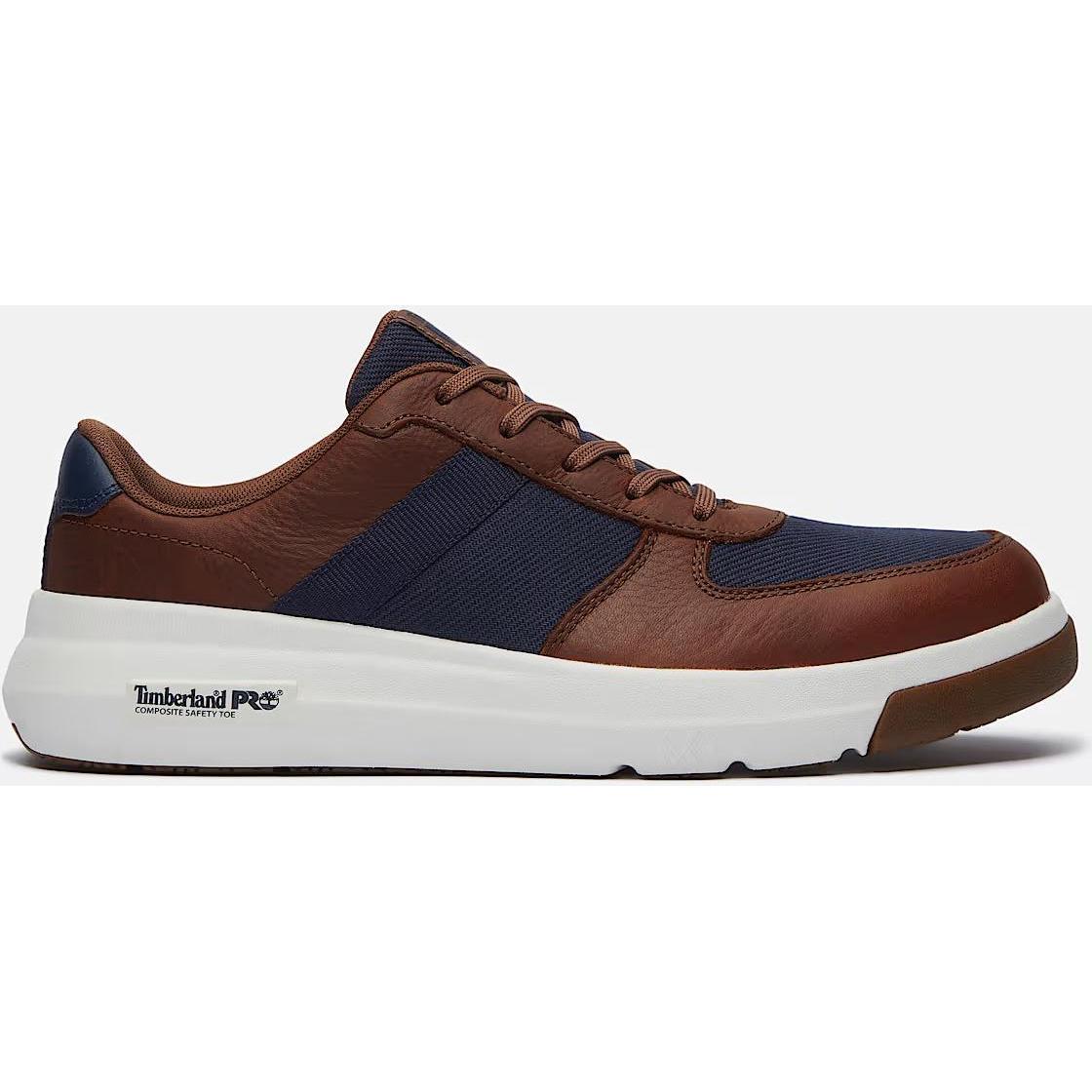
Sale price$112.95
Regular price$125.00
Timberland PRO Men's Bridgeport Composite Toe Puncture Resistant Athletic Work Shoe - Brown - TB0A43EGEDU
Save 16%
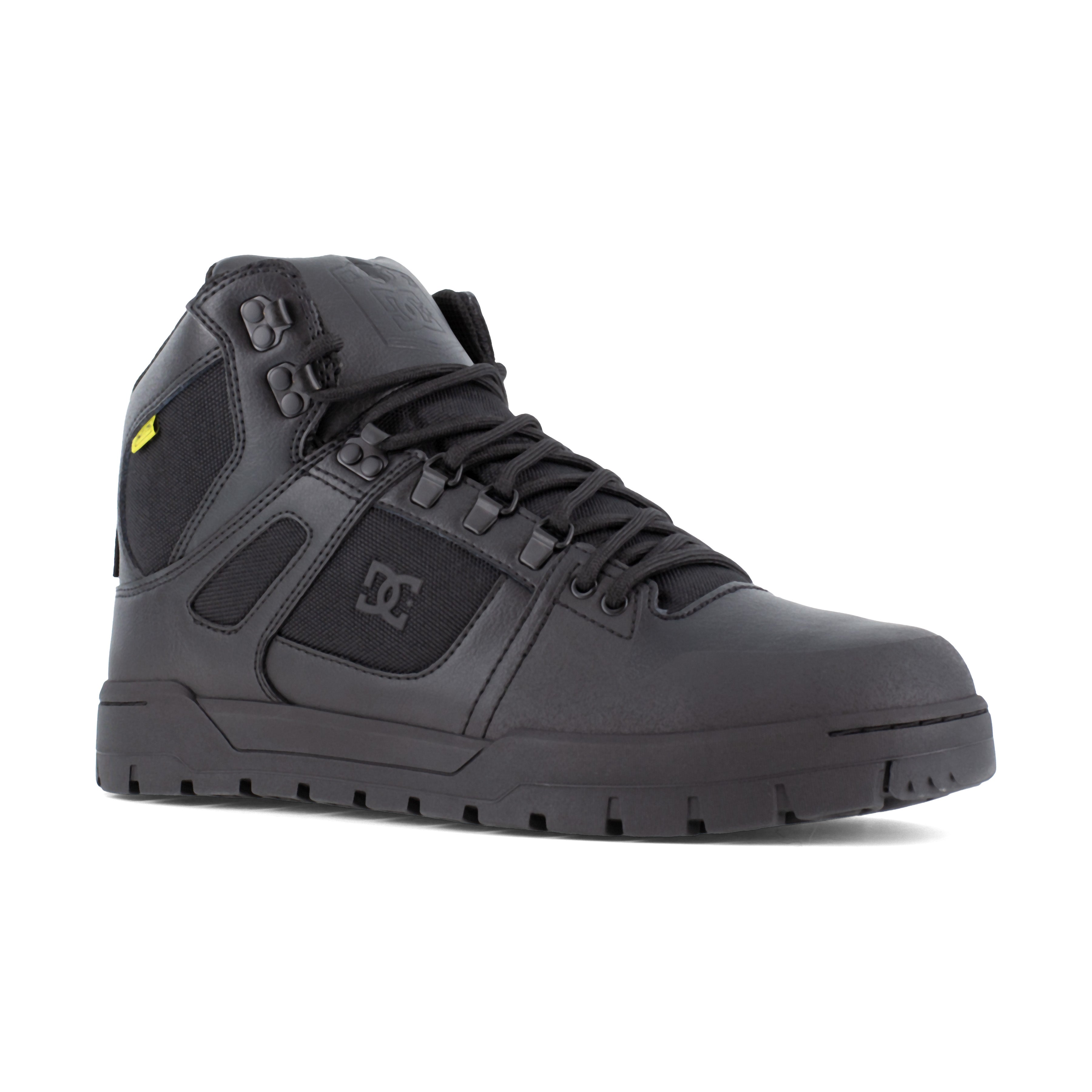
Sale price$139.95
Regular price$167.00
DC Men's Pure Composite Toe Waterproof High-Top Met Guard Work Shoe - Black - DC60604
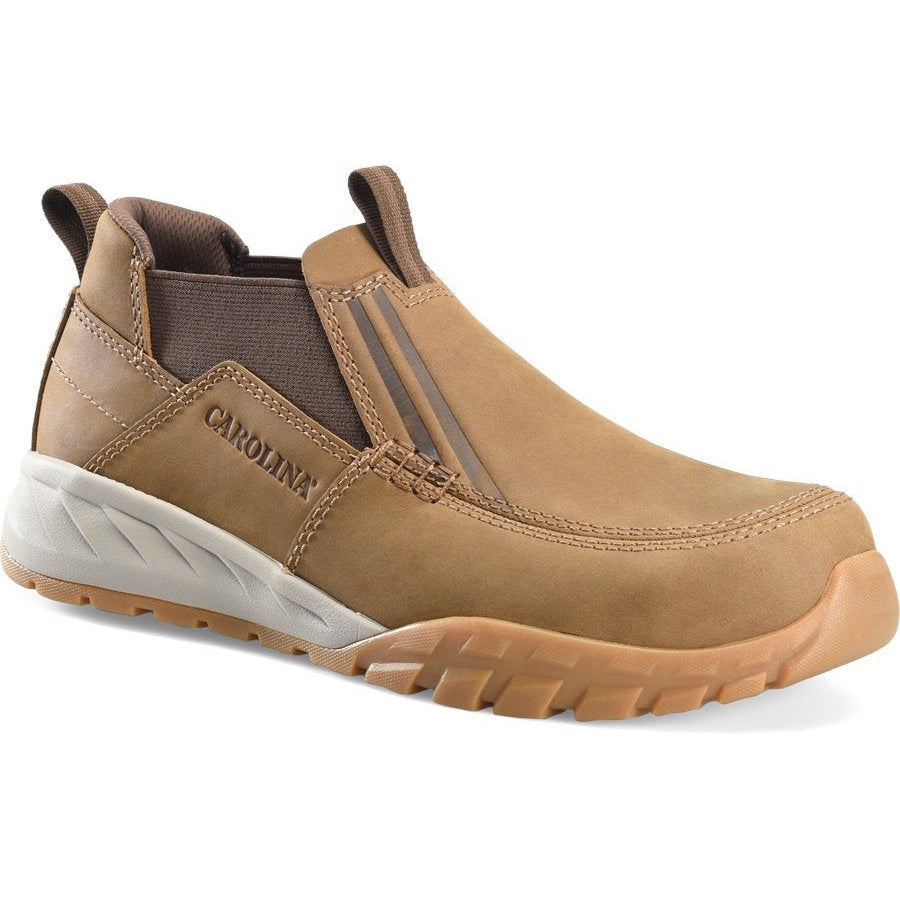
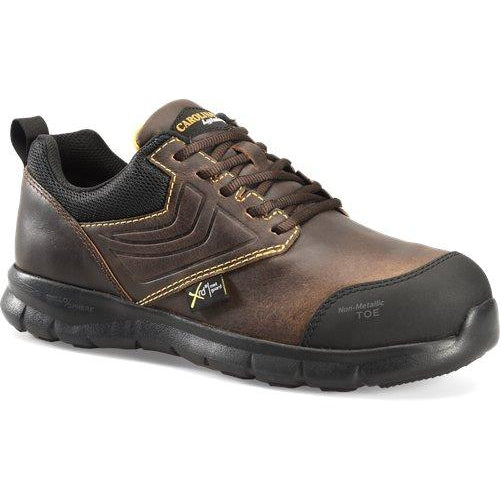
Save 8%
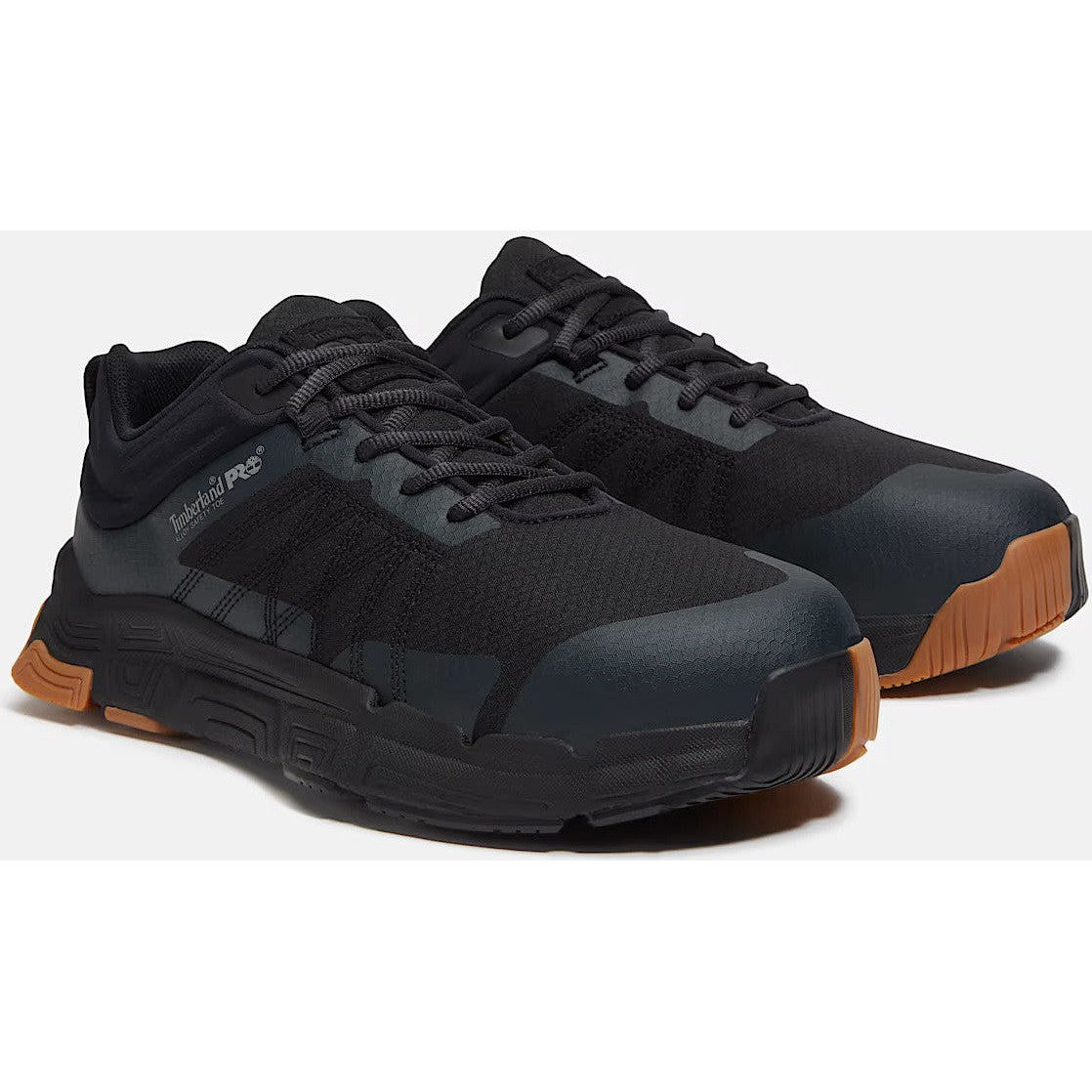
Sale price$109.95
Regular price$120.00
Timberland PRO Men's XR-1 Dynamic Natural Fit Alloy Toe Work Shoe - Blackout - TB0A67JKV96
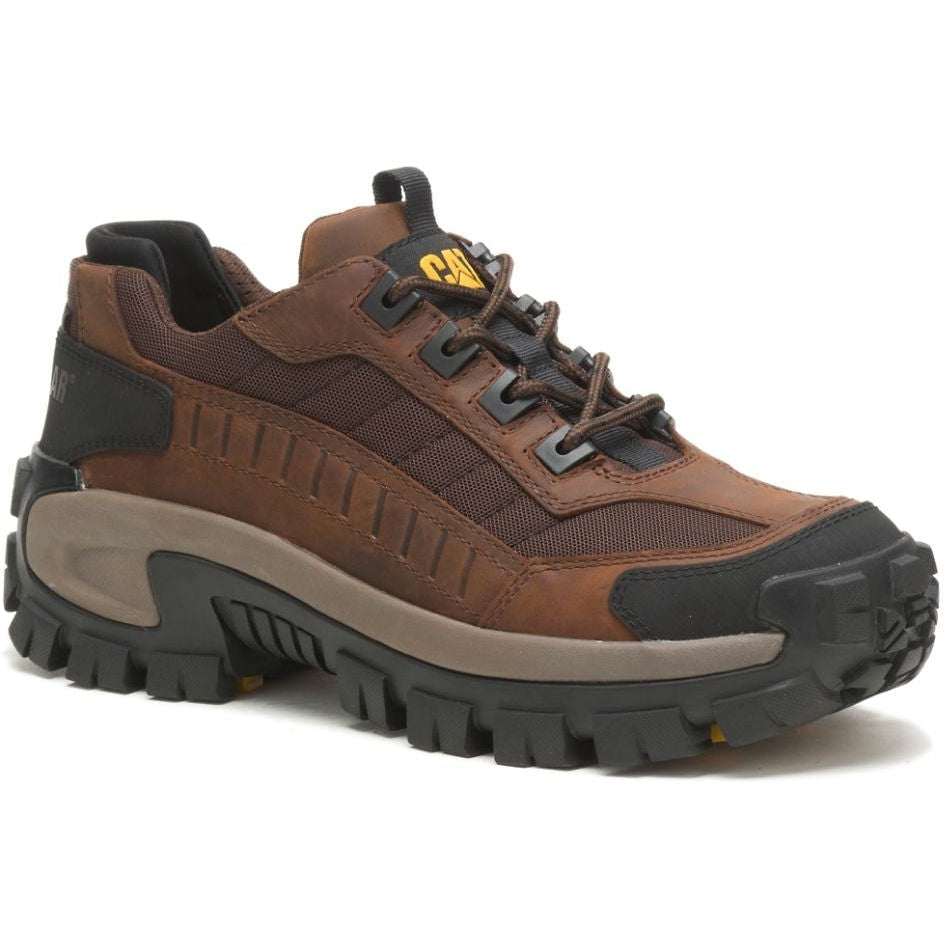
Sale price$124.95
CAT Men's Invader Steel Toe Work Shoe - Dark Brown - P91338
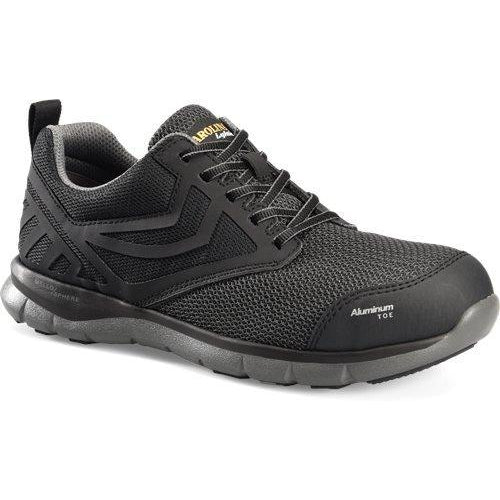
Sale price$109.99
Carolina Men's Gust Lo Aluminum Toe Athletic Work Shoe- Black - CA1902
Save 20%
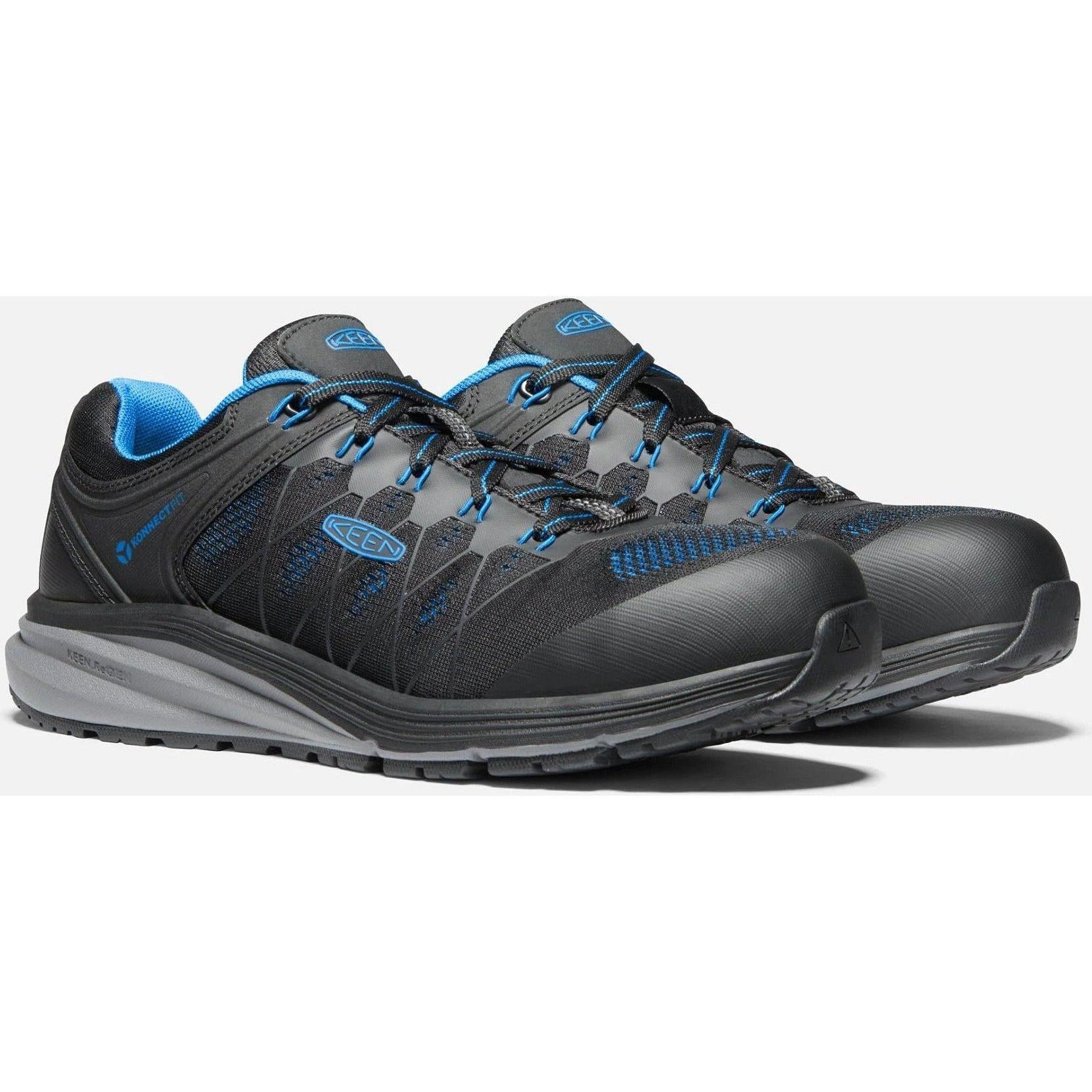
Sale price$99.67
Regular price$125.00
Keen Utility Men's Vista Energy Carbon-Fiber Toe Work Shoe - Brilliant Blue/Black - 1024581
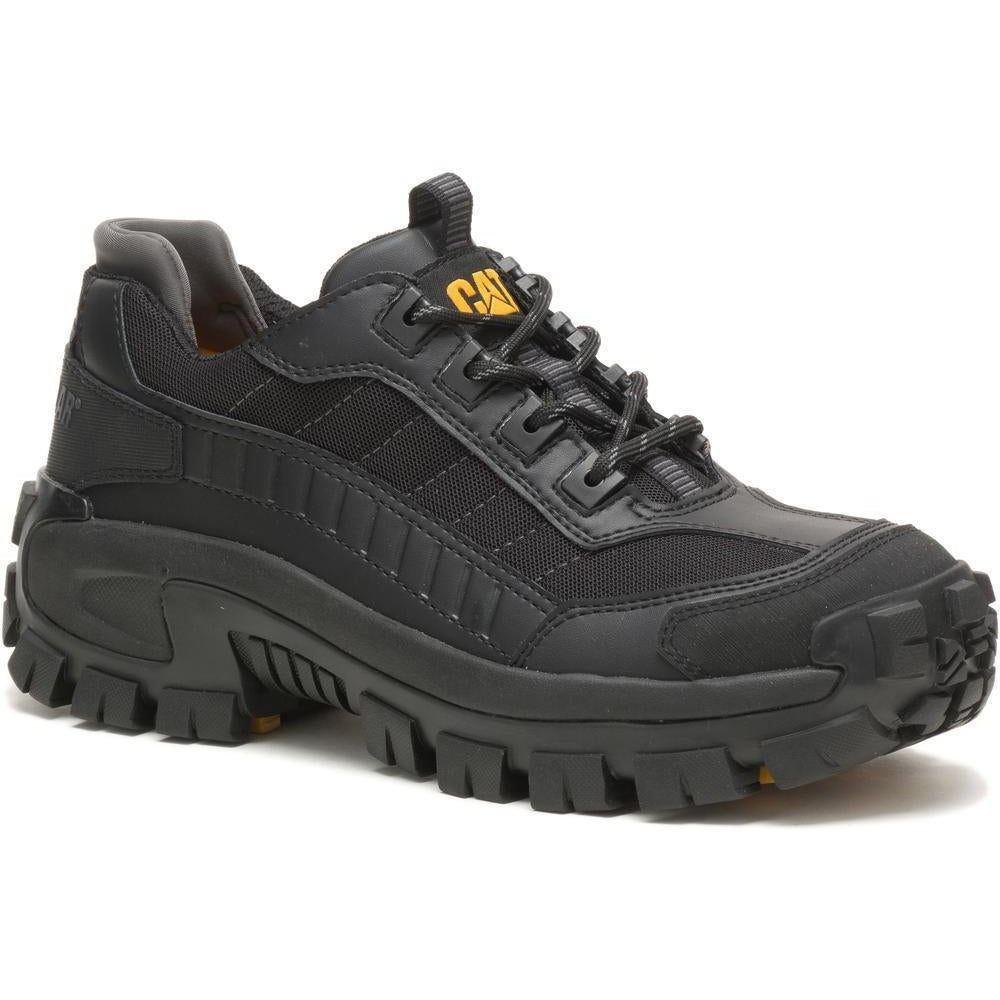
Sale price$124.95
CAT Men's Invader Steel Toe Work Shoe - Black - P91274
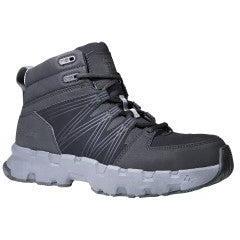
Sale price$154.95
Regular price$155.00
Timberland PRO Men's Powertrain EV Mid SD10 Composite Toe Work Shoe - Black - TB0A63K3V96
Save 14%
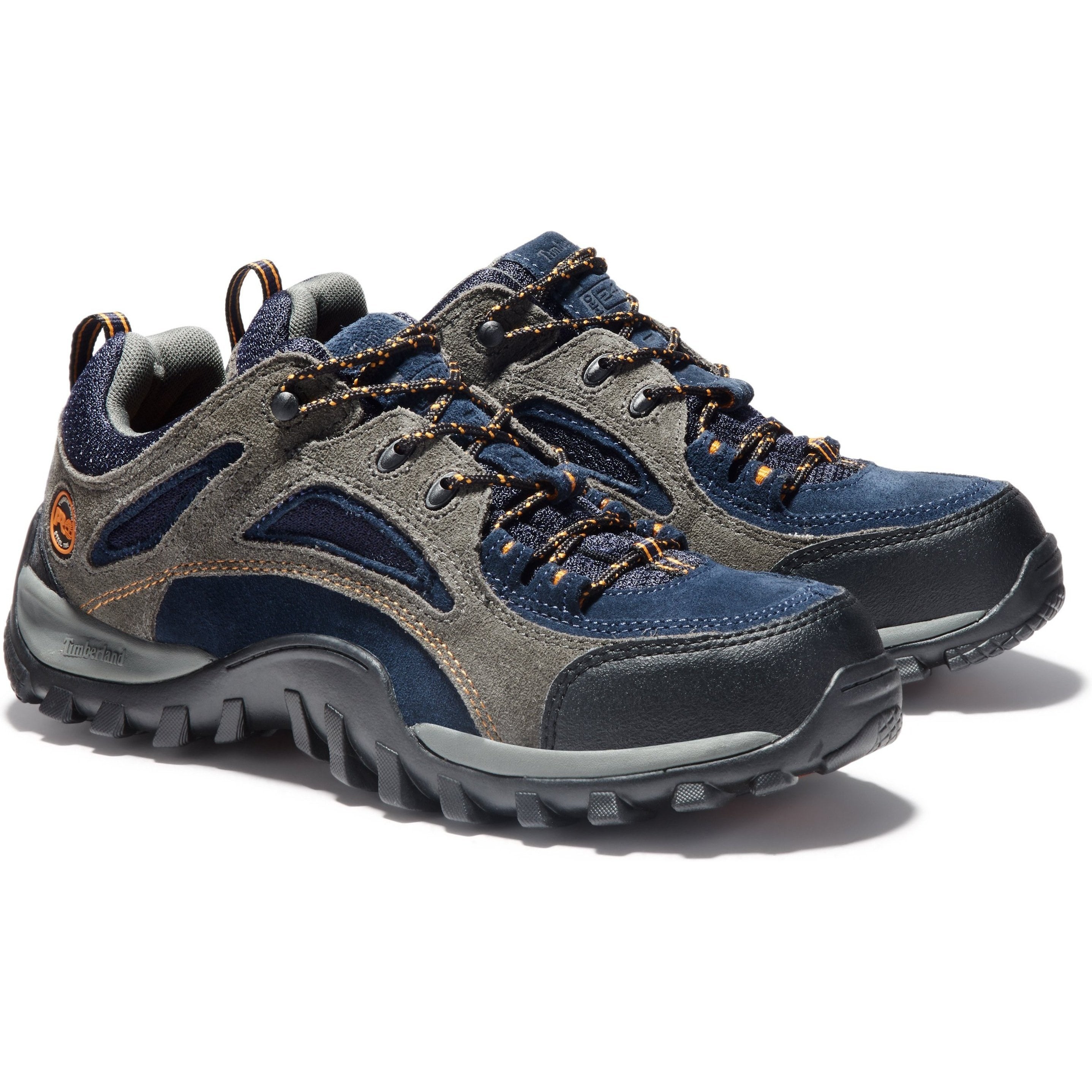
Sale price$119.95
Regular price$140.00
Timberland PRO Men's Mudsill Steel Toe Work Shoe - Grey/Sapphire - TB161009484
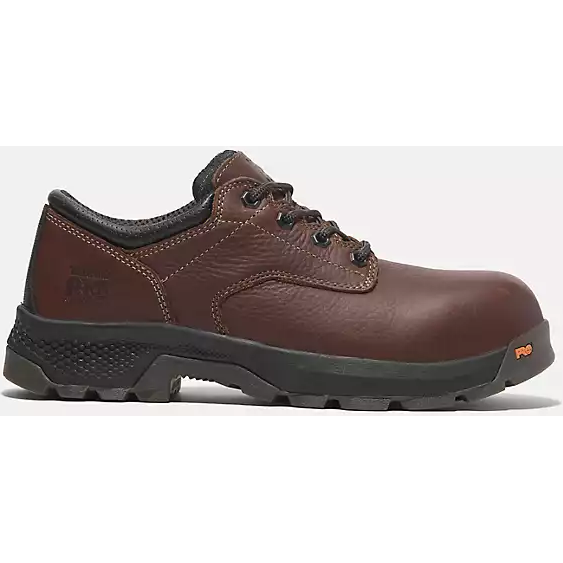
Sale price$139.95
Regular price$140.00
Timberland PRO Men's Titan EV Oxford Composite Toe Work Shoe - Teak - TB0A5XXB214
Save 36%
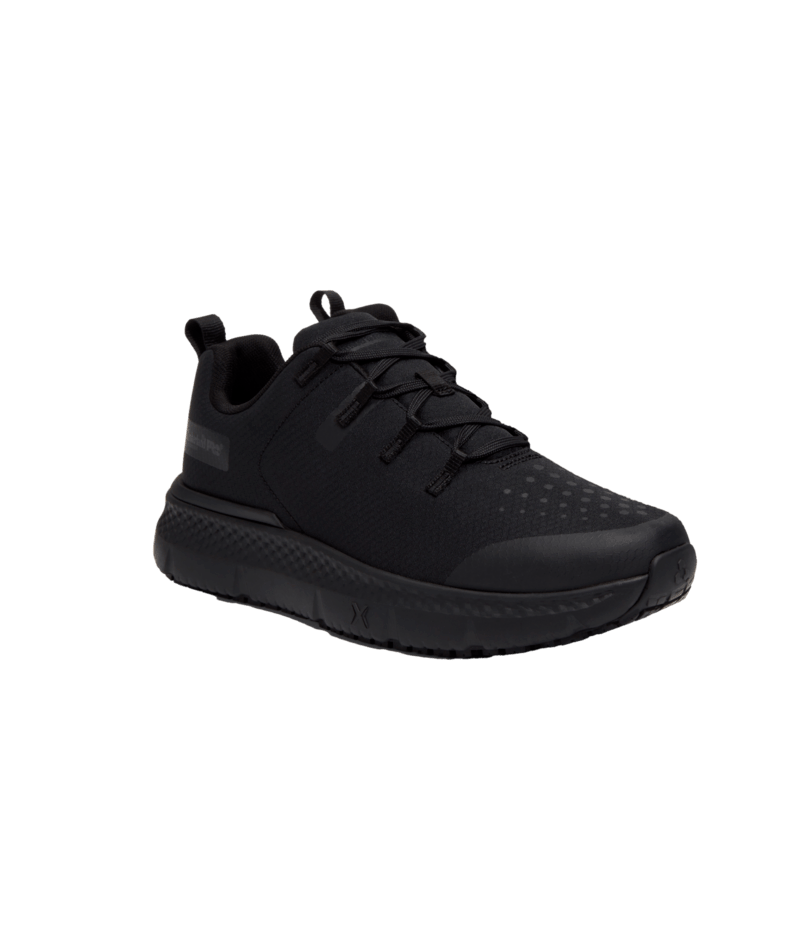
Sale price$90.00
Regular price$140.00
Timberland PRO Men's Power Shift Low Soft Toe Athletic Work Shoe - Black - TB0A67GQEL0
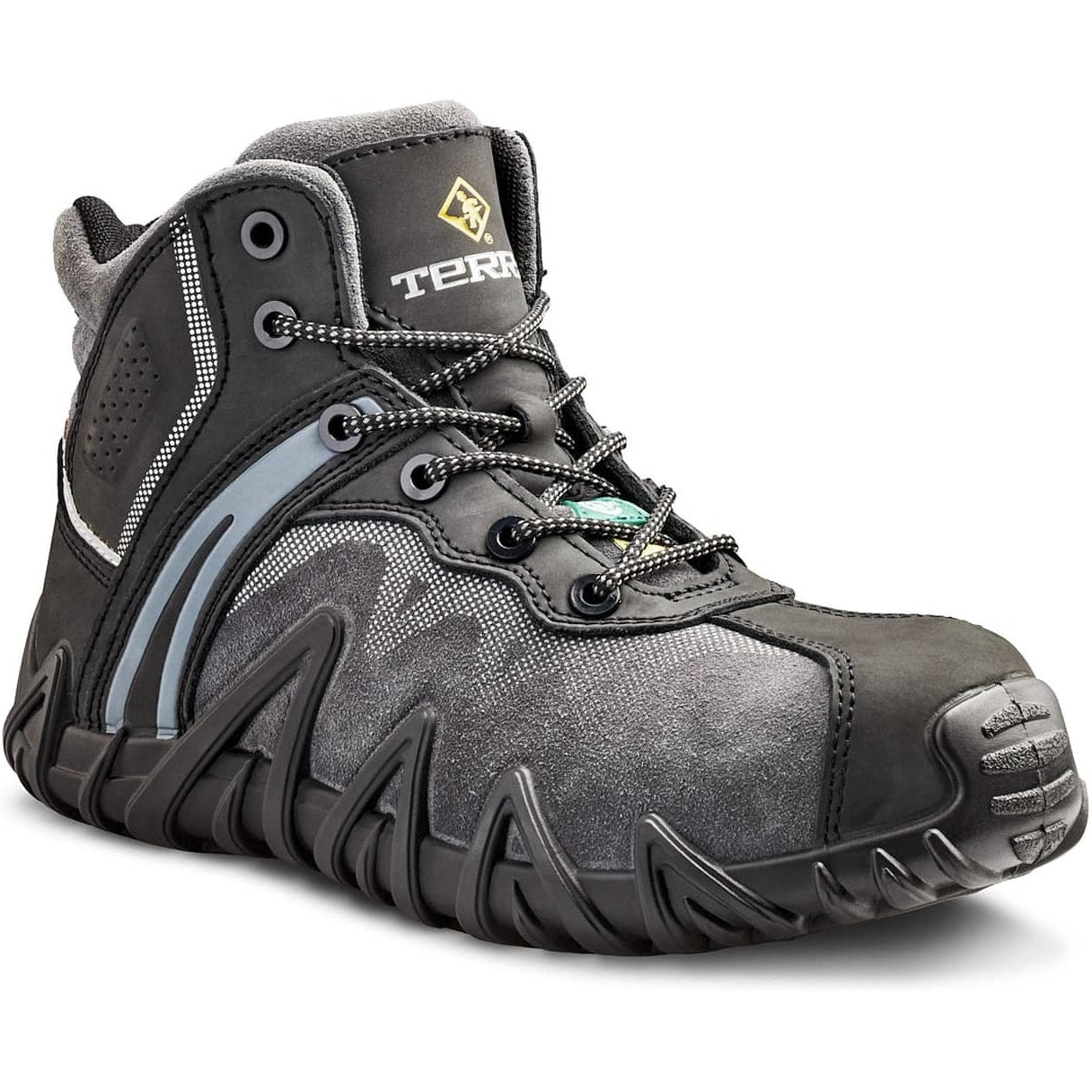
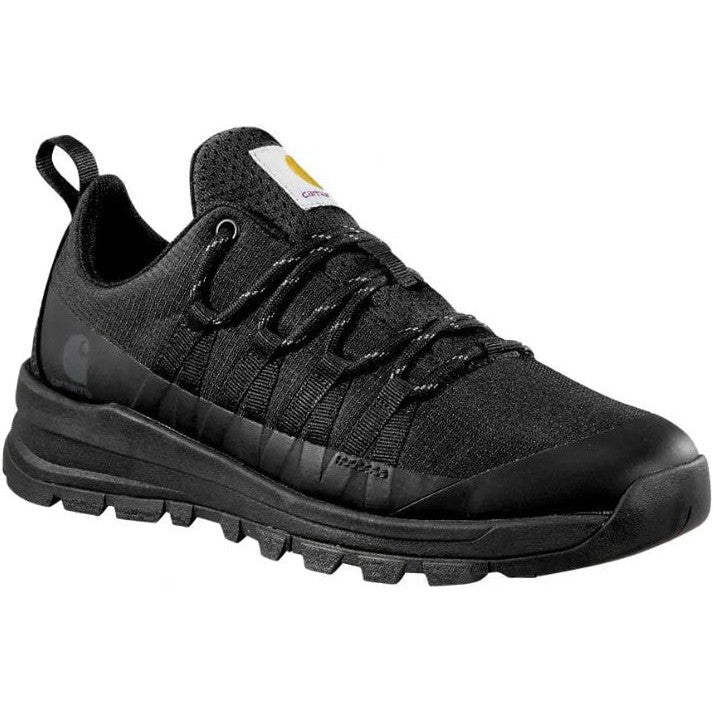
Save 15%
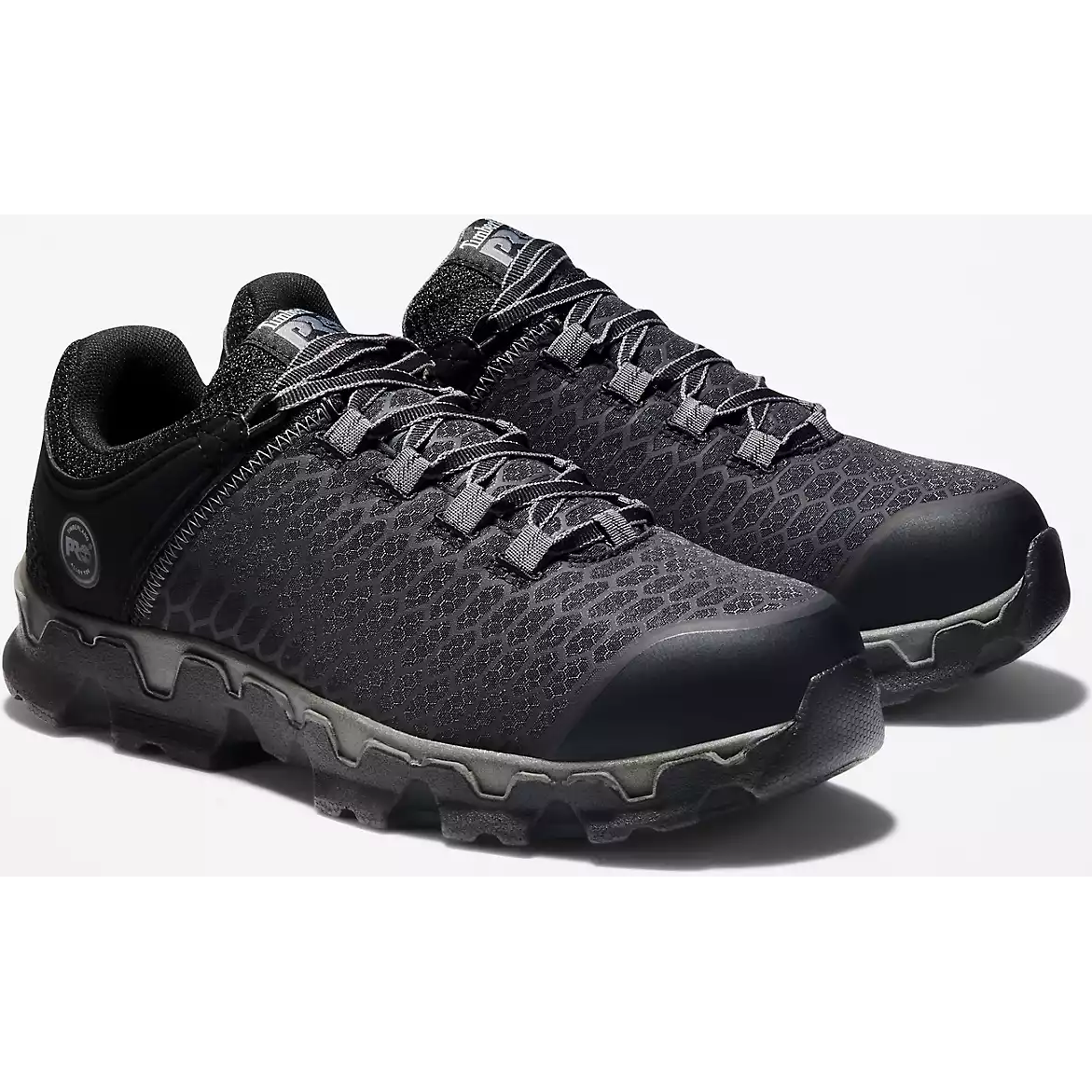
Sale price$109.95
Regular price$130.00
Timberland PRO Men's Powertrain Sport Alloy Toe EH Sneaker Work Shoe - Black - TB1A176A001
Save 33%
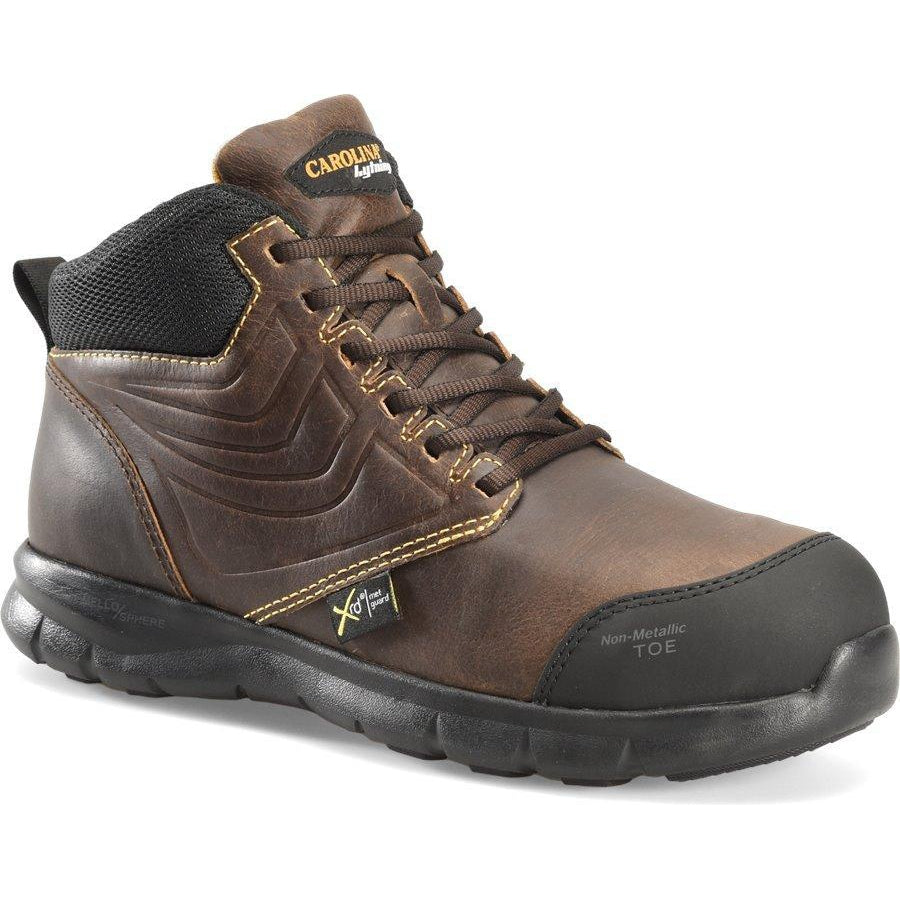
Sale price$114.67
Regular price$170.00
Carolina Men's Lytning 1.9 Composite Toe Waterproof MG Lightweight Work Shoe - Brown- CA1907
Frequently Asked Questions
When the ground is flat and predictable and you cover distance on foot. Indoor plant and warehouse floors, retail stockrooms, delivery routes, and driving between stops all favor a shoe, because the ankle coverage of a boot buys you very little there while costing weight, flex, and airflow. Broken ground, standing water, ladder work, and anywhere debris falls are all cases for a boot.
The toe rating is identical, since ASTM F2413 tests the cap the same way regardless of the height of the footwear. EH, static-dissipative, slip resistance, and puncture resistance all appear on work shoes as well. What a shoe cannot carry meaningfully is metatarsal protection, since a met guard covers the instep and needs a boot upper to anchor to.
Four broad types. Athletic sneakers, which are the lightest and most cushioned. Oxfords, which are laced dress shoes with a rated toe for anyone who needs to meet a dress code. Romeo and Chelsea slip-ons, which are fastest on and off. And low hikers, which are the sturdiest of the four and handle light outdoor use. See our athletic work shoes and oxford work shoes ranges.
On flat floors, generally more so than boots, because there is less weight to lift with every step and better airflow. The limiting factor is the midsole rather than the height: a cushioned athletic midsole will carry a long shift comfortably, while a thin dress-shoe sole will not. Prioritize the cushioning and the footbed over the silhouette.
Many sites require boots outright, and where they do not, a low shoe still leaves your ankle exposed to debris, rolled ankles on uneven ground, and anything that falls past the toe. Site rules vary, so check your own. As a general matter, a shoe is the wrong tool for active construction even when it is technically permitted.
Yes, along with composite, alloy, and carbon caps, all meeting ASTM F2413 for impact and compression on the rated models. Plenty of work shoes are soft toe as well, since a lot of indoor work carries no crush hazard. Toe type is stated in every product title. Our composite toe work shoes range covers the non-metallic options.
Usually somewhat, since there is less material and simpler construction, though the gap is narrower than people expect because the rated toe and the outsole are the same components. What is genuinely different is service life: athletic-construction shoes last a year or so against several years for a welted boot. Cost per year often favors the boot.
Athletic work shoes with a cushioned midsole and a slip-resistant outsole are the standard answer, because warehouse work means distance on flat concrete rather than rough terrain. If your site requires a rated toe, composite keeps the weight down. See our warehouse shoes range for the models filtered to that use.
Recently viewed
Our Top Brands