Sale price$179.99
Regular price$186.00
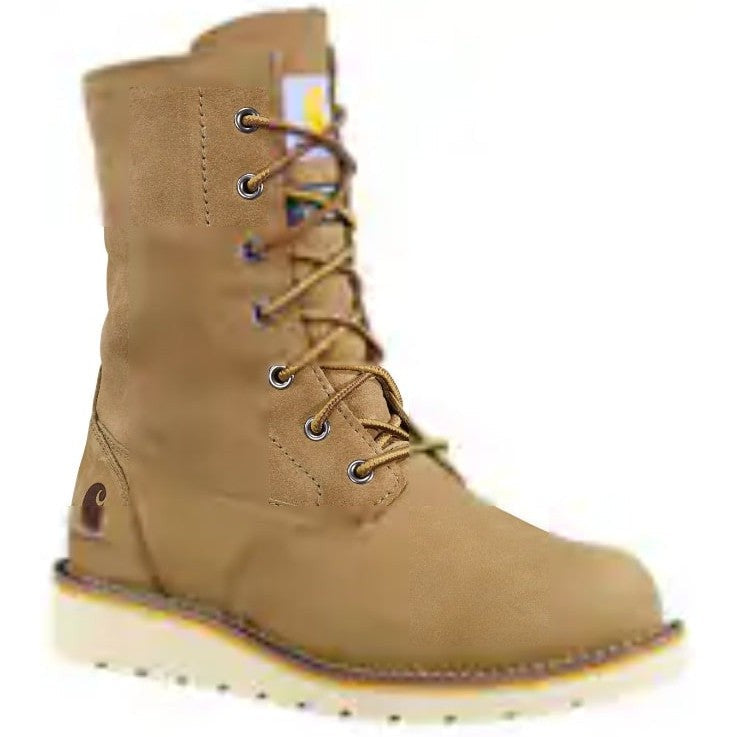
Carhartt Women's Fold Down 8" Waterproof Wedge Winter Boot -Hickory- FW8069-W
Save 5%
Sale price$184.99
Regular price$194.00
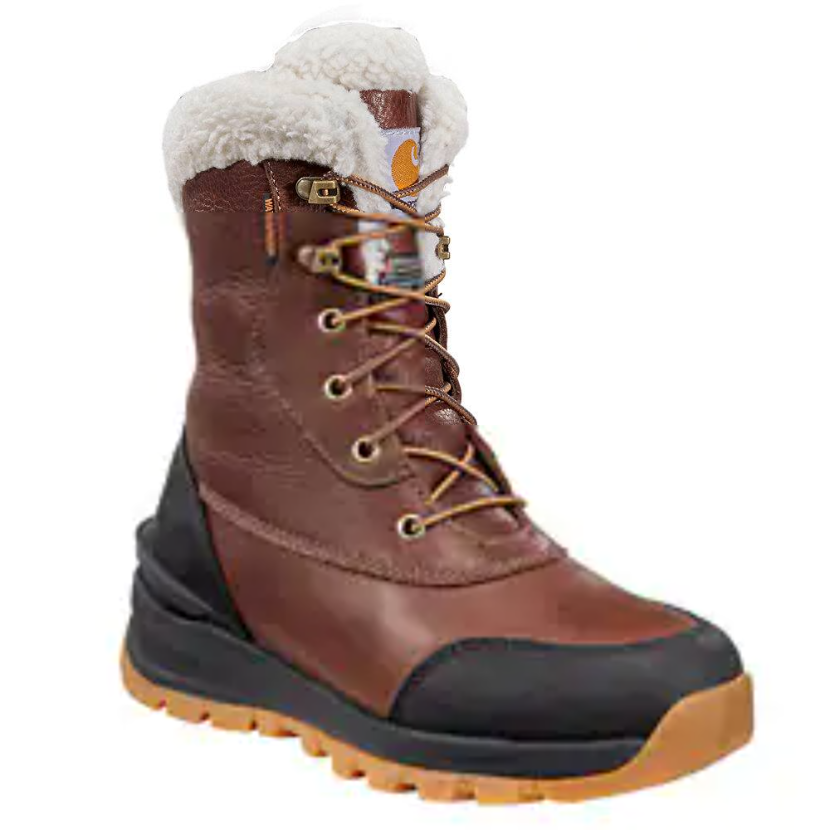
Carhartt Women's Pellston 8" Waterproof Winter Work Boot - Mineral Red - FH8019-W
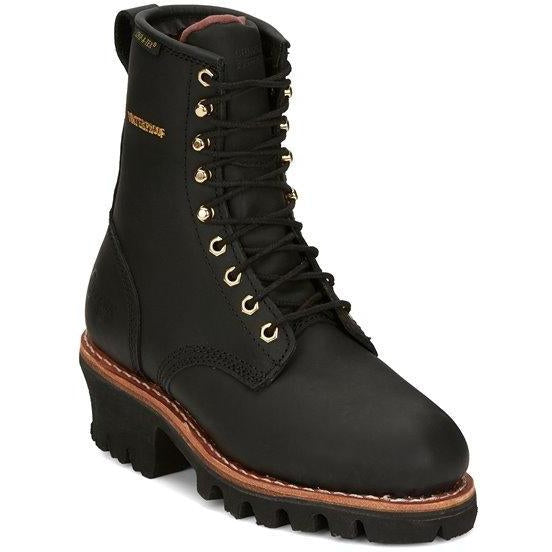
Sale price$219.95
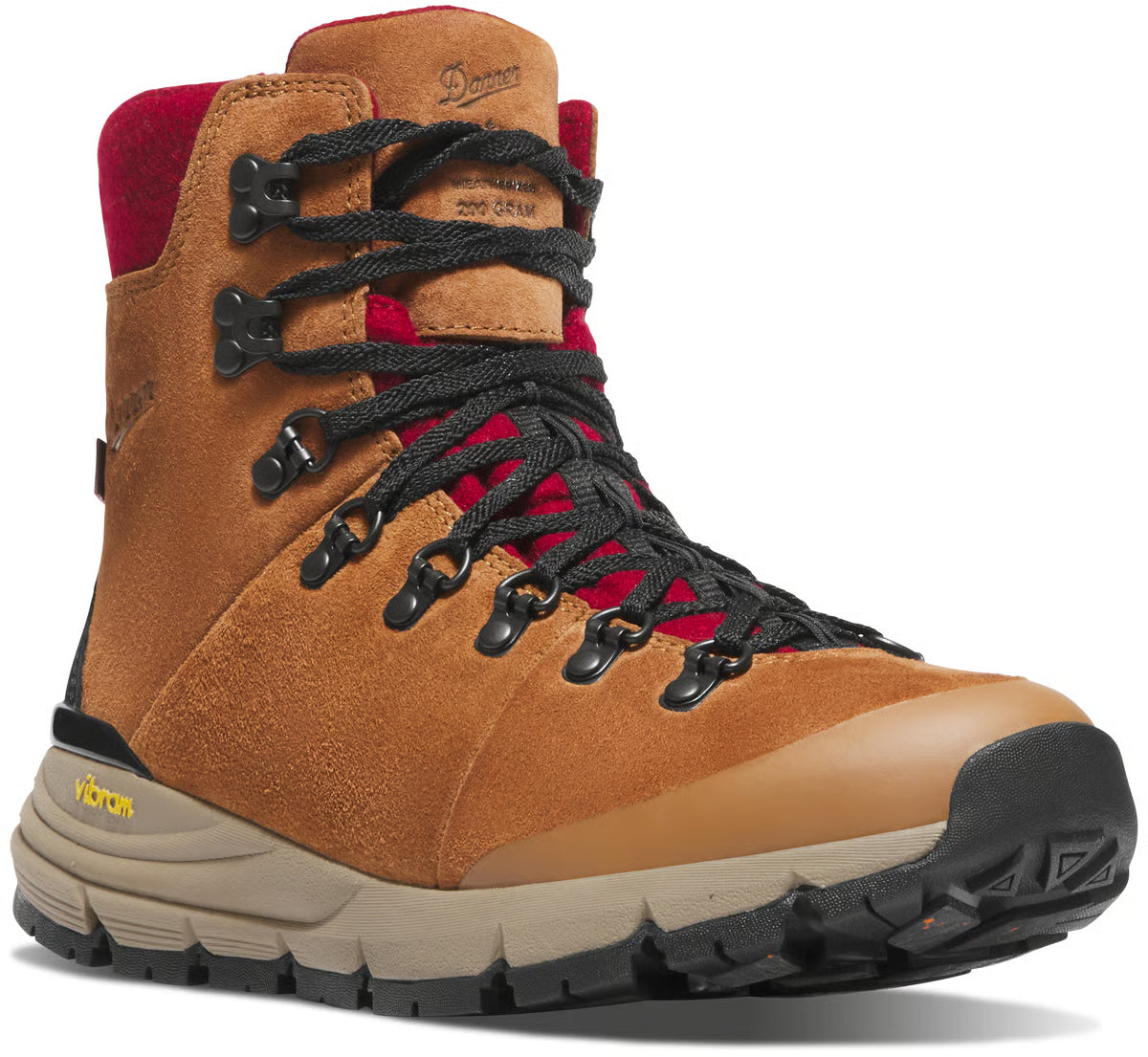
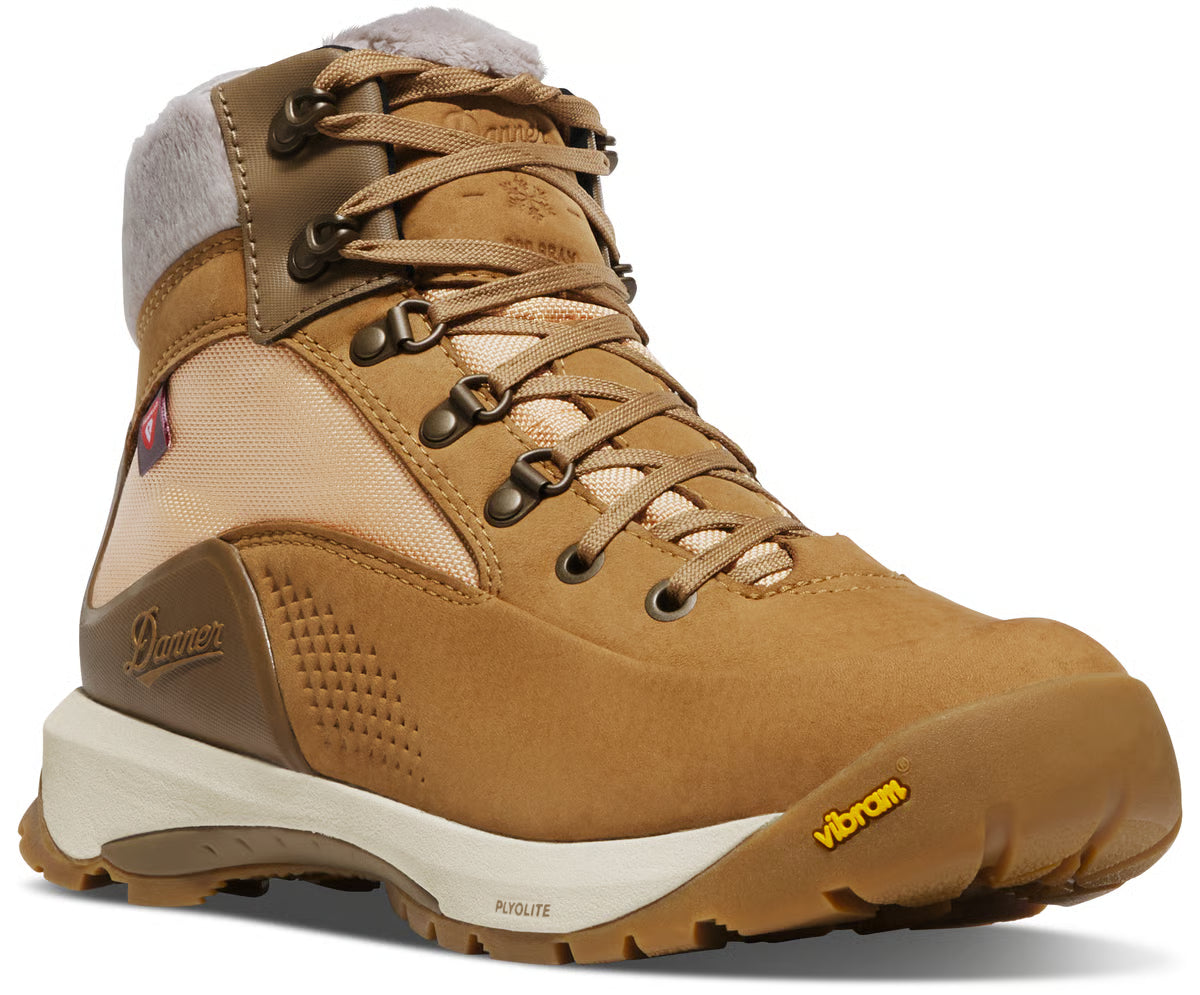
Danner Women's Inquire 5" Waterproof 200G Hiking Boot - Brown - 64572


Save 8%
Sale price$189.95
Regular price$206.00
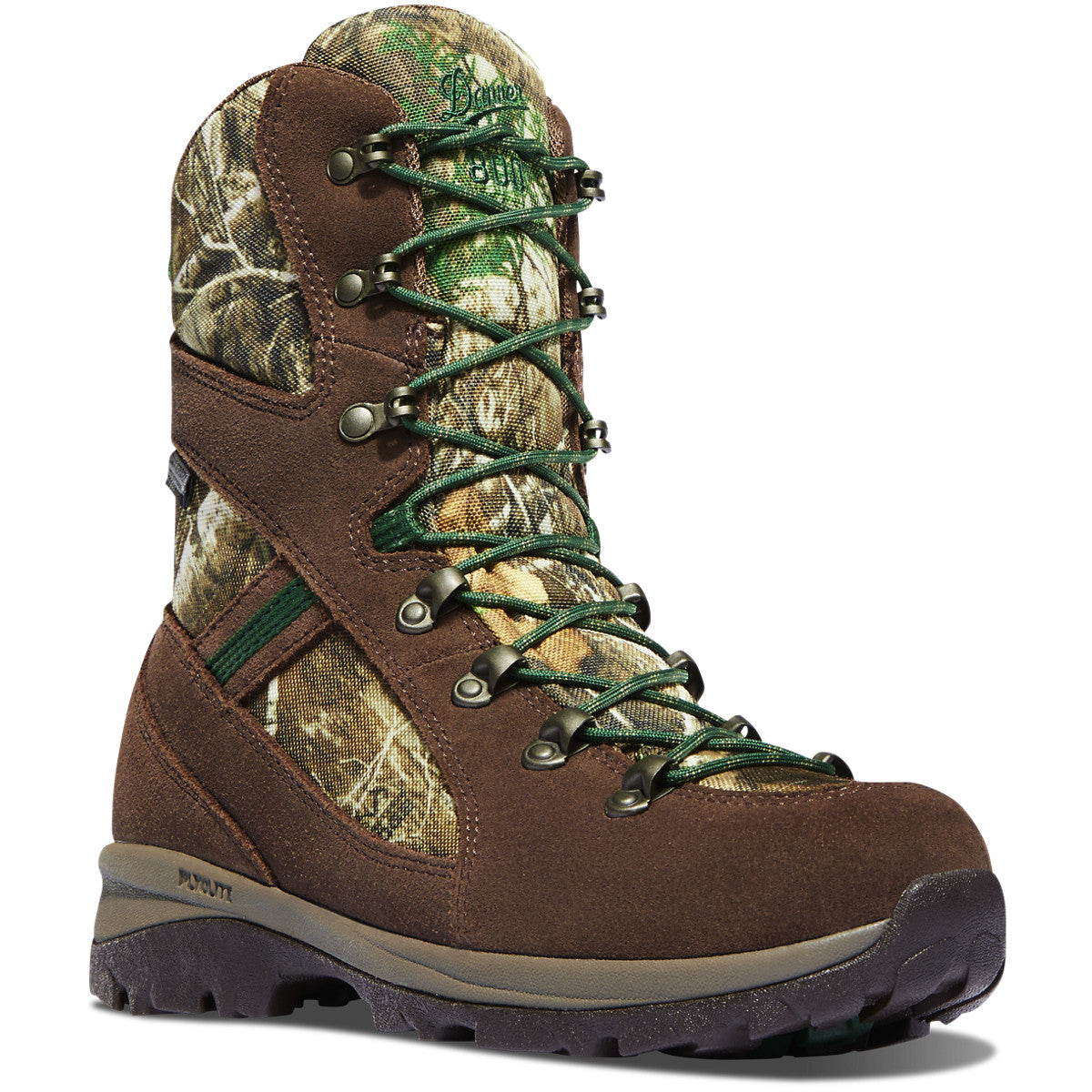
Danner Women's Wayfinder 8" Waterproof Insulated Hunt Boot - Realtree - 44212
Save 10%
Sale price$189.95
Regular price$210.00
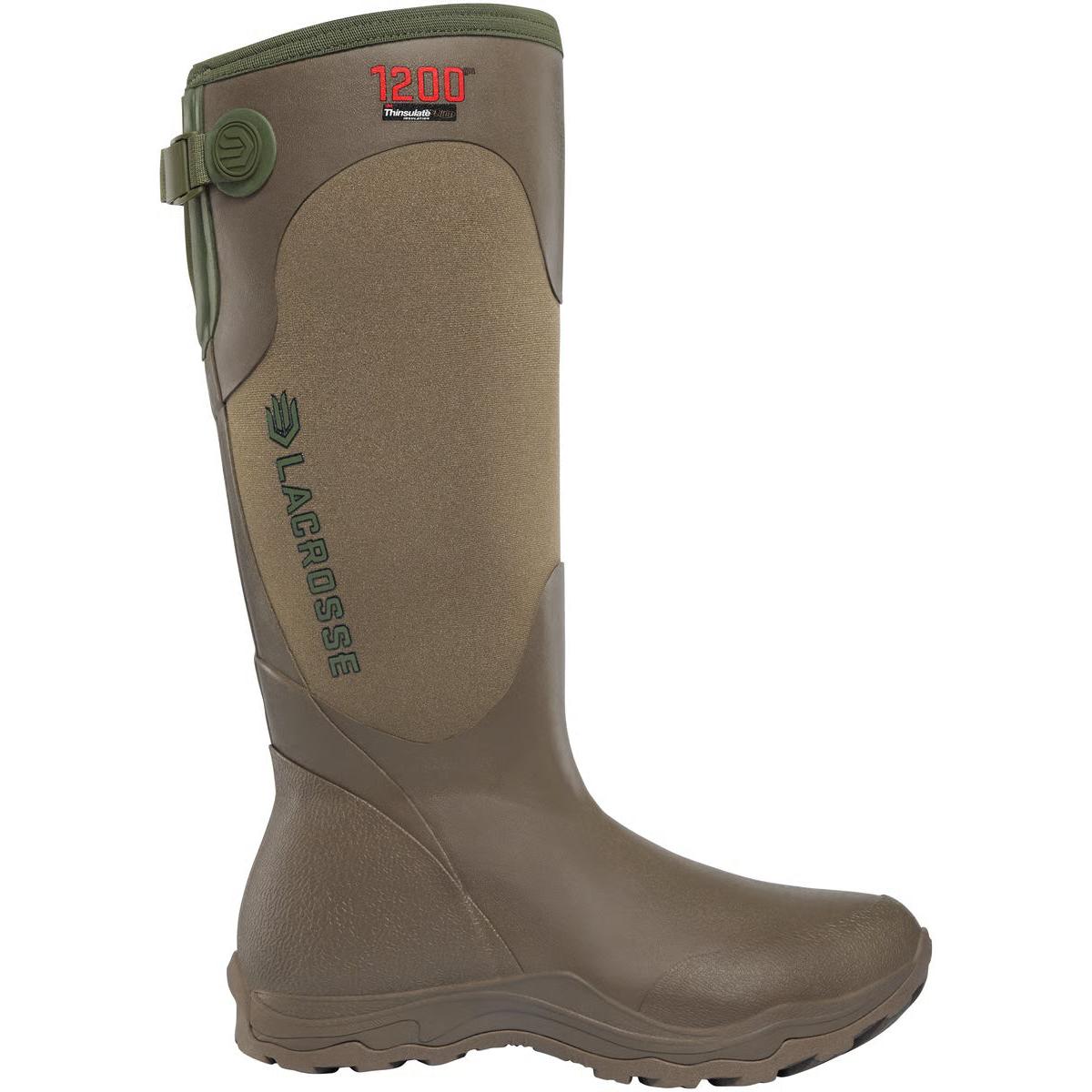
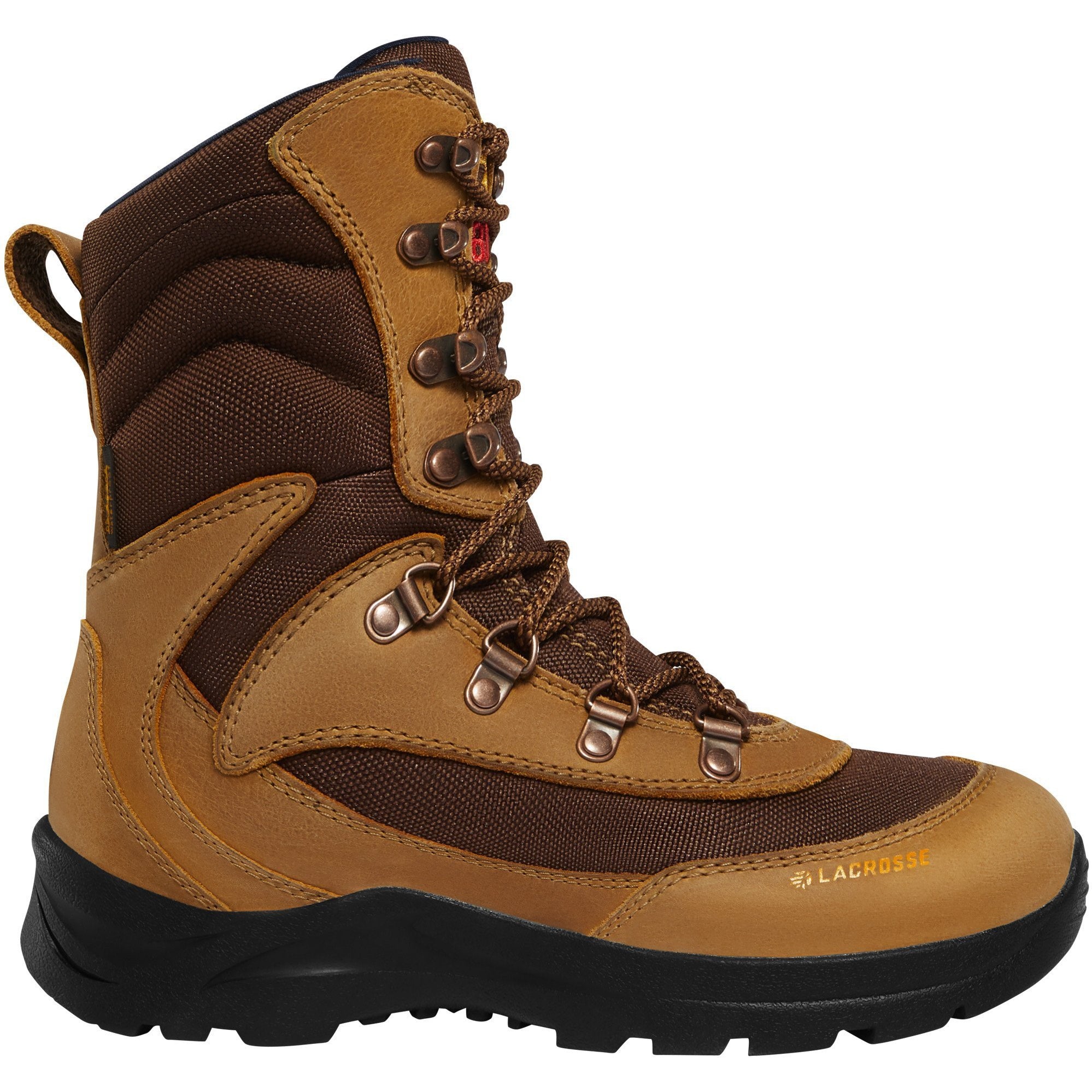
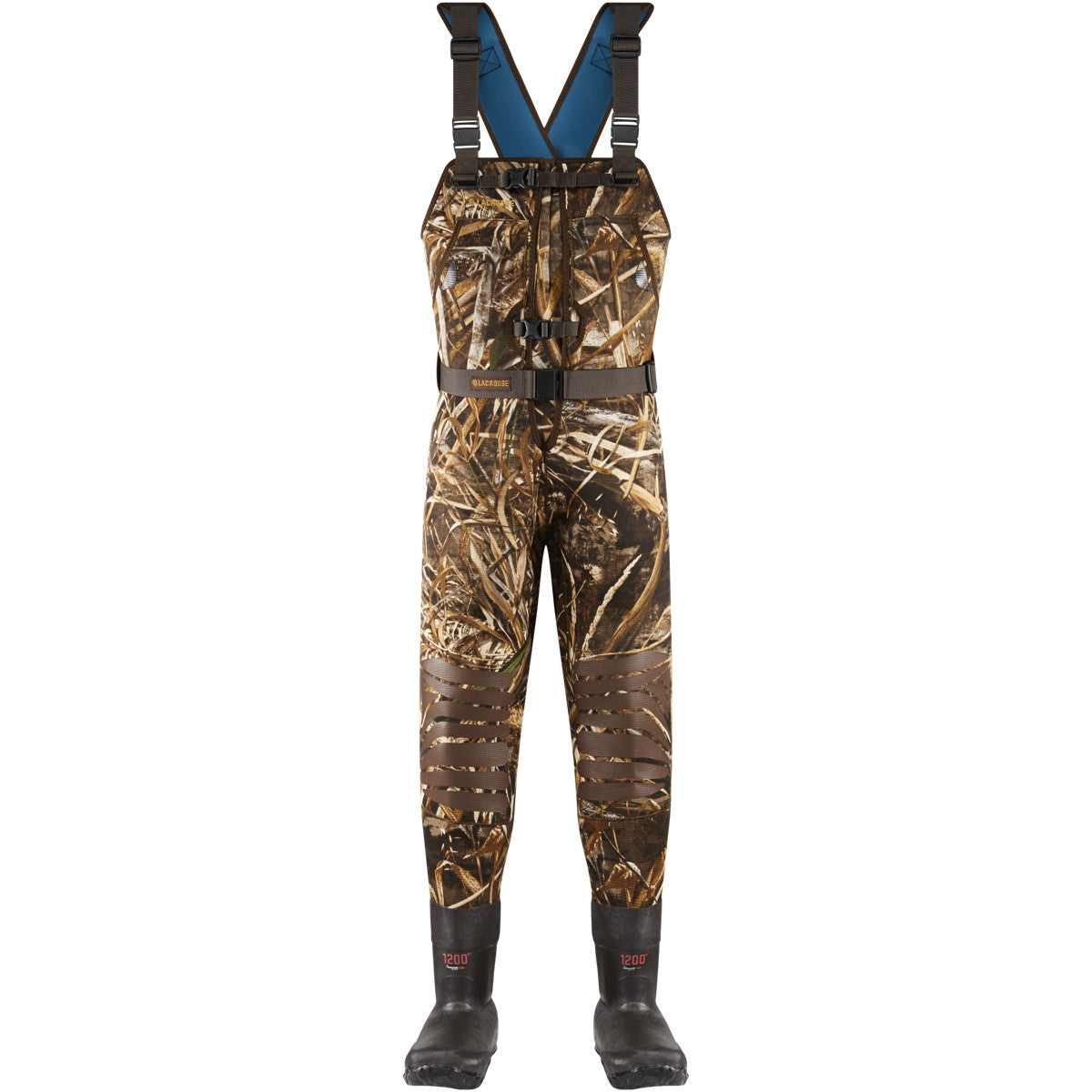
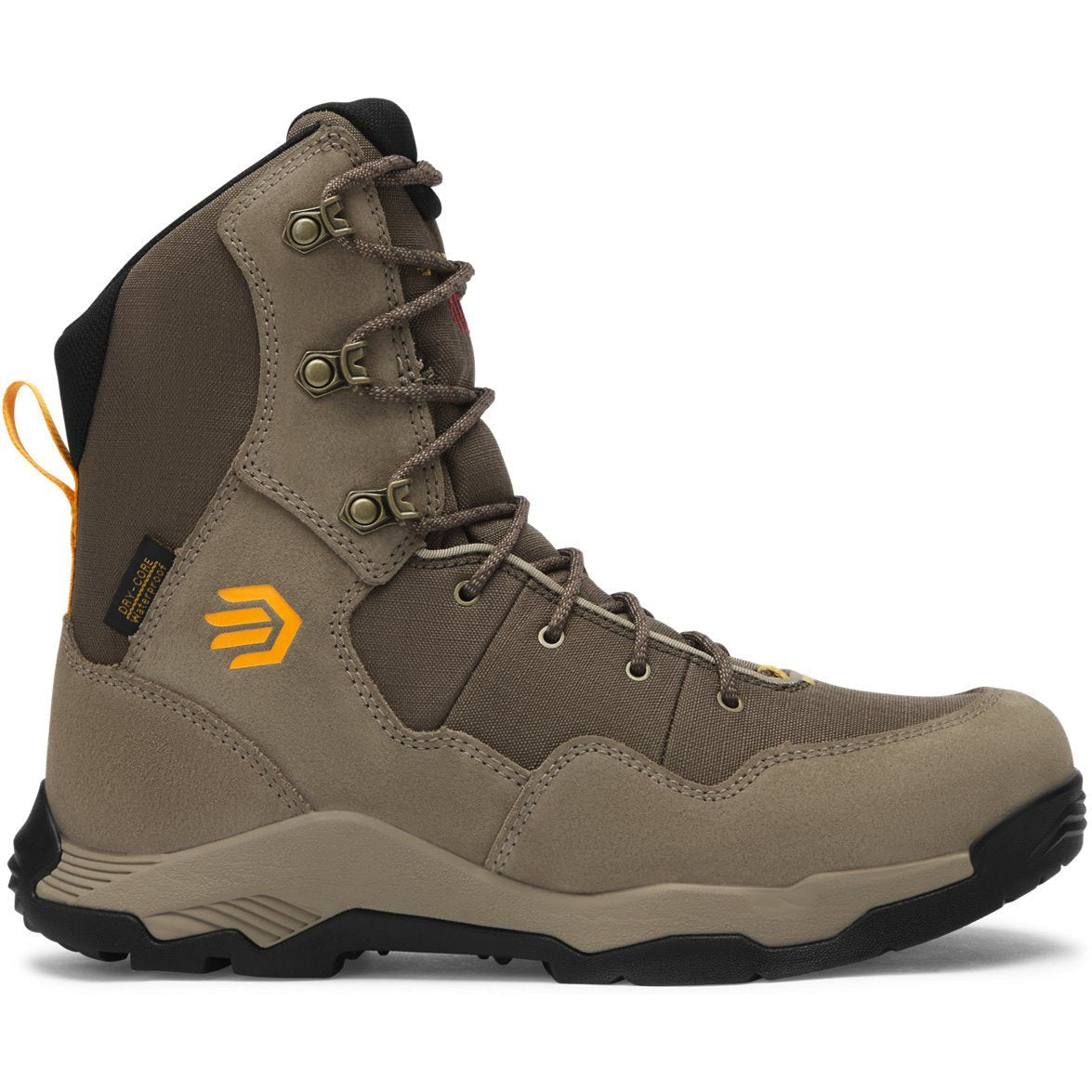
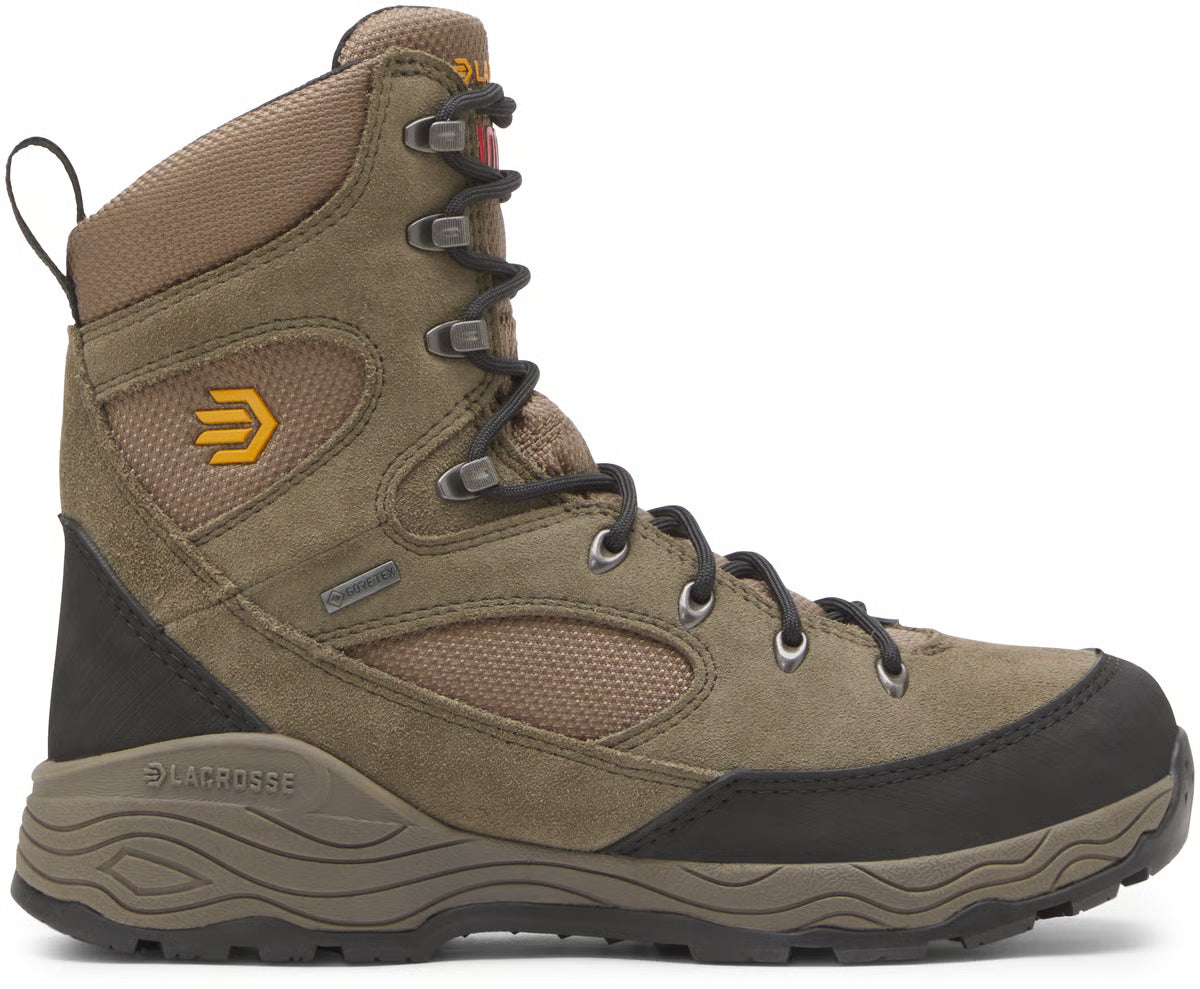
LaCrosse Women's Clear Shot 8" Waterproof 800G Hunt Boot - Brown - 542165
Save 6%
Sale price$319.95
Regular price$340.00
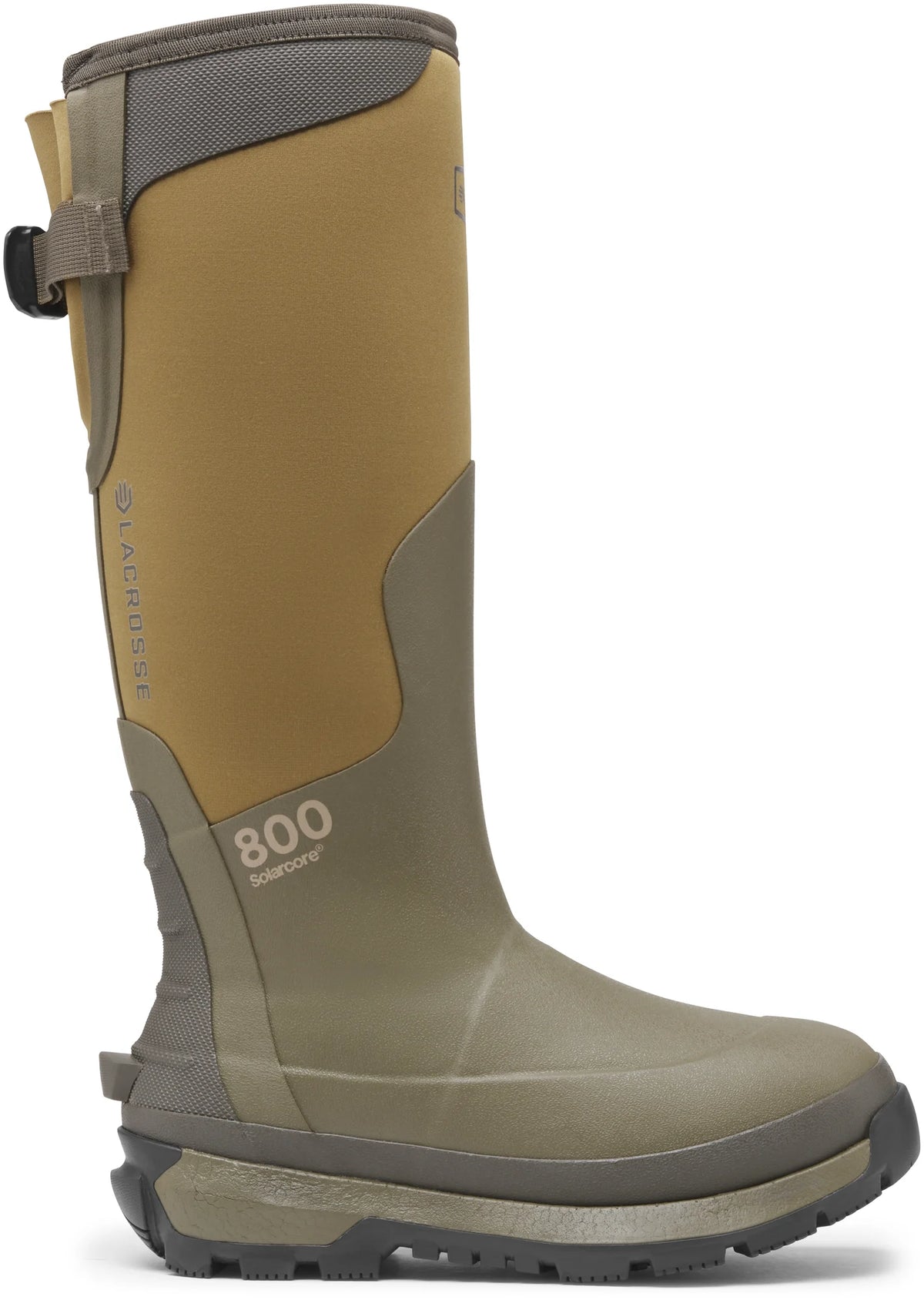
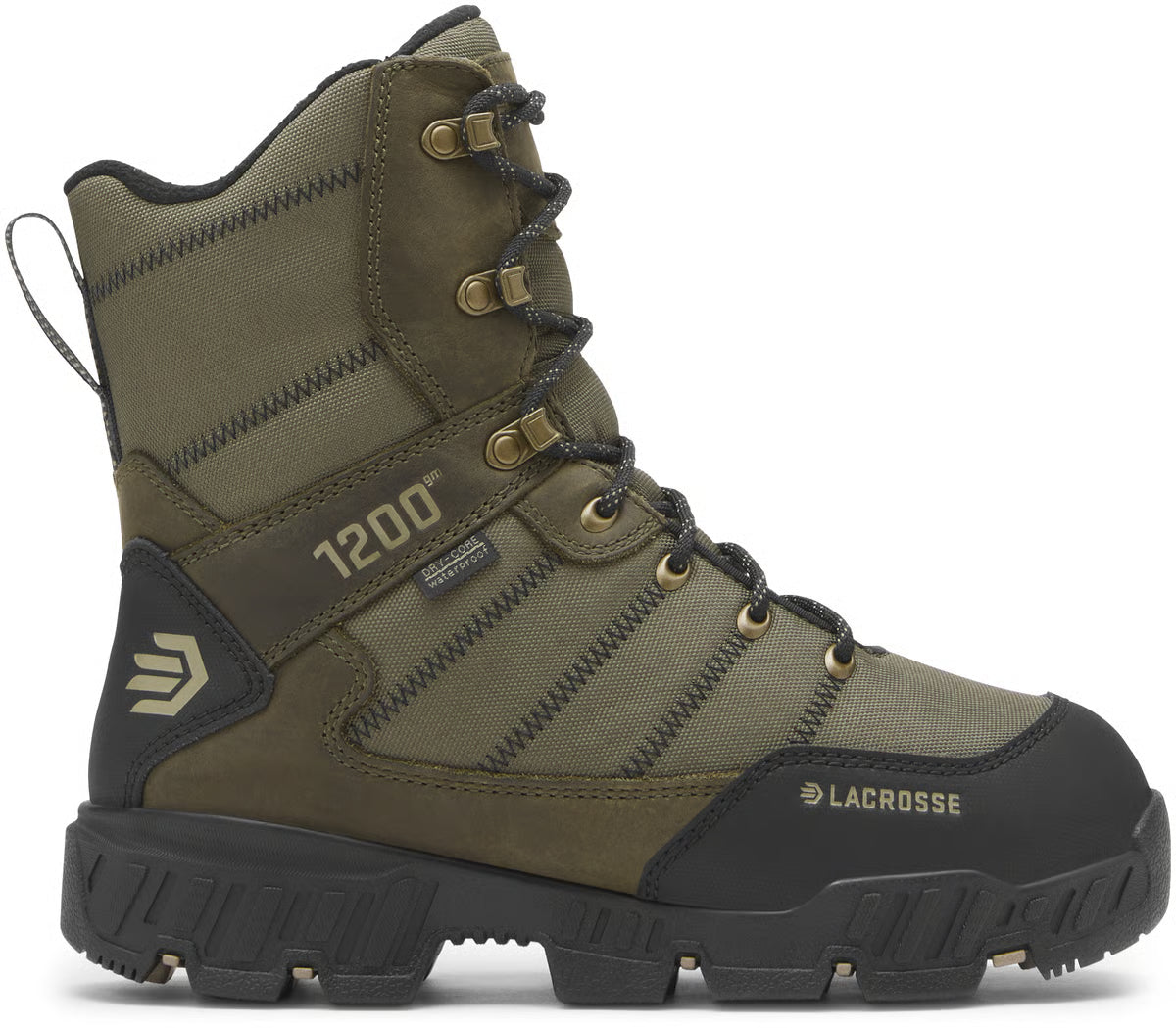
LaCrosse Women's Estuary Chest Soft Toe Waterproof 1200G Hunt Boot - Realtree Max-5 - 700314
Save 7%
Sale price$399.95
Regular price$430.00
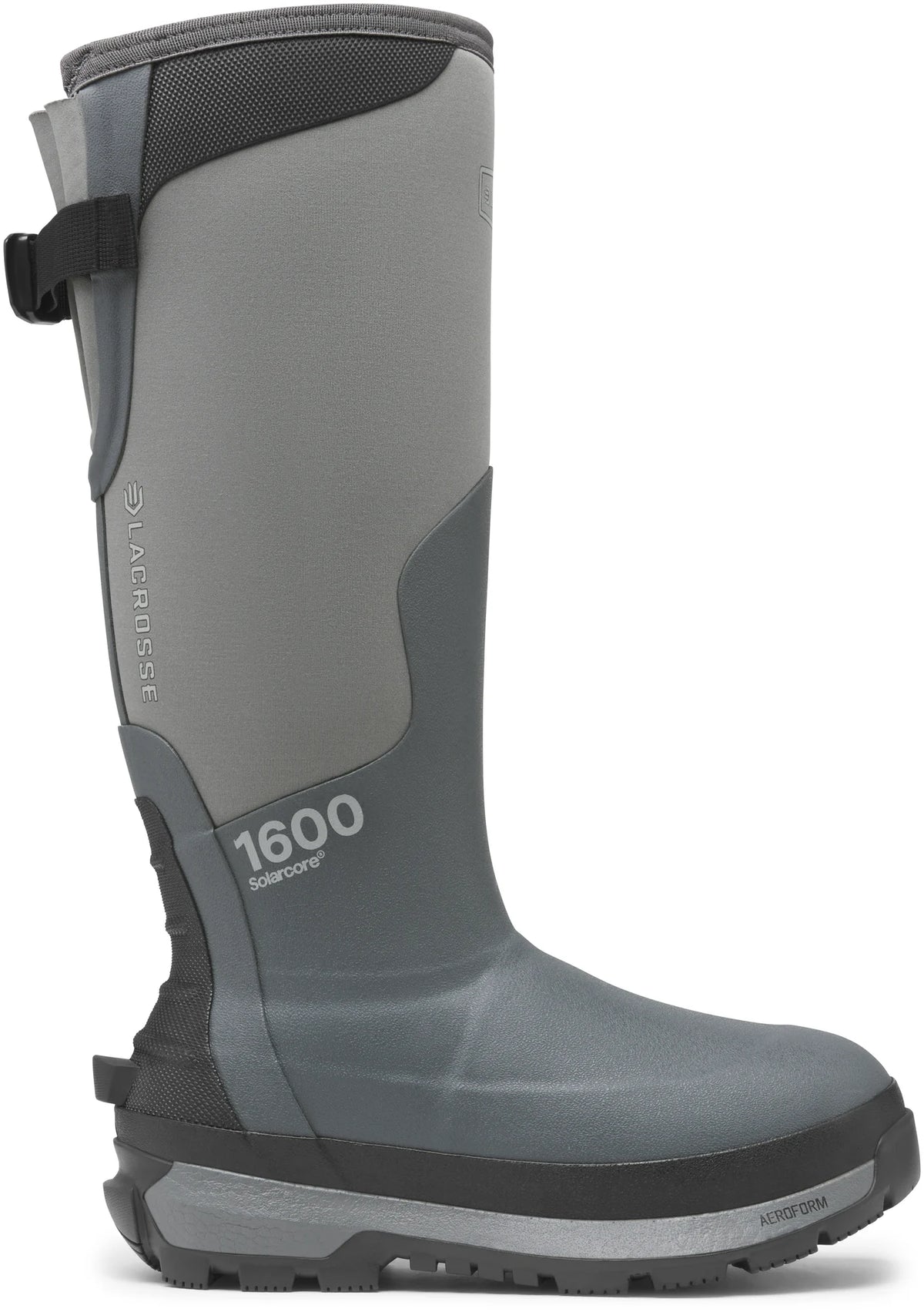
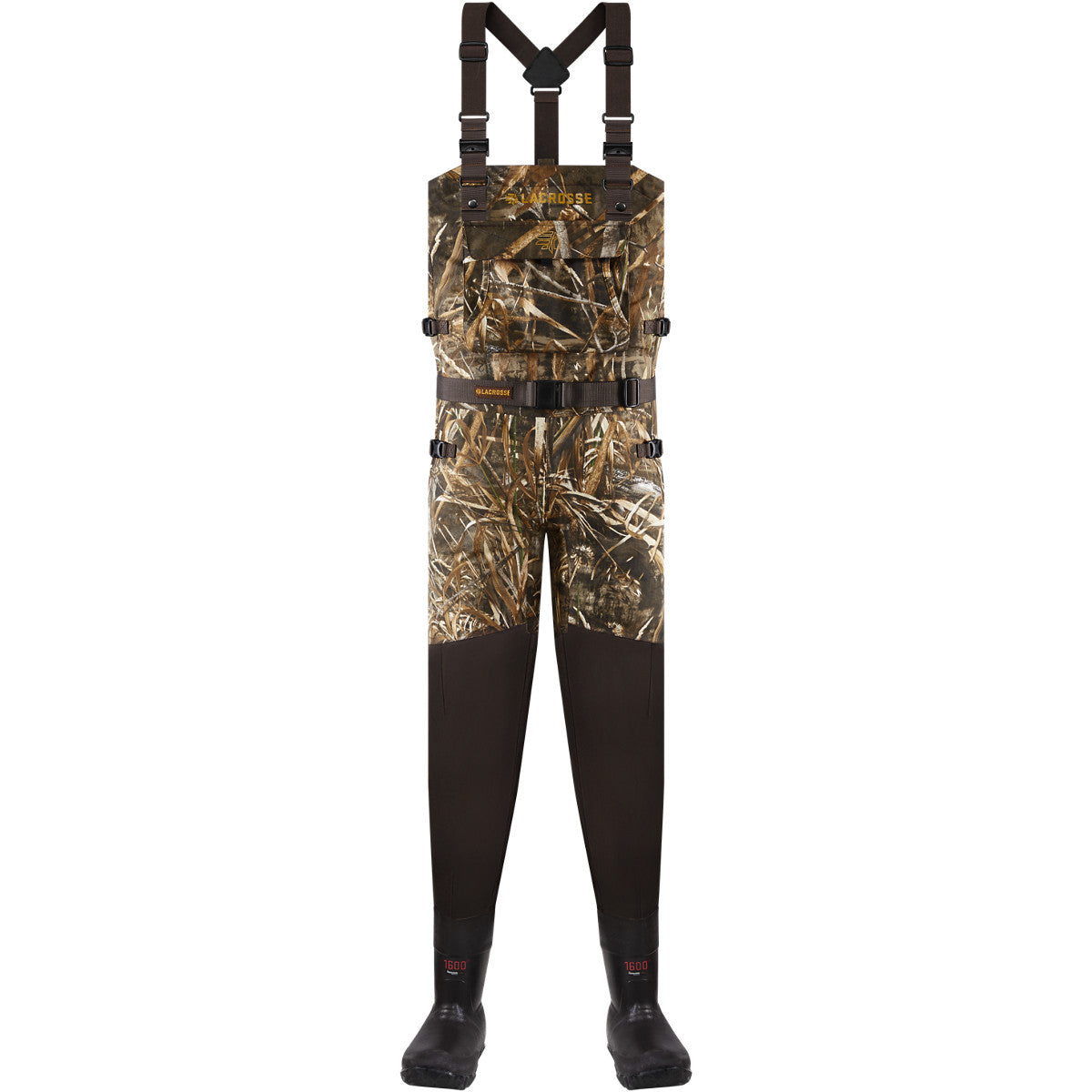
LaCrosse Women's Hai Call Breathable Chest Soft Toe Waterproof 1600G Hunt Boot - Realtree Max-5 - 700090
Save 7%
Sale price$135.00
Regular price$145.00
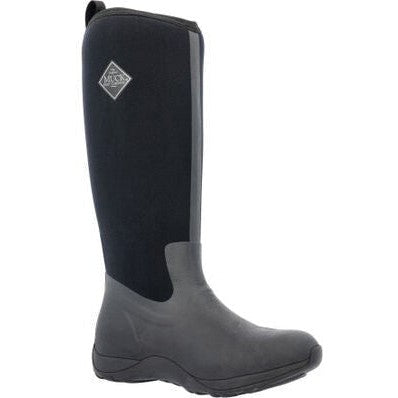
Muck Women's Arctic Adventure Waterproof Tall Winter Work Boot -Black- WAA000
Save 5%
Sale price$190.00
Regular price$200.00
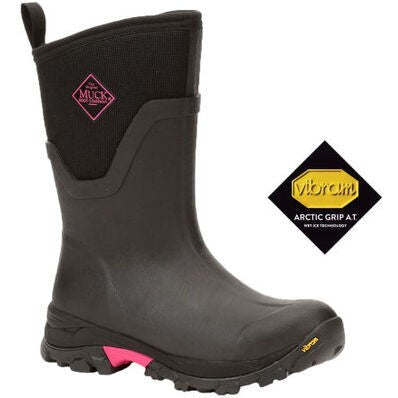
Muck Women's Arctic Ice Vibram Waterproof Terrain Mid Work Boot -Black- ASVMA404
Save 6%
Sale price$145.00
Regular price$155.00
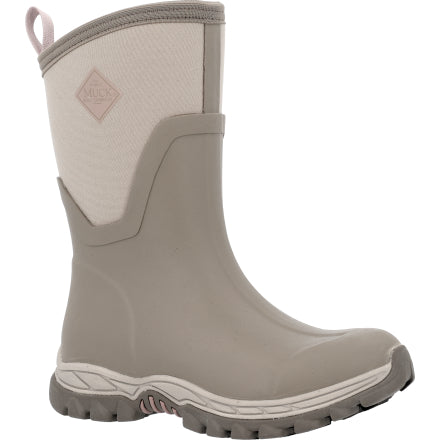
Muck Women's Arctic Sport II Mid Waterproof Neoprene Insulated Boot - Brown - MAS12W90
Save 6%
Sale price$145.00
Regular price$155.00
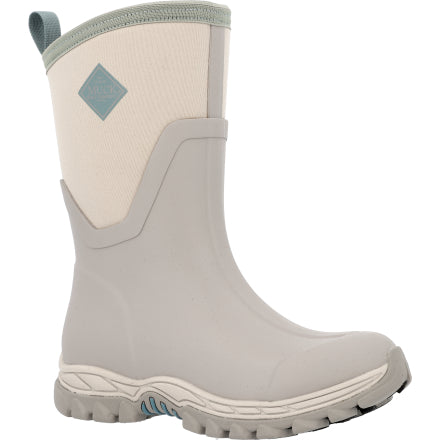
Muck Women's Arctic Sport II Mid Waterproof Neoprene Insulated Boot - Green - MAS12W30
Save 6%
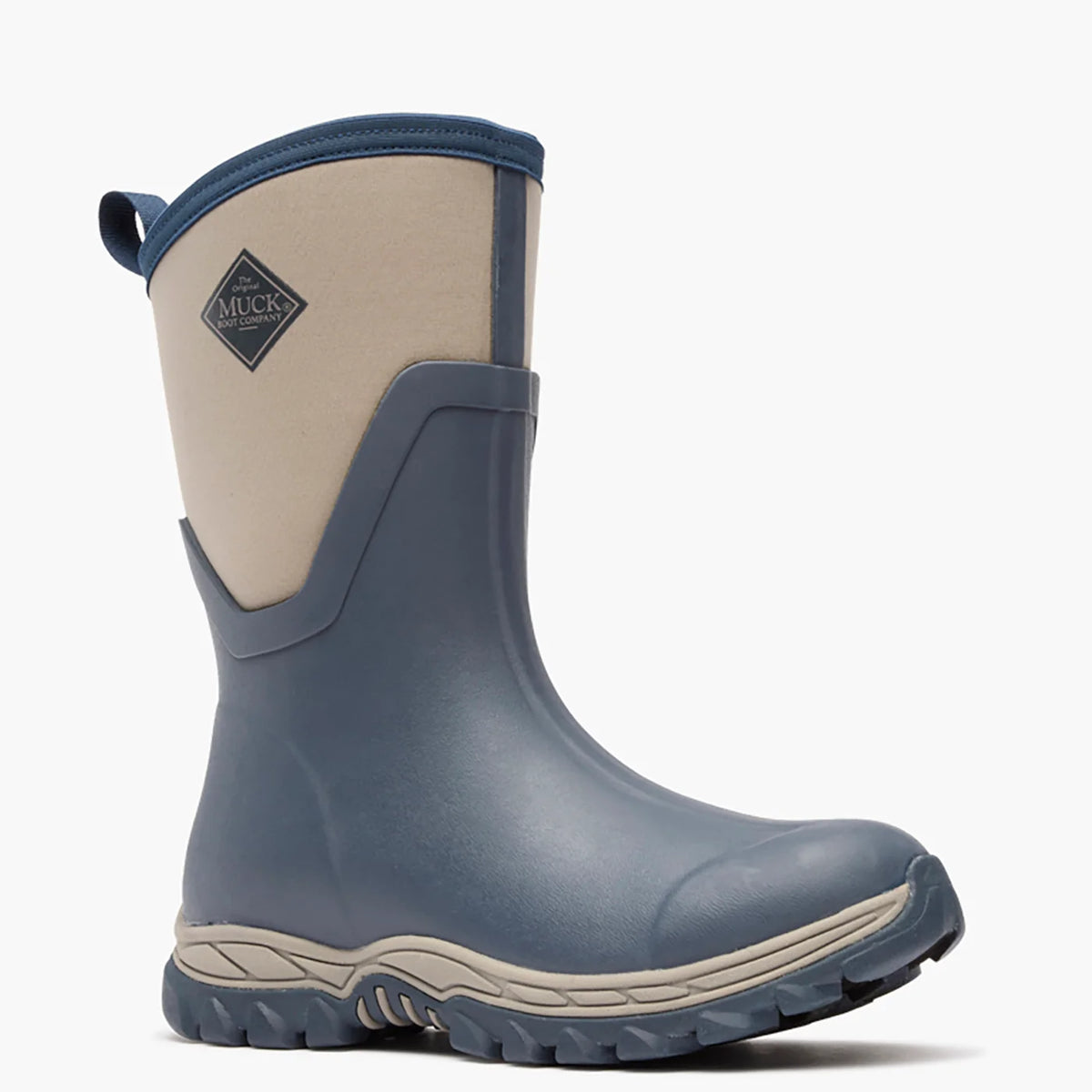
Sale price$145.00
Regular price$155.00
Muck Women's Arctic Sport II Mid Waterproof Neoprene Insulated Boot - Grey - MAS12W21
Save 6%
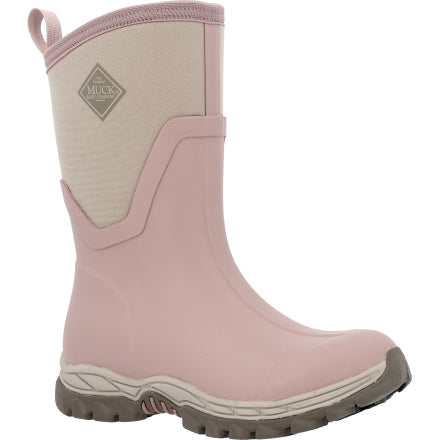
Sale price$145.00
Regular price$155.00
Muck Women's Arctic Sport II Mid Waterproof Neoprene Insulated Boot - Pink - MAS12W60
Save 6%
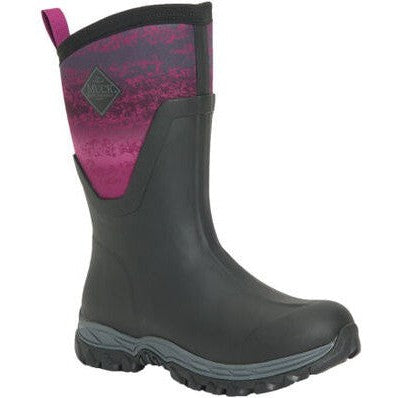
Sale price$145.00
Regular price$155.00
Muck Women's Arctic Sport II Waterproof Mid Work Boot - Black - AS2M004
Save 6%
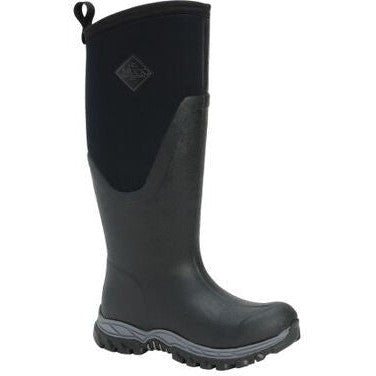
Sale price$155.00
Regular price$165.00
Muck Women's Arctic Sport II Waterproof Tall Work Boot -Black- AS2T000
Save 18%
Sale price$155.00
Regular price$190.00
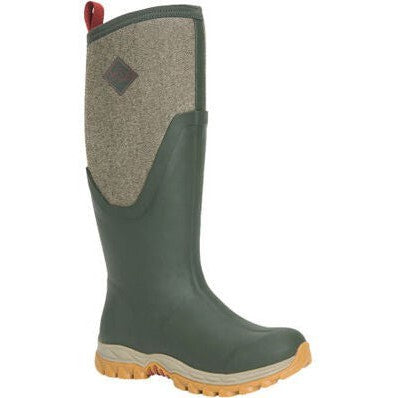
Muck Women's Arctic Sport II Waterproof Tall Work Boot -Green- AS2T3TW
Save 6%
Sale price$155.00
Regular price$165.00
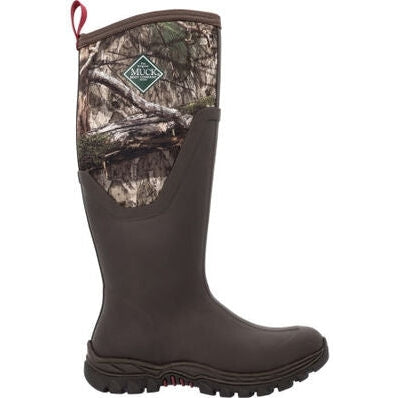
Muck Women's Mossy Oak Waterproof Arctic Sport Tall Work Boot - Brown - AS2TMDNA
Save 8%
Sale price$120.00
Regular price$130.00
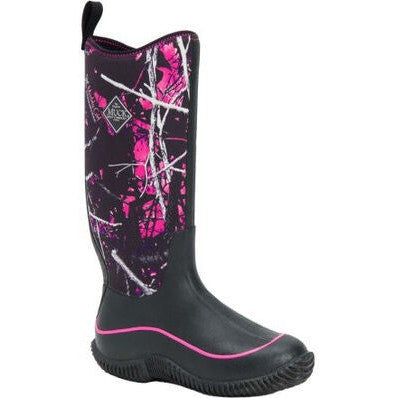
Muck Women's Muddy Girl Hale 15" Soft Toe Waterproof Work Boot -Black- HAWMSMG
Save 7%
Sale price$140.00
Regular price$150.00
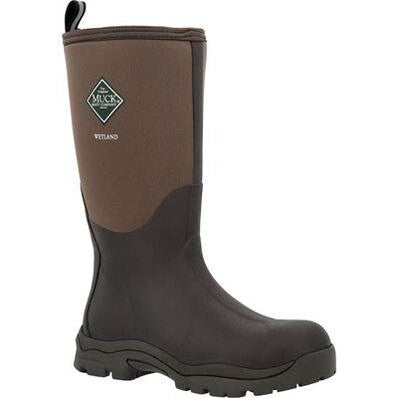
Muck Women's Wetland Waterproof Work Boot -Brown- WMT998K
Save 8%
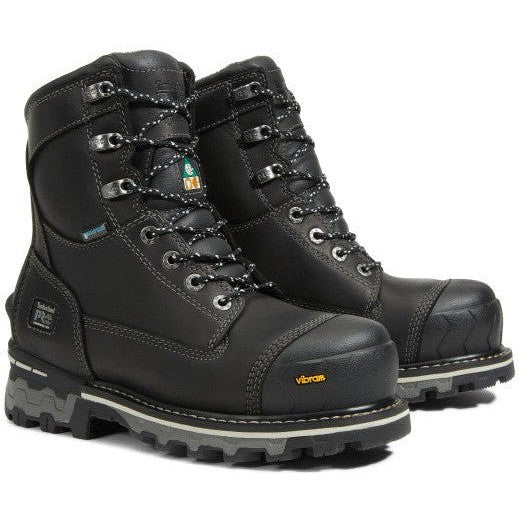
Sale price$229.95
Regular price$250.00
Timberland Pro Women's Boondock 8" Composite Toe Waterproof Puncture Resistant 200G Work Boot- TB1A5R7K001
Save 21%
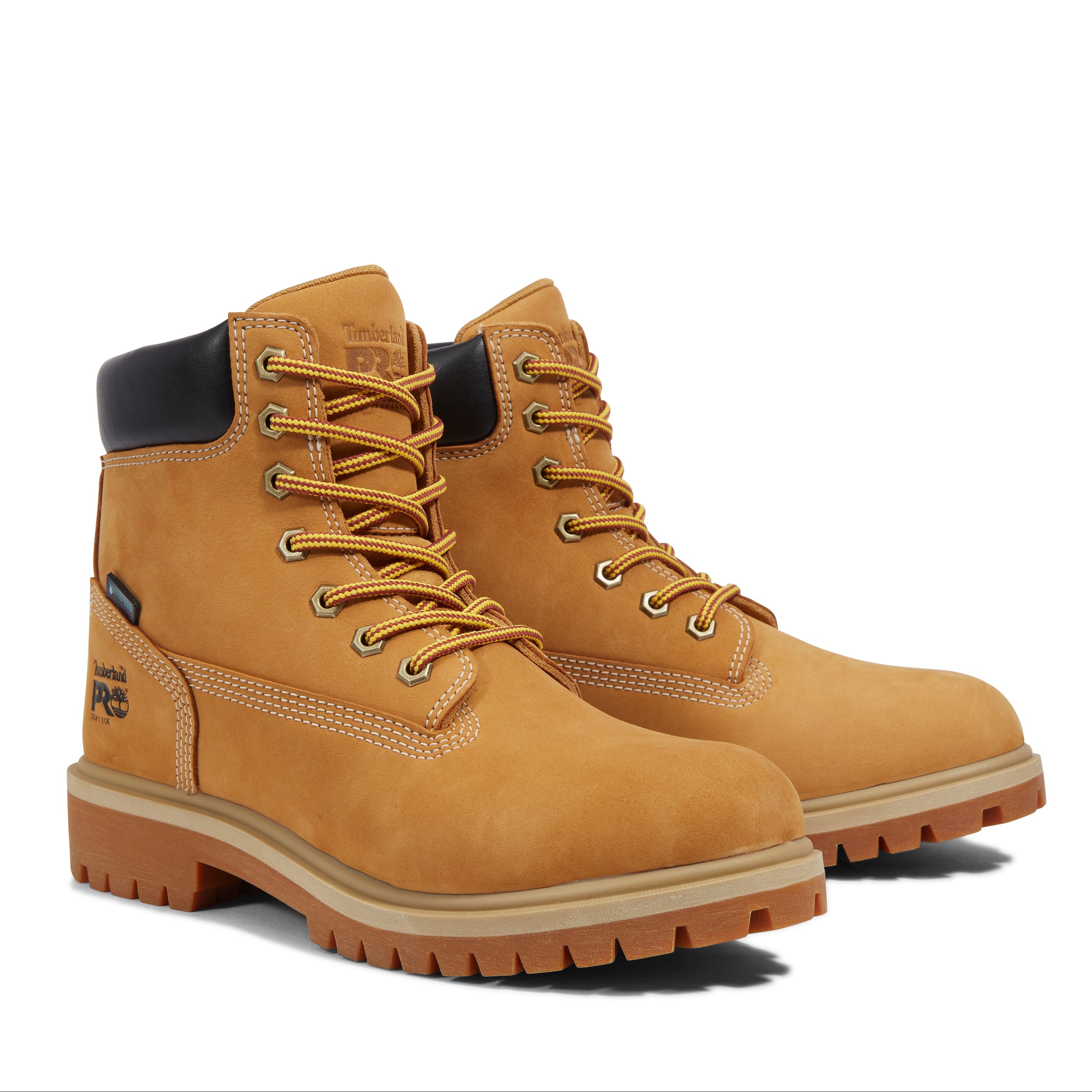
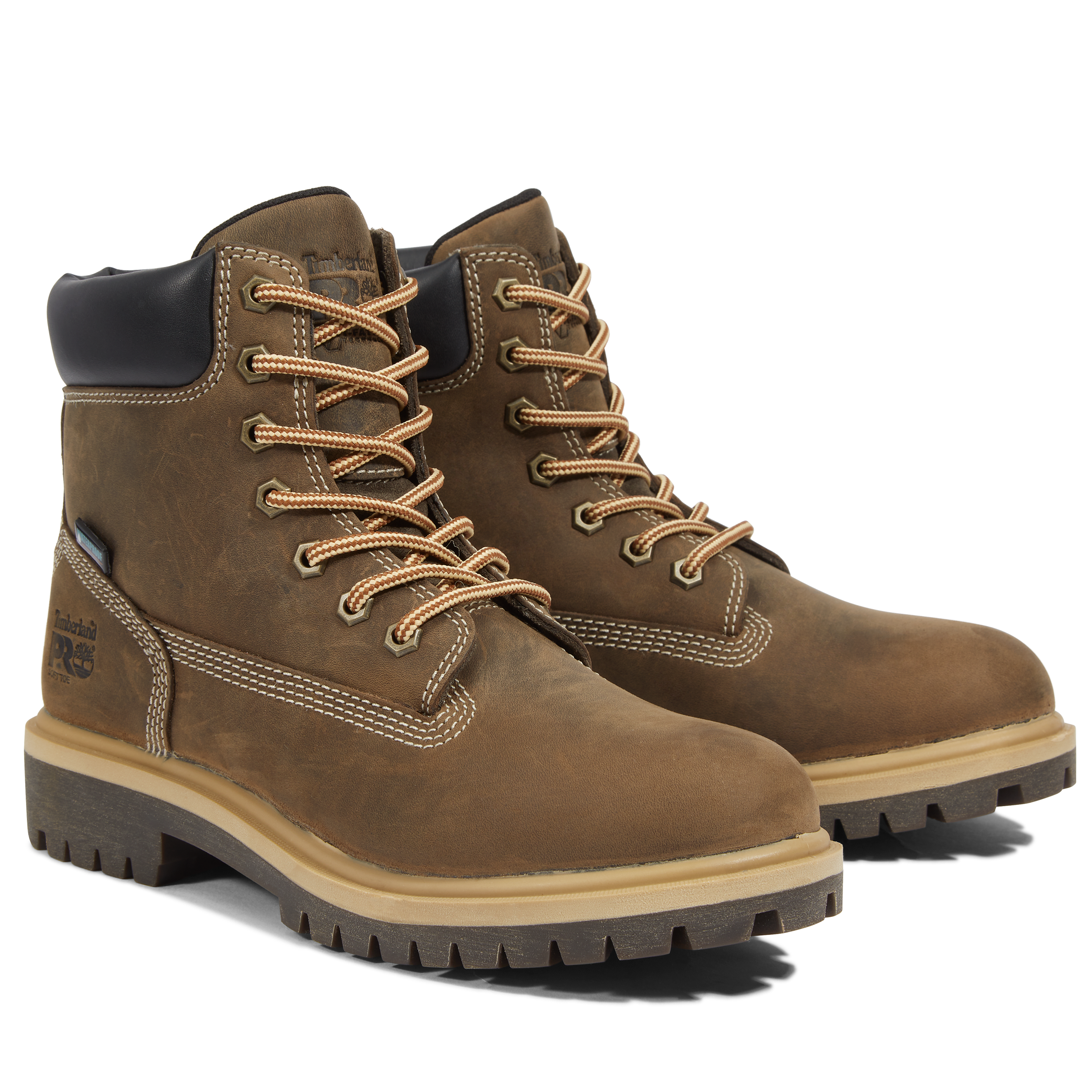
Sale price$134.95
Regular price$170.00
Timberland Pro Women's Direct Attach 6" Soft Toe Waterproof Work Boot - Brown - TB1A2QZX231
Save 20%
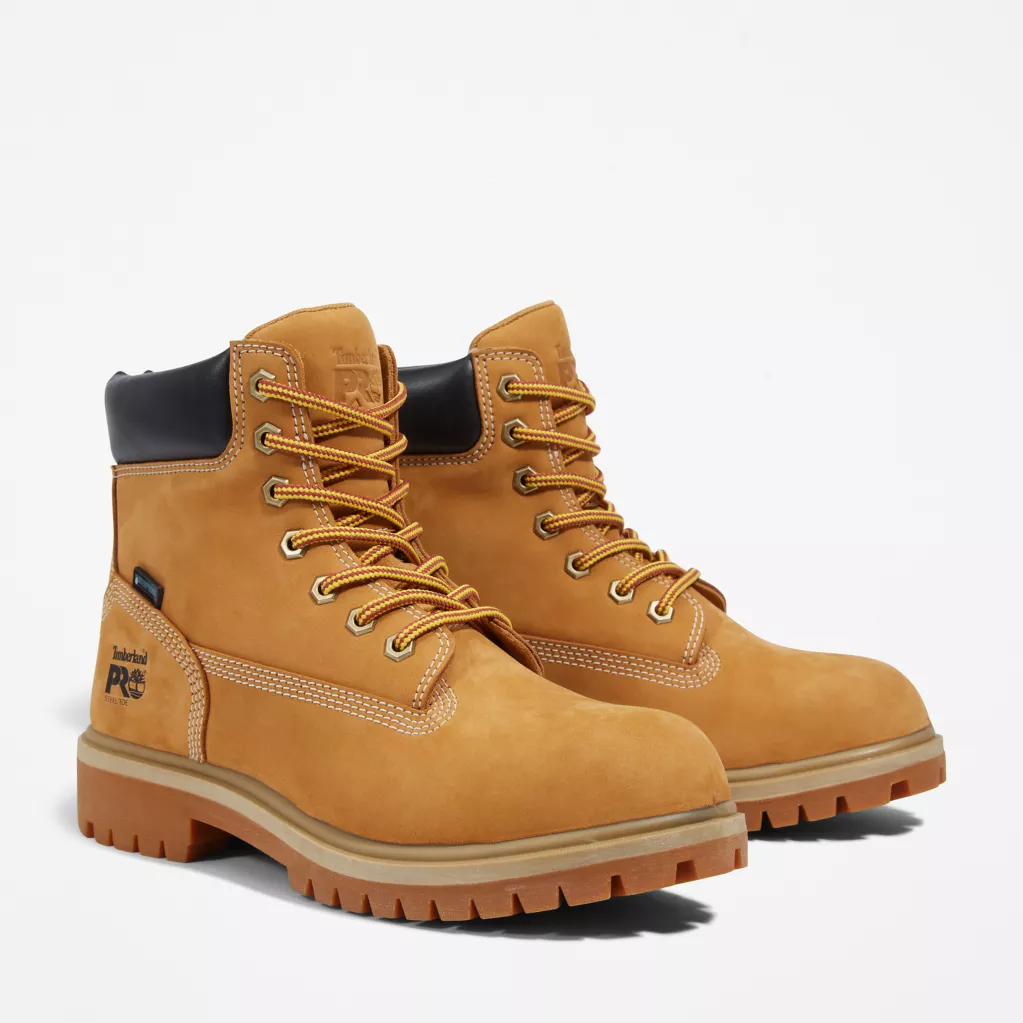
Sale price$139.95
Regular price$175.00
Timberland PRO Women's Direct Attach 6" Steel Toe Waterproof 200G Insulated Work Boot - Wheat - TB1A2QVU231
12
Frequently Asked Questions
How many grams you need for women’s winter work boots depends on how active you stay and how cold it gets, not on the number itself. Insulation is rated in grams of synthetic fill, usually Thinsulate or PrimaLoft, and this collection runs from 200 grams up to 1,600 grams. For work that keeps you moving, 200 to 400 grams usually holds heat without cooking your feet. For work where you stand on frozen ground or in an unheated building, 800 grams or more keeps you warm when your body is not generating much heat on its own.
No, more insulation does not always mean warmer feet. An active worker in an 800-gram boot sweats, and once moisture is against your skin, it pulls heat away faster than the insulation can replace it, so you end up colder than you would have been in a 400-gram boot. The mismatch is worst on days that swing between cold outdoor work and heated indoor stretches. Reach for the high grams only when you stand still in real cold; for anything active, size the insulation down.
Yes, a steel toe runs colder than a composite toe in cold conditions, because steel pulls heat away from your toes faster than composite does. A composite toe can carry the same ASTM F2413 impact and compression rating as steel, so check the rating on the boot rather than the toe material. If your work requires a safety toe, the composite toe boots collection includes cold-weather options.
Yes, every boot in this collection is both insulated and waterproof. Insulation and waterproofing are two separate specs, and on many winter boots elsewhere you do have to check for each, but these are insulated, waterproof boots by design. Insulation traps warmth while waterproofing keeps out snow, slush, and rain. Wet feet lose heat fast, so the two work best together in the cold.
You should account for a thick winter sock, but going up a full size usually causes more trouble than it fixes. A boot that is too big lets your heel slip and leaves dead air a sock cannot warm, while a boot crammed tight around a heavy sock cuts circulation and makes feet colder, not warmer. Try the boot with the exact sock you will wear, and go up a half size only if the toes feel tight. Sizing runs differently by brand and last, so follow the fit note on the product page.
Yes, these women’s winter work boots can keep your feet warm standing on cold concrete or frozen ground all day, but the challenge is different from staying warm while you move. Standing still on a cold surface pulls heat straight out through the sole, and a boot rated warm enough for the air temperature can still feel cold when you are motionless on frozen ground. For standing work, 800 grams or more is the starting point, and an insulating footbed helps slow the heat loss into the ground.
A rubber pull-on is warm enough for jobsite work in wet, slushy cold, which is what the neoprene-lined boots from Muck and Xtratuf are built for. These are rated by comfort range instead of grams, and neoprene handles standing water better than leather. What you give up is closure and ankle support, since nothing on a pull-on cinches down. For ladder work or uneven ground, a laced leather boot is the better call.
Women’s insulated boots are worth the extra cost when your work puts you in real cold, because a properly insulated, waterproof boot keeps cold, wet feet from ending a workday early. Thick socks add warmth, but they also take up room in the boot, and synthetic insulation like Thinsulate holds most of its warmth once it gets damp. If you only face cold a few days a season, a lighter boot and good socks may be enough. For anyone working outdoors through winter, the warmth and the waterproofing pay back across the whole season.
The warmest women’s insulated boots in this collection come from LaCrosse, whose gram ratings run the highest here, up to 1,600 grams on the Hail Call and 1,200 on the Alpha Agility. Muck and Xtratuf reach warmth differently, using neoprene and fleece linings rated by comfort range instead of grams. Danner spans the range here, from 200 grams on the Inquire to 800 on the Wayfinder, while Timberland Pro, Ariat, Carhartt, and Chippewa sit at 200 to 400 grams, better suited to active work than to standing in deep cold. For the coldest, wettest standing work, the insulated pull-ons in women's rubber boots are worth weighing alongside the highest-gram leather boots here.
Recently viewed
Our Top Brands