Save 17%
Sale price$165.99
Regular price$199.99
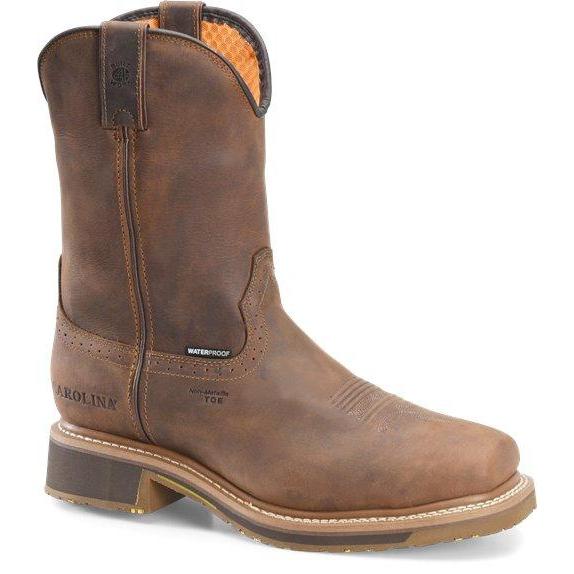
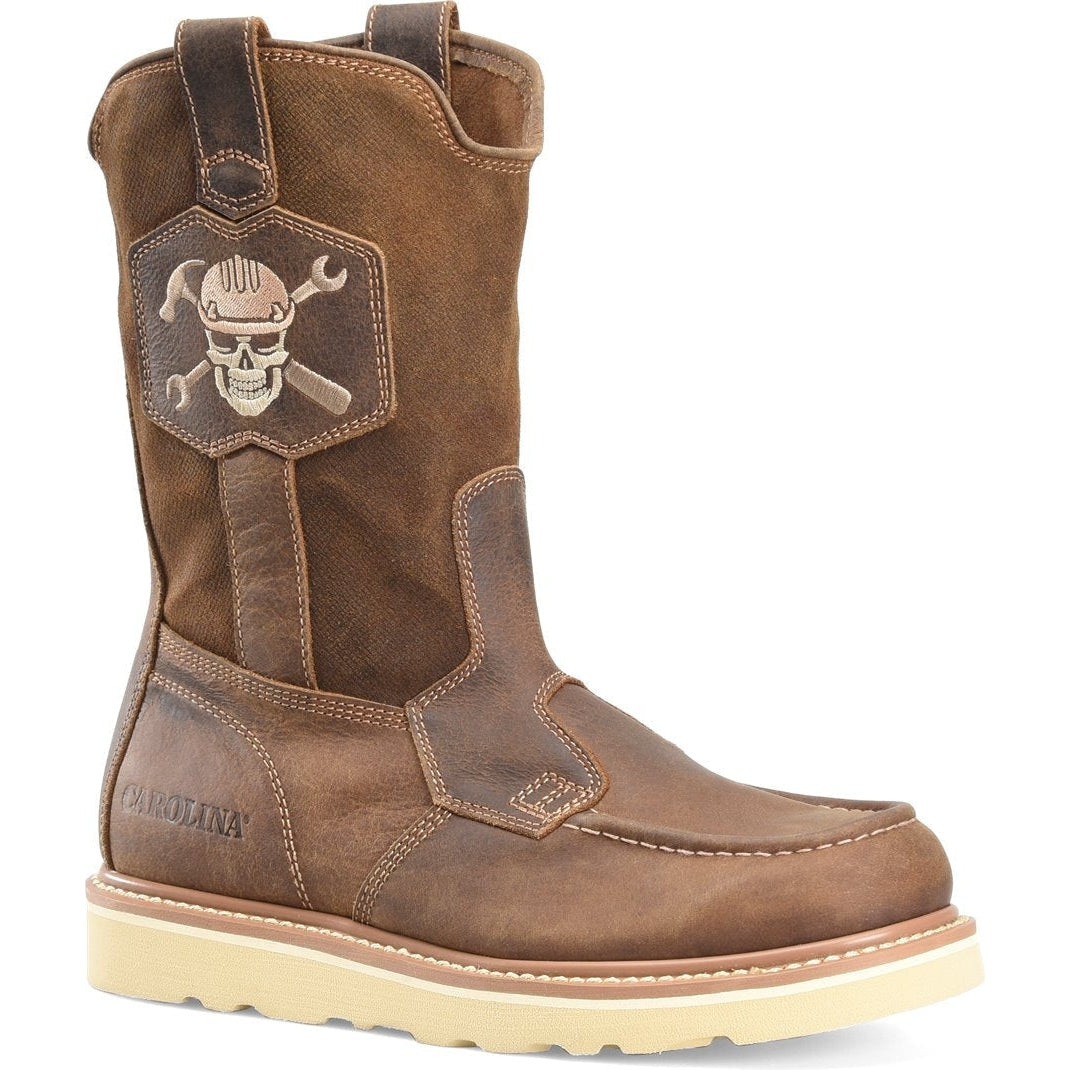
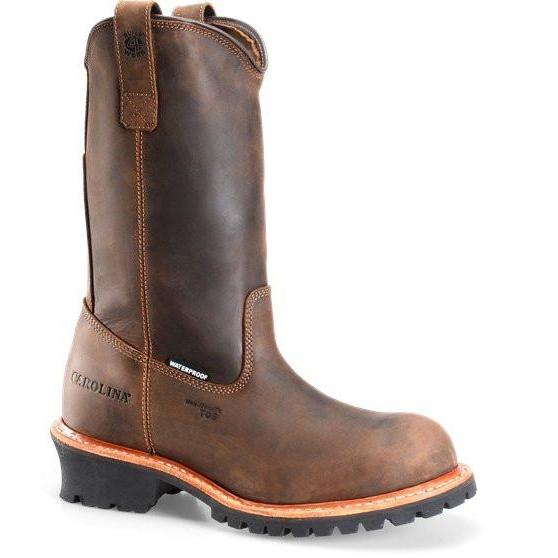
Carolina Men's Anchor 10" Waterproof Composite Square Toe Roper Work Boot - CA8536
Save 17%
Sale price$190.89
Regular price$229.99
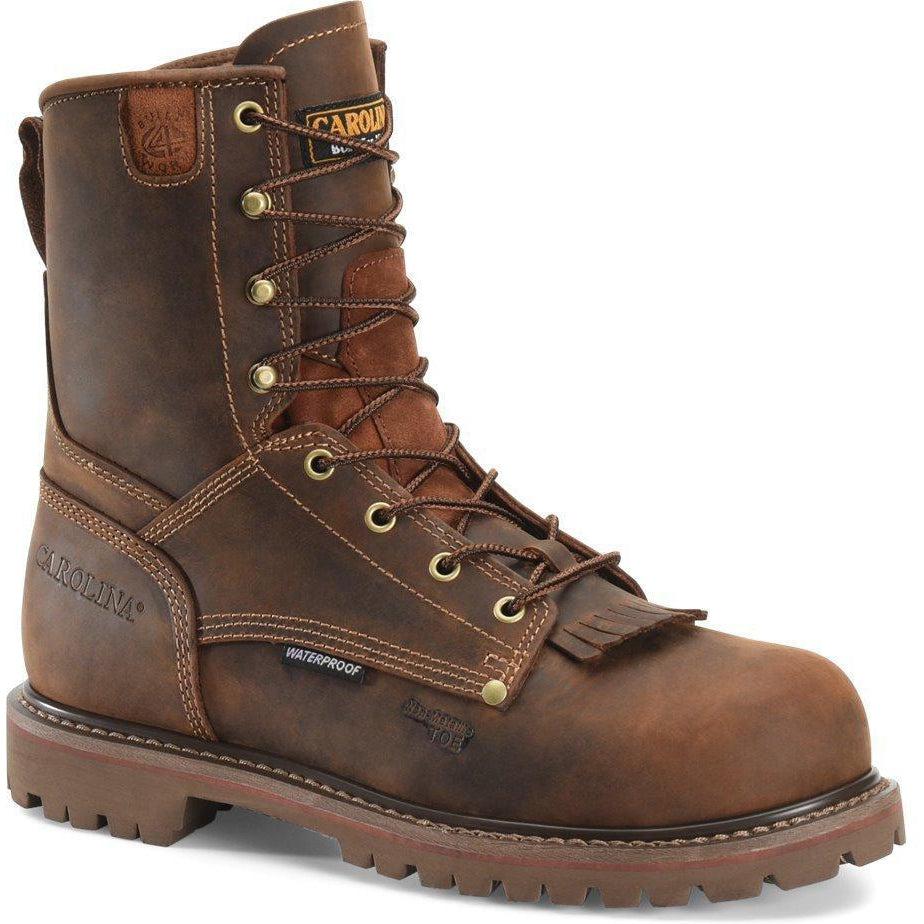
Carolina Men's 28 Series 8” Waterproof Composite Toe Work Boot - Kharthoum Cigar - CA8528
Save 17%
Sale price$244.84
Regular price$294.99
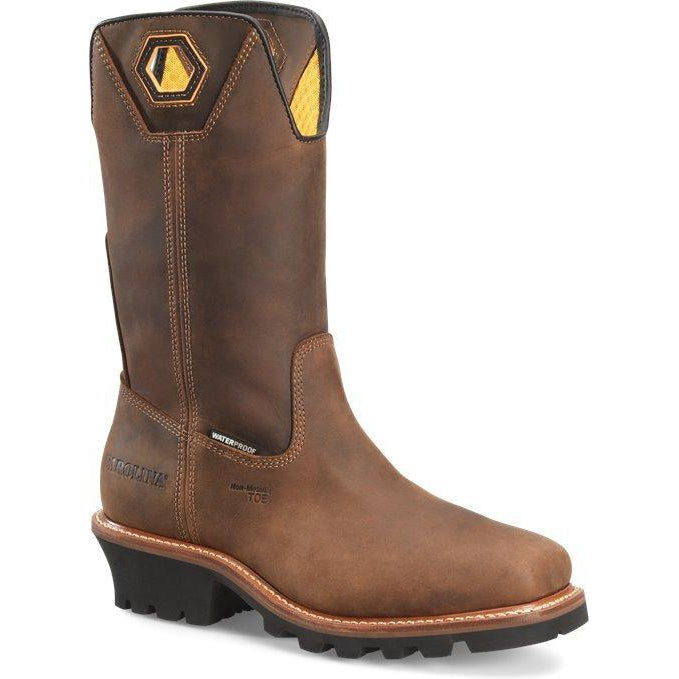
Carolina Men's Coppice 12" Composite Toe Waterproof Logger Work Boot- Brown- CA9833
Sale price$179.99
Regular price$184.00
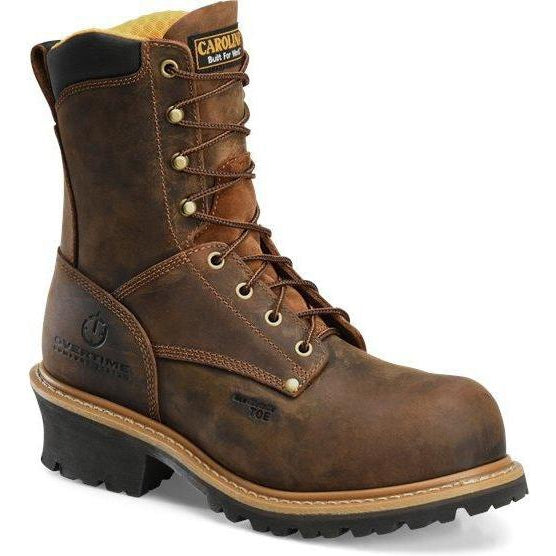
Carolina Men's Poplar 8" Composite Toe Unlined Logger Work Boot - Brown - CA9853
Save 17%
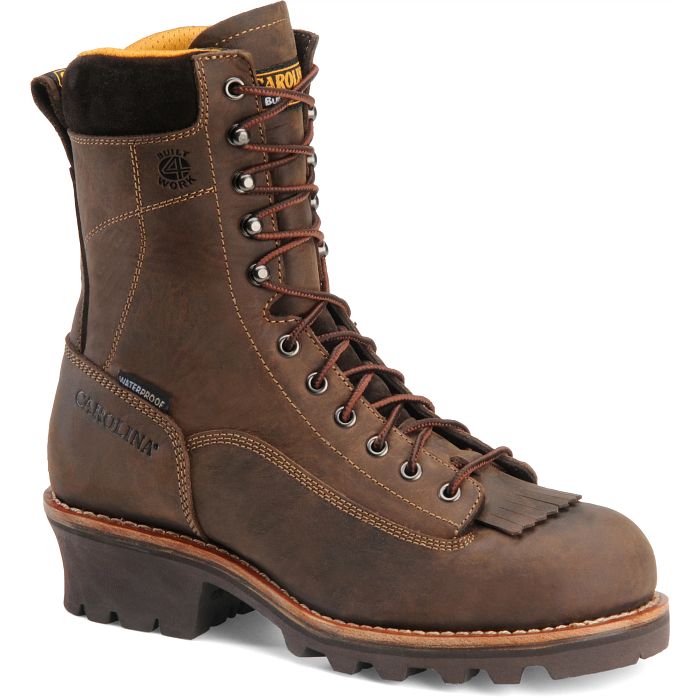
Sale price$211.64
Regular price$254.99
Carolina Men's Birch 8" Composite Toe Waterproof Logger Work Boot - Brown - CA7522
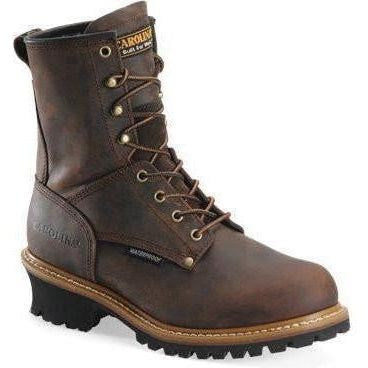
Sale price$194.99
Carolina Men's Elm 8" Waterproof Logger Work Boot - Brown - CA8821
Save 18%
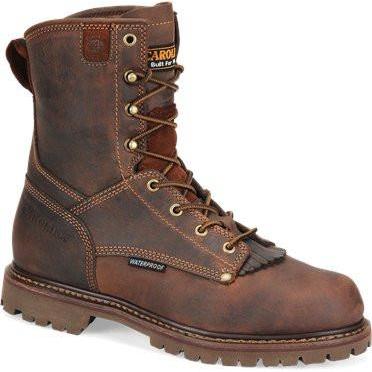
Sale price$182.59
Regular price$224.00
Carolina Men's 28 Series 8" Soft Toe Waterproof Grizzly Work Boot - Brown - CA8028
Save 17%
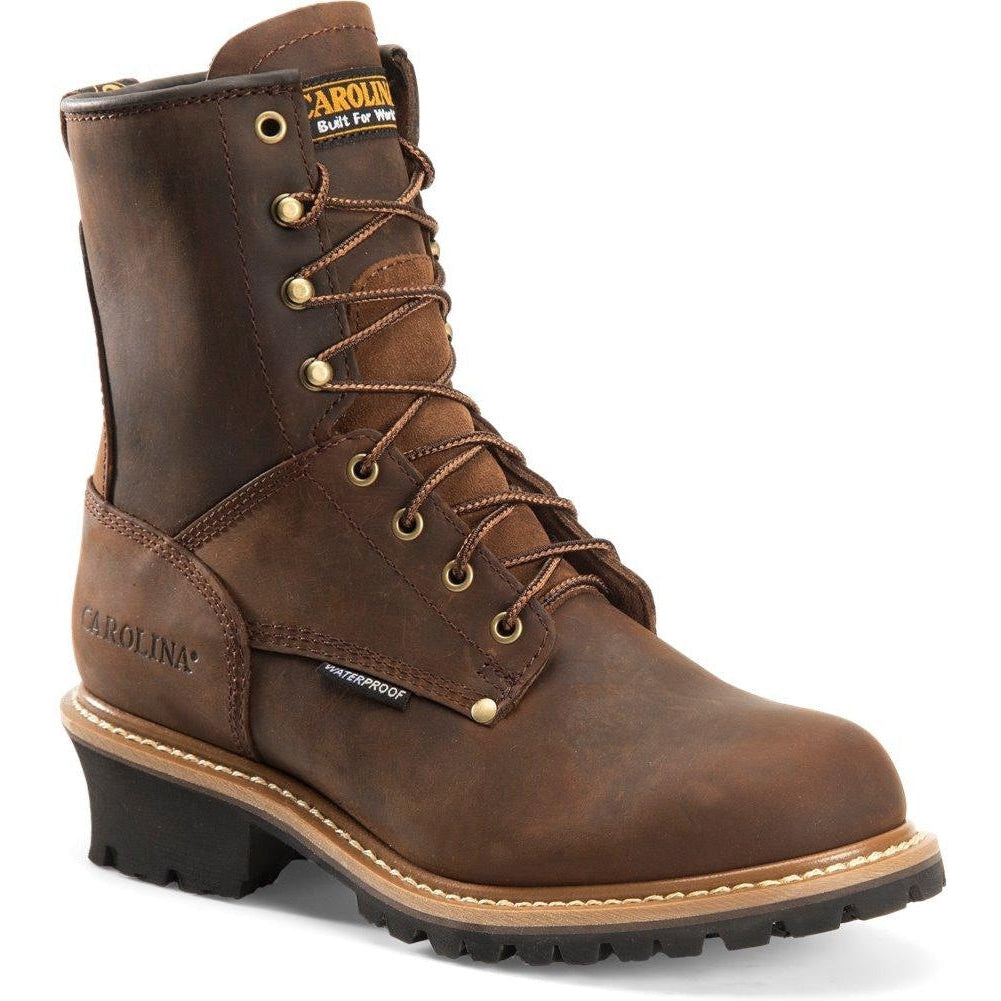
Sale price$165.99
Regular price$199.99
Carolina Men's Elm 8" Steel Toe Waterproof Logger Work Boot - Brown - CA9821
Save 31%
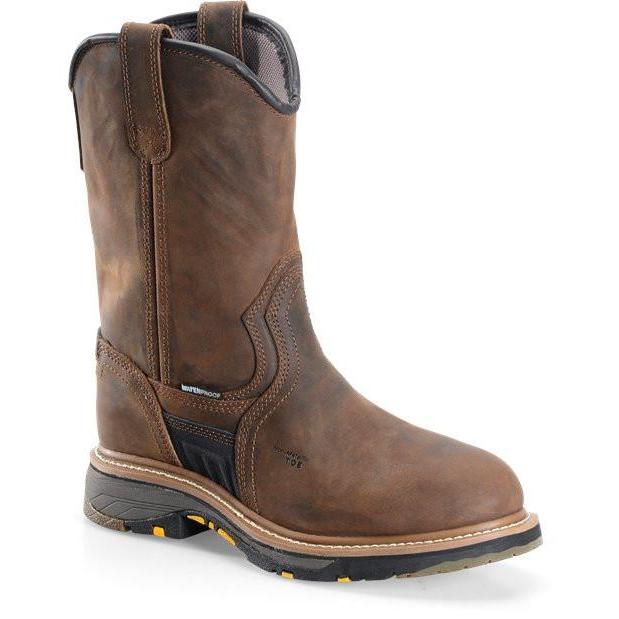
Sale price$148.67
Regular price$214.00
Carolina Men's Well X 10" Composite Toe Waterproof Wellington Work Boot - CA4559
Save 17%
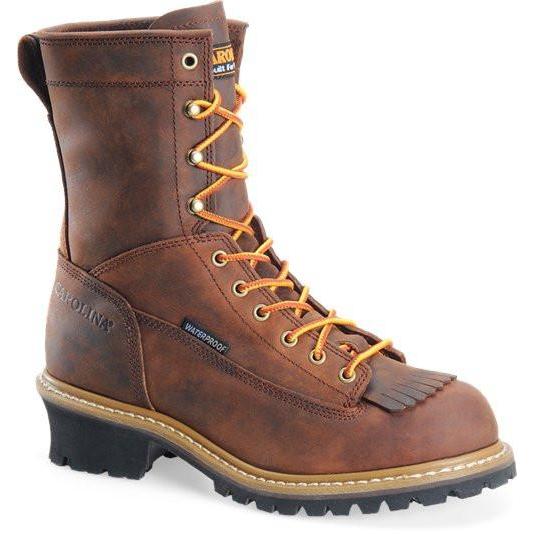
Sale price$178.44
Regular price$214.99
Carolina Men's Spruce 8" Waterproof Lace-to-Toe Logger Work Boot, Brown CA8824
Save 17%
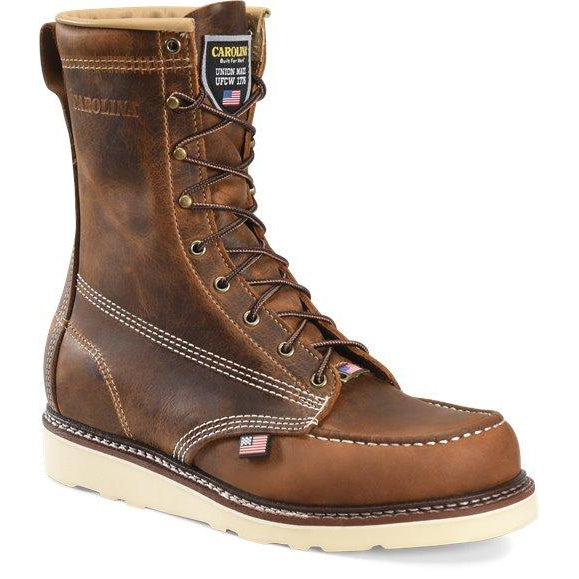
Sale price$219.94
Regular price$264.99
Carolina Men's Domestic 8" Soft Toe Moc Toe Wedge Work Boot - Brown - CA8012
Save 17%
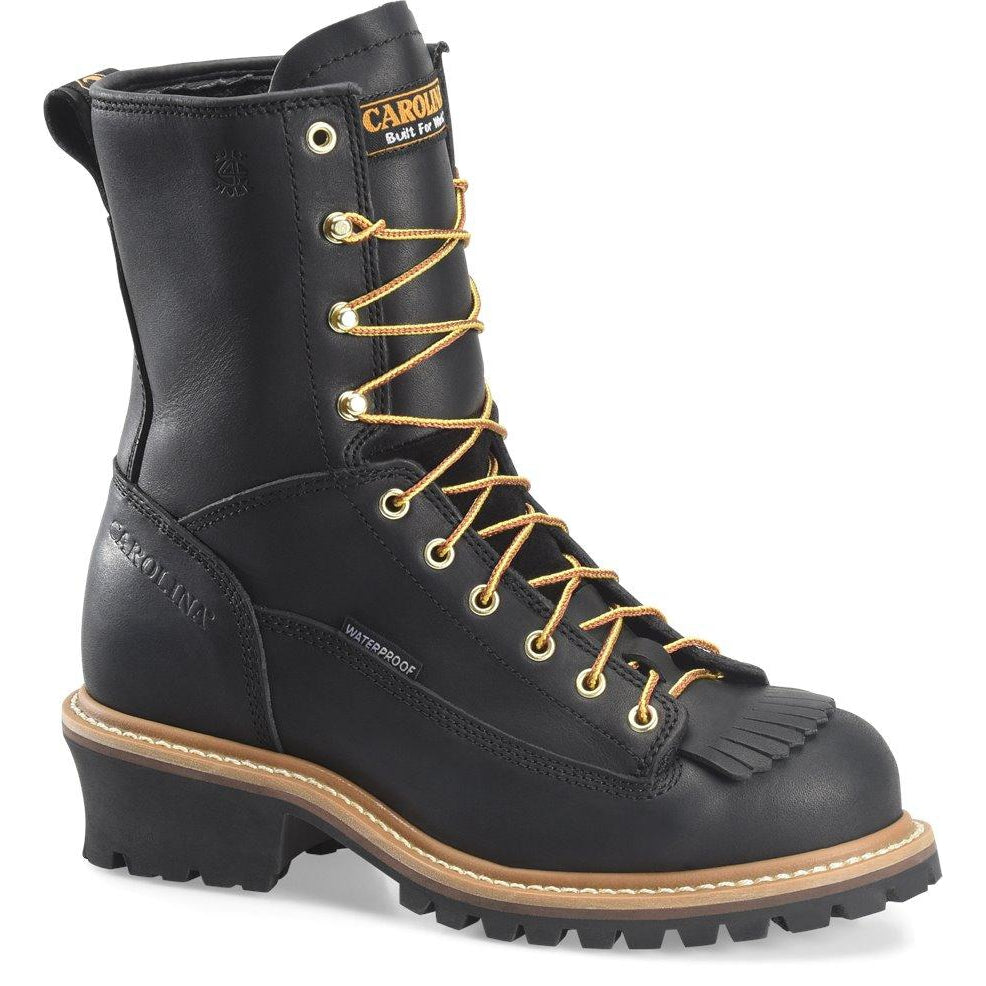
Sale price$170.14
Regular price$204.99
Carolina Men's Spruce 8" Waterproof Lace-to-Toe Logger Work Boot Black CA8825
Save 17%
Sale price$236.54
Regular price$284.99
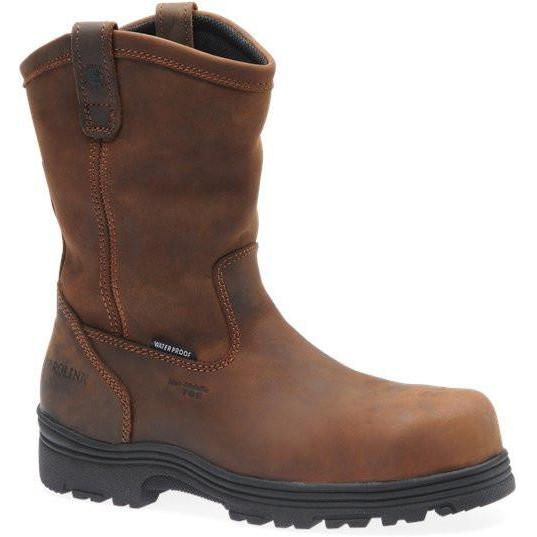
Carolina Men's Well X 12" Composite Toe Wellington Logger Work Boot CA9831
Save 17%
Sale price$207.49
Regular price$249.99
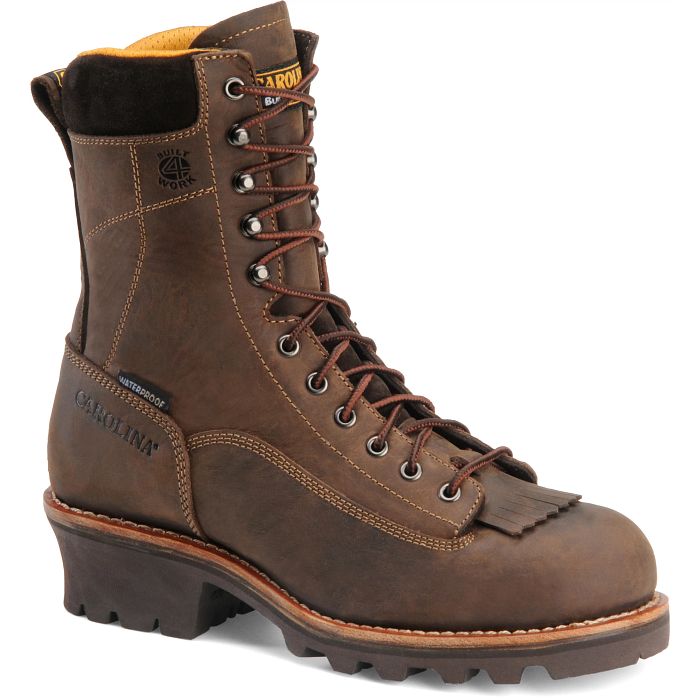
Carolina Men's Birch 8" Waterproof Logger Work Boot - Brown - CA7022
Save 17%
Sale price$186.74
Regular price$224.99
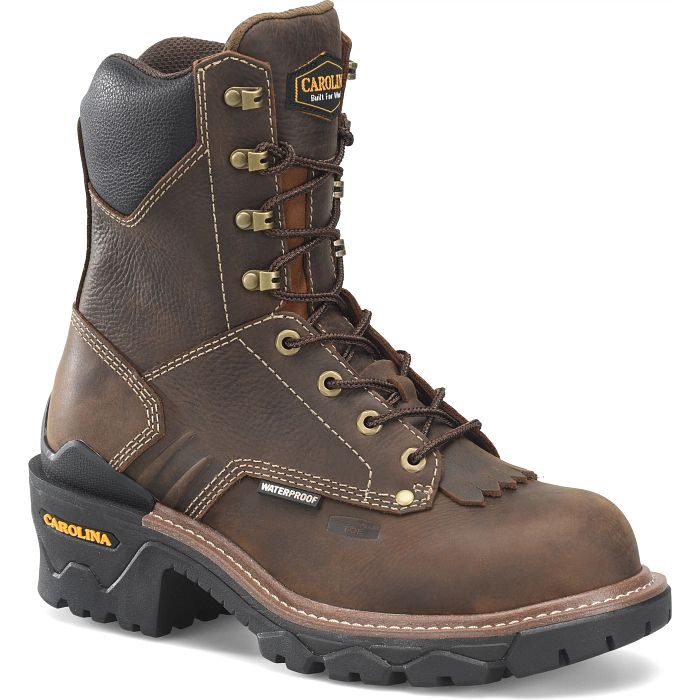
Carolina Men's Cardinal 8" Composite Toe Waterproof Slip Resistant Work Boot -Brown- CA7837
Save 17%
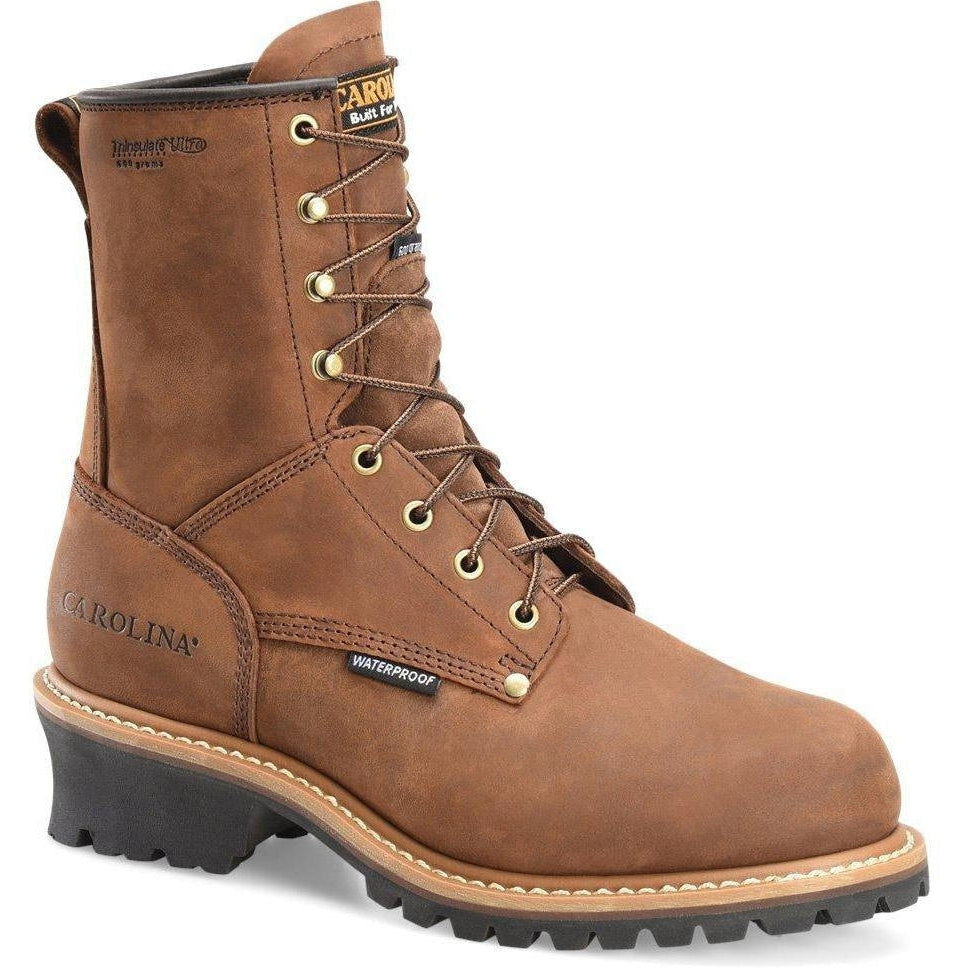
Sale price$178.44
Regular price$214.99
Carolina Men's Elm 8" Steel Toe Waterproof Insulated Logger Work Boot - Brown - CA5821
Save 17%
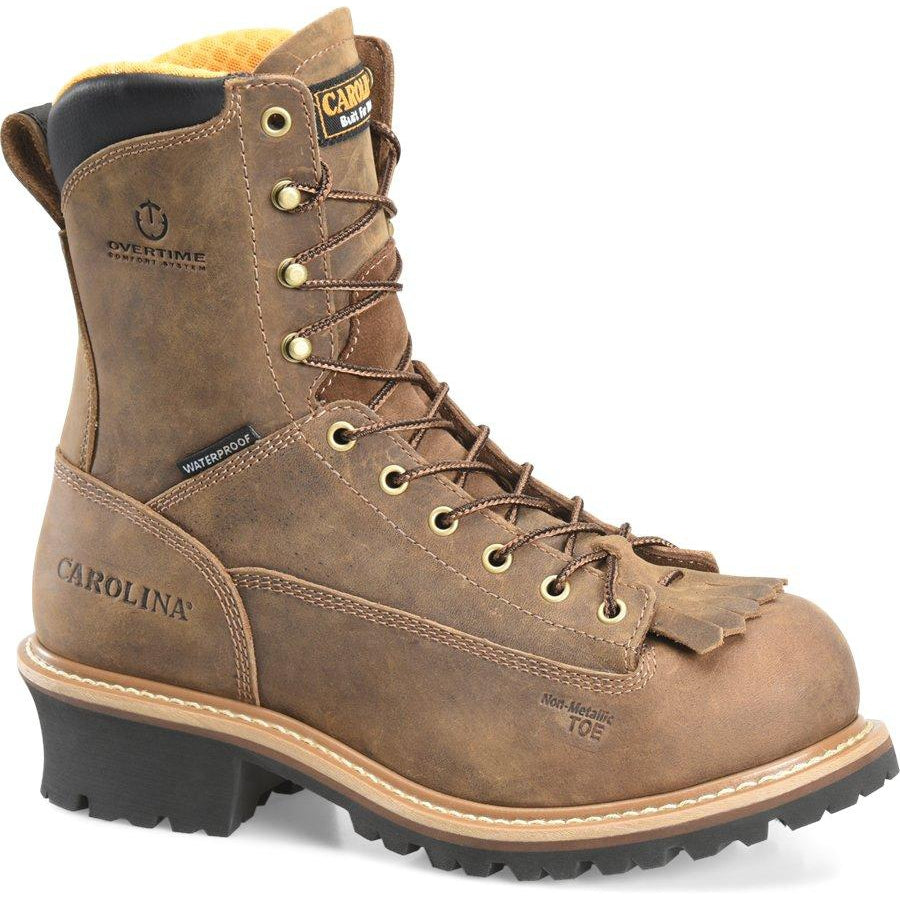
Sale price$186.74
Regular price$224.99
Carolina Men’s Driller 8” Composite Toe Waterproof Logger Work Boot – Brown - CA9828
Save 17%
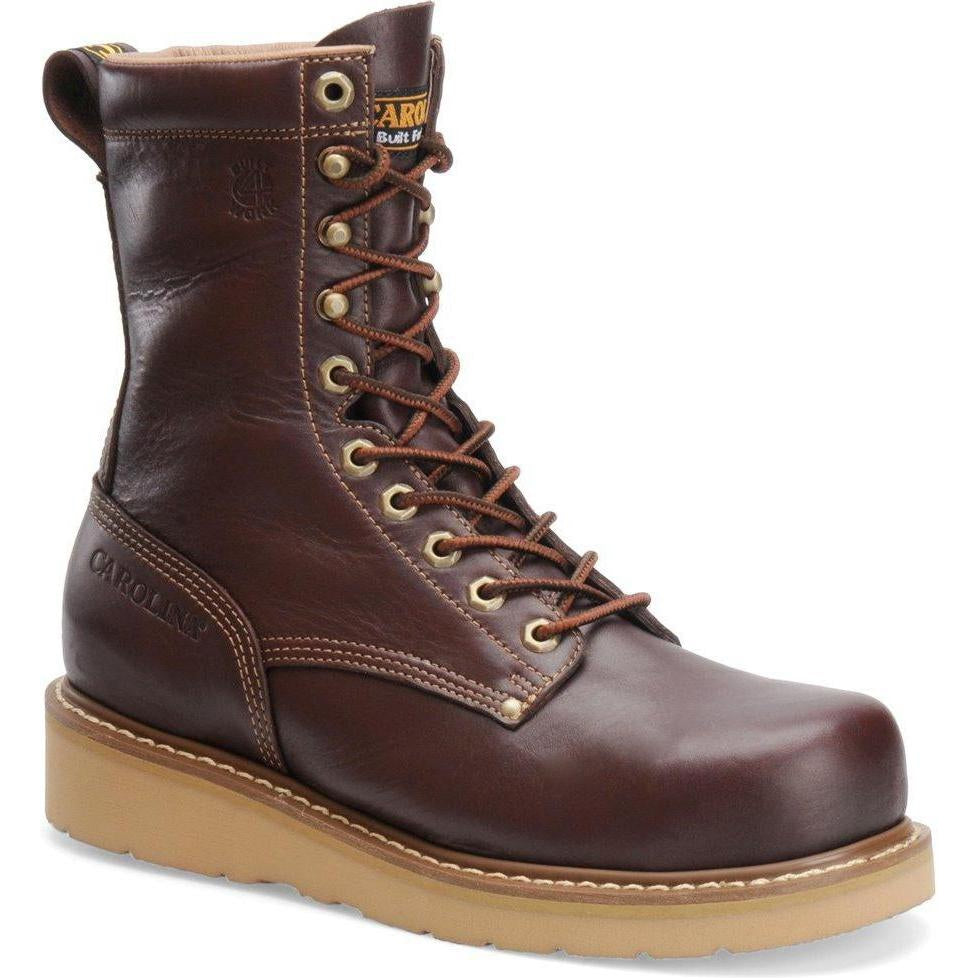
Sale price$165.99
Regular price$199.99
Carolina Men's Amp Hi 8" Broad Toe Wedge Work Boot - Dark Oak - CA8049
Save 17%
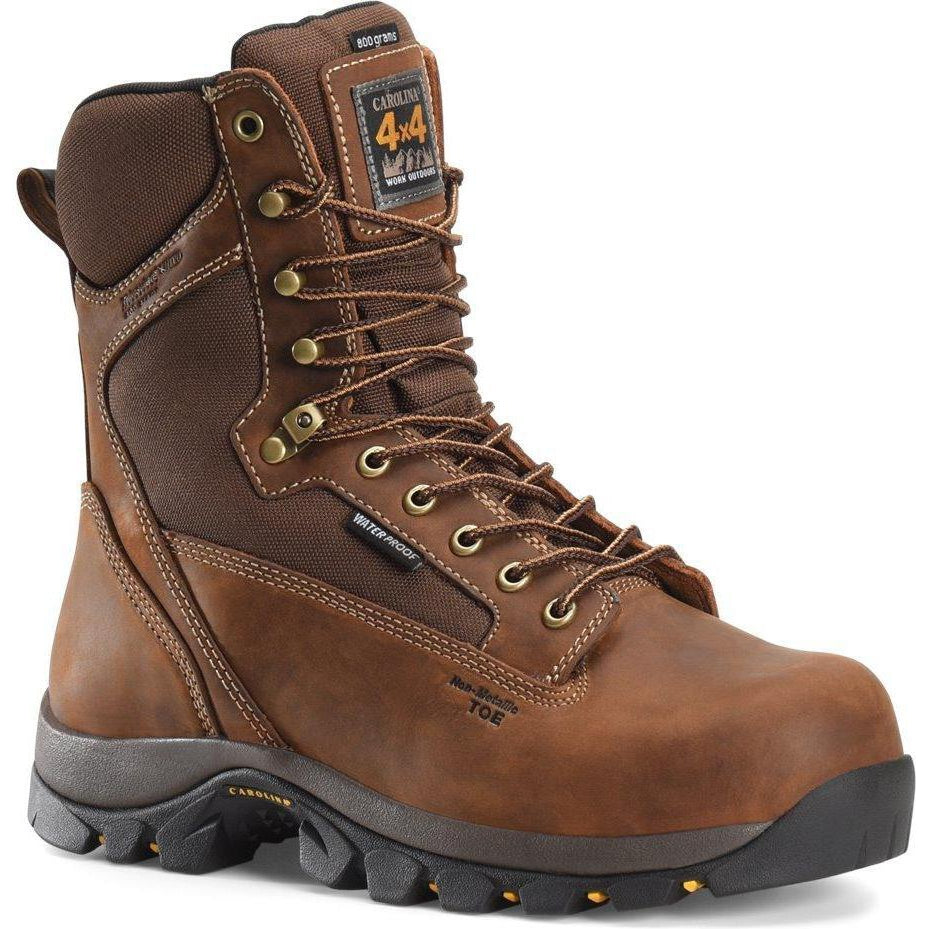
Sale price$182.59
Regular price$219.99
Carolina Men's Forrest 8" Waterproof Ins Composite Toe Work Boot - Brown - CA4515
Save 17%
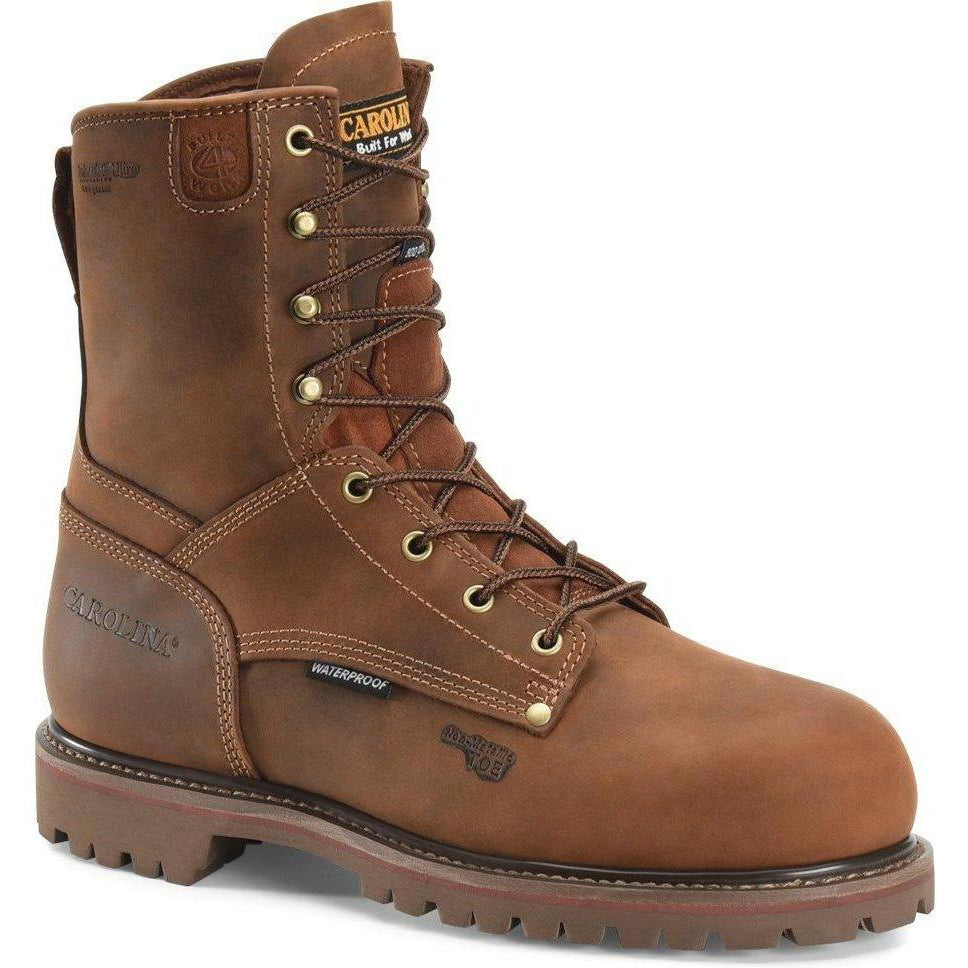
Sale price$203.34
Regular price$244.99
Carolina Men's 28 Series 8" Composite Toe Insulated Waterproof Boot - CA9528
Save 17%
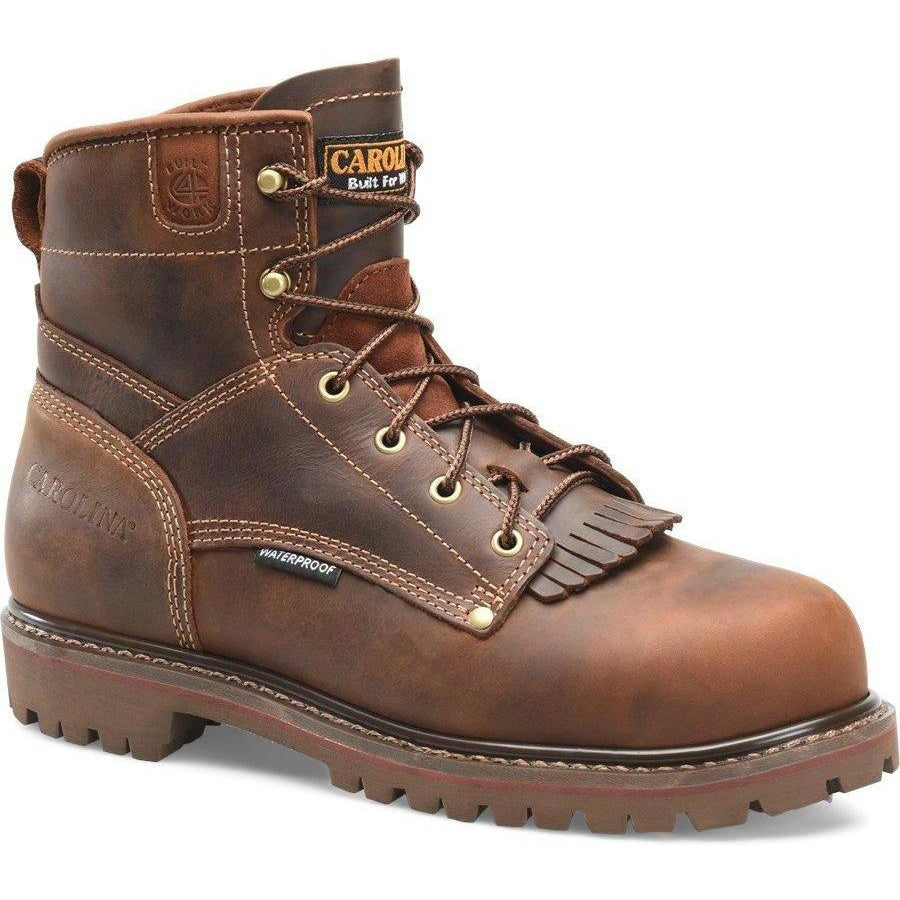
Sale price$178.44
Regular price$214.99
Carolina Men's 28 Series 6" Soft Toe Waterproof Grizzly Work Boot - Brown - CA7028
Save 17%
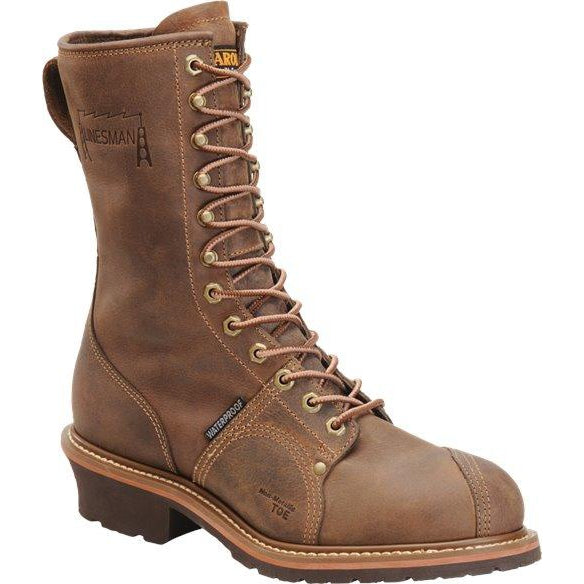
Sale price$240.69
Regular price$289.99
Carolina Men's Linesman 10" Composite Toe Waterproof Work Boot - Brown - CA1904
Save 17%
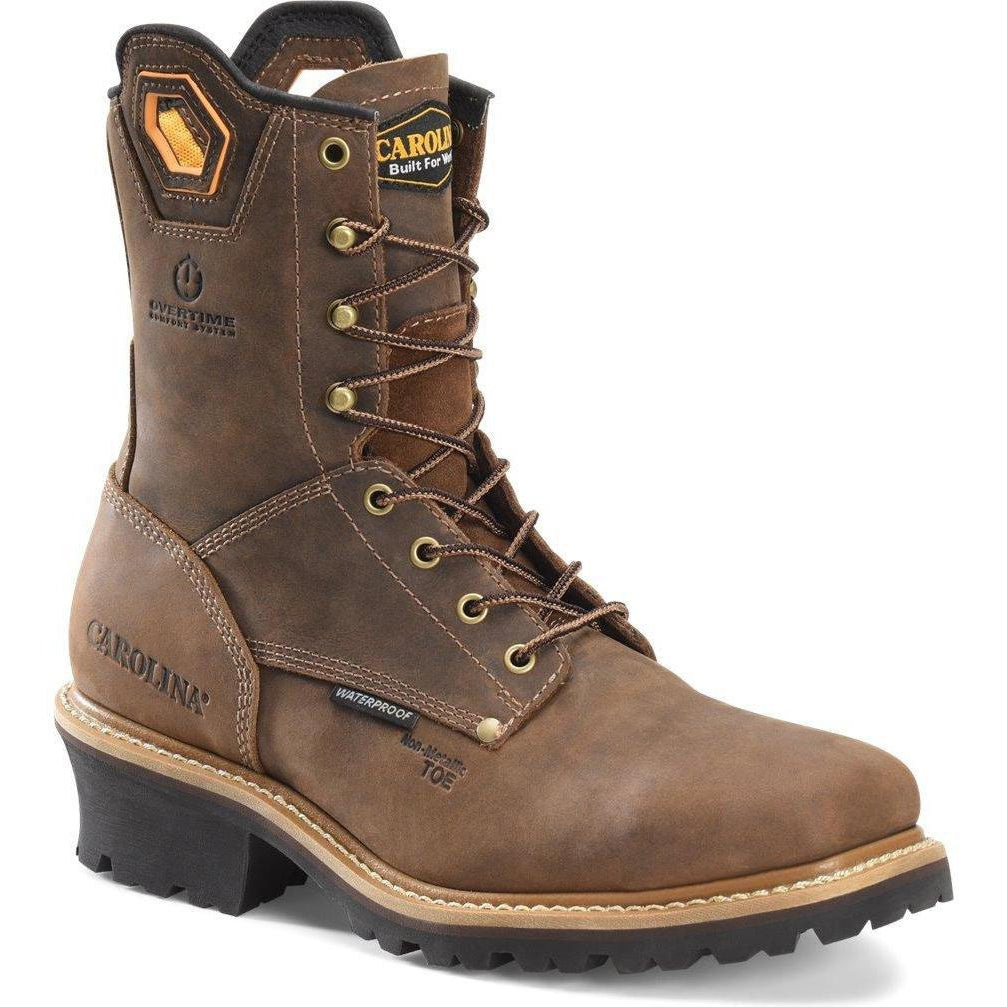
Sale price$203.34
Regular price$244.99
Carolina Men's Coppice 8" Composite Toe Waterproof Logger Work Boot - Brown - CA9855
Save 17%
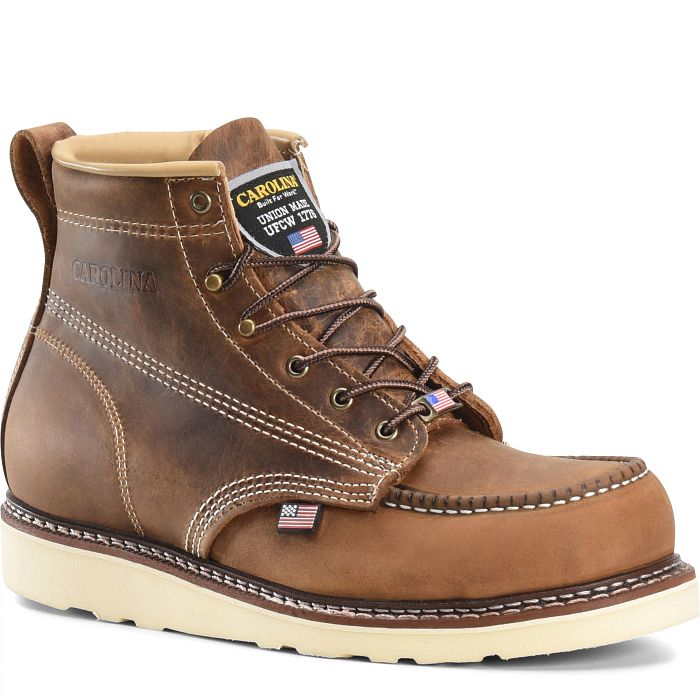
Sale price$207.49
Regular price$249.99
Carolina Men's AMP USA Made 6" Moc Toe Wedge Work Boot Brown - CA7011
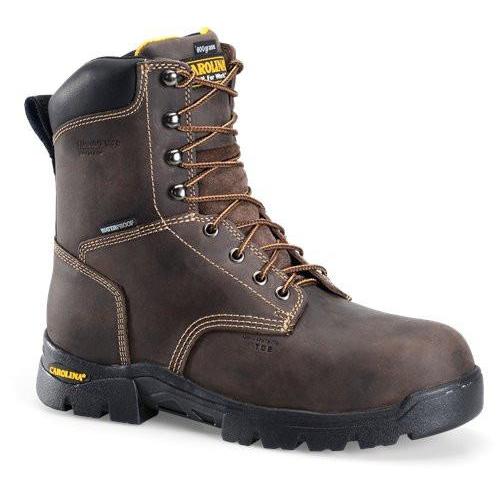
Sale price$164.99
Carolina Men's Circuit Hi 8" Composite Toe Insulated Work Boot - CA3538
Save 18%
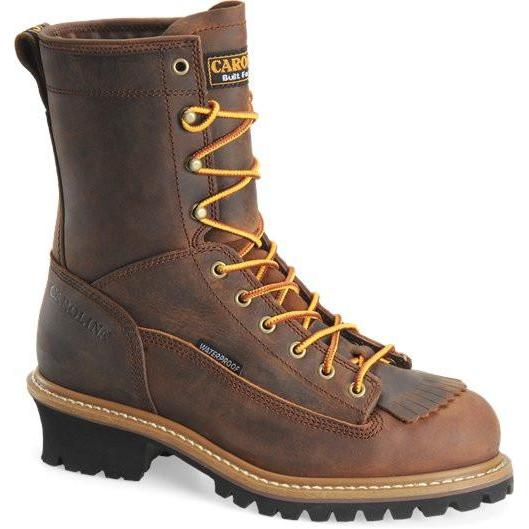
Sale price$182.59
Regular price$224.00
Carolina Men's Spruce 8" Steel Toe Waterproof Logger Work Boot - Brown - CA9824
Save 17%
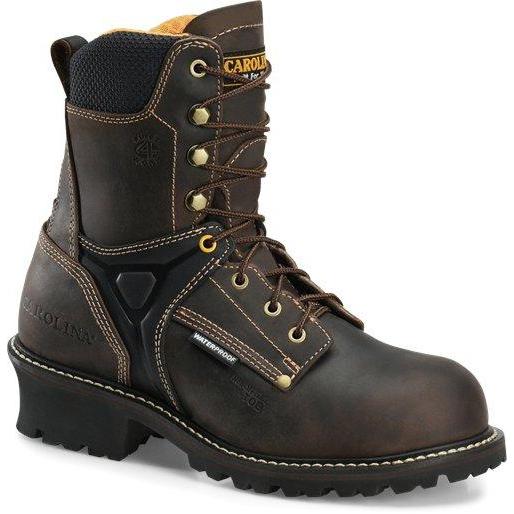
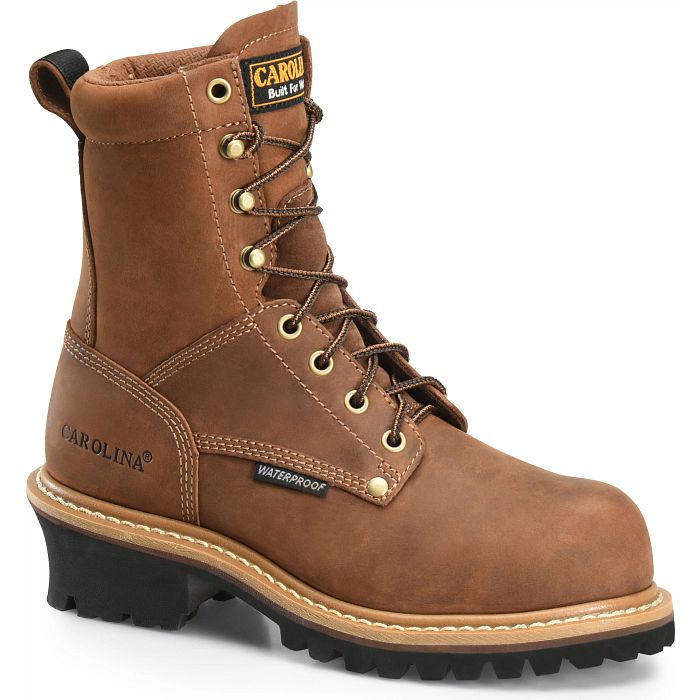
Sale price$195.04
Regular price$234.99
Carolina Men's Timber 8" Composite Toe Waterproof Logger Work Boot - Brown - CA6921
Save 17%
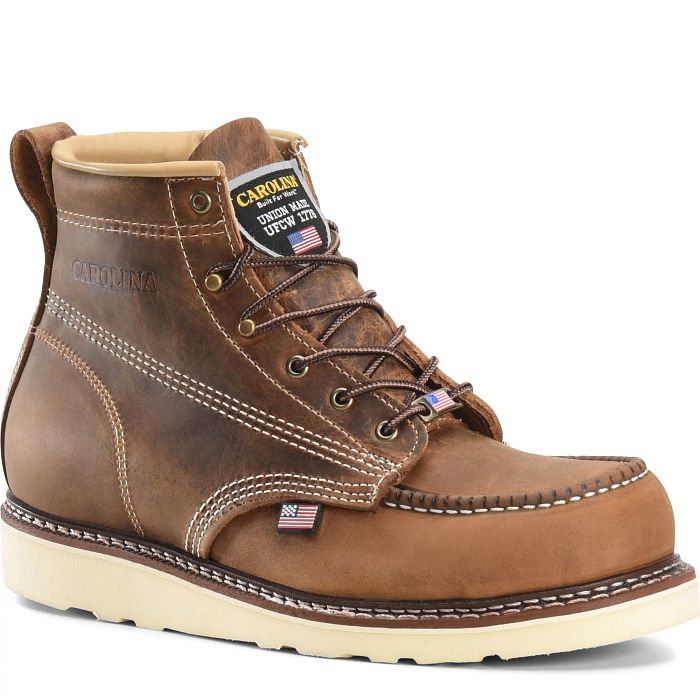
Sale price$215.79
Regular price$259.99
Carolina Men's Amped USA Made 6" Steel Toe Wedge Work Boot Brown - CA7811
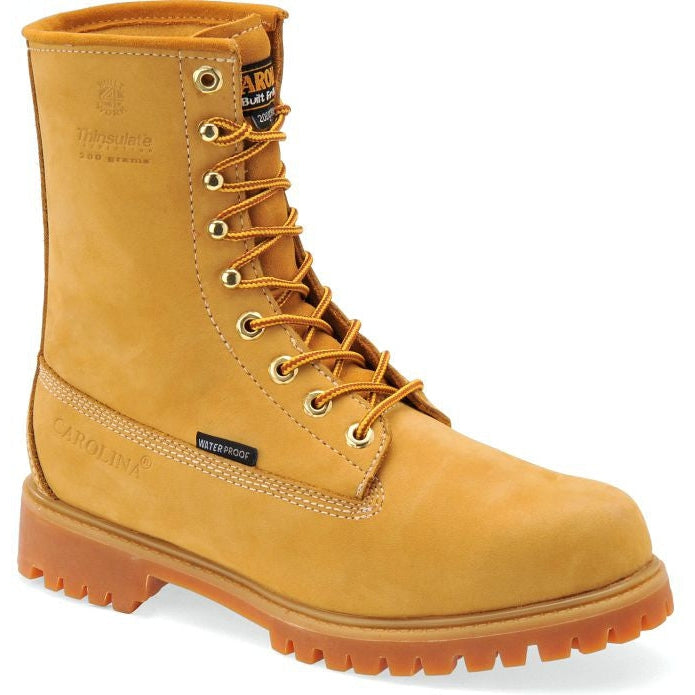
Save 6%
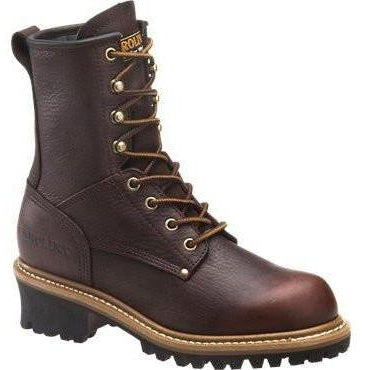
Sale price$154.99
Regular price$165.00
Carolina Women's Elm 8" Steel Toe Logger Work Boot - Brown - CA1421
Sale price$179.99
Regular price$184.00
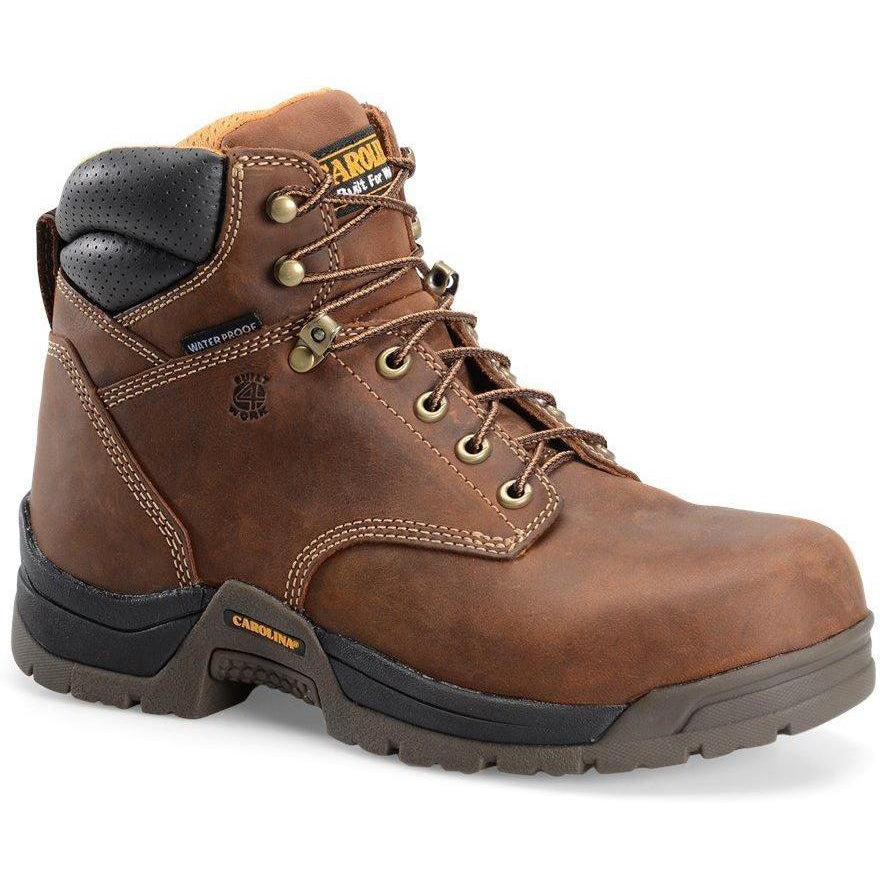
Carolina Men's Bruno Lo 6" Waterproof Composite Toe Work Boot - Brown - CA5520
Save 17%
Sale price$224.09
Regular price$269.99
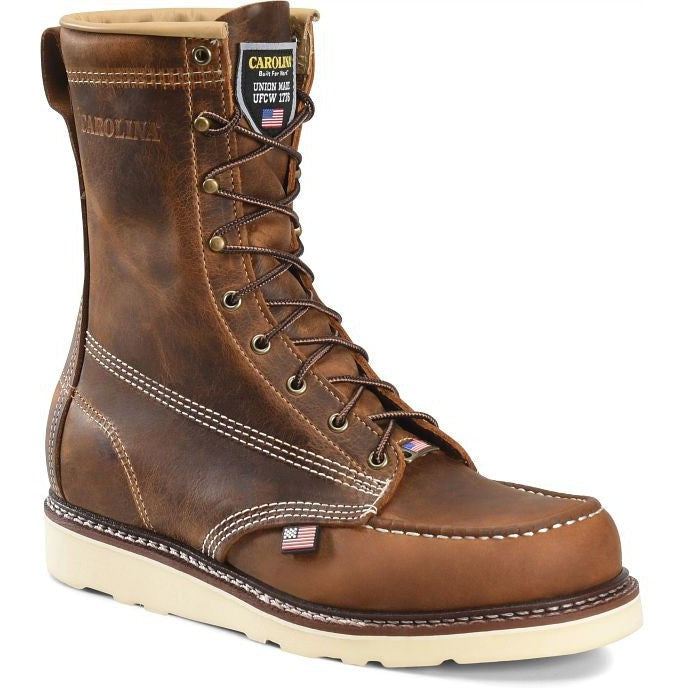
Carolina Men's Amp 8" Steel Toe USA Made Wedge Work Boot -Brown- CA8512
Learn More About Carolina
Frequently Asked Questions
The right Carolina boot for your job is the one built for your trade's main hazard. For oilfield and heavy industrial work, that's a waterproof composite-toe boot like the 28 Series CA8528, or the Matterhorn line where the underfoot hazards are worst. Ranch and outdoor work leans toward a roper like the Anchor, and flat concrete to a wedge sole for standing all day. Logging calls for an 8- to 12-inch logger like the Elm, with a raised heel and a lug sole.
Carolina work boots come in four toe types: steel, composite, carbon composite, and soft toe. The first three are safety toes, and soft toe is for work with no safety-toe requirement. Separate from the toe, some models add an external met guard, a metatarsal shield over the laces that is not a toe cap.
The difference between steel toe and composite toe is that steel provides maximum impact and crush protection but conducts heat and cold, while composite is lighter, conducts far less heat and cold, and clears metal detectors. Both meet ASTM F2413 for impact and compression. Choose steel when raw crush protection is the priority, and composite for cold-weather work or any site running metal-detector screening.
Carolina boots are priced by construction and origin. Imported 6-inch and standard work boots are the most affordable. Loggers and waterproof models sit in the middle, and the USA-made domestic line is the most expensive. For the current price on a specific boot, check the product page, since sales move the numbers.
Carolina boots are worth the money for trade workers who want certified protection without heritage-brand prices. The resoleable models cost less over their working life than boots you replace whole. Against Thorogood, the brand they are most often cross-shopped with, many reviewers give Thorogood a slight edge in build and Carolina the edge on price for the same protection.
Carolina boots are good quality for work-site conditions, with a real gap between the domestic and imported lines. The domestic boots use full-grain leather and a heavier build. The imported models carry the same certified toe protection but often take longer to break in, and some buyers find the leather a step below the domestic line.
Some Carolina boots are made in the USA, union-built at the company's Martinsburg, PA factory. The domestic collection includes the Ferric and Amp USA lines, as well as a USA-made external met-guard boot. The rest of the catalog is imported. If American-made is the priority, filter for the domestic models.
Resoling is possible when the boot is built on a welt, which mainly covers the logger and domestic Goodyear-welted models. Wedge-sole and cemented boots, including much of the imported line, generally cannot be resoled the same way. Check the construction on the product page before you factor in resoling, or have a cobbler confirm the welt.
Carolina boots run true to size for most buyers. Logger models can feel narrow through the toe box, so if you get toe cramping, try an E or EE width before going up in length. Widths run from D through 4E, wider than most work-boot brands, and heavy sock wearers often size up a half size.
Many Carolina models are EH-rated and tested to withstand 18,000 volts at 60 Hz for 1 minute without leakage. The rating is per model, so confirm the EH mark on the exact boot if your job calls for it. EH protection is a secondary layer that drops off as soles wear and get wet, and it does not replace primary insulating PPE under OSHA electrical rules.