Sale price$249.99
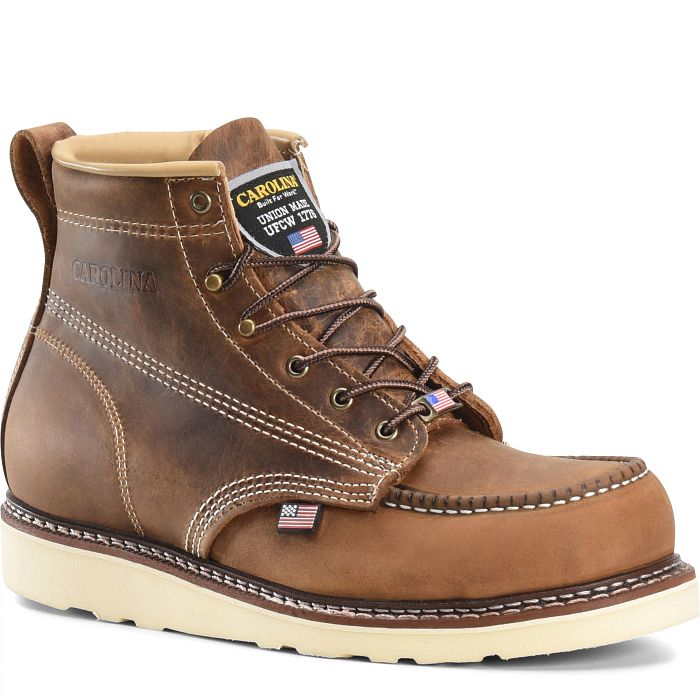
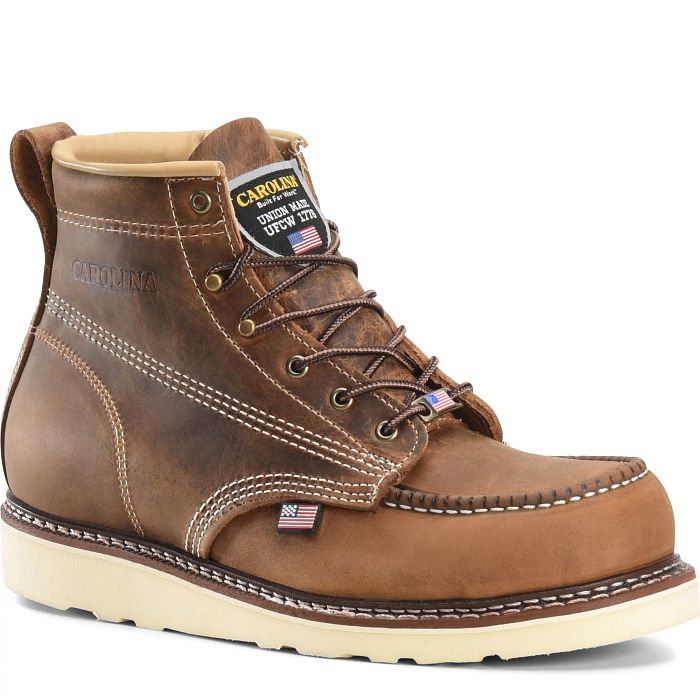
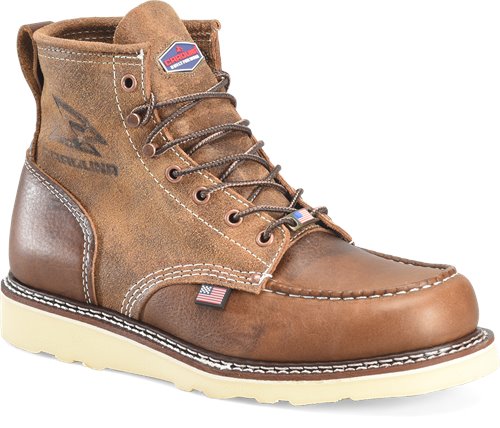
Carolina Men's AMP USA Made 6" Moc Toe Wedge Work Boot Brown - CA7011
Sale price$179.99
Regular price$184.00
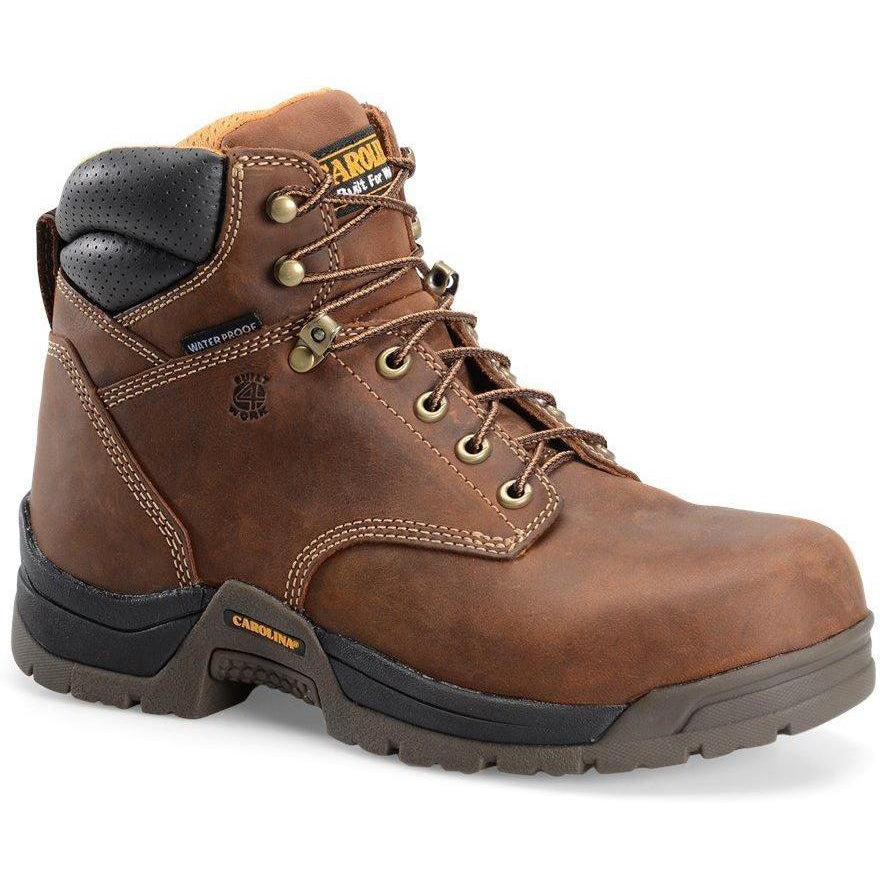
Carolina Men's Bruno Lo 6" Waterproof Composite Toe Work Boot - Brown - CA5520
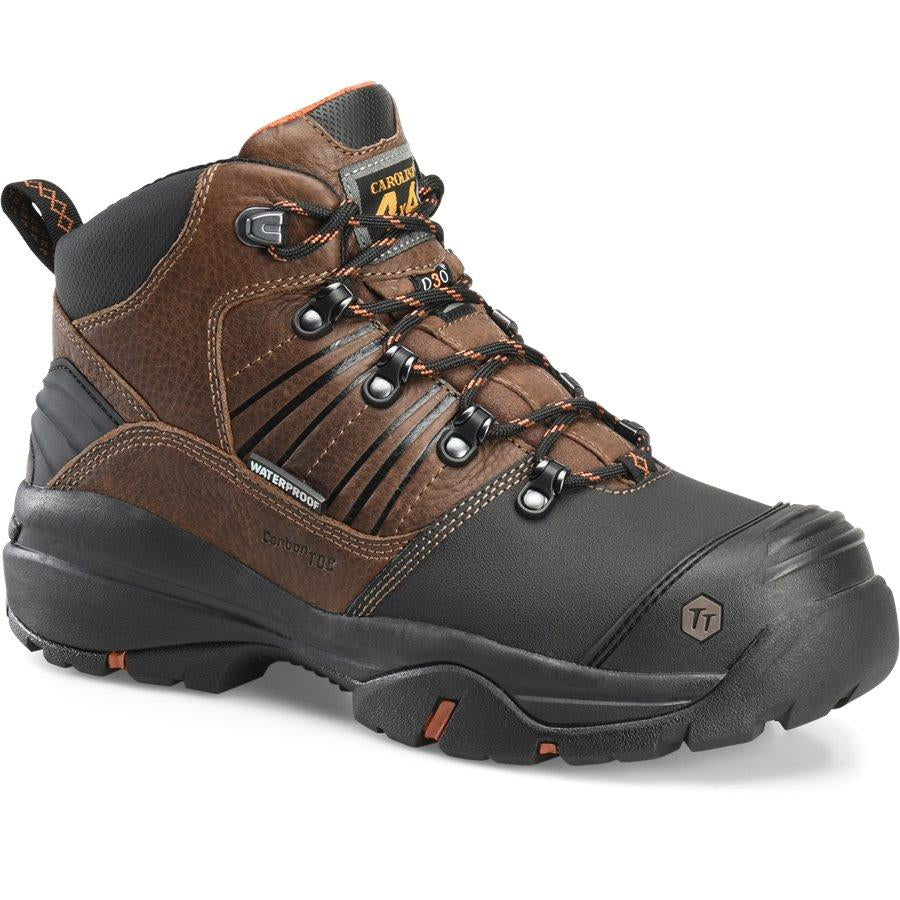
Sale price$219.99
Regular price$224.00
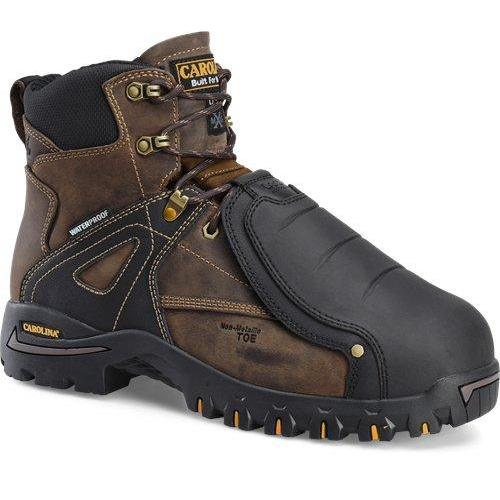
Carolina Men's Miner 6" Carbon Composite Toe Metguard Waterproof Work Shoe CA5587
Save 38%
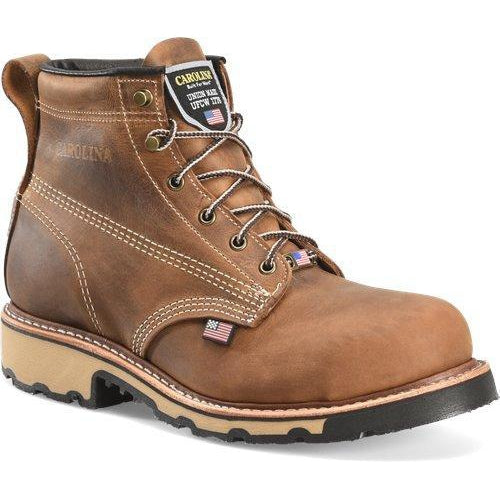
Sale price$173.67
Regular price$280.00
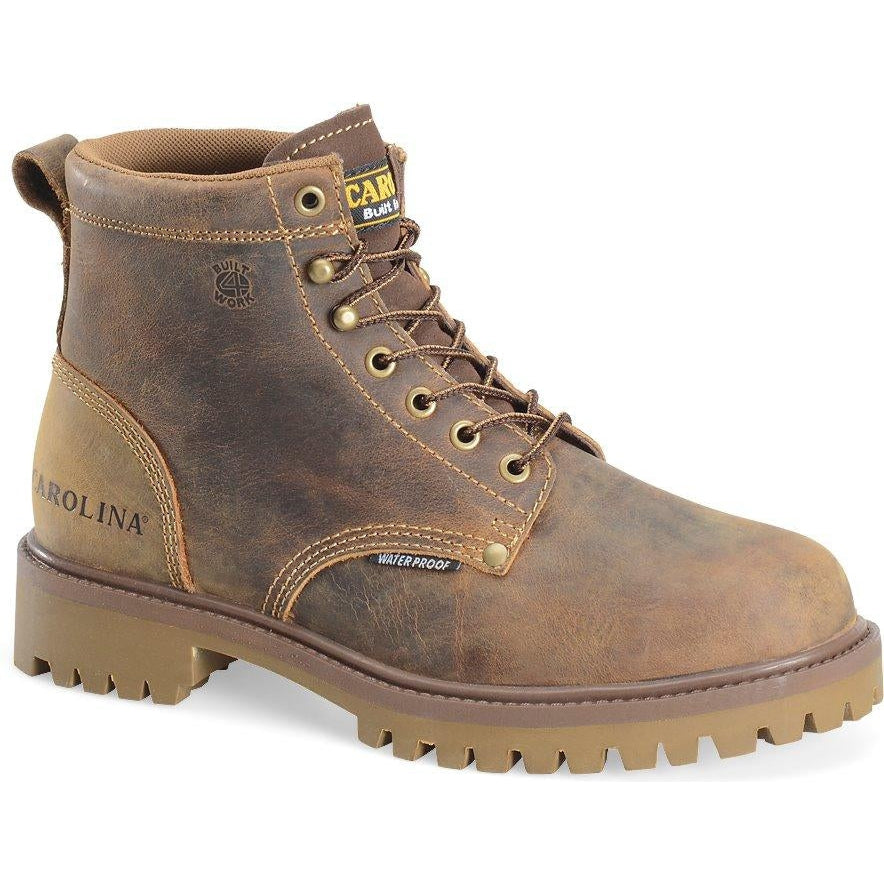
Carolina Men's Ferric USA Made 6" Soft Toe Work Boot - Dark Brown - CA7029
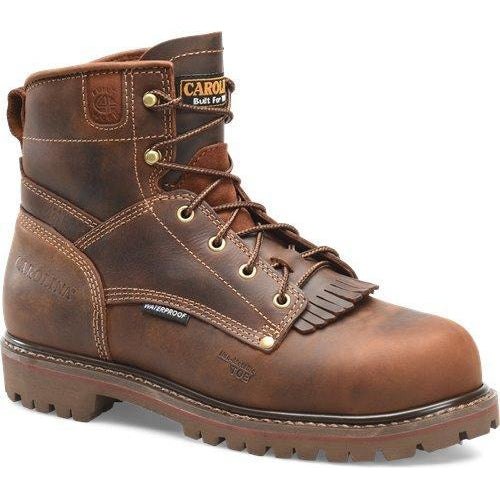
Sale price$219.99
Regular price$224.00
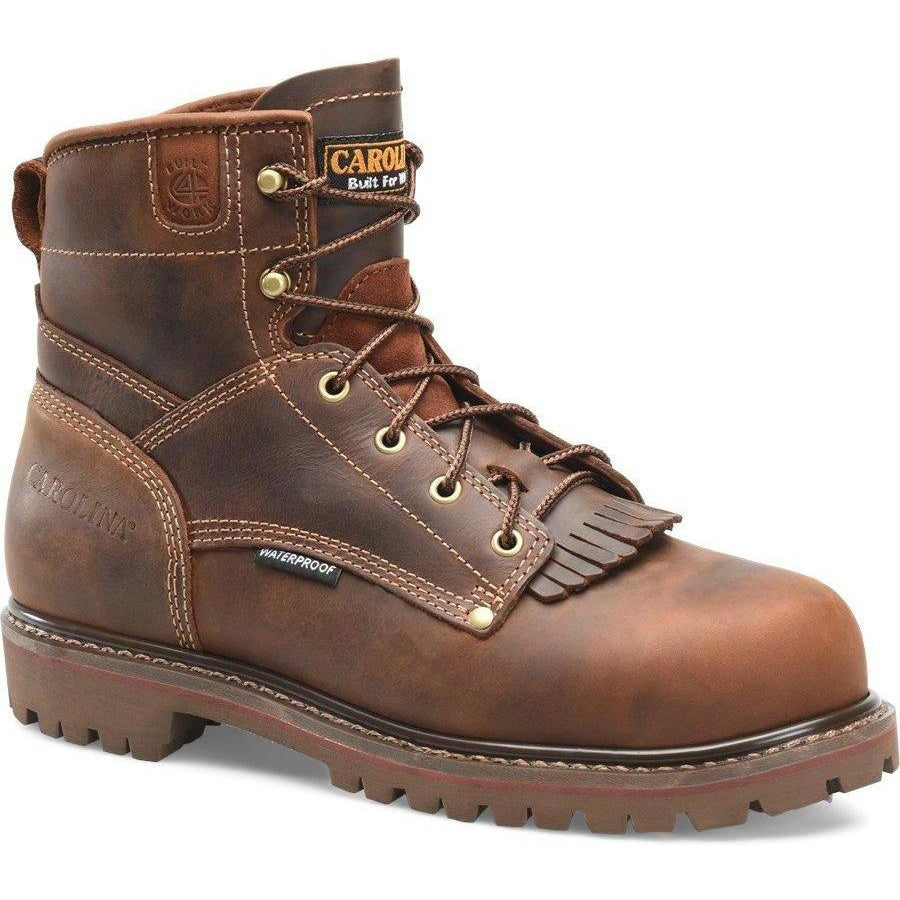
Carolina CA7528 Men's 28 Series 6" Composite Toe Waterproof Work Boot - Brown
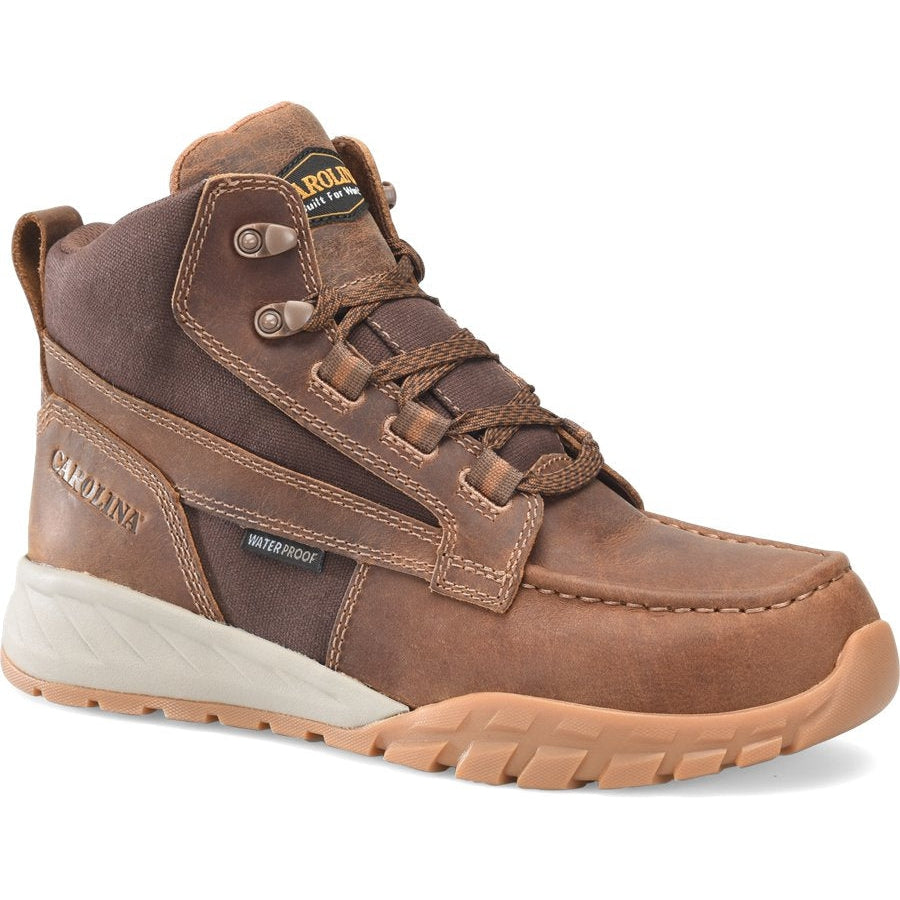
Save 38%
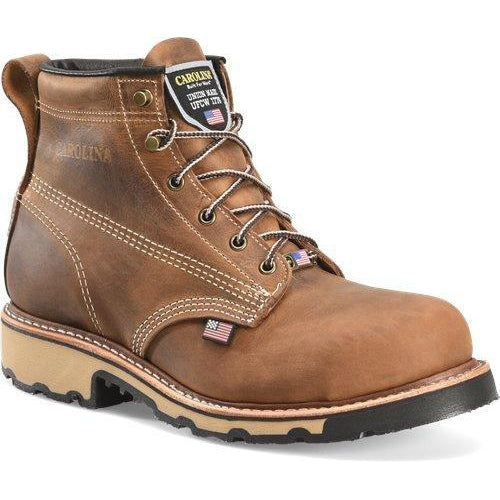
Sale price$176.67
Regular price$286.00
Carolina Men's Ferric 6" Steel Toe Made in USA Work Boot- Brown- CA7829
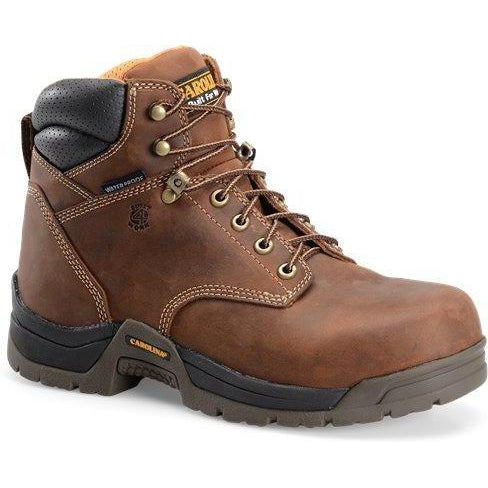
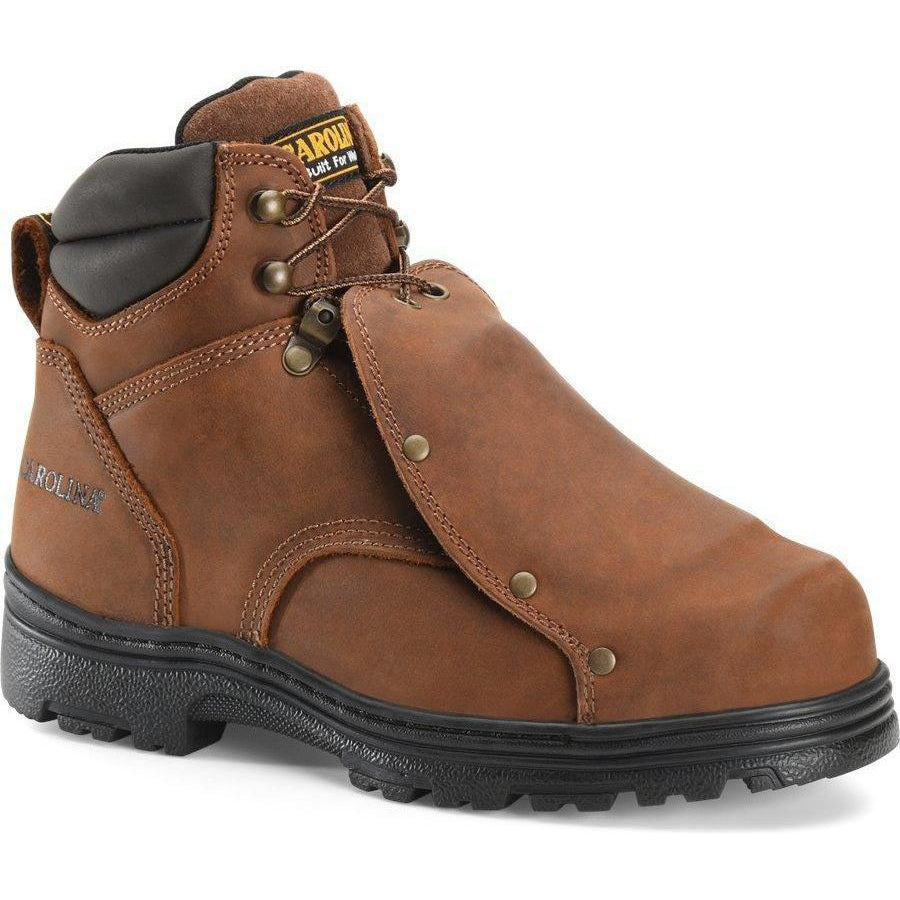
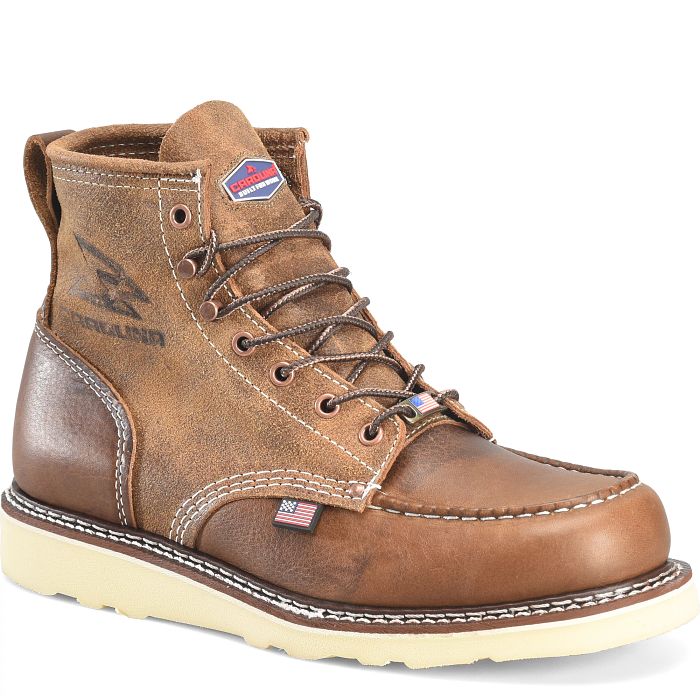
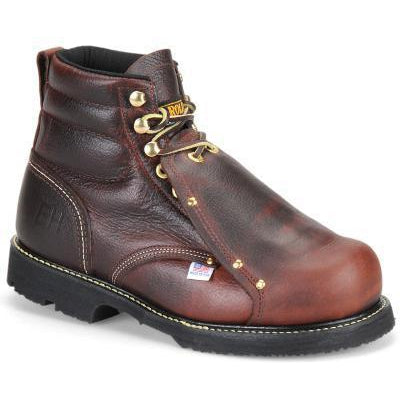
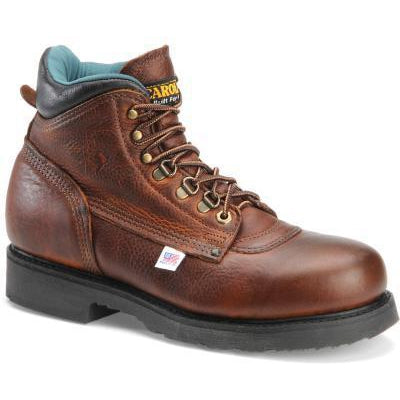
Sale price$309.99
Regular price$314.00
Carolina Men's Sarge Lo USA Made 6" Soft Toe Work Boot - Light Brown - 309
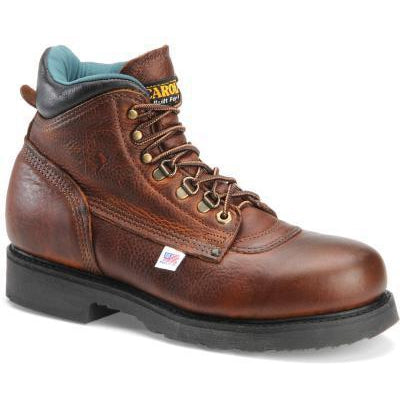
Sale price$319.99
Carolina Men's Sarge Lo USA Made 6" Steel Toe Work Boot - Amber - 1309
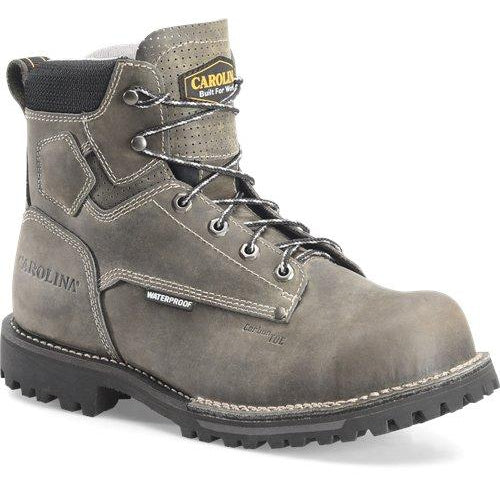
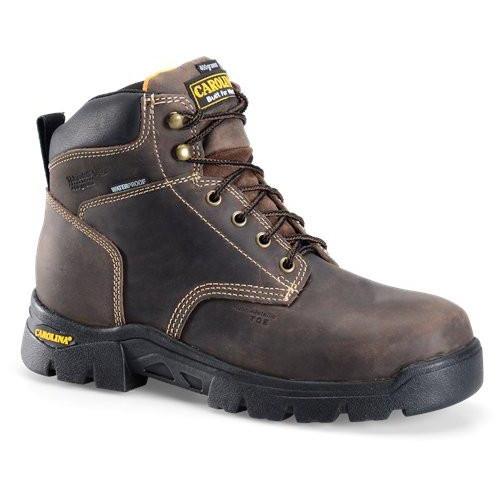
Sale price$139.99
Regular price$144.00
Carolina Men's Circuit 6" Composite Toe Insulated Work Boot - CA3535
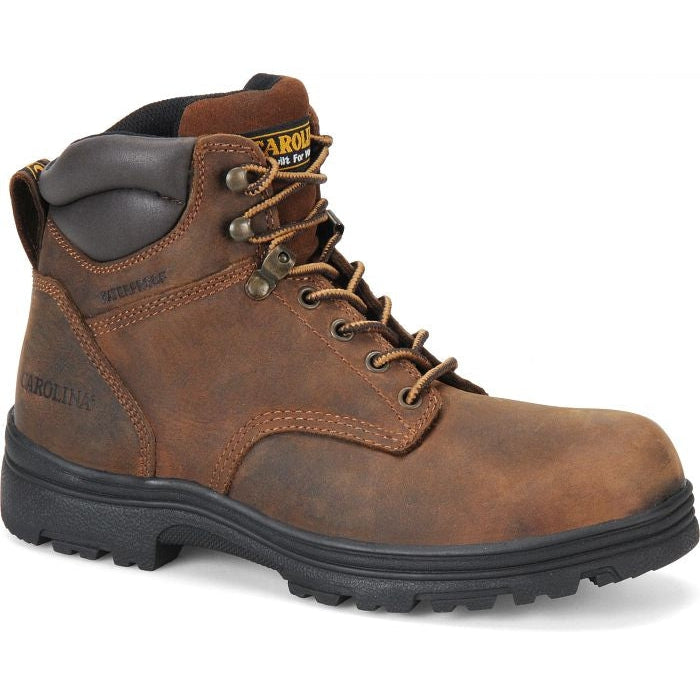
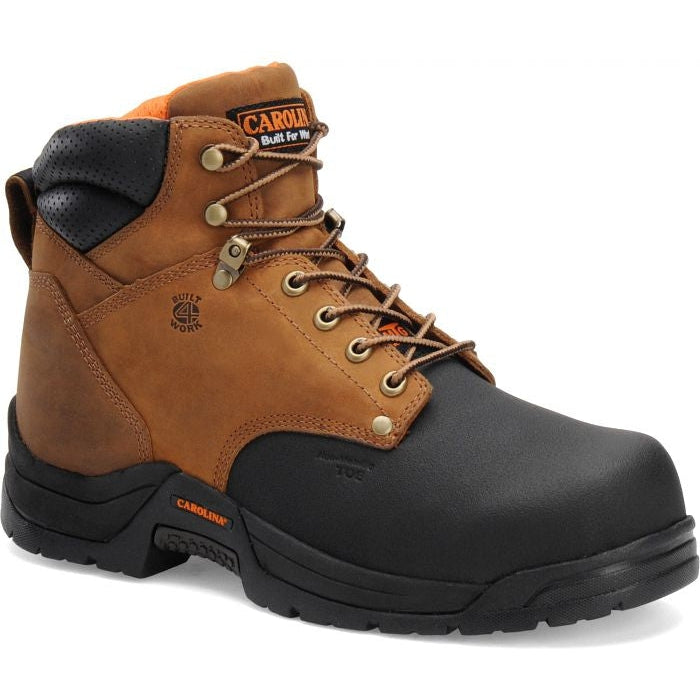
Sale price$204.99
Carolina Men's Bruno Internal 6" Composite Metguard Boot -Brown- CA5582
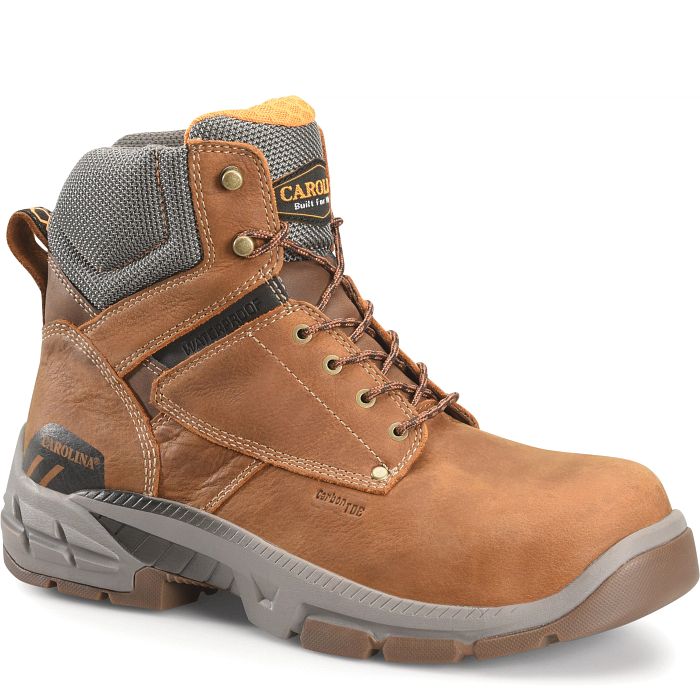
Save 25%
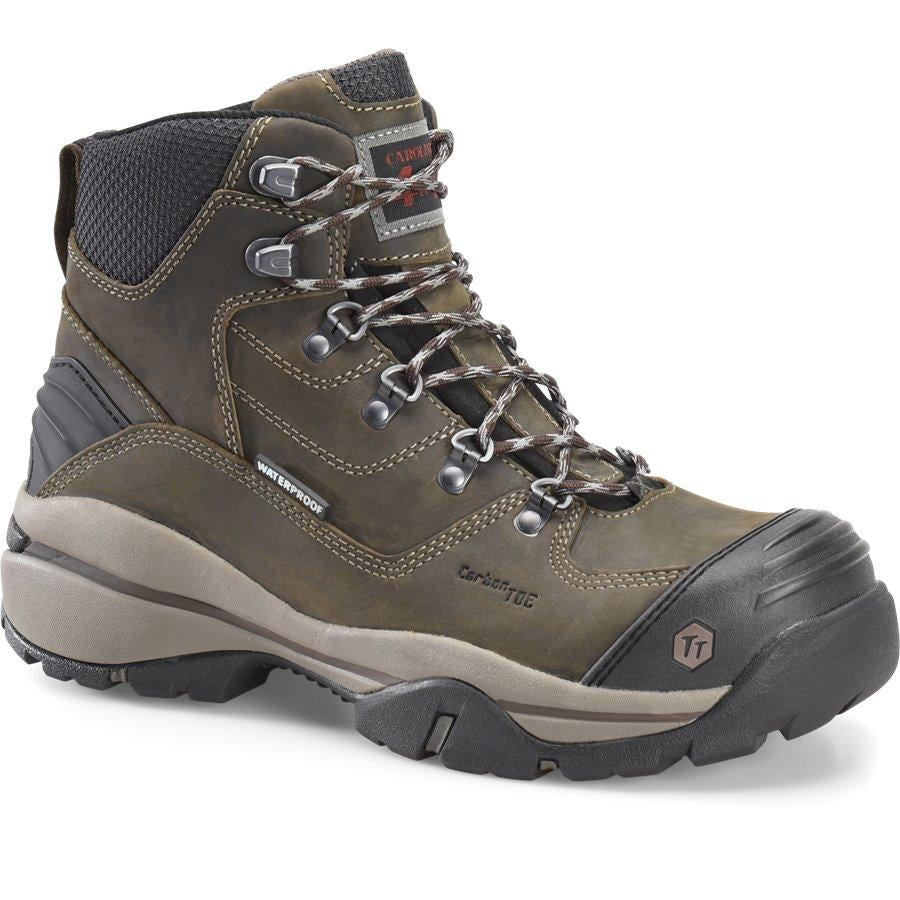
Sale price$136.67
Regular price$182.00
Carolina Men's Flagstone 6" Waterproof Carbon Composite Toe Hiker Work Boot CA5525
Save 23%
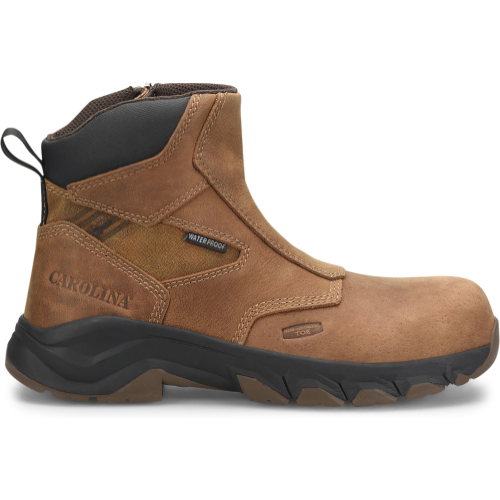
Sale price$134.67
Regular price$176.00
Carolina Men's Subframe 6" Waterproof Side Zipper Composite Toe Work Boot -Brown- CA5550
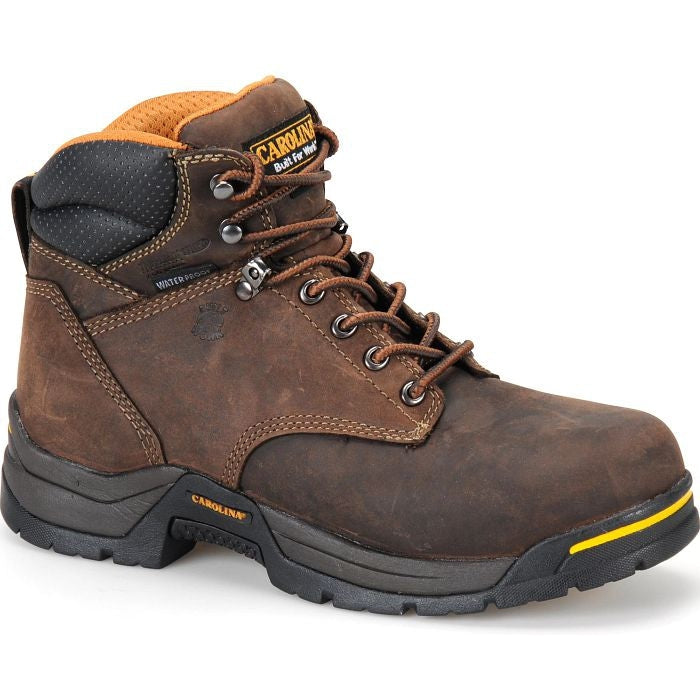
Save 32%
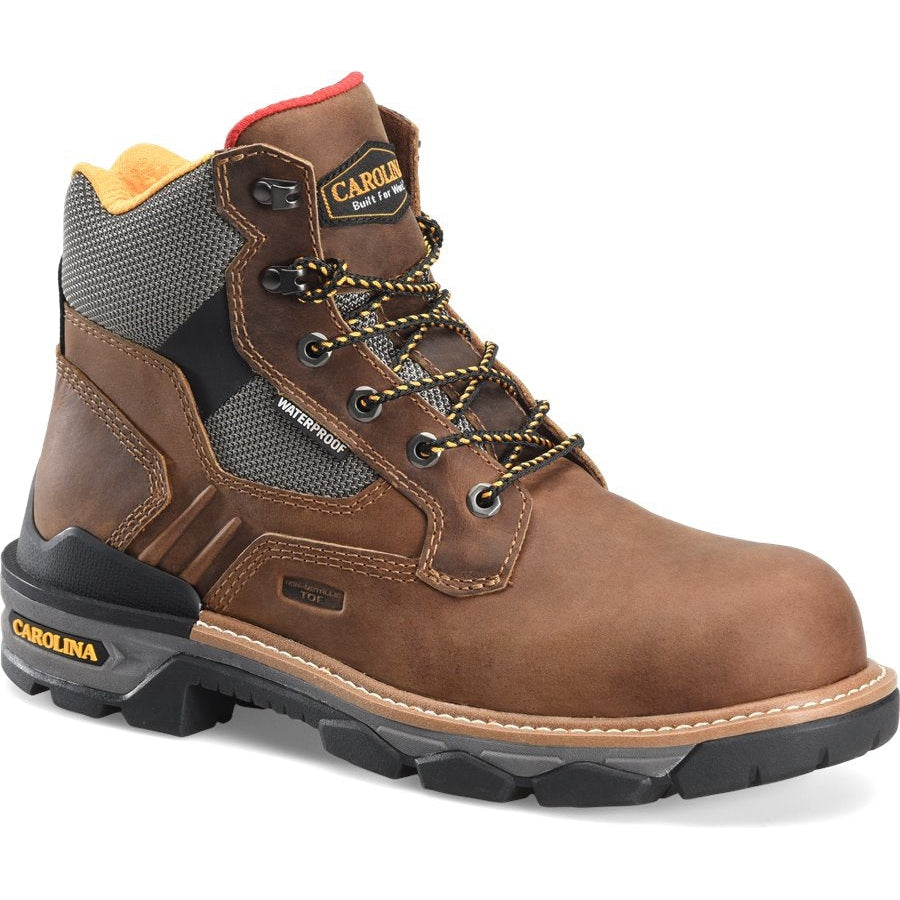
Sale price$124.67
Regular price$184.00
Carolina Men's Cancellor 6" Waterproof Slip Resistant Composite Work Boot - Brown - CA7831
Save 19%
Sale price$109.67
Regular price$136.00
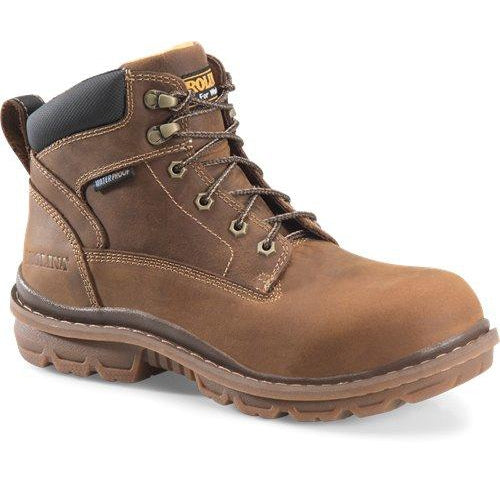
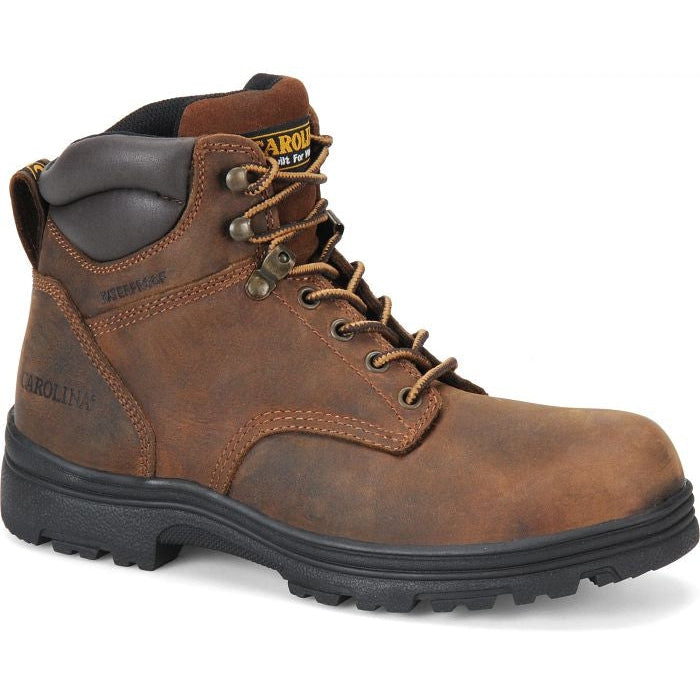
Carolina Men's Dormite 6" Waterproof Work Boot - Brown - CA3058
Save 21%

Sale price$128.67
Regular price$162.00
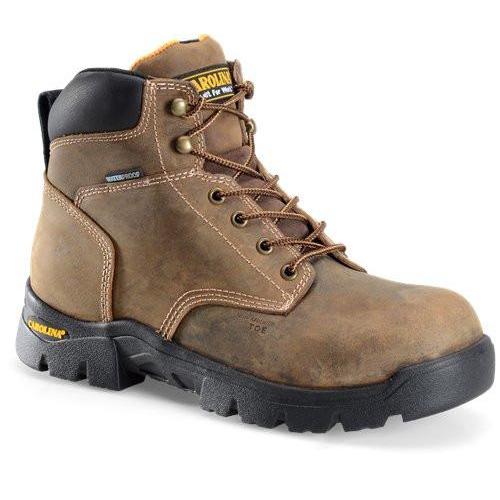
Carolina Men's Journeyman Lo 6" Waterproof Slip Resistant Work Boot -Wheat- CA3045

Sale price$189.99
Regular price$194.00
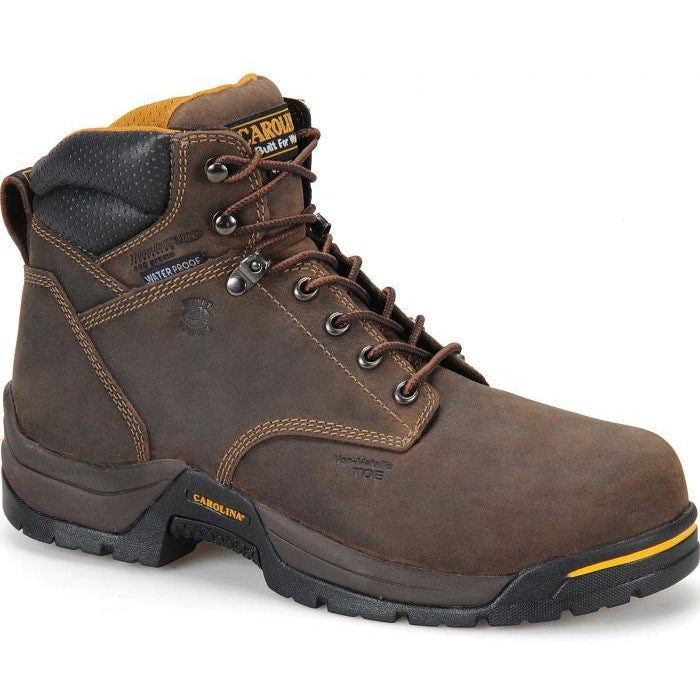
Carolina Men's Bruno Lo 6" Composite Toe Waterproof Insulated Work Boot -Brown- CA5521
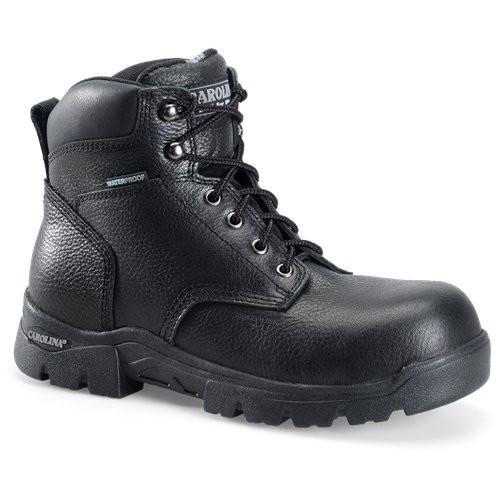
Sale price$139.99
Regular price$144.00
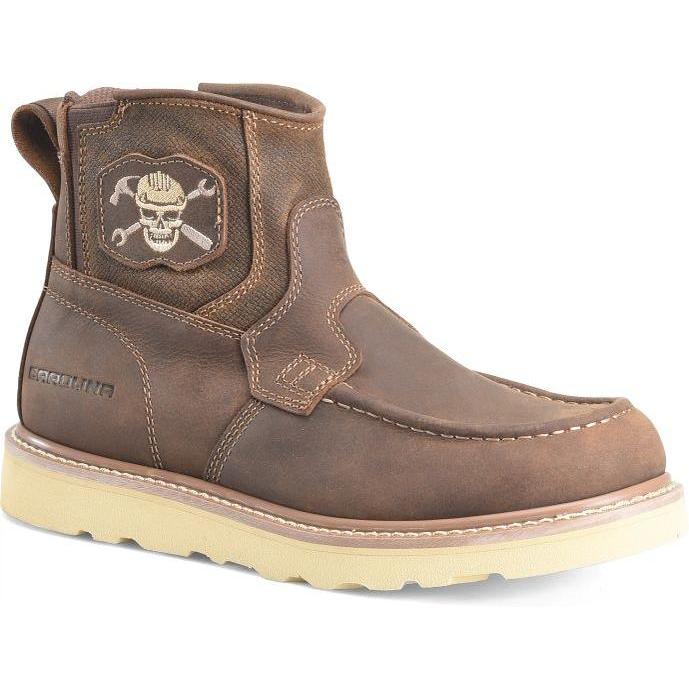
Carolina Men's Flatiron Ez 6" Soft Toe Slip Resist Work Boot - Brown - CA7046
Save 30%
Sale price$146.67
Regular price$210.00
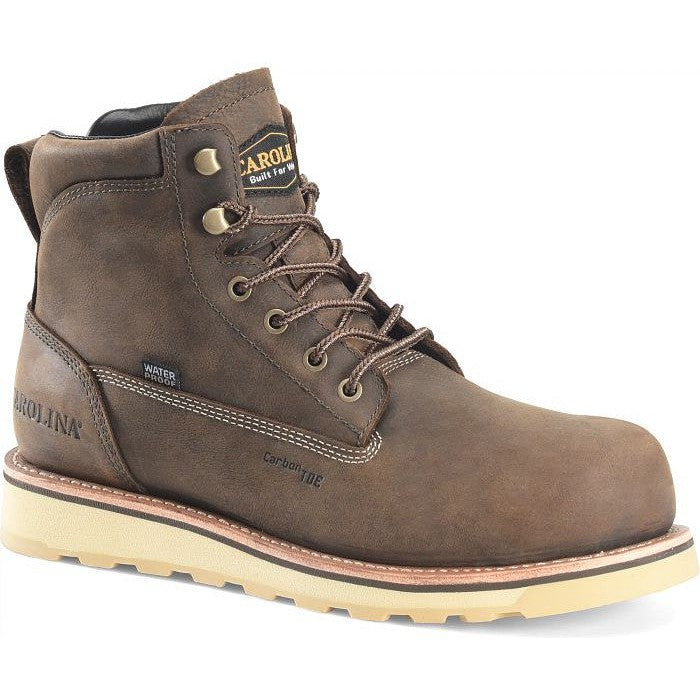
Carolina Men's Staple Gun 6" Carbon Composite Toe Waterproof Work Boot -Brown- CA7572
12
Frequently Asked Questions
For most trades, yes. Six inches clears the ankle bone, gives lateral support on uneven footing, and keeps ordinary jobsite debris out. You need more height when you stand in water or deep mud, work around sparks and hot slag, or spend the day on genuinely broken ground. If you have emptied gravel out of your boots at lunch, go taller. See our Carolina 8 inch range.
Start from the sole. The Amp and Flatiron are wedges, built for concrete and finished floors. The 28 Series and Circuit are conventional lugged work boots for mixed ground. The Ferric and Sarge Lo are moc toes with a roomier toe box for kneeling. The Foreman and Miter EXT add met guards where your site requires instep protection.
The Foreman and Miter EXT do. A metatarsal guard covers the instep, the stretch of foot a safety toe leaves exposed, and it is specified where heavy objects can roll or drop onto the top of the foot. It is rated as part of the finished boot, so you need a met-rated model from the start. See our metatarsal boots range.
Many are, and waterproof status is stated in every product title. Remember a waterproof boot only protects to its collar, so if you stand in water deeper than six inches the membrane does nothing for you and you need a taller boot. See our Carolina waterproof range.
Steel, composite, carbon, and soft toe, with the rated models meeting ASTM F2413 for impact and compression. Toe type is stated in every product title. Note that a composite toe does not by itself make a boot metal-detector safe, since the shank is a separate component and some Carolina composite-toe models use a steel shank.
The Amp wedge family, the Ferric moc toes, and the Sarge Lo are built in Carolina's Martinsburg, Pennsylvania factory, which has been in operation since 1955. The rest of the 6-inch range is imported. The domestic models say so in the product title. See our Carolina USA made range.
You lace it to your fit once and the zipper handles every entry after that, which matters if you are in and out of your boots several times a day. It costs nothing in protection, since side-zip models carry the same ratings as their lace-up equivalents. See our side zip work boots range.
The imported cemented models are comfortable within a few shifts. The USA-made welted boots take one to three weeks while the heavy full-grain leather softens. Wear them in shorter stretches over the first week rather than a full shift on day one. What break-in cannot fix is a boot that is the wrong length or width.
Recently viewed
Our Top Brands