Sale price$179.99
Regular price$184.00
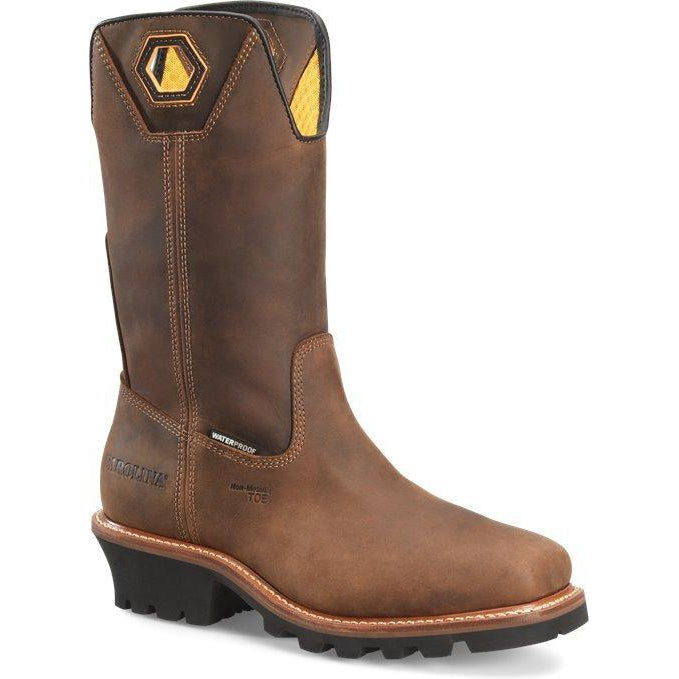
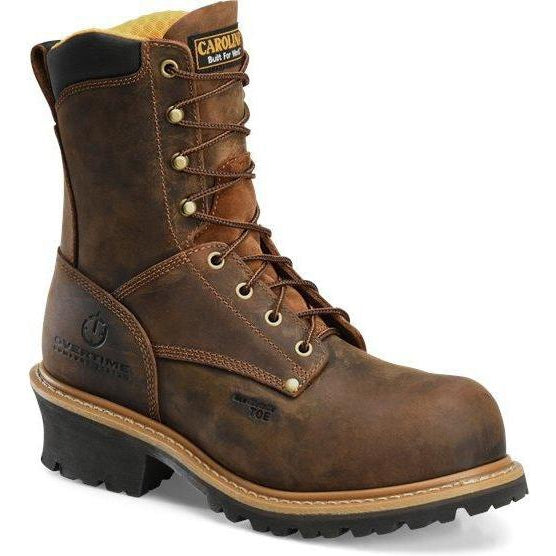
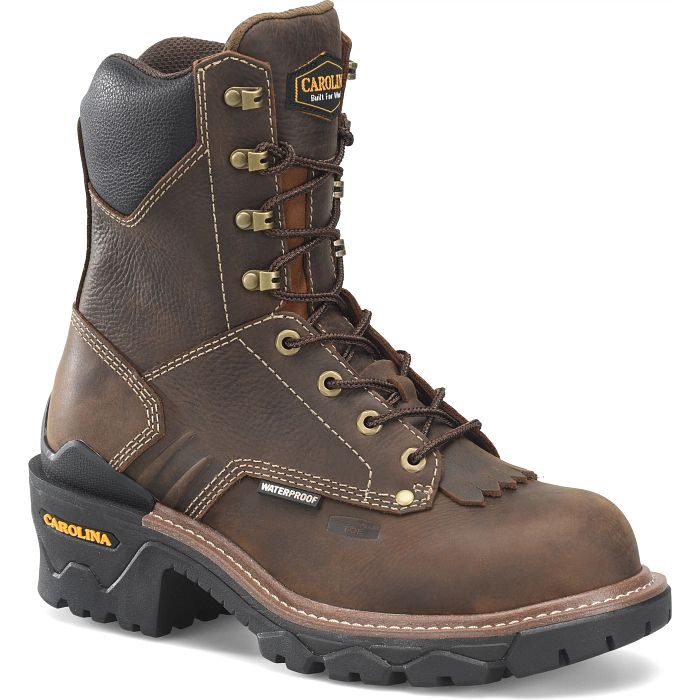
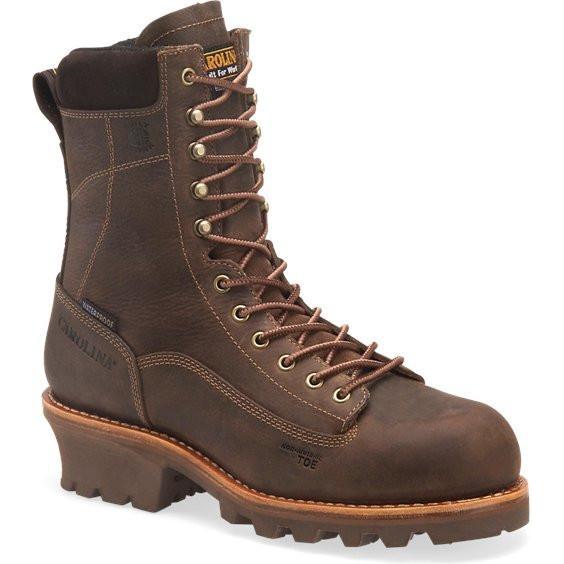
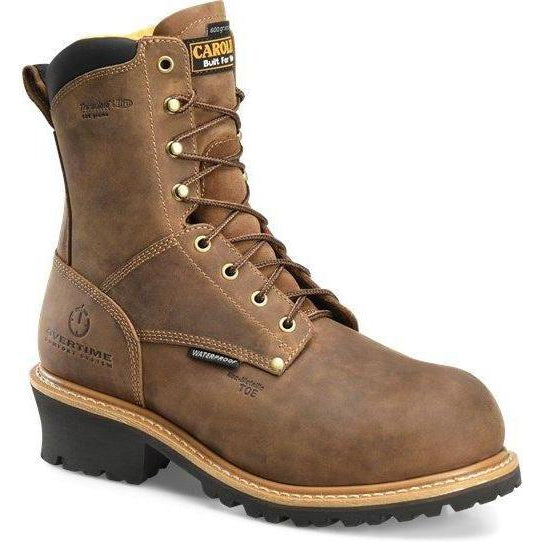
Carolina Men's Poplar 8" Composite Toe Unlined Logger Work Boot - Brown - CA9853
Sale price$194.99
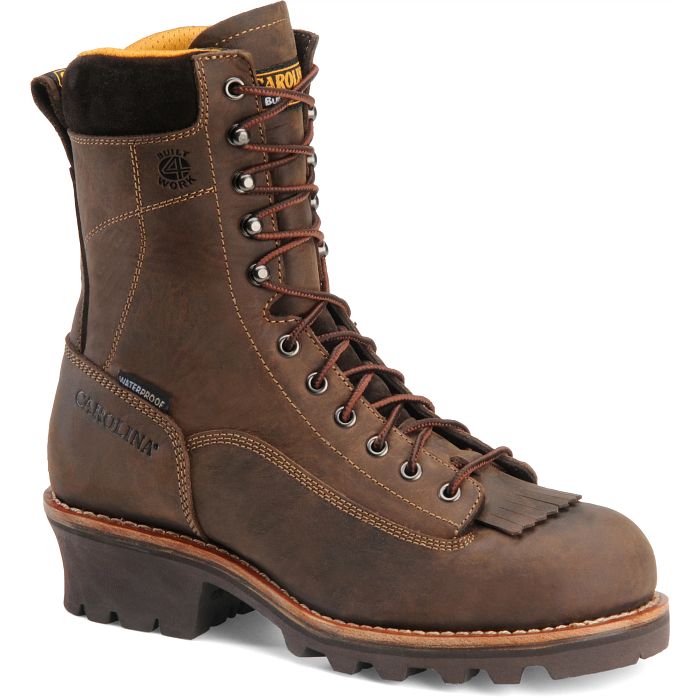
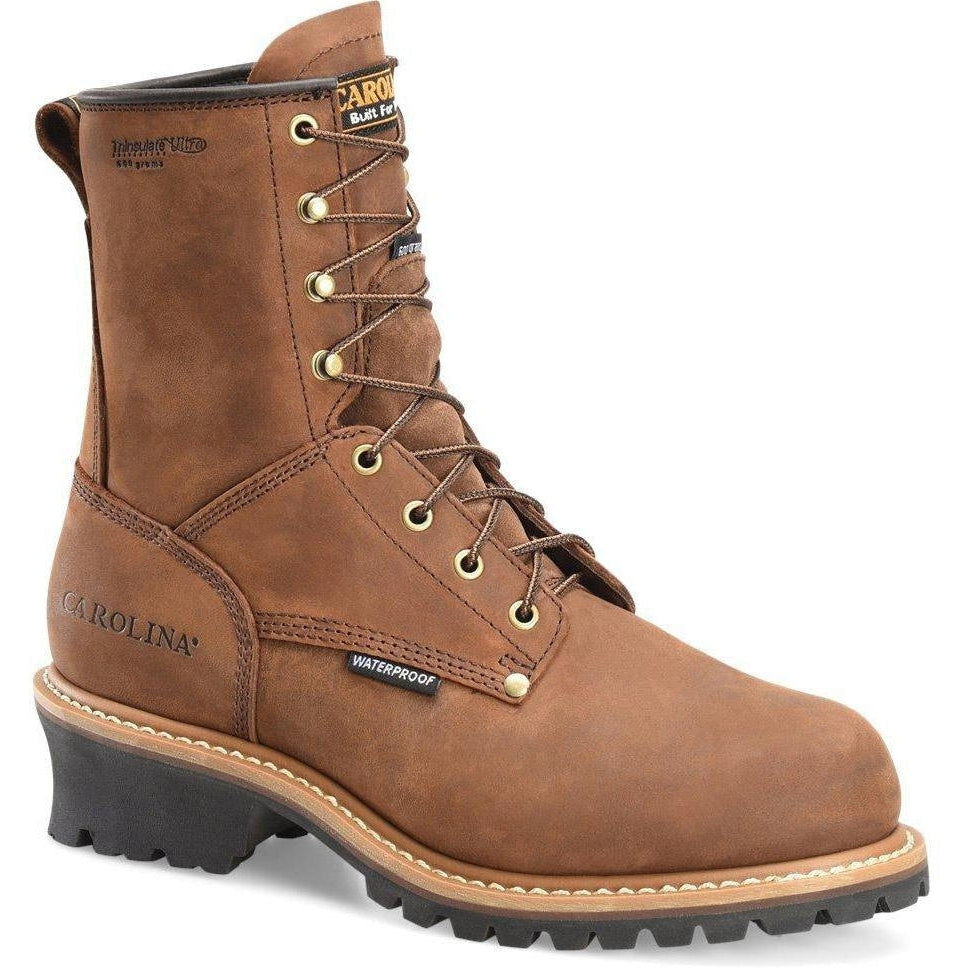
Carolina Men's Elm 8" Waterproof Logger Work Boot - Brown - CA8821
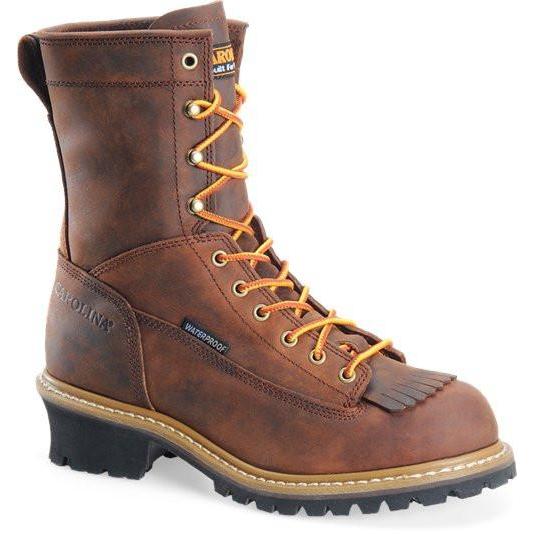
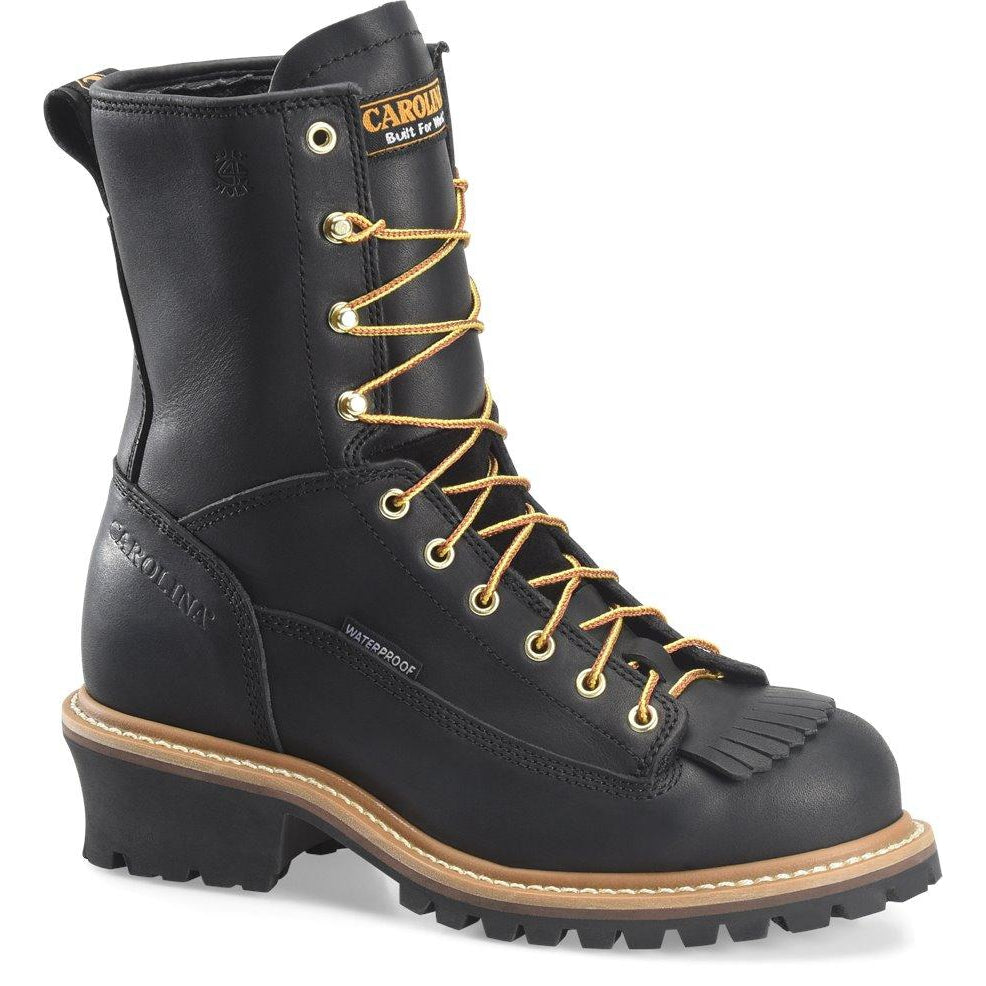
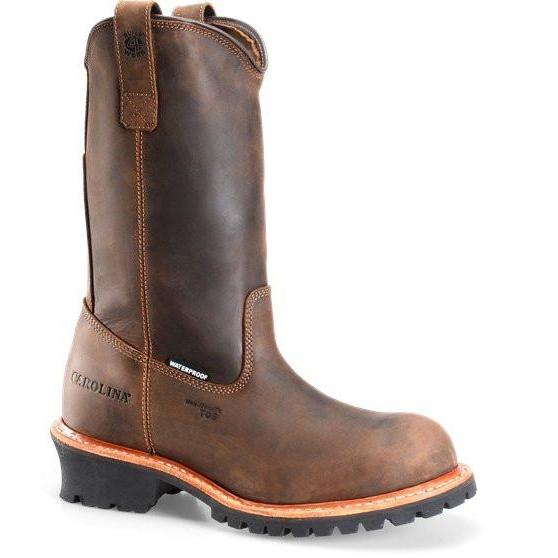
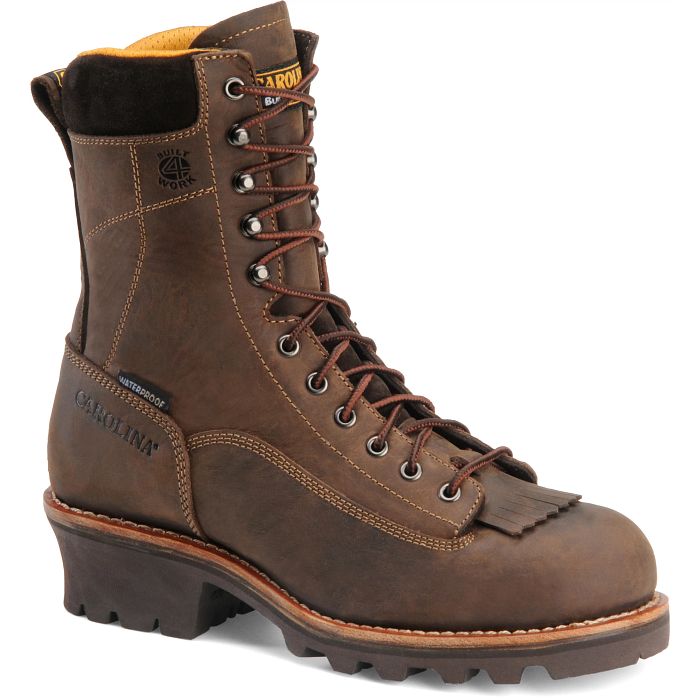
Sale price$249.99
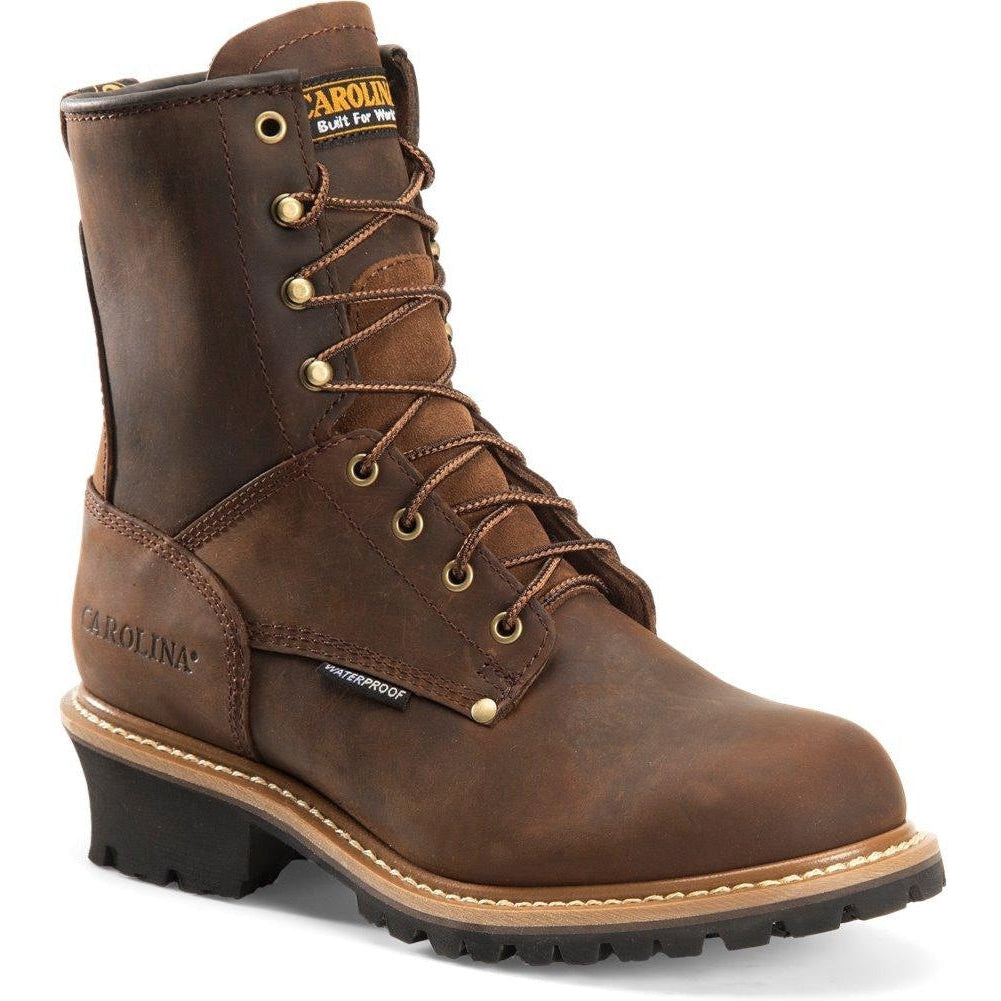
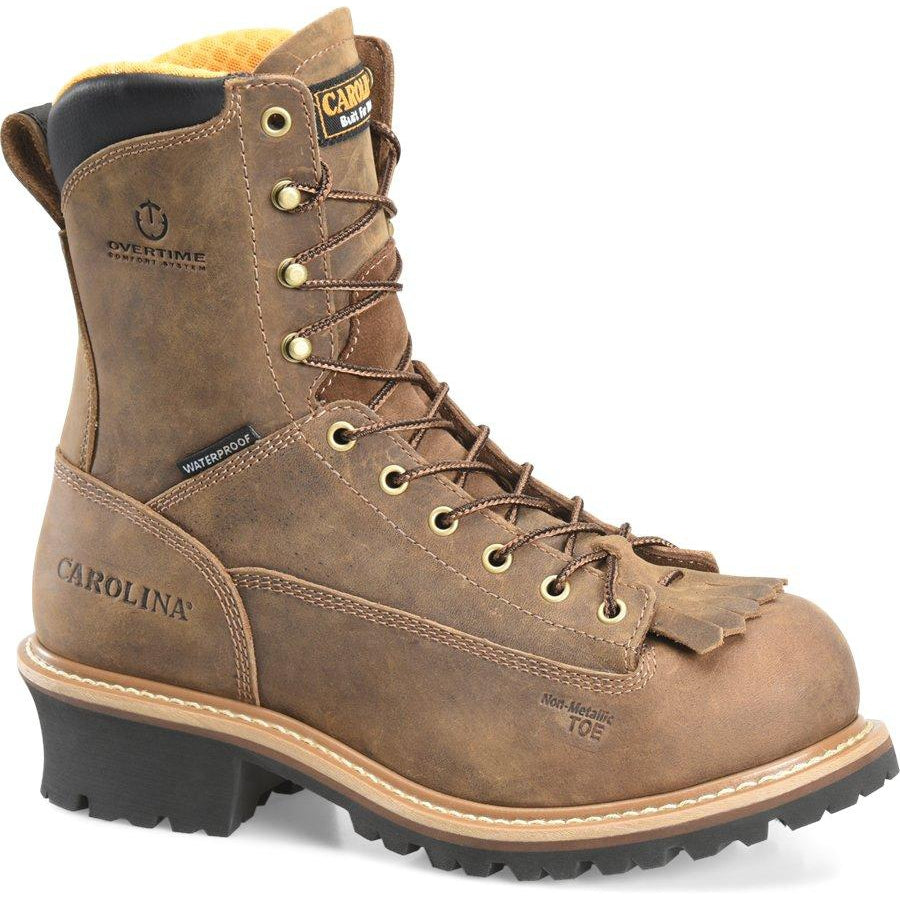
Carolina Men's Birch 8" Waterproof Logger Work Boot - Brown - CA7022
Sale price$219.99
Regular price$224.00
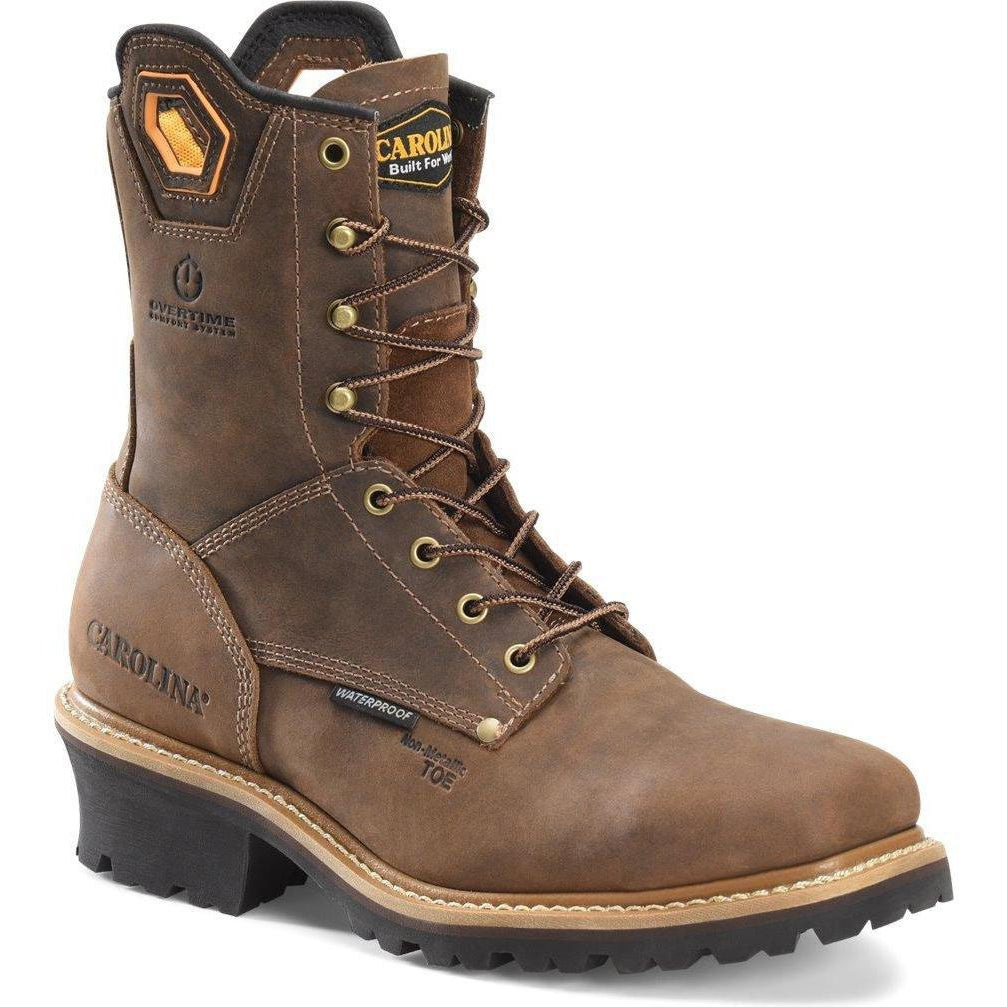
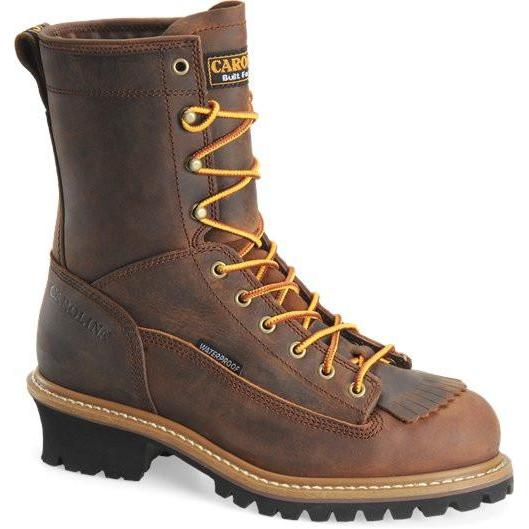
Carolina Men's Spruce 8" Steel Toe Waterproof Logger Work Boot - Brown - CA9824
Save 6%
Sale price$154.99
Regular price$165.00
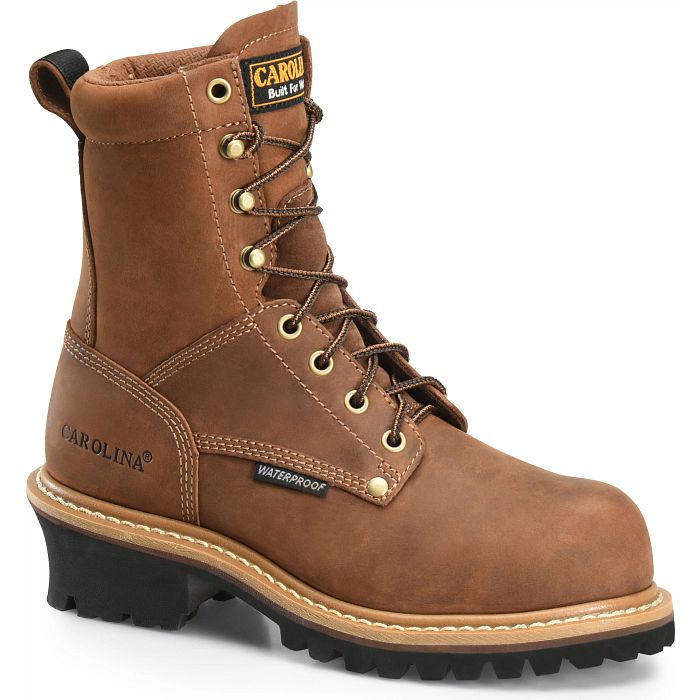
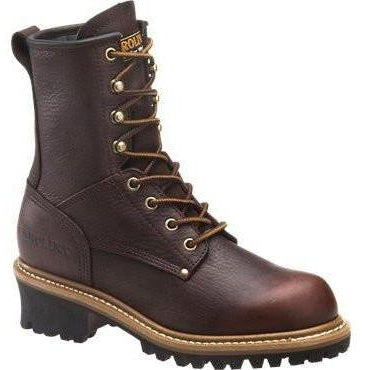
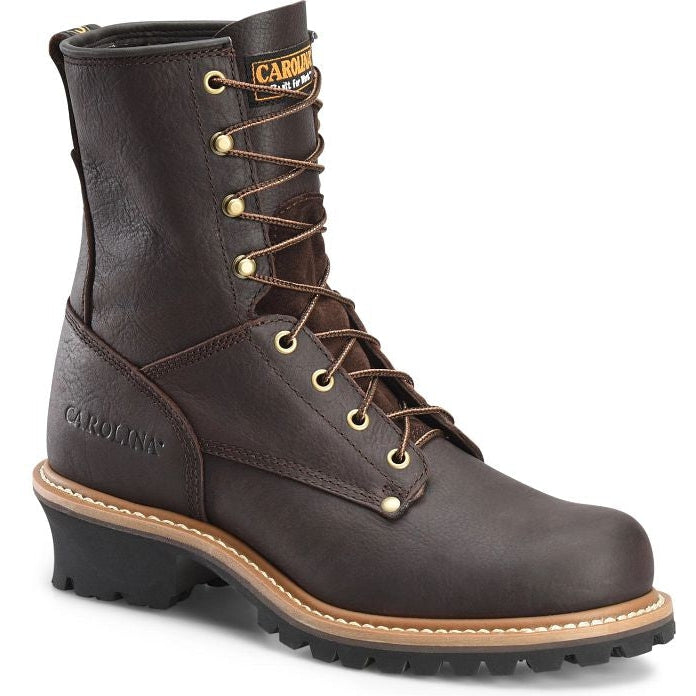
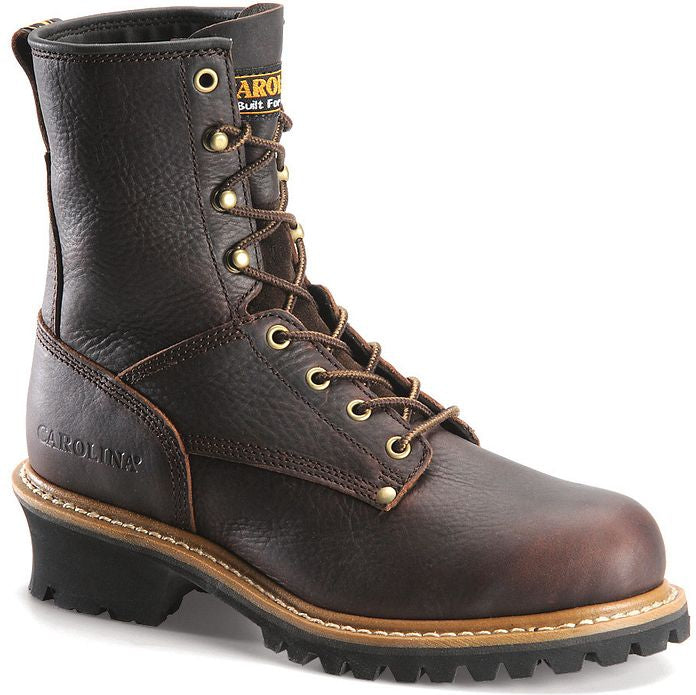
Carolina Women's Elm 8" Steel Toe Logger Work Boot - Dark Brown - CA1421
Sale price$209.99
Regular price$214.00
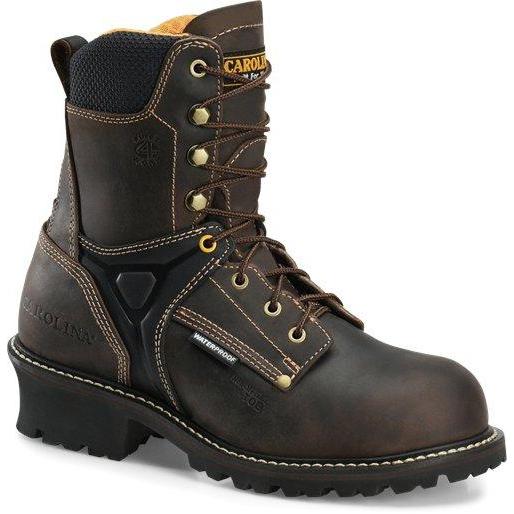
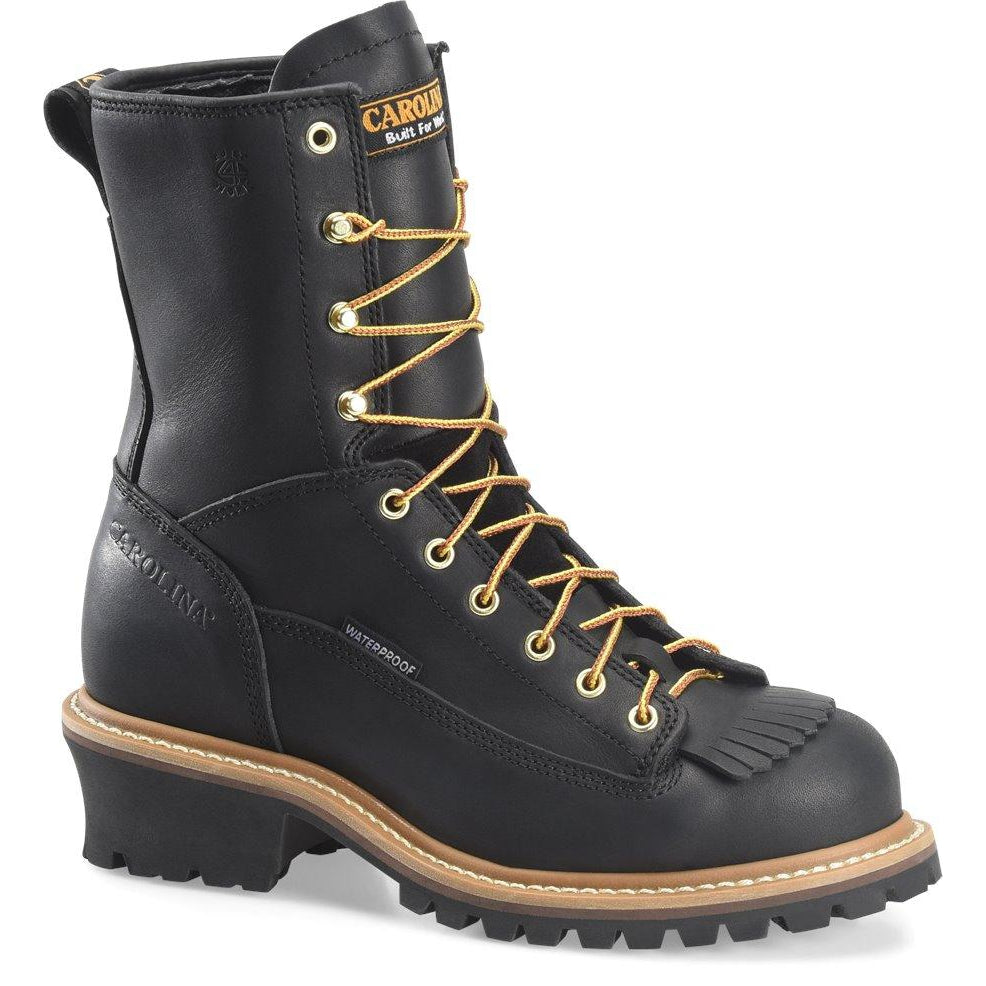
Carolina Spruce Logger Boots - Men's 8" Steel Toe Waterproof - CA9825
Sale price$184.99
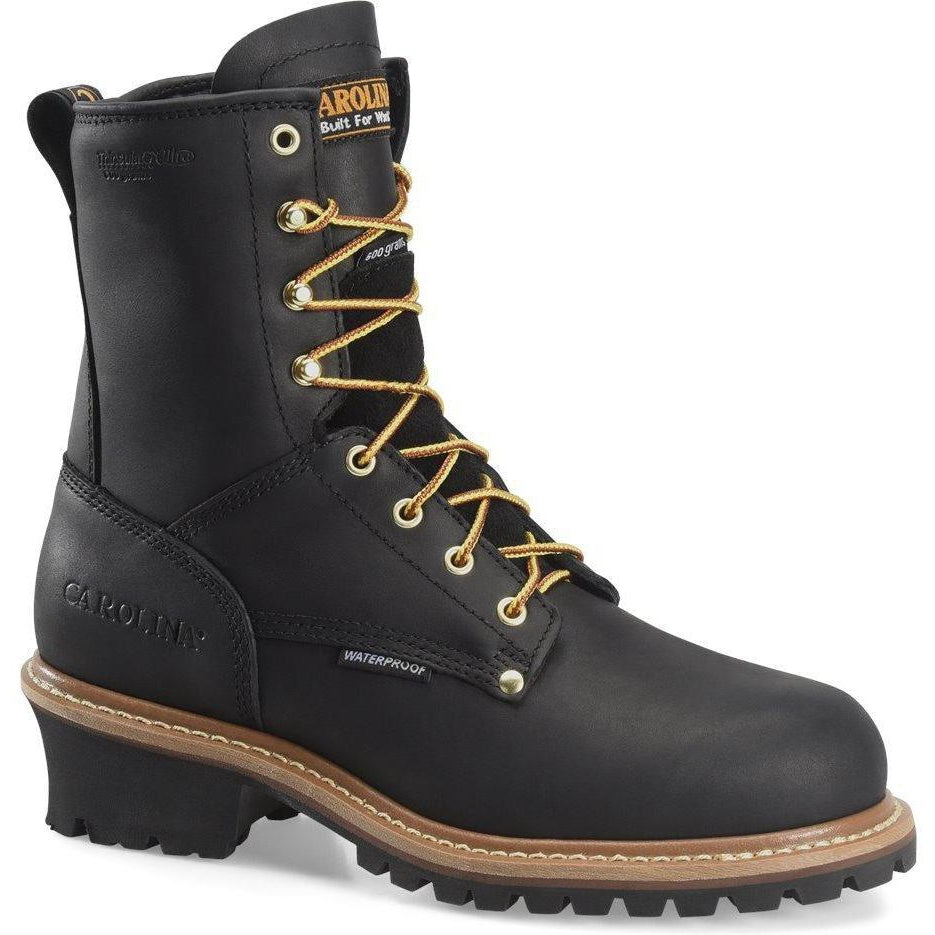
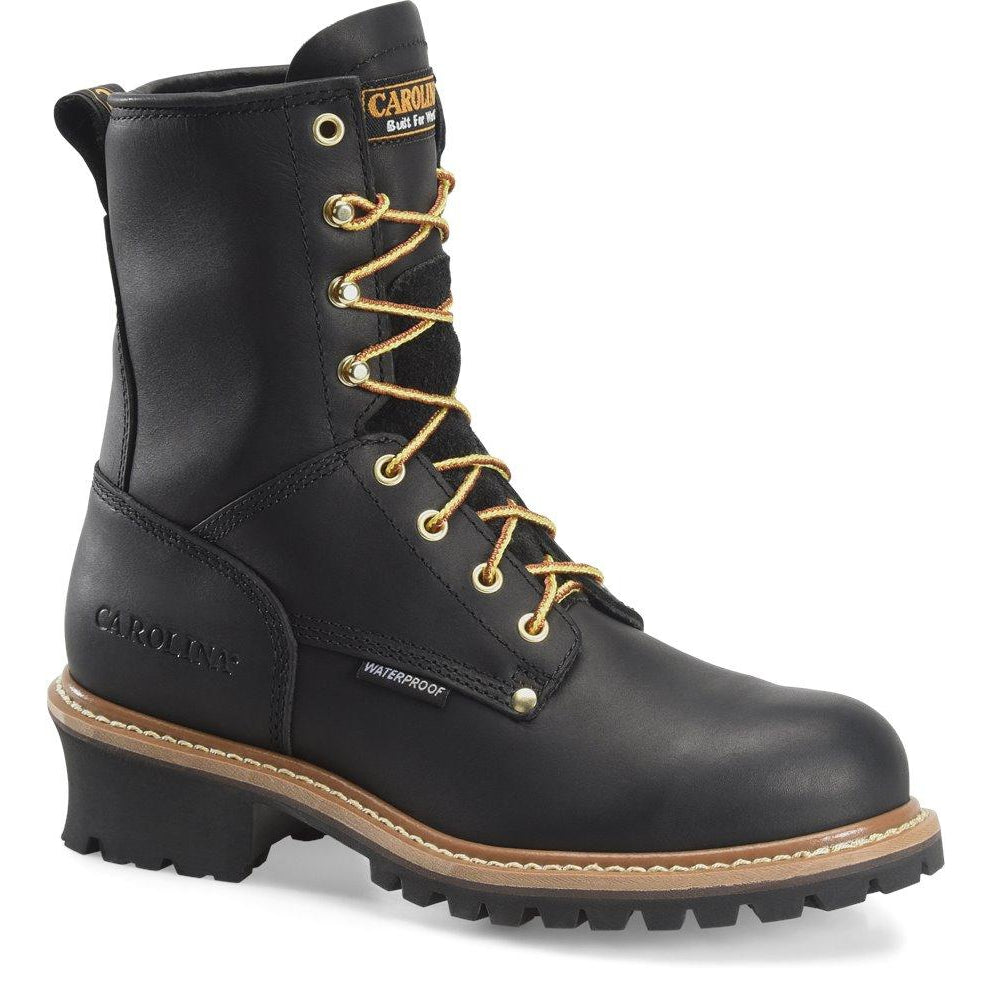
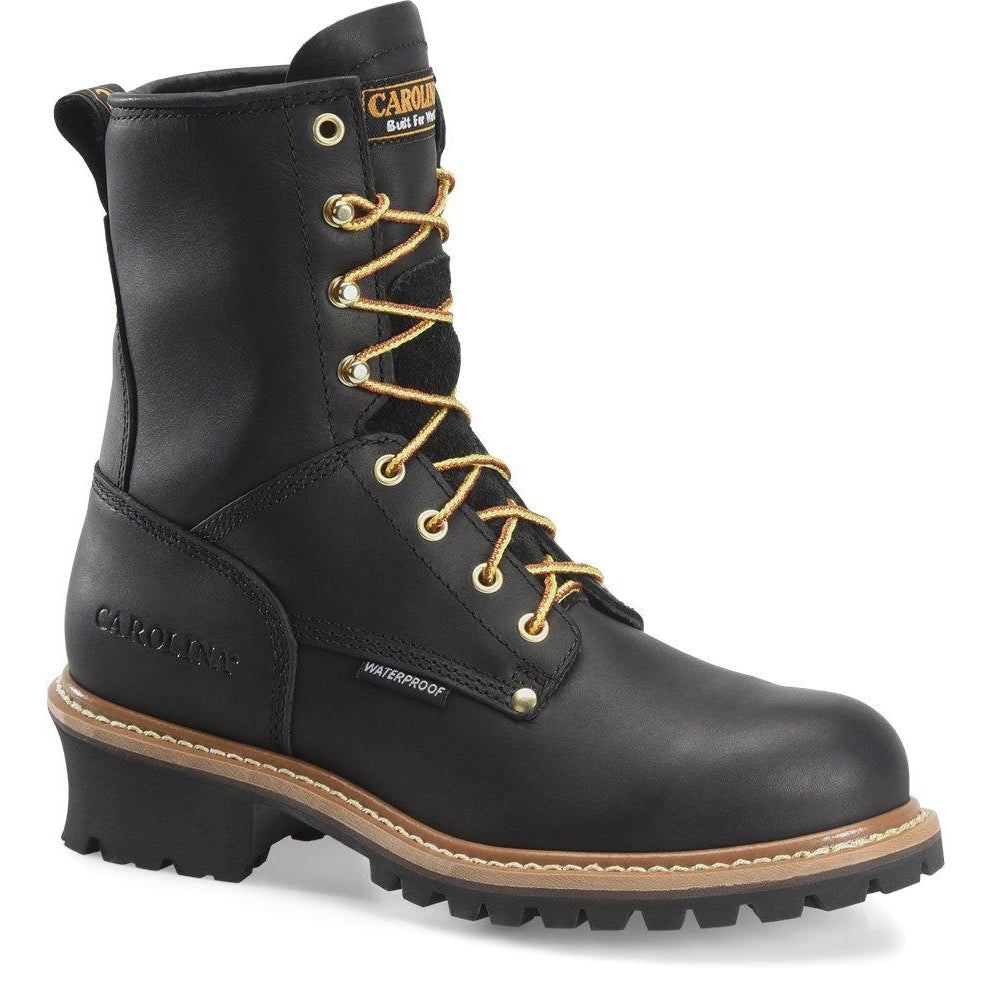
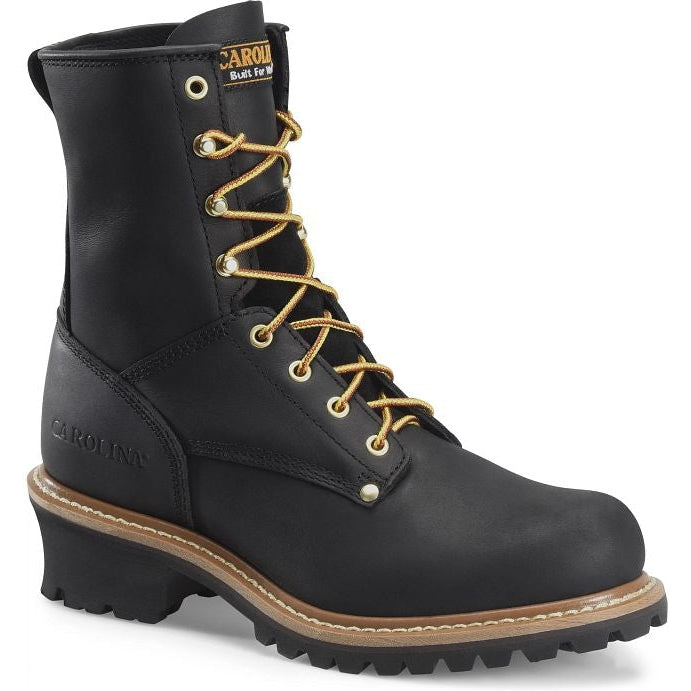
Carolina Men's Elm 8" Waterproof Logger Work Boot - Black - CA8823
Sale price$219.99
Regular price$224.00
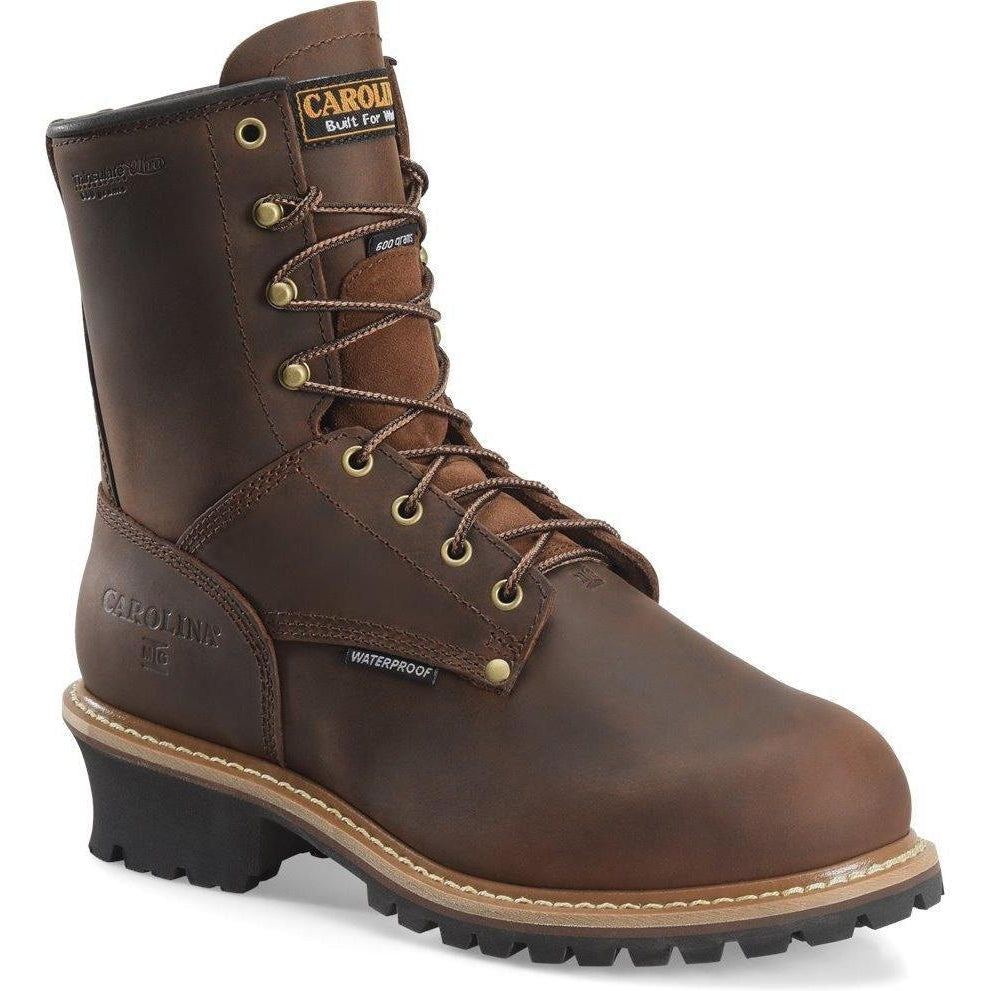
Carolina Men's Elm 8" Waterproof Insulated Metguard Logger Work Boot - CA7821
Save 6%
Sale price$149.99
Regular price$160.00
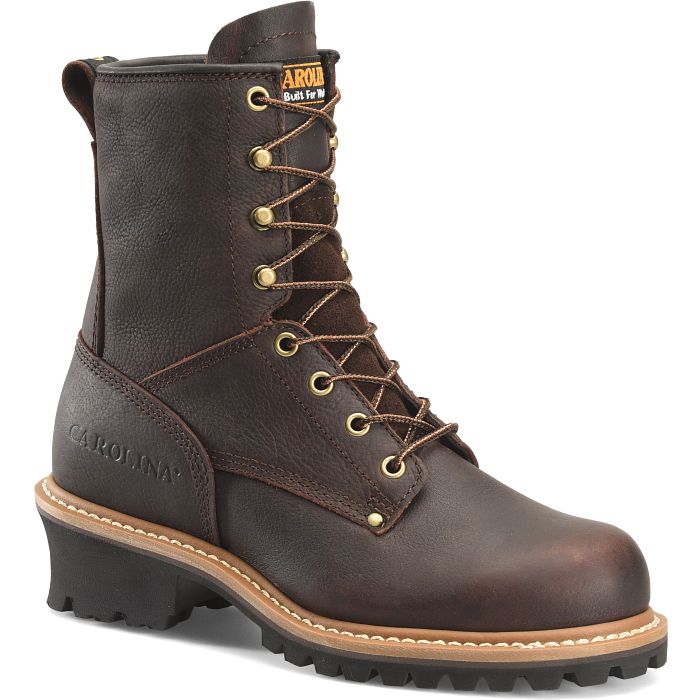
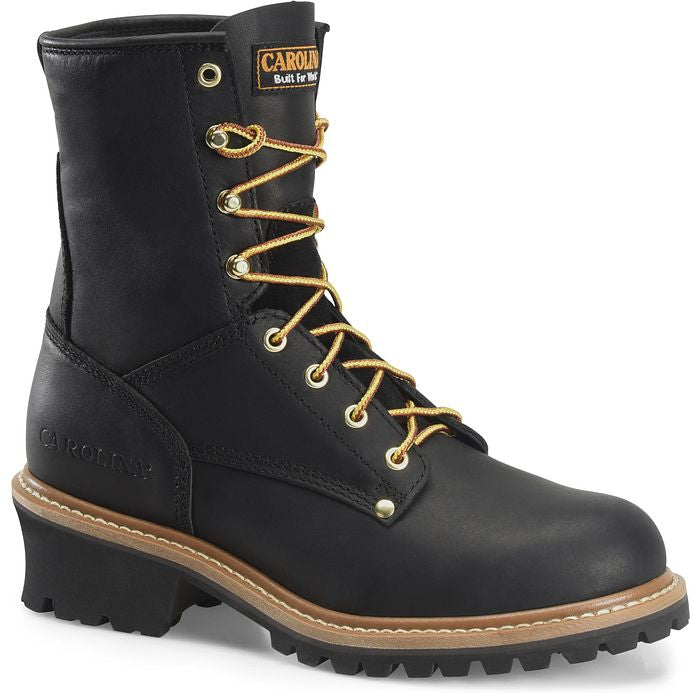
Carolina Women's Elm 8" Logger Work Boot - Brown - CA421
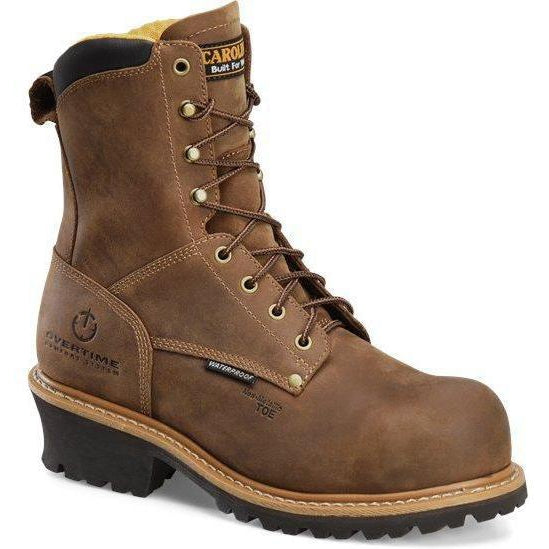
Sale price$219.99
Regular price$224.00
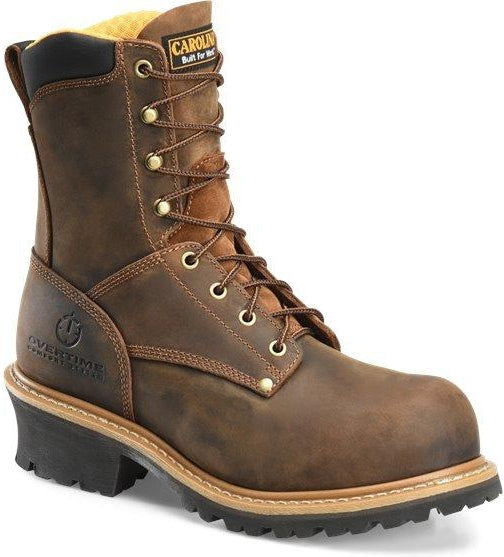
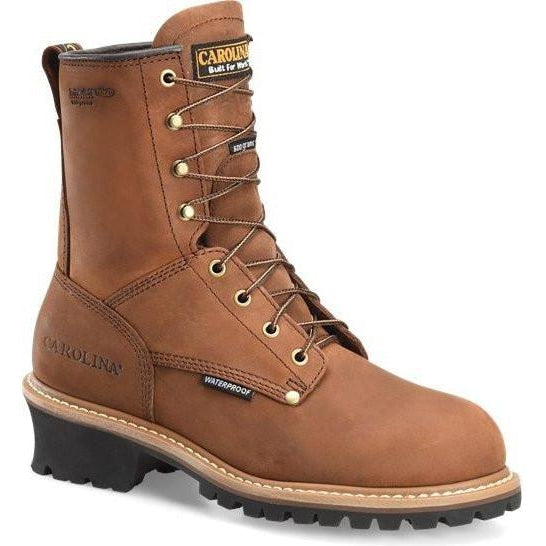
Carolina Men's Poplar 8" Waterproof Composite Toe Logger Work Boot Brown - CA9852
Save 33%
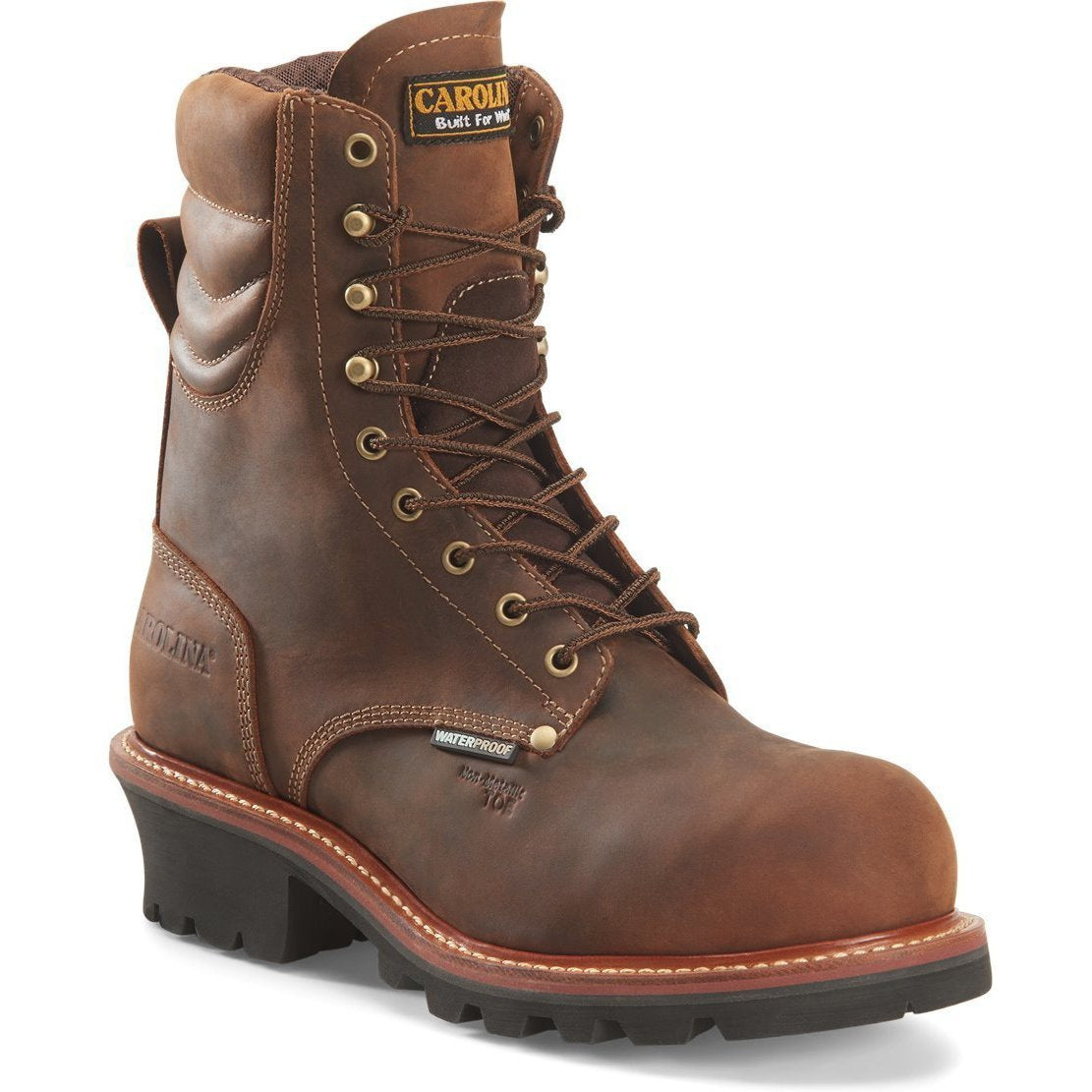
Sale price$156.67
Regular price$234.00
Carolina Men's Hemlock Composite Toe Logger Work Boot - Brown - CA9854
Frequently Asked Questions
Three things working together. A defined raised heel, usually around two inches, that digs into slopes and hooks ladder and pole rungs. A deep lugged outsole that sheds mud instead of packing with it. And a tall shaft that keeps debris out and braces the ankle. Remove any one of those and you have a general work boot rather than a logger.
Mainly by toe material, insulation, waterproofing, and outsole rather than by shape, since they share the logger silhouette. Elm, Spruce, Birch, Poplar, Coppice, Timber and Hemlock cover different combinations of those features across 8, 9 and 12-inch heights. Choose on the feature set your work needs rather than on the name.
No, and buying one for flat indoor work is a common mistake. The raised heel concentrates your weight rather than spreading it, and the heavy build adds weight, both of which work against you on hard flat ground. A wedge sole is far more comfortable there. See our Carolina 6 inch range for the wedge models.
Forestry and timber crews, arborists, linemen and utility workers who climb, and anyone on steep, muddy, or broken ground where footing changes constantly. Ranch and pipeline work also fits. If your ground is level and predictable you are carrying heel height and weight for nothing. See our forestry boots range.
A pull-on logger, which is an unusual combination: the raised heel and lugged outsole of a logger with no laces to catch on equipment. That suits oilfield and pipeline work where you want logger traction but laces are a hazard around rotating machinery. See our Carolina Wellington range.
Many are both, and status is stated in every product title. Insulation runs from none up to 800G across the range. Match insulation to how much you move rather than to the temperature, since insulation you do not need traps sweat and wet insulation stops working when you stop. See our Carolina insulated range.
Some do, and it is worth checking rather than assuming. A logger needs a stiff shank for support on uneven ground and rungs, and steel is a common choice for that even on boots with a non-metallic toe cap. If detector compliance matters to you, verify the shank on the specific model rather than reading the toe type.
The welted ones can, and it is worth having in this category because loggers destroy outsoles faster than almost any other boot. A cobbler can replace the sole without disturbing the upper, and a good upper outlasts several soles. Check the construction on the product page before buying on that assumption.
Recently viewed
Our Top Brands