Sale price$179.99
Regular price$184.00
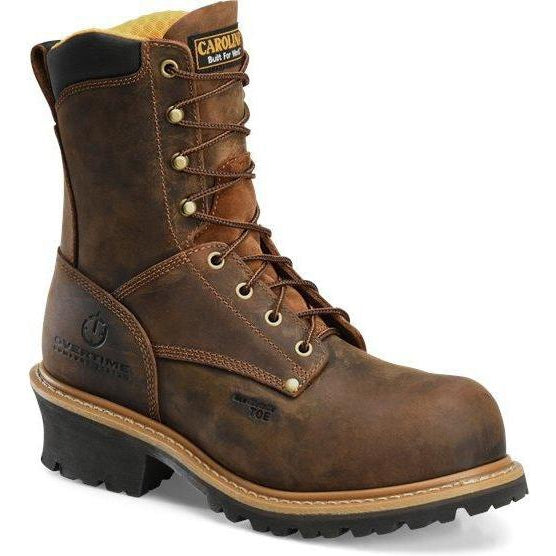
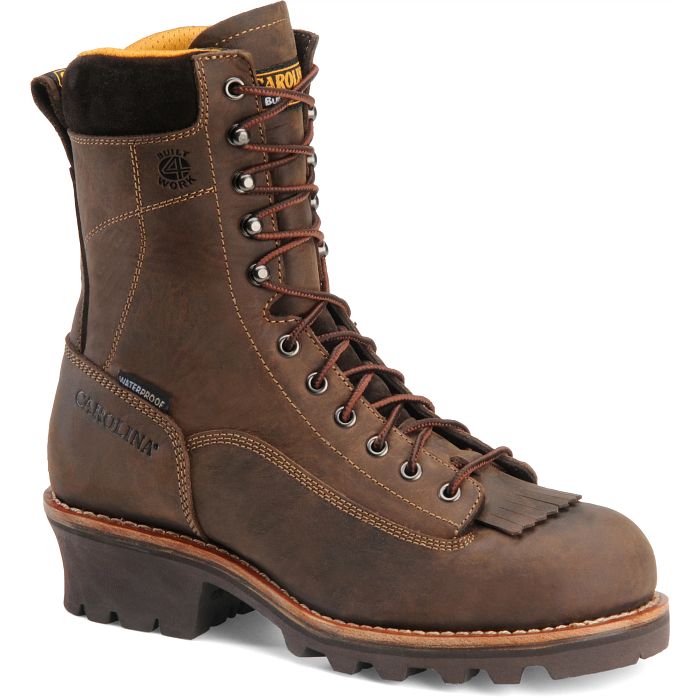
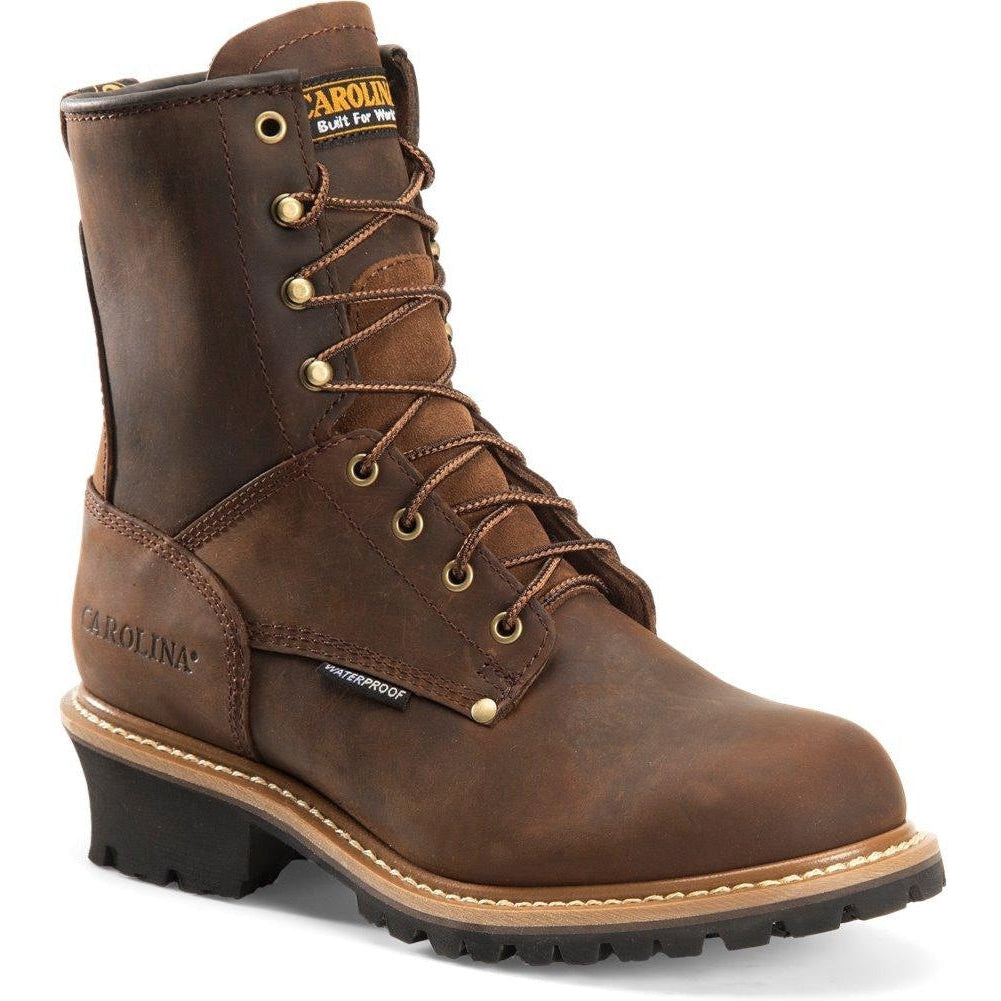
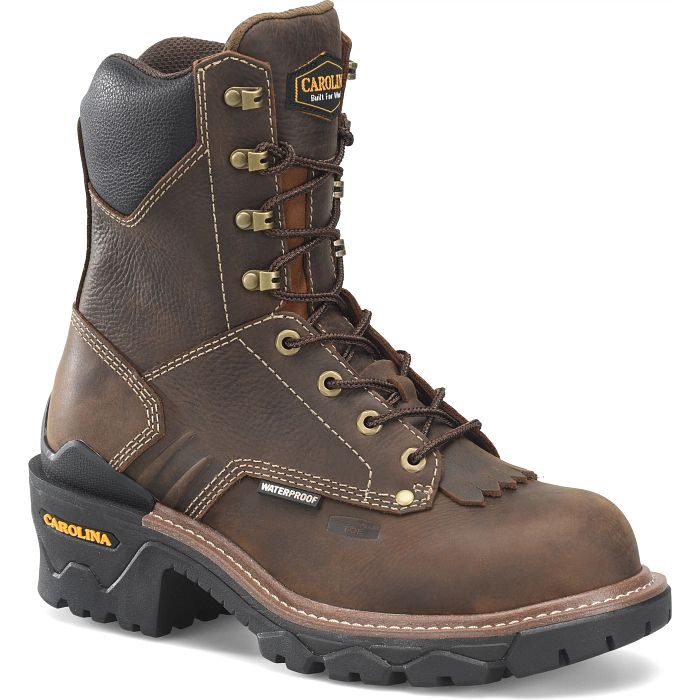
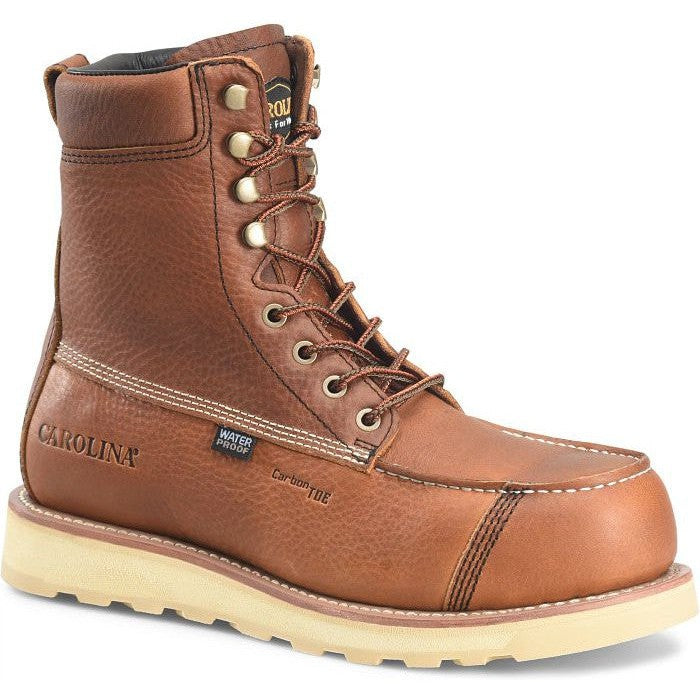
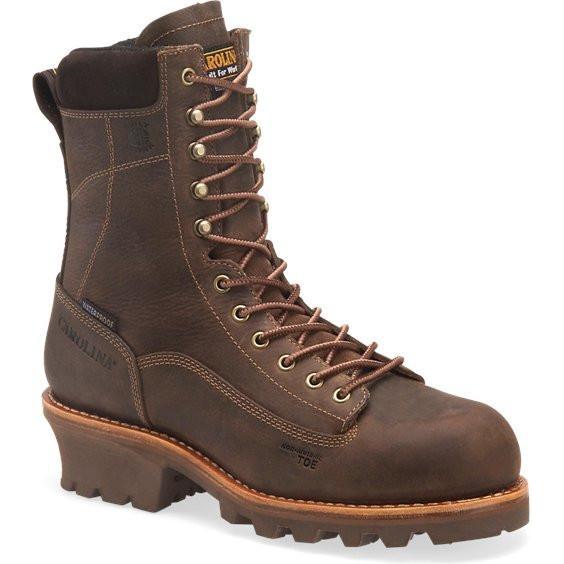
Carolina Men's Poplar 8" Composite Toe Unlined Logger Work Boot - Brown - CA9853
Save 31%
Sale price$148.67
Regular price$214.00
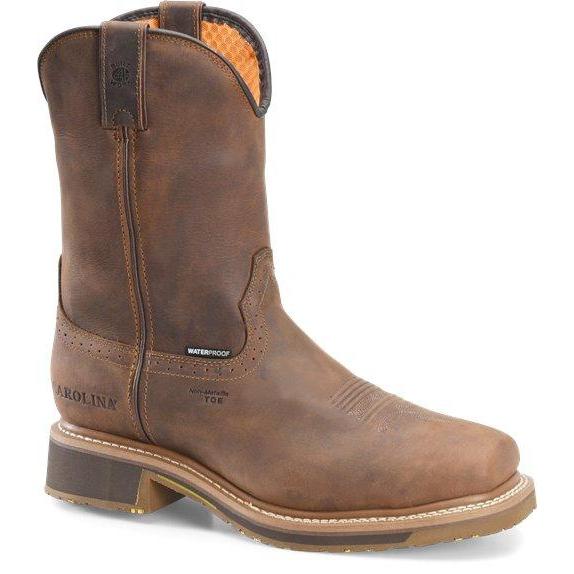
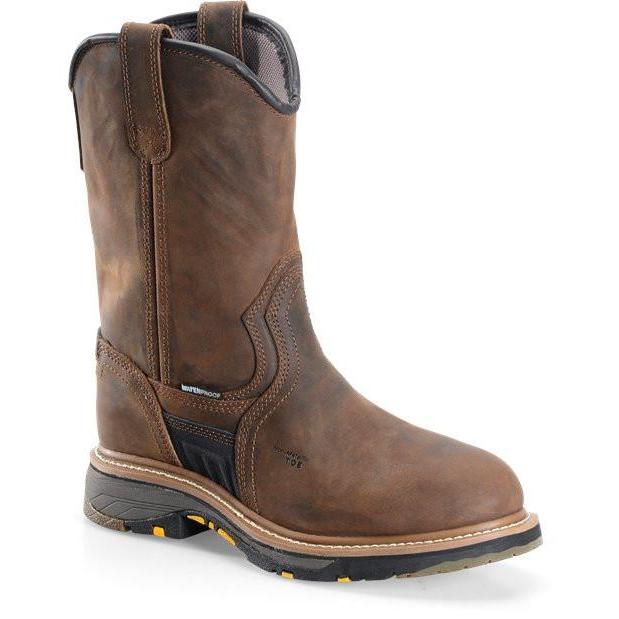
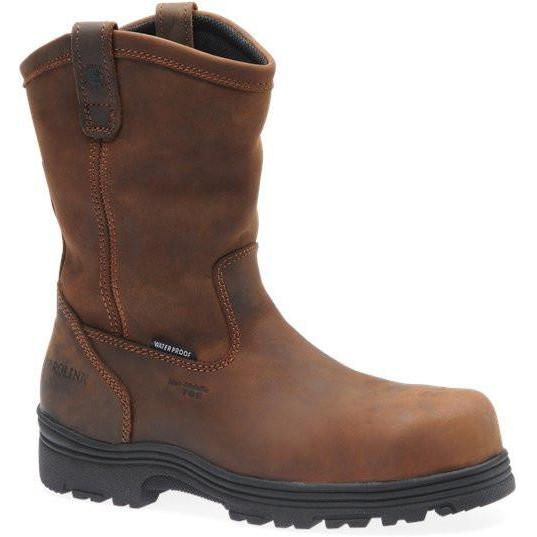
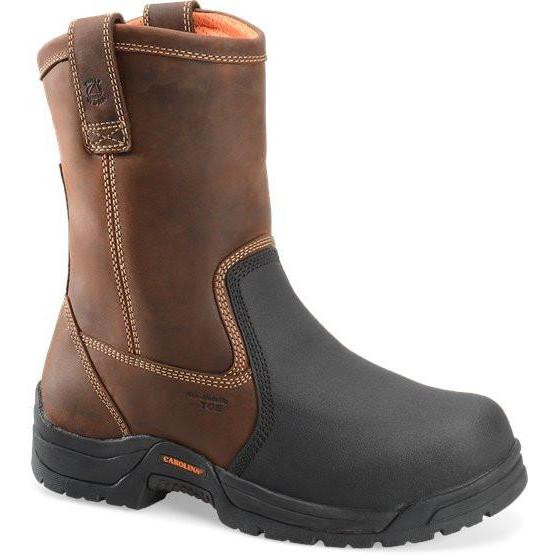
Carolina Men's Well X 10" Composite Toe Waterproof Wellington Work Boot - CA4559
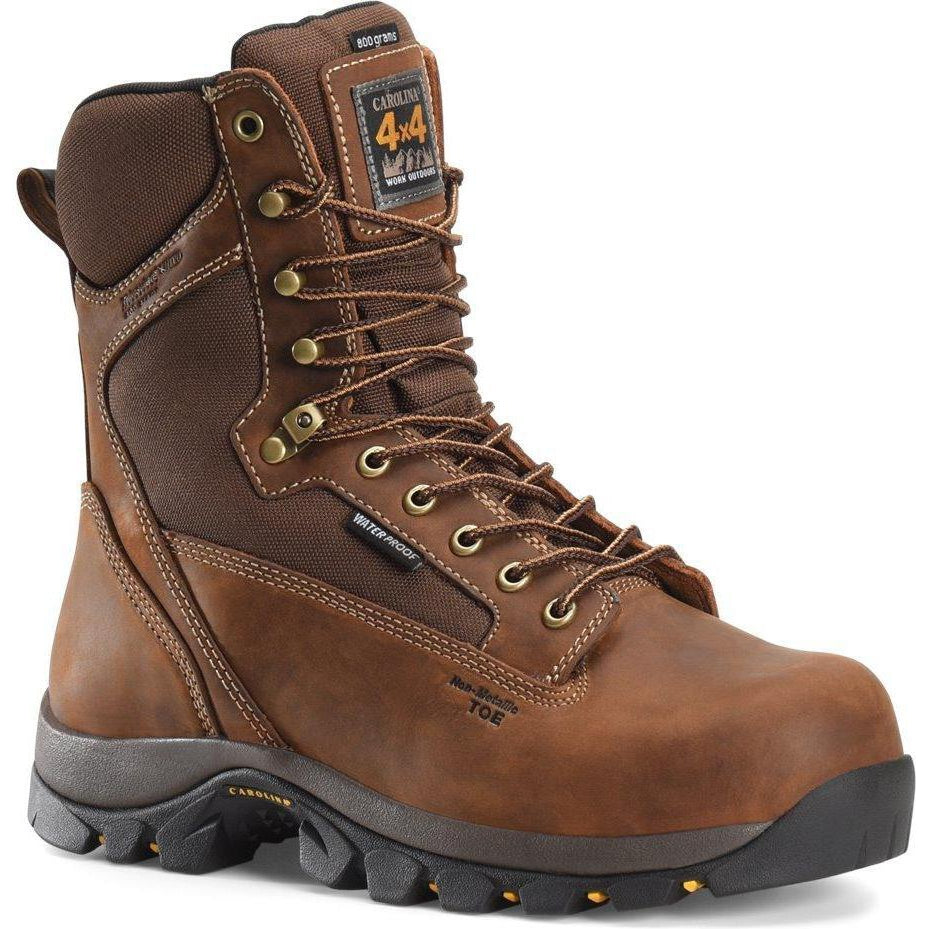
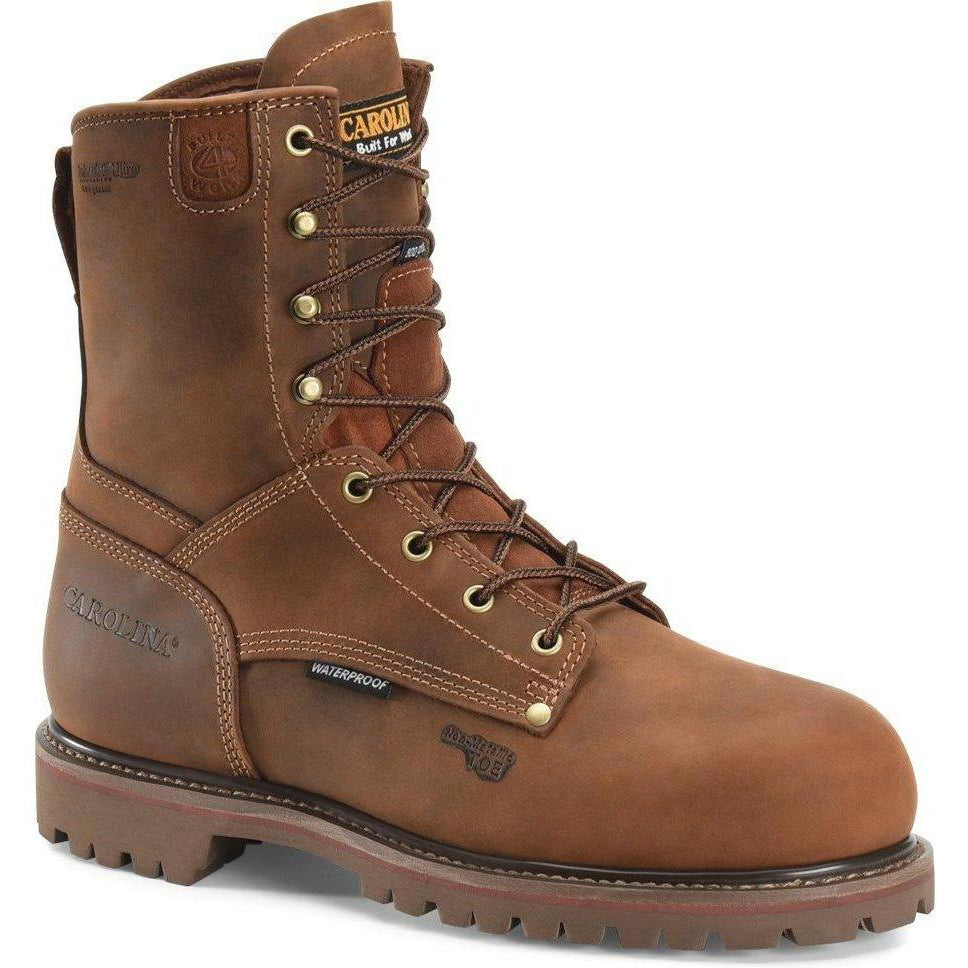
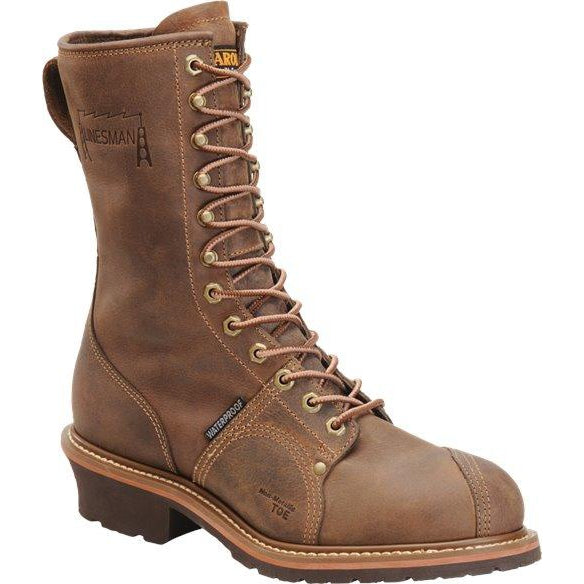
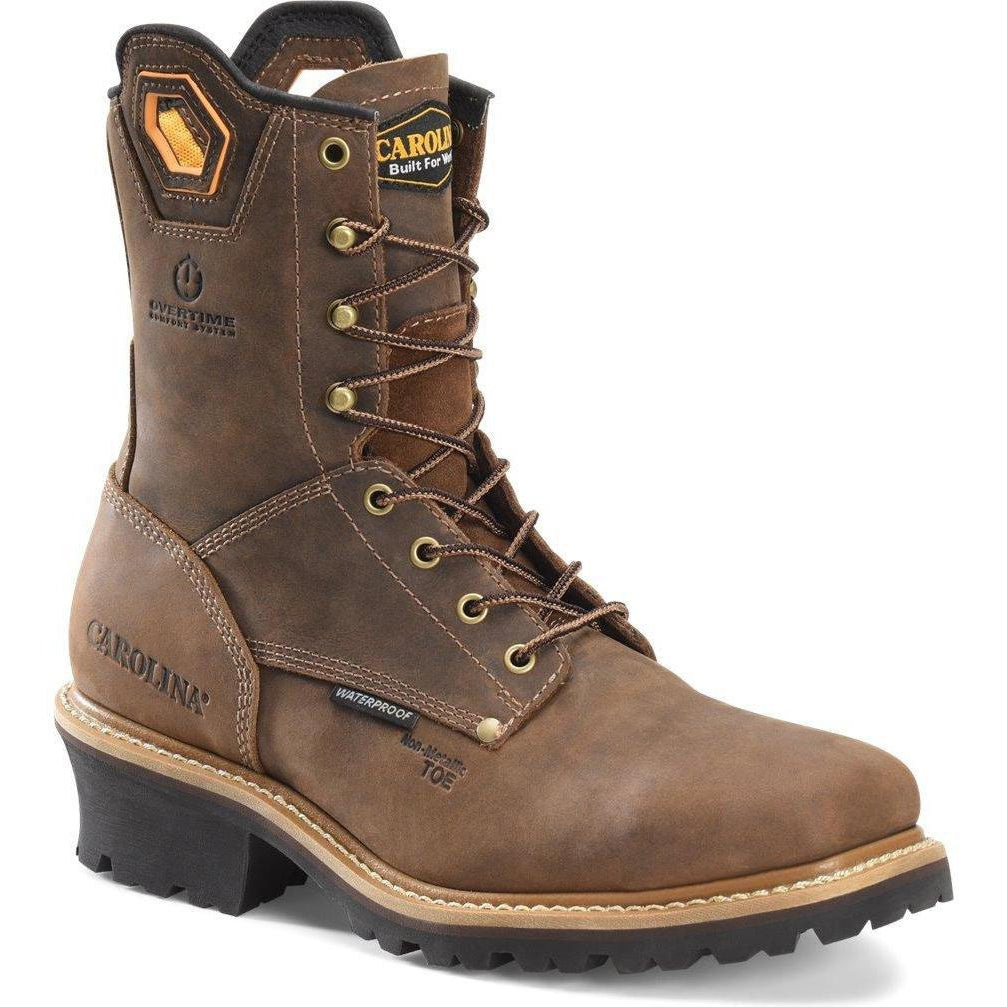
Sale price$164.99
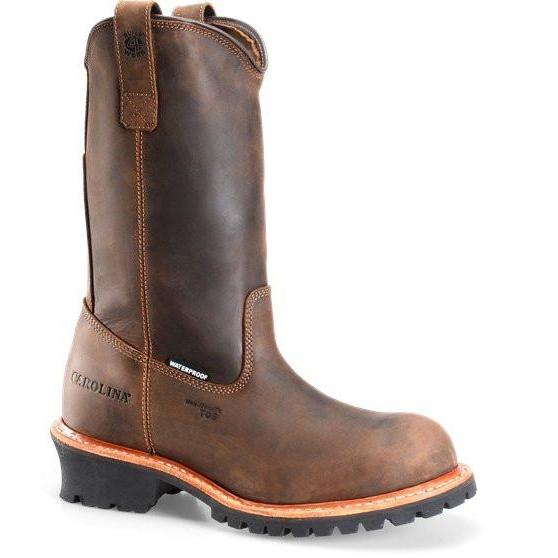
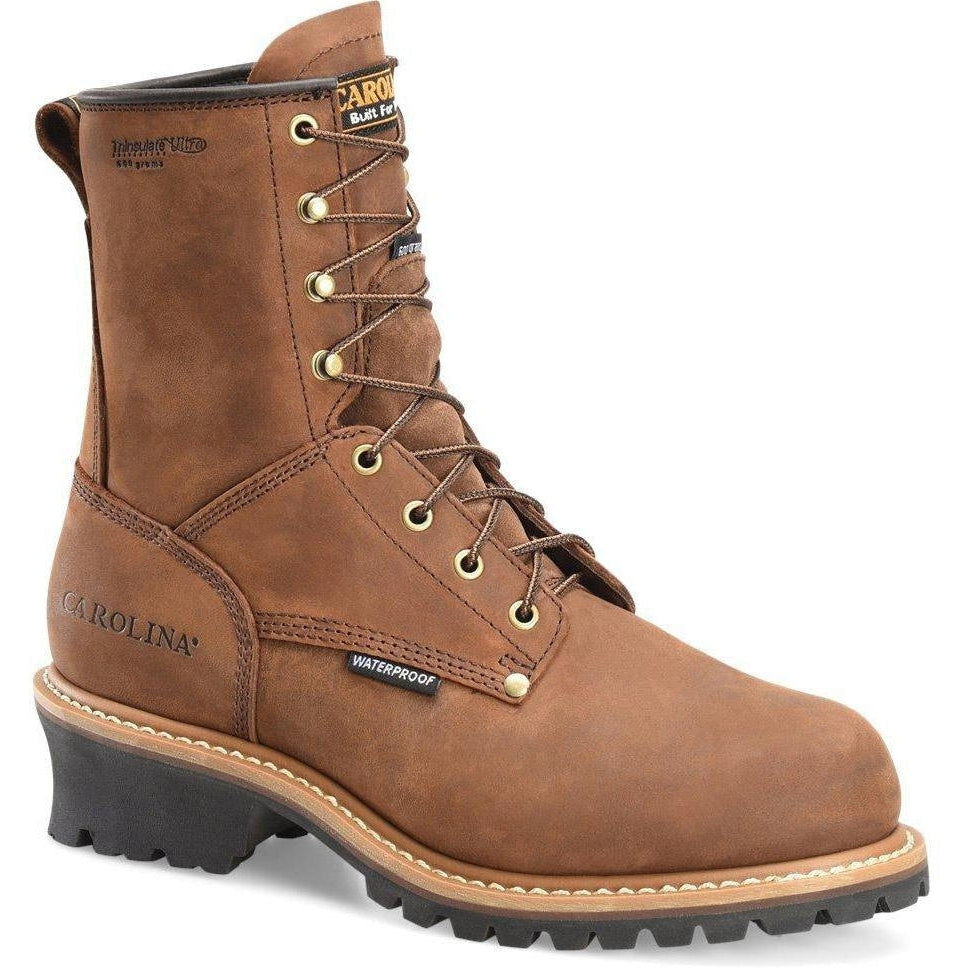
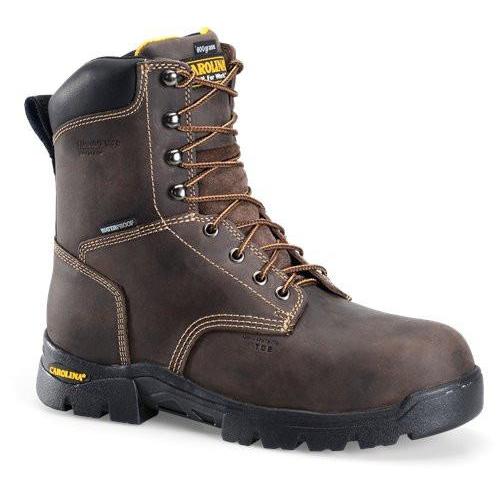
Carolina Men's Circuit Hi 8" Composite Toe Insulated Work Boot - CA3538
Sale price$219.99
Regular price$224.00
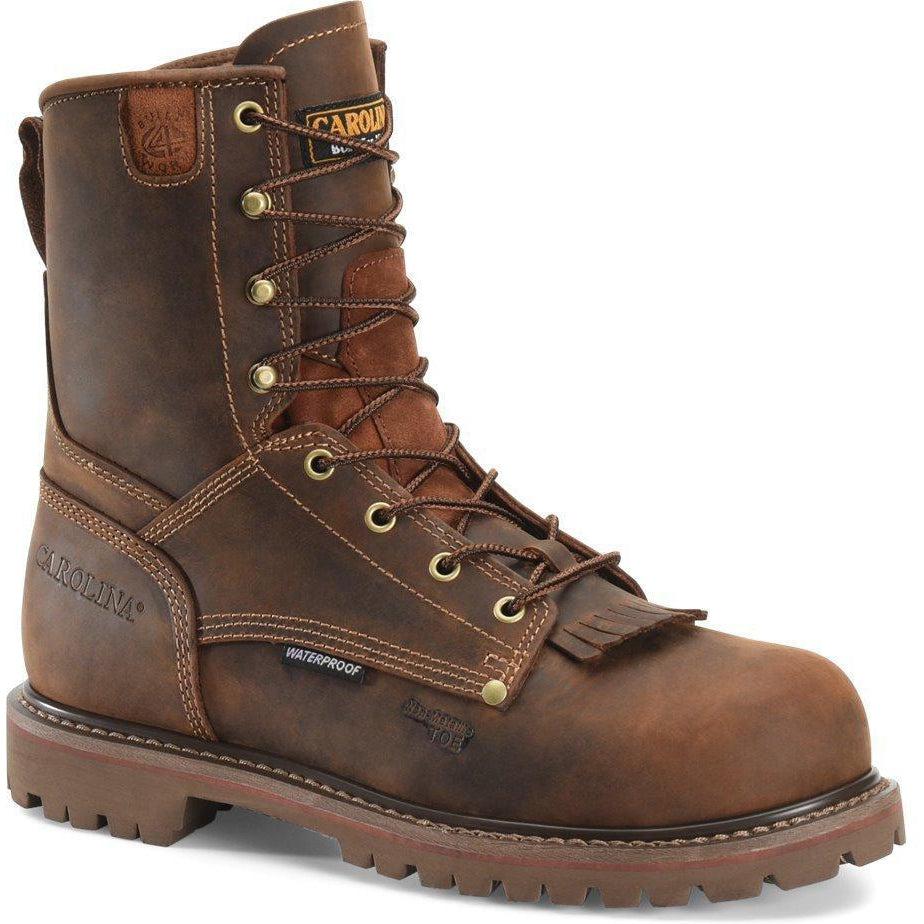
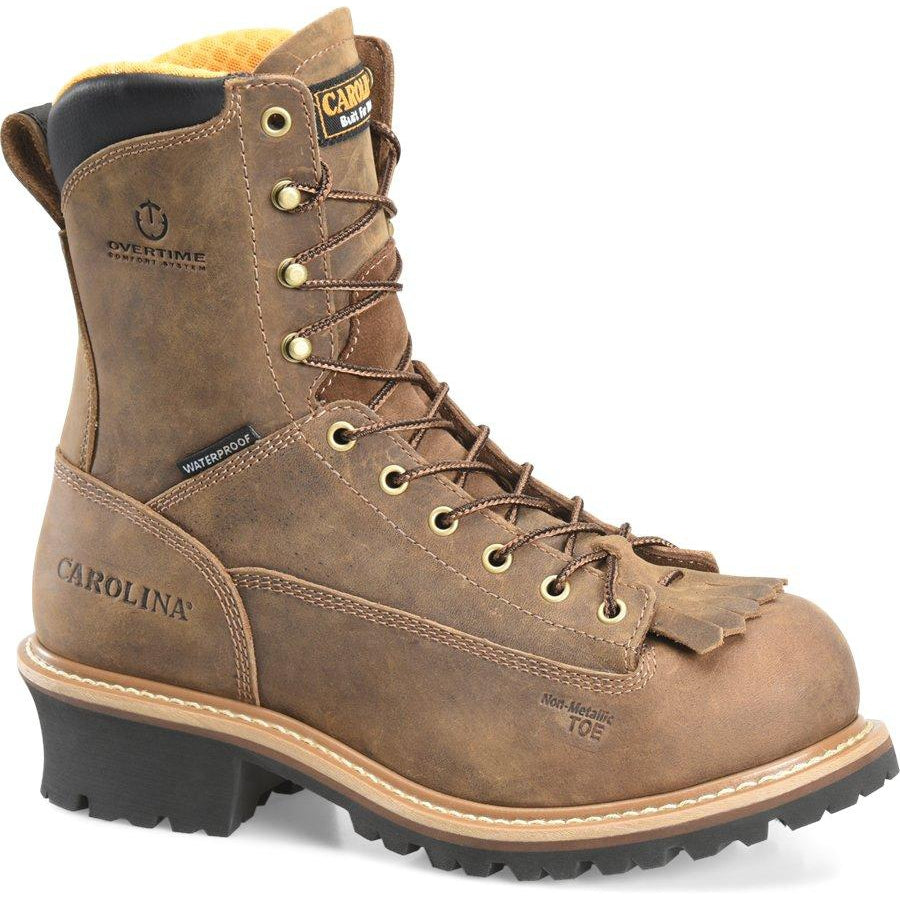
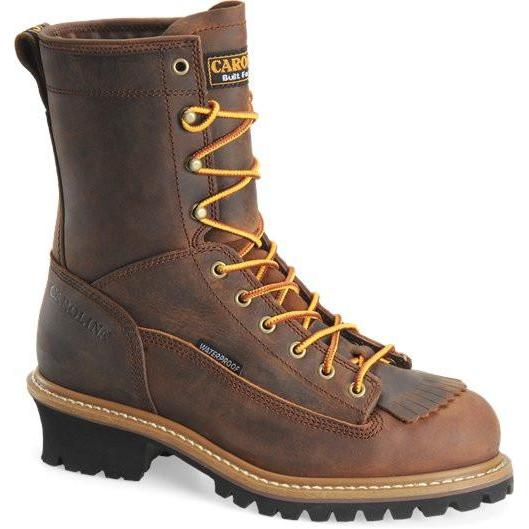
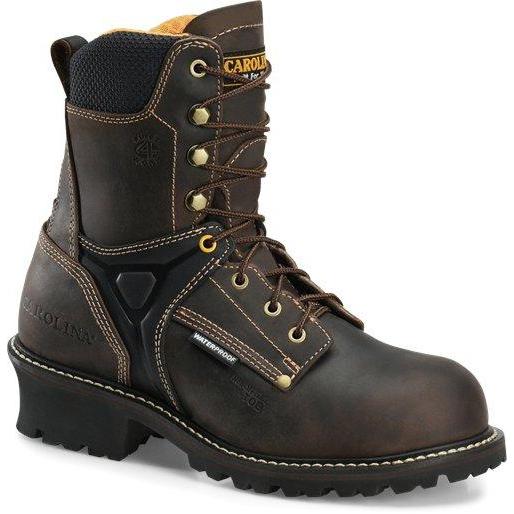
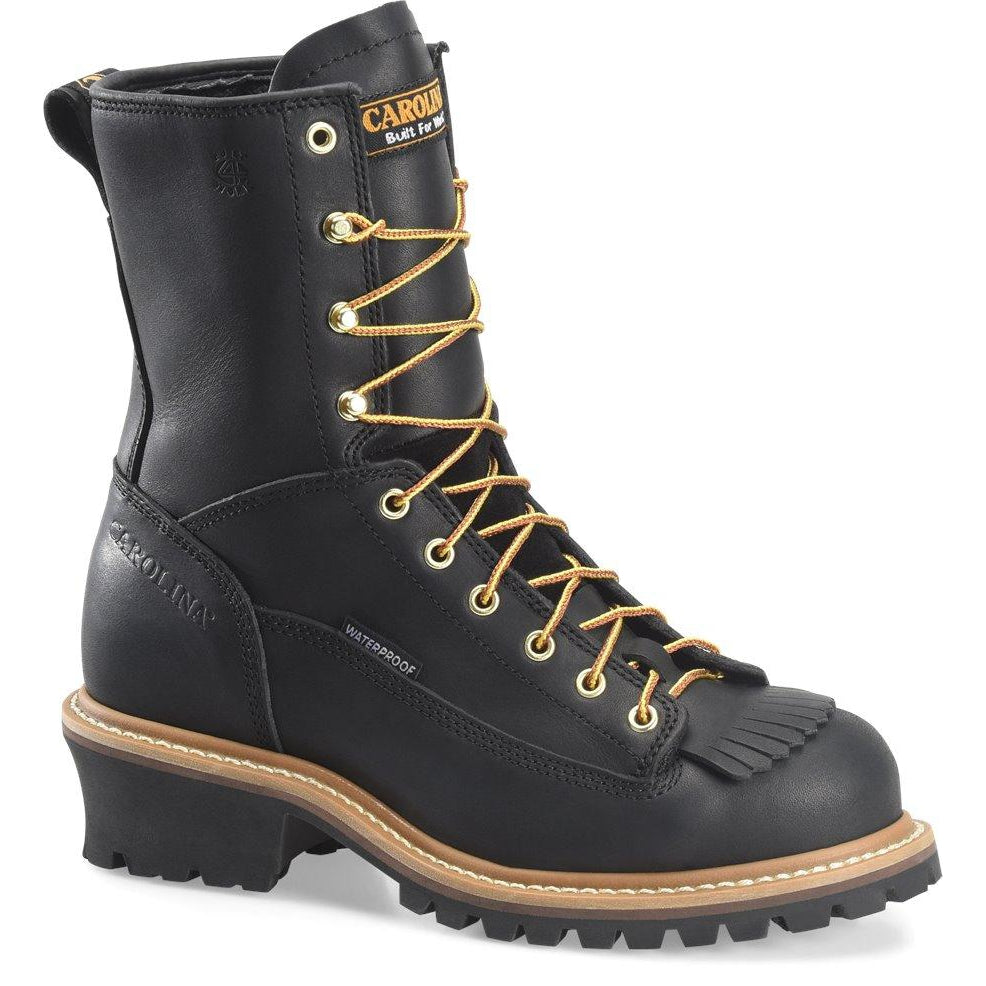
Carolina Men's Spruce 8" Steel Toe Waterproof Logger Work Boot - Brown - CA9824
Save 6%
Sale price$154.99
Regular price$165.00
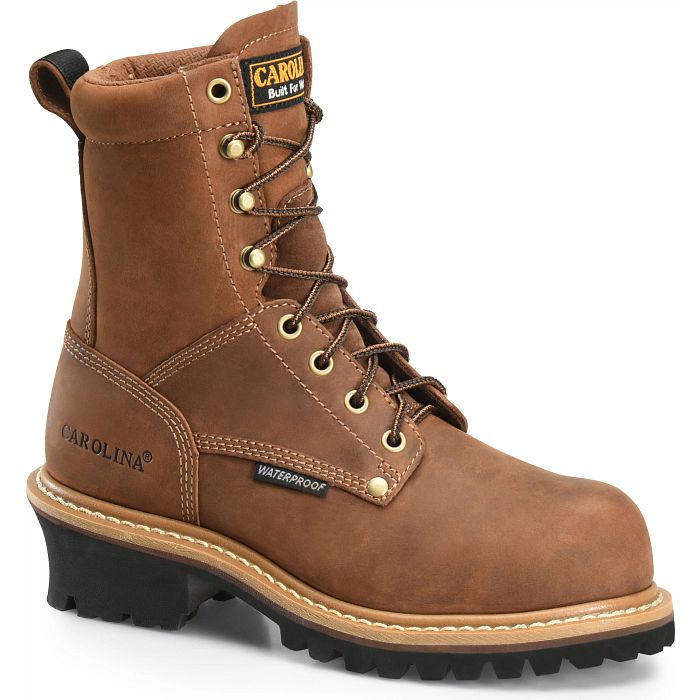
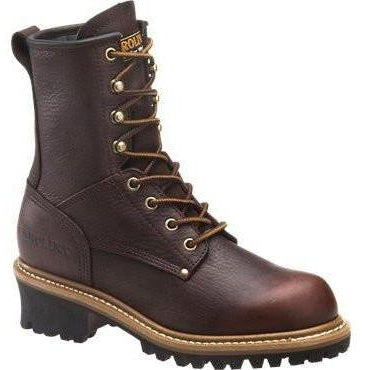
Carolina Women's Elm 8" Steel Toe Logger Work Boot - Dark Brown - CA1421
Sale price$269.99
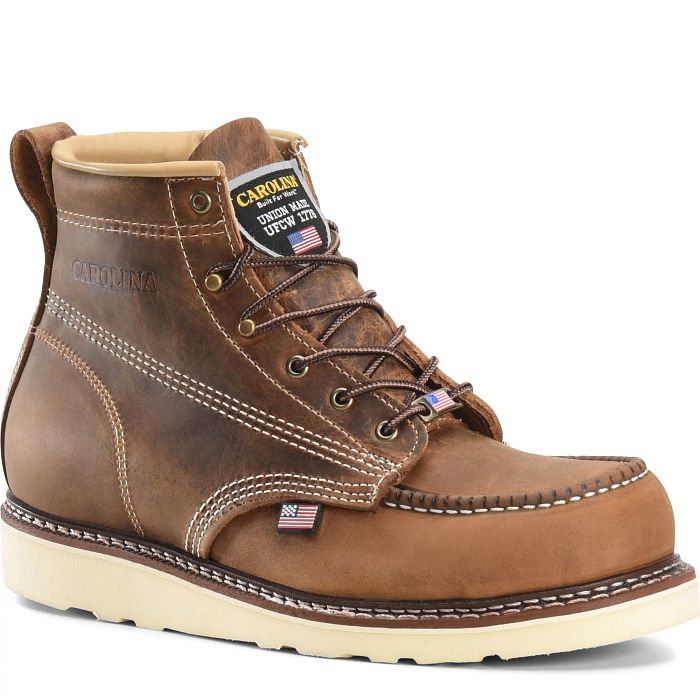
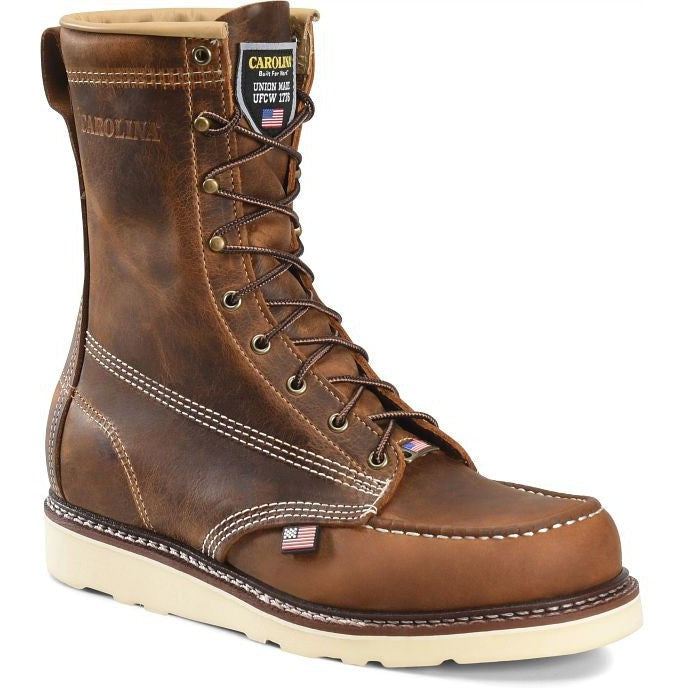
Carolina Men's Amp 8" Steel Toe USA Made Wedge Work Boot -Brown- CA8512
Sale price$179.99
Regular price$184.00
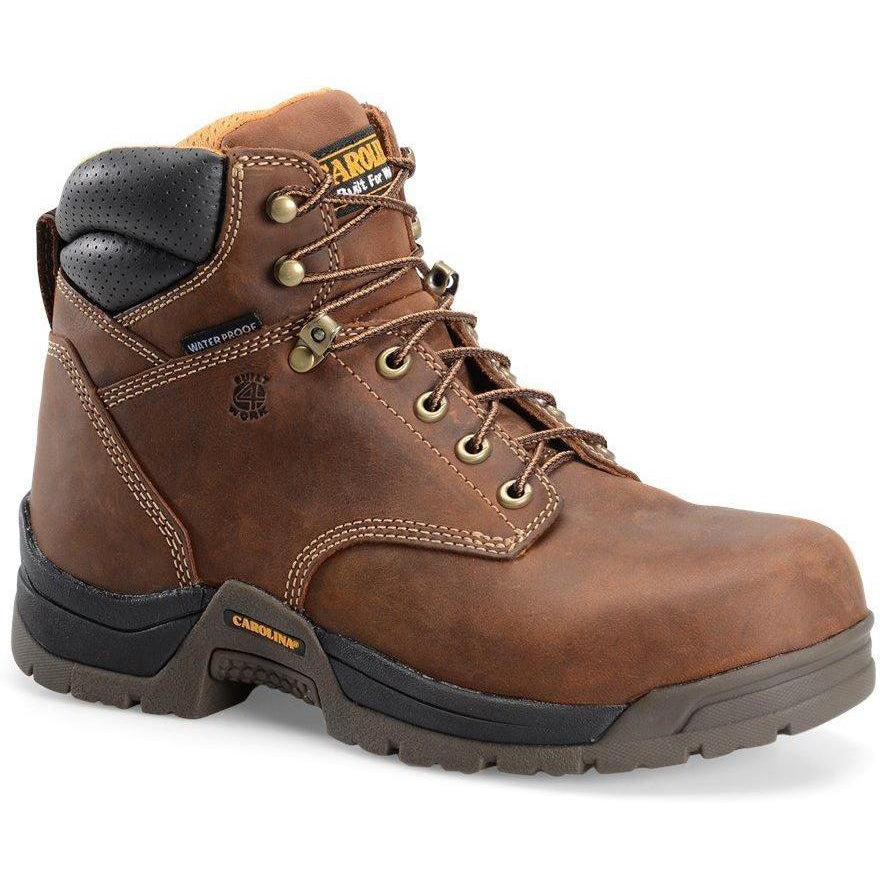
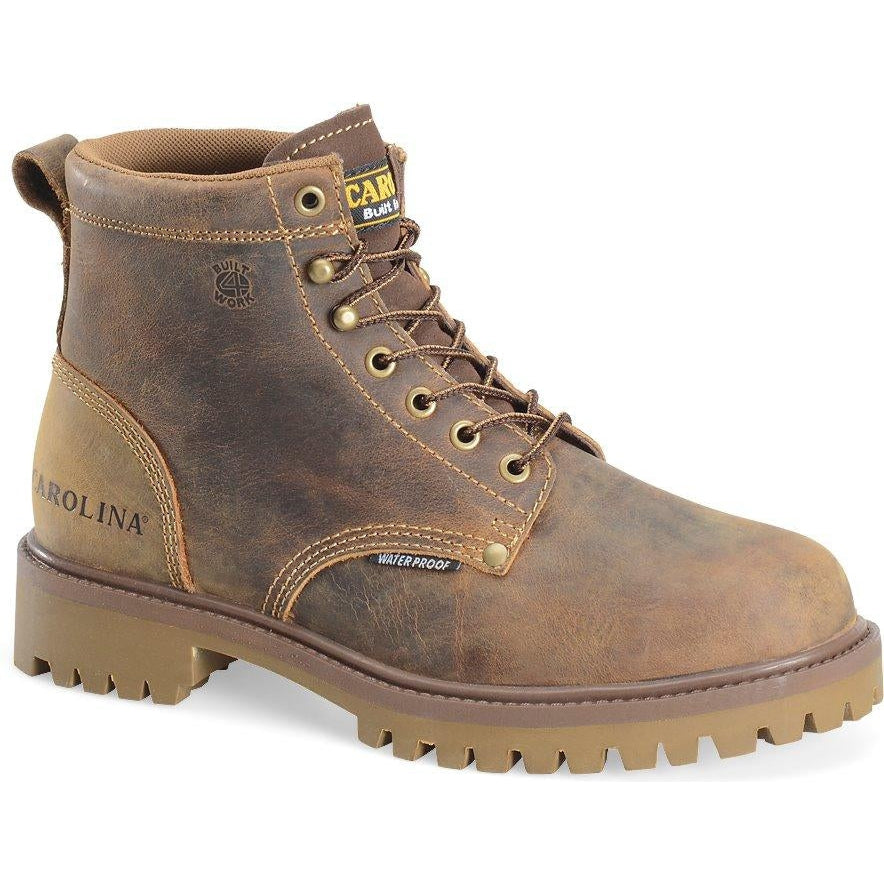
Carolina Men's Bruno Lo 6" Waterproof Composite Toe Work Boot - Brown - CA5520
Sale price$209.99
Regular price$214.00
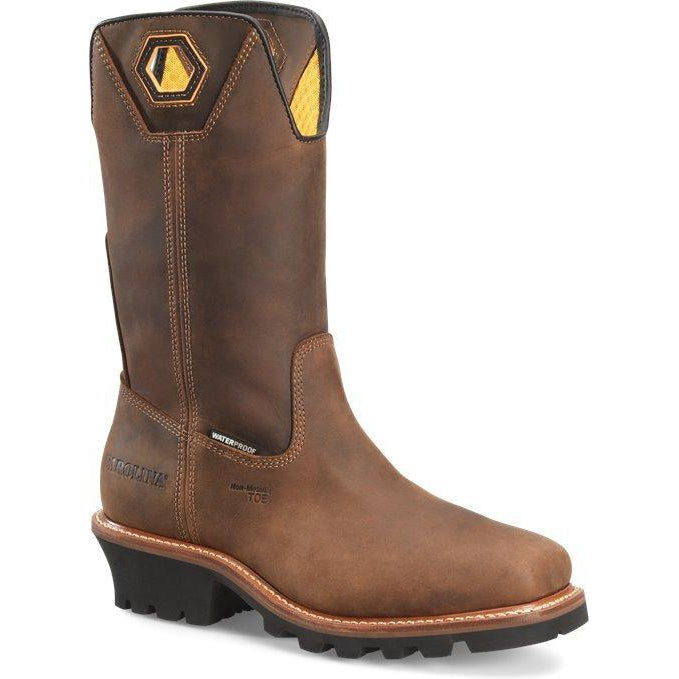
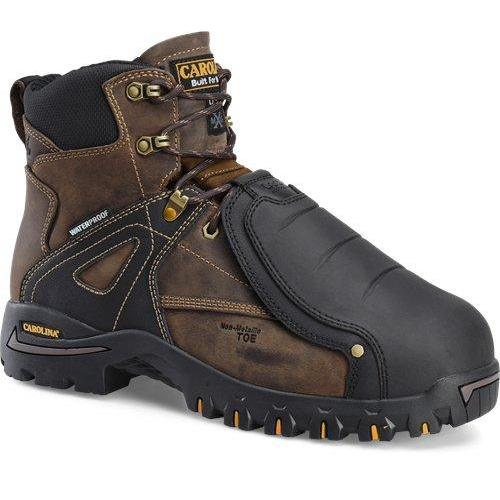
Carolina Men's Well X Metguard Wellington Work Boot - Brown - CA4582
Sale price$209.99
Regular price$214.00
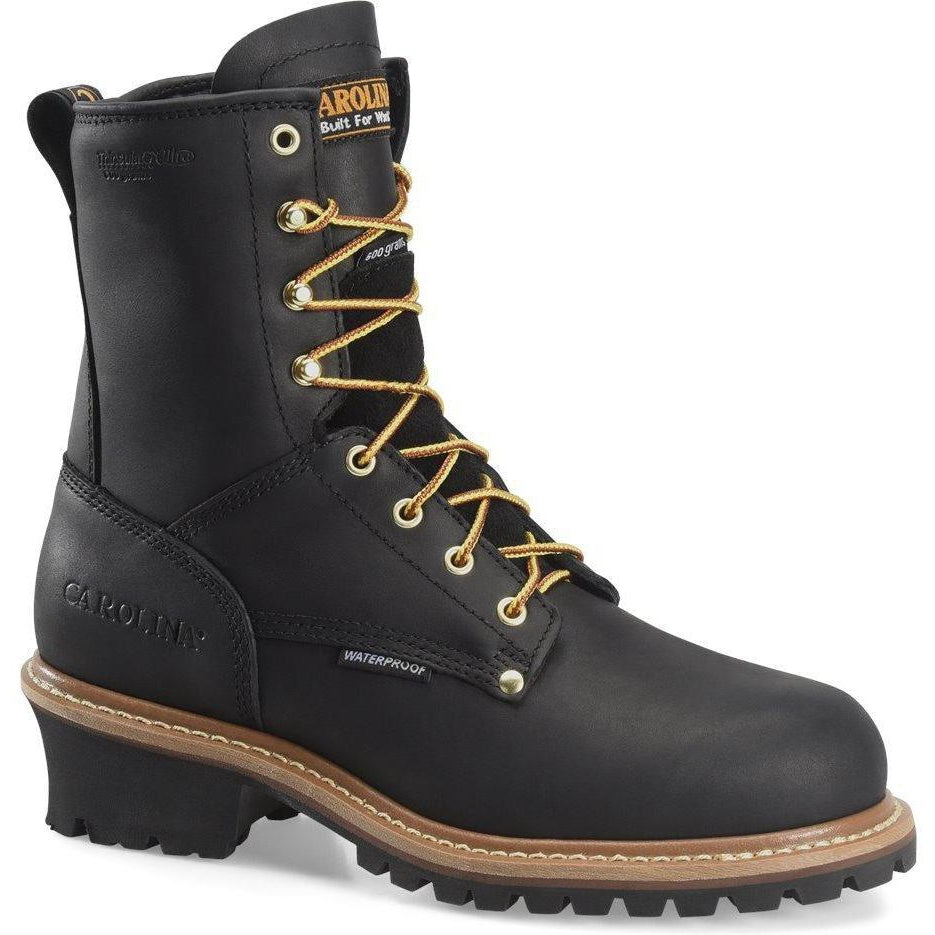
Carolina Spruce Logger Boots - Men's 8" Steel Toe Waterproof - CA9825
Sale price$219.99
Regular price$224.00
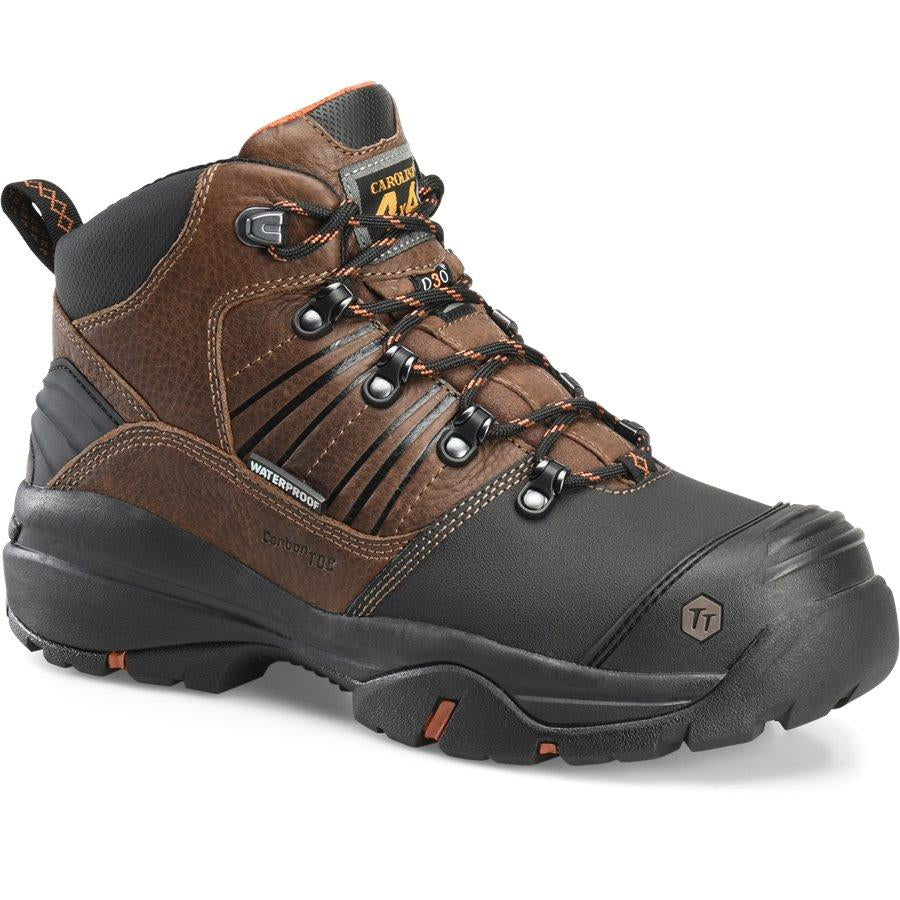
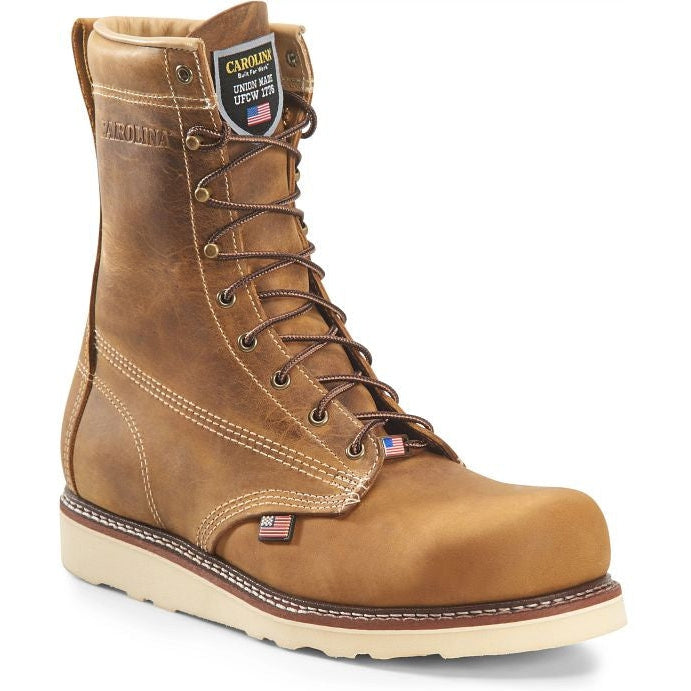
Carolina Men's Miner 6" Carbon Composite Toe Metguard Waterproof Work Shoe CA5587
Sale price$219.99
Regular price$224.00
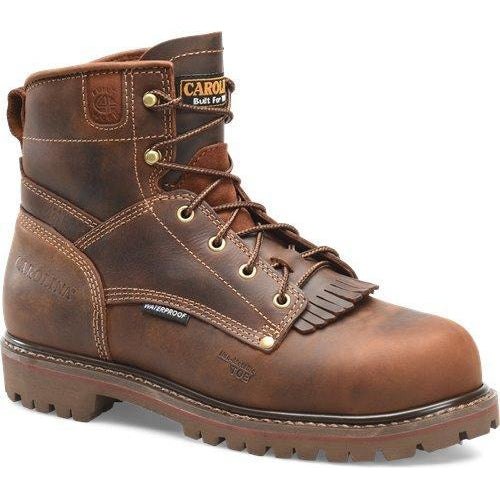
Carolina CA7528 Men's 28 Series 6" Composite Toe Waterproof Work Boot - Brown
Sale price$219.99
Regular price$224.00
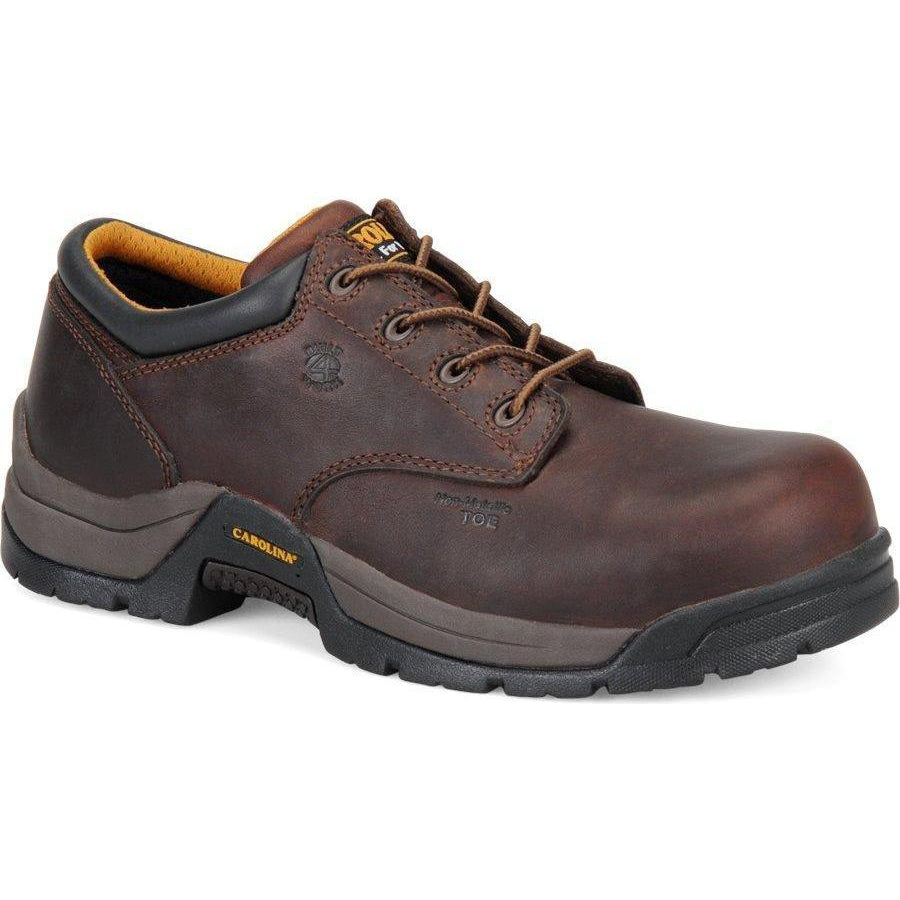
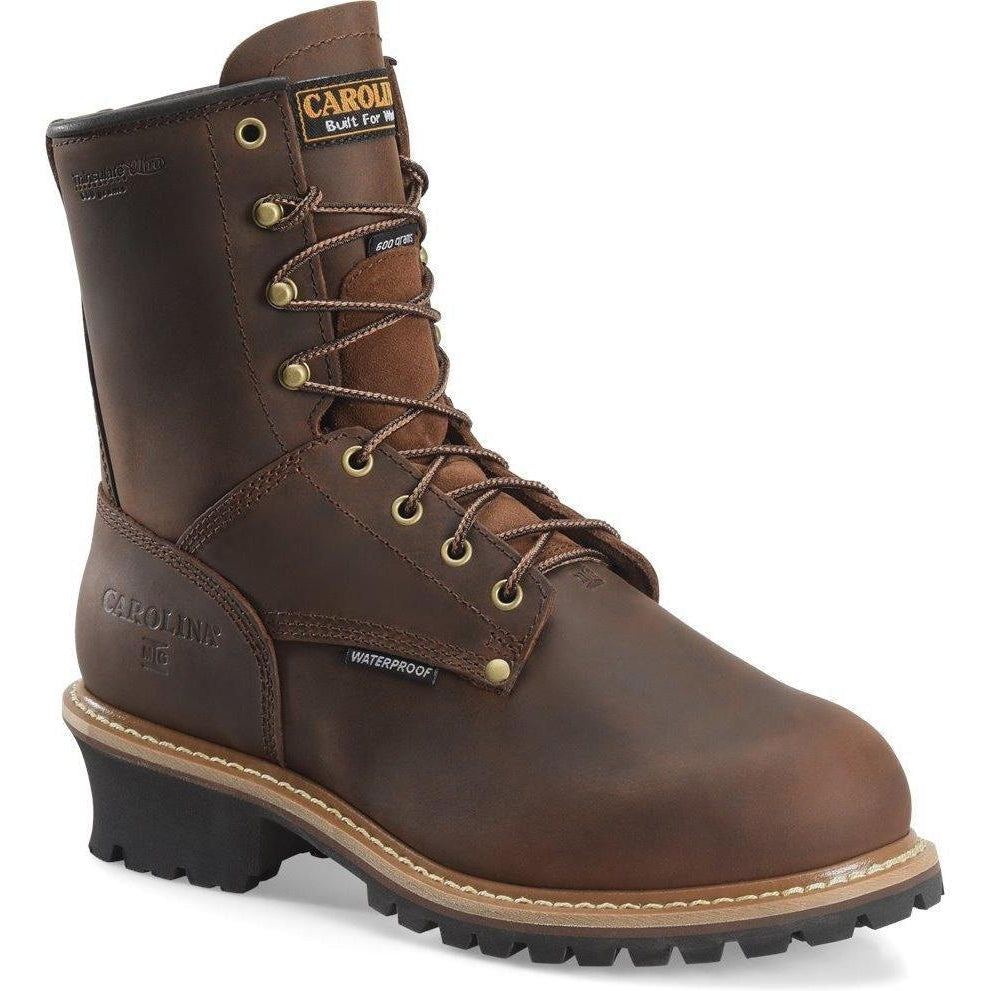
Carolina Men's Elm 8" Waterproof Insulated Metguard Logger Work Boot - CA7821
Frequently Asked Questions
All four meet the same ASTM F2413 impact and compression standard, so pick on weight, temperature, and screening rather than strength. Steel is cheapest and thinnest. Aluminum is lighter metal, still conducts temperature. Composite and carbon are non-metallic, lighter, and do not conduct heat or cold. Carbon is the lightest of the four.
No, and this matters on Carolina specifically. Several composite-toe models pair the non-metallic cap with a steel shank, so the boot triggers a detector despite the toe. If you work in a screened facility, verify the shank material on the specific model rather than reading the toe type. See our 100 percent non metallic collection.
I/75 means the toe withstood a 75 foot-pound impact and C/75 means it withstood 2,500 pounds of compression. Those two are the core safety toe codes. Additional codes such as EH for electrical hazard, PR for puncture resistance, and Mt for metatarsal protection appear only when the boot was built and tested for those hazards. Match the codes to what your site specifies.
The Foreman, Miter EXT, Miner and Line Builder carry met guards. A met guard covers the instep, which a safety toe leaves exposed, and it is rated as part of the finished boot rather than added later. If your site specifies Mt you need a met-rated model from the start. See our metatarsal boots range.
It should not, and toe pain in a rated boot is almost always a fit problem rather than break-in, because the cap is rigid and never softens. If your toes touch the cap walking downhill, the boot is too short. If the pain is across the ball of your foot, you need more width. Sizing up in length rarely fixes either.
Yes, and it is common. The EH rating describes the sole and heel, and the cap sits inside insulating material with no conduction path in normal use. EH and static-dissipative ratings are mutually exclusive under the standard, so a boot carries one or the other. See our electrical hazard boots range.
The Amp wedge family, the Ferric moc toes, the Sarge Hi and Lo, the INT met guard boots, and the Domestic are built in Martinsburg, Pennsylvania. The rest of the range is imported. Domestic models say so in the product title. See our Carolina USA made range.
Most of the range is offered in EE alongside standard D, with wider fittings on selected models. Width matters more on a rated boot than an unrated one, because the cap cannot stretch at all. If safety boots have pinched across the ball of your foot before, width rather than length is the fix.
Recently viewed
Our Top Brands