Save 25%
Sale price$124.67
Regular price$166.00
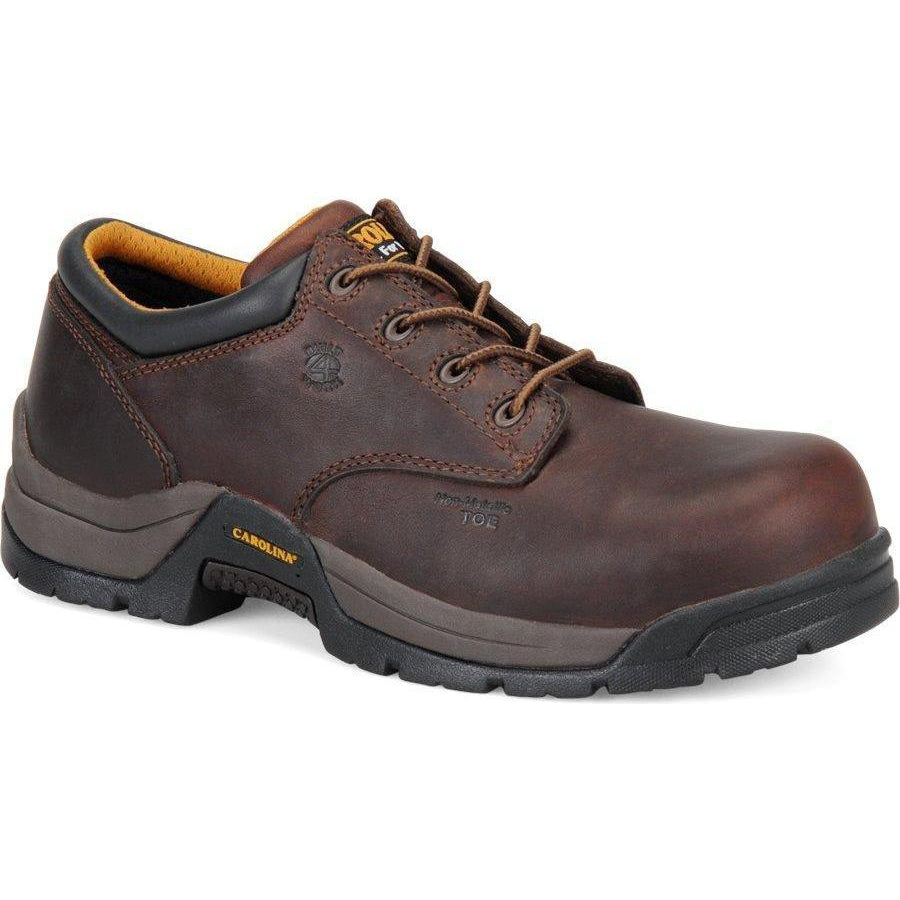
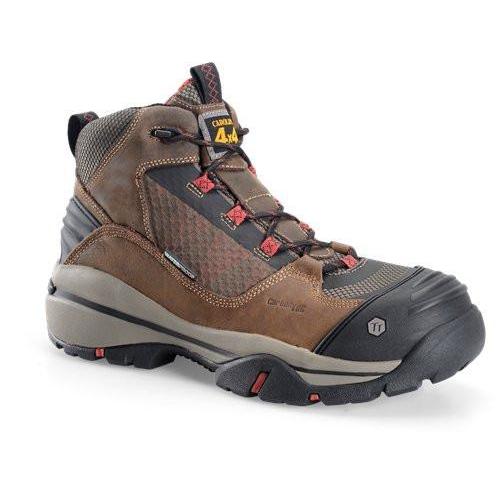
Carolina Men's EXT 5" Carbon Toe Waterproof Hiker Work Shoe - CA4551
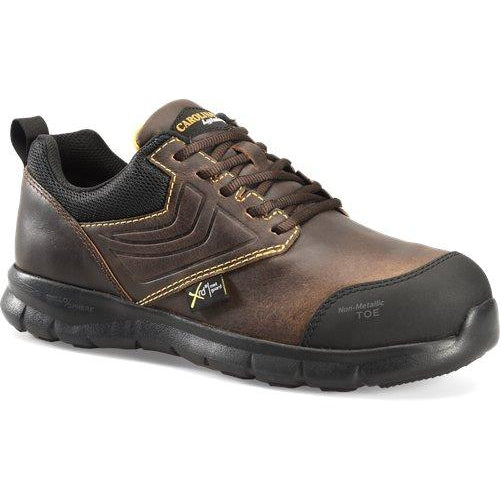
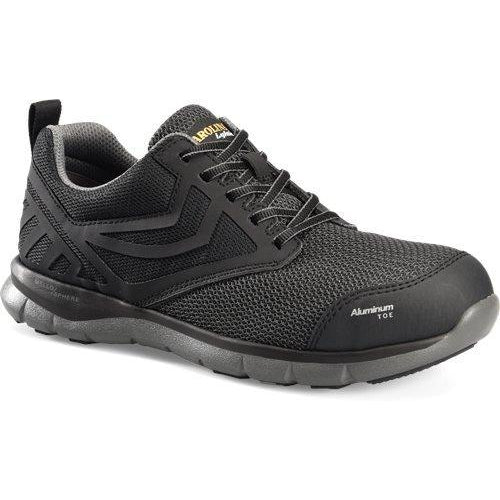
Sale price$109.99
Carolina Men's Gust Lo Aluminum Toe Athletic Work Shoe- Black - CA1902
Save 7%
Sale price$139.99
Regular price$150.00
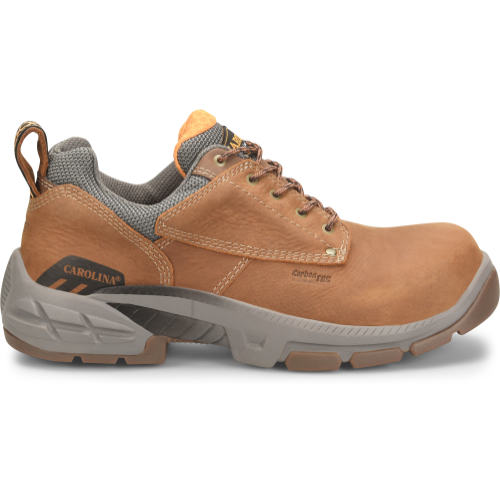
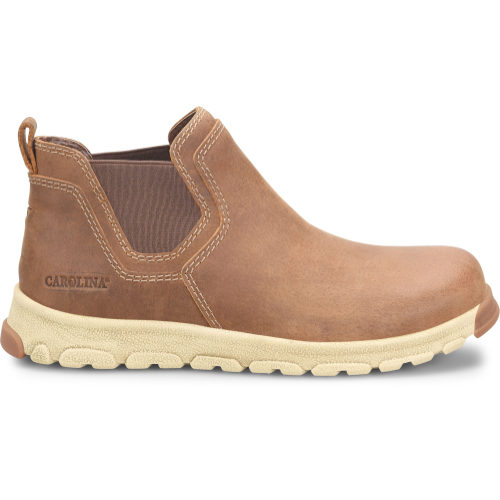
Carolina Women's S-117 Electrostatic Dissipative Romeo Alum Toe Lightweight Work Shoe - Brown - CA5671
Save 20%
Sale price$105.67
Regular price$132.00
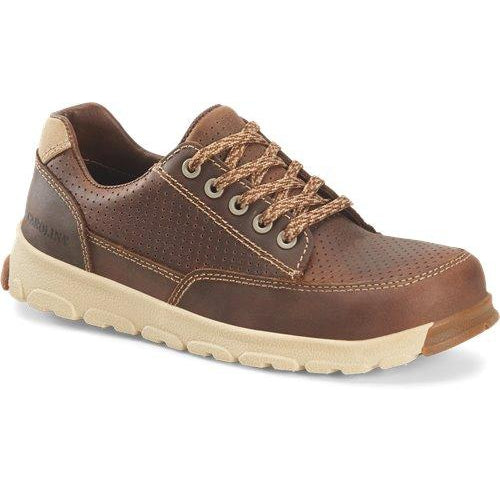
Carolina Women's S-117 Aluminum Toe Oxford Work Shoe- Mahogany- CA5674
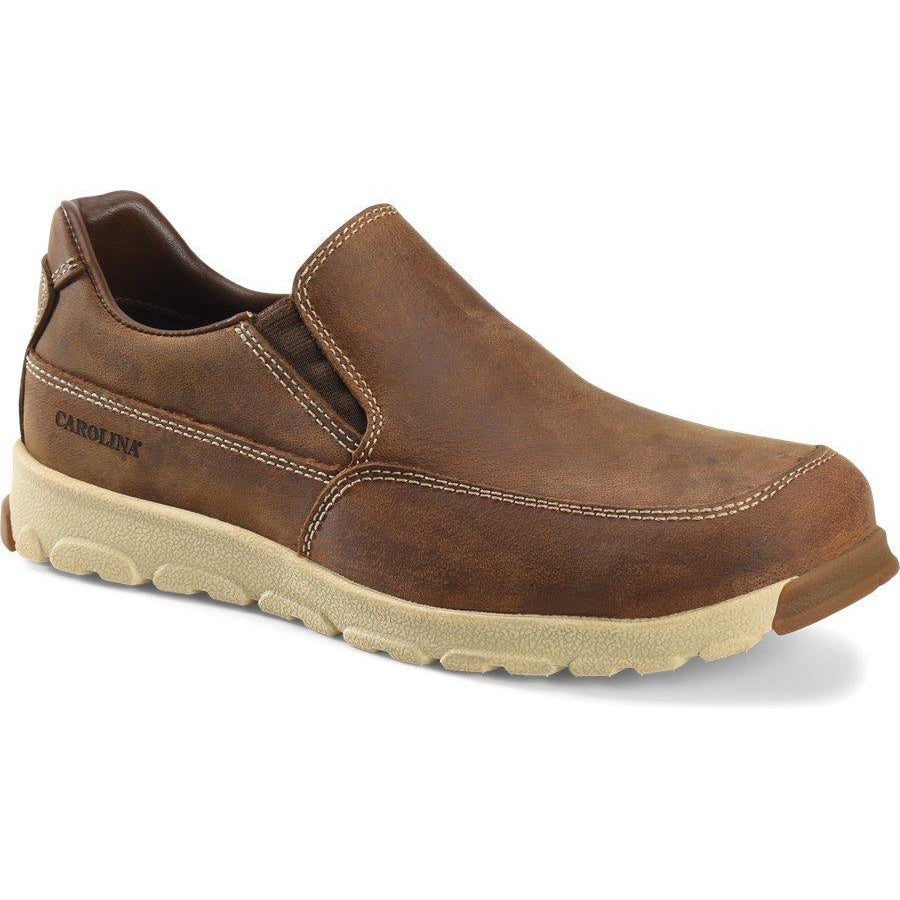
Sale price$139.99
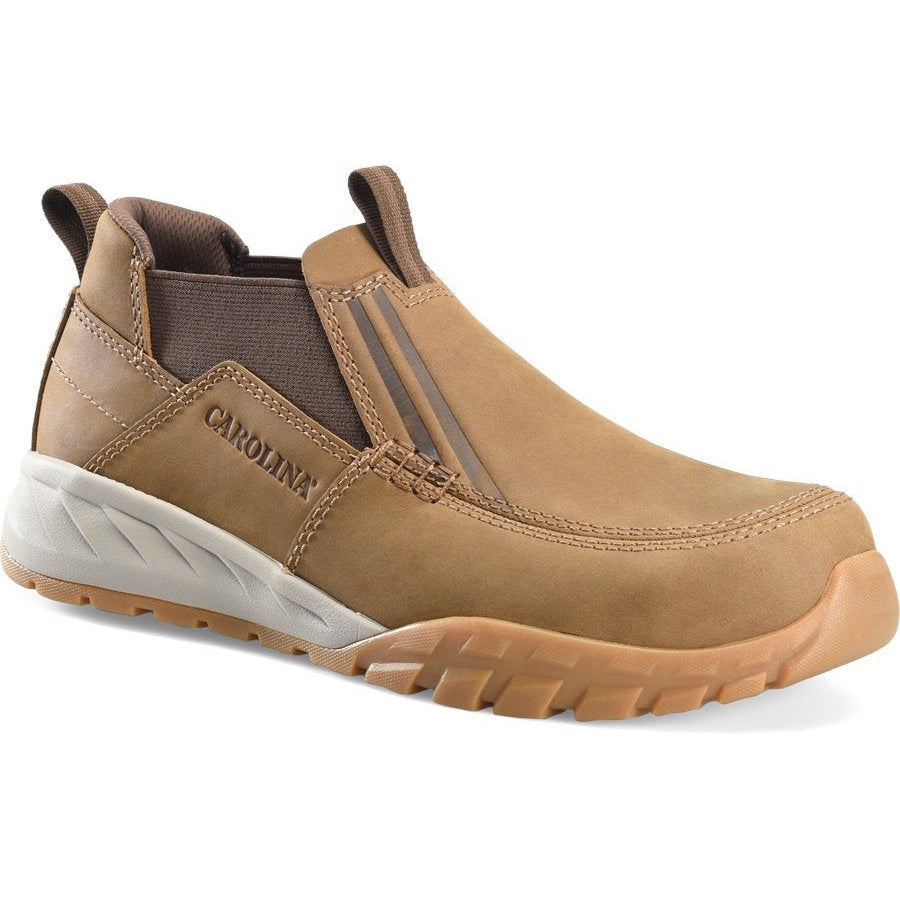
Carolina Men's S-117 Aluminum Toe Slip-On Work Shoe - Brown - CA5572
Save 33%
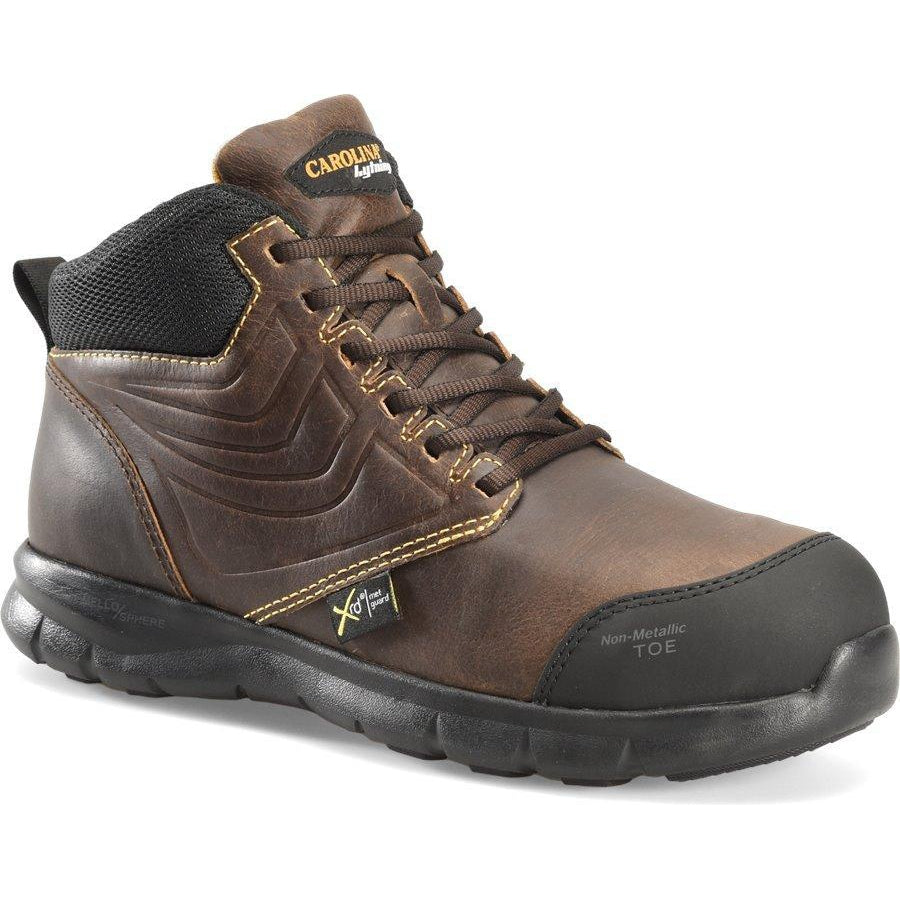
Sale price$114.67
Regular price$170.00
Carolina Men's Lytning 1.9 Composite Toe Waterproof MG Lightweight Work Shoe - Brown- CA1907
Save 28%
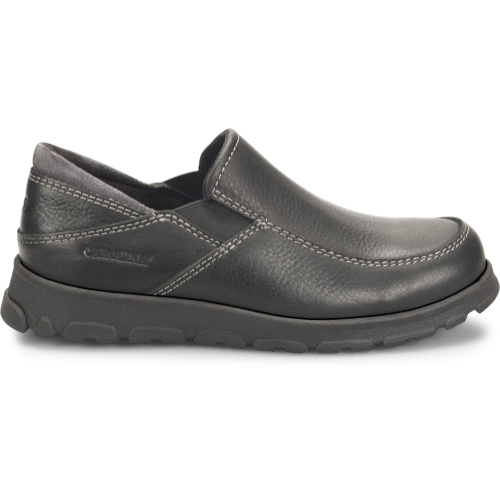
Sale price$95.67
Regular price$132.00
Carolina Women's S-117 Electrostatic Dissipative Alum Toe Lightweight Slip-On Work Shoe Black- CA5672
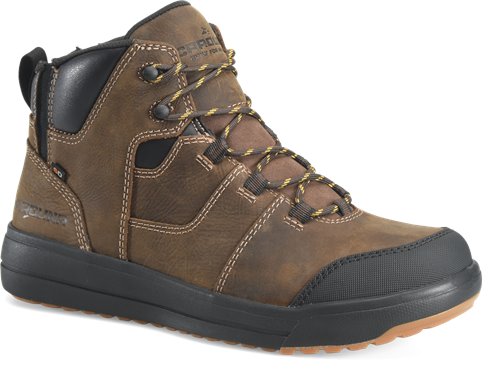
Sale price$149.99
Carolina Men's Apexline EZ-On ESD Work Boot - Brown - CA2323
Save 17%
Sale price$119.99
Regular price$144.00
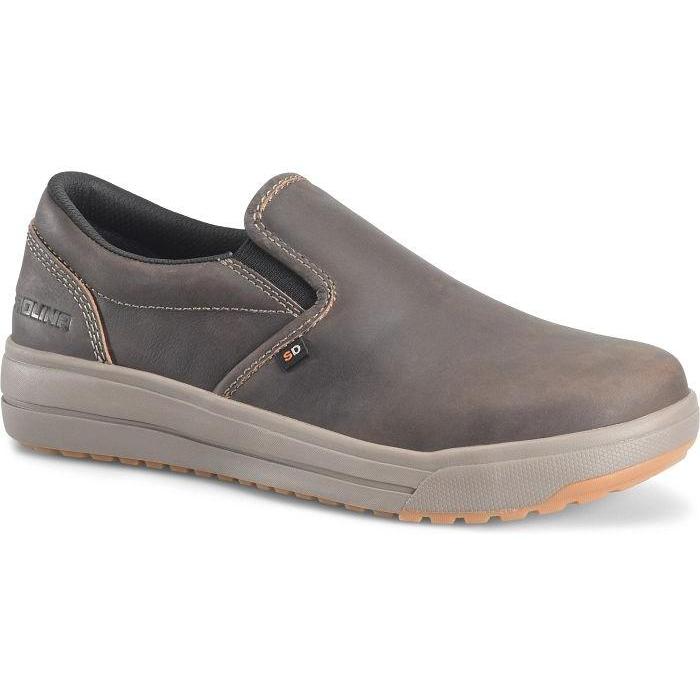
Carolina Men's Stabline Composite Toe Slip On Work Shoe- Grey- CA2322
Save 20%
Sale price$86.67
Regular price$108.00
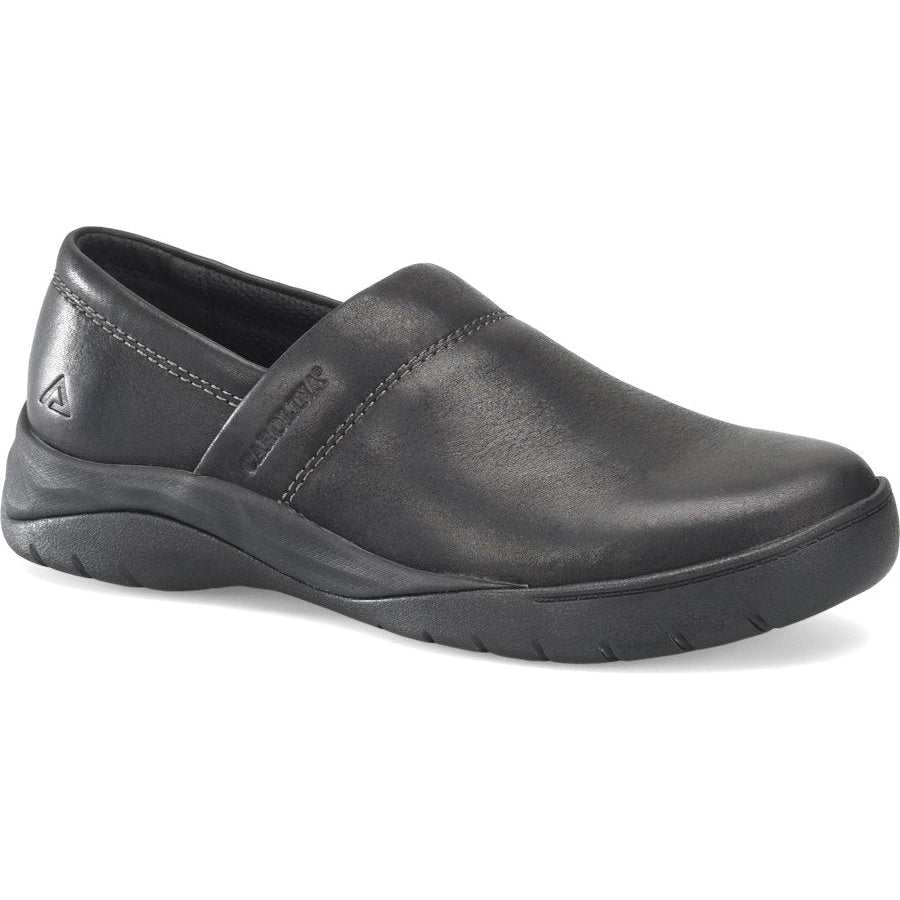
Carolina Women's Align Talux Slip Resistant Clog Work Shoe - Black - CA5061
Sale price$114.99
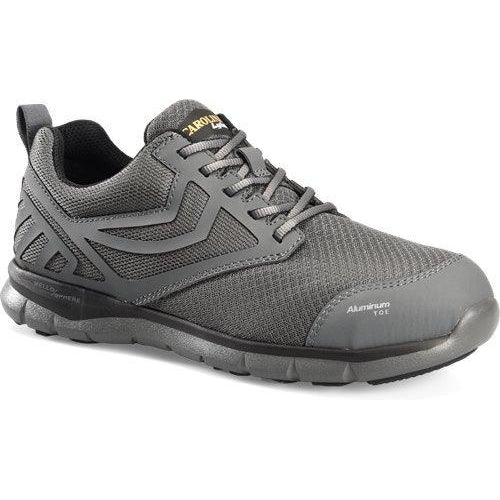
Carolina Men's Derecho Aluminum Toe Athletic Work Shoe - Grey - CA1900
Save 10%
Sale price$129.99
Regular price$144.00
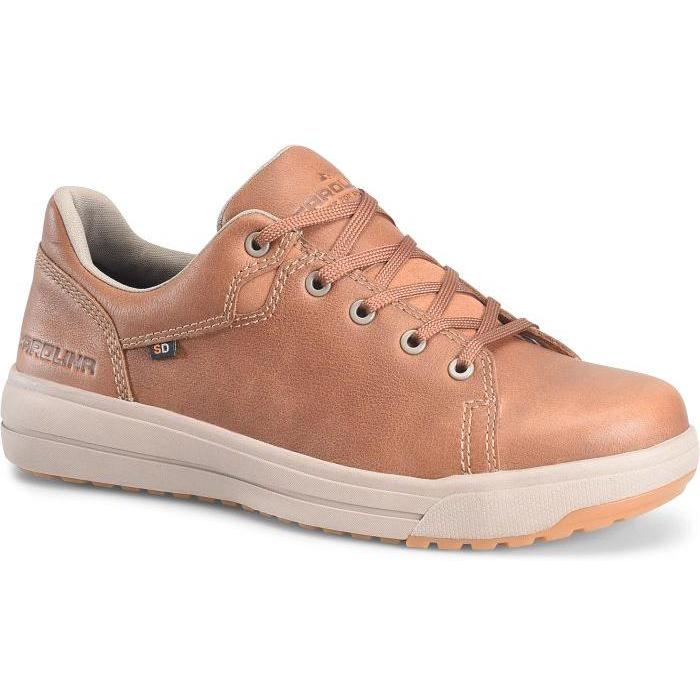
Carolina Men's Workline Comp Toe Slip Resist Oxford Work Shoe- Tan- CA2321
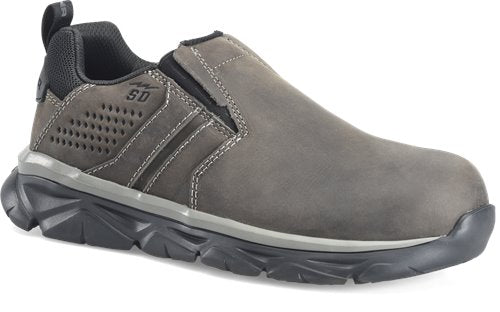
Sale price$159.99
Carolina Men's Flywt SD Slip-On Work Boot - Grey - CA1982
Frequently Asked Questions
When the ground is flat and predictable and you cover distance on foot. Plant floors, warehouses, shops, and driving between stops all favor a shoe, because the ankle coverage of a boot buys you little there while costing weight, flex, and airflow. Broken ground, standing water, and falling debris are the cases for a boot.
The toe rating is identical, since ASTM F2413 tests the cap the same way regardless of height. EH, static-dissipative, slip resistance, and puncture resistance all appear on work shoes too. What a shoe cannot meaningfully carry is metatarsal protection, since a met guard needs a boot upper to anchor to.
Closure and profile. Oxfords lace and read as dress shoes, suiting a dress code. Romeos are laceless slip-ons with elastic gores, fastest on and off. The athletic models use cushioned midsoles borrowed from sports footwear and are the most comfortable for distance on flat floors. Choose on how much your feet swell and how often the shoes come off.
Several in the range carry an SD rating for electronics, cleanroom, and fuel-handling environments. SD and EH are mutually exclusive under ASTM F2413 because they do opposite jobs, so a shoe carries one or the other and never both. Read the rating on the specific product page. See our ESD shoes and boots range.
The athletic models are among the better options, since cushioned midsoles absorb impact that hard floors return to your legs. Footbeds are removable on most models if you use orthotics. What you give up compared with a boot is ankle support, which matters only if your footing is uneven.
Many are, and it is what makes them viable on plant and warehouse floors rather than merely comfortable. Slip resistance is a property of the outsole and is rated per model rather than across a brand, so confirm it on the product page if your employer requires it. Browse the wider slip resistant range.
Many sites require boots outright, and where they do not, a low shoe still leaves your ankle exposed to debris and rolled ankles on uneven ground. Check your own site rules. As a general matter a shoe is the wrong tool for active construction even where it is technically permitted.
It depends on the construction rather than the height. Leather oxfords and Romeos last as long as any cemented leather boot. Athletic-construction models give roughly a year before the midsole compresses and stops cushioning, which is the point to replace them even though the upper still looks fine.
Recently viewed
Our Top Brands