Save 17%
Sale price$178.44
Regular price$214.99
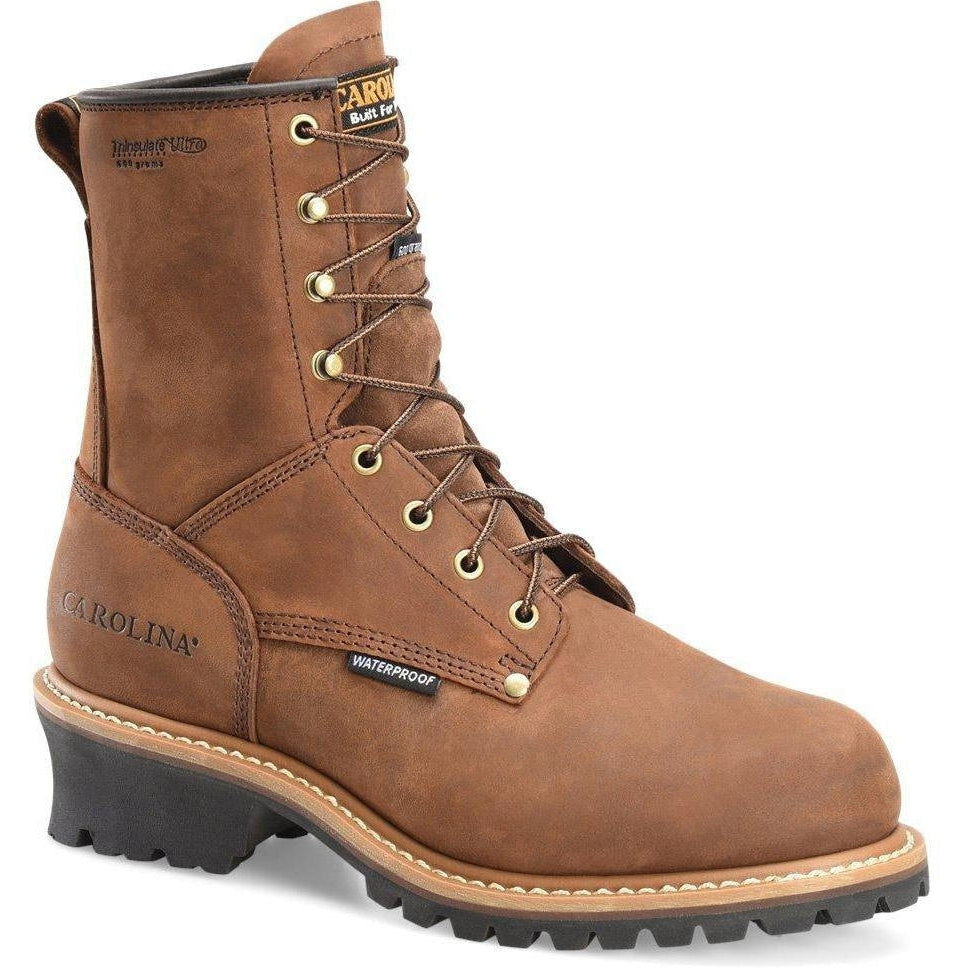
Carolina Men's Elm 8" Steel Toe Waterproof Insulated Logger Work Boot - Brown - CA5821
Save 17%
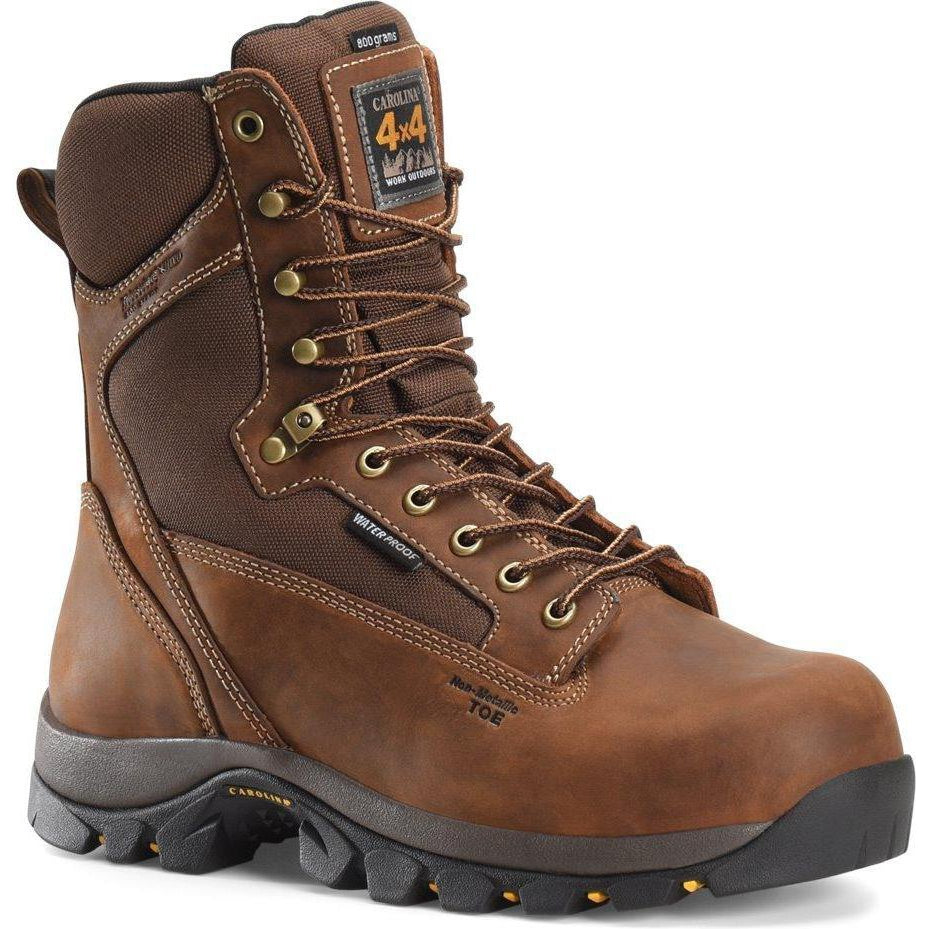
Sale price$182.59
Regular price$219.99
Carolina Men's Forrest 8" Waterproof Ins Composite Toe Work Boot - Brown - CA4515
Save 17%
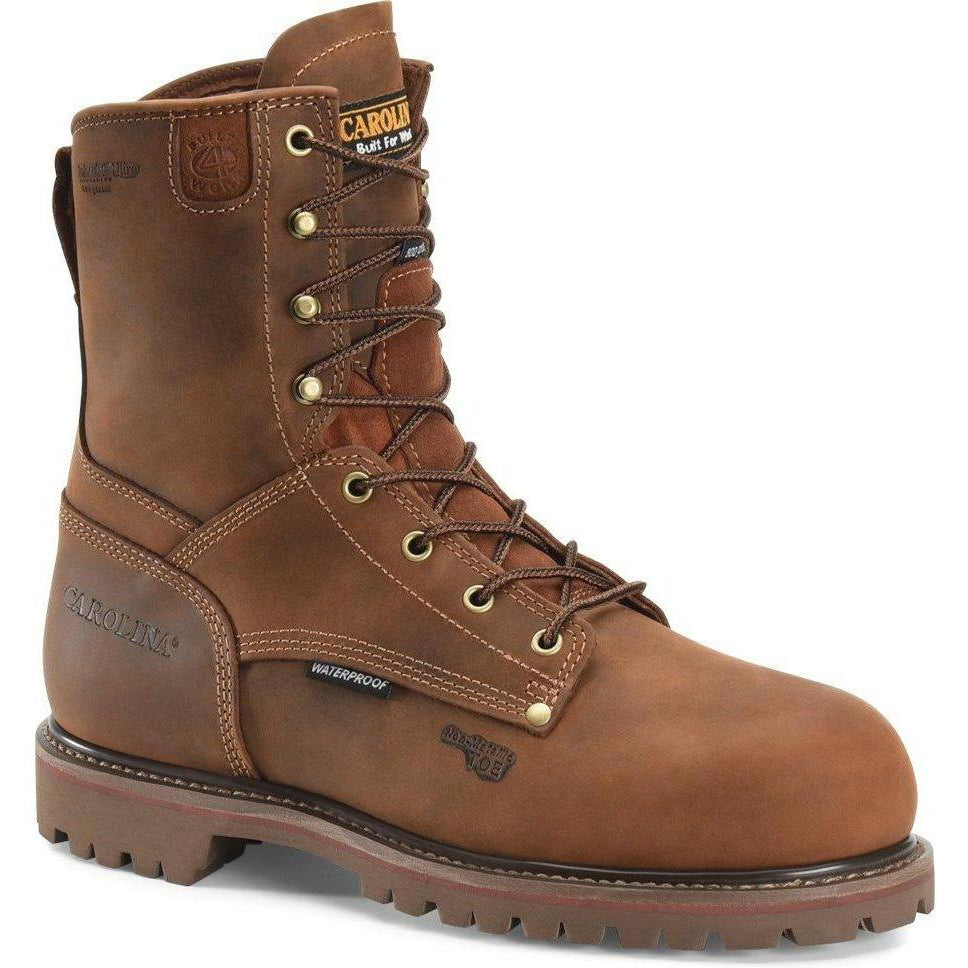
Sale price$203.34
Regular price$244.99
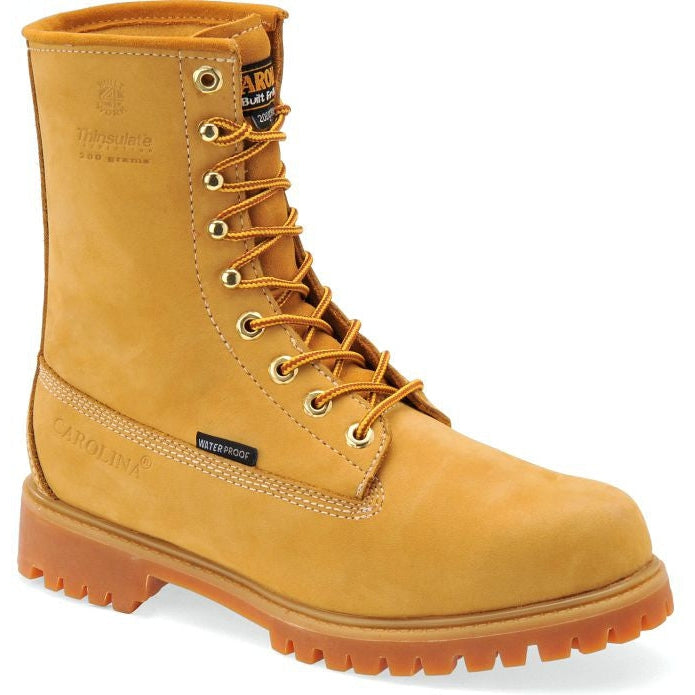
Carolina Men's 28 Series 8" Composite Toe Insulated Waterproof Boot - CA9528
Save 16%
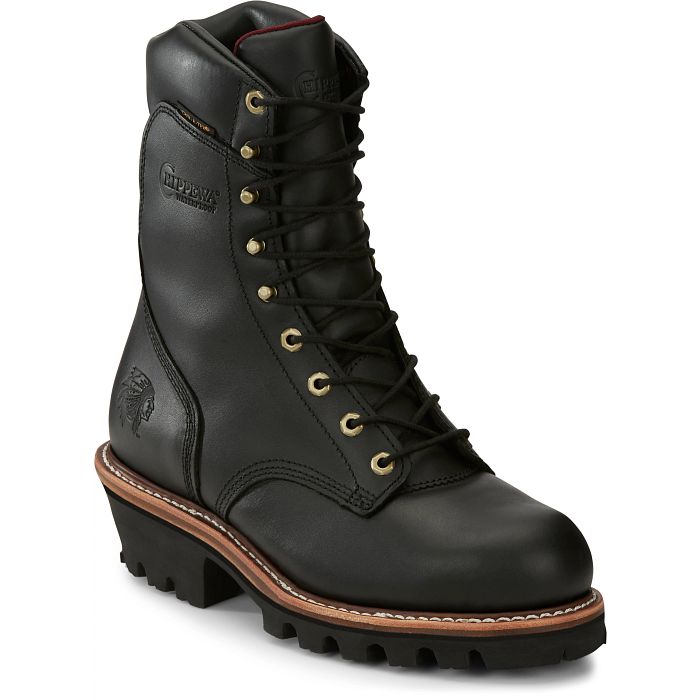
Sale price$278.36
Regular price$331.00
Chippewa Men's Super DNA 9" Steel Toe Waterproof 400G Ins Logger Work Boot - Black - 59410
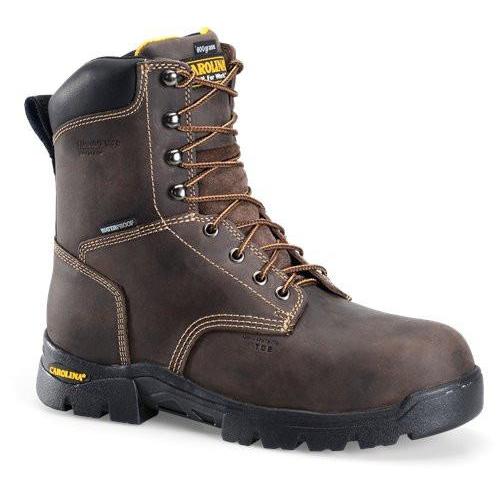
Sale price$164.99
Carolina Men's Circuit Hi 8" Composite Toe Insulated Work Boot - CA3538
Save 16%
Sale price$278.36
Regular price$331.00
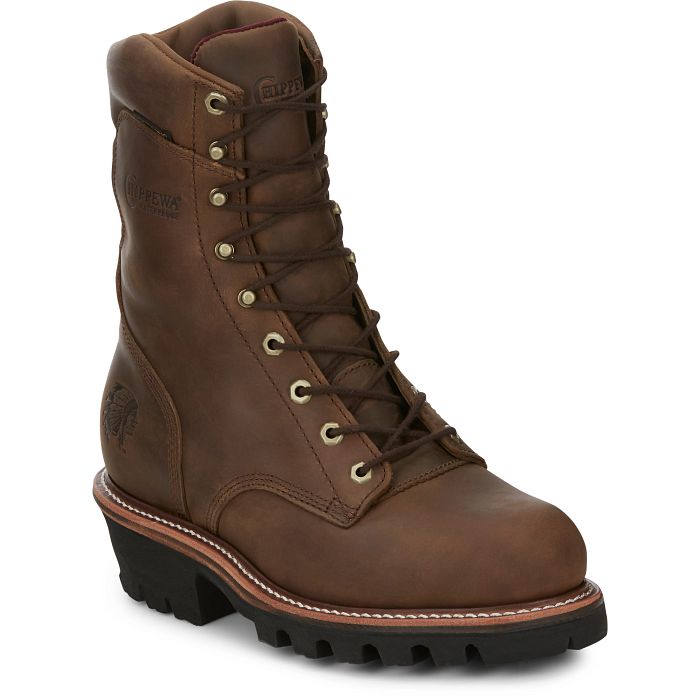
Chippewa Men's 9" Steel Toe Waterproof Ins Logger Work Boot - Brown - 59405
Save 25%
Sale price$199.95
Regular price$265.00
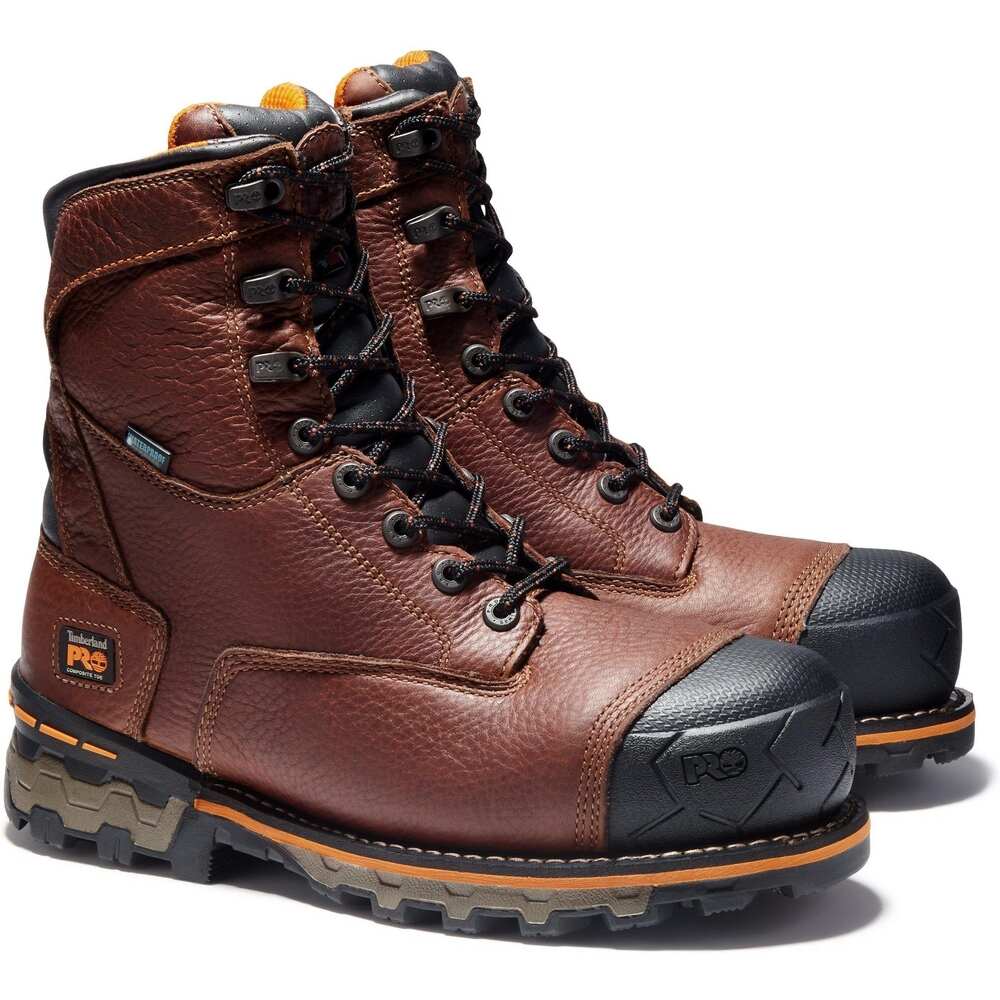
Timberland PRO Men's Boondock 8" Composite Toe Waterproof Ins Work Boot TB189628214
Save 20%
Sale price$373.51
Regular price$466.00
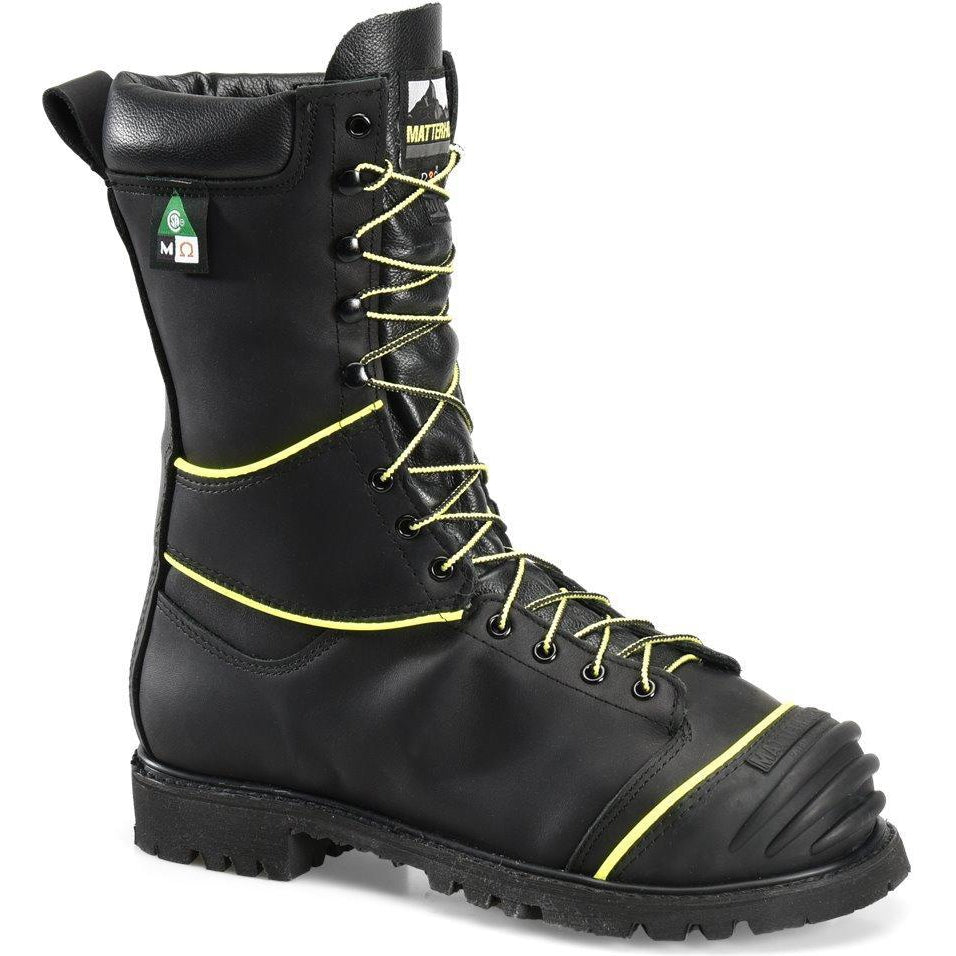
Matterhorn Men's Klondike 10" Steel Toe Waterproof Ins Metguard Puncture Resistant USA Made Work Boot CV12000
Save 28%
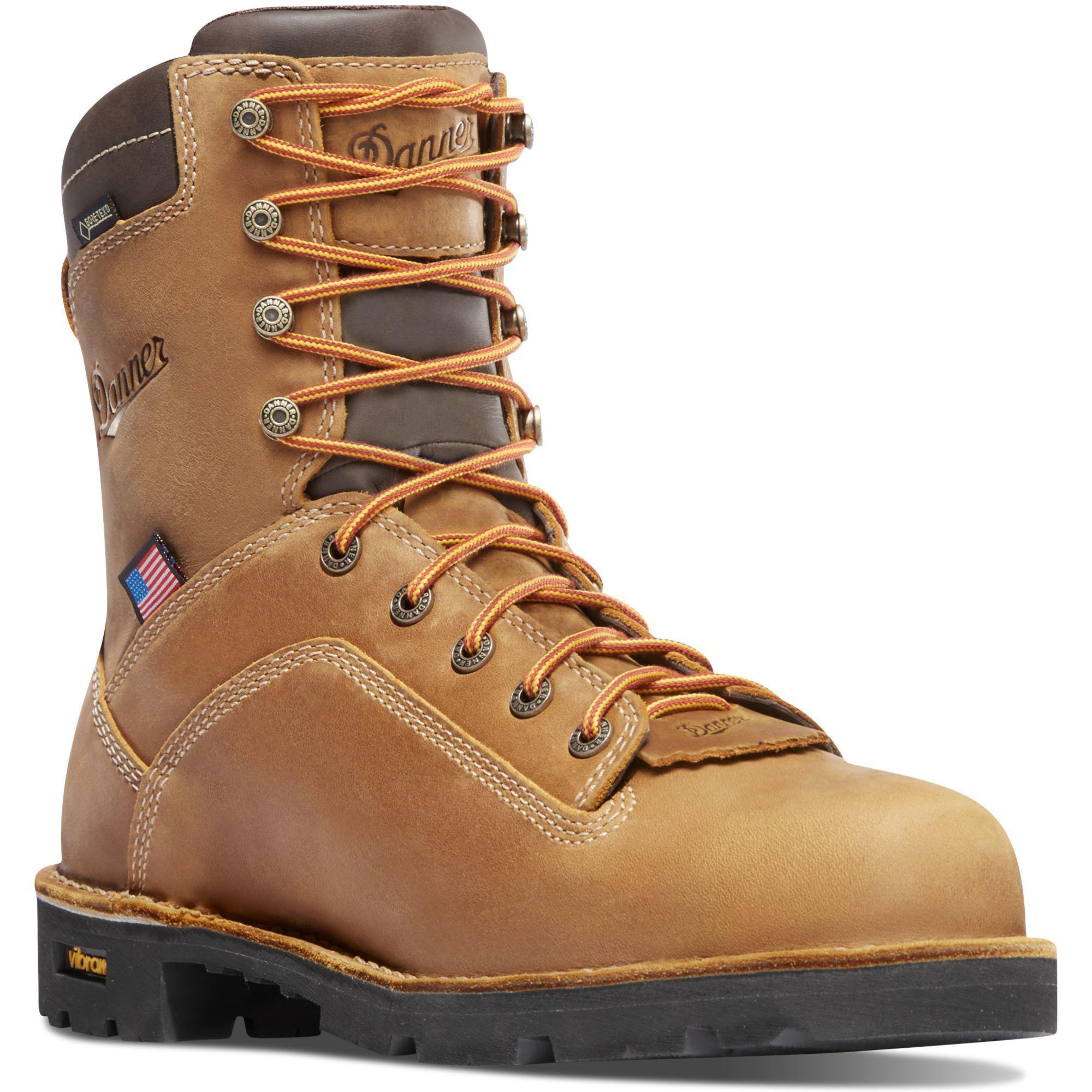
Sale price$268.56
Regular price$372.00
Danner Men's Quarry USA Made 8" Composite Toe Ins Waterproof Work Boot Brown 17321
Save 6%
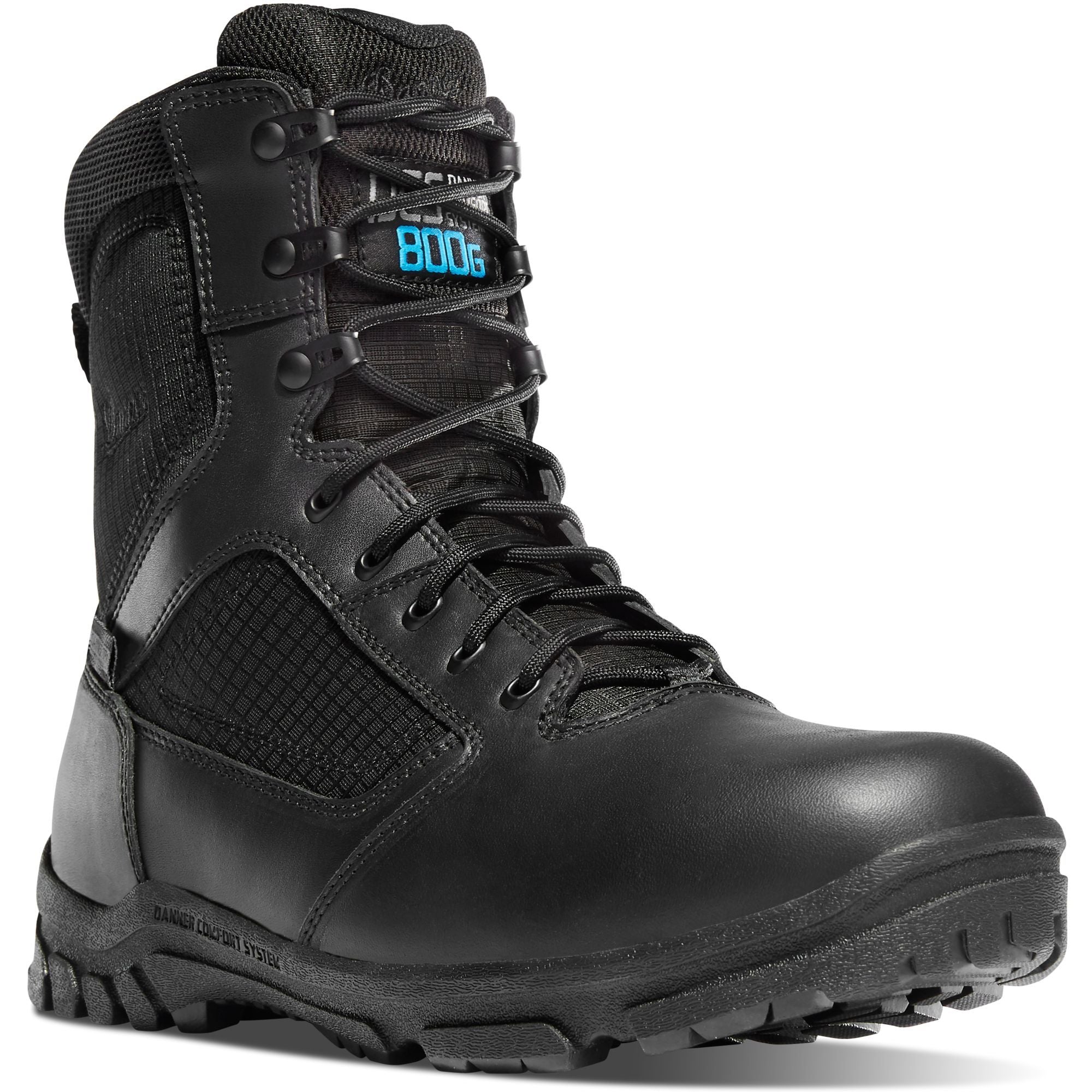
Sale price$219.95
Regular price$234.00
Danner Men's Lookout 8" Insulated Waterproof Duty Boot - Black - 23827
Save 17%
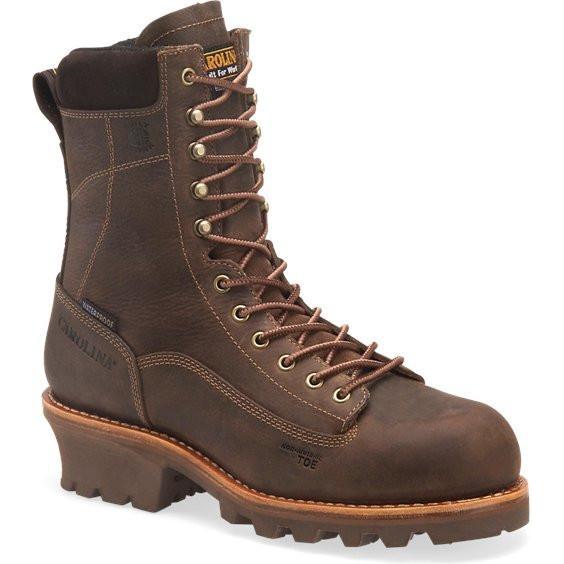
Sale price$224.09
Regular price$269.99
Carolina Birch Logger Boots CA7521 - Men's 8" Composite Toe Waterproof Work Boot
Save 19%
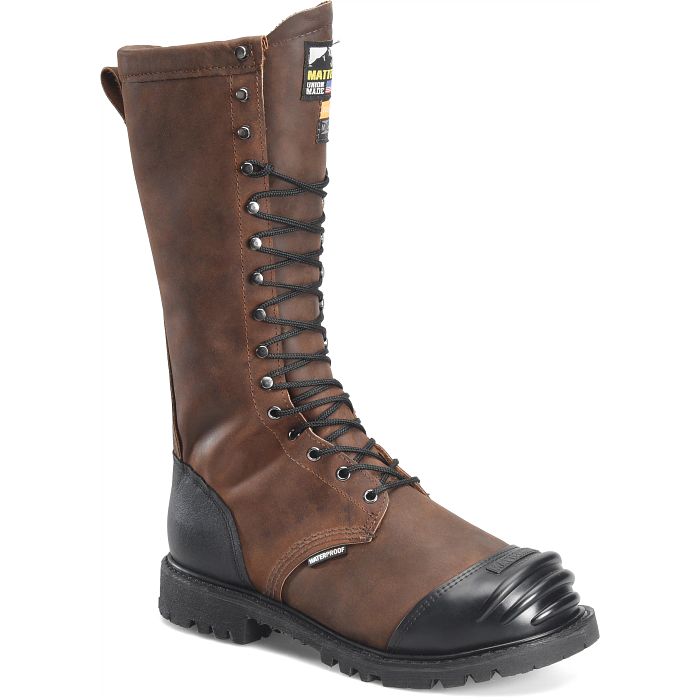
Sale price$387.31
Regular price$480.00
Matterhorn Men's 16" Waterproof Insulated Metguard Work Boot -Brown- MT716
Save 17%
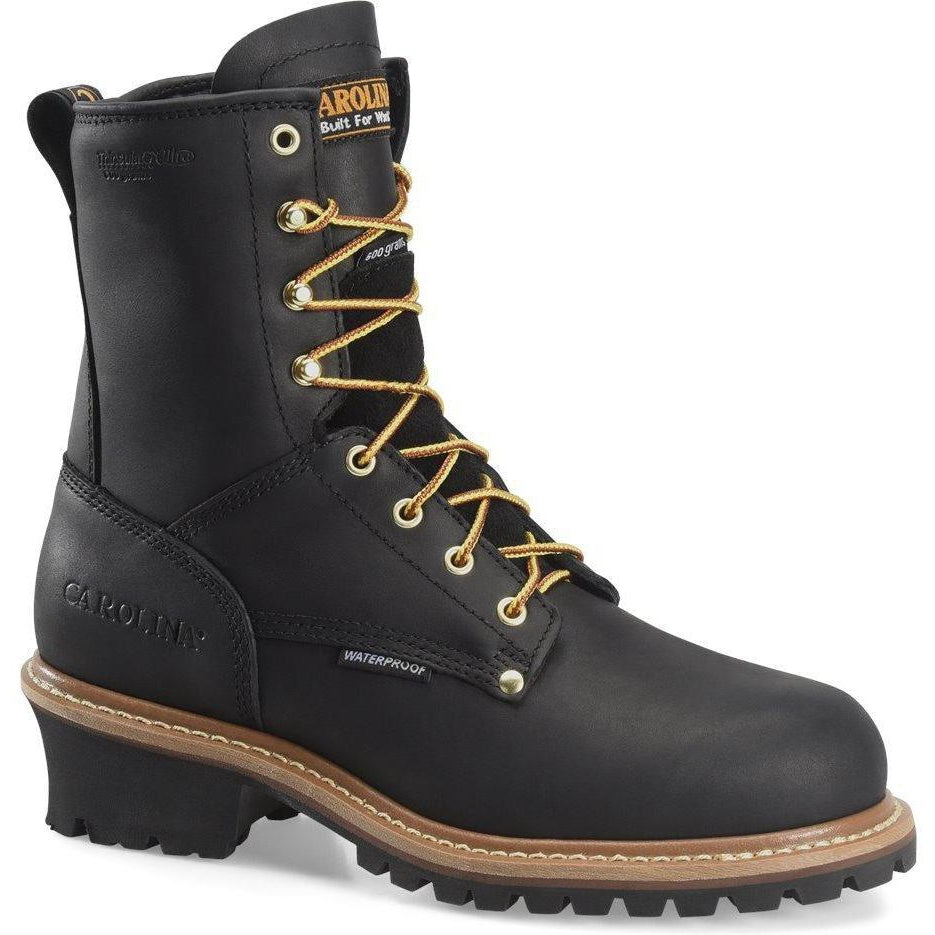
Sale price$178.44
Regular price$214.99
Carolina Men's Elm 8" Steel Toe Waterproof Insulated Logger Work Boot - Black - CA5823
Save 18%
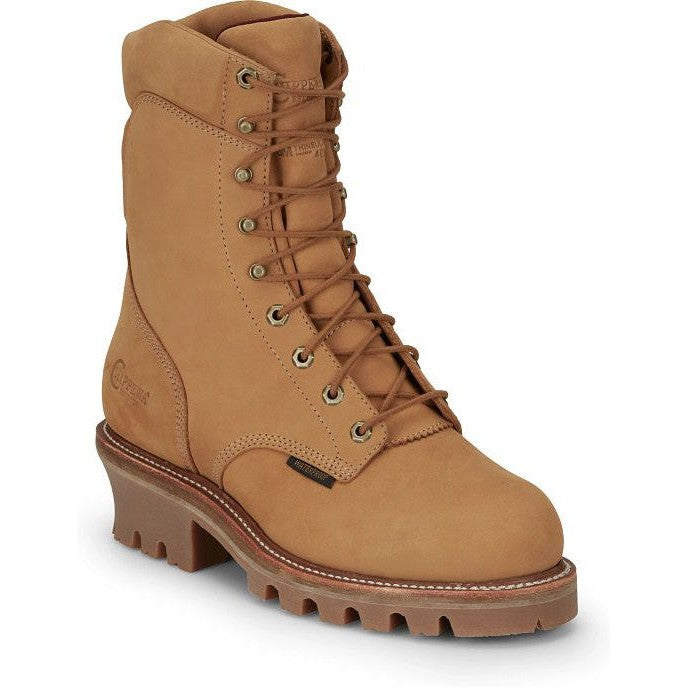
Sale price$278.36
Regular price$339.00
Chippewa Men's Super Dna 9" 400G Insulated Steel Toe Work Boot -Wheat- 59417
Save 18%
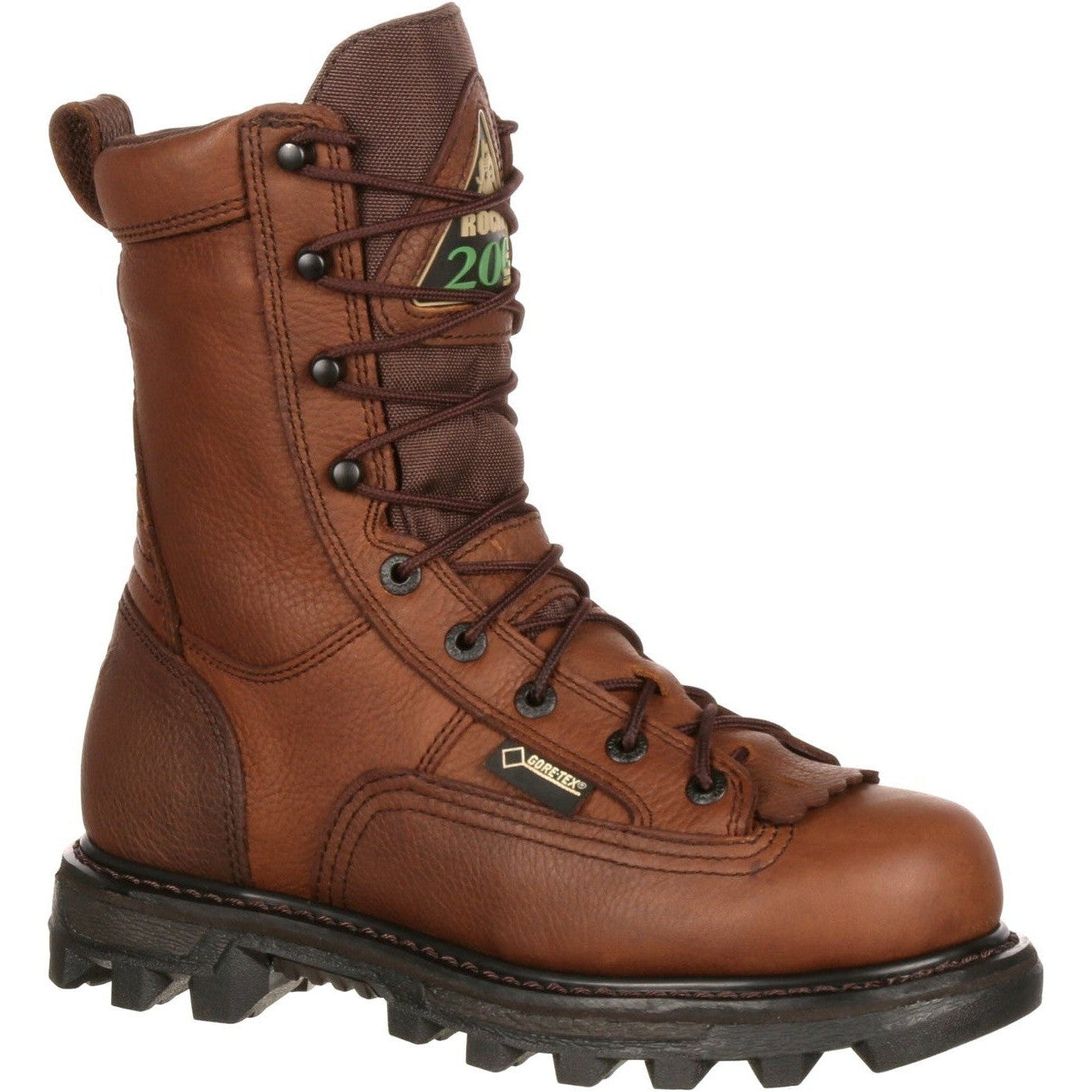
Sale price$195.29
Regular price$237.00
Rocky Men's BearClaw 9" Waterproof 200G Ins Outdoor Boot - Brown - FQ0009237
Save 15%
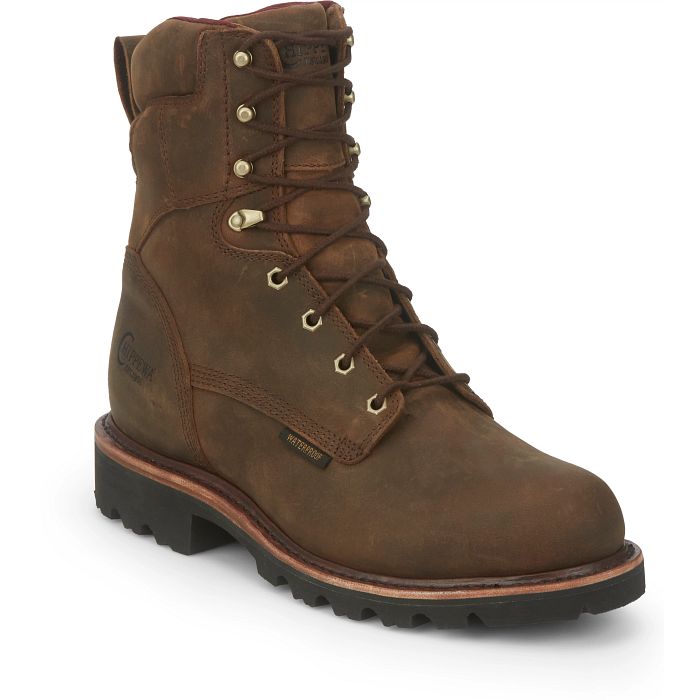
Sale price$247.91
Regular price$291.00
Chippewa Men's Super Dna 8" Waterproof Lace Up Work Boot - Brown - 59416
Save 18%
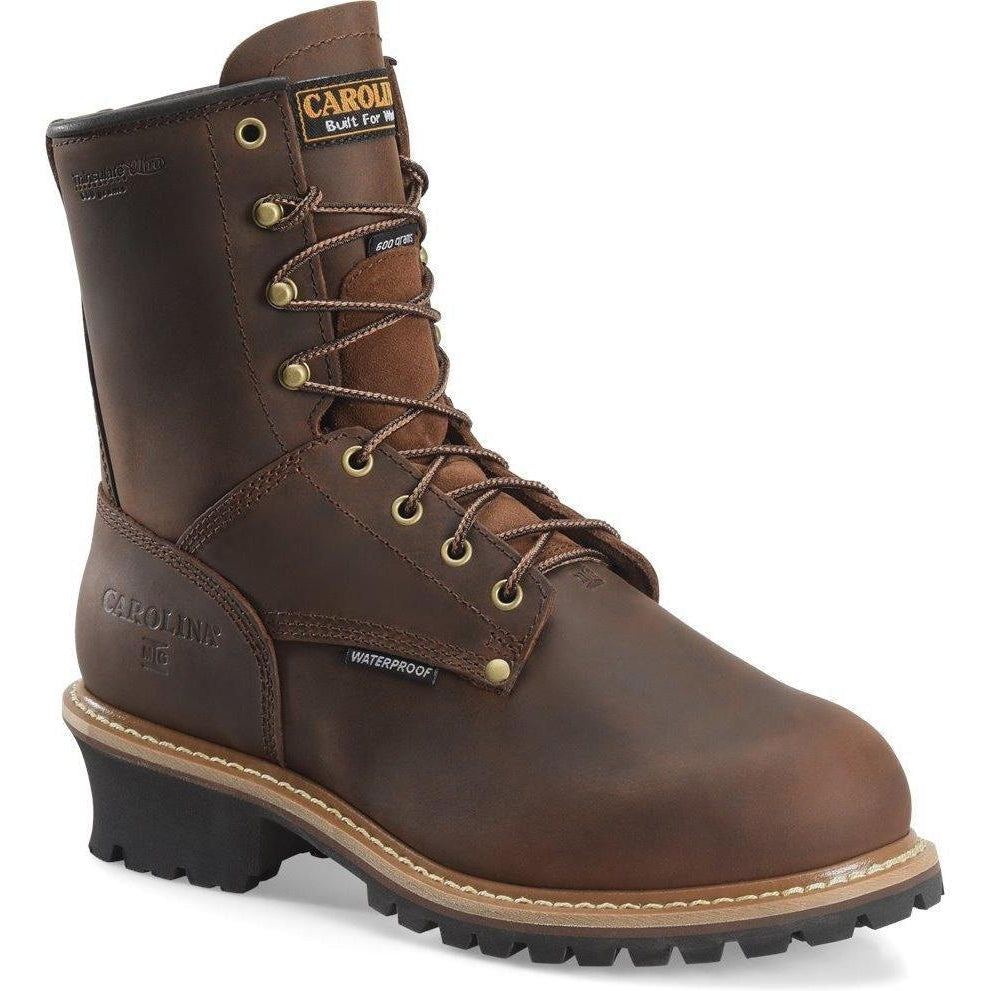
Sale price$182.59
Regular price$224.00
Carolina Men's Elm 8" Waterproof Insulated Metguard Logger Work Boot - CA7821
Save 7%
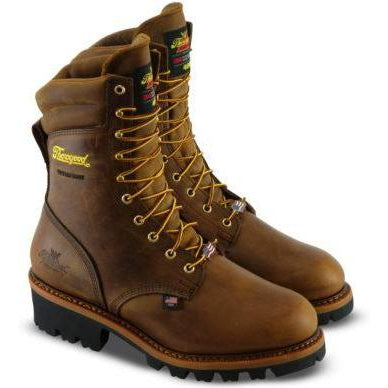
Sale price$399.95
Regular price$430.00
Thorogood Men's Logger 9" Steel Toe Insulated USA Work Boot - Brown - 804-3554
Save 11%
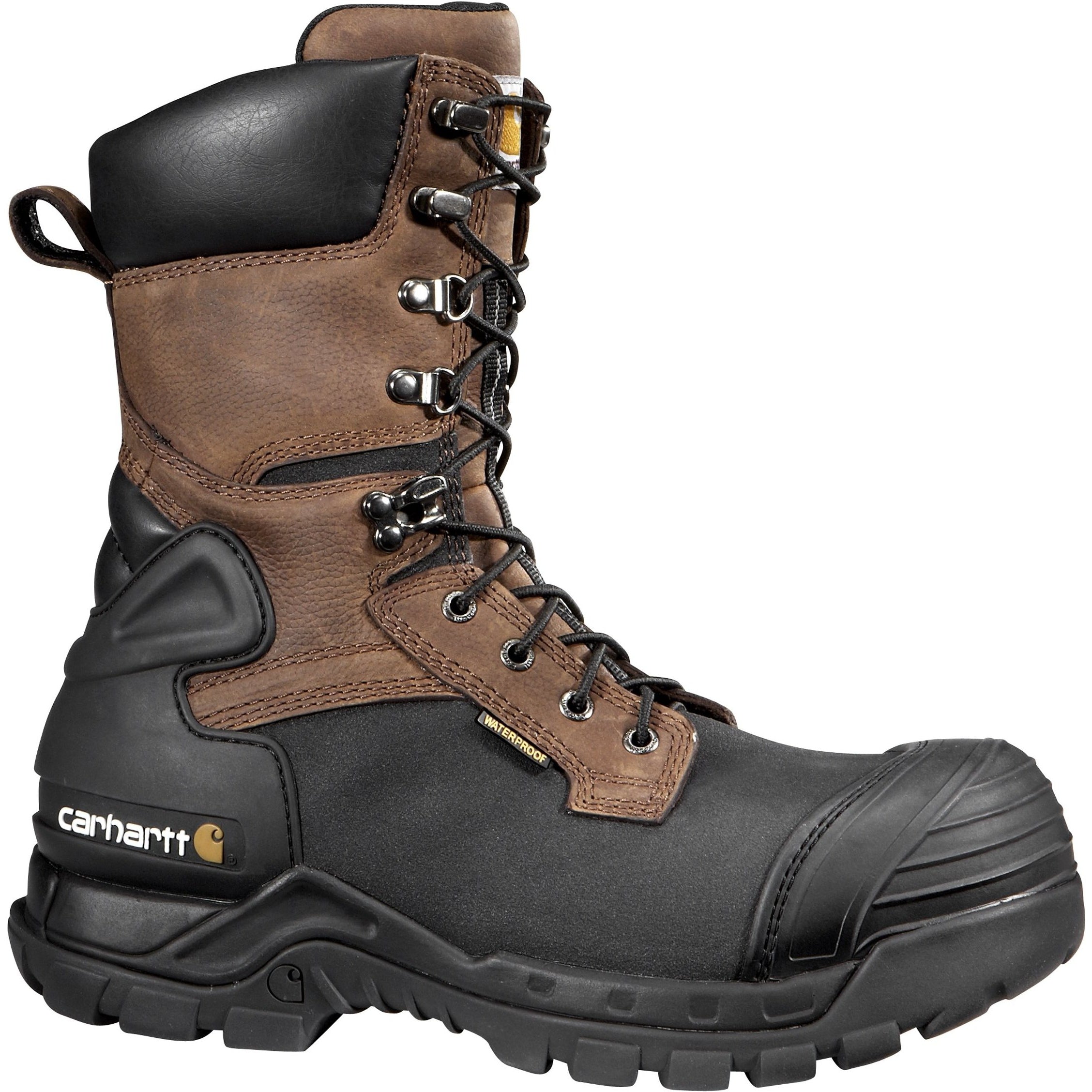
Sale price$239.19
Regular price$270.00
Carhartt Men's 10" Composite Toe Ins Waterproof Pac Work Boot - Brown - CMC1259
Save 24%
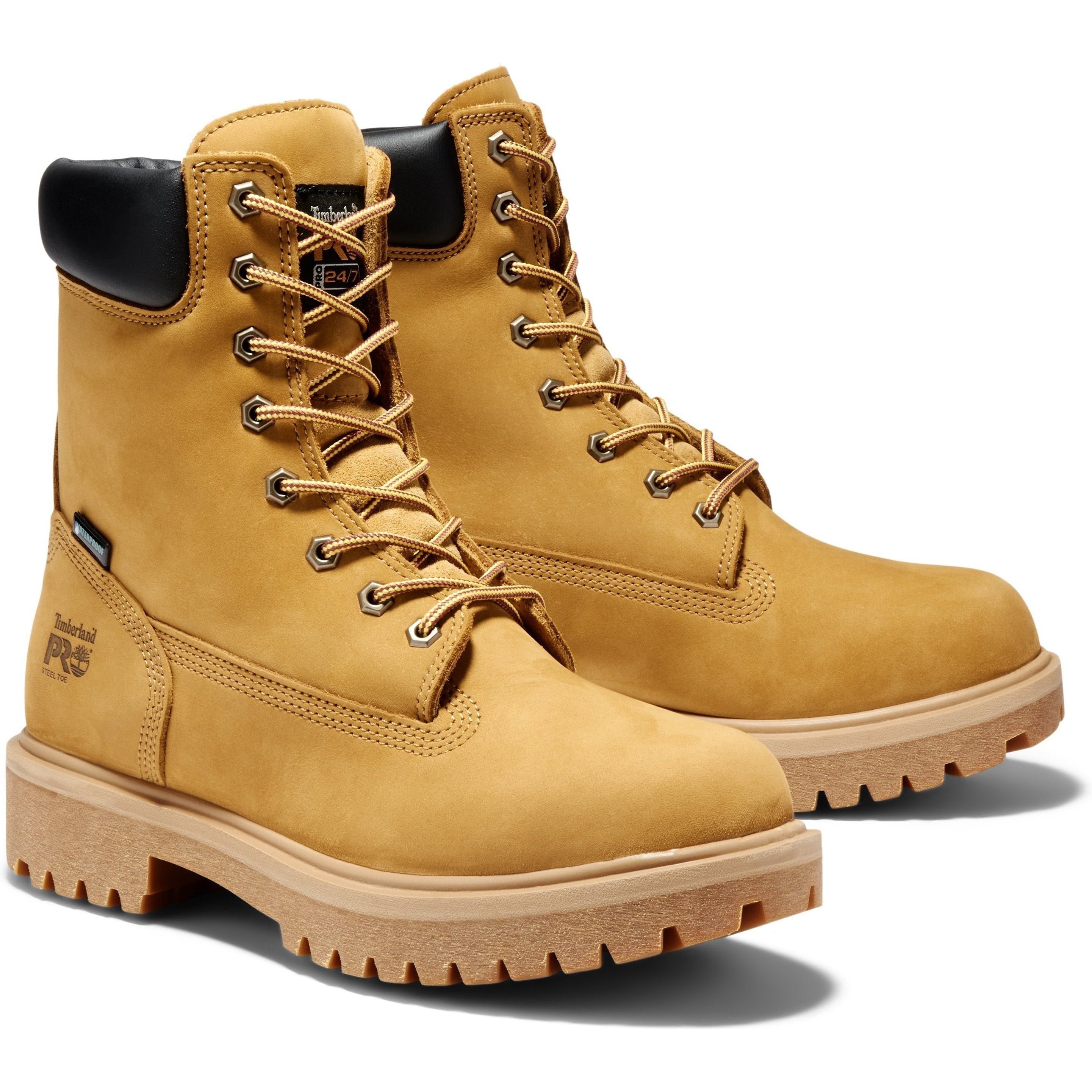
Sale price$144.95
Regular price$190.00
Timberland PRO 8 Inch Steel Toe Work Boot - Men's Waterproof Direct Attach 8" TB126002713
Save 23%
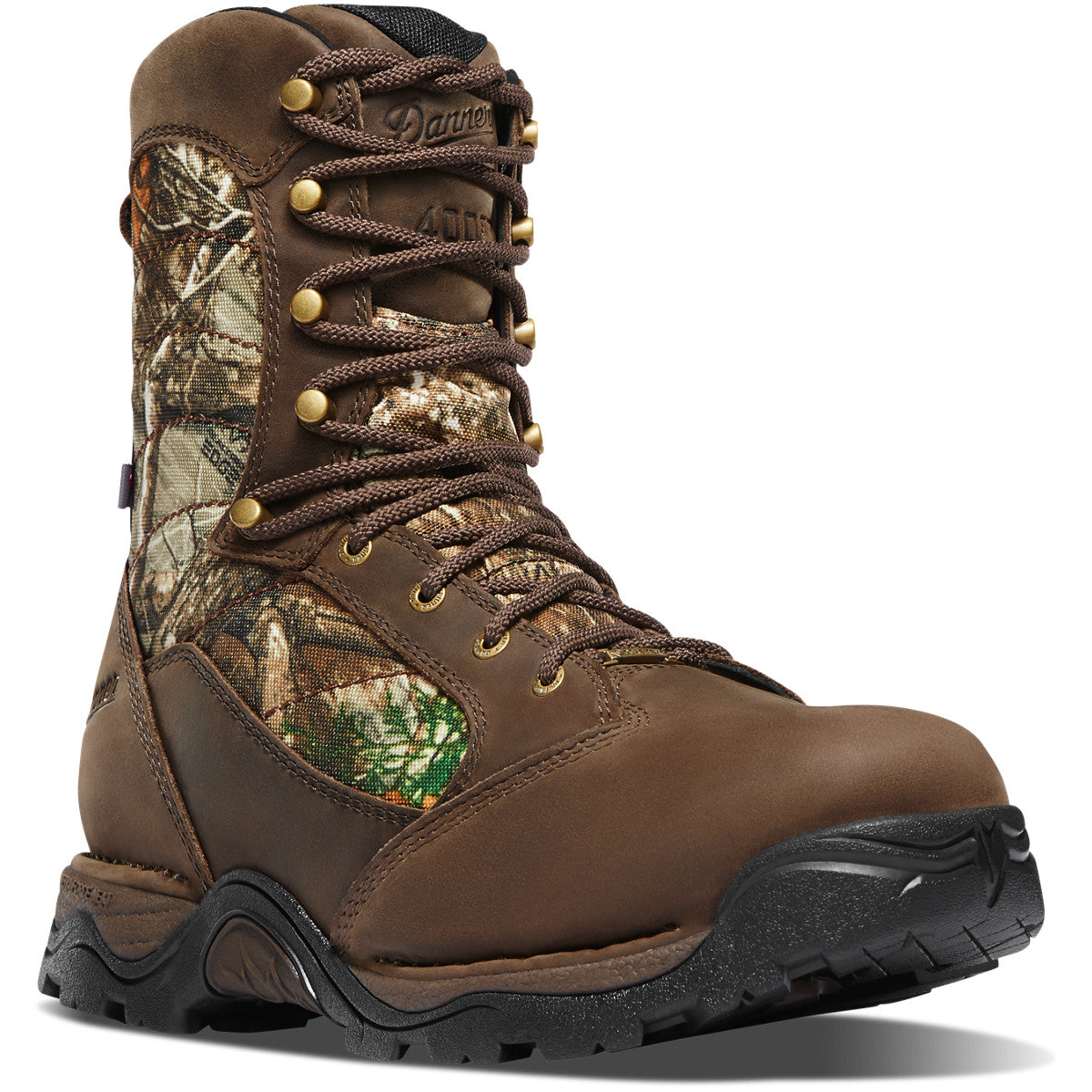
Sale price$244.86
Regular price$320.00
Danner Men's Pronghorn 8" Waterproof Ins Hunt Boot - Realtree Edge - 41341
Save 17%
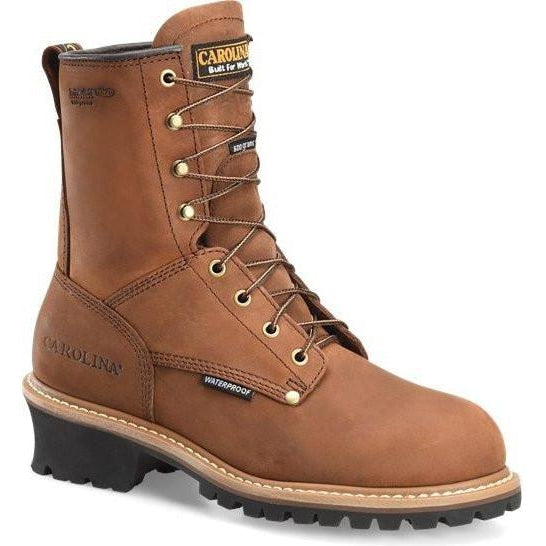
Sale price$174.29
Regular price$209.99
Carolina Men's Elm 8" Waterproof Insulated Logger Work Boot - Brown- CA4821
Save 19%
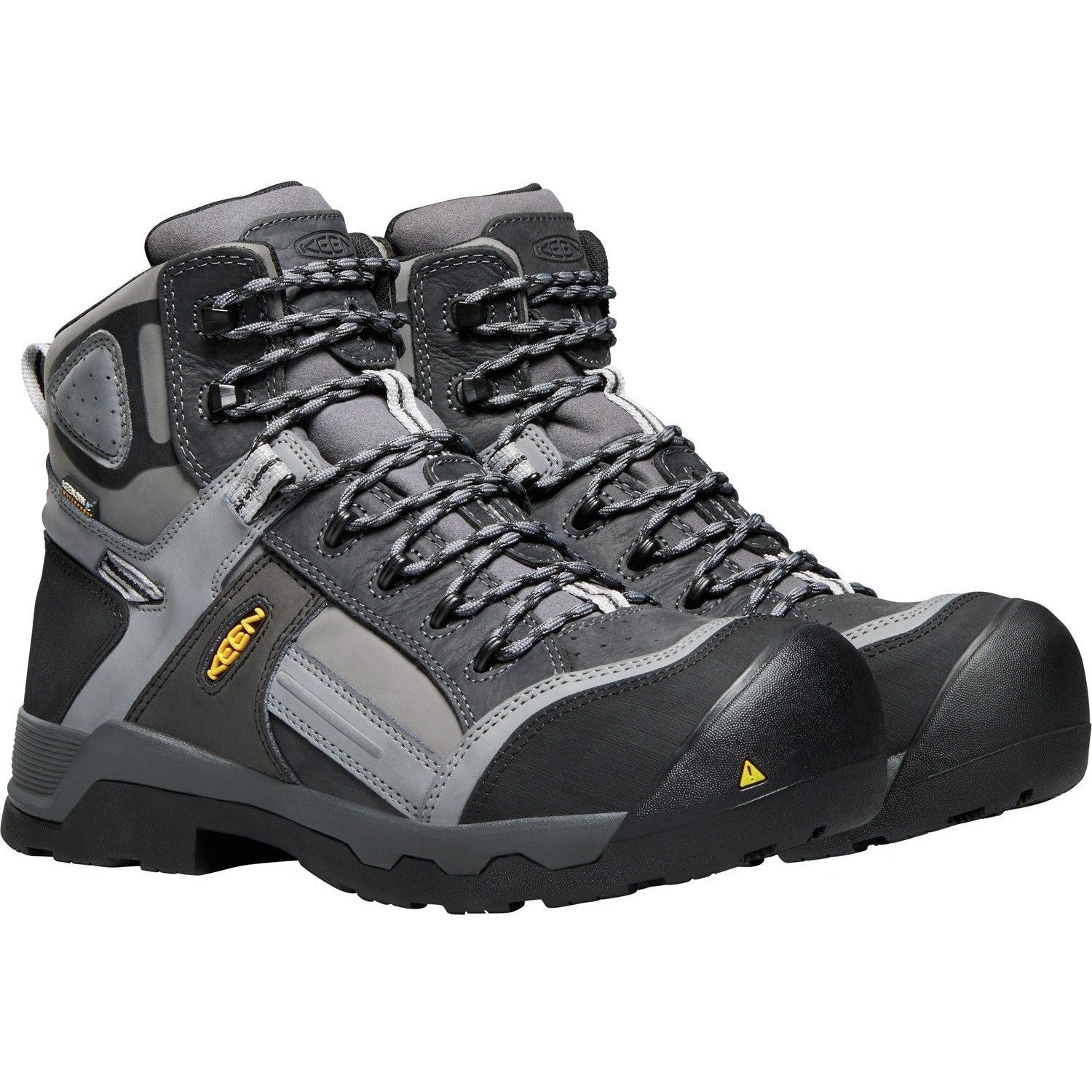
Sale price$178.19
Regular price$219.99
Keen Utility Davenport 6" Mid Composite Toe 400G Insulated Waterproof Work Boot - Magnet / Steel Gray - 1017804
Save 17%
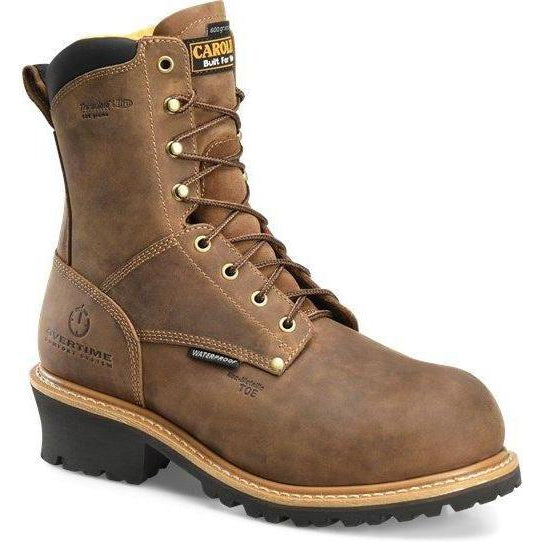
Sale price$195.04
Regular price$234.99
Carolina Men's Poplar 8" Composite Toe Waterproof Insulated Logger Work Boot - CA9851
Save 15%
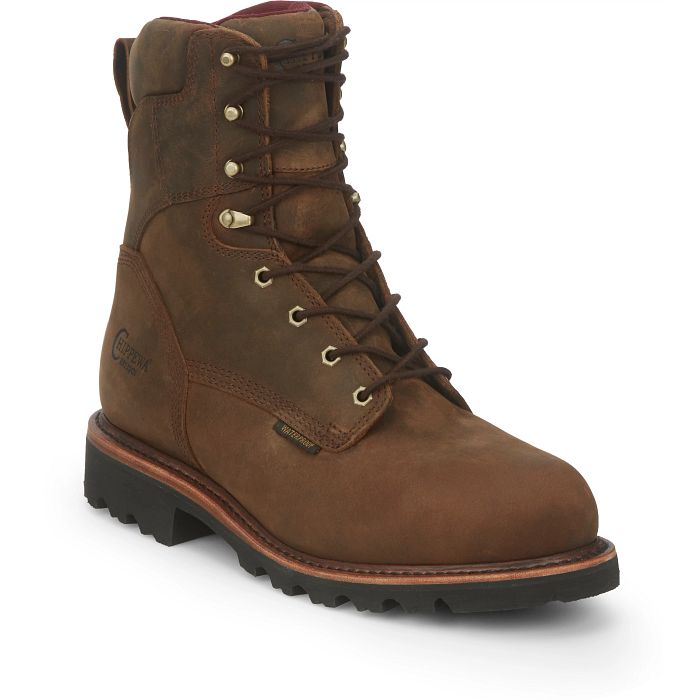
Sale price$256.61
Regular price$301.00
Chippewa Men's 8" Steel Toe 400G Ins Waterproof Work Boot - Brown - 59330
Save 17%
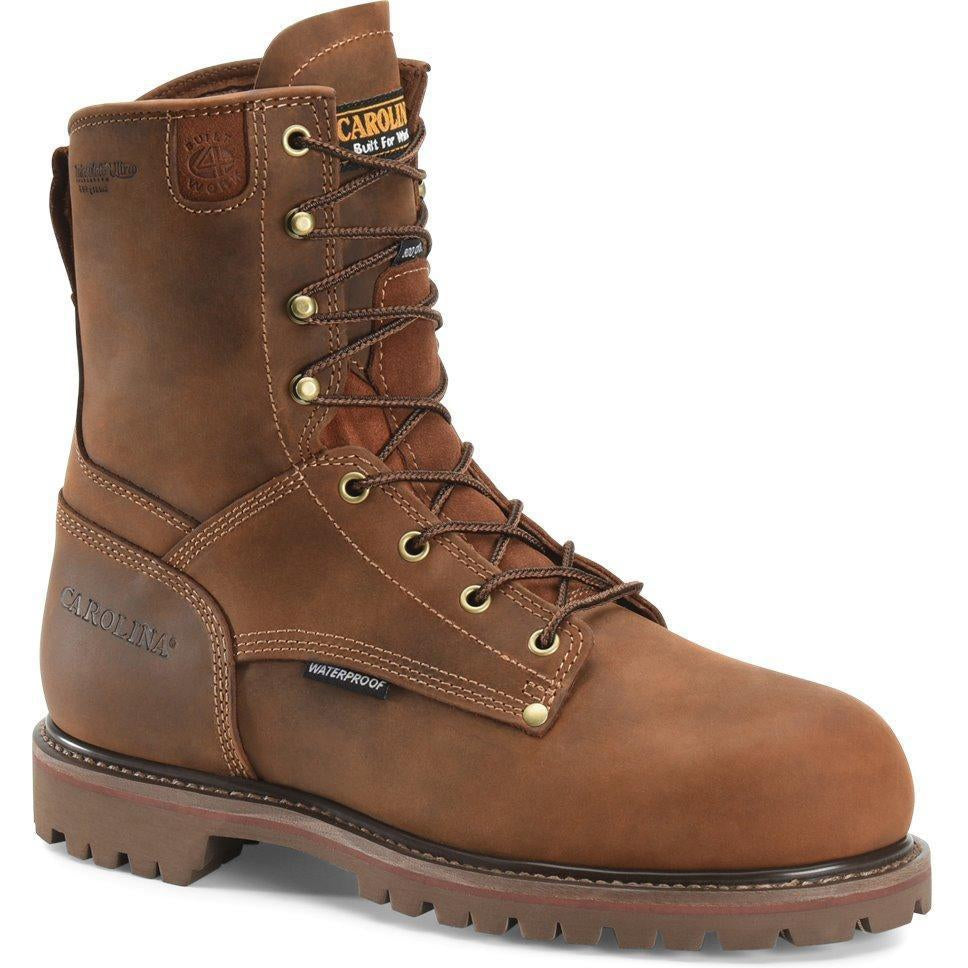
Sale price$199.19
Regular price$239.99
Carolina Men's 28 Series 8" Soft Toe Waterproof 800G Insulated Grizzly Work Boot - Brown - CA9028
Save 26%
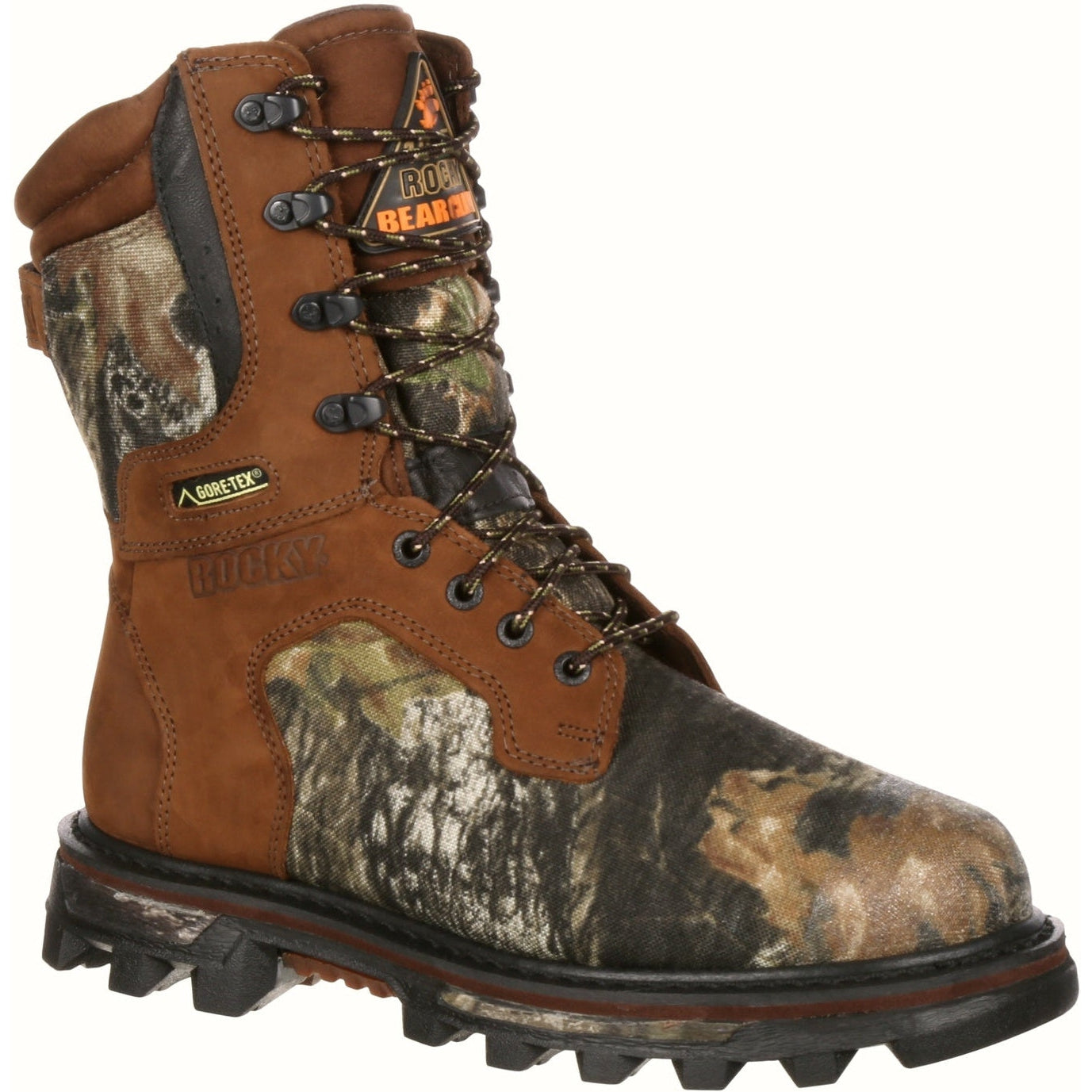
Sale price$175.82
Regular price$237.00
Rocky Men's BearClaw GORE-TEX® 9" Waterproof 1000G Ins Hunt Boot - Mossy Oak FQ0009275
Save 8%
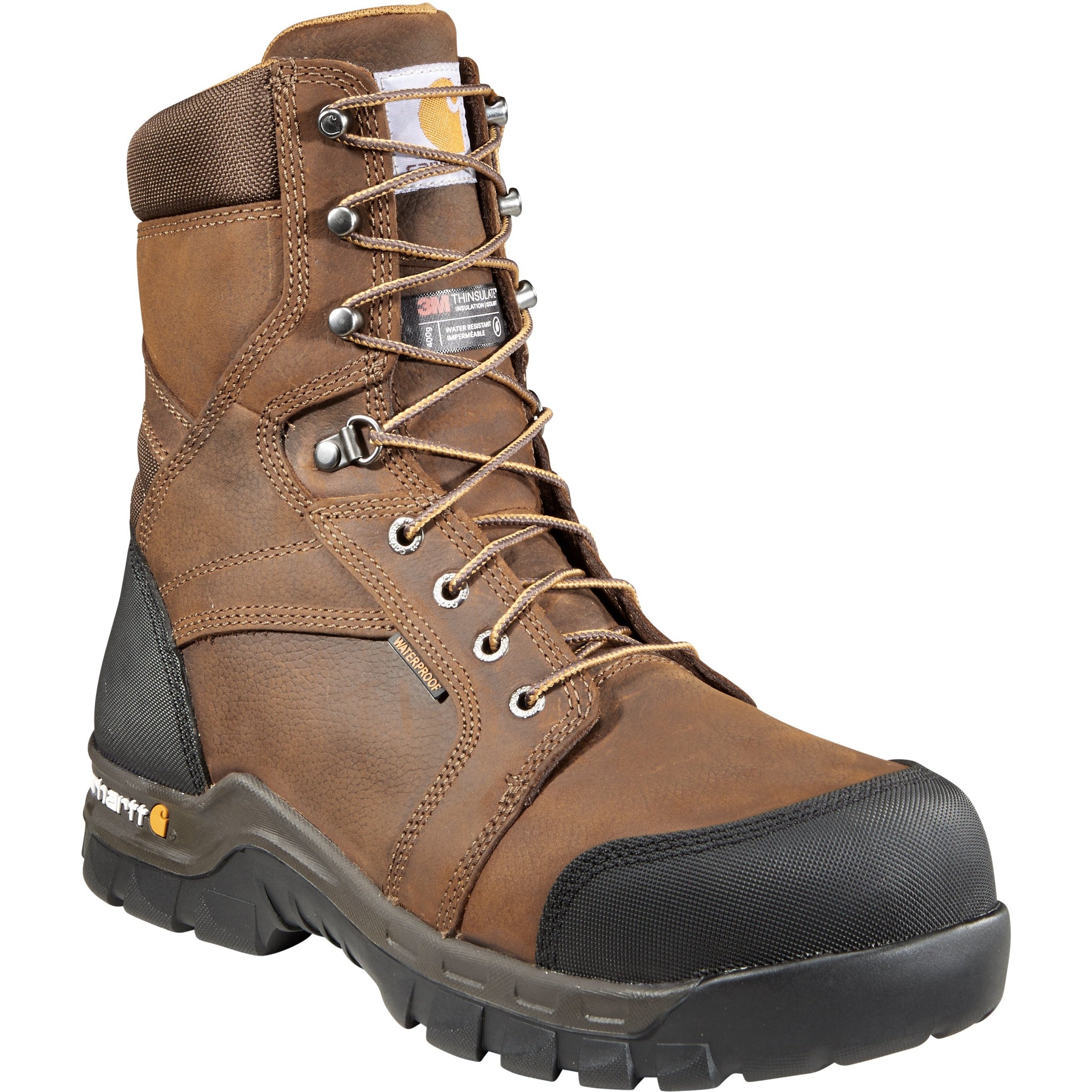
Sale price$193.19
Regular price$209.99
Carhartt Men's Rugged Flex 8" Composite Toe Ins Waterproof Work Boot Brown CMF8389
Save 21%
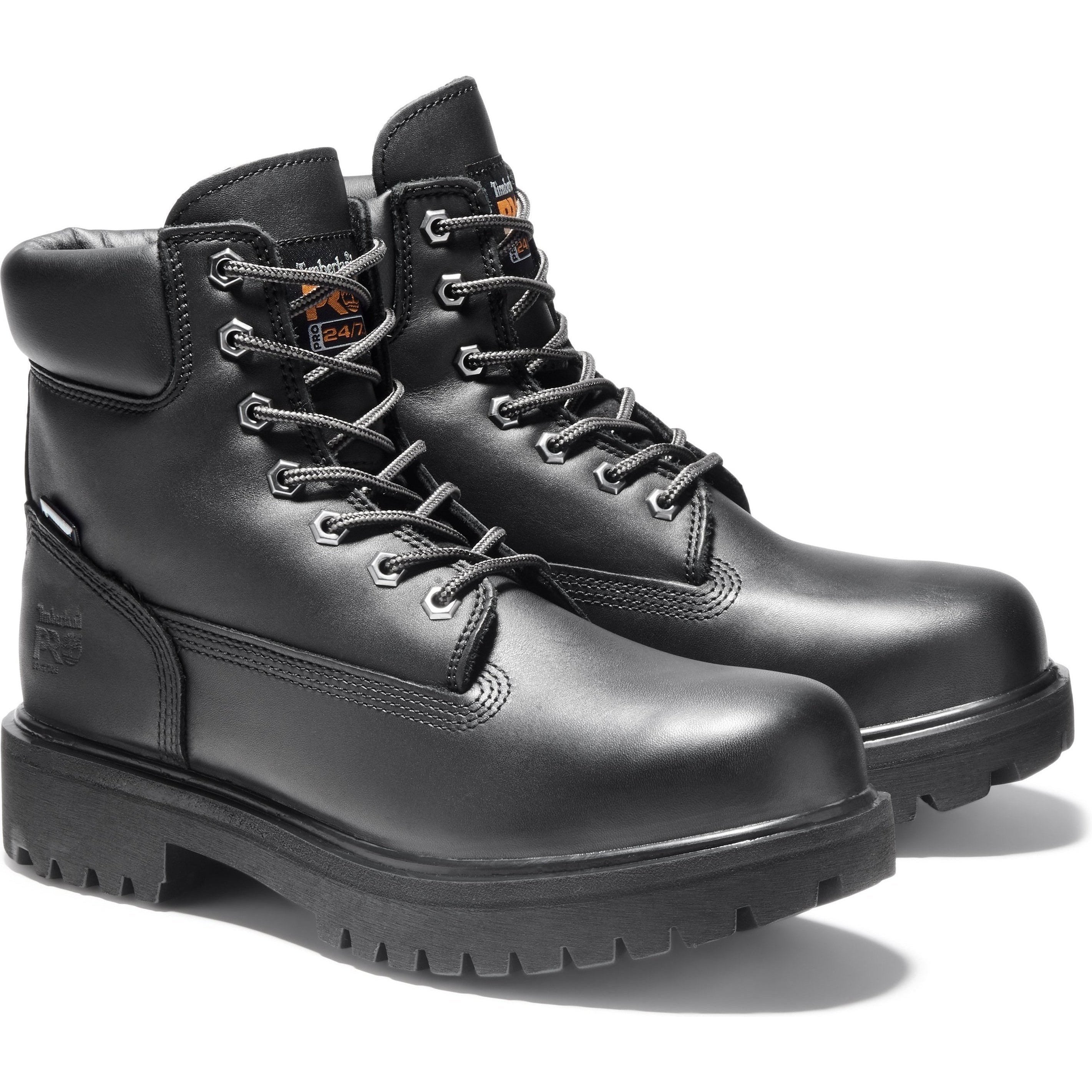
Sale price$137.95
Regular price$175.00
Timberland PRO Men's Direct Attach 6" Soft Toe Work Boot-TB126036001
Save 9%
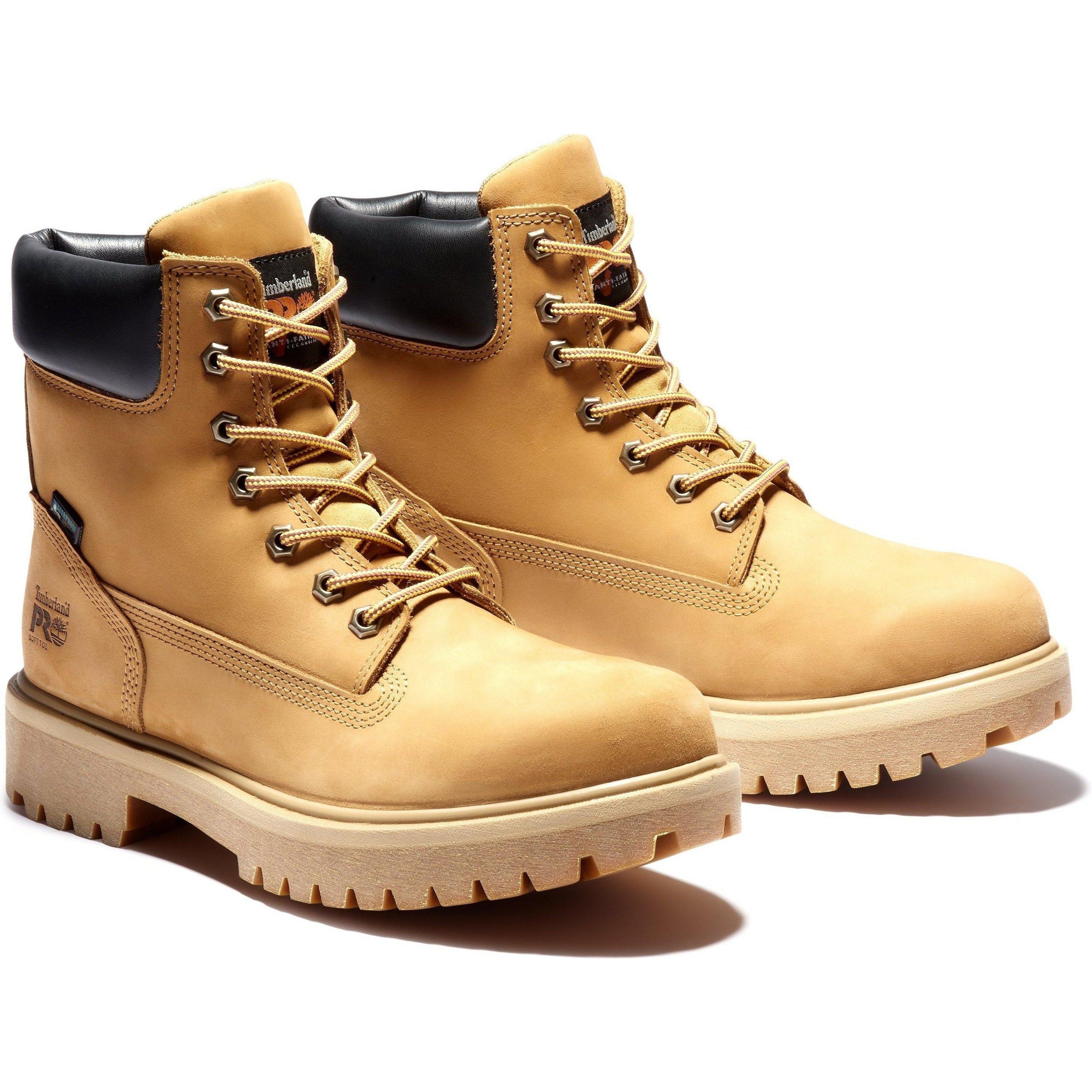
Sale price$159.95
Regular price$175.00
Timberland PRO Men's Direct Attach 6" Insulated Work Boot TB165030713
Save 8%
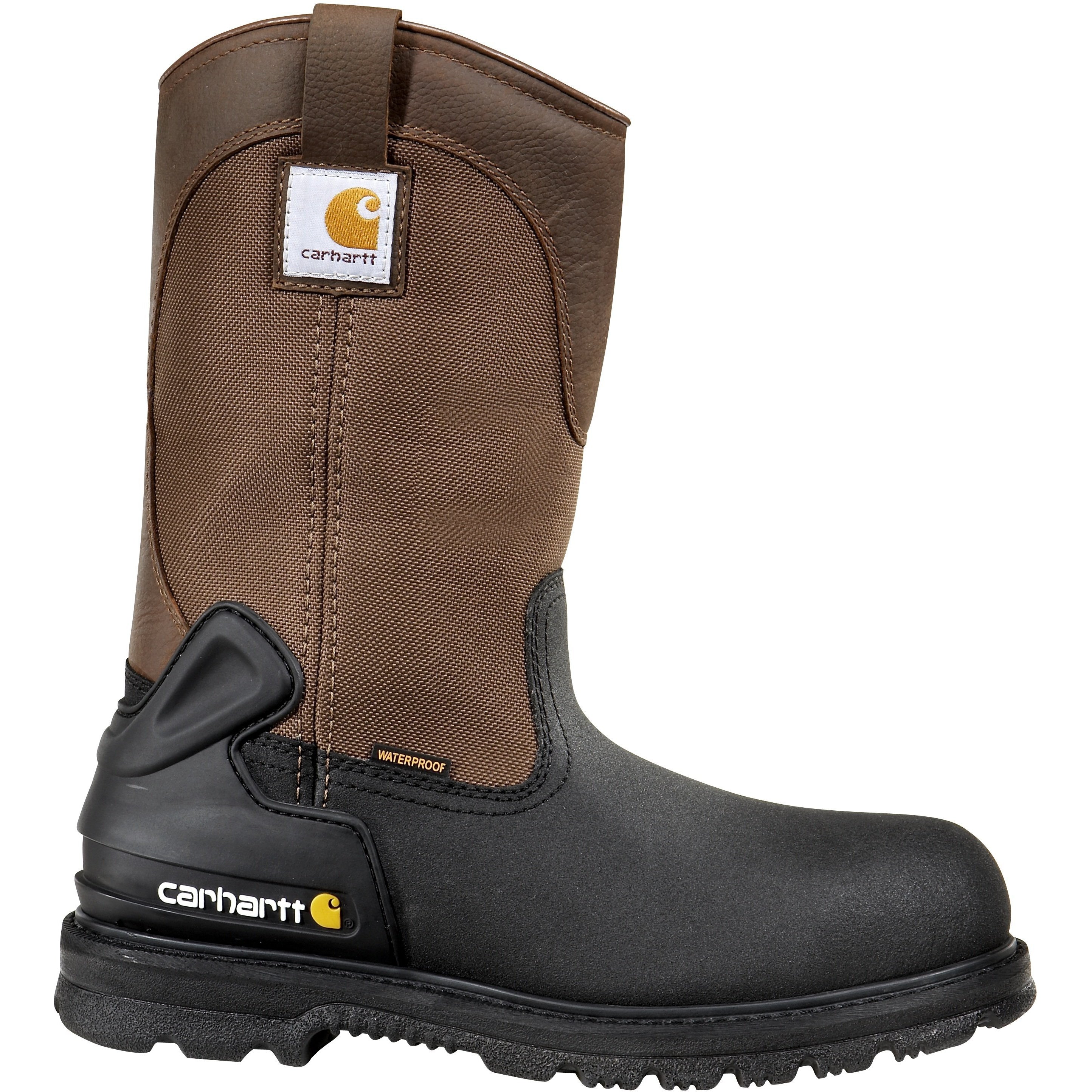
Sale price$197.79
Regular price$214.99
Carhartt Men's 11" Steel Toe Ins Waterproof Wellington Work Boot Brown CMP1259
Save 9%
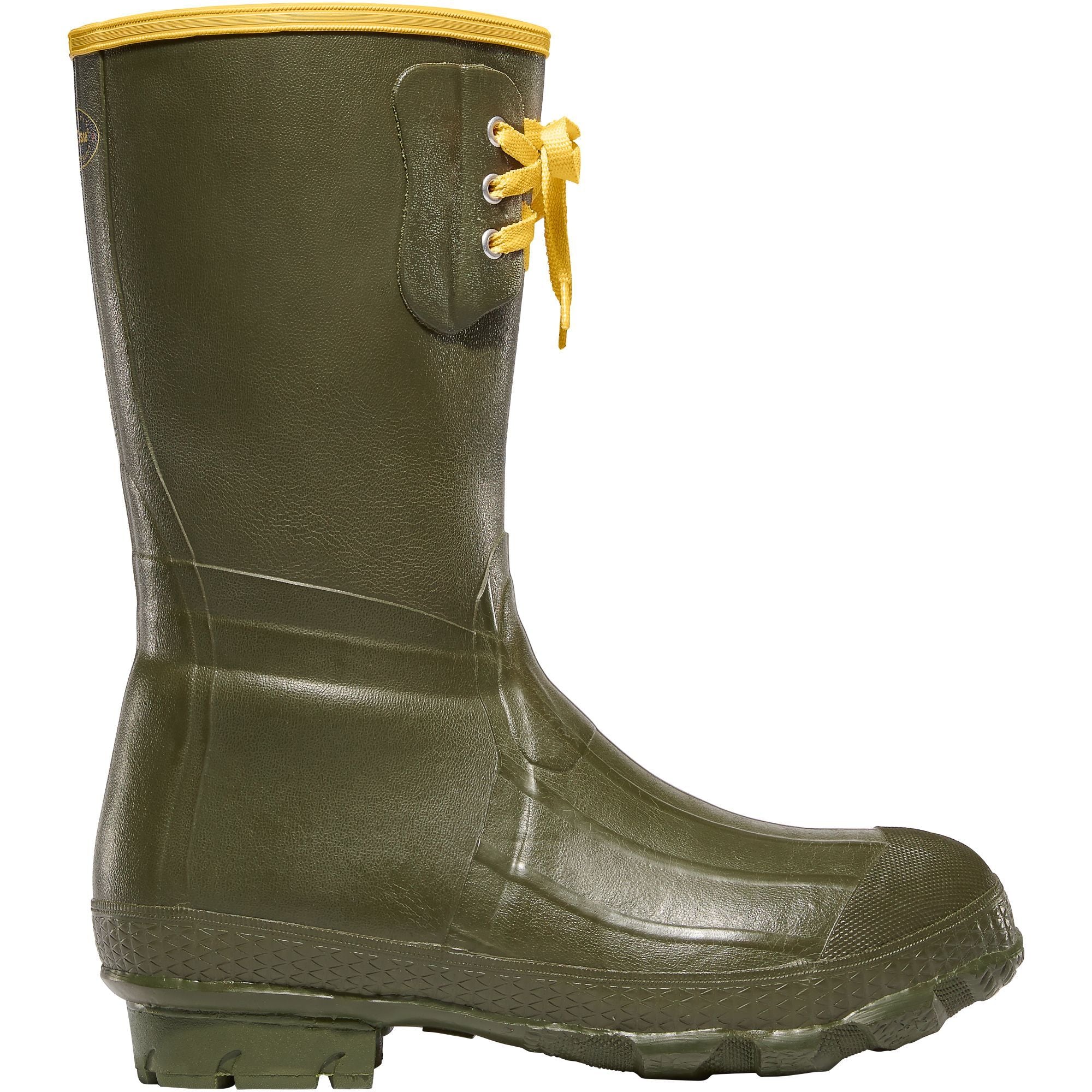
Sale price$139.95
Regular price$154.00
LaCrosse Men's Insulated Pac 12" Rubber Work Boot - Green - 260040
Save 33%
Sale price$173.76
Regular price$258.00
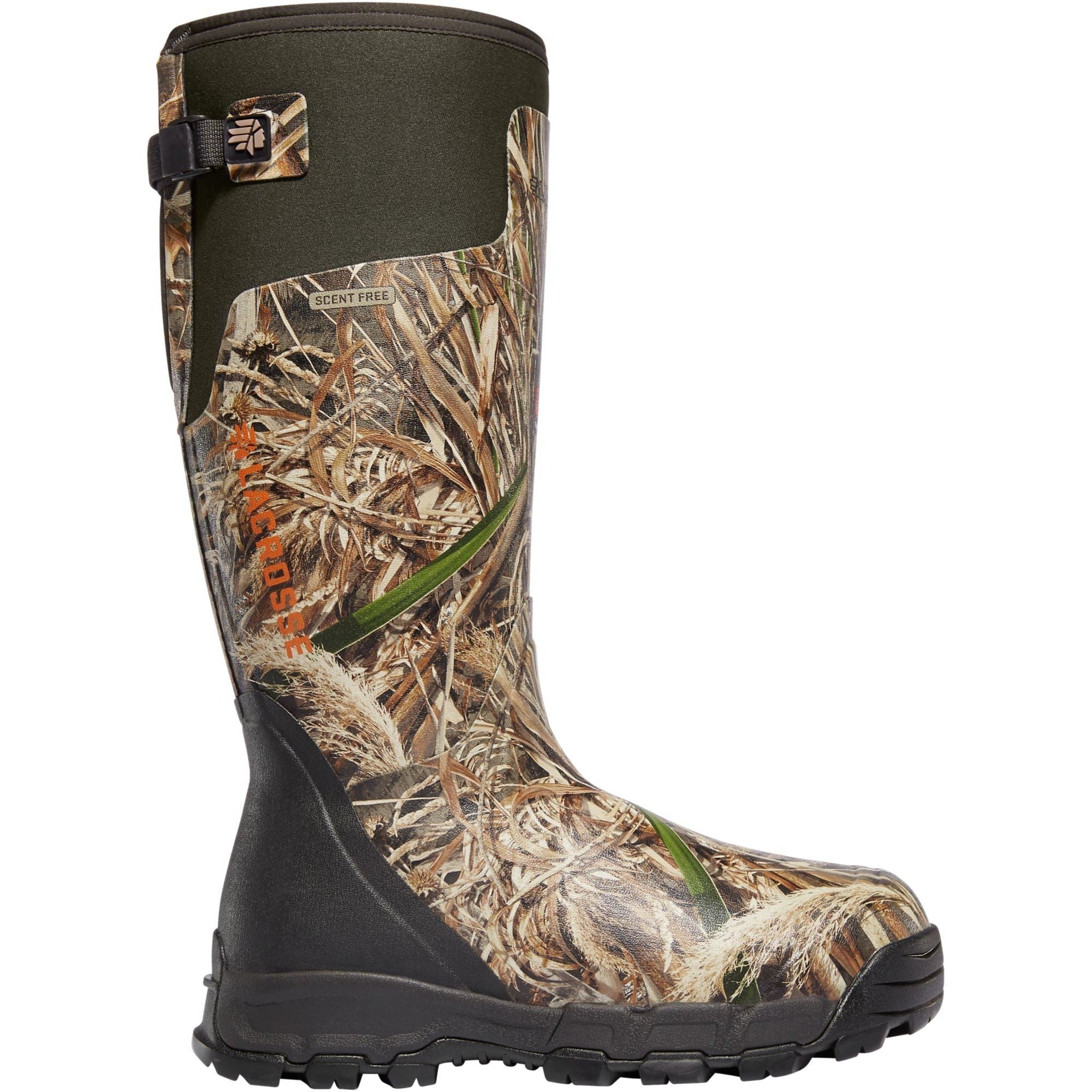
LaCrosse Men's Alphaburly Pro 18" 800G Insulated Rubber Hunt Boot - Realtree Max-5 - 376021
Save 19%
Sale price$219.95
Regular price$270.00
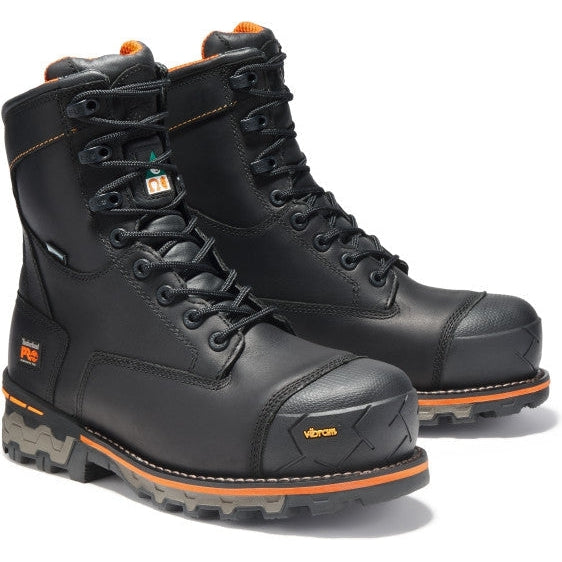
Timberland Pro Men's Boondock 8" Composite Toe Waterproof Work Boot -Black- TB189645001
Save 28%
Sale price$229.06
Regular price$320.00
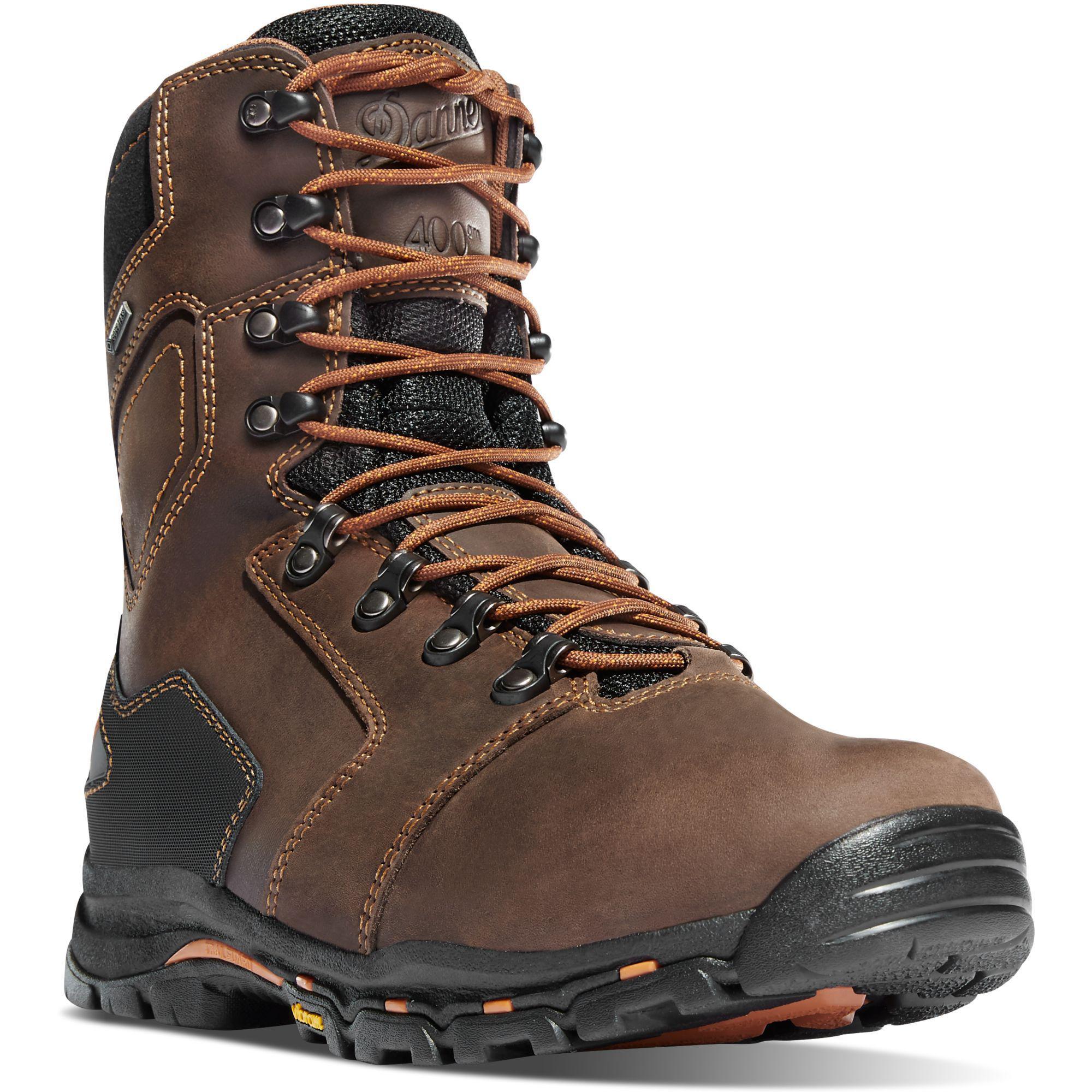
Danner Men's Vicious 8" Composite Toe Insulated Waterproof Work Boot Brown - 13874
Frequently Asked Questions
The gram rating measures the weight of the insulation material per square meter. A larger number indicates more warmth, but also more bulk. Most work boots run from 200g to 1000g, though some go higher.
For most cold-weather work, 400g insulated boots are the versatile, all-day default, warm enough for freezing temperatures without baking your feet once you get moving. Step down to 200g if you stay active in milder cold, or up to 800g if you stand for long hours on cold ground or work through deep winter. A 400g boot tends to keep feet warm without trapping heat, while 800g insulated boots hold more warmth but run hot once you pick up the pace. Moving feet generate their own heat, so your activity level matters as much as the thermometer.
Heavy duty winter work boots start at 800g of insulation, with 1000g reserved for the coldest, most stationary work: equipment yards, cold storage, or overnight shifts where you barely move. Deep winter is usually wet as well as cold, so waterproof insulated work boots with a taller shaft keep slush from getting in over the top. If you walk or lift for much of the shift, 800g is usually the ceiling, since 1000g runs hot as soon as you pick up the pace.
Insulated work boots are worth it if you work in consistently cold weather or spend hours standing on frozen ground. If your work keeps you moving and temperatures stay near or above freezing, a good pair of work boots with heavy wool socks often keeps you warmer.
Insulated boots can make your feet sweat if you are highly active in a mild climate and the insulation level is overkill. If you are stationary, trapped sweat cools on your skin and actually leaves your feet colder. A waterproof membrane keeps water out, but also slows moisture from escaping, so pairing the right gram rating with moisture-wicking wool socks matters more than the boot alone.
Insulated boots are comfortable for all-day wear when the fit is right, and the boot is built for standing, not just for warmth. Look for a supportive footbed, a cushioned midsole, and a broken-in leather upper, since insulation alone doesn't alleviate underfoot fatigue on hard ground. Heavier gram ratings and taller shafts add weight, so the lightest rating that keeps you warm is usually the most comfortable over a long time period.
Composite toe boots are usually warmer than steel toe boots in cold weather, as steel conducts cold faster than composite materials do. Composite toes made of carbon fiber, fiberglass, Kevlar, or plastic insulate better and still meet the ASTM impact and compression standards. If your toes go numb in the cold, composite toe boots are the safer choice.
Yes, insulated waterproof boots are the better buy for winter work, and most insulated work boots on this page already feature a sealed membrane that keeps snow and slush out. Waterproofing and insulation work together in winter, since wet feet lose heat far faster than dry ones. Buyers who value dryness first often start with the broader range of waterproof work boots, which spans both insulated and uninsulated options.
Insulated boots grip well on packed snow when they have a deep, aggressive lug outsole, but no standard work boot outsole fully grips clear ice. Rubber lug soles and slip-resistant ratings handle snow, slush, and wet surfaces, while glare ice usually needs pull-on traction cleats. Check for a slip-resistant outsole if your winter work moves between cold floors and frozen ground.
Insulated boots should fit snug in the heel with room to wiggle your toes, tried on with the same socks you wear on the job. It's common to size up half a size if you're wearing thick winter socks, but don't go so large that your foot slides around, since a loose boot causes blisters. Match the size you order to your foot's size with socks on to ensure you get the warmth and comfort right the first time.
Recently viewed
Our Top Brands