Save 17%
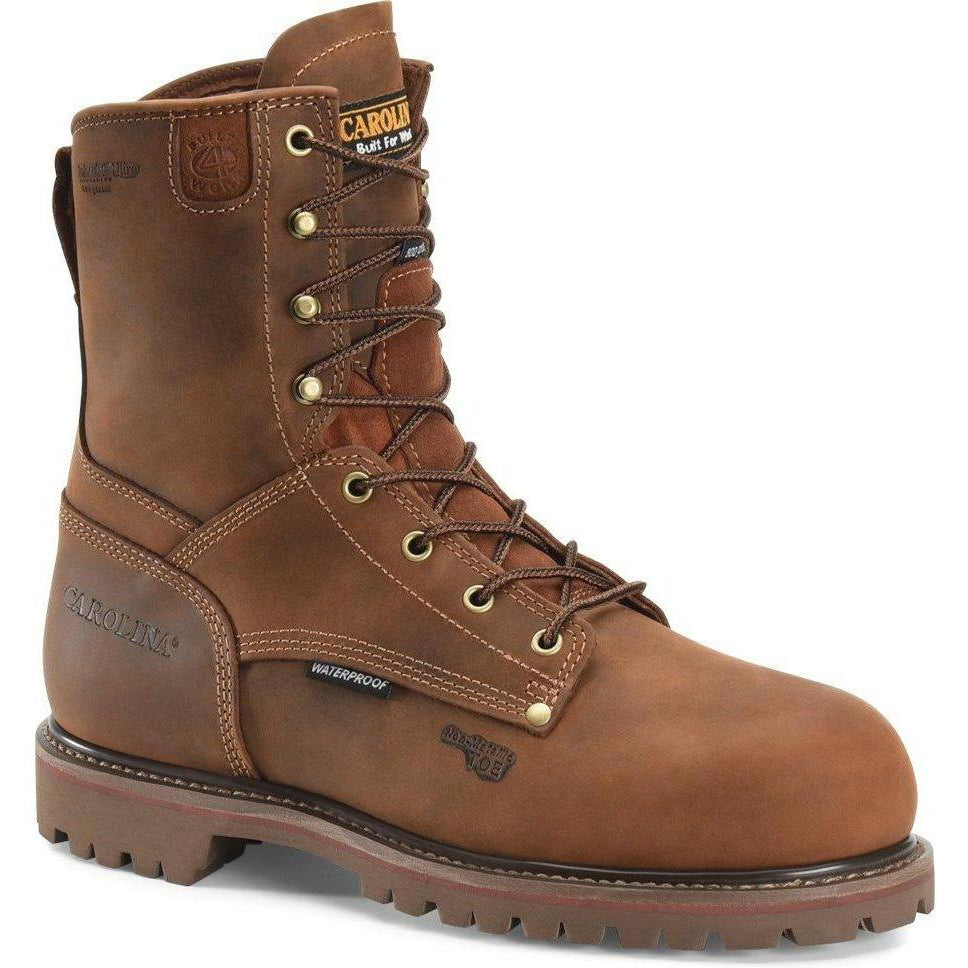
Sale price$203.34
Regular price$244.99
Carolina Men's 28 Series 8" Composite Toe Insulated Waterproof Boot - CA9528
Save 17%
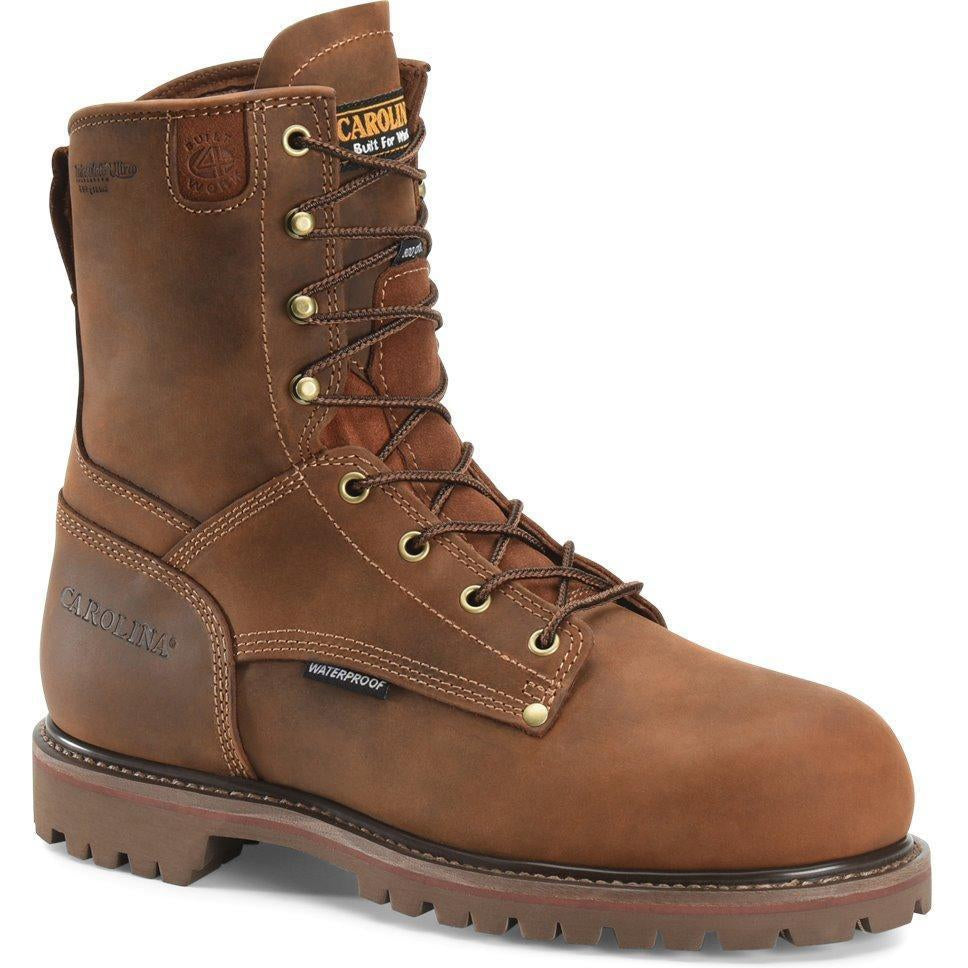
Sale price$199.19
Regular price$239.99
Carolina Men's 28 Series 8" Soft Toe Waterproof 800G Insulated Grizzly Work Boot - Brown - CA9028
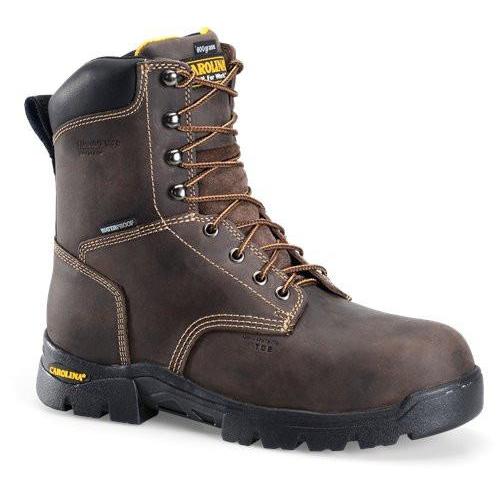
Sale price$164.99
Carolina Men's Circuit Hi 8" Composite Toe Insulated Work Boot - CA3538
Save 17%
Sale price$182.59
Regular price$219.99
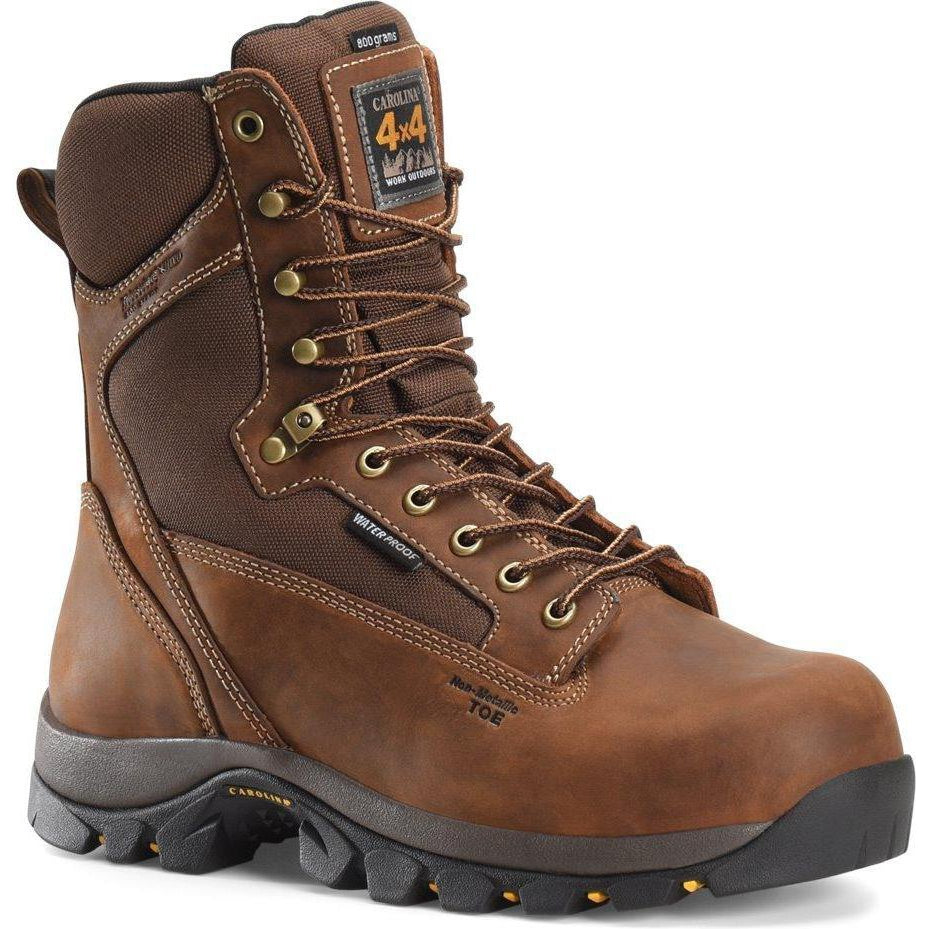
Carolina Men's Forrest 8" Waterproof Ins Composite Toe Work Boot - Brown - CA4515
Save 8%
Sale price$219.95
Regular price$240.00
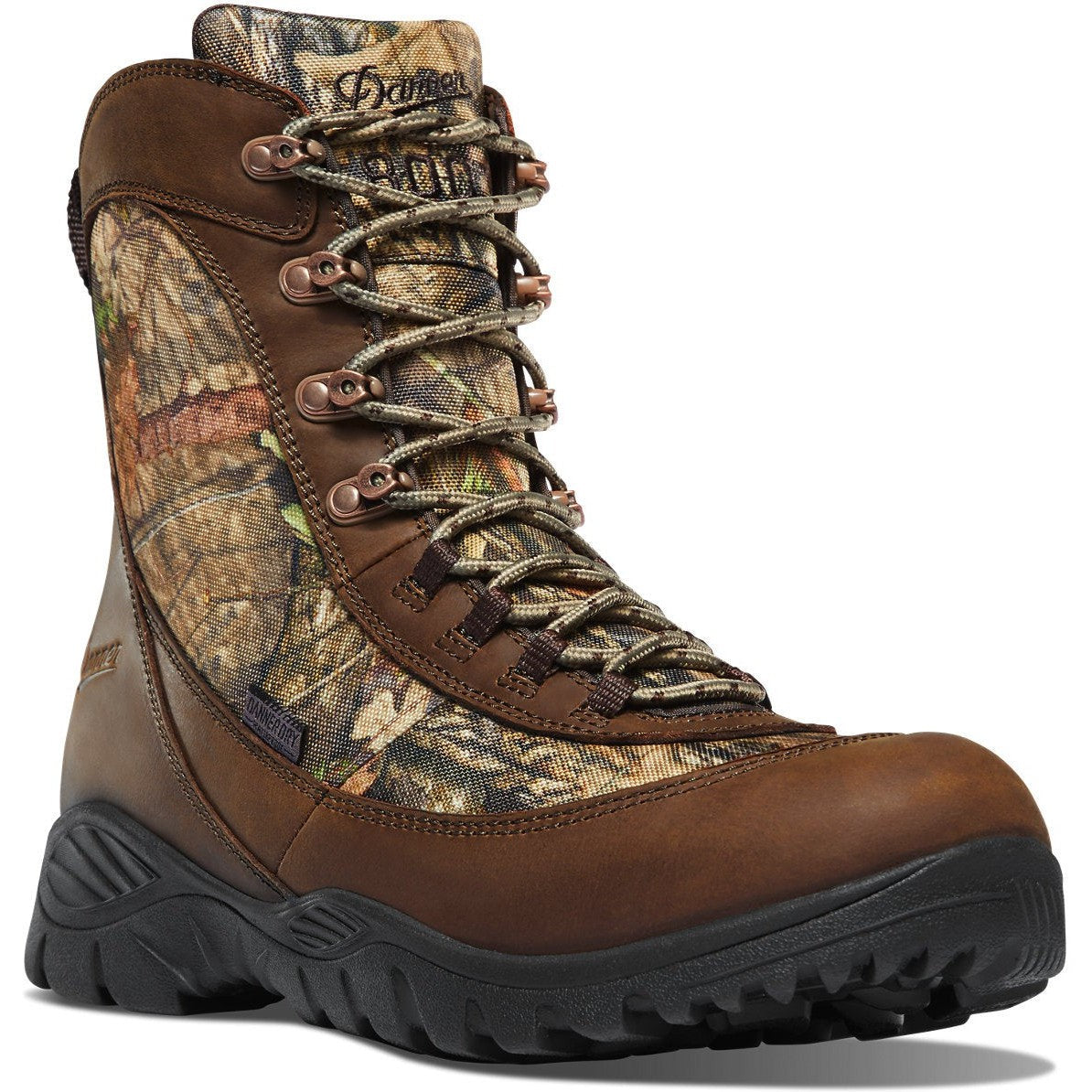
Danner Men's Element 8" Waterproof 800G Hunt Boot -Mossy Oak- 47132
Save 6%
Sale price$219.95
Regular price$234.00
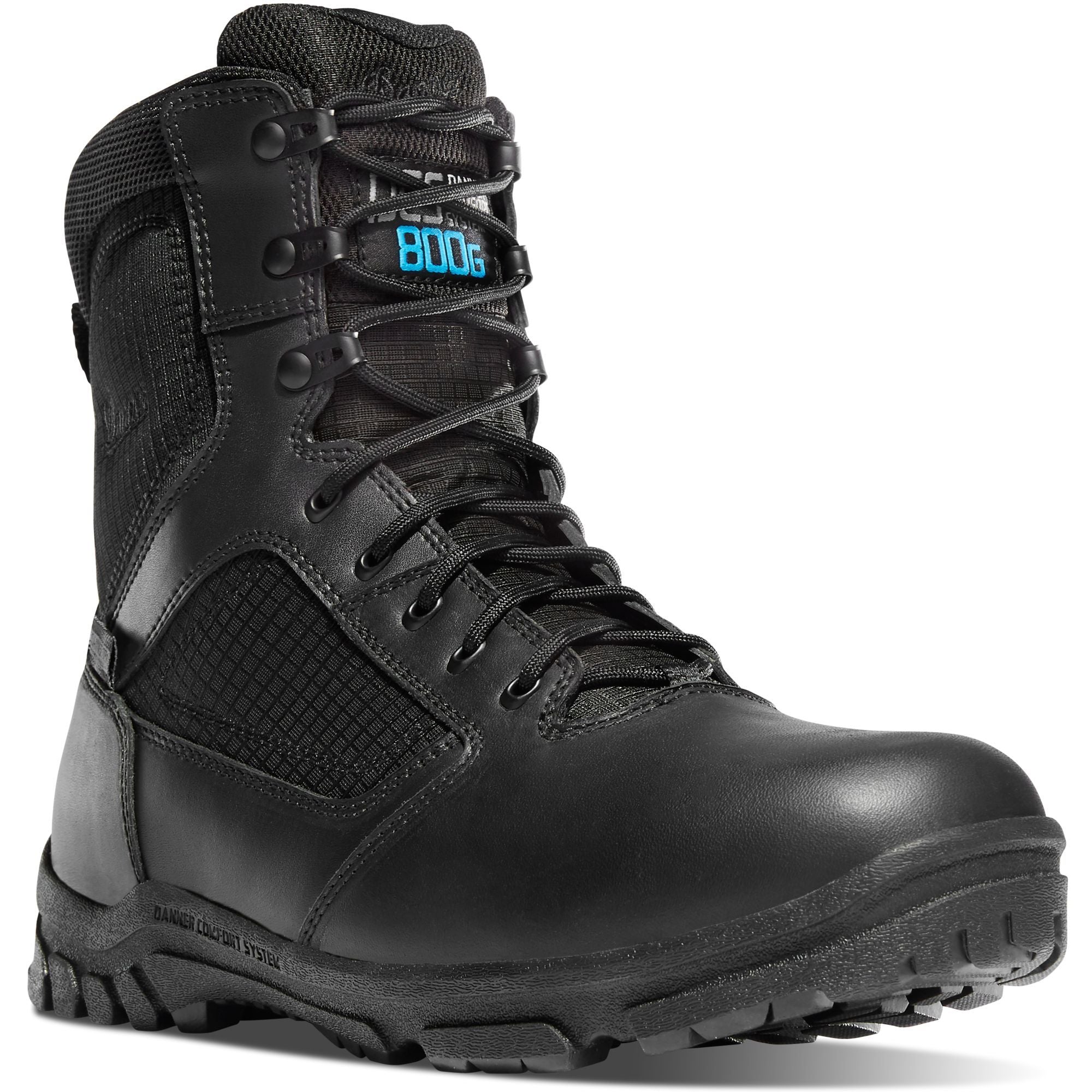
Danner Men's Lookout 8" Insulated Waterproof Duty Boot - Black - 23827
Save 8%
Sale price$189.95
Regular price$206.00
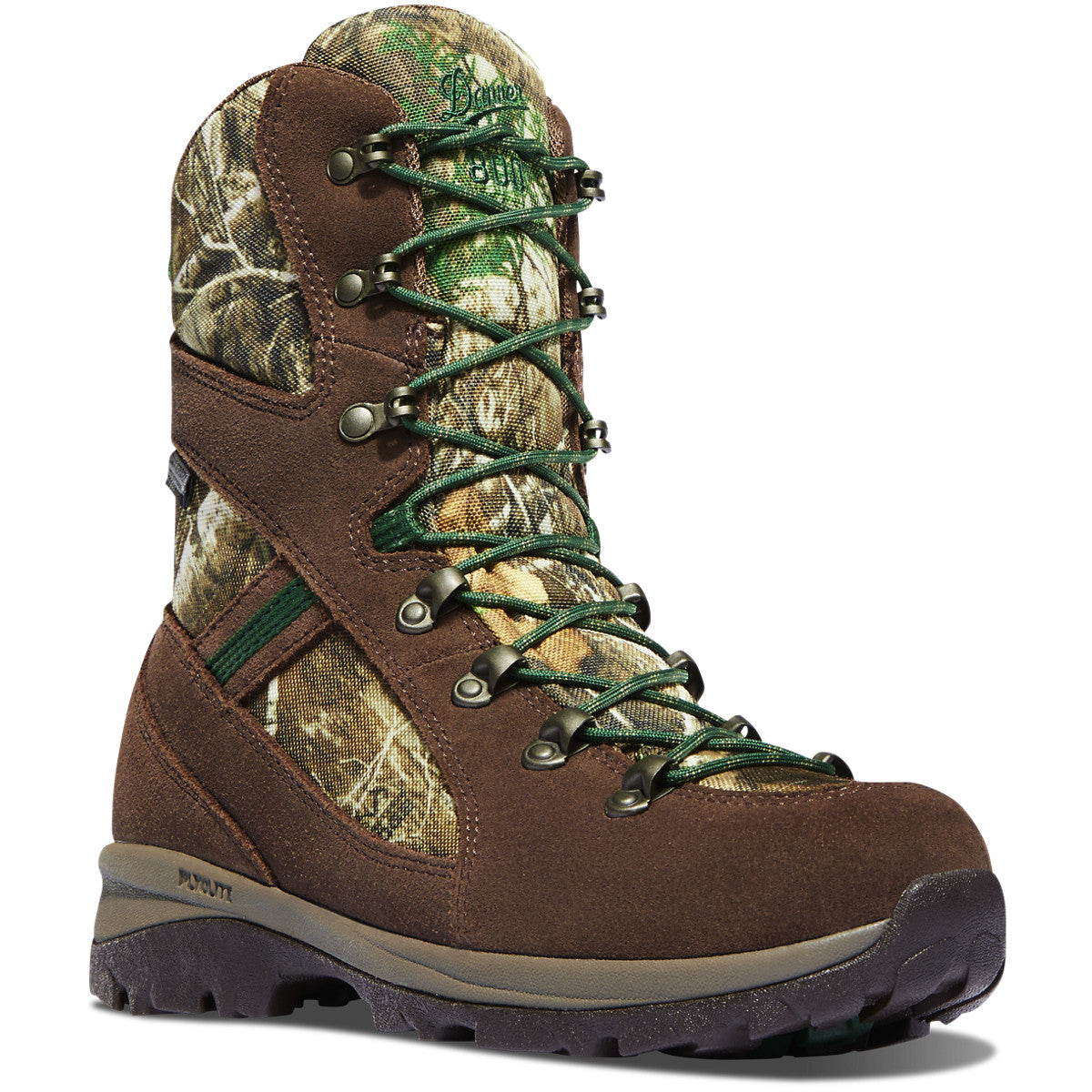
Danner Women's Wayfinder 8" Waterproof Insulated Hunt Boot - Realtree - 44212
Save 15%
Sale price$219.95
Regular price$258.00
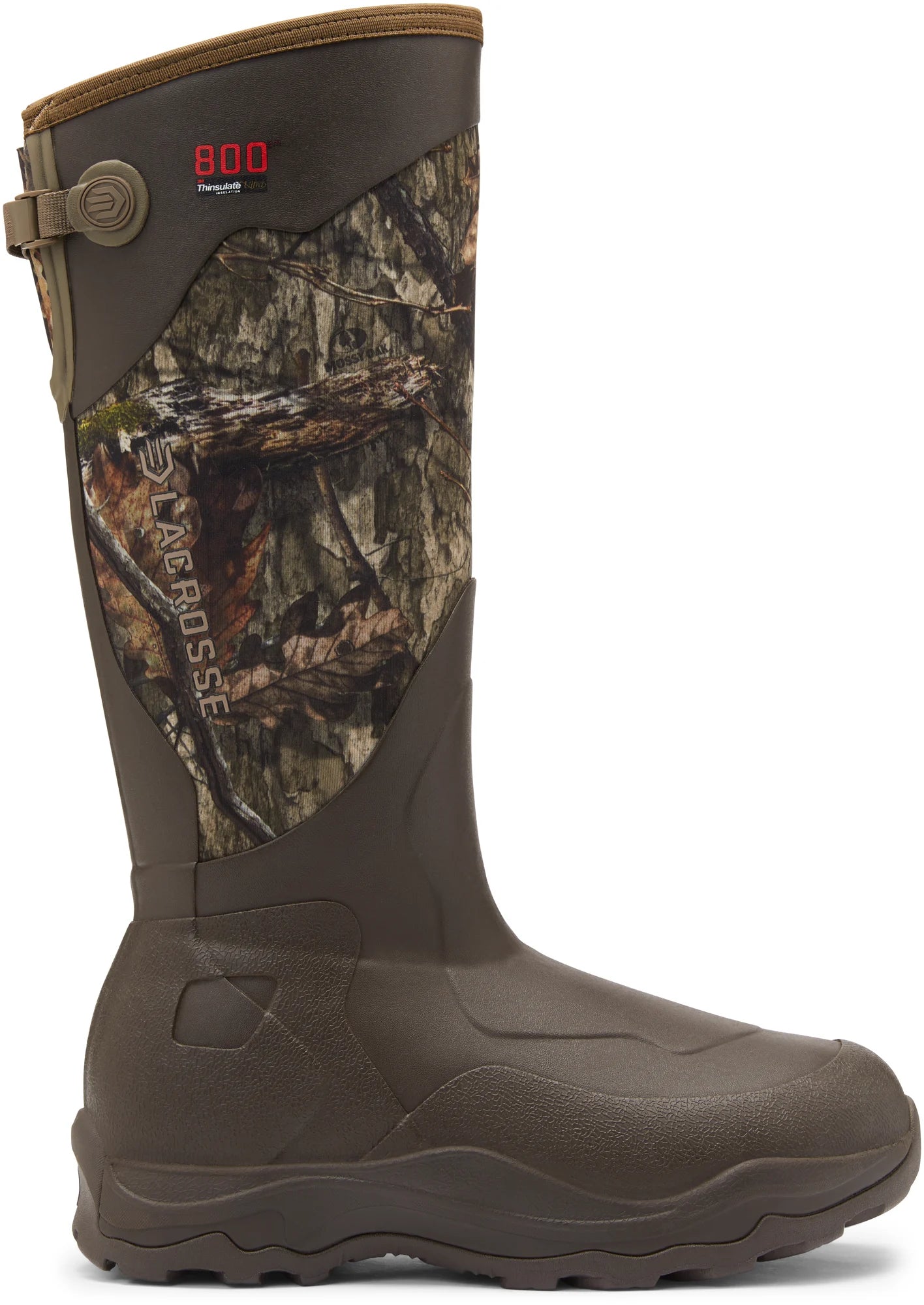
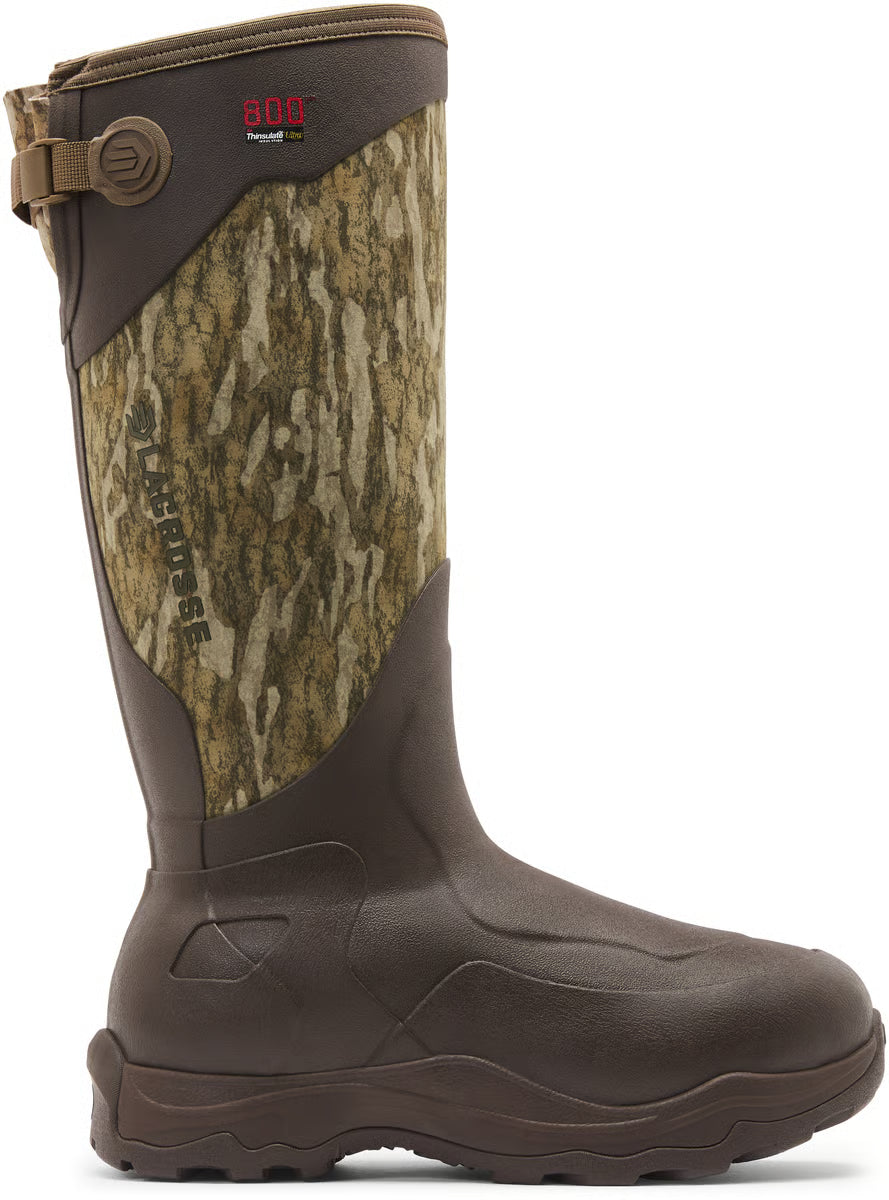
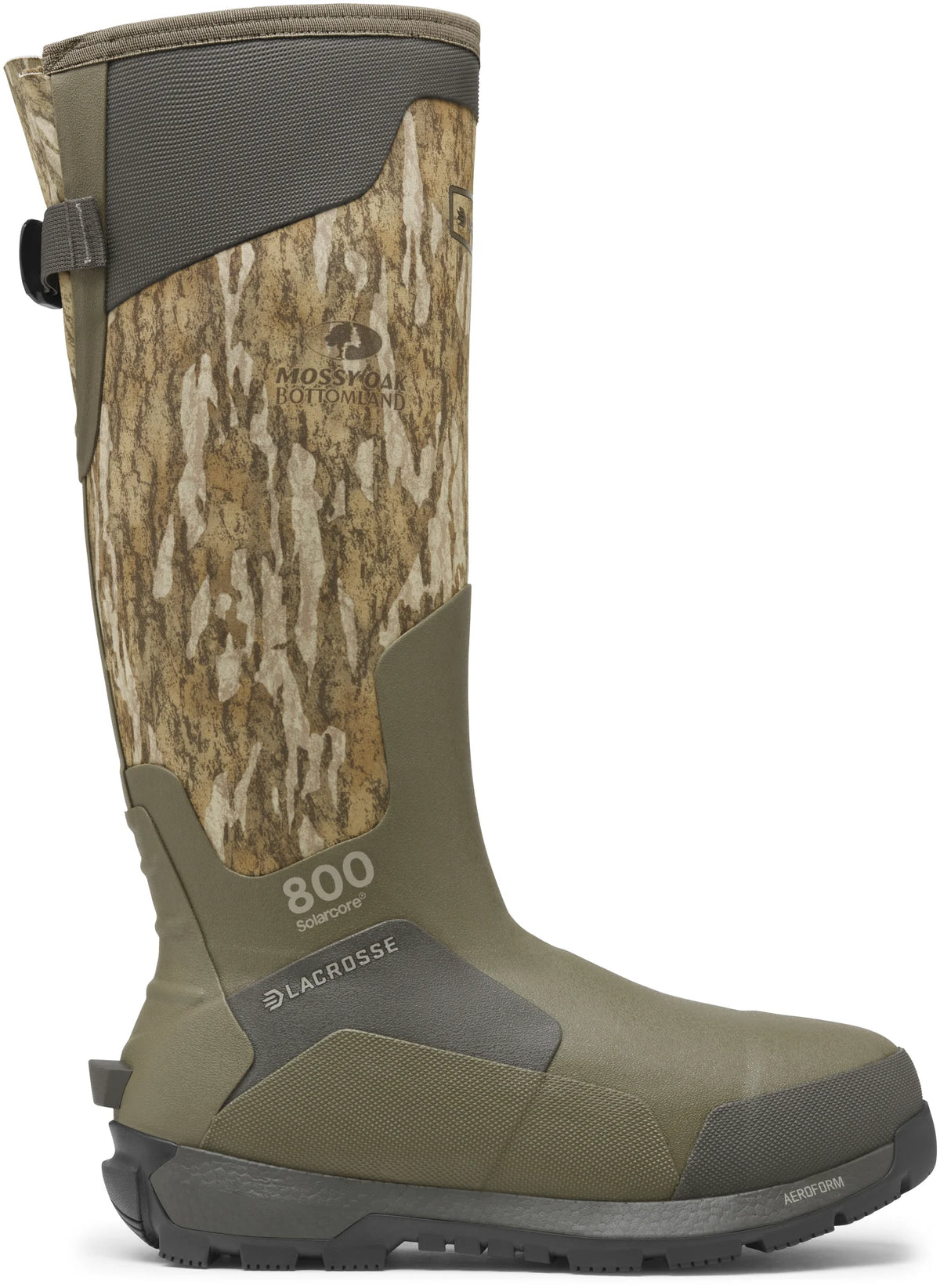
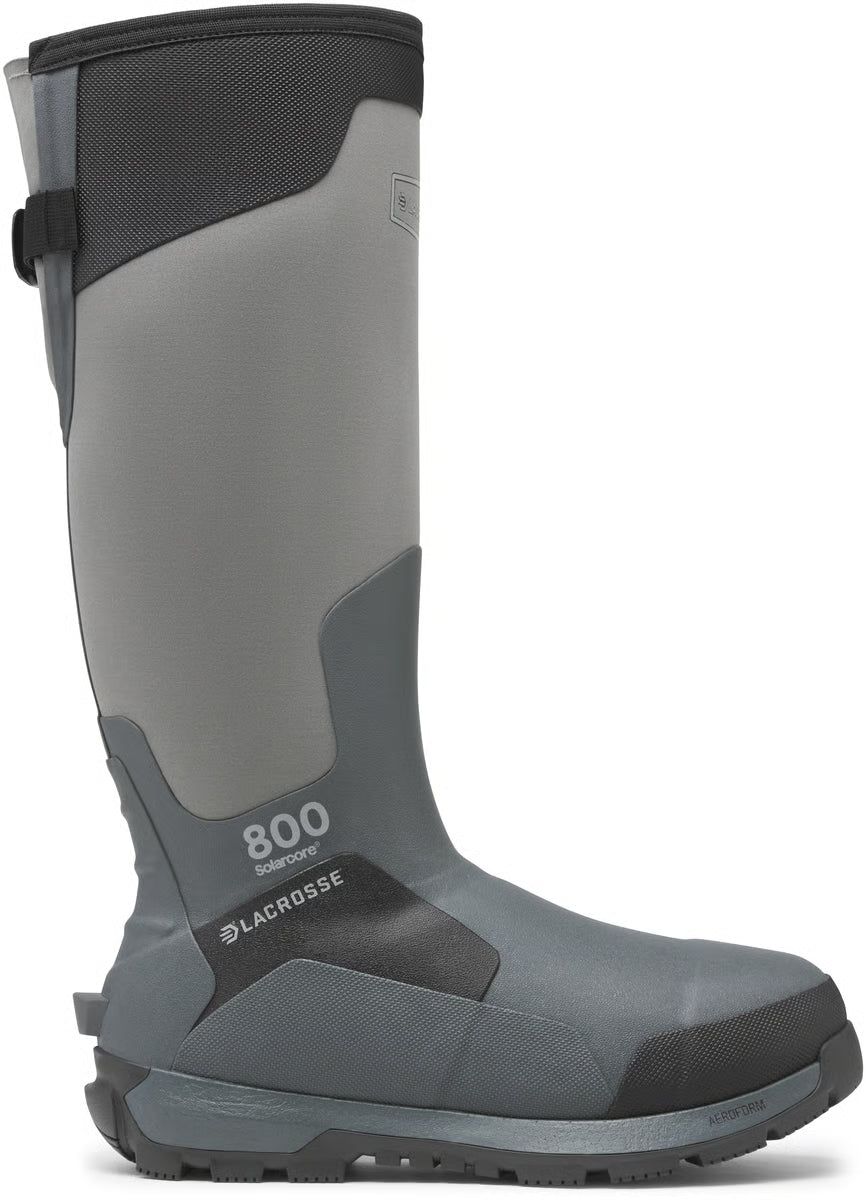
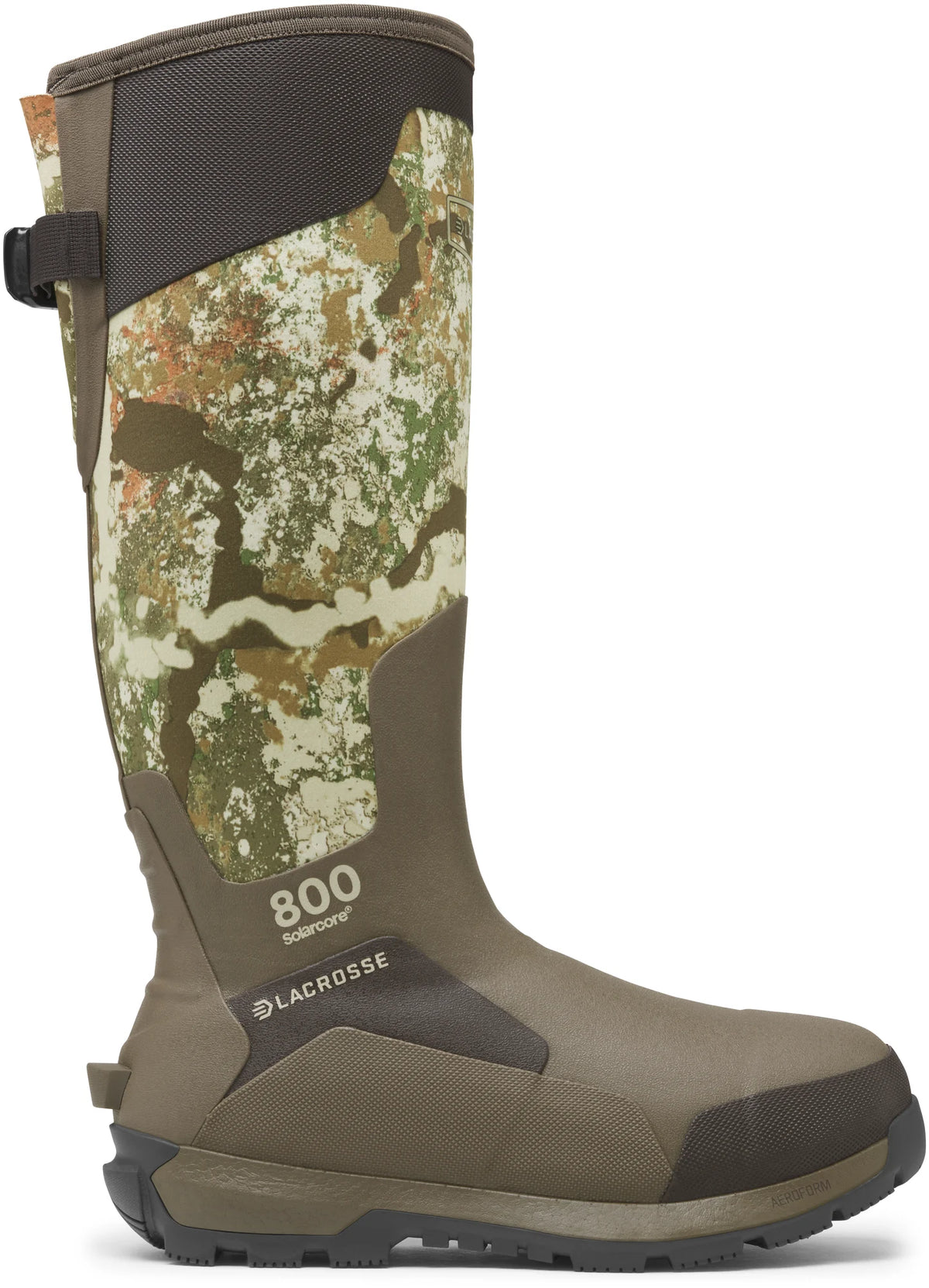
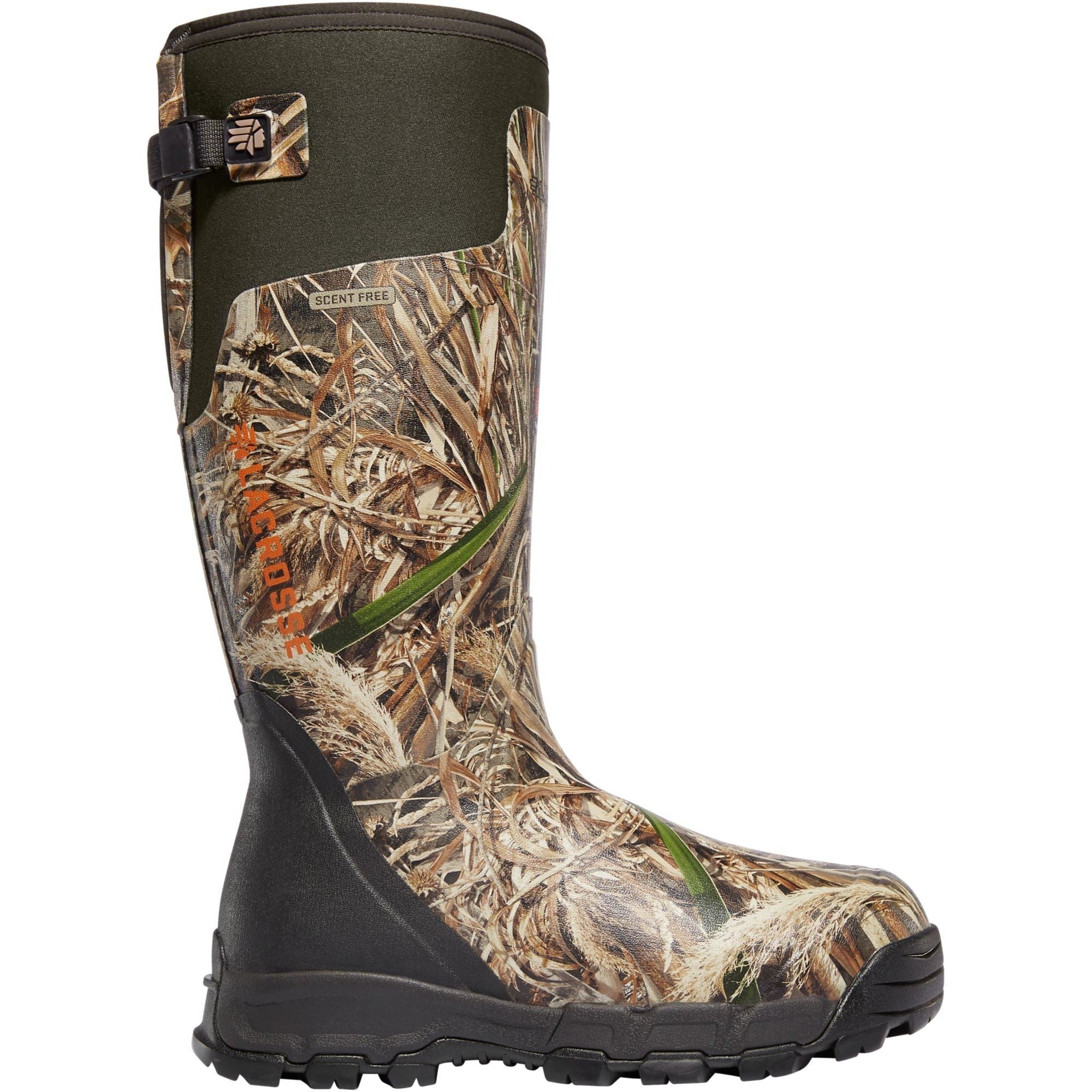
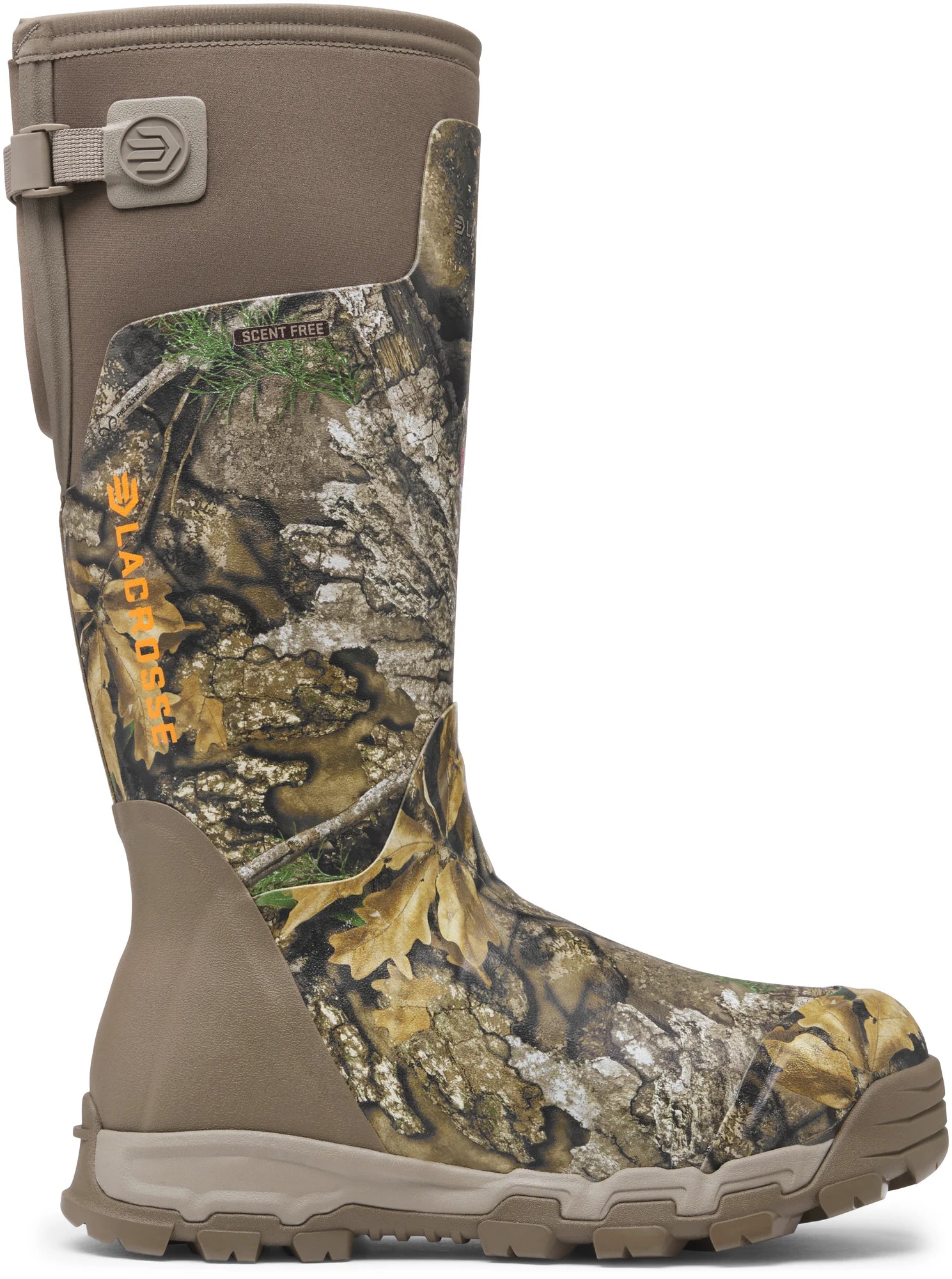
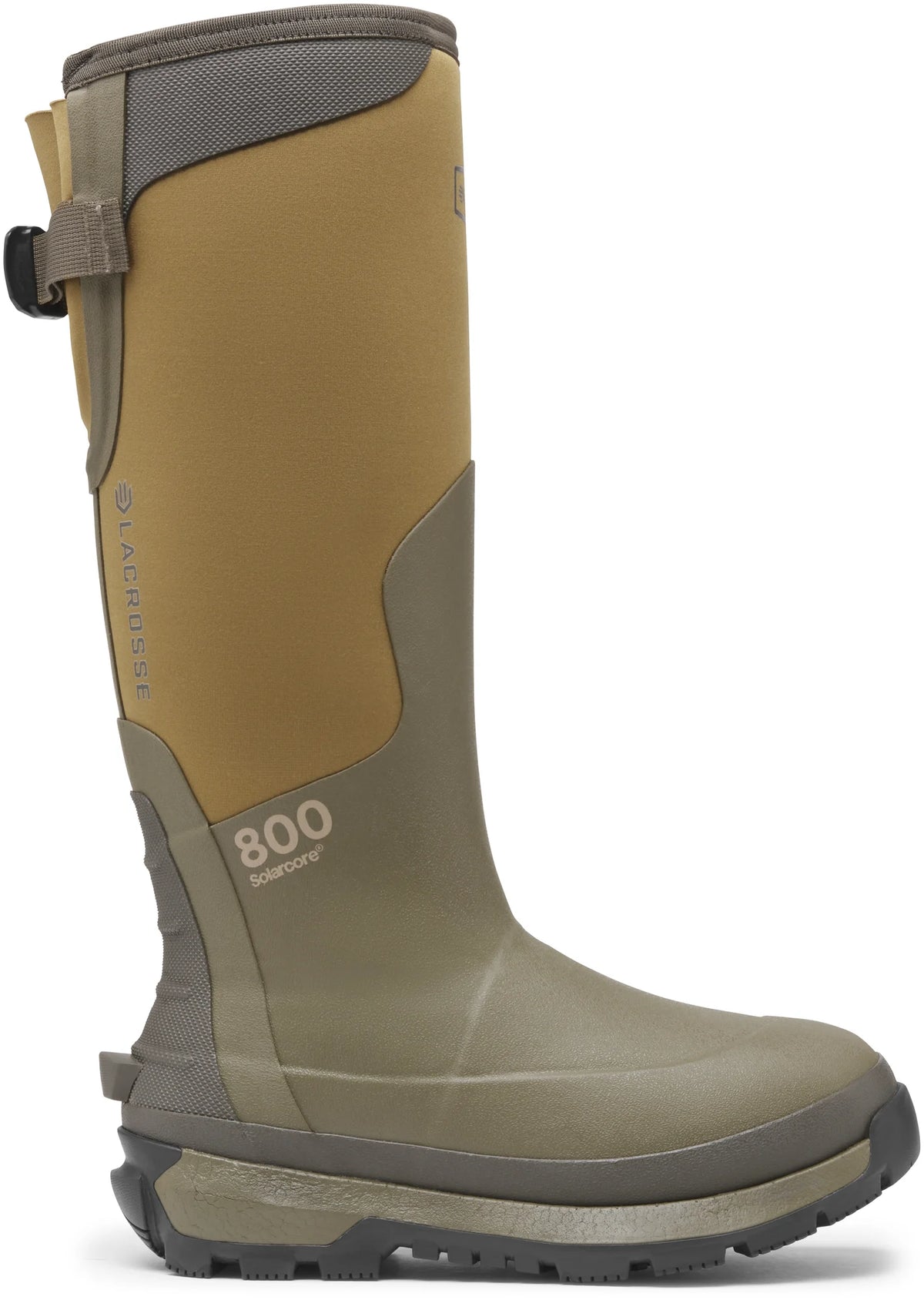
LaCrosse Men's Alphaburly Pro 18" 800G Insulated Rubber Hunt Boot - Realtree Max-5 - 376021
Save 10%
Sale price$189.95
Regular price$210.00
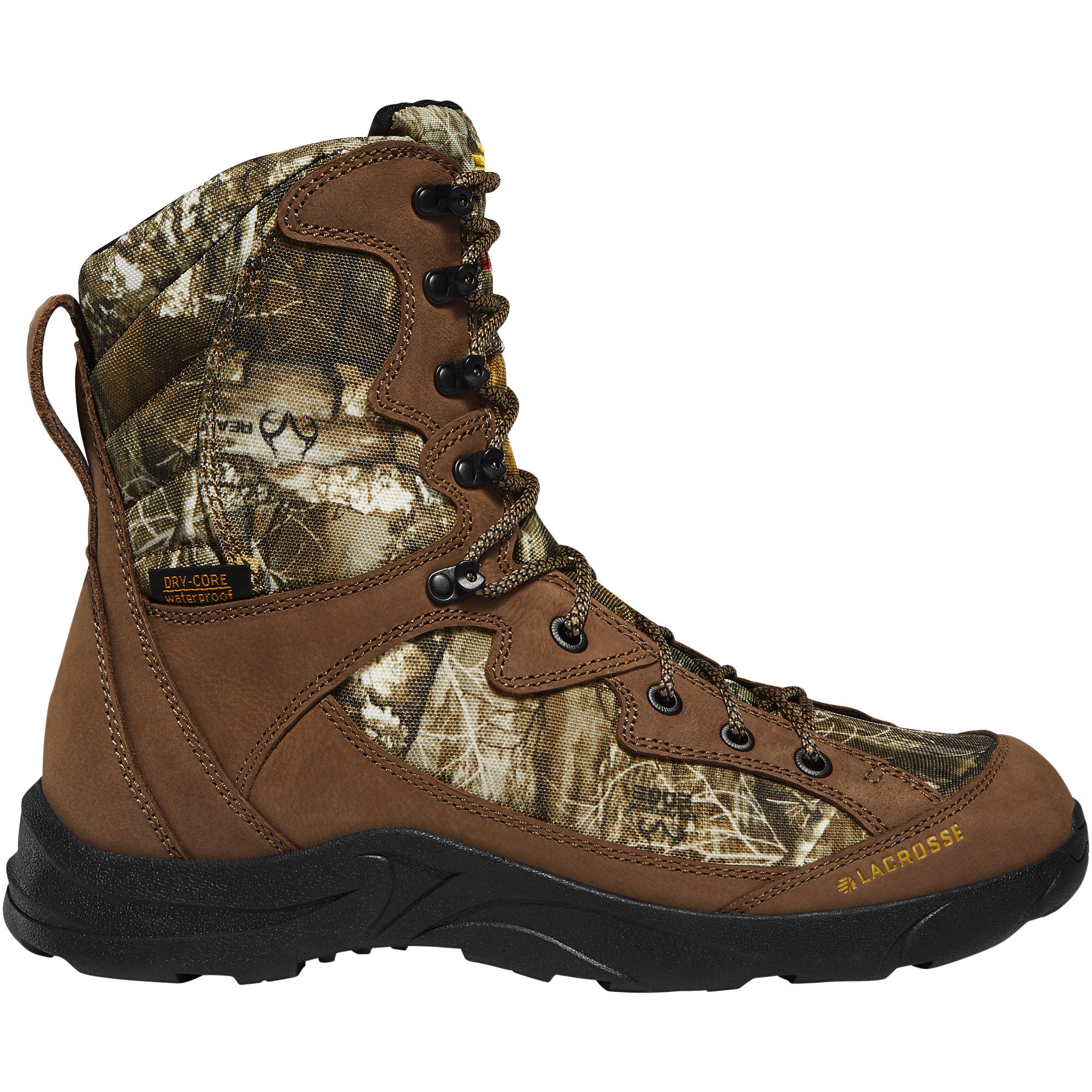
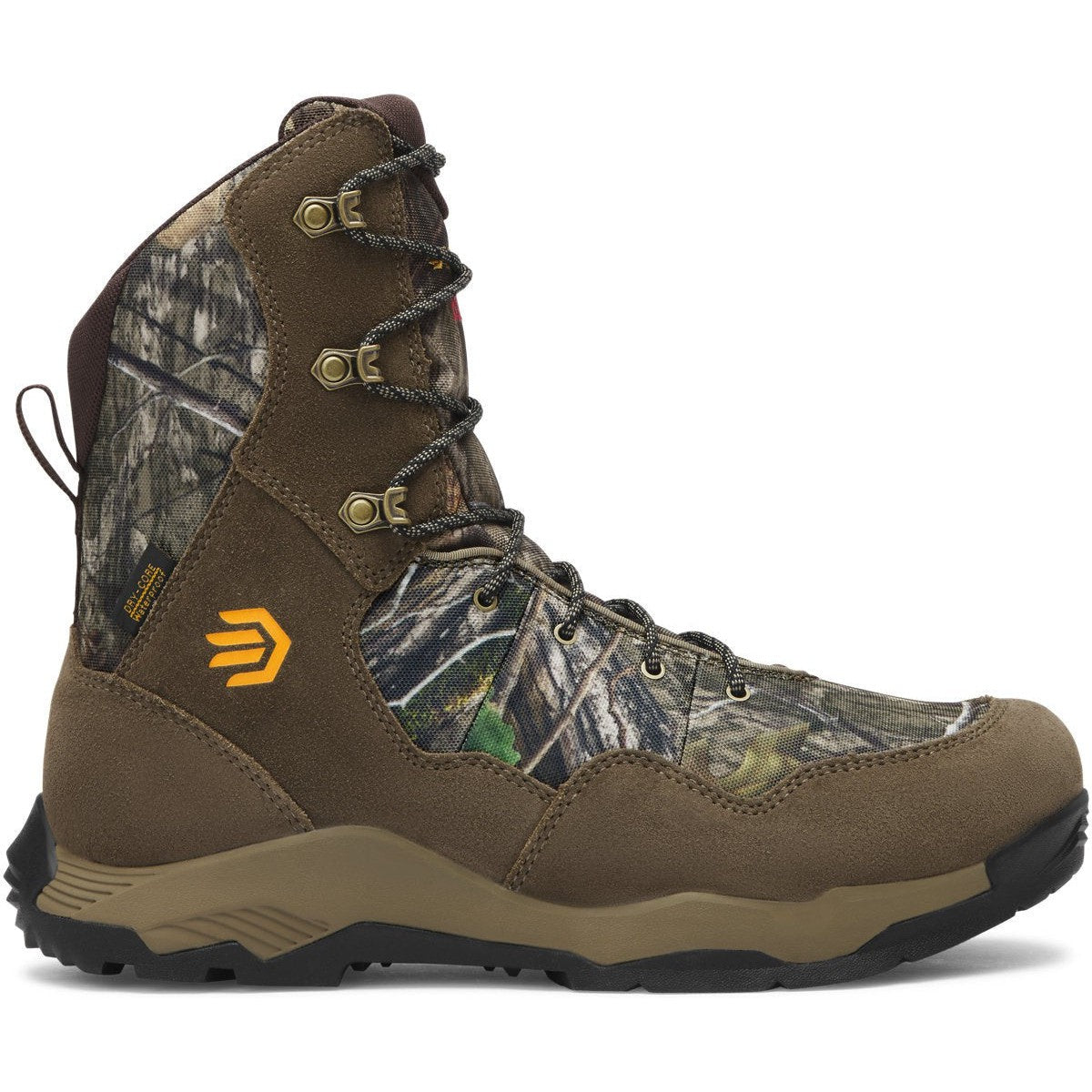
LaCrosse Men's Clear Shot 8" Waterproof 800G Ins Hunt Boot - Realtree - 542162
Save 10%
Sale price$189.95
Regular price$210.00
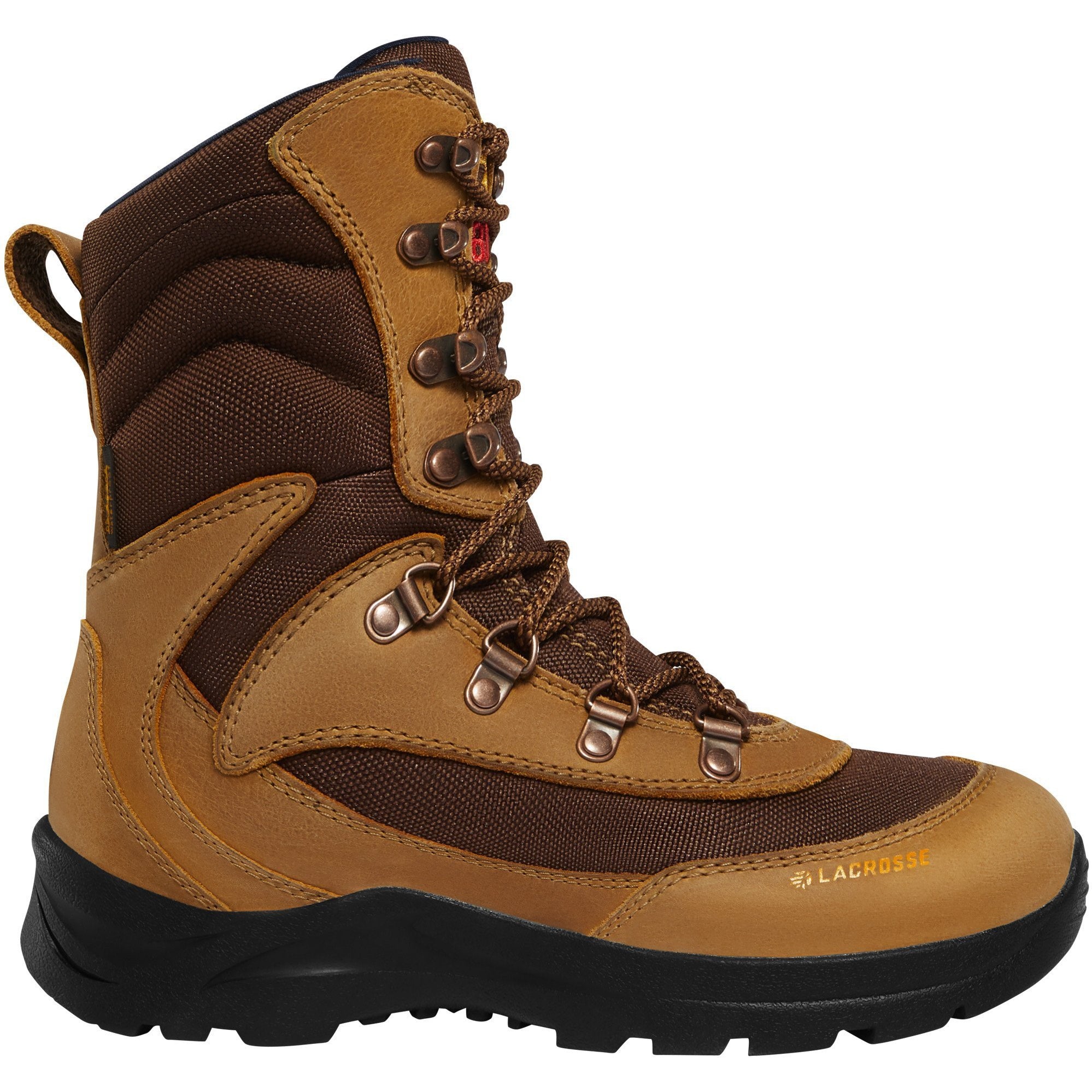
LaCrosse Women's Clear Shot 8" Waterproof 800G Hunt Boot - Brown - 542165
Save 14%
Sale price$218.54
Regular price$254.99
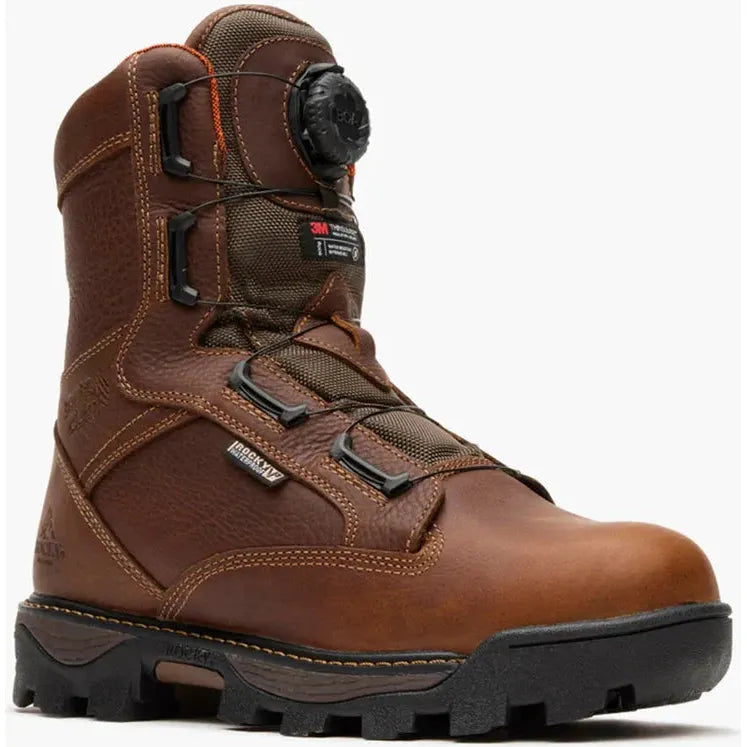
Rocky Men's BearClaw 9" WP 800 Insulated Hunting Boot- Brown- RKS0697

Save 20%
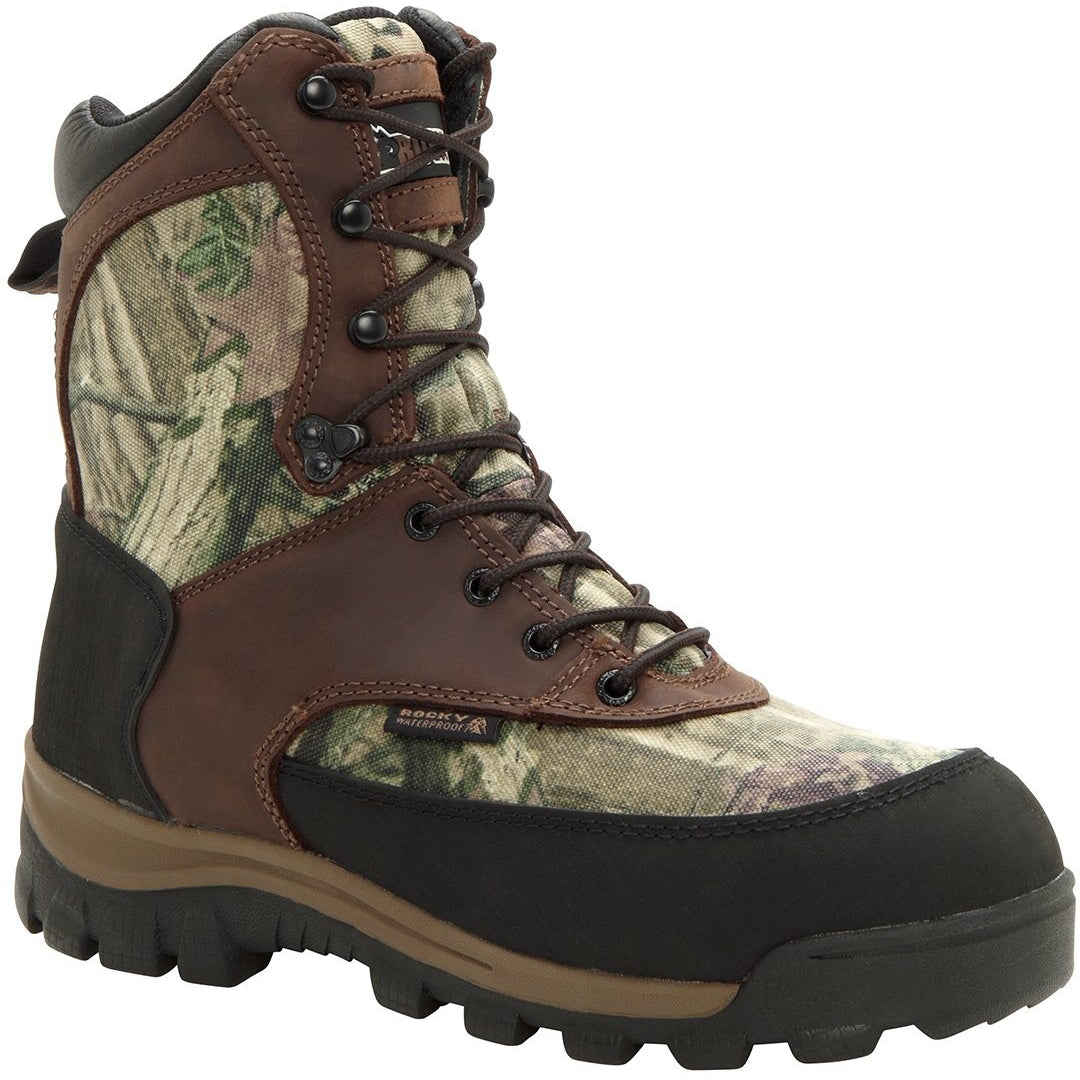
Sale price$120.00
Regular price$149.99
Rocky Men's Core 8" Waterproof 800G Pac Thinsulate Hunt Boot - Mossy Oak - FQ0004755
Save 8%
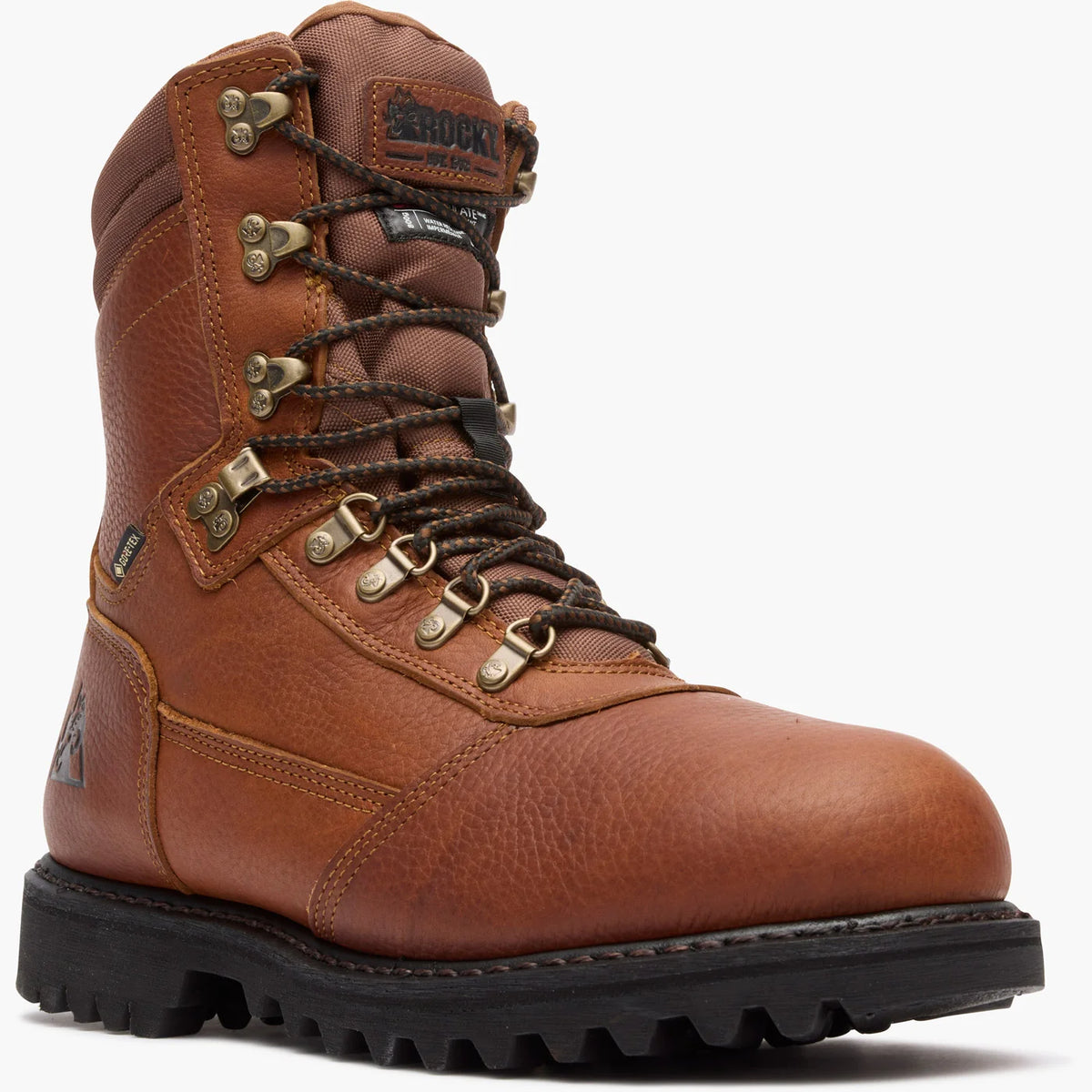
Sale price$170.95
Regular price$184.99
Rocky Men's Ranger 8" Waterproof 800G Insulated Outdoor Boot - Brown - RKS0438
Save 17%
Sale price$124.99
Regular price$149.99
Rocky Men's Retraction Waterproof Insulated Hunt Boot Realtree - RKS0227
Save 6%
Sale price$169.99
Regular price$179.99
Rocky Men's Trophy Series 9" Soft Toe Waterproof 800G Hunt Boot -Realtree- RKS0654
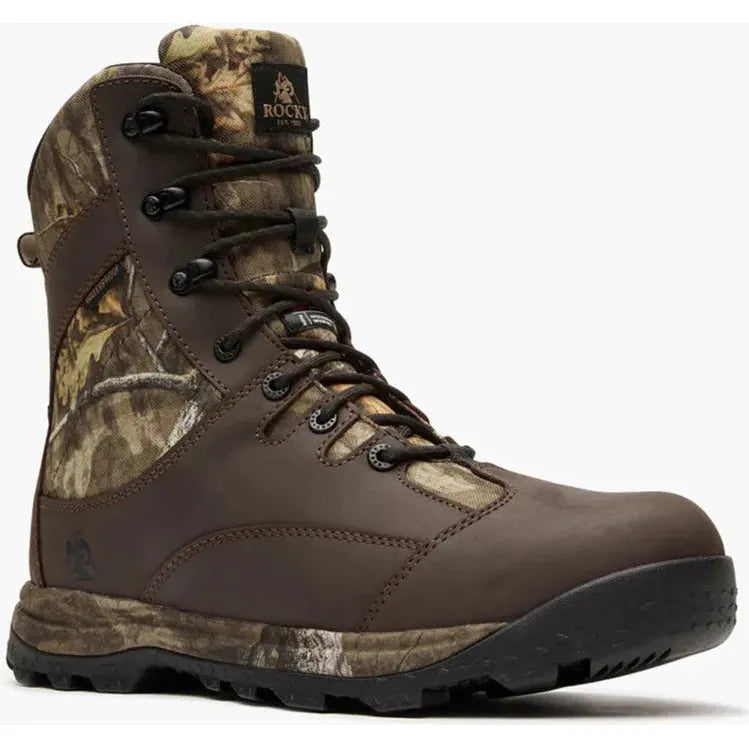
Sale price$139.99
Rocky Men's Wildcat 8" WP 800G Hunting Boot- Mossy- RKS0707
Frequently Asked Questions
People who are outdoors and stationary in real cold. Stand hunters, ice fishers, gate and yard attendants, equipment operators sitting in unheated cabs, and anyone working in freezers or cold storage. If you walk and lift through your shift, this is more insulation than you want and it will work against you.
For active work, generally yes. If you are moving, your feet perspire, the insulation saturates, and wet insulation stops working, which leaves you colder than you would have been in 400 grams. That is the counterintuitive part of cold-weather footwear and it catches out a lot of people who buy for the coldest morning of the year.
There is no standardized rating in the industry, so treat any temperature figure as guidance. Broadly, 800 grams handles sitting still in genuinely cold conditions, well below freezing. Circulation, sock choice, fit, and how long you remain stationary all affect the outcome as much as the gram figure does.
Only if you sit completely still in sub-zero conditions for hours, which really means stand hunting and ice fishing rather than work. At those weights the boots become bulky enough to affect how you walk. If you are choosing between 800 and 1200 and you move at all, take the 800. See our 1000g insulated boots range.
For multi-day stationary cold, very likely. A pac boot has a removable liner you pull out to dry overnight, so you start each day with dry insulation, while a sealed 800 gram boot never fully dries between wears. For single shifts with somewhere warm afterward, the sealed boot is less bulky and easier to walk in. See our pac boots range.
Looser than you would normally size, allowing for thick socks plus air space, because dead air does much of the insulating and a tight boot restricts circulation. This matters more at heavy weights than light ones. If your toes feel pressed at all when you try them on, size up rather than accepting it.
It helps considerably. Steel and alloy conduct temperature and create a cold path straight to your toes that insulation around it cannot fully offset. Composite and carbon do not conduct. At 800 grams you are clearly buying for cold, so if your site permits the choice, a non-metallic toe is the consistent one. See our composite toe work boots range.
Three usual causes. Sweat from being more active than the boot was chosen for. Boots laced too tight or sized too small, restricting circulation. Or wet insulation that has not dried since the last wear. Adding more insulation rarely fixes any of these, whereas better socks, a looser fit, and drying the boots properly usually do.
Recently viewed
Our Top Brands