
It’s 6:10 a.m., and the site is already soaked: snowmelt running across plywood, wet concrete splashing your laces, or a pressure-wash job that turns everything into mist. This is when “waterproof” stops being marketing and becomes the difference between a focused shift and squishy socks.
If you’re wearing GORE-TEX work boots, you’re relying on a membrane system that keeps liquid water out while allowing sweat vapor to escape. Waterproof performance is a system, though. The membrane, seams, tongue design, upper materials, plus how the boot is used and cared for.
What “Waterproof” Means on a Jobsite (Not in a Product Photo)
“Waterproof” should mean that liquid water cannot pass through the boot’s barrier system during normal work exposure. “Water-Resistant” means it sheds light moisture for a while, then eventually soaks through.
Match the boot to the exposure:
- Splash and Spray: wash-down, pressure washing, wet concrete
- Standing Water: puddles, mud holes, ditches
- Cold Wet: slush/snowmelt that keeps uppers saturated
- Long Wear Time: hours of wet contact that stress seams and flex points
If your exposure is frequent, compare waterproof builds in waterproof work boots and prioritize breathability plus durability.
[prc-collections-carousel]
How GORE-TEX Works in Work Boots (Simple Breakdown)
In most work boots, GORE-TEX is a sealed “bootie” inside the outer leather and stitching. Liquid water is blocked, while moisture vapor can move outward, helping you feel drier inside on long shifts.
Are GORE-TEX Boots Completely Waterproof? The Honest Answer
They’re designed to be waterproof when the membrane system is intact, and the boot is built correctly.
But four limits matter on a jobsite:
- Waterline: If water goes over the collar, any boot can flood from the top.
- Tongue Design: A gusseted tongue helps block water at the lace area.
- Seams: If seam sealing breaks down, stitch lines can become entry points.
- Damage: Punctures and abrasions can compromise the liner.
The Leak Points That Make People Think GORE-TEX Failed
Most “leaks” start in predictable zones:
- Flex Point (Behind the Toe Box): Kneeling and squatting concentrate stress at the crease.
- Front Seams/Toe Area: Concrete and rebar work punish the toe box and seam lines.
- Lace Area: repeated splash exposure can push water through a poorly sealed tongue gap.
- Punctures From Debris: Sharp aggregate and metal shavings can defeat any membrane.
If you can identify where moisture appears first, you usually find the cause faster (crease wear, tongue entry, or puncture).
GORE-TEX vs. “Waterproof” Liners: What’s Better for Work?
“Waterproof” liners vary widely. For long, wet shifts where sweat buildup is a major problem, breathable waterproofing is a major advantage. For occasional wet exposure, a simpler waterproof build can be the better value if traction and fit are your bigger concerns. Use Best Waterproof Work Boots: The Ultimate Buying Guide to match features to your conditions.
Features That Make Waterproofing Actually Work (Buyer Checklist)
Look for:
- Gusseted tongue (seals the lace area)
- Seam-managed construction (protects stitch lines)
- Durable uppers (hold up at the flex point)
- DWR-treated exterior (a Durable Water Repellent finish that helps prevent “wetting out”)
- The shaft height that matches your waterline
Top 3 Waterproof GORE-TEX Work Boots From the Collection
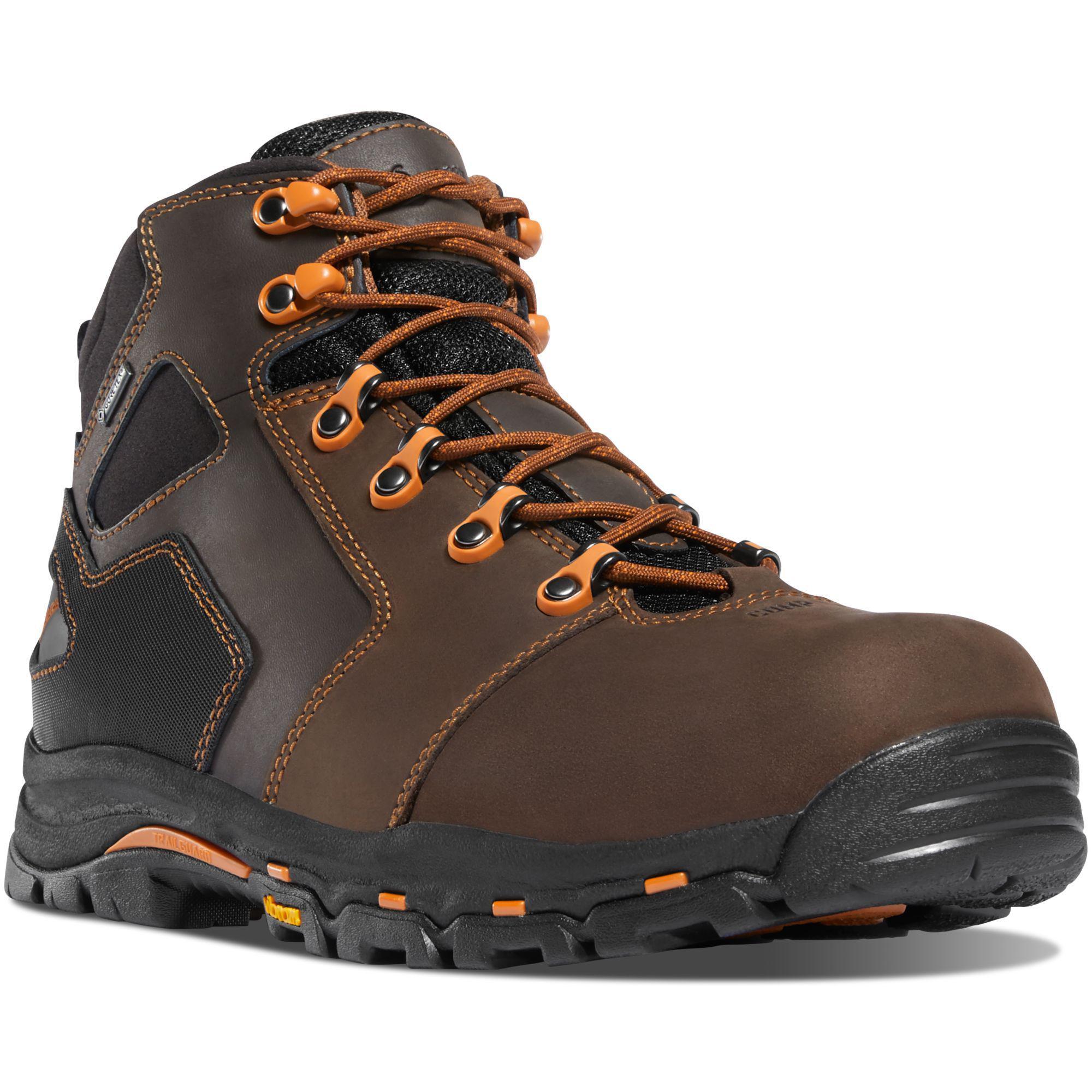
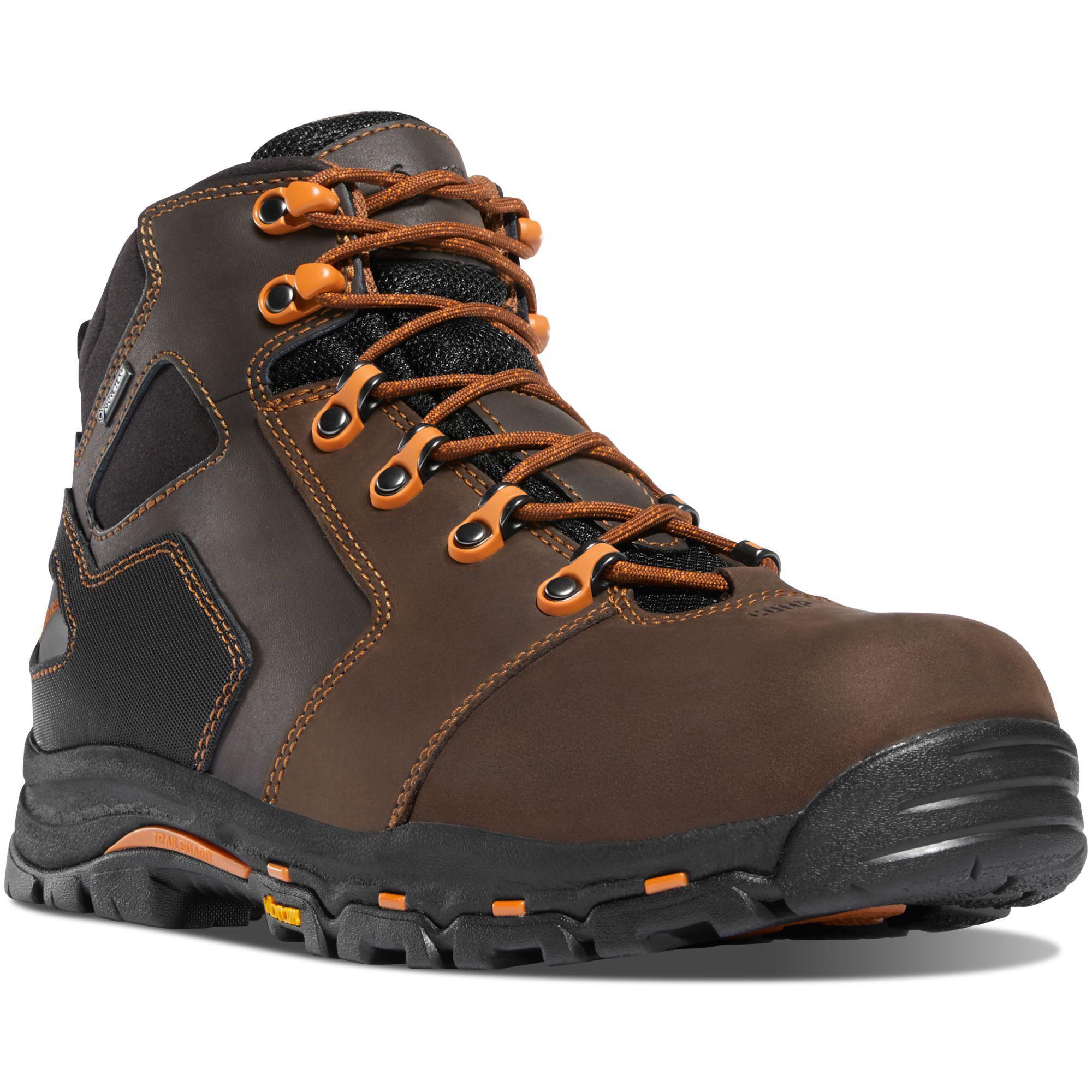
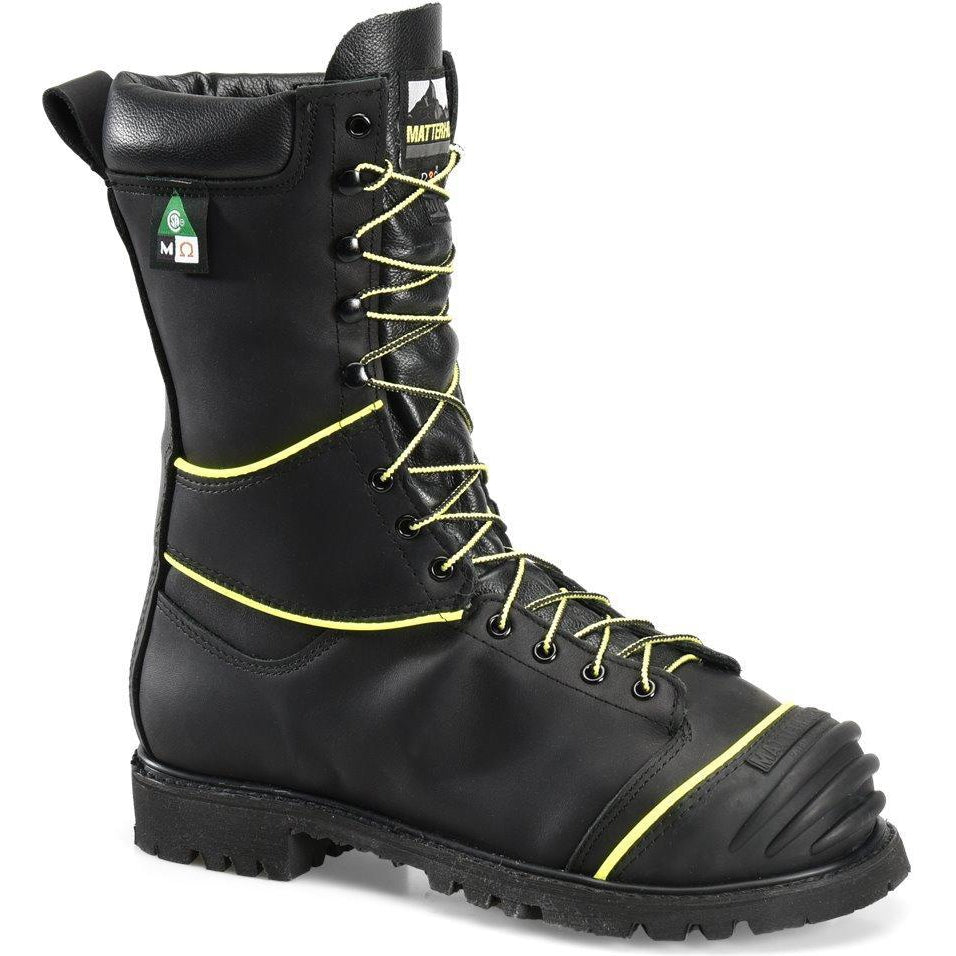
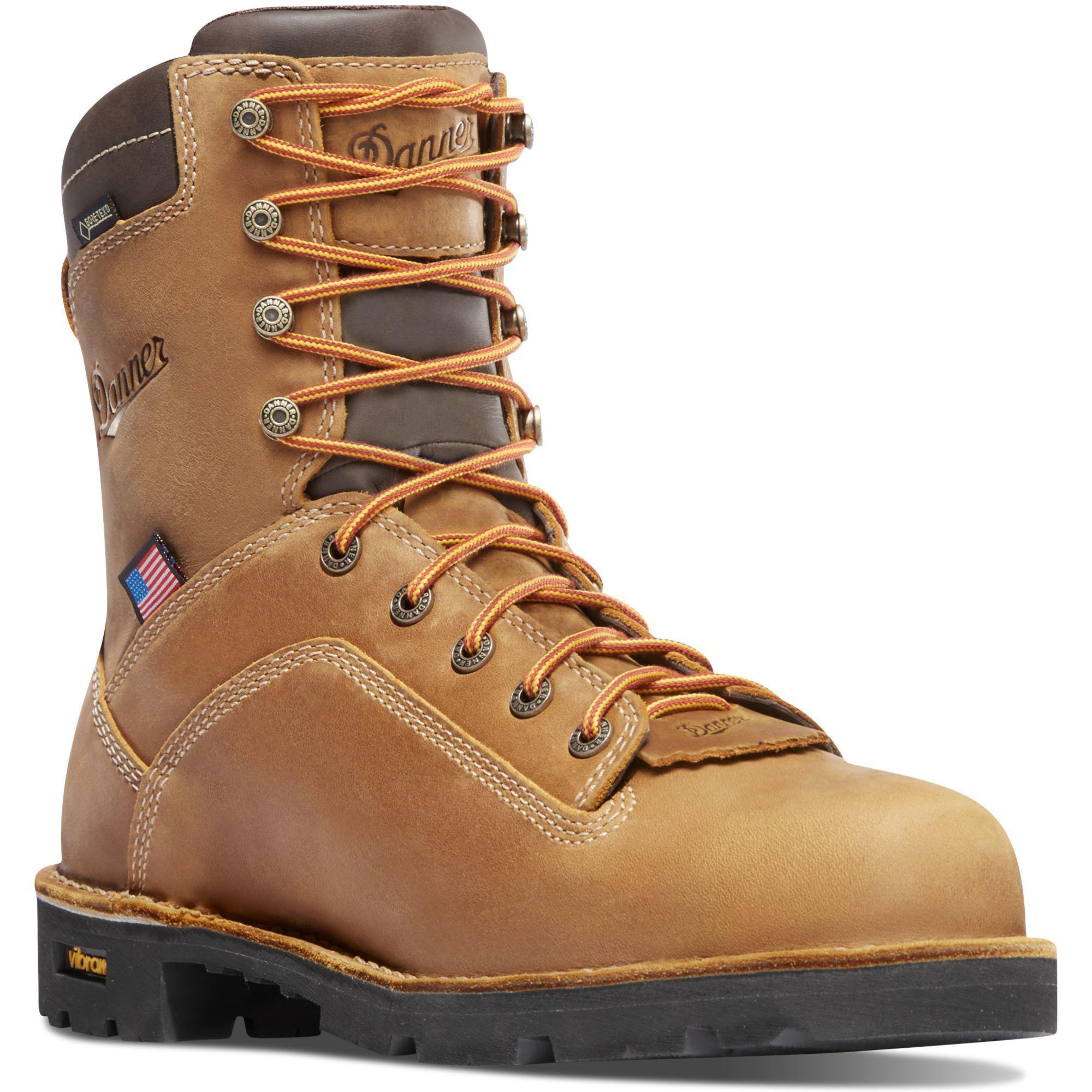
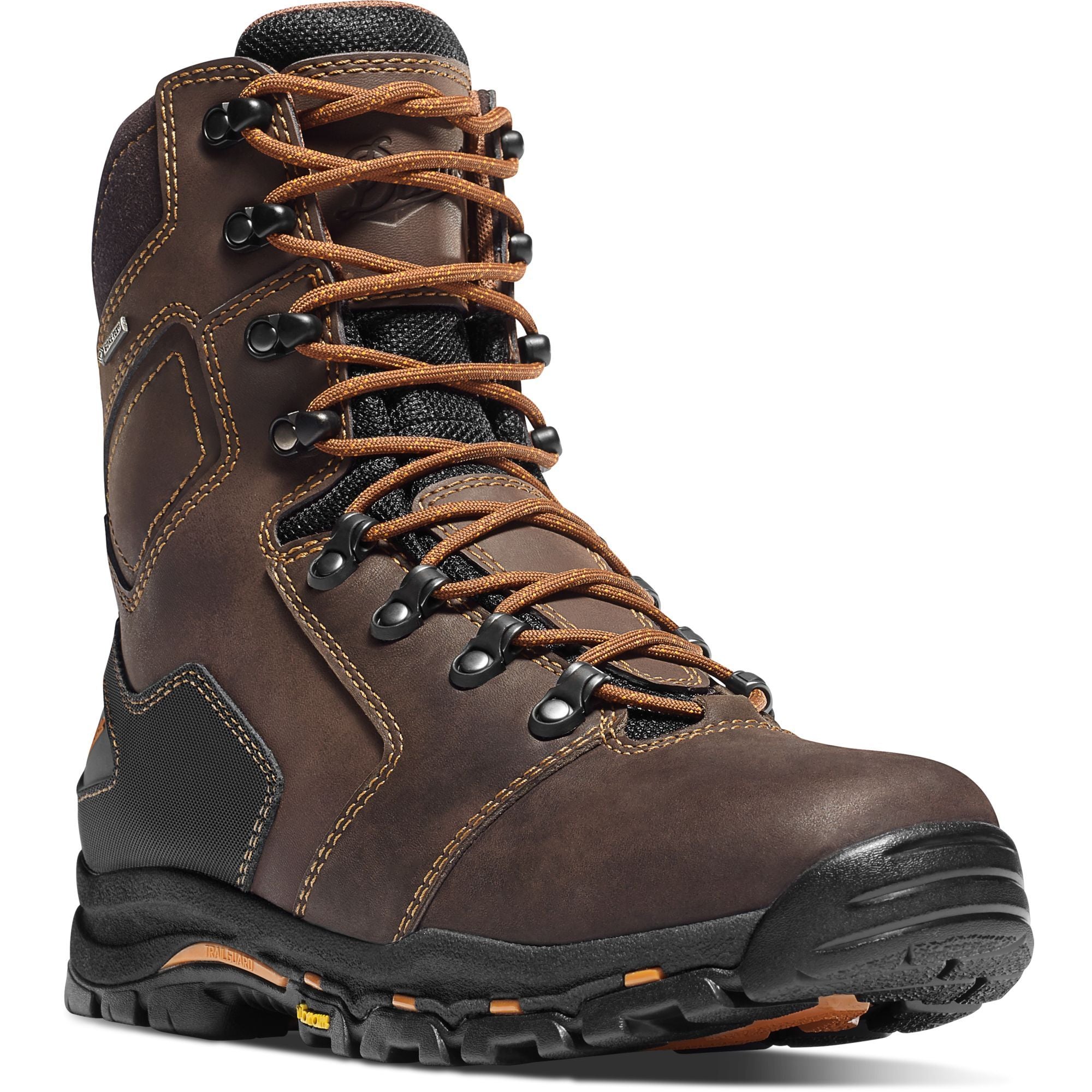
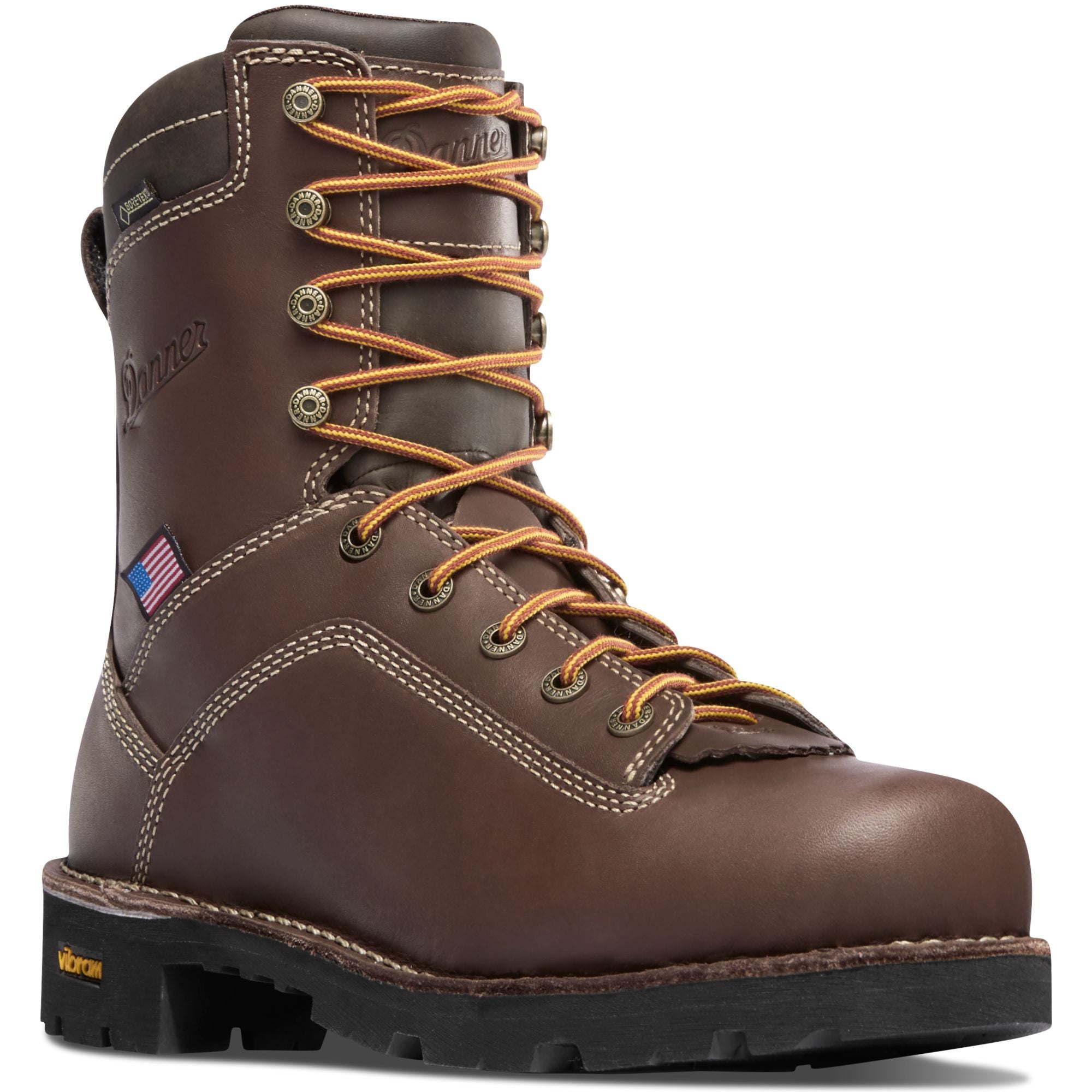
If you’re shopping for GORE-TEX boots that can handle real jobsite water, it helps to look beyond the label and focus on build intent. The three options below are pulled directly from Overlook’s GORE-TEX collection and represent common wet-condition needs: a dependable 6-inch daily boot for messy slabs, a taller insulated logger for cold, saturated ground, and an 8-inch safety-toe workhorse for long shifts where waterproofing and durability both matter.
1) Danner Bull Run GORE-TEX 6" Steel Toe (Tobacco)

If your workday mixes wet concrete, muddy access roads, and constant on-and-off the slab, this is the kind of boot that earns its keep. The GORE-TEX-lined waterproof system helps keep water out while still managing sweat during long shifts, and the steel toe adds the impact protection many crews need on active sites. For trades that want a dependable “daily driver” with real wet-weather capability, the Danner Bull Run GORE-TEX steel-toe work boot is a strong starting point.
2) Georgia 8" Steel Toe GORE-TEX Waterproof 400G Insulated Logger (Worn Saddle)

When your jobsite is basically a sponge half the year, insulation and shaft height matter as much as waterproofing. This 8-inch logger build adds extra coverage for sloppy conditions, while 400g insulation helps take the edge off cold, wet mornings where numb feet kill productivity. The combination of steel toe protection and a GORE-TEX waterproof barrier makes it a practical option for outdoor-heavy work where snowmelt, saturated ground, and standing water are routine. If you need warmth plus waterproofing in a taller profile, check the Georgia 8" insulated GORE-TEX waterproof logger work boot.
3) Danner Power Foreman 8" Composite Toe Waterproof (GORE-TEX Lined)

This one is built for crews who punish boots: long hours, hard surfaces, and constant exposure to wet conditions where traction and stability matter. The composite toe provides jobsite protection with reduced weight compared to steel (often a comfort win on longer shifts), while the GORE-TEX lining keeps water out without turning the interior into a sauna. If you want an 8-inch waterproof work boot that leans toward “workhorse” durability with safety-toe protection, the Danner Power Foreman 8" composite toe GORE-TEX waterproof work boot fits that brief.
Safety Standards And Outsoles That Matter When It’s Wet
Wet surfaces raise slip risk, so don’t trade safety for dryness.
- ASTM F2413 is the core safety-toe performance specification used in many workplaces.
- ASTM F3445 is a slip-resistance performance specification for safety footwear (when brands explicitly reference it).
For impact hazards, start with safety toe work boots and narrow by waterproofing and outsole needs.
Are GORE-TEX Boots Worth It? When You’ll Notice The Difference
GORE-TEX tends to be worth the premium when wet exposure is frequent, and your shifts are long. Outdoor trades in rain and snowmelt, utility and road crews, concrete work, and wash-down environments benefit from your dual-moisture defense: outside water and inside sweat. If you only hit occasional puddles, you can often get better value by prioritizing fit, traction, and upper durability first, then choosing the waterproof level that matches your actual exposure.
Boot Care: How To Keep GORE-TEX Boots Waterproof Longer
- Clean mud and salt off regularly, as they reduce breathability and accelerate cracking.
- Air-dry at room temperature and avoid direct high heat, as it can damage materials/adhesives.
- Keep the upper clean and treated so it keeps shedding water instead of saturating.
- When the exterior “wets out,” the boot can feel colder and heavier, and breathability can drop even if the membrane is still functioning. A quick clean-and-dry routine at the end of the week pays off more than any emergency fix on Monday morning.
Follow a simple routine in How to Waterproof Leather Boots and Keep Them Dry.
Wet feet can ruin a shift. If you’re working in rain, snowmelt, mud, or wash-down conditions, GORE-TEX work boots are built to keep water out while still letting heat and sweat escape, so you can focus on the work, not your socks.
Frequently Asked Questions
Are GORE-TEX Boots Completely Waterproof?
They’re designed to be waterproof when intact, but they can’t stop water from entering from over the collar or through punctures/failed seams.
What Is Better, GORE-TEX or Waterproof (Non-GORE-TEX) Boots?
GORE-TEX tends to feel drier inside on long, wet shifts because it’s both waterproof and breathable.
What Are The Downsides of GORE-TEX in Work Boots?
Higher cost, and the membrane can’t compensate for poor design or damage.
Are GORE-TEX Boots Worth It for Daily Wet Jobsite Conditions?
Often, yes, especially when wet exposure and sweat management are daily issues.
Is Anything Better Than GORE-TEX for Waterproof Work Boots?
Rubber boots win for immersion, but they usually sacrifice breathability and long-shift comfort.