Sale price$214.99
Regular price$224.00
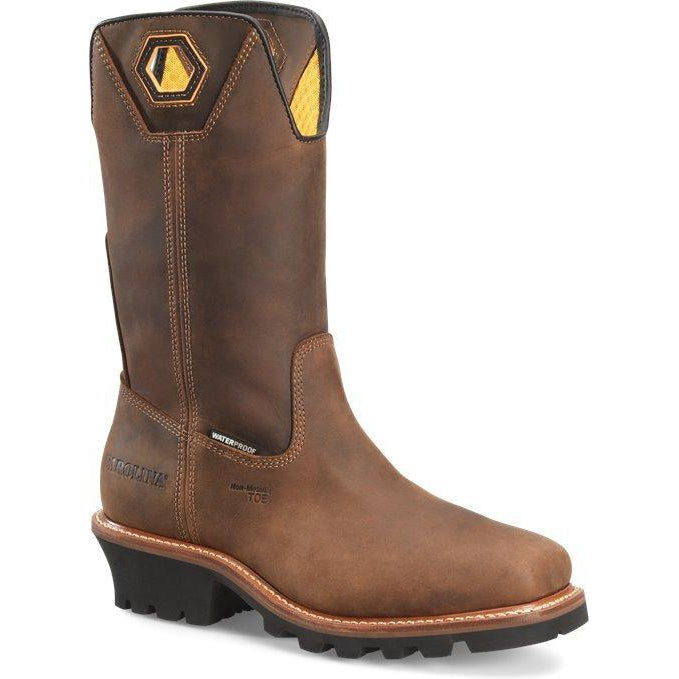
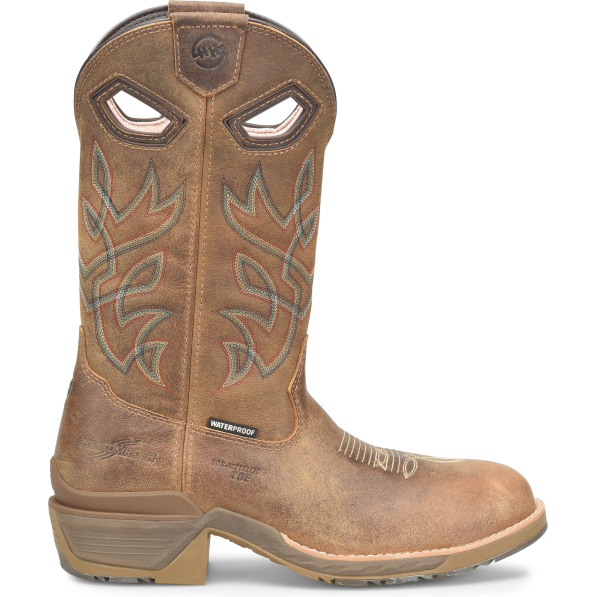
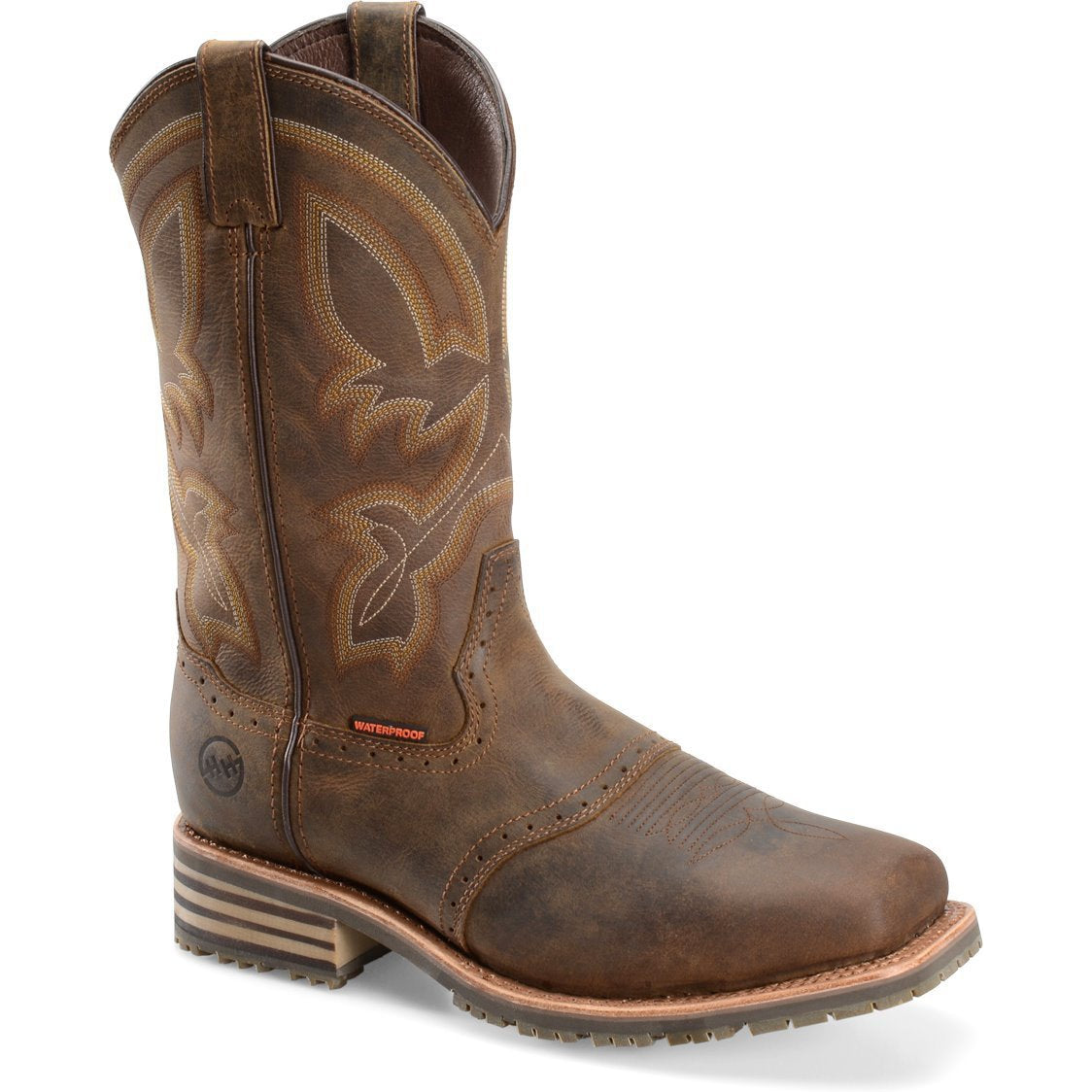
Double H Men's Cleave 12" Composite Toe Waterproof Western Work Boot - Brown - DH5422
Sale price$174.95
Regular price$175.00
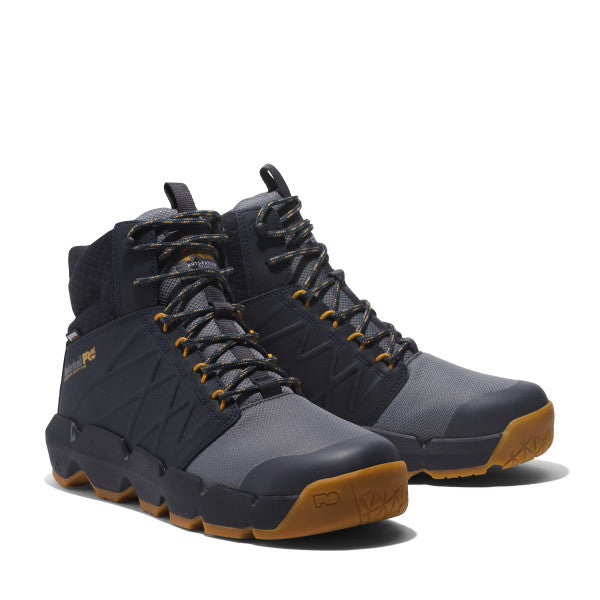
Timberland Pro Men's Morphix 6" Composite Toe Waterproof Work Boot - Grey - TB1A5YFU065
Save 24%
Sale price$159.95
Regular price$210.00
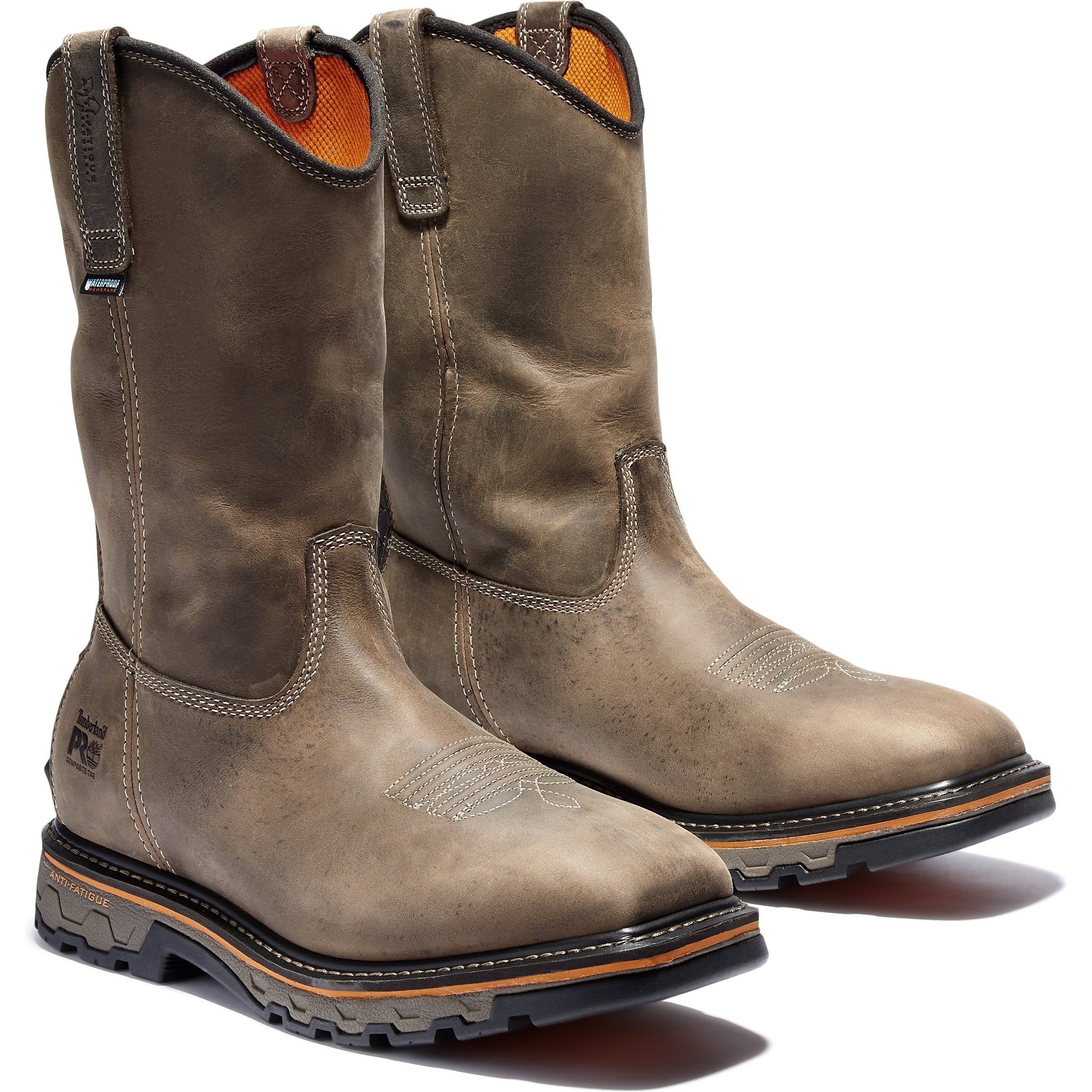
Timberland Pro Men's True Grit Soft Toe Waterproof Western Work Boot- TB1A24AJ214
Save 27%
Sale price$164.95
Regular price$225.00
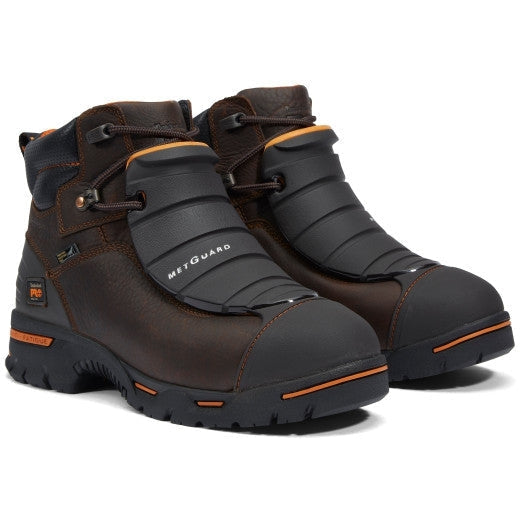
Timberland PRO Men's Endurance 6" Metguard Steel Toe Work Boot - TB1A172T214
Save 6%
Sale price$354.99
Regular price$378.00
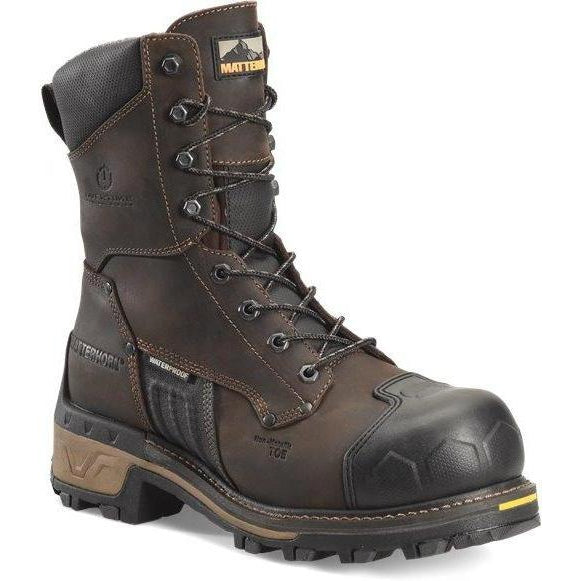
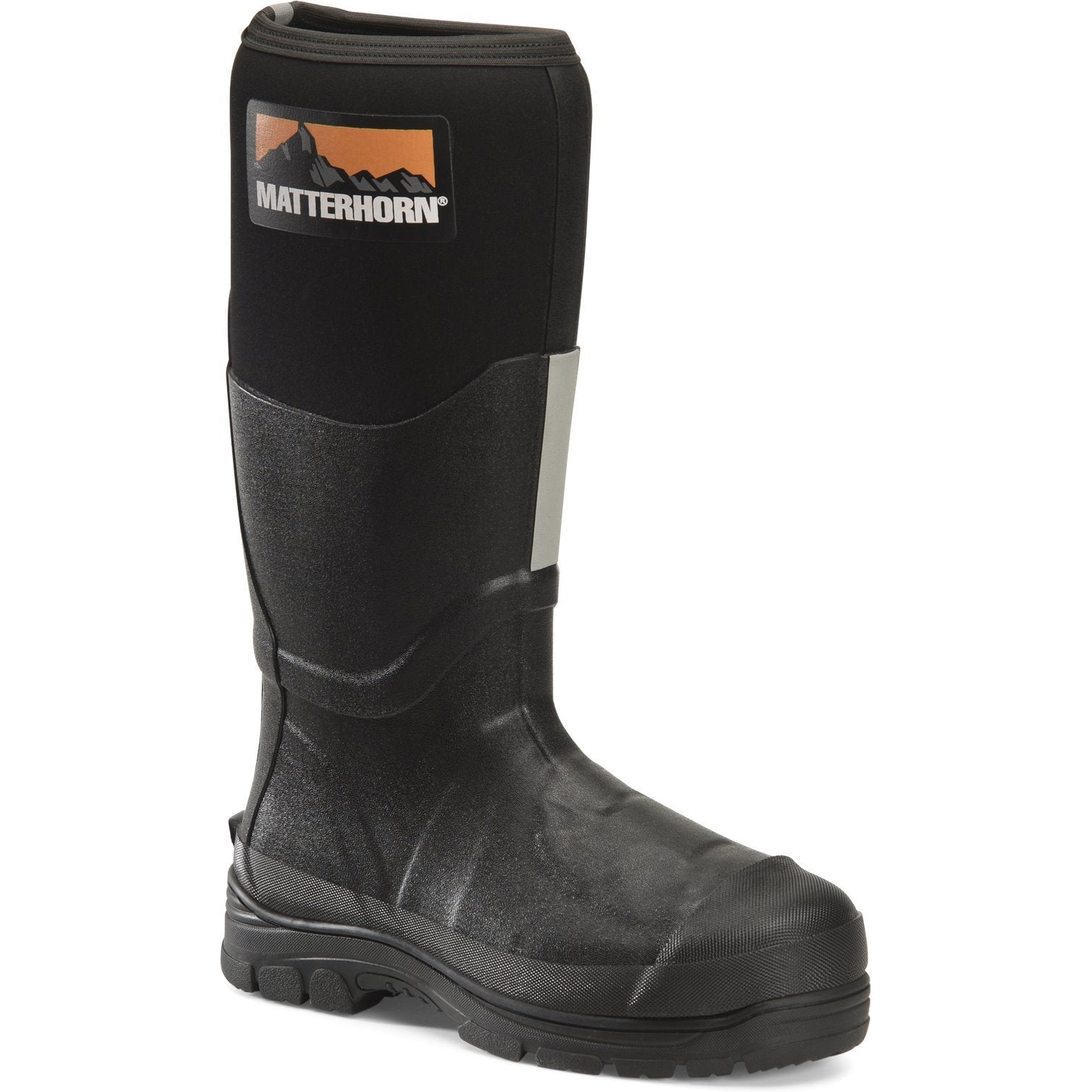
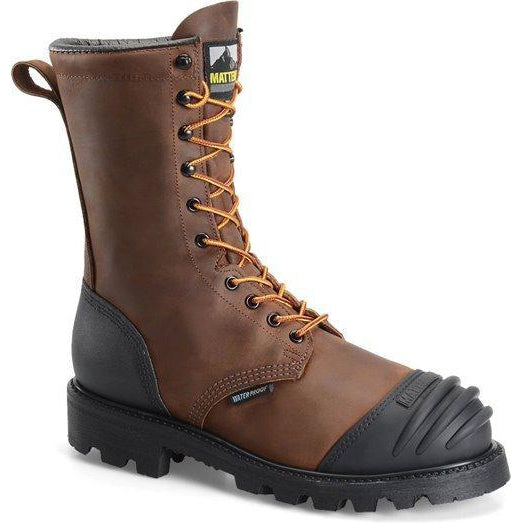
Matterhorn Men's Copper 10" Steel Toe Waterproof Metguard USA Made Work Boot - MT910
Sale price$194.99
Regular price$202.00
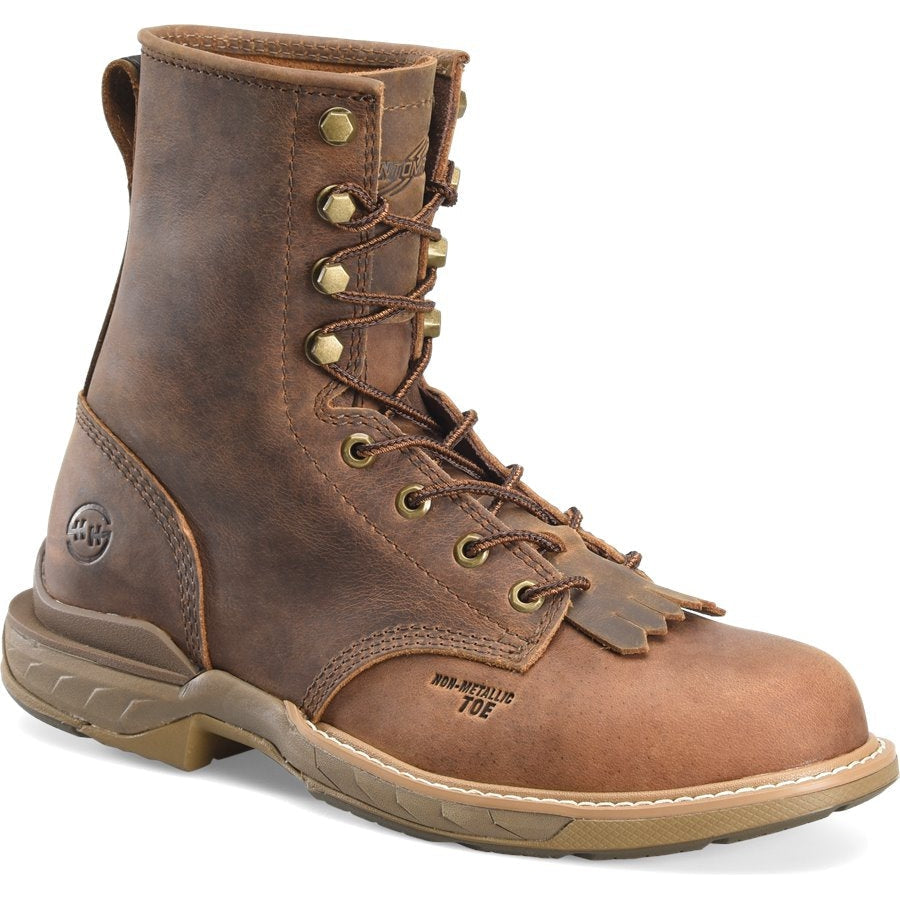
Double H Men's Phantom Rider Raid 8" Composite Toe Lacer Work Boot -Brown- DH5393
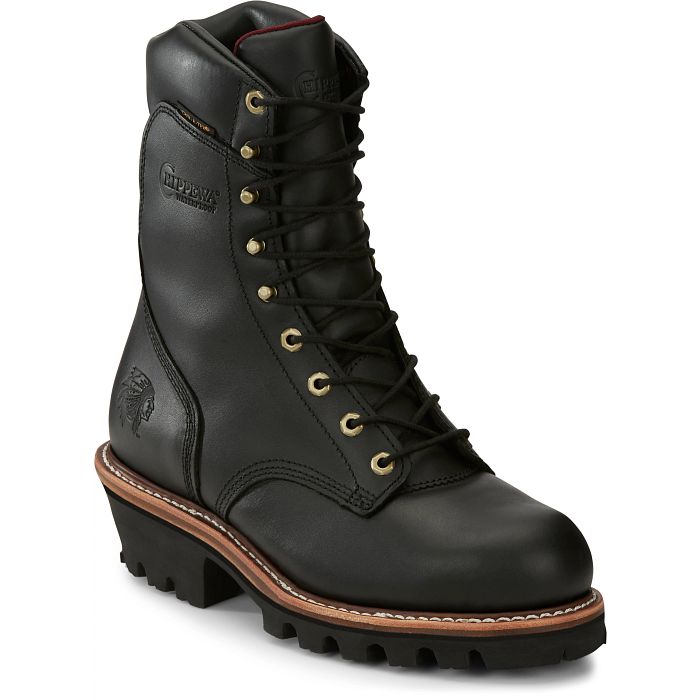
Sale price$319.95
Regular price$331.00
Chippewa Men's Super DNA 9" Steel Toe Waterproof 400G Ins Logger Work Boot - Black - 59410
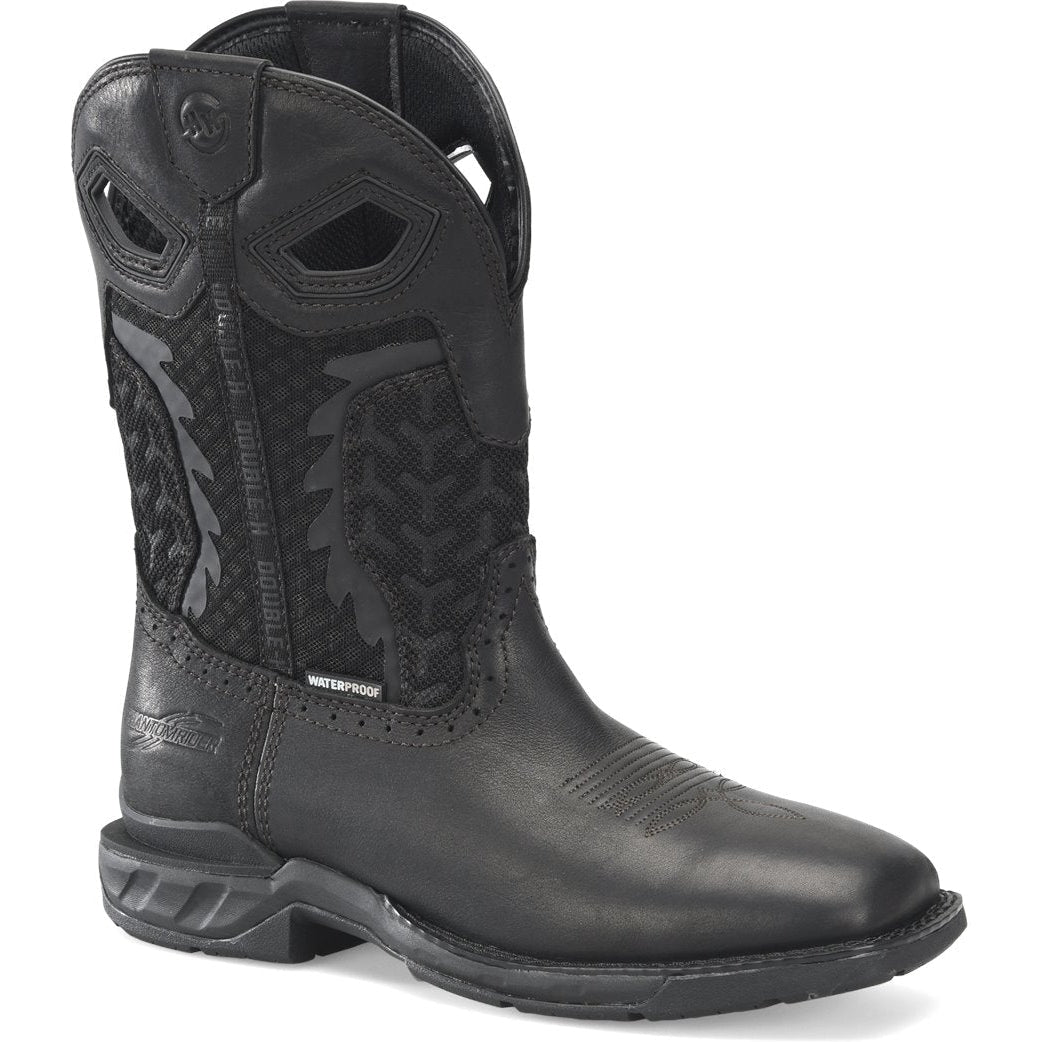
Sale price$189.99
Regular price$198.00
Double H Men's Phantom Rider Shadow 11" Waterproof Roper Work Boot -Black- DH5381
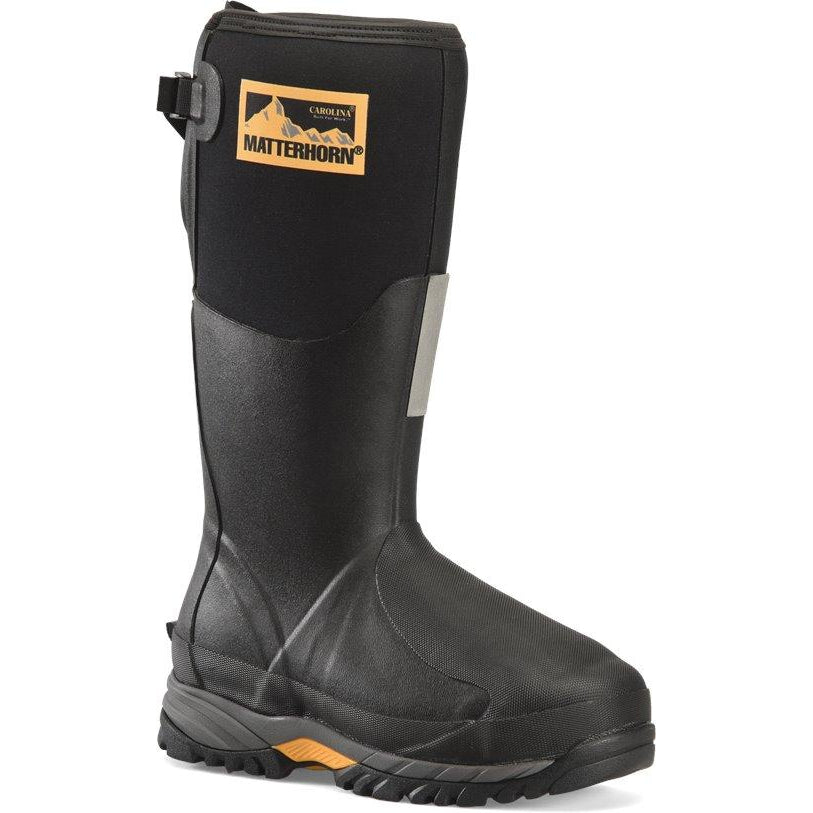
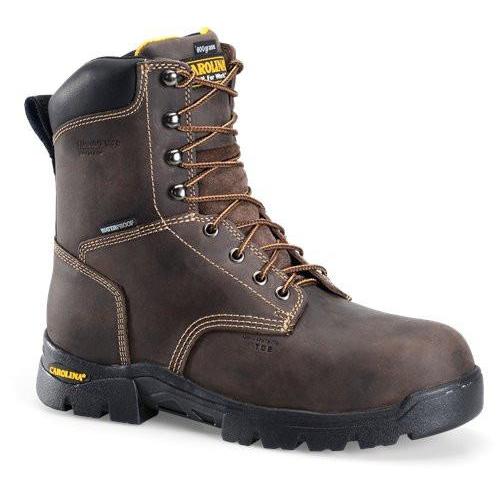
Sale price$164.99
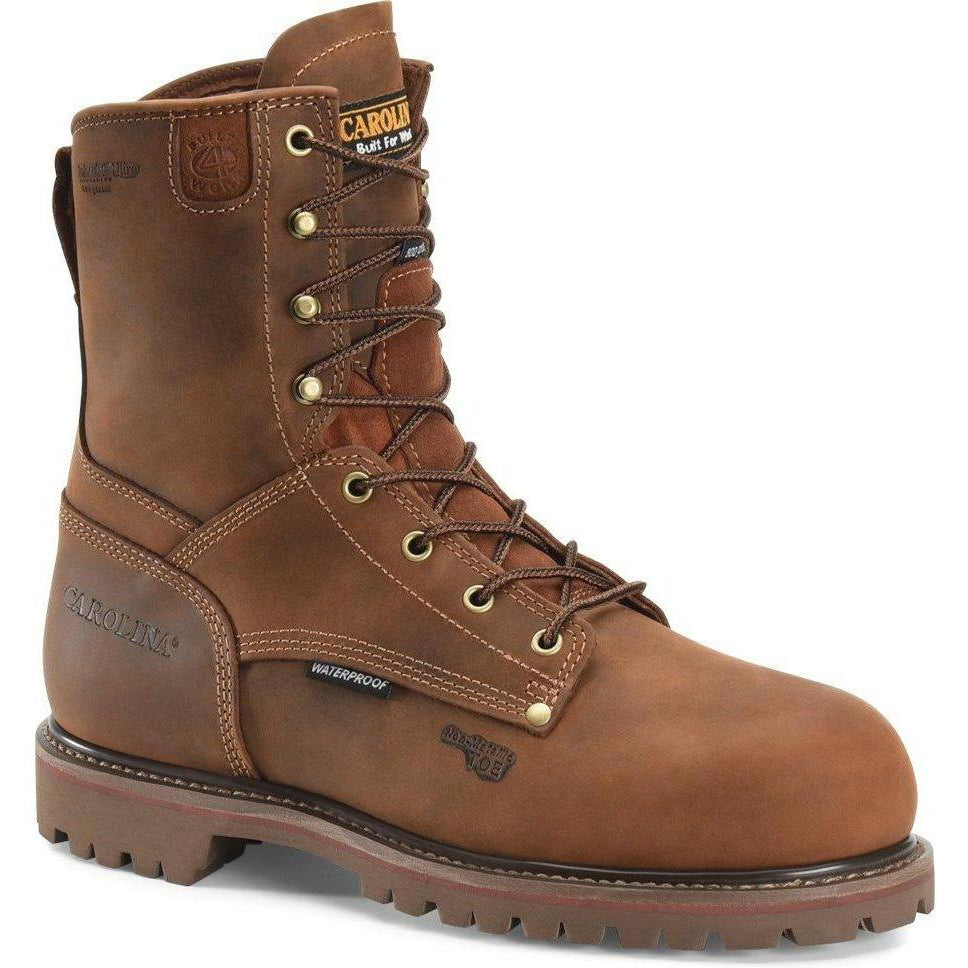
Carolina Men's Circuit Hi 8" Composite Toe Insulated Work Boot - CA3538
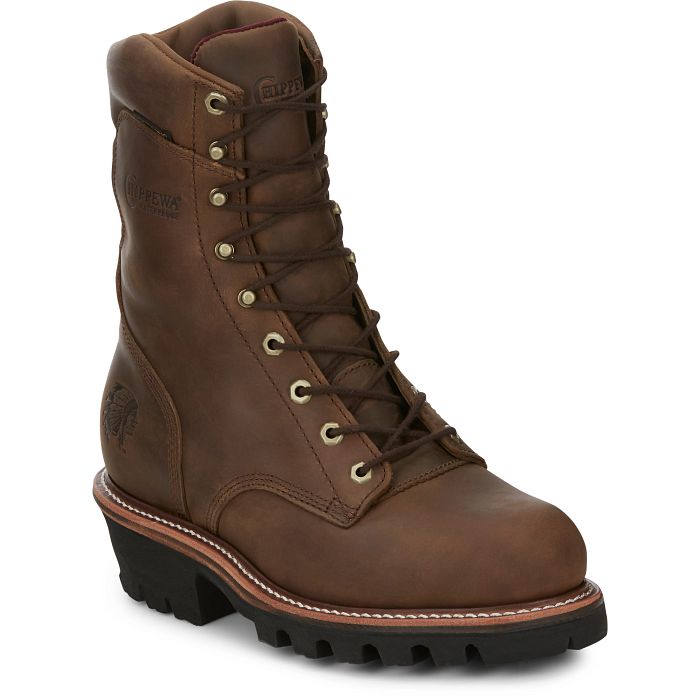
Sale price$319.95
Regular price$331.00
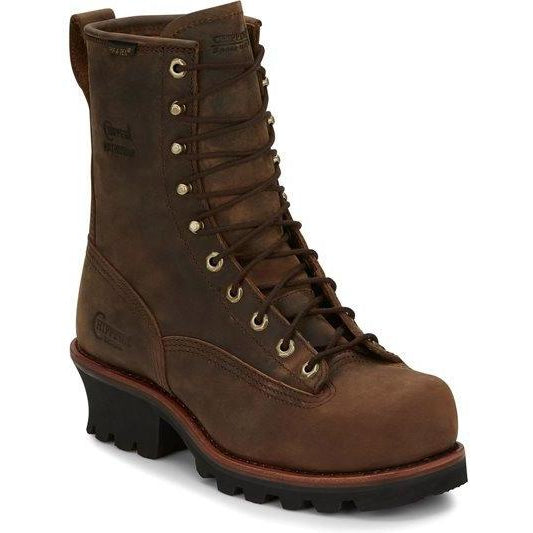
Chippewa Men's 9" Steel Toe Waterproof Ins Logger Work Boot - Brown - 59405
Save 25%
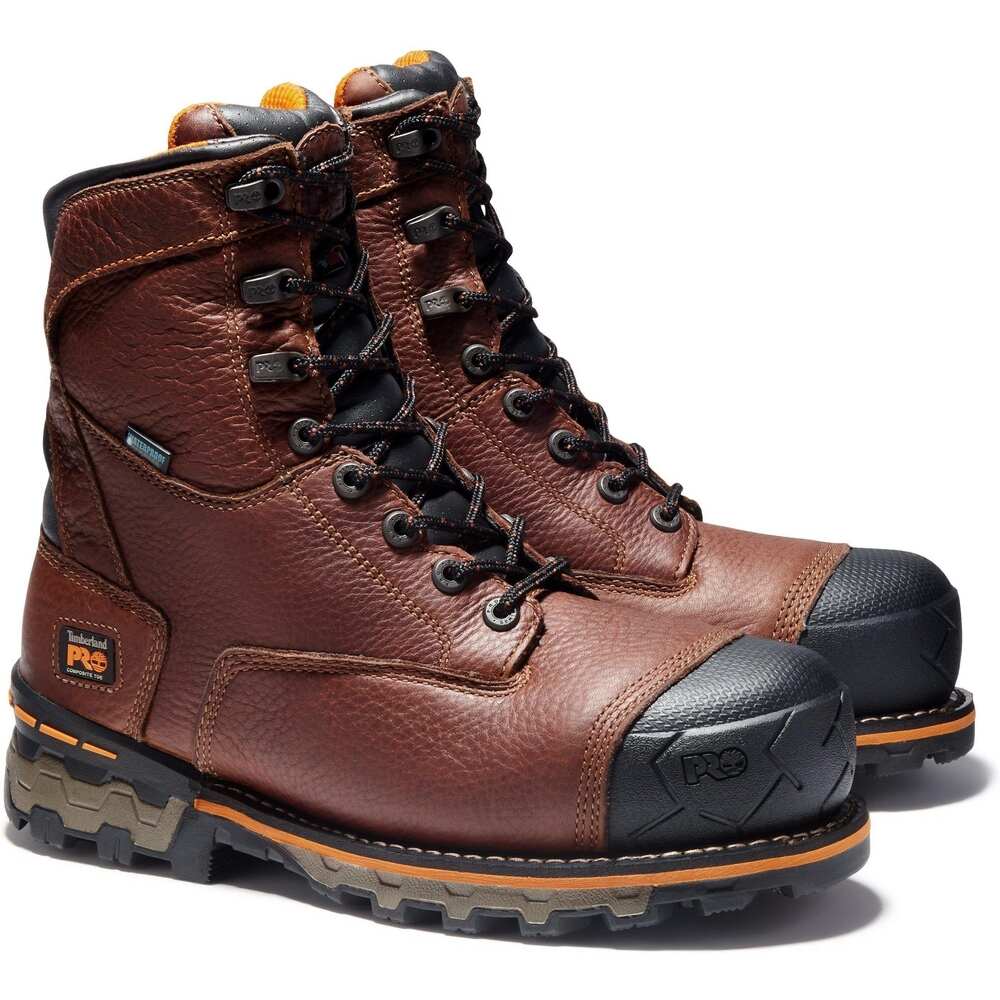
Sale price$199.95
Regular price$265.00
Timberland PRO Men's Boondock 8" Composite Toe Waterproof Ins Work Boot TB189628214
Save 27%
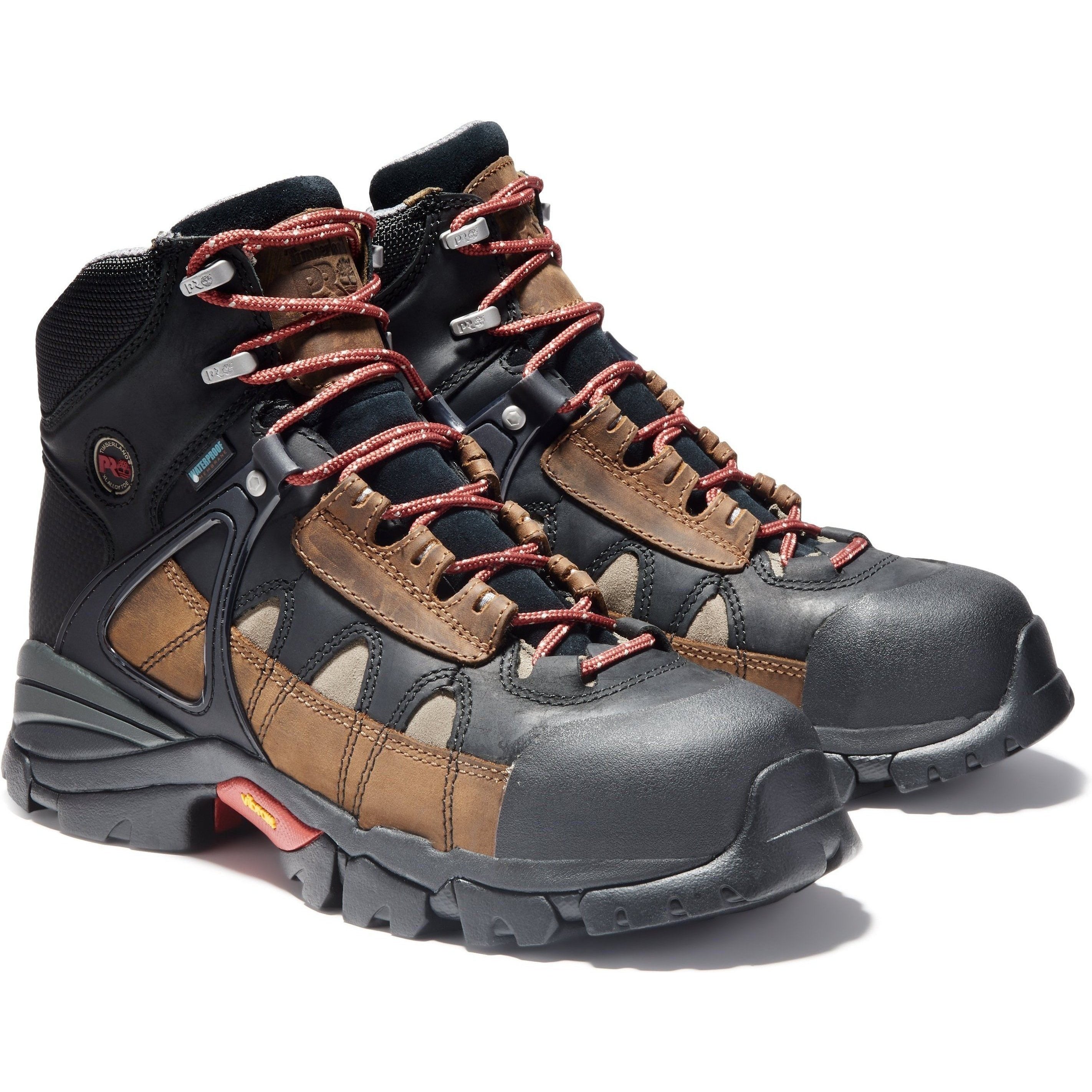
Sale price$157.95
Regular price$215.00
Timberland PRO Men's Hyperion 6" Alloy Toe Waterproof Work Boot - TB190646214
Save 36%
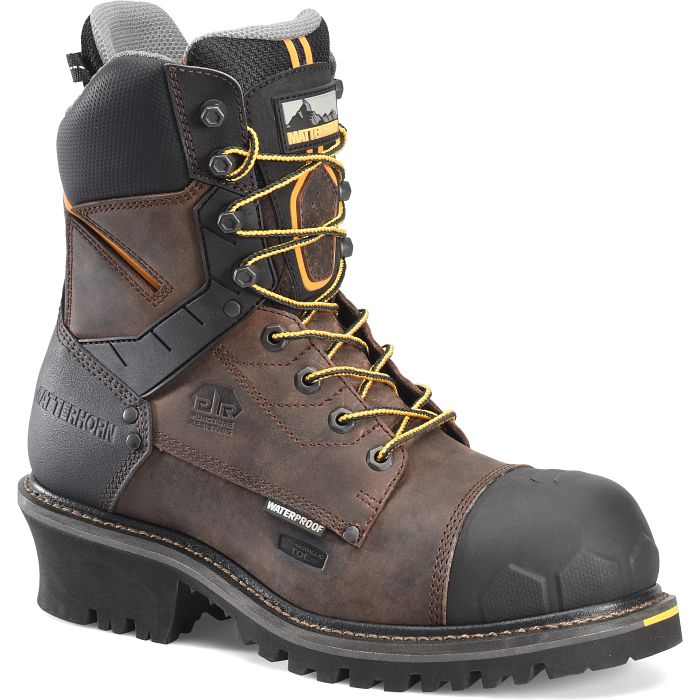
Sale price$147.67
Regular price$232.00
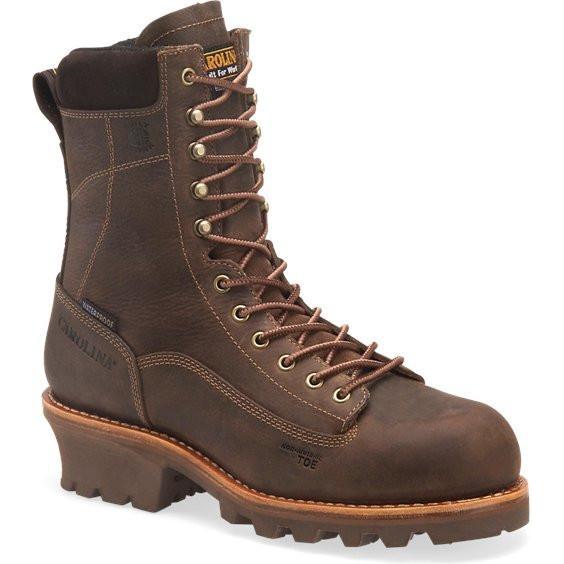
Matterhorn Men's Pr Steadfast 8" Waterproof Composite Toe Logger Work Boot -Brown- MT2558
Save 10%
Sale price$179.95
Regular price$200.00
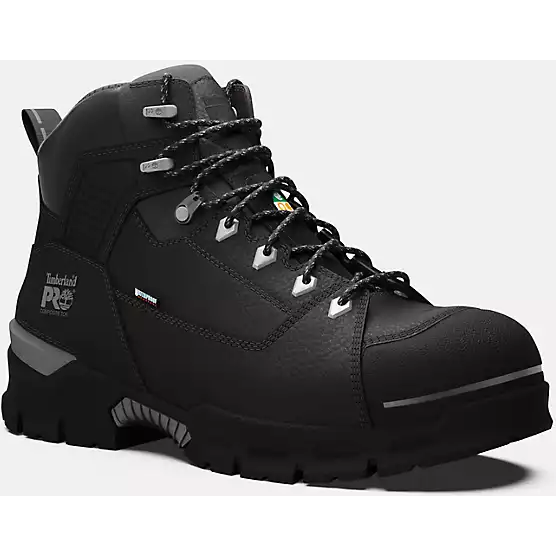
Timberland Pro Men's Endurance Evolution 6" Composite Toe Waterproof Work Boot -Black- TB0A5YYF001
Save 9%
Sale price$339.95
Regular price$372.00
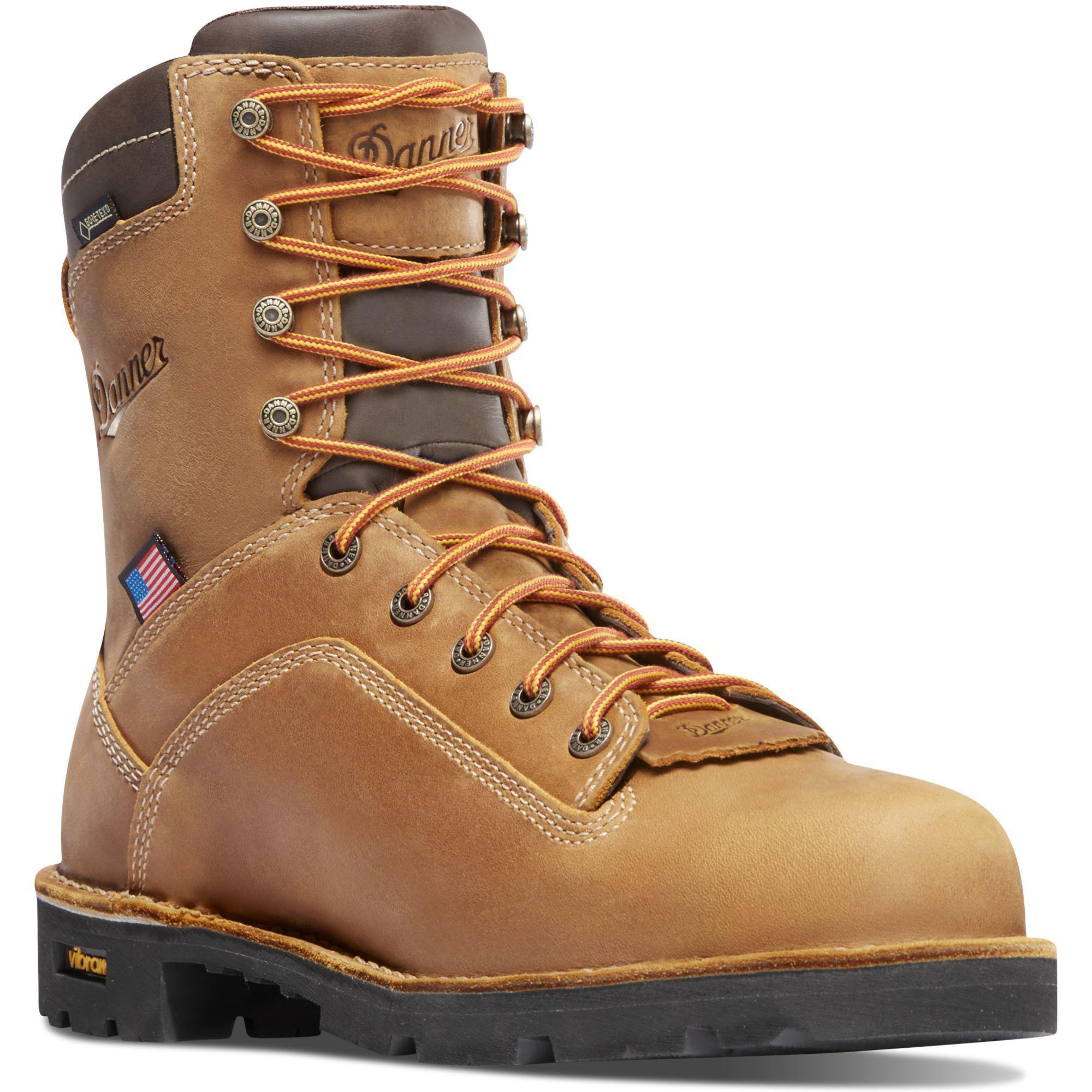
Danner Men's Quarry USA Made 8" Composite Toe Ins Waterproof Work Boot Brown 17321
Save 6%
Sale price$145.00
Regular price$155.00
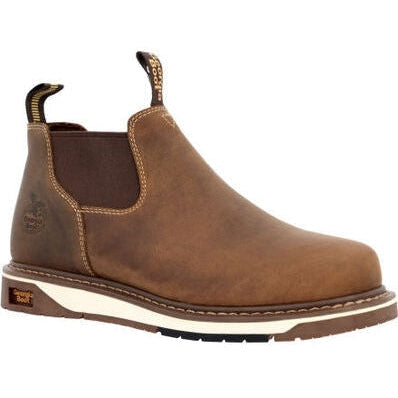
Georgia Men's Boot Amp Lt Wedge 4" Romeo Work Boot - Brown - GB00545
Save 12%
Sale price$420.99
Regular price$480.00
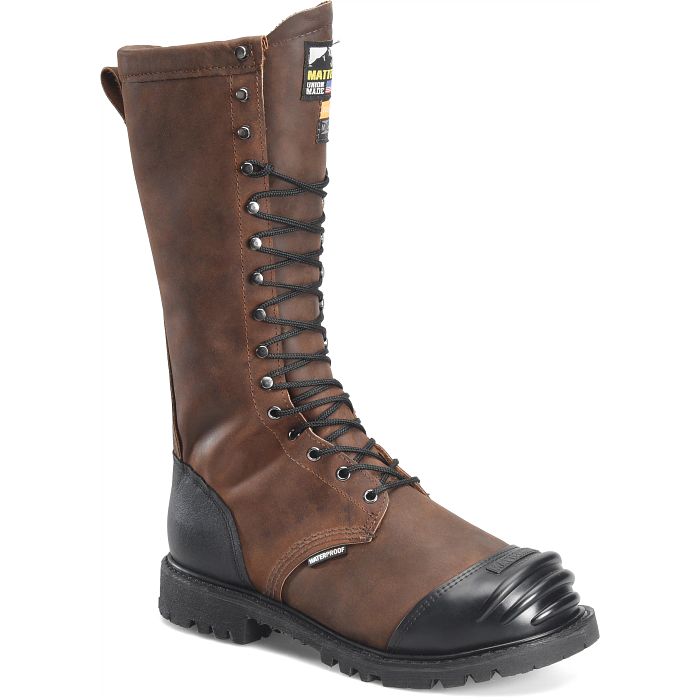
Matterhorn Men's 16" Waterproof Insulated Metguard Work Boot -Brown- MT716
Save 14%
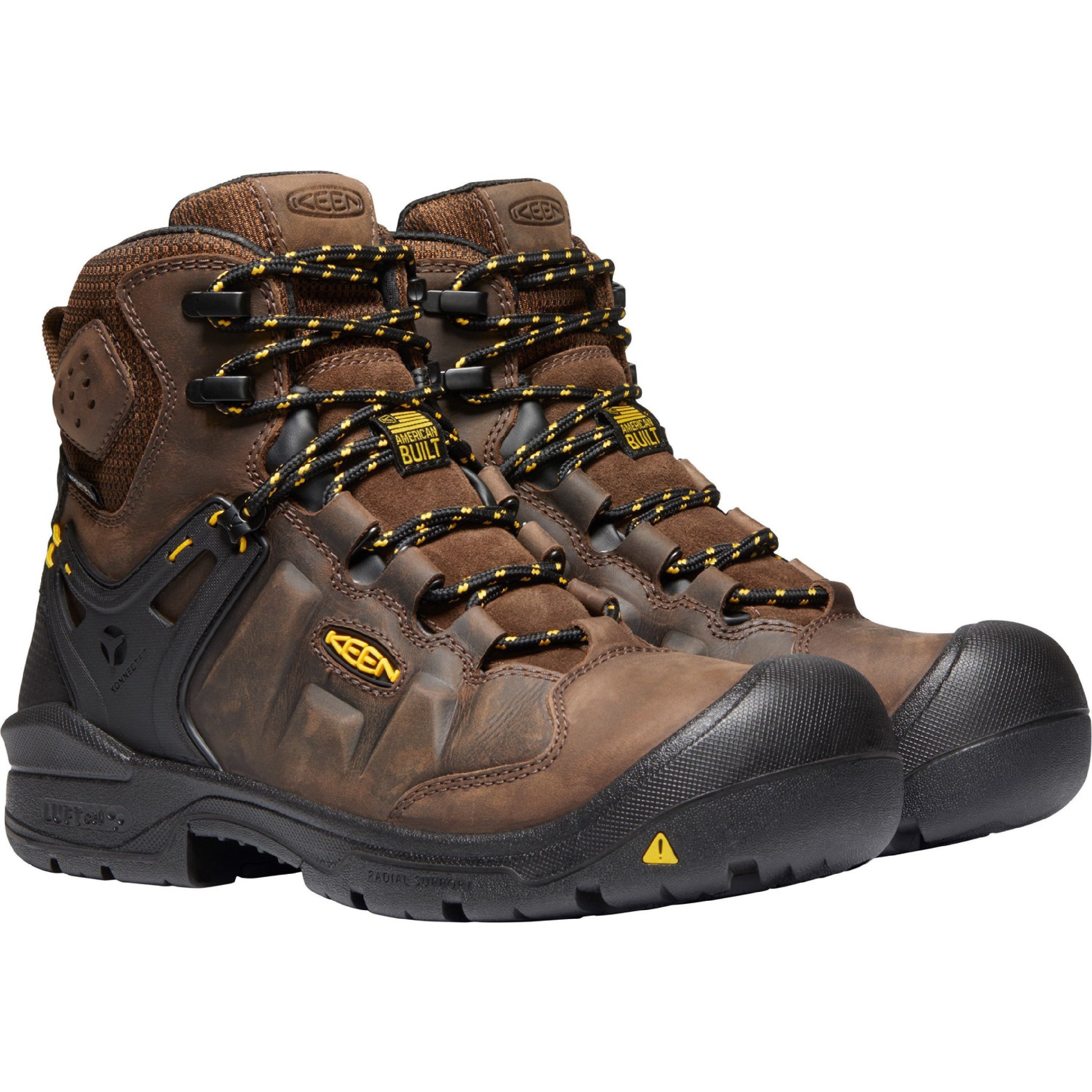
Sale price$202.49
Regular price$234.95
Keen Utility Men's Dover 6" Composite Toe American Built Waterproof Work Boot - Brown - 1021467
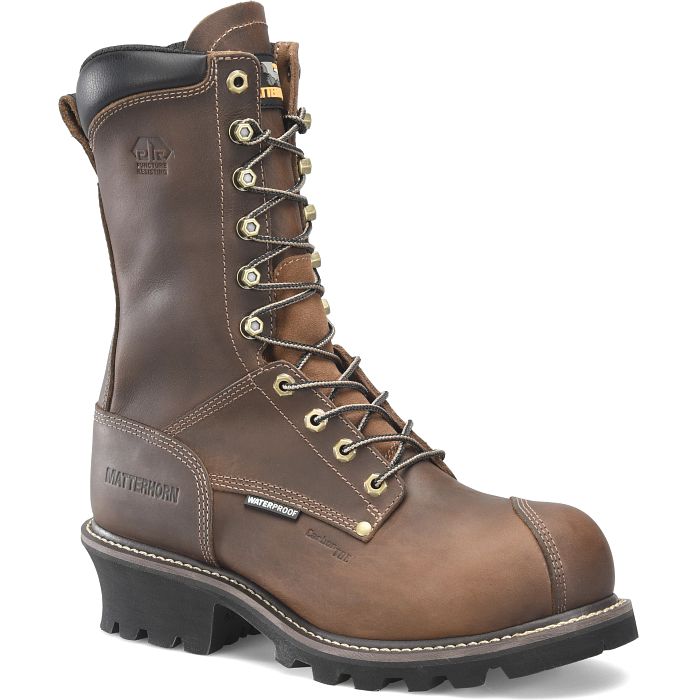
Save 6%
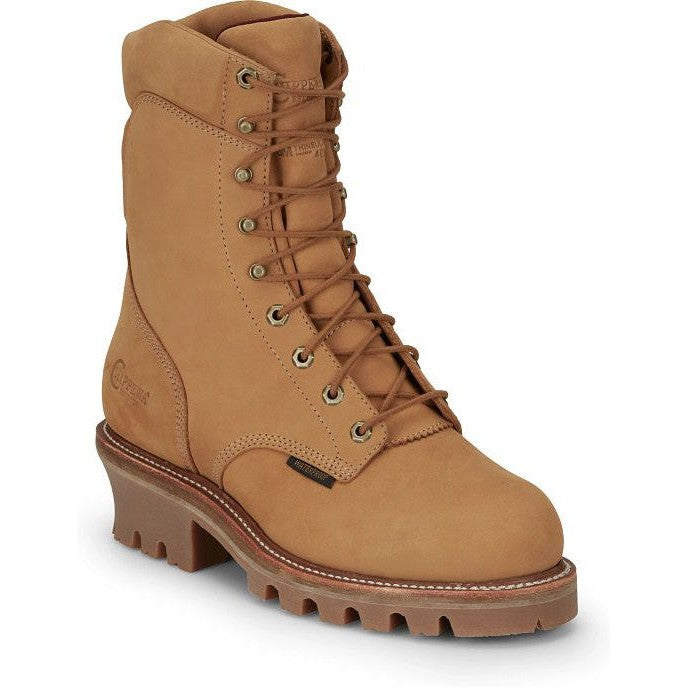
Sale price$319.95
Regular price$339.00
Chippewa Men's Super Dna 9" 400G Insulated Steel Toe Work Boot -Wheat- 59417
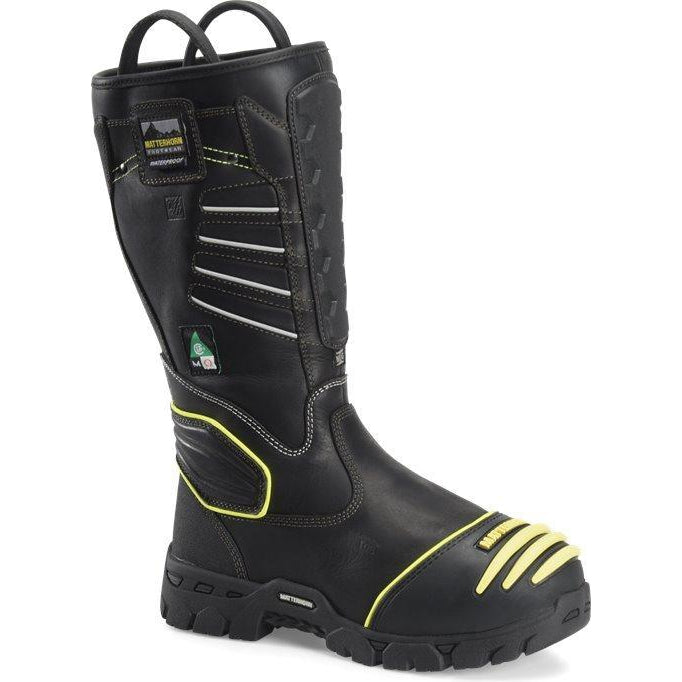
Save 29%
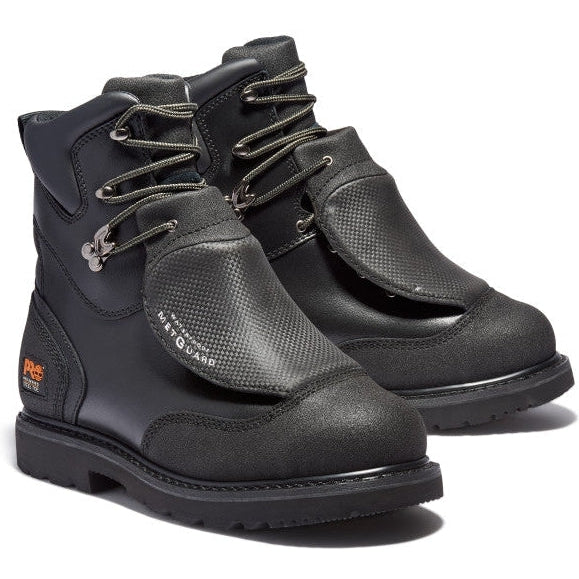
Sale price$169.96
Regular price$240.00
Timberland PRO Men's 8" Steel Toe Waterproof Ext Metguard Work Boot TB153530001
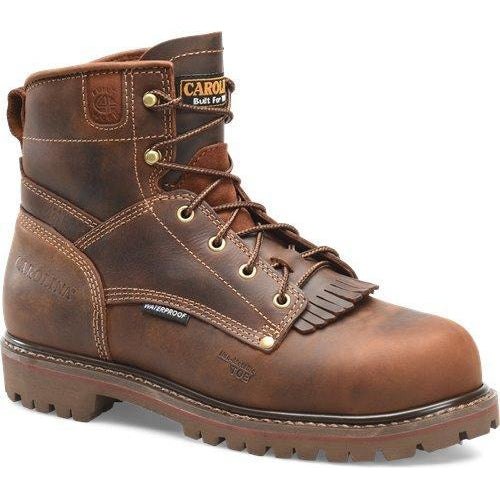
Sale price$219.99
Regular price$224.00
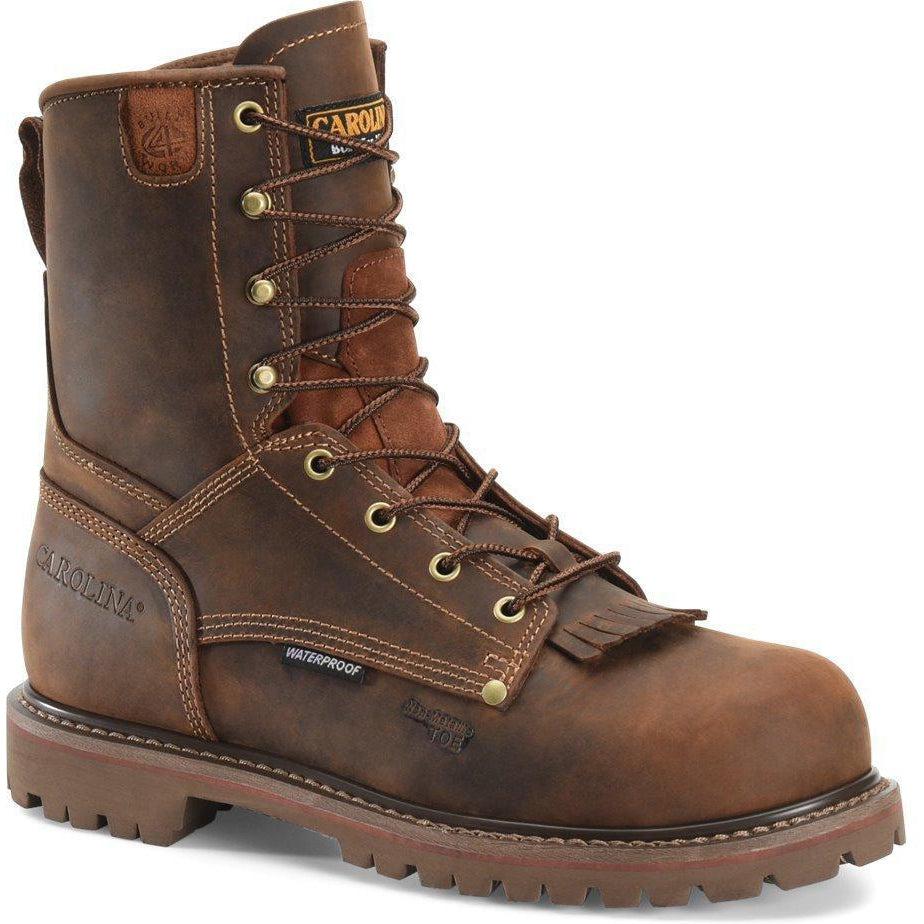
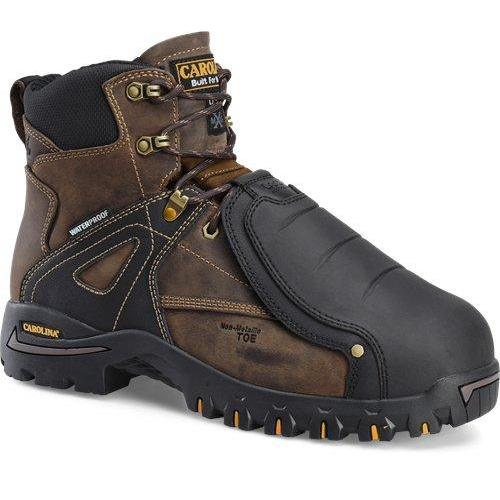
Carolina CA7528 Men's 28 Series 6" Composite Toe Waterproof Work Boot - Brown
Save 17%
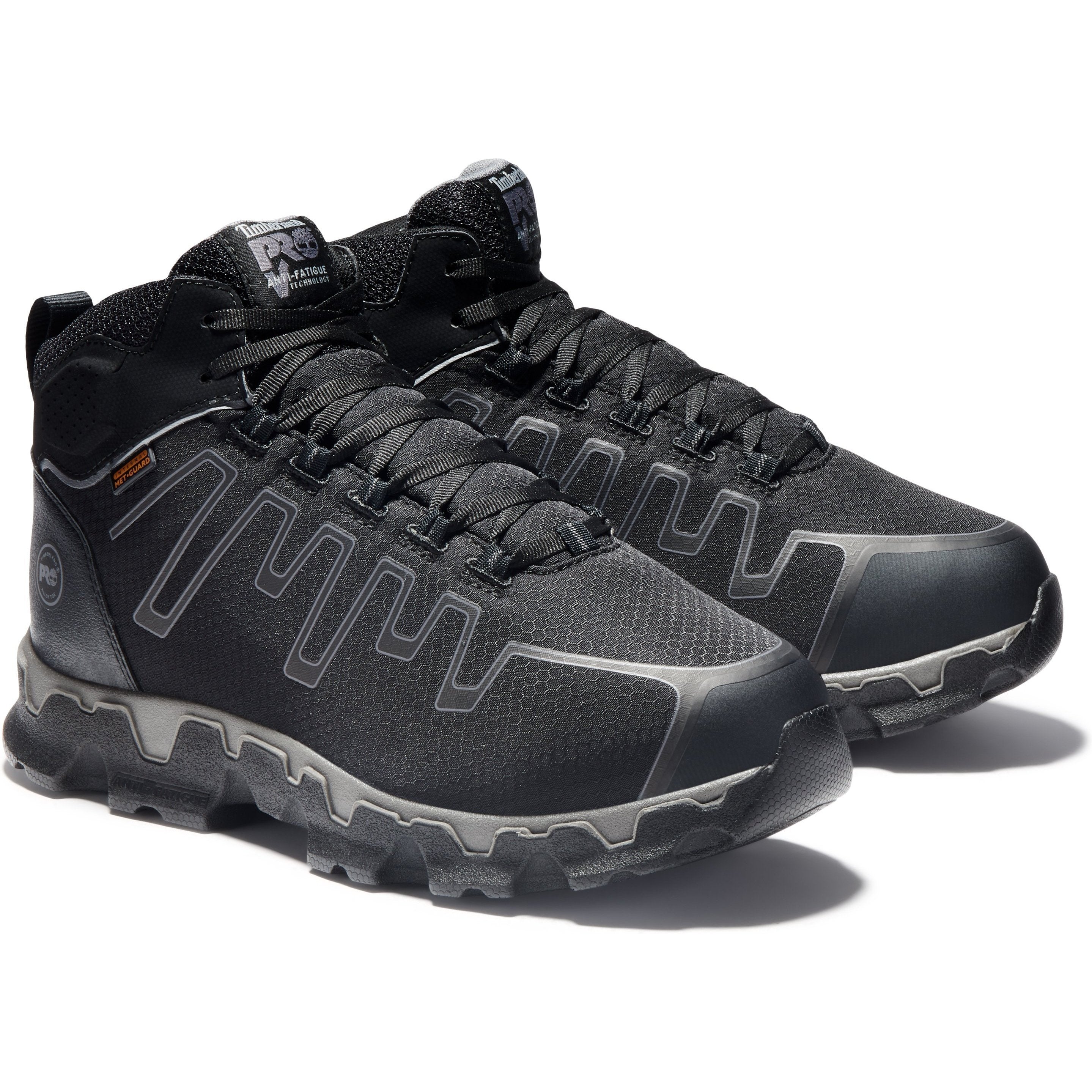
Sale price$127.95
Regular price$155.00
Timberland Pro Men's Powertrain Sport Alloy Toe Internal Met Guard Work Shoe - Black - TB0A1GHM001
Save 14%
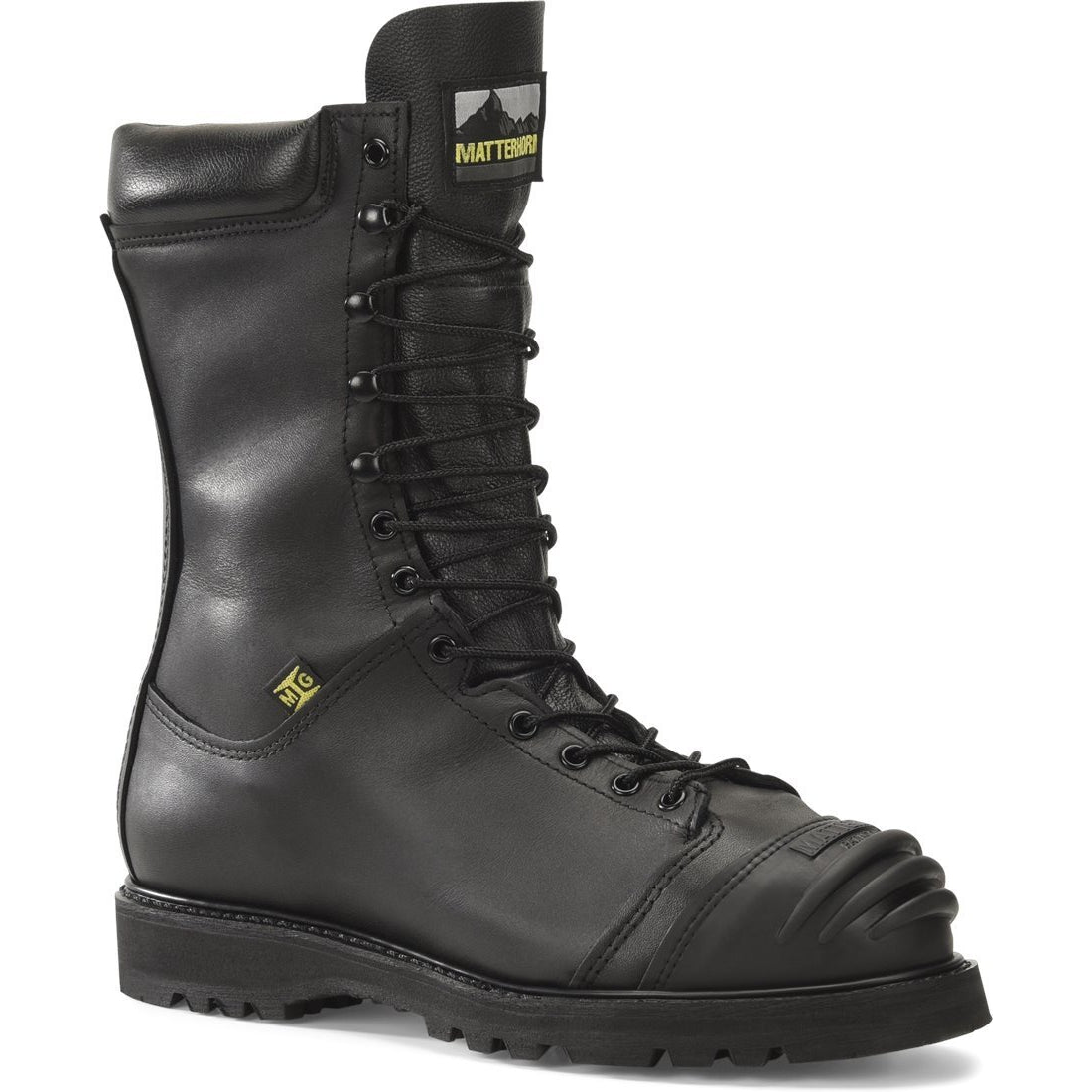
Sale price$398.99
Regular price$466.00
Matterhorn Men's Banksman 10" Steel Toe Waterproof Metguard Puncture Resistant USA Made Work Boot 12255
Frequently Asked Questions
It refers to the outsole and the HRO test, where the sole is held against a hot surface at 572°F for sixty seconds and must not melt, deform, or separate from the boot. That is what a roofer standing on hot asphalt or a welder near a torch table actually needs. It is a property of the rubber compound, so it says nothing about the upper, the lining, or how much heat reaches your foot.
No, and the distinction matters. HRO covers contact with hot surfaces for a limited period. It does not mean the boot is flame resistant, that the upper will not ignite, or that it is rated for structural firefighting or foundry proximity work. Those require entirely different standards and purpose-built equipment. Our NFPA boots range covers fire service footwear specifically.
Standard rubber outsole compounds soften as they heat, which is what causes the tread to deform, the sole to feel greasy underfoot, and eventually the bond between sole and upper to give way. On roofing kettles and fresh asphalt that happens faster than people expect, and the first symptom is usually a sole that feels soft and slippery rather than one that visibly melts.
Roofers working with hot asphalt and torch-down membrane, paving crews on fresh asphalt, welders and fabricators, foundry and metal workers, glass and ceramics production, and anyone around kilns or furnaces. Roofing is the largest single group, because the surface is hot for the entire shift rather than intermittently. See our roofing boots and welding boots ranges.
Not especially, and it is worth being clear about. HRO describes the sole's structural survival against a hot surface, not thermal insulation from that surface, and it says nothing about ventilation. A heat resistant boot on a hot roof will still be warm inside. If summer heat is the problem rather than surface temperature, breathability is the property to shop for. See our summer work boots range.
They help, but the bigger hazard for welders is above the sole rather than under it. Slag and dropped offcuts land on the instep, which is why welding footwear prioritizes a metatarsal guard and a smooth upper without laces or hooks to catch sparks. Heat resistance on the outsole matters if you stand near a hot table. Both together is the right specification for shop welding.
Most HRO-rated outsoles use nitrile or a nitrile-rubber blend rather than standard rubber, because nitrile holds its structure at temperatures where ordinary compounds soften. Vibram and several proprietary brand compounds are also rated. The trade-off is that harder heat-resistant compounds can offer less grip on wet smooth surfaces than a softer rubber would, so check the slip rating alongside it.
Many are, and both come from the outsole, but they are separate ratings and one does not imply the other. In fact they pull against each other slightly, since the harder compounds that survive heat are less naturally grippy than soft rubber. If you need both, look for a boot that states both rather than assuming. Browse the wider slip resistant range.
Look for HRO on the ASTM label inside the boot, alongside the other codes. Marketing copy about heat is not the same as the rating, and a boot described as suitable for hot work may carry no HRO code at all. If your work genuinely involves hot surfaces, check the label on the boot when it arrives rather than relying on the listing.
Shorter than the same boot would last on ordinary ground, because repeated heat cycling hardens and eventually cracks even a rated compound. Roofers commonly get a season out of a pair. Watch the tread and the sole bond rather than the upper, since on this kind of work the sole almost always fails first and the boot is finished when it does.
Recently viewed
Our Top Brands