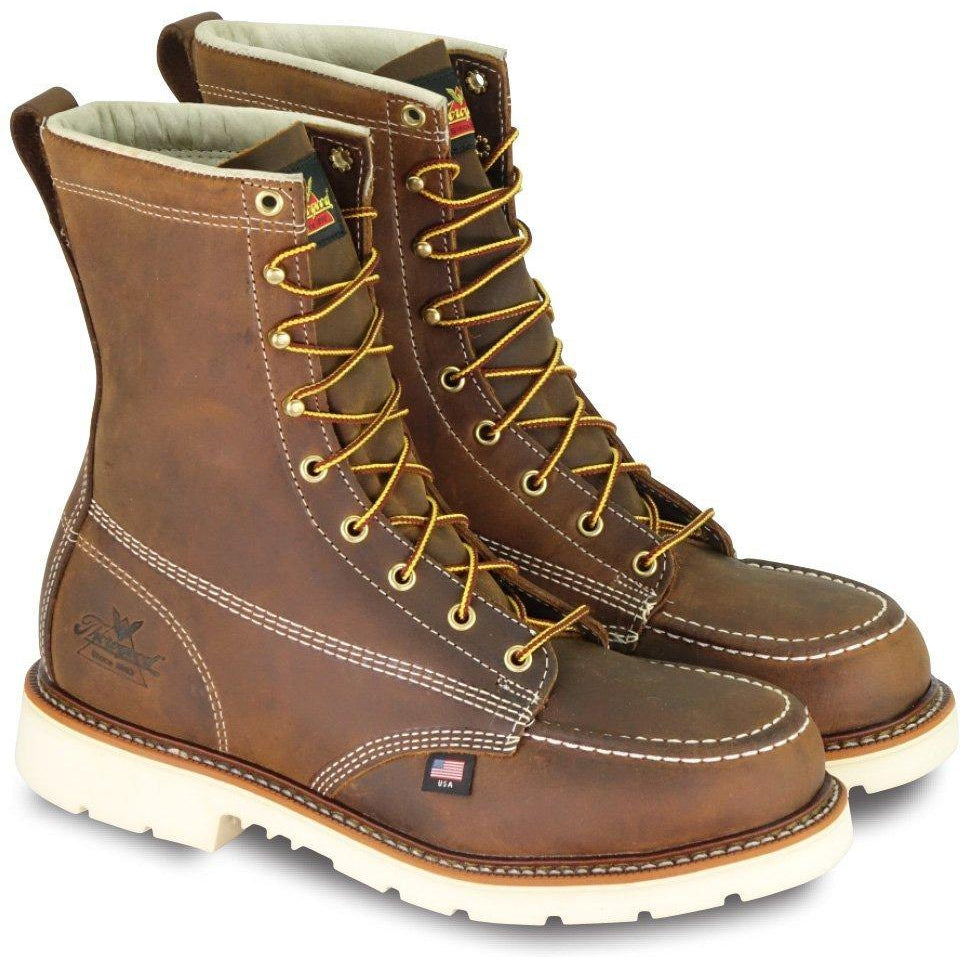
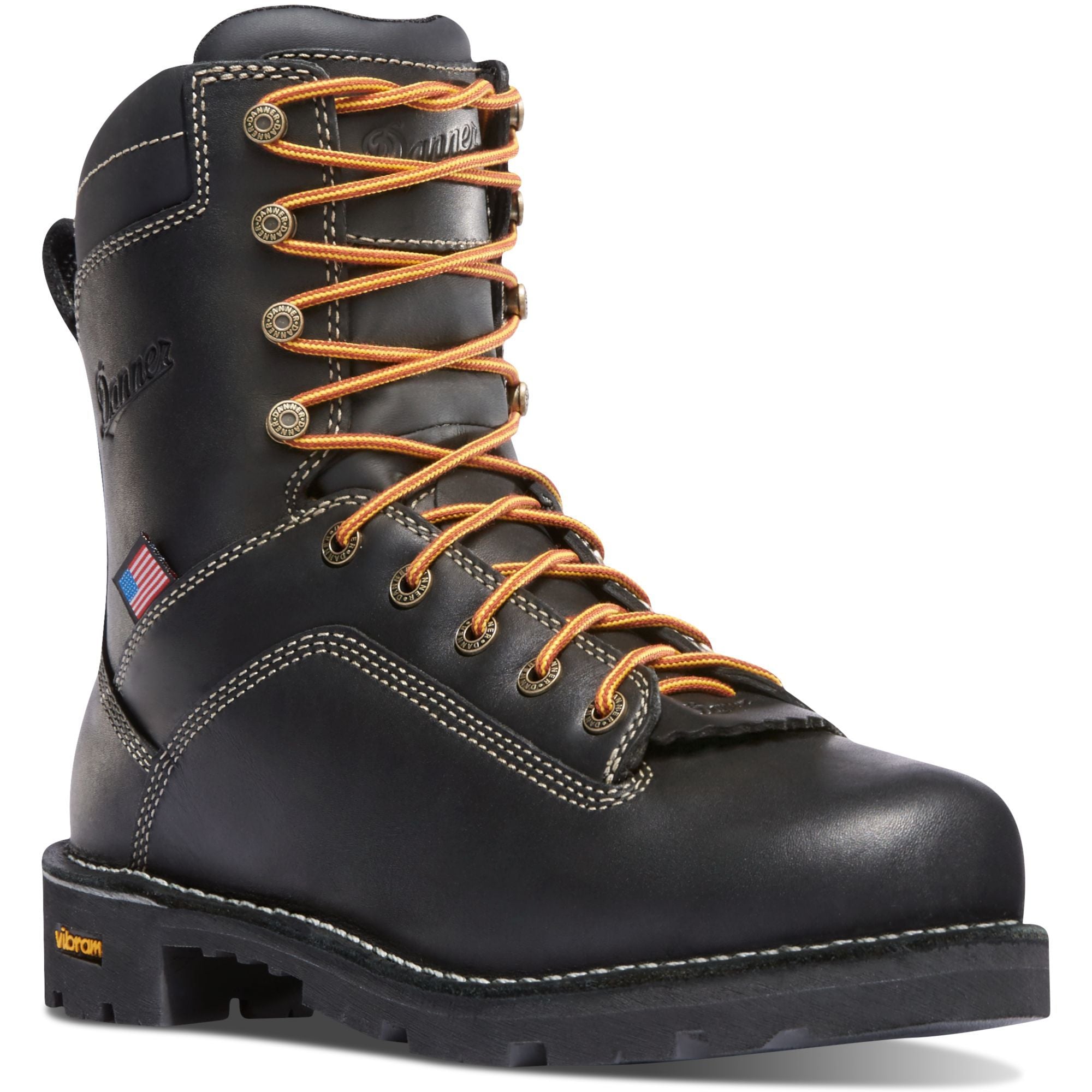
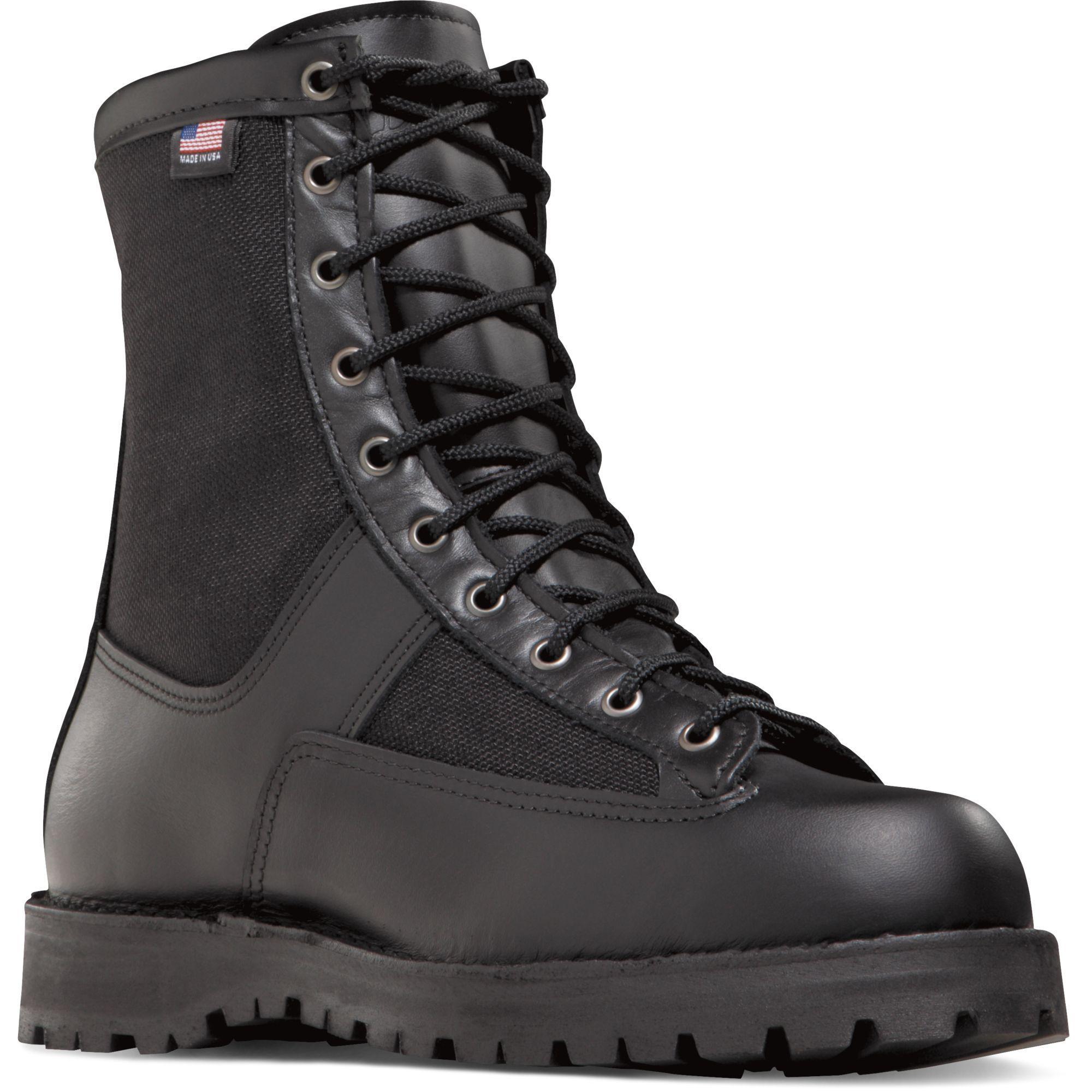
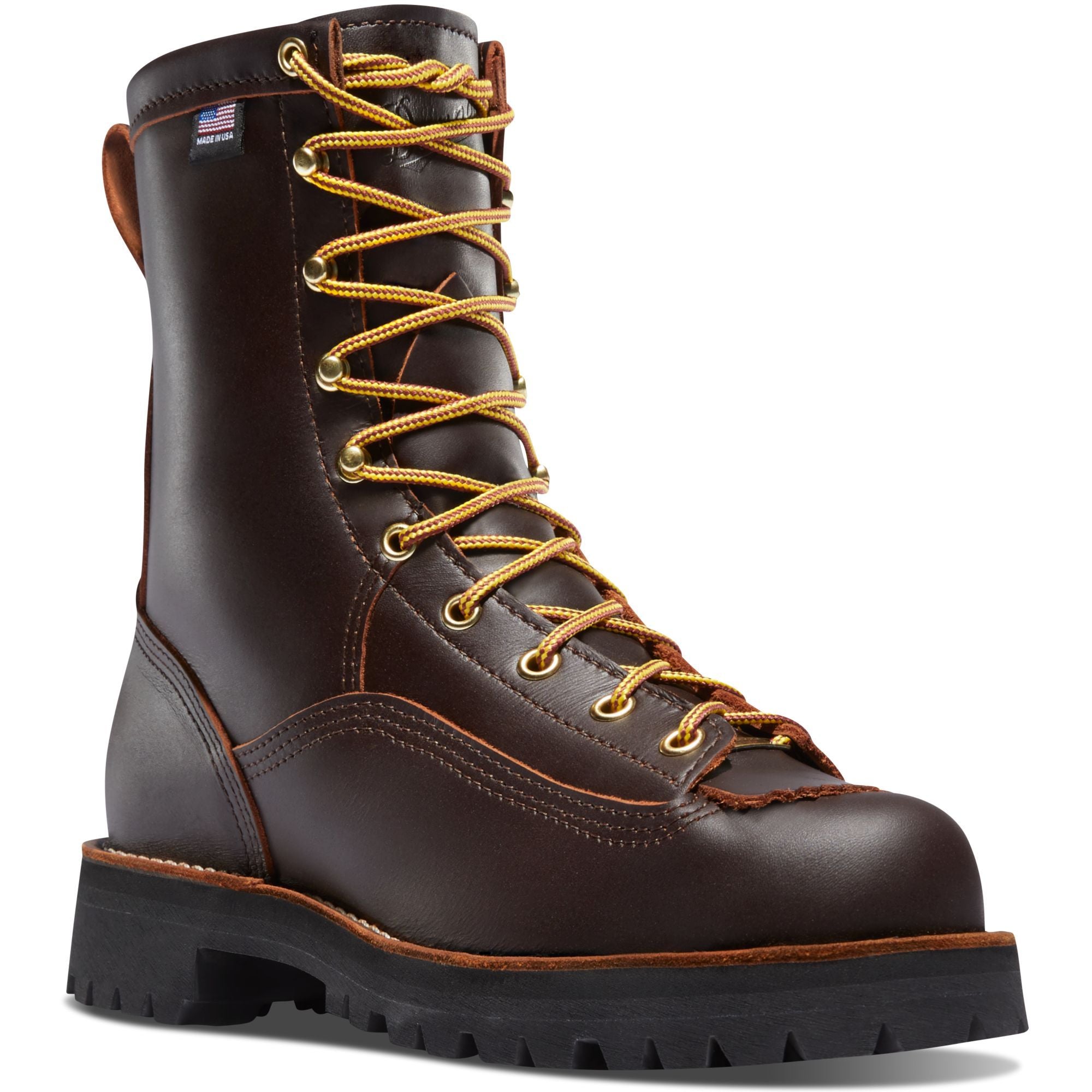
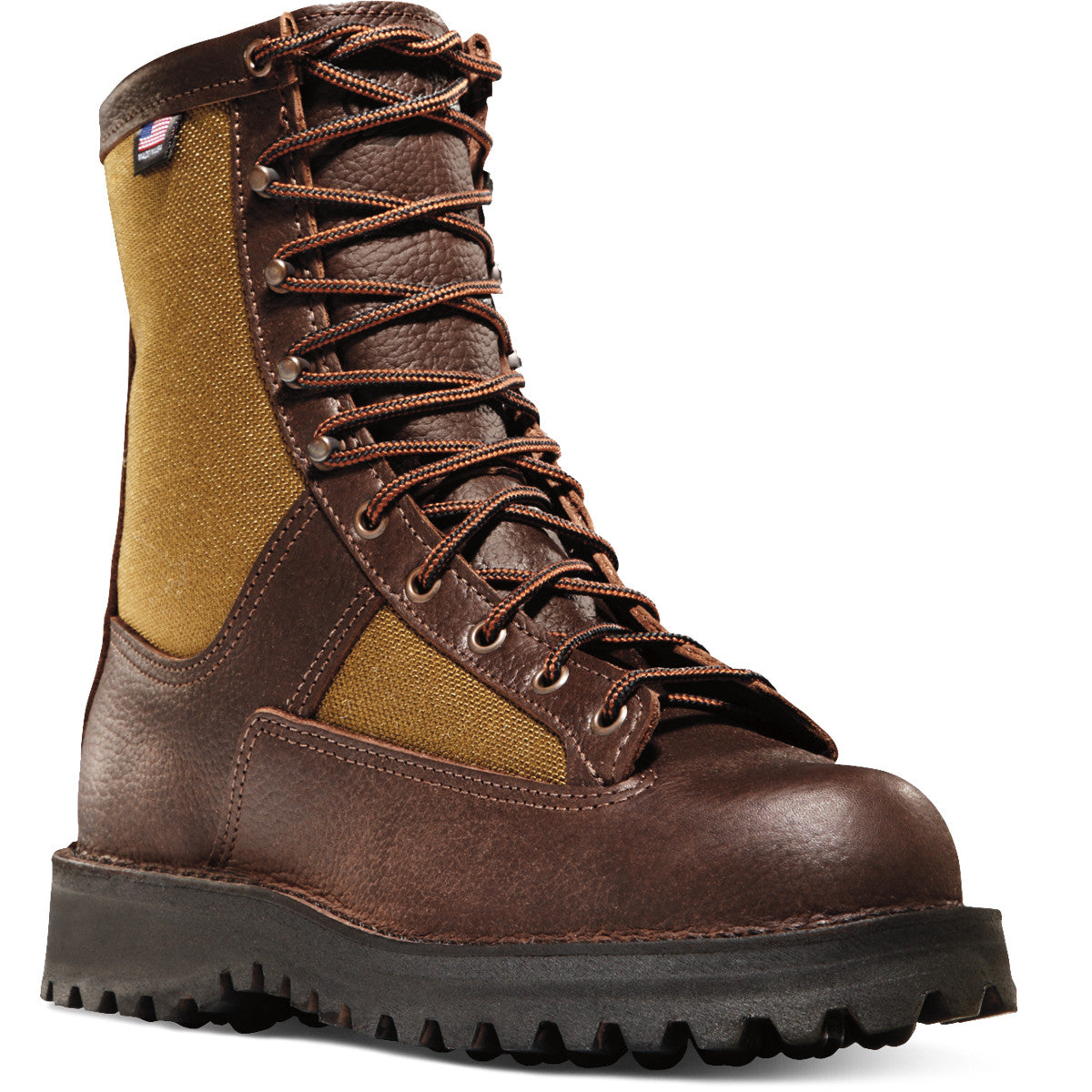
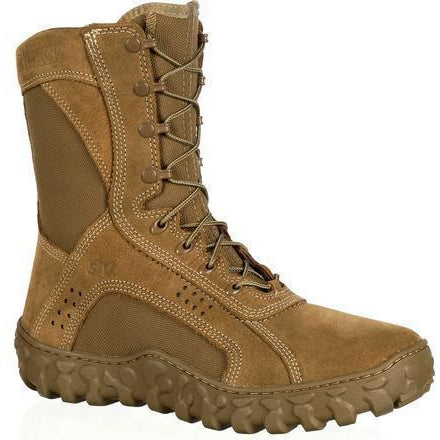

When your jobsite requires domestic sourcing, you cannot afford to rely on guesswork. If you are bidding or working on a federally funded project, your footwear may need to meet strict U.S. manufacturing standards under the Berry Amendment. Browse our Berry-Compliant work boots to find options built for federal contract work.
For contractors, ironworkers, military personnel, and federal jobsite workers, compliance is not optional. It is written into contracts. The wrong pair of boots can create procurement issues, delay approvals, or even put a contract at risk. This guide breaks down what Berry-Compliant boots are, what the Berry Rule requires, and how they compare to non-compliant options. If you are purchasing boots for a government project, this will help you make a confident, compliant decision.
What Are Berry-Compliant Boots?
Berry-Compliant work boots meet strict U.S. government sourcing requirements. They are not just about durability or safety ratings. They are about where the boot is made, where the materials come from, and whether the product qualifies under federal procurement rules. If your contract references the Berry Rule, your boots must meet those standards, not just general “Made in USA” claims.
The Berry Amendment Explained
The Berry Amendment is a federal law that requires certain goods purchased by the U.S. Department of Defense to be manufactured in the United States using domestic materials.
This law was enacted to protect the American supply chain and ensure that military-grade sourcing remains within the country. Footwear is included. If a project is funded by the Department of Defense or tied to federal procurement rules, compliance becomes a contractual requirement, not a preference.
What “Berry-Compliant” Actually Means for Work Boots
A boot labeled “assembled in the USA” does not automatically qualify as Berry compliant. That is one of the most common points of confusion buyers run into.
For a Berry-compliant work boot to meet Berry standards:
-
The materials must be sourced domestically.
-
The manufacturing process must occur in the United States.
-
The final assembly must take place in the U.S.
If key components such as leather, soles, or hardware are imported, the boot may fail compliance even if it carries a Made in USA label. That distinction matters on regulated job sites.
Who Typically Needs Berry-Compliant Footwear?
Berry-compliant footwear is typically required for:
-
Federal contractors
-
Military personnel
-
Ironworkers and tradespeople on government-funded infrastructure projects
For example, an ironworker assigned to a federally funded bridge project may be required to wear compliant ironworker boots that meet both sourcing and safety standards. Many crews look to purpose-built ironworker boots designed for structural steel work that also satisfy federal compliance requirements.
If the contract calls for it, there is no workaround.
[prc-collections-carousel]
What Makes a Boot Berry-Compliant? (Requirements Breakdown)
Understanding the requirements upfront prevents expensive mistakes later. Compliance is not just about the country of assembly. It is about full traceability across the supply chain.
Domestic Manufacturing Requirements
To qualify under Berry standards, berry compliant work boots must be manufactured in the United States using domestically sourced materials. That often includes:
-
U.S.-tanned leather
-
Domestically produced outsoles
-
American-based stitching and finishing
Manufacturers must be able to certify the sourcing chain. During procurement checks or audits, documentation may be required. Without proof, compliance cannot be assumed.
Safety Certifications Still Apply
Berry compliance does not replace safety standards. It works alongside them.
Most regulated job sites still require boots that meet ASTM F2413 for impact and compression resistance. That can include:
-
Steel toe protection
-
Composite toe alternatives
-
Electrical hazard ratings
-
Slip-resistant outsoles
Many contractors choose ASTM-rated steel-toe boots designed for industrial safety to ensure both job-site protection and sourcing compliance.
Compliance footwear must meet both safety and sourcing requirements.
Documentation and Traceability
If you are supplying boots for a government contract, documentation matters.
Manufacturers should provide:
-
Compliance certification statements
-
Clear sourcing disclosures
-
Model-specific qualification details
This paperwork protects you from project disruptions in the event of an audit.
Berry Compliant Work Boots vs Non-Berry-Compliant Boots
This comparison is where many buyers get tripped up. Performance and compliance are not always the same thing.
Manufacturing Origin Differences
The primary difference is sourcing.
A boot made overseas may meet OSHA and ASTM safety standards. It may perform well. It may last for years on the jobsite. But if it uses imported materials or foreign manufacturing, it cannot qualify as a Berry-compliant work boot for federal contracts. Eligibility is determined by origin, not comfort, not durability, not brand reputation.
Cost vs Compliance Considerations
Berry-compliant boots are often slightly more expensive due to domestic production costs.
However, on a federal project, the real cost is non-compliance. Wearing non-compliant boots can lead to:
-
Contract violations
-
Failed inspections
-
Replacement purchases mid-project
For contractors, compliance is risk management. It protects long-term project stability.
Performance Is Not the Only Factor
A non-compliant steel-toe boot may still meet safety standards and be perfectly acceptable on private-sector jobsites.
Many workers rely on dependable professional-grade work boots for daily jobsite wear when federal sourcing rules are not in play.
But if your contract specifically requires Berry compliance, performance alone is not enough. The sourcing must qualify.
Compliance Is Part of the Job
When your jobsite requires compliance, guessing is not an option. The right boots protect your feet and your contract.
Berry-Compliant work boots ensure you meet federal sourcing standards while maintaining the safety features required in demanding environments. If you are working on a government-funded project, take the time to verify the details.
Explore our Berry compliant work boots to find durable, American-made options built for contract work, industrial safety, and long-term performance. Work confidently knowing your boots meet both safety and sourcing requirements.
Frequently Asked Questions
Can I Wear Berry-Compliant Boots on Non-Federal Jobsites?
Berry-compliant boots can be worn on any jobsite, public or private. There is no restriction on using them outside federal projects. In fact, many contractors prefer them year-round because they are American-made and built to strict sourcing standards. The only difference is that federal contracts may require them, while private jobs do not.
Will My Employer or Project Manager Ask for Proof of Compliance?
On federally funded projects, it is common for employers, safety officers, or procurement teams to request documentation. This can include manufacturer certification or model-level compliance confirmation. If your contract references the Berry Amendment, having boots that can be verified protects you from being asked to replace them mid-project.
Are Berry-Compliant Boots Heavier or Less Comfortable?
Compliance relates to sourcing, not weight or design. Berry-compliant work boots can still feature wedge soles, cushioned insoles, composite toes, and shock-absorbing midsoles. Comfort depends on the model, not the compliance category. Many American-made options are specifically built for long hours on concrete and steel.