Save 15%
Sale price$190.65
Regular price$225.00
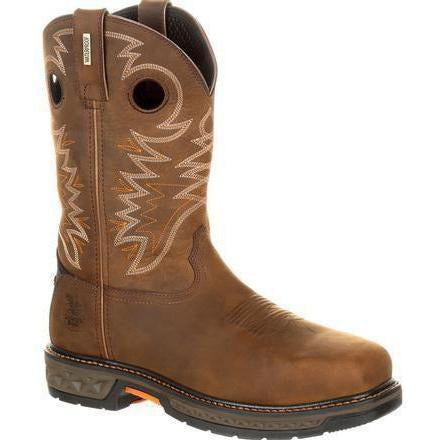
Georgia Men's Carbo-Tec 11" Lightweight Alloy Toe Waterproof Pull-On Western Work Boot GB00224
Save 7%
Sale price$135.00
Regular price$145.00
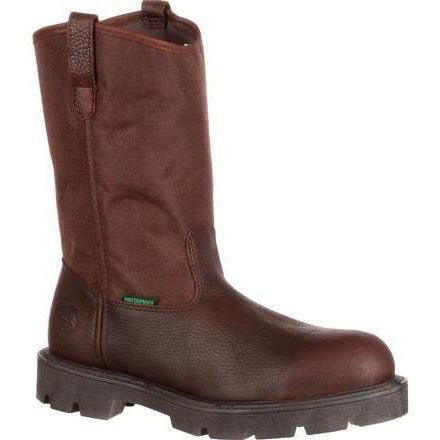
Georgia Men's Homeland Steel Toe Waterproof Wellington Work Boot - Brown - G111
Save 5%
Sale price$180.00
Regular price$190.00
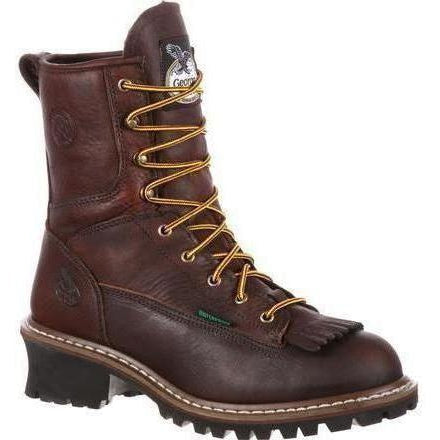
Georgia Men's 8" Steel Toe Waterproof Logger Work Boot - Brown - G7313
Save 5%
Sale price$175.00
Regular price$185.00
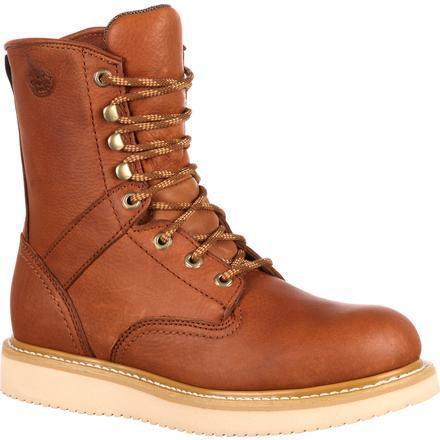
Georgia Men's 8" Wedge Steel Toe Work Boot - Brown - G8342
Save 12%
Sale price$181.35
Regular price$205.00
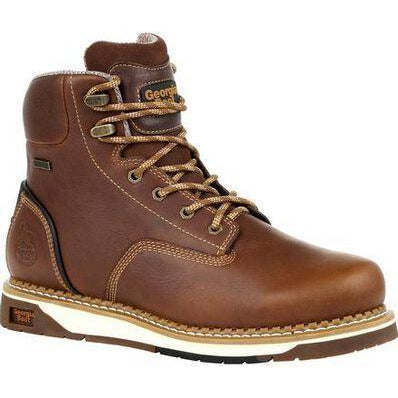
Georgia Men's Amped Lightweight Wedge Steel Toe WaterproofWork Boot - Brown - GB00351
Save 5%
Sale price$180.00
Regular price$190.00
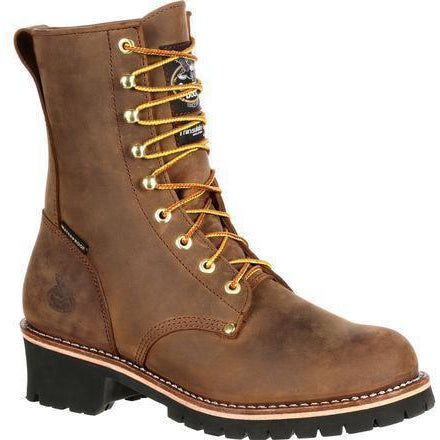
Georgia Men's 8" Waterproof Steel Toe Insulated Logger Work Boot - Brown - GB00065
Save 7%
Sale price$223.20
Regular price$240.00
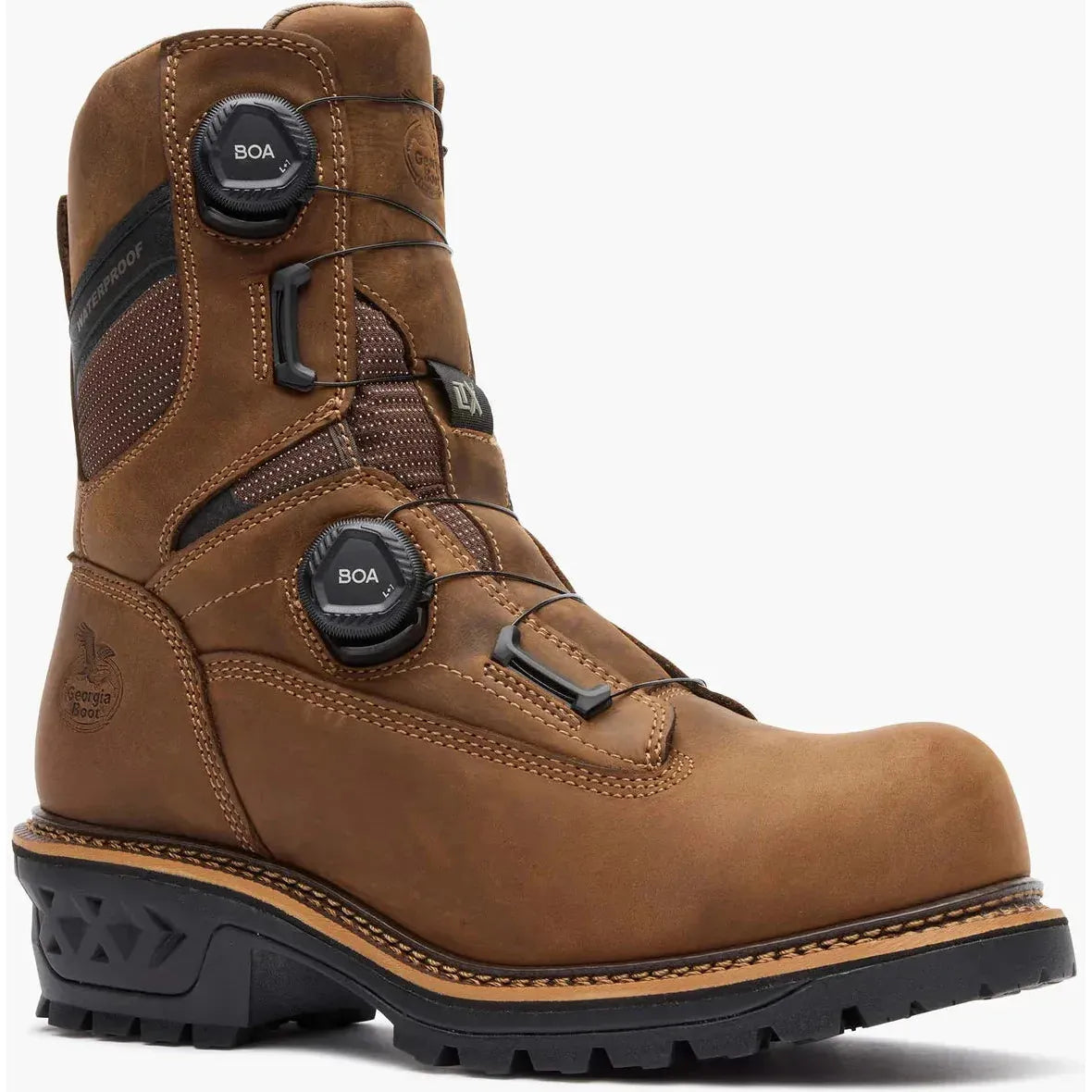
Georgia Men's LTX Logger 9" Comp Toe Waterproof BOA Work Boot- Brown- GB00732
Save 7%
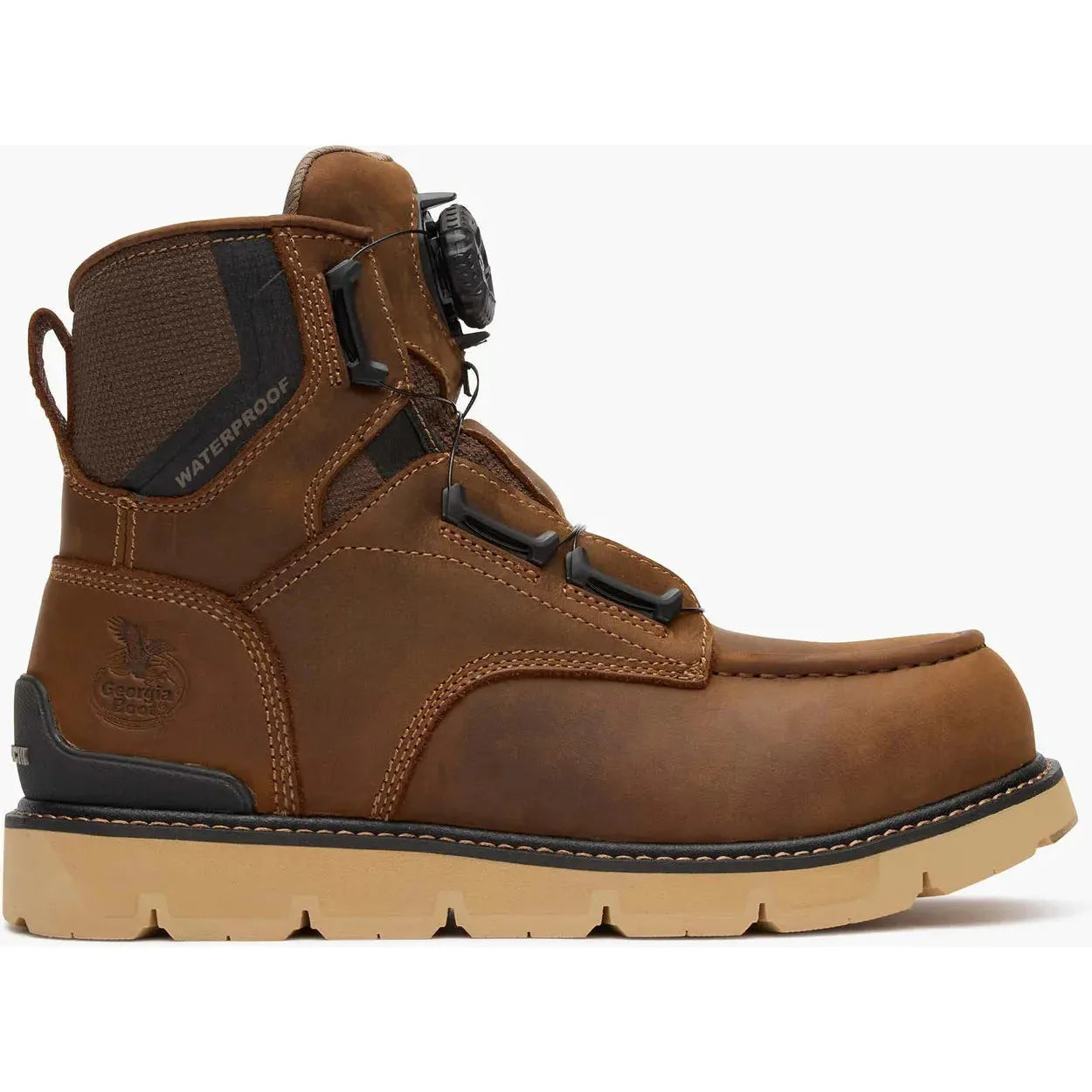
Sale price$195.30
Regular price$210.00
Georgia Men's Carbon Flex 6" Moc Toe Waterproof Wedge Work Boot- Brown- GB00729
Save 14%
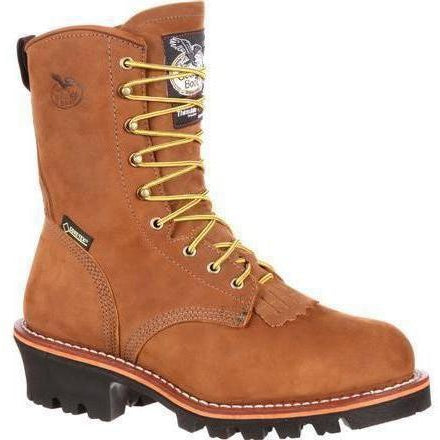
Sale price$246.45
Regular price$285.00
Georgia Men's 8" Steel Toe Waterproof Insulated Logger Work Boot - Brown - G9382
Save 17%
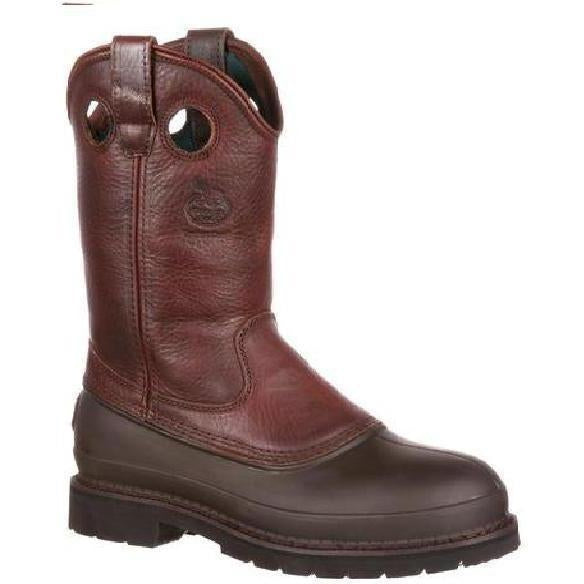
Sale price$153.64
Regular price$185.00
Georgia Men's Muddog Steel Toe Wellington Waterproof Work Boot - Brown - G5655
Save 12%
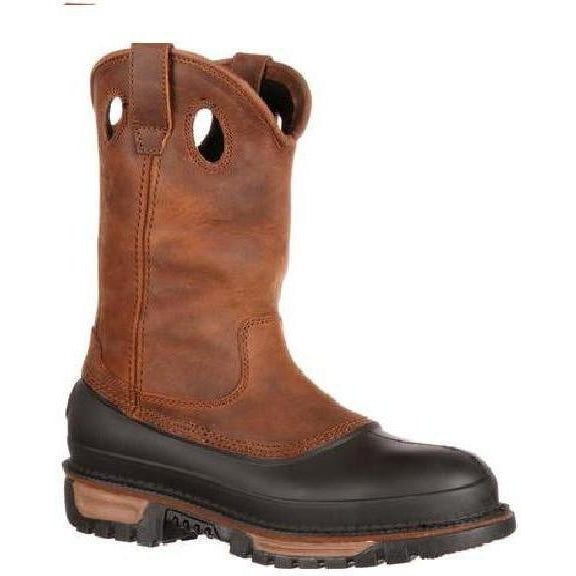
Sale price$172.05
Regular price$195.00
Georgia Men's Muddog Steel Toe Wellington Waterproof Work Boot - Brown - G5594
Save 6%
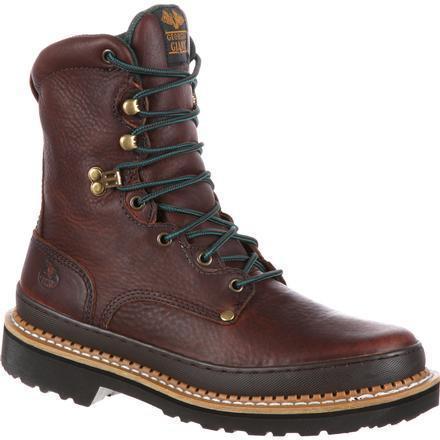
Sale price$155.00
Regular price$165.00
Georgia Men's Giant 8" Steel Toe Work Boot - Brown - G8374
Save 7%
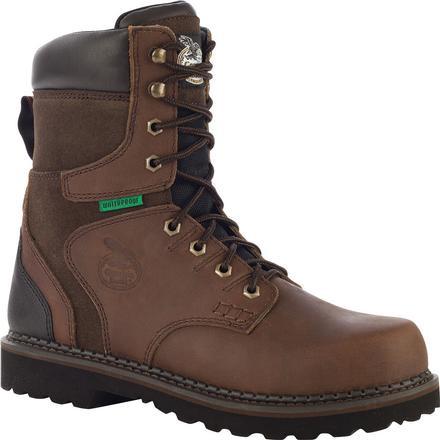
Sale price$140.00
Regular price$150.00
Georgia Men's Brookville 8" Steel Toe Waterproof Work Boot - Brown - G9334
Save 6%
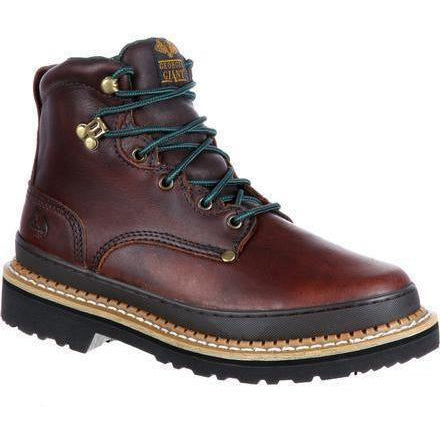
Sale price$145.00
Regular price$155.00
Georgia Men's Giant 6" Steel Toe Work Boot - Brown - G6374
Save 6%
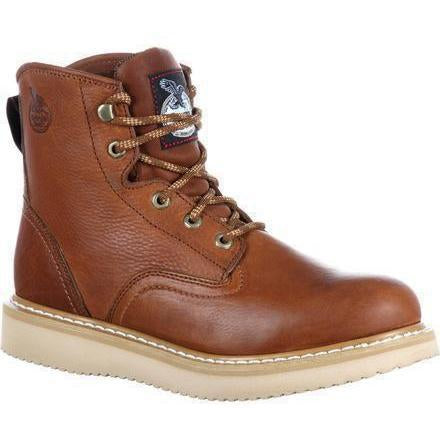
Sale price$160.00
Regular price$170.00
Georgia Men's 6" Wedge Steel Toe Work Boot - Brown - G6342
Save 7%
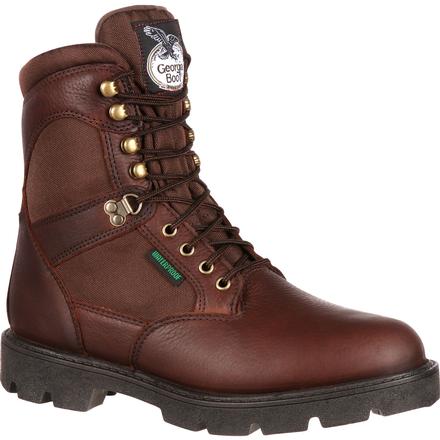
Sale price$140.00
Regular price$150.00
Georgia Men's Homeland 8" Steel Toe Waterproof Work Boot - Brown - G107
Save 12%
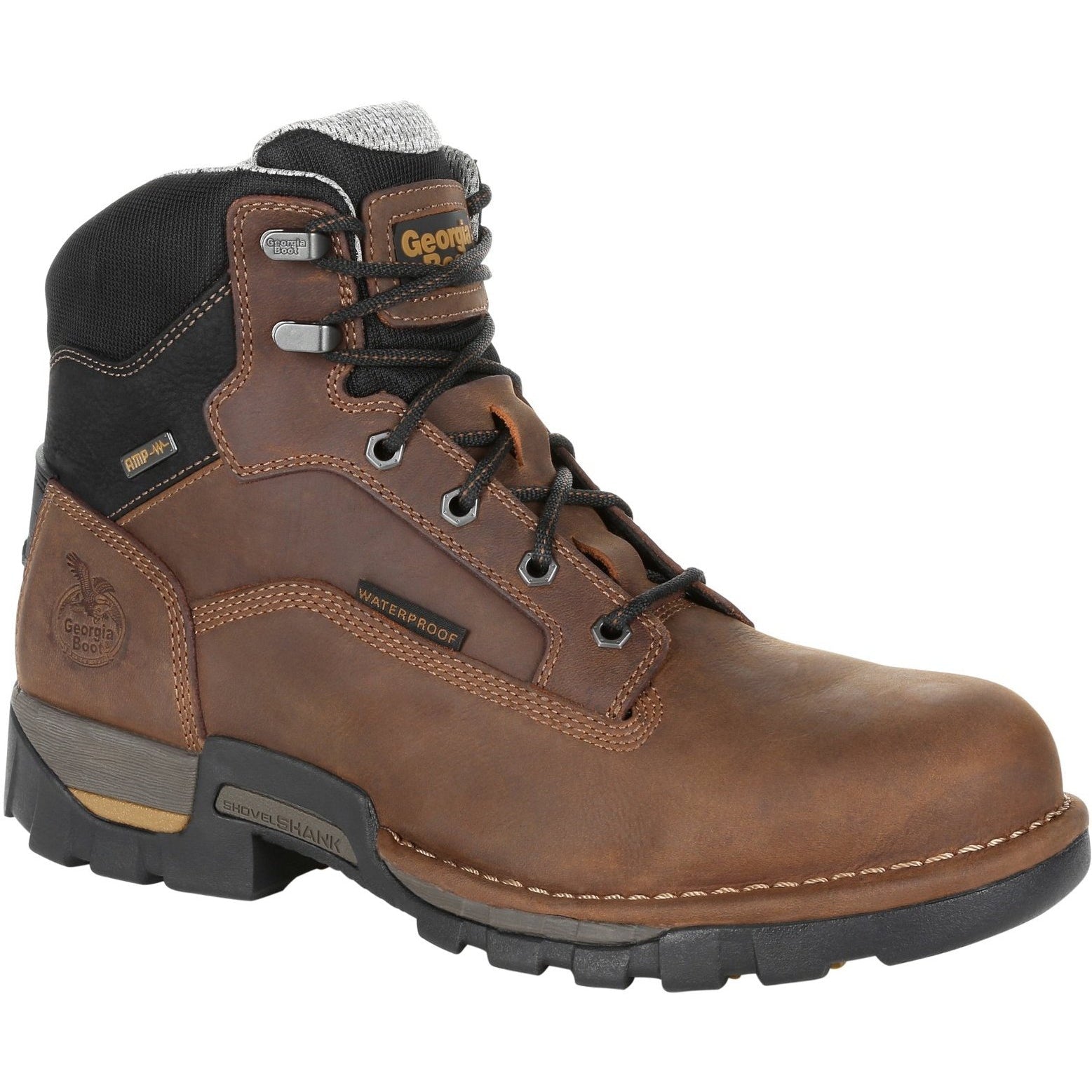
Sale price$176.70
Regular price$200.00
Georgia Men's Eagle One 6" Steel Toe Waterproof Work Boot - Brown - GB00313
Save 9%
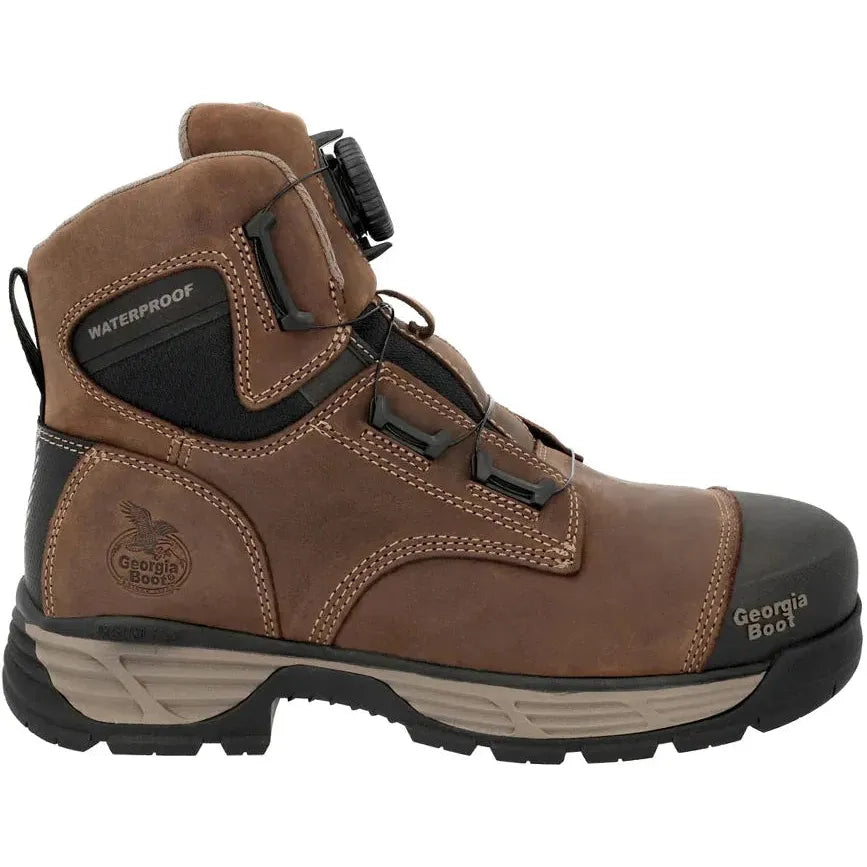
Sale price$205.00
Regular price$225.00
Georgia Men's Durablend Edge BOA Lace Alloy Toe WP 6" Work Boot - Brown - GB00733
Save 6%
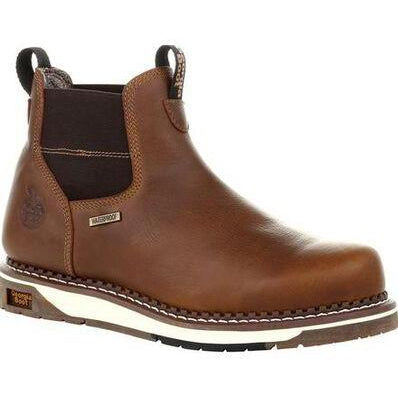
Sale price$170.00
Regular price$180.00
Georgia Men's Amped Lightweight Wedge Chelsea Steel Toe Waterproof Work Boot - Brown - GB00353
Save 15%
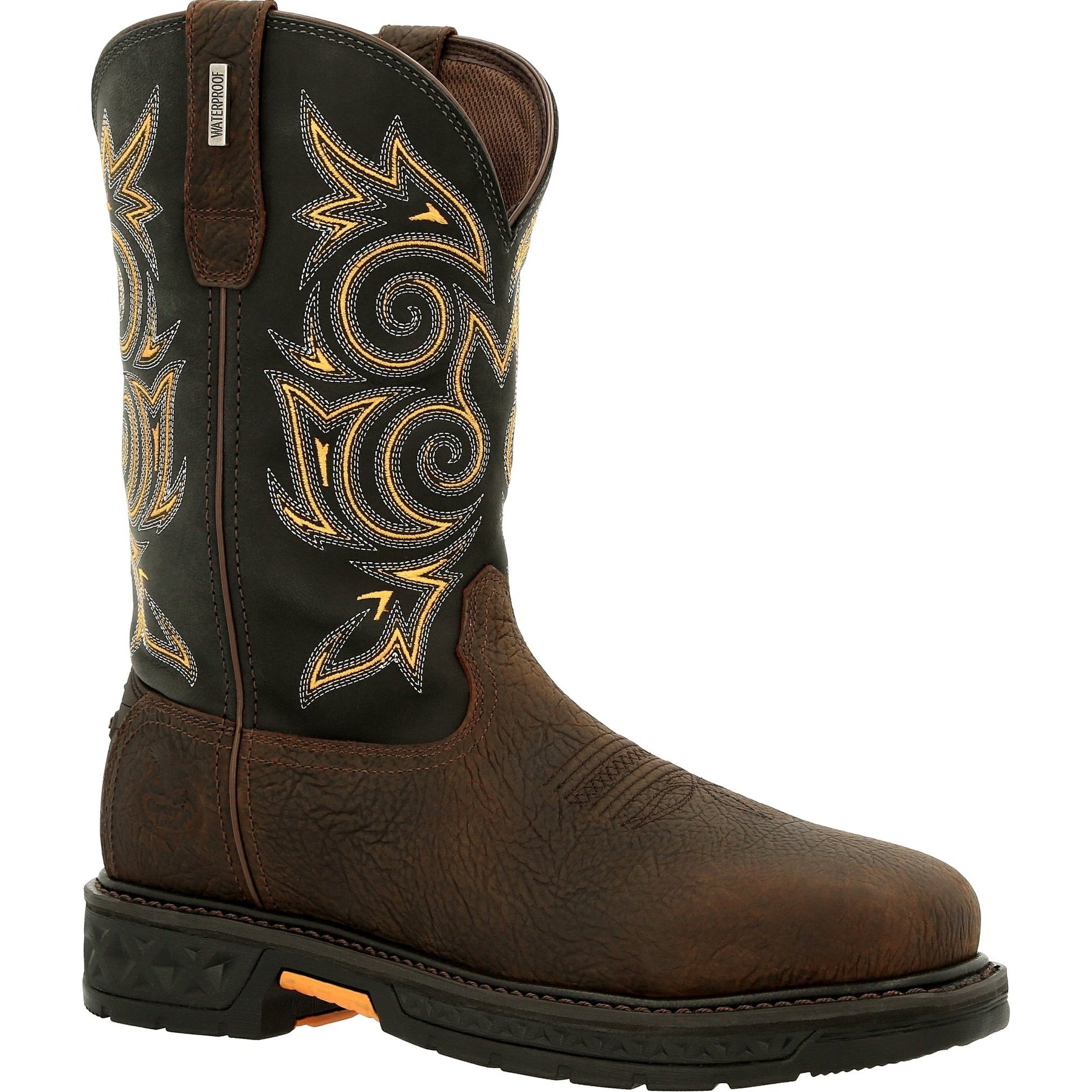
Sale price$199.95
Regular price$235.00
Georgia Men's Carbo-Tec Lightweight 11" Steel Toe Western Work Boot Brown- GB00437
Save 15%
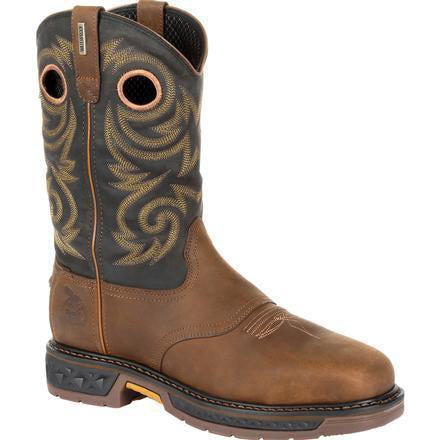
Sale price$195.30
Regular price$230.00
Georgia Men's Carbo-Tec Lightweight 11" Steel Toe Waterproof Western Work Boot -Brown- GB00267
Save 12%
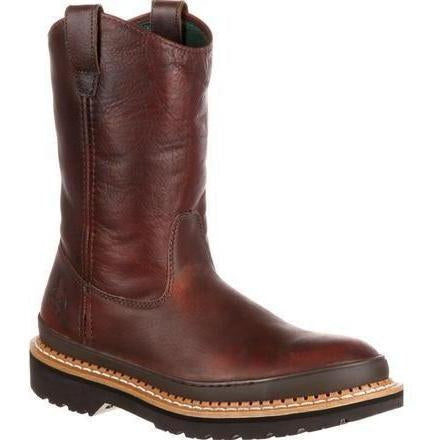
Sale price$172.05
Regular price$195.00
Georgia Men's Giant Steel Toe Pul-On Work Boots - Brown - G4374
Save 5%
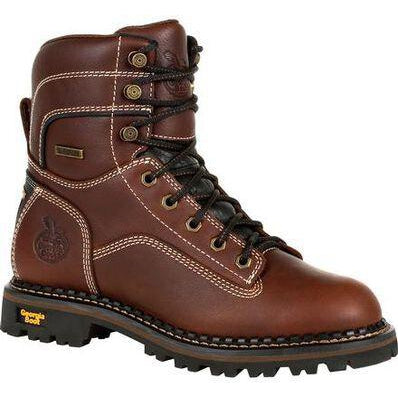
Sale price$180.00
Regular price$190.00
Georgia Women's Amped Lightweight Logger Alloy Toe Waterproof Work Boot - Brown - GB00428
Save 8%
Sale price$170.00
Regular price$185.00
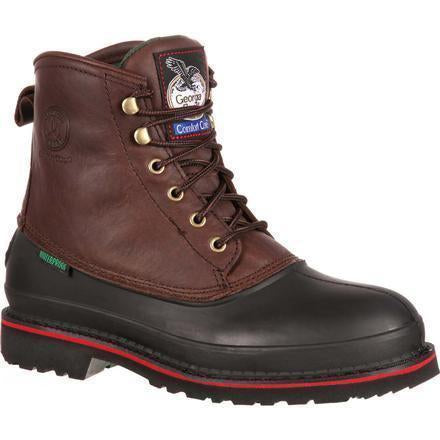
Georgia Men's Muddog 6" Steel Toe Waterproof Work Boot - Brown - G6633
Save 9%

Sale price$175.00
Regular price$193.00
Georgia Men's Core 37 9" Comp Toe Waterproof Low Heel Logger Work Boot - Brown - GB00720
Save 15%
Sale price$190.65
Regular price$225.00
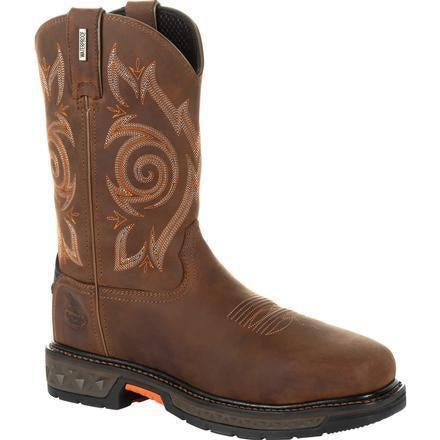
Georgia Men's Carbo-Tec Lightweight 11" Steel Toe Waterproof Western Work Boot Brown - GB00264
Save 6%

Sale price$165.00
Regular price$175.00
Georgia Men's Eagle One Chelsea Waterproof Steel Toe Work Boot -Brown- GB00563
Save 12%
Sale price$176.70
Regular price$200.00
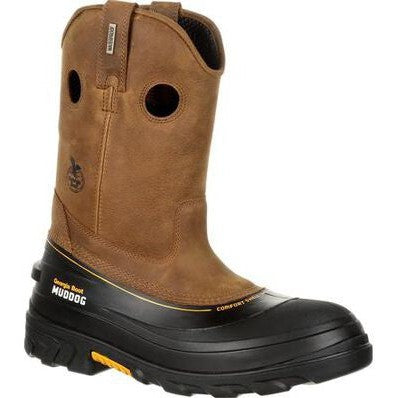
Georgia Men's Muddog 11" Composite Toe Waterproof Wellington Work Boot- Gold- GB00243
Save 11%
Sale price$160.00
Regular price$180.00
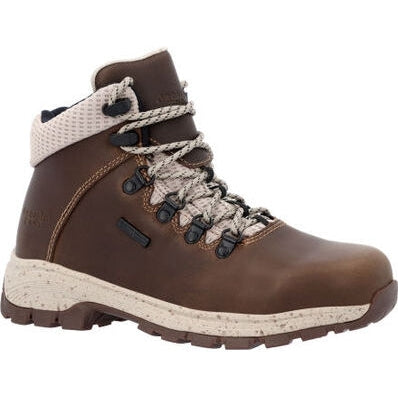
Georgia Women's Eagle Trail 5" Waterproof Alloy Toe Hiker Boot -Brown- GB00556
Save 6%
Sale price$170.00
Regular price$180.00
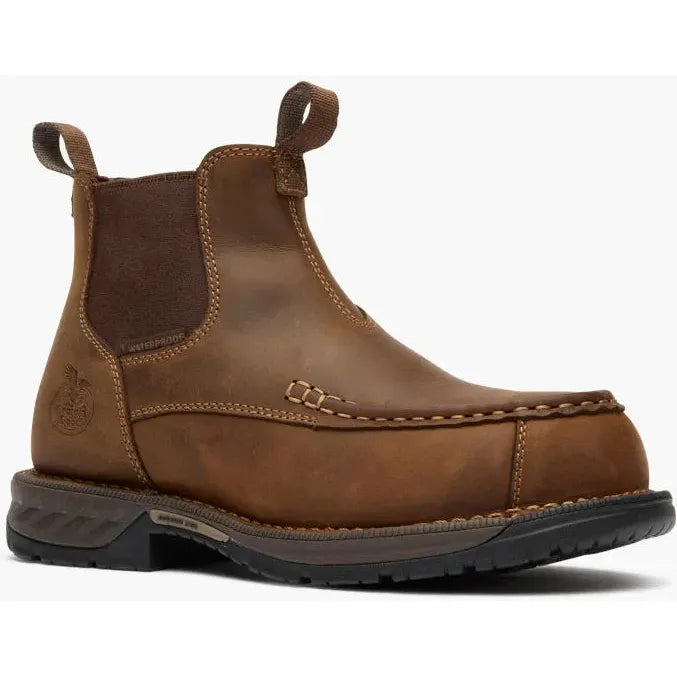
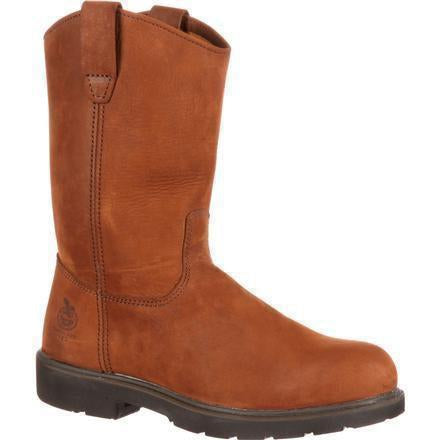
Georgia Men's Steel Toe Static Dissipative Wellington Work Boot - G4673
Save 17%
Sale price$186.00
Regular price$223.00
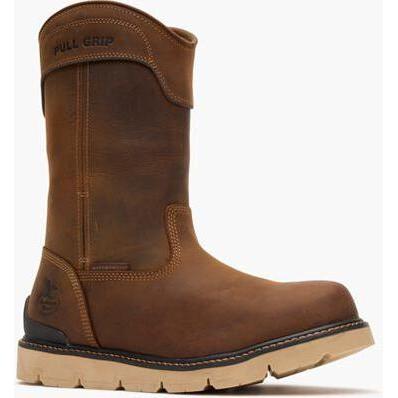
Georgia Men's Carbon Flex 11" Carbon Toe Waterproof Wedge Work Boot - Brown - GB00716
Save 5%
Sale price$175.00
Regular price$185.00
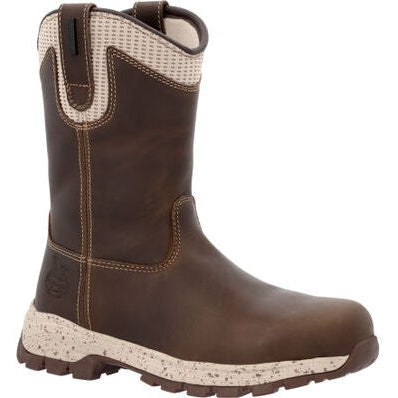
Georgia Women's Eagle Trail 10" Waterproof Alloy Toe Work Boot -Brown- GB00557
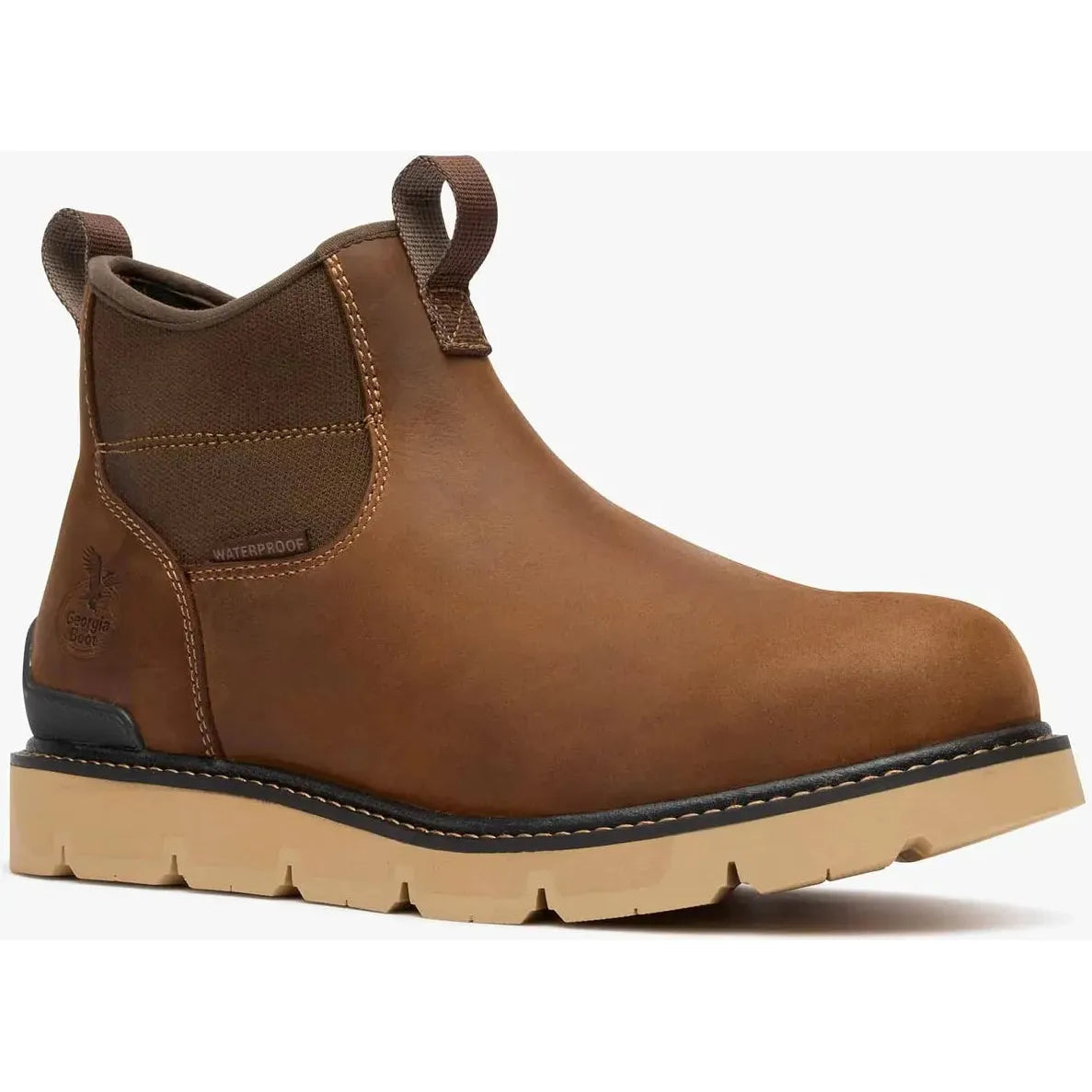
Save 9%

Sale price$170.00
Regular price$187.00
Georgia Men's Carbon Flex 6" Soft Toe Waterproof Wedge Work Boot - Brown - GB00712
Save 11%

Sale price$195.30
Regular price$220.00
Georgia Men's Athens SuperLyte 11" Soft Toe Wellington Work Boot - Brown - GB00723
12
Frequently Asked Questions
All three meet or exceed the same ASTM F2413 impact and compression thresholds, so protection isn't the deciding factor. Steel is the least expensive and most proven, but the heaviest and it conducts temperature. Alloy offers steel-level protection at roughly 30 to 40 percent less weight. Composite is the lightest, doesn't transmit heat or cold, and clears metal detectors. Match it to your work rather than assuming one is stronger.
They're the two core safety-toe tests. I/75 is impact resistance at 75 foot-pounds, roughly a 50-pound object dropped from 18 inches onto the toe. C/75 is compression resistance at 2,500 pounds of slowly applied load, closer to a wheel rolling over your foot. Nearly every modern safety toe in North America is rated at these levels, so the numbers confirm compliance rather than ranking one boot above another.
The composite toe itself won't, since it's non-metallic. Whether the whole boot clears a detector depends on the rest of the build, particularly the shank and any hardware. For courthouse, airport, and secure-facility posts, choose a model that states a fully non-metallic construction. For general jobsite use, the toe material is the part that matters, and composite is the toe that won't trigger the scanner.
A metatarsal guard extends from the toe cap to cover the top of the foot and the metatarsal bones, protecting against crushing injuries a toe cap alone can't stop. Whether you need one depends on what's above your feet, not on preference: it's specified where heavy objects can drop or roll onto the instep. Because a guard is rated as part of the finished boot, choose a met-rated model from the start if your site requires it.
With more room at the front than a regular boot. A safety cap doesn't flex or stretch, so if your toes reach it when you walk downhill or brake hard, they'll keep reaching it for the life of the boot. You want your foot seated back into the heel with clear space ahead of the toes. Feet swell over a shift, so err large rather than snug if you're on your feet all day.
Yes. The women's safety toe range includes the Amped Lightweight Logger alloy toe and the Eagle Trail alloy toe hiker, both waterproof, built on a women's last rather than downsized from a men's boot. Available sizes and widths are listed on each product page.
Recently viewed
Our Top Brands