Save 16%
Sale price$167.99
Regular price$199.99
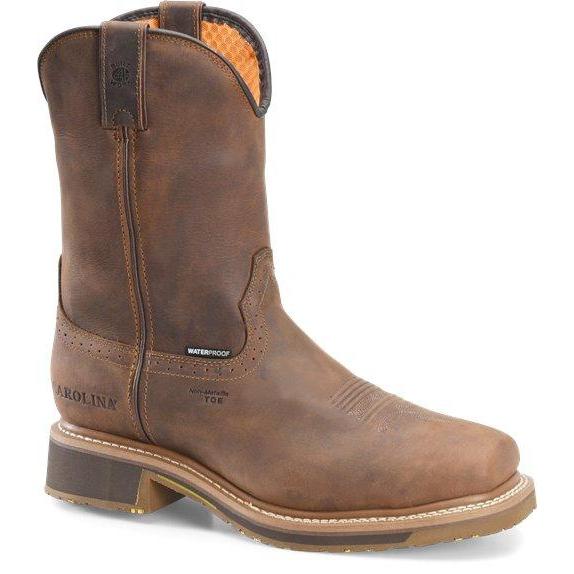
Carolina Men's Anchor 10" Waterproof Composite Square Toe Roper Work Boot - CA8536
Save 16%
Sale price$193.19
Regular price$229.99
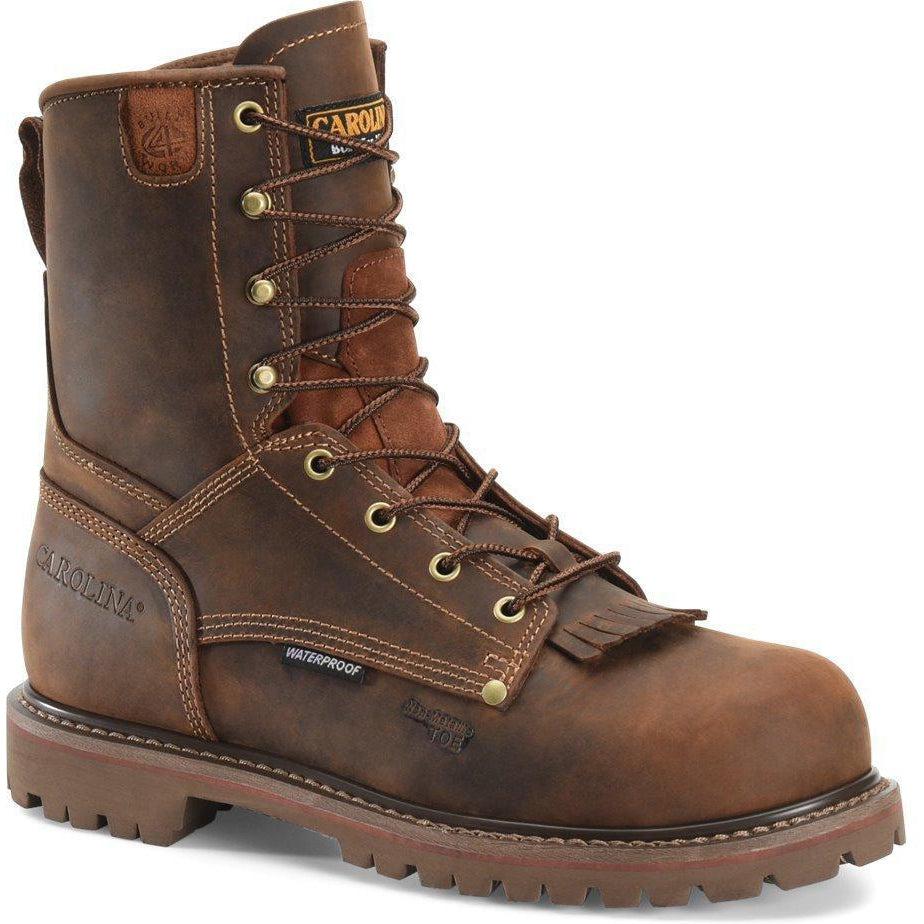
Carolina Men's 28 Series 8” Waterproof Composite Toe Work Boot - Kharthoum Cigar - CA8528
Save 16%
Sale price$247.79
Regular price$294.99
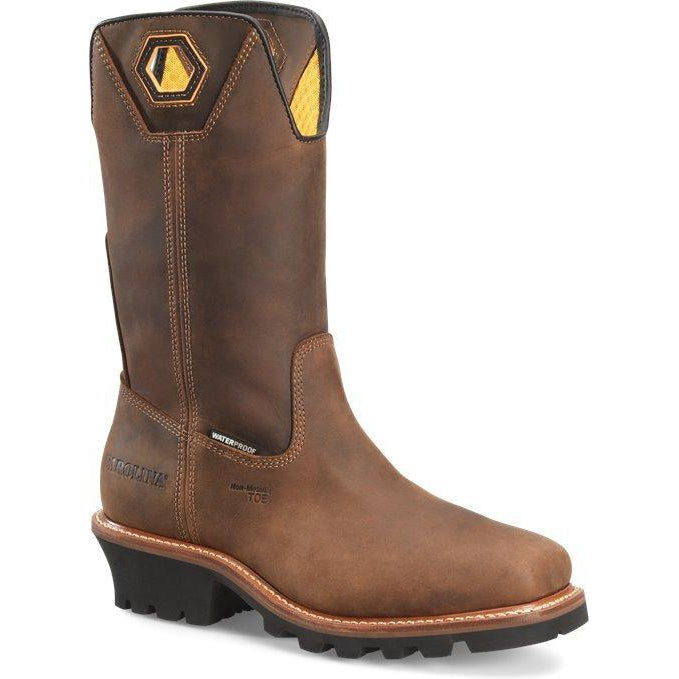
Carolina Men's Coppice 12" Composite Toe Waterproof Logger Work Boot- Brown- CA9833
Save 16%
Sale price$214.19
Regular price$254.99
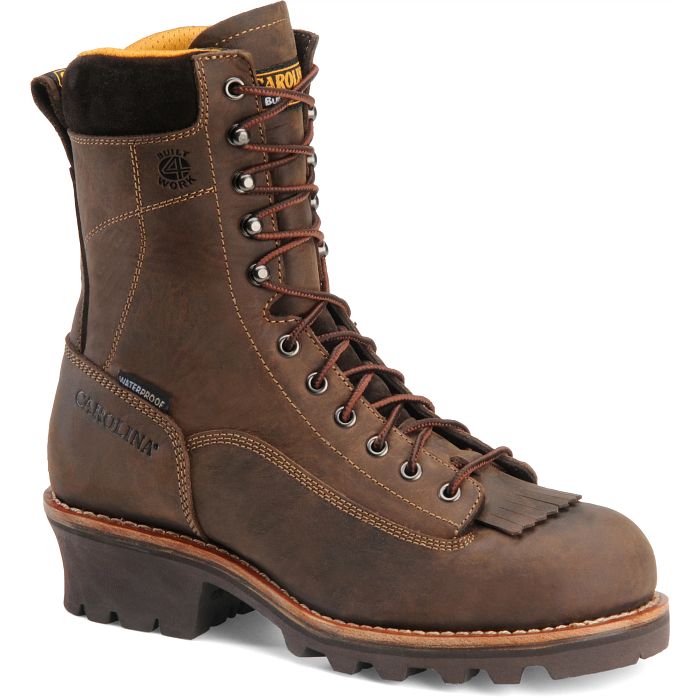
Carolina Men's Birch 8" Composite Toe Waterproof Logger Work Boot - Brown - CA7522
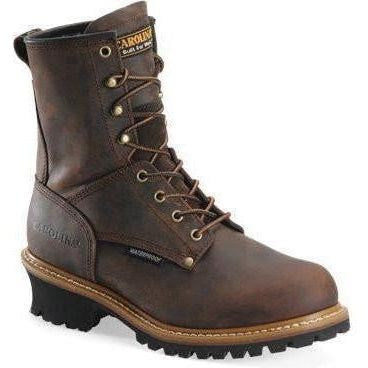
Sale price$194.99
Carolina Men's Elm 8" Waterproof Logger Work Boot - Brown - CA8821
Save 18%
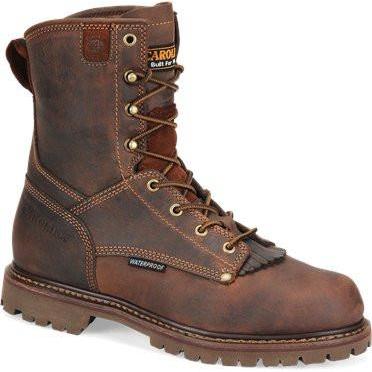
Sale price$184.79
Regular price$224.00
Carolina Men's 28 Series 8" Soft Toe Waterproof Grizzly Work Boot - Brown - CA8028
Save 16%
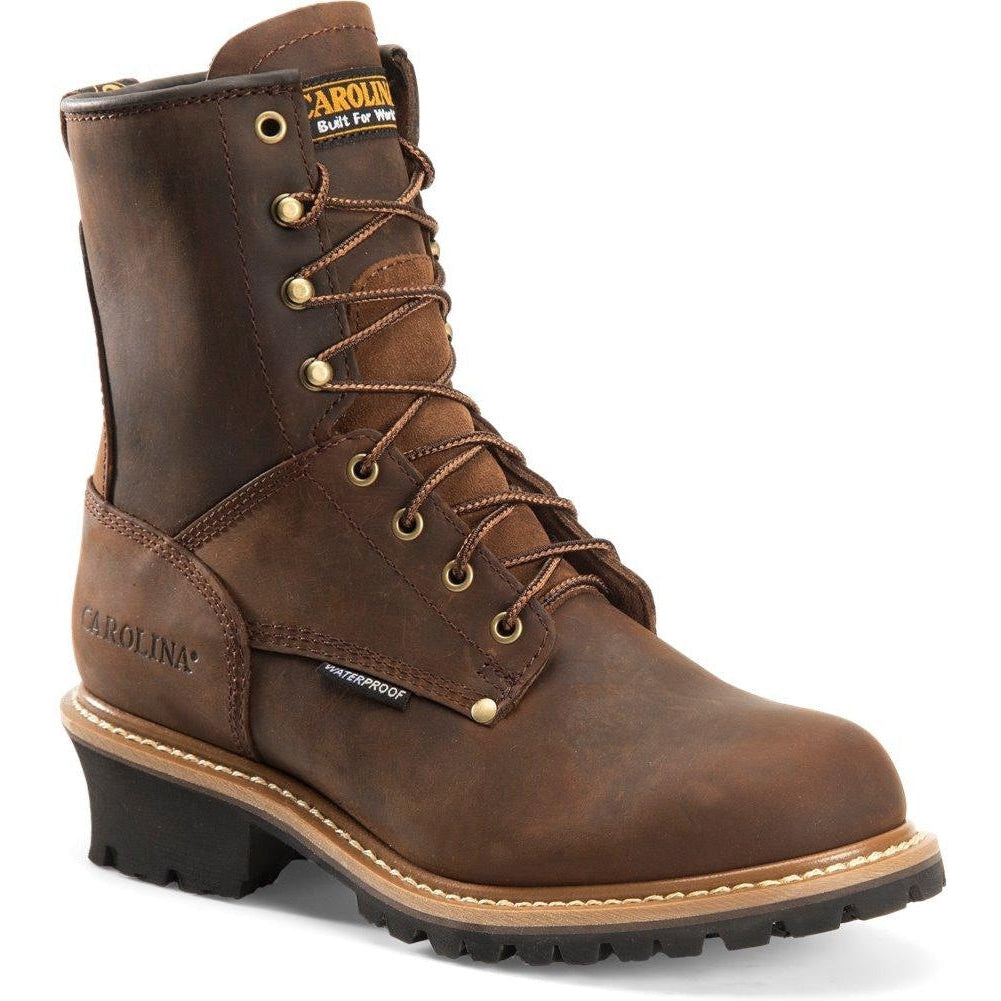
Sale price$167.99
Regular price$199.99
Carolina Men's Elm 8" Steel Toe Waterproof Logger Work Boot - Brown - CA9821
Save 31%
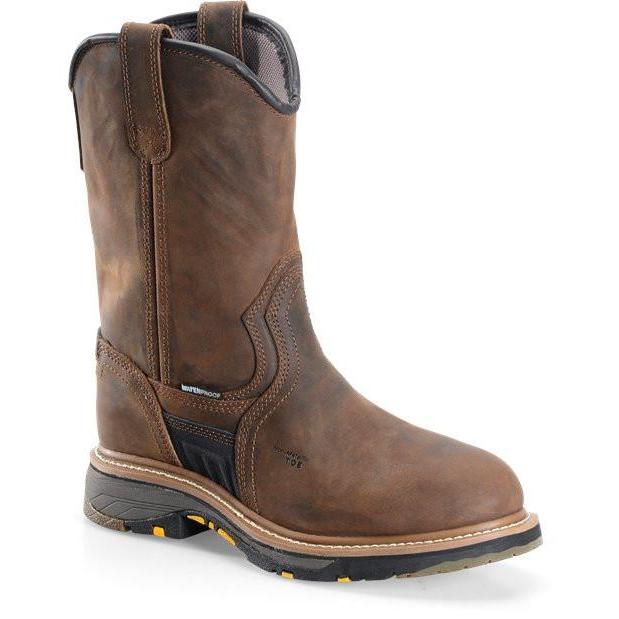
Sale price$148.67
Regular price$214.00
Carolina Men's Well X 10" Composite Toe Waterproof Wellington Work Boot - CA4559
Save 16%
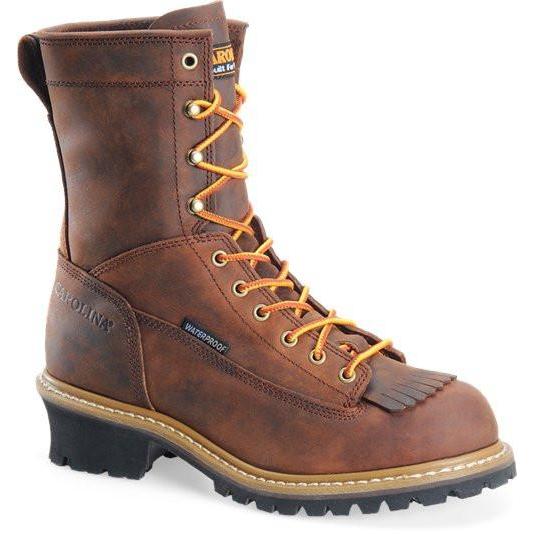
Sale price$180.59
Regular price$214.99
Carolina Men's Spruce 8" Waterproof Lace-to-Toe Logger Work Boot, Brown CA8824
Save 16%
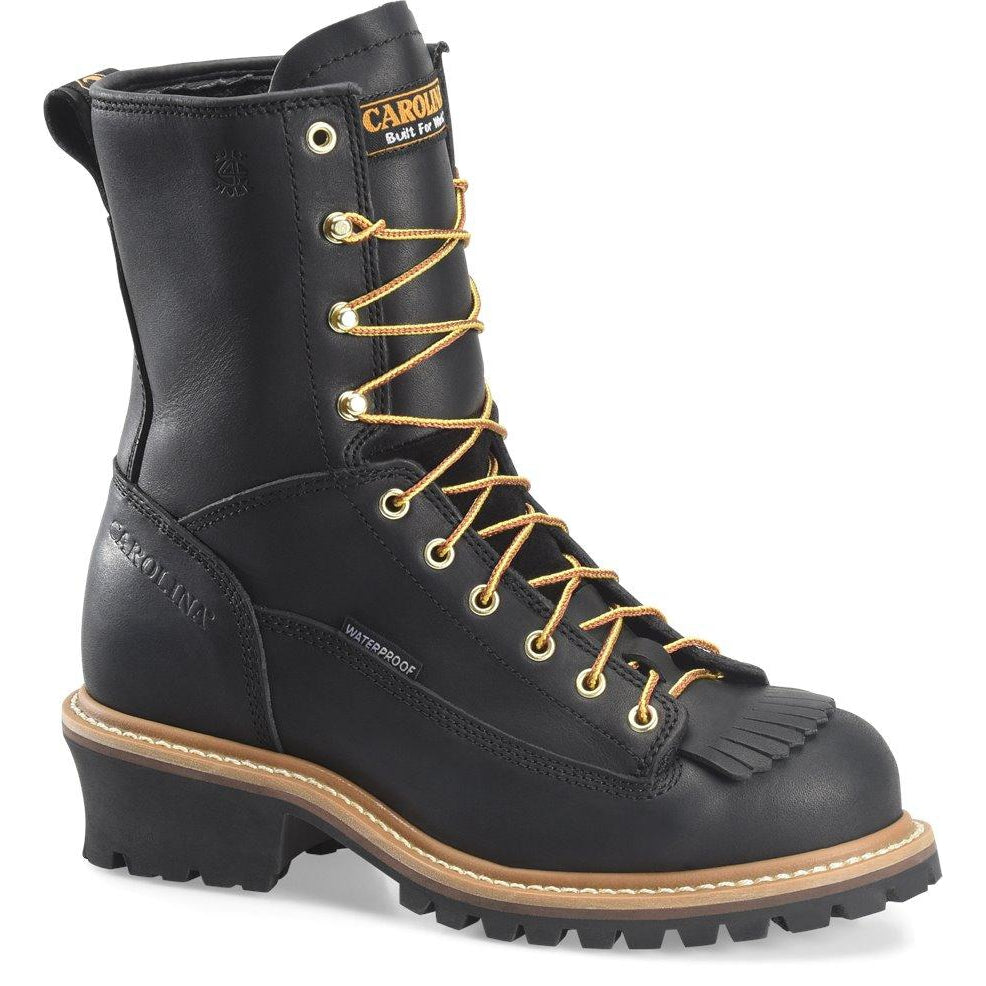
Sale price$172.19
Regular price$204.99
Carolina Men's Spruce 8" Waterproof Lace-to-Toe Logger Work Boot Black CA8825
Save 16%
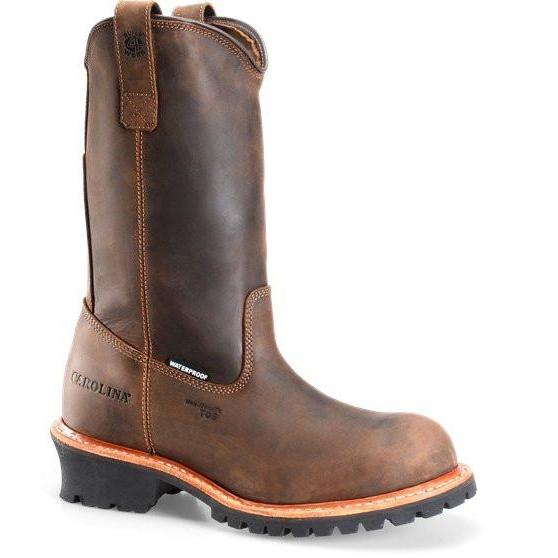
Sale price$239.39
Regular price$284.99
Carolina Men's Well X 12" Composite Toe Wellington Logger Work Boot CA9831
Save 16%
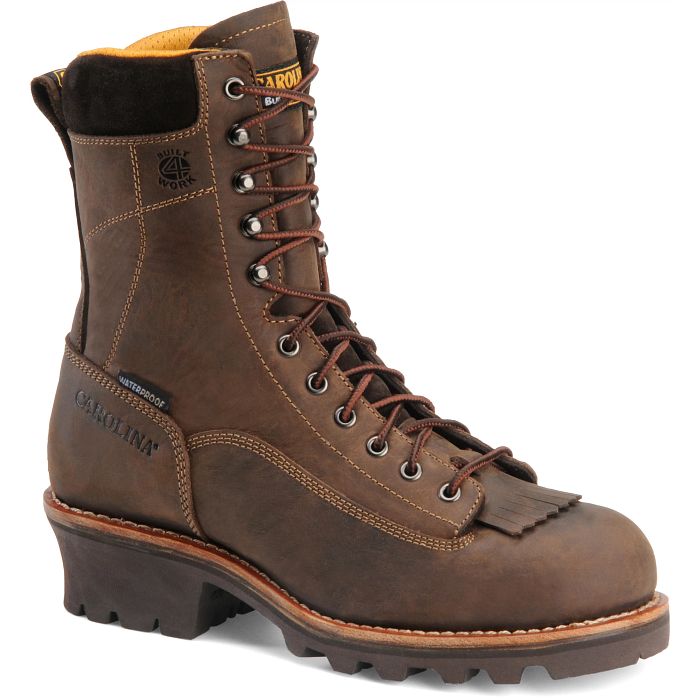
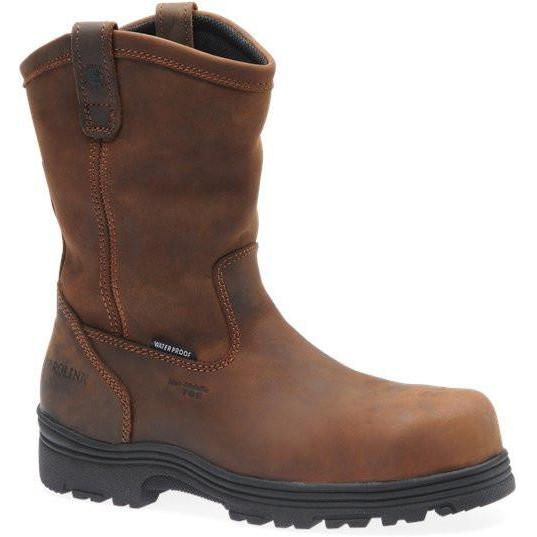
Sale price$209.99
Regular price$249.99
Carolina Men's Birch 8" Waterproof Logger Work Boot - Brown - CA7022
Save 16%
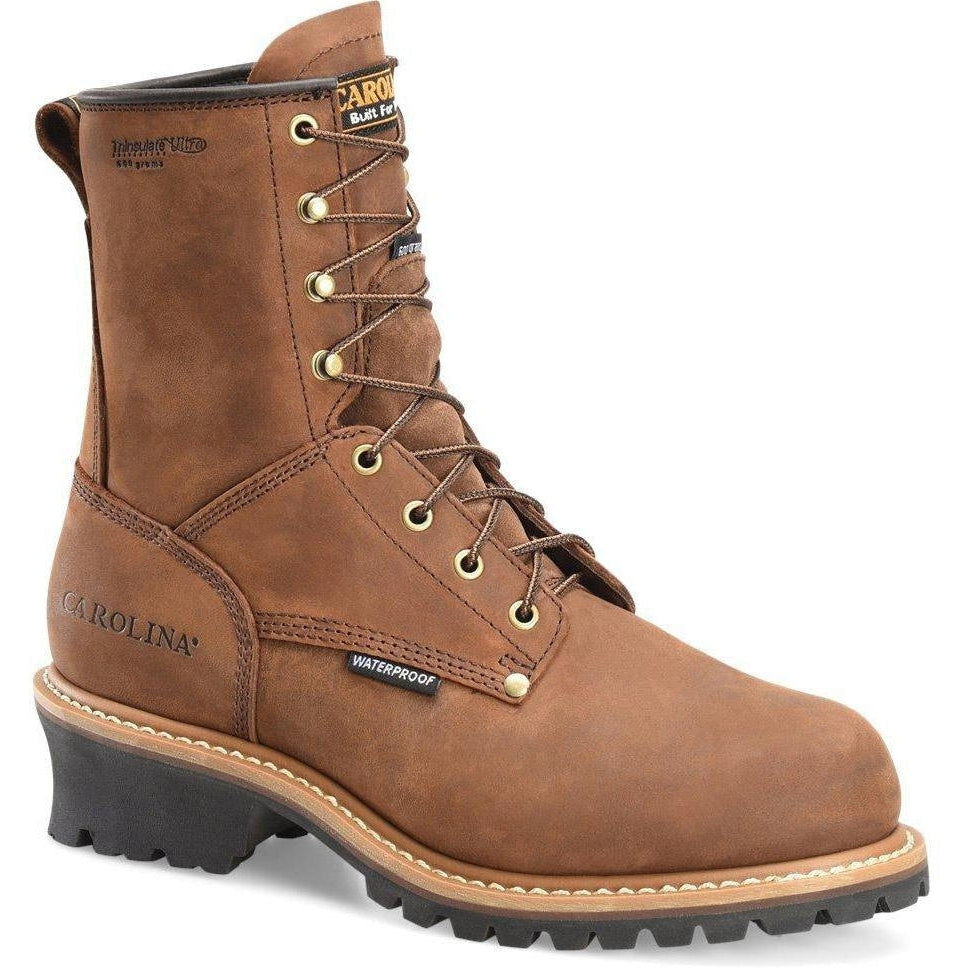
Sale price$180.59
Regular price$214.99
Carolina Men's Elm 8" Steel Toe Waterproof Insulated Logger Work Boot - Brown - CA5821
Save 16%
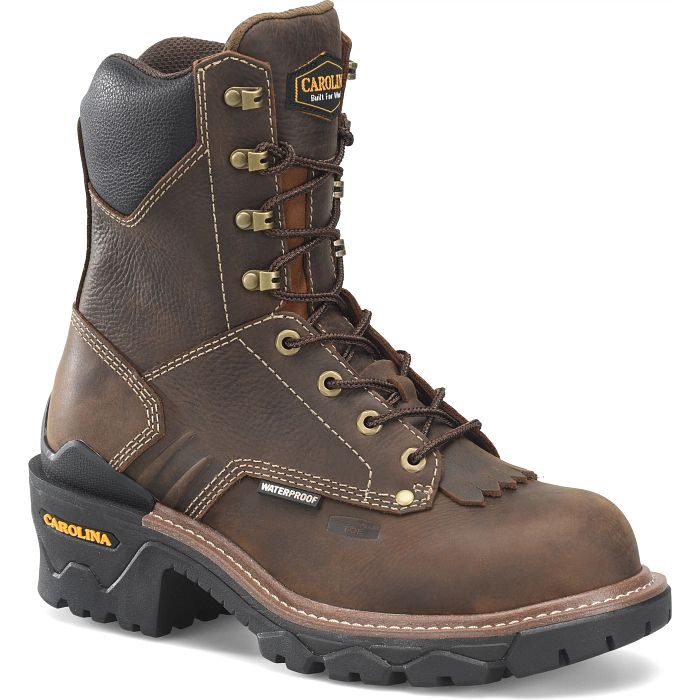
Sale price$188.99
Regular price$224.99
Carolina Men's Cardinal 8" Composite Toe Waterproof Slip Resistant Work Boot -Brown- CA7837
Save 16%
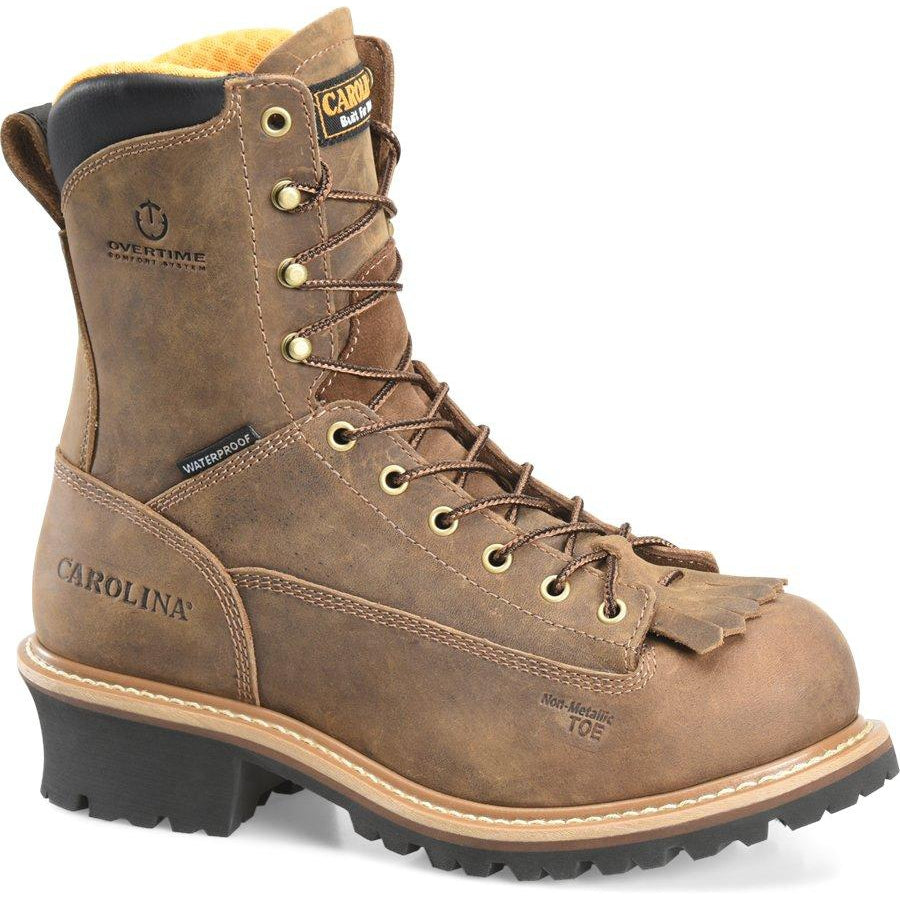
Sale price$188.99
Regular price$224.99
Carolina Men’s Driller 8” Composite Toe Waterproof Logger Work Boot – Brown - CA9828
Save 16%
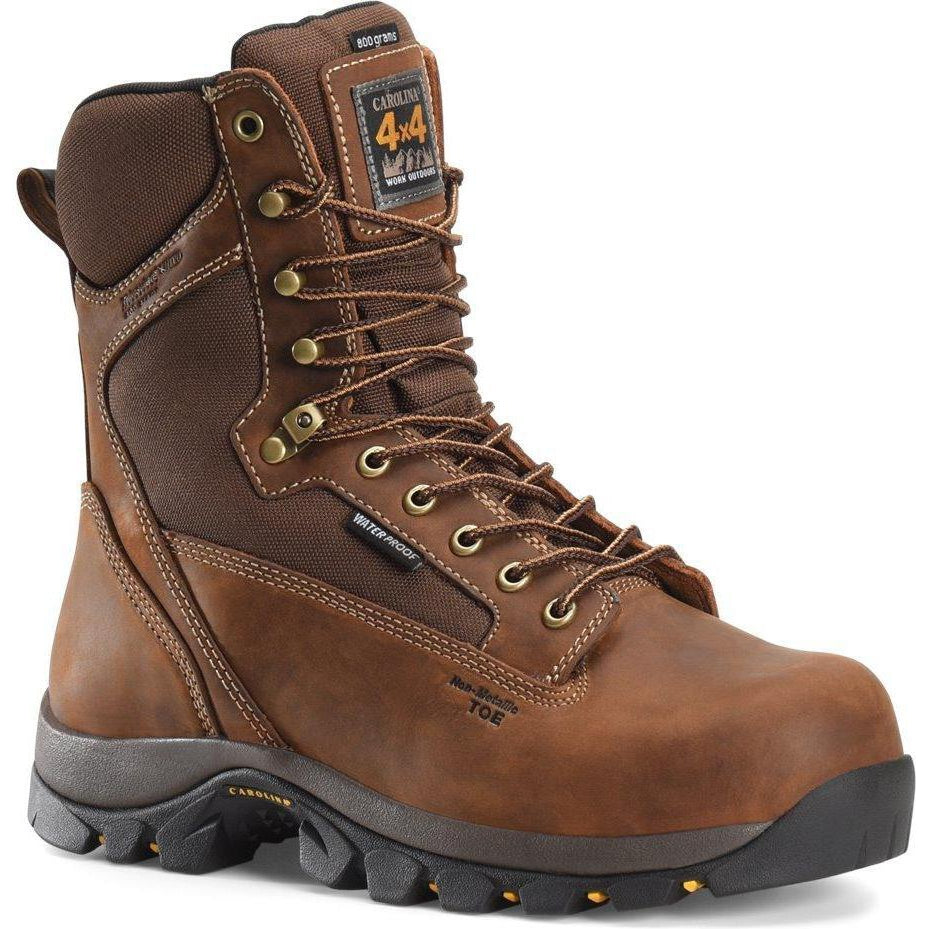
Sale price$184.79
Regular price$219.99
Carolina Men's Forrest 8" Waterproof Ins Composite Toe Work Boot - Brown - CA4515
Save 16%
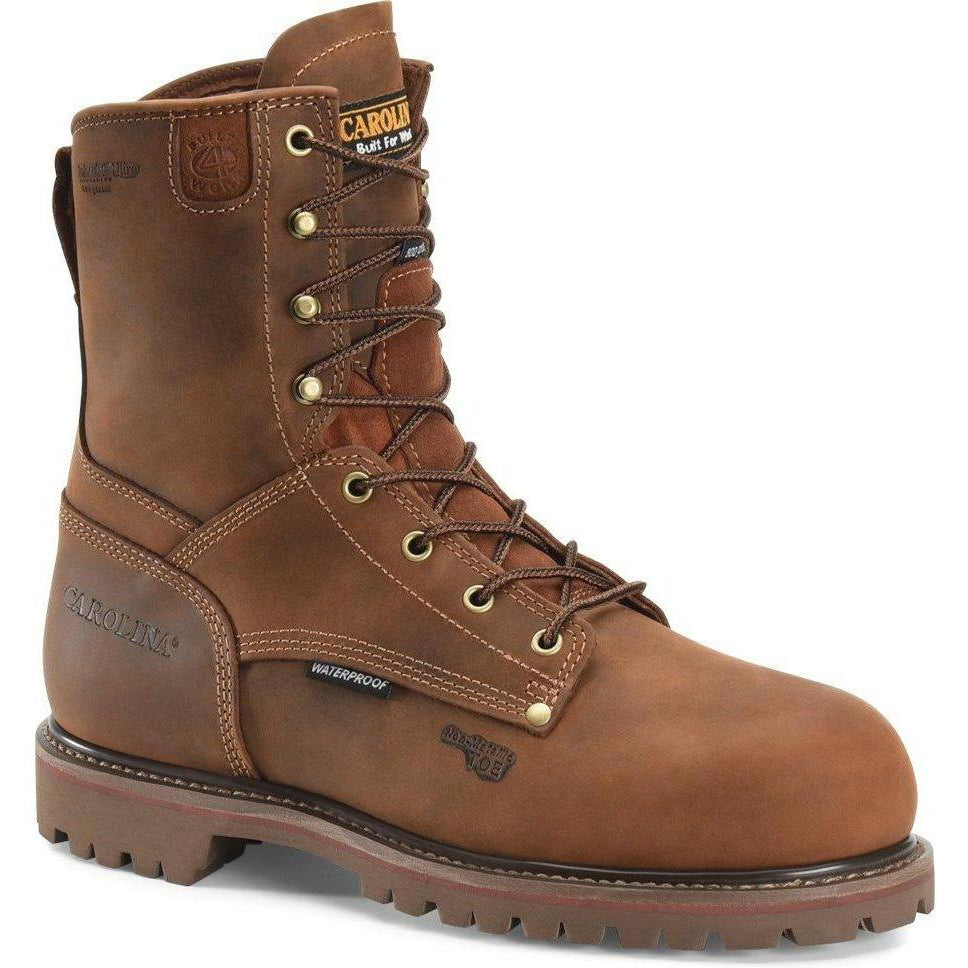
Sale price$205.79
Regular price$244.99
Carolina Men's 28 Series 8" Composite Toe Insulated Waterproof Boot - CA9528
Save 16%
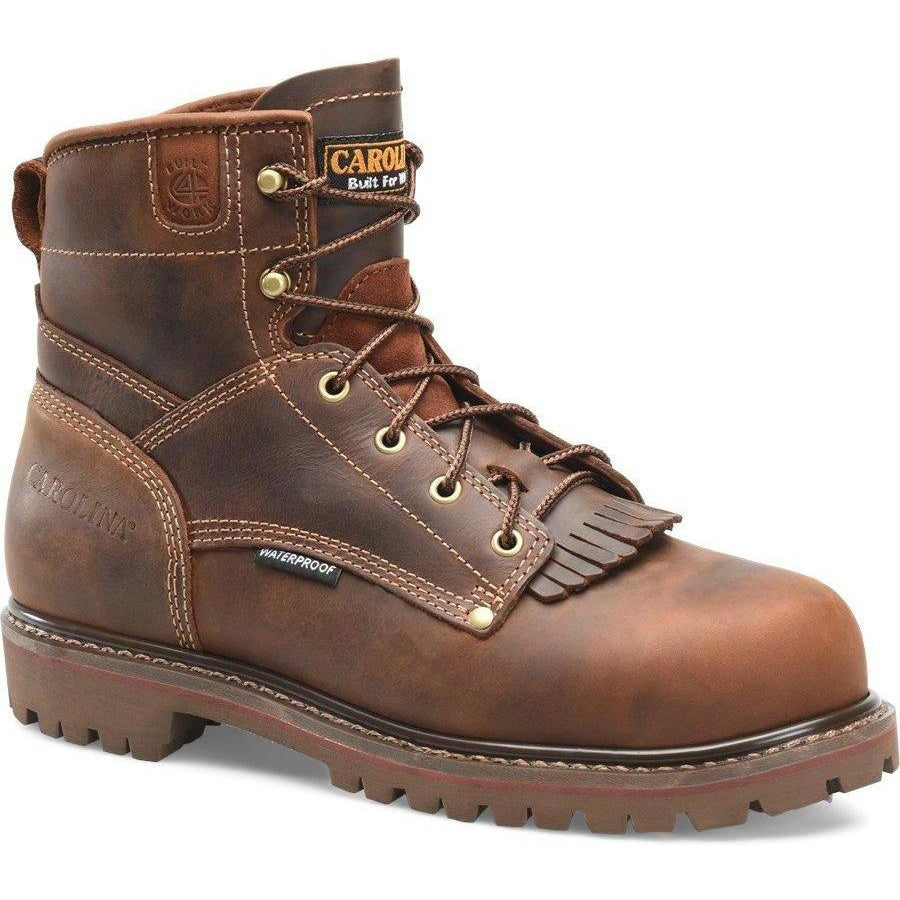
Sale price$180.59
Regular price$214.99
Carolina Men's 28 Series 6" Soft Toe Waterproof Grizzly Work Boot - Brown - CA7028
Save 16%
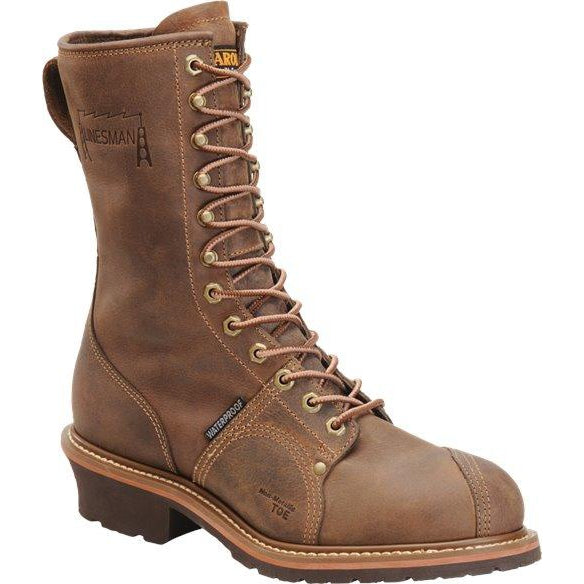
Sale price$243.59
Regular price$289.99
Carolina Men's Linesman 10" Composite Toe Waterproof Work Boot - Brown - CA1904
Save 16%
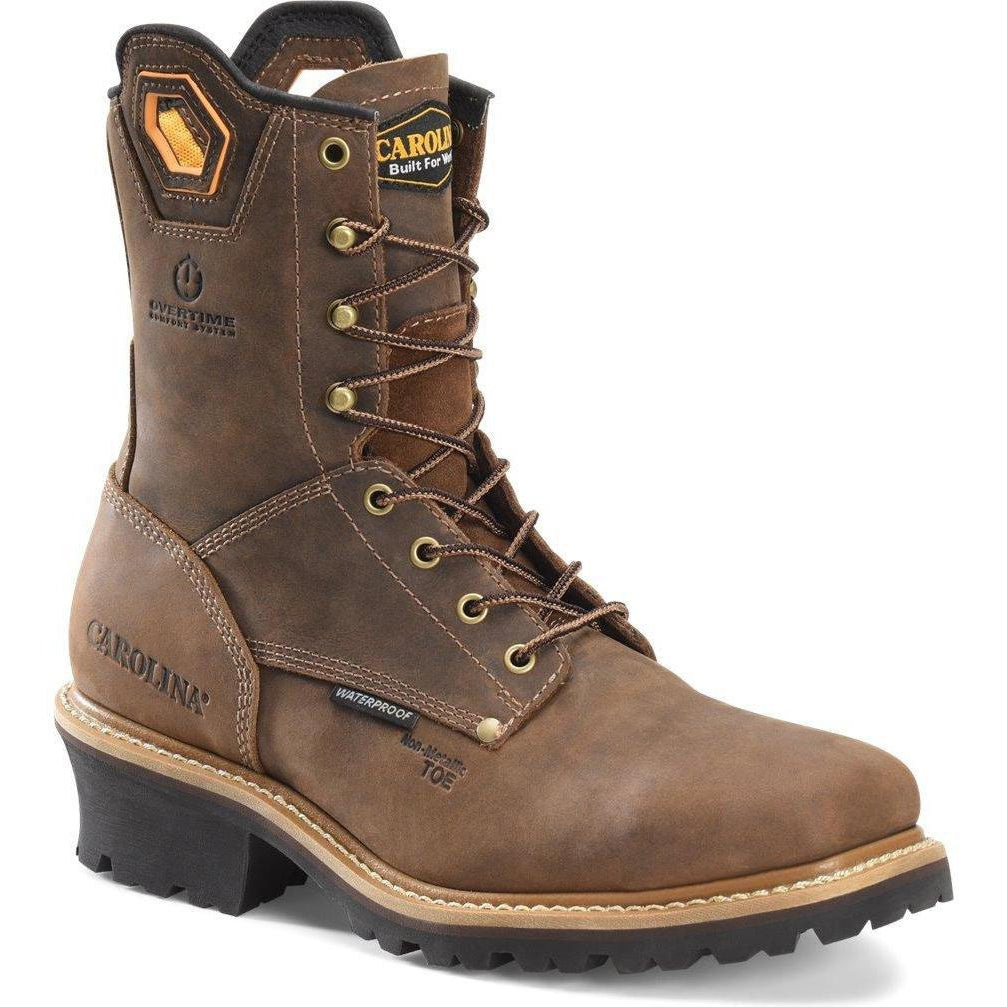
Sale price$205.79
Regular price$244.99
Carolina Men's Coppice 8" Composite Toe Waterproof Logger Work Boot - Brown - CA9855
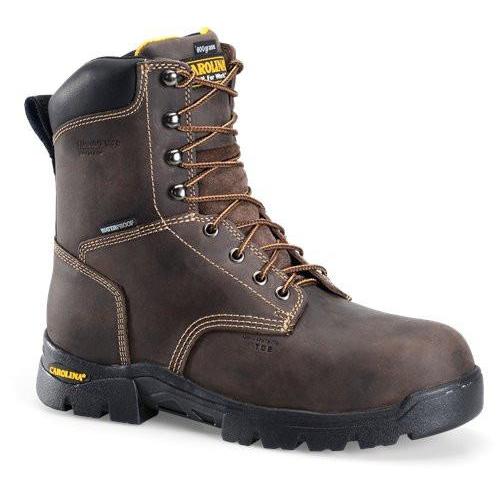
Sale price$164.99
Carolina Men's Circuit Hi 8" Composite Toe Insulated Work Boot - CA3538
Save 18%
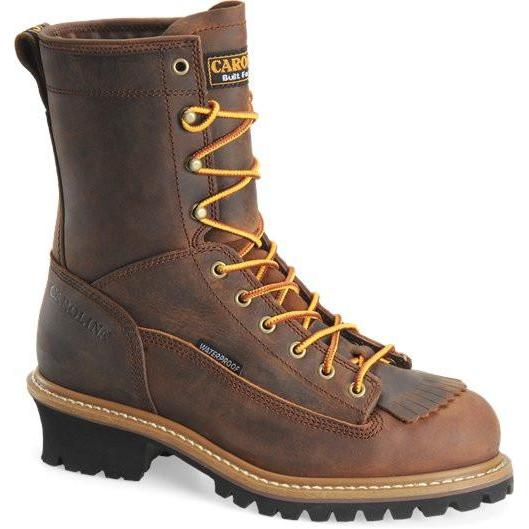
Sale price$184.79
Regular price$224.00
Carolina Men's Spruce 8" Steel Toe Waterproof Logger Work Boot - Brown - CA9824
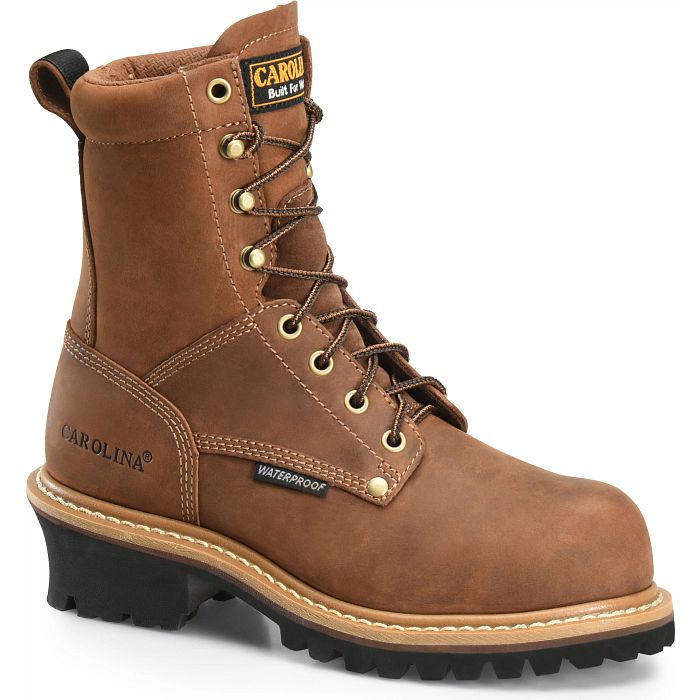
Save 16%
Sale price$197.39
Regular price$234.99
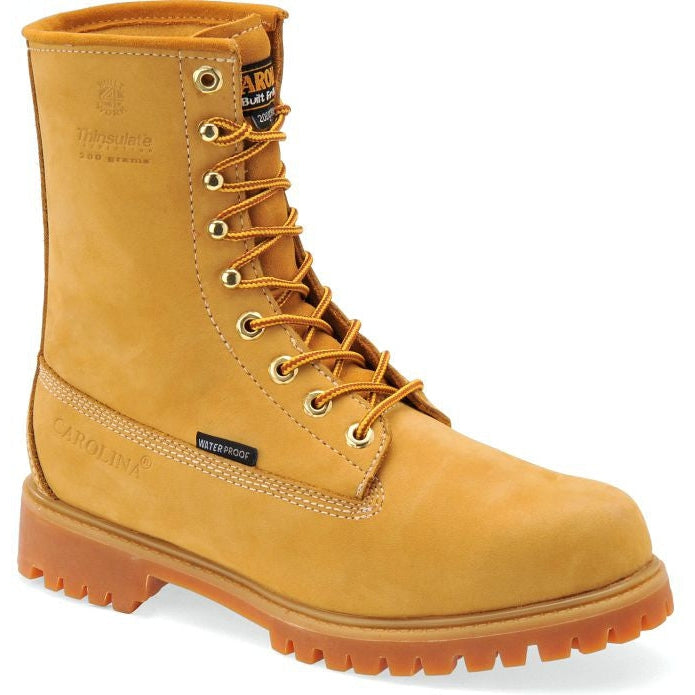
Carolina Men's Timber 8" Composite Toe Waterproof Logger Work Boot - Brown - CA6921
Sale price$179.99
Regular price$184.00
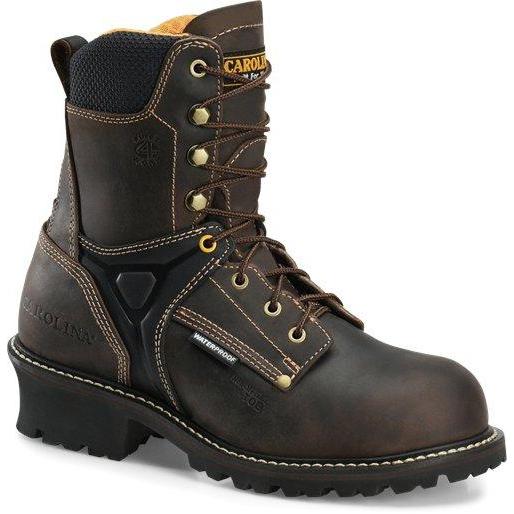
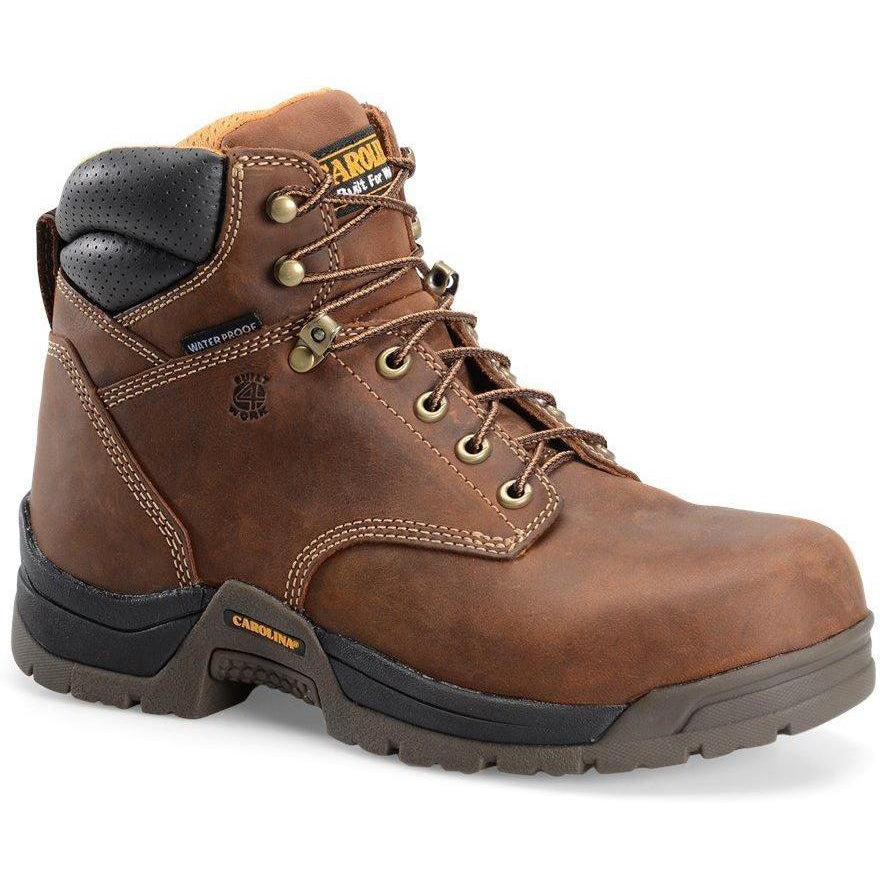
Carolina Men's Bruno Lo 6" Waterproof Composite Toe Work Boot - Brown - CA5520
Save 16%
Sale price$197.39
Regular price$234.99
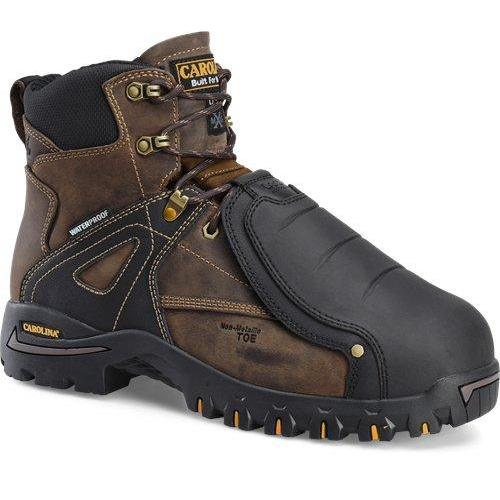
Carolina Men's Miter EXT 6" Composite Toe Waterproof External Metguard Work Boot - Brown - CA5586
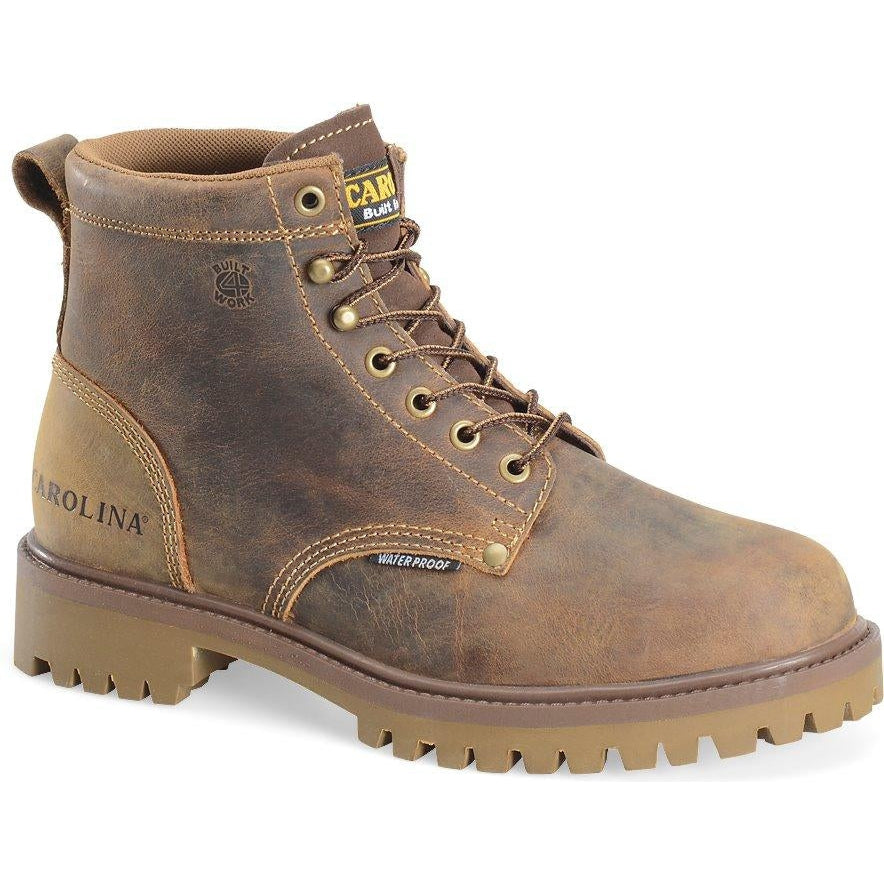
Save 16%
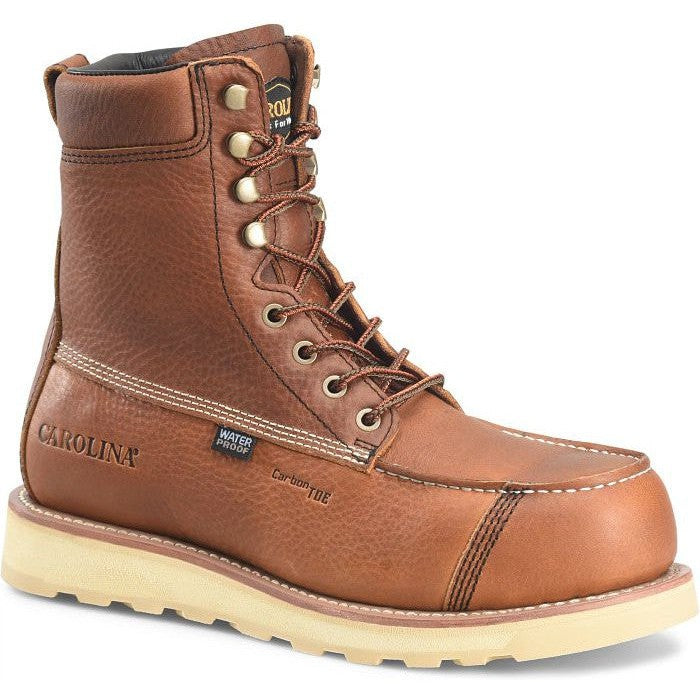
Sale price$180.59
Regular price$214.99
Carolina Men’s Staple Gun 8” Carbon Composite Toe Waterproof Work Boot – Tan (CA7571)
Save 16%
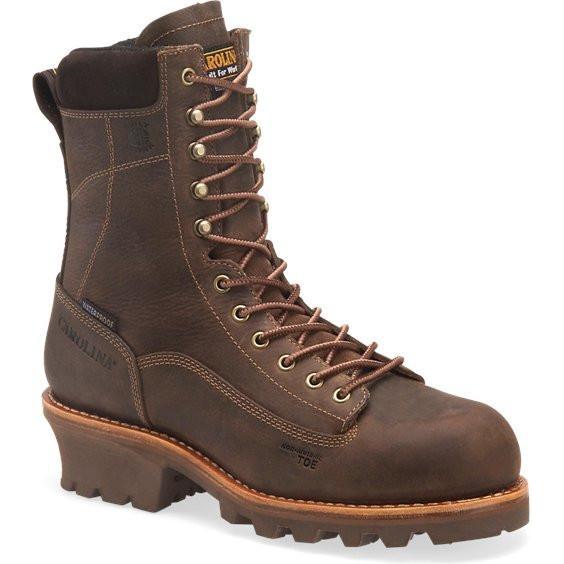
Sale price$226.79
Regular price$269.99
Carolina Birch Logger Boots CA7521 - Men's 8" Composite Toe Waterproof Work Boot
Save 18%
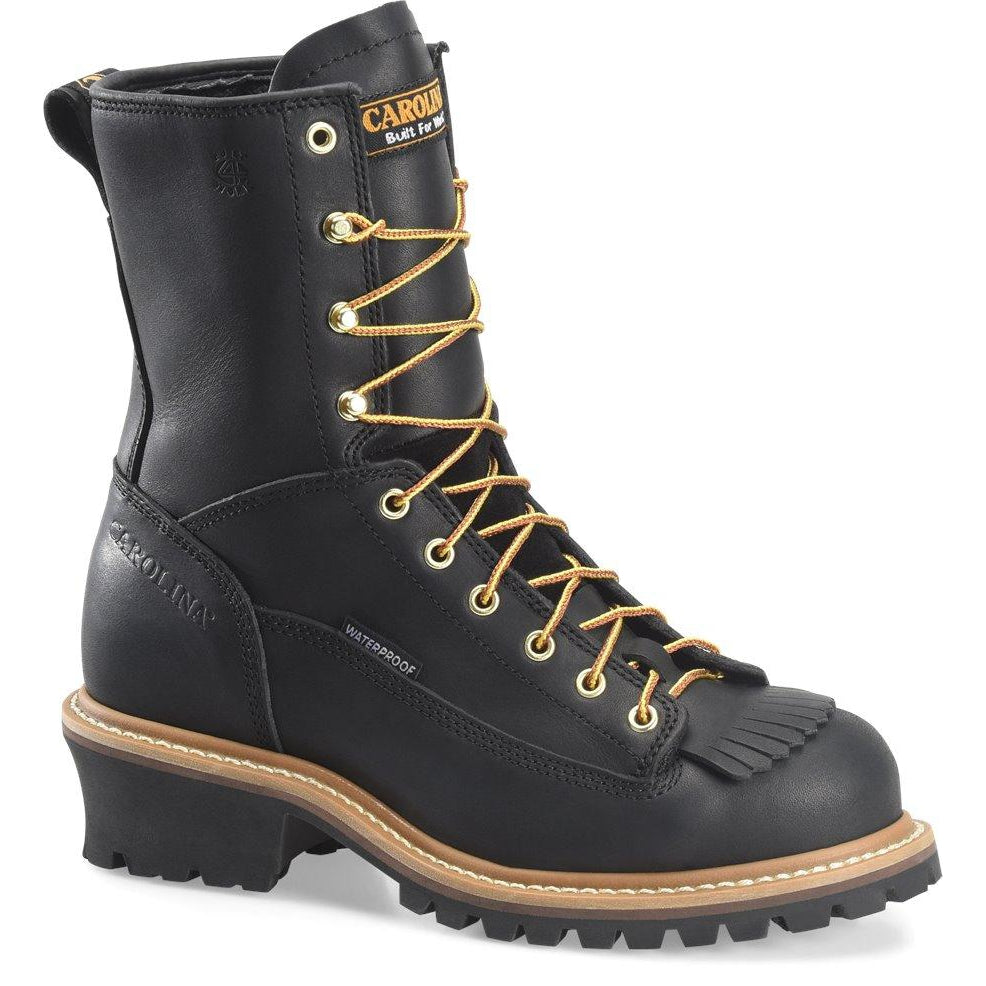
Sale price$176.39
Regular price$214.00
Carolina Spruce Logger Boots - Men's 8" Steel Toe Waterproof - CA9825
Save 16%
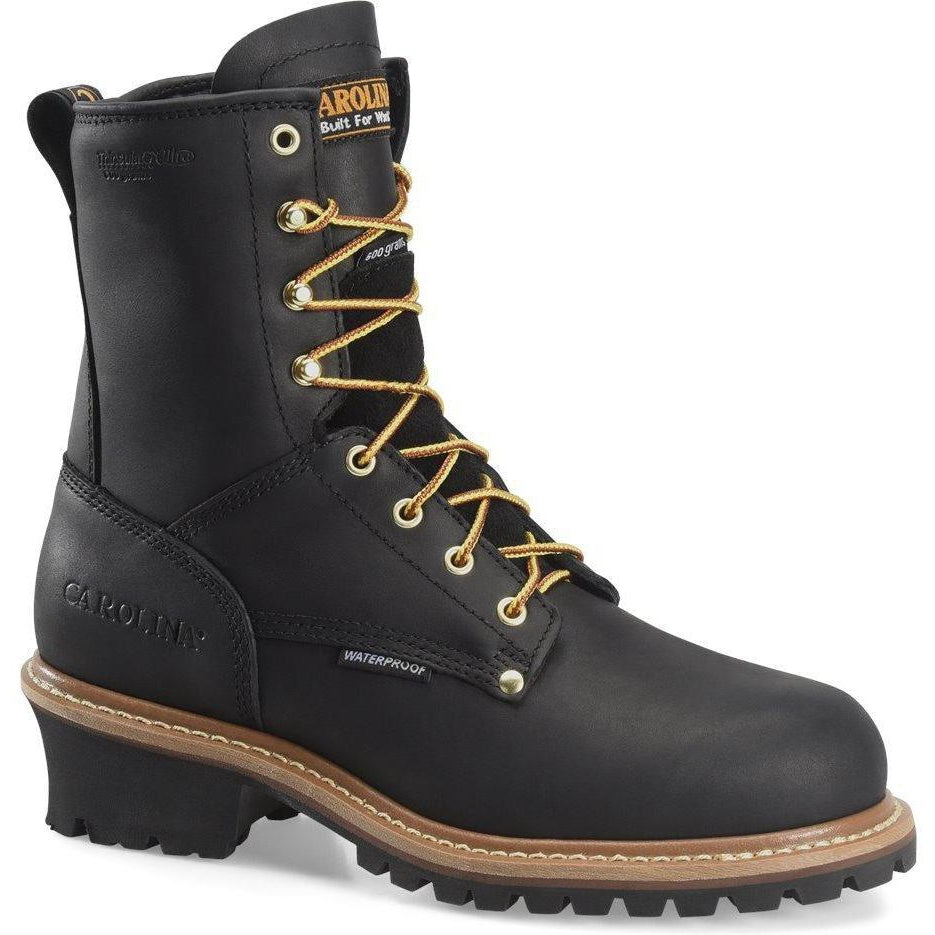
Sale price$180.59
Regular price$214.99
Carolina Men's Elm 8" Steel Toe Waterproof Insulated Logger Work Boot - Black - CA5823
Save 18%
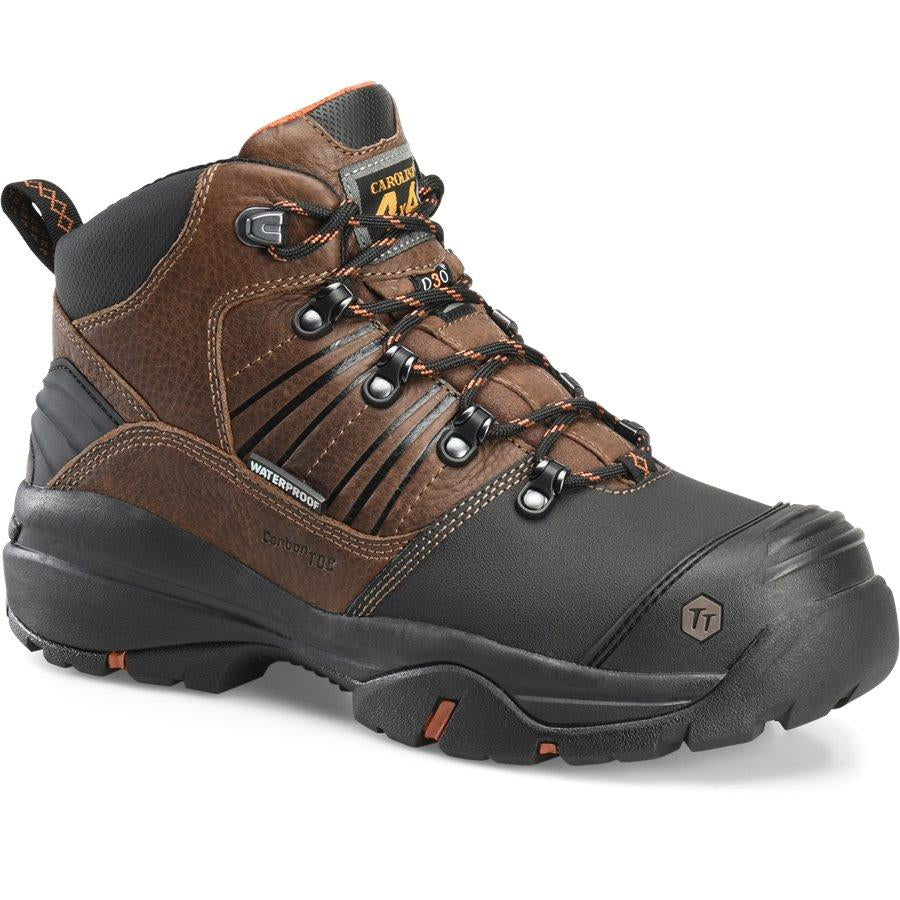
Sale price$184.79
Regular price$224.00
Carolina Men's Miner 6" Carbon Composite Toe Metguard Waterproof Work Shoe CA5587
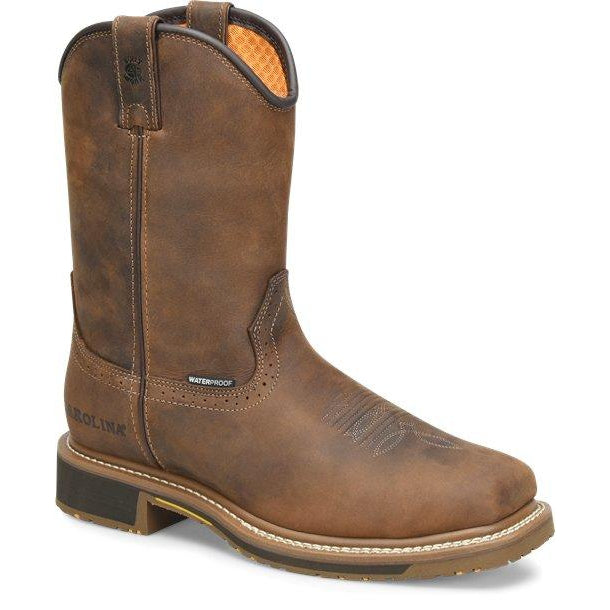
Sale price$194.99
Carolina Men's Anchor 10" Square Toe Waterproof Roper Work Boot - CA8036
Save 18%
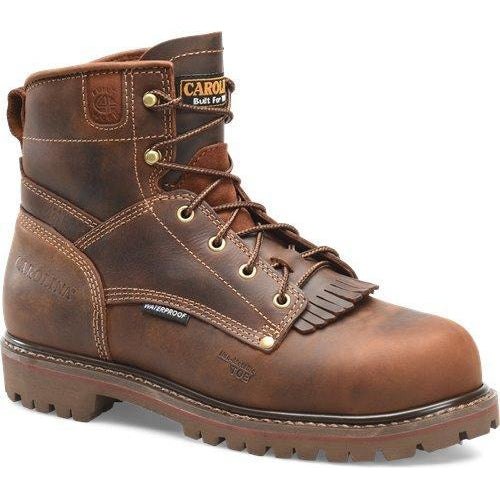
Sale price$184.79
Regular price$224.00
Carolina CA7528 Men's 28 Series 6" Composite Toe Waterproof Work Boot - Brown
Frequently Asked Questions
A waterproof boot uses a sealed membrane and sealed seams so water cannot work through the leather or the stitching. Water-resistant leather sheds rain and handles damp ground but wets through with sustained exposure. The distinction matters if you stand in water rather than walk through it, and it is stated in the product title.
High enough for the water you actually stand in, since the membrane protects only to the collar. A 6-inch waterproof boot handles wet ground and rain. If you work in standing water or deep mud, a 10 or 12-inch Wellington does far more for you than a better membrane on a short boot. Height is stated in every product title.
Usually sweat rather than leakage, particularly in warm weather when the membrane cannot breathe effectively. The other common cause is water coming in over the collar, which no membrane prevents. If the outer leather is soaking through, that is a worn water-repellent finish rather than a failed membrane, and it can be restored.
Yes. Membranes fail at seams and flex points over a few years of hard wear, and unlike an outsole they cannot be replaced. Treat waterproofing as a finite feature. The outer repellent finish wears off much sooner and can be restored by cleaning the boot and reapplying a treatment, which fixes most complaints.
The Miter EXT and Miner. A metatarsal guard covers the instep, which a safety toe leaves exposed, and it is specified where heavy objects can roll or drop onto the top of the foot. It is rated as part of the finished boot rather than added later. See our metatarsal boots range.
The Well X and Laser are, and their height is a real advantage since a waterproof boot only protects to its collar. A 12-inch shaft keeps you dry through considerably more standing water than a 6-inch boot would. See our Carolina Wellington range.
Yes, and the combination is standard for winter work since wet insulation stops working and snow melts against a warm boot. Insulation weight is stated in every product title where it applies. Match it to how much you move rather than to the temperature. See our Carolina insulated range.
Clean the dirt off regularly, since it clogs the outer material and stops moisture escaping, which causes clammy feet. Condition the leather every one to three months. Dry at room temperature away from direct heat, which damages both the leather and the membrane adhesives. Never dry them on a radiator.
Recently viewed
Our Top Brands