Sale price$179.99
Regular price$184.00
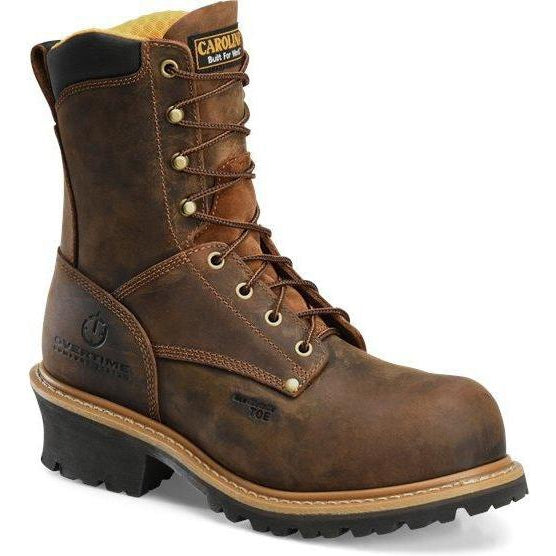
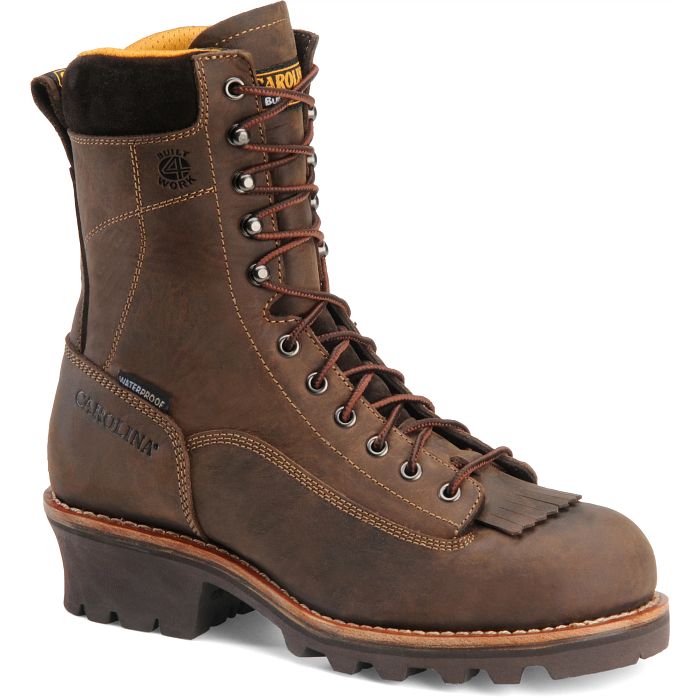
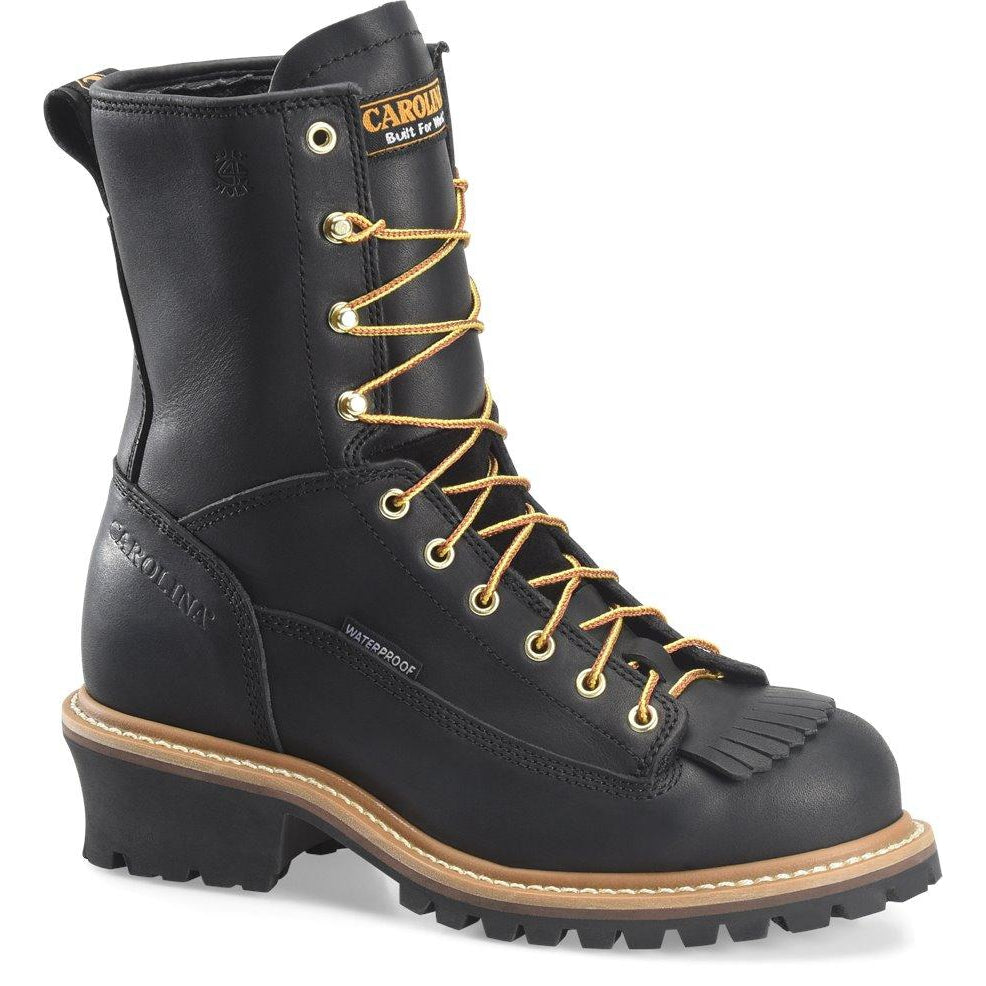
Carolina Men's Poplar 8" Composite Toe Unlined Logger Work Boot - Brown - CA9853
Sale price$194.99
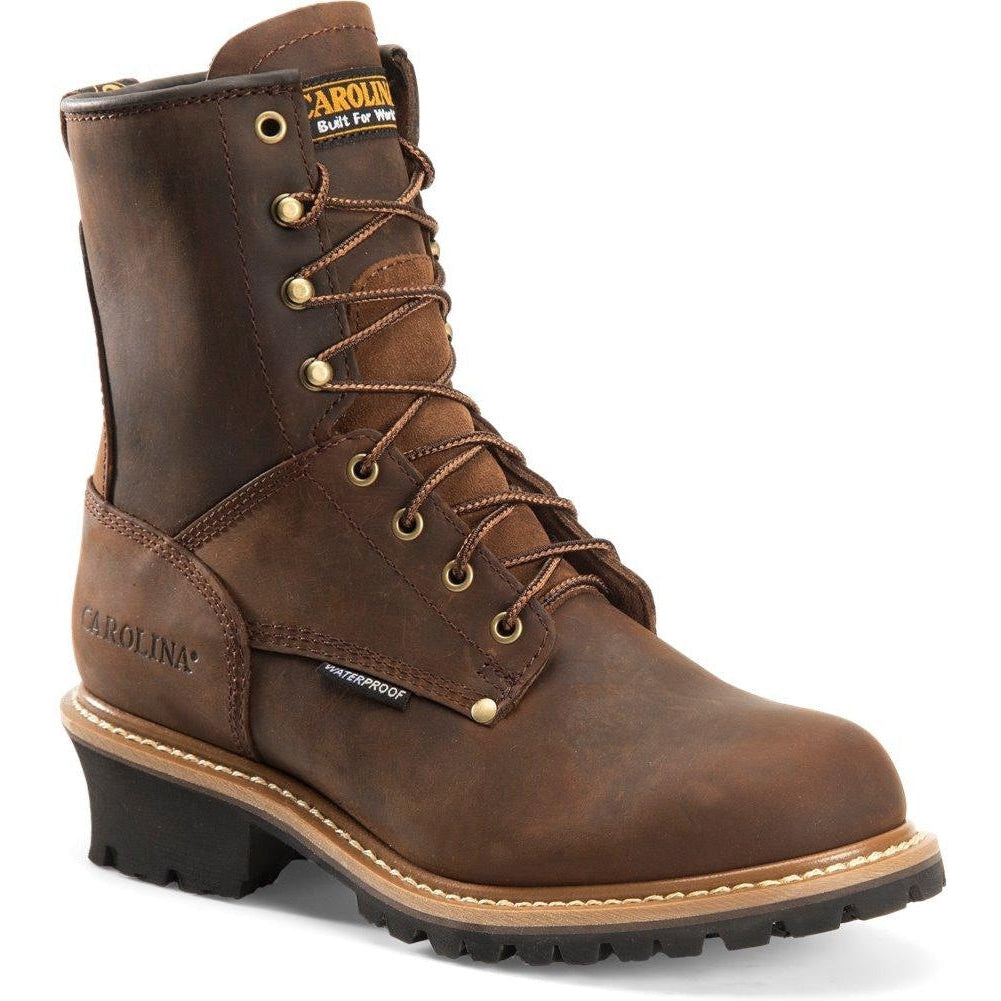
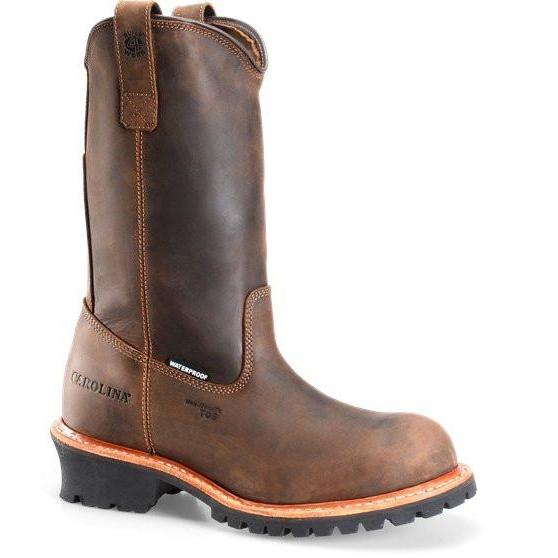
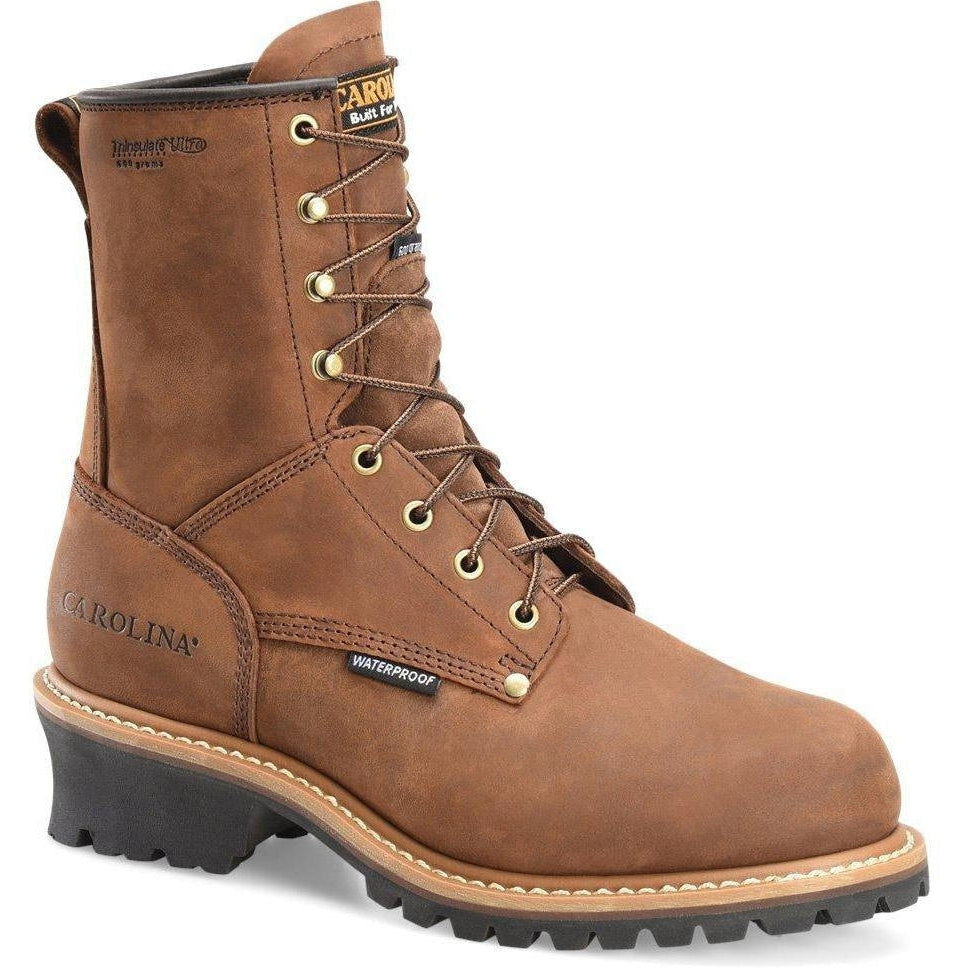
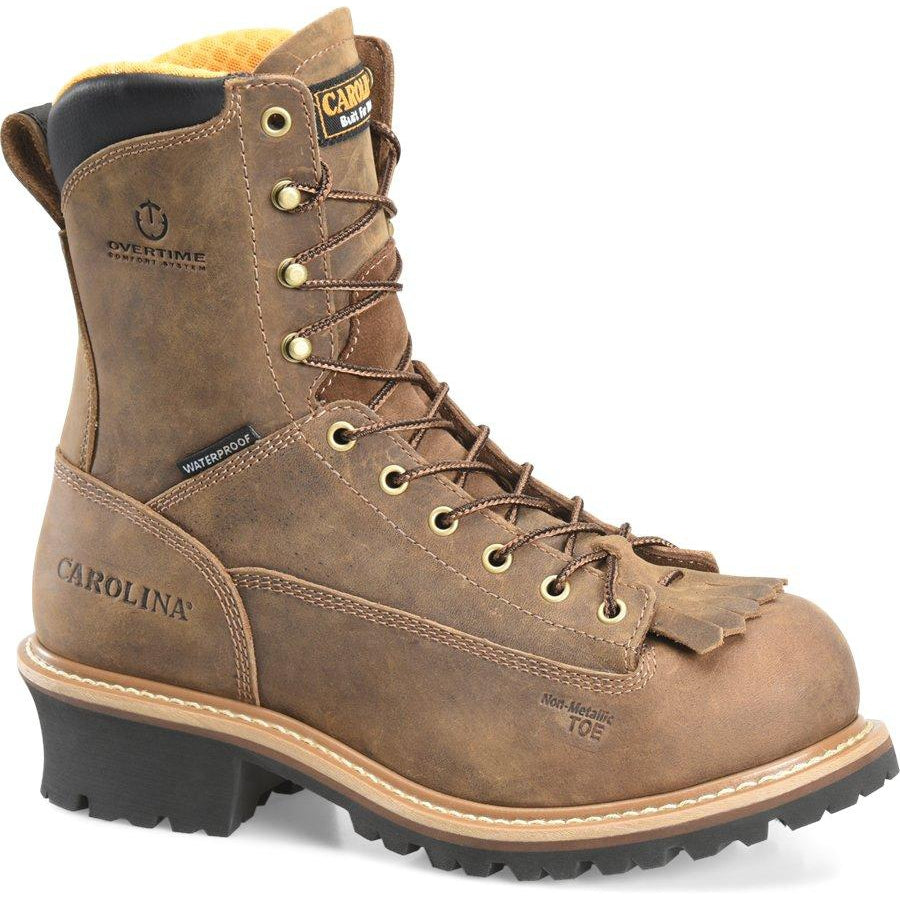
Carolina Men's Elm 8" Waterproof Logger Work Boot - Brown - CA8821
Sale price$249.99
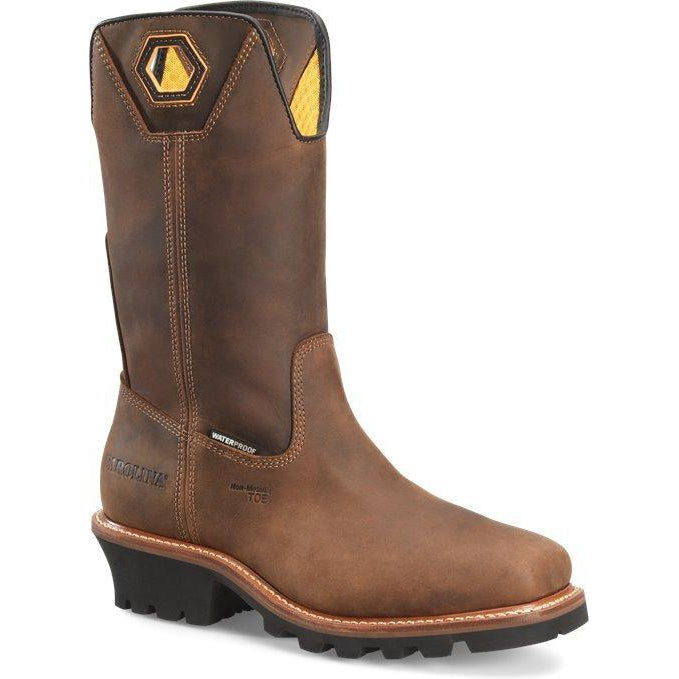
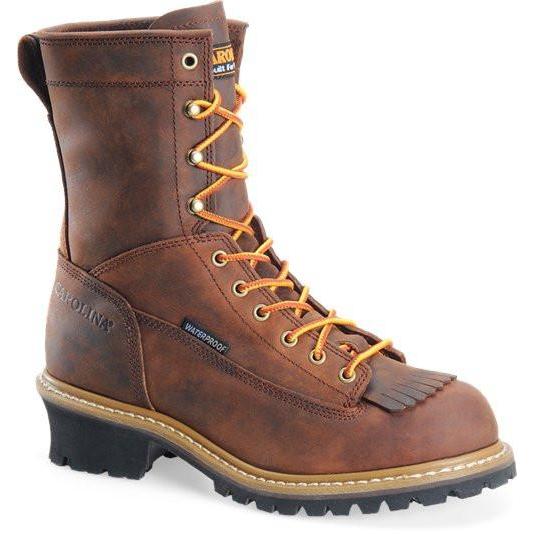
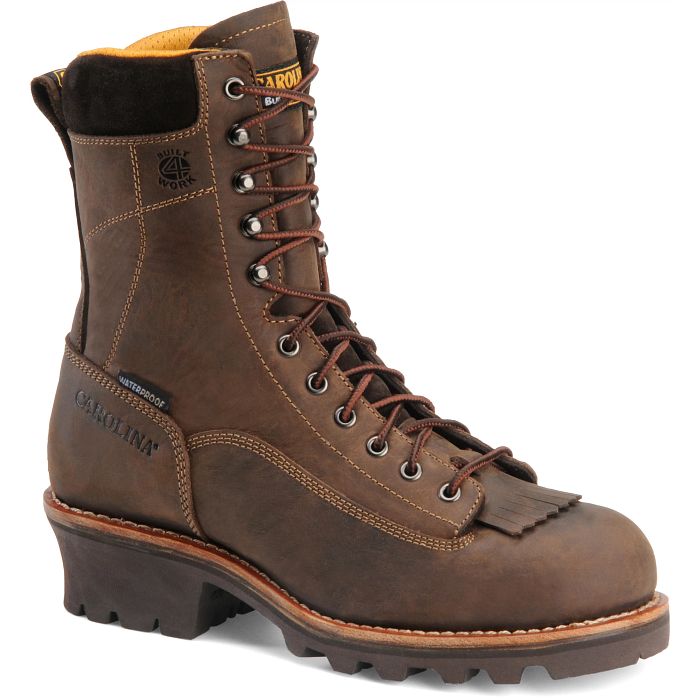
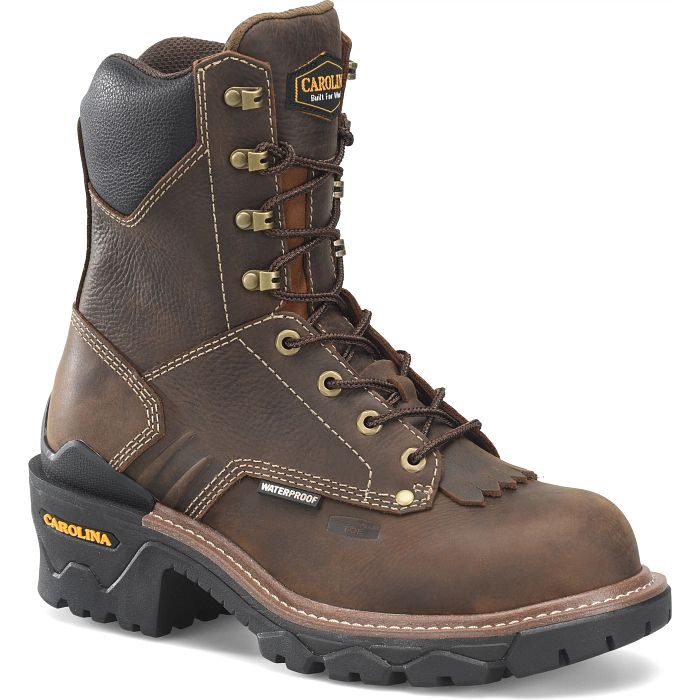
Carolina Men's Birch 8" Waterproof Logger Work Boot - Brown - CA7022
Save 13%
Sale price$187.01
Regular price$214.95
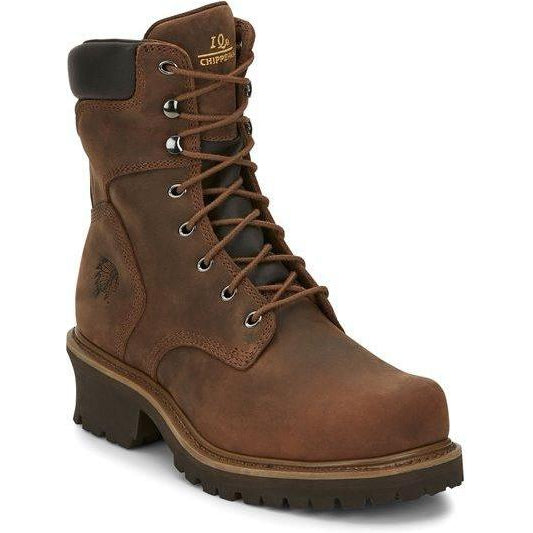
Chippewa Men's Hador 8" Steel Toe Logger Work Boot - 55026
Save 16%
Sale price$278.36
Regular price$331.00
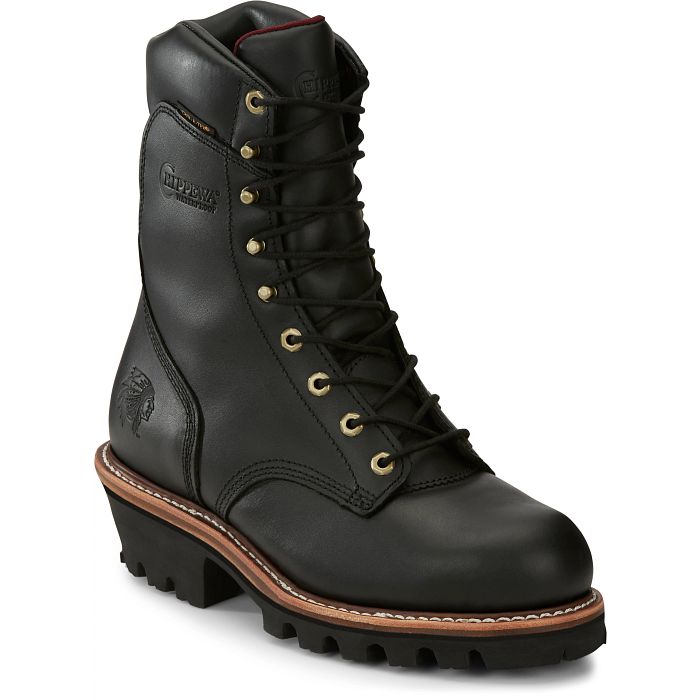
Chippewa Men's Super DNA 9" Steel Toe Waterproof 400G Ins Logger Work Boot - Black - 59410
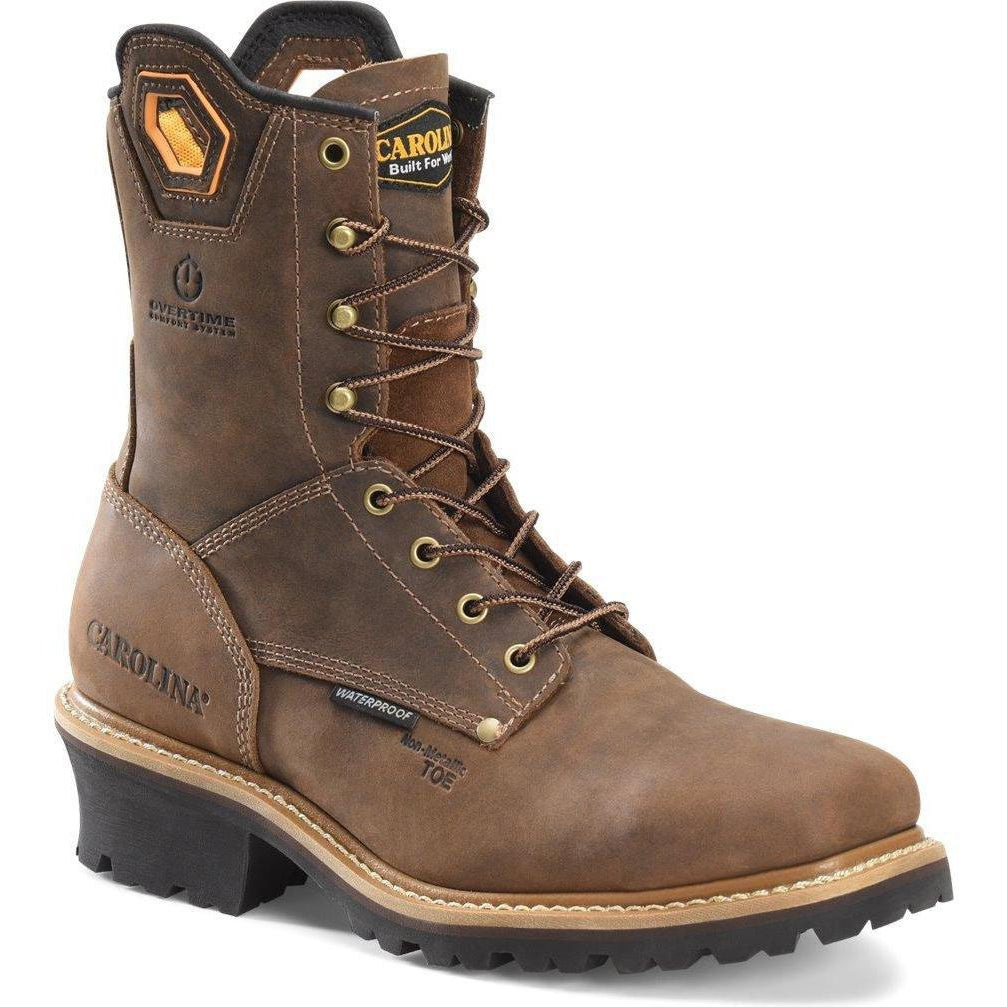
Save 16%
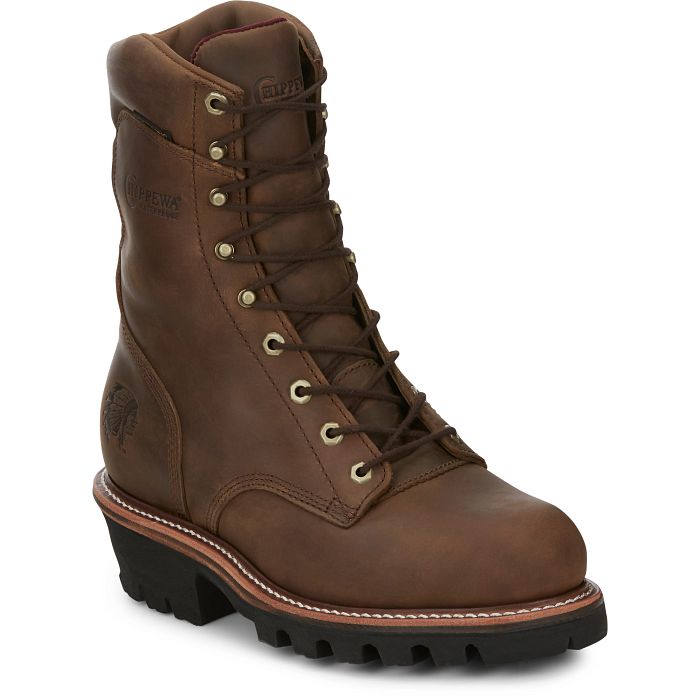
Sale price$278.36
Regular price$331.00
Chippewa Men's 9" Steel Toe Waterproof Ins Logger Work Boot - Brown - 59405
Save 16%
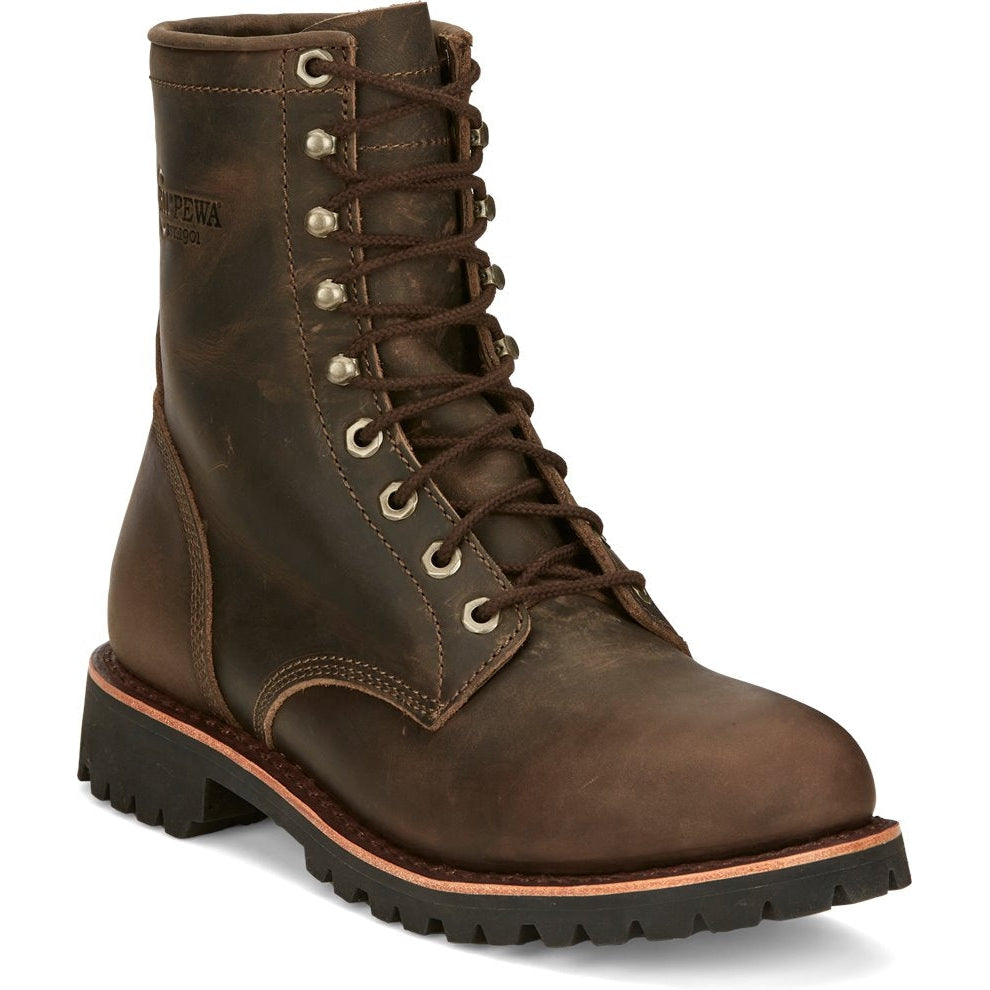
Sale price$208.76
Regular price$249.00
Chippewa Men's Classic 2.0 8" Soft Toe Lace Up Work Boot -Brown- NC2085
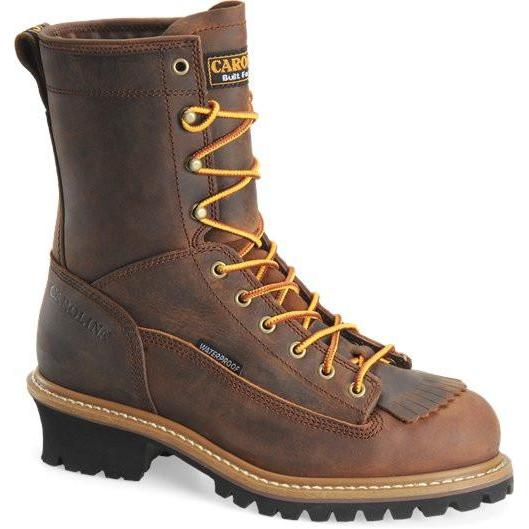
Sale price$219.99
Regular price$224.00
Carolina Men's Spruce 8" Steel Toe Waterproof Logger Work Boot - Brown - CA9824
Save 36%
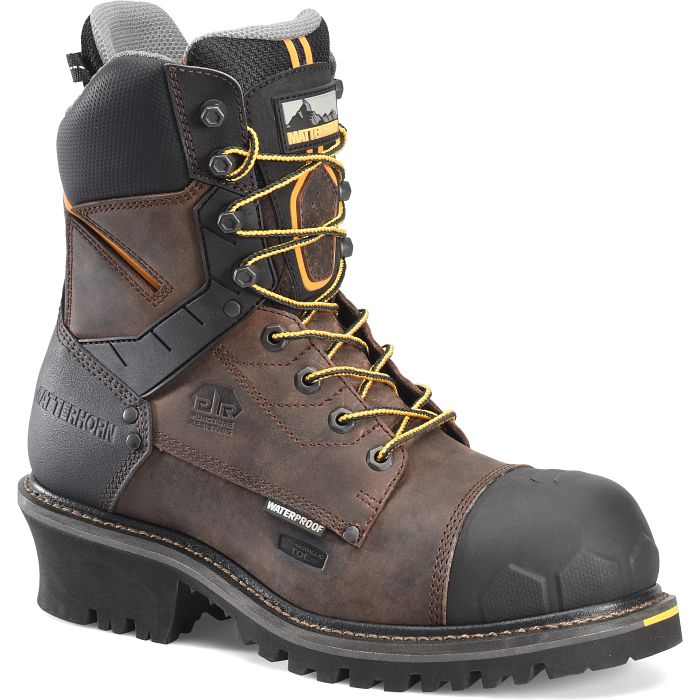
Sale price$147.67
Regular price$232.00
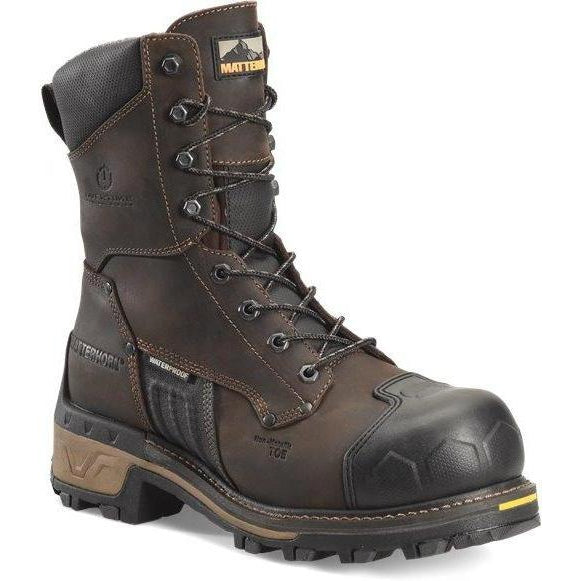
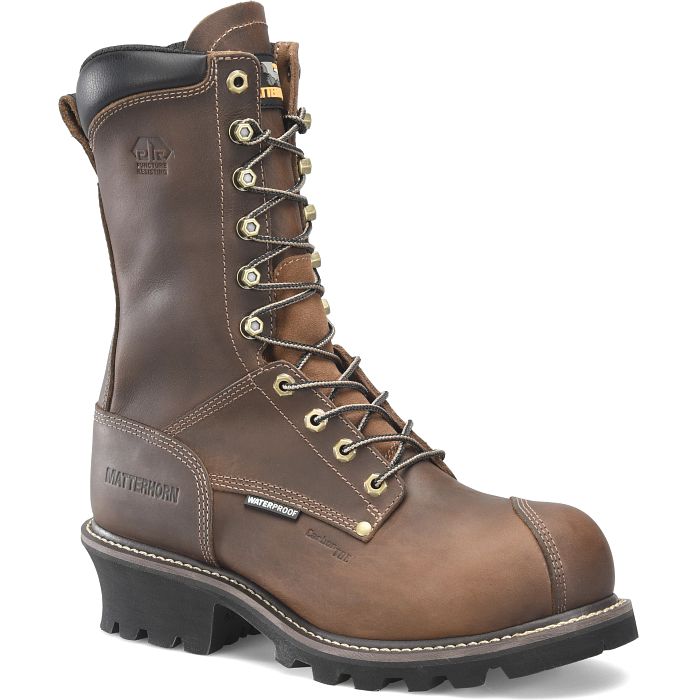
Matterhorn Men's Pr Steadfast 8" Waterproof Composite Toe Logger Work Boot -Brown- MT2558
Save 16%
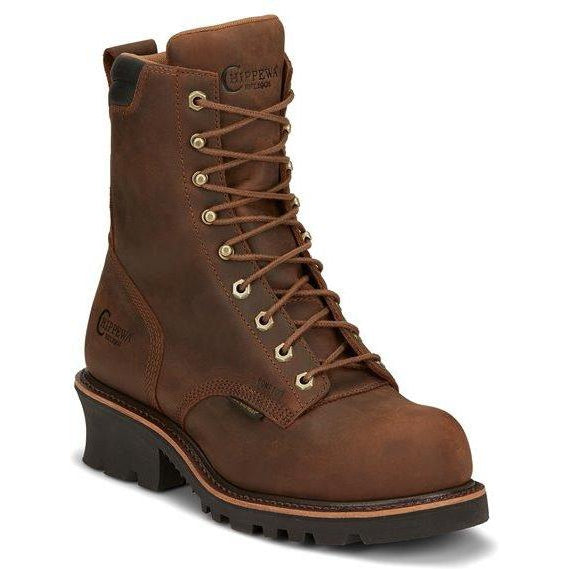
Sale price$187.01
Regular price$223.00
Chippewa Men's Valdor 8" Composite Toe Waterproof Logger Work Boot - Tan - 73236
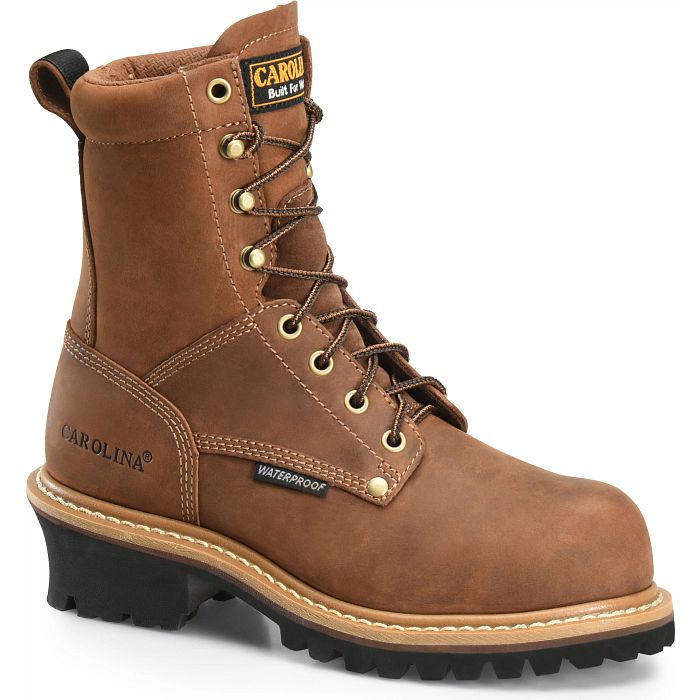
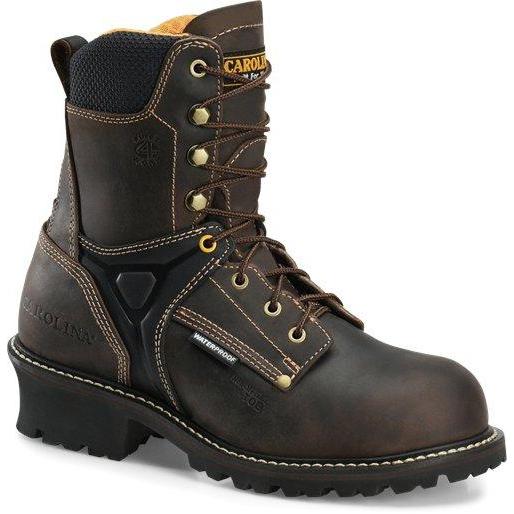
Save 6%
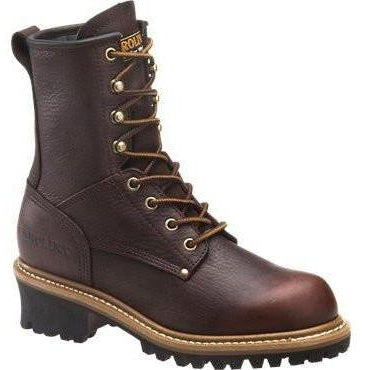
Sale price$154.99
Regular price$165.00
Carolina Women's Elm 8" Steel Toe Logger Work Boot - Brown - CA1421
Save 13%
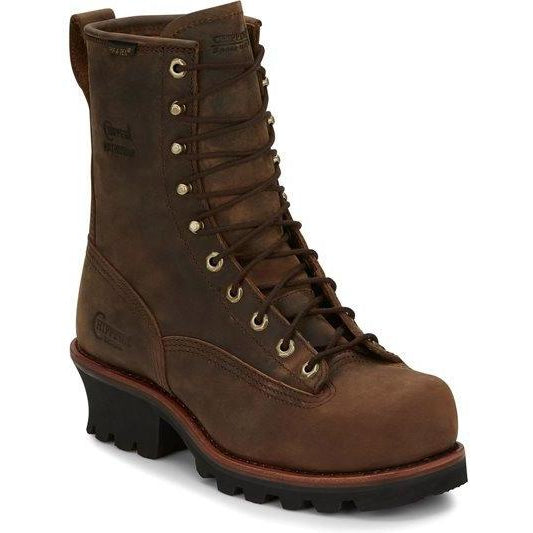
Sale price$265.31
Regular price$304.95
Chippewa Men's Paladin 8" Steel Toe Waterproof Logger Work Boot- Brown- 73101
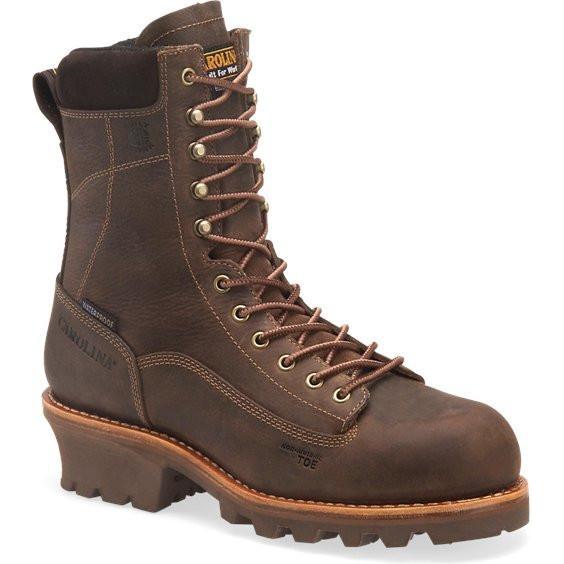
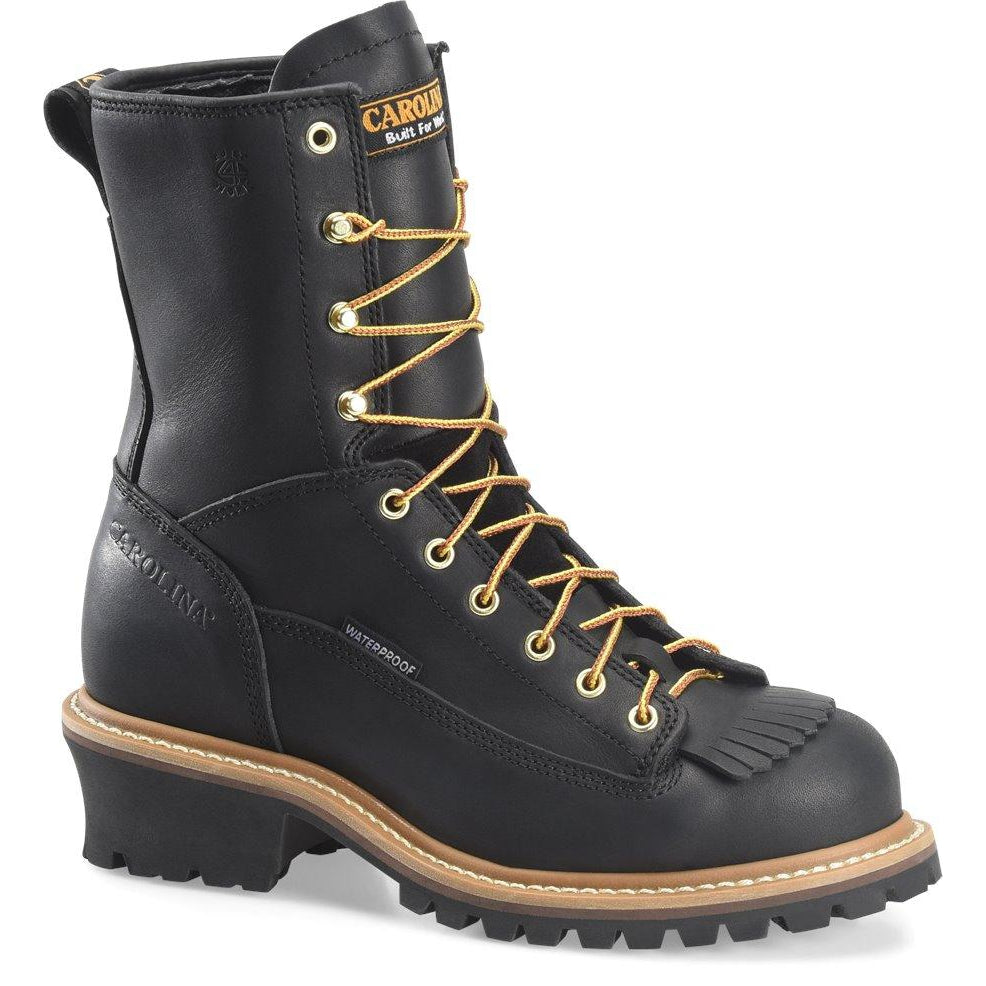
Sale price$209.99
Regular price$214.00
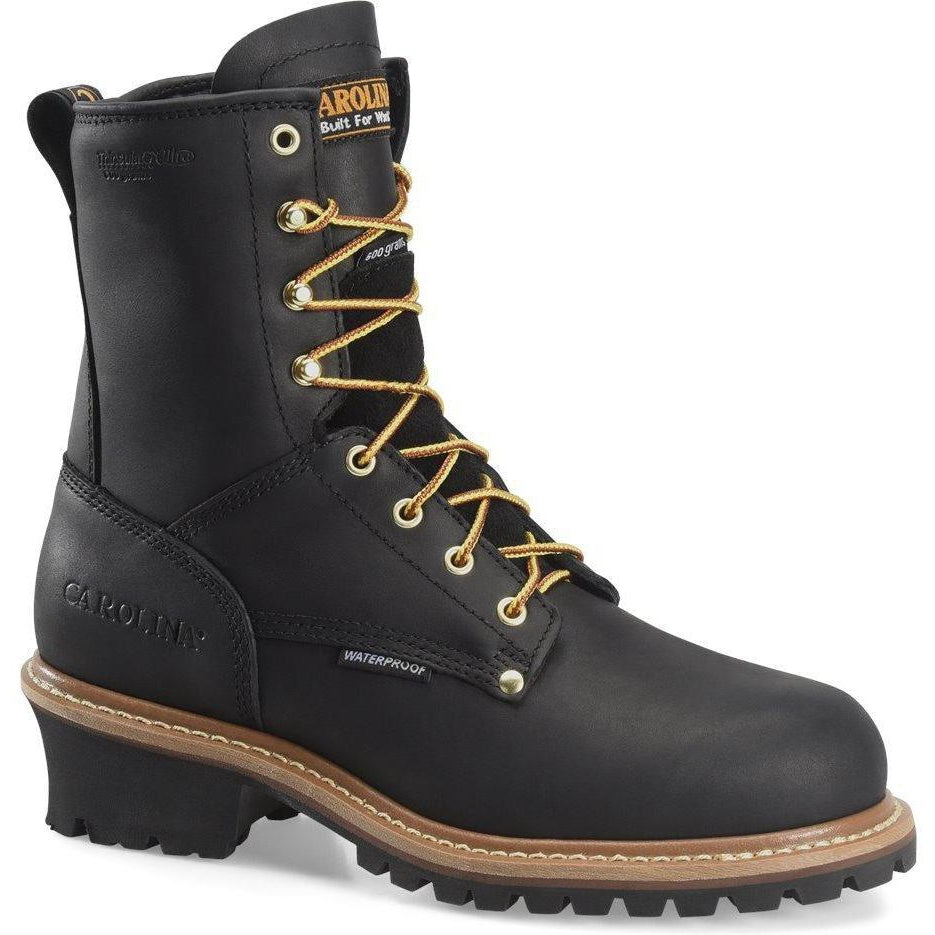
Carolina Spruce Logger Boots - Men's 8" Steel Toe Waterproof - CA9825
Save 18%
Sale price$278.36
Regular price$339.00
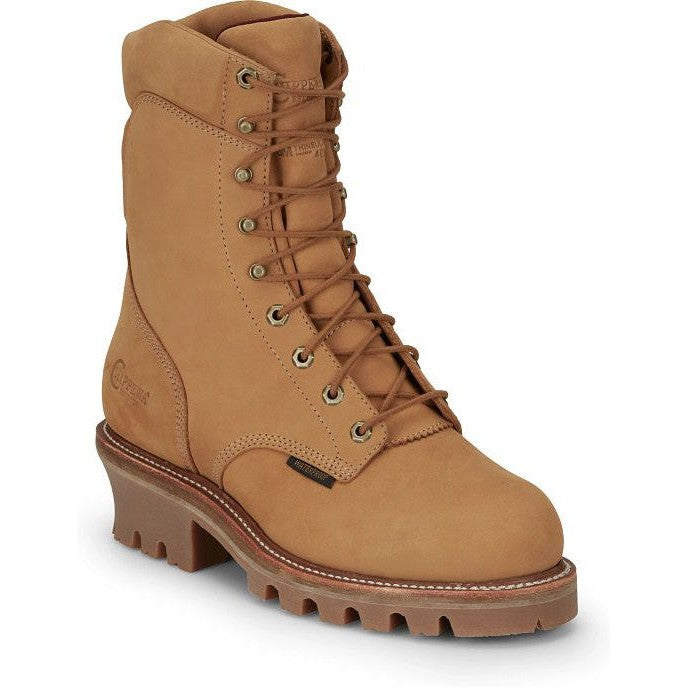
Chippewa Men's Super Dna 9" 400G Insulated Steel Toe Work Boot -Wheat- 59417
Save 7%
Sale price$389.95
Regular price$420.00
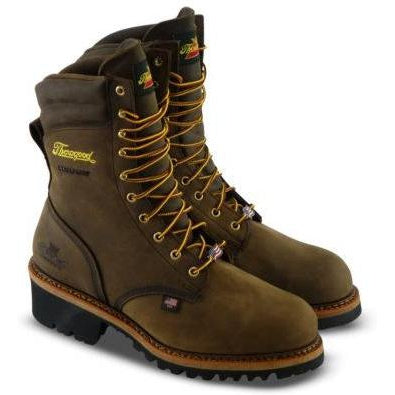
Thorogood Men's Logger 9" Steel Toe Waterproof USA Made Work Boot - Brown - 804-3555
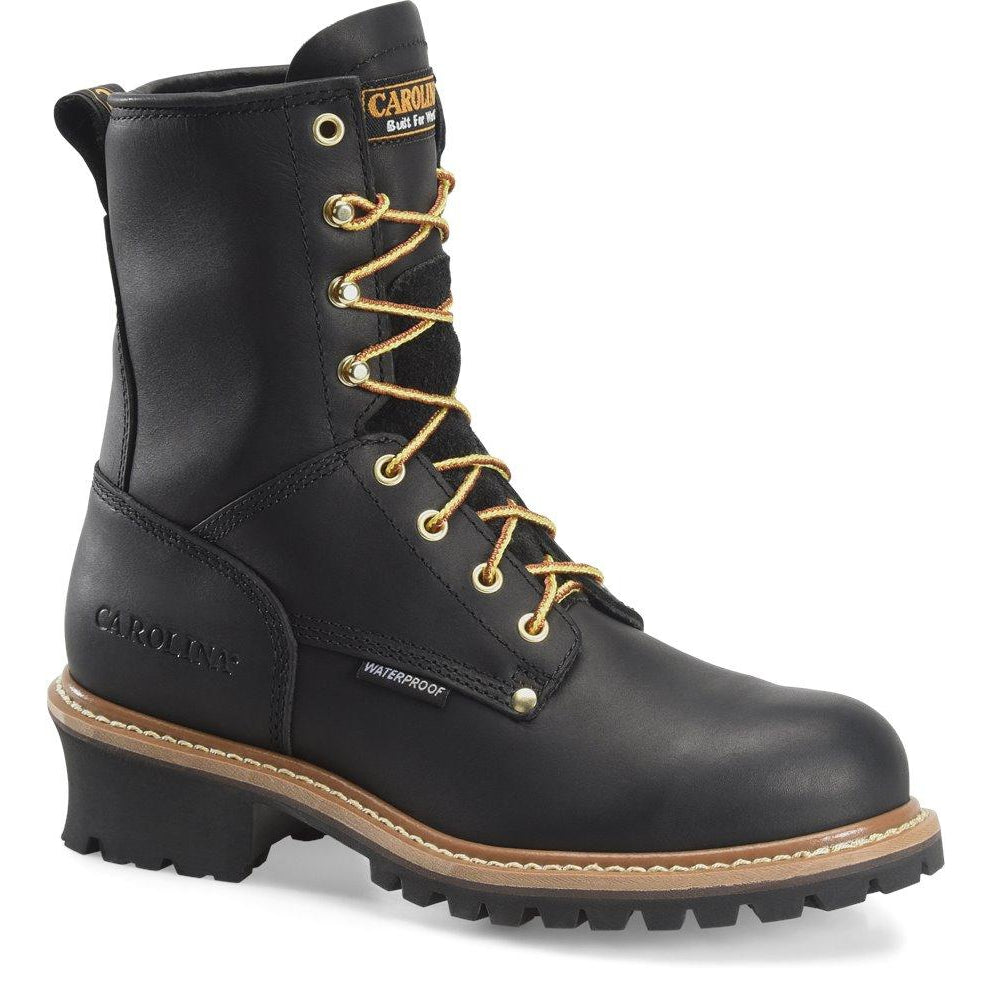
Sale price$184.99
Carolina Men's Elm 8" Waterproof Logger Work Boot - Black - CA8823
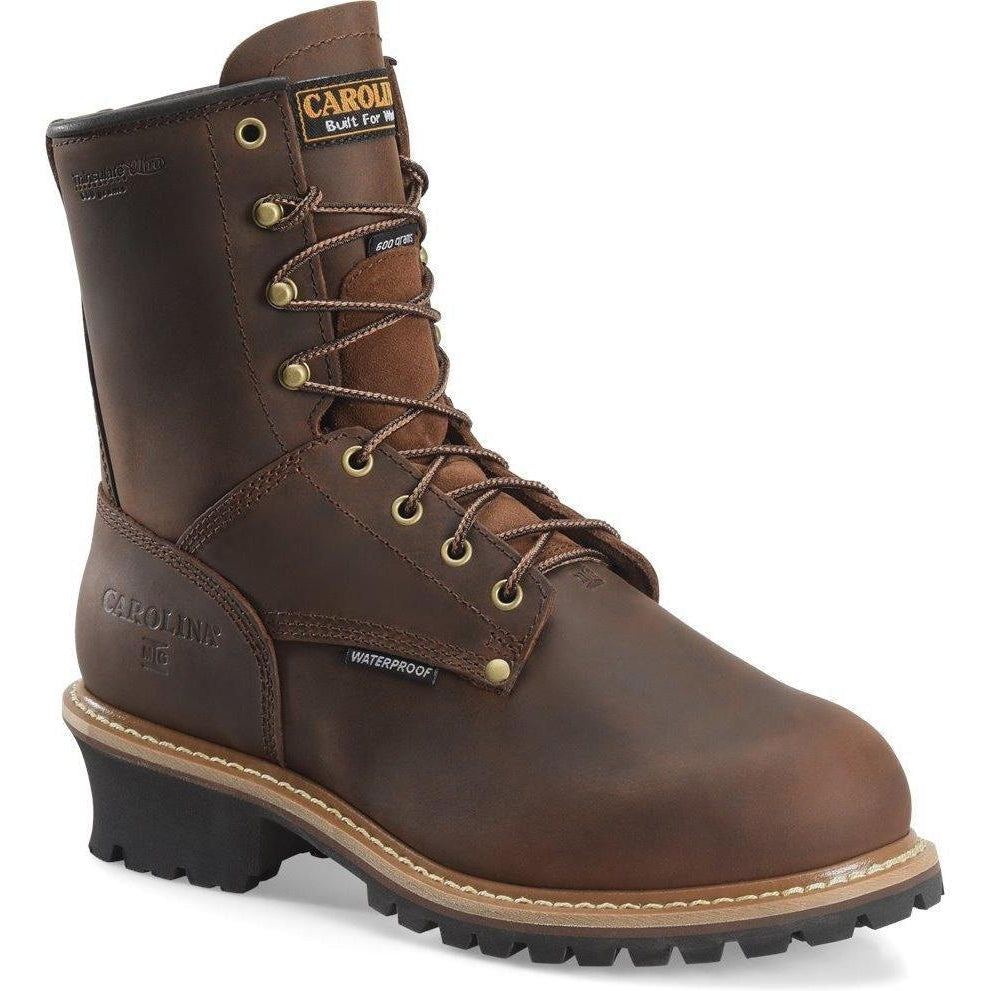
Sale price$219.99
Regular price$224.00
Carolina Men's Elm 8" Waterproof Insulated Metguard Logger Work Boot - CA7821
Save 13%
Sale price$252.96
Regular price$292.00
Georgia Men's Usa Logger 9" Waterproof Composite Toe Work Boot - Crazy - GB00540
Save 7%
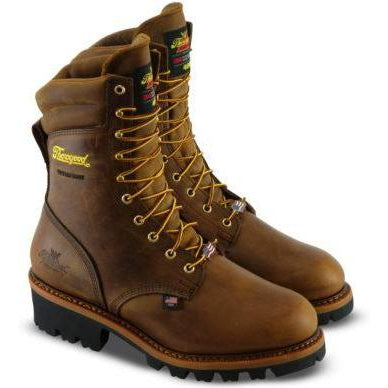
Sale price$399.95
Regular price$430.00
Thorogood Men's Logger 9" Steel Toe Insulated USA Work Boot - Brown - 804-3554
Save 36%
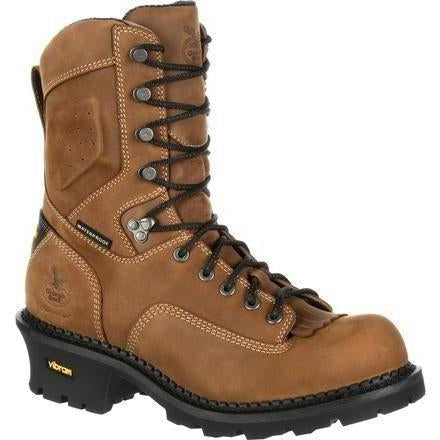
Sale price$162.67
Regular price$255.00
Georgia Men's Comfort Core 9" Logger Work Boot Brown GB00096
Recently viewed
Frequently Asked Questions
A good forestry boot is a logger-style work boot with a raised heel and an aggressive lug sole for traction on wet, sloped, uneven ground, plus a stiff shank for support underfoot. Most run 8 inches or taller to brace the ankle, in full-grain leather, with a safety toe where the site requires one. Waterproofing is common and worth having for dew, mud, and creek crossings, though some foresters skip it to keep the leather breathing. You will find these among our men's work boots, narrowed to the height, heel, and sole that hold up in the woods.
Either toe works for forestry, because steel-toe and composite-toe boots certified to the same ASTM F2413 impact and compression levels carry the same rated protection. Composite runs lighter and transfers less heat and cold, while steel usually reaches the rating with a thinner cap and costs less. EH is a rating on the finished boot rather than a property of the toe, so check it on the model itself.
You need waterproof forestry boots where dew, mud, and creek edges keep your feet wet through the day. The tradeoff is breathability, so some foresters prefer treated full-grain leather they can dry out overnight rather than a sealed membrane that runs hotter on warm days. Most boots here are waterproof, and if that is your first priority, you can narrow to our waterproof work boots.
Your boots should be 8 inches or taller for most woods work, which is where you get real ankle support and debris protection. Nine- and ten-inch heights add support and keep more mud, water, and sawdust out, and 12-inch boots suit deeper mud or snow. A 6-inch boot works if you spend more time on roads and landings than in the brush. Taller boots take longer to lace and run warmer, so match the height to your terrain rather than going as tall as you can.
You should plan on spending $150 to $290, which is where most of the boots on this page sit. That band buys full-grain leather, a safety toe, and waterproofing. Above that band, USA-made Thorogood models and Chippewa Super Loggers are the step up, worth the difference if you are hard on boots daily and will actually resole rather than replace. Clearance can put a fully specced boot well below the band, so check the sale price before you read a low number as a lesser boot.
A good pair of boots for forestry work should last at least a full season of hard use, and a well-matched pair runs longer. Wet ground, steep terrain, daily mileage, and whether the boots dry fully between shifts determine where they land. A rebuildable boot can stay in service through a resole while the upper, welt, and internal structure remain sound.
Forestry work boots in this collection do not protect against chainsaw cuts. Chainsaw protection is a separate certified class of footwear built specifically for contact with a running chain. OSHA requires employees operating a chainsaw in covered logging work to wear footwear made of cut-resistant material, so that is the certification to shop for if you run a saw. The safety-toe models here protect against rated impact and compression, with puncture-resistant soles on select styles.
You need 200 to 400 grams for active woods work in ordinary winter cold. Move to 600 grams when the cold is sustained, or the job includes long periods standing still. Uninsulated boots make more sense in mild weather or high-output work where heat and moisture build quickly. You can narrow it down to our insulated boots once you know the weight you want.
Yes, there are women's models in this collection, among them the Carolina Women's Elm in soft, steel, and composite toe, the Chippewa Women's Tinsley 8-inch steel toe, and the Georgia Women's Amped Lightweight in alloy toe. The women's range is smaller than the men's, so if your size is not showing, check width options first. If the size or the toe rating you need is not there, the equivalent men's model is worth comparing, generally about a size and a half down, though width and last vary by brand, so check the size chart.
You should look at Carolina, Chippewa, Georgia, Matterhorn, and Thorogood first, since those five build most of the logger boots on this page. Danner, Ariat, Carhartt, Rocky, and Hoss also make logger-style boots and are stocked here.