Save 8%
Sale price$220.79
Regular price$239.99
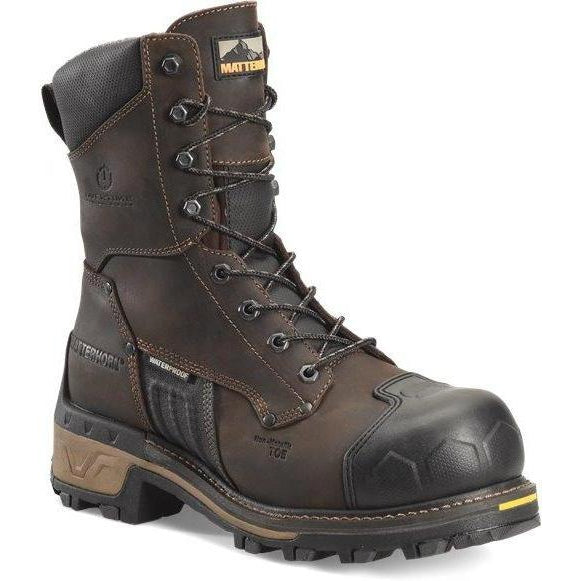
Matterhorn Men's Max 8" Composite Toe Waterproof Logger Work Boot Brown MT2560
Save 17%
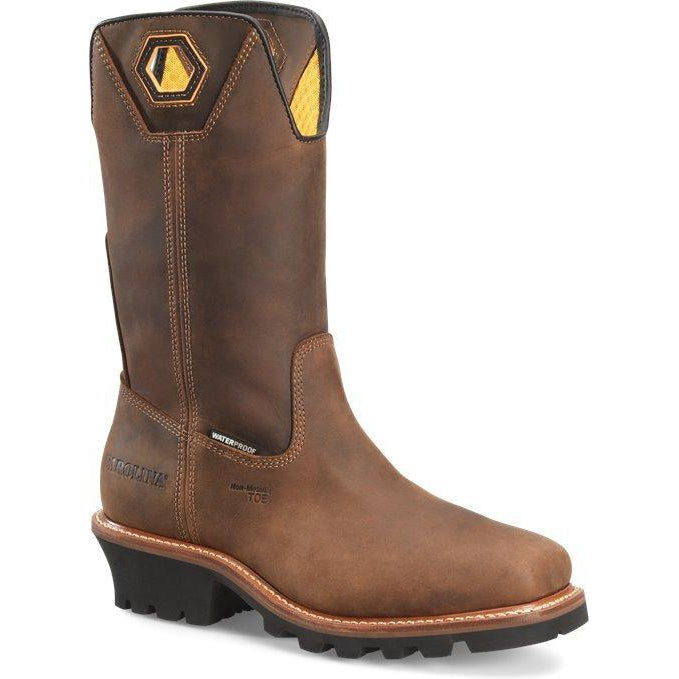
Sale price$244.84
Regular price$294.99
Carolina Men's Coppice 12" Composite Toe Waterproof Logger Work Boot- Brown- CA9833
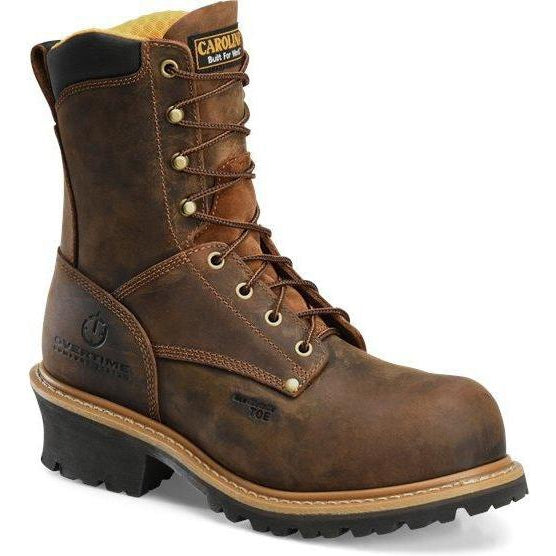
Sale price$179.99
Regular price$184.00
Carolina Men's Poplar 8" Composite Toe Unlined Logger Work Boot - Brown - CA9853
Save 17%
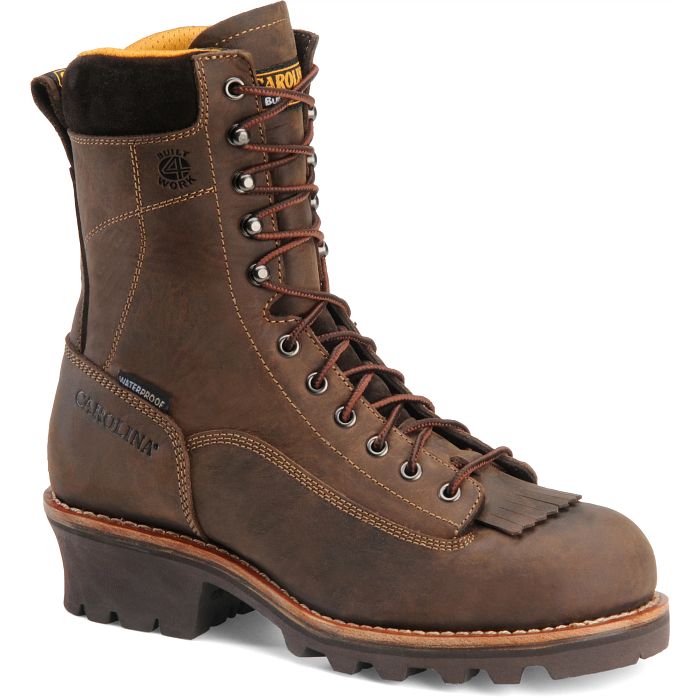
Sale price$211.64
Regular price$254.99
Carolina Men's Birch 8" Composite Toe Waterproof Logger Work Boot - Brown - CA7522
Save 17%
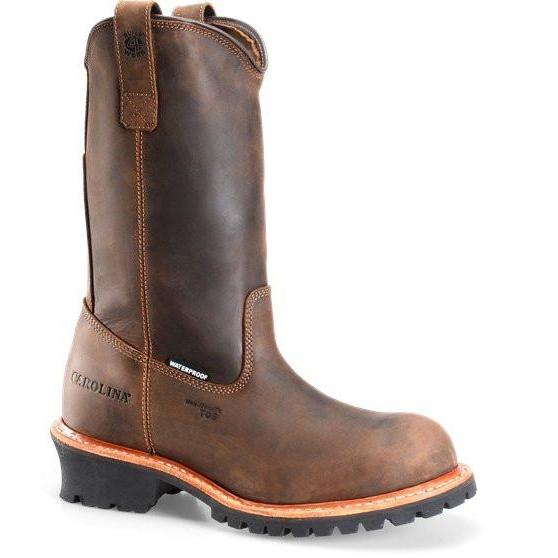
Sale price$236.54
Regular price$284.99
Carolina Men's Well X 12" Composite Toe Wellington Logger Work Boot CA9831
Save 17%
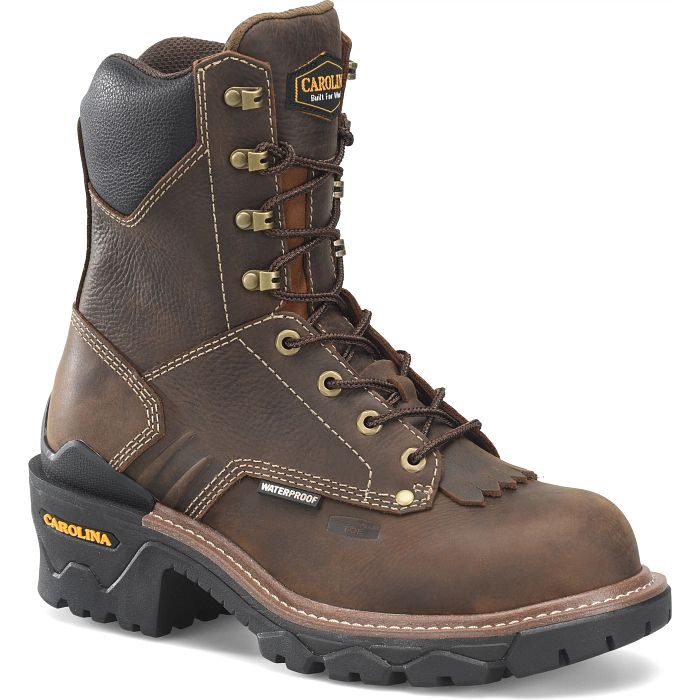
Sale price$186.74
Regular price$224.99
Carolina Men's Cardinal 8" Composite Toe Waterproof Slip Resistant Work Boot -Brown- CA7837
Save 17%
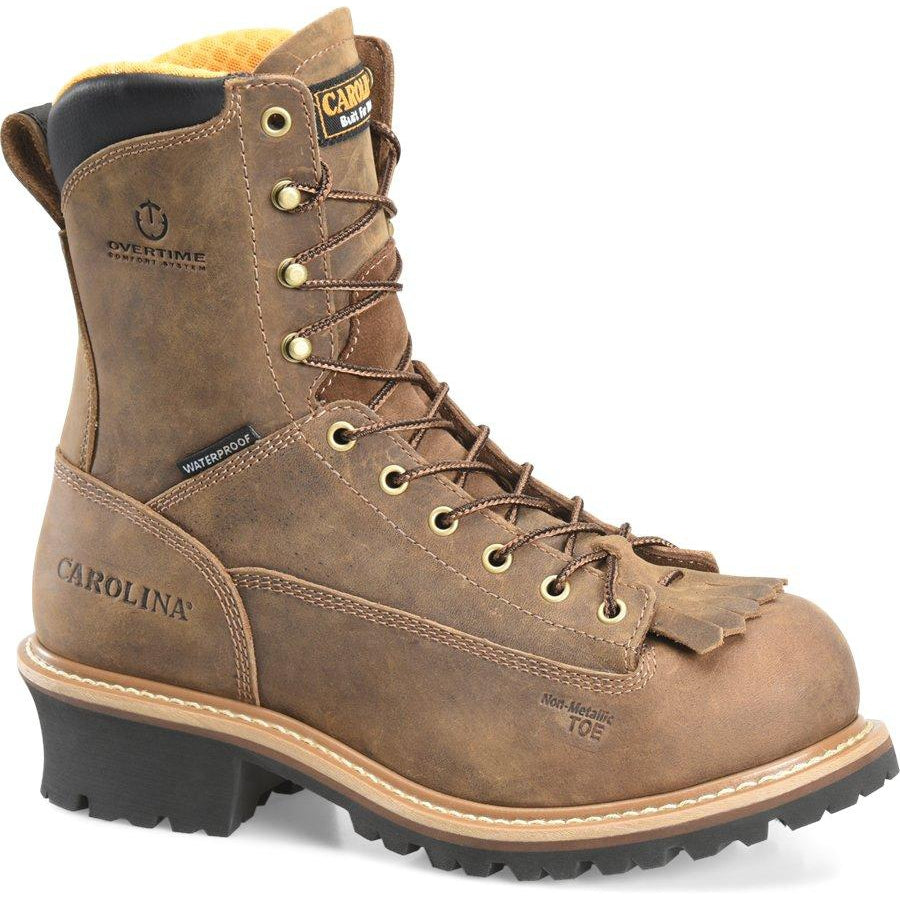
Sale price$186.74
Regular price$224.99
Carolina Men’s Driller 8” Composite Toe Waterproof Logger Work Boot – Brown - CA9828
Save 17%
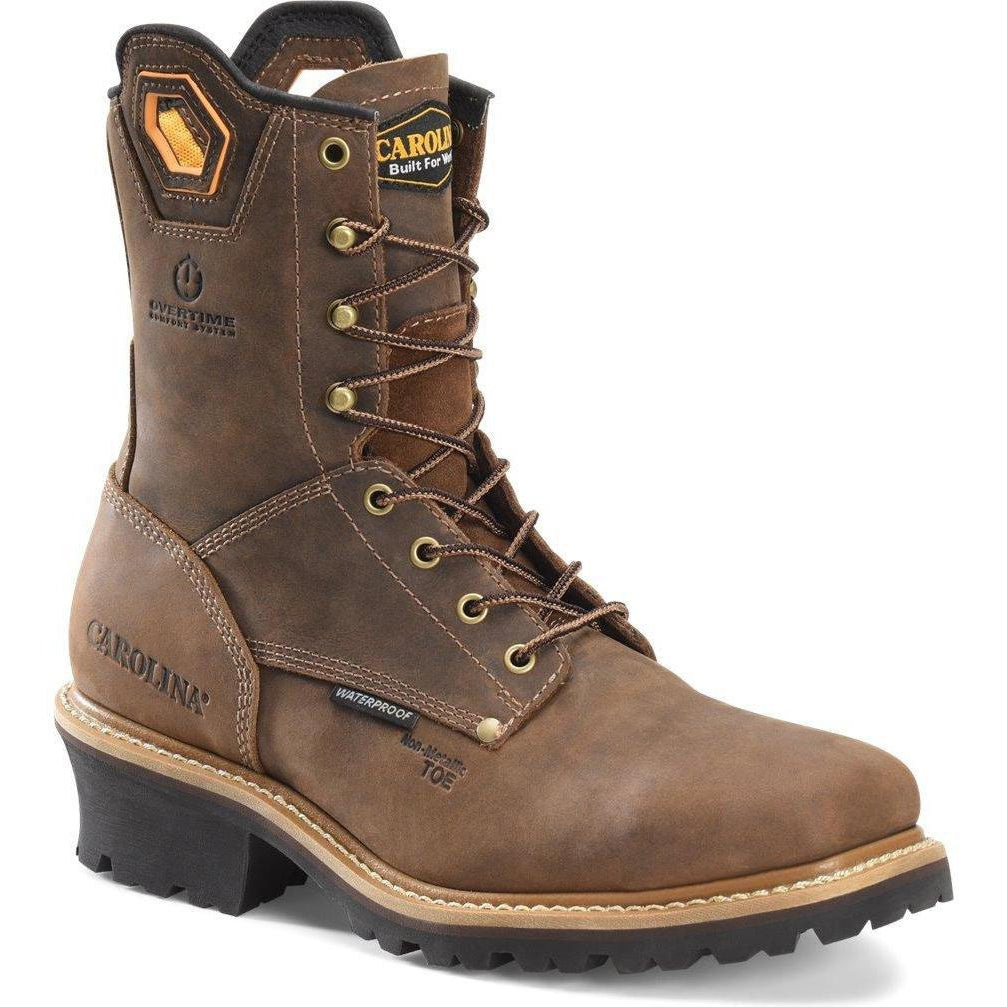
Sale price$203.34
Regular price$244.99
Carolina Men's Coppice 8" Composite Toe Waterproof Logger Work Boot - Brown - CA9855
Save 36%
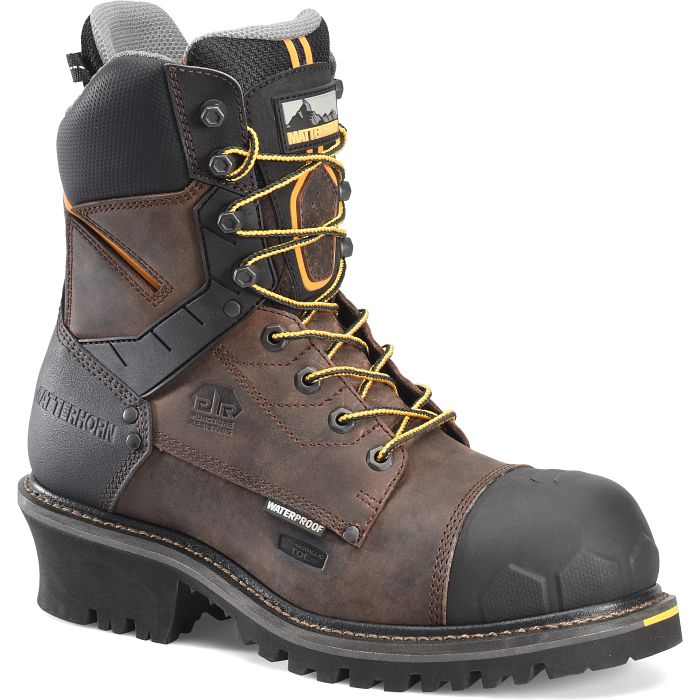
Sale price$147.67
Regular price$232.00
Matterhorn Men's Pr Steadfast 8" Waterproof Composite Toe Logger Work Boot -Brown- MT2558
Save 16%
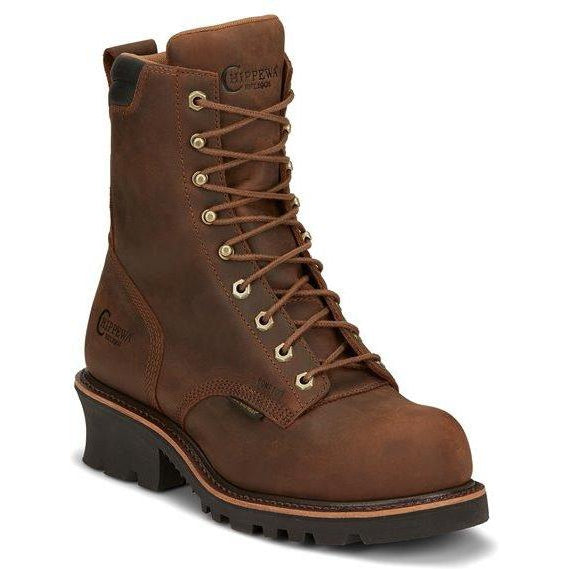
Sale price$187.01
Regular price$223.00
Chippewa Men's Valdor 8" Composite Toe Waterproof Logger Work Boot - Tan - 73236
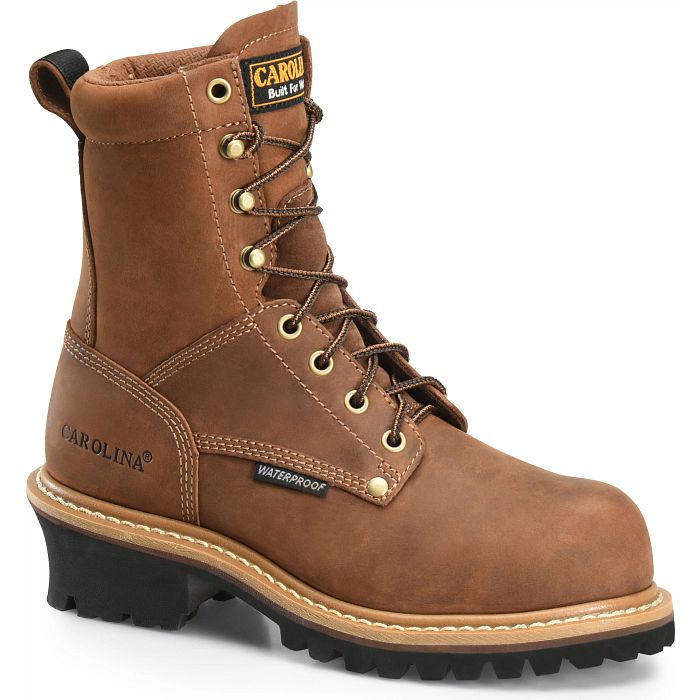
Save 17%
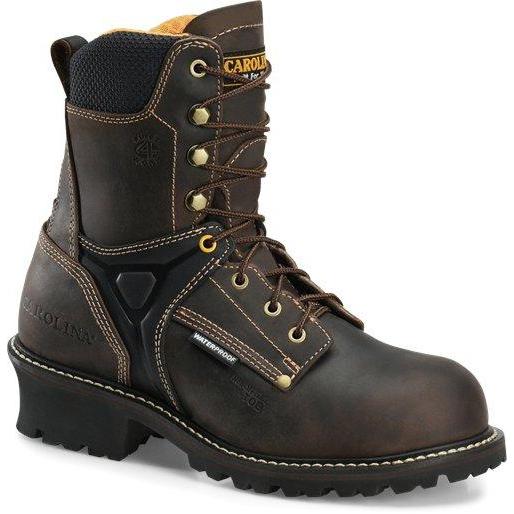
Sale price$195.04
Regular price$234.99
Carolina Men's Timber 8" Composite Toe Waterproof Logger Work Boot - Brown - CA6921
Save 17%
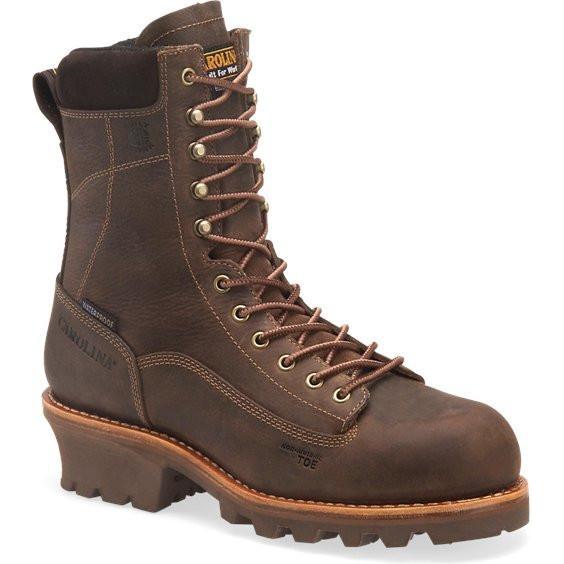
Sale price$224.09
Regular price$269.99
Carolina Birch Logger Boots CA7521 - Men's 8" Composite Toe Waterproof Work Boot
Save 8%
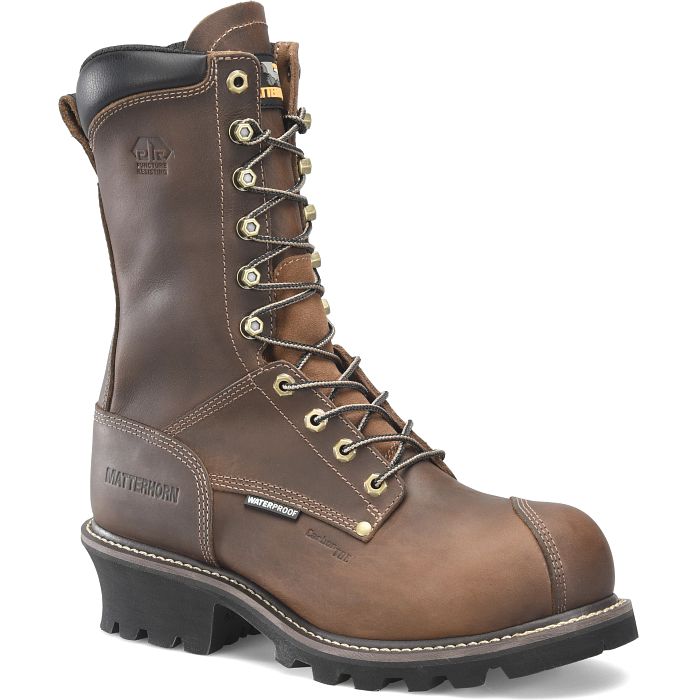
Sale price$256.67
Regular price$278.99
Matterhorn Men's ARC 10" Waterproof Composite Toe Logger Work Boot -Brown- MT2510
Save 13%
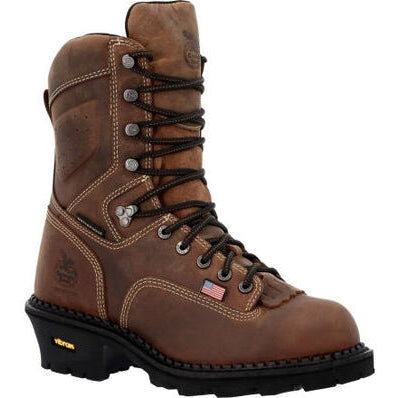
Sale price$252.96
Regular price$292.00
Georgia Men's Usa Logger 9" Waterproof Composite Toe Work Boot - Crazy - GB00540
Save 17%
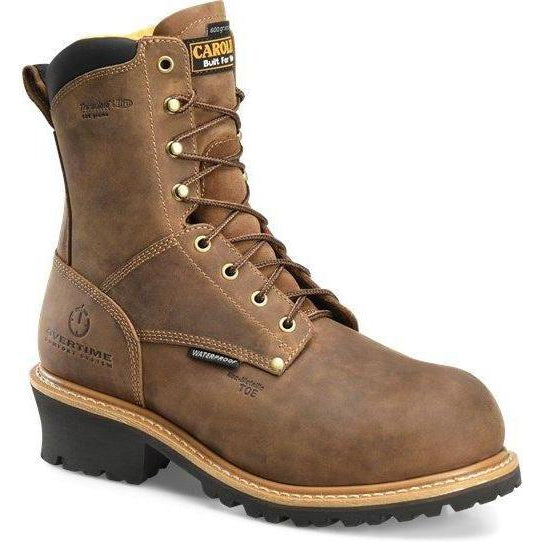
Sale price$195.04
Regular price$234.99
Carolina Men's Poplar 8" Composite Toe Waterproof Insulated Logger Work Boot - CA9851
Save 15%
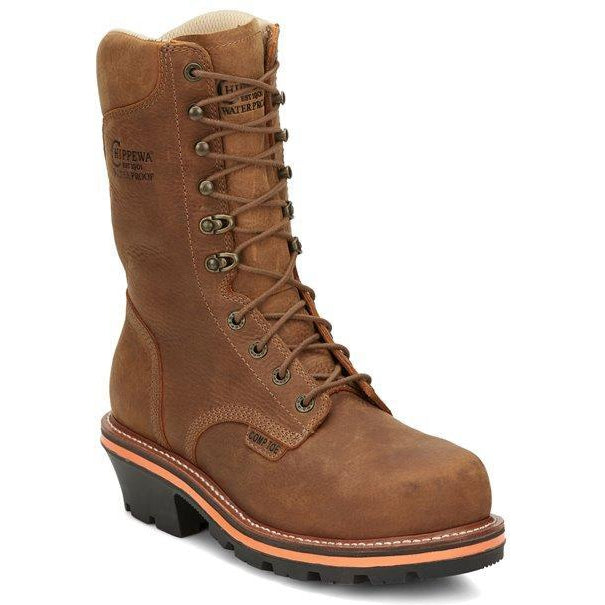
Sale price$287.06
Regular price$338.00
Chippewa Men's Thunderstruck 10" Nano Composite Toe Work Boot Brown- TH1030
Save 18%
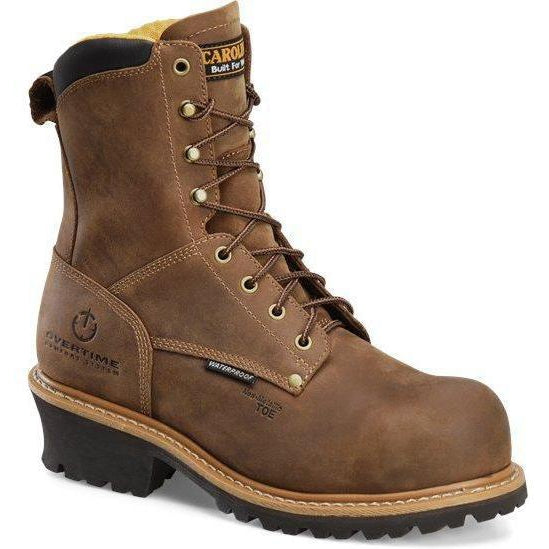
Sale price$182.59
Regular price$224.00
Carolina Men's Poplar 8" Waterproof Composite Toe Logger Work Boot Brown - CA9852
Save 14%
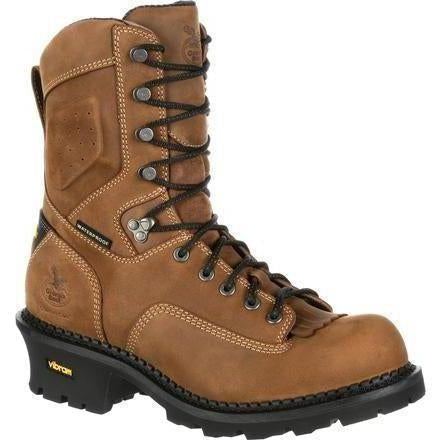
Sale price$223.20
Regular price$260.00
Georgia Men's Comfort Core 9" Composite Toe Logger Work Boot Brown GB00097
Save 15%
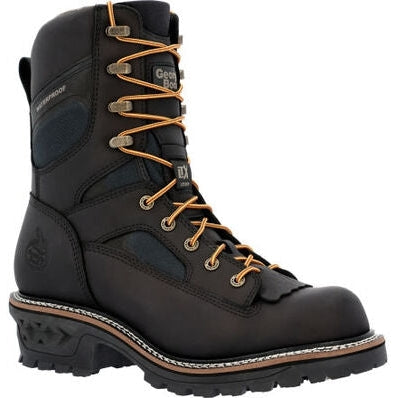
Sale price$204.60
Regular price$240.00
Georgia Men's Ltx Logger 9" Composite Toe Waterproof Work Boot -Black- GB00619
Save 17%
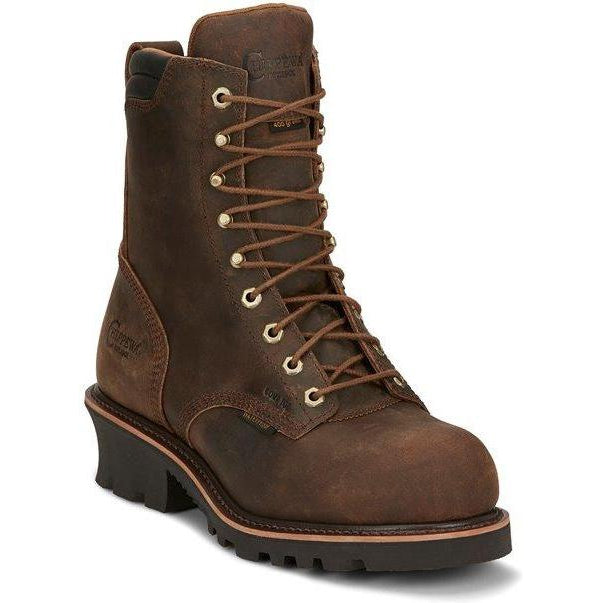
Sale price$195.71
Regular price$235.00
Chippewa Men's Valdor 8" Composite Toe Waterproof 400G Ins Logger Work Boot - 73238
Save 11%
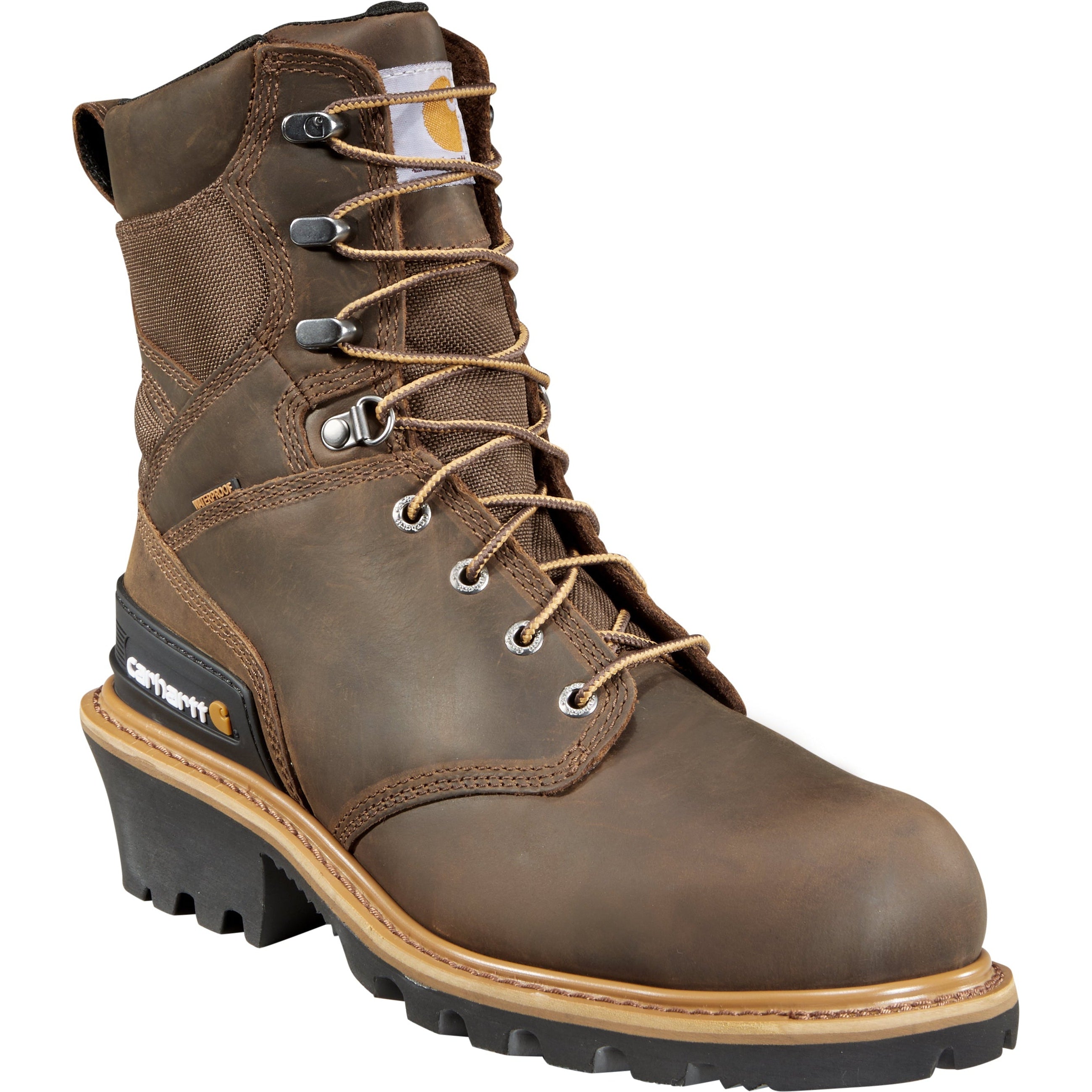
Sale price$197.79
Regular price$221.50
Carhartt Men's 8" Composite Toe Waterproof Logger Work Boots - Brown - CML8360
Save 17%
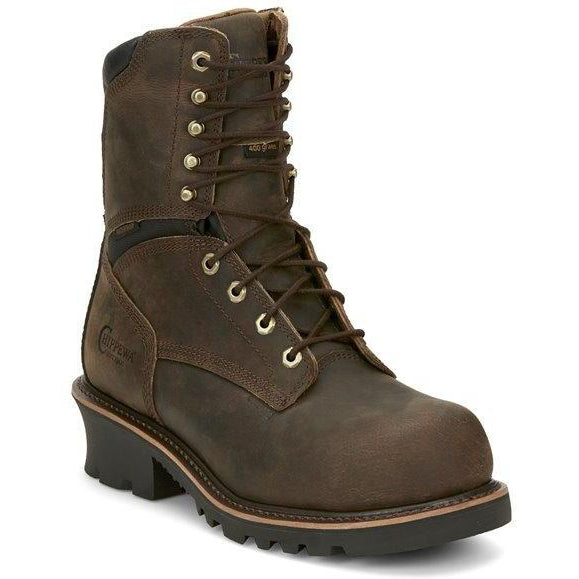
Sale price$195.71
Regular price$235.00
Chippewa Men's Sador 9" Composite Toe Waterproof 400G Insulated Logger Work Boot - 73233
Save 7%
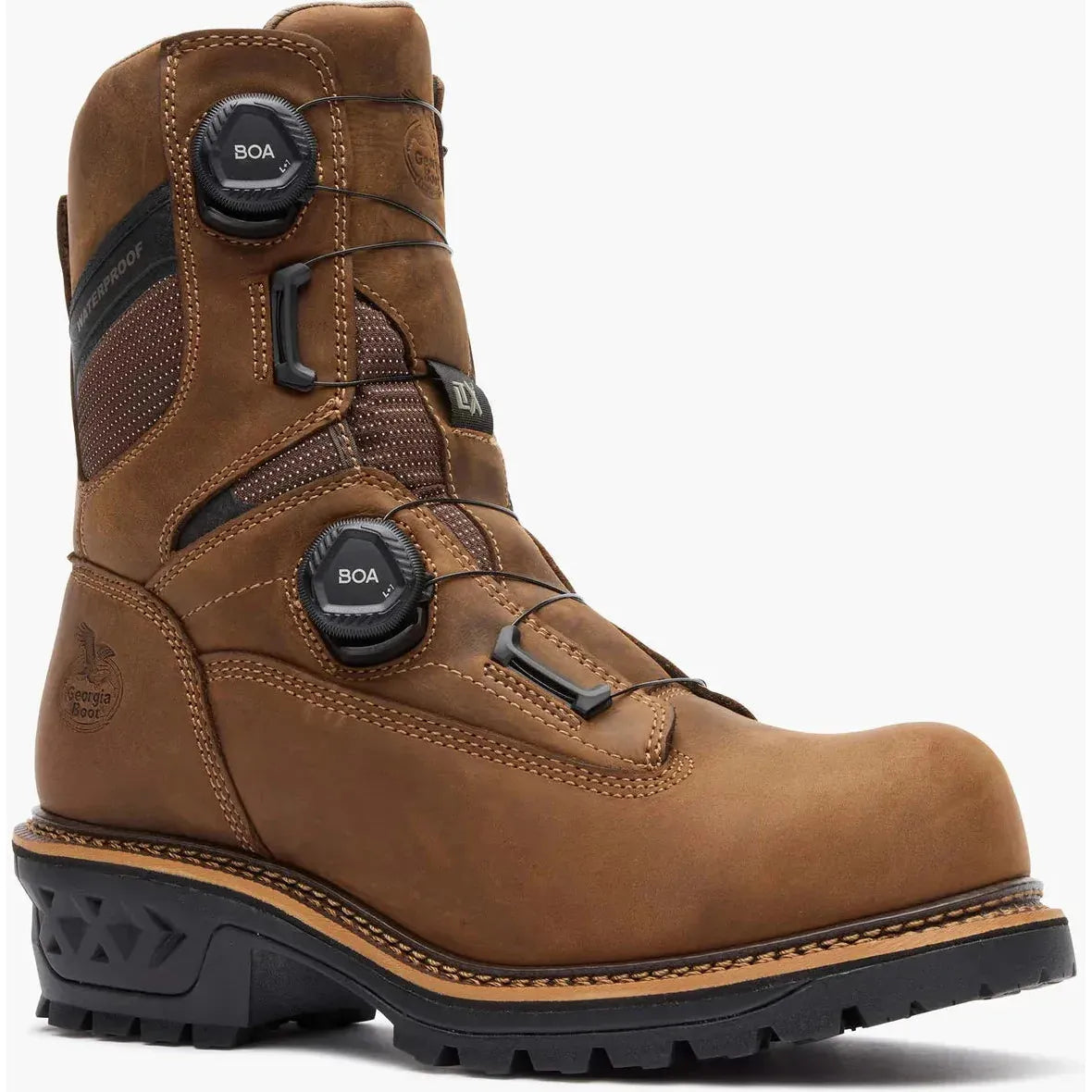
Sale price$223.20
Regular price$240.00
Georgia Men's LTX Logger 9" Comp Toe Waterproof BOA Work Boot- Brown- GB00732
Save 15%
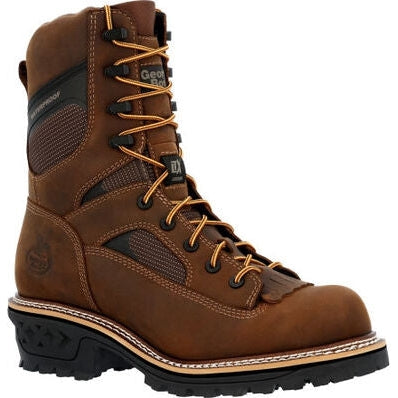
Sale price$204.60
Regular price$240.00
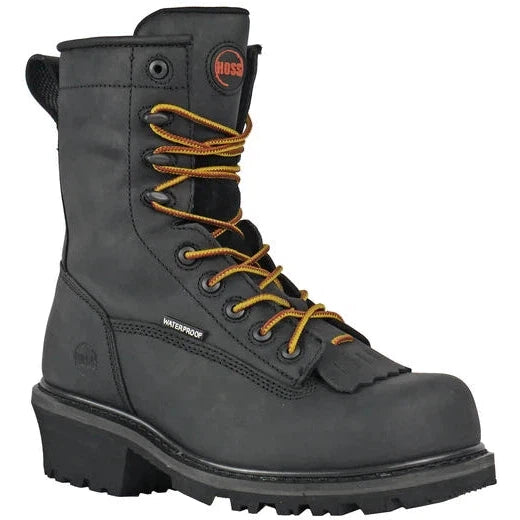
Georgia Men's Ltx Logger 9" Composite Toe Waterproof Work Boot -Brown- GB00617
Save 14%
Sale price$223.20
Regular price$260.00
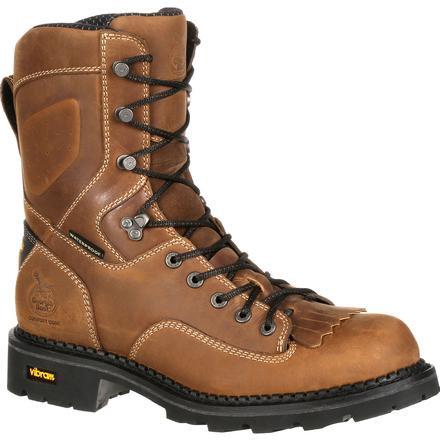
Georgia Men's Comfort Core 8" Composite Toe Logger Work Boot Brown GB00123
Save 15%
Sale price$199.95
Regular price$235.00
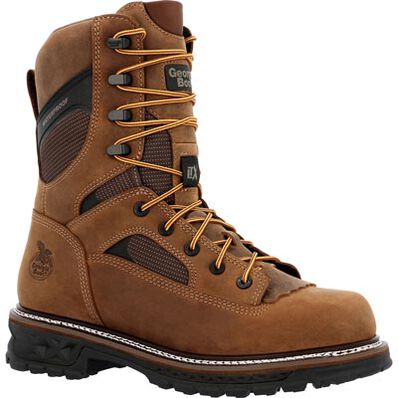
Georgia Men's LTX Logger 9" Composite Toe Waterproof Work Boot- Brown- GB00669
Save 10%
Sale price$202.39
Regular price$226.00
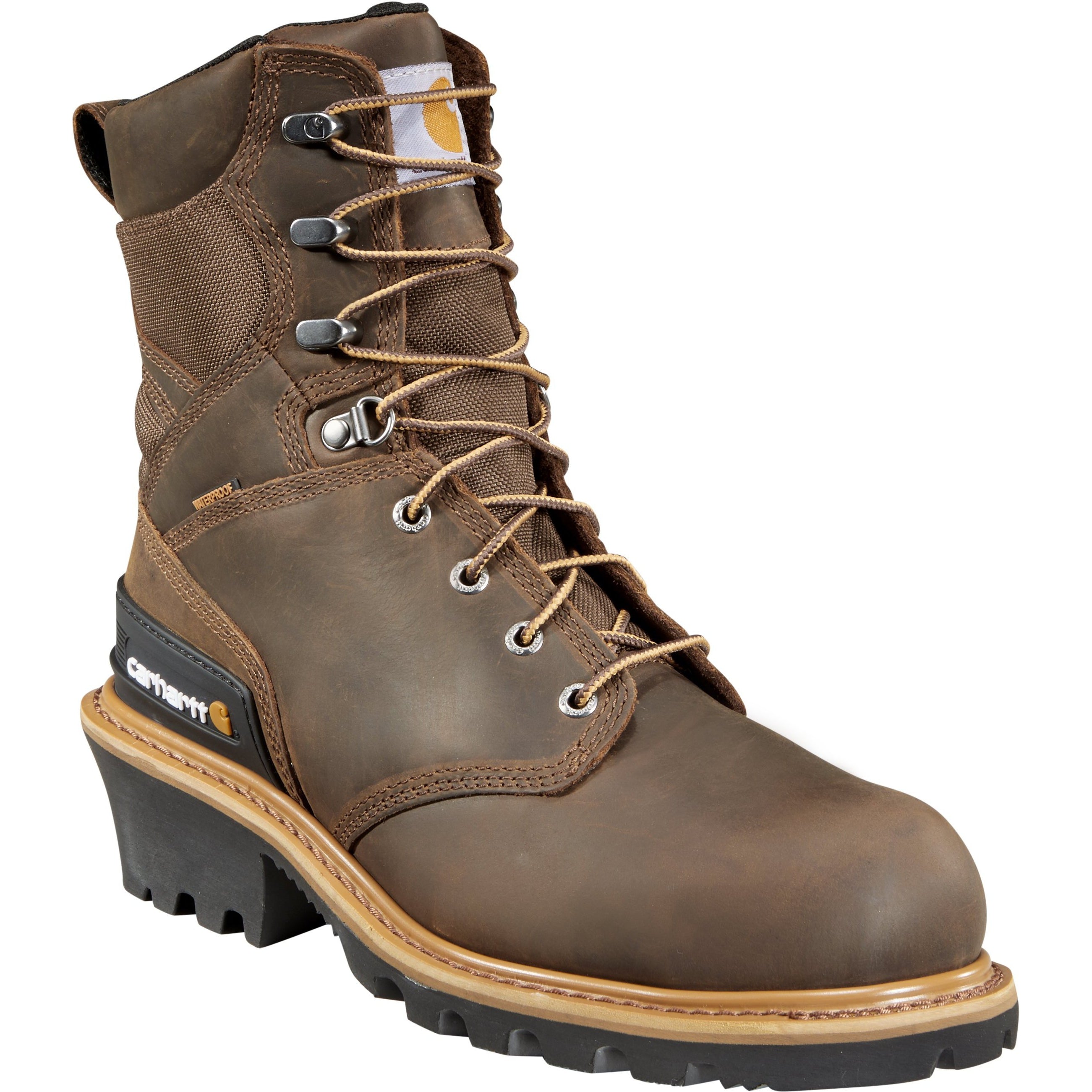
Carhartt Men's 8" Composite Toe Waterproof Ins Climbing Work Boot - Brown - CML8369
Save 33%
Sale price$156.67
Regular price$234.00
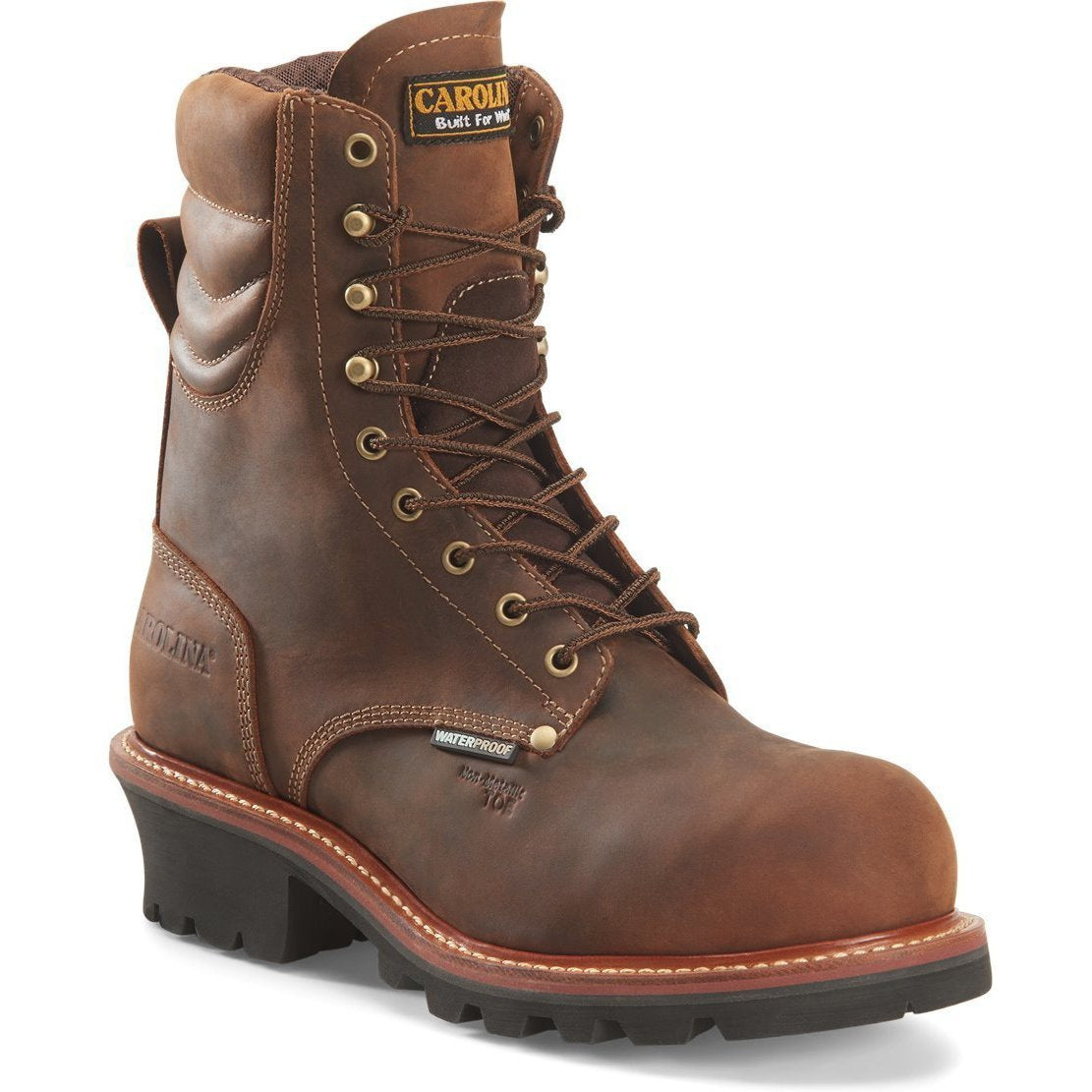
Carolina Men's Hemlock Composite Toe Logger Work Boot - Brown - CA9854
Save 15%
Sale price$190.65
Regular price$225.00
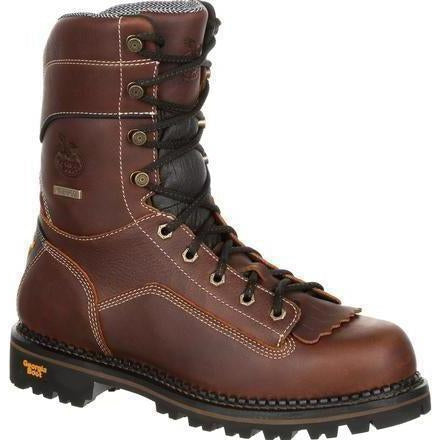
Georgia Men's Amped Lightweight 9" Logger Composite Toe Waterproof Work Boot - Brown - GB00238
Save 15%
Sale price$204.60
Regular price$240.00
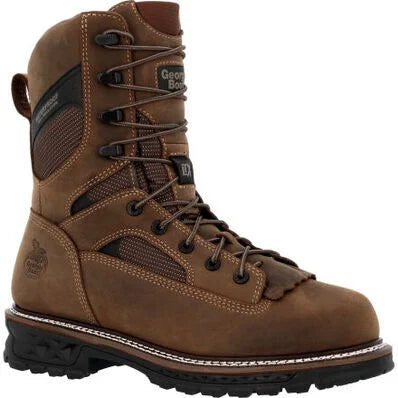
Georgia Men's Logger LTX 9" Composite Toe Waterproof 400G Work Boot -Brown- GB00681
Save 15%
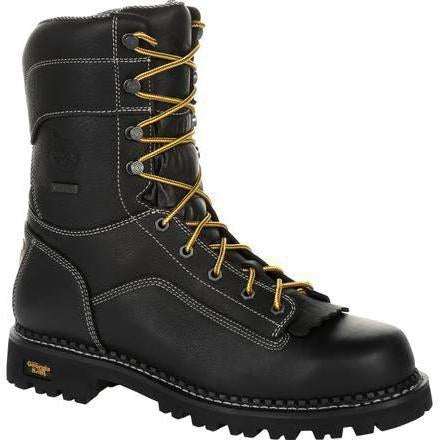
Sale price$190.65
Regular price$225.00
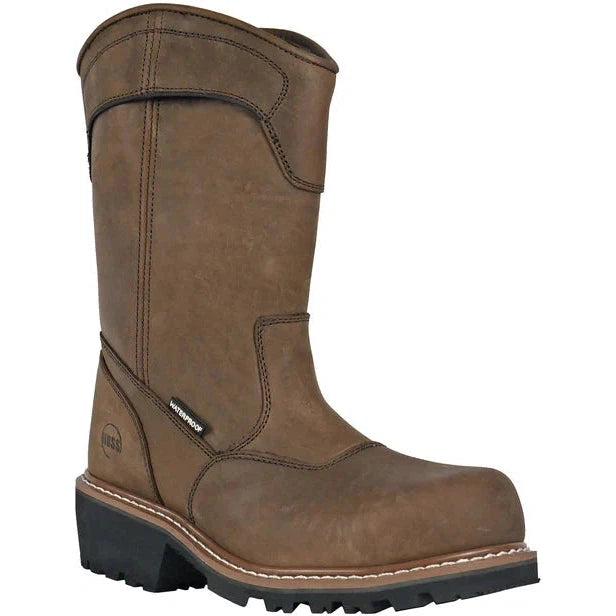
Georgia Men's Amp Lightweight Logger 9" Composite Toe Waterproof Work Boot - Black - GB00272
Save 15%
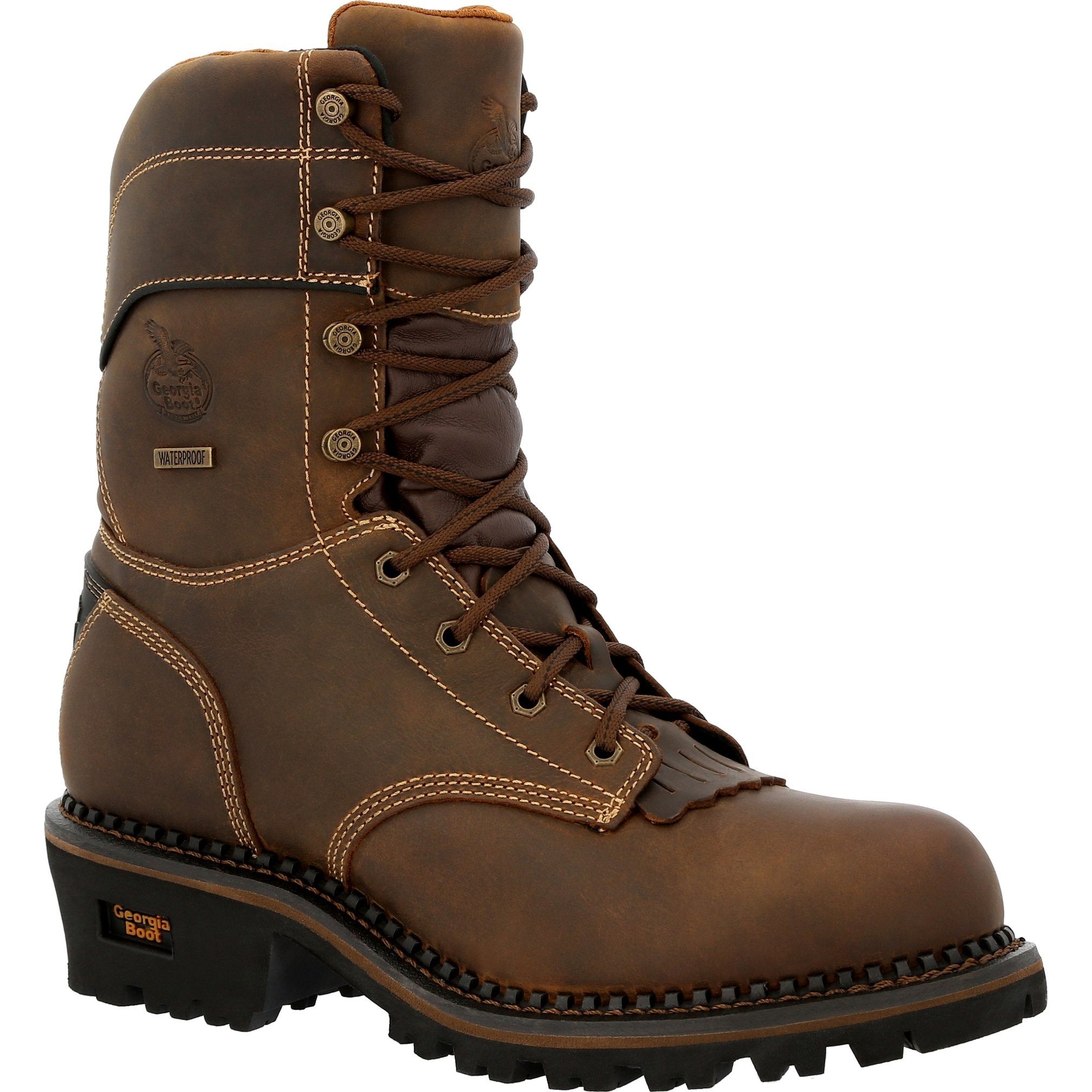
Sale price$195.30
Regular price$230.00
Georgia Men's Amped Lightweight Logger 9" Composite Toe Waterproof 600G Ins Work Boot- GB00491
Save 28%

Sale price$203.54
Regular price$283.00
Chippewa Men's Thunderstruck 6" Waterproof Nano Composite Toe Work Boot -Tan- TH1011
12
Frequently Asked Questions
Three things: a raised, defined heel that sets into a slope instead of sliding, an aggressive lugged outsole that clears mud rather than packing with it, and a taller shaft with a reinforced arch. It is built for steep and broken ground, which is why it feels wrong on a flat plant floor.
Usually not, and this matters more on loggers than on any other style. Logger boots carry a shank running through the arch to support the foot over uneven ground, and on most models that shank is steel regardless of the toe cap. If you need a fully non-metallic boot, verify the shank specifically rather than assuming. See our 100 percent non metallic collection.
Weight, mostly. Loggers are heavy by design, with thick outsoles, tall shafts and reinforced construction, so cutting weight at the toe makes a real difference over a day. The non-conducting property also helps, since logging and outdoor forestry work happens in genuine cold.
If you work around nails, sharp debris or cut timber, it is worth specifying. Puncture resistance is a separate ASTM rating, marked PR, covering a plate in the sole rather than the toe cap. It is not implied by a safety toe. See our puncture resistant boots range.
So the heel can catch and set into a slope, a stump, or a ladder rung rather than sliding off it. That is the whole design intent. It is also why loggers are tiring on flat concrete, where the raised heel concentrates weight instead of spreading it. See our composite toe wedge sole range for flat ground.
Only if your ground suits them. On slopes, mud, gravel and forestry work they are the right tool. On flat indoor floors they are heavy, and the heel works against you. Choose the sole for the terrain rather than the look.
Generally two to three weeks, longer than most work boots, because of the heavy leather and the tall stiff shaft. Wear them in shorter stretches over the first week. The rigid toe cap never softens, so get the length right at purchase rather than hoping it eases.
Many are, and it matters here since logging and outdoor forestry work is wet by nature. A waterproof boot only protects to its collar, and logger shafts are tall, which works in your favor. See our composite toe waterproof range.
Recently viewed
Our Top Brands