Save 6%
Sale price$309.95
Regular price$330.00
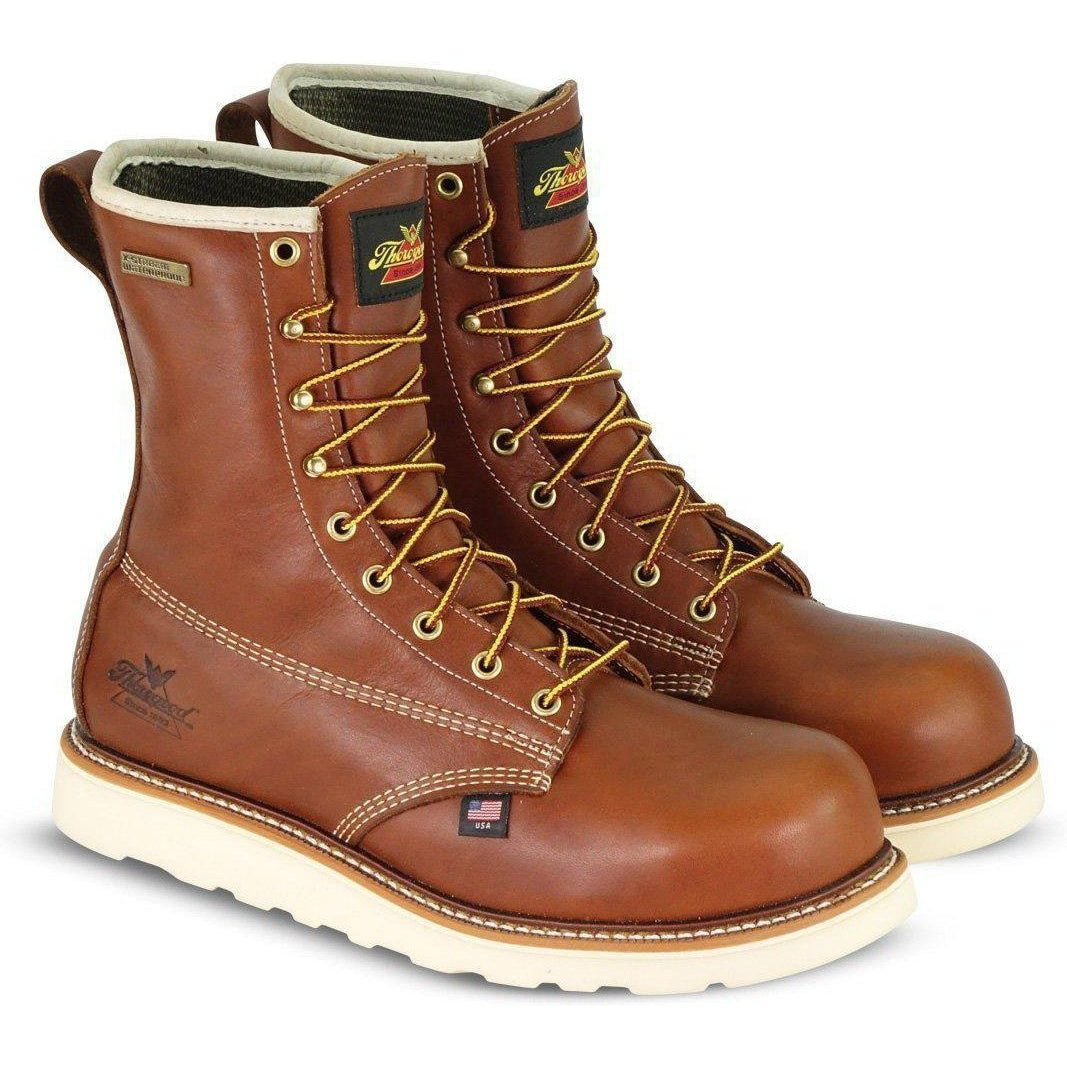
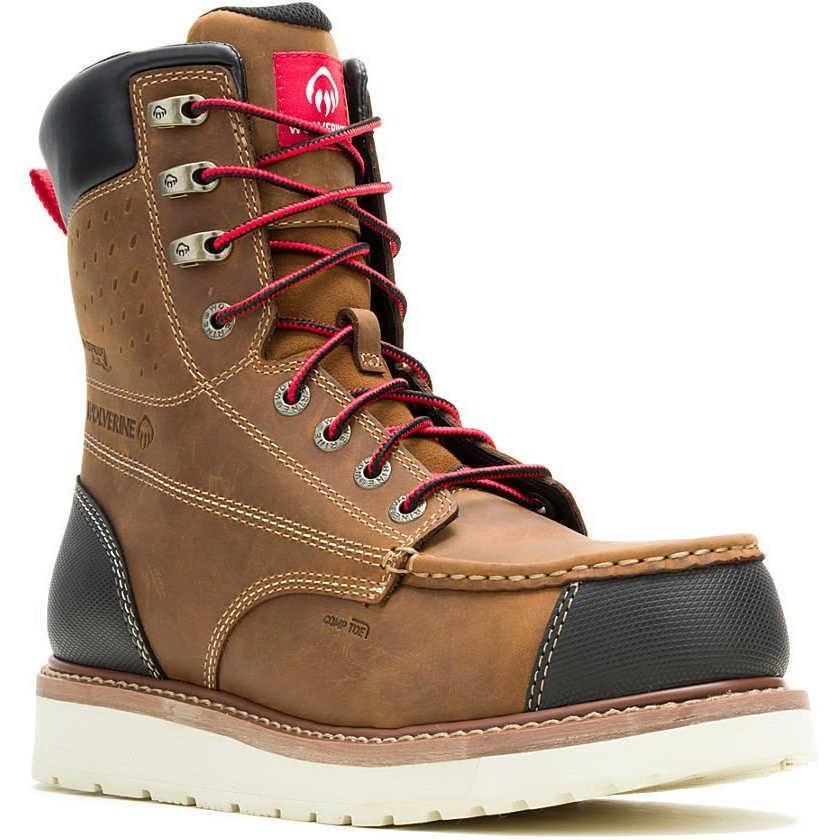
Thorogood Men's USA Made Amer Heritage 8" Composite Toe Wedge Work Boot 804-4210
Save 25%
Sale price$161.99
Regular price$214.95
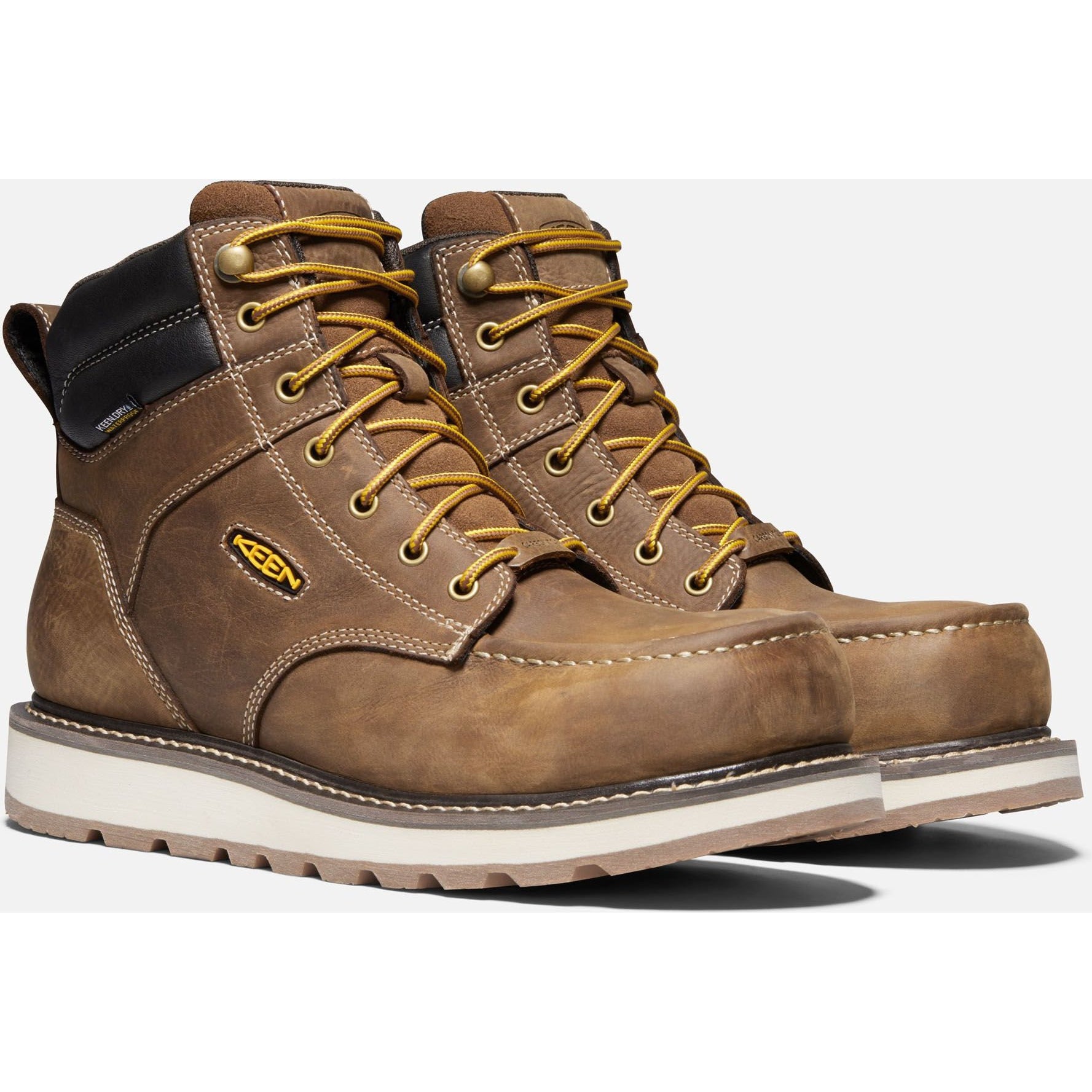
Keen Utility Men's Cincinnati 6" Carbon-Fiber Toe Waterproof Wedge Work Boot - Belgian/Sandshell - 1023222
Save 17%
Sale price$178.44
Regular price$214.99
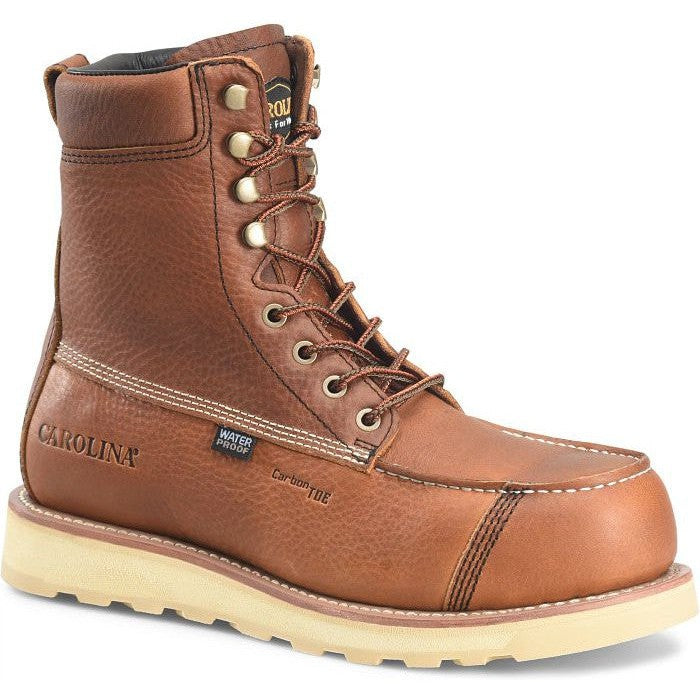
Carolina Men’s Staple Gun 8” Carbon Composite Toe Waterproof Work Boot – Tan (CA7571)
Save 6%
Sale price$164.99
Regular price$174.99
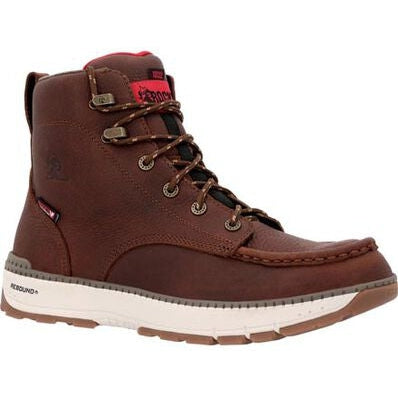
Rocky Men's Rebound Wedge 6" Composite Toe Waterproof Work Boot -Tobacco- RKK0435
Save 13%
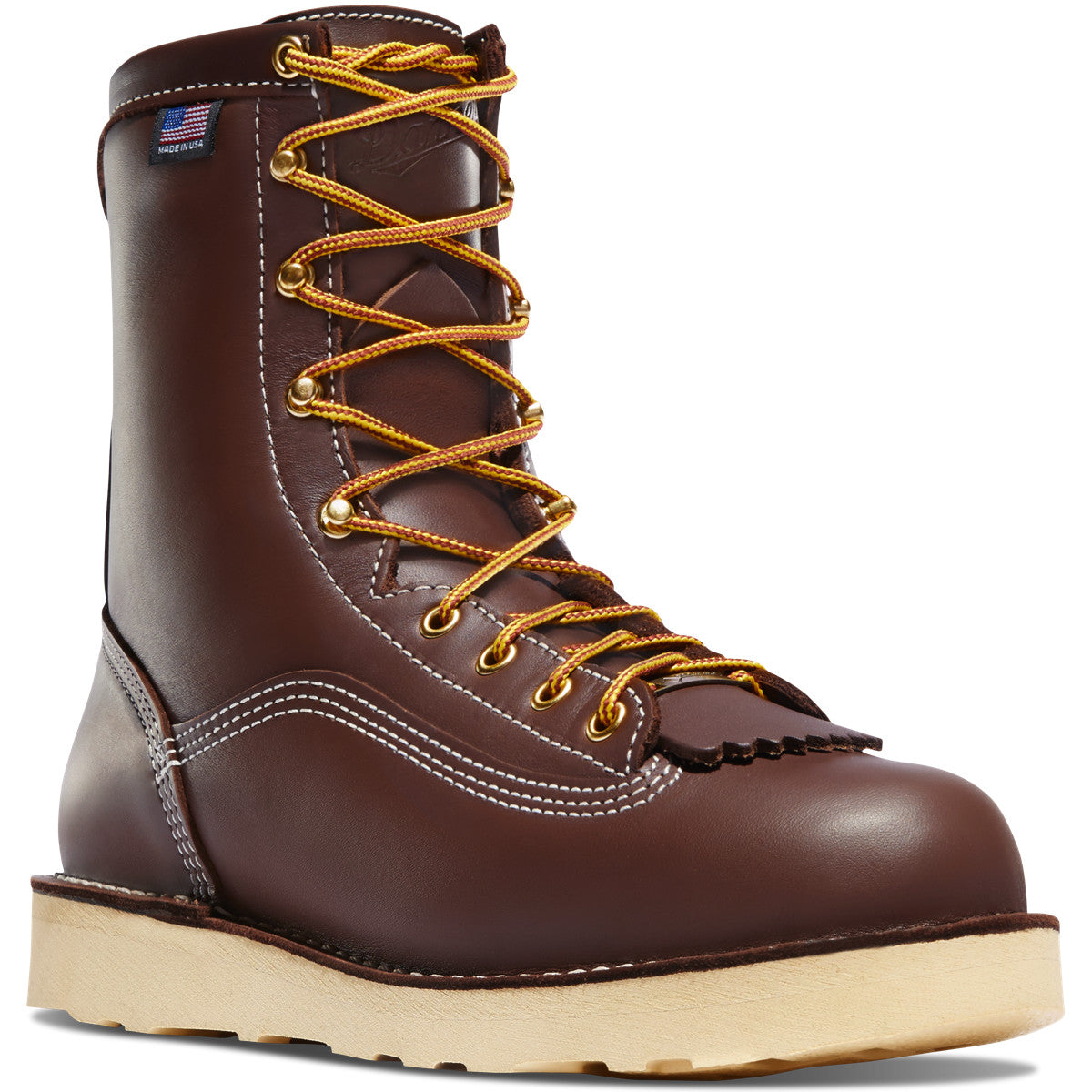
Sale price$529.95
Regular price$610.00
Danner Men's Power Foreman 8" USA Made Composite Toe Waterproof Work Boot - 15210
Save 24%
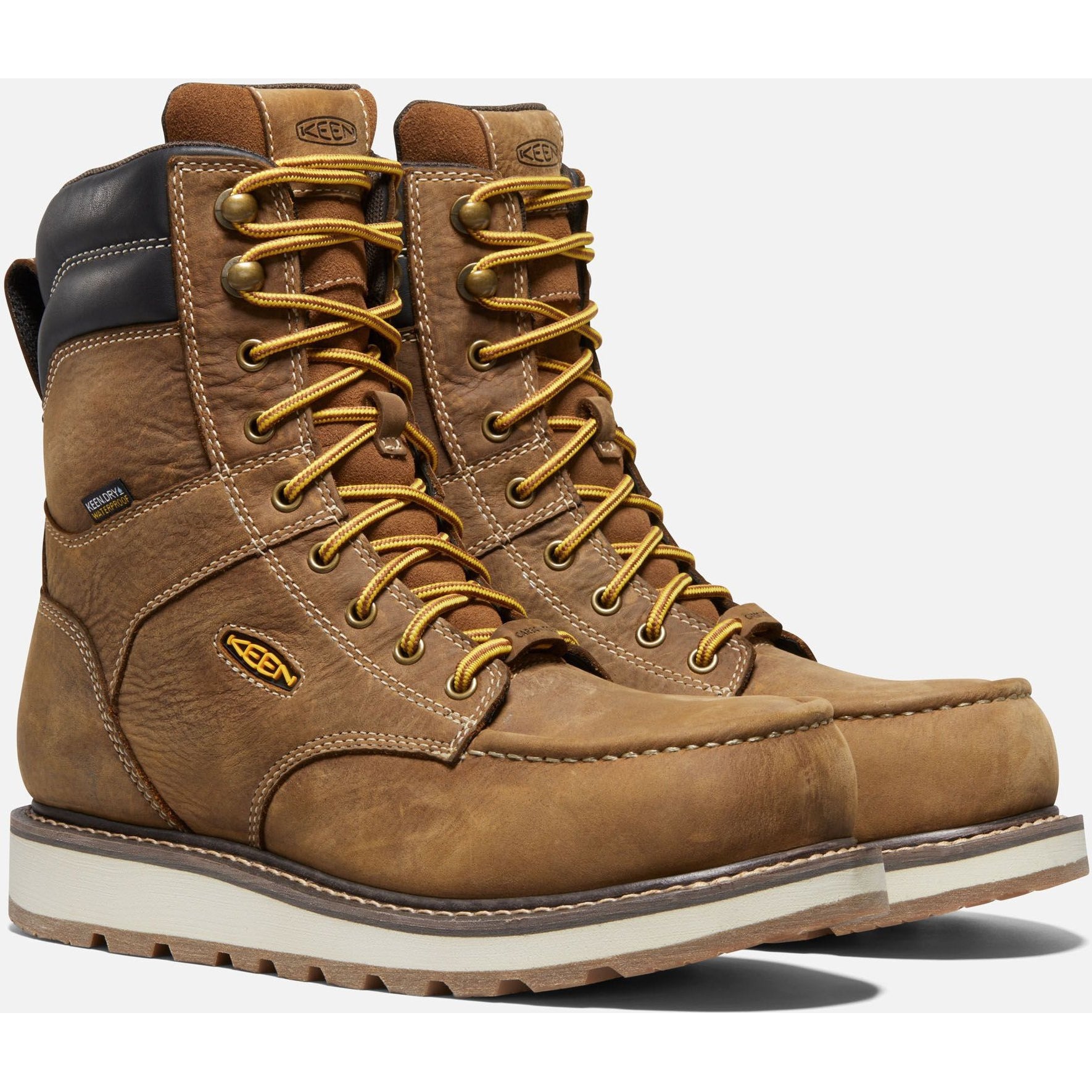
Sale price$170.09
Regular price$224.95
Keen Utility Men's Cincinnati 8" Carbon-Fiber Toe Waterproof Work Boot - Belgian/Sandshell - 1025694
Save 23%
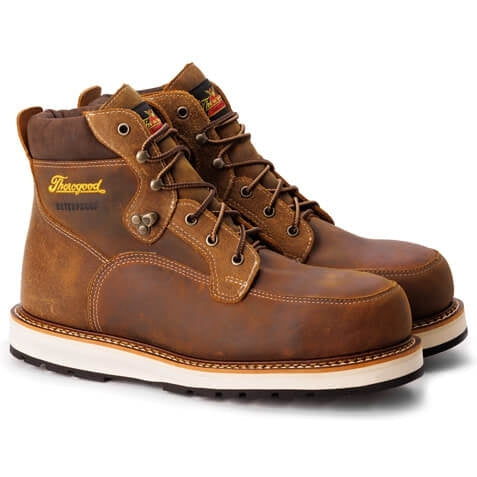
Sale price$132.67
Regular price$173.26
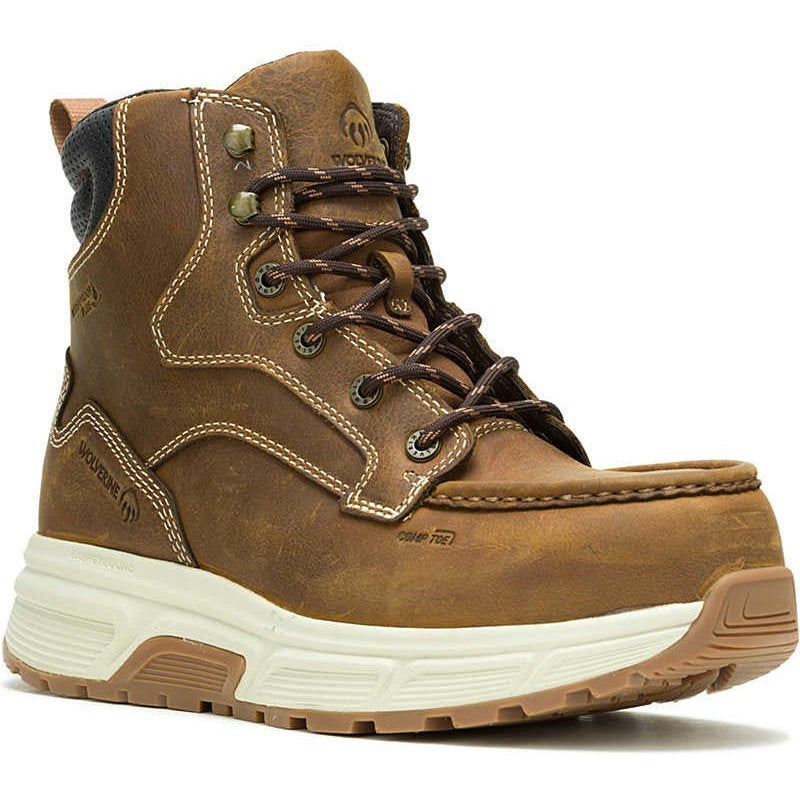
Thorogood Men's Iron River Series 6" Composite Toe Waterproof Work Boot -Brown- 804-4145
Save 44%
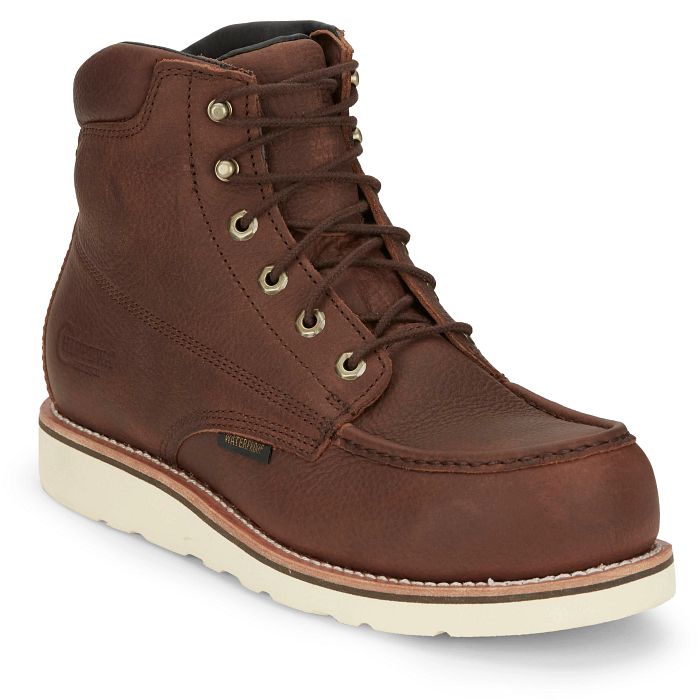
Sale price$142.39
Regular price$254.00
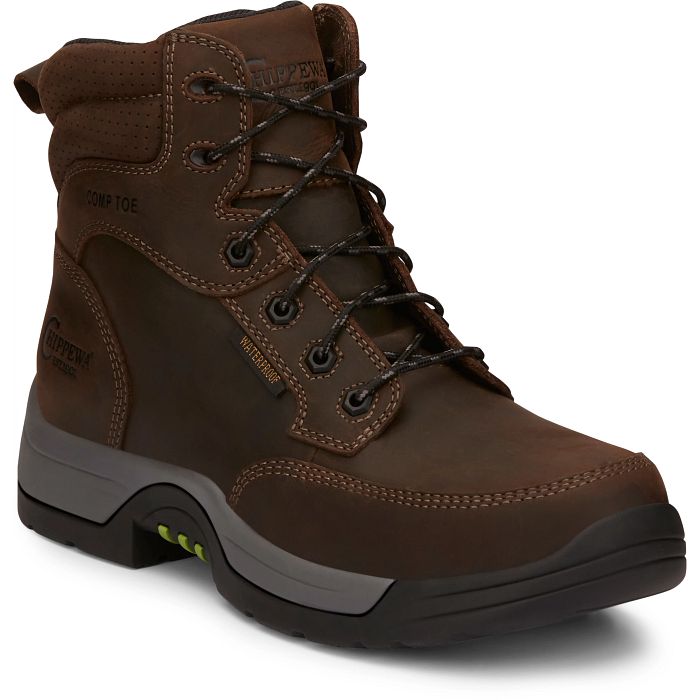
Chippewa Men's Edge Walker 6" Composite Toe Waterproof Lace-Up Wedge Work Boot - 25342
Save 16%
Sale price$195.71
Regular price$233.00
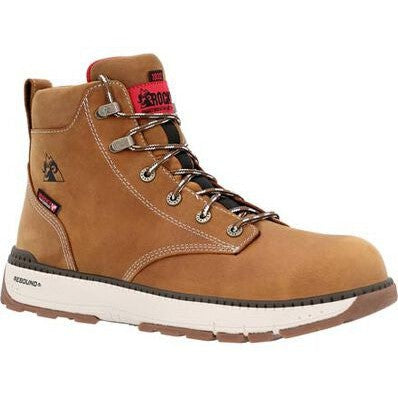
Chippewa Men's Fabricator 6" Composite Toe Work Boot - Brown - 31003
Save 6%
Sale price$164.99
Regular price$174.99
Rocky Men's Rebound 6" Composite Toe Waterproof Wedge Work Boot -Brown- RKK0451
Save 30%
Sale price$146.67
Regular price$210.00
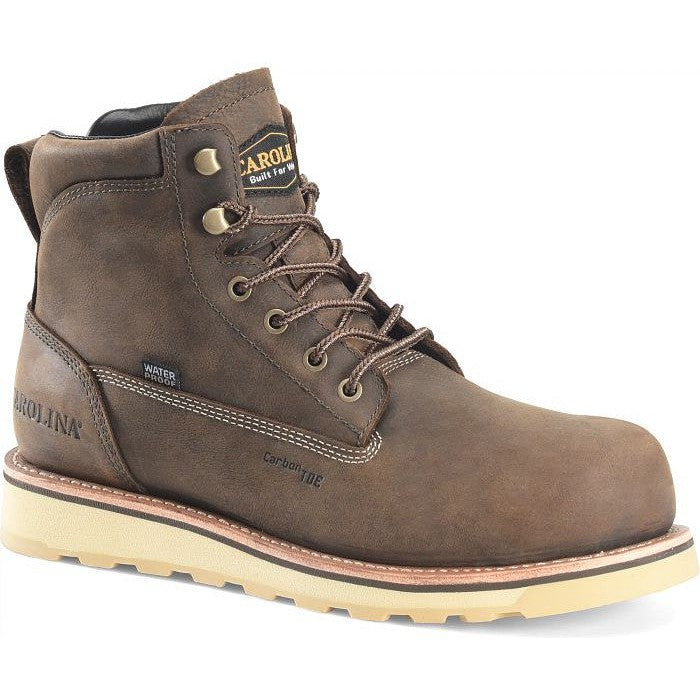
Carolina Men's Staple Gun 6" Carbon Composite Toe Waterproof Work Boot -Brown- CA7572
Save 17%
Sale price$174.29
Regular price$209.99
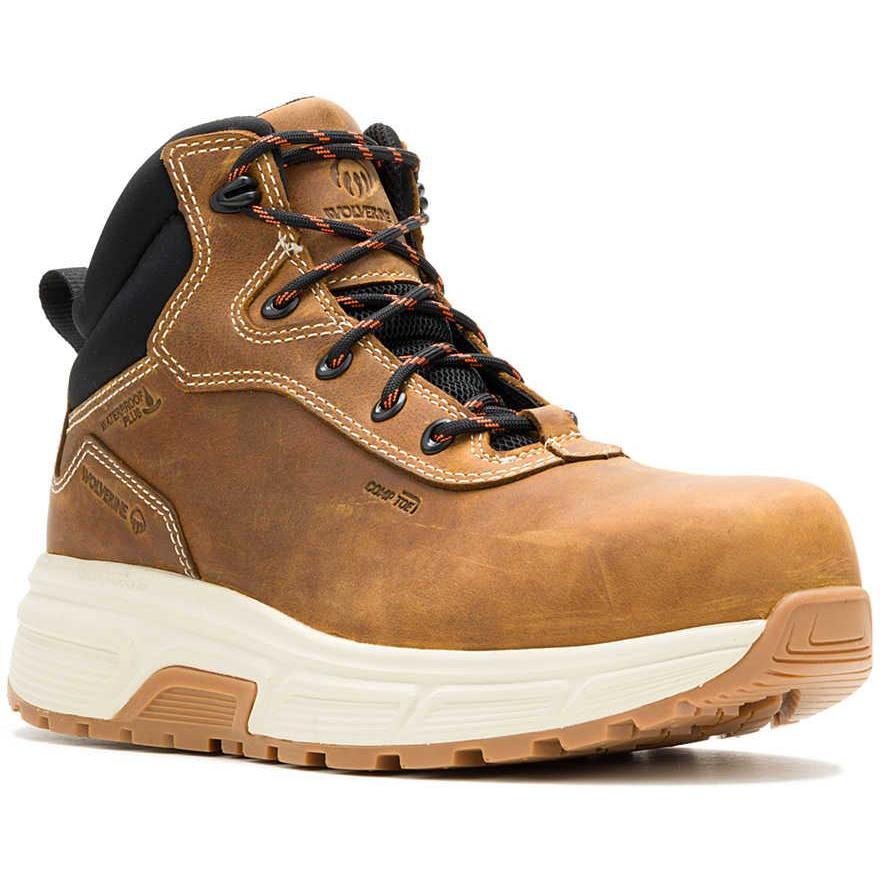
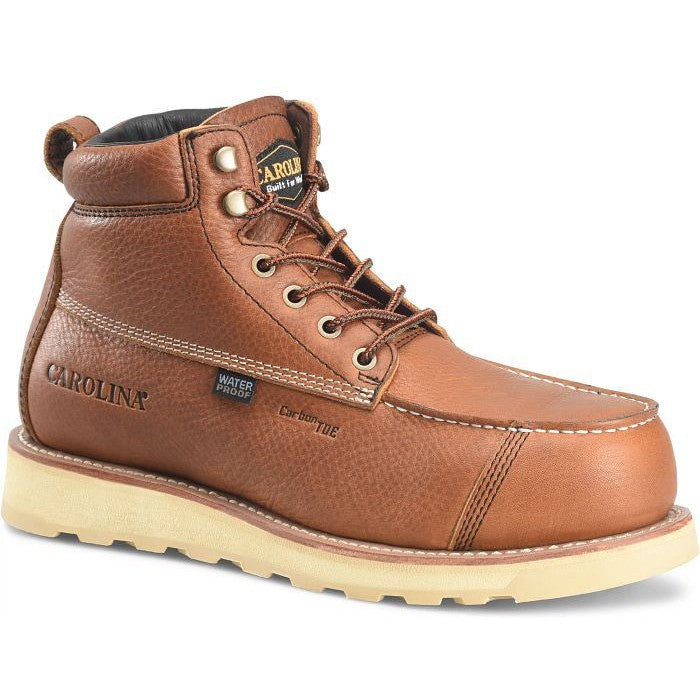
Carolina Men's Staple Gun 6" Carbon Composite Toe Waterproof Work Boot -Tan- CA7570
Save 15%
Sale price$190.65
Regular price$225.00
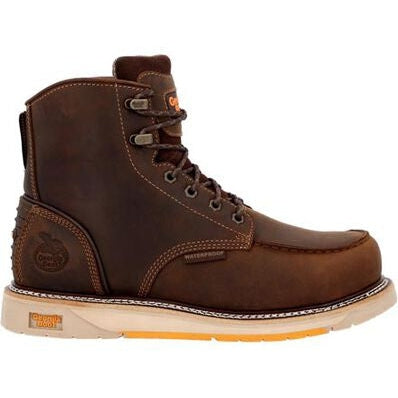
Georgia Men's Amp Lt Wedge 6" Composite Toe Waterproof Work Boot -Brown- GB00592
Save 11%
Sale price$169.95
Regular price$190.00
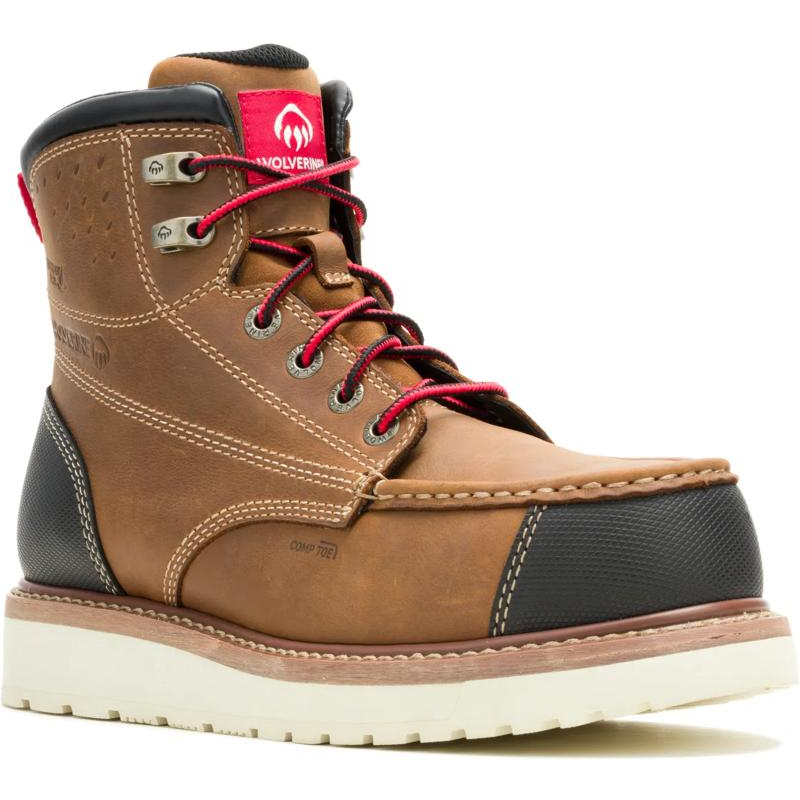
Wolverine Men's Loader 6" Comp Toe Waterproof Carbonmax Work Boot- Trail- W261029

Sale price$139.99
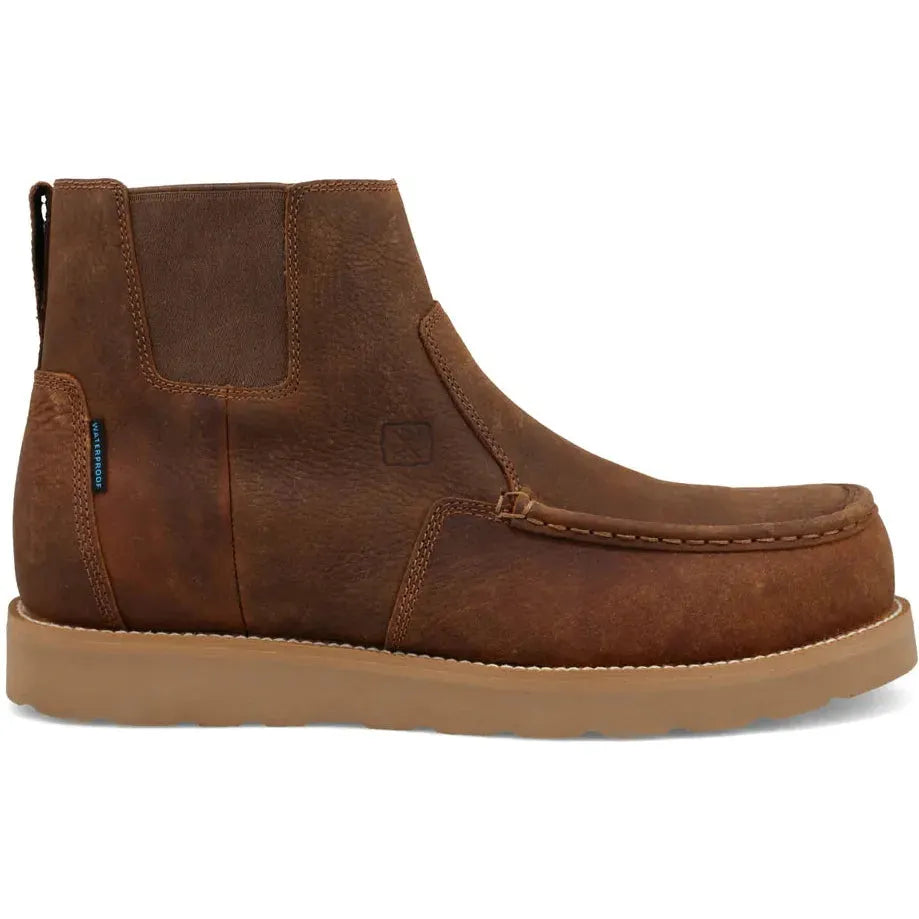
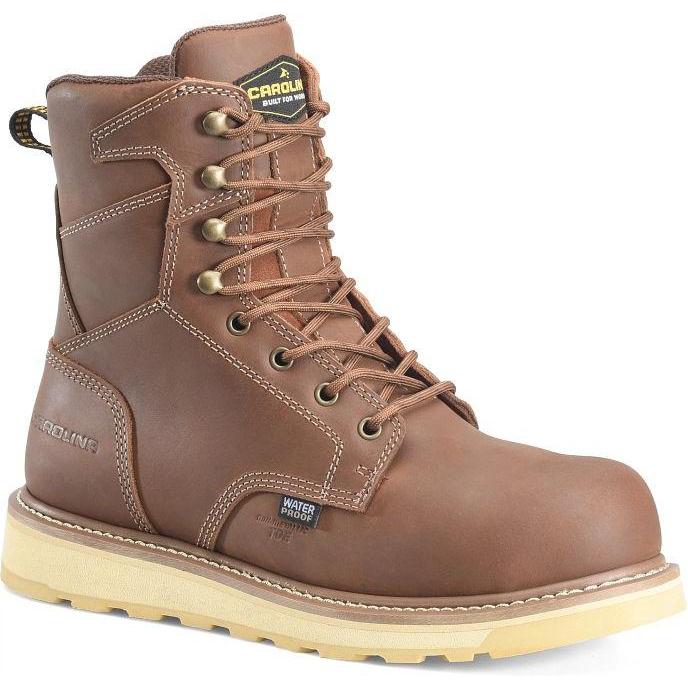
Carolina Men's Gruntz 8" Comp Toe Waterproof Work Boot - Brown - CA3603
Save 8%
Sale price$165.59
Regular price$179.99
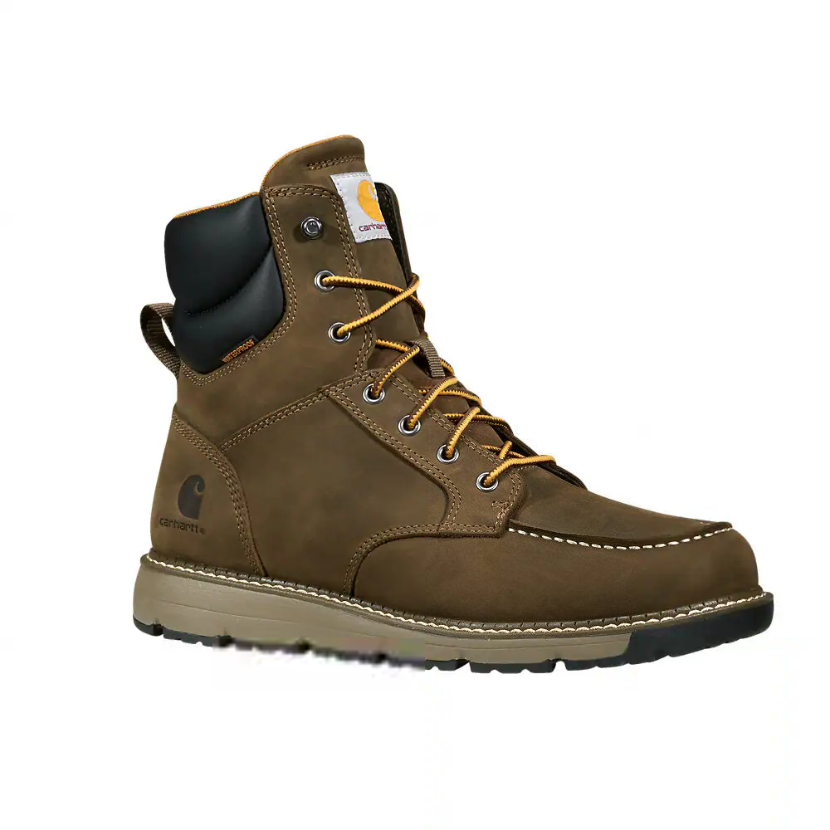
Carhartt Men's Millbrook 6" Nano Toe Waterproof Wedge Work Boot -Brown- FM6423-M
Save 6%
Sale price$164.99
Regular price$174.99
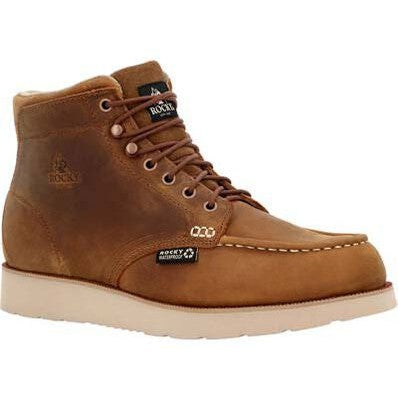
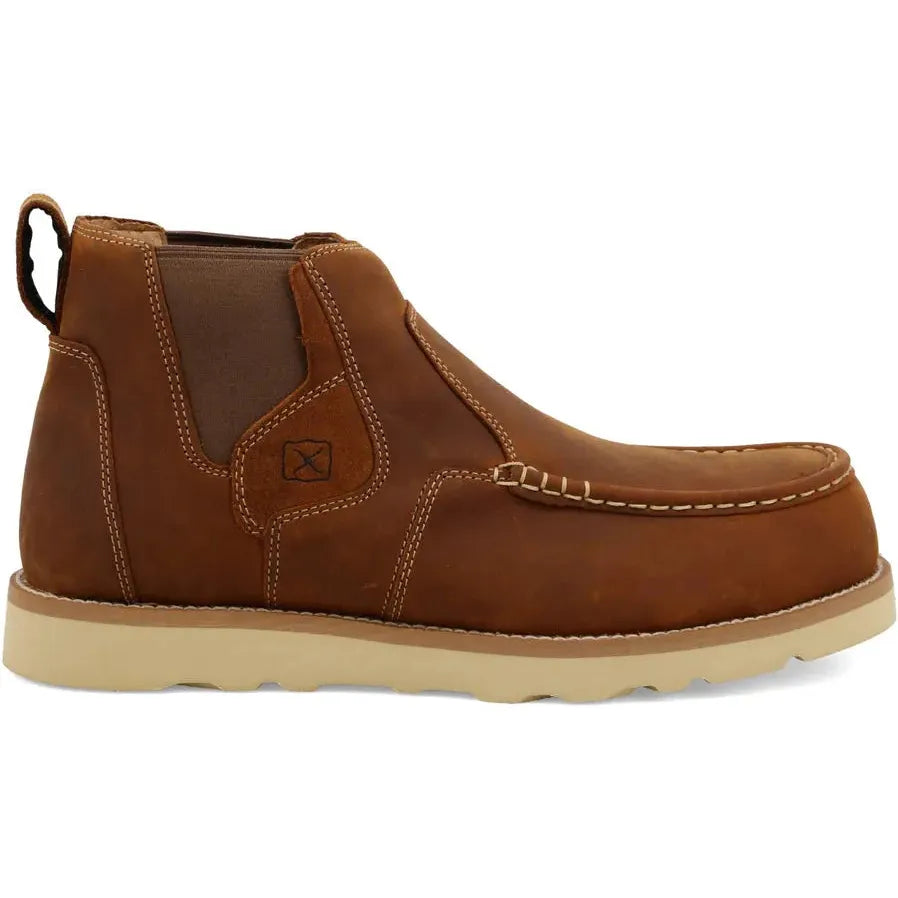
Rocky Men’s Monocrepe Wedge 6” Composite Toe Waterproof Work Boot – Crazy Horse (RKK0471)

Save 17%
Sale price$186.00
Regular price$223.00
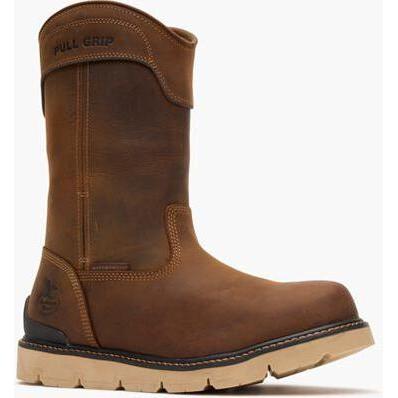
Georgia Men's Carbon Flex 11" Carbon Toe Waterproof Wedge Work Boot - Brown - GB00716
Save 25%
Sale price$129.99
Regular price$174.00
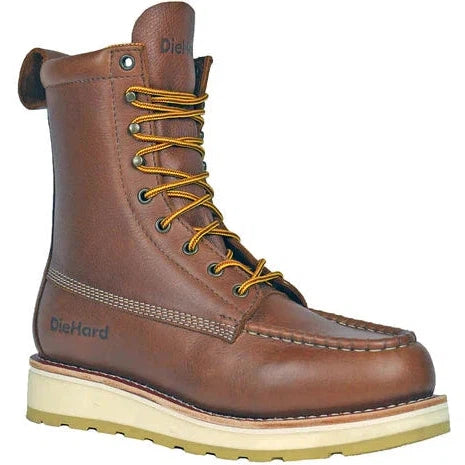
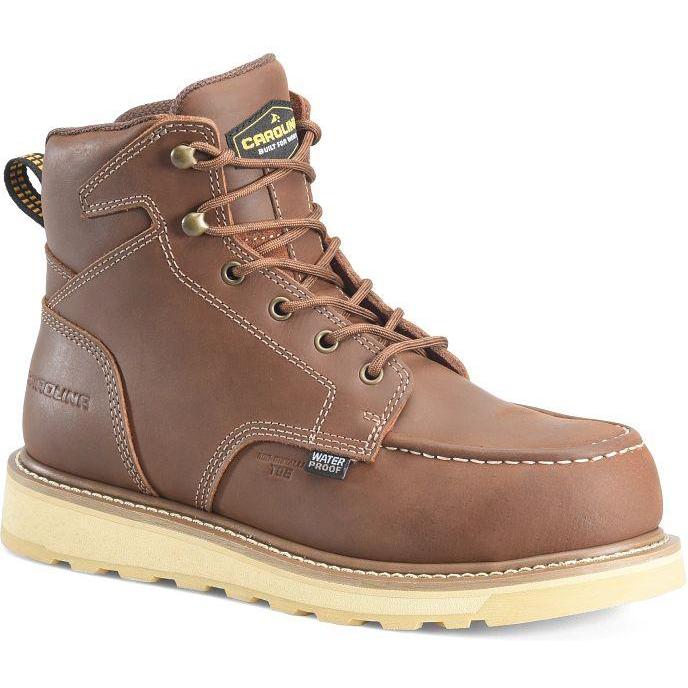
Carolina Men's Gruntz 6" Comp Toe Waterproof Work Boot - Brown - CA3601
Save 10%

Sale price$180.00
Regular price$199.00
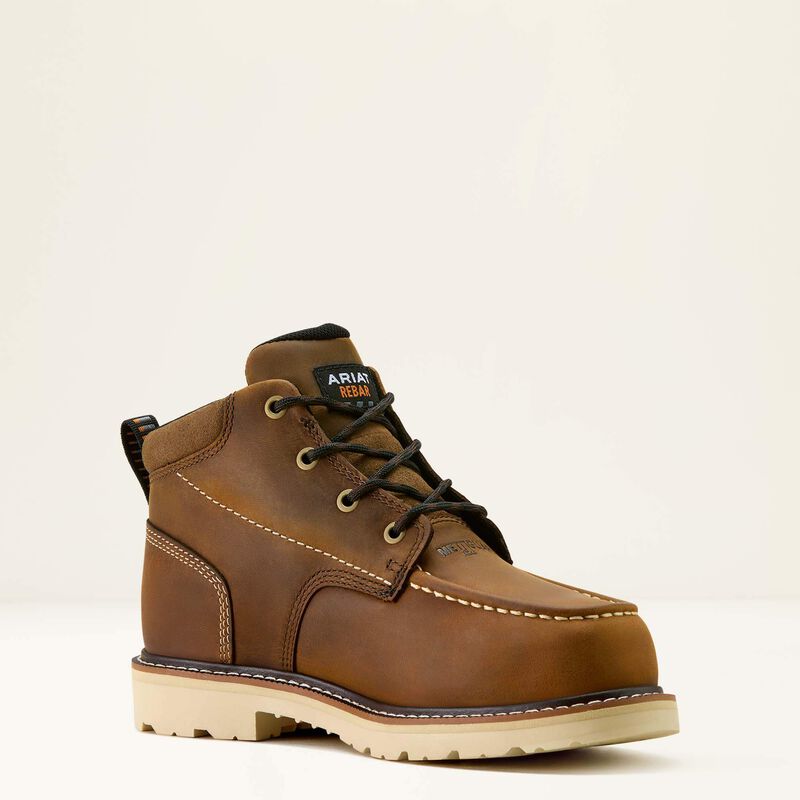
Georgia Men's Carbon Flex 6" Carbon Toe Waterproof Wedge Work Boot - Brown - GB00713
Sale price$179.95
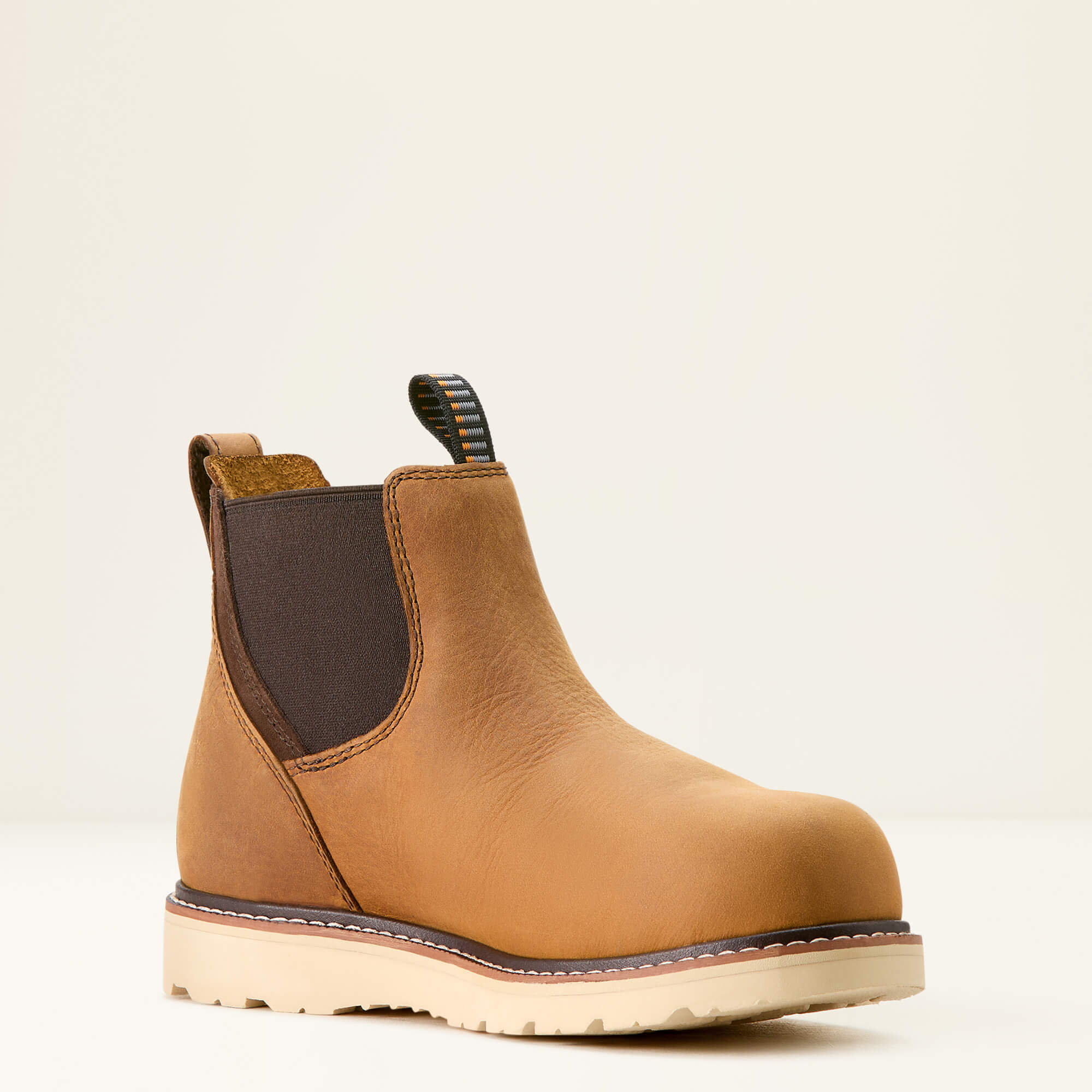
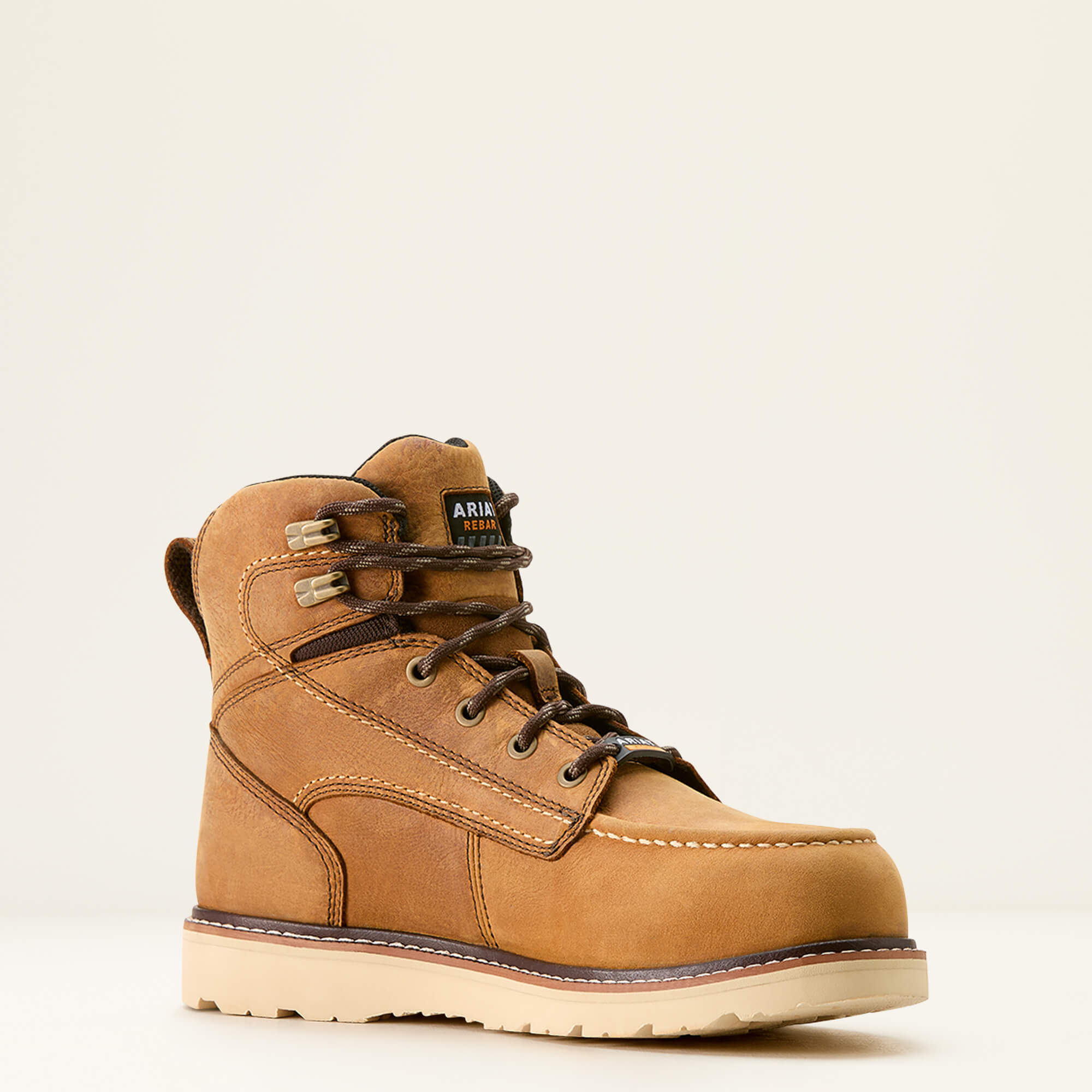
Ariat Women's Rebar Moc Toe Waterproof Wedge Work Boot -Brown- 10053717
Save 8%
Sale price$119.99
Regular price$129.99
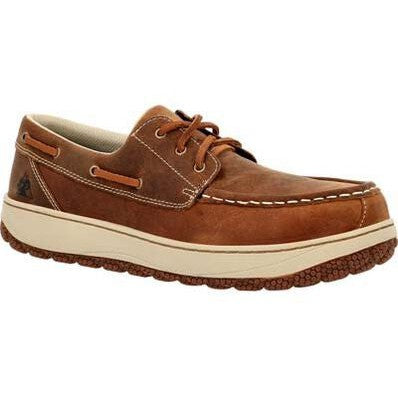
Rocky Men's Dry Strike Srx 3" Composite Toe Slip Resistant Work Shoe -Brown- RKK0465
Save 8%
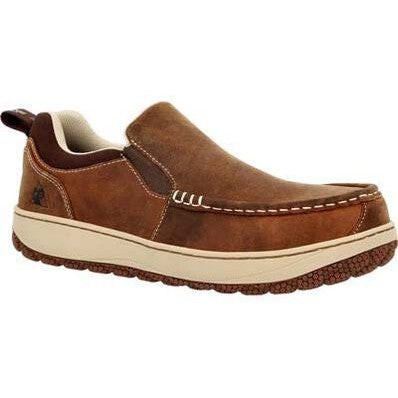
Sale price$119.99
Regular price$129.99
Rocky Men's Dry Strike Srx 3" Composite Toe Slip Resistant Work Shoe -Brown- RKK0464
12
Frequently Asked Questions
It removes the separated heel, so the outsole runs flat and the whole footprint contacts the ground at once. That spreads your weight instead of concentrating it under a heel, which is why a shift on concrete is noticeably less tiring. It also grips a ladder rung along its full width rather than catching on the heel edge.
Both choices target the same problem: fatigue over a long day on hard flat ground. The wedge spreads load underfoot and the composite cap cuts weight at the front of the boot. Neither helps much on loose terrain, but together they are the lightest comfortable setup for concrete and interior work.
On loose, muddy, or steep ground. A wedge has no defined heel to set into a slope and shallow tread that packs rather than clears, so it slips where a lugged sole bites. If you work slopes or deal with deep mud, a lugged boot is the right tool. See our composite toe hikers range.
Ladder rungs and flat surfaces. The full-contact sole grips a rung along its whole width without catching, and on a finished floor a flat sole does not dig in or track lug-tread mud. It is the reason the wedge became the standard trade sole for interior work.
Many are rated for it, and the flat contact patch helps on smooth indoor floors where maximum rubber on the ground is what you want. Slip resistance is a property of the compound and tread and is rated per model, so confirm it on the product page. Browse the wider slip resistant range.
They wear differently. The flat sole has more contact area so wear spreads out, but the softer compounds used for comfort abrade faster than a hard lugged sole on rough ground. On concrete, which is what they are built for, they hold up well. On gravel and broken ground they will not.
No. The cap is non-metallic but the shank, any puncture plate, and the eyelets are separate components and can be steel. If you clear detectors at work, verify the whole boot. See our 100 percent non metallic collection.
They are a standard choice, since a flat sole keeps a broad contact area with a roof deck rather than catching a shingle edge. Heat resistance in the outsole is a separate rating and matters if you work with hot asphalt. See our roofing boots range.
Recently viewed
Our Top Brands