Save 17%
Sale price$165.99
Regular price$199.99
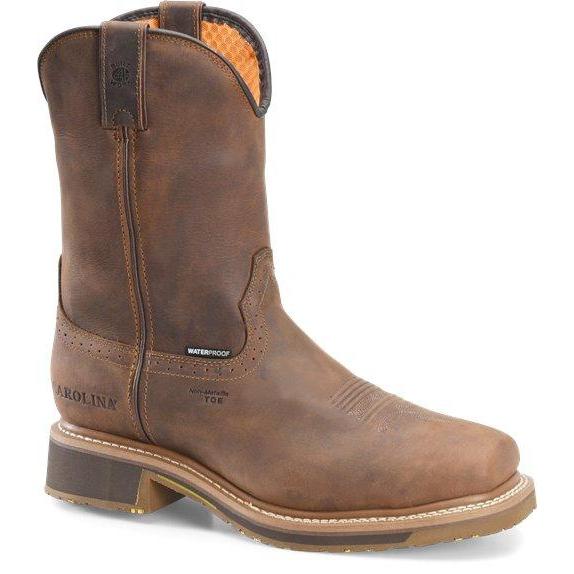
Carolina Men's Anchor 10" Waterproof Composite Square Toe Roper Work Boot - CA8536
Save 8%
Sale price$220.79
Regular price$239.99
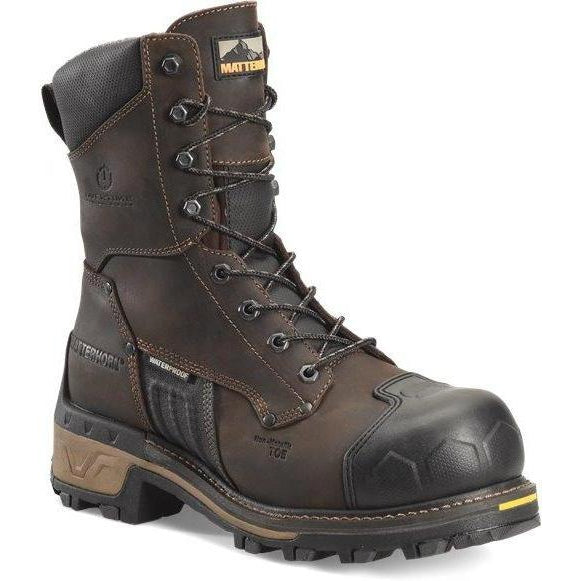
Matterhorn Men's Max 8" Composite Toe Waterproof Logger Work Boot Brown MT2560
Save 17%
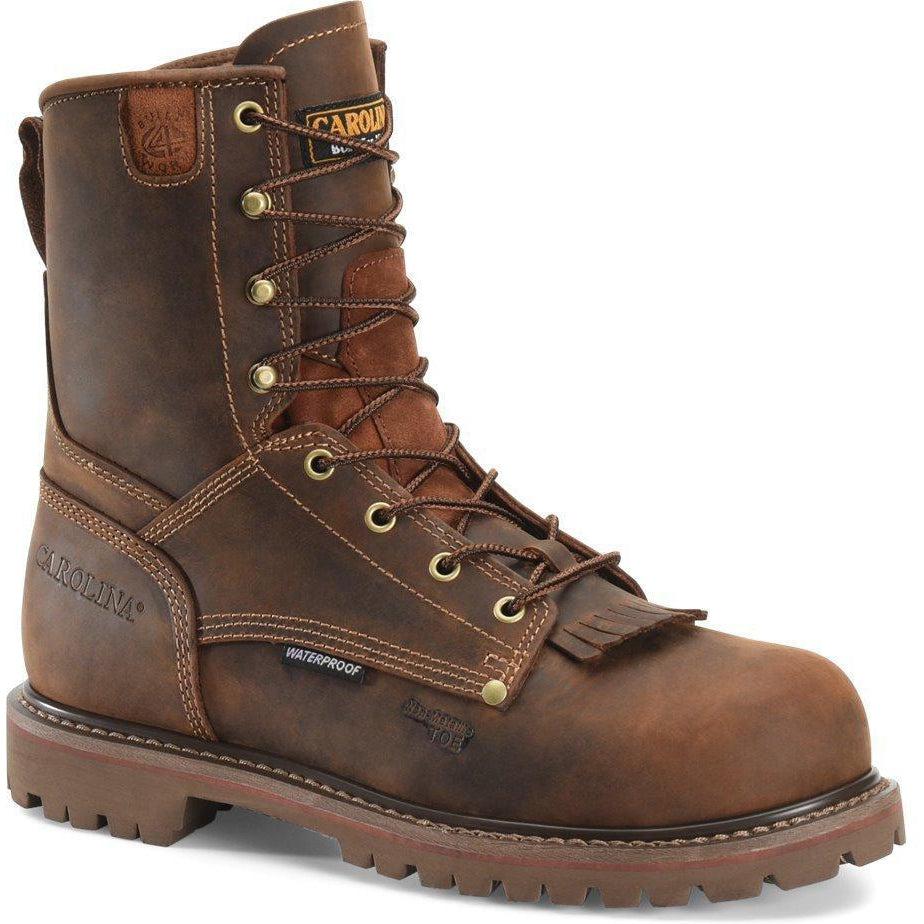
Sale price$190.89
Regular price$229.99
Carolina Men's 28 Series 8” Waterproof Composite Toe Work Boot - Kharthoum Cigar - CA8528
Save 17%
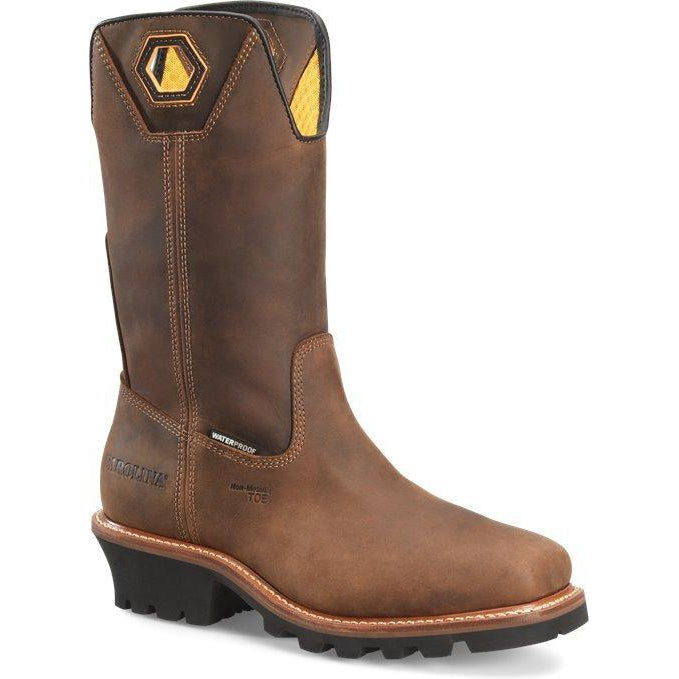
Sale price$244.84
Regular price$294.99
Carolina Men's Coppice 12" Composite Toe Waterproof Logger Work Boot- Brown- CA9833
Save 17%
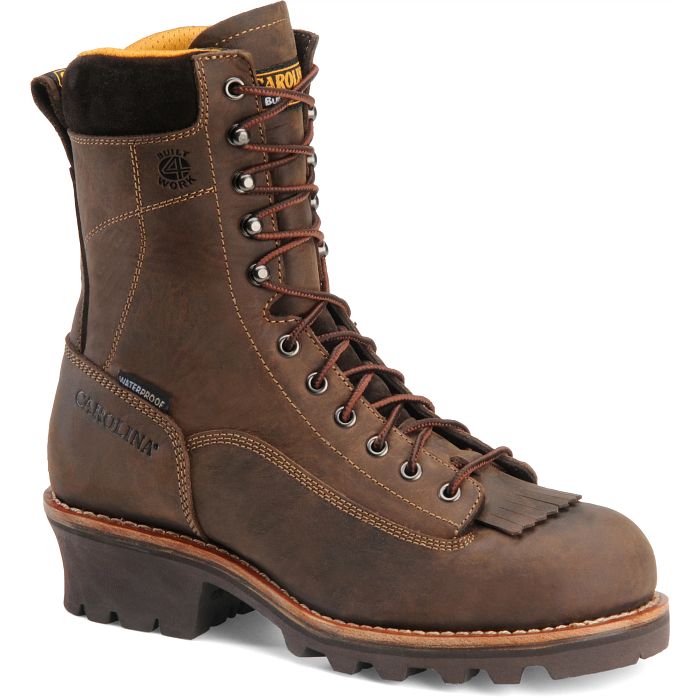
Sale price$211.64
Regular price$254.99
Carolina Men's Birch 8" Composite Toe Waterproof Logger Work Boot - Brown - CA7522
Save 31%
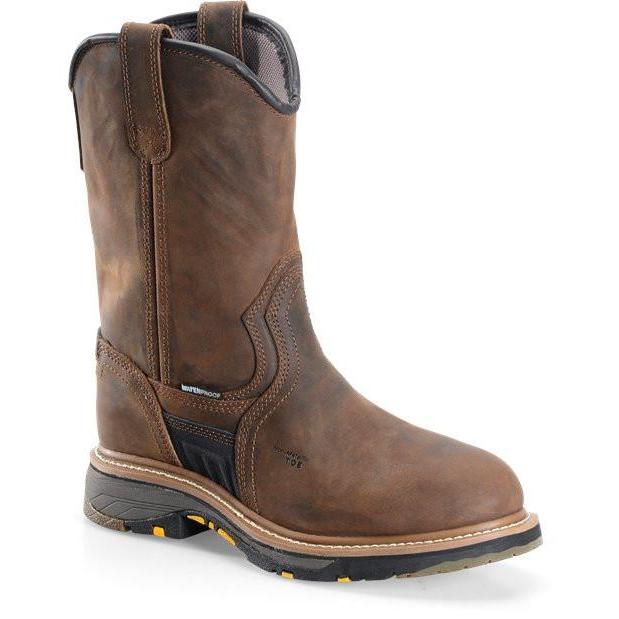
Sale price$148.67
Regular price$214.00
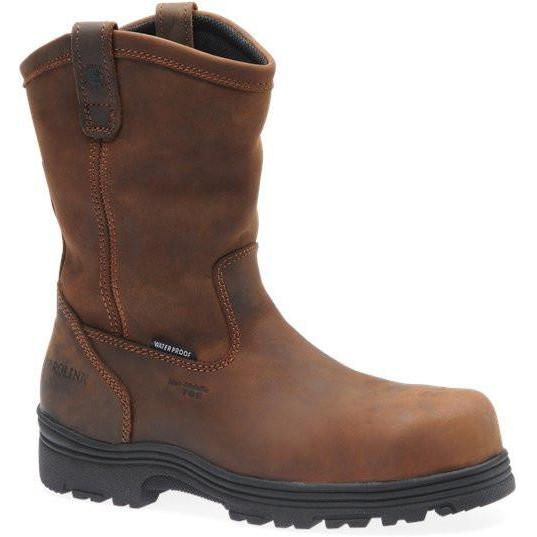
Carolina Men's Well X 10" Composite Toe Waterproof Wellington Work Boot - CA4559
Save 8%
Sale price$250.23
Regular price$271.99
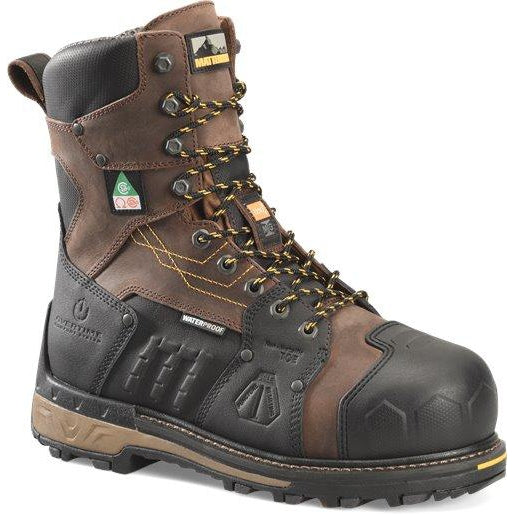
Matterhorn Men's Maximus 2.0 8" Composite Toe Waterproof Metguard Puncture Resistant Work Boot - MTC300
Save 17%
Sale price$236.54
Regular price$284.99
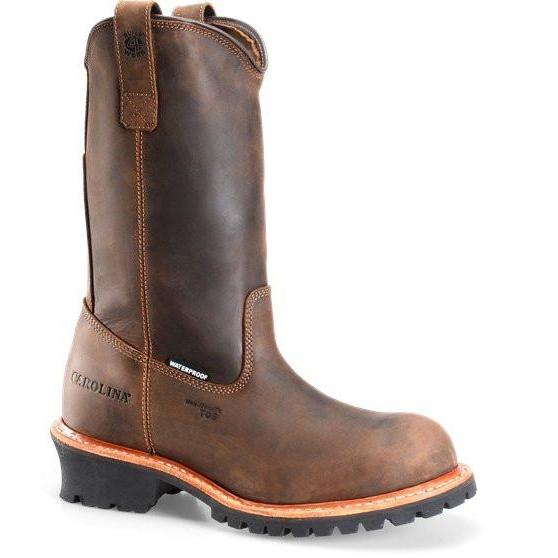
Carolina Men's Well X 12" Composite Toe Wellington Logger Work Boot CA9831
Save 20%
Sale price$178.44
Regular price$224.00
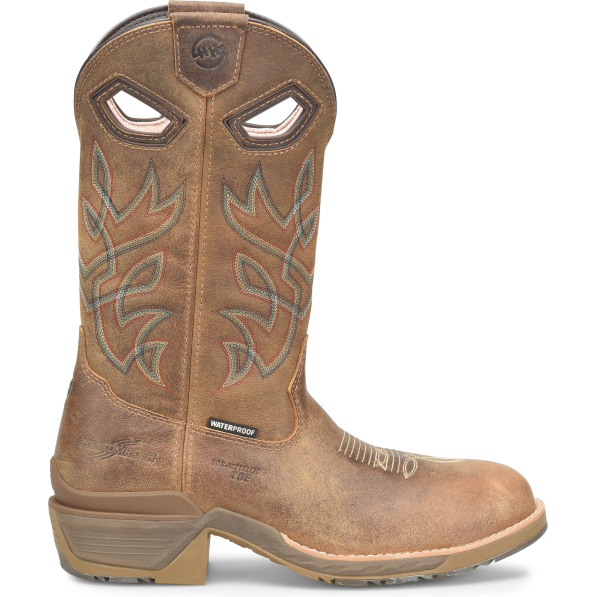
Double H Men's Cleave 12" Composite Toe Waterproof Western Work Boot - Brown - DH5422
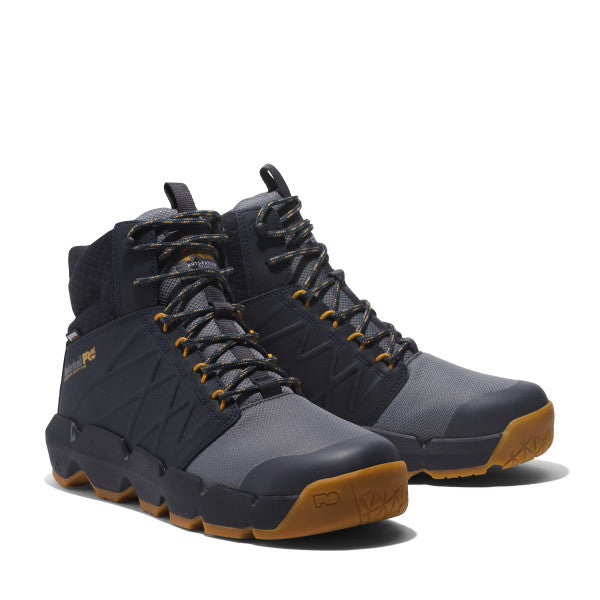
Sale price$174.95
Regular price$175.00
Timberland Pro Men's Morphix 6" Composite Toe Waterproof Work Boot - Grey - TB1A5YFU065
Save 17%
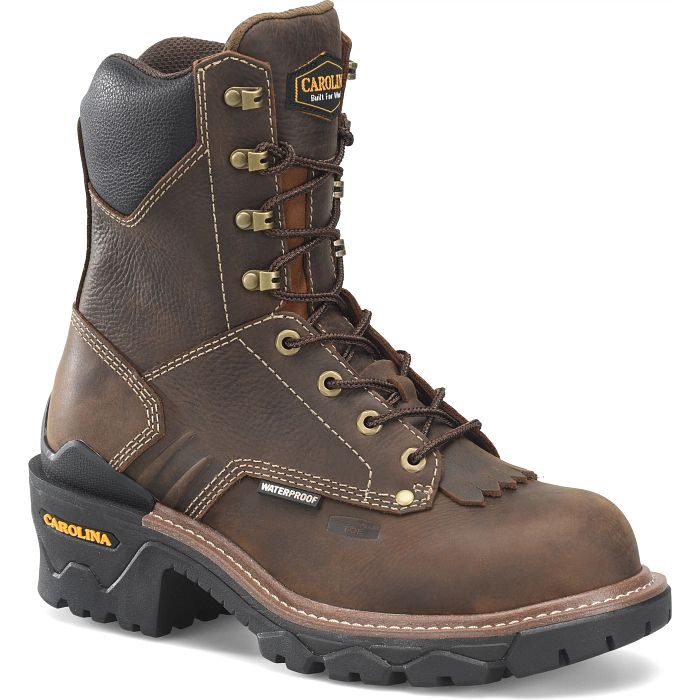
Sale price$186.74
Regular price$224.99
Carolina Men's Cardinal 8" Composite Toe Waterproof Slip Resistant Work Boot -Brown- CA7837
Save 17%
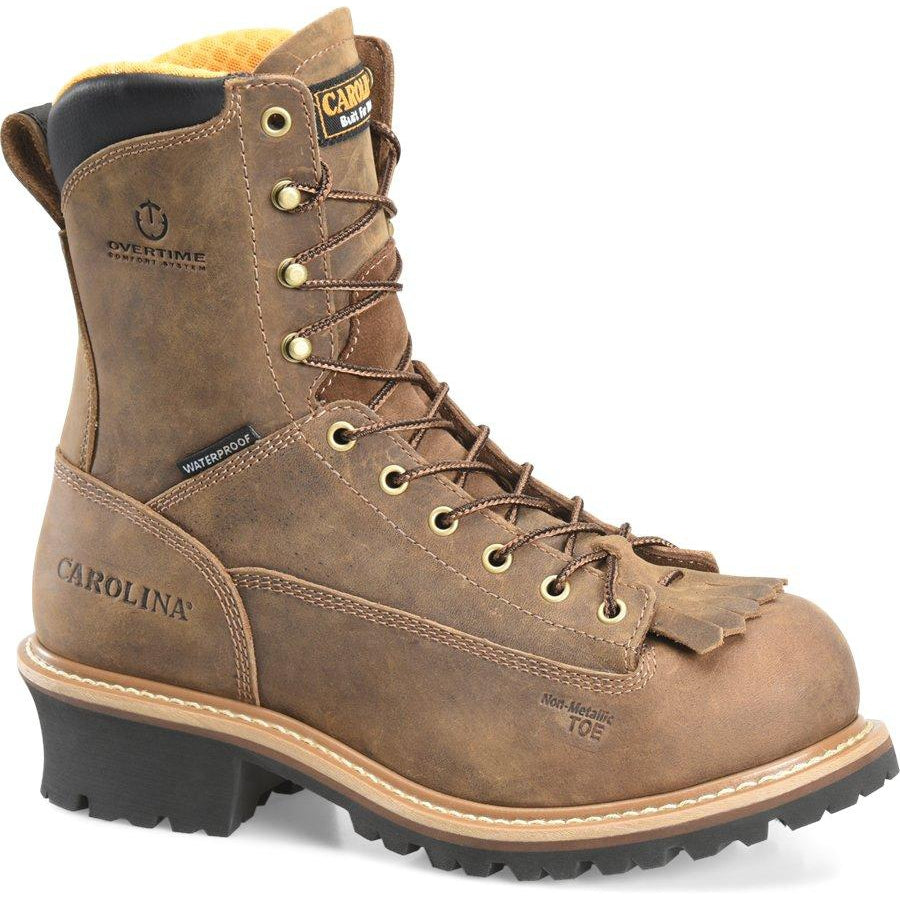
Sale price$186.74
Regular price$224.99
Carolina Men’s Driller 8” Composite Toe Waterproof Logger Work Boot – Brown - CA9828
Save 17%
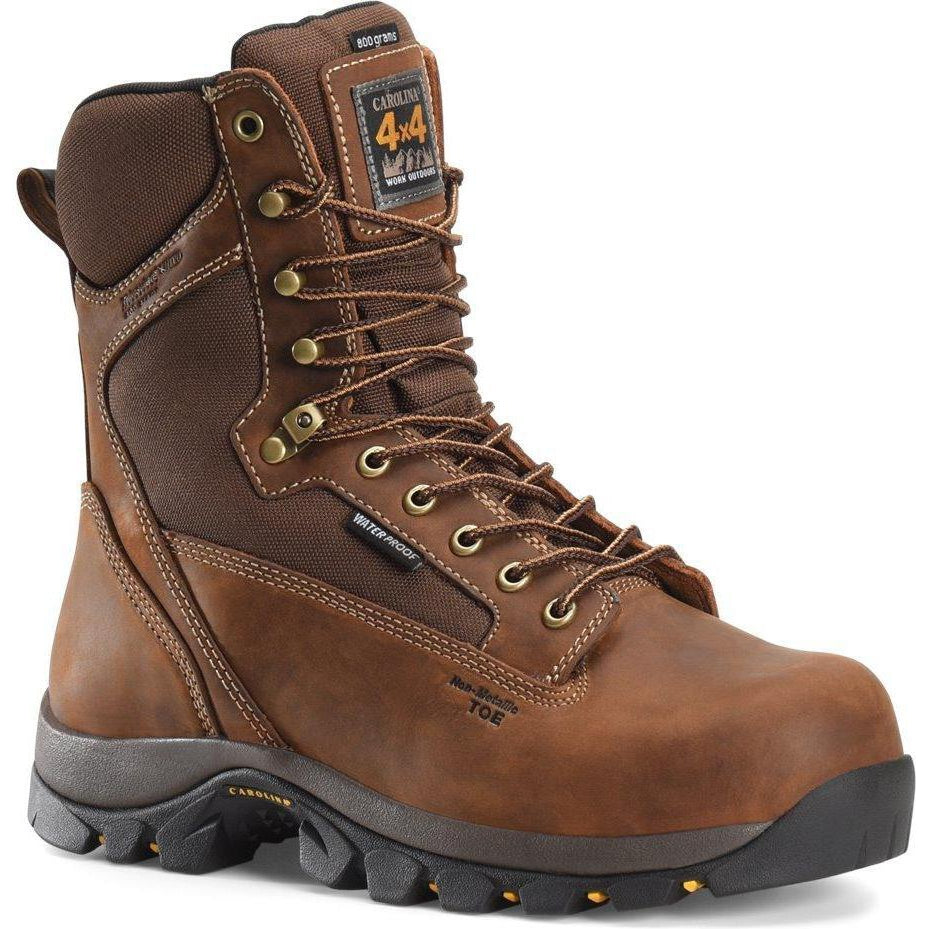
Sale price$182.59
Regular price$219.99
Carolina Men's Forrest 8" Waterproof Ins Composite Toe Work Boot - Brown - CA4515
Save 21%
Sale price$186.74
Regular price$236.00
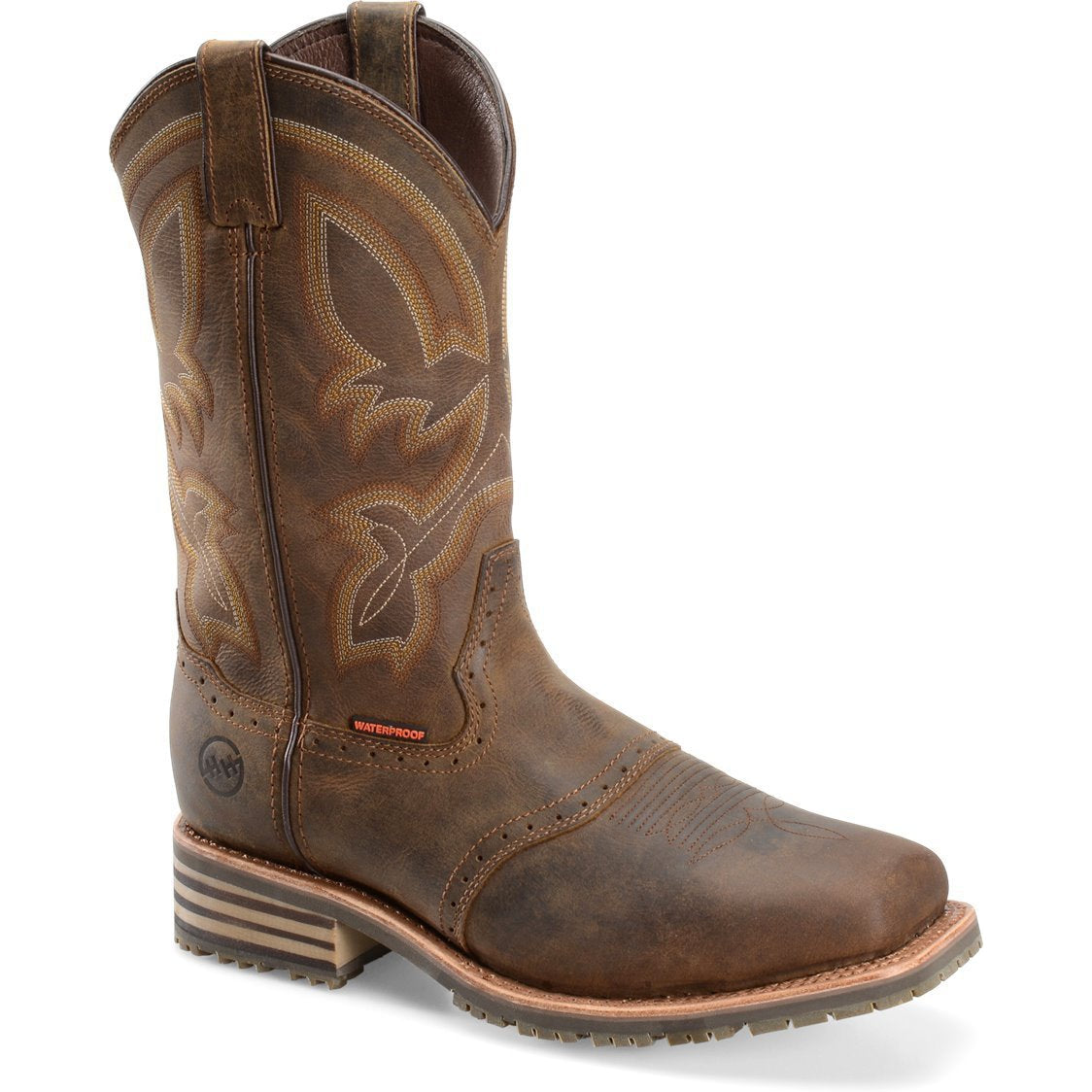
Double H Men's Jeyden 11" Composite Toe Waterproof Western Work Boot- Brown- DH5124
Save 17%
Sale price$203.34
Regular price$244.99
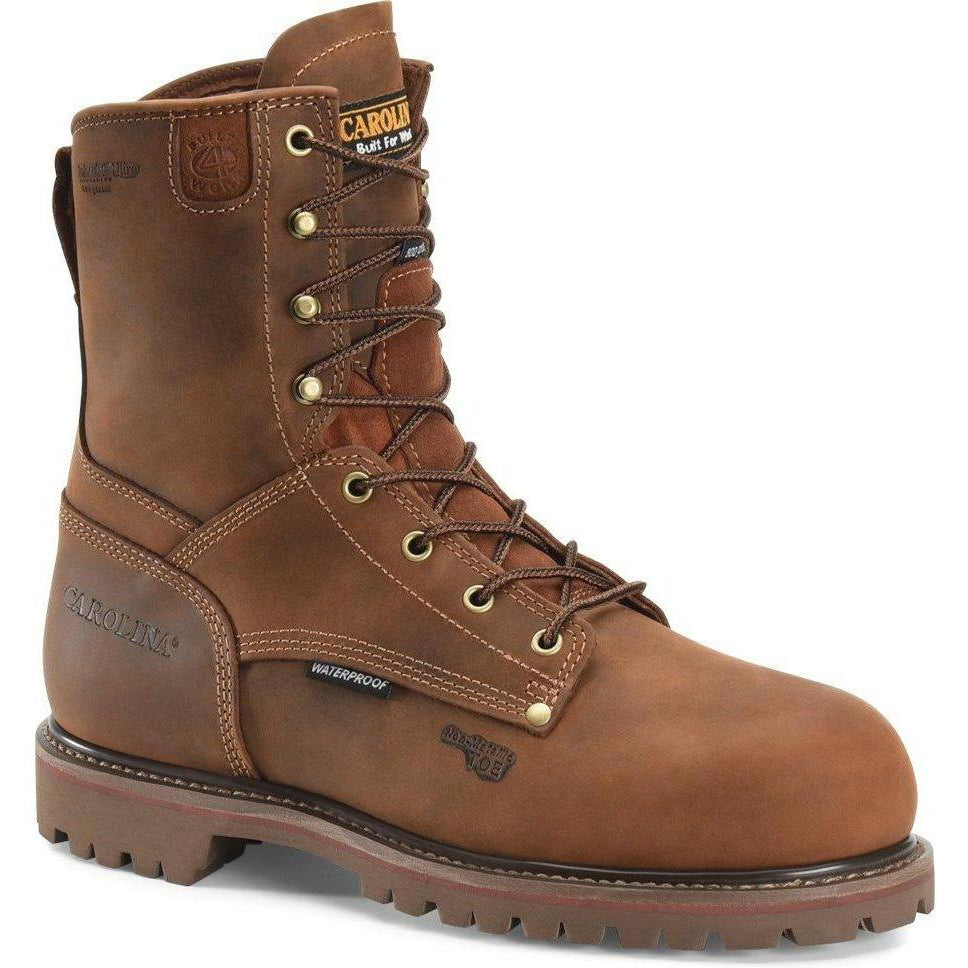
Carolina Men's 28 Series 8" Composite Toe Insulated Waterproof Boot - CA9528
Save 17%
Sale price$203.34
Regular price$244.99
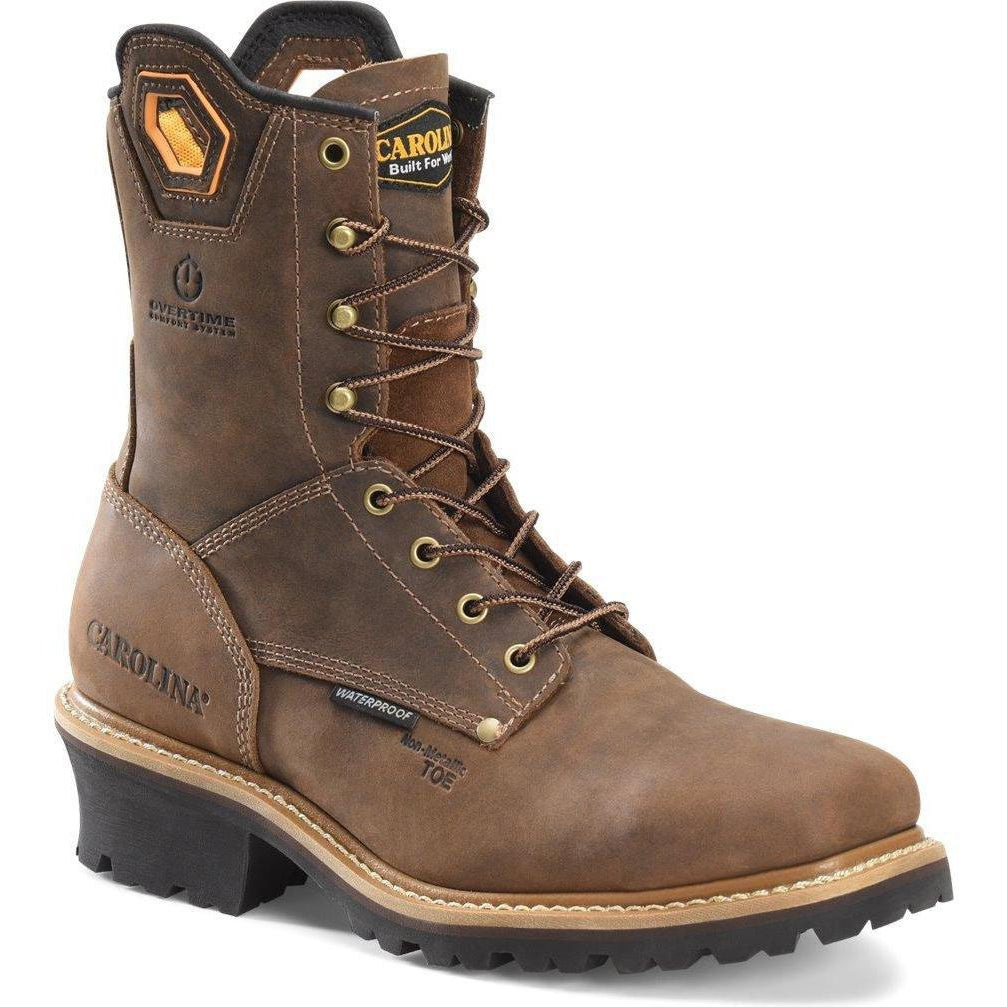
Carolina Men's Coppice 8" Composite Toe Waterproof Logger Work Boot - Brown - CA9855
Save 17%
Sale price$240.69
Regular price$289.99
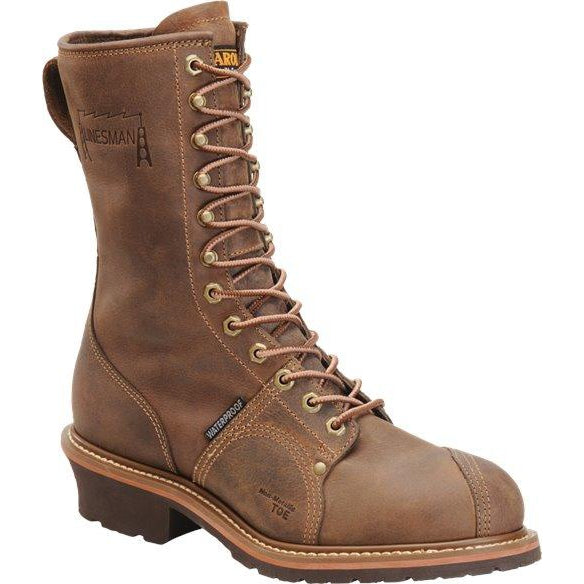
Carolina Men's Linesman 10" Composite Toe Waterproof Work Boot - Brown - CA1904
Save 7%
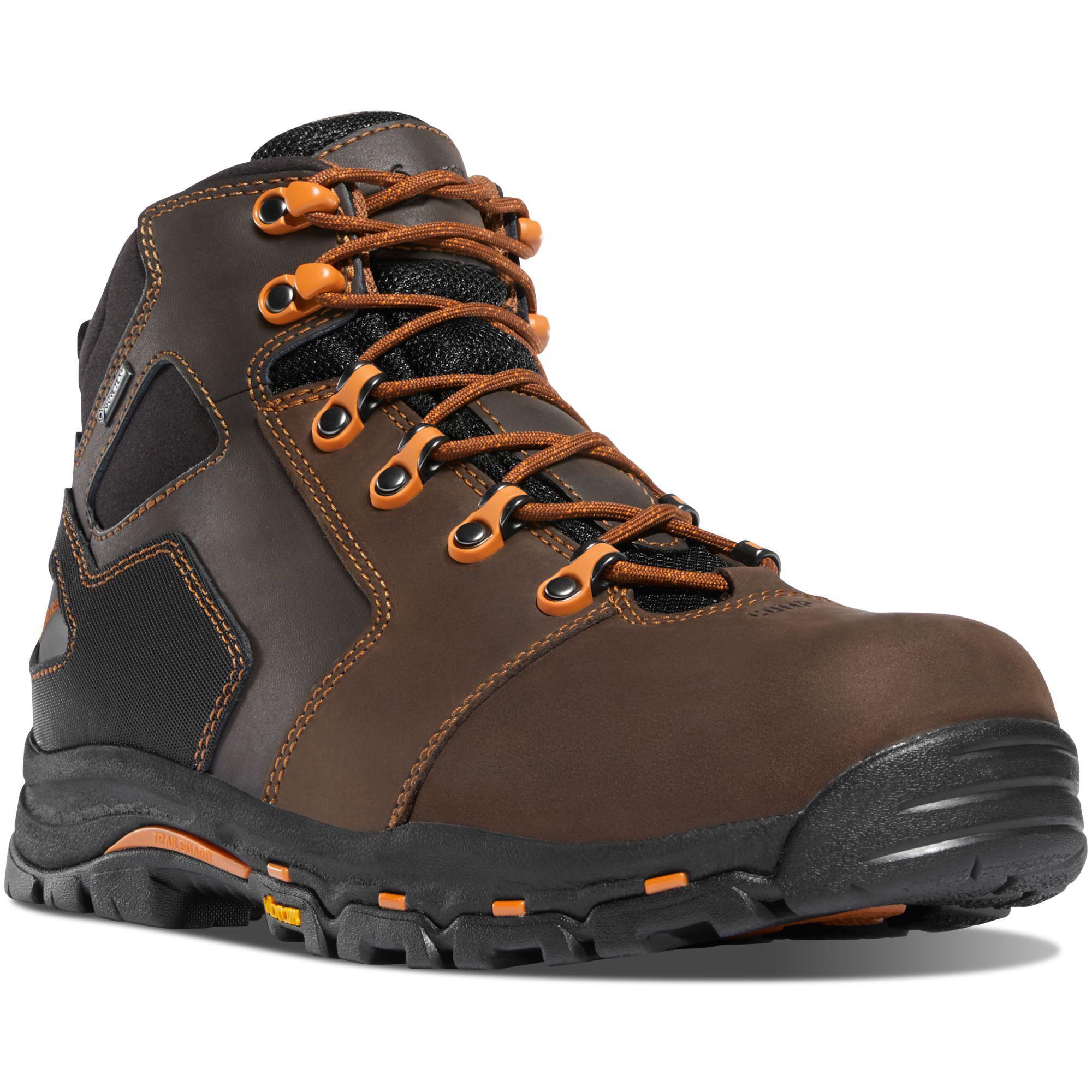
Sale price$249.95
Regular price$270.00
Danner Men's Vicious 4.5" Composite Toe Waterproof Work Boot - Brown - 13860
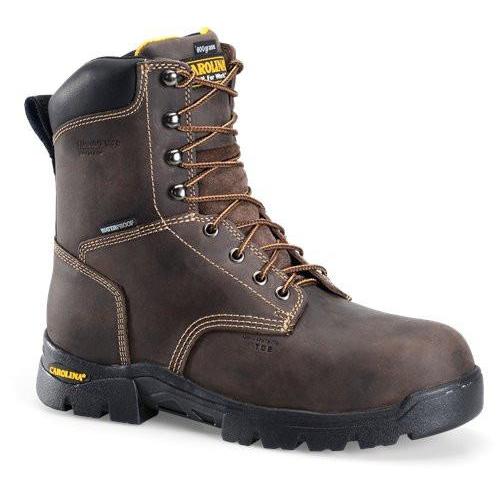
Sale price$164.99
Carolina Men's Circuit Hi 8" Composite Toe Insulated Work Boot - CA3538
Save 6%
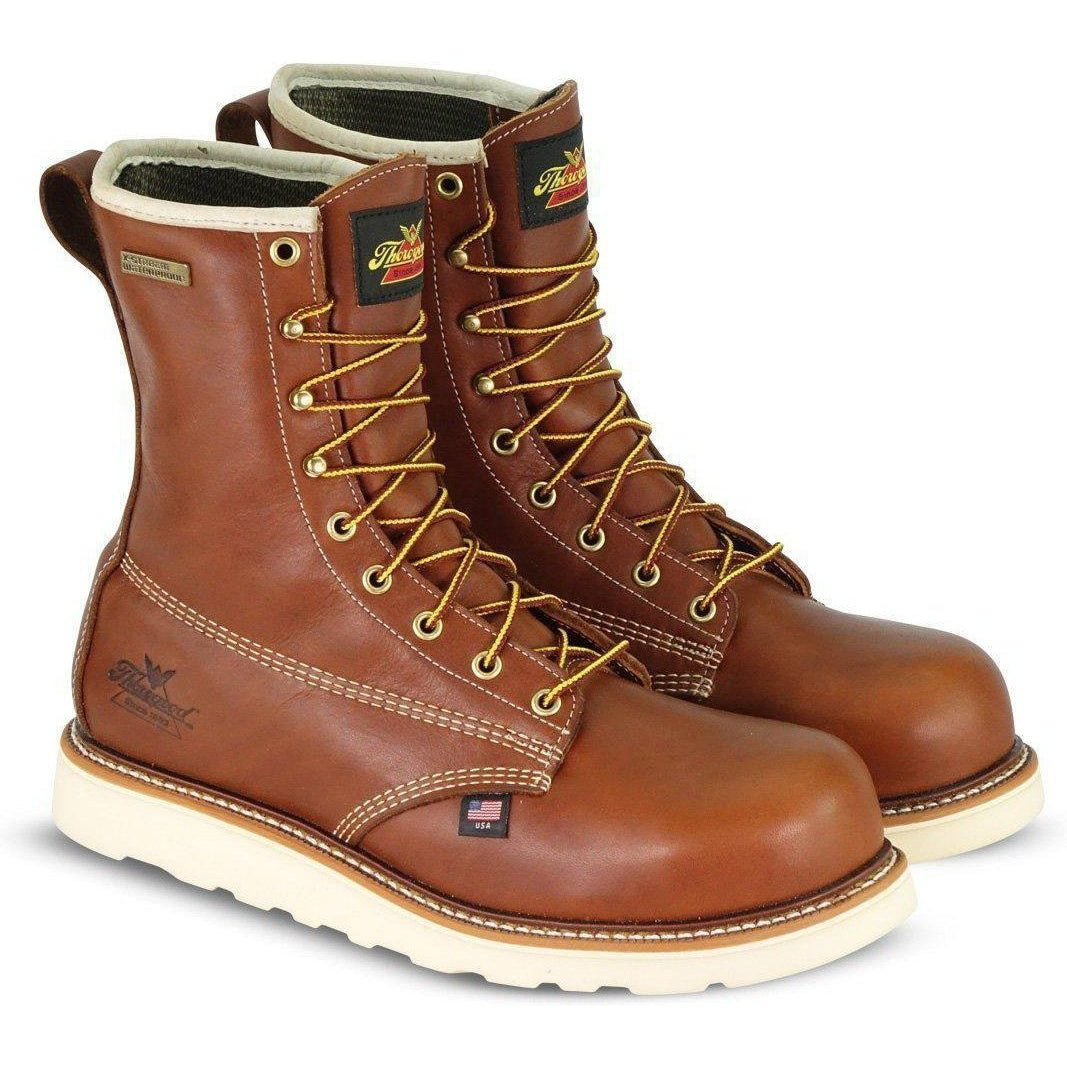
Sale price$309.95
Regular price$330.00
Thorogood Men's USA Made Amer Heritage 8" Composite Toe Wedge Work Boot 804-4210
Save 25%
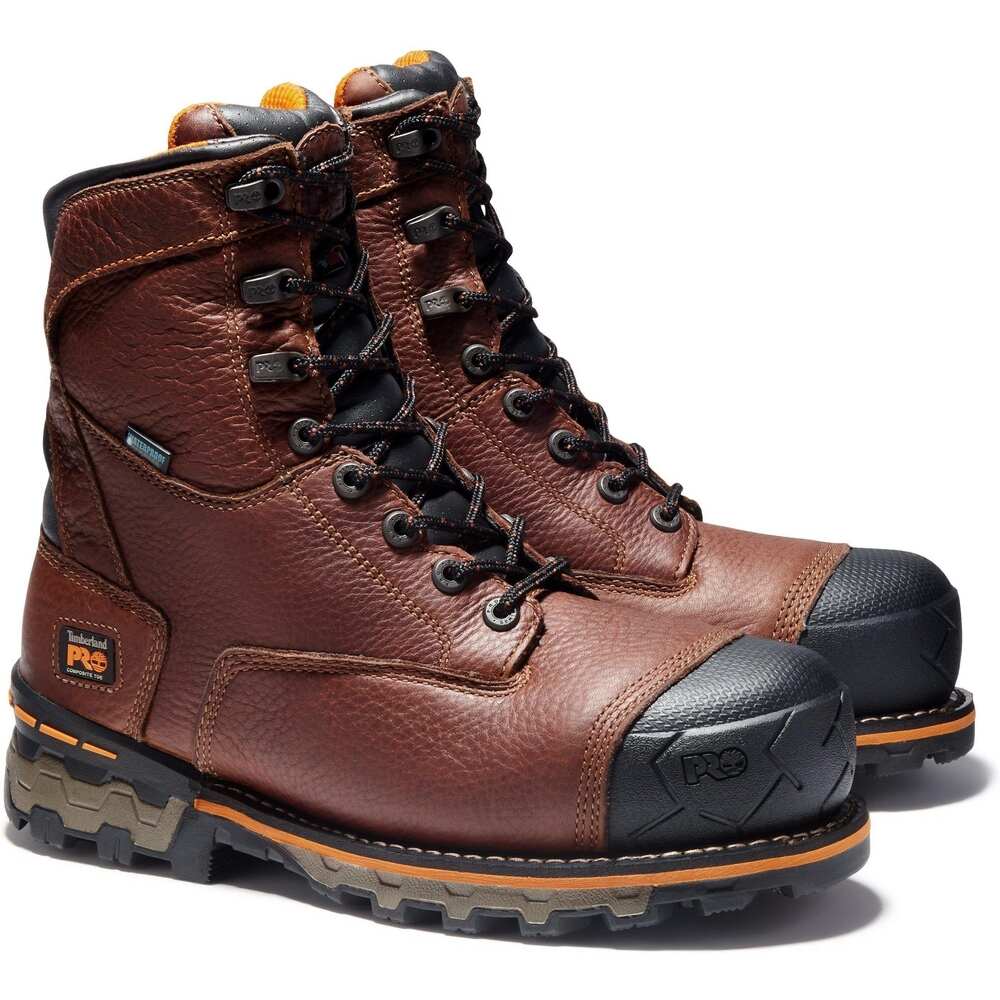
Sale price$199.95
Regular price$265.00
Timberland PRO Men's Boondock 8" Composite Toe Waterproof Ins Work Boot TB189628214
Save 25%
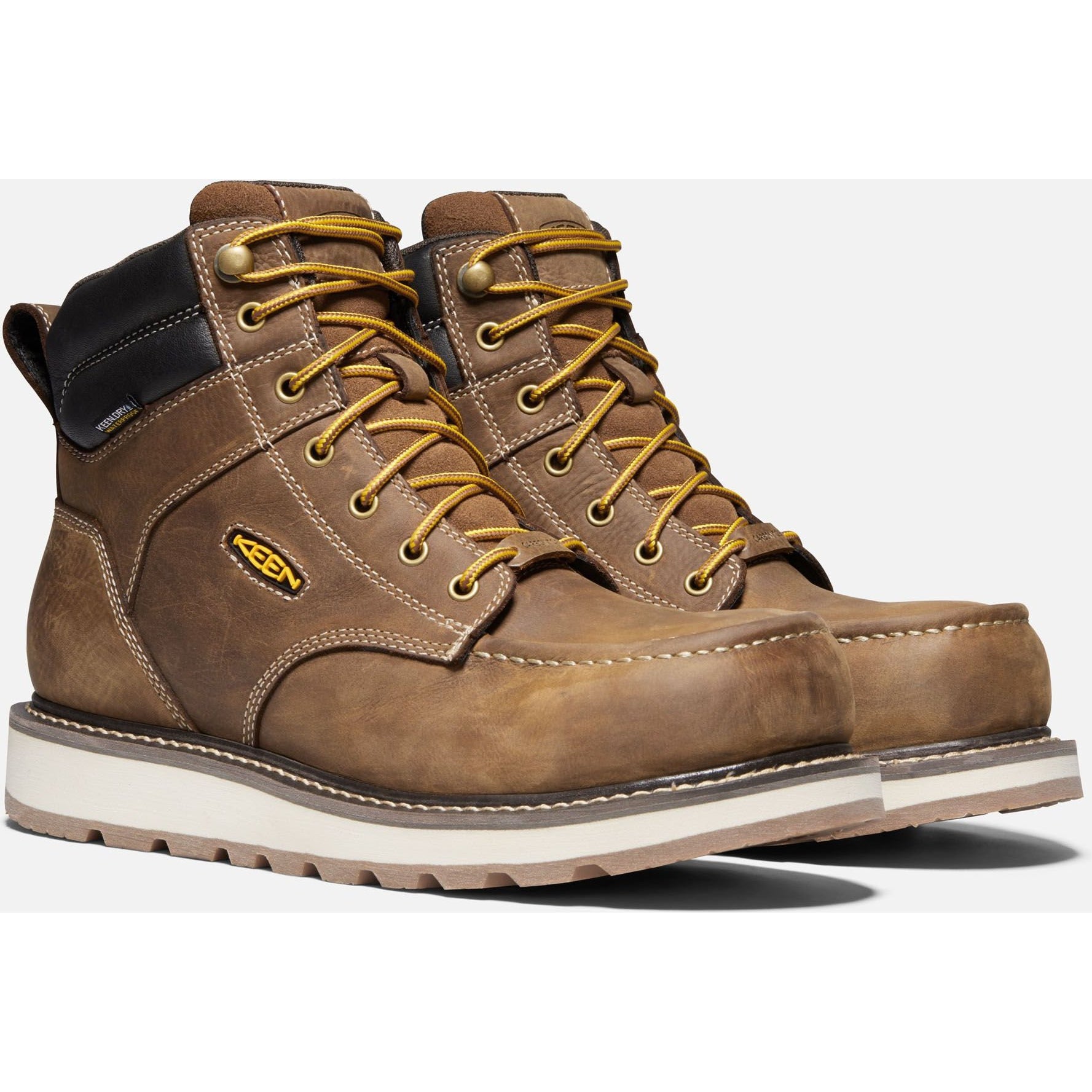
Sale price$161.99
Regular price$214.95
Keen Utility Men's Cincinnati 6" Carbon-Fiber Toe Waterproof Wedge Work Boot - Belgian/Sandshell - 1023222
Save 10%
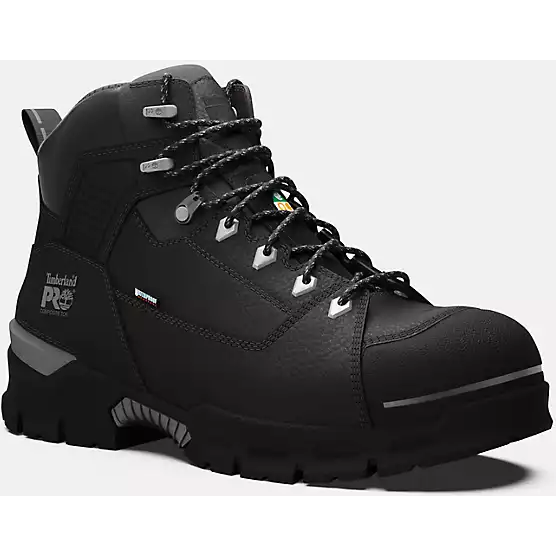
Sale price$179.95
Regular price$200.00
Timberland Pro Men's Endurance Evolution 6" Composite Toe Waterproof Work Boot -Black- TB0A5YYF001
Save 36%
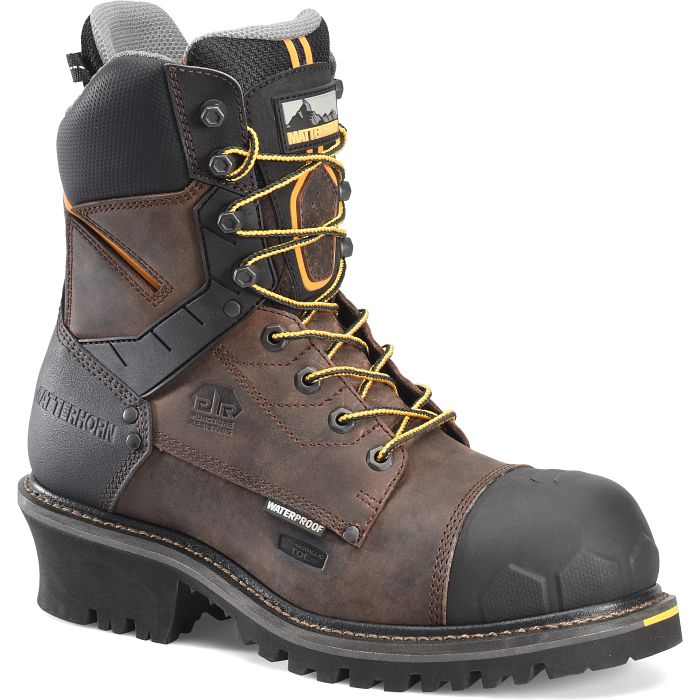
Sale price$147.67
Regular price$232.00
Matterhorn Men's Pr Steadfast 8" Waterproof Composite Toe Logger Work Boot -Brown- MT2558
Save 16%
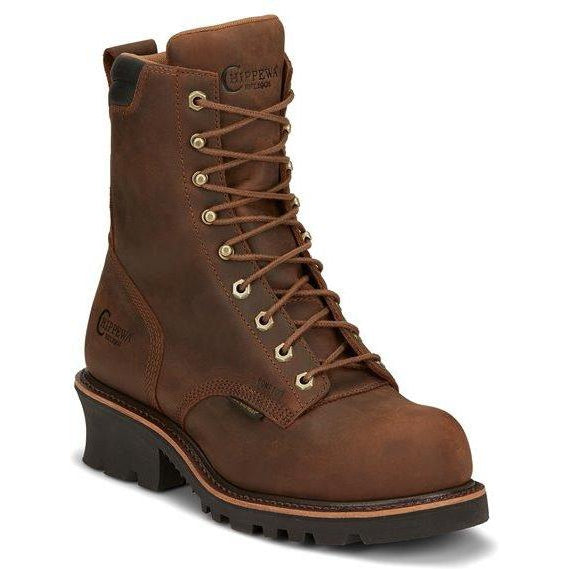
Sale price$187.01
Regular price$223.00
Chippewa Men's Valdor 8" Composite Toe Waterproof Logger Work Boot - Tan - 73236
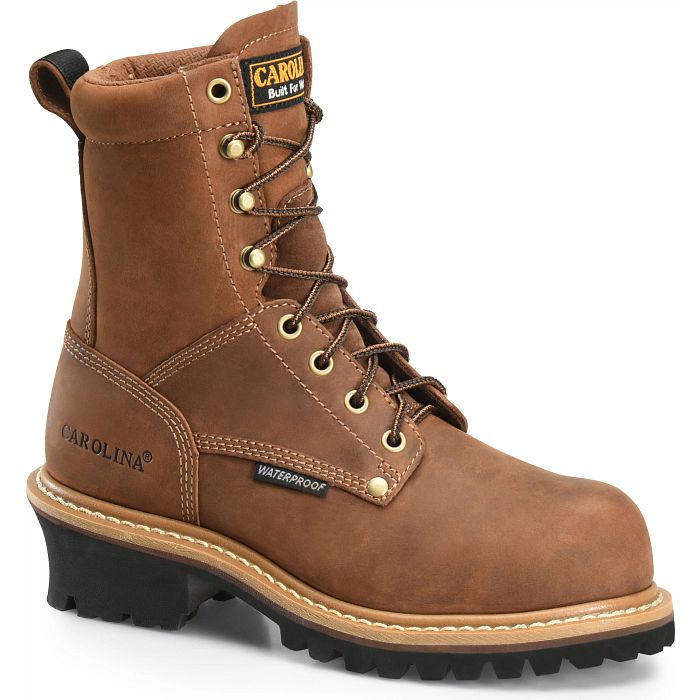
Save 17%
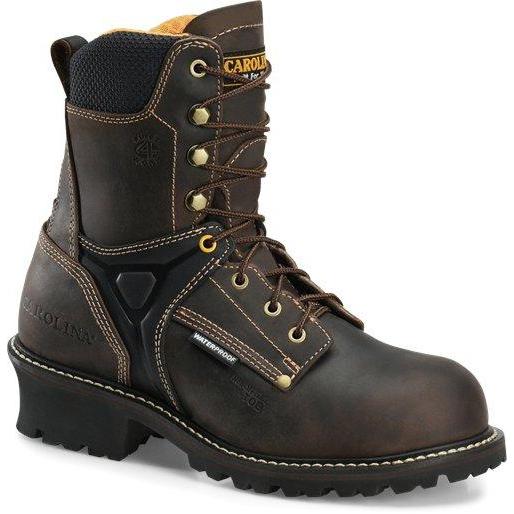
Sale price$195.04
Regular price$234.99
Carolina Men's Timber 8" Composite Toe Waterproof Logger Work Boot - Brown - CA6921
Save 9%
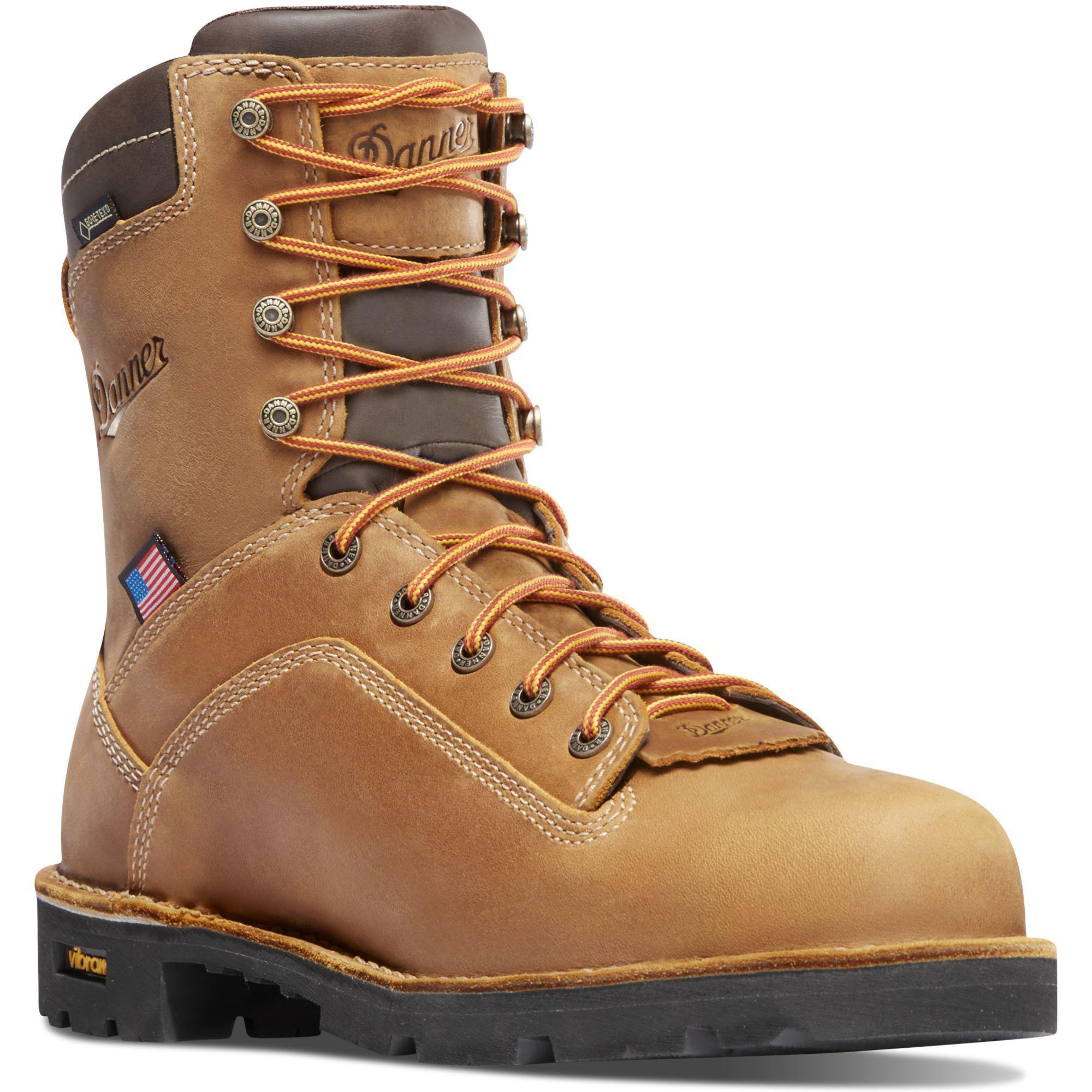
Sale price$339.95
Regular price$372.00
Danner Men's Quarry USA Made 8" Composite Toe Ins Waterproof Work Boot Brown 17321
Save 10%
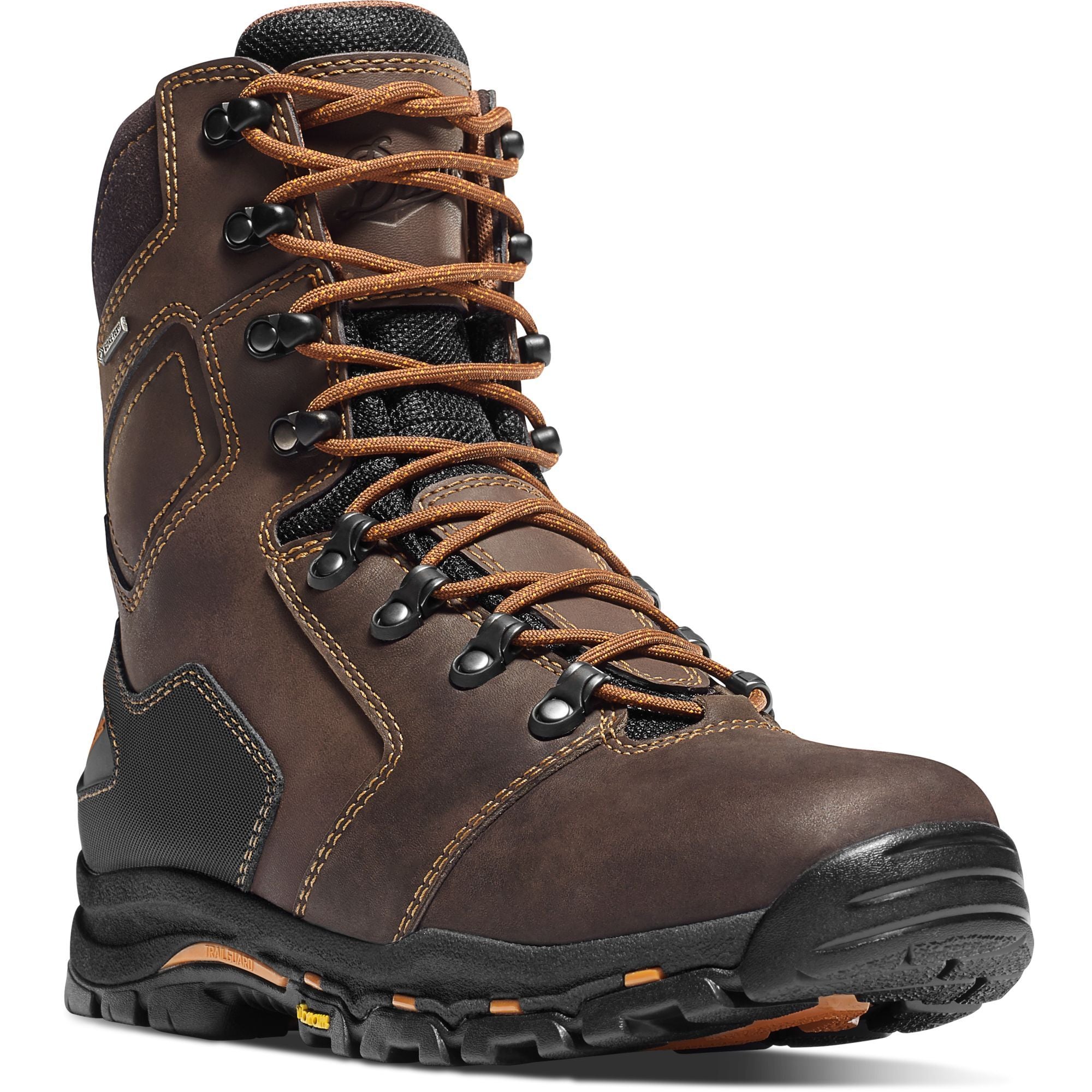
Sale price$269.95
Regular price$300.00
Danner Men's Vicious 8" Composite Toe Waterproof Work Boot - Brown - 13868
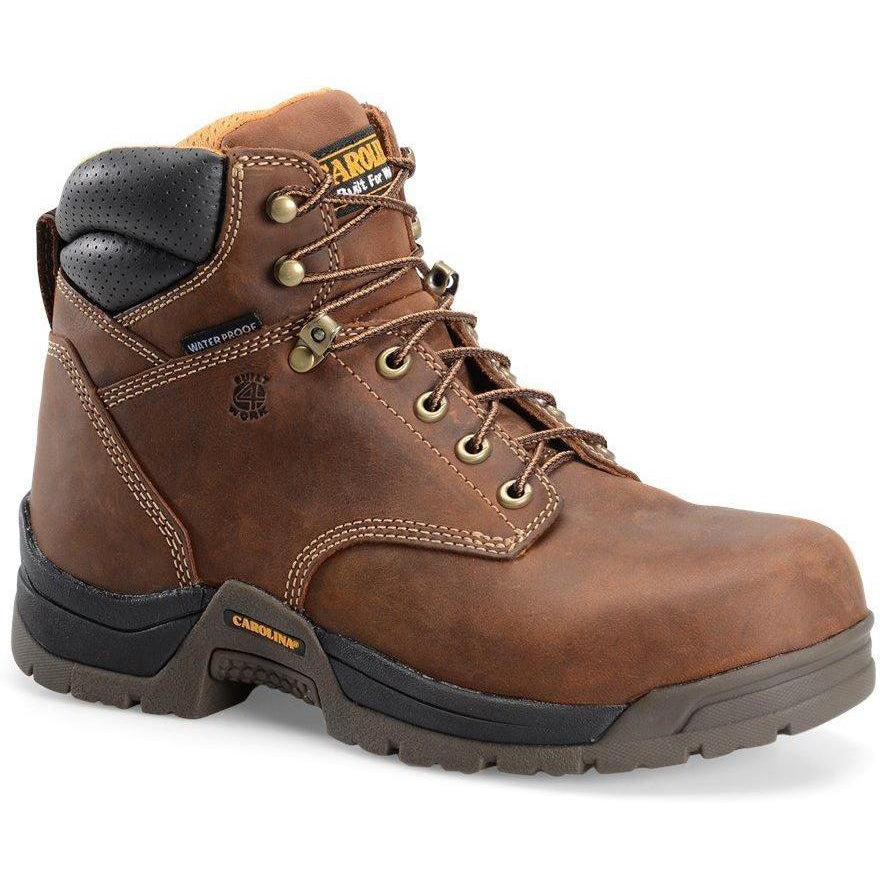
Sale price$179.99
Regular price$184.00
Carolina Men's Bruno Lo 6" Waterproof Composite Toe Work Boot - Brown - CA5520
Save 17%
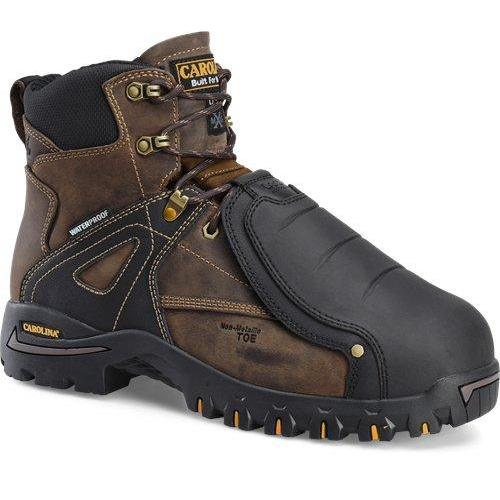
Sale price$195.04
Regular price$234.99
Carolina Men's Miter EXT 6" Composite Toe Waterproof External Metguard Work Boot - Brown - CA5586
Save 17%
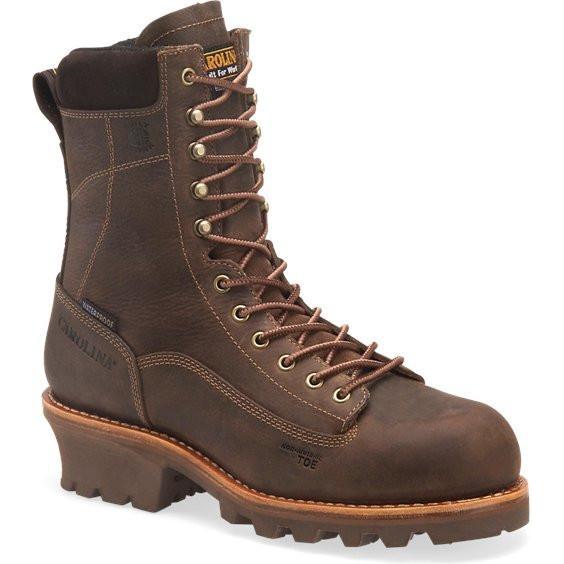
Sale price$224.09
Regular price$269.99
Carolina Birch Logger Boots CA7521 - Men's 8" Composite Toe Waterproof Work Boot
Save 22%
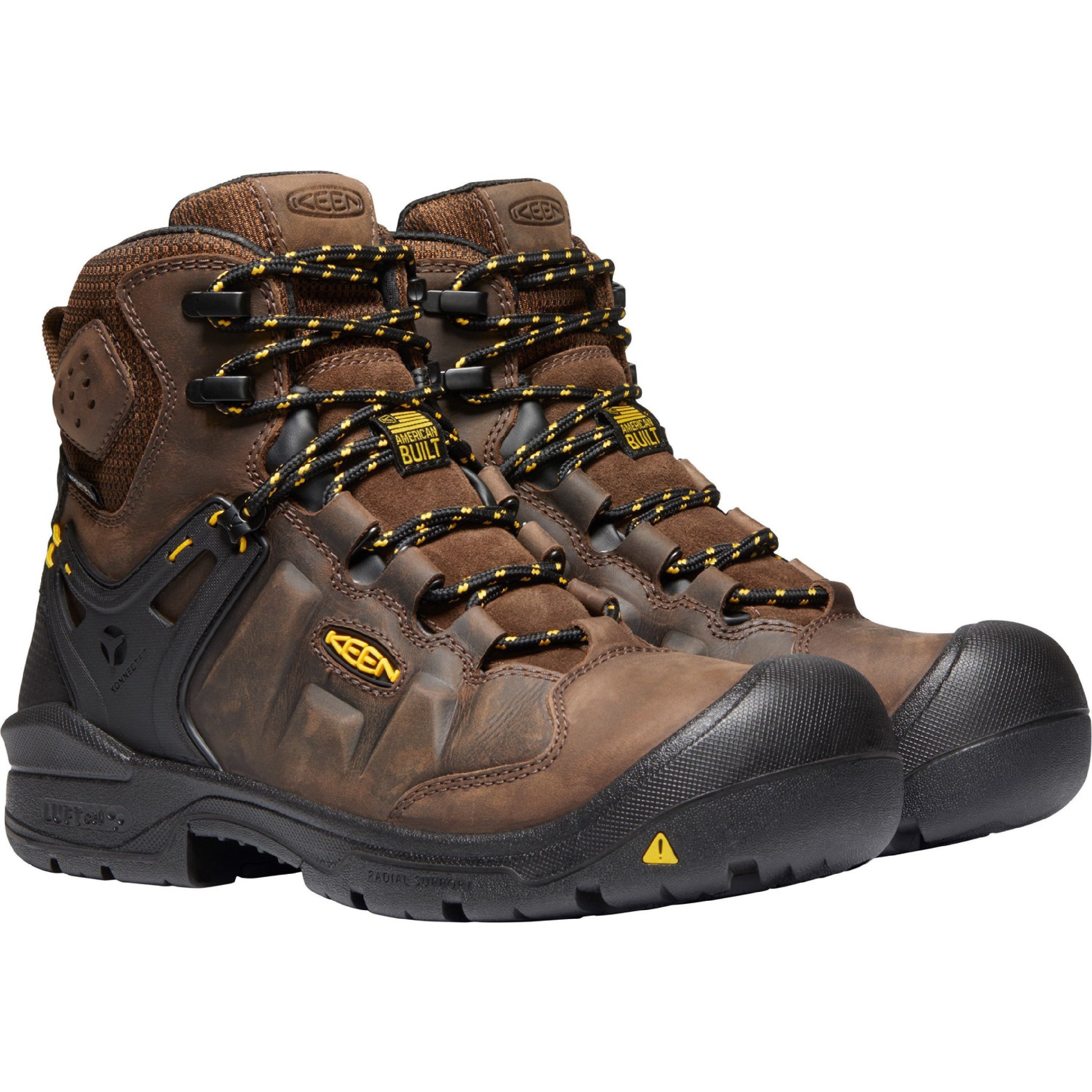
Sale price$182.24
Regular price$234.95
Keen Utility Men's Dover 6" Composite Toe American Built Waterproof Work Boot - Brown - 1021467
Save 17%
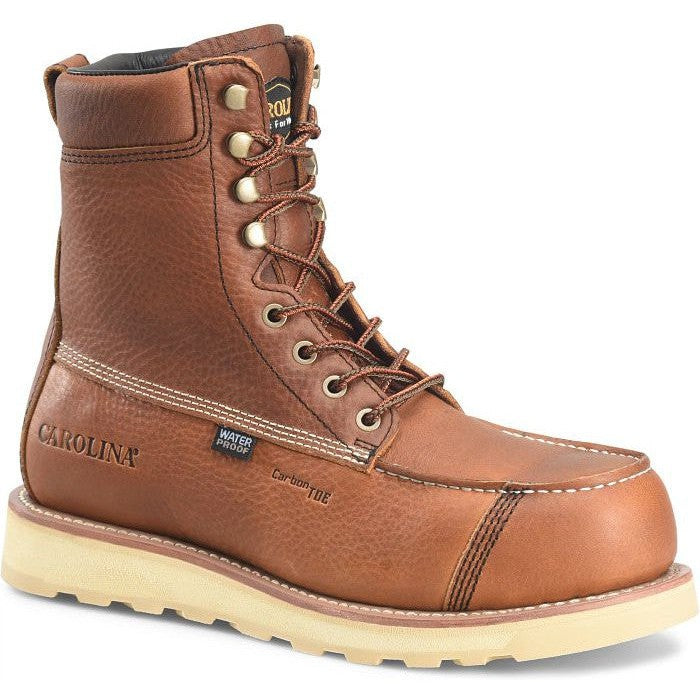
Sale price$178.44
Regular price$214.99
Carolina Men’s Staple Gun 8” Carbon Composite Toe Waterproof Work Boot – Tan (CA7571)
Save 18%
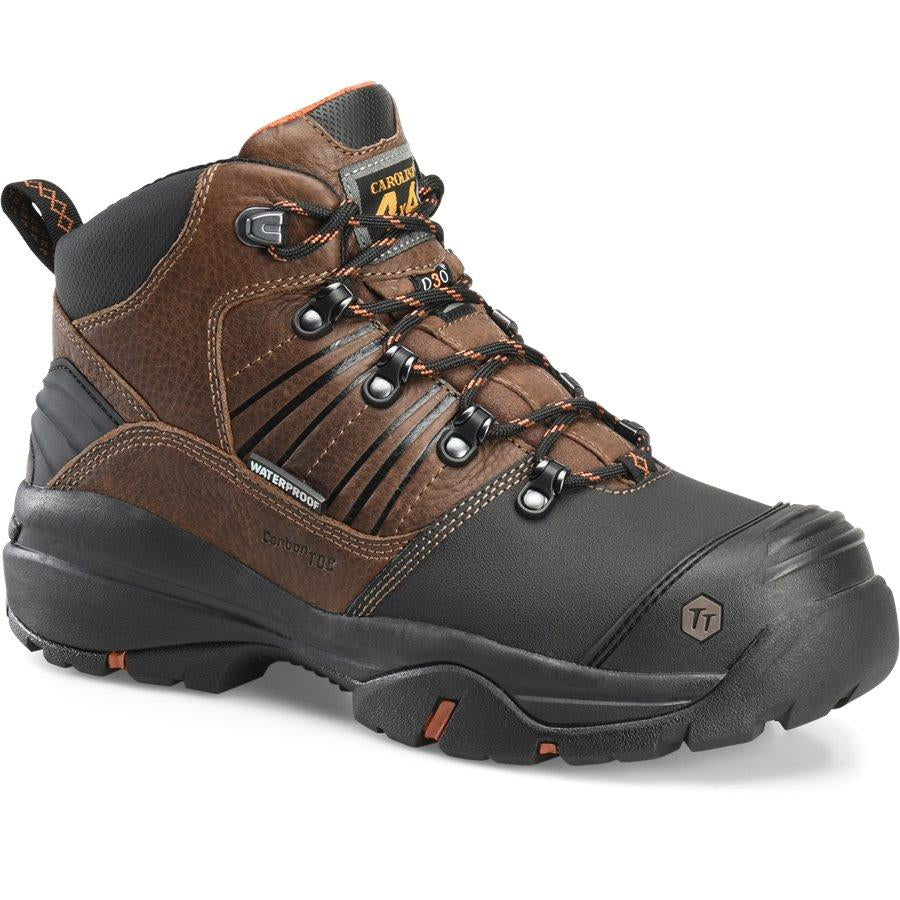
Sale price$182.59
Regular price$224.00
Carolina Men's Miner 6" Carbon Composite Toe Metguard Waterproof Work Shoe CA5587
Frequently Asked Questions
Because wet work is usually cold work, and a steel cap conducts cold straight to your toes regardless of what insulation sits behind it. A composite cap does not conduct. Pairing it with a sealed membrane addresses water and cold together, which is why this combination dominates outdoor work boots.
A waterproof boot uses a sealed membrane and sealed seams so water cannot work through the leather or the stitching. Water-resistant leather sheds rain and handles damp ground but wets through with sustained exposure. The distinction matters if you stand in water rather than walk through it, and it is stated in the product title.
High enough for the water you actually stand in, since the membrane protects only to the collar. A 6-inch handles wet ground and rain. If you work in standing water or deep mud, an 11-inch pull-on does far more for you than a better membrane on a short boot. See our composite toe Wellington range.
Usually sweat rather than leakage, particularly in warm weather when the membrane cannot breathe effectively. The other common cause is water coming in over the collar, which no membrane prevents. If the outer leather is soaking through, that is a worn water-repellent finish rather than a failed membrane, and it can be restored.
Yes. Membranes fail at seams and flex points over a few years of hard wear, and unlike an outsole they cannot be replaced. Treat waterproofing as a finite feature over the life of the boot. The outer repellent finish wears off much sooner and can be restored by cleaning and reapplying a treatment.
No. The cap is non-metallic but the shank, any puncture plate, and the eyelets and speed hooks are separate components and can be steel. If you clear detectors at work, verify the whole boot rather than the toe type. See our 100 percent non metallic collection.
No. Waterproofing sits between the leather and the lining and has nothing to do with the toe cap or the outsole ratings. A waterproof boot carries whatever ASTM ratings it was built and tested for, exactly as a non-waterproof version of the same model would.
Clean the dirt off regularly, since it clogs the outer material and stops moisture escaping, which causes clammy feet. Condition the leather every one to three months. Dry at room temperature away from direct heat, which damages both the leather and the membrane adhesives. Browse the wider composite toe work boots range.
Recently viewed
Our Top Brands