Save 11%
Sale price$165.59
Regular price$186.00
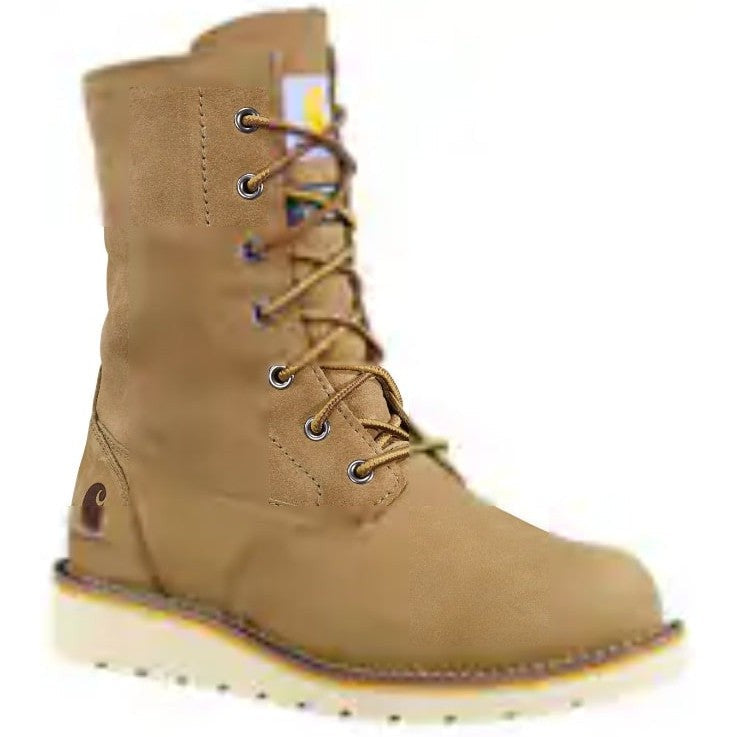
Carhartt Women's Fold Down 8" Waterproof Wedge Winter Boot -Hickory- FW8069-W
Save 12%
Sale price$170.19
Regular price$194.00
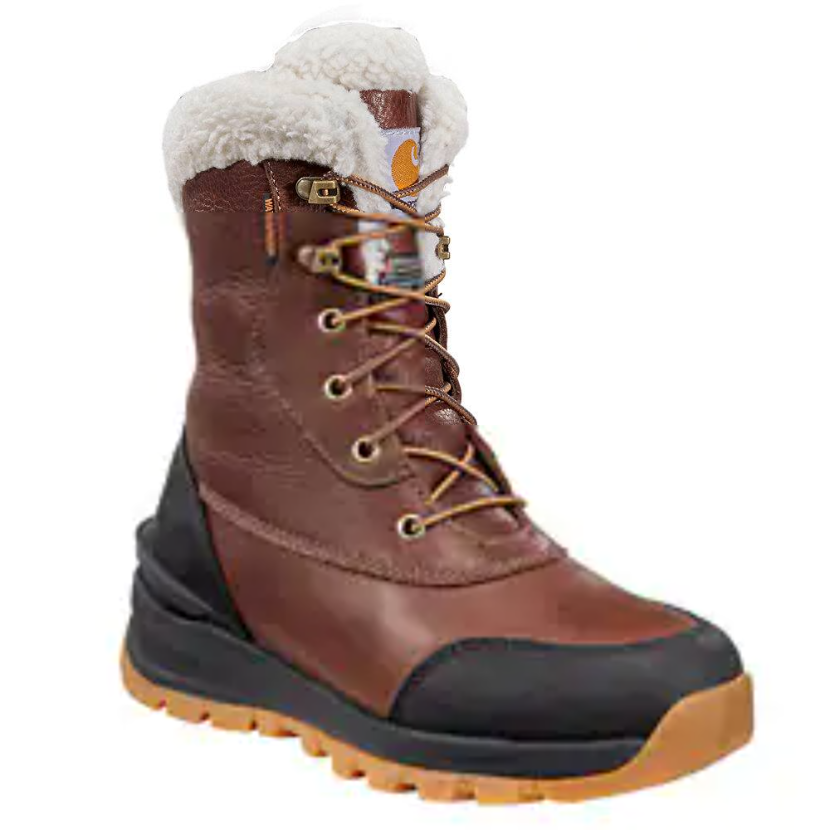
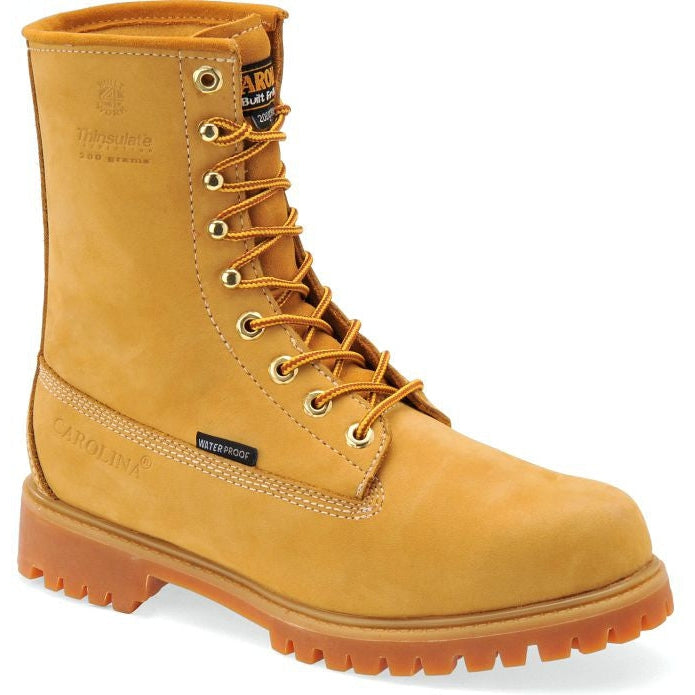
Carhartt Women's Pellston 8" Waterproof Winter Work Boot - Mineral Red - FH8019-W
Save 13%
Sale price$439.95
Regular price$504.00
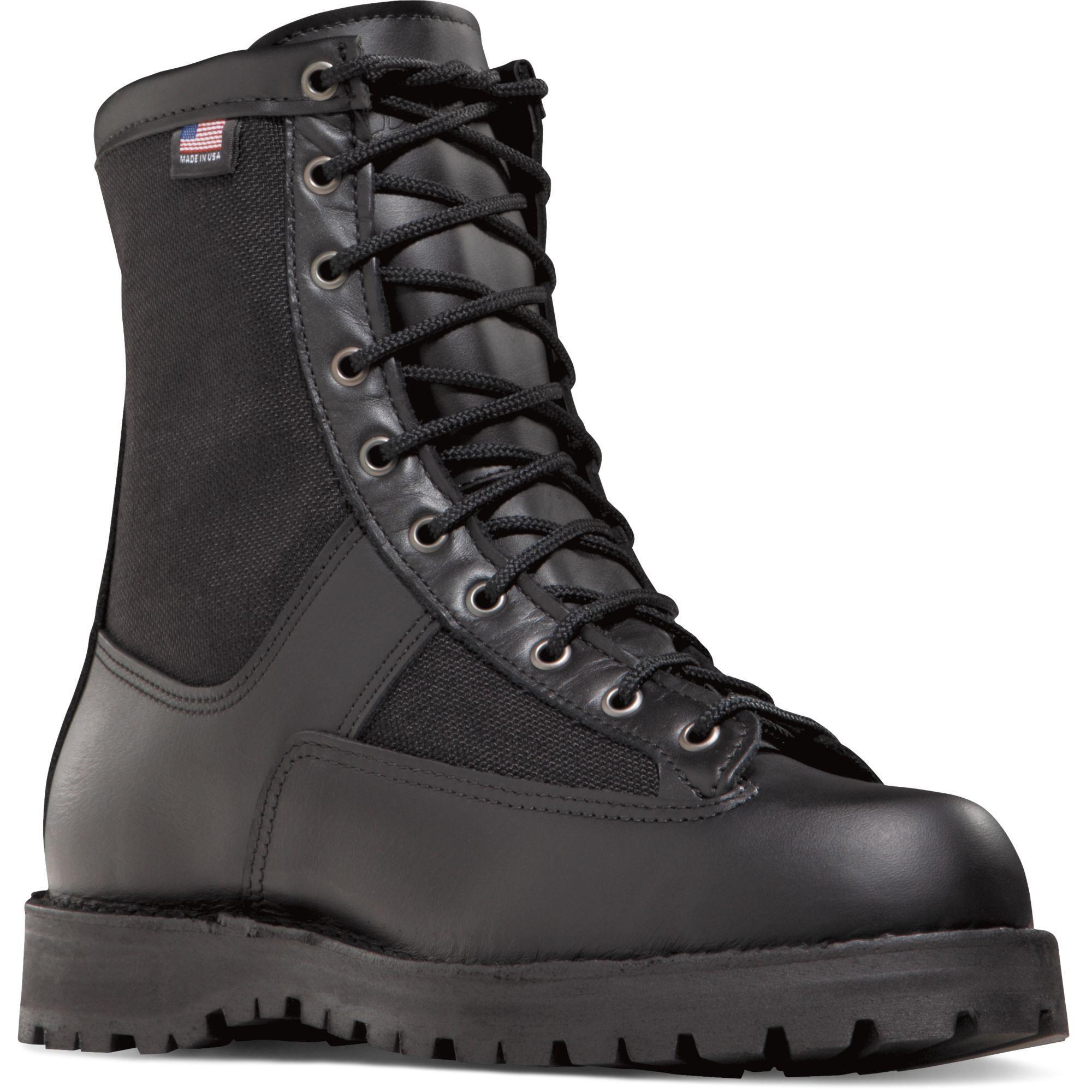
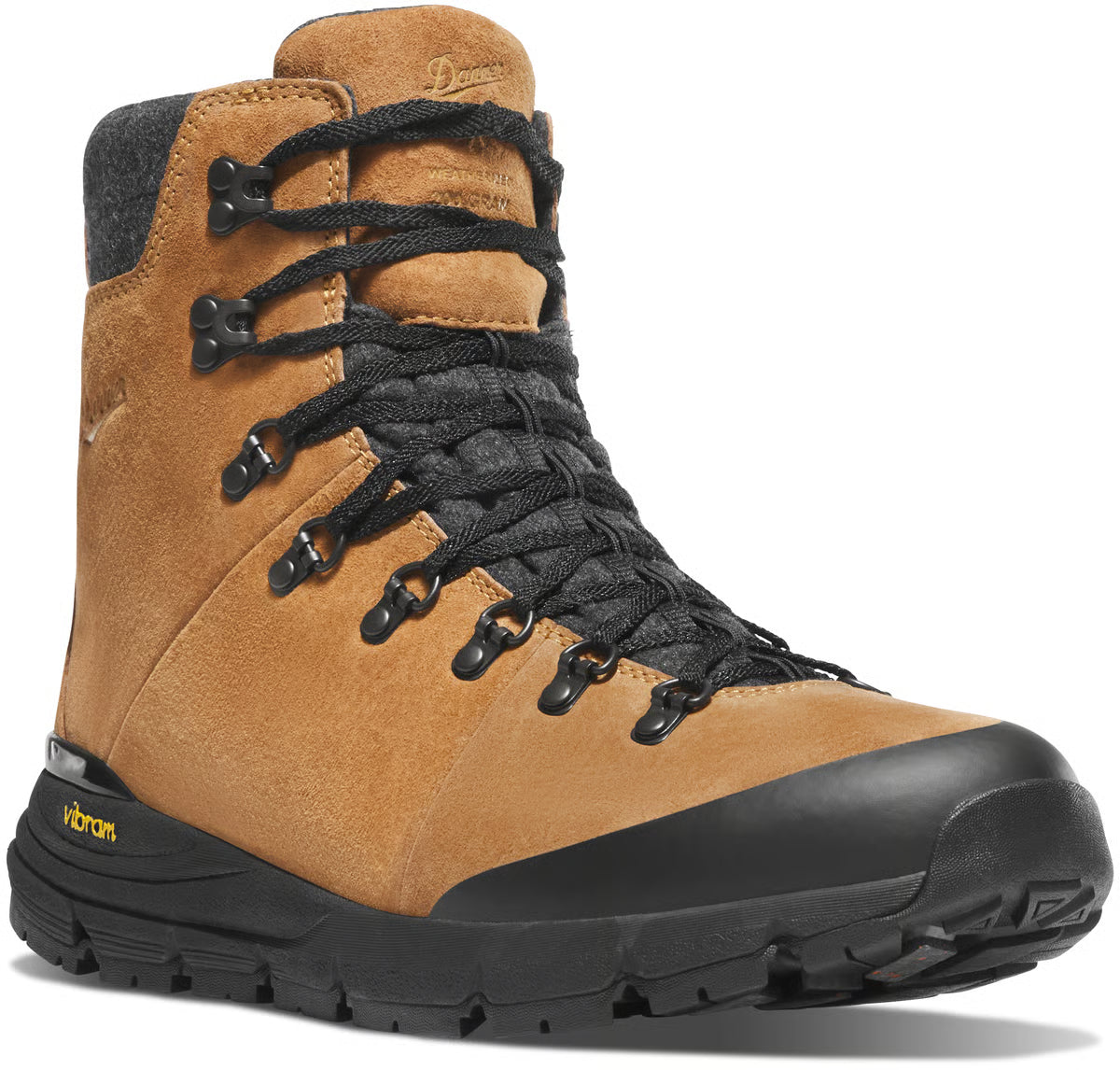
Danner Men's Acadia USA Made 8" 200G Insulated Waterproof Duty Boot - Black - 69210
Save 14%
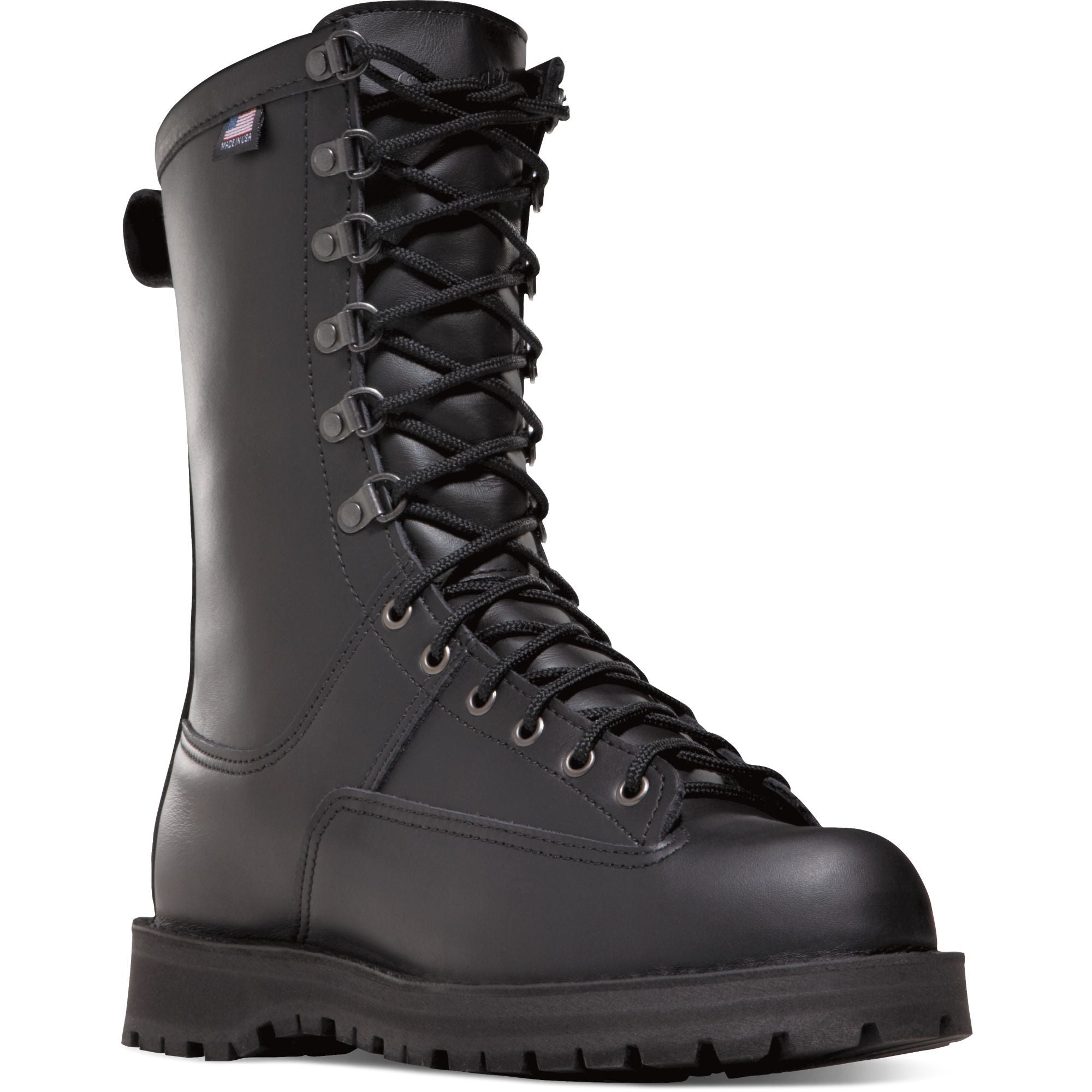
Sale price$459.95
Regular price$536.00
Danner Men's Fort Lewis USA Made 10" Ins Waterproof Duty Boot - Black - 69110
Save 8%
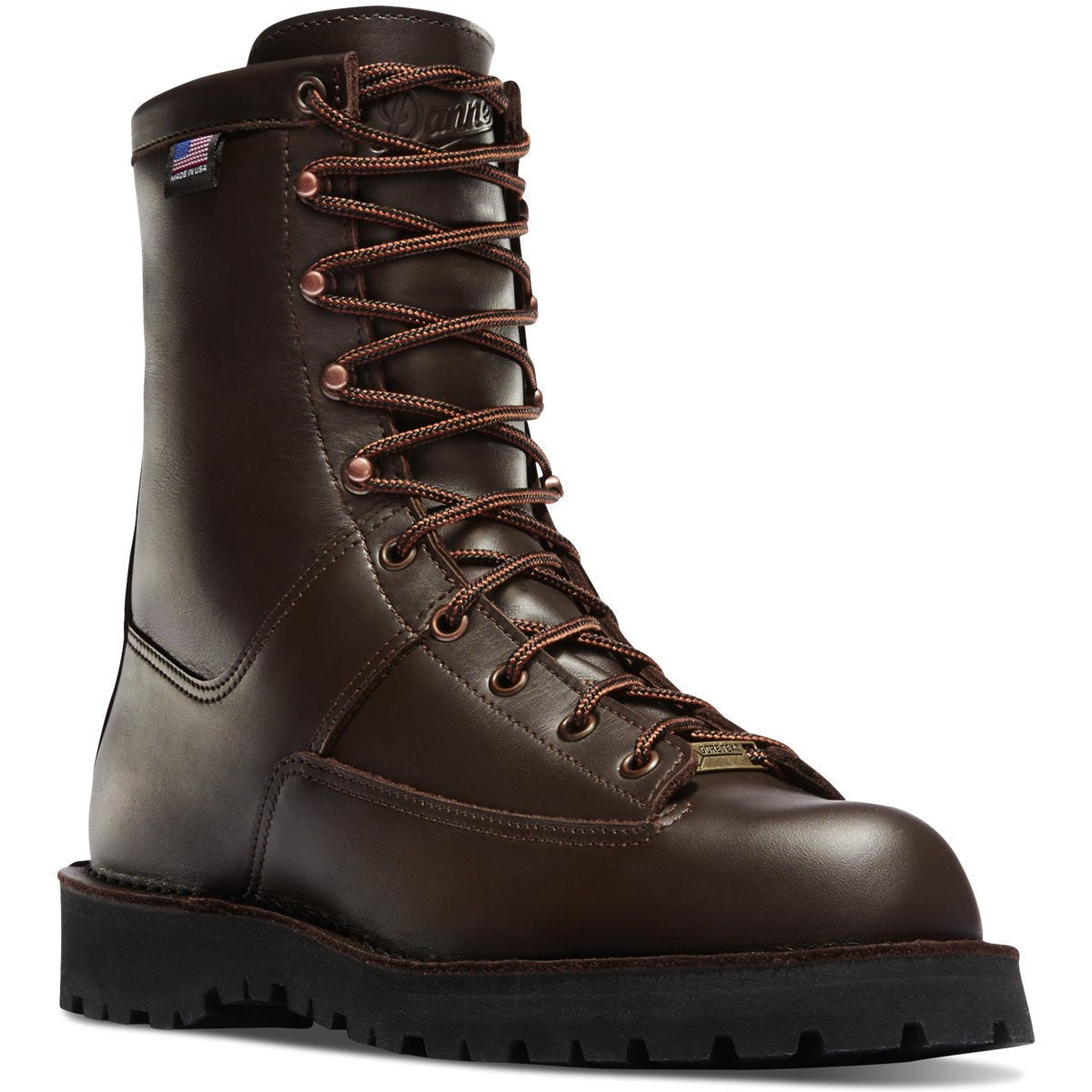
Sale price$449.95
Regular price$490.00
Danner Men's Hood Winter Light 8" Waterproof 200G Hunt Boot - Brown - 58900
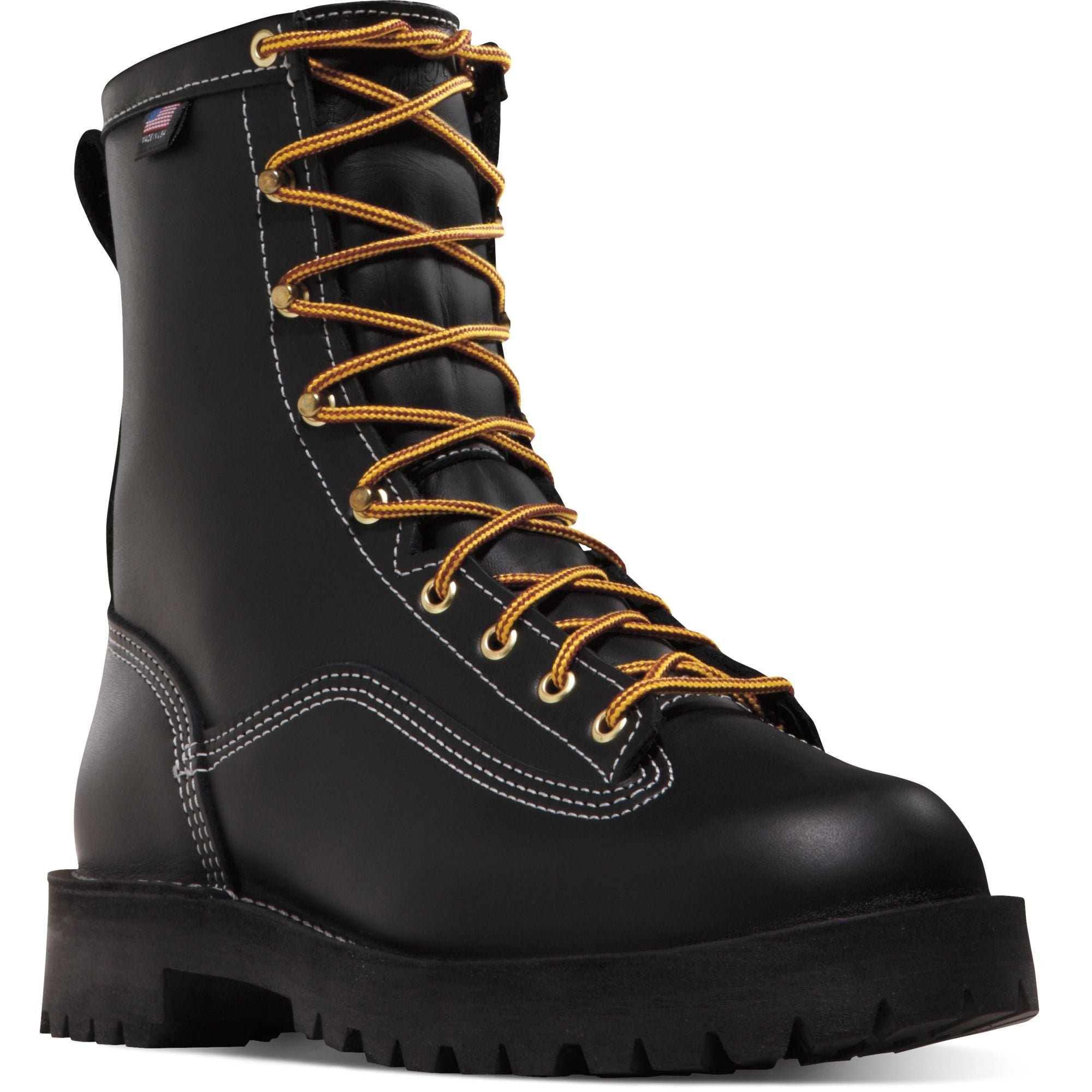
Sale price$529.95
Regular price$540.00
Danner Men's Rain Forest USA Made 8" Insulated Waterproof Work Boot Black 11700
Save 11%
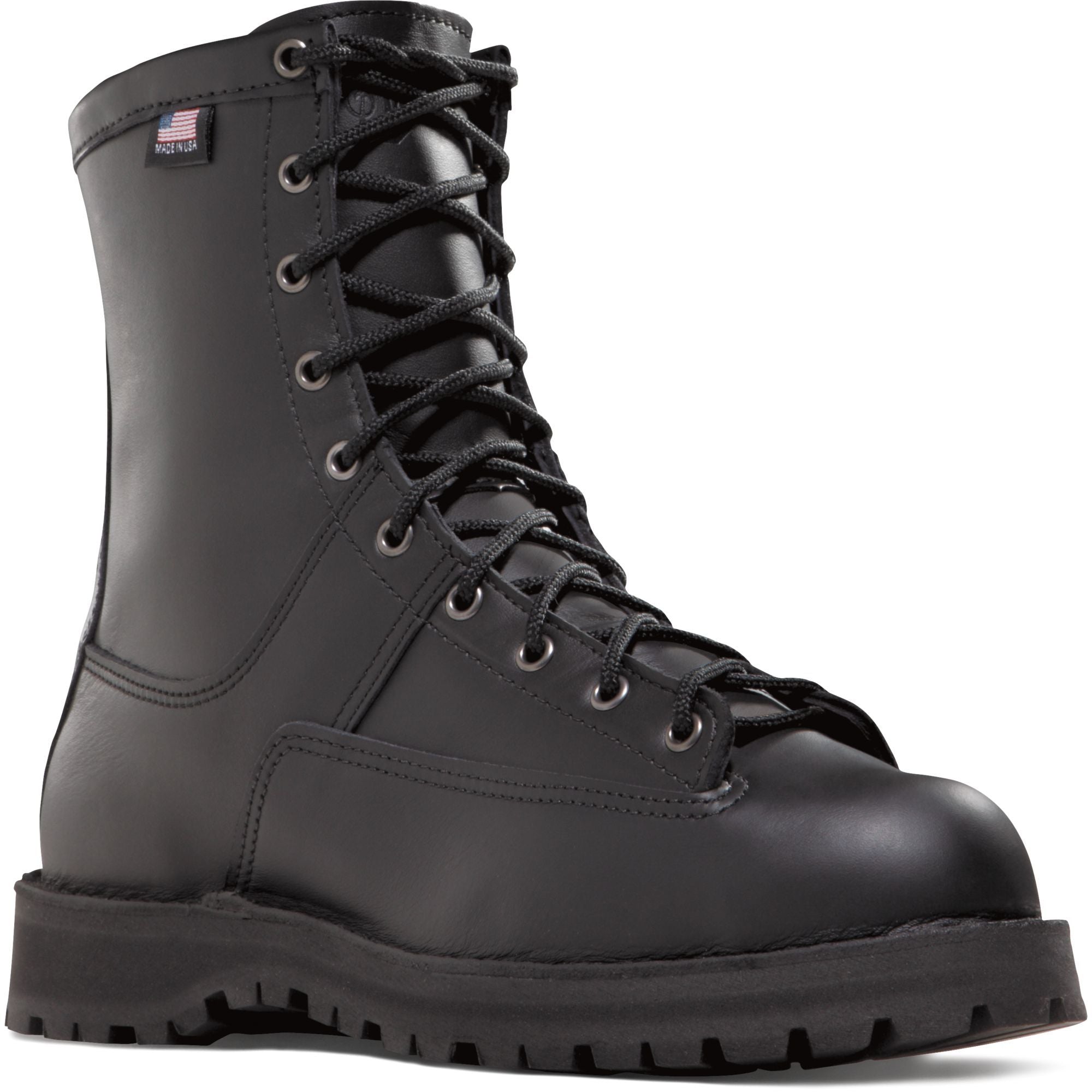
Sale price$449.95
Regular price$504.00
Danner Men's Recon USA Made 8" Insulated Waterproof Duty Boot - Black - 69410
Save 6%
Sale price$439.95
Regular price$470.00
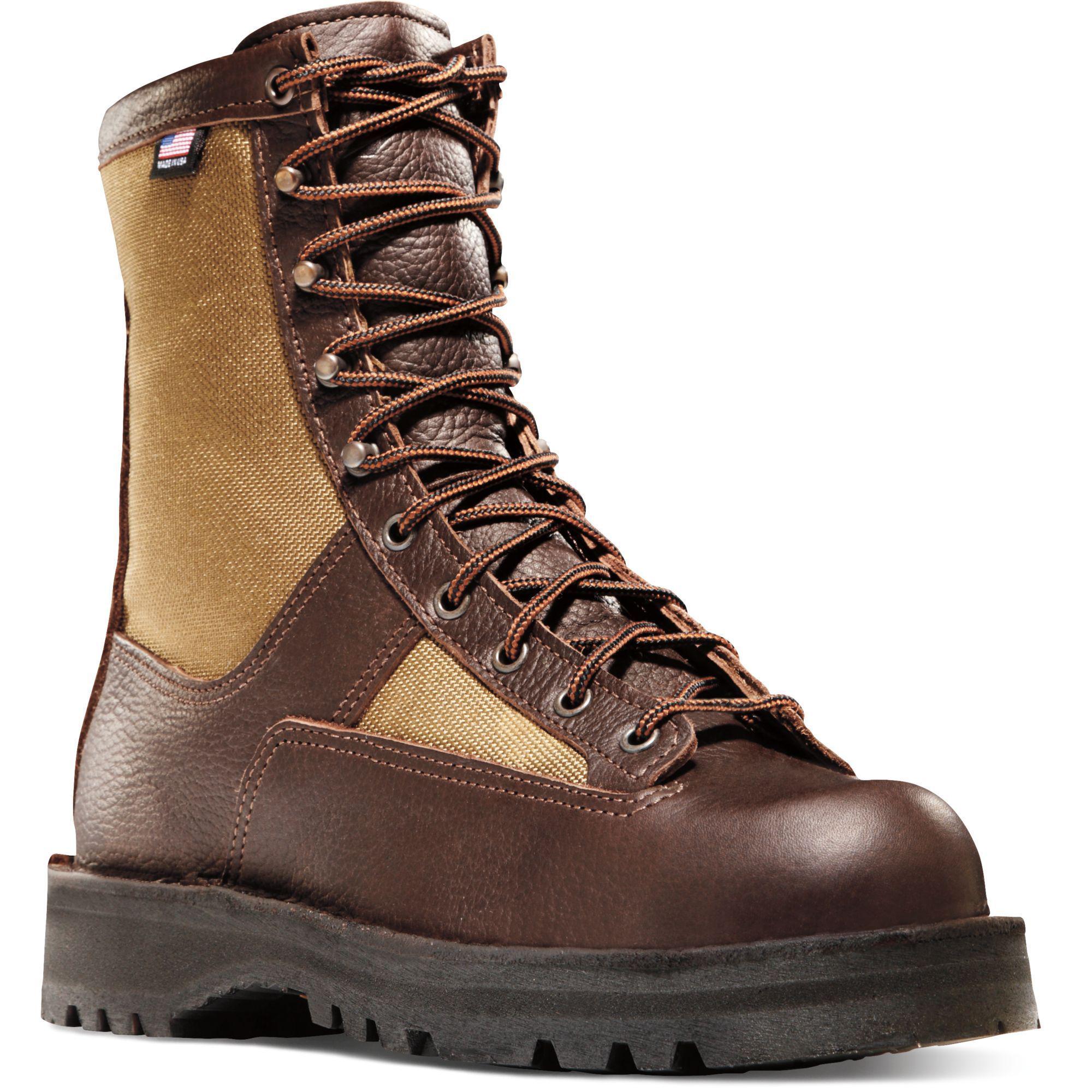
Danner Men's Sierra 8" USA Made Insulated Waterproof Hunt Boot - Brown - 63100
Sale price$219.95
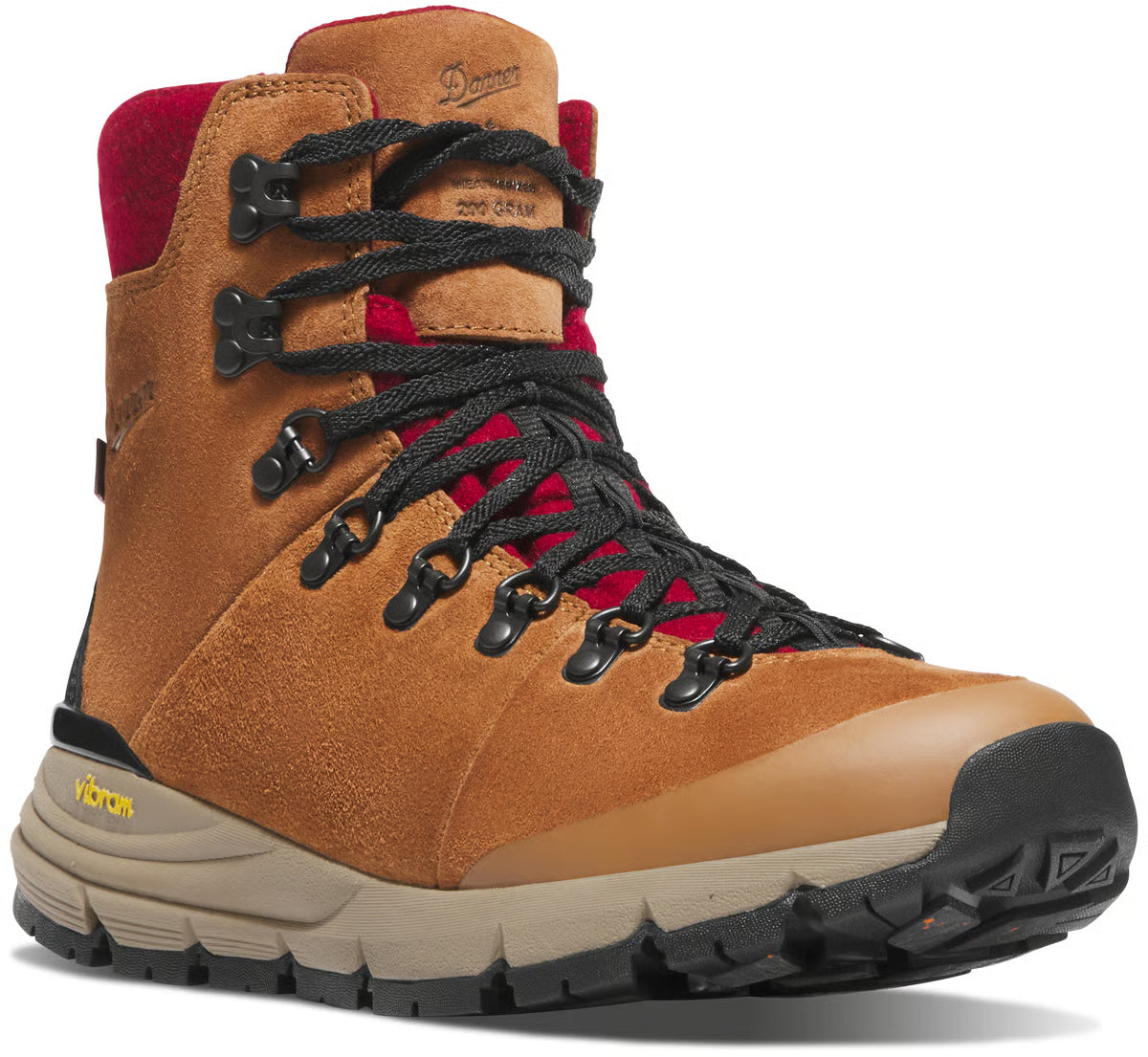
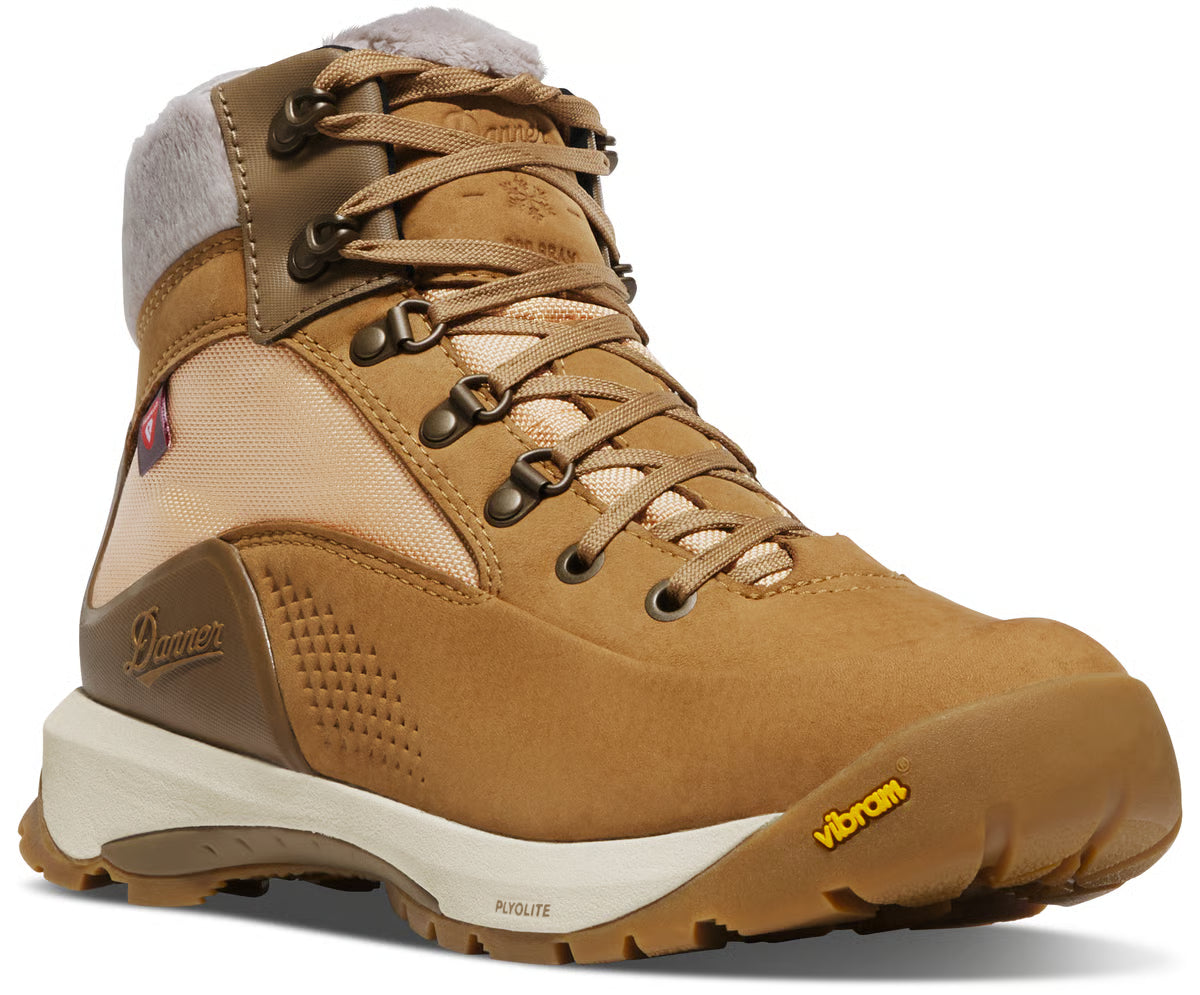
Danner Women's Inquire 5" Waterproof 200G Hiking Boot - Brown - 64572


Save 14%
Sale price$223.20
Regular price$260.00
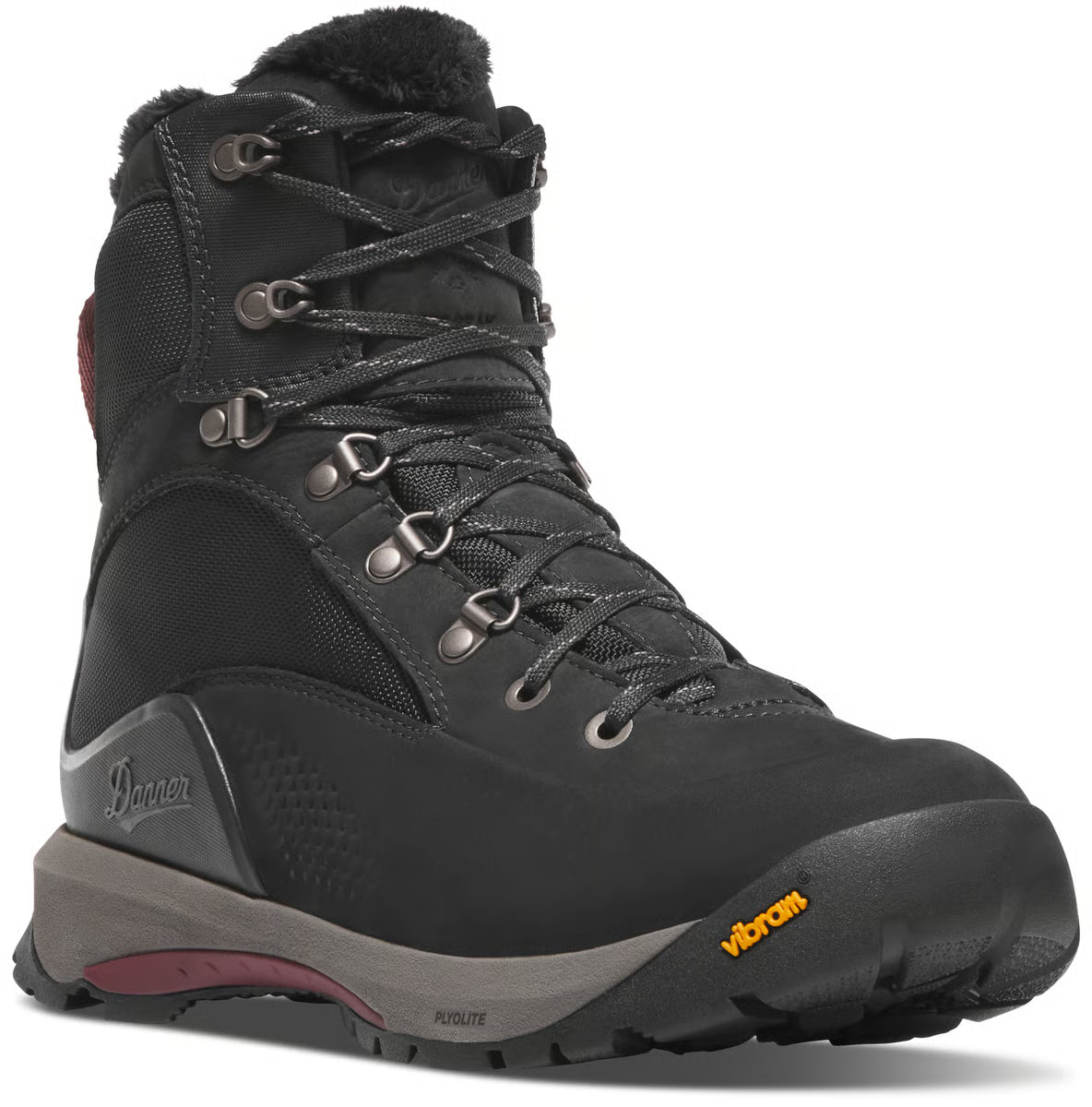
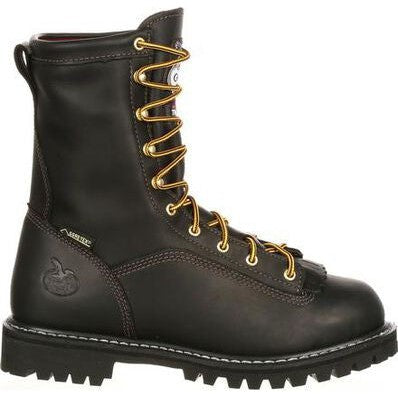
Georgia Men's Lace To Gore-Tex 8" Soft Toe Waterproof 200G Ins Work Boot- Black- G8040
Save 19%
Sale price$387.31
Regular price$480.00
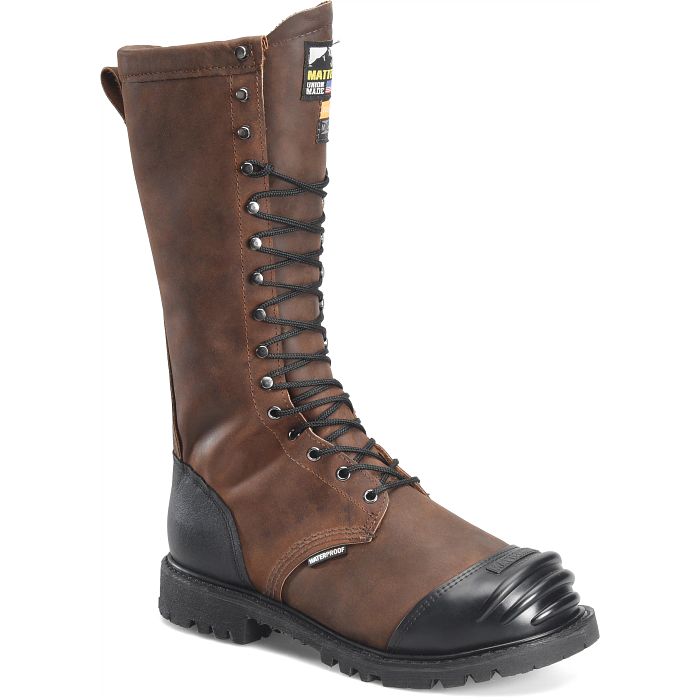
Matterhorn Men's 16" Waterproof Insulated Metguard Work Boot -Brown- MT716
Save 20%
Sale price$373.51
Regular price$466.00
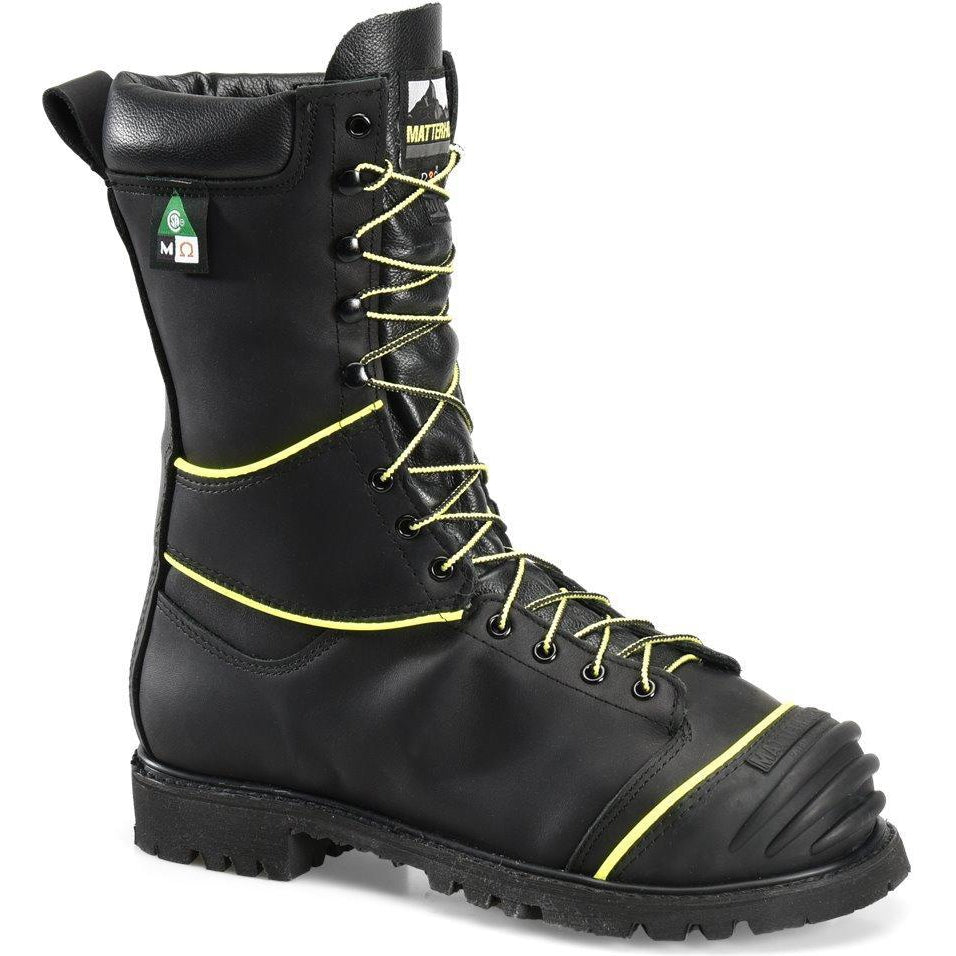
Matterhorn Men's Klondike 10" Steel Toe Waterproof Ins Metguard Puncture Resistant USA Made Work Boot CV12000
Save 12%
Sale price$176.70
Regular price$200.00
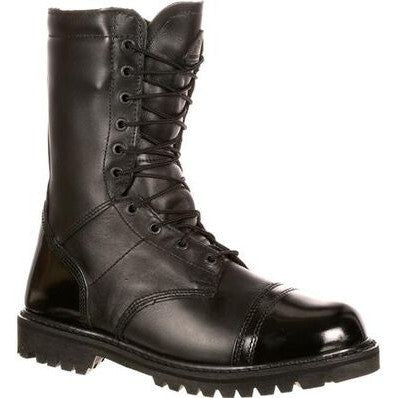
Rocky Men's 10" Soft Toe Waterproof Side Zipper 200G Jump Boot - Black - FQ0002095
Save 18%
Sale price$195.29
Regular price$237.00
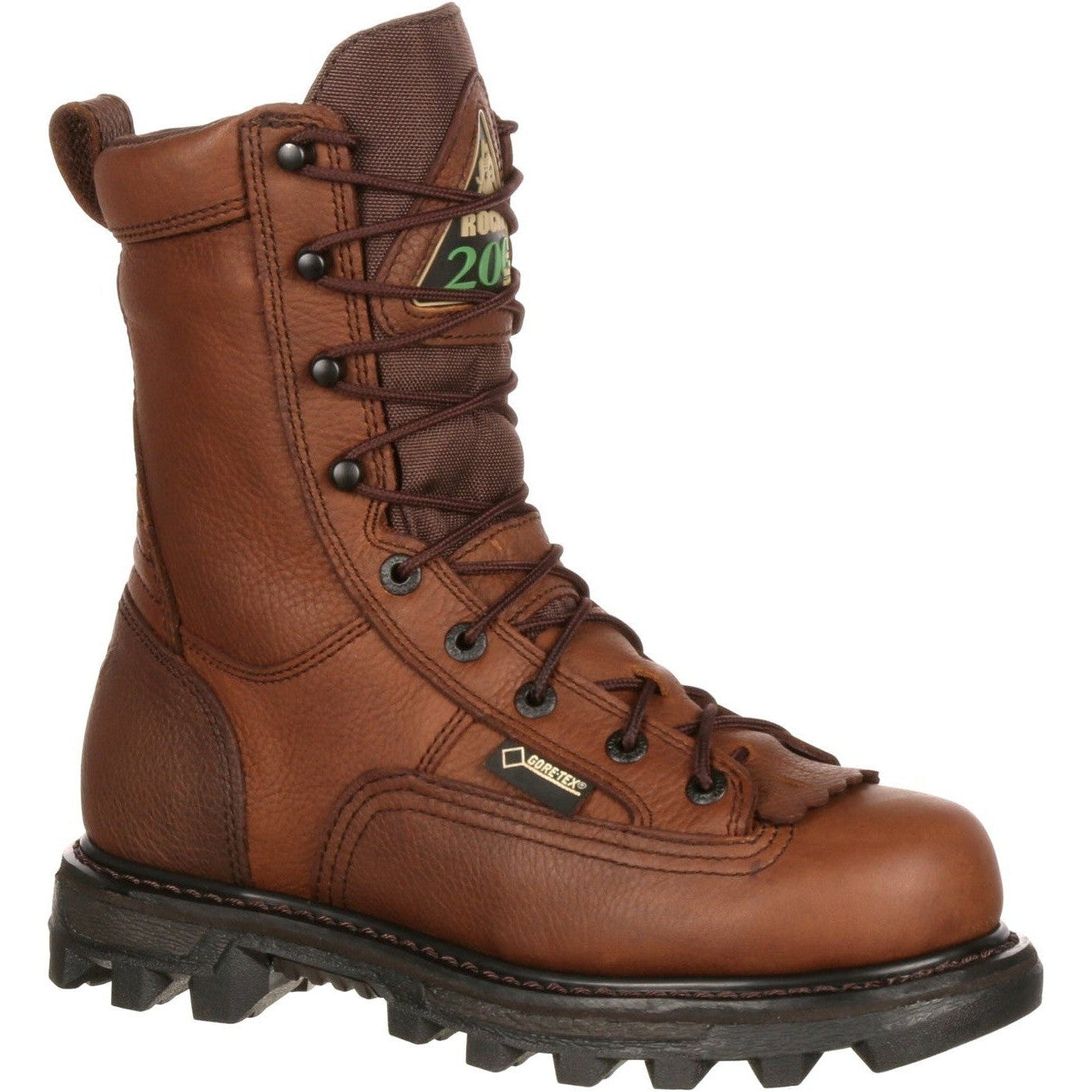
Rocky Men's BearClaw 9" Waterproof 200G Ins Outdoor Boot - Brown - FQ0009237
Save 7%

Sale price$185.99
Regular price$199.99
Rocky Men's Bearclaw HD 9" 200G Insulated Outdoor Hunt Boot - Brown - RKS0729
Save 7%
Sale price$164.99
Regular price$178.00
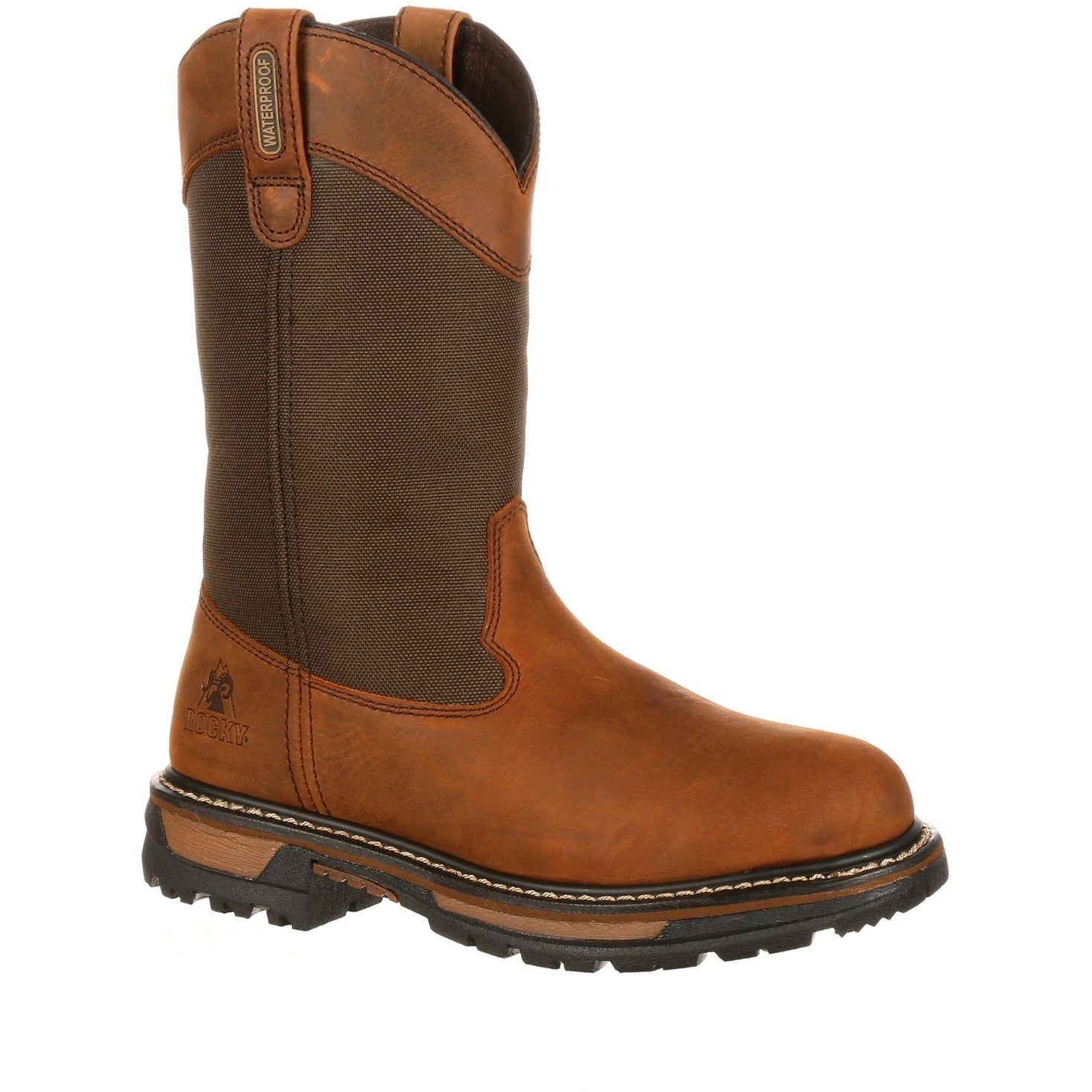
Rocky Men's Ride 10" Waterproof 200G Ins Wellington Work Boot- Brown- FQ0002867
Sale price$279.95
Regular price$280.00
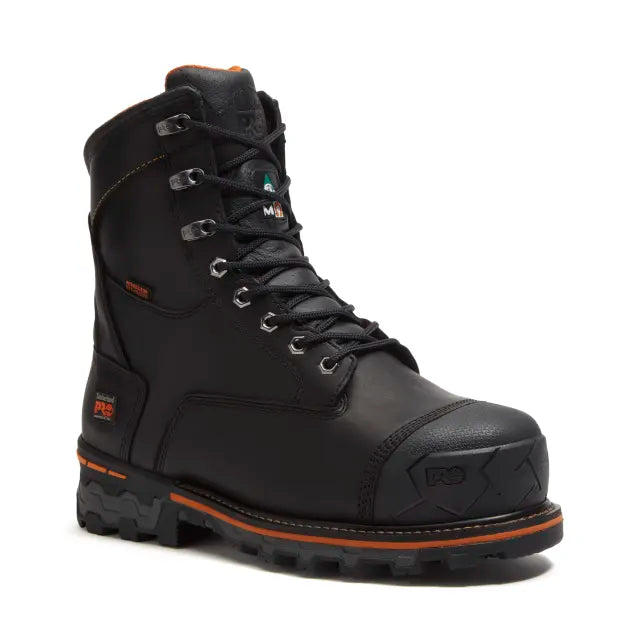
Timberland Pro Men's Boondock 8" Comp Toe WP 200G Ins. Work Boot - Black - TB0A5MA1W021
Save 10%
Sale price$259.95
Regular price$290.00
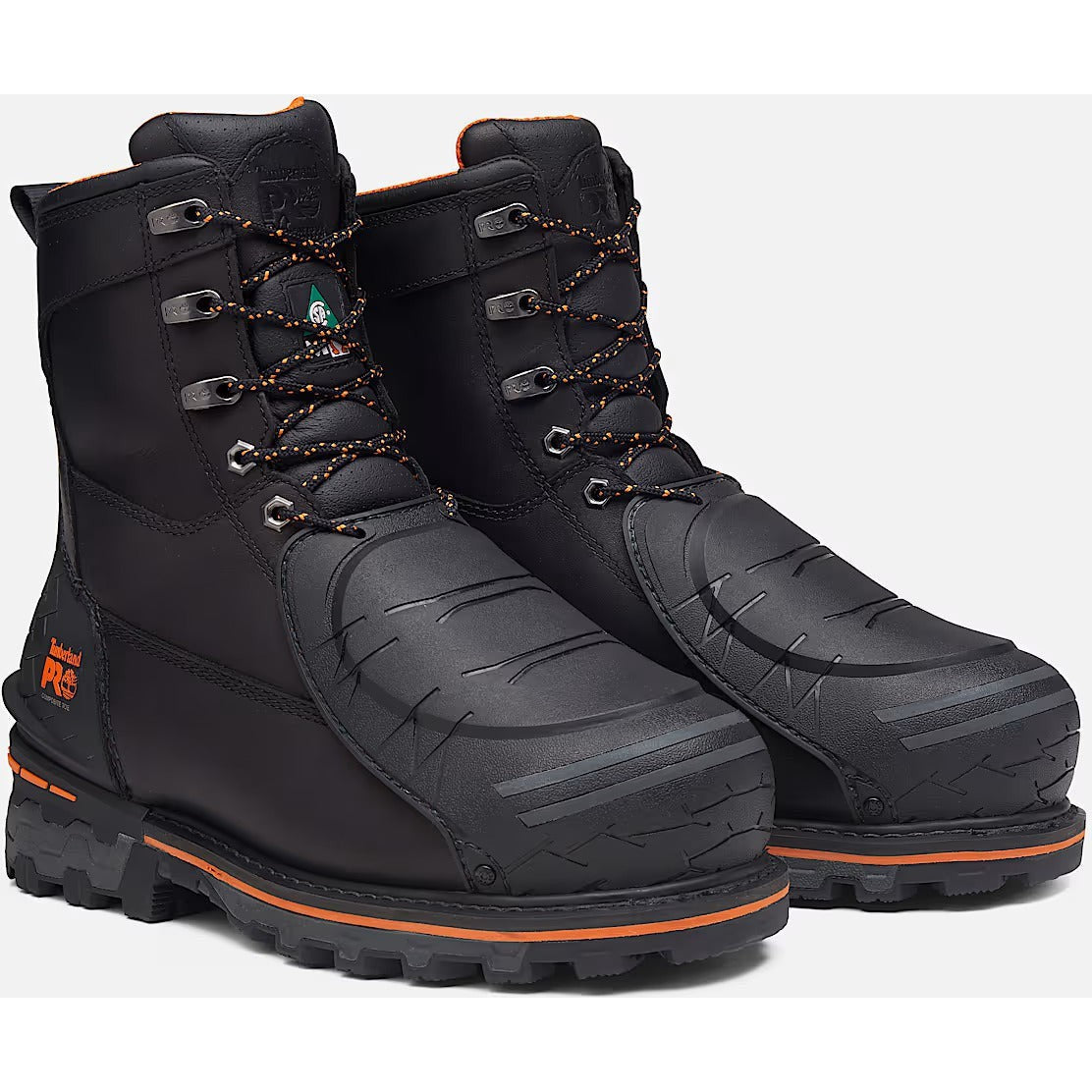
Timberland Pro Men's Boondock 8" Composite Toe Met Guard Work Boot -Black- TB0A66G7EDW
Save 19%
Sale price$219.95
Regular price$270.00
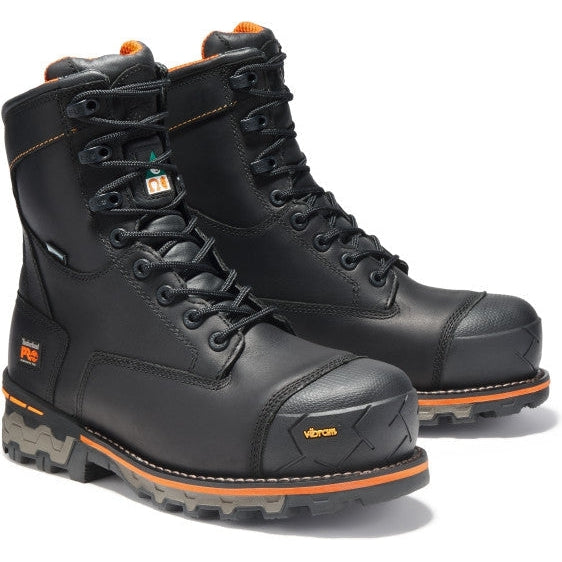
Timberland Pro Men's Boondock 8" Composite Toe Waterproof Work Boot -Black- TB189645001
Save 19%
Sale price$219.95
Regular price$270.00
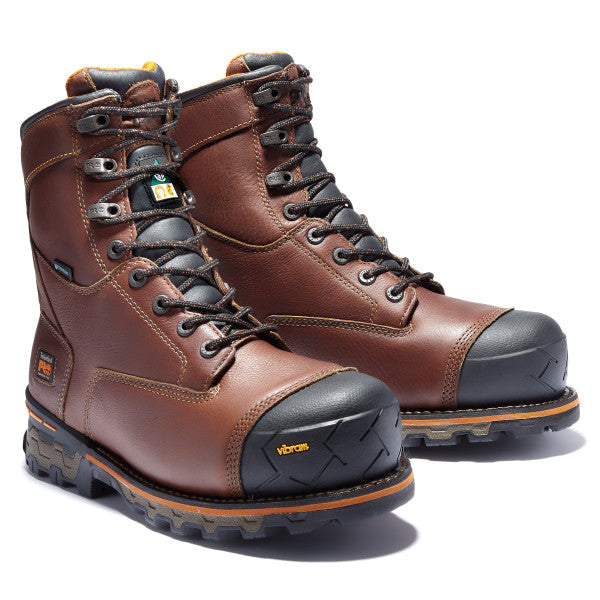
Timberland Pro Men's Boondock 8" Composite Toe Waterproof Work Boot -Brown- TB189646214
Sale price$174.95
Regular price$175.00
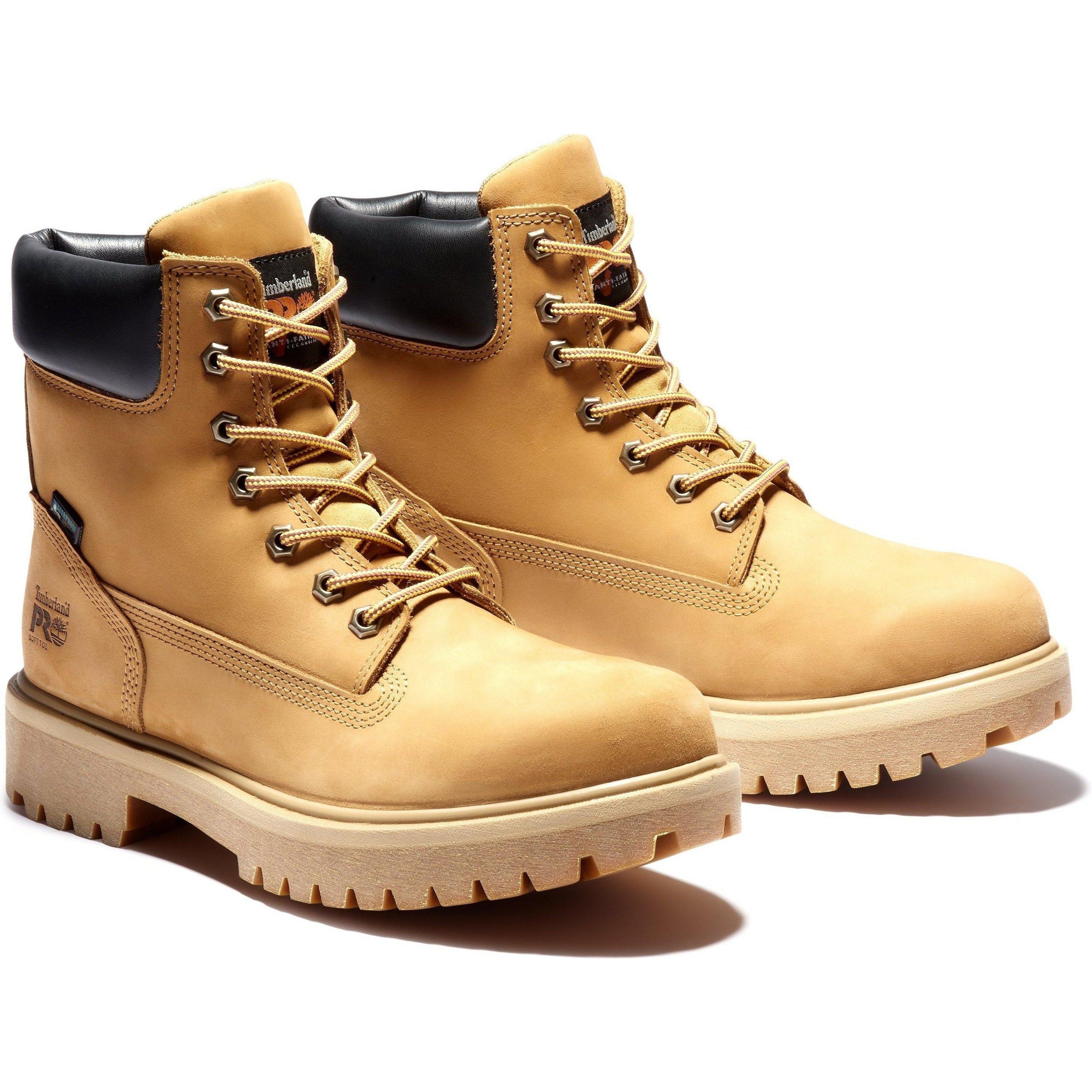
Timberland PRO Men's Direct Attach 6" Insulated Work Boot TB165030713
Save 20%
Sale price$139.95
Regular price$175.00
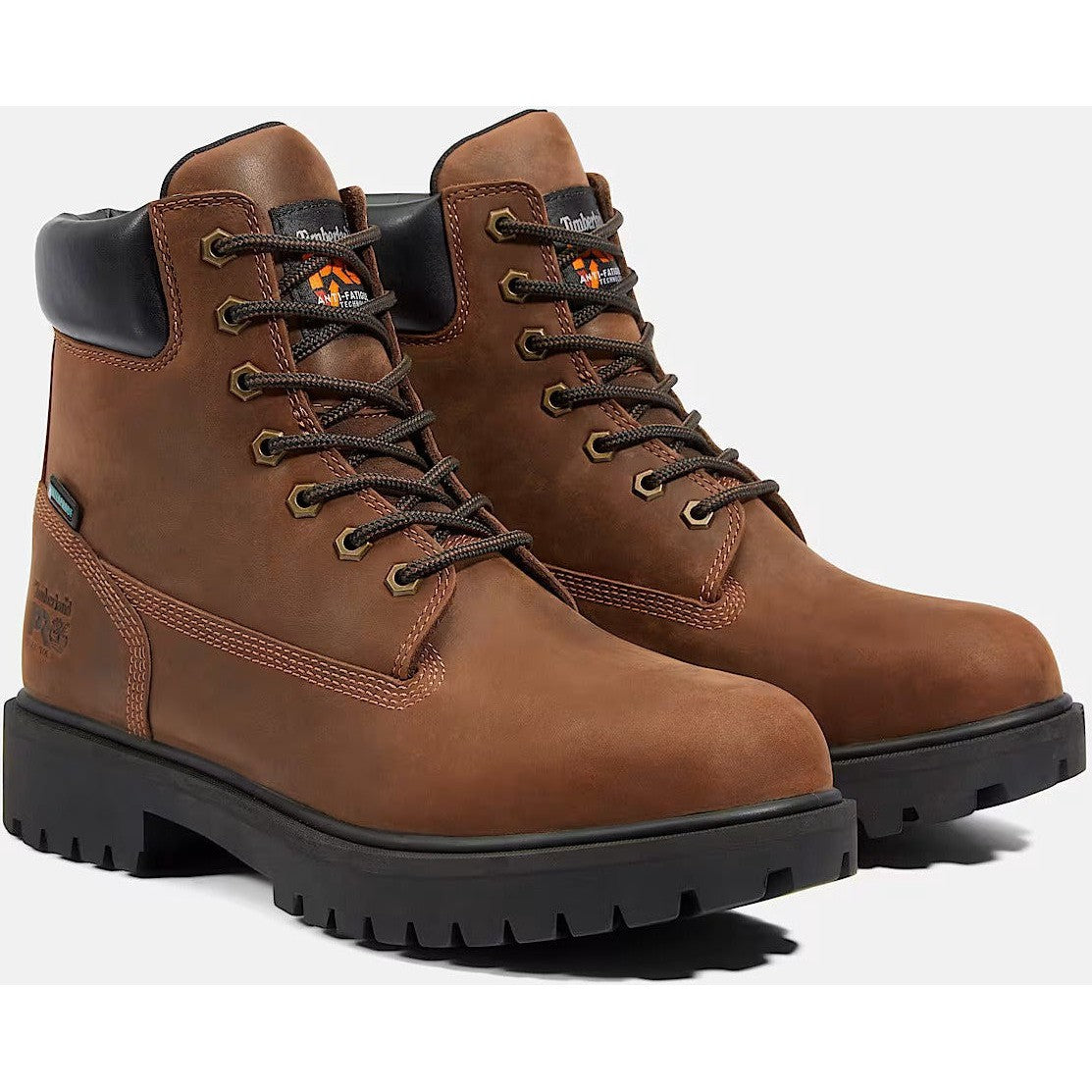
Timberland Pro Men's Direct Attach 6" Soft Toe Waterproof Work Boot- Brown- TB138020242
Save 20%
Sale price$139.95
Regular price$175.00
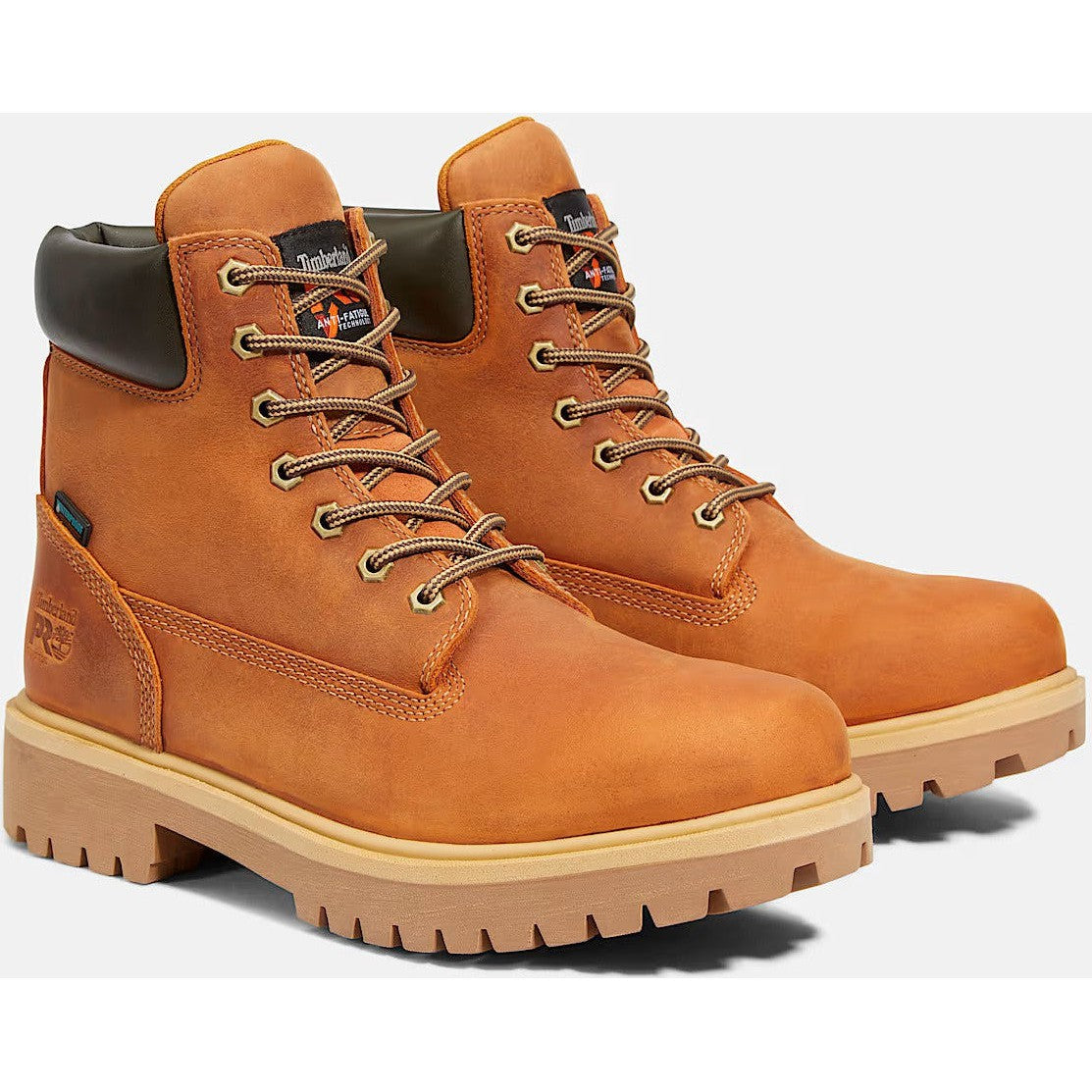
Timberland Pro Men's Direct Attach 6" Soft Toe Waterproof Work Boot- Brown- TB1A262R214
Save 21%
Sale price$137.95
Regular price$175.00
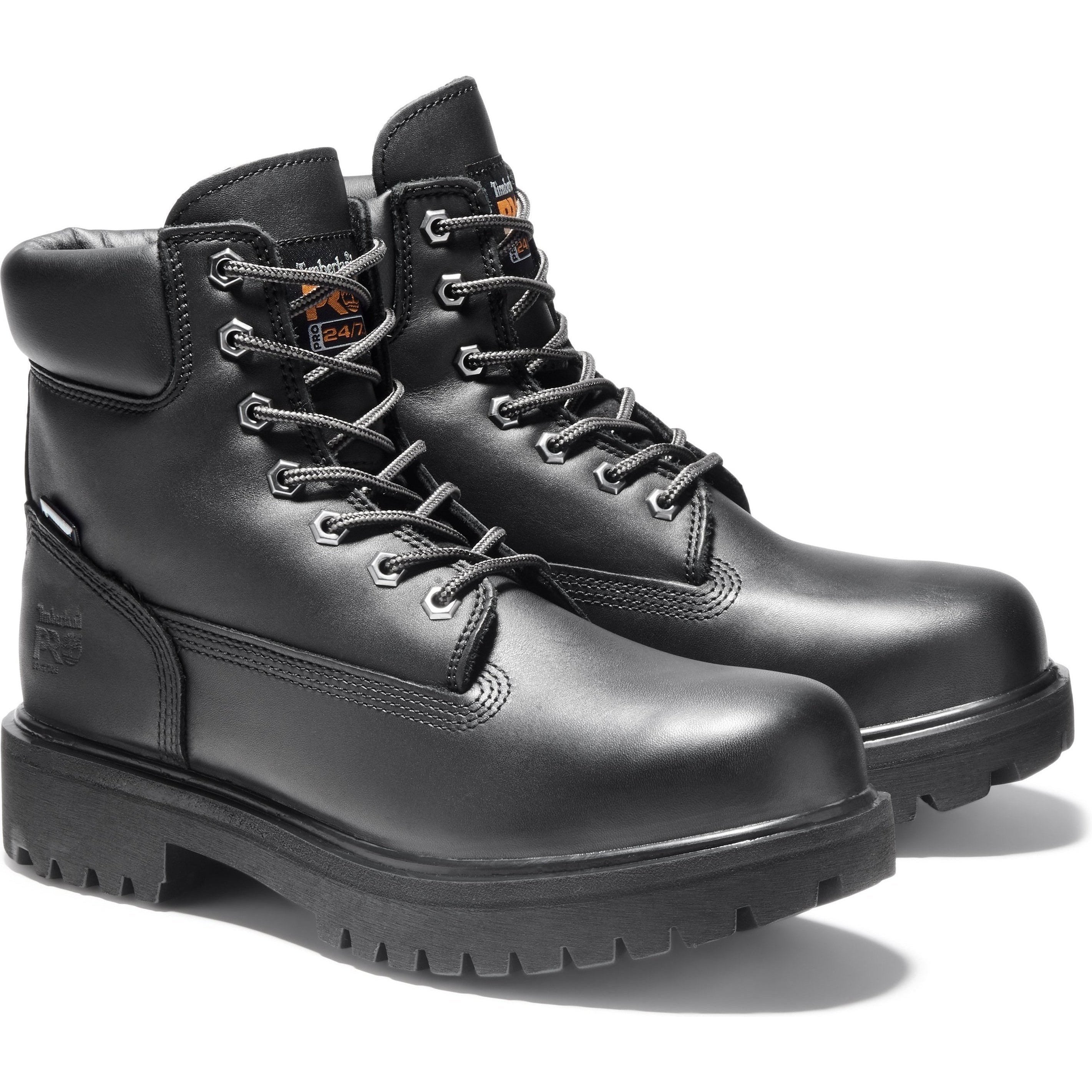
Timberland PRO Men's Direct Attach 6" Soft Toe Work Boot-TB126036001
Save 21%
Sale price$142.95
Regular price$180.00
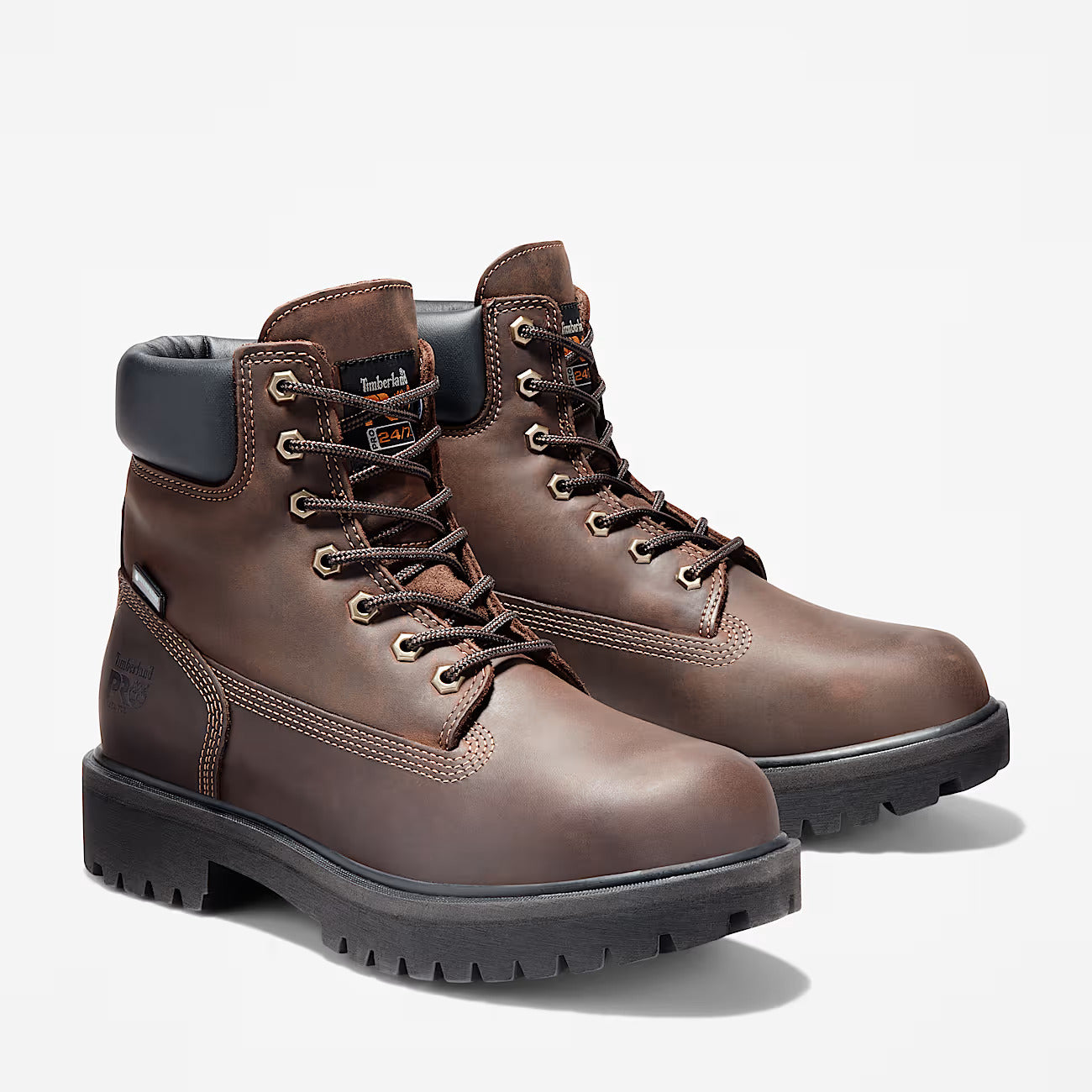
Timberland Pro Men's Direct Attach 6" Steel Toe Waterproof Work Boot - Brown - TB138021242
Save 6%
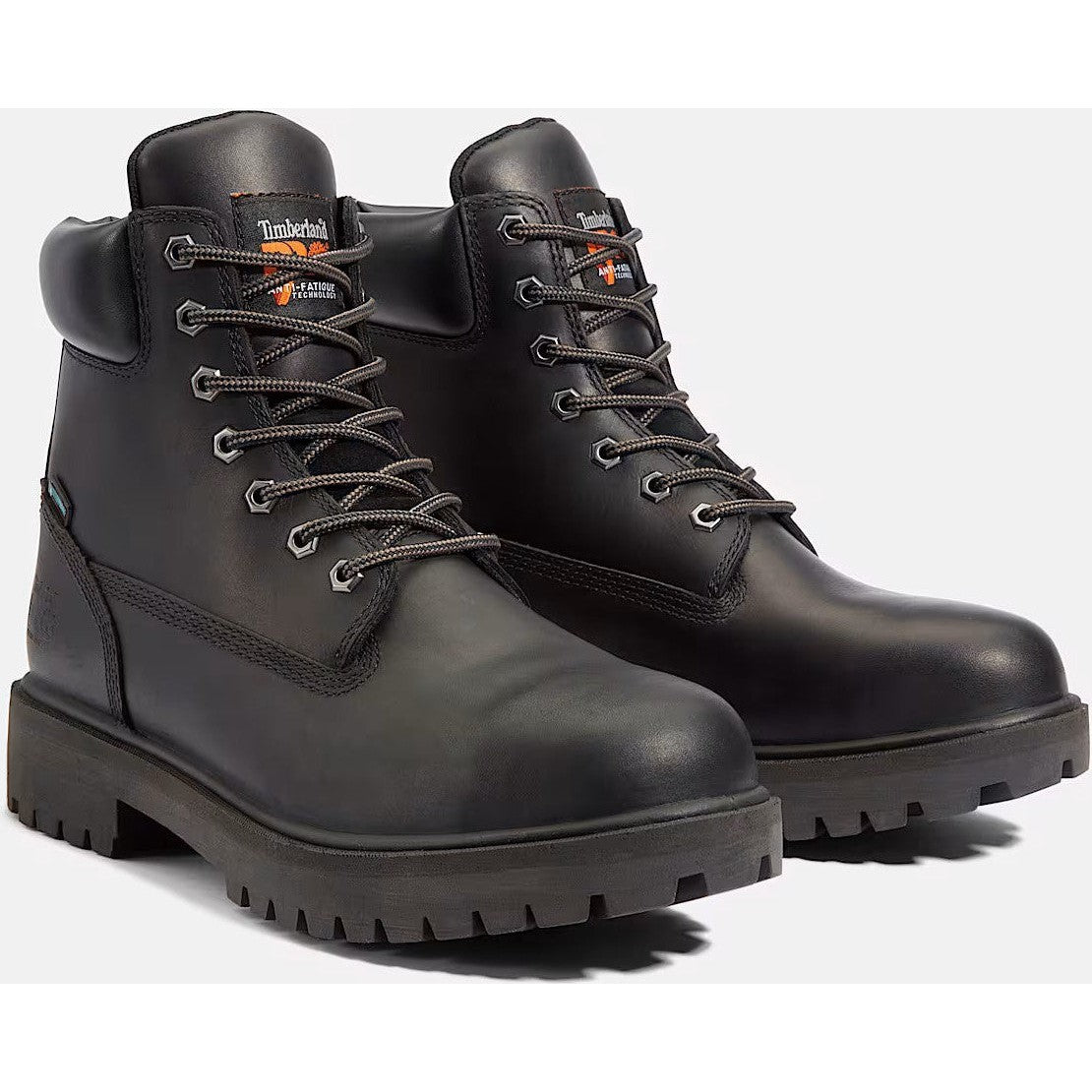
Sale price$169.95
Regular price$180.00
Timberland Pro Men's Direct Attach 6" Steel Toe Waterproof Work Boot- Black- TB126038001
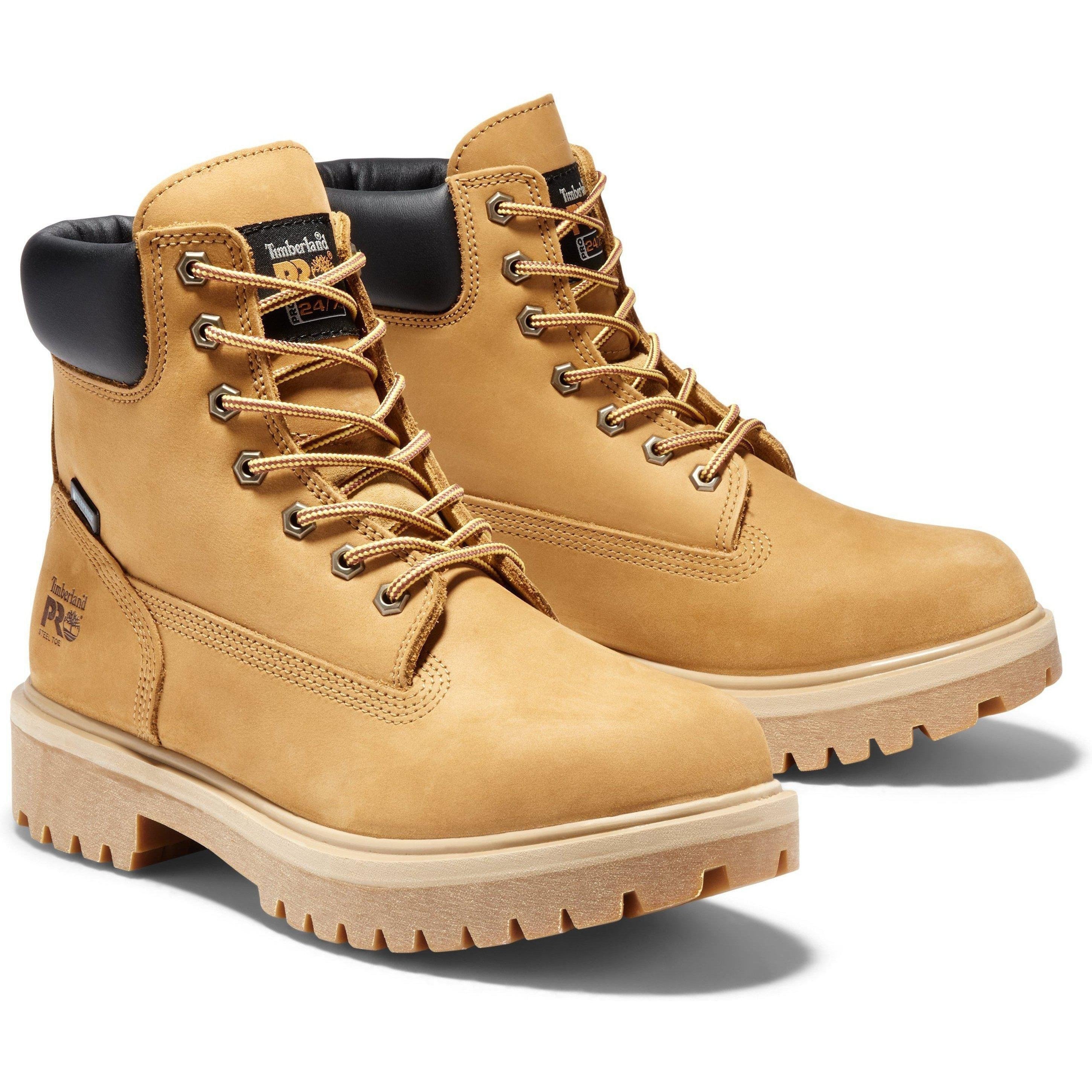
Sale price$179.95
Regular price$180.00
Timberland PRO Men's Direct Attach 6" Steel Toe Work Boot-TB165016713
Save 21%
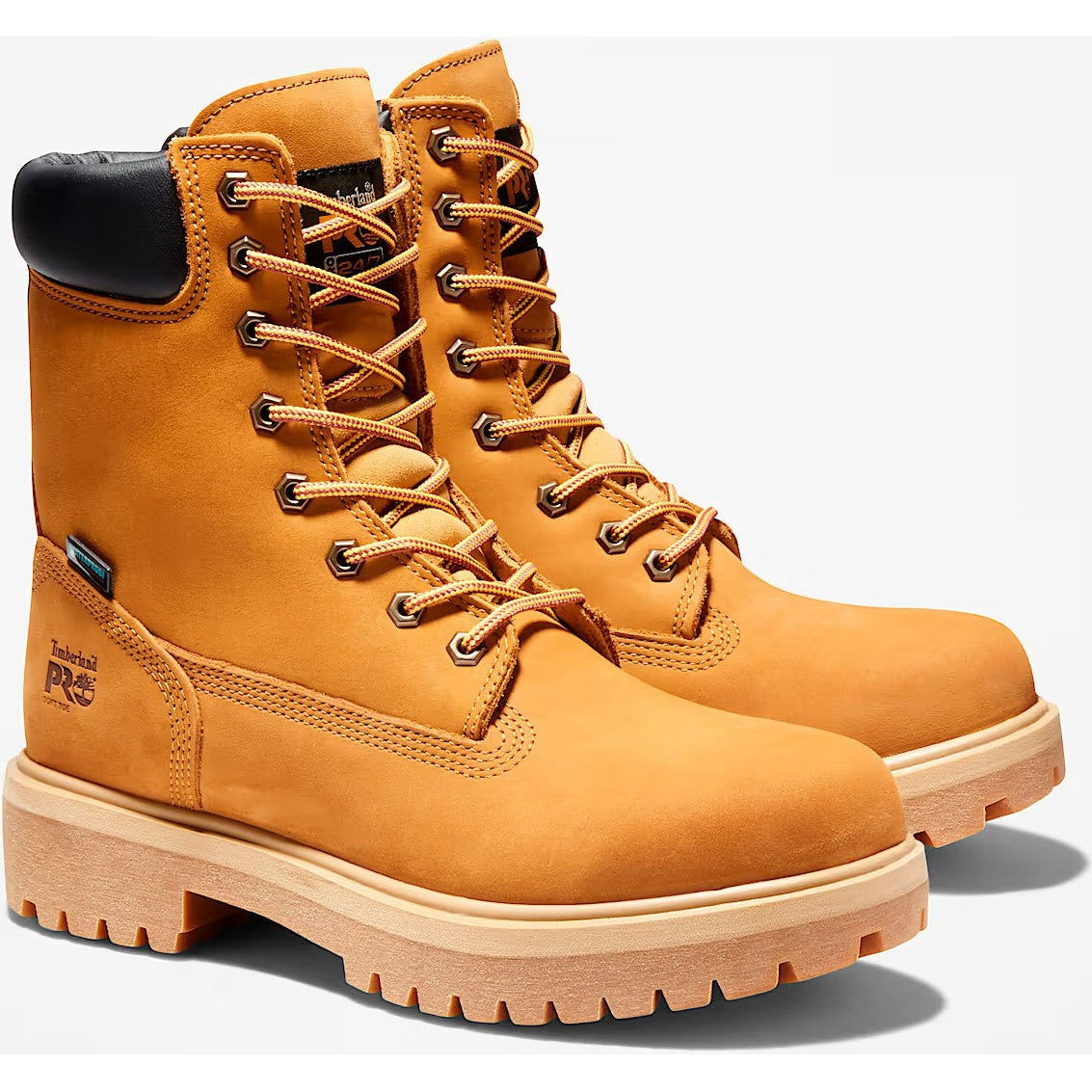
Sale price$146.95
Regular price$185.00
Timberland Pro Men's Direct Attach 8" Soft Toe Waterproof Work Boot- Wheat- TB126011713
Save 8%
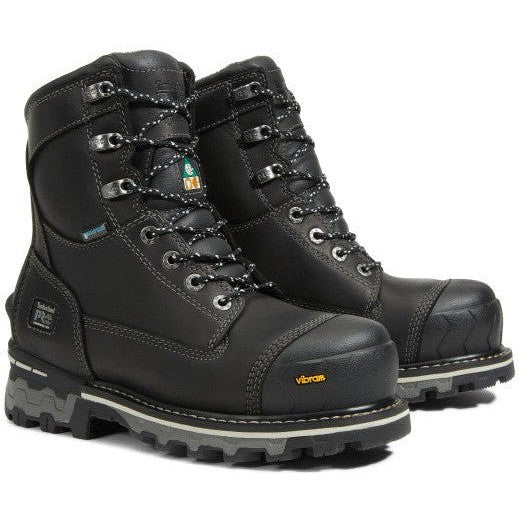
Sale price$229.95
Regular price$250.00
Timberland Pro Women's Boondock 8" Composite Toe Waterproof Puncture Resistant 200G Work Boot- TB1A5R7K001
12
Frequently Asked Questions
There is no reliable temperature rating, because how warm a boot feels depends on how much you move, your circulation, your socks, and how long you stand still. As a rough guide, 200 grams suits cool conditions with continuous activity, roughly the range where you would want a light jacket rather than a parka. Once you stop moving in genuine cold it will not be enough.
For active winter work in a mild climate, often yes. For standing still, working outdoors in hard winter, or anything stationary in sub-freezing conditions, no. The honest answer is that it depends far more on your activity level than on the season. If you walk and lift all day you may find 200 grams warmer than you expect. See our 400G insulated boots range for the next step up.
Because insulation you do not need traps sweat, and wet insulation stops working. If you walk in wearing heavy insulation, your feet perspire, the insulation saturates, and you get cold the moment you stop. This is the single most common mistake in buying cold-weather footwear, and it is why matching insulation to activity beats buying for the coldest possible day.
Yes, though 200 grams is light enough that most people barely notice it in a modern boot, which is part of its appeal. It does take up internal volume, so an insulated boot fits slightly snugger than the same model uninsulated. If you also wear thick socks, factor that in when sizing.
In most cases yes, since wet insulation loses most of its value and cold wet feet are a genuine problem rather than a discomfort. Snow melting against a warm boot is the common way feet get wet in winter. Waterproof status is stated in every product title. See our full waterproof work boots range.
Slightly looser than an uninsulated boot, allowing for the socks you will actually wear plus a little air space, because dead air is part of how insulation works and a tight boot restricts circulation. Buying your normal size and then adding heavy socks is the classic error and makes feet colder rather than warmer.
Thinsulate is 3M's synthetic insulation, and the gram figure refers to the weight of insulation per square meter of material rather than the total in the boot. Higher numbers mean more insulation and more bulk. The figure tells you what is in the boot, not how warm you will be. See our 3M Thinsulate boots range.
You can, but you probably will not want to. Even light insulation restricts airflow, and in real heat that becomes uncomfortable and leaves your feet damp with sweat. If your work spans seasons, an uninsulated boot for summer and an insulated one for winter serves you far better than compromising with one. See our summer work boots range.
Recently viewed
Our Top Brands