Save 18%
Sale price$195.29
Regular price$237.00
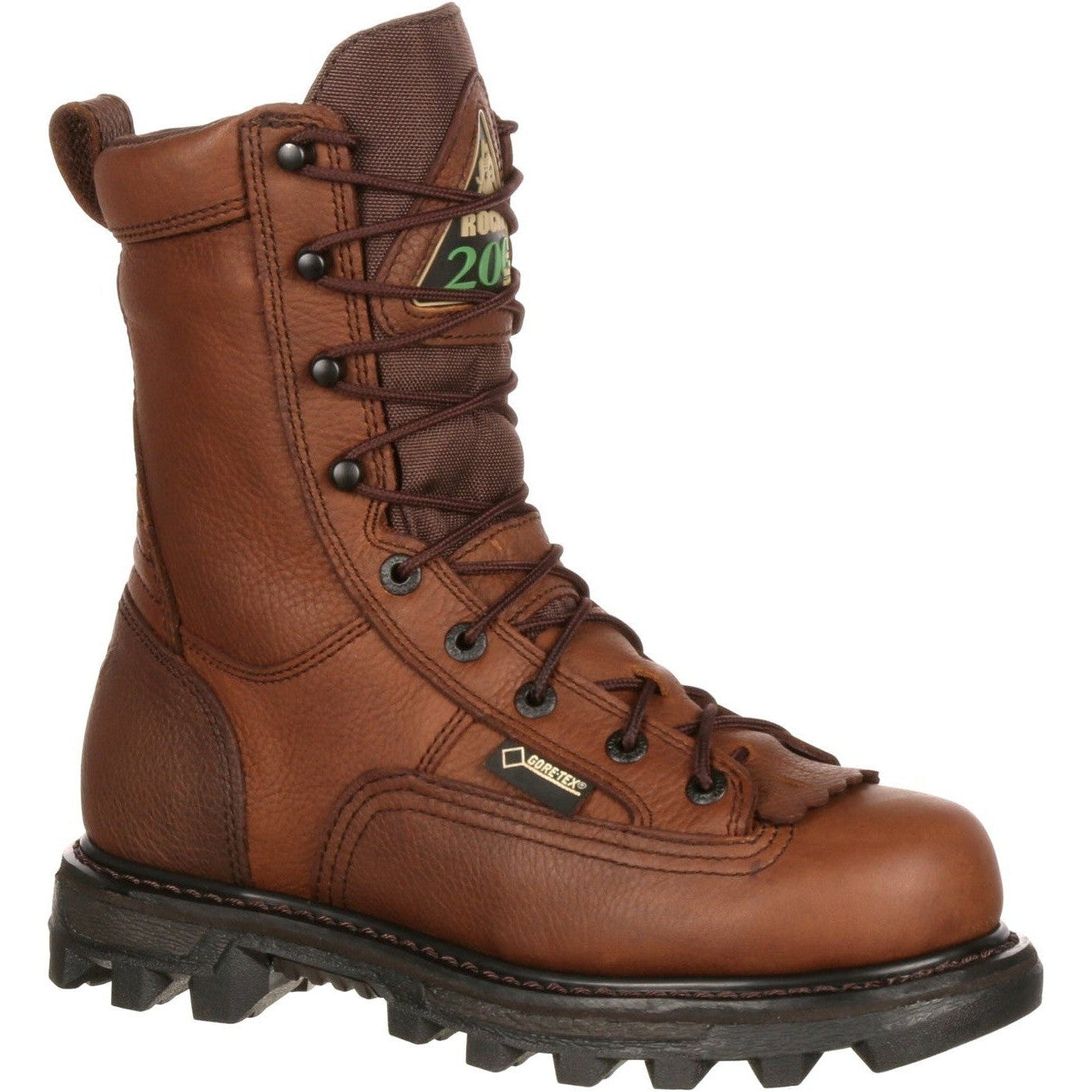
Rocky Men's BearClaw 9" Waterproof 200G Ins Outdoor Boot - Brown - FQ0009237
Save 7%
Sale price$399.95
Regular price$430.00
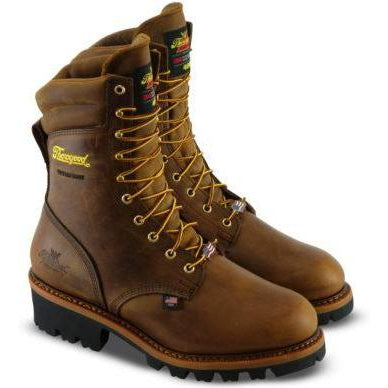
Thorogood Men's Logger 9" Steel Toe Insulated USA Work Boot - Brown - 804-3554
Save 20%
Sale price$176.21
Regular price$219.99
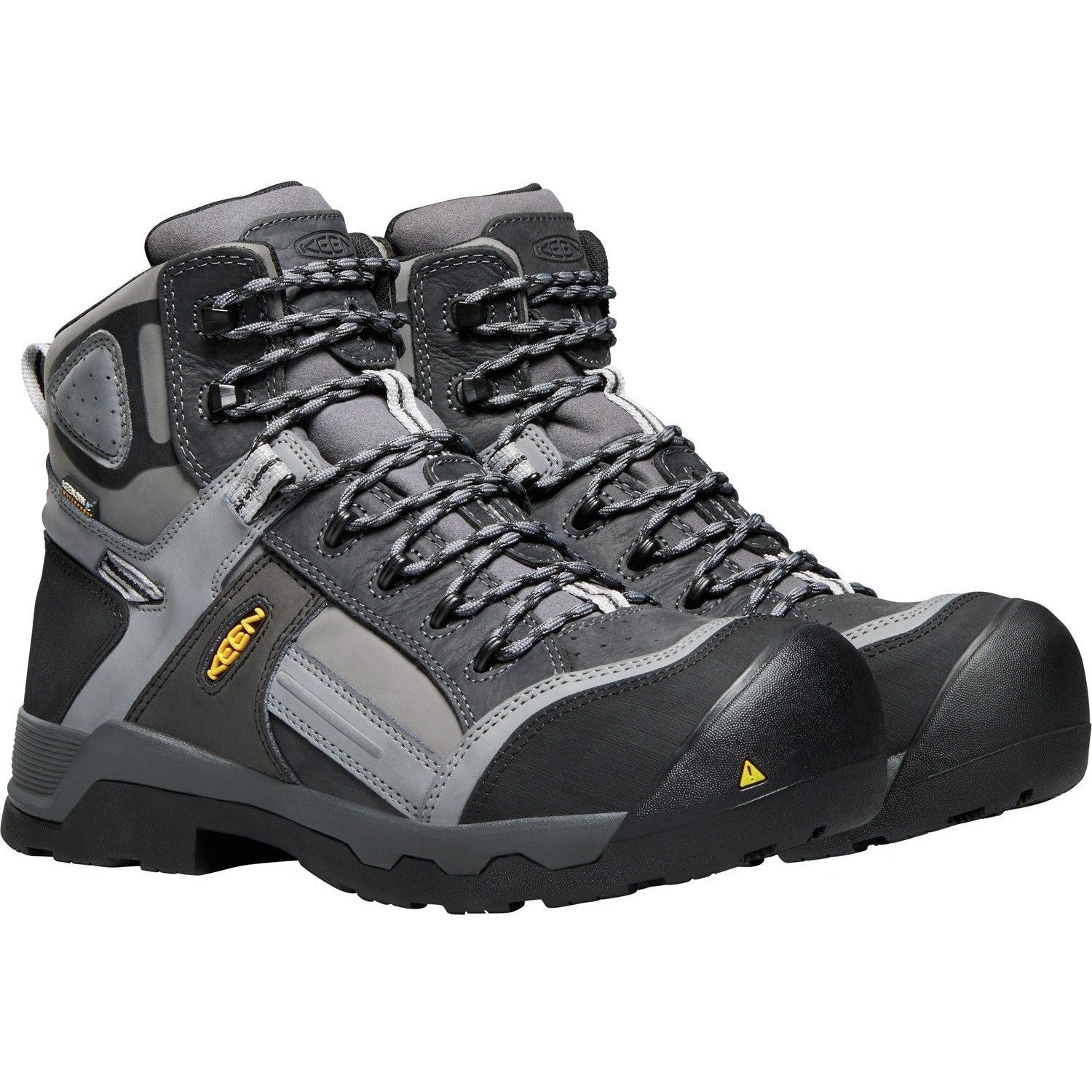
Keen Utility Davenport 6" Mid Composite Toe 400G Insulated Waterproof Work Boot - Magnet / Steel Gray - 1017804
Save 26%
Sale price$175.82
Regular price$237.00
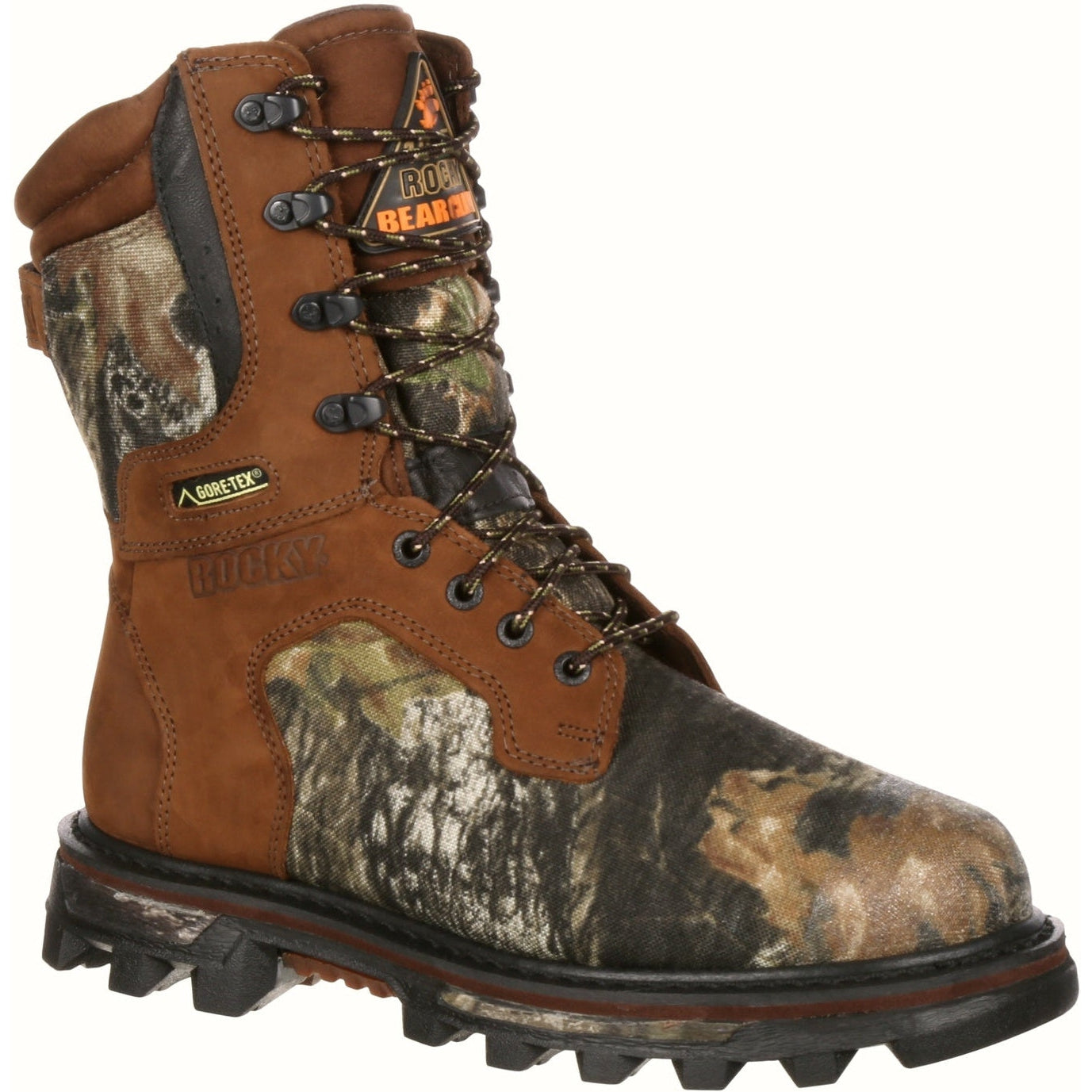
Rocky Men's BearClaw GORE-TEX® 9" Waterproof 1000G Ins Hunt Boot - Mossy Oak FQ0009275
Save 15%
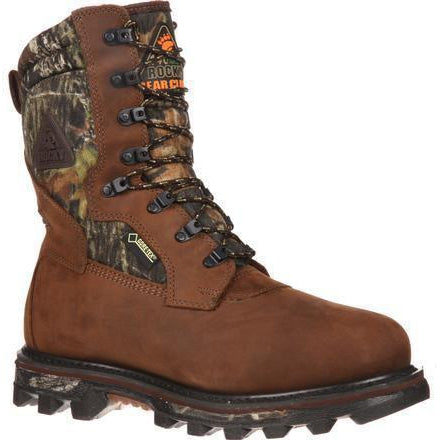
Sale price$213.89
Regular price$252.00
Rocky Men's Arctic Bearclaw Waterproof Insulated Hunting Boot Mossy Oak Break-Up - FQ0009455
Save 14%
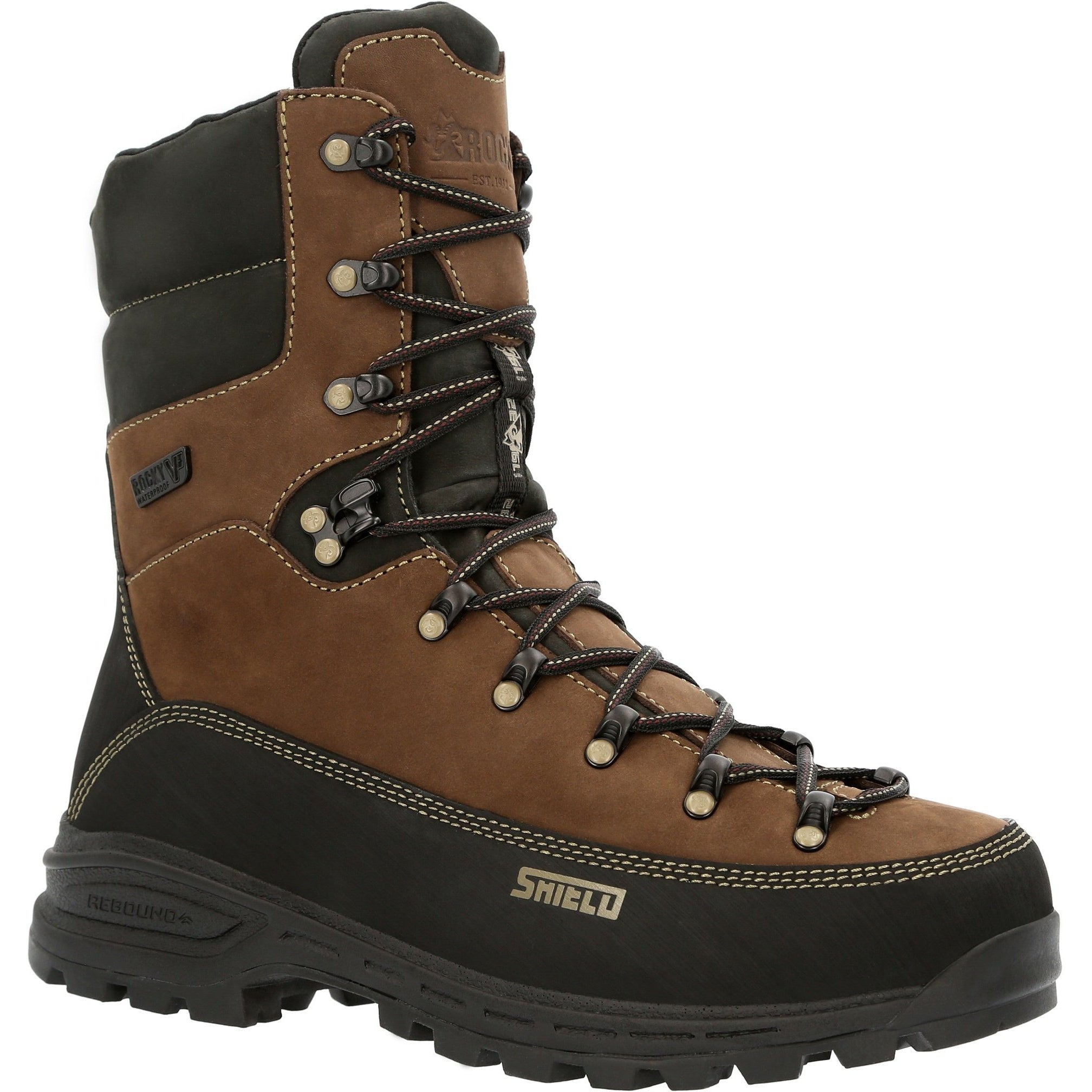
Sale price$213.89
Regular price$249.99
Rocky Men's MTN Stalker Pro 10" Waterproof 400G Hiker Mountain Boot - RKS0529
Save 6%
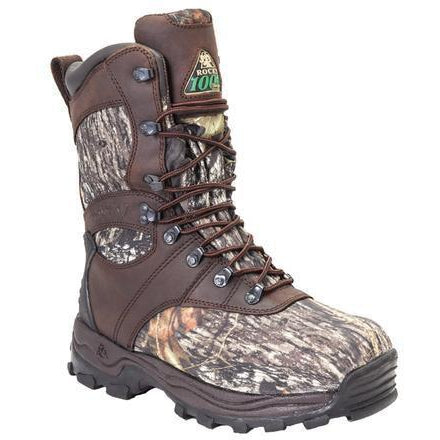
Sale price$149.99
Regular price$160.00
Rocky Men's Sport Utility Max Waterproof Ins Hunting Boot - Camo - FQ0007481
Save 7%
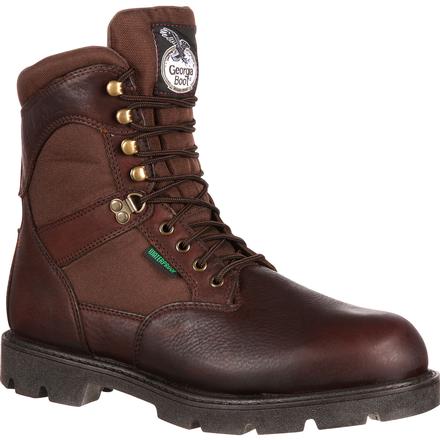
Sale price$140.00
Regular price$150.00
Georgia Men's Homeland 8" Waterproof Insulated Work Boot - Brown - G109
Save 6%
Sale price$144.99
Regular price$155.00
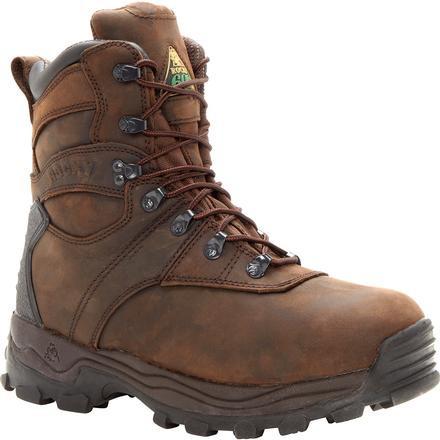
Rocky Men's Sport Utility Pro Waterproof Ins Hunting Boot -Brown - FQ0007480
Save 5%
Sale price$180.00
Regular price$190.00
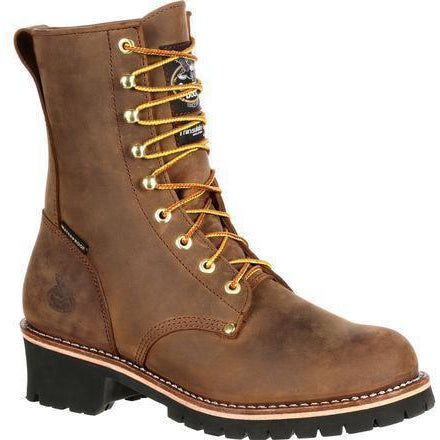
Georgia Men's 8" Waterproof Steel Toe Insulated Logger Work Boot - Brown - GB00065
Save 6%
Sale price$164.99
Regular price$174.99
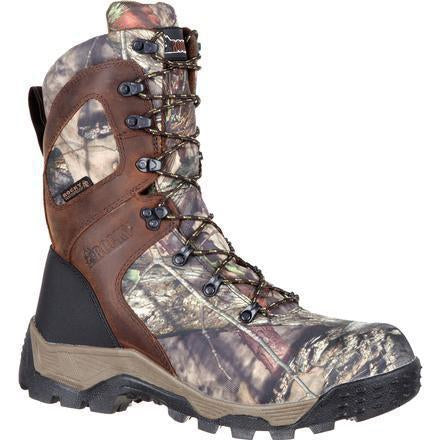
Rocky Men's Sport Pro Ins Waterproof Hunt Boot - Mossy Oak - RKS0309
Save 8%
Sale price$134.99
Regular price$147.00
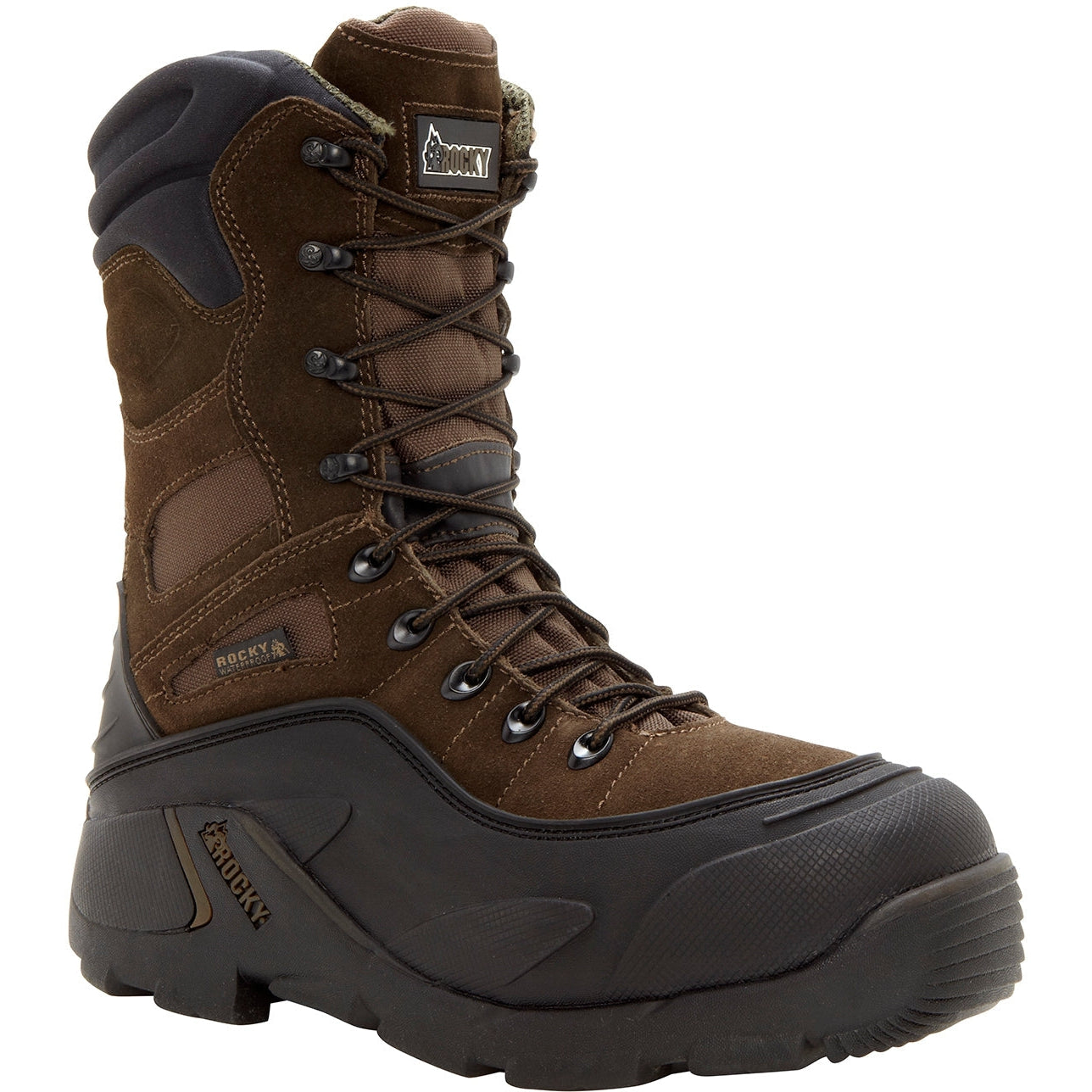
Rocky Men's BlizzardStalker 9" Waterproof 1200G Ins Outdoor Boot - FQ0005454
Save 20%
Sale price$120.00
Regular price$149.99
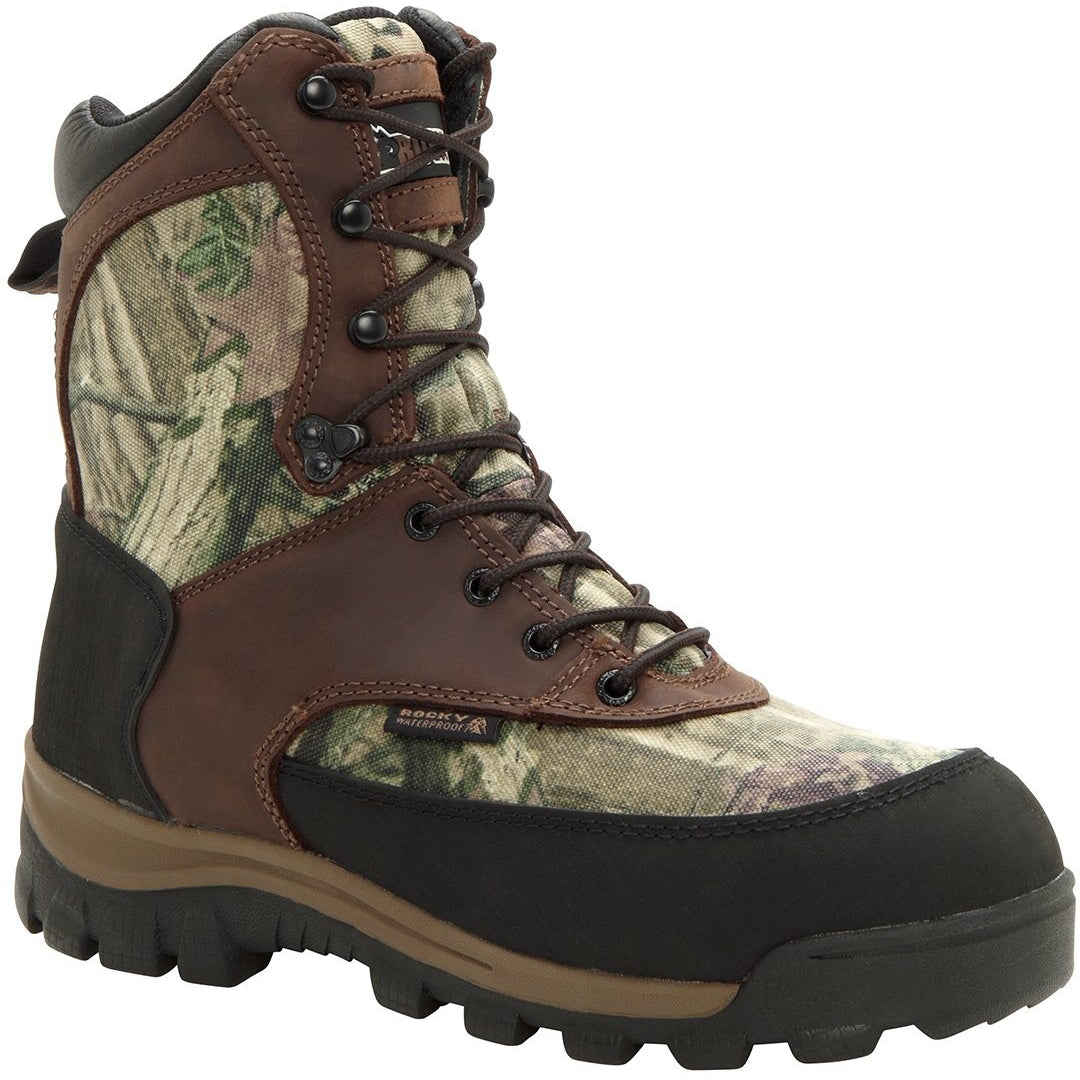
Rocky Men's Core 8" Waterproof 800G Pac Thinsulate Hunt Boot - Mossy Oak - FQ0004755
Save 14%
Sale price$246.45
Regular price$285.00
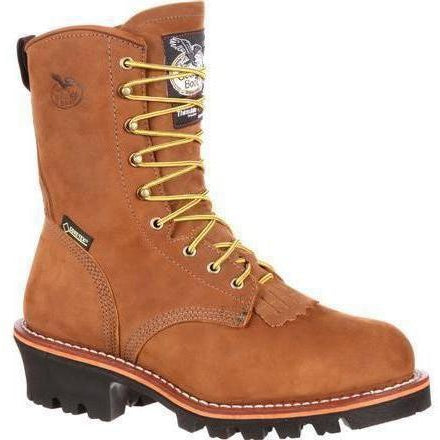
Georgia Men's 8" Steel Toe Waterproof Insulated Logger Work Boot - Brown - G9382
Save 8%
Sale price$175.00
Regular price$190.00
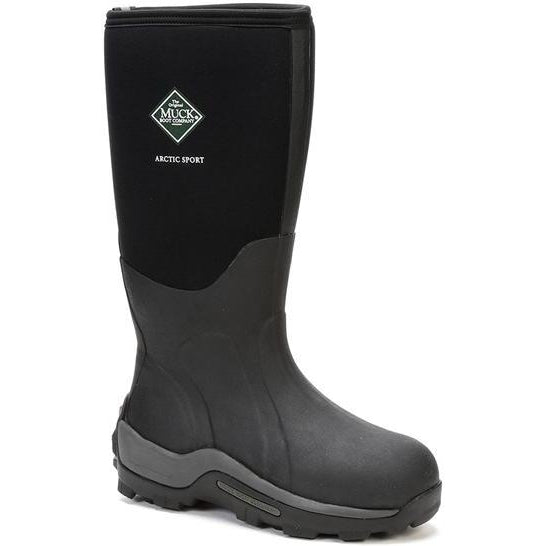
Muck Men's Arctic Sport Tall 17" Waterproof Pull-On Rubber Work Boot- Black- ASP-000A
Save 15%
Sale price$195.30
Regular price$230.00
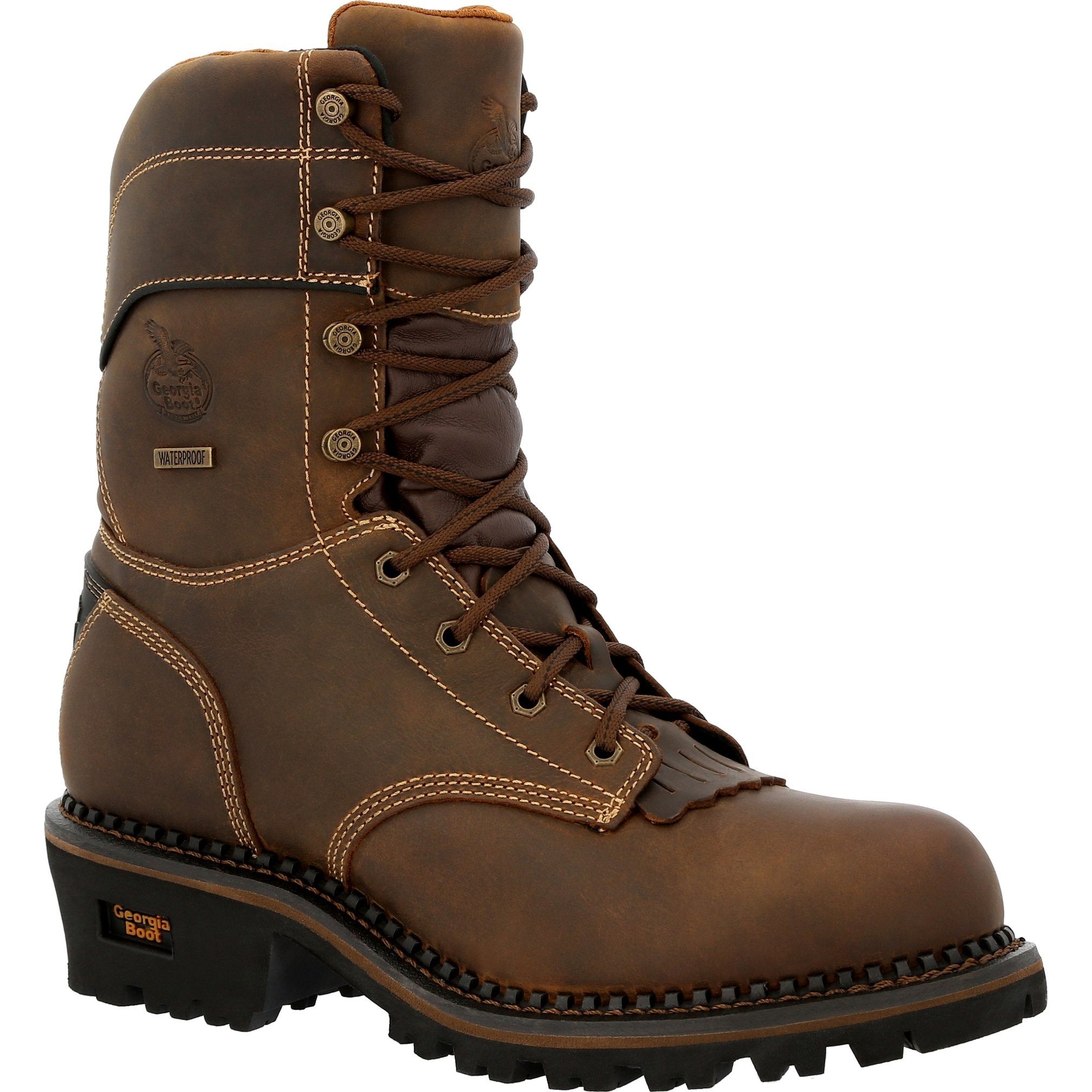
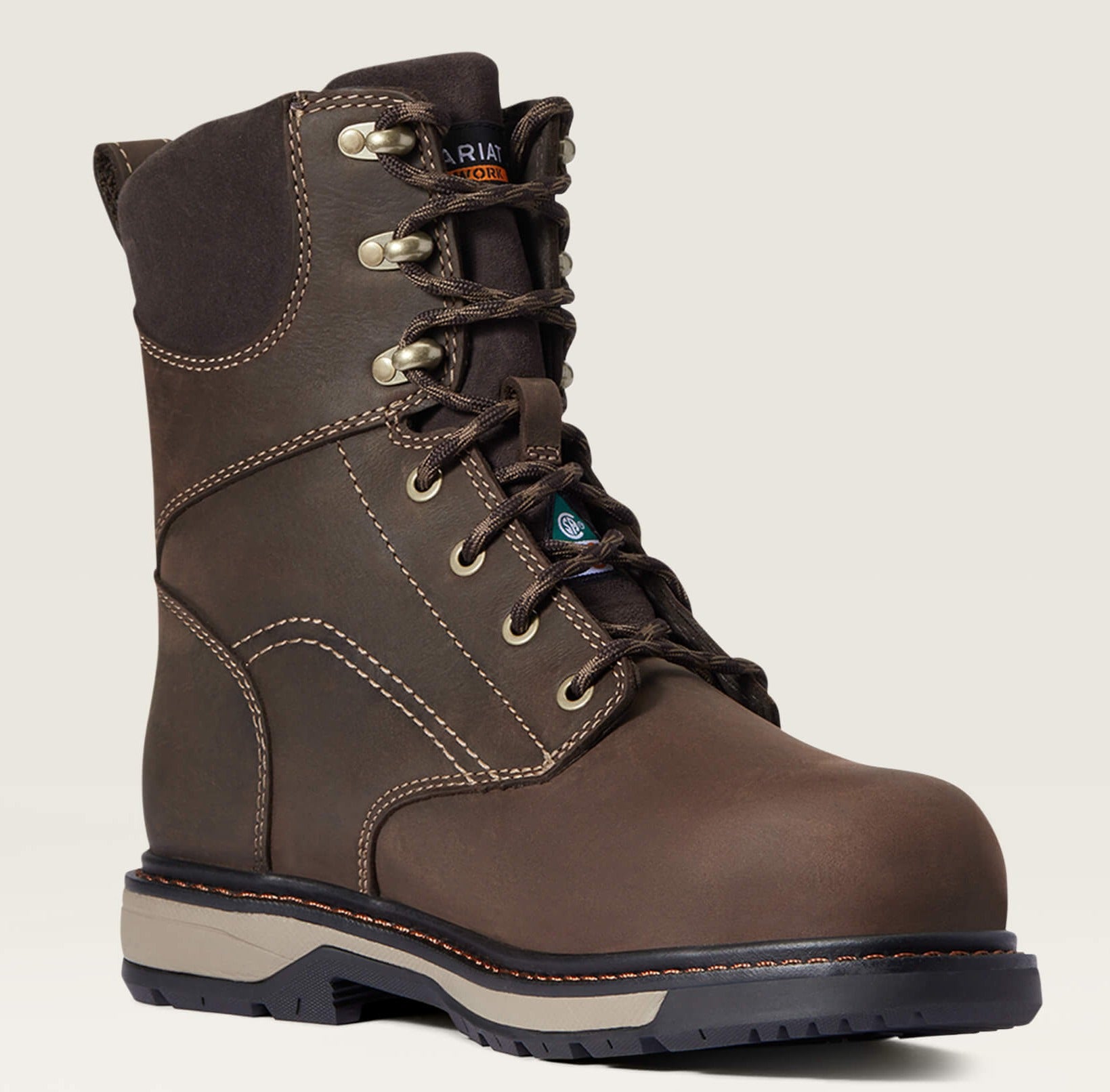
Georgia Men's Amped Lightweight Logger 9" Composite Toe Waterproof 600G Ins Work Boot- GB00491
Save 11%
Sale price$211.55
Regular price$238.00
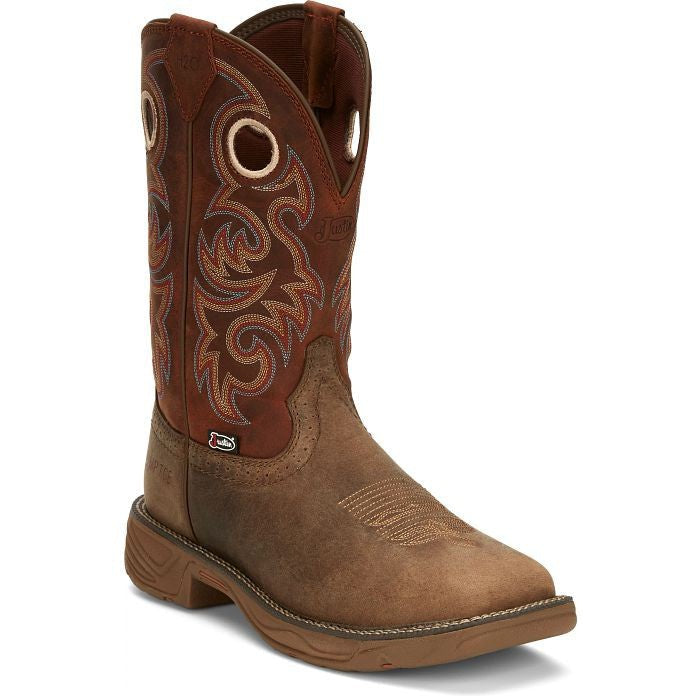
Justin Men's Rush 11" Composite Toe Waterproof Slip Resistant Work Boot - Peanut Tan - SE4341
Save 14%
Sale price$185.99
Regular price$217.00
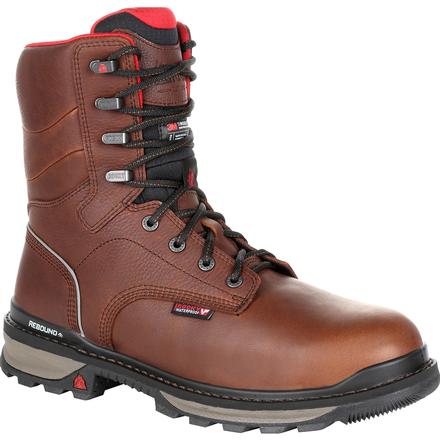
Rocky Men's Rams Horn 8" Composite Toe Waterproof Ins Work Boot - Brown - RKK0284
Save 9%
Sale price$139.99
Regular price$154.00
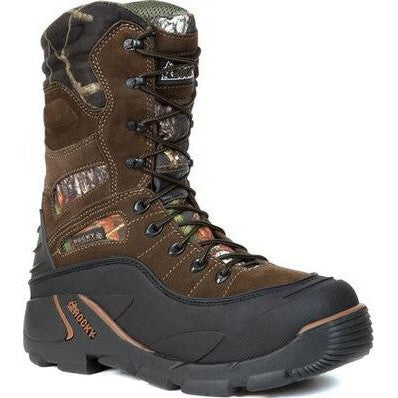
Rocky Men's Blizzard Stalker 8" Soft Toe Waterproof 1200G Ins Boot- Mossy Oak - FQ0005452
Save 6%
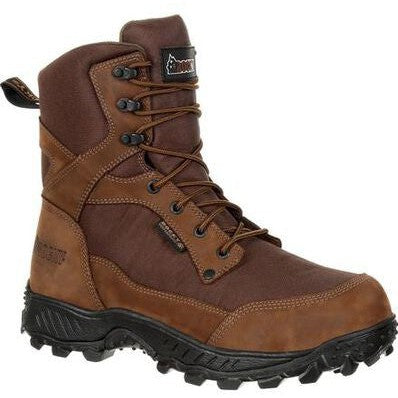
Sale price$169.99
Regular price$179.99
Rocky Men's Ridgetop 8" Soft Toe Waterproof 600G Ins Outdoor Boot- Brown- RKS0384
Save 6%
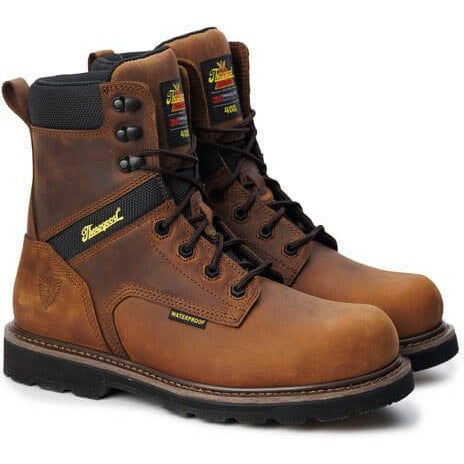
Sale price$169.95
Regular price$180.00
Thorogood Men's Jobsite 8" Safety Toe Waterproof 400G Work Boot -Horse - 804-4244
Save 14%
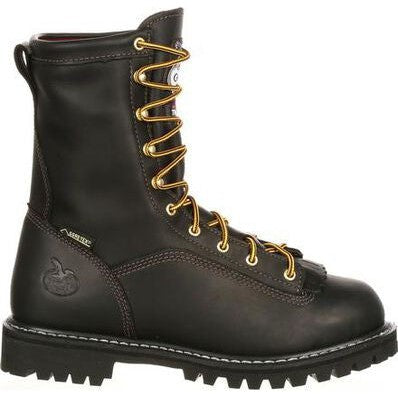
Sale price$223.20
Regular price$260.00
Georgia Men's Lace To Gore-Tex 8" Soft Toe Waterproof 200G Ins Work Boot- Black- G8040
Save 7%
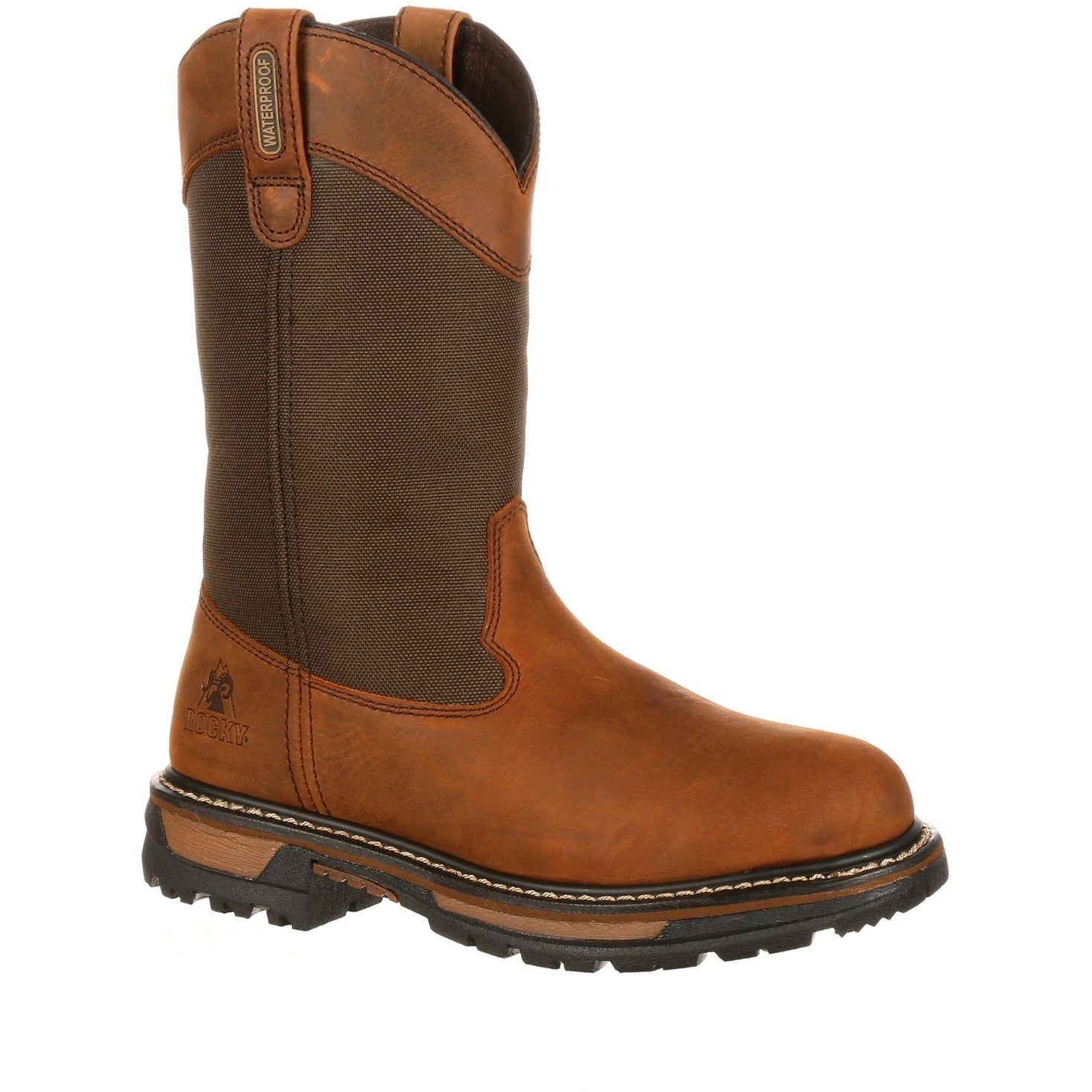
Sale price$164.99
Regular price$178.00
Rocky Men's Ride 10" Waterproof 200G Ins Wellington Work Boot- Brown- FQ0002867
Save 17%
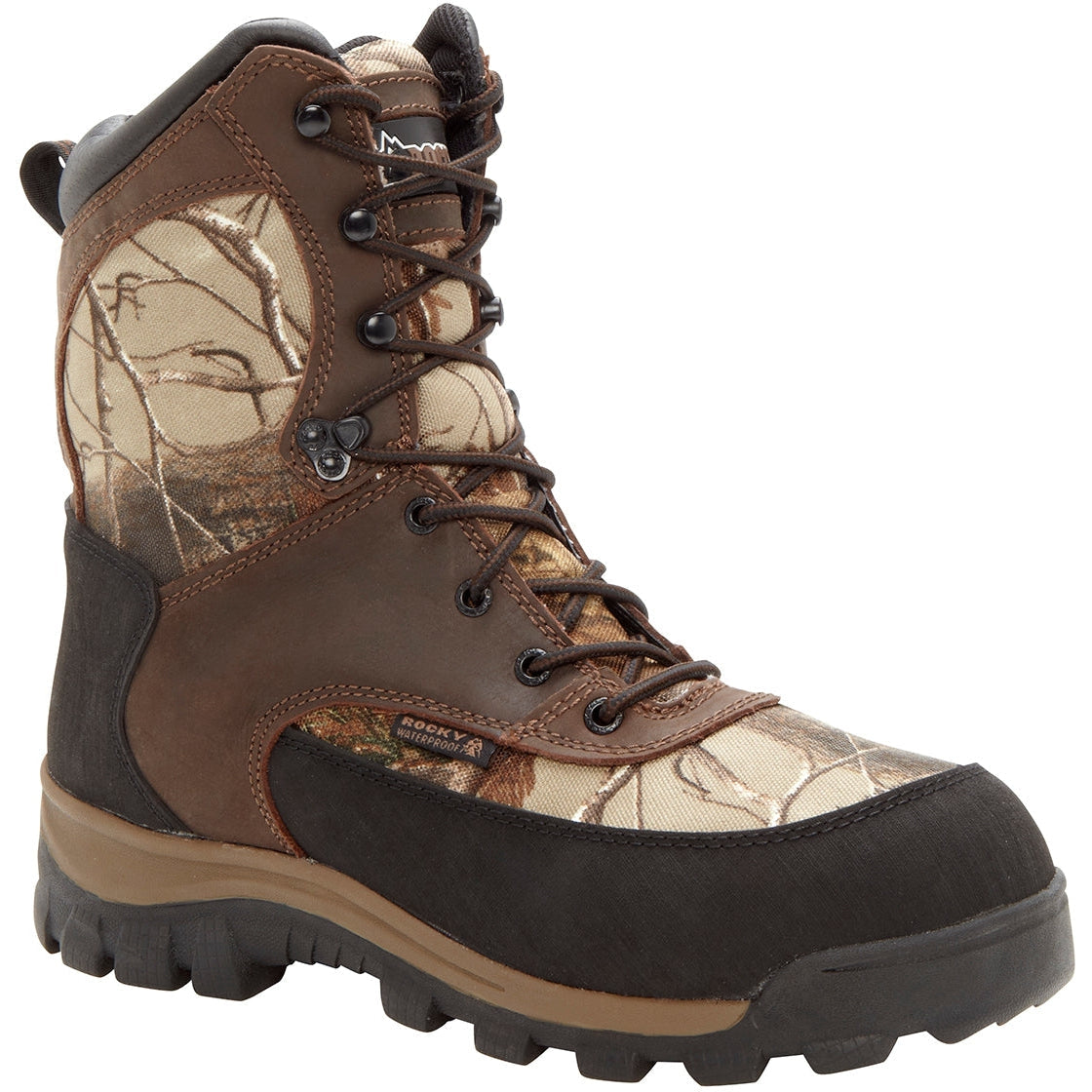
Sale price$119.95
Regular price$144.99
Rocky Men's Core 8" Waterproof 400G Ins Outdoor Hunt Boot - Realtree - FQ0004754
Save 12%
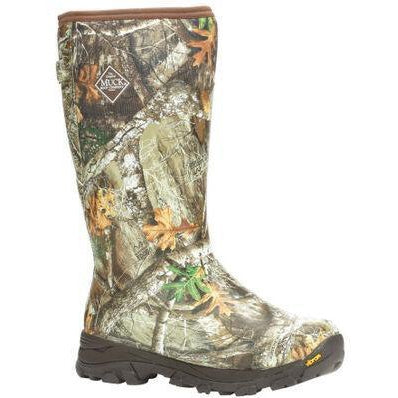
Sale price$223.20
Regular price$255.00
Muck Men's Arctic Ice XF AGAT Waterproof Hunt Boot - Realtree - MHVA-RTE
Save 11%
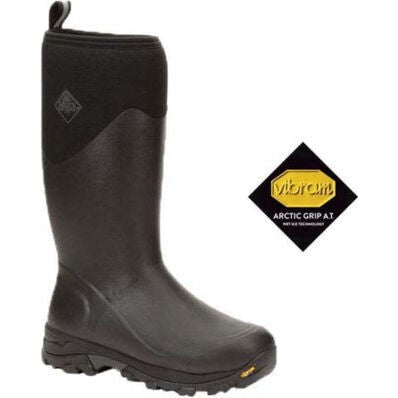
Sale price$195.30
Regular price$220.00
Muck Men's Arctic Ice Arctic Grip Waterproof Tall Work Boot -Black- AVTVA000
Save 12%
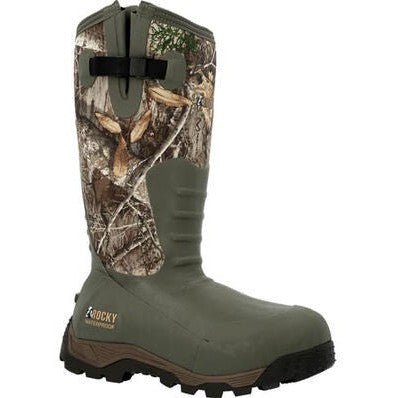
Sale price$144.99
Regular price$165.00
Rocky Men's Sport Pro 16" Soft Toe Waterproof 1200G Hunt Boot- Realtree- RKS0382
Save 15%
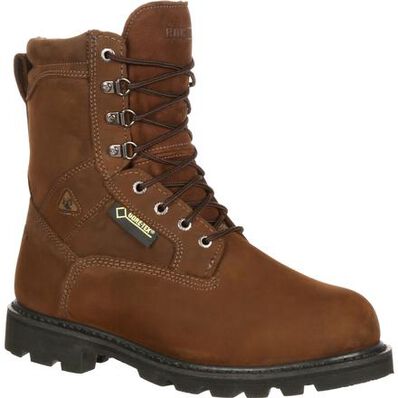
Sale price$199.94
Regular price$234.99
Rocky Ranger 9" Steel Toe Waterproof 600G Insulated Work Boot -Brown- FQ0006223
Save 12%
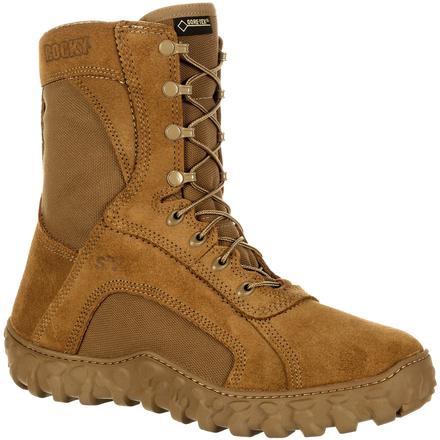
Sale price$327.36
Regular price$372.00
Rocky Men's S2V Gore-Tex Waterproof Insulated Military Boot - Brown- RKC055
Save 6%
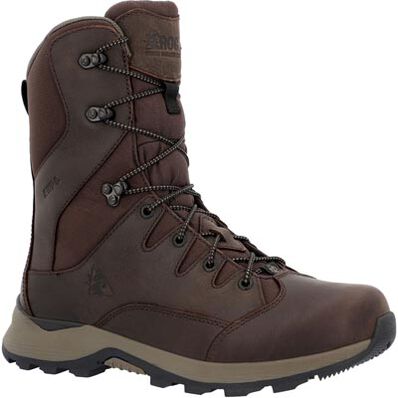
Sale price$164.99
Regular price$174.99
Rocky Men's Trophy Series 9" Soft Toe Waterproof 400G Hunt Boot -Brown- RKS0656
Save 6%
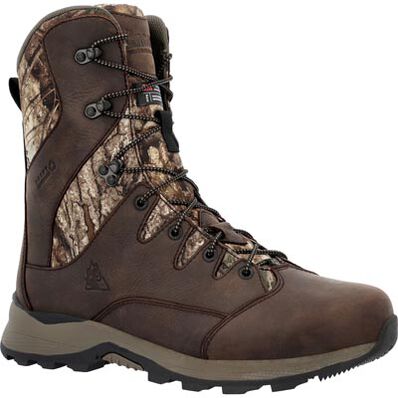
Sale price$169.99
Regular price$179.99
Rocky Men's Trophy Series 9" Soft Toe Waterproof 800G Hunt Boot -Realtree- RKS0654
Save 13%
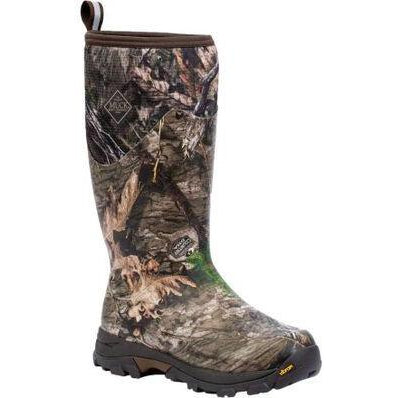
Sale price$209.25
Regular price$240.00
Muck Men's Woody Arctic Ice AGAT Tall Waterproof Outdoor Boot Camo- AVTVA-MDNA
Save 17%
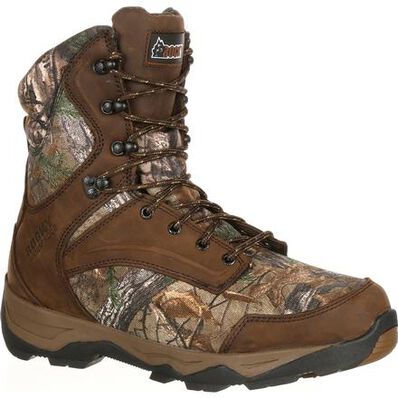
Sale price$124.99
Regular price$149.99
Rocky Men's Retraction Waterproof Insulated Hunt Boot Realtree - RKS0227
Save 12%
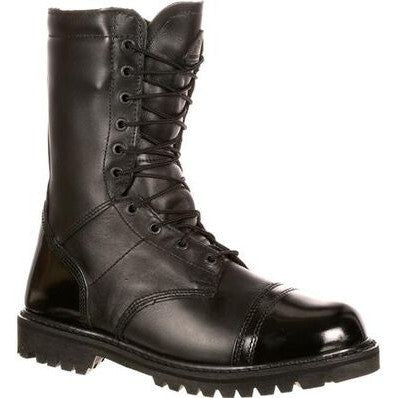
Sale price$176.70
Regular price$200.00
Rocky Men's 10" Soft Toe Waterproof Side Zipper 200G Jump Boot - Black - FQ0002095
12
Frequently Asked Questions
3M Thinsulate is a synthetic insulation built from extremely fine fibers that trap insulating air in the pockets between them. Because the fibers are so fine, they provide warmth with relatively little bulk, holding more warmth for their thickness than older, bulkier synthetic fill. Thinsulate handles warmth, not water resistance, so it does not make a boot waterproof on its own.
The gram numbers refer to the basis weight of Thinsulate, its weight per square meter of material, not the total weight of insulation inside the boot. A higher number means more insulation and, in an otherwise comparable boot, more warmth. In this collection, insulation runs from about 200g at the light end up to 1200g for very cold, low-activity use. Our work boot insulation guide breaks the full ladder down by rough temperature range.
Many boots in this collection are waterproof, but not all, so check the individual product. Waterproofing comes from sealed construction or a membrane like GORE-TEX, which is separate from Thinsulate insulation, and a boot can have one without the other. The two usually come together here, since cold and wet show up together. If waterproofing is your priority, start with our waterproof work boots collection and check the insulation on each pair.
Two things set the number: how cold it gets and how hard you work. Our insulation guide puts 200g at 20 to 40°F, 400g at 10 to 30°F, 600g at 0 to 20°F, and 800g and up in the single digits and below. Treat those as starting points, not ratings, then adjust for effort. A working body throws off a lot of heat; a still one doesn't. Moving all day, lean lighter, 200g is often enough for hard work in milder cold. Standing or sitting in the cold, lean heavier, usually a level or two. For most moderate winter work, 400g sits in the middle. Filter by gram level in our insulated work boots collection.
3M Thinsulate is worth it for winter boots if you buy the right weight for your conditions. Buy too little for the cold, and you're cold. Buy too much for the work, and your feet cook. Every boot here is Thinsulate, so what actually separates them is the weight and the build.
Thinsulate gives strong warmth for its thickness and keeps most of its insulating value when damp. Down can deliver very high warmth for its weight, but it loses substantial loft and insulating performance when wet. According to 3M, Thinsulate retains most of its insulating ability in damp conditions, which is useful in boots that see snow, slush, and mud. That combination helps explain why Thinsulate shows up in so many insulated work boots.
Thinsulate is designed to resist compression and maintain warmth under moderate pressure, but wear, repeated compression, and moisture can affect performance over time. Dry your boots out between wears. Insulation performs worse when it stays damp. How long a boot stays warm depends mostly on the build and care, so there's no set number of seasons.
3M Thinsulate boots come in all three toe types, so you will find steel toe, composite toe, and soft toe options on this page depending on the model. Both steel- and composite-toe boots are available in models built to meet ASTM F2413 impact and compression requirements, while composite safety toes use non-metallic materials. Certification applies to the specific boot, so check each product's listed safety rating rather than assuming it from the toe type. Insulation weight and toe type are separate specifications, so check both on the individual product.
You can wear lighter Thinsulate boots outside deep winter, but higher gram levels will feel warm as the weather warms up. Thinsulate is made to insulate rather than to actively cool, so higher insulation levels can feel excessively warm and increase sweating during active use in mild conditions. If you want a lighter insulated option that can work across a broader range of cool conditions, 200g is generally the more versatile choice. If you plan to wear thick winter socks, account for that in the fit, and check the maker's sizing guidance.
Recently viewed
Our Top Brands